 ES
ES FR
FR EN
EN IT
IT DE
DE
Prevent pipe overheating on hard surfaces
Prevent pipe overheating on hard surfaces
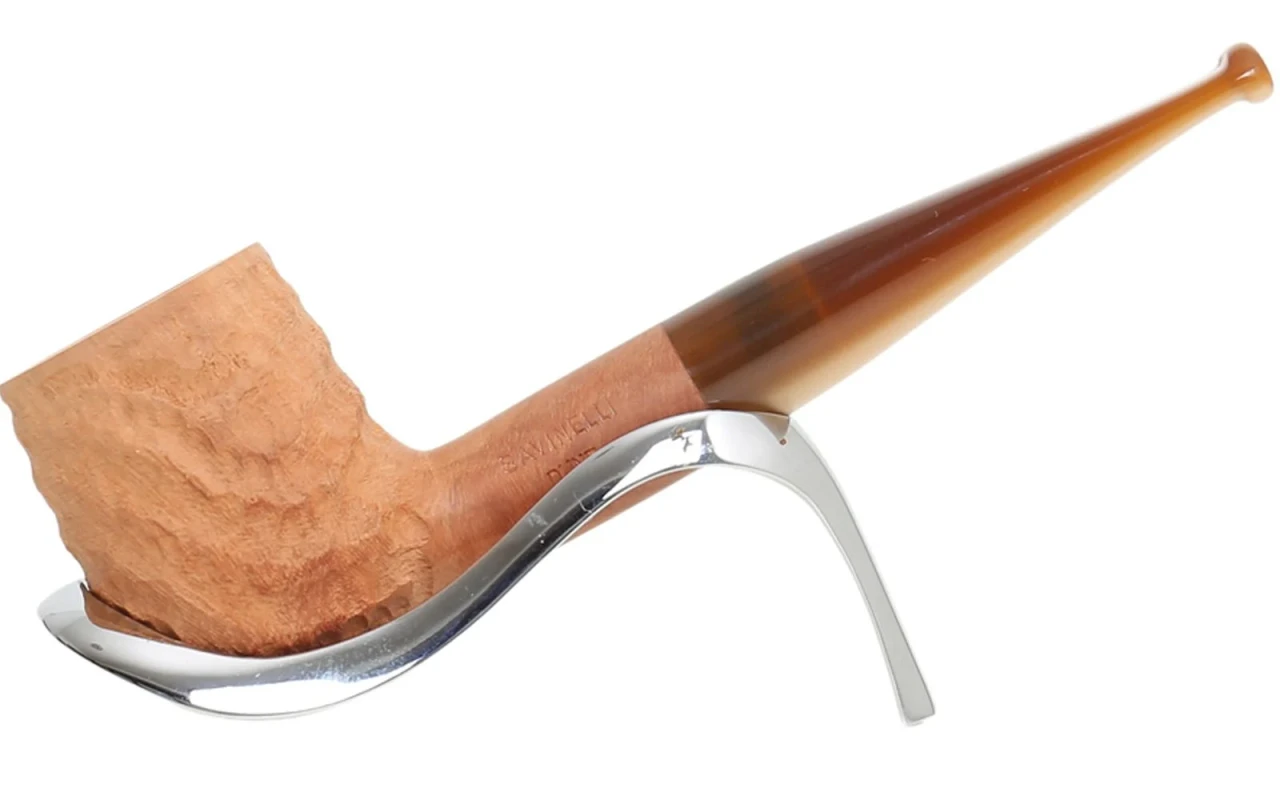
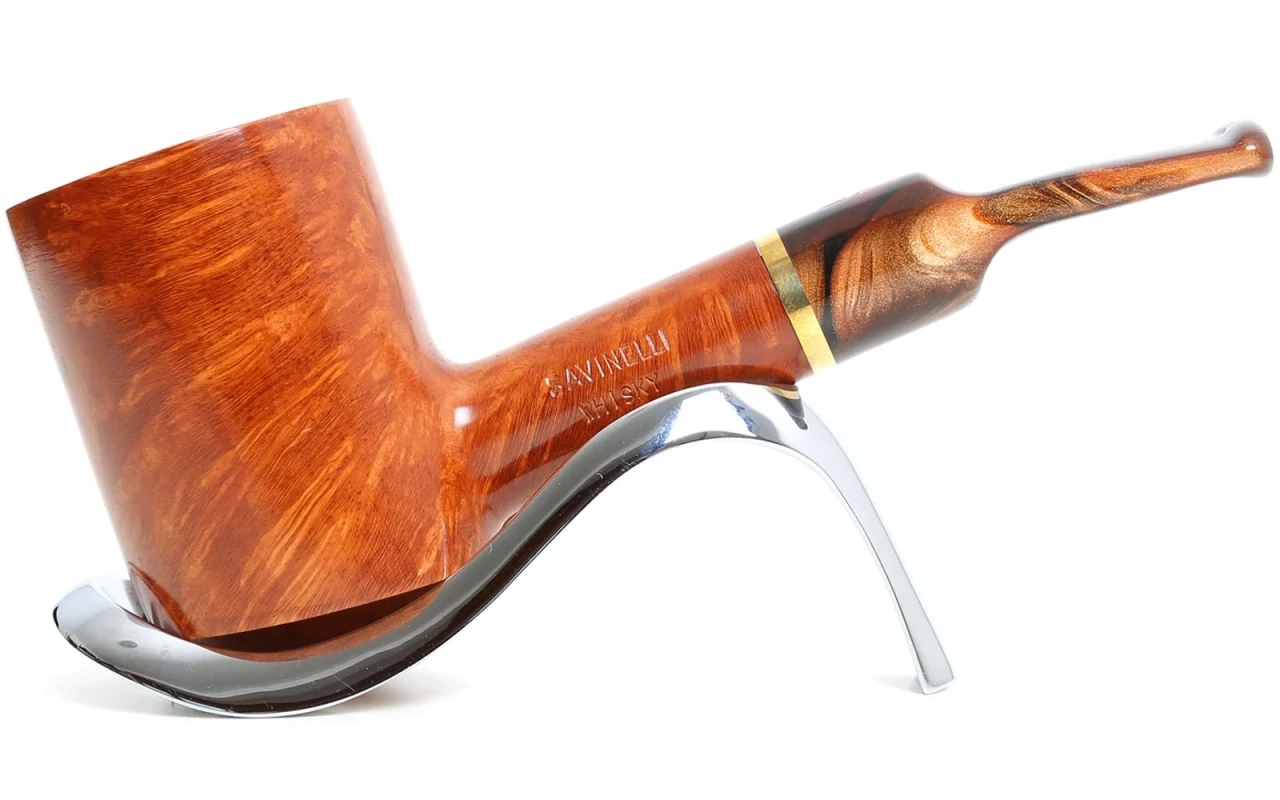
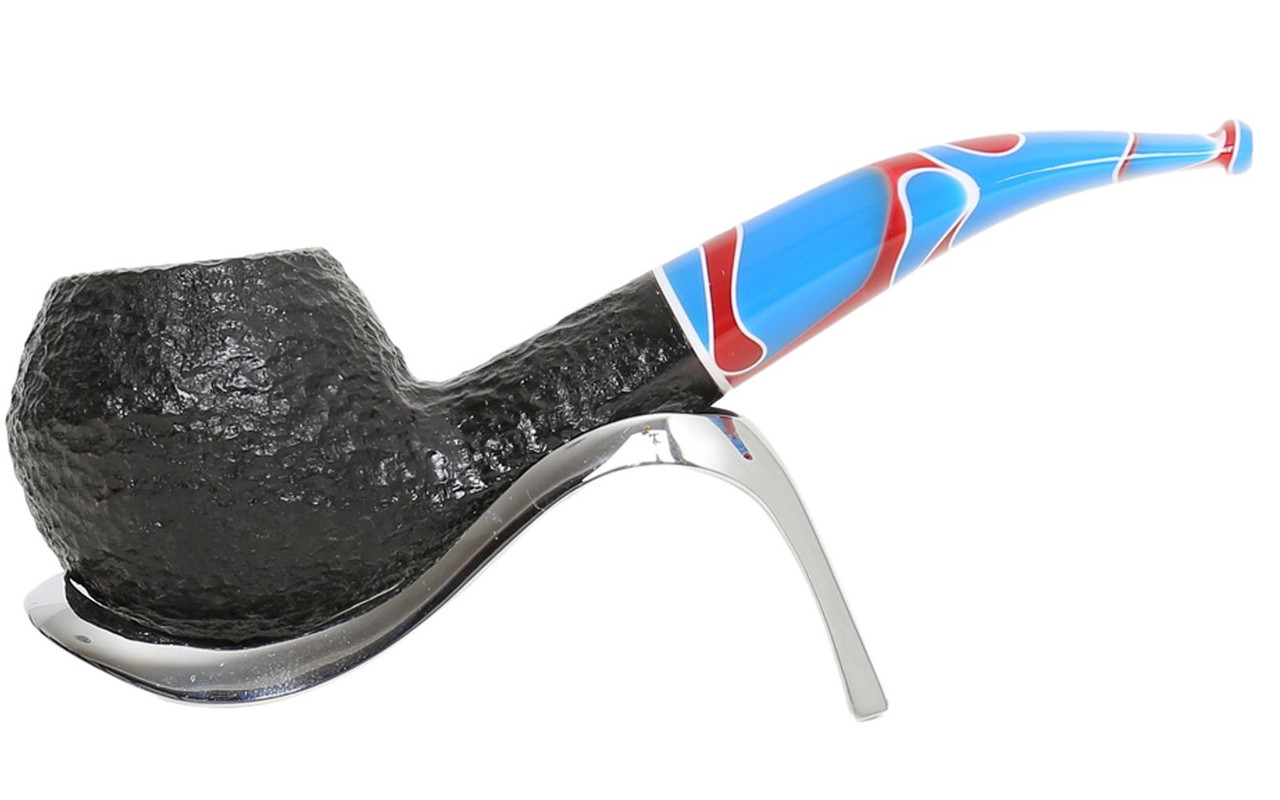
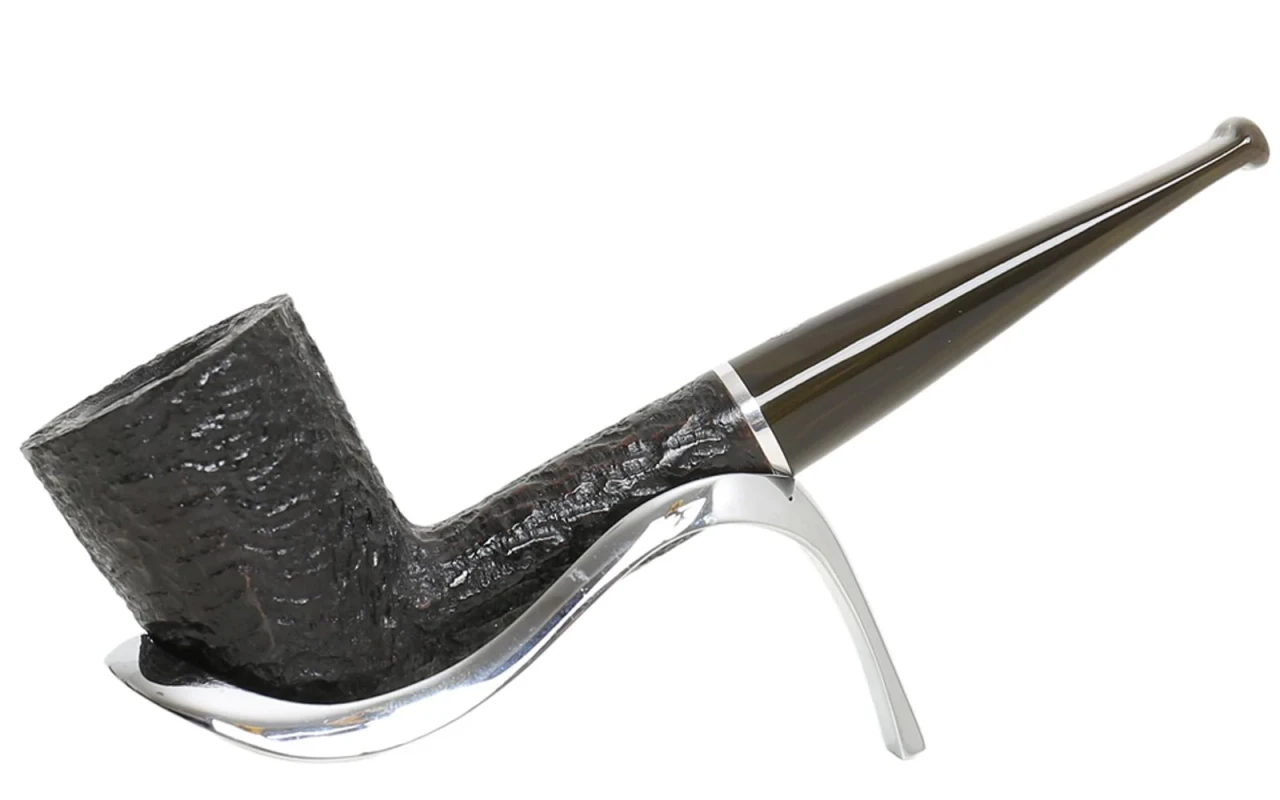
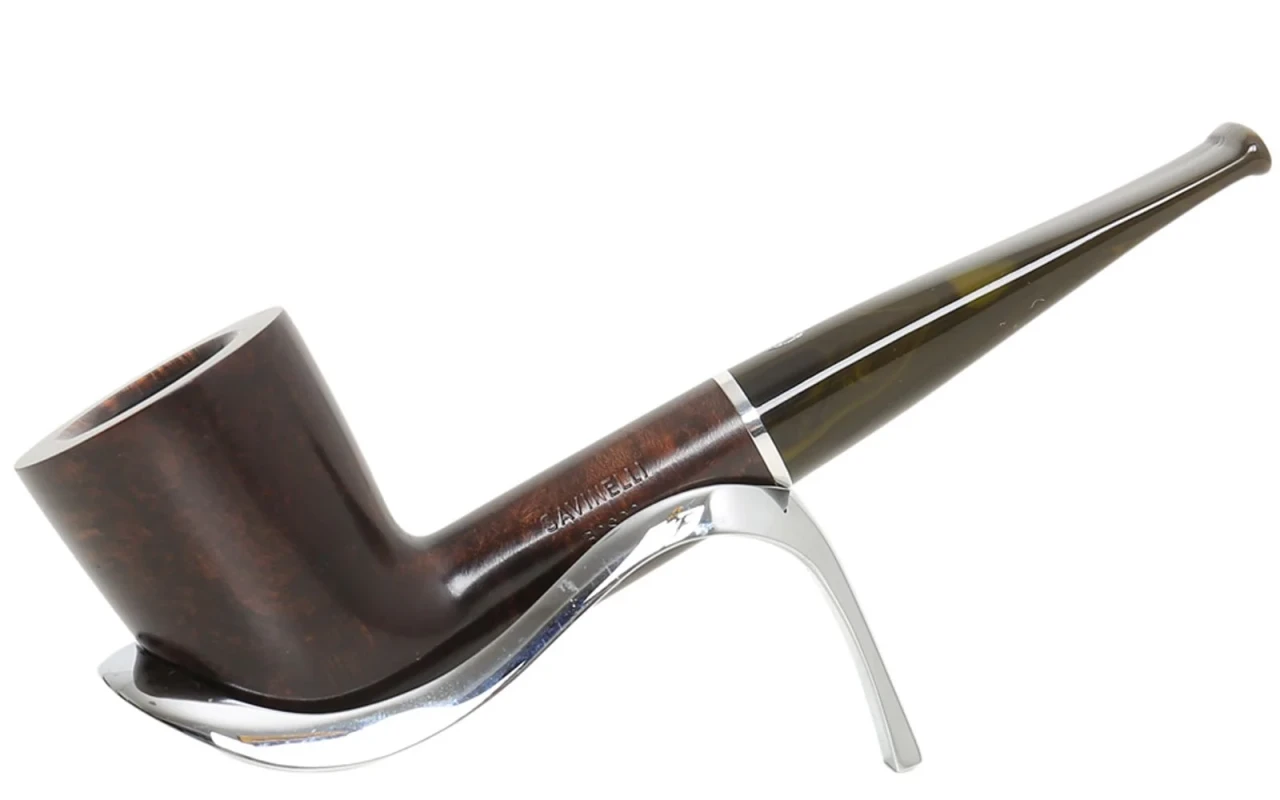
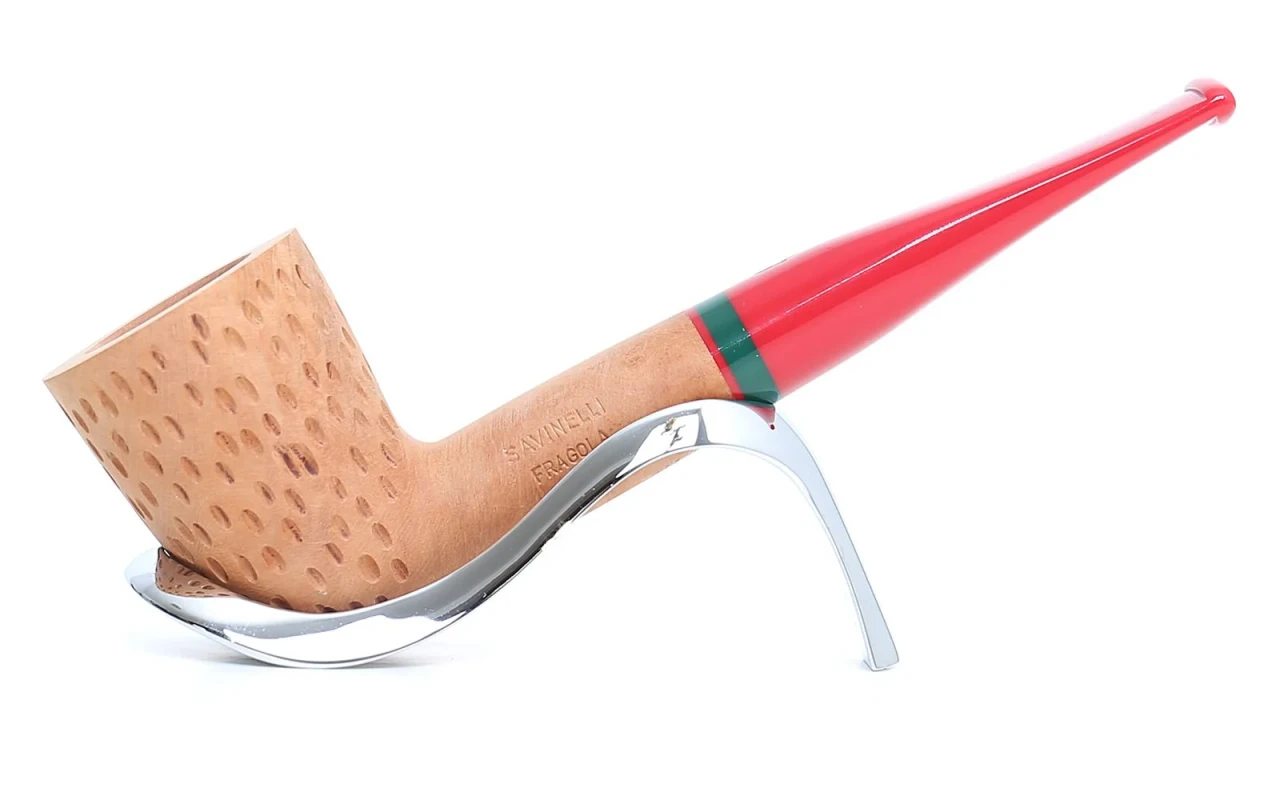
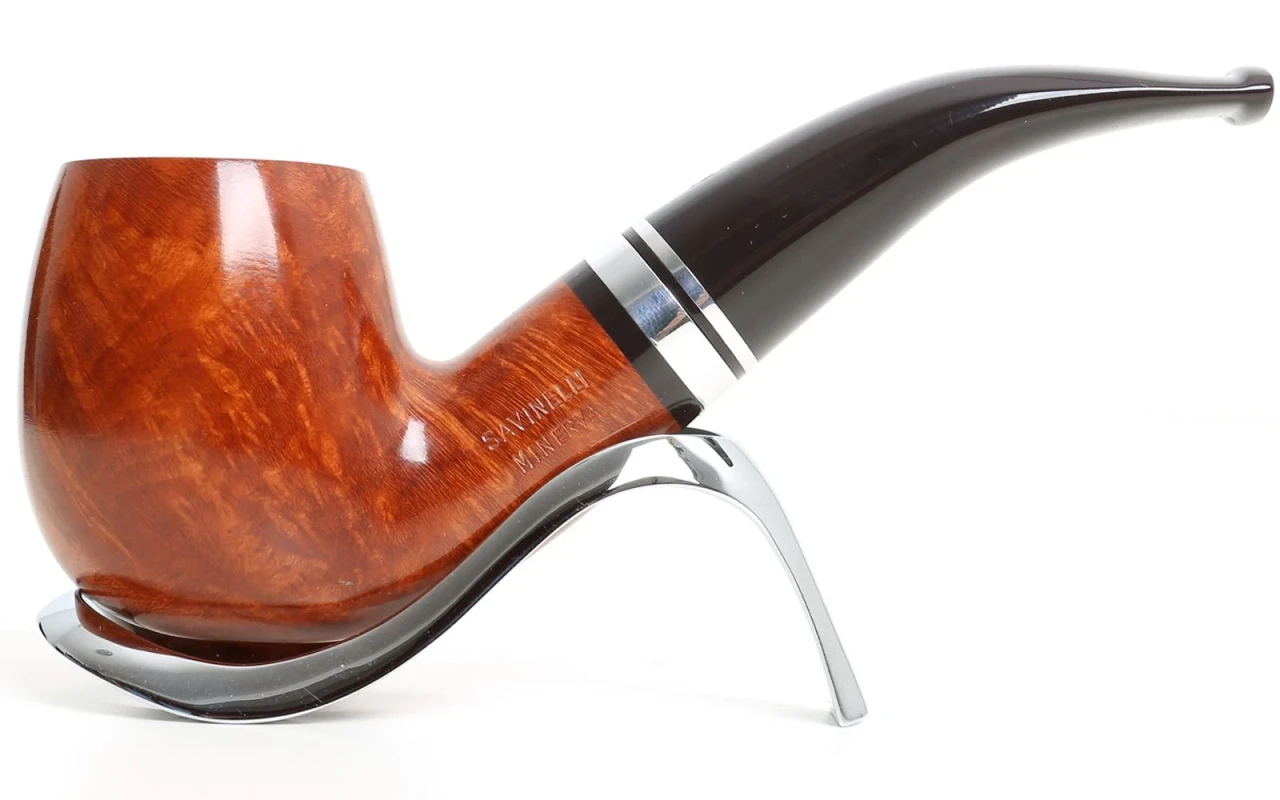
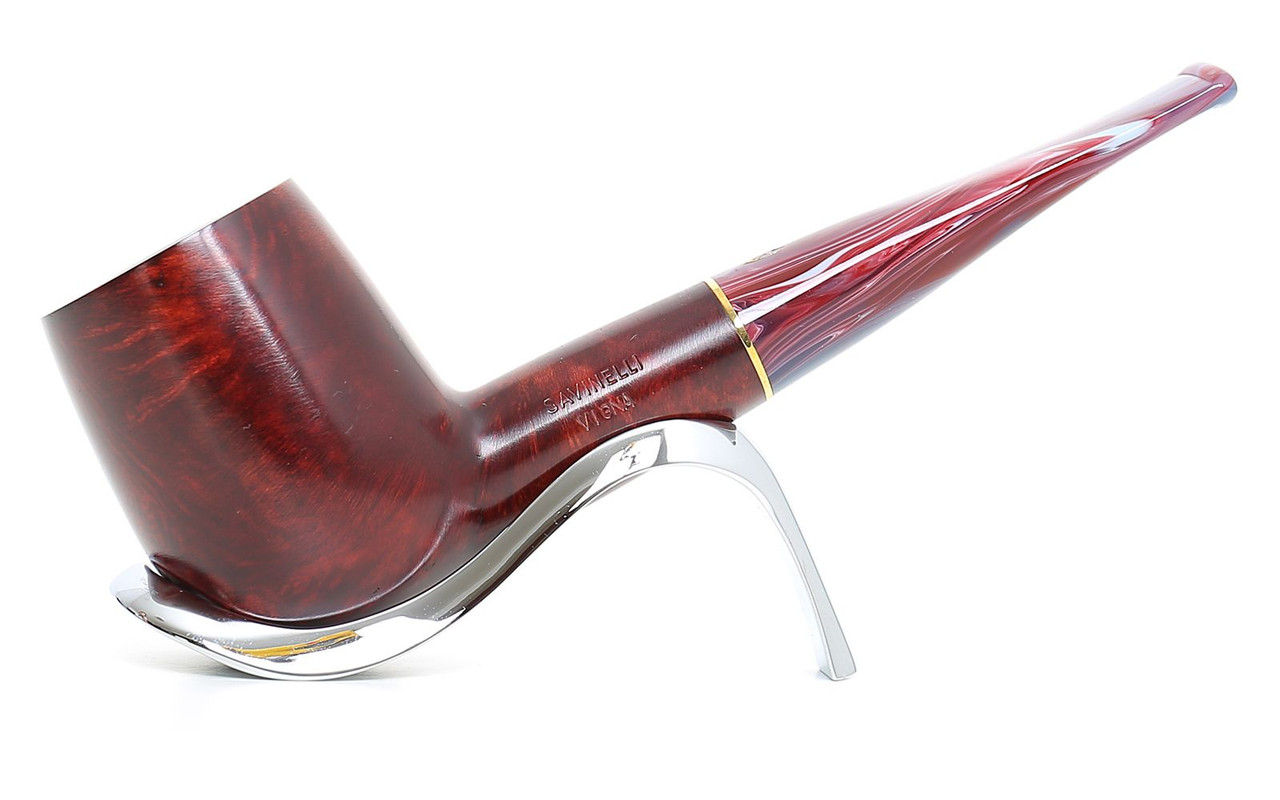
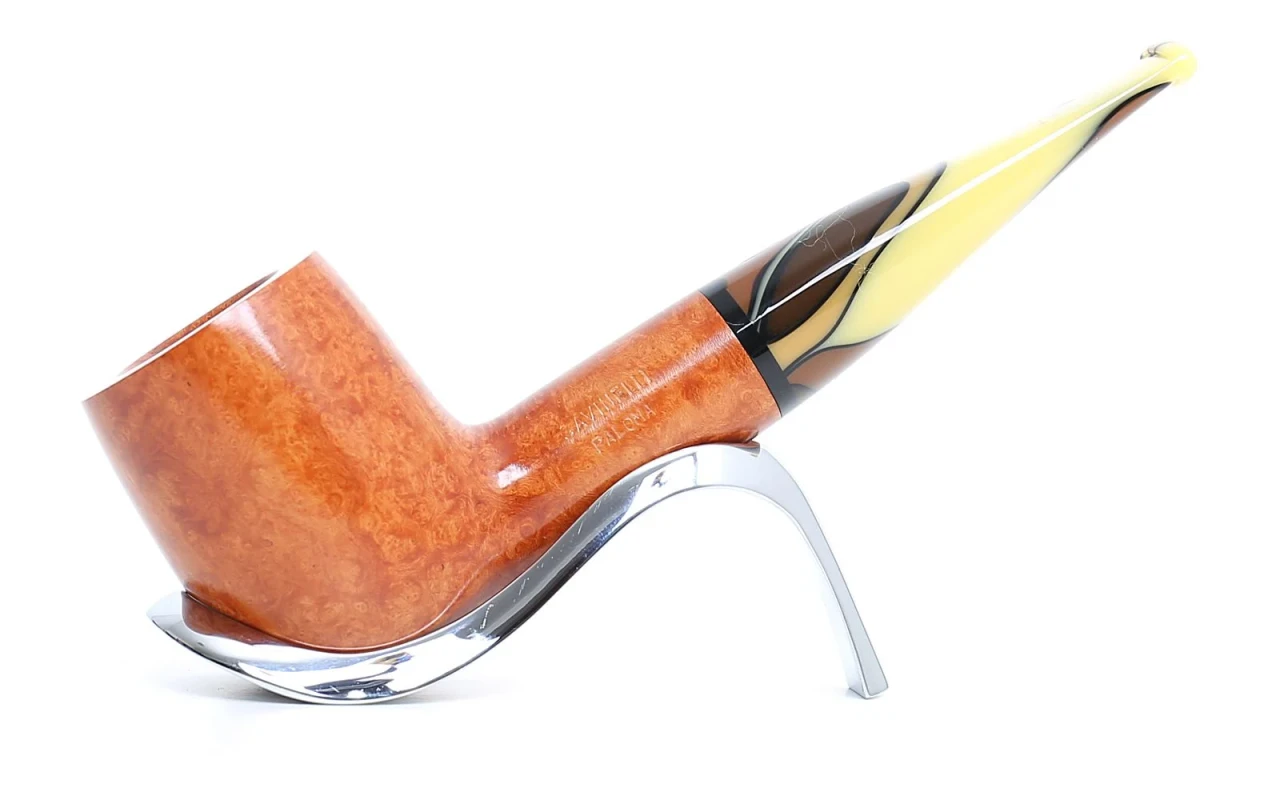
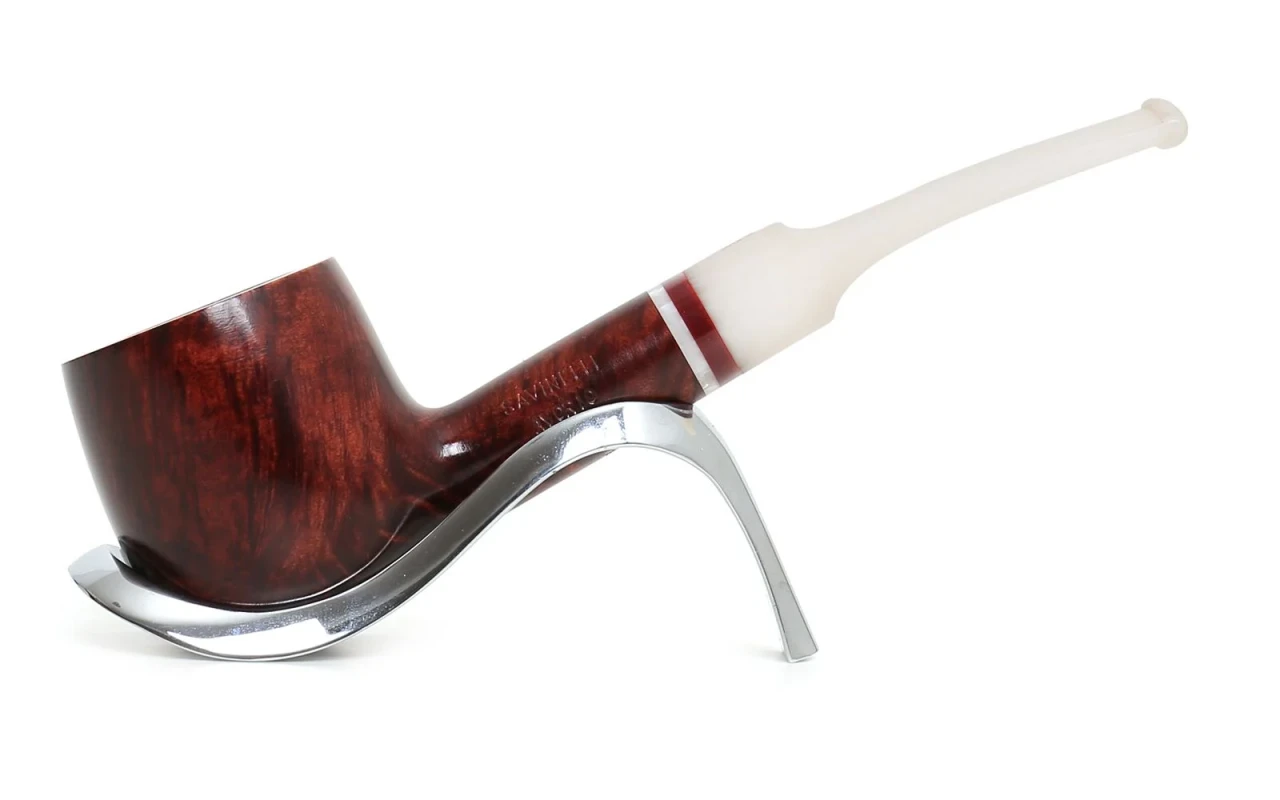
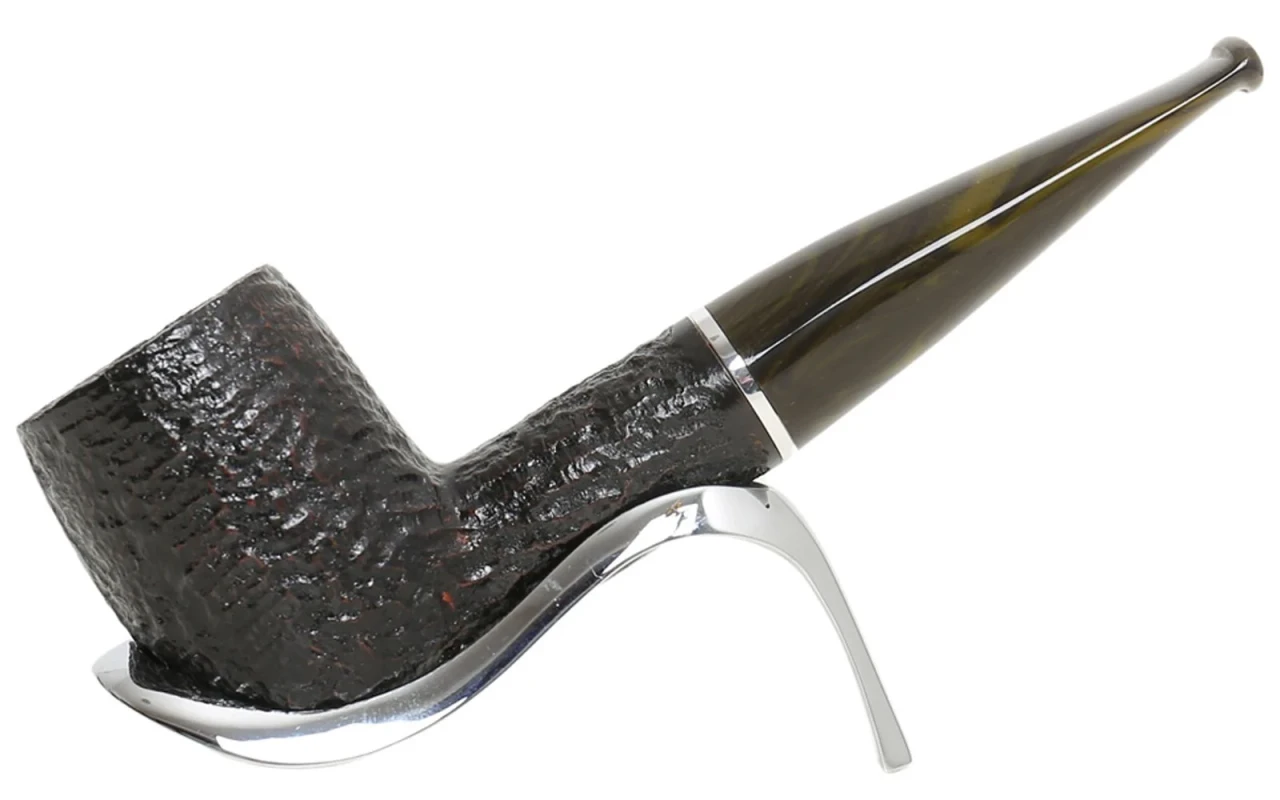
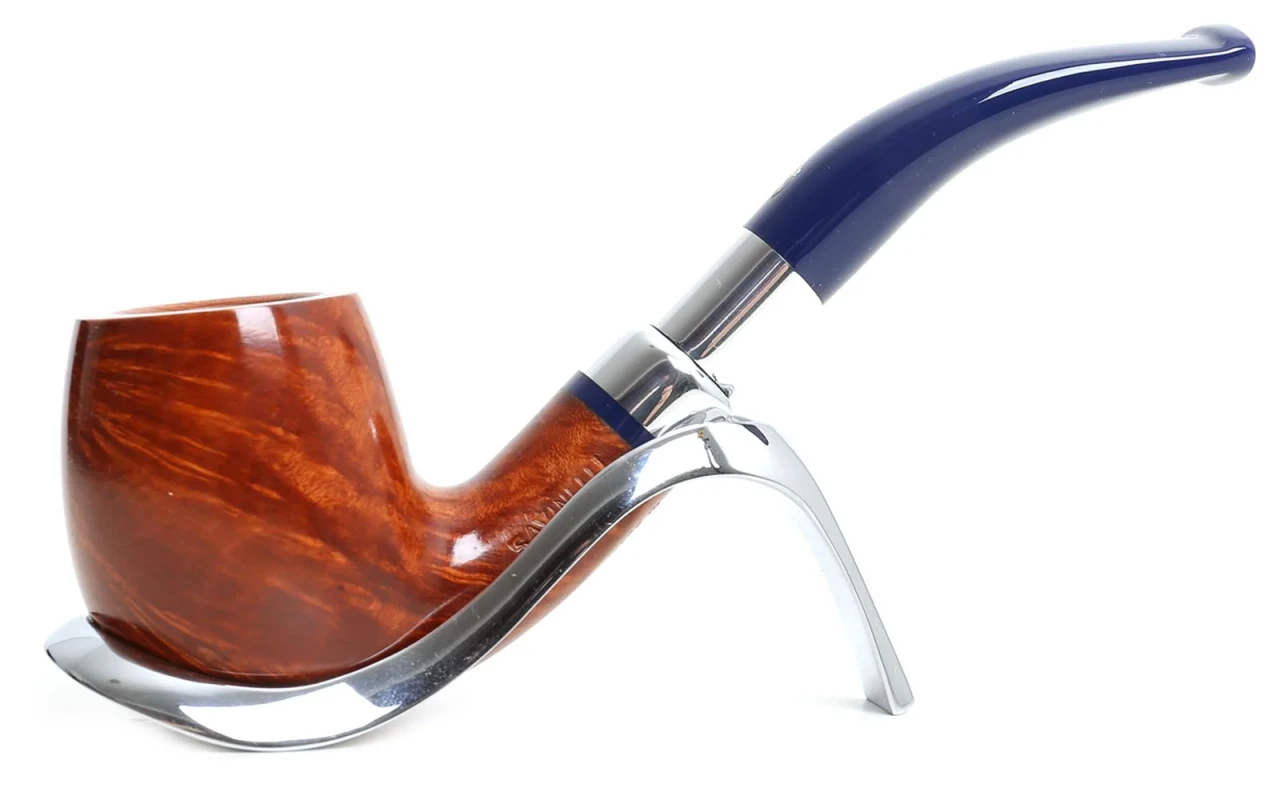
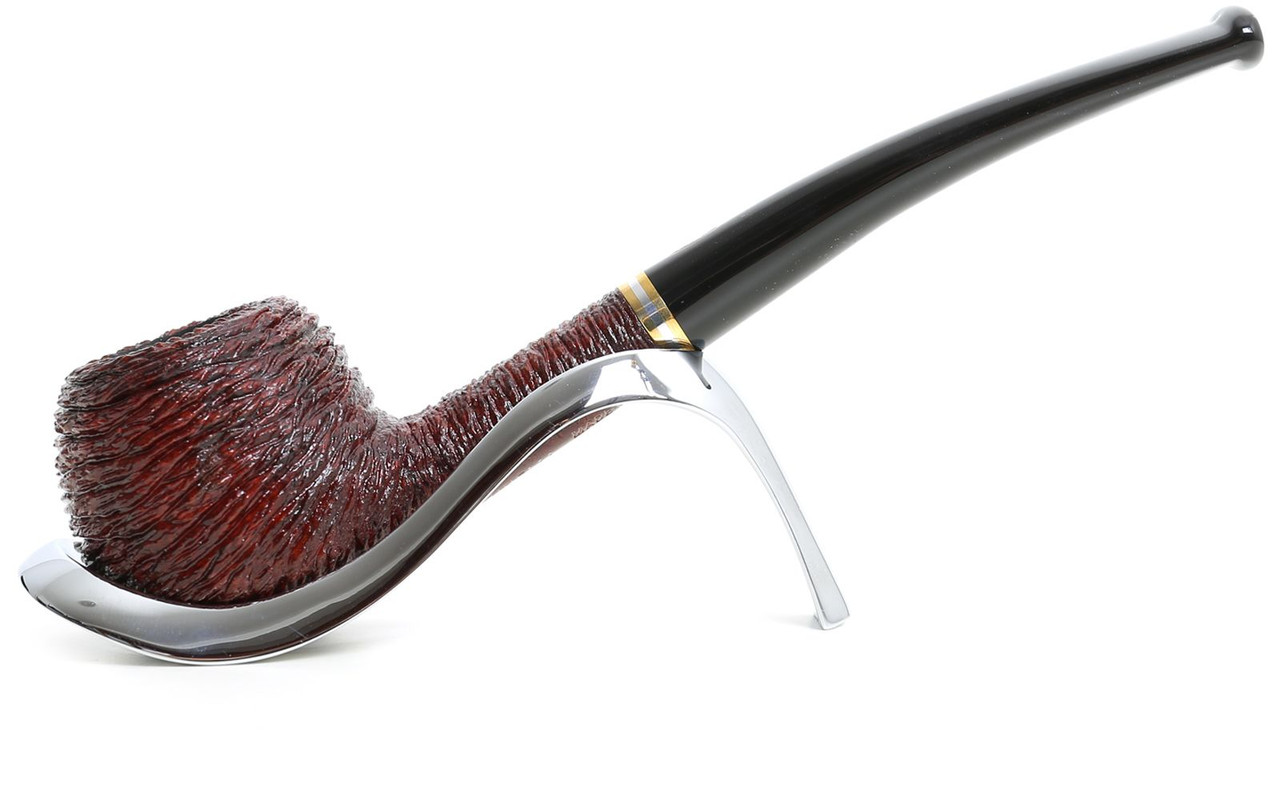
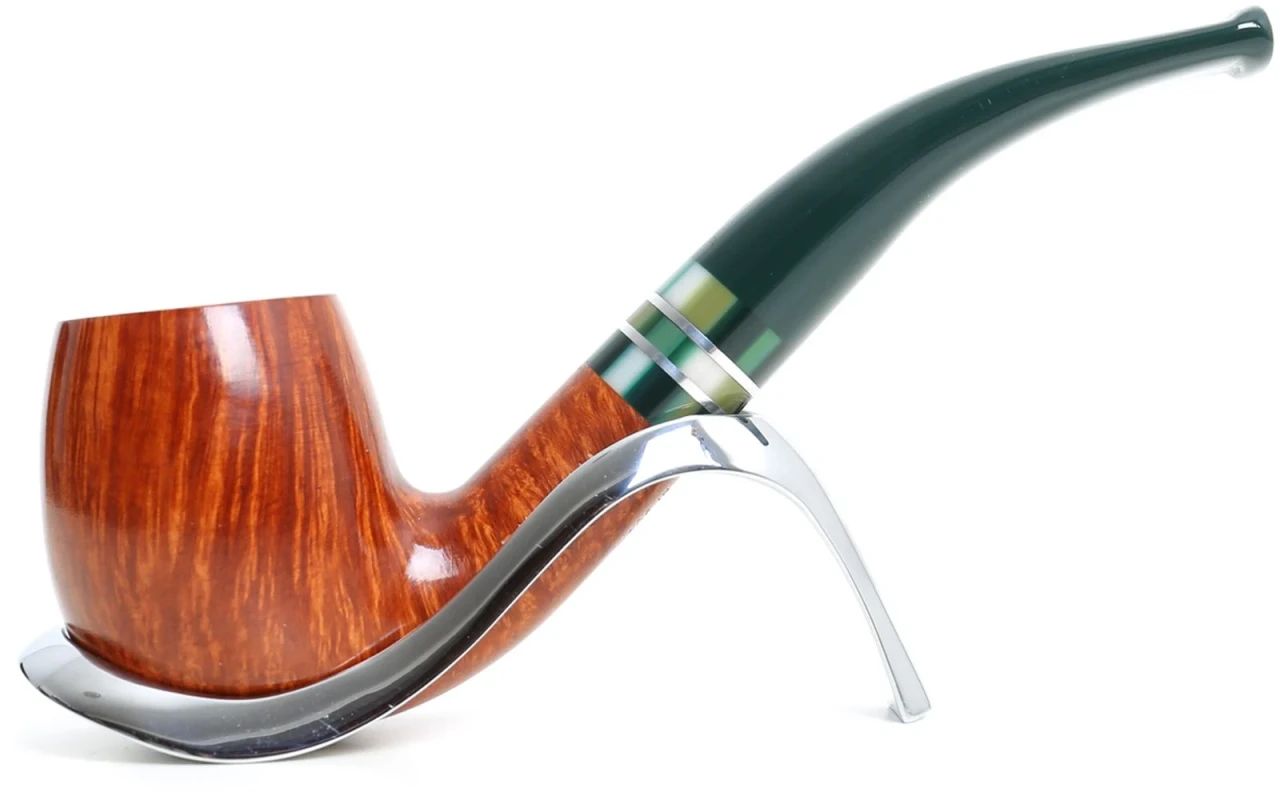
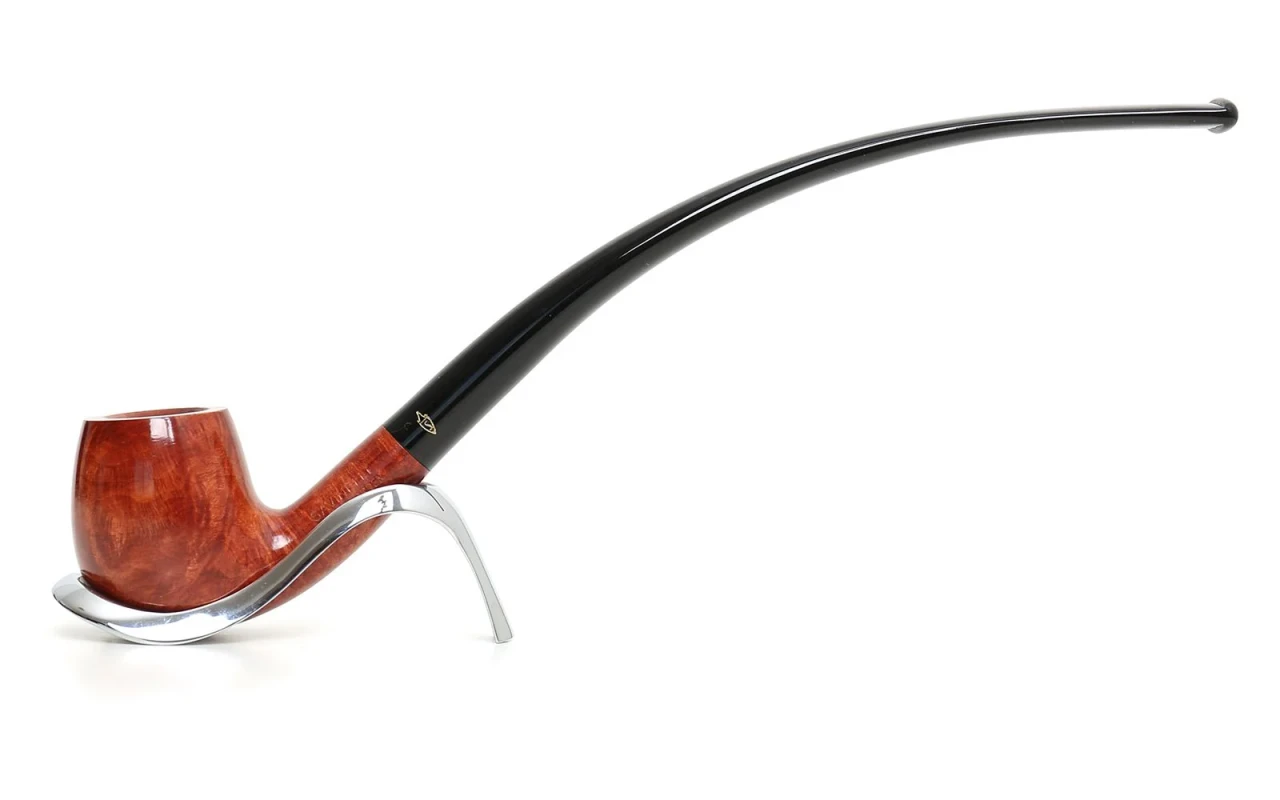
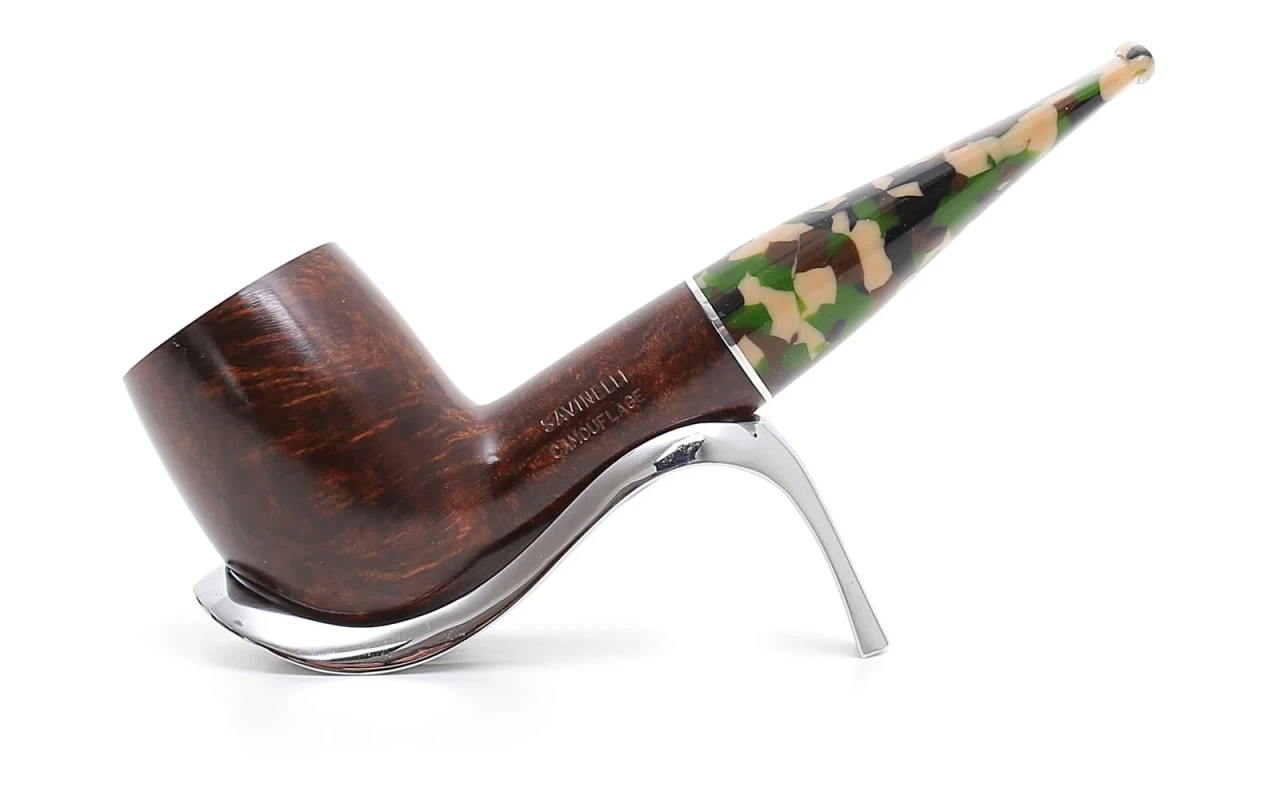
To prevent the pipe from overheating on hard surfaces, it is advisable to use a dedicated pipe stand or a soft support. These accessories help protect the pipe from excessive temperatures that could damage it. Additionally, it is important to be careful not to place the pipe on surfaces that are too hot or near direct sources of heat, such as stoves or radiators. Maintaining the pipe in optimal conditions is essential to ensure its longevity and to preserve the flavor and quality of the smoke during use.
How to prevent your pipe from overheating
To prevent your pipe from overheating, follow these tips:- **Smoke slowly:** Avoid smoking too quickly, as the generated heat could cause the pipe to overheat.- **Use quality tobacco:** Moist or poor-quality tobaccos burn hotter, increasing the risk of overheating.- **Regularly clean the pipe:** Residual smoke can clog the pipe and cause overheating. Clean it carefully after each use.- **Check the thickness of the walls:** Pipes with thin walls are more prone to overheating. Choose a pipe with thick walls for better heat dissipation.
best materials for smoking pipe
The best materials for crafting a smoking pipe are high-quality wood, briar root, corn cob, and clay. These materials offer unique characteristics that influence the taste, quality, and durability of the pipe. Wood, such as briar, is highly popular for its heat and flame resistance, as well as its ability to absorb moisture. Briar root is valued for its strength and flavor-absorbing properties, enhancing the tobacco tasting experience. Corn cob pipes are lightweight and cost-effective, whereas clay pipes are appreciated for the pure flavor they deliver.
How to protect your smoking pipe from damage
To protect your smoking pipe from damage, it is important to follow some good practices. Here are some useful tips:1. **Regular cleaning**: After each use, make sure to thoroughly clean the pipe to remove tobacco residues and condensation that could damage it over time.2. **Use of accessories**: Use accessories like pipe cleaners to keep the pipe dry and clean during use.3. **Protective case**: Store your pipe in a protective case when not in use to prevent damage from impacts or scratches.4. **Maintenance**: Regularly check the condition of your pipe, especially for any cracks or breaks, and repair it promptly.By following these precautions, you can keep your pipe in optimal condition for a long time.
'%3e%3cg id='Final-Copy-2_2_' transform='translate(1275.000000, 200.000000)'%3e%3cpath class='st0' d='M7.4,12.8h6.8l3.1-11.6H7.4C4.2,1.2,1.6,3.8,1.6,7S4.2,12.8,7.4,12.8z'/%3e%3c/g%3e%3c/g%3e%3c/g%3e%3cg id='final---dec.11-2020'%3e%3cg id='_x30_208-our-toggle' transform='translate(-1275.000000, -200.000000)'%3e%3cg id='Final-Copy-2' transform='translate(1275.000000, 200.000000)'%3e%3cpath class='st1' d='M22.6,0H7.4c-3.9,0-7,3.1-7,7s3.1,7,7,7h15.2c3.9,0,7-3.1,7-7S26.4,0,22.6,0z M1.6,7c0-3.2,2.6-5.8,5.8-5.8 h9.9l-3.1,11.6H7.4C4.2,12.8,1.6,10.2,1.6,7z'/%3e%3cpath id='x' class='st2' d='M24.6,4c0.2,0.2,0.2,0.6,0,0.8l0,0L22.5,7l2.2,2.2c0.2,0.2,0.2,0.6,0,0.8c-0.2,0.2-0.6,0.2-0.8,0 l0,0l-2.2-2.2L19.5,10c-0.2,0.2-0.6,0.2-0.8,0c-0.2-0.2-0.2-0.6,0-0.8l0,0L20.8,7l-2.2-2.2c-0.2-0.2-0.2-0.6,0-0.8 c0.2-0.2,0.6-0.2,0.8,0l0,0l2.2,2.2L23.8,4C24,3.8,24.4,3.8,24.6,4z'/%3e%3cpath id='y' class='st3' d='M12.7,4.1c0.2,0.2,0.3,0.6,0.1,0.8l0,0L8.6,9.8C8.5,9.9,8.4,10,8.3,10c-0.2,0.1-0.5,0.1-0.7-0.1l0,0 L5.4,7.7c-0.2-0.2-0.2-0.6,0-0.8c0.2-0.2,0.6-0.2,0.8,0l0,0L8,8.6l3.8-4.5C12,3.9,12.4,3.9,12.7,4.1z'/%3e%3c/g%3e%3c/g%3e%3c/g%3e%3c/g%3e%3c/svg%3e) Your Privacy Choices
Your Privacy Choices 


