 ES
ES FR
FR EN
EN IT
IT DE
DE
Productive efficiency for pipe quality
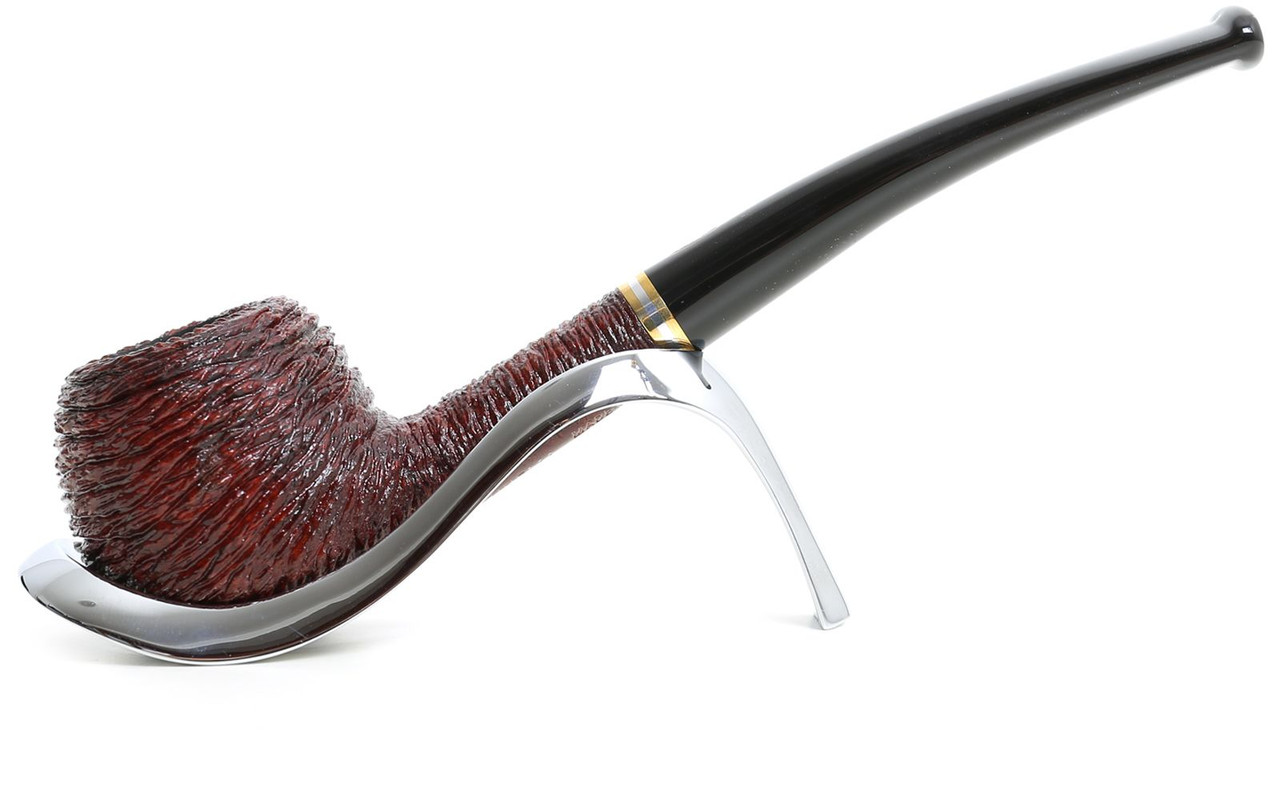
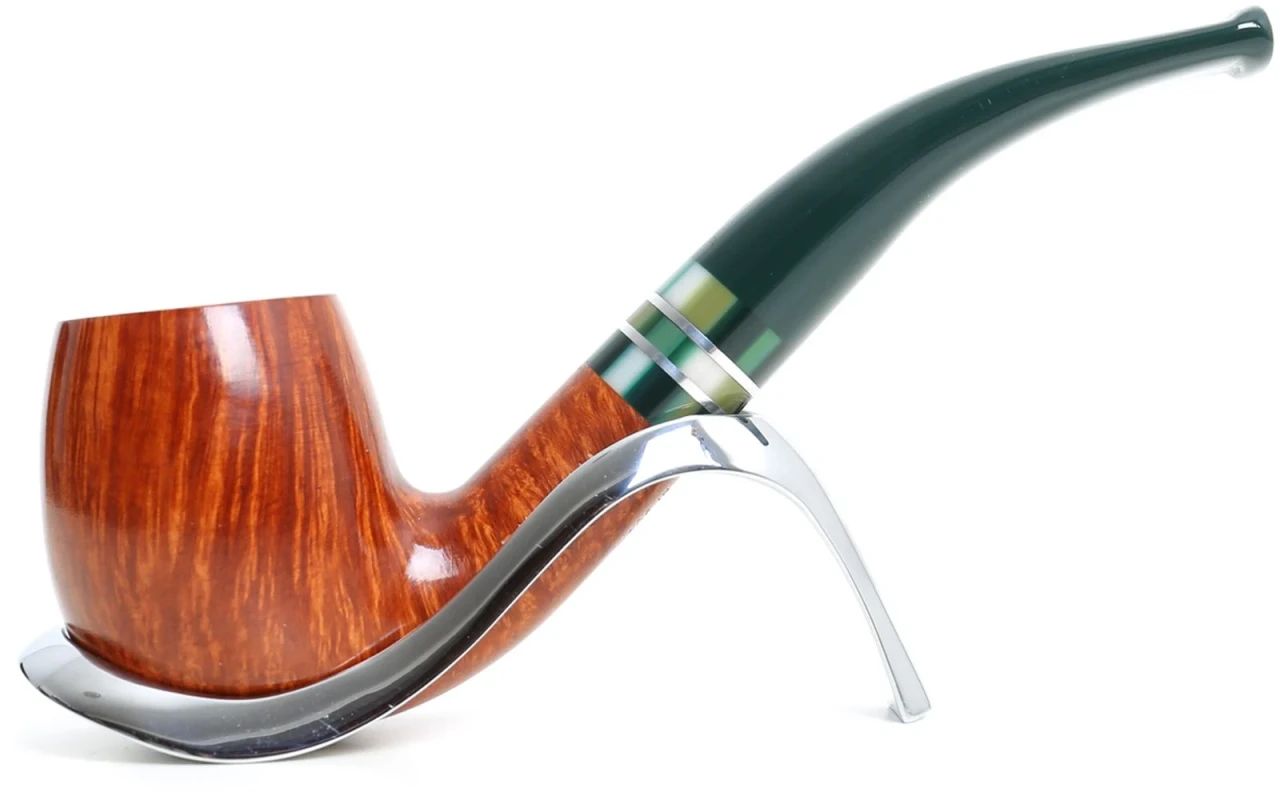
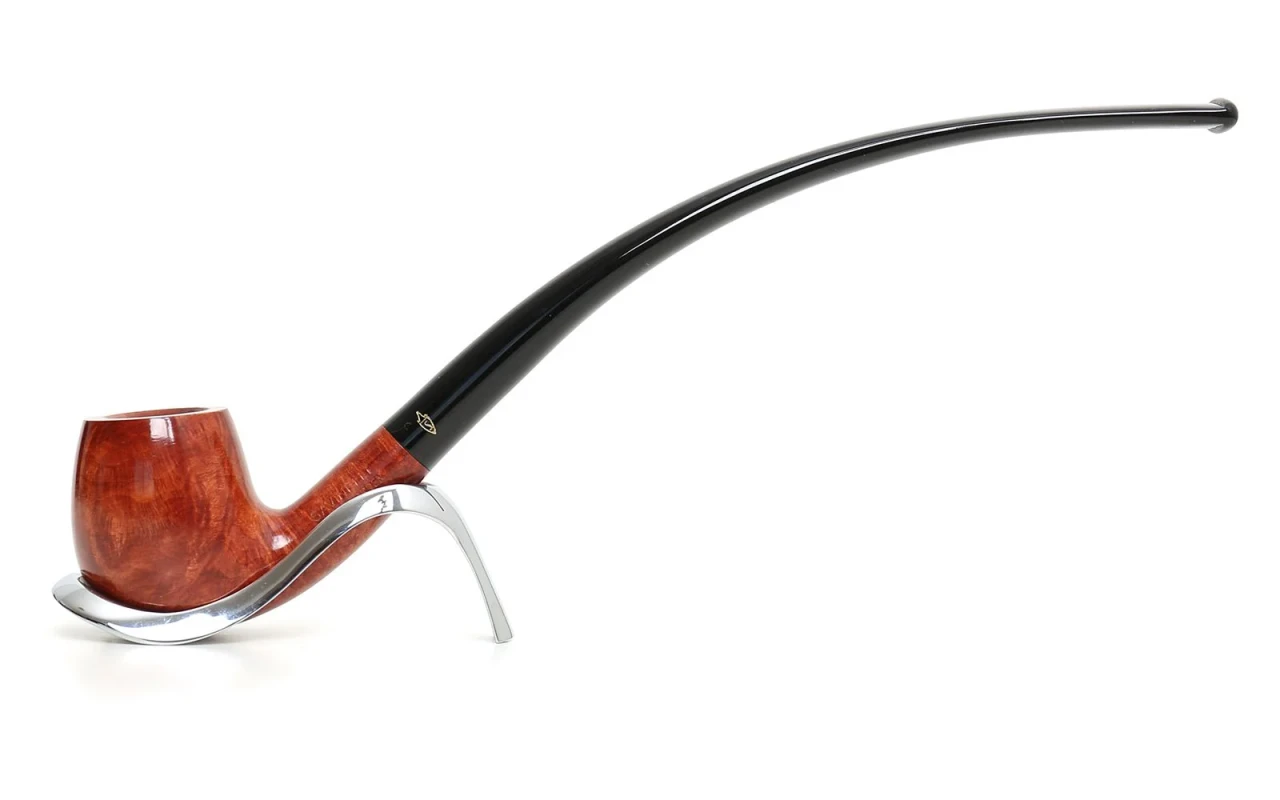

Productive efficiency for pipe quality
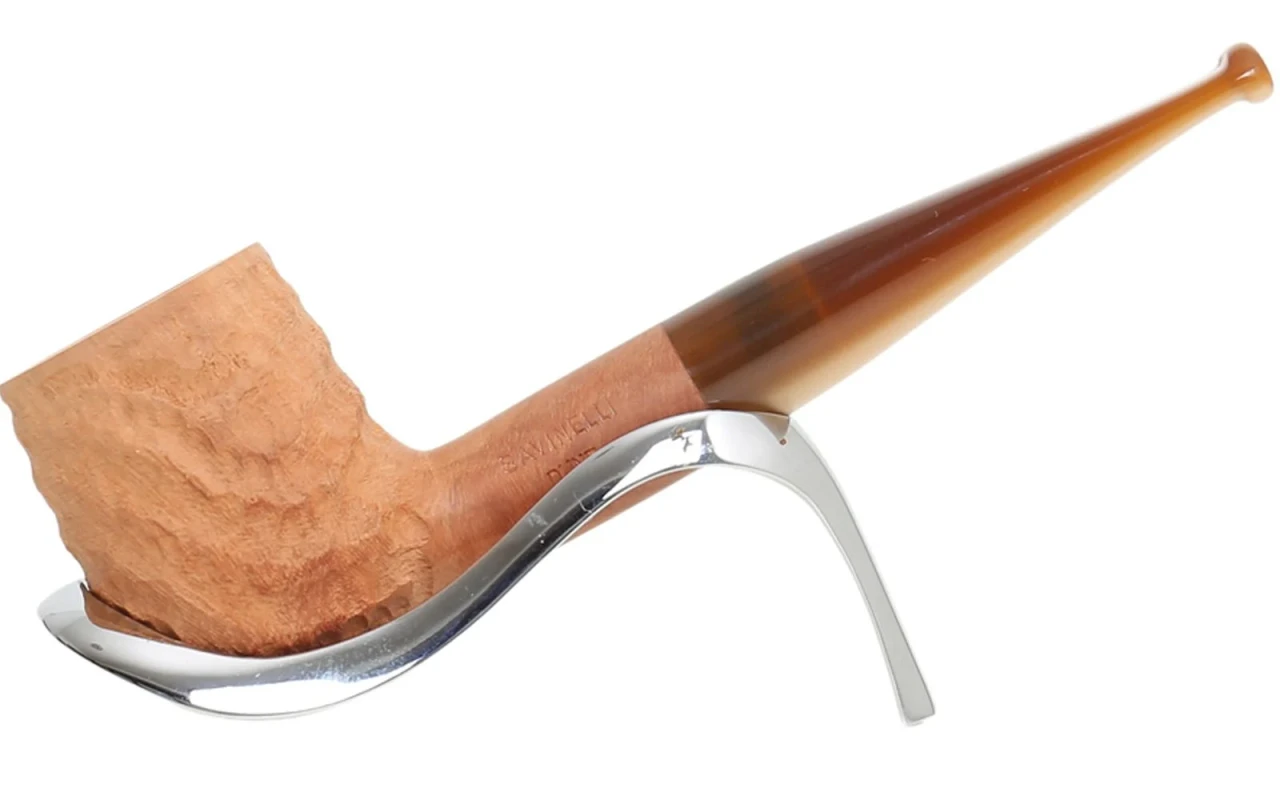
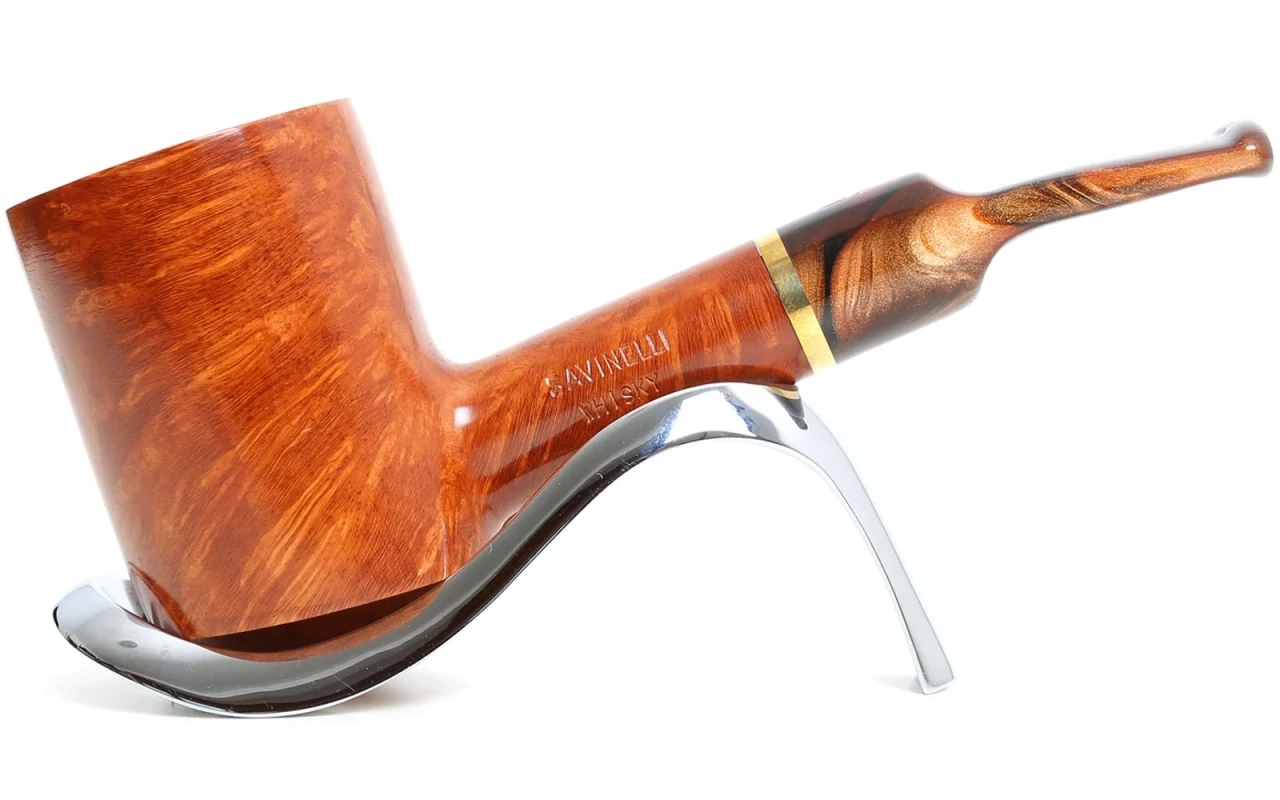
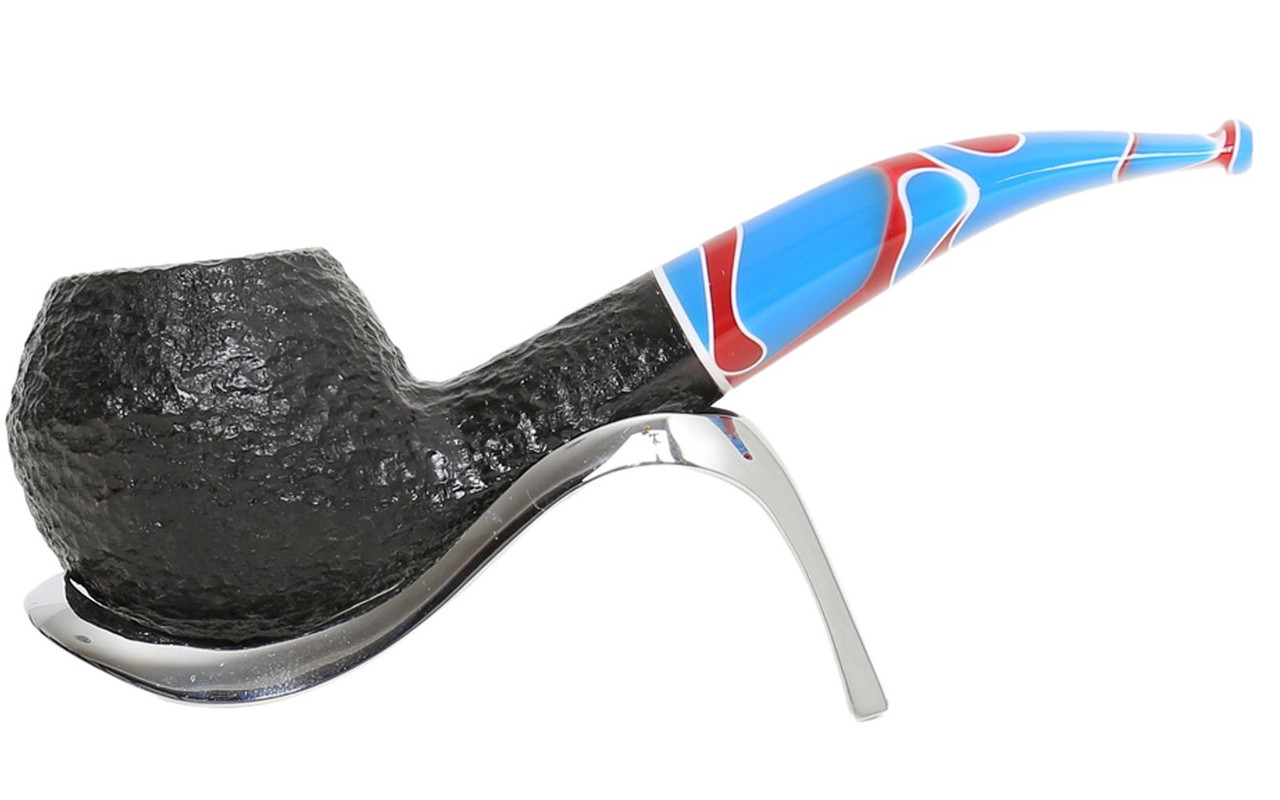
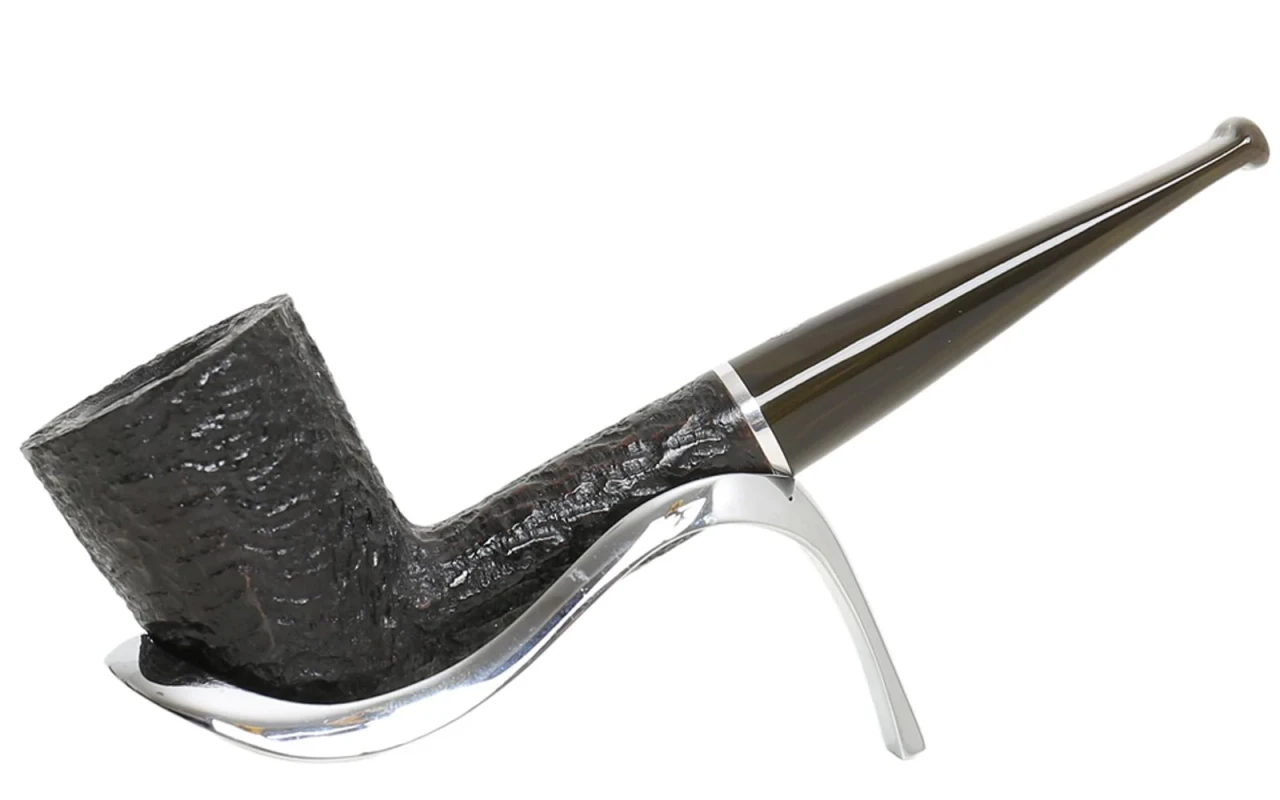
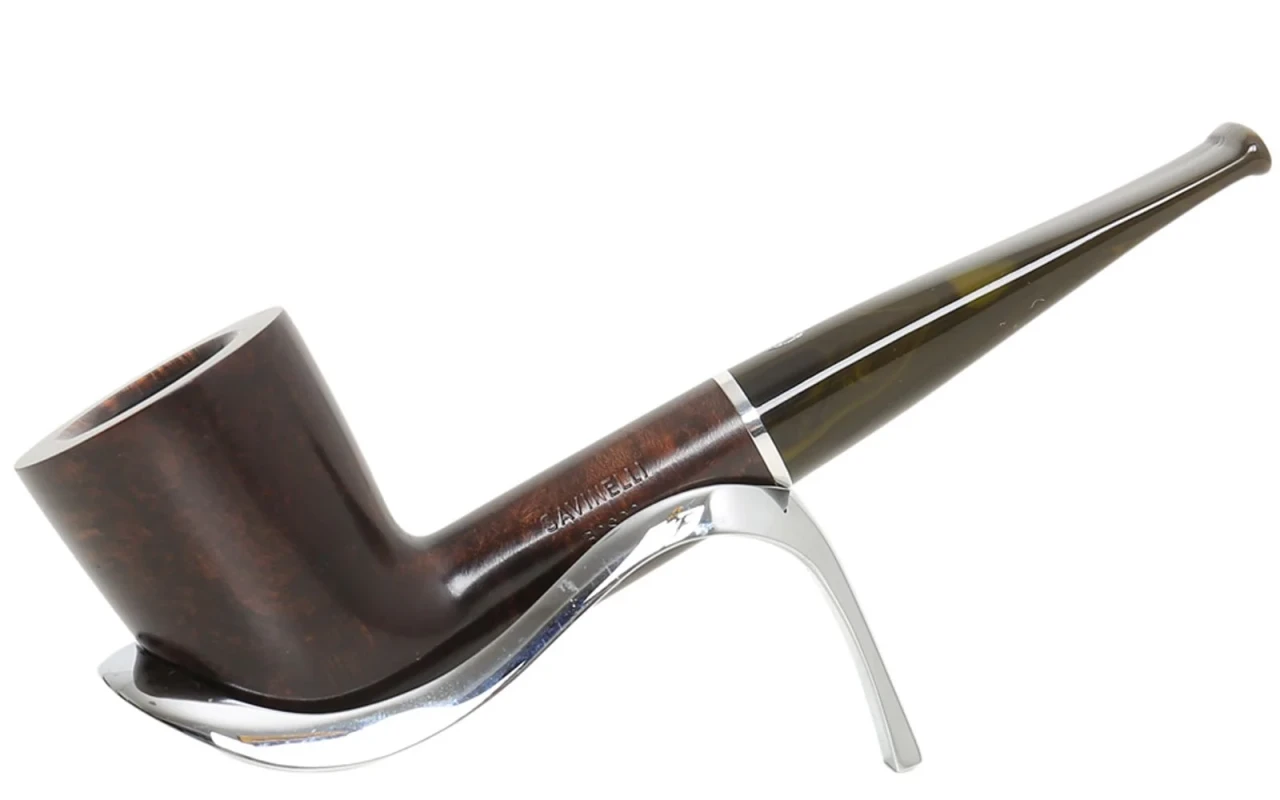
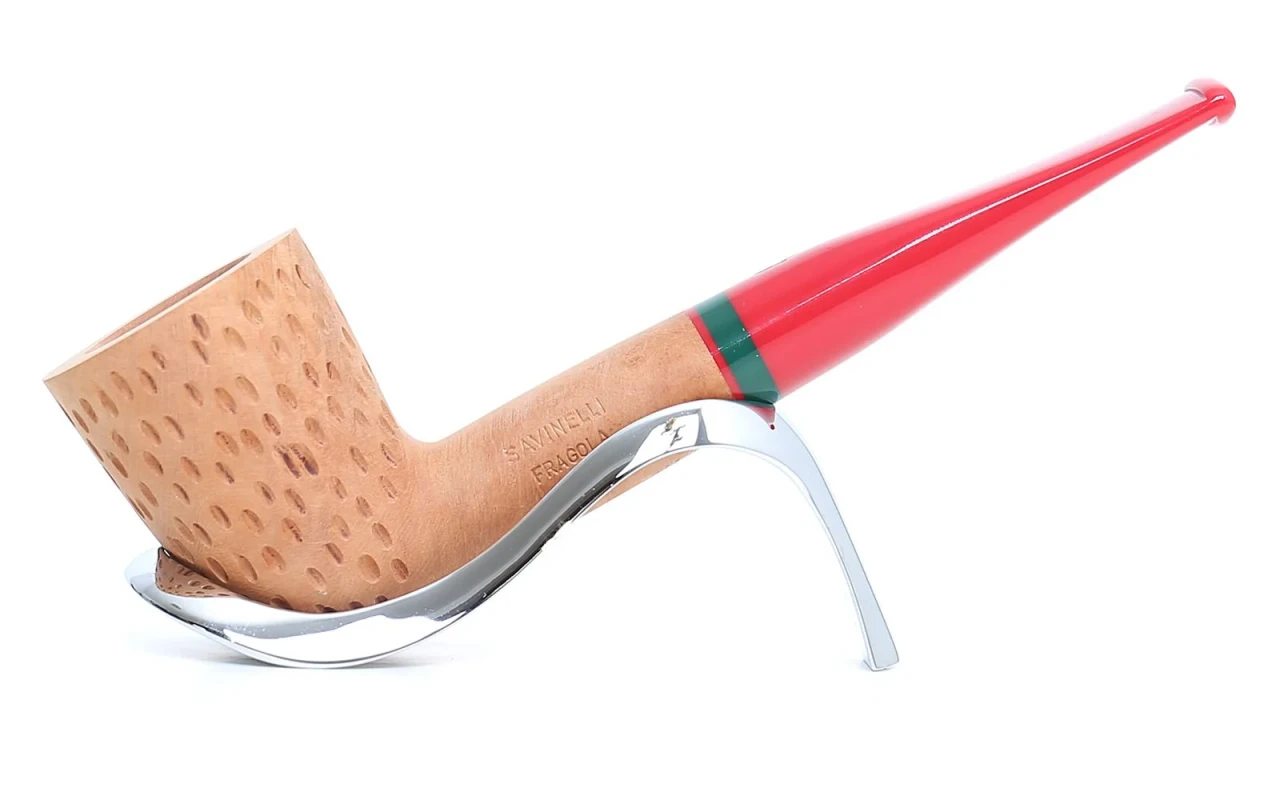
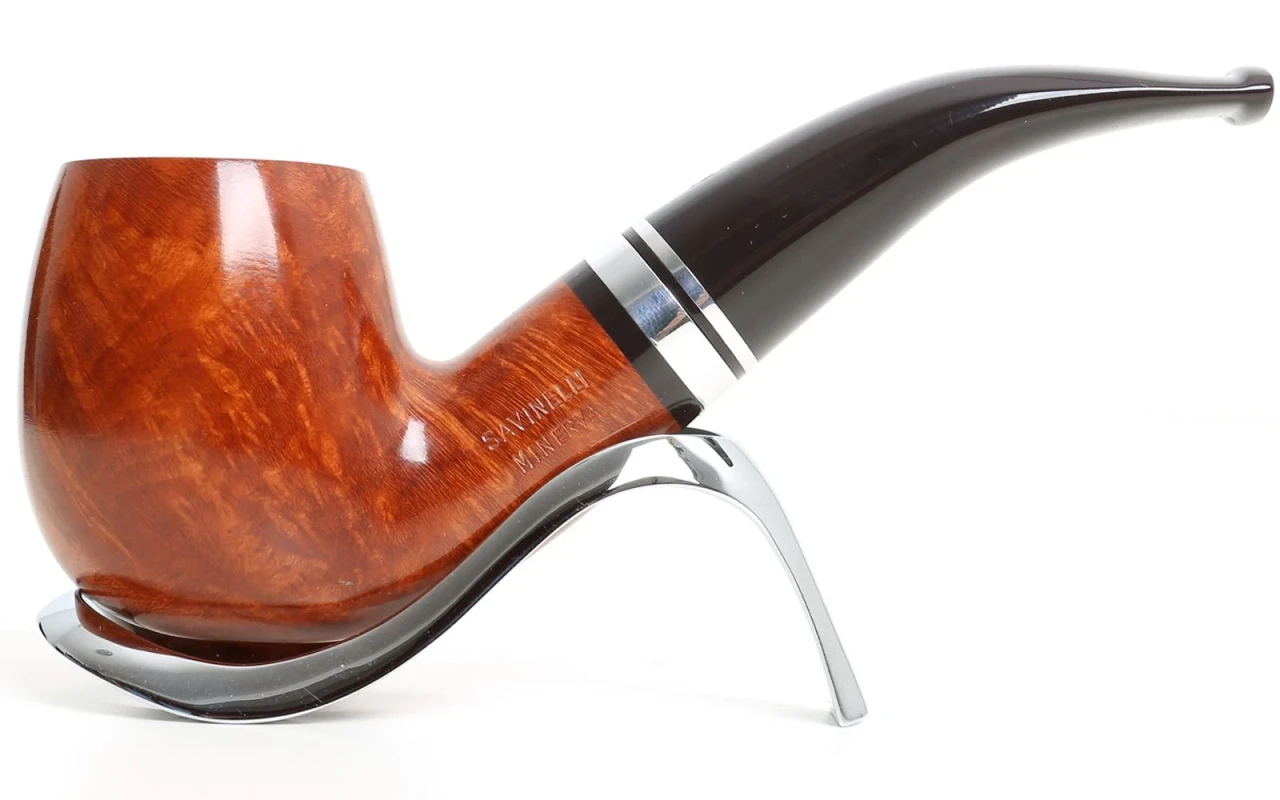
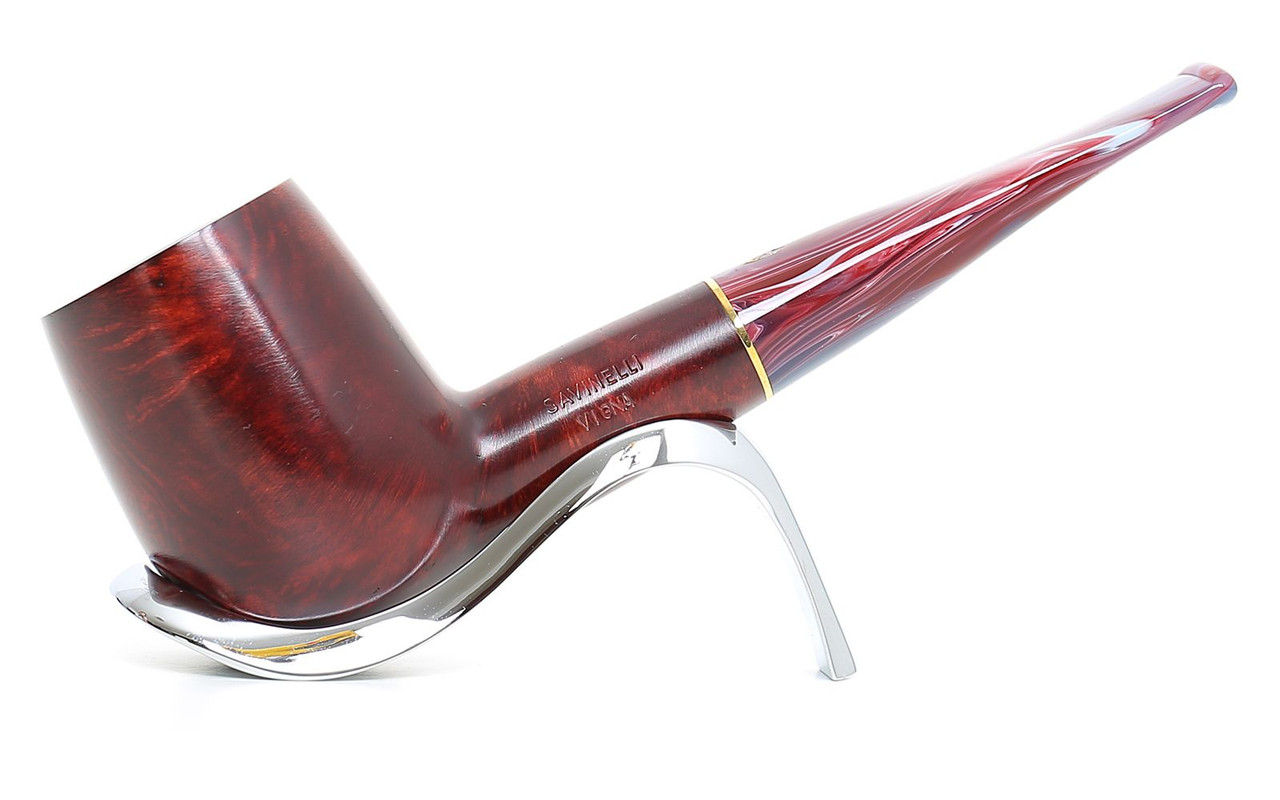
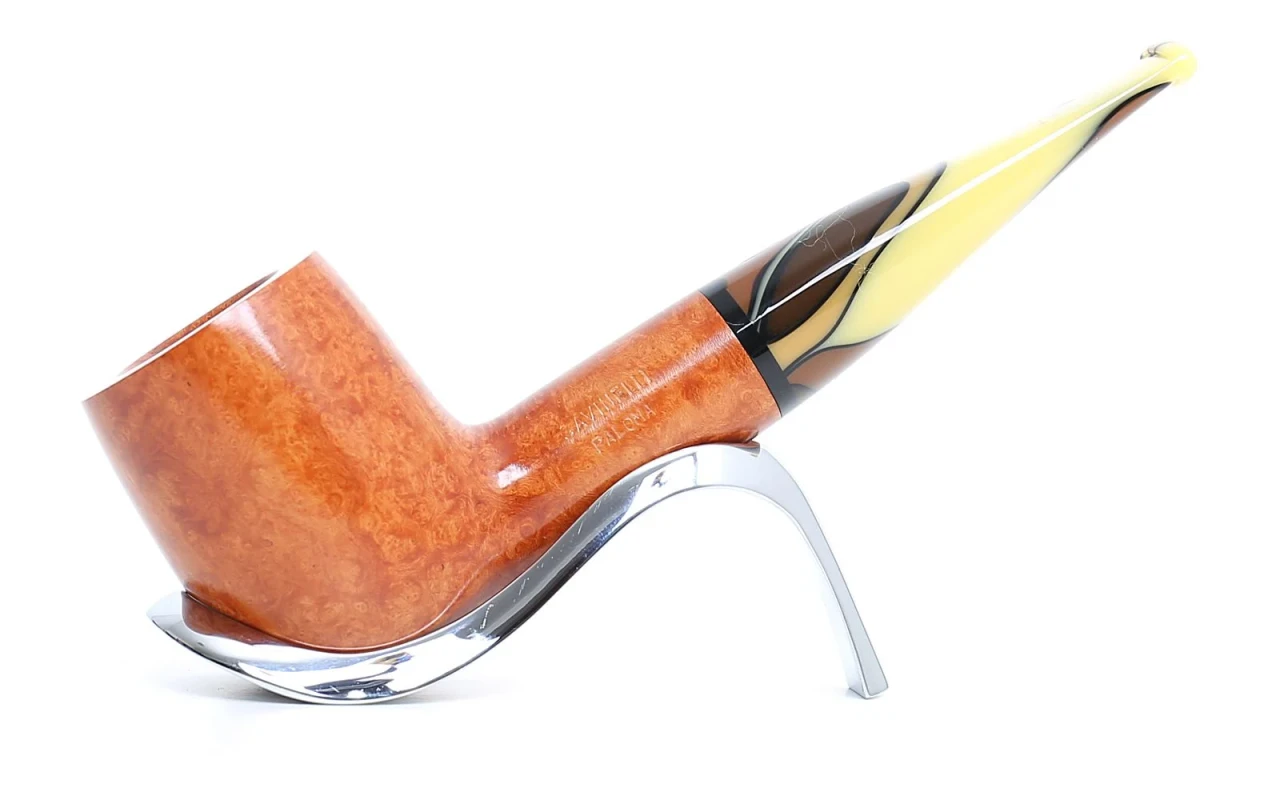
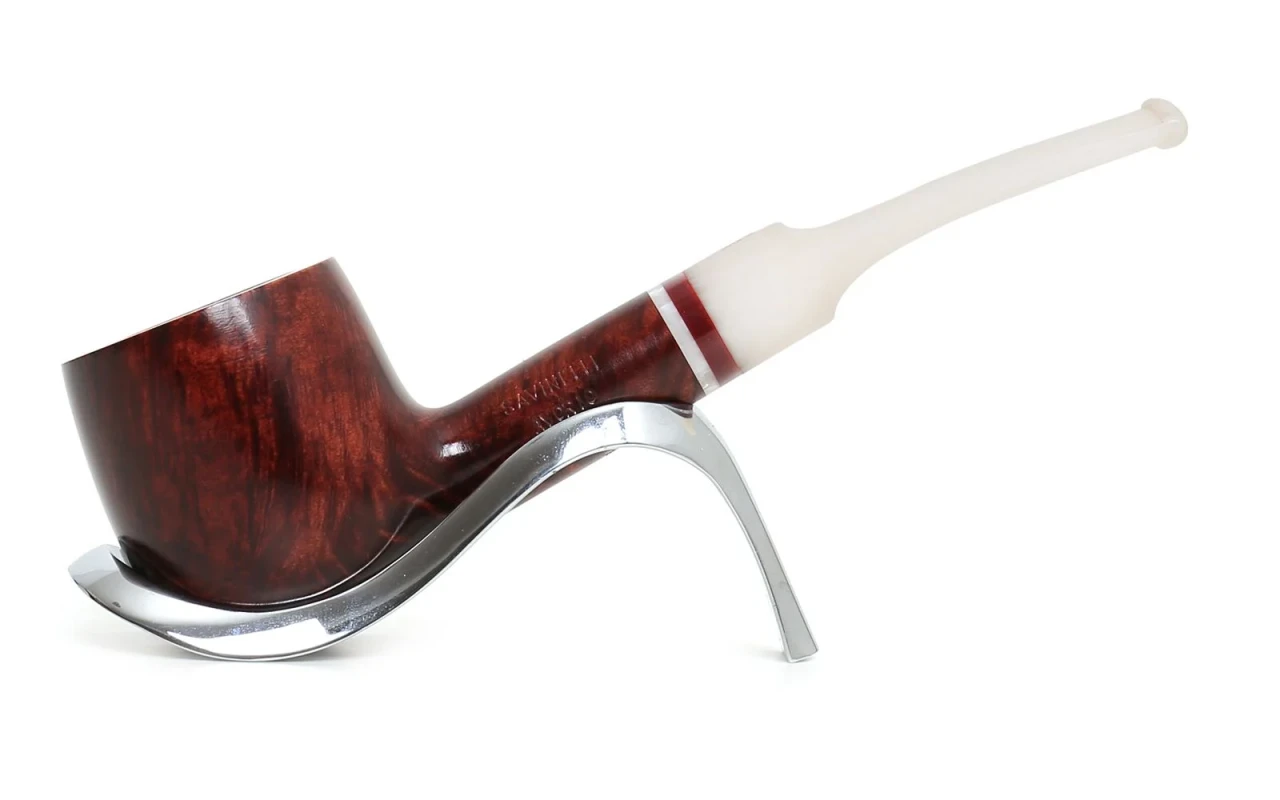
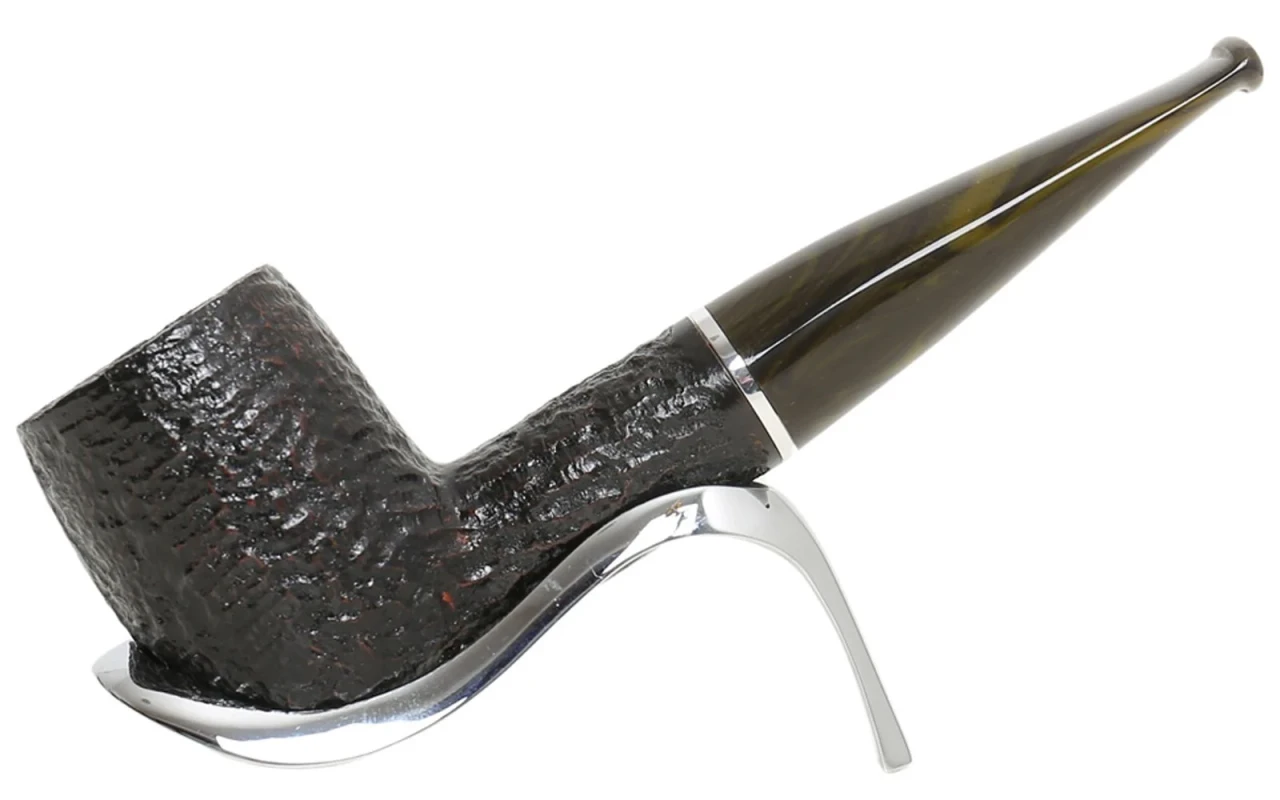
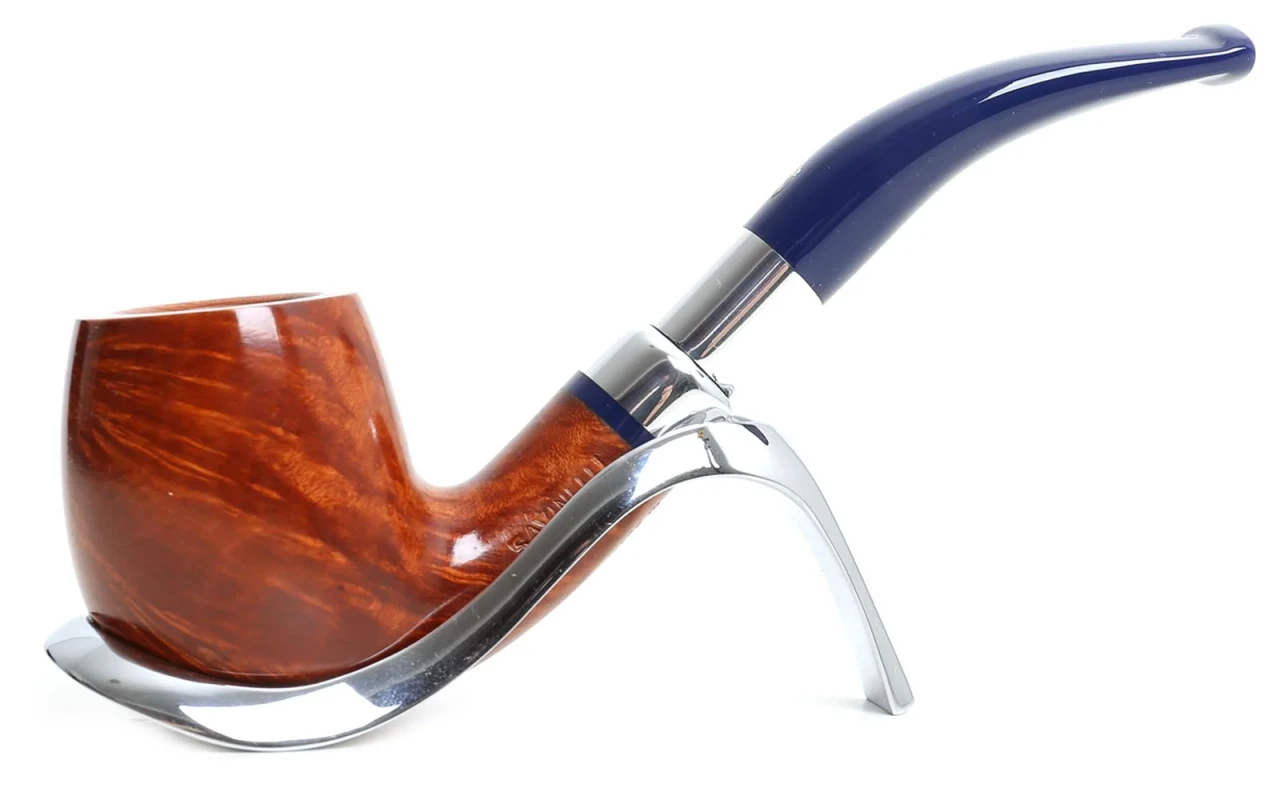
Productive efficiency is crucial to ensure the quality of pipes. Companies in the industry constantly work to optimize production processes in order to guarantee high quality standards. This results in meticulous control of the raw materials used, material processing, and finishing stages. Additionally, the use of cutting-edge machinery and technologies helps improve the overall efficiency of the production process. Thanks to these considerations, pipes can be crafted with precision and artisanal care, meeting the needs of the most discerning consumers.
Best Pipe Materials
The best materials for pipes are wood, briar, and corn cob. Wood is traditionally used for its ability to absorb smoke moisture, ensuring a cooler and drier smoke. Briar, like heather, is highly heat-resistant and combustion-resistant, ensuring long-lasting durability. Corn cob pipes, on the other hand, offer a sweet and light smoke, ideal for those who prefer more delicate flavors. Each material has its own unique characteristics, and it is important to choose the one that best suits your preferences and smoking habits.
Traditional Pipe Craftsmanship
Traditional pipe craftsmanship is an ancient art that requires skill and mastery. Pipes are handmade by experienced artisans who work with high-quality materials such as briar wood, corn cob, and olive wood. These traditional pipes are valued for their elegance, the quality of the smoke, and the flavor of the tobacco they provide. Artisans meticulously follow each stage of the process, from material selection to crafting and finishing. The final result is a unique and valuable product that embodies the tradition and passion for pipe craftsmanship.
Proper Pipe Maintenance
Proper maintenance of pipes is essential to ensure optimal performance and longevity over time. Here are some useful tips:1. Regular cleaning: remove tobacco residues and moisture from the inside of the pipe.2. Use appropriate tools: such as scrapers and brushes to remove residues and build-ups.3. Thorough drying: allow the pipe to dry completely after each use to prevent mold formation.4. Pipe rotation: alternate the use of different pipes to allow for complete cooling and drying.5. Proper storage: keep pipes in a cool and dry environment, preferably in a pipe rack.By following these practices, you can enjoy your favorite pipe for a long time.
'%3e%3cg id='Final-Copy-2_2_' transform='translate(1275.000000, 200.000000)'%3e%3cpath class='st0' d='M7.4,12.8h6.8l3.1-11.6H7.4C4.2,1.2,1.6,3.8,1.6,7S4.2,12.8,7.4,12.8z'/%3e%3c/g%3e%3c/g%3e%3c/g%3e%3cg id='final---dec.11-2020'%3e%3cg id='_x30_208-our-toggle' transform='translate(-1275.000000, -200.000000)'%3e%3cg id='Final-Copy-2' transform='translate(1275.000000, 200.000000)'%3e%3cpath class='st1' d='M22.6,0H7.4c-3.9,0-7,3.1-7,7s3.1,7,7,7h15.2c3.9,0,7-3.1,7-7S26.4,0,22.6,0z M1.6,7c0-3.2,2.6-5.8,5.8-5.8 h9.9l-3.1,11.6H7.4C4.2,12.8,1.6,10.2,1.6,7z'/%3e%3cpath id='x' class='st2' d='M24.6,4c0.2,0.2,0.2,0.6,0,0.8l0,0L22.5,7l2.2,2.2c0.2,0.2,0.2,0.6,0,0.8c-0.2,0.2-0.6,0.2-0.8,0 l0,0l-2.2-2.2L19.5,10c-0.2,0.2-0.6,0.2-0.8,0c-0.2-0.2-0.2-0.6,0-0.8l0,0L20.8,7l-2.2-2.2c-0.2-0.2-0.2-0.6,0-0.8 c0.2-0.2,0.6-0.2,0.8,0l0,0l2.2,2.2L23.8,4C24,3.8,24.4,3.8,24.6,4z'/%3e%3cpath id='y' class='st3' d='M12.7,4.1c0.2,0.2,0.3,0.6,0.1,0.8l0,0L8.6,9.8C8.5,9.9,8.4,10,8.3,10c-0.2,0.1-0.5,0.1-0.7-0.1l0,0 L5.4,7.7c-0.2-0.2-0.2-0.6,0-0.8c0.2-0.2,0.6-0.2,0.8,0l0,0L8,8.6l3.8-4.5C12,3.9,12.4,3.9,12.7,4.1z'/%3e%3c/g%3e%3c/g%3e%3c/g%3e%3c/g%3e%3c/svg%3e) Your Privacy Choices
Your Privacy Choices 


