 ES
ES FR
FR EN
EN IT
IT DE
DE
Harmful Residual Effects During Pipe Combustion



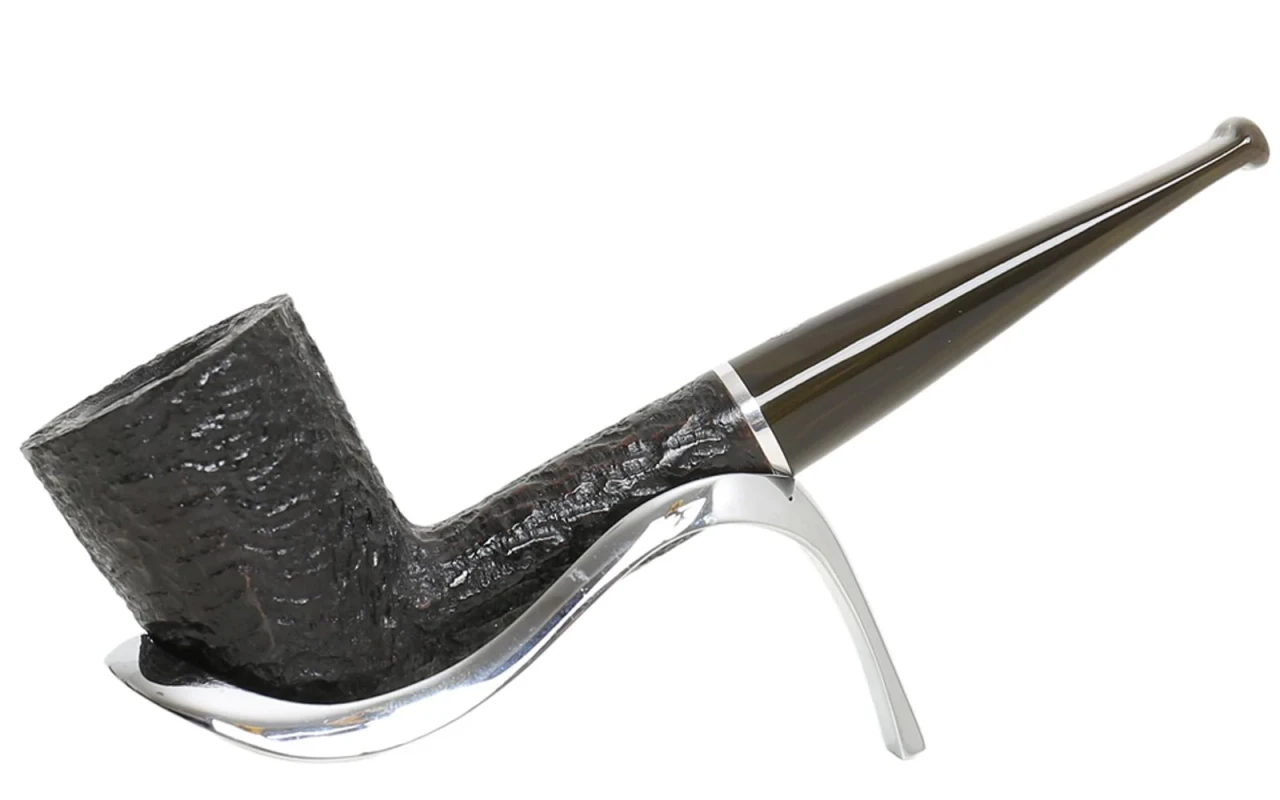






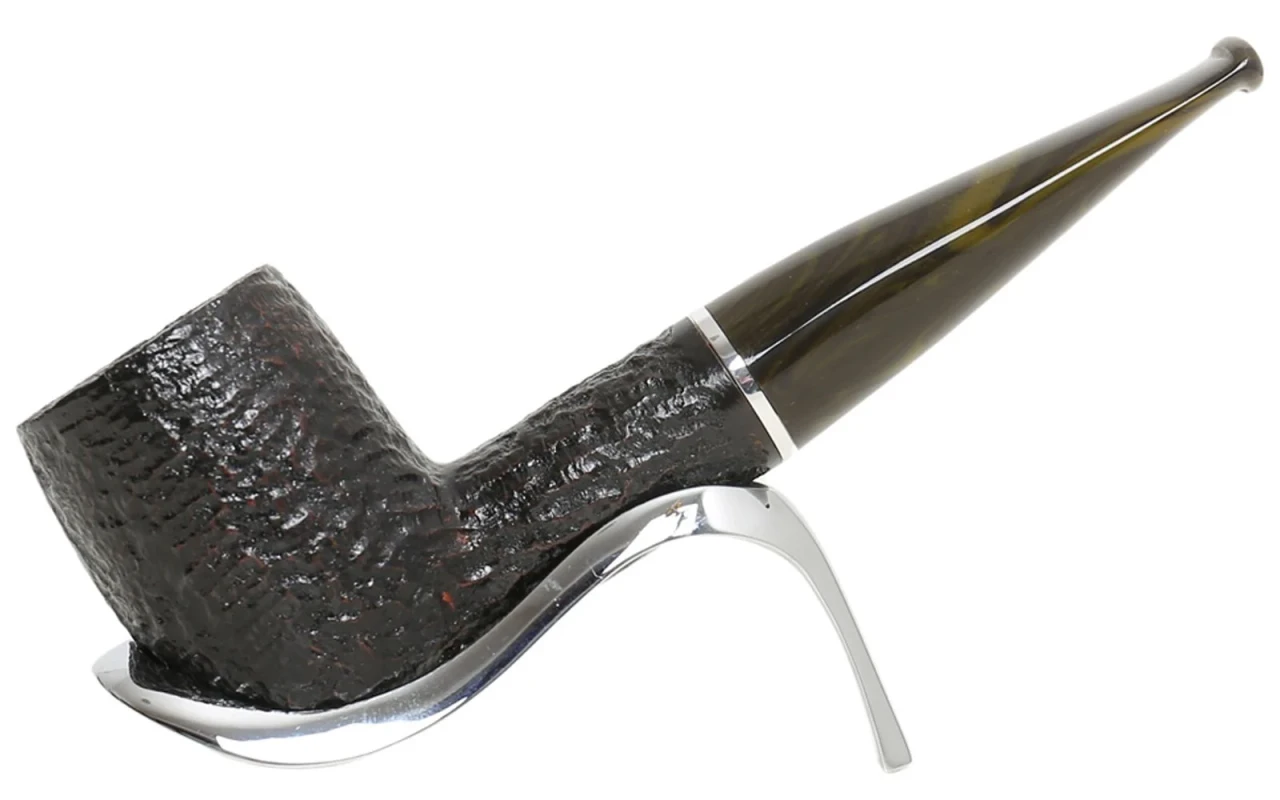





Harmful Residual Effects During Pipe Combustion
During the combustion of a pipe, harmful residual effects can be generated due to the smoke. These harmful effects mainly stem from the combustion of tobacco contained in the pipe. The smoke released while smoking a pipe can contain substances detrimental to health, such as nicotine, tar, carbon monoxide, and other toxic substances. Prolonged exposure to these harmful substances can increase the risk of developing respiratory, cardiovascular diseases, and even certain types of cancer. It is essential, therefore, to smoke in moderation and preferably in well-ventilated environments to minimize exposure to such harmful effects.
Harmful Effects of Pipe Smoking
Pipe smoking can have harmful effects on health. The combustion of tobacco releases harmful chemicals such as nicotine, tar, and carbon monoxide, which can damage the lungs and increase the risk of cardiovascular and respiratory diseases. In addition, inhaling pipe smoke can cause throat irritation, chronic coughing, and increase the risk of mouth, throat, and lung cancer. It is important to be aware of the potential health risks associated with pipe smoking and take necessary measures to protect oneself and others from exposure to these harmful substances.
health risks of pipe smoking
Pipe smoking can cause health damage if inhaled excessively. The combustion of tobacco releases harmful substances such as nicotine, tar, and carbon monoxide, which can harm the respiratory system and increase the risk of conditions like bronchitis, emphysema, and lung cancer. Additionally, pipe smoking can irritate the oral mucosa and promote the development of gum diseases. It is important to limit tobacco consumption and maintain proper oral hygiene to reduce the risk of health issues associated with pipe smoking.
Pipe smoking risks
Smoking a pipe poses health risks similar to cigarette smoking. Pipe smoke contains toxic and carcinogenic substances that can damage the lungs and increase the risk of respiratory, cardiovascular, and tumorous diseases. Furthermore, inhaling pipe smoke can lead to nicotine addiction, with all the associated risks. It is important to be aware of the risks of pipe smoking and consider healthier alternatives if you wish to avoid health damage. Always consult a physician to assess the individual risks associated with pipe tobacco consumption.
'%3e%3cg id='Final-Copy-2_2_' transform='translate(1275.000000, 200.000000)'%3e%3cpath class='st0' d='M7.4,12.8h6.8l3.1-11.6H7.4C4.2,1.2,1.6,3.8,1.6,7S4.2,12.8,7.4,12.8z'/%3e%3c/g%3e%3c/g%3e%3c/g%3e%3cg id='final---dec.11-2020'%3e%3cg id='_x30_208-our-toggle' transform='translate(-1275.000000, -200.000000)'%3e%3cg id='Final-Copy-2' transform='translate(1275.000000, 200.000000)'%3e%3cpath class='st1' d='M22.6,0H7.4c-3.9,0-7,3.1-7,7s3.1,7,7,7h15.2c3.9,0,7-3.1,7-7S26.4,0,22.6,0z M1.6,7c0-3.2,2.6-5.8,5.8-5.8 h9.9l-3.1,11.6H7.4C4.2,12.8,1.6,10.2,1.6,7z'/%3e%3cpath id='x' class='st2' d='M24.6,4c0.2,0.2,0.2,0.6,0,0.8l0,0L22.5,7l2.2,2.2c0.2,0.2,0.2,0.6,0,0.8c-0.2,0.2-0.6,0.2-0.8,0 l0,0l-2.2-2.2L19.5,10c-0.2,0.2-0.6,0.2-0.8,0c-0.2-0.2-0.2-0.6,0-0.8l0,0L20.8,7l-2.2-2.2c-0.2-0.2-0.2-0.6,0-0.8 c0.2-0.2,0.6-0.2,0.8,0l0,0l2.2,2.2L23.8,4C24,3.8,24.4,3.8,24.6,4z'/%3e%3cpath id='y' class='st3' d='M12.7,4.1c0.2,0.2,0.3,0.6,0.1,0.8l0,0L8.6,9.8C8.5,9.9,8.4,10,8.3,10c-0.2,0.1-0.5,0.1-0.7-0.1l0,0 L5.4,7.7c-0.2-0.2-0.2-0.6,0-0.8c0.2-0.2,0.6-0.2,0.8,0l0,0L8,8.6l3.8-4.5C12,3.9,12.4,3.9,12.7,4.1z'/%3e%3c/g%3e%3c/g%3e%3c/g%3e%3c/g%3e%3c/svg%3e) Your Privacy Choices
Your Privacy Choices 


