 ES
ES FR
FR EN
EN IT
IT DE
DE
Circular economy in pipe manufacturing


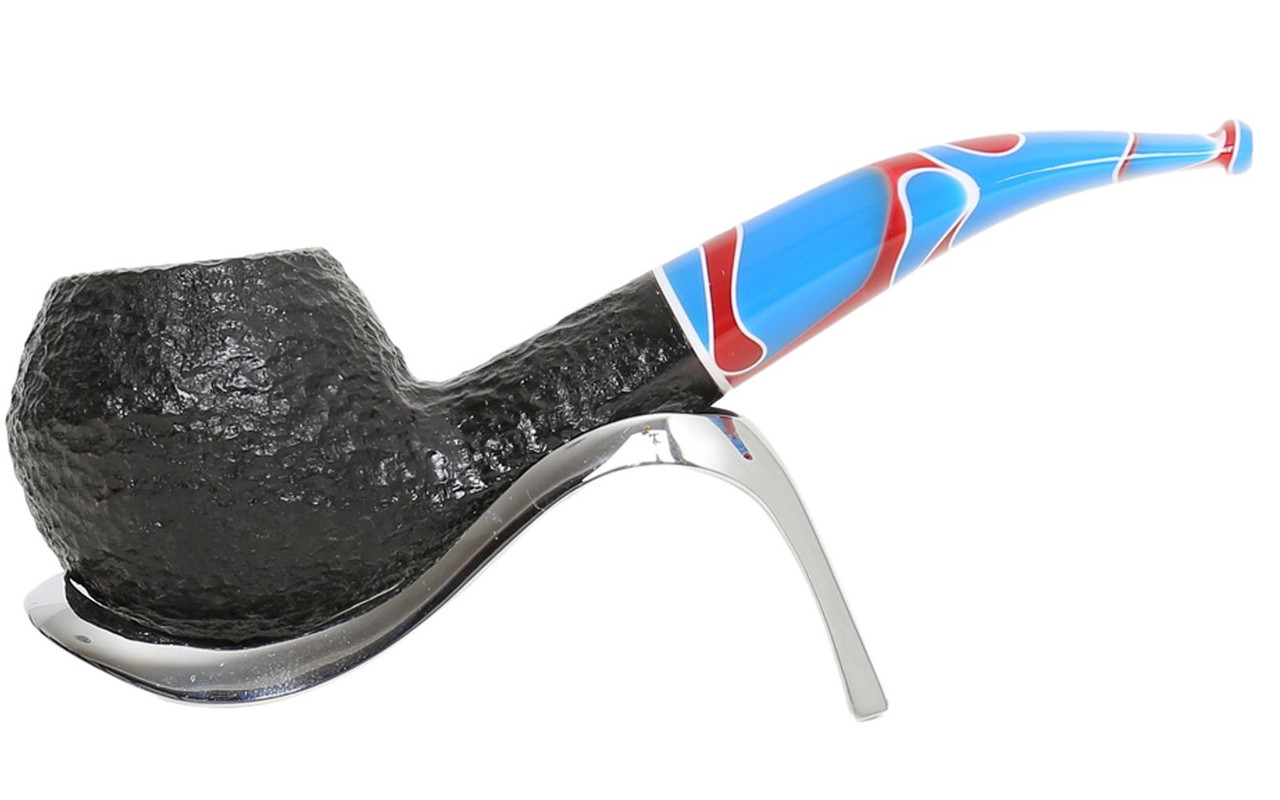
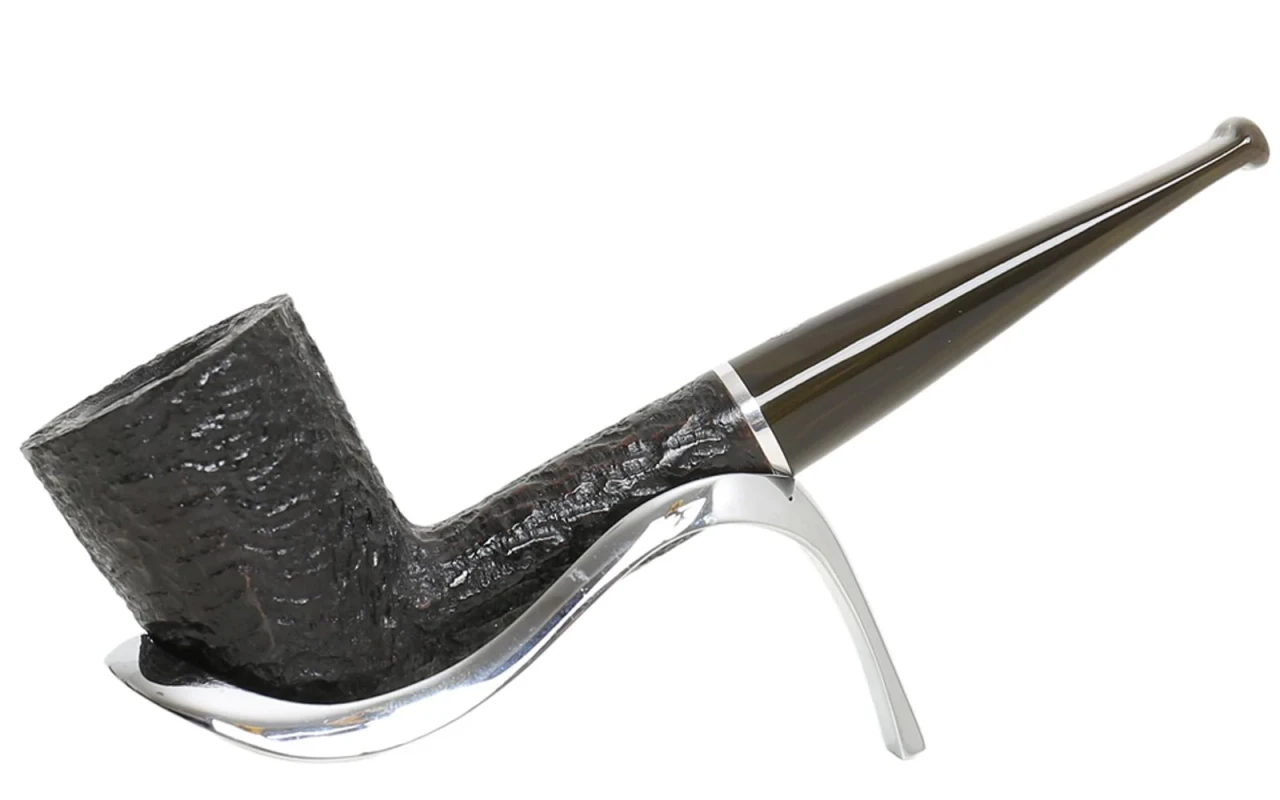
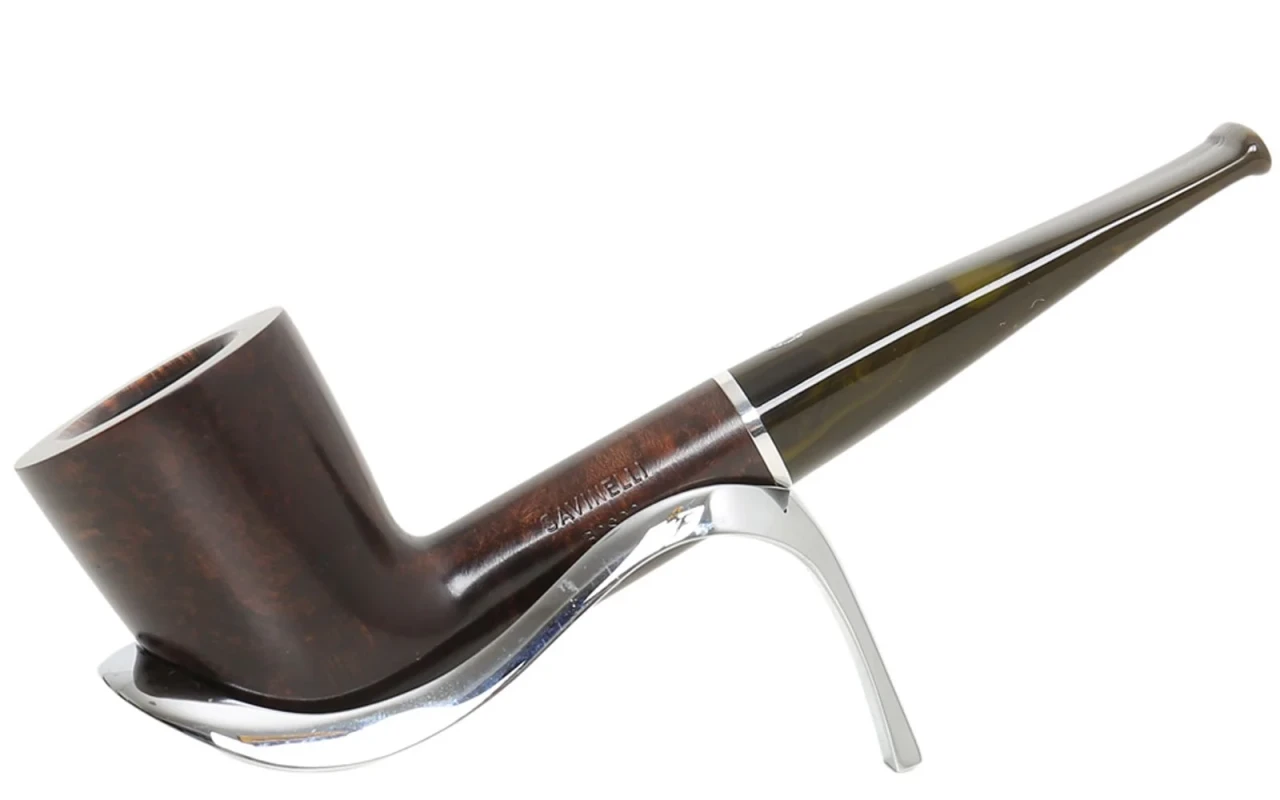


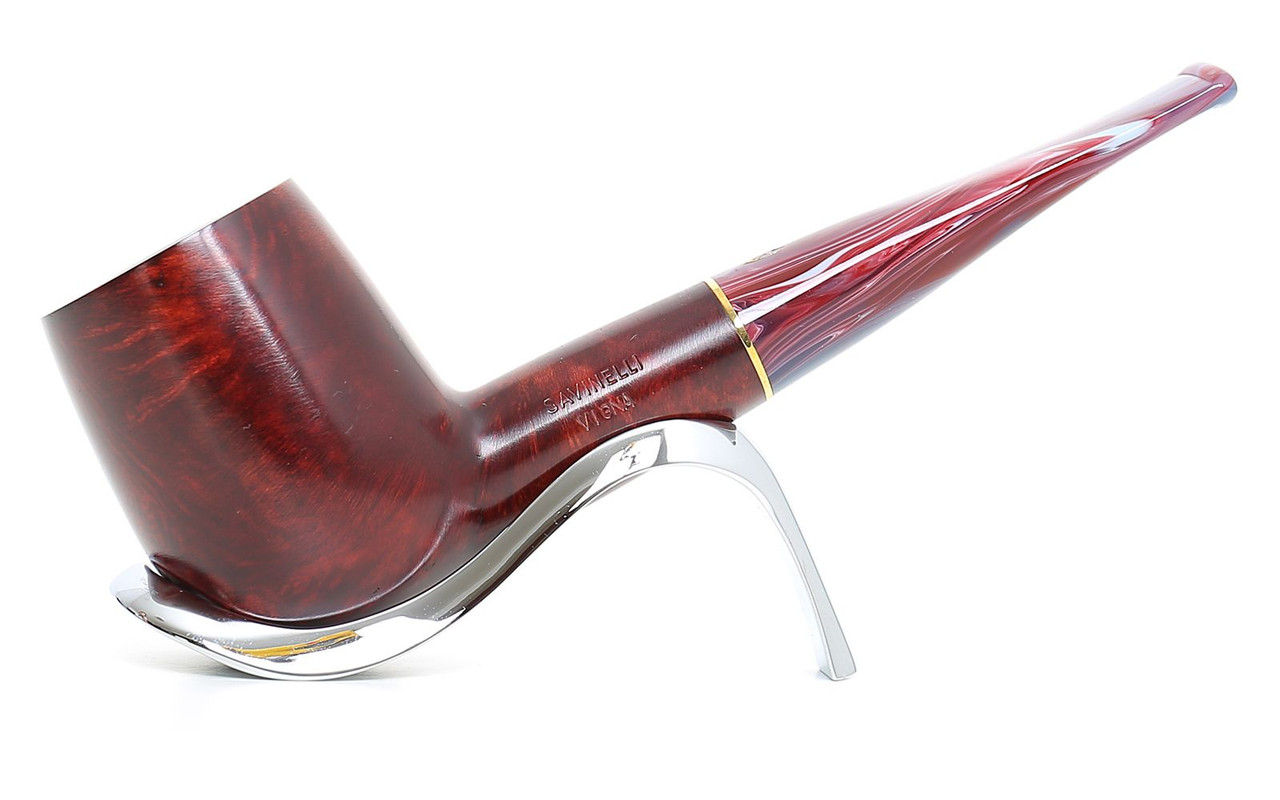

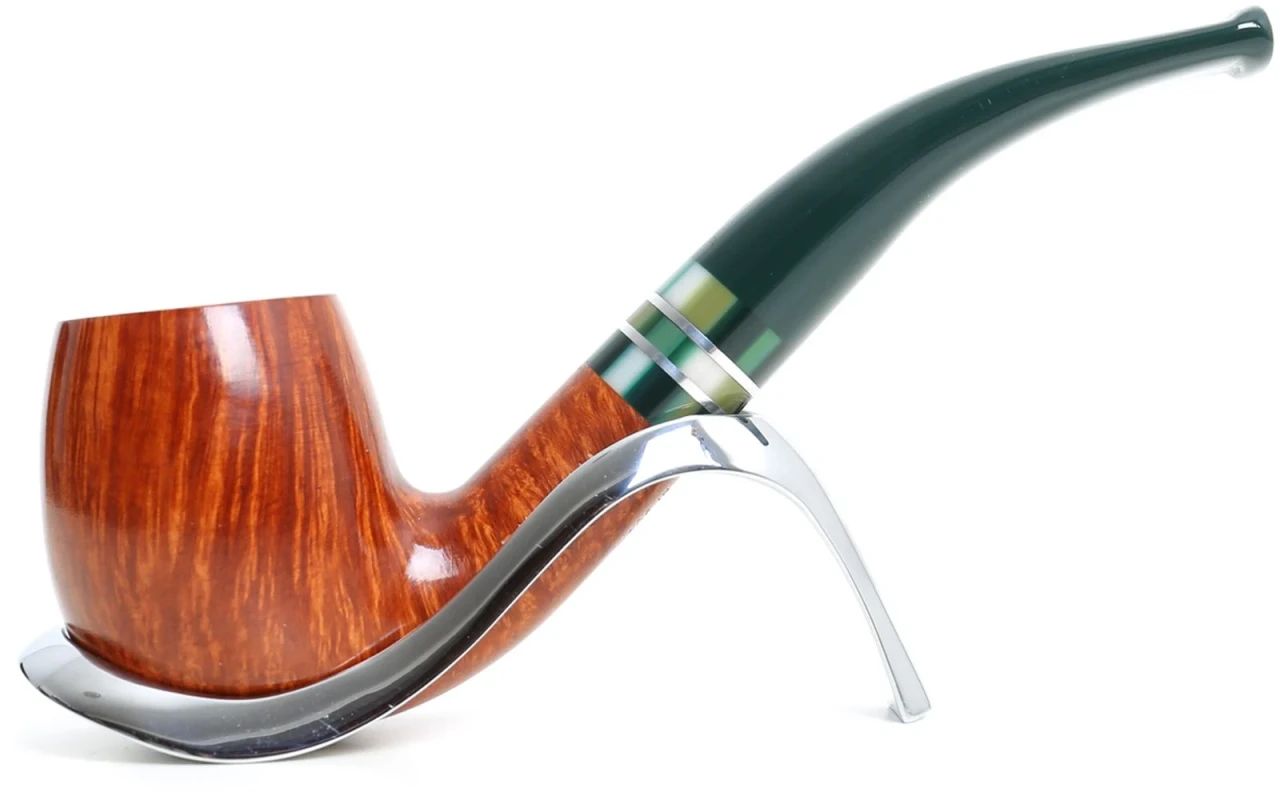
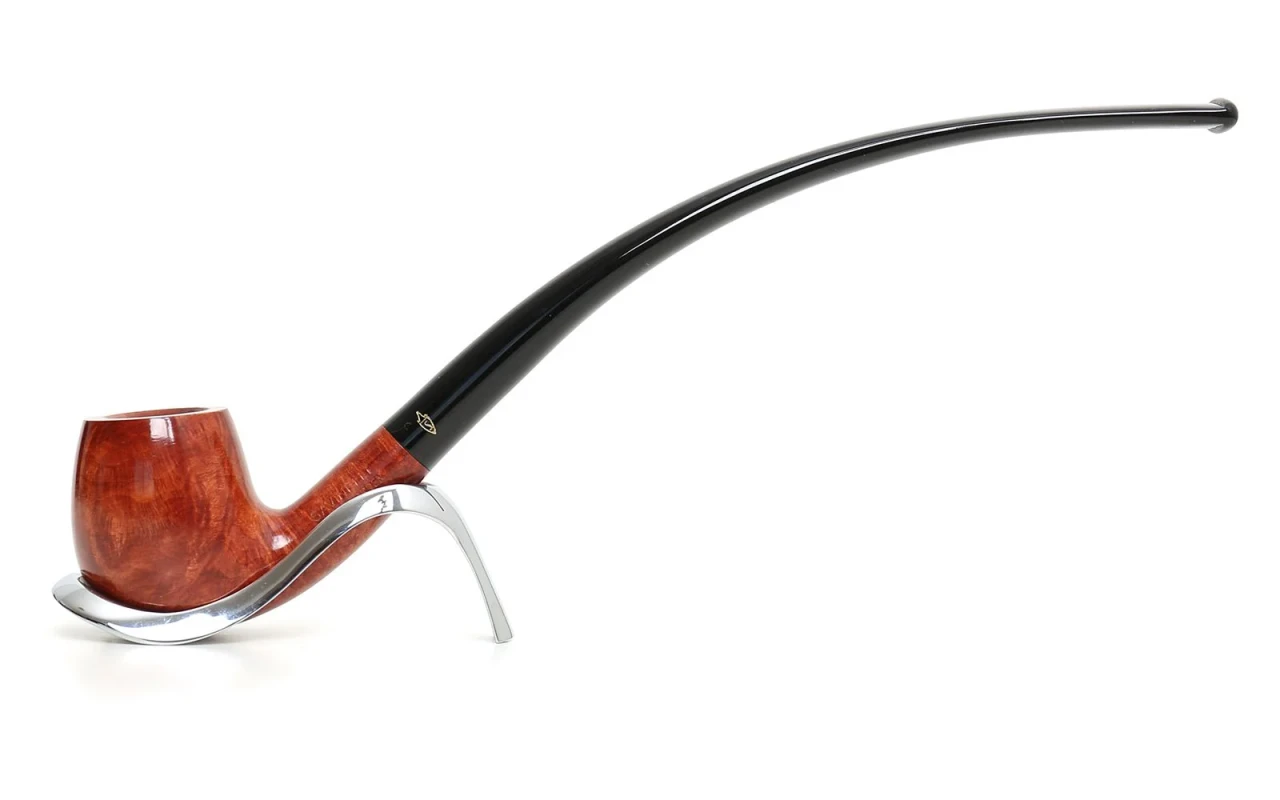

Circular economy in pipe manufacturing
Circular economy in pipe manufacturing is based on the idea of minimizing waste and maximizing resource reuse. Companies in the pipe industry are adopting sustainable practices such as material recycling, optimizing production processes, and using biodegradable materials. Furthermore, they are investing in durable and innovative designs to extend the lifespan of pipes and reduce the need for frequent replacements. This approach not only contributes to environmental protection by reducing environmental impact but can also lead to increased efficiency and competitiveness in the sector.
Recycled Materials for Smoking Pipes
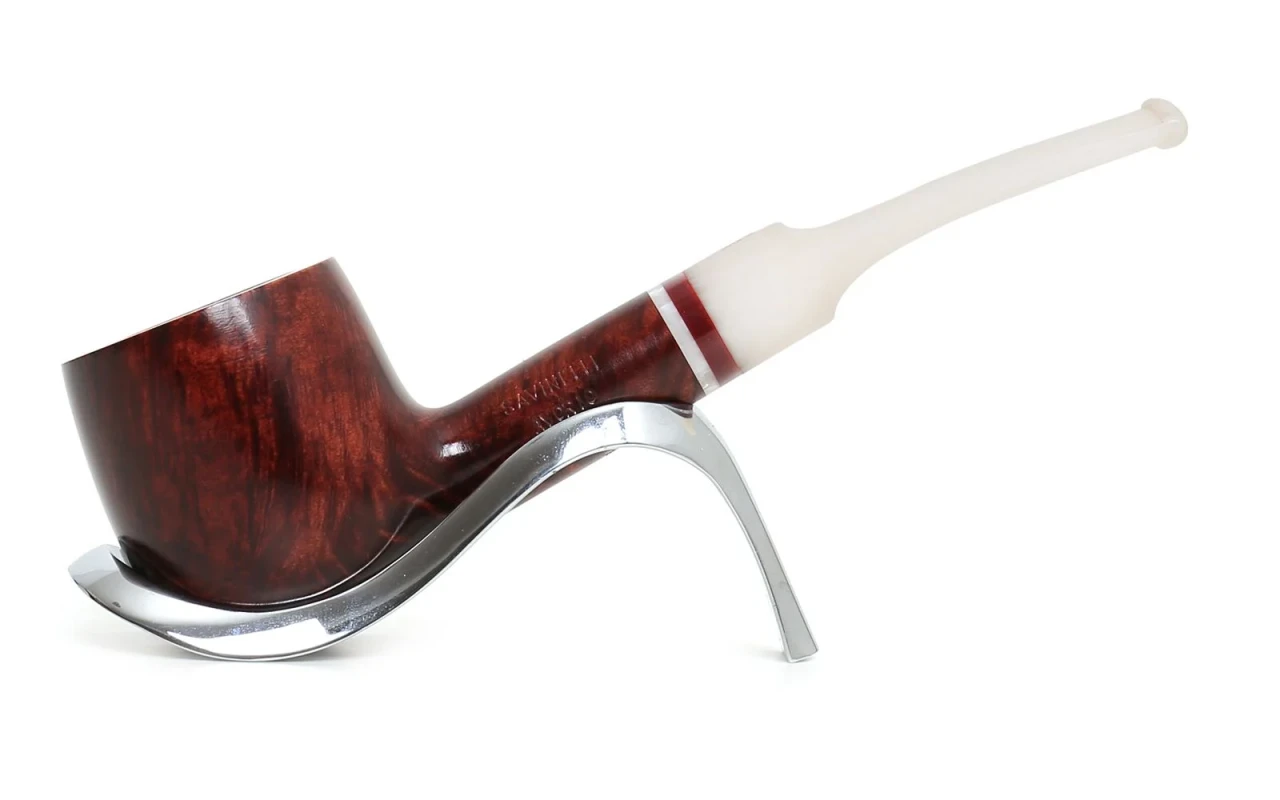
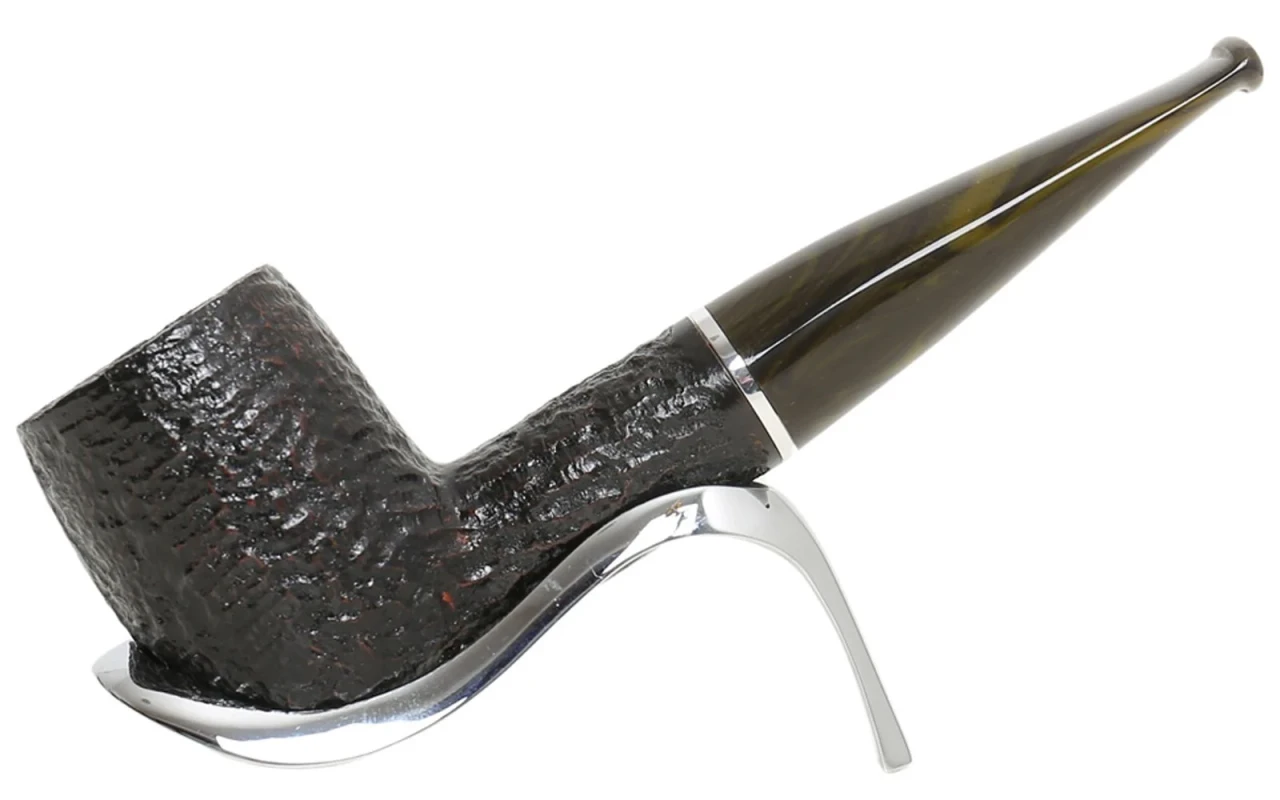
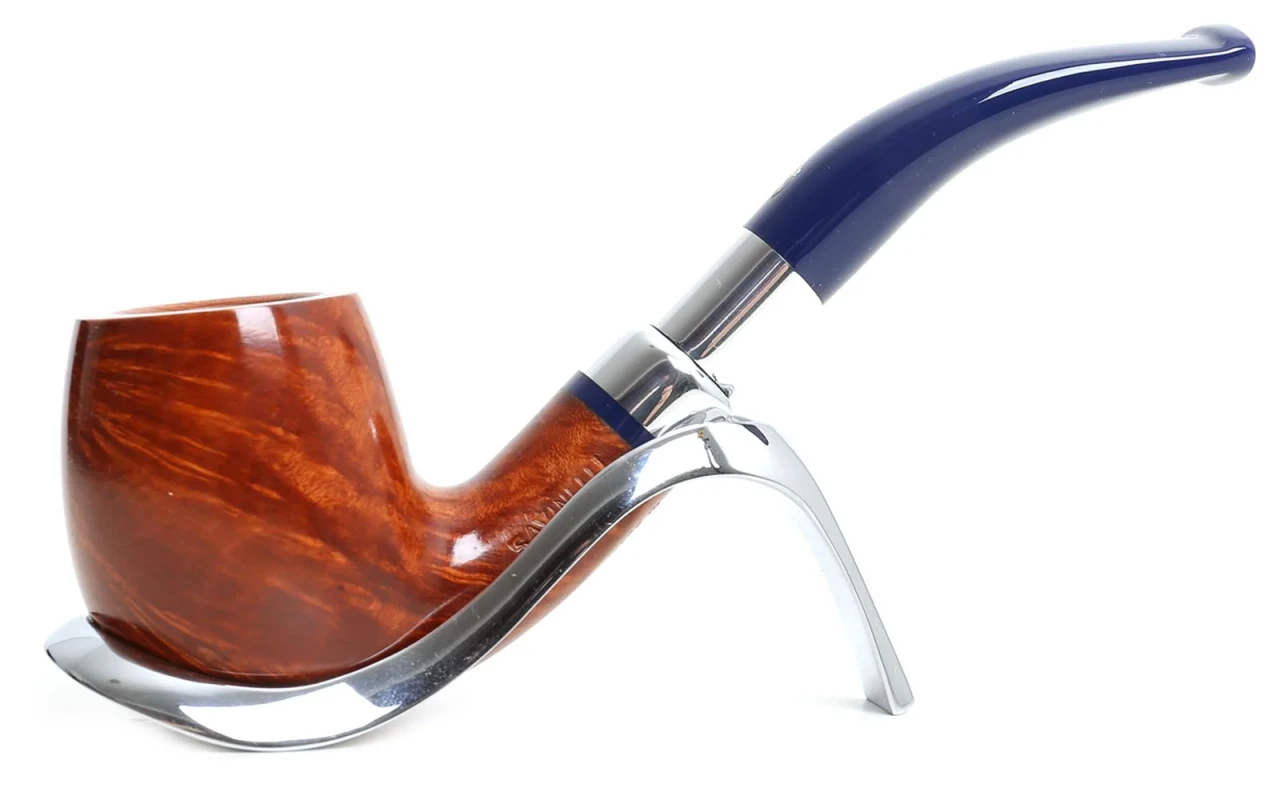
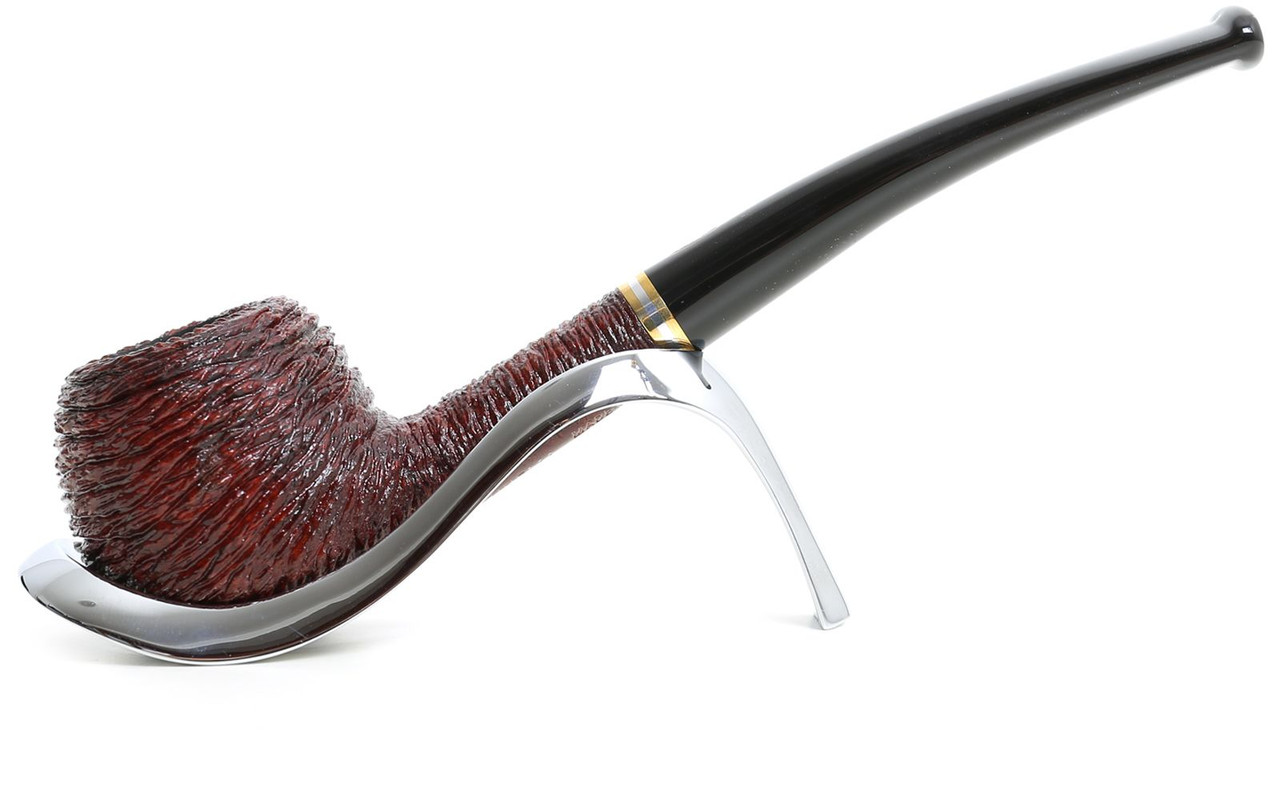
Recycled materials for smoking pipes offer a sustainable and creative option for tobacco enthusiasts. Among the most common choices are pipes made from recycled wood or materials such as corn or clay. Recycled wood can come from old furniture or wooden structures repurposed to create unique and distinctive pipes. Corn pipes, on the other hand, are lightweight and generally more affordable, providing a biodegradable alternative. Recycled clay pipes are valued for their ability to absorb moisture, ensuring a cooler and drier smoke. Opting for recycled materials not only reduces the environmental impact but also adds a touch of originality and history to each smoking session.
Environmental impact of artisan pipes
Artisan pipes, made with materials such as briar wood or corn cob, have a lower environmental impact compared to plastic or metal pipes. The artisanal production of pipes involves a lower consumption of natural resources and a reduced emission of greenhouse gases. However, it is important to consider that pipe smoking can still contribute to air pollution and the production of toxic waste if not disposed of properly. To reduce the environmental impact of artisan pipes, it is recommended to opt for natural materials, to clean and dispose of used pipes properly, and to decrease overall tobacco consumption.
Sustainability in pipe production
Sustainability in pipe production is an increasingly relevant topic in the sector. Companies are adopting eco-friendly practices to reduce environmental impact. These initiatives include using wood from sustainably managed forests, recycling materials for pipe production, and implementing production processes that minimize resource wastage. Furthermore, some manufacturers are committed to using non-toxic paints and finishes to ensure consumer and environmental safety. Sustainability in pipe production not only contributes to the conservation of natural resources but also demonstrates a commitment to responsible and environmentally friendly production.
'%3e%3cg id='Final-Copy-2_2_' transform='translate(1275.000000, 200.000000)'%3e%3cpath class='st0' d='M7.4,12.8h6.8l3.1-11.6H7.4C4.2,1.2,1.6,3.8,1.6,7S4.2,12.8,7.4,12.8z'/%3e%3c/g%3e%3c/g%3e%3c/g%3e%3cg id='final---dec.11-2020'%3e%3cg id='_x30_208-our-toggle' transform='translate(-1275.000000, -200.000000)'%3e%3cg id='Final-Copy-2' transform='translate(1275.000000, 200.000000)'%3e%3cpath class='st1' d='M22.6,0H7.4c-3.9,0-7,3.1-7,7s3.1,7,7,7h15.2c3.9,0,7-3.1,7-7S26.4,0,22.6,0z M1.6,7c0-3.2,2.6-5.8,5.8-5.8 h9.9l-3.1,11.6H7.4C4.2,12.8,1.6,10.2,1.6,7z'/%3e%3cpath id='x' class='st2' d='M24.6,4c0.2,0.2,0.2,0.6,0,0.8l0,0L22.5,7l2.2,2.2c0.2,0.2,0.2,0.6,0,0.8c-0.2,0.2-0.6,0.2-0.8,0 l0,0l-2.2-2.2L19.5,10c-0.2,0.2-0.6,0.2-0.8,0c-0.2-0.2-0.2-0.6,0-0.8l0,0L20.8,7l-2.2-2.2c-0.2-0.2-0.2-0.6,0-0.8 c0.2-0.2,0.6-0.2,0.8,0l0,0l2.2,2.2L23.8,4C24,3.8,24.4,3.8,24.6,4z'/%3e%3cpath id='y' class='st3' d='M12.7,4.1c0.2,0.2,0.3,0.6,0.1,0.8l0,0L8.6,9.8C8.5,9.9,8.4,10,8.3,10c-0.2,0.1-0.5,0.1-0.7-0.1l0,0 L5.4,7.7c-0.2-0.2-0.2-0.6,0-0.8c0.2-0.2,0.6-0.2,0.8,0l0,0L8,8.6l3.8-4.5C12,3.9,12.4,3.9,12.7,4.1z'/%3e%3c/g%3e%3c/g%3e%3c/g%3e%3c/g%3e%3c/svg%3e) Your Privacy Choices
Your Privacy Choices 


