 ES
ES FR
FR EN
EN IT
IT DE
DE
Average lifespan of a well-maintained pipe
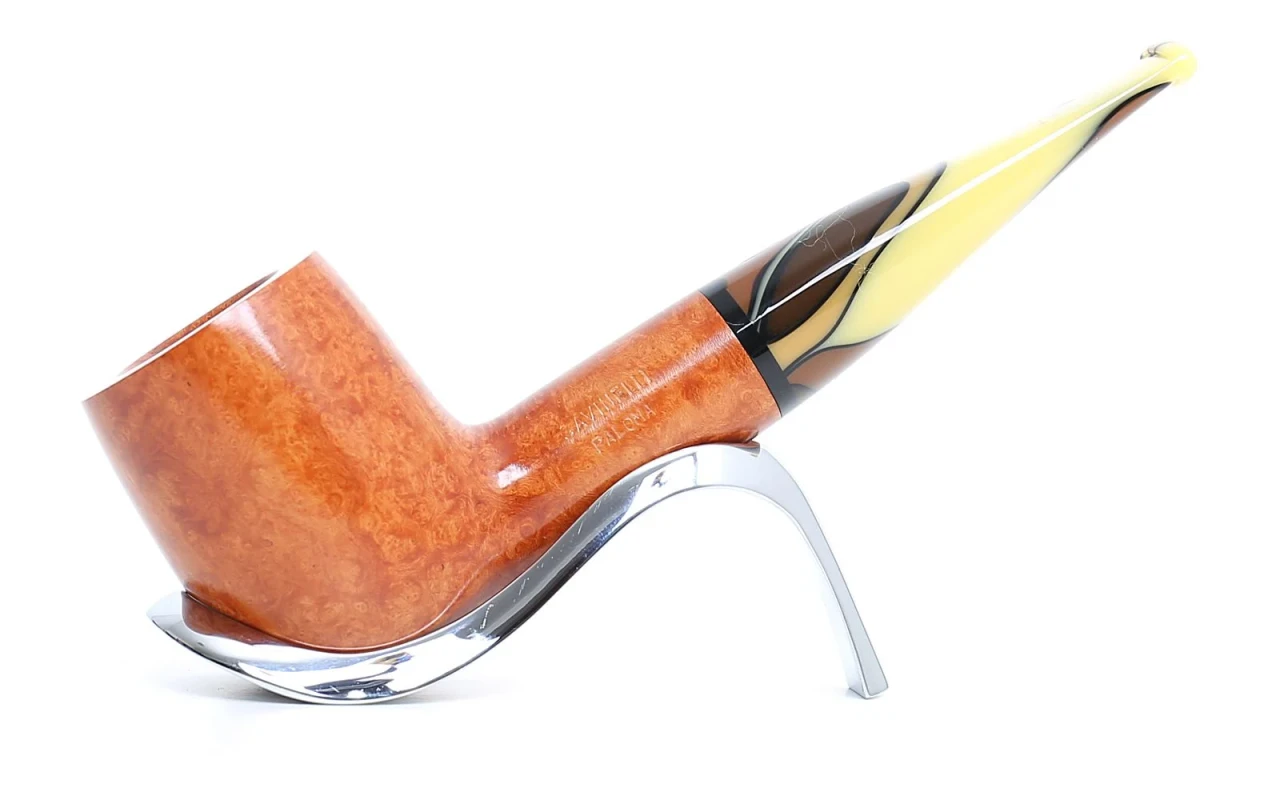
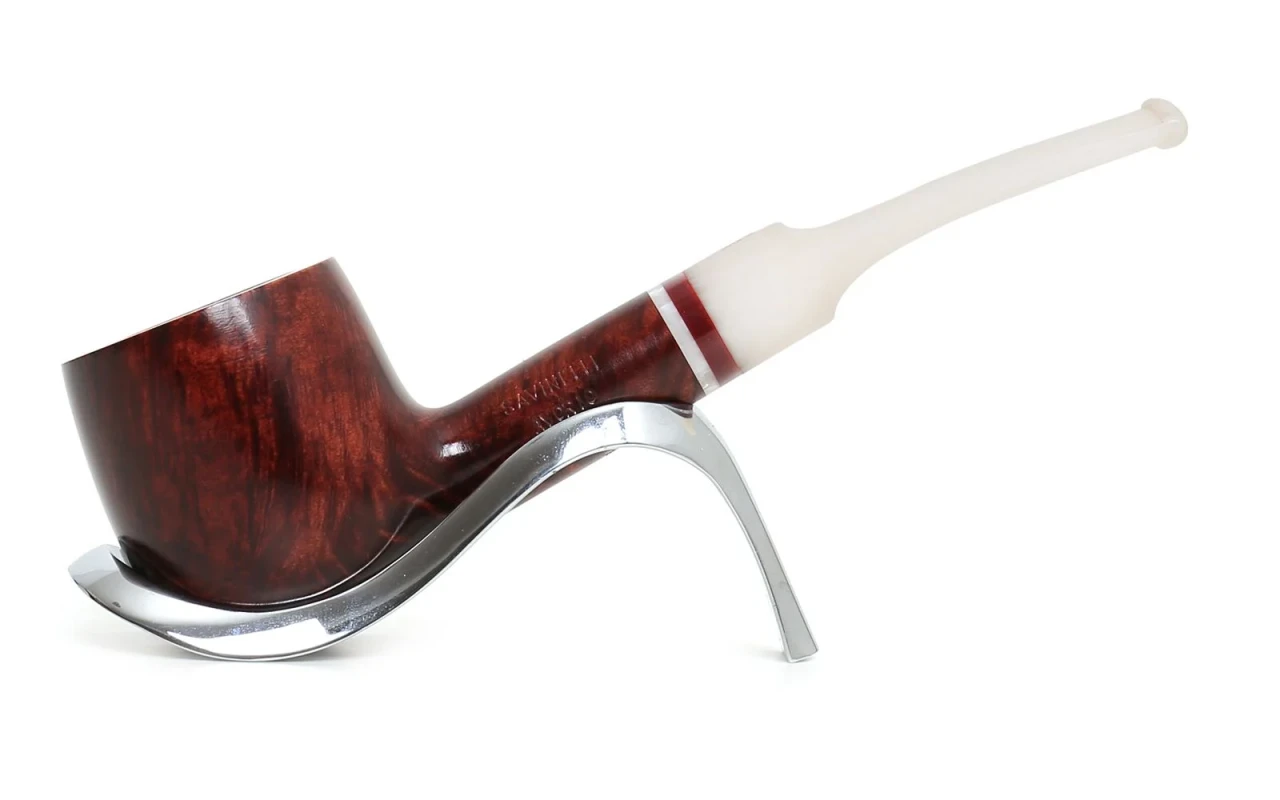
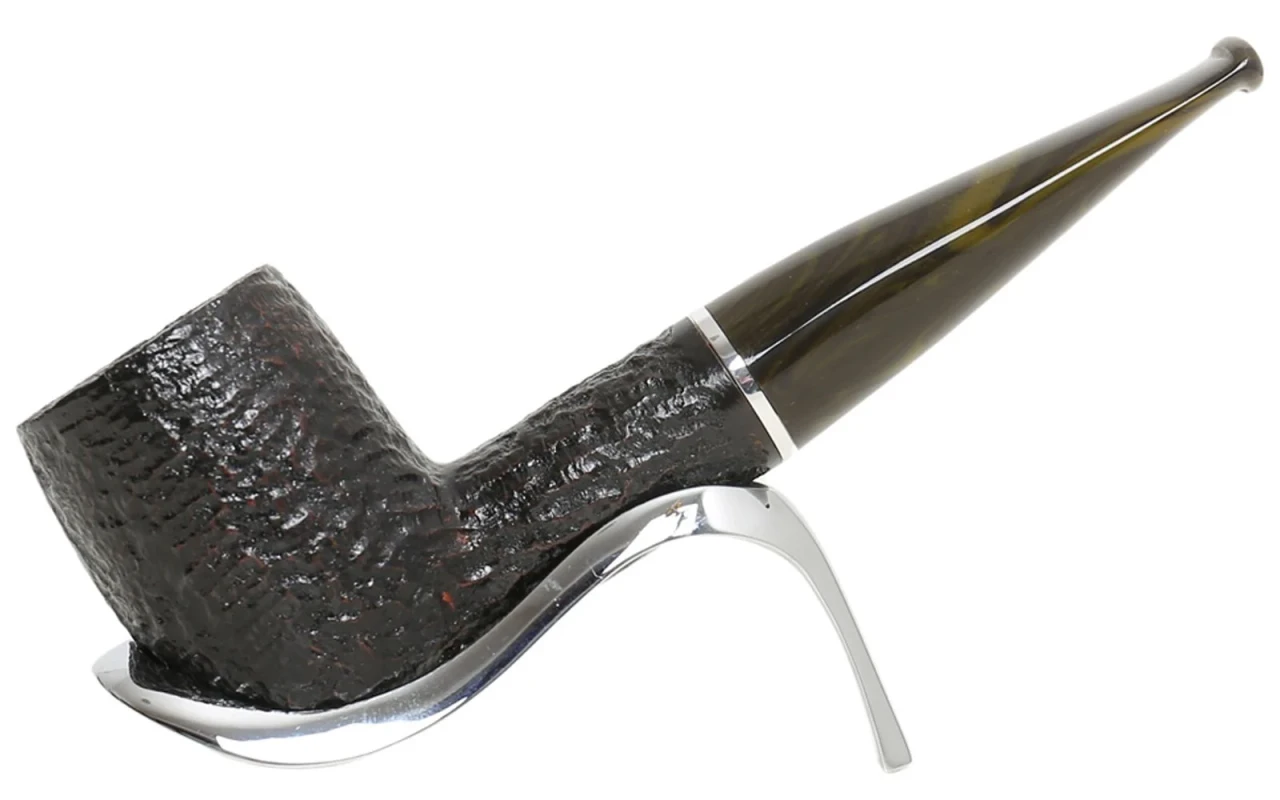
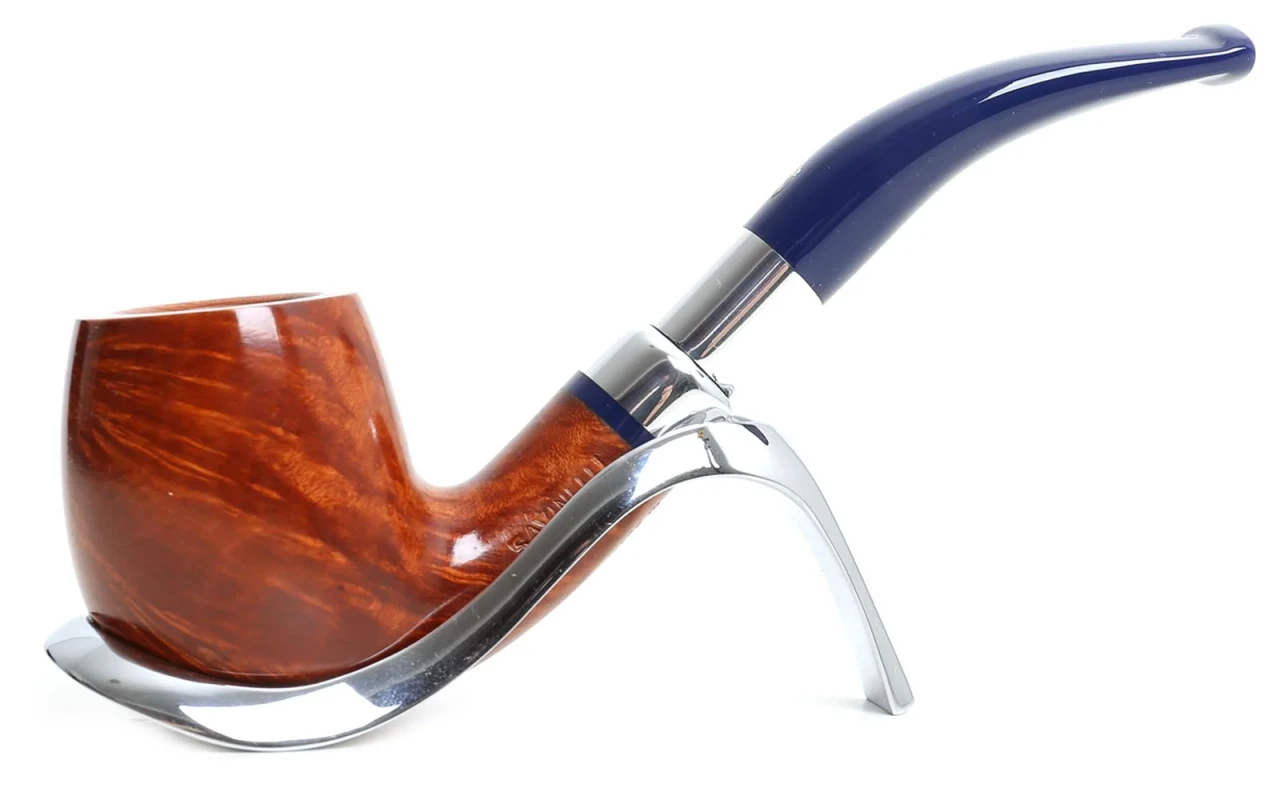
Average lifespan of a well-maintained pipe
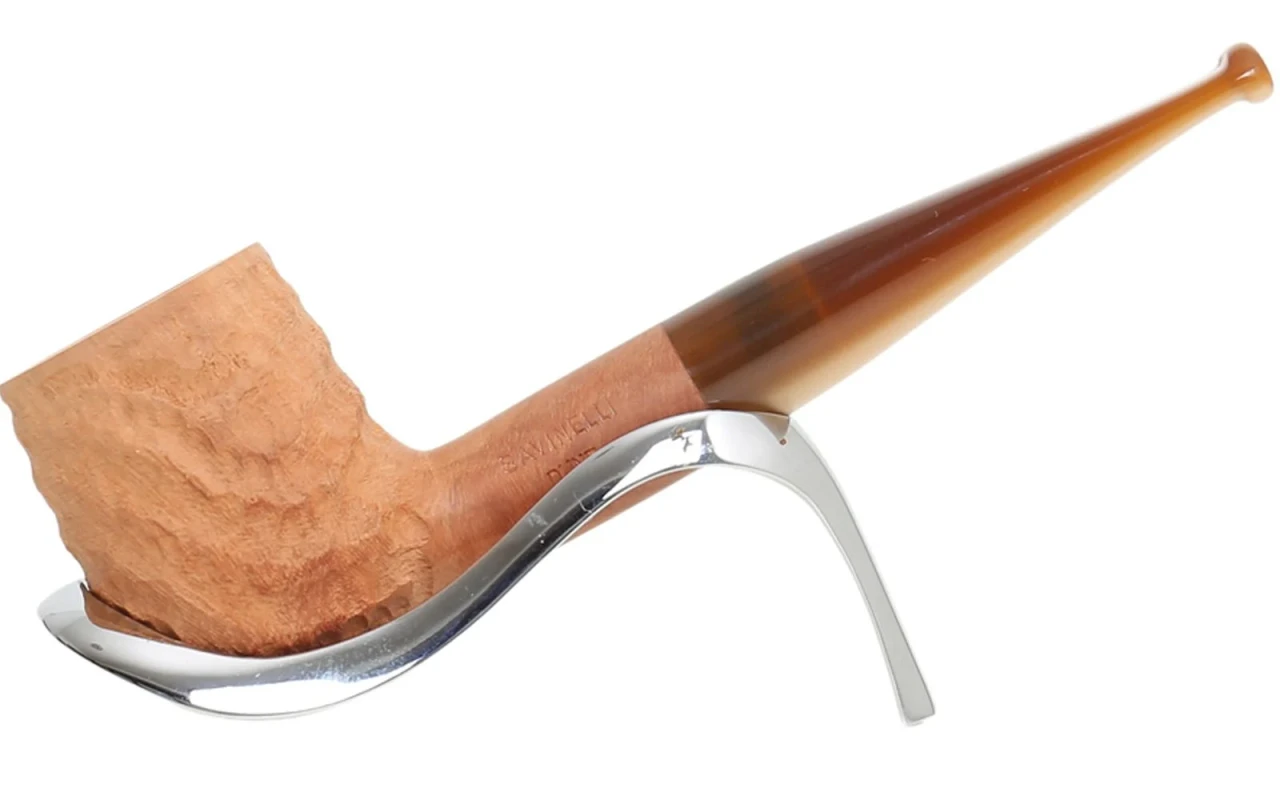
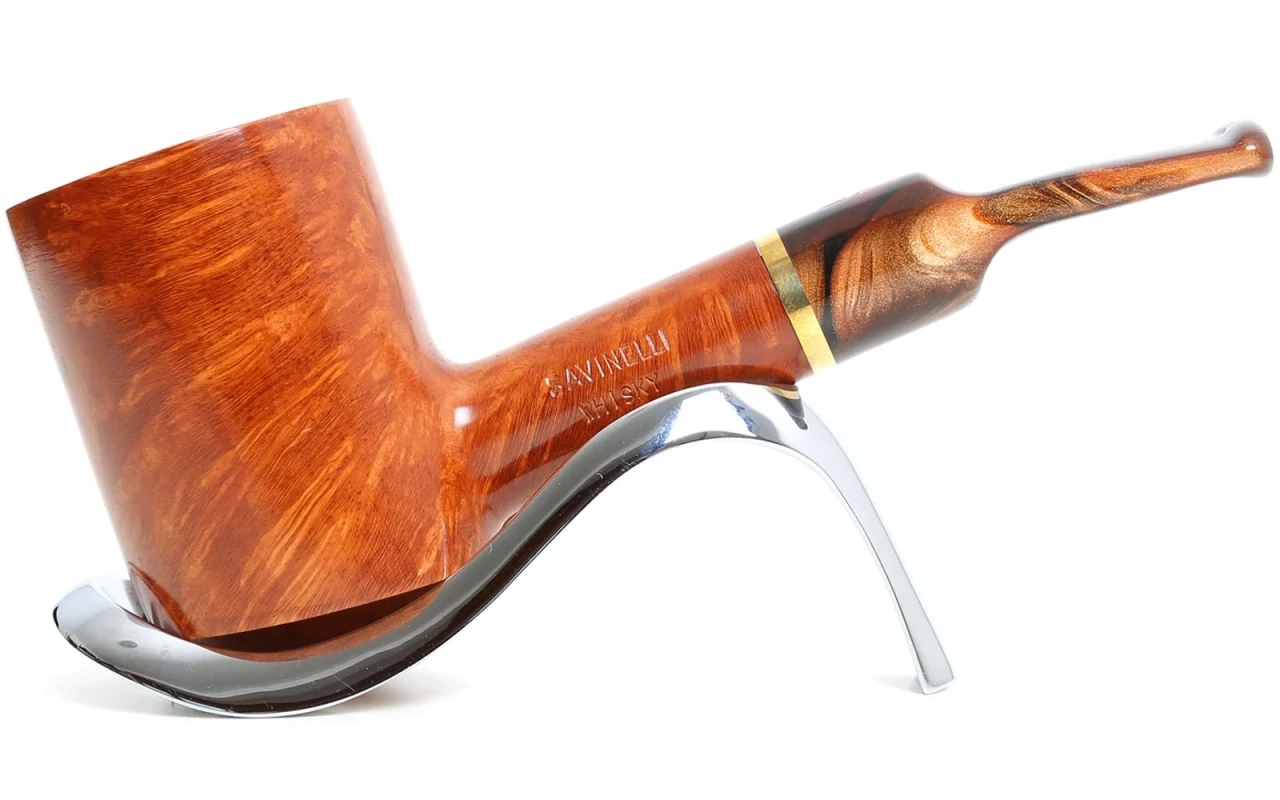
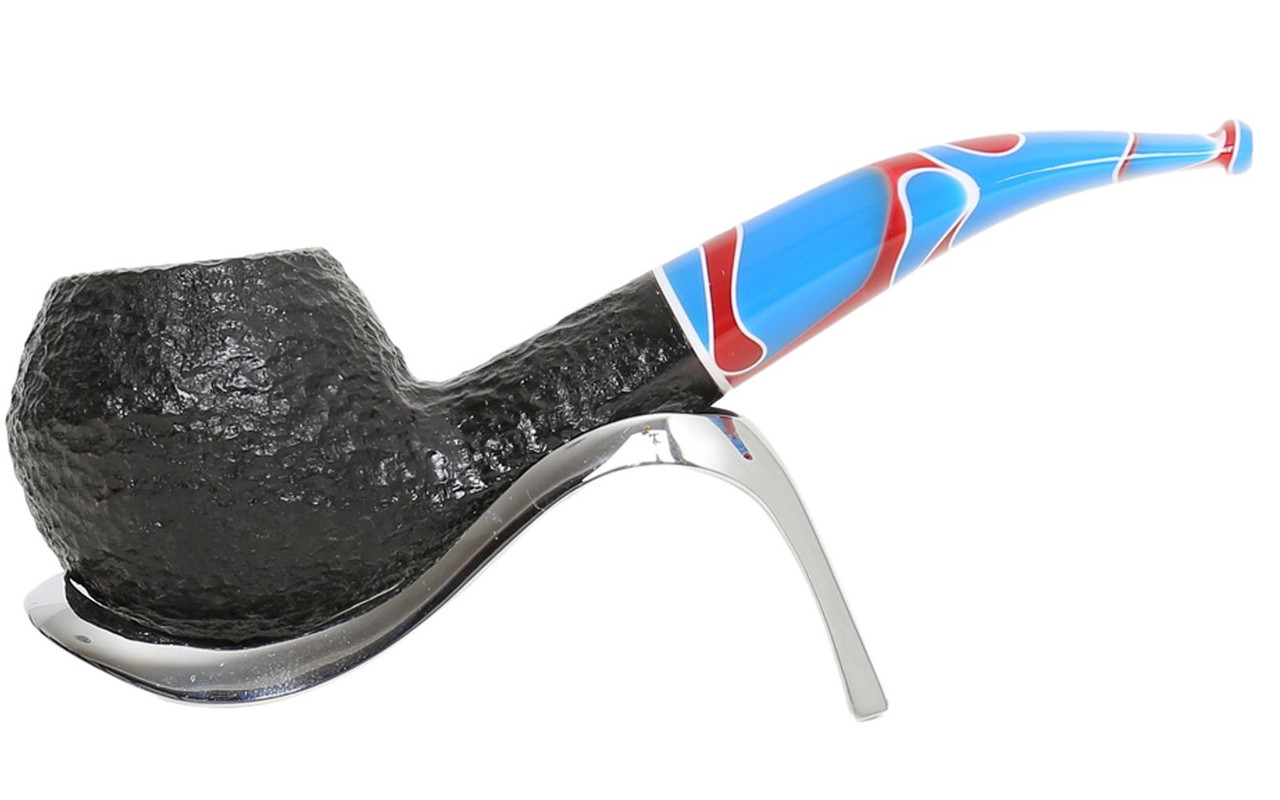
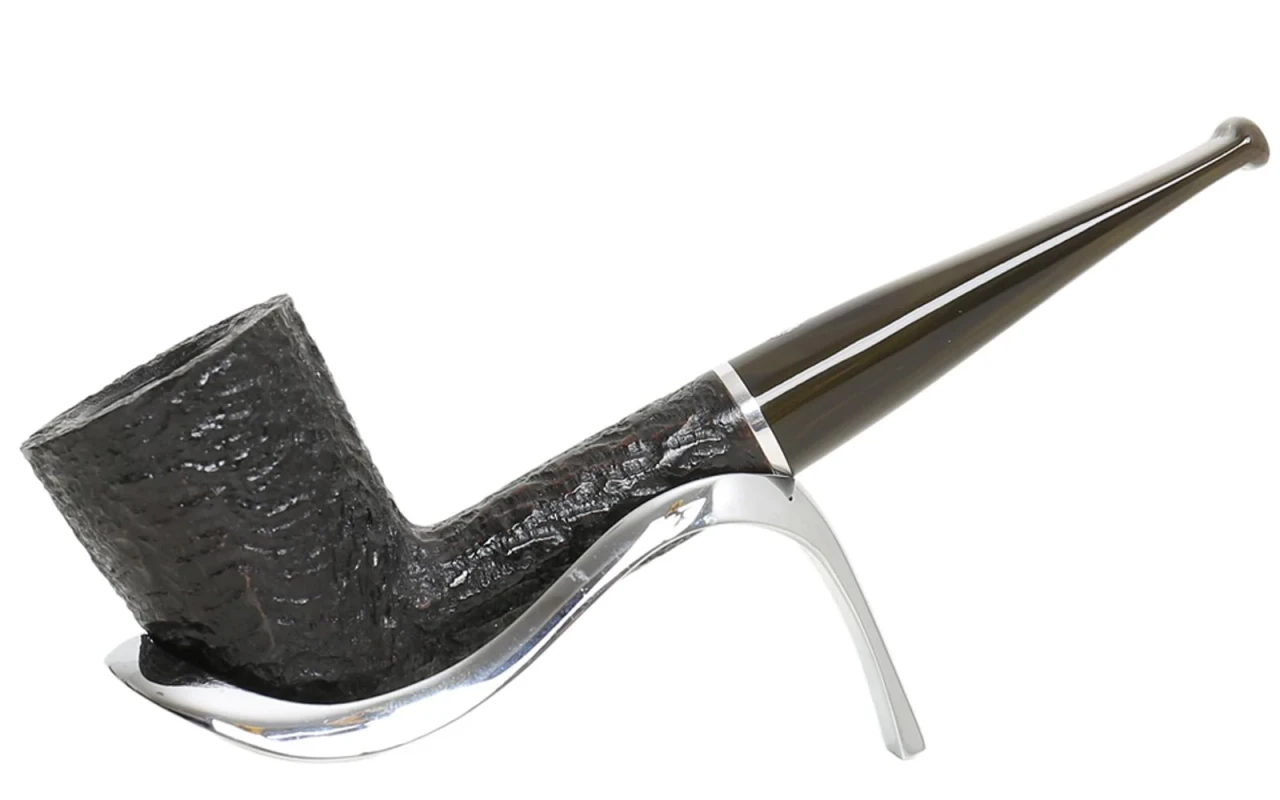
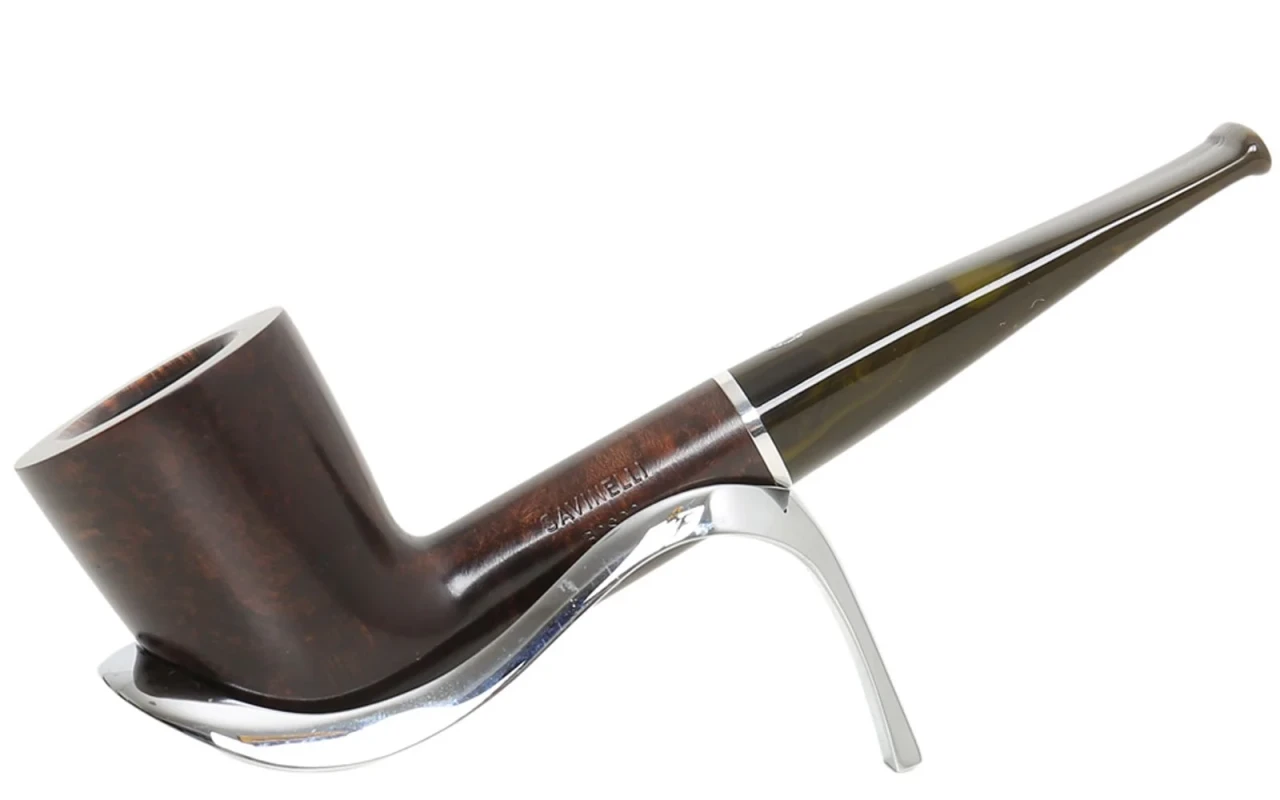
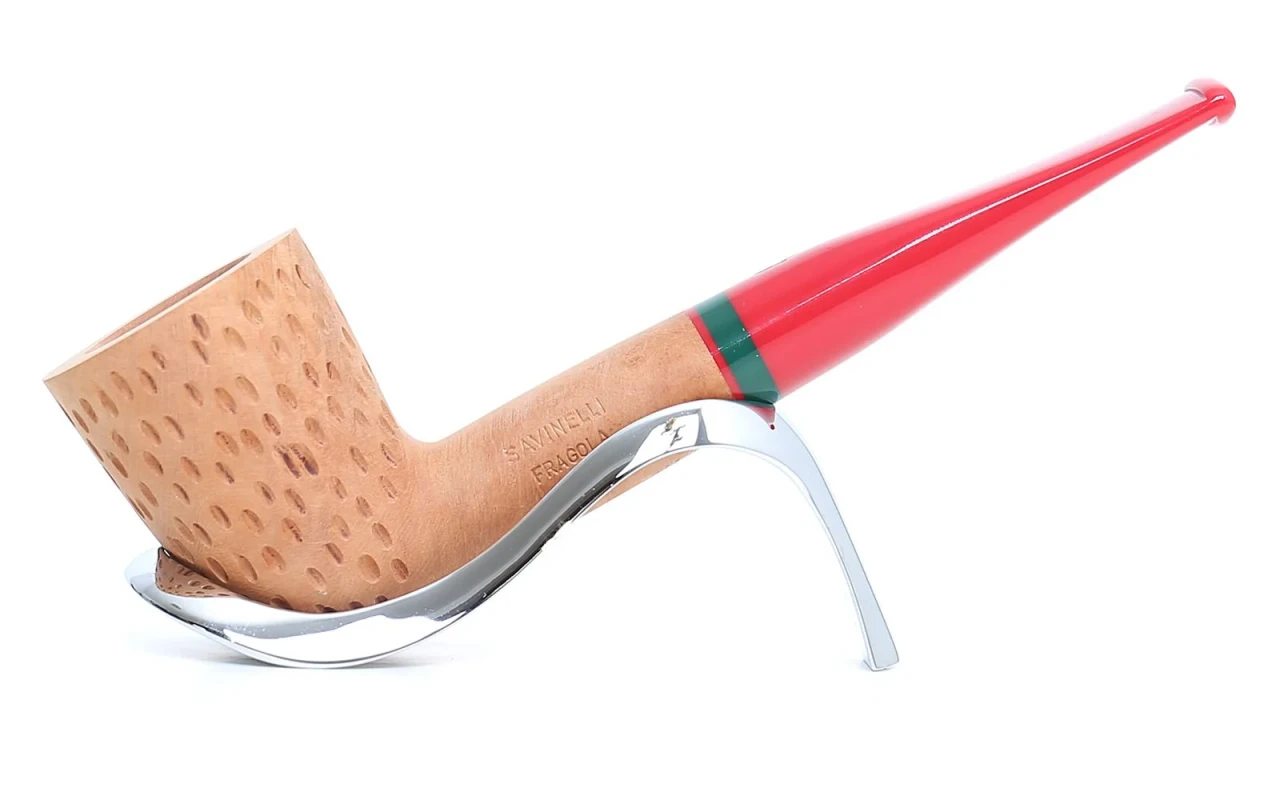
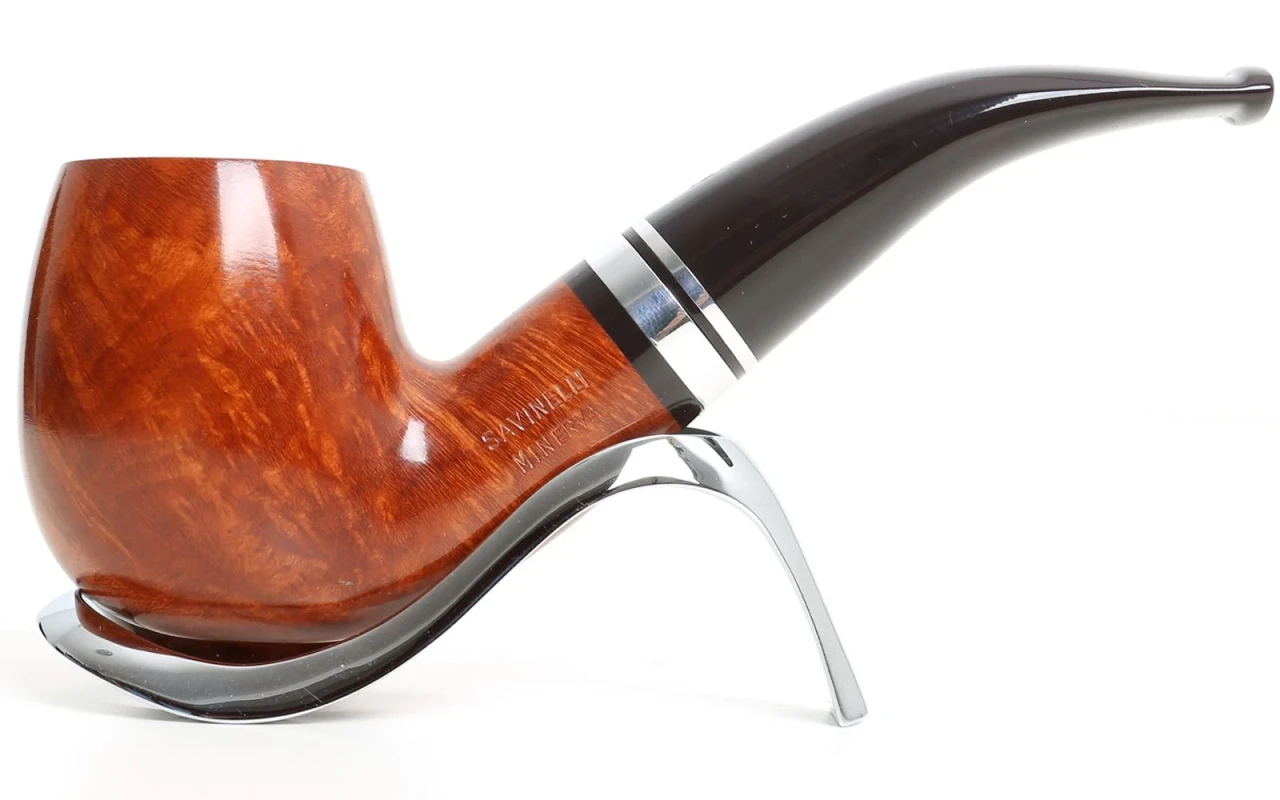
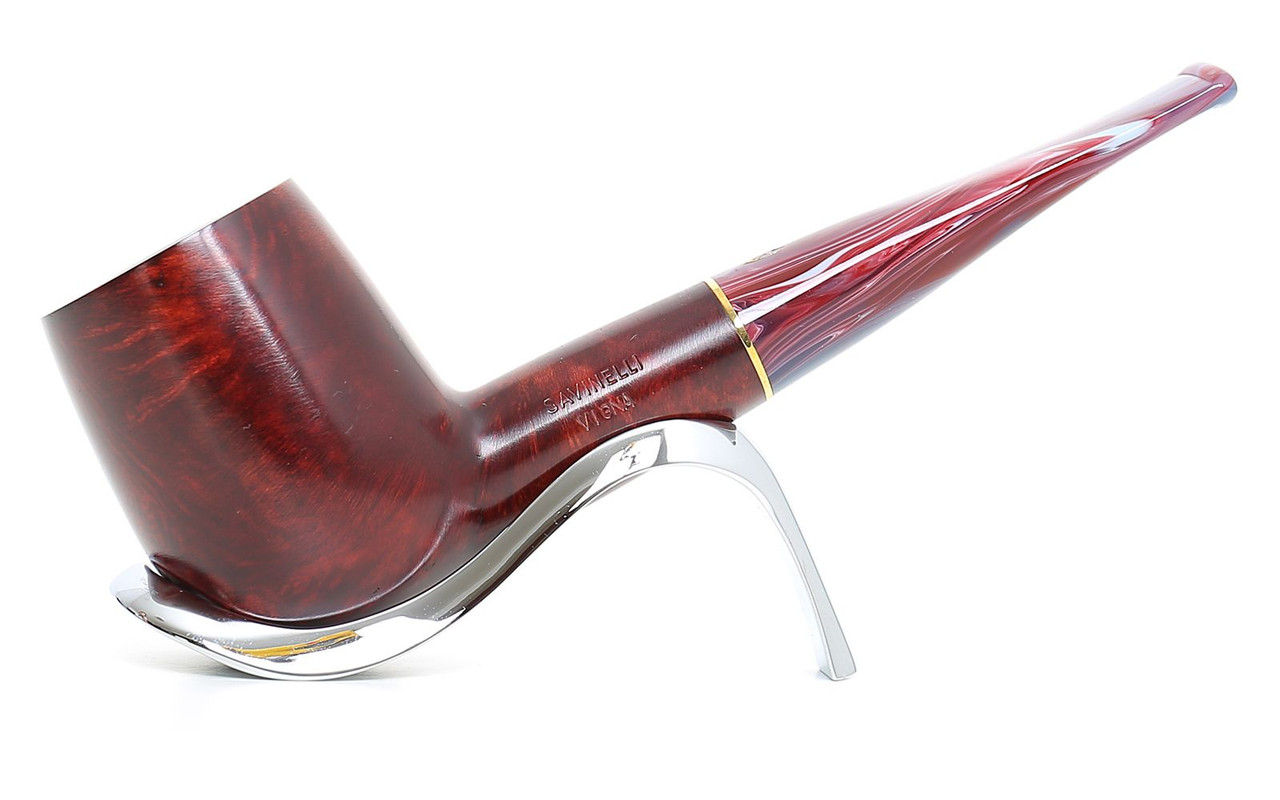
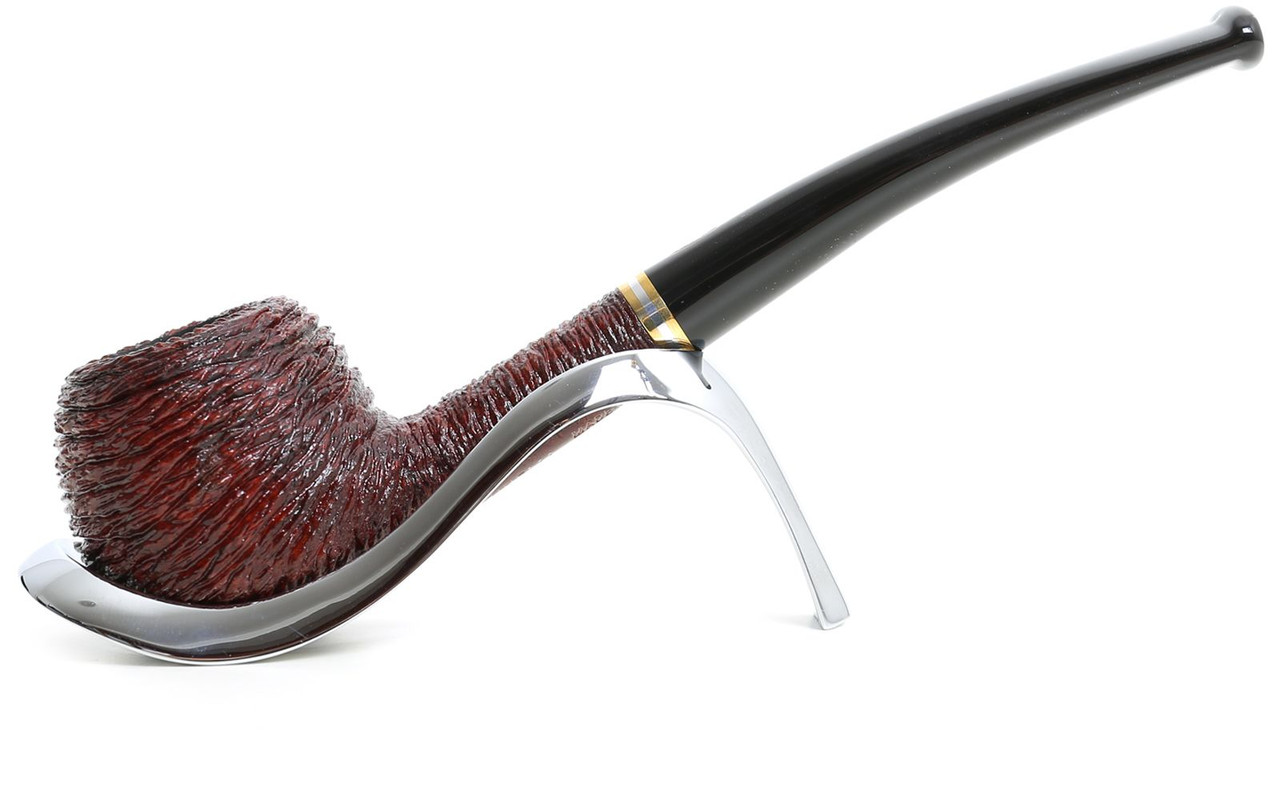
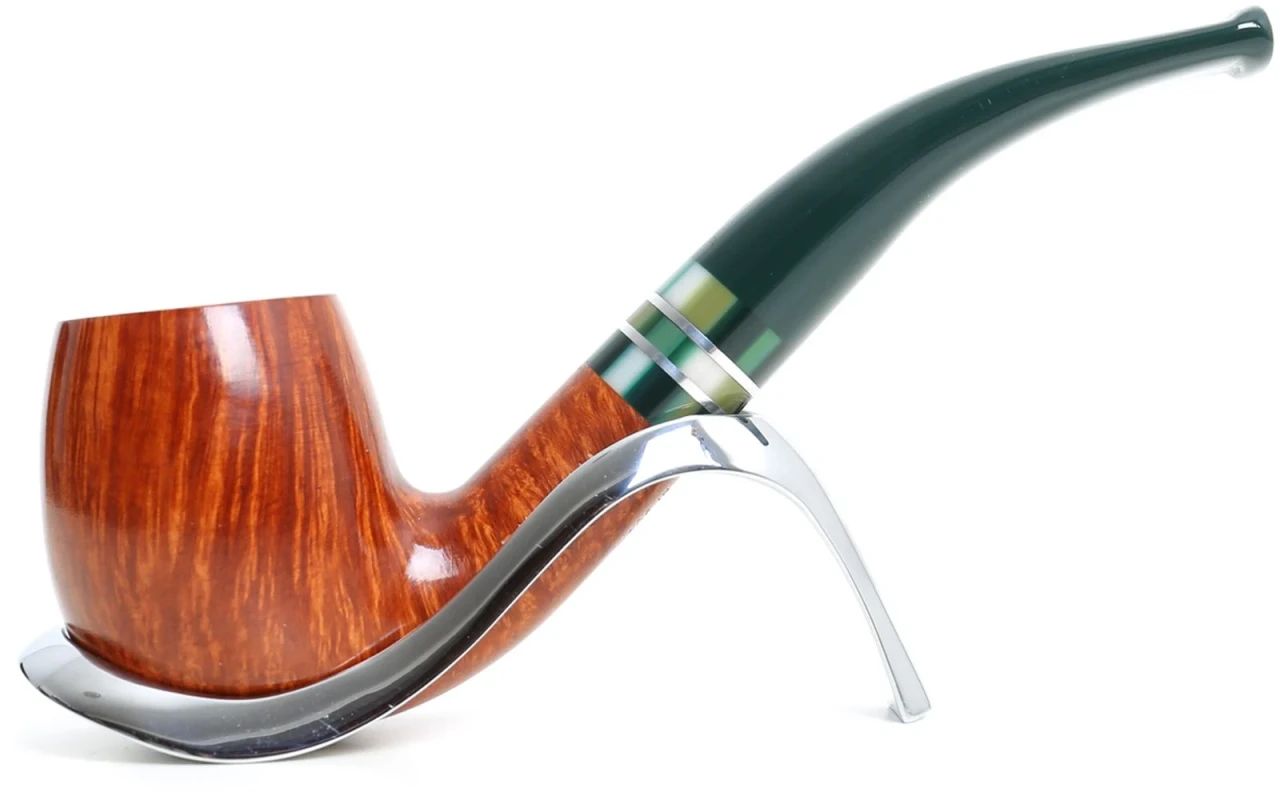
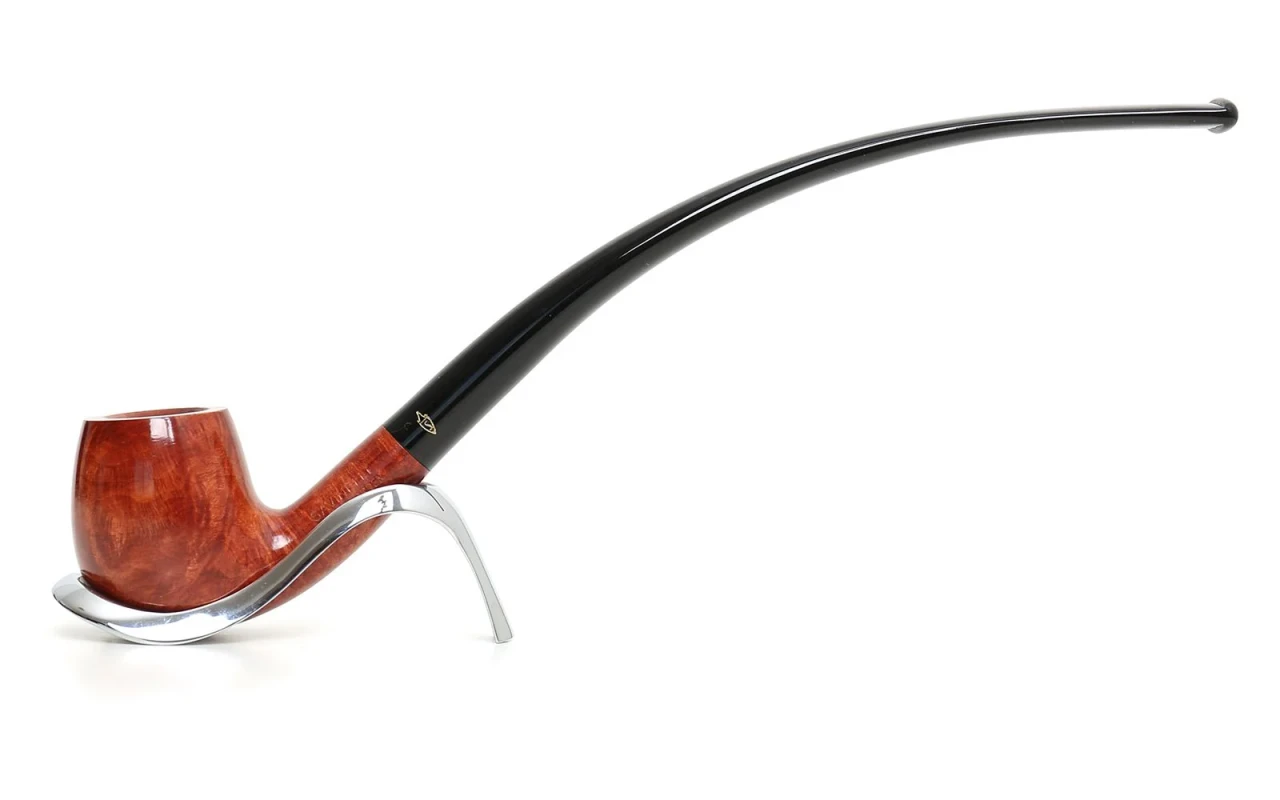
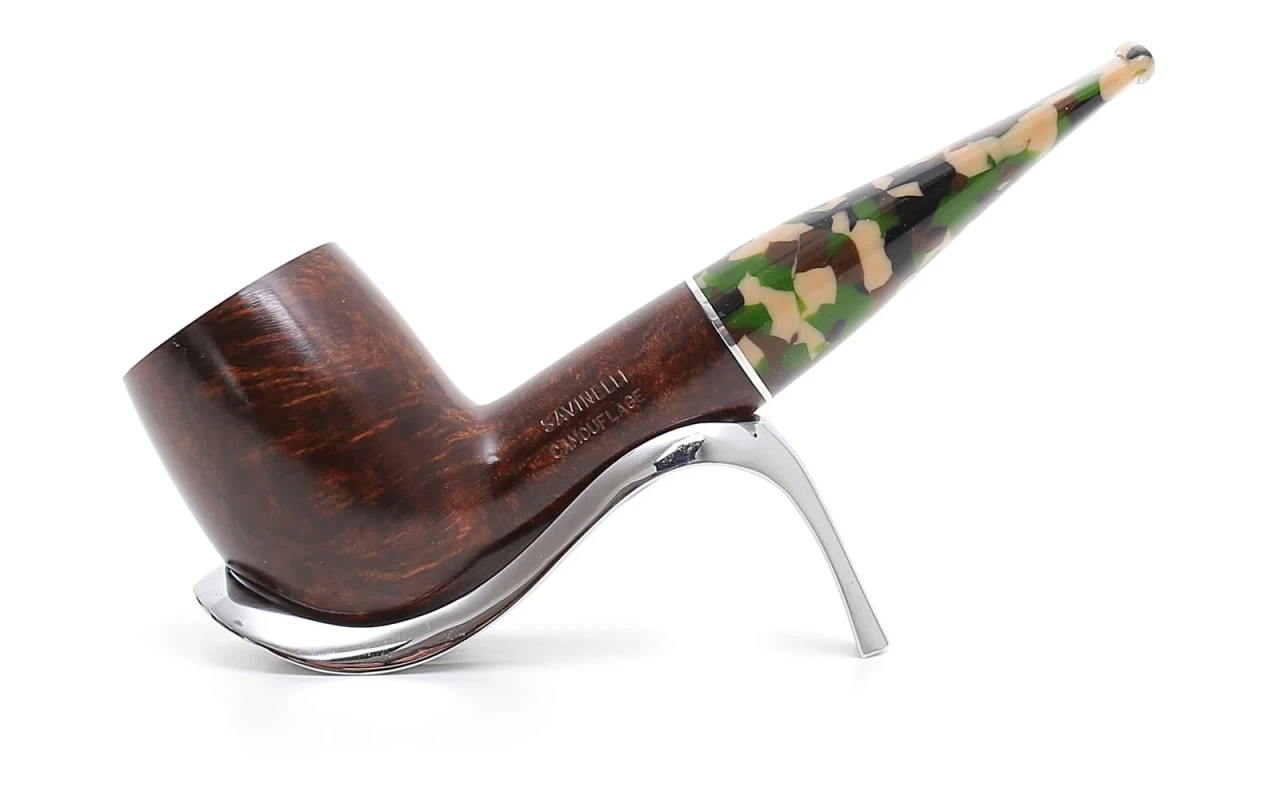
The average lifespan of a well-maintained pipe can vary significantly depending on the materials used in its construction and how it is cared for. However, in general, a high-quality pipe, made of briar or other heat-resistant materials, can last for many years. By keeping the pipe clean and dry after each use, avoiding overheating, and regularly applying specific oils or wax for maintenance, you can further extend its lifespan. Moreover, rotating multiple pipes in use can help distribute wear and prolong the average life of each pipe.
Average lifespan of a pipe
The average lifespan of a pipe depends on various factors, including the quality of the material, frequency of use, and care given to the pipe itself. In general, a well-built and well-maintained pipe can last for many years, even a lifetime if properly handled. However, it is important to keep in mind that pipe smoking can affect wear over time. It is advisable to regularly clean the pipe and use accessories such as filters and caps to ensure a longer lifespan. Furthermore, avoiding excessive overheating of the pipe during combustion can help preserve it over time.
Pipe smoking maintenance
Maintenance of the smoking pipe is essential to ensure optimal performance and long-term durability. Here are some useful tips to take care of your pipe:- After each use, gently empty the ash and clean the pipe with a pipe cleaner.- Avoid overfilling the pipe to prevent excessive overheating.- Regularly clean the mouthpiece with a damp cloth to remove saliva and nicotine residues.- Occasionally, it is advisable to wipe the external surface of the pipe with a clean, dry cloth to remove any smoke and dust residues.By following these simple maintenance practices, you will be able to enjoy your smoking pipe for a long time.
Pipe Smoking Materials
The most common materials used for making smoking pipes are wood, briar root, and corn cob. Wood, such as briar, is highly valued for its heat resistance and tobacco combustion properties. Briar root pipes, on the other hand, offer a neutral taste and develop a patina over time with use. Corn cob pipes are lightweight and affordable, often chosen by beginners. Other materials used include clay, meerschaum, and metal, each with distinctive characteristics that influence the taste and overall pipe smoking experience.
Pipe and Tobacco Care
Taking care of your pipe and tobacco is essential to ensure a better smoking experience and preserve your pipe over time. Here are some useful tips for tobacco pipe care:- After each smoke, thoroughly clean the pipe by removing the burnt tobacco residues.- Wait for the pipe to cool down before emptying and cleaning it.- Use a pipe cleaner or a pipe tool to clean the stem and the pipe's airway.- Avoid overpacking the pipe with tobacco and overheating it.- Periodically, apply a light coat of beeswax or oil to the pipe to protect it and keep it shiny.By following these simple tips, you can fully enjoy your tobacco pipe for a long time.
'%3e%3cg id='Final-Copy-2_2_' transform='translate(1275.000000, 200.000000)'%3e%3cpath class='st0' d='M7.4,12.8h6.8l3.1-11.6H7.4C4.2,1.2,1.6,3.8,1.6,7S4.2,12.8,7.4,12.8z'/%3e%3c/g%3e%3c/g%3e%3c/g%3e%3cg id='final---dec.11-2020'%3e%3cg id='_x30_208-our-toggle' transform='translate(-1275.000000, -200.000000)'%3e%3cg id='Final-Copy-2' transform='translate(1275.000000, 200.000000)'%3e%3cpath class='st1' d='M22.6,0H7.4c-3.9,0-7,3.1-7,7s3.1,7,7,7h15.2c3.9,0,7-3.1,7-7S26.4,0,22.6,0z M1.6,7c0-3.2,2.6-5.8,5.8-5.8 h9.9l-3.1,11.6H7.4C4.2,12.8,1.6,10.2,1.6,7z'/%3e%3cpath id='x' class='st2' d='M24.6,4c0.2,0.2,0.2,0.6,0,0.8l0,0L22.5,7l2.2,2.2c0.2,0.2,0.2,0.6,0,0.8c-0.2,0.2-0.6,0.2-0.8,0 l0,0l-2.2-2.2L19.5,10c-0.2,0.2-0.6,0.2-0.8,0c-0.2-0.2-0.2-0.6,0-0.8l0,0L20.8,7l-2.2-2.2c-0.2-0.2-0.2-0.6,0-0.8 c0.2-0.2,0.6-0.2,0.8,0l0,0l2.2,2.2L23.8,4C24,3.8,24.4,3.8,24.6,4z'/%3e%3cpath id='y' class='st3' d='M12.7,4.1c0.2,0.2,0.3,0.6,0.1,0.8l0,0L8.6,9.8C8.5,9.9,8.4,10,8.3,10c-0.2,0.1-0.5,0.1-0.7-0.1l0,0 L5.4,7.7c-0.2-0.2-0.2-0.6,0-0.8c0.2-0.2,0.6-0.2,0.8,0l0,0L8,8.6l3.8-4.5C12,3.9,12.4,3.9,12.7,4.1z'/%3e%3c/g%3e%3c/g%3e%3c/g%3e%3c/g%3e%3c/svg%3e) Your Privacy Choices
Your Privacy Choices 


