 ES
ES FR
FR EN
EN IT
IT DE
DE
Differences between Horn and Cutty pipe models in heat distribution
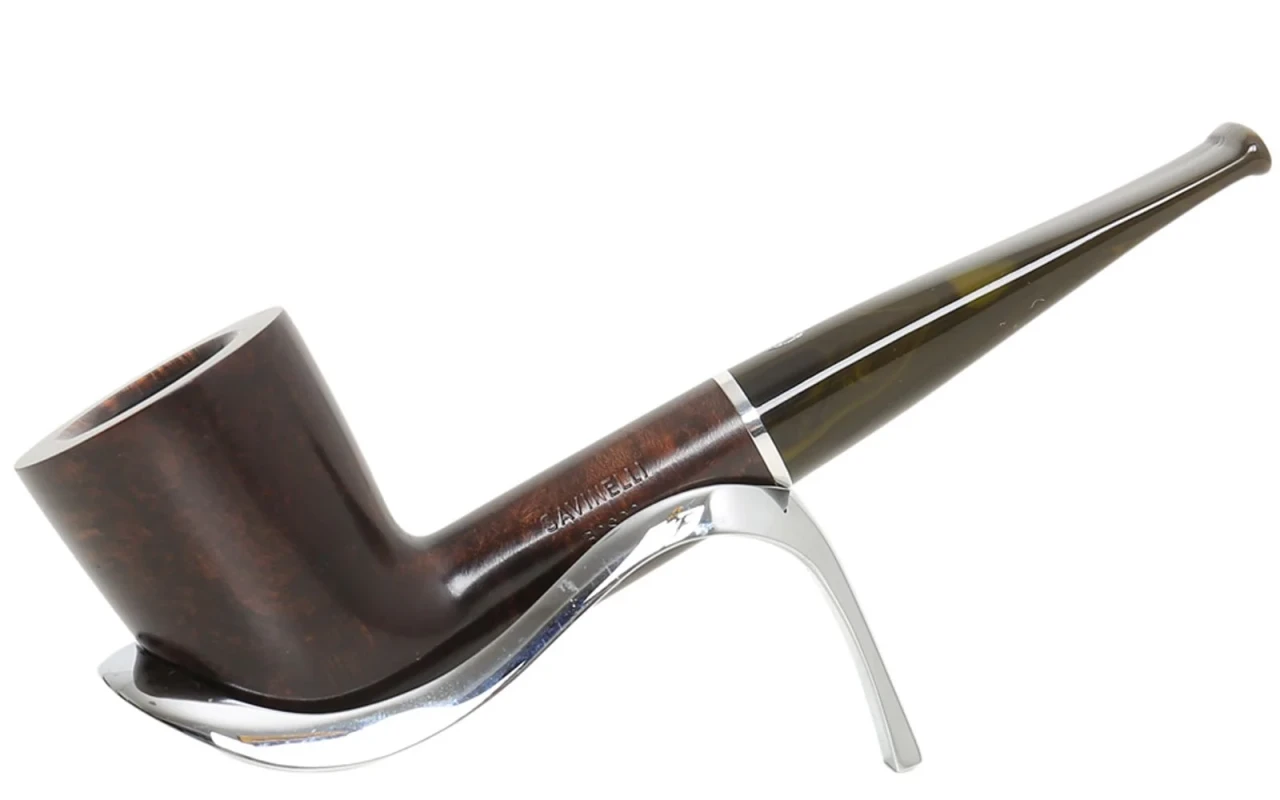
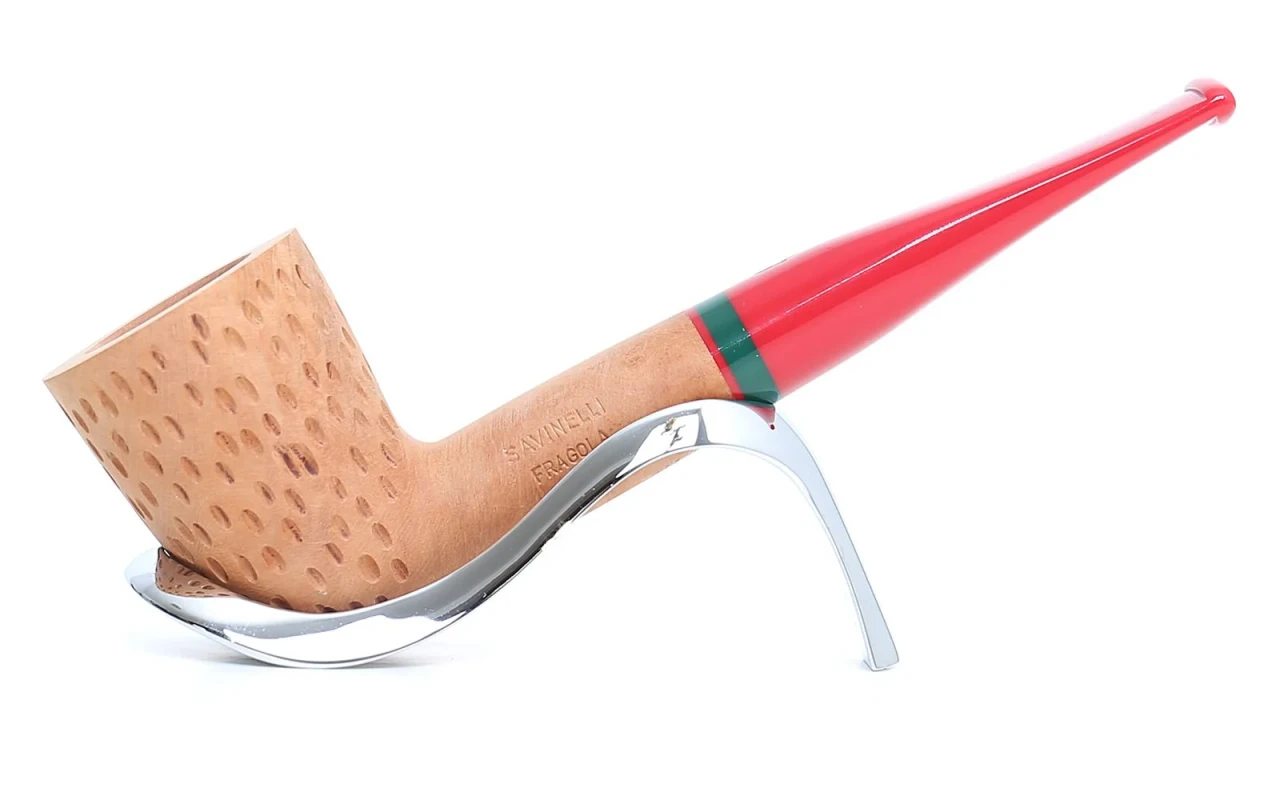
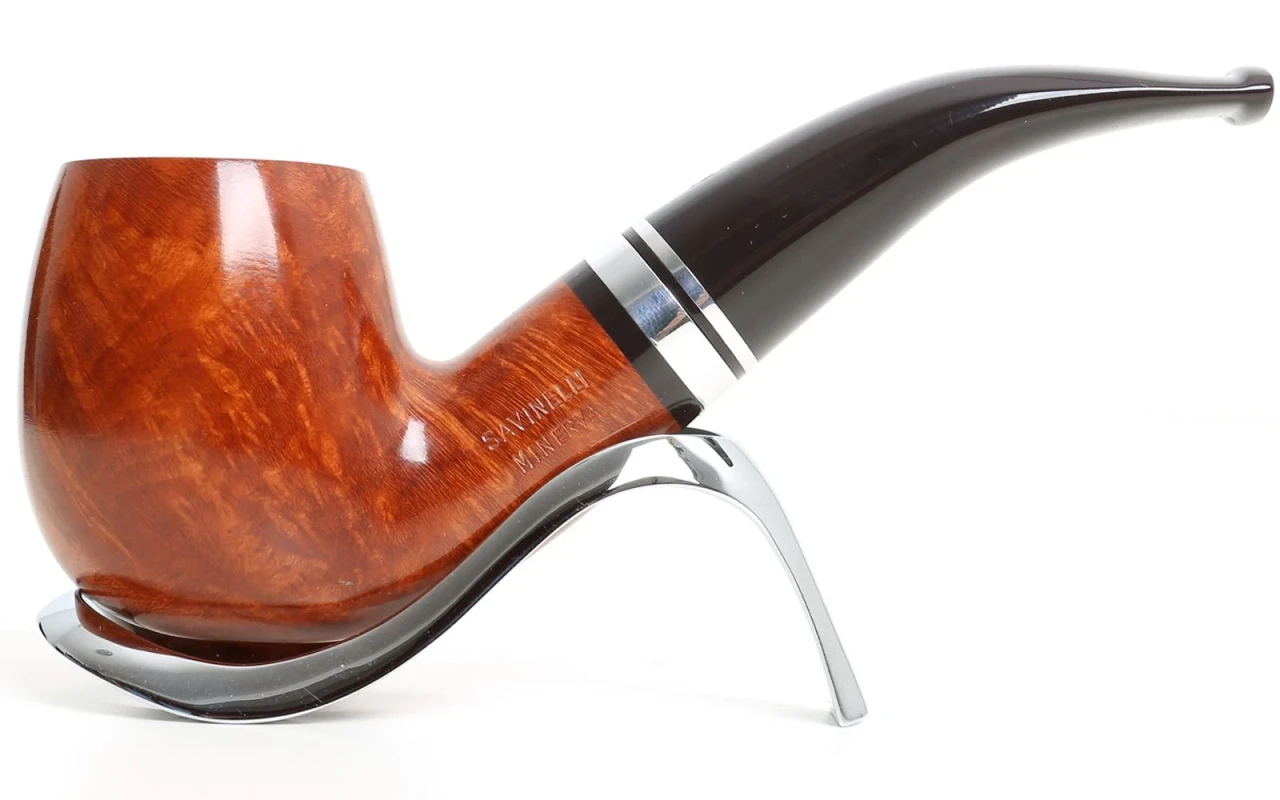
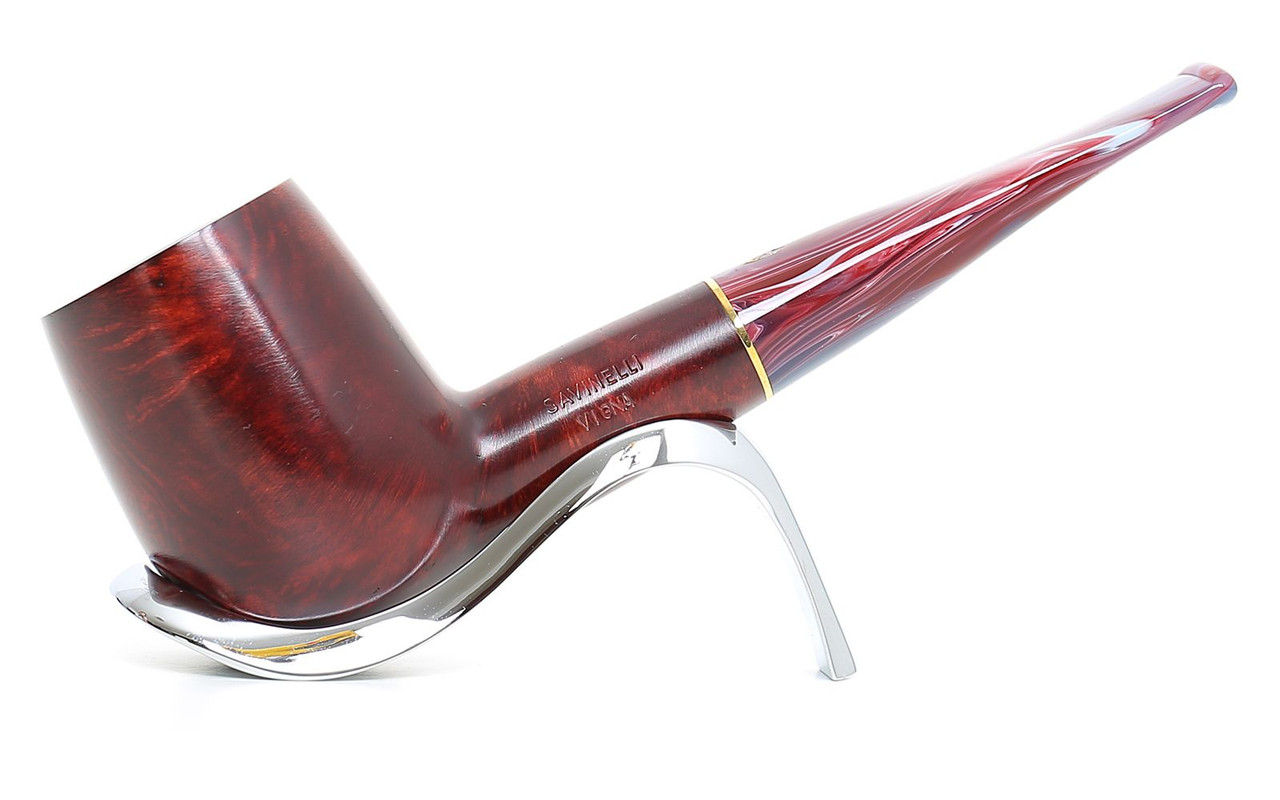
Differences between Horn and Cutty pipe models in heat distribution
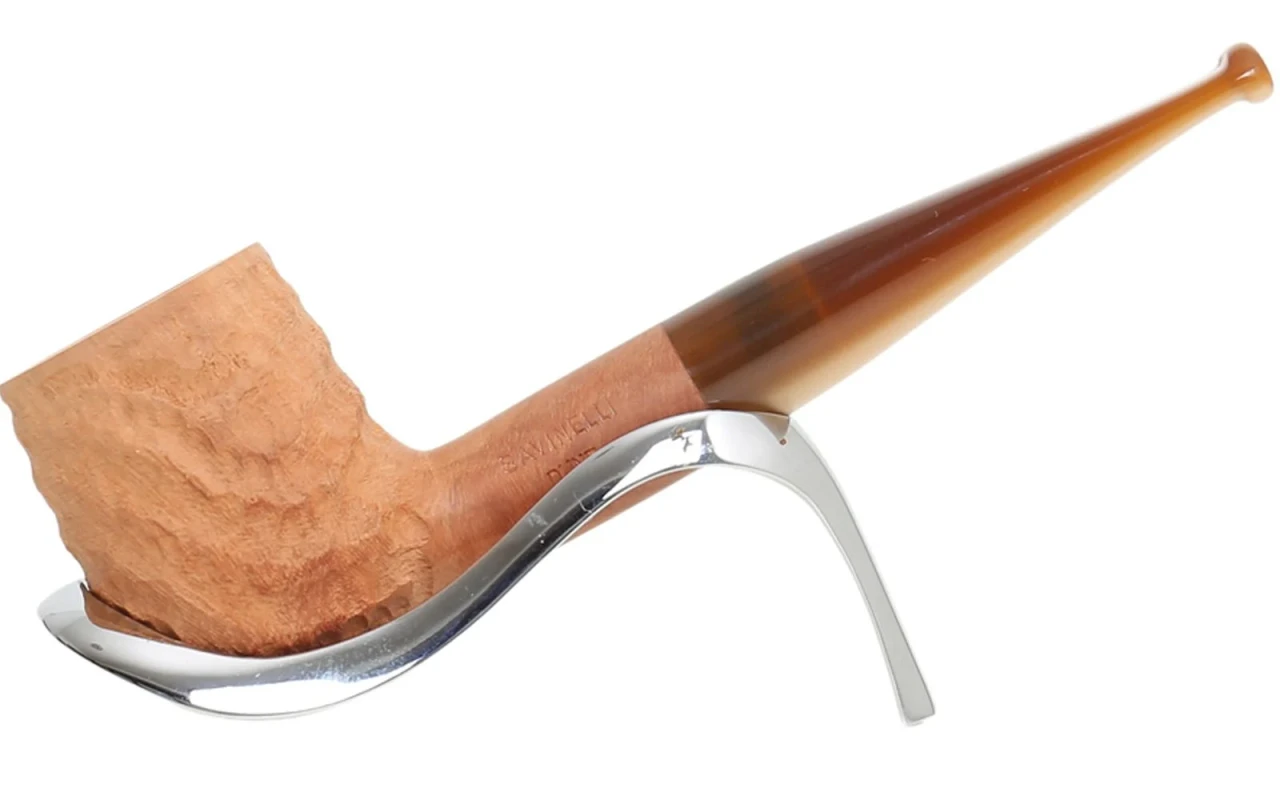
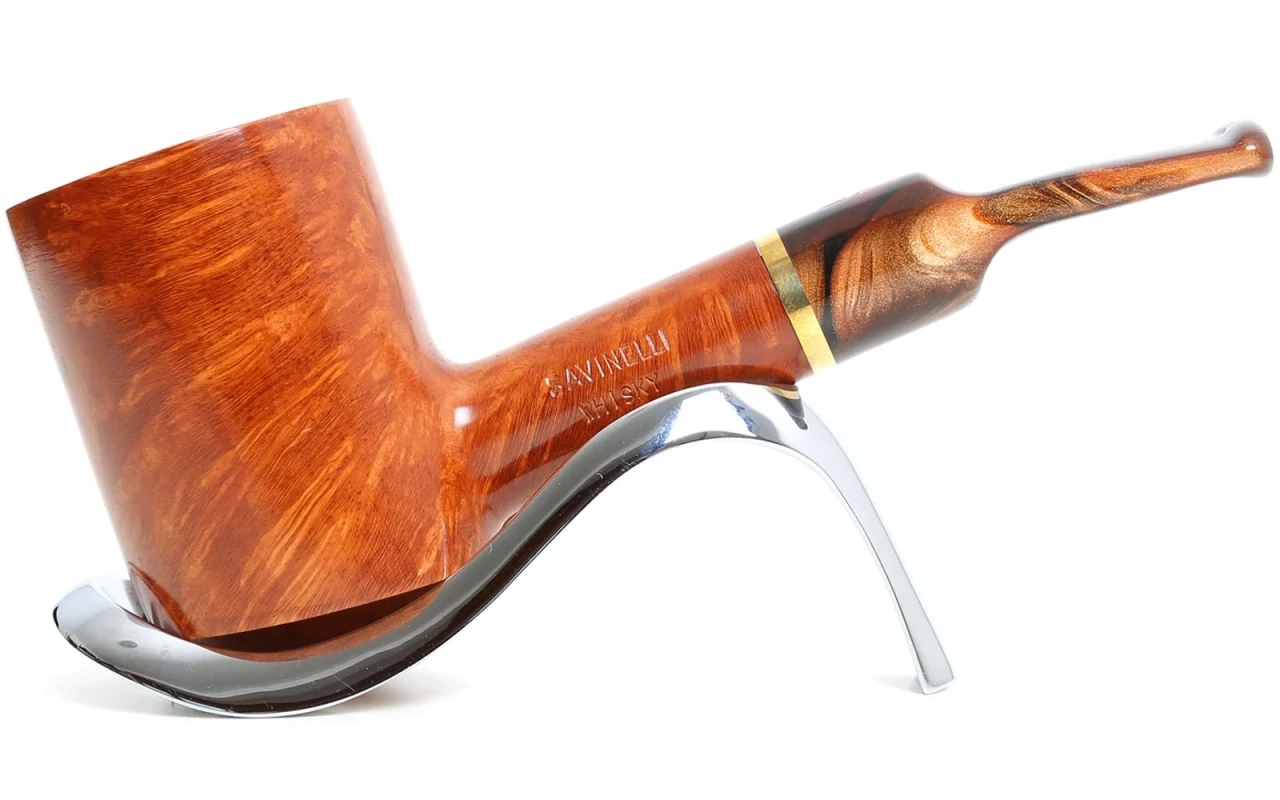
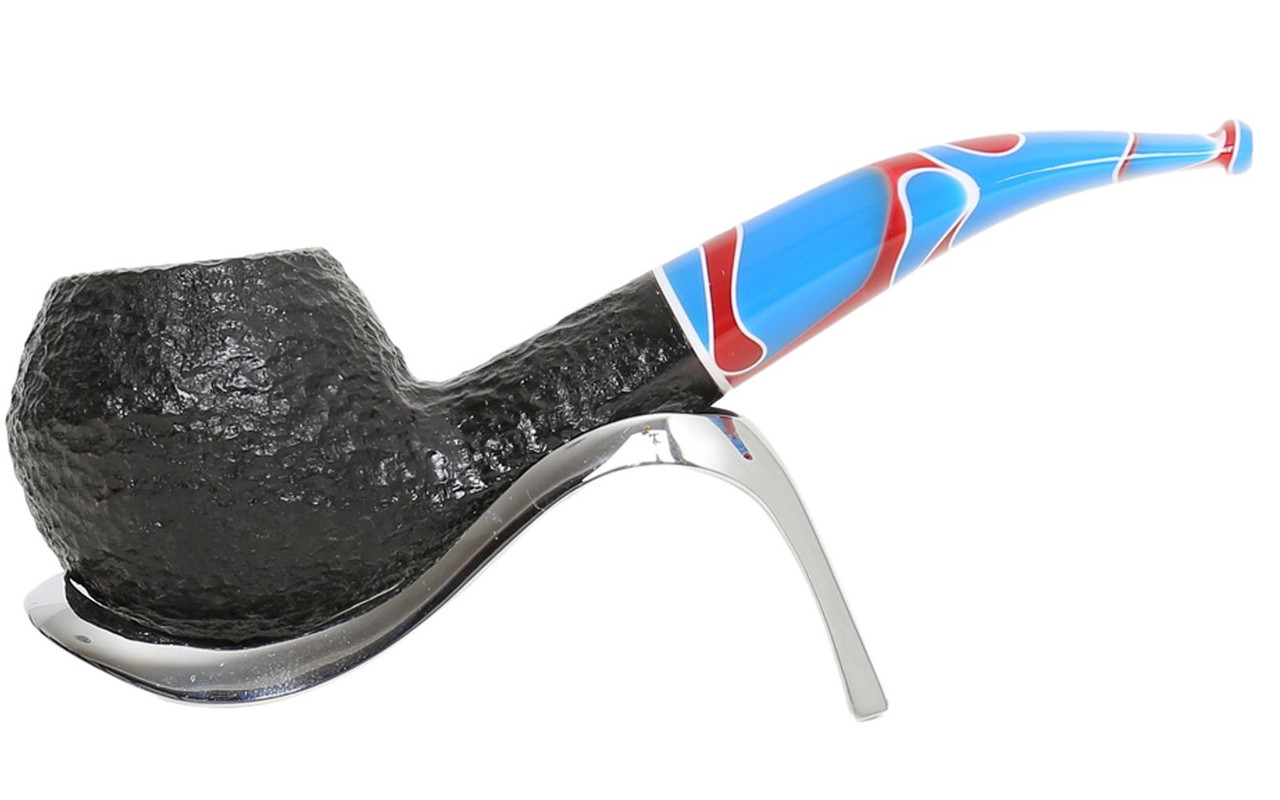
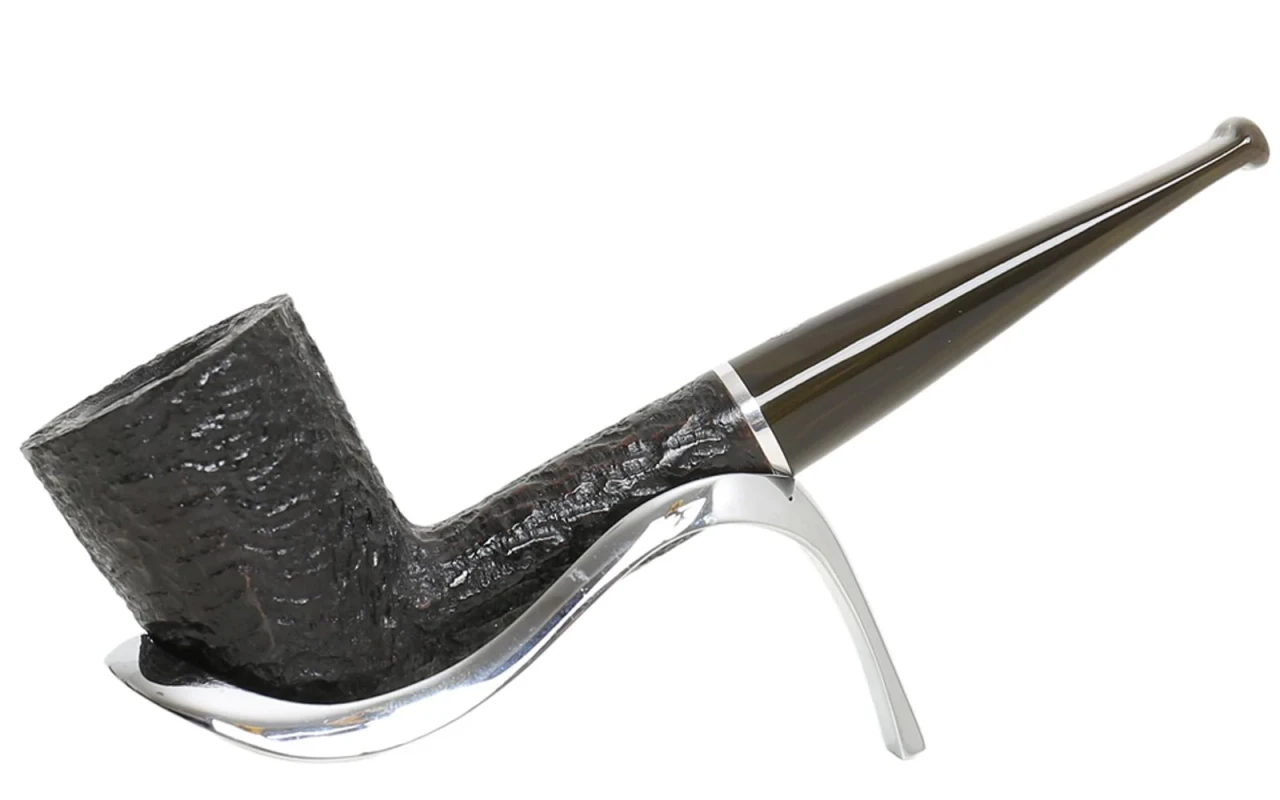
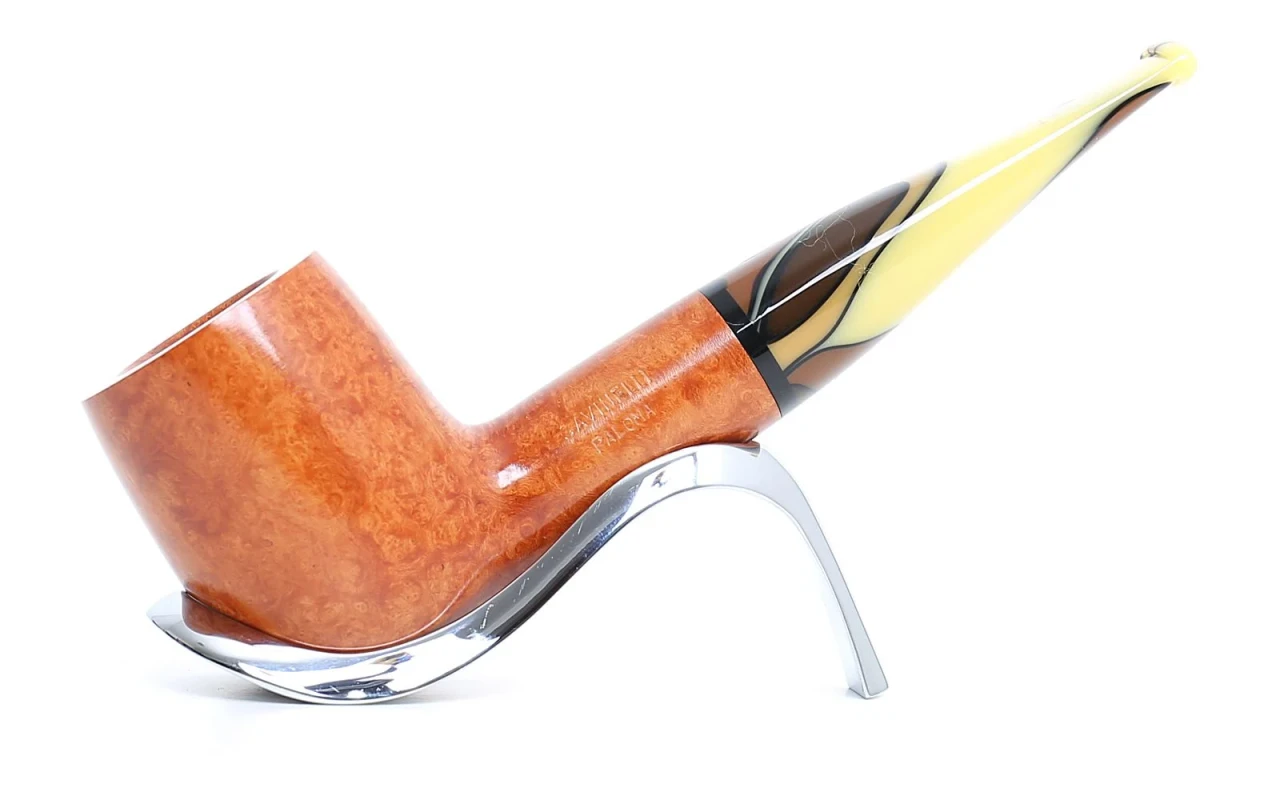
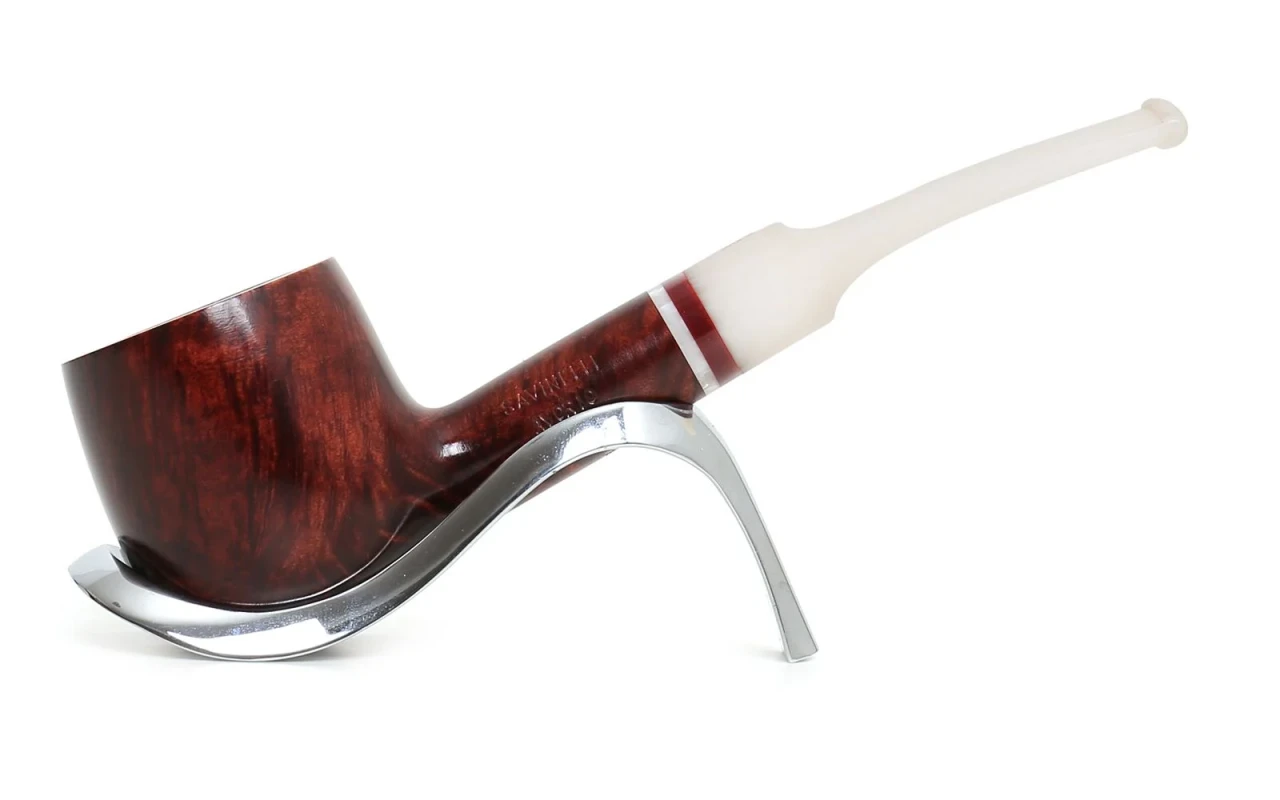
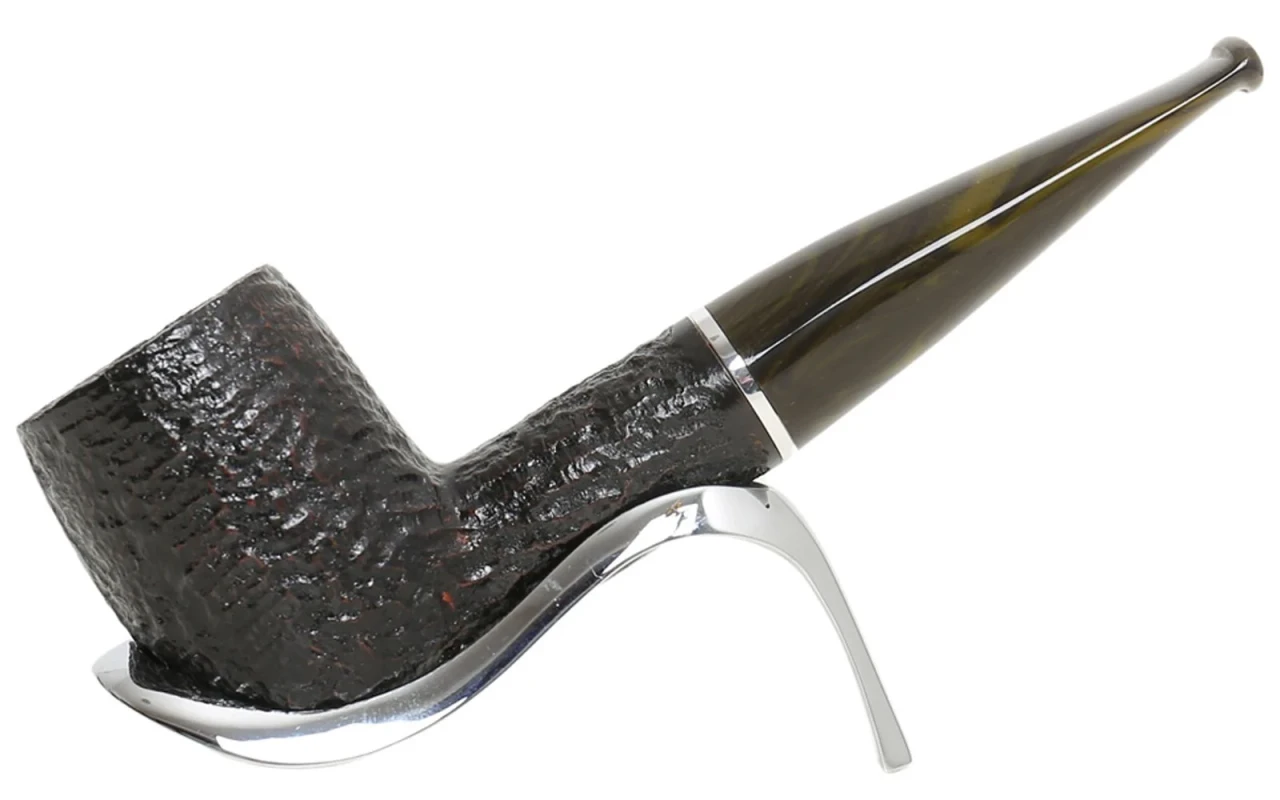
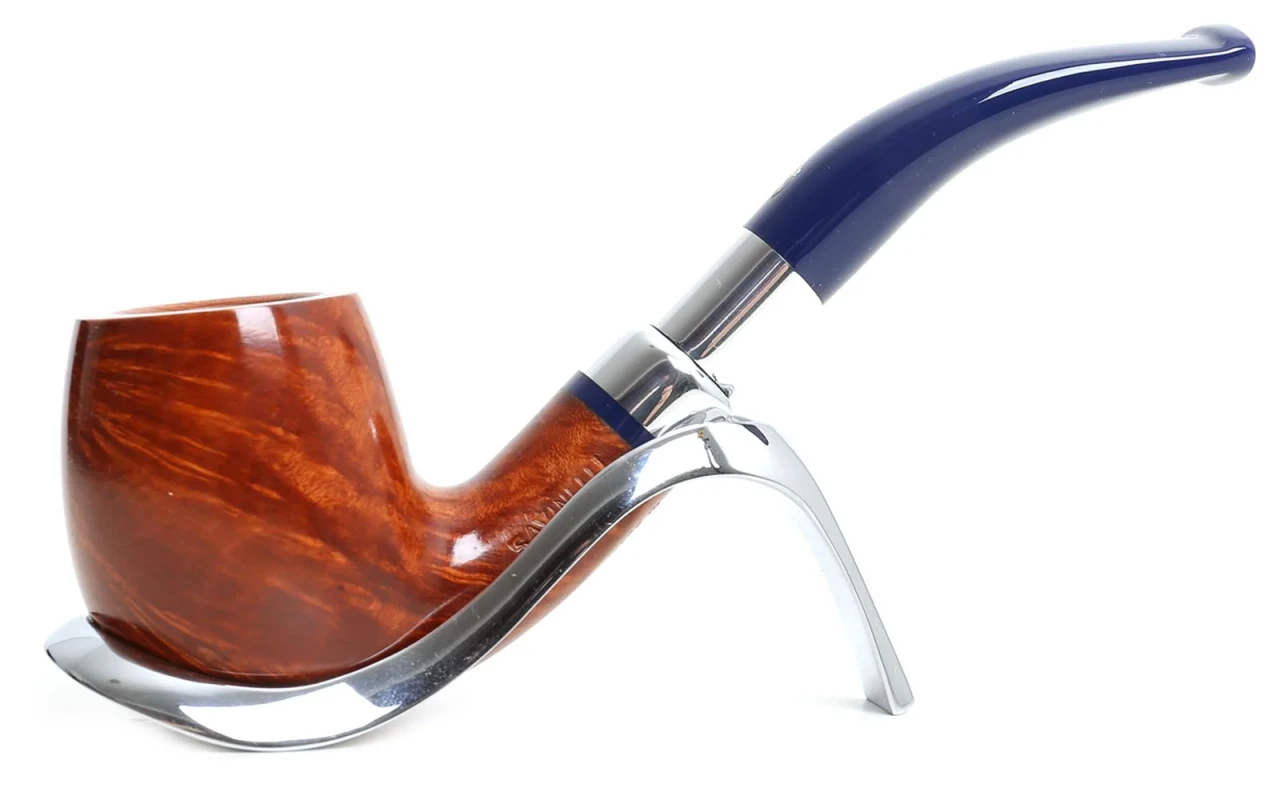
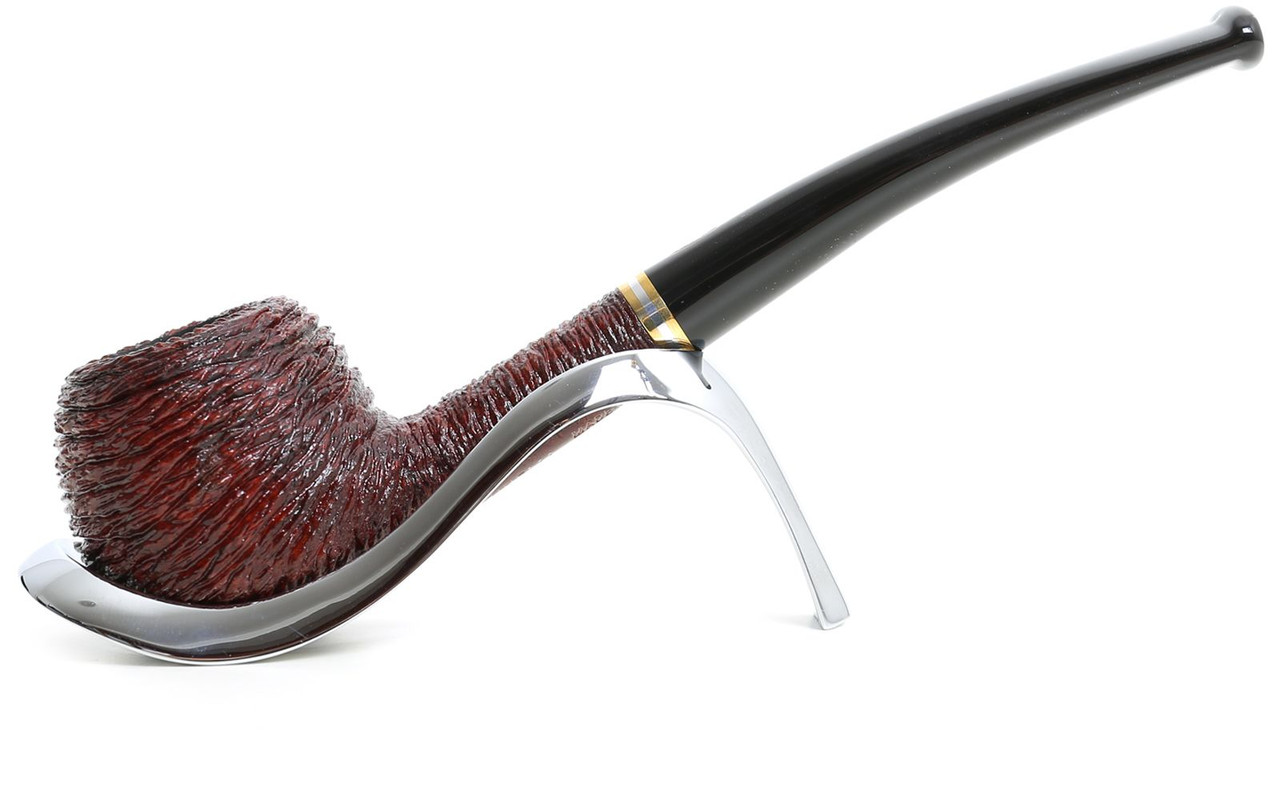
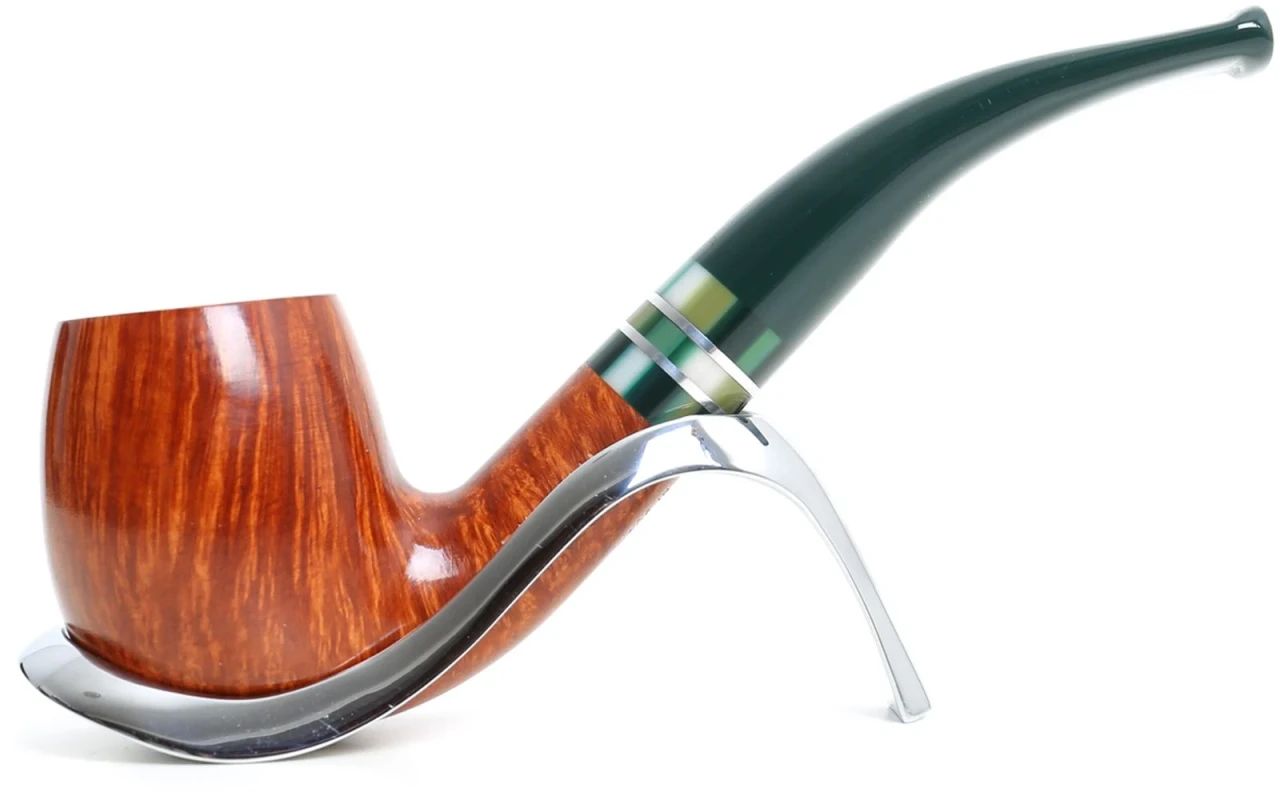
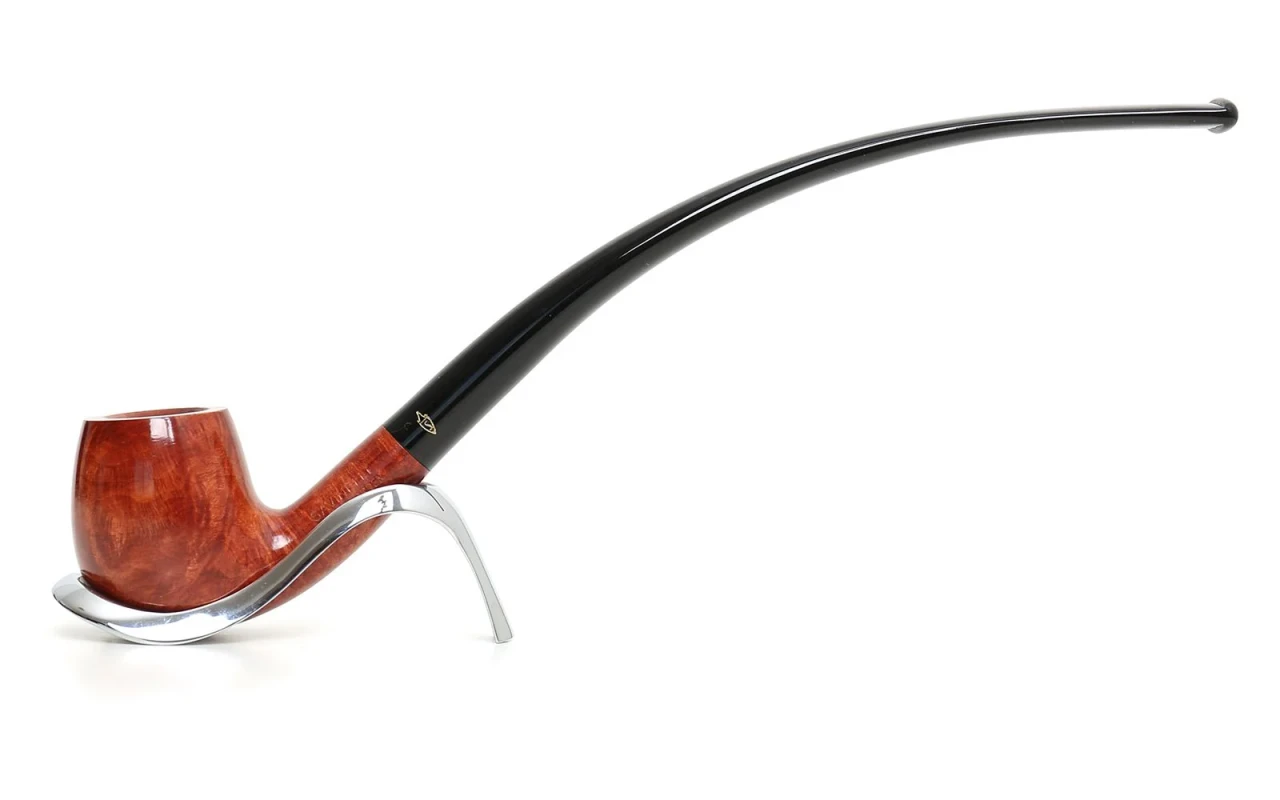
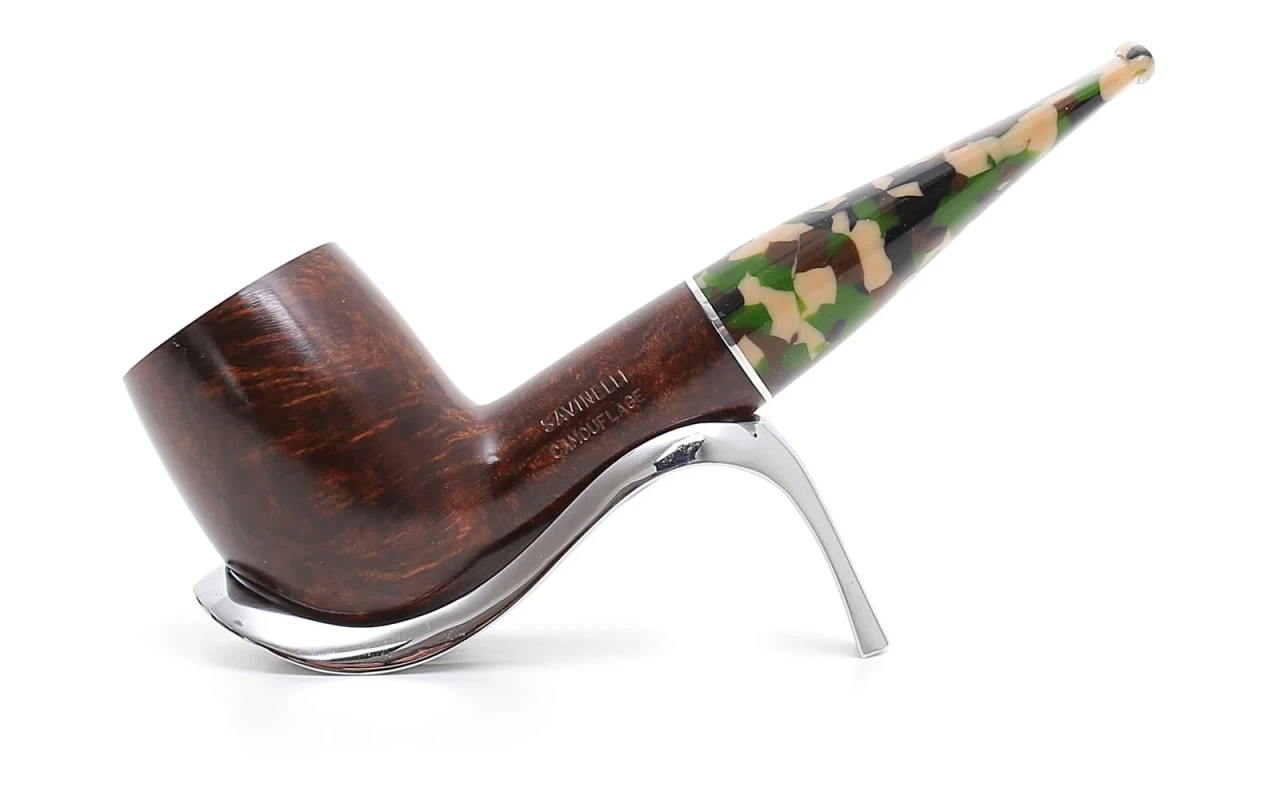
The Horn model and the Cutty pipe are both types of pipes with distinctive features. The main difference lies in their shape: the Horn model has a rounded bowl and a slightly curved body, while the Cutty pipe is characterized by its slender shape and long, thin shank. In terms of heat distribution, the Horn model tends to cool down more slowly compared to the Cutty pipe, thanks to its more compact structure that retains heat for a longer period. On the other hand, the Cutty pipe, with its slender design, promotes a quicker heat distribution during smoking.
Cutty pipe: material differences
The Cutty pipe is a pipe model characterized by a distinctive shape, with a long and slender stem and a smoke hole positioned lower than the mouthpiece. Variations in materials can affect both the aesthetics and performance of the pipe. Cutty pipes can be made from various types of wood, such as briar root, walnut, or olive wood, each with different characteristics of porosity and heat resistance. Some models can also be crafted from other materials, such as briar root or even synthetic materials like methacrylate. The choice of material impacts the taste and overall smoking experience of a Cutty pipe.
Horn pipe smoking features
The Horn pipe is a particular type of pipe characterized by the shape of the mouthpiece resembling a horn. This design is not only aesthetically pleasing but also contributes to a more comfortable smoking experience. The main features of a Horn pipe include:- Elegant and distinctive horn-shaped design- Ergonomic mouthpiece that comfortably fits the mouth- Made of high-quality materials such as briar or heather root- Compact and easy to handle dimensions- Cool and dry smoke thanks to the shape of the mouthpiece- Suitable for both experienced smokers and beginners looking for a refined and unique smoking experience.
Pipe Heat Distribution Design
Pipes for heat distribution are carefully designed to ensure effective heat transfer. The design of pipes must optimize the flow of heat through high-quality materials and a structure that maximizes thermal efficiency. Design features include material selection, shape, and size of the pipe, as well as the presence of thermal insulation to reduce heat losses. A well-thought-out design ensures uniform heat distribution, minimizing losses, and ensuring optimal efficiency of the heating system.
'%3e%3cg id='Final-Copy-2_2_' transform='translate(1275.000000, 200.000000)'%3e%3cpath class='st0' d='M7.4,12.8h6.8l3.1-11.6H7.4C4.2,1.2,1.6,3.8,1.6,7S4.2,12.8,7.4,12.8z'/%3e%3c/g%3e%3c/g%3e%3c/g%3e%3cg id='final---dec.11-2020'%3e%3cg id='_x30_208-our-toggle' transform='translate(-1275.000000, -200.000000)'%3e%3cg id='Final-Copy-2' transform='translate(1275.000000, 200.000000)'%3e%3cpath class='st1' d='M22.6,0H7.4c-3.9,0-7,3.1-7,7s3.1,7,7,7h15.2c3.9,0,7-3.1,7-7S26.4,0,22.6,0z M1.6,7c0-3.2,2.6-5.8,5.8-5.8 h9.9l-3.1,11.6H7.4C4.2,12.8,1.6,10.2,1.6,7z'/%3e%3cpath id='x' class='st2' d='M24.6,4c0.2,0.2,0.2,0.6,0,0.8l0,0L22.5,7l2.2,2.2c0.2,0.2,0.2,0.6,0,0.8c-0.2,0.2-0.6,0.2-0.8,0 l0,0l-2.2-2.2L19.5,10c-0.2,0.2-0.6,0.2-0.8,0c-0.2-0.2-0.2-0.6,0-0.8l0,0L20.8,7l-2.2-2.2c-0.2-0.2-0.2-0.6,0-0.8 c0.2-0.2,0.6-0.2,0.8,0l0,0l2.2,2.2L23.8,4C24,3.8,24.4,3.8,24.6,4z'/%3e%3cpath id='y' class='st3' d='M12.7,4.1c0.2,0.2,0.3,0.6,0.1,0.8l0,0L8.6,9.8C8.5,9.9,8.4,10,8.3,10c-0.2,0.1-0.5,0.1-0.7-0.1l0,0 L5.4,7.7c-0.2-0.2-0.2-0.6,0-0.8c0.2-0.2,0.6-0.2,0.8,0l0,0L8,8.6l3.8-4.5C12,3.9,12.4,3.9,12.7,4.1z'/%3e%3c/g%3e%3c/g%3e%3c/g%3e%3c/g%3e%3c/svg%3e) Your Privacy Choices
Your Privacy Choices 


