 ES
ES FR
FR EN
EN IT
IT DE
DE
Differences in airflow between Billiard and Lovat pipe shapes
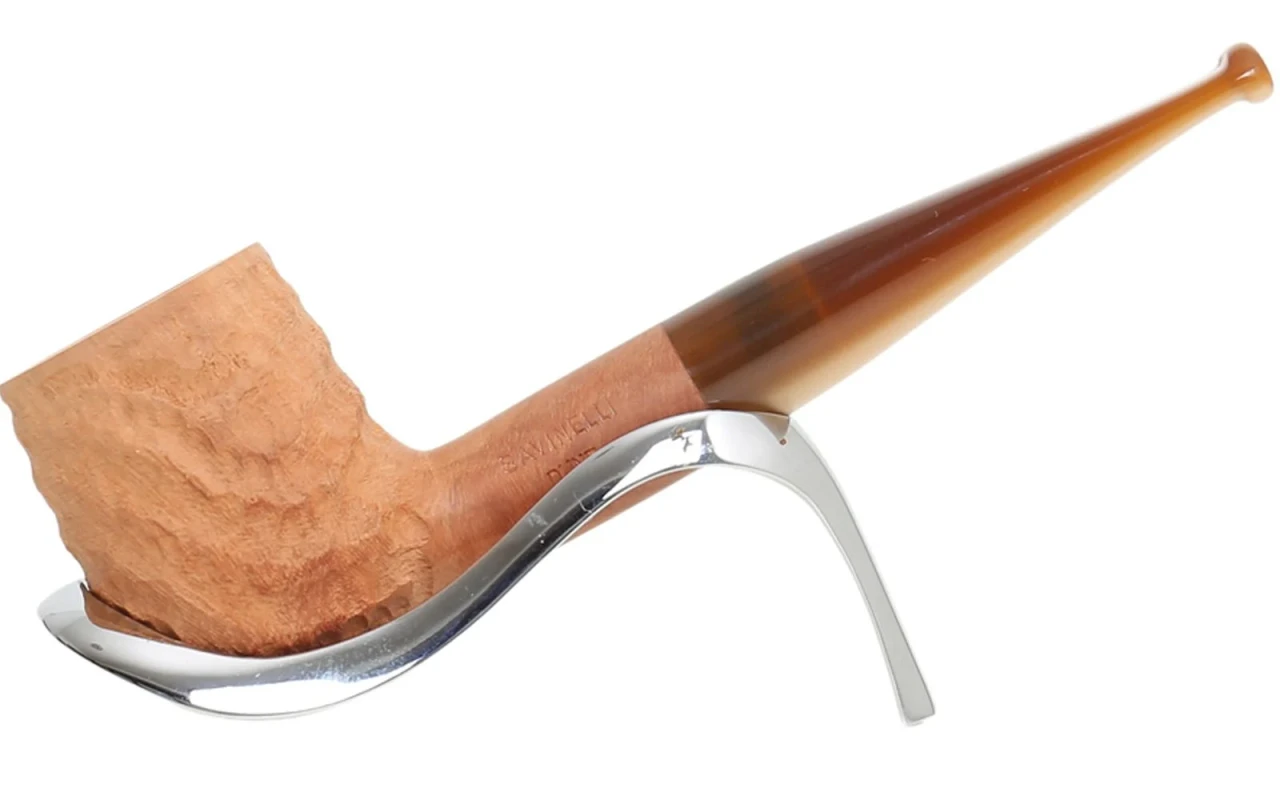
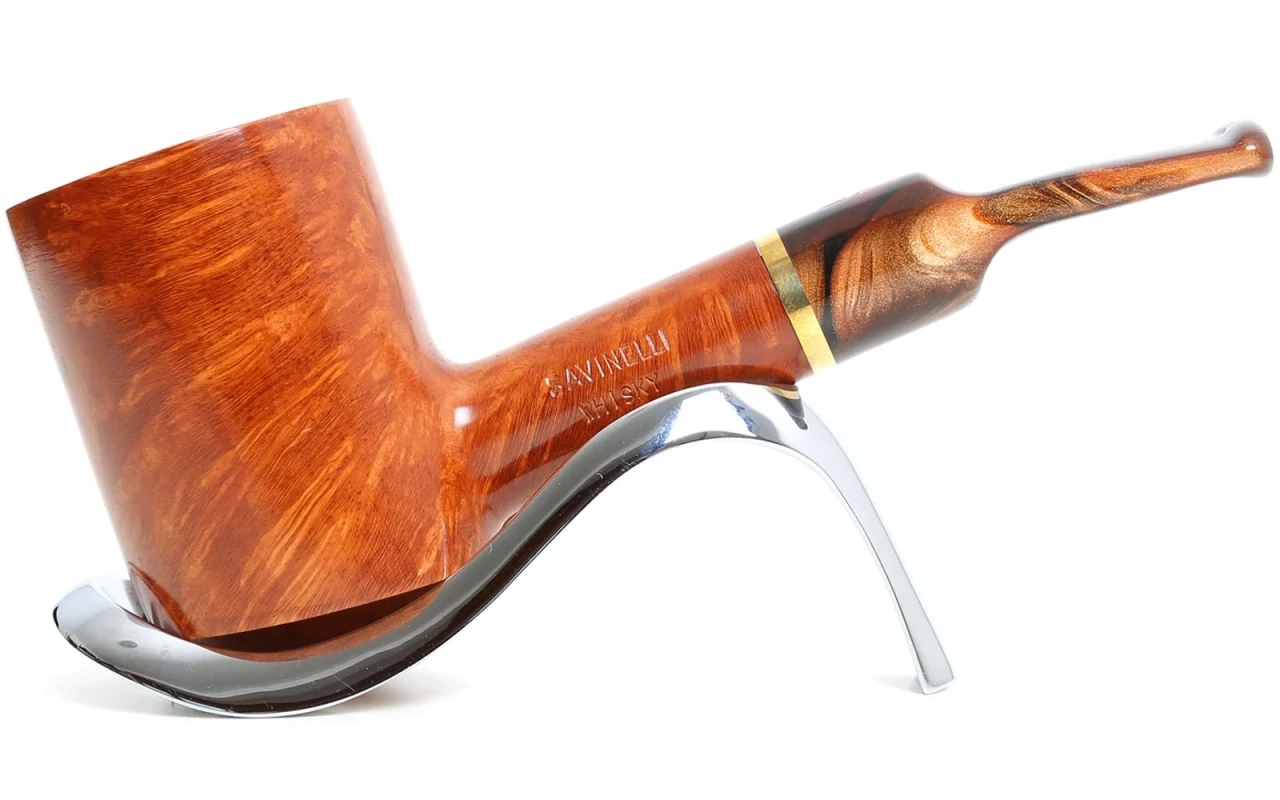
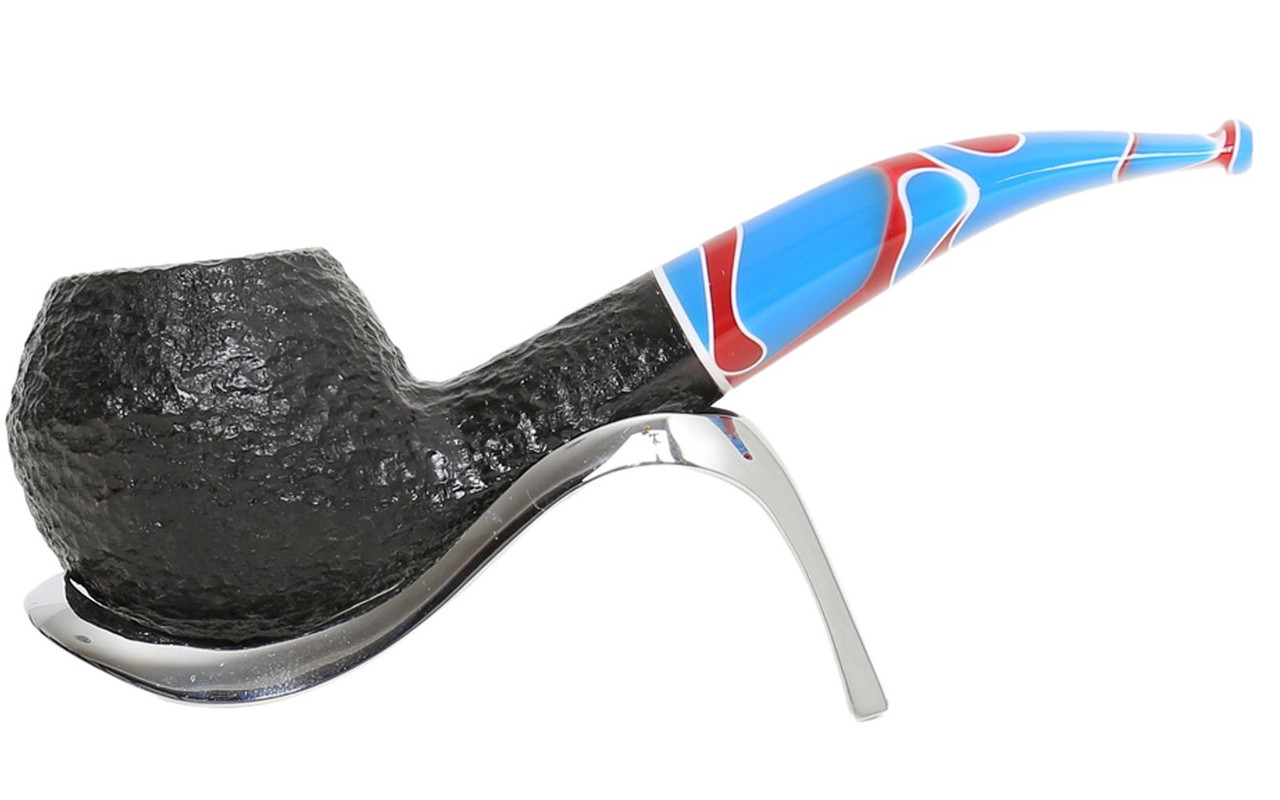
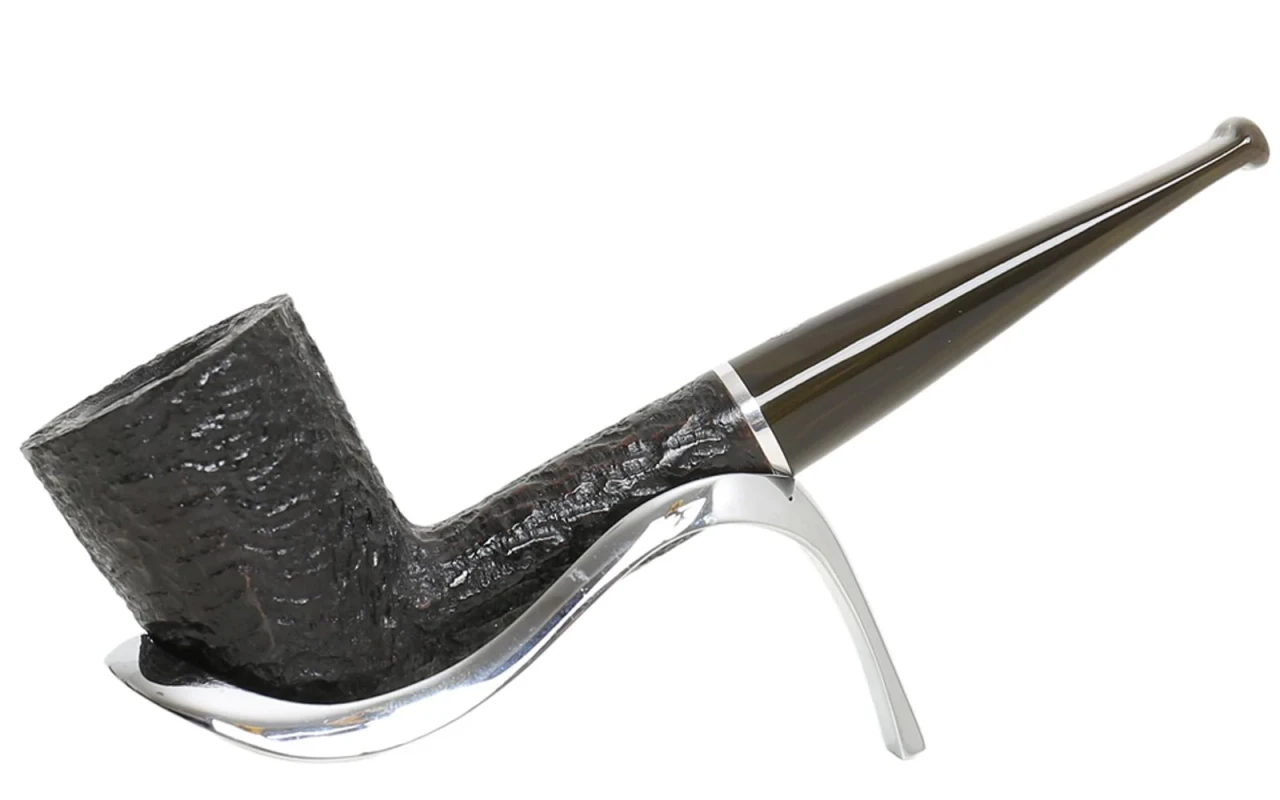
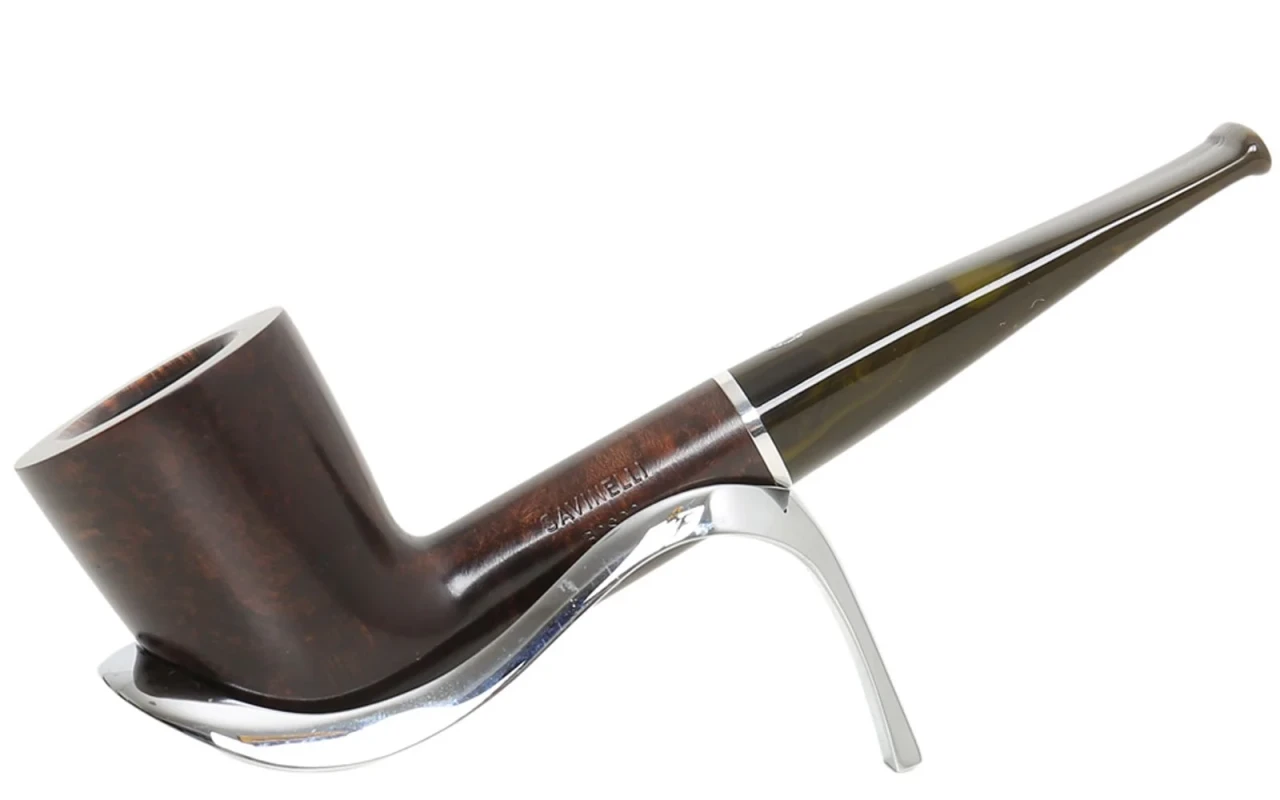
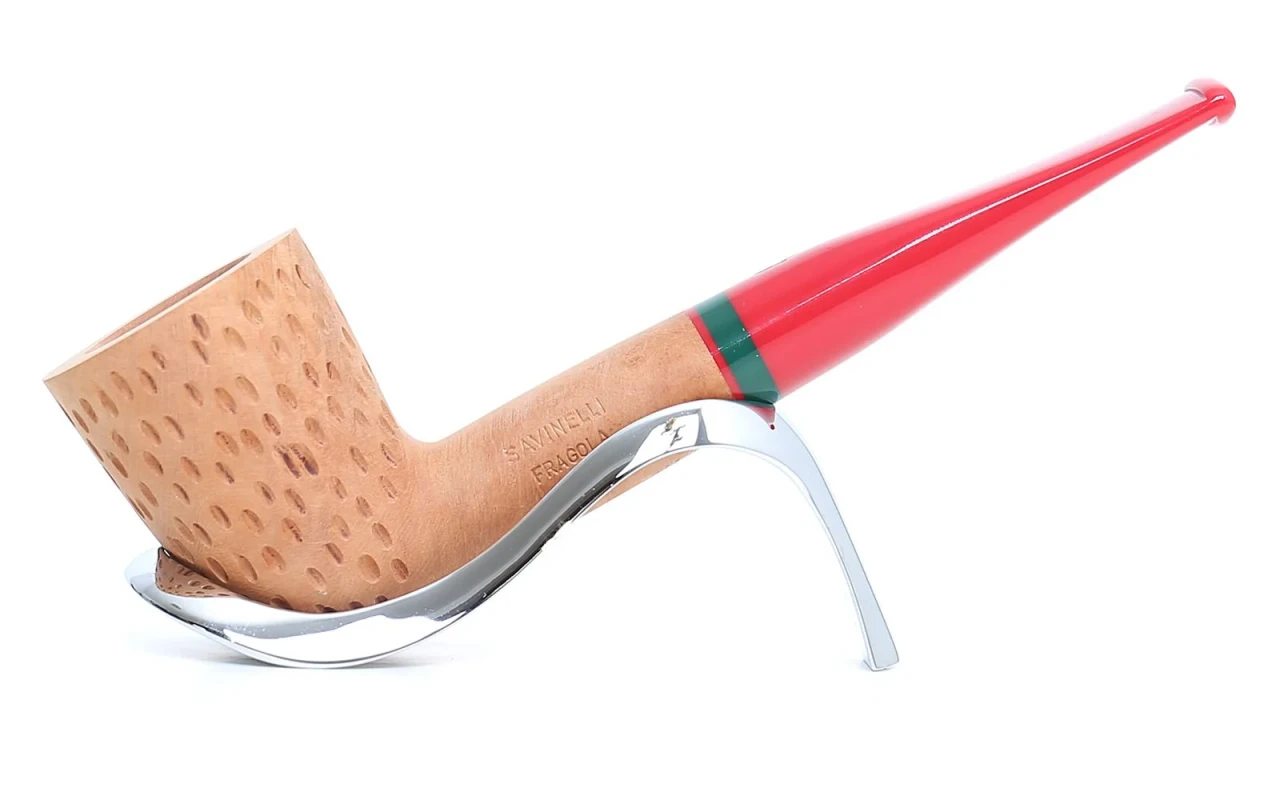
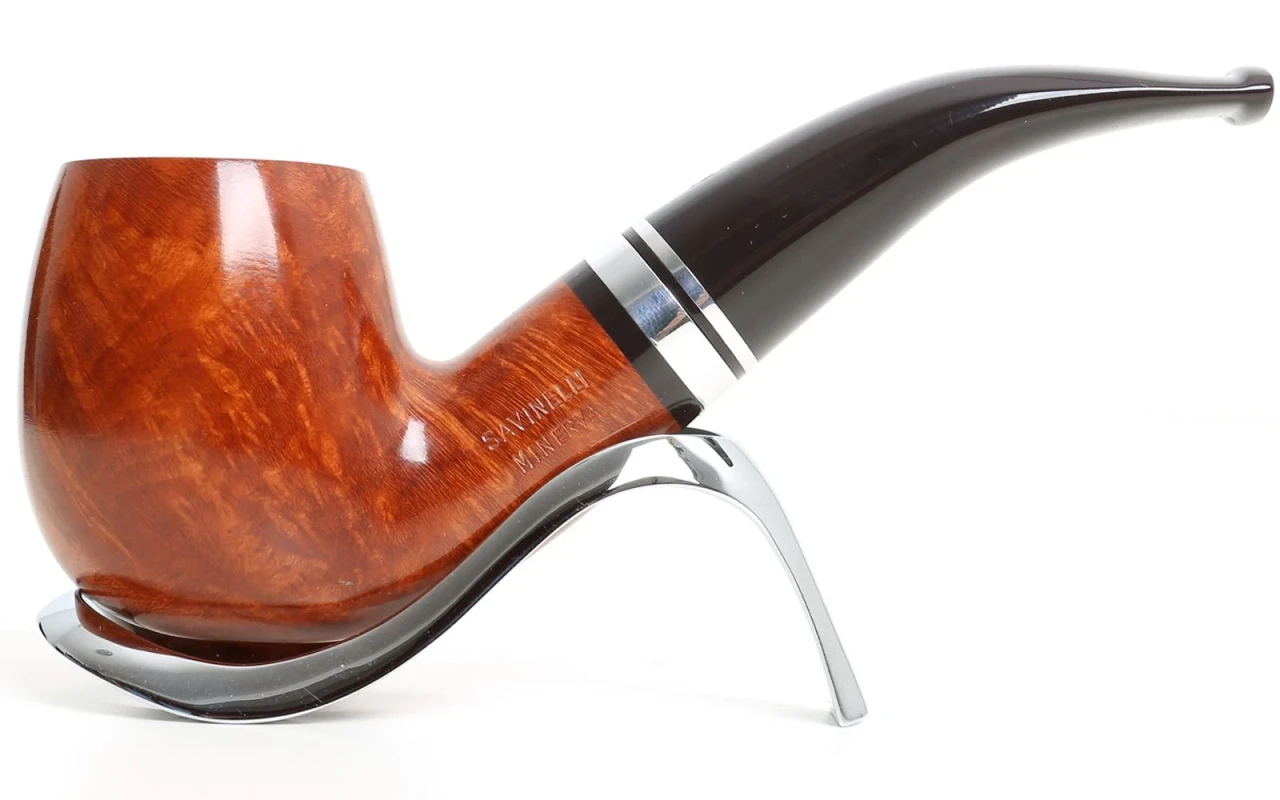
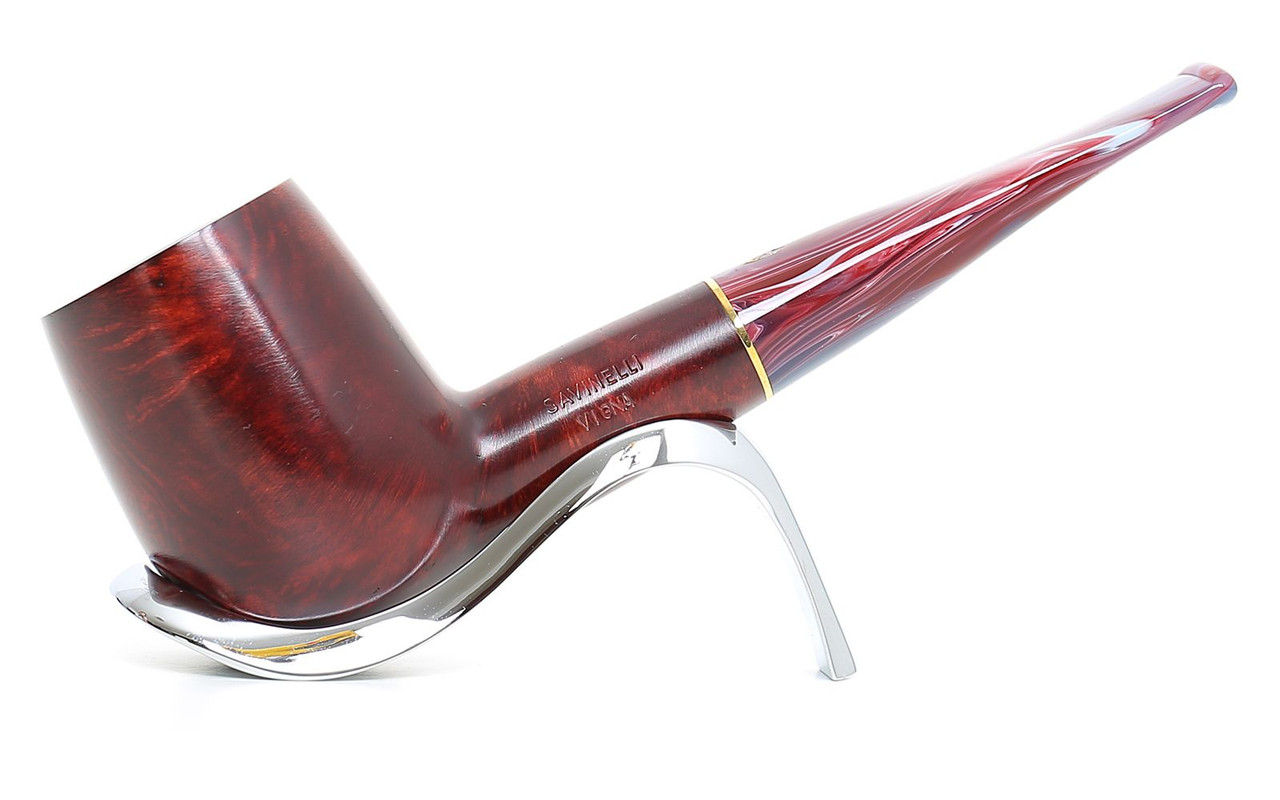
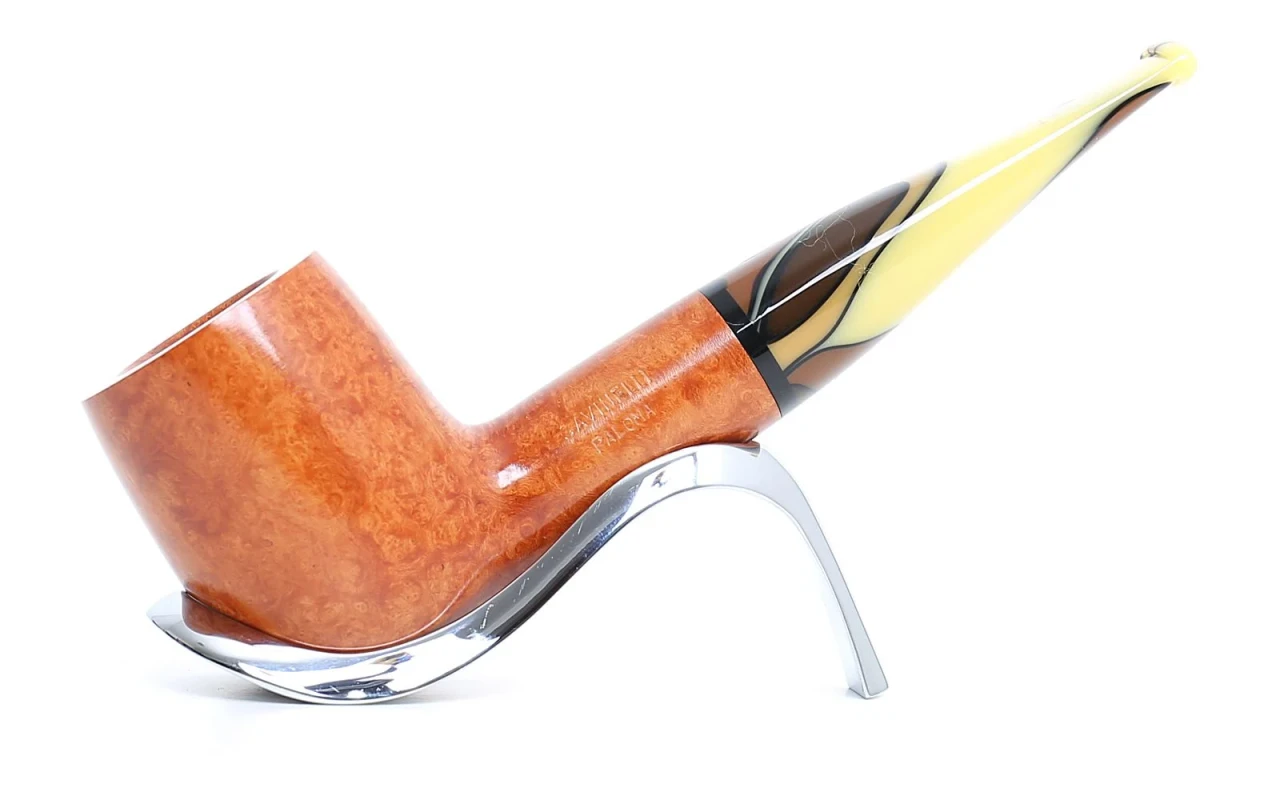
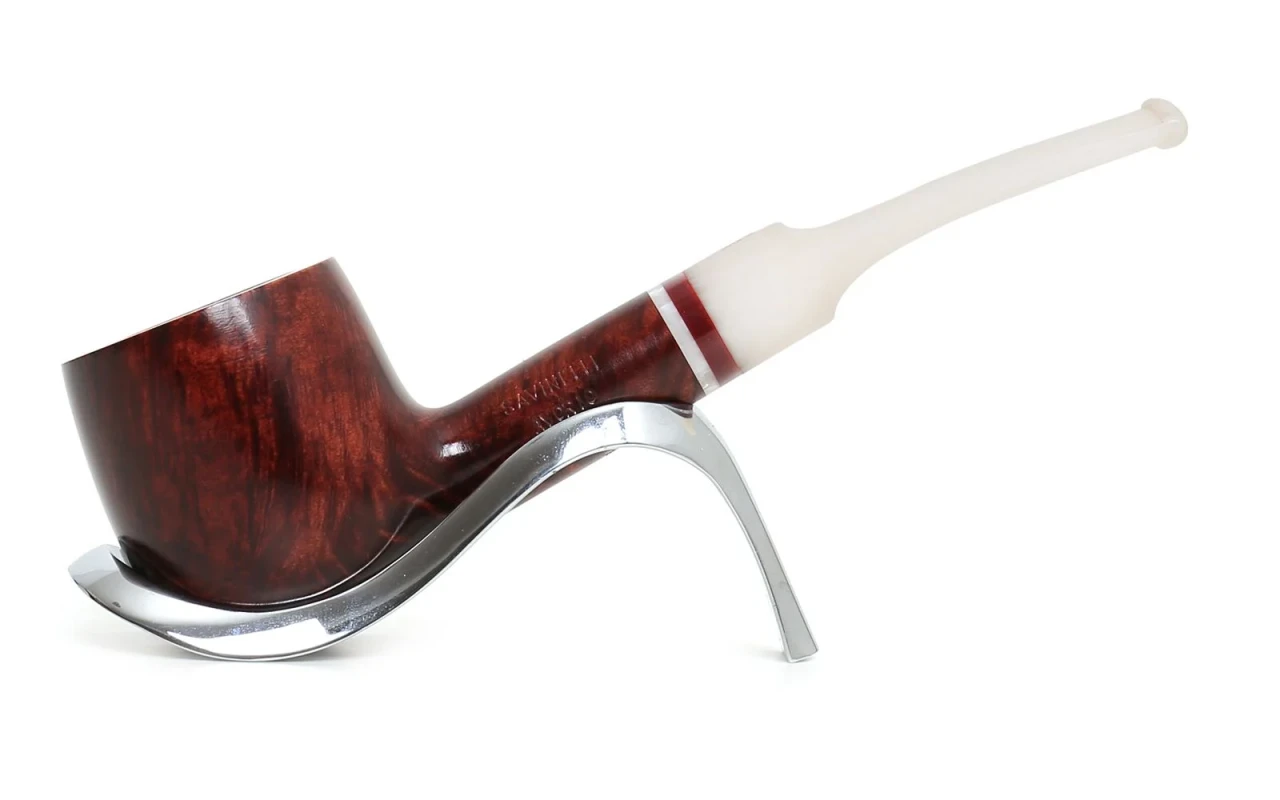
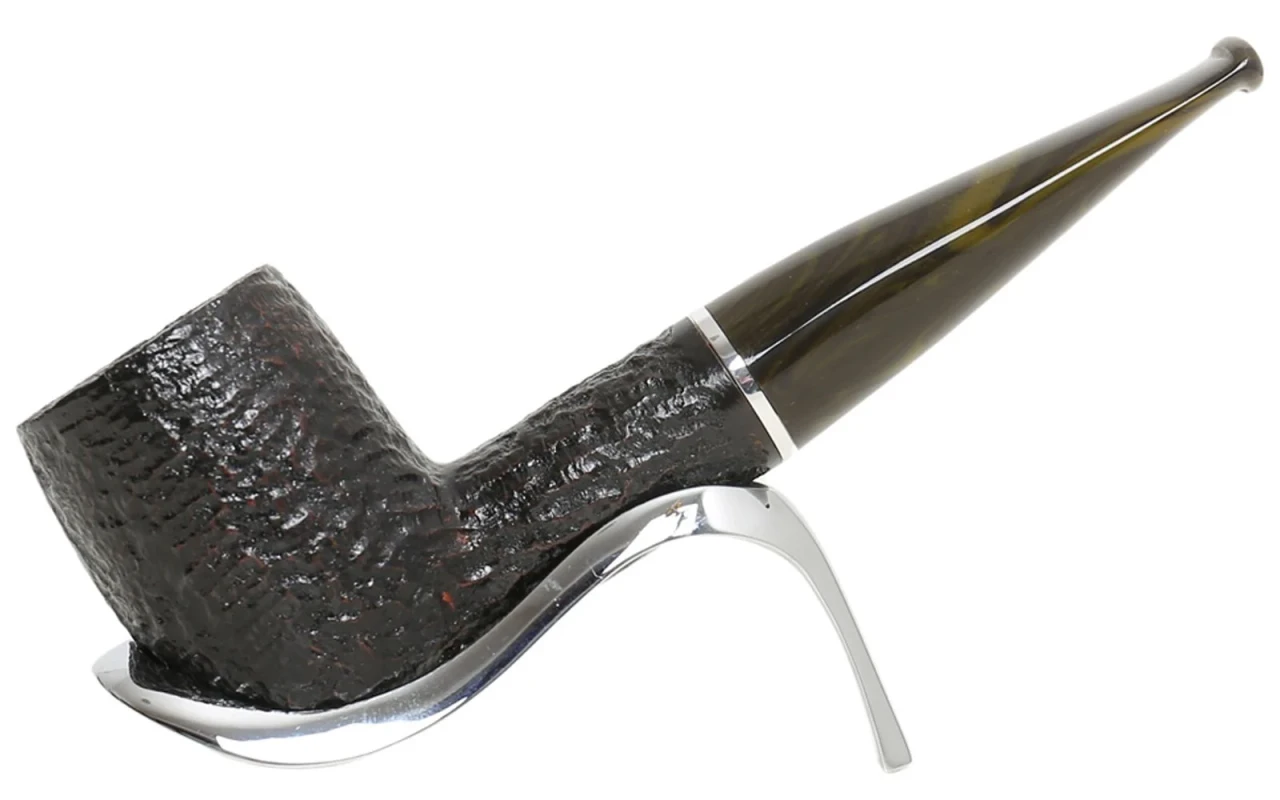
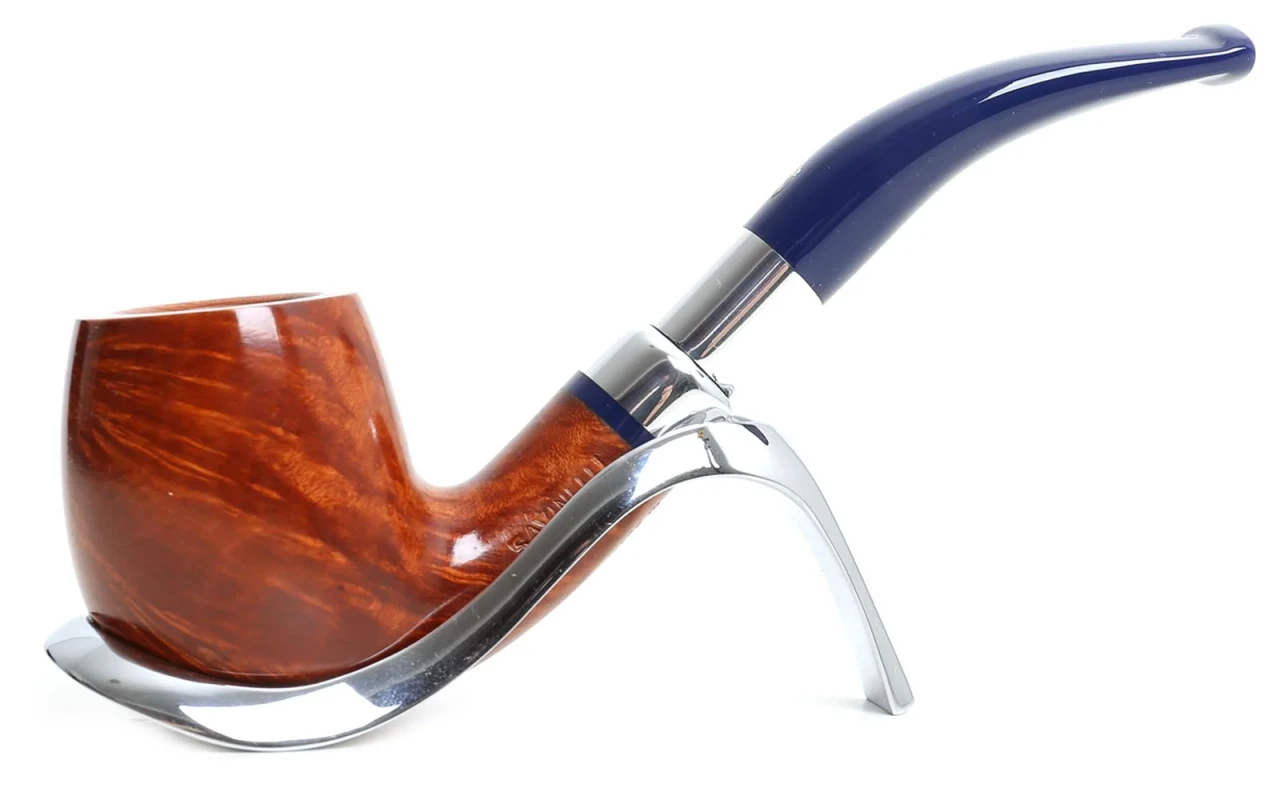
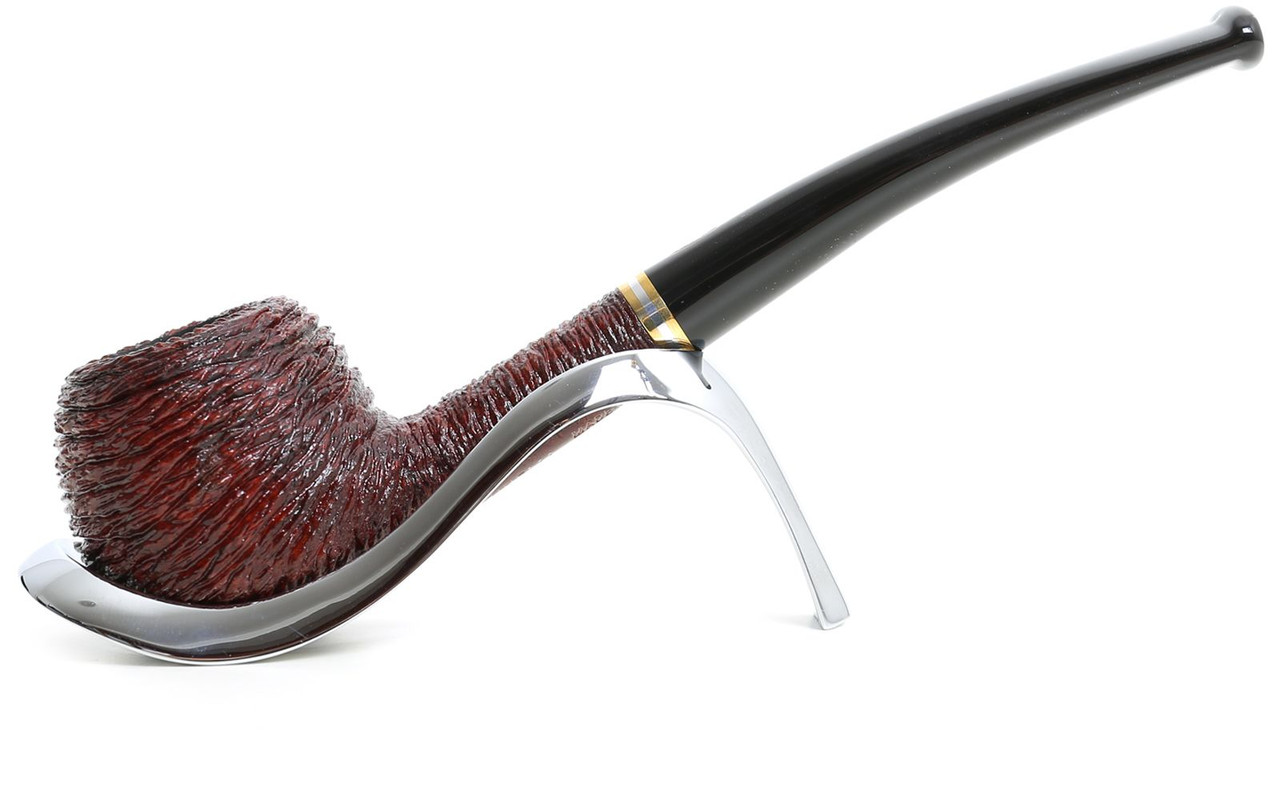
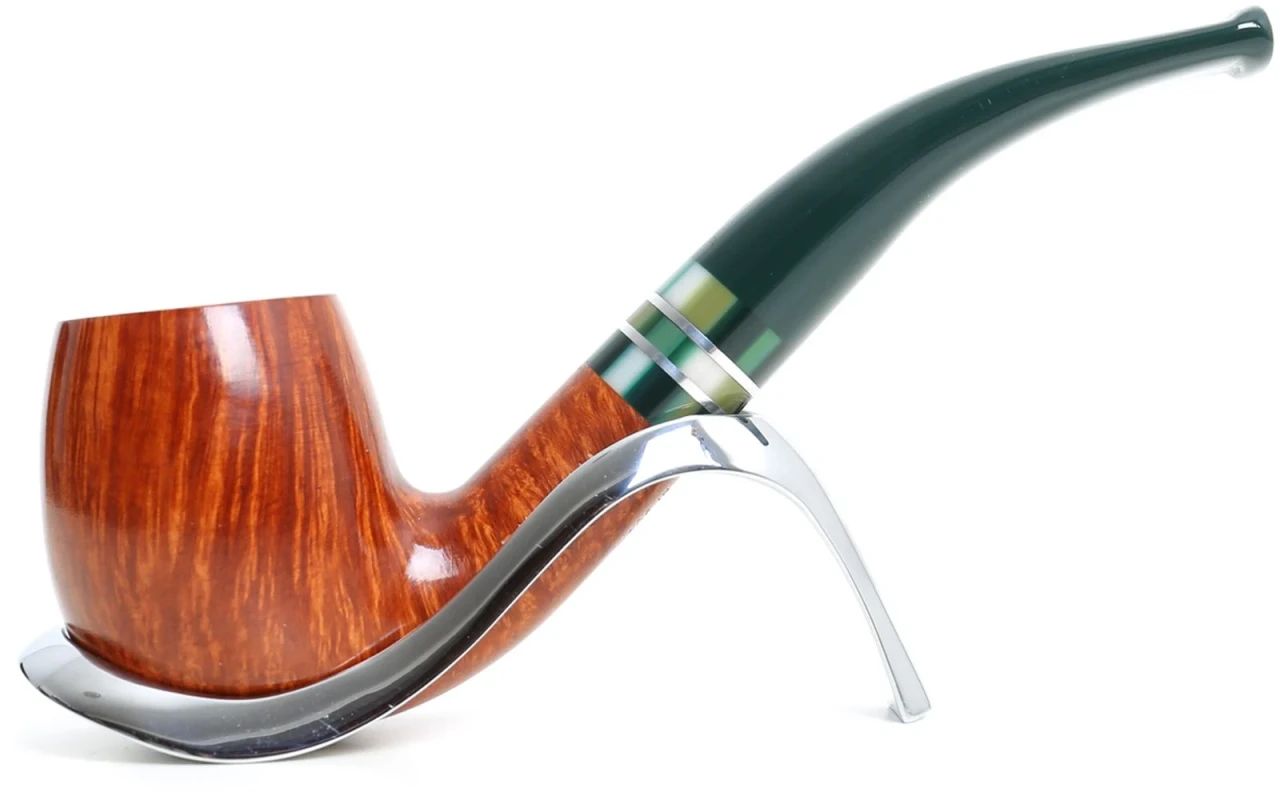
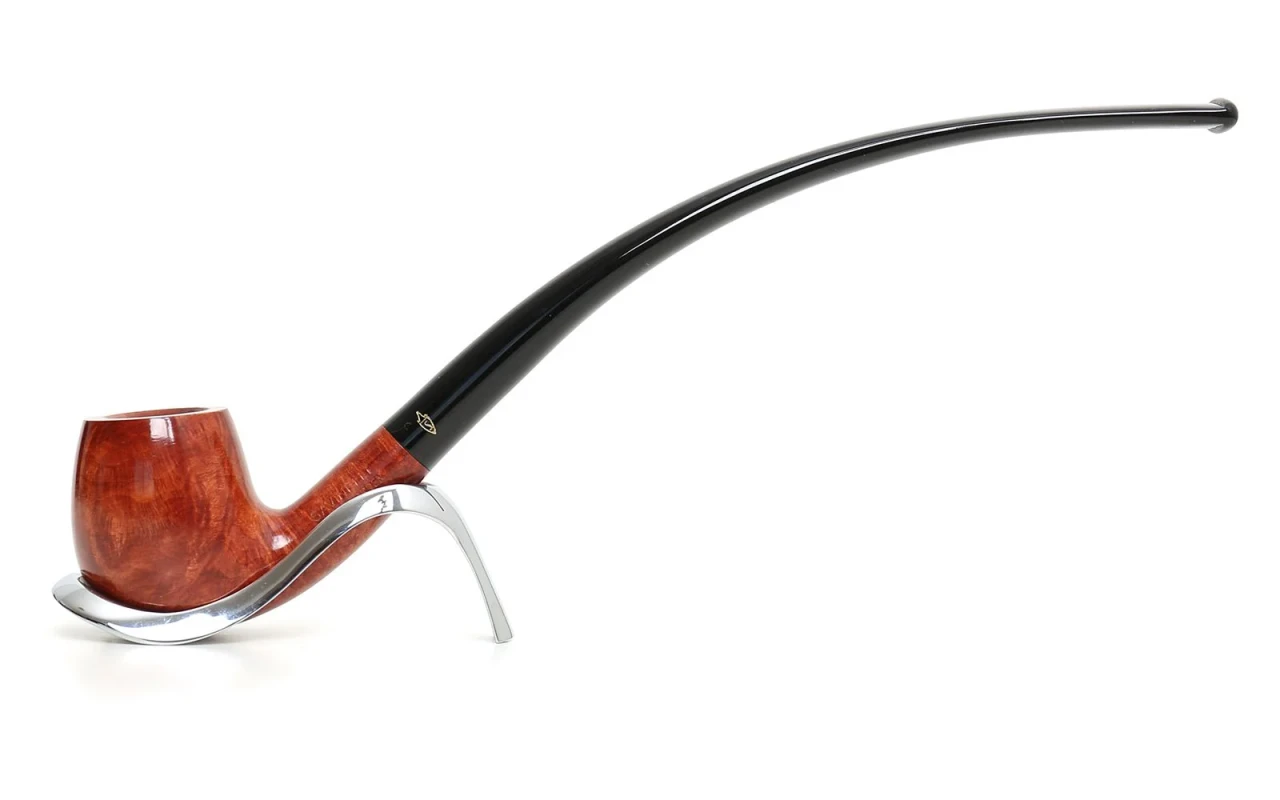
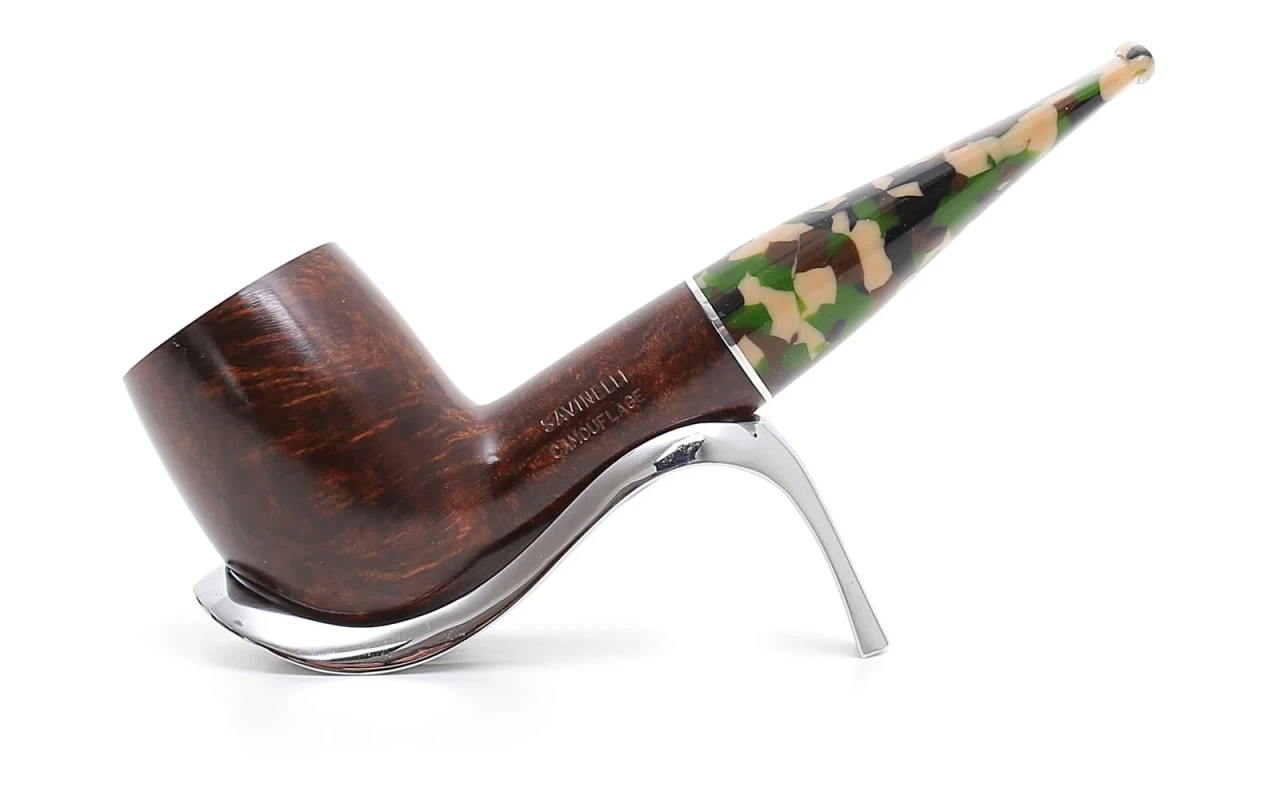
Differences in airflow between Billiard and Lovat pipe shapes
The Billiard pipe and the Lovat are both characterized by a classic and elegant shape, but they present some differences in airflow. The Billiard features a cylindrical shank, a narrow stem, and a wide bowl, which promotes a more regular and uniform airflow. On the other hand, the Lovat has a slightly longer shank compared to the Billiard and a more slender shape, which may slightly influence the airflow during smoking. In both cases, proper maintenance and cleaning of the pipe are crucial to ensure an optimal smoking experience.
Differences between Billiard pipe and Lovatt pipe
The Billiard pipe and the Lovatt pipe are both types of pipes, but they have some distinctive differences:- **Shape**: The Billiard pipe has a straight and cylindrical shape, with a slightly inclined stem. The Lovatt pipe, on the other hand, has a more elegant and slender shape, with a slight curvature of the bowl.- **Size**: Billiard pipes tend to be more compact and lightweight, while Lovatt pipes are often larger and sturdier.- **Style**: The Billiard is considered more classic and traditional, suitable for a more conservative smoker. The Lovatt, on the other hand, is appreciated for its more modern and distinctive design.In summary, Billiard and Lovatt pipes differ mainly in shape, size, and style, offering different options for passionate smokers.
Shape and design of smoking pipes
Smoking pipes come in a wide variety of shapes and designs, each with unique characteristics. Among the main shapes, we find:- Billiard: a classic straight shape- Dublin: conical with a slanted top edge- Apple: resembling an apple with a rounded bowl- Bulldog: featuring a broad head and an indented rim- Poker: straight with a cylindrical head- Bent: with a curve in the stem- Calabash: with a rounded head and a curved stemDesign can also vary in terms of materials, finishes, and decorative details, influencing both the aesthetics and the performance of the pipe.
Airflow in smoking pipes
Airflow in smoking pipes is a crucial element for proper tobacco combustion. When lighting the pipe, air is drawn by the smoker through the mouthpiece, passing through the combustion chamber where the tobacco burns. Good airflow is necessary to keep the flame alive and ensure even combustion. Excessive air resistance can cause the pipe to overheat or make inhalation difficult, while too much airflow could result in overly fast and hot combustion. Adjusting the airflow through the shape and size of the combustion chamber is essential for an optimal smoking experience.
'%3e%3cg id='Final-Copy-2_2_' transform='translate(1275.000000, 200.000000)'%3e%3cpath class='st0' d='M7.4,12.8h6.8l3.1-11.6H7.4C4.2,1.2,1.6,3.8,1.6,7S4.2,12.8,7.4,12.8z'/%3e%3c/g%3e%3c/g%3e%3c/g%3e%3cg id='final---dec.11-2020'%3e%3cg id='_x30_208-our-toggle' transform='translate(-1275.000000, -200.000000)'%3e%3cg id='Final-Copy-2' transform='translate(1275.000000, 200.000000)'%3e%3cpath class='st1' d='M22.6,0H7.4c-3.9,0-7,3.1-7,7s3.1,7,7,7h15.2c3.9,0,7-3.1,7-7S26.4,0,22.6,0z M1.6,7c0-3.2,2.6-5.8,5.8-5.8 h9.9l-3.1,11.6H7.4C4.2,12.8,1.6,10.2,1.6,7z'/%3e%3cpath id='x' class='st2' d='M24.6,4c0.2,0.2,0.2,0.6,0,0.8l0,0L22.5,7l2.2,2.2c0.2,0.2,0.2,0.6,0,0.8c-0.2,0.2-0.6,0.2-0.8,0 l0,0l-2.2-2.2L19.5,10c-0.2,0.2-0.6,0.2-0.8,0c-0.2-0.2-0.2-0.6,0-0.8l0,0L20.8,7l-2.2-2.2c-0.2-0.2-0.2-0.6,0-0.8 c0.2-0.2,0.6-0.2,0.8,0l0,0l2.2,2.2L23.8,4C24,3.8,24.4,3.8,24.6,4z'/%3e%3cpath id='y' class='st3' d='M12.7,4.1c0.2,0.2,0.3,0.6,0.1,0.8l0,0L8.6,9.8C8.5,9.9,8.4,10,8.3,10c-0.2,0.1-0.5,0.1-0.7-0.1l0,0 L5.4,7.7c-0.2-0.2-0.2-0.6,0-0.8c0.2-0.2,0.6-0.2,0.8,0l0,0L8,8.6l3.8-4.5C12,3.9,12.4,3.9,12.7,4.1z'/%3e%3c/g%3e%3c/g%3e%3c/g%3e%3c/g%3e%3c/svg%3e) Your Privacy Choices
Your Privacy Choices 


