 ES
ES FR
FR EN
EN IT
IT DE
DE
Differences in Comfort Between Horn and Cutty Pipes
Differences in Comfort Between Horn and Cutty Pipes
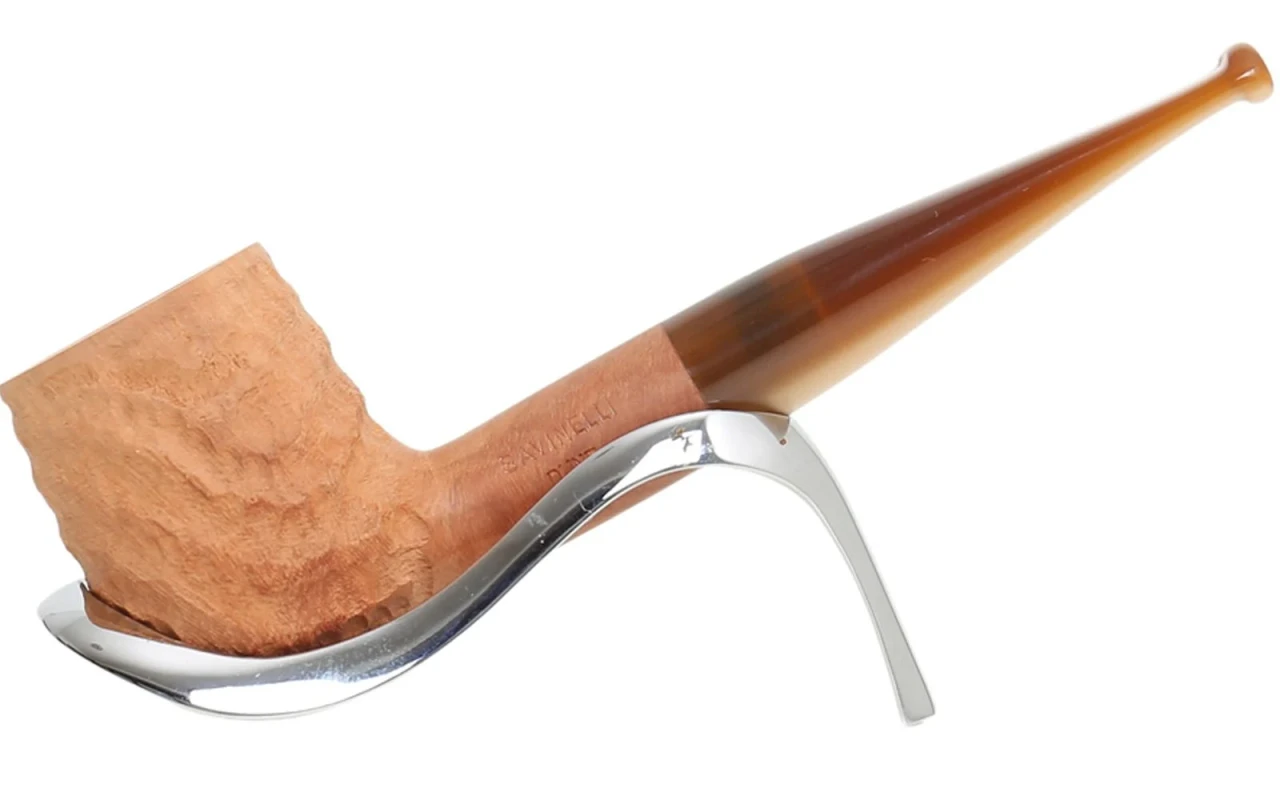
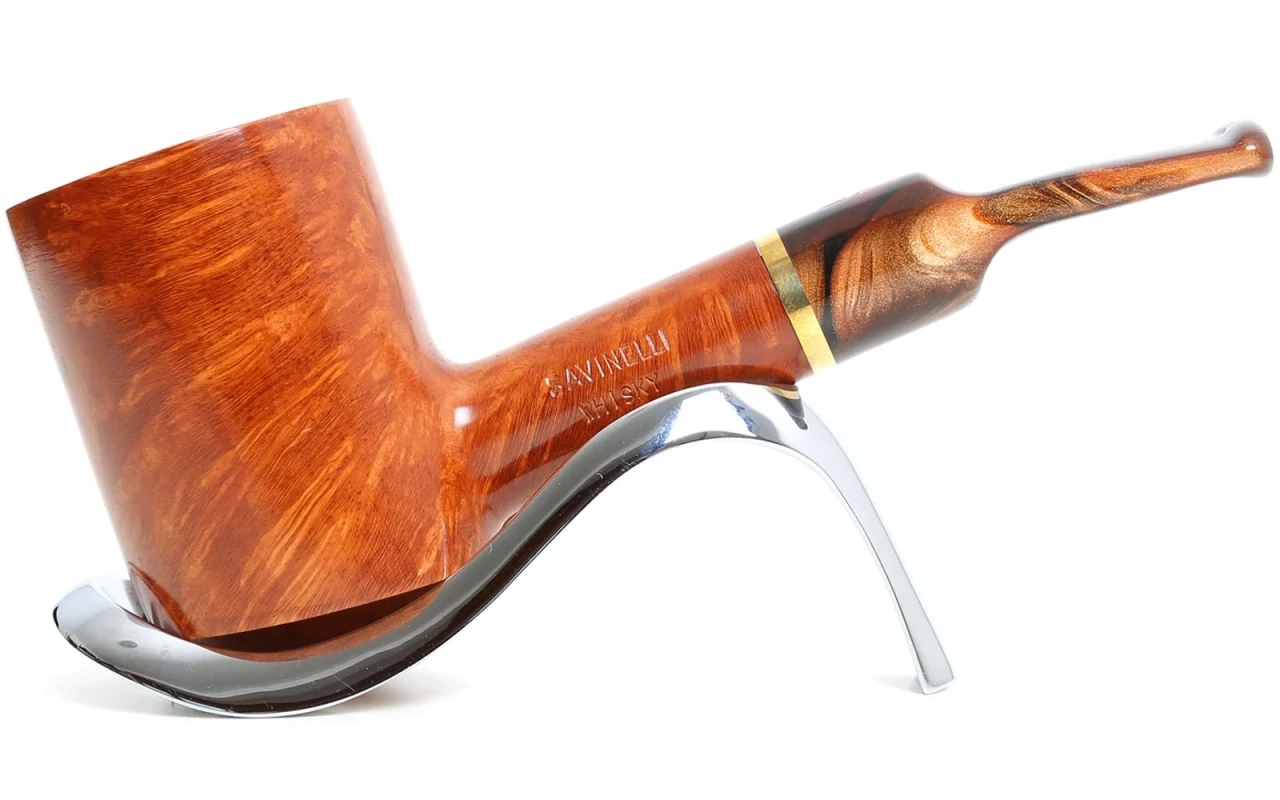
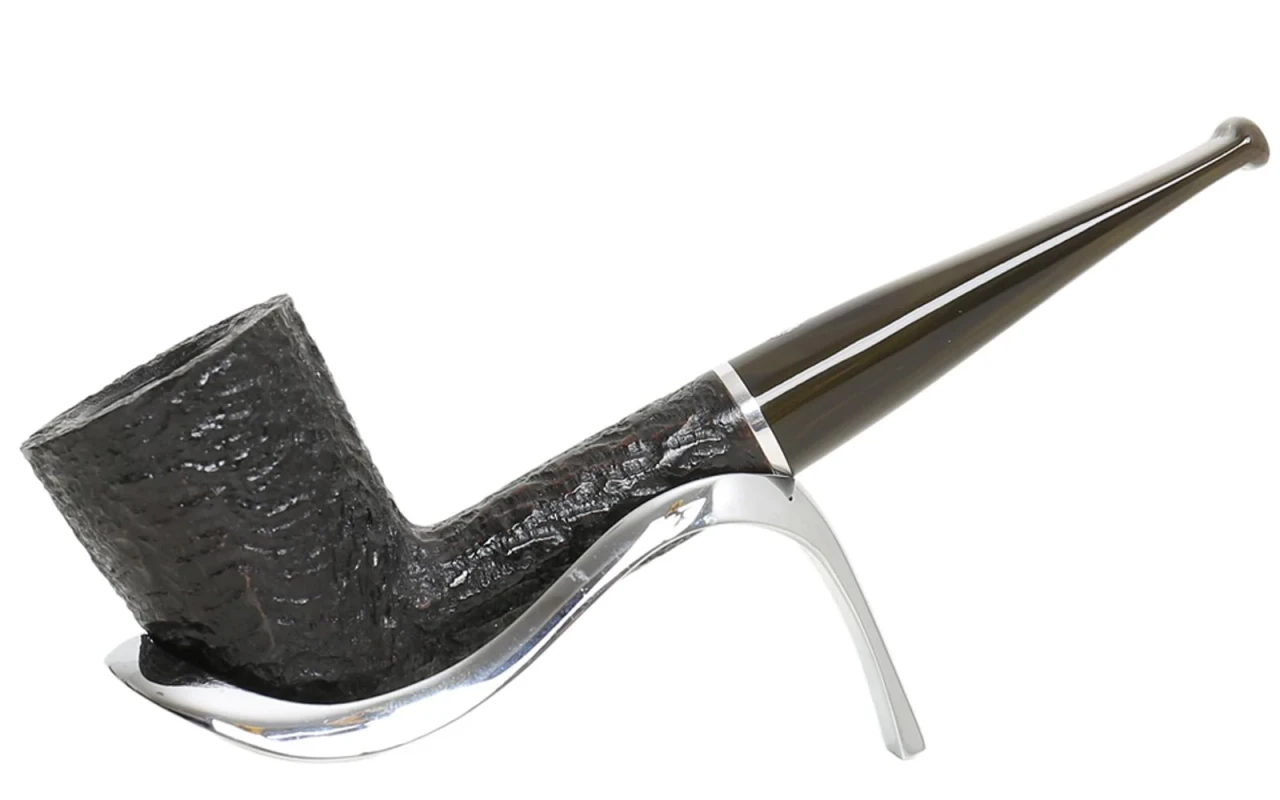
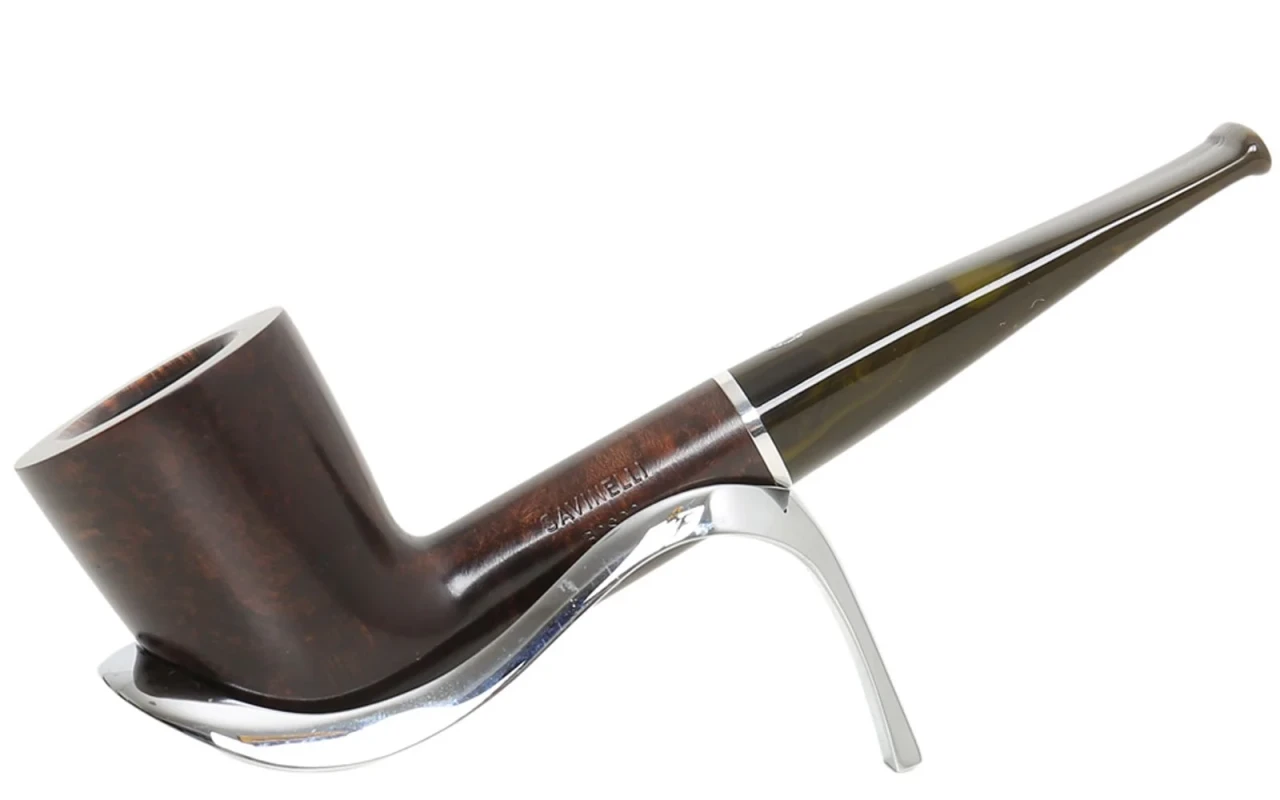
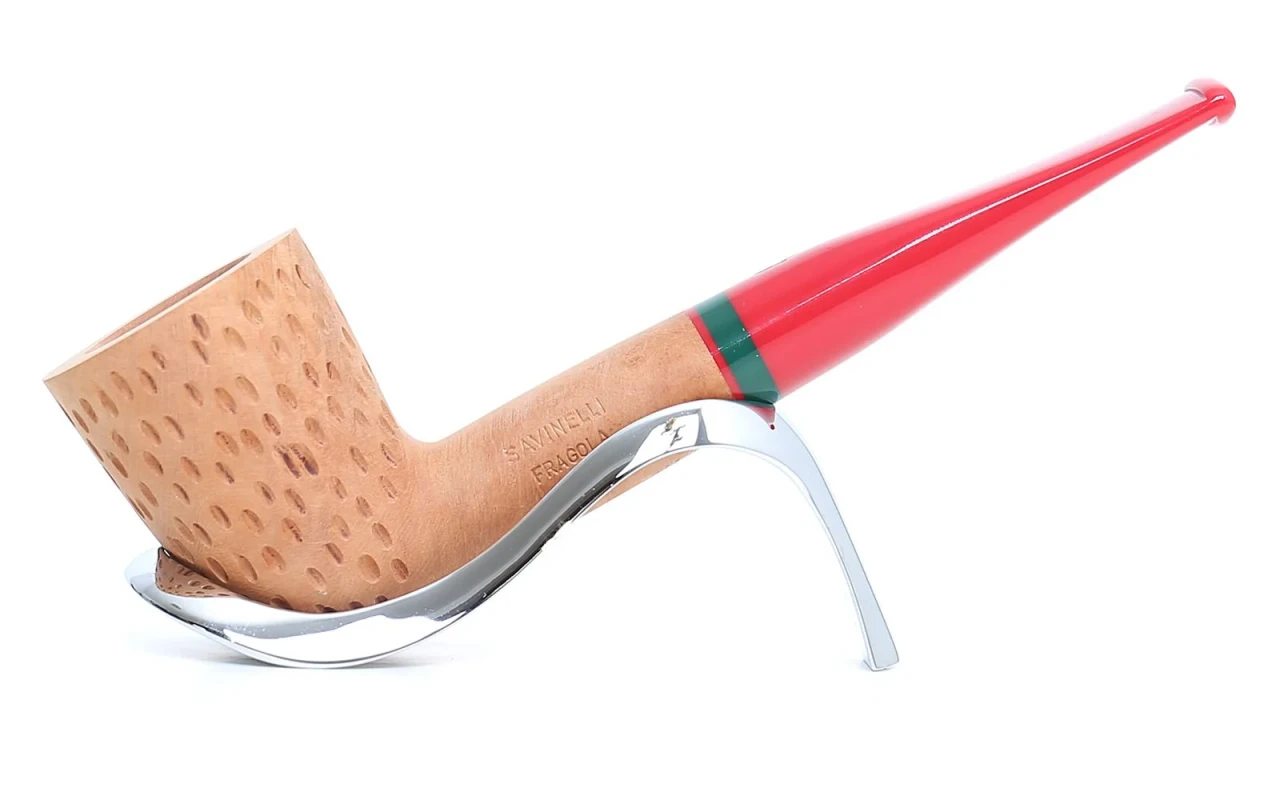
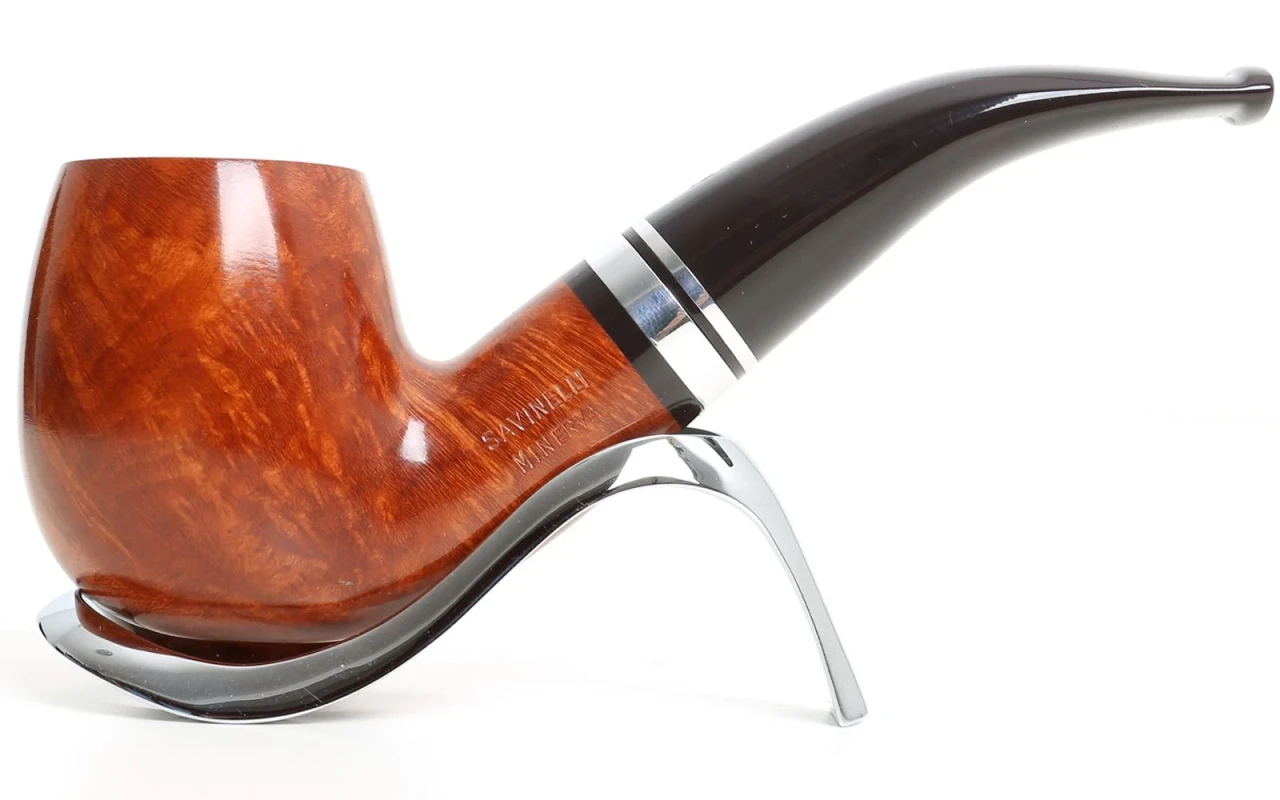
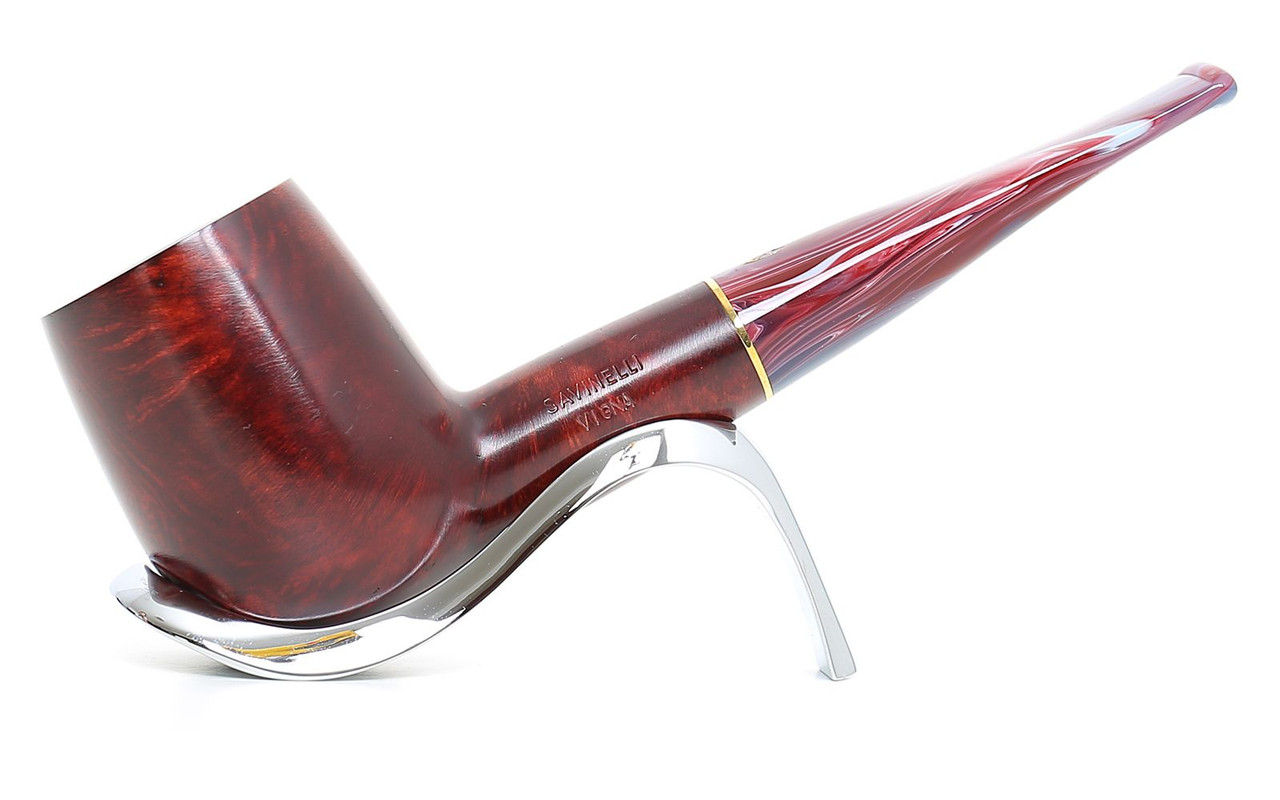
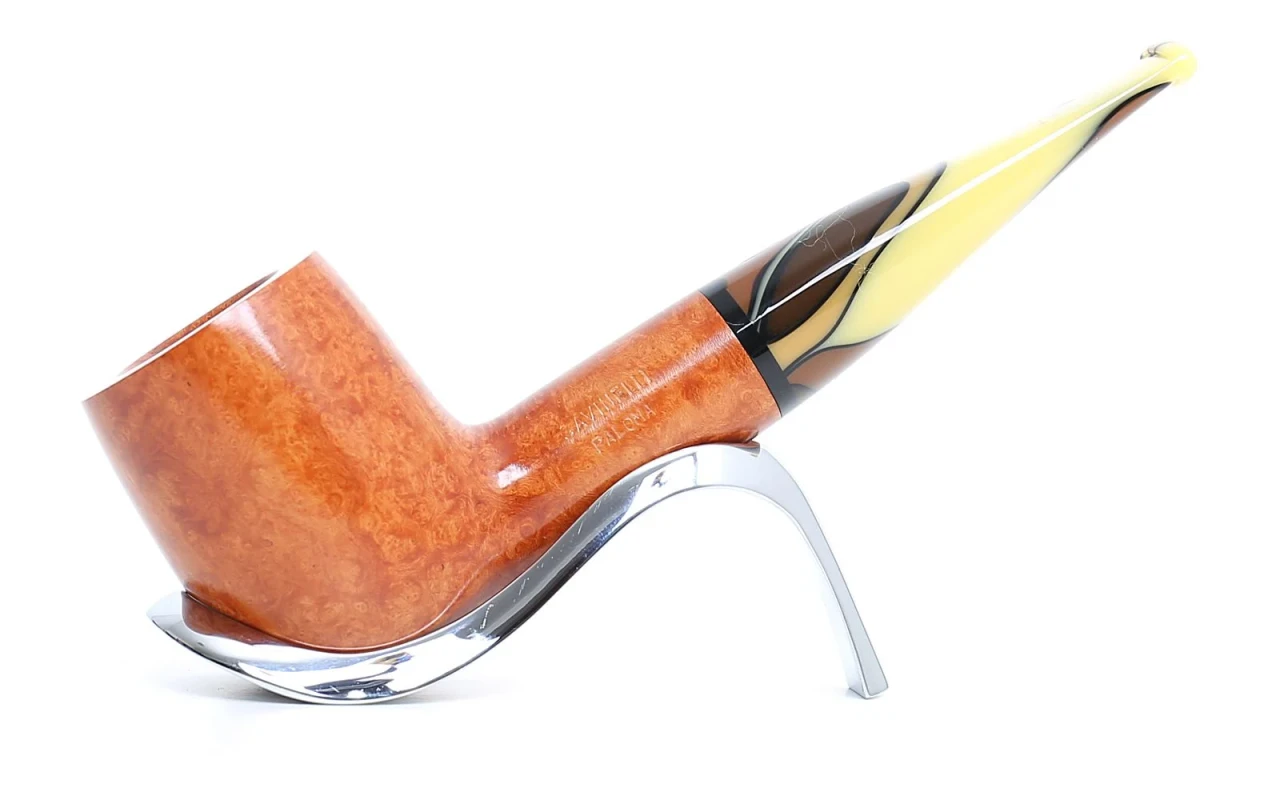
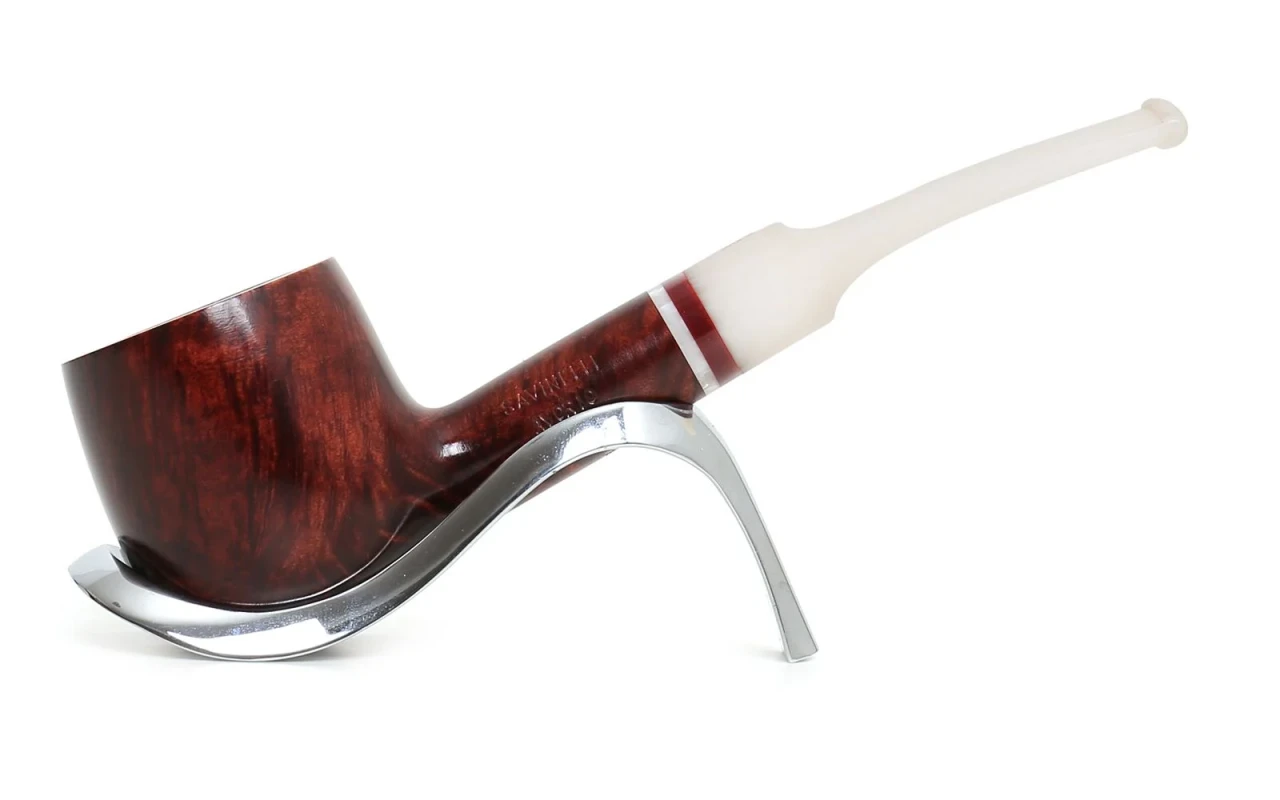
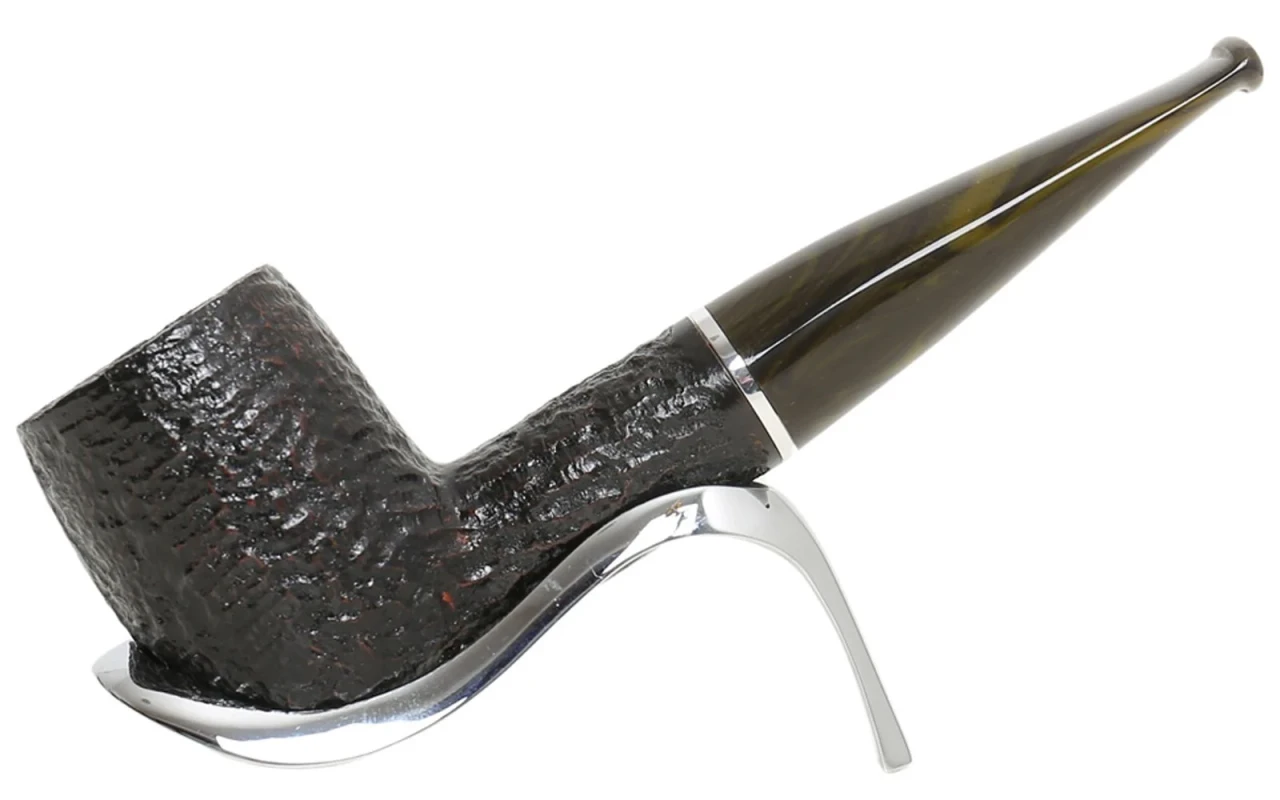
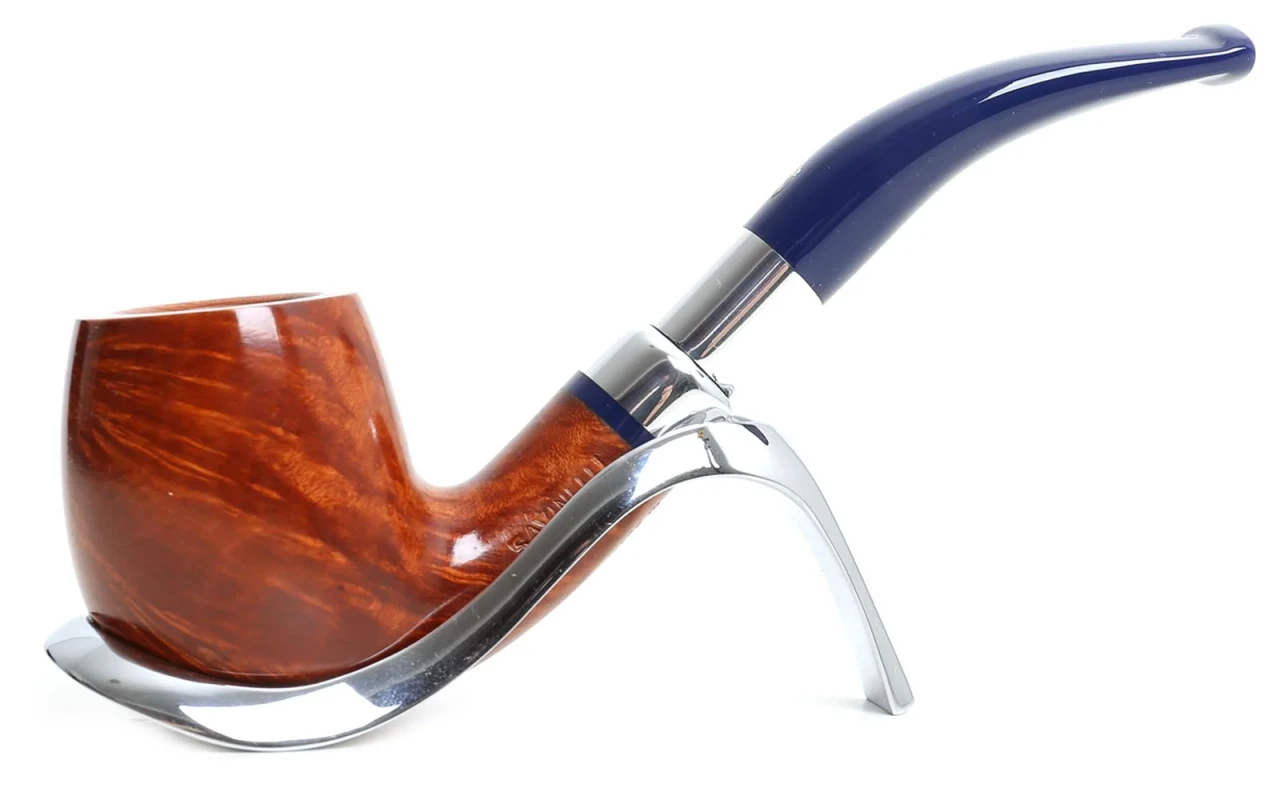
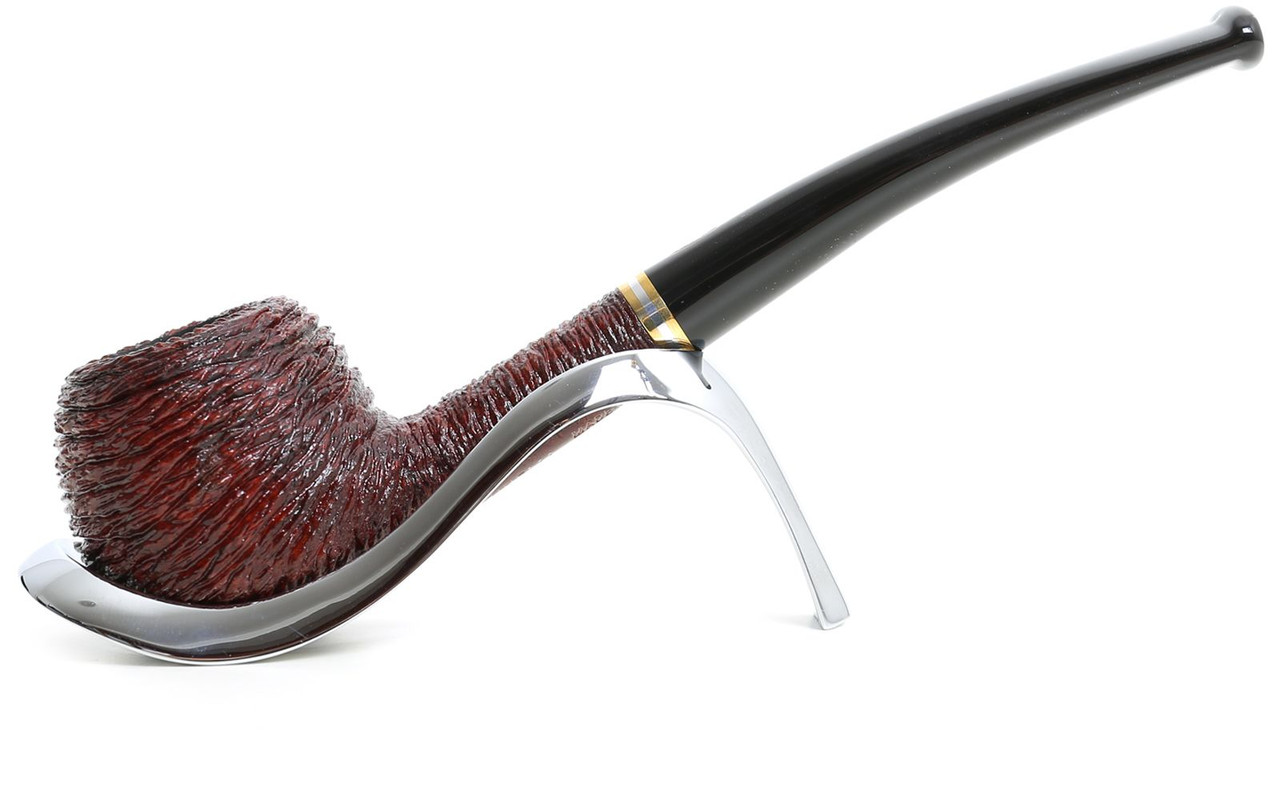
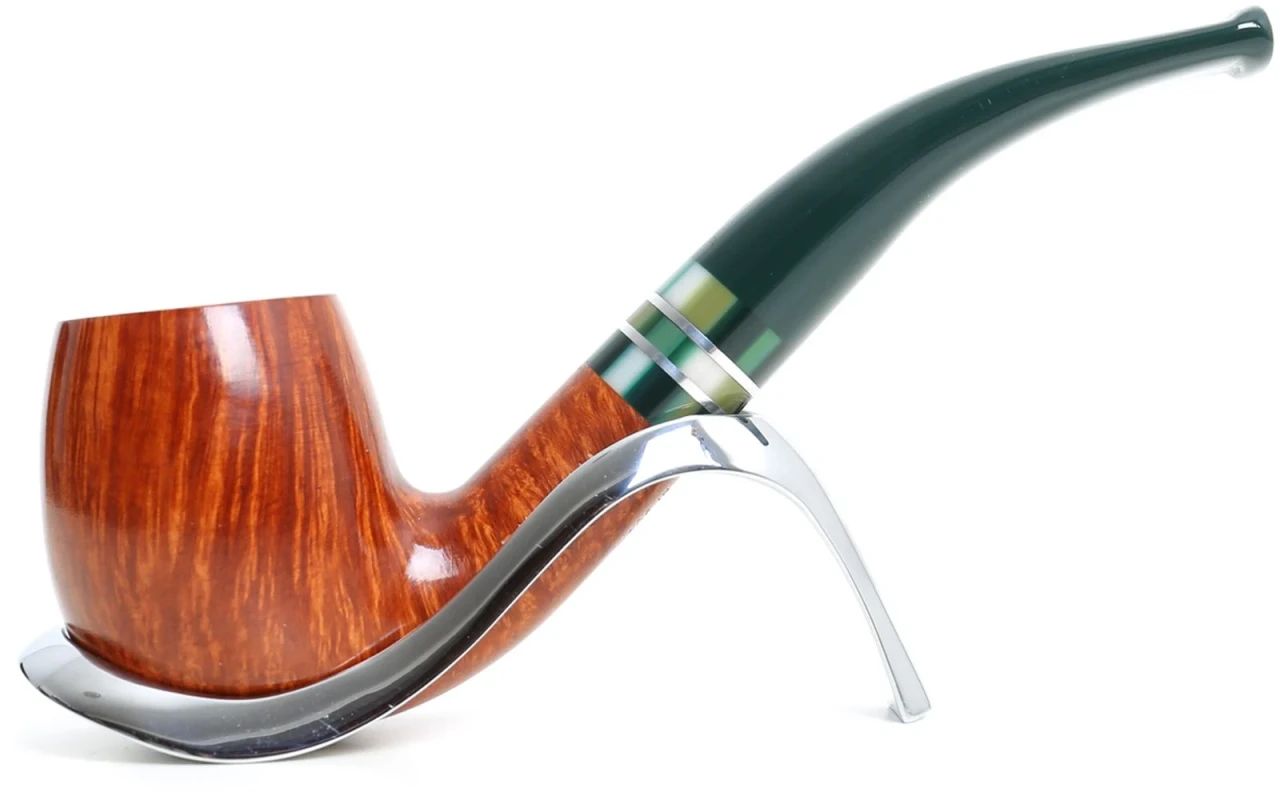
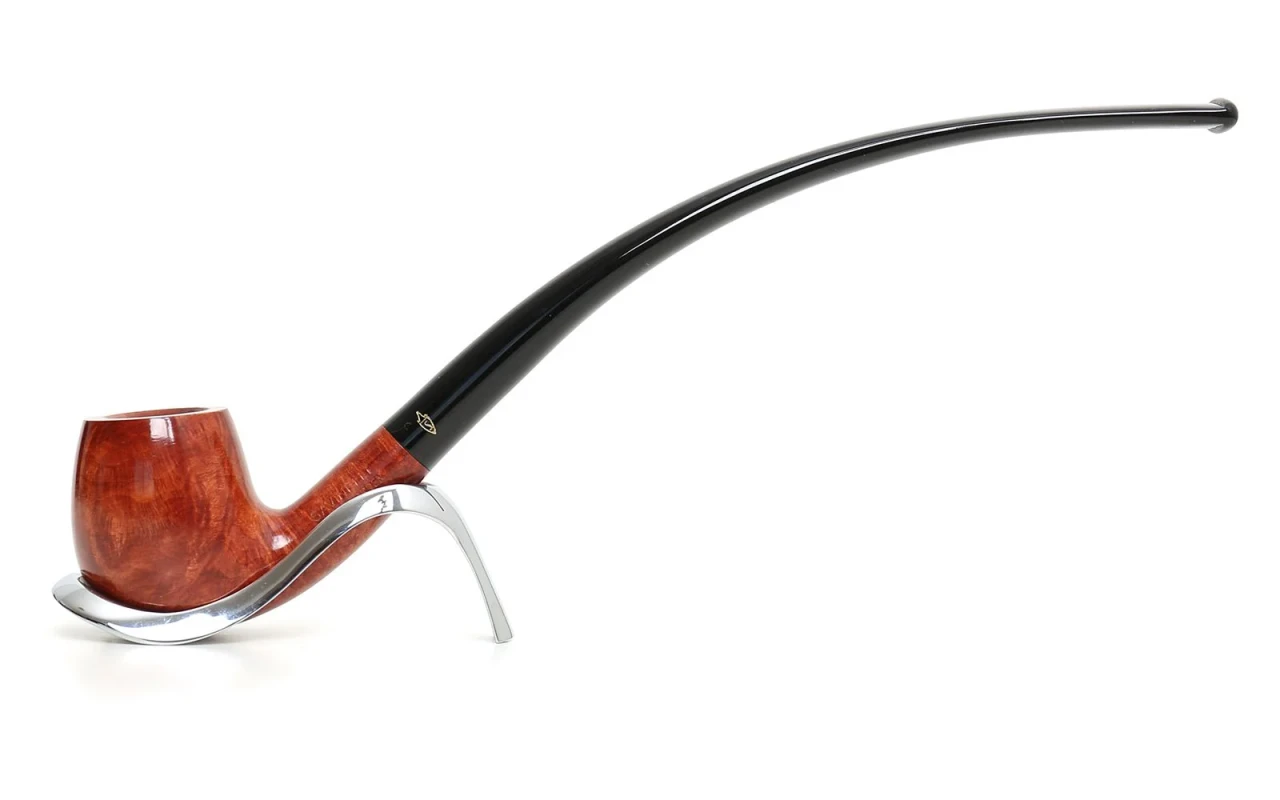
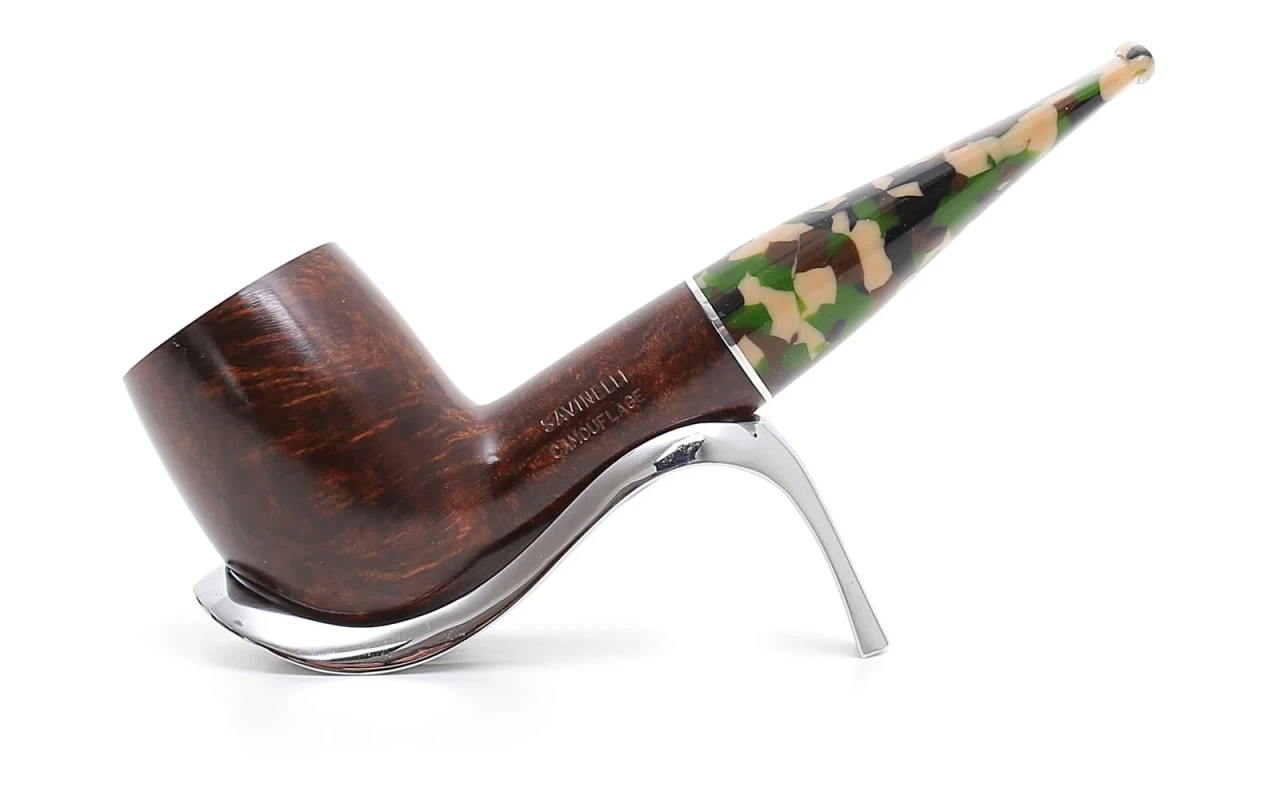
The Horn pipe and the Cutty pipe are both popular models in the world of pipes, but they have significant differences in terms of comfort during use. The Horn pipe is characterized by a wide combustion chamber and a curved shape that allows for a comfortable and relaxed grip. On the other hand, the Cutty pipe is slender and lightweight, with a long and thin stem that may be less comfortable to hold in the mouth for long periods. Therefore, if you are looking for a pipe that offers comfort during smoking, the Horn pipe might be the better choice compared to the Cutty pipe.
Best Collectible Pipes
The best collectible pipes are handcrafted with high-quality materials such as briarwood, corn cob, or olive wood. These pipes often feature special craftsmanship, such as wood inlays, glossy or matte finishes, and unique designs. Pipe collectors seek rare and precious pieces from renowned artisanal manufacturers. It is important to consider not only the aesthetics but also the construction quality and the manufacturer's reputation. Collectible pipes can be true works of art and represent an investment for enthusiasts of this hobby.
Smoking Pipe Materials
The materials for smoking pipes are essential to ensure a good smoking experience. The most common materials are:- Briar wood: it is the most precious and widespread material, renowned for its heat and combustion resistance.- Corn cob: light and inexpensive, often used for budget or travel smoking pipes.- Clay: a porous material that absorbs moisture, ensuring a cool smoke.- Meerschaum: a porous stone derived from magnesite, appreciated for its ability to absorb nicotine and develop a patina over time.- Porcelain: elegant and refined, but more fragile compared to other materials.The choice of material influences the taste, durability, and appearance of the smoking pipe.
Maintenance of Briar Pipes
Maintaining briar pipes is essential to ensure their durability over time and proper functioning. Here are some useful tips to take care of this precious tool:- After each use, thoroughly clean the pipe by removing the burnt tobacco residues.- Pass a pipe cleaner through the stem to eliminate accumulated residues.- Avoid hitting the pipe against hard surfaces to prevent damaging the briar.- Periodically, polish the external surface with specific creams to maintain its original shine.- Store the pipe in a case or a pipe rack to protect it from dust and impacts.By following these simple practices, you can enjoy your briar pipe for a long time.
'%3e%3cg id='Final-Copy-2_2_' transform='translate(1275.000000, 200.000000)'%3e%3cpath class='st0' d='M7.4,12.8h6.8l3.1-11.6H7.4C4.2,1.2,1.6,3.8,1.6,7S4.2,12.8,7.4,12.8z'/%3e%3c/g%3e%3c/g%3e%3c/g%3e%3cg id='final---dec.11-2020'%3e%3cg id='_x30_208-our-toggle' transform='translate(-1275.000000, -200.000000)'%3e%3cg id='Final-Copy-2' transform='translate(1275.000000, 200.000000)'%3e%3cpath class='st1' d='M22.6,0H7.4c-3.9,0-7,3.1-7,7s3.1,7,7,7h15.2c3.9,0,7-3.1,7-7S26.4,0,22.6,0z M1.6,7c0-3.2,2.6-5.8,5.8-5.8 h9.9l-3.1,11.6H7.4C4.2,12.8,1.6,10.2,1.6,7z'/%3e%3cpath id='x' class='st2' d='M24.6,4c0.2,0.2,0.2,0.6,0,0.8l0,0L22.5,7l2.2,2.2c0.2,0.2,0.2,0.6,0,0.8c-0.2,0.2-0.6,0.2-0.8,0 l0,0l-2.2-2.2L19.5,10c-0.2,0.2-0.6,0.2-0.8,0c-0.2-0.2-0.2-0.6,0-0.8l0,0L20.8,7l-2.2-2.2c-0.2-0.2-0.2-0.6,0-0.8 c0.2-0.2,0.6-0.2,0.8,0l0,0l2.2,2.2L23.8,4C24,3.8,24.4,3.8,24.6,4z'/%3e%3cpath id='y' class='st3' d='M12.7,4.1c0.2,0.2,0.3,0.6,0.1,0.8l0,0L8.6,9.8C8.5,9.9,8.4,10,8.3,10c-0.2,0.1-0.5,0.1-0.7-0.1l0,0 L5.4,7.7c-0.2-0.2-0.2-0.6,0-0.8c0.2-0.2,0.6-0.2,0.8,0l0,0L8,8.6l3.8-4.5C12,3.9,12.4,3.9,12.7,4.1z'/%3e%3c/g%3e%3c/g%3e%3c/g%3e%3c/g%3e%3c/svg%3e) Your Privacy Choices
Your Privacy Choices 


