 ES
ES FR
FR EN
EN IT
IT DE
DE
Craftsmanship details in a quality pipe
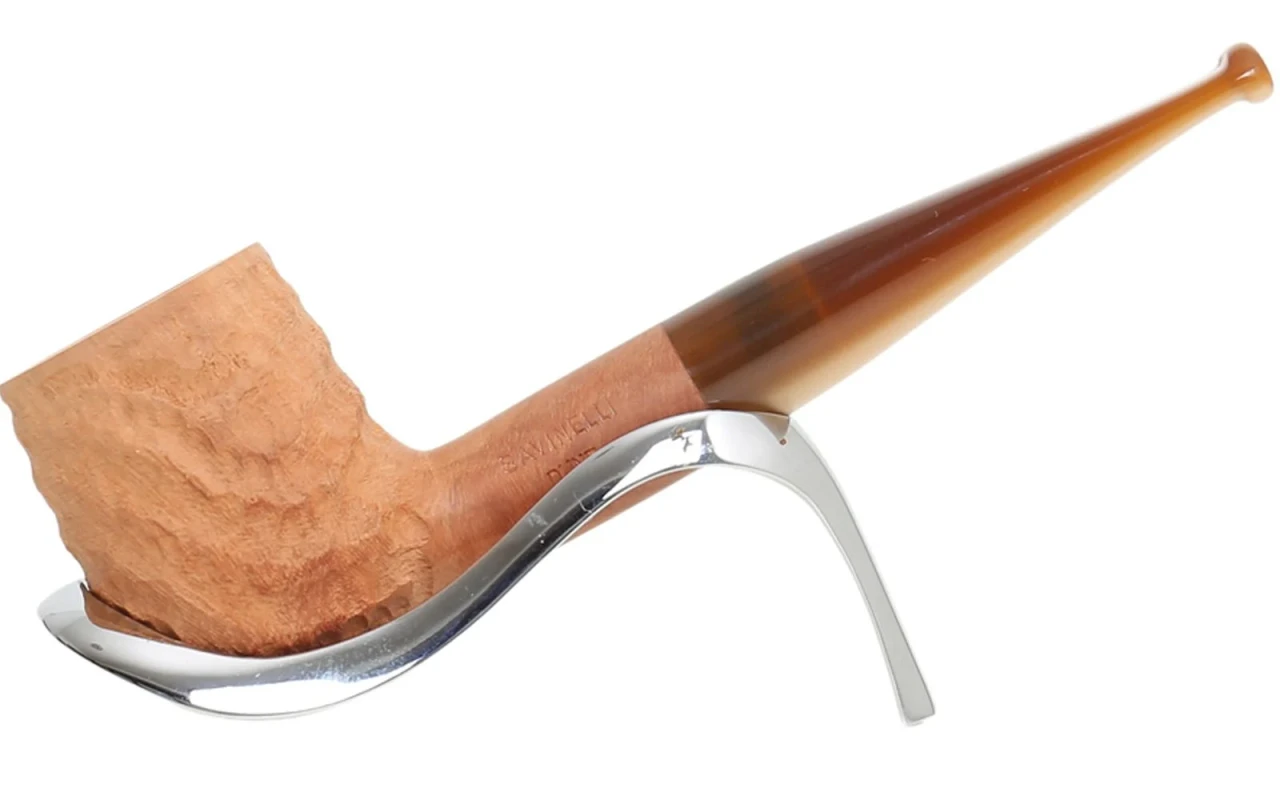
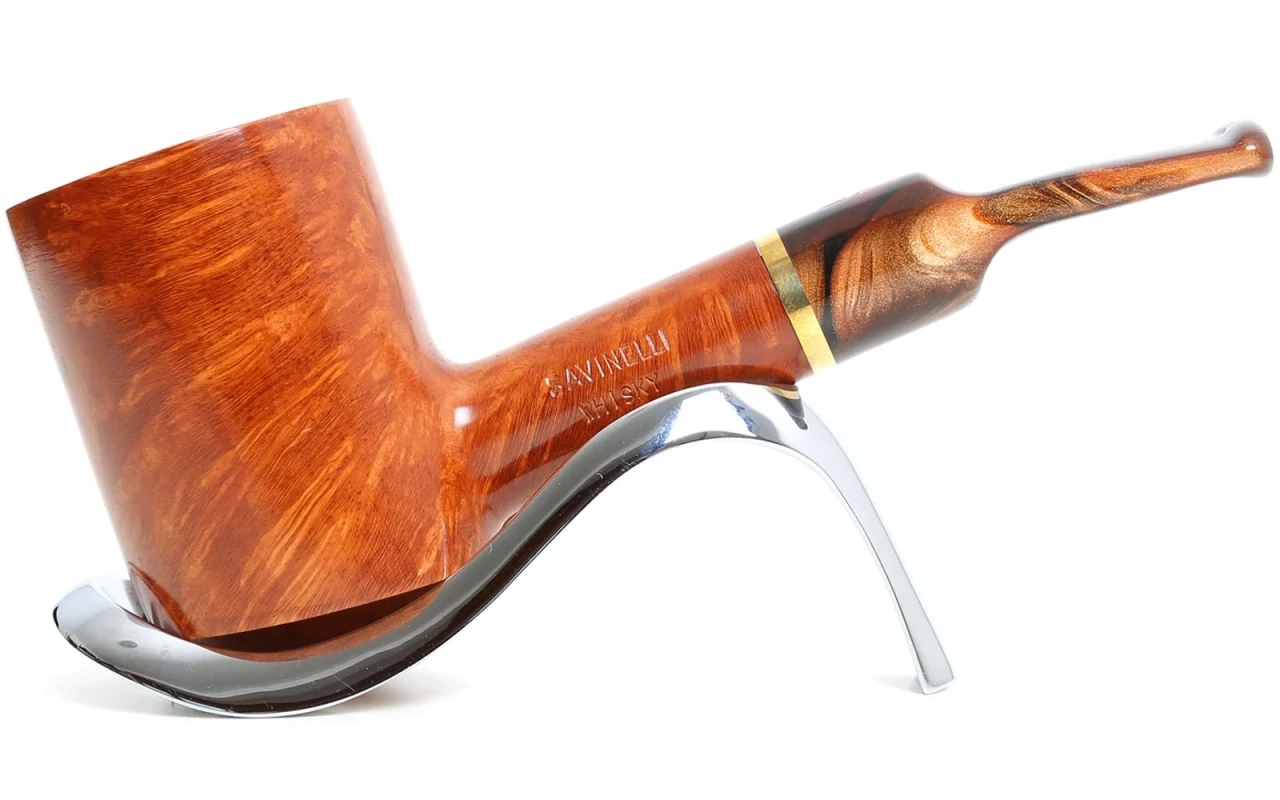
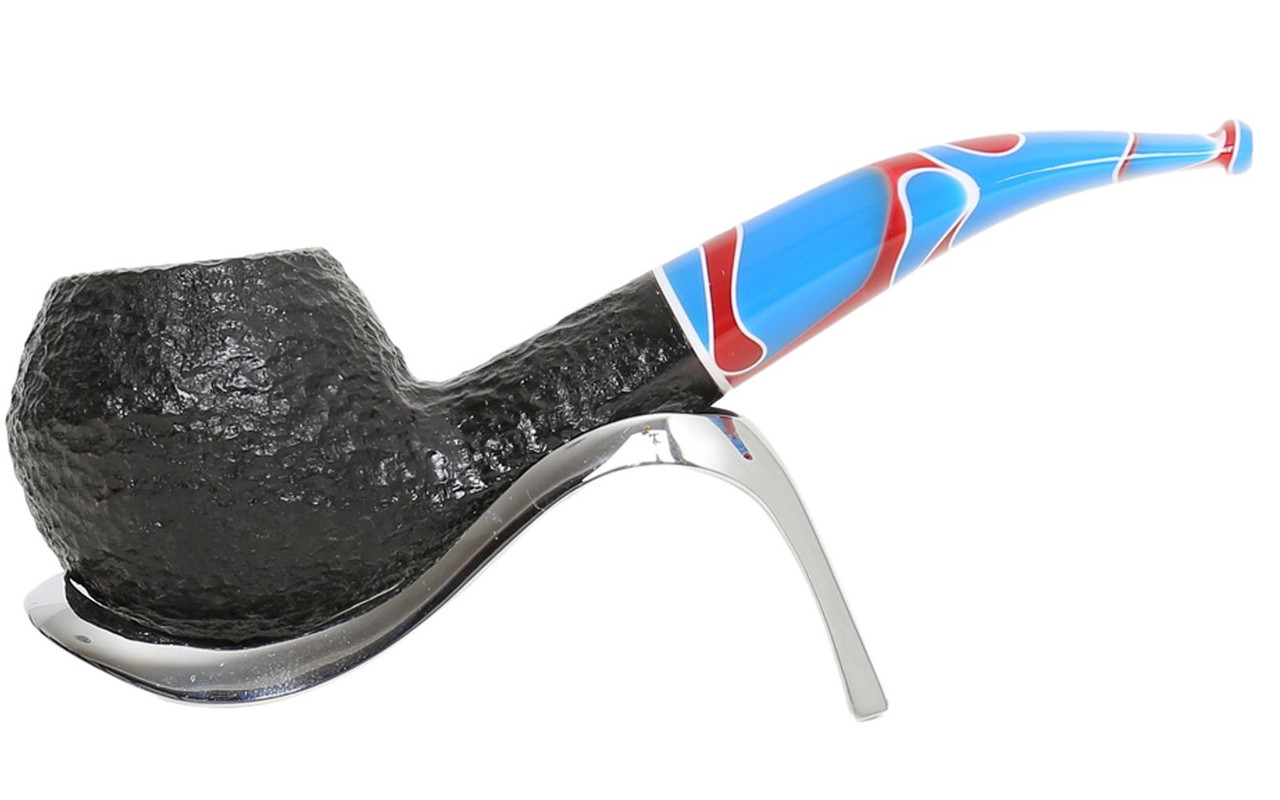
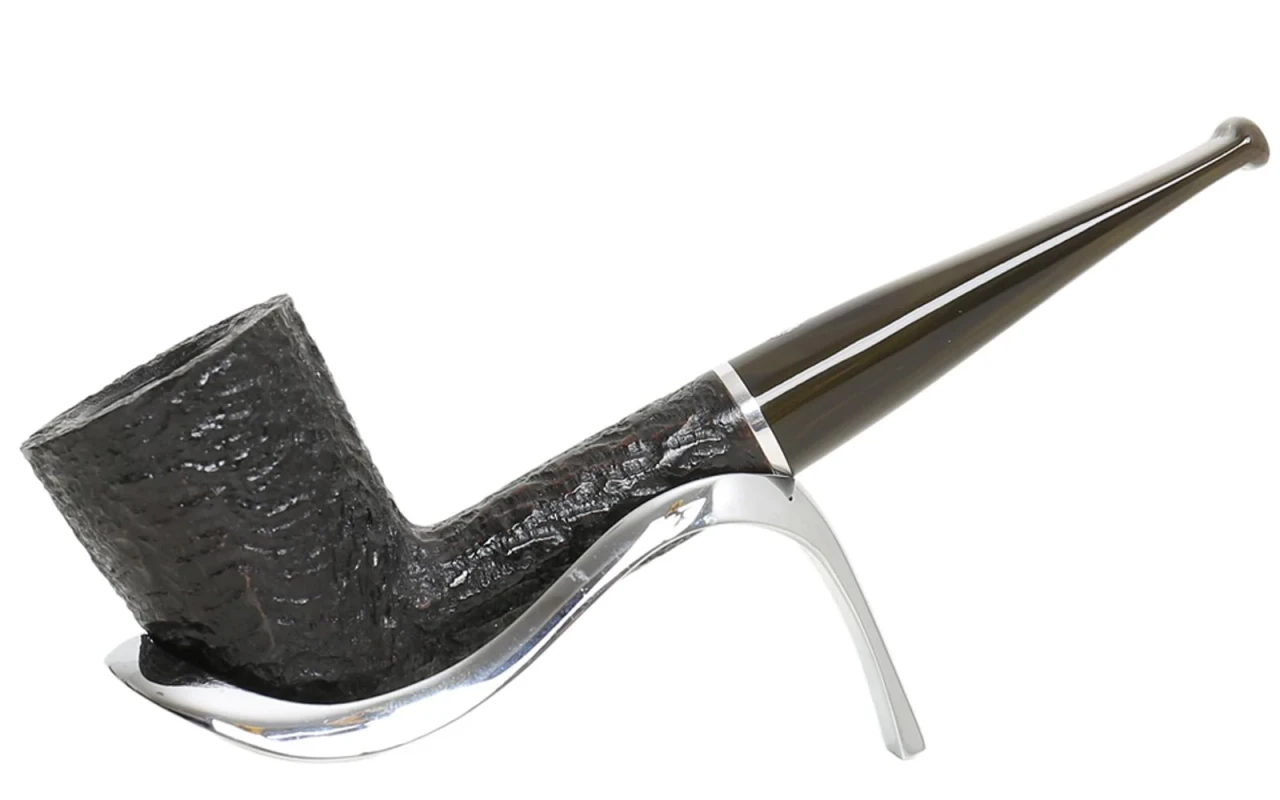
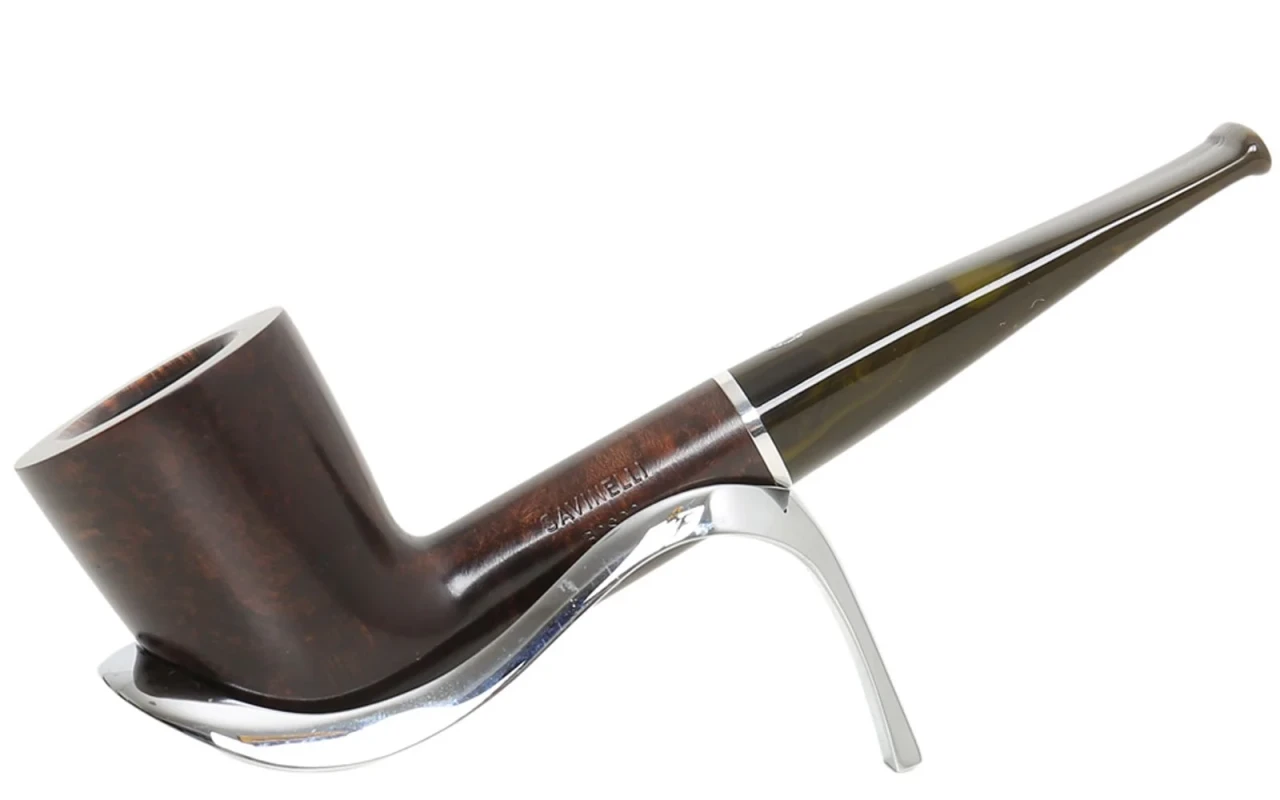
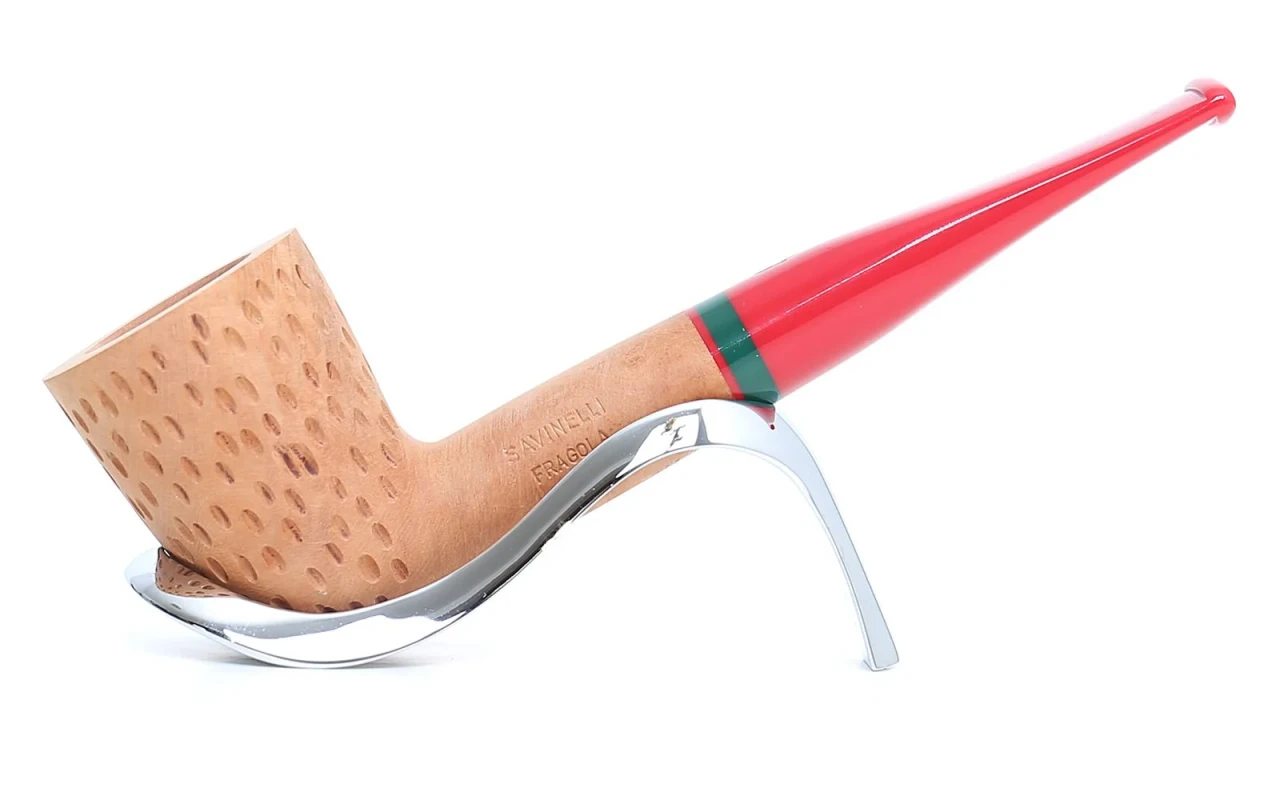
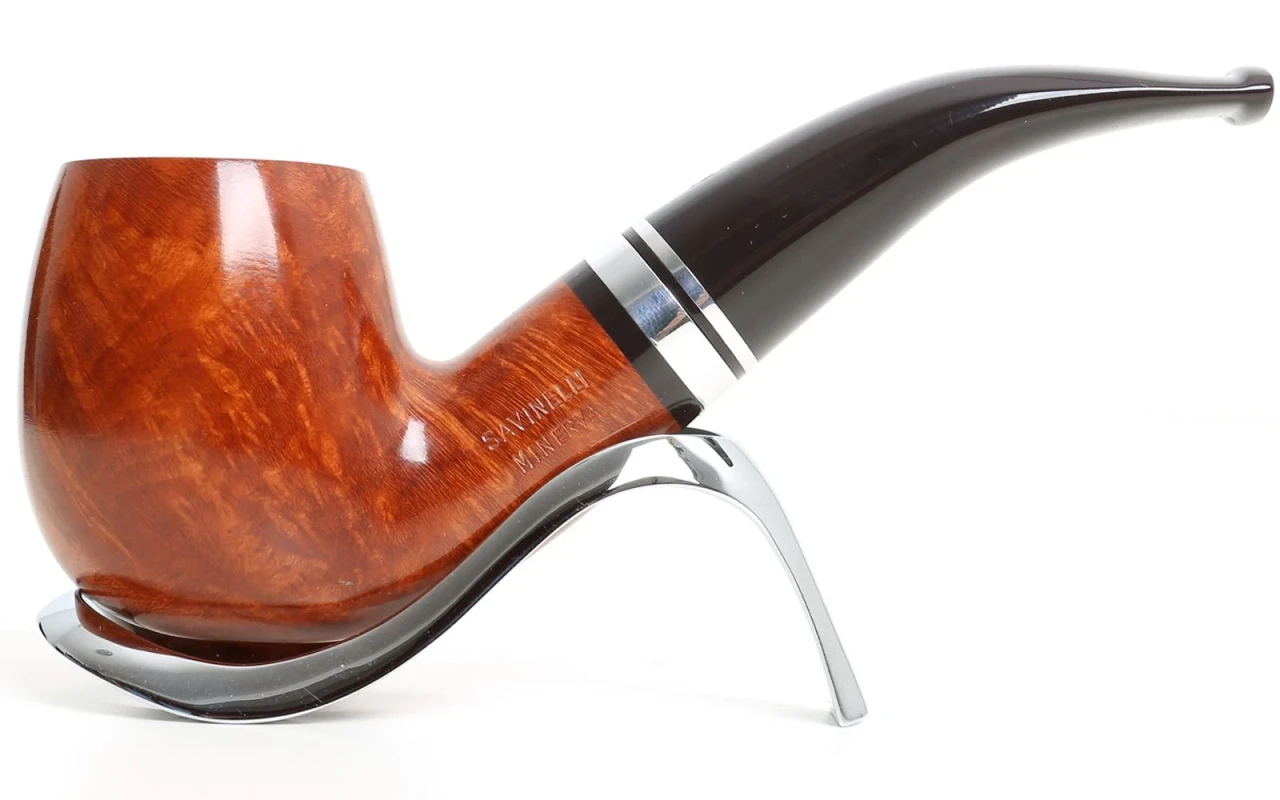
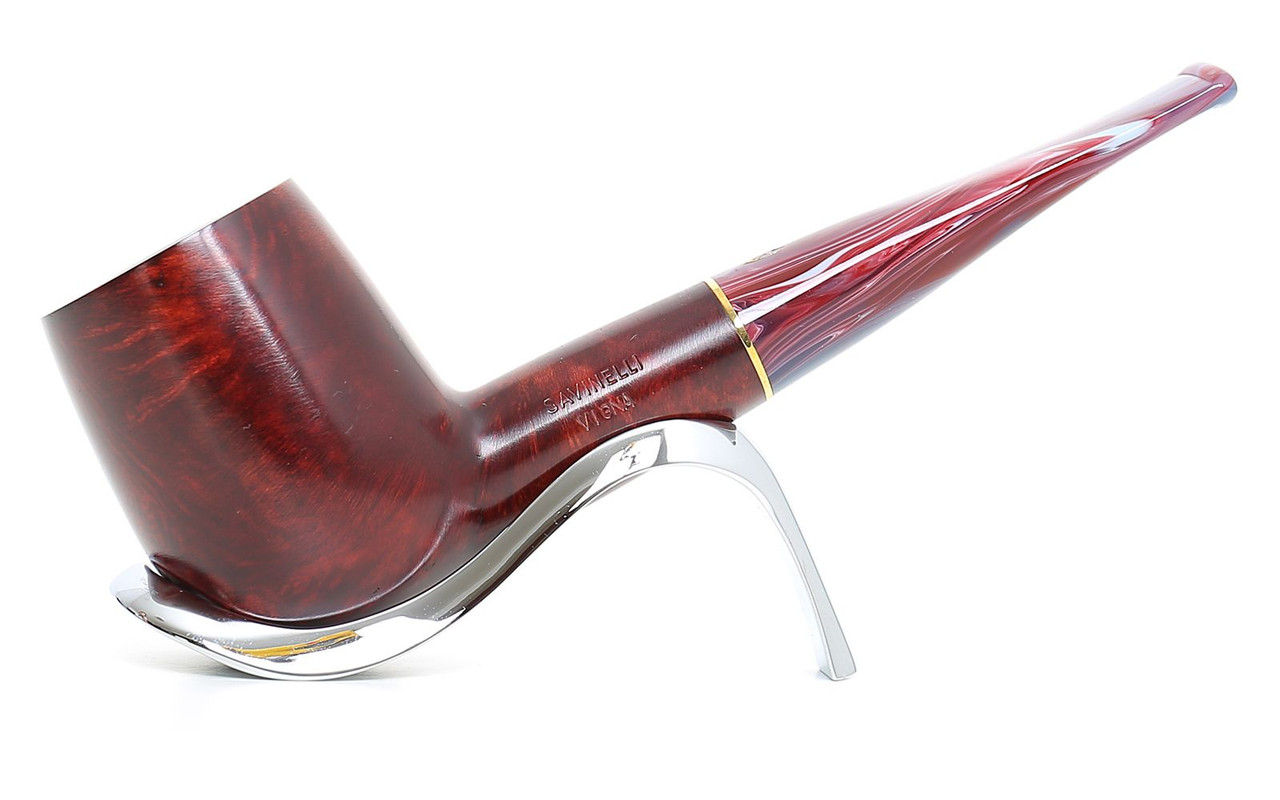
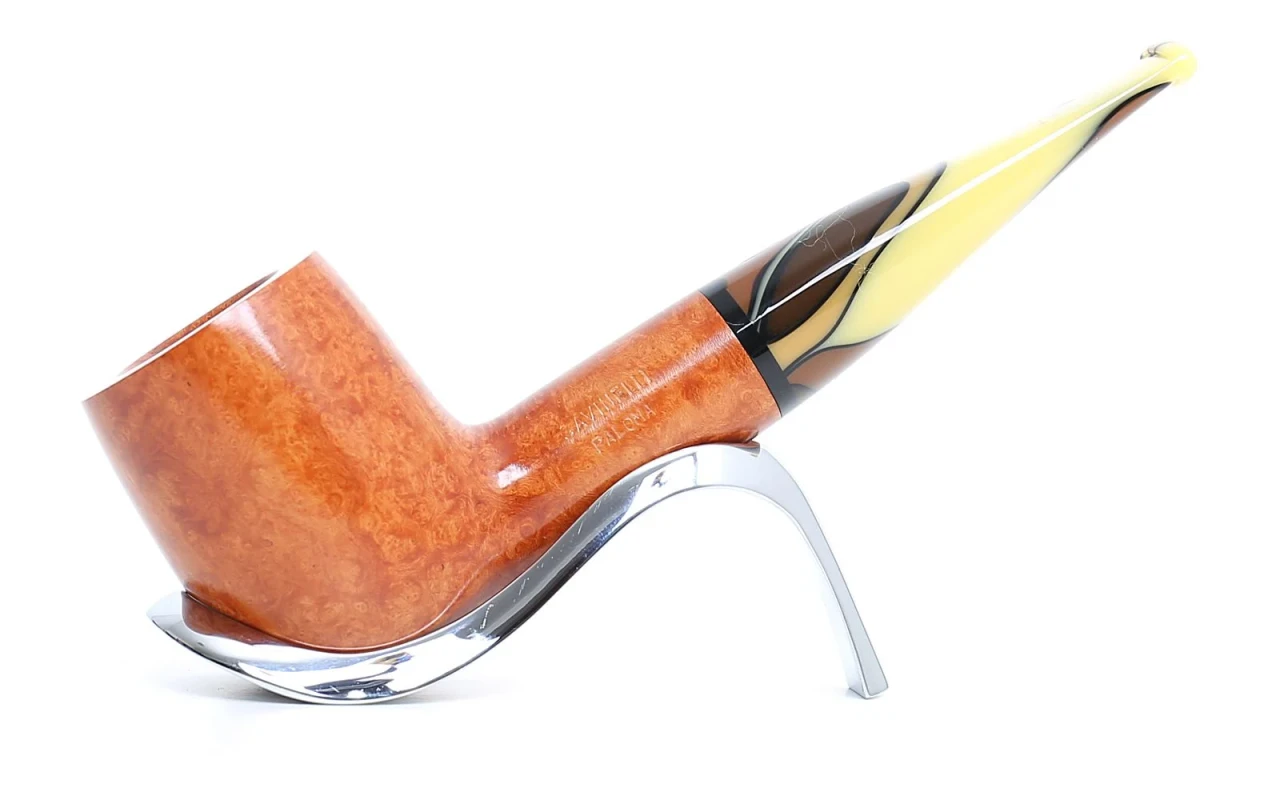
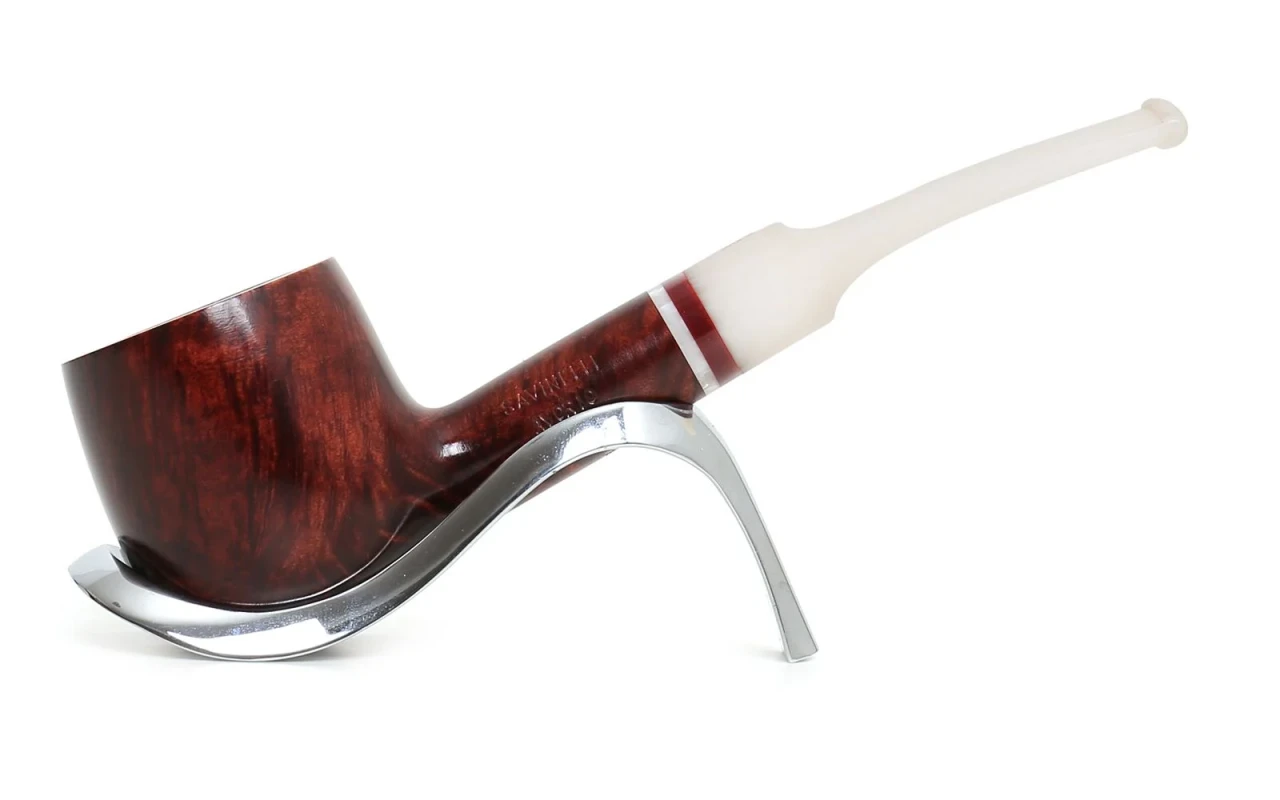
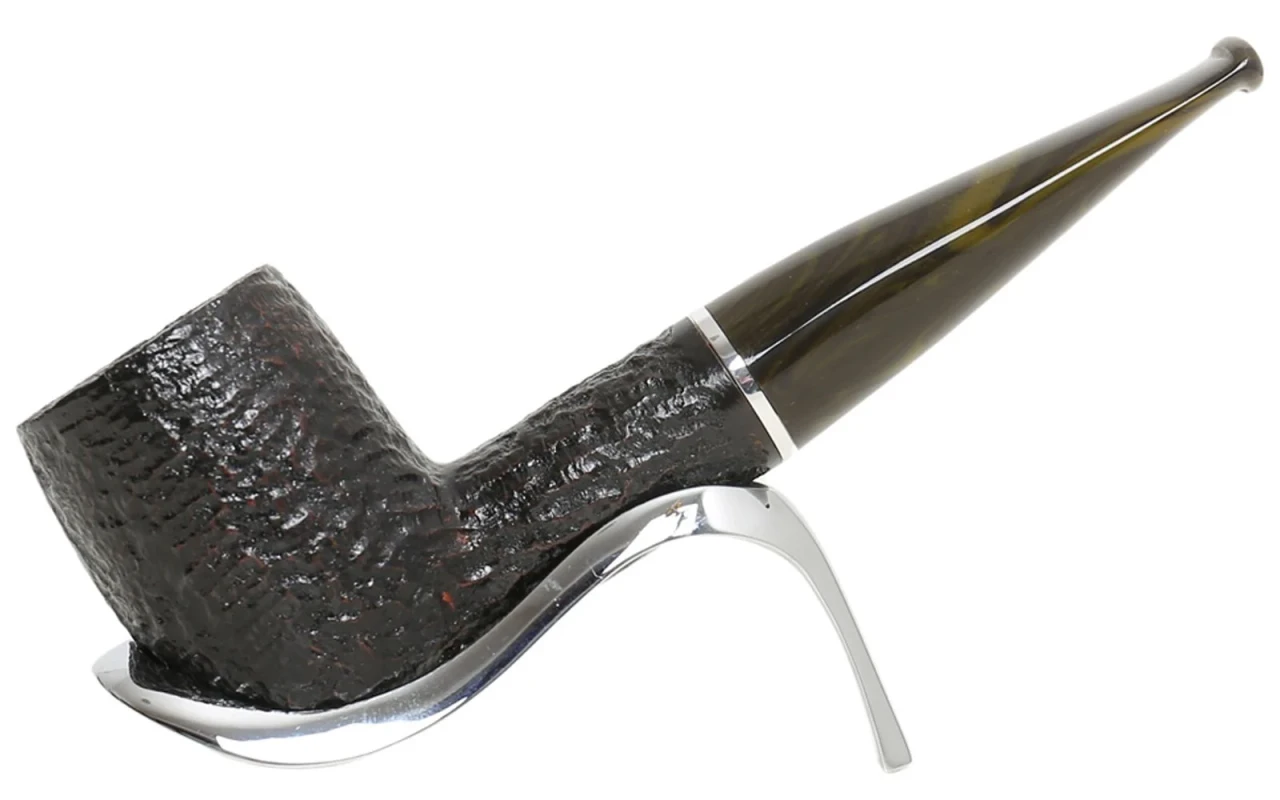
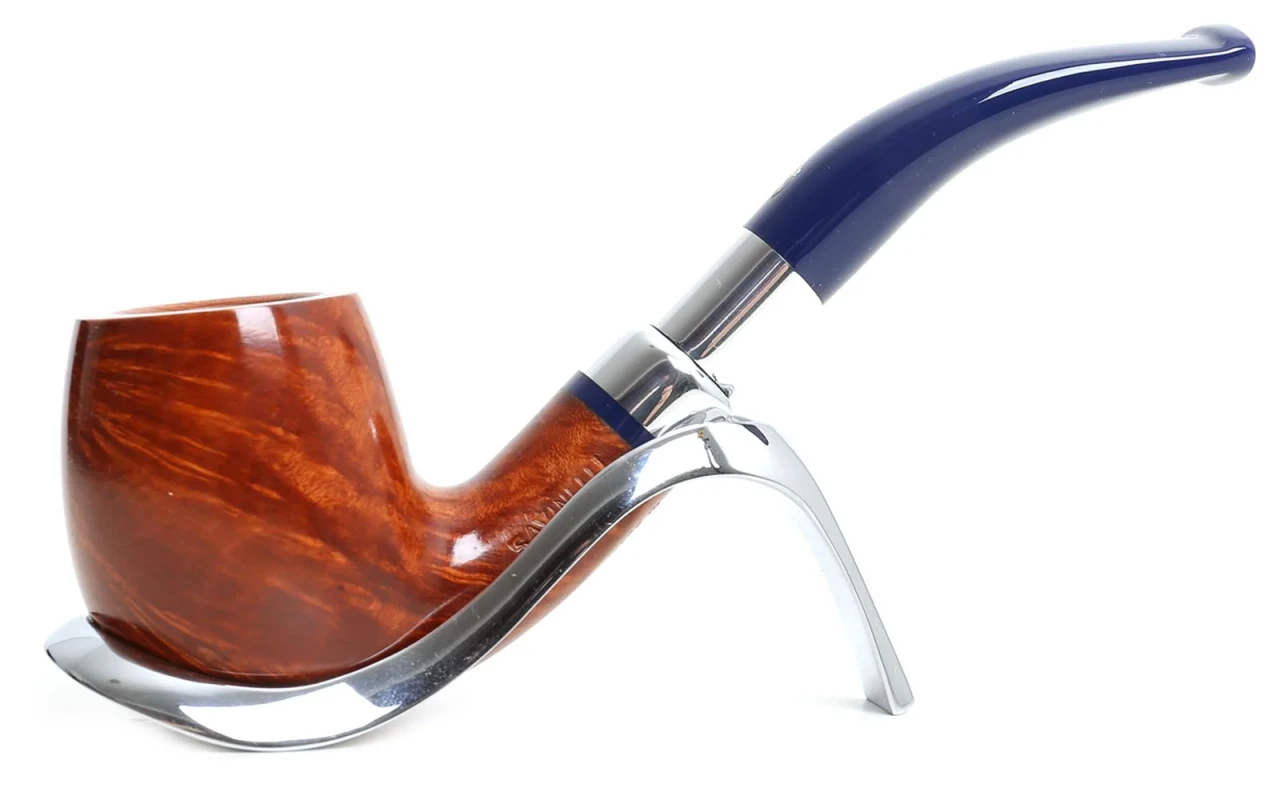
Craftsmanship details in a quality pipe
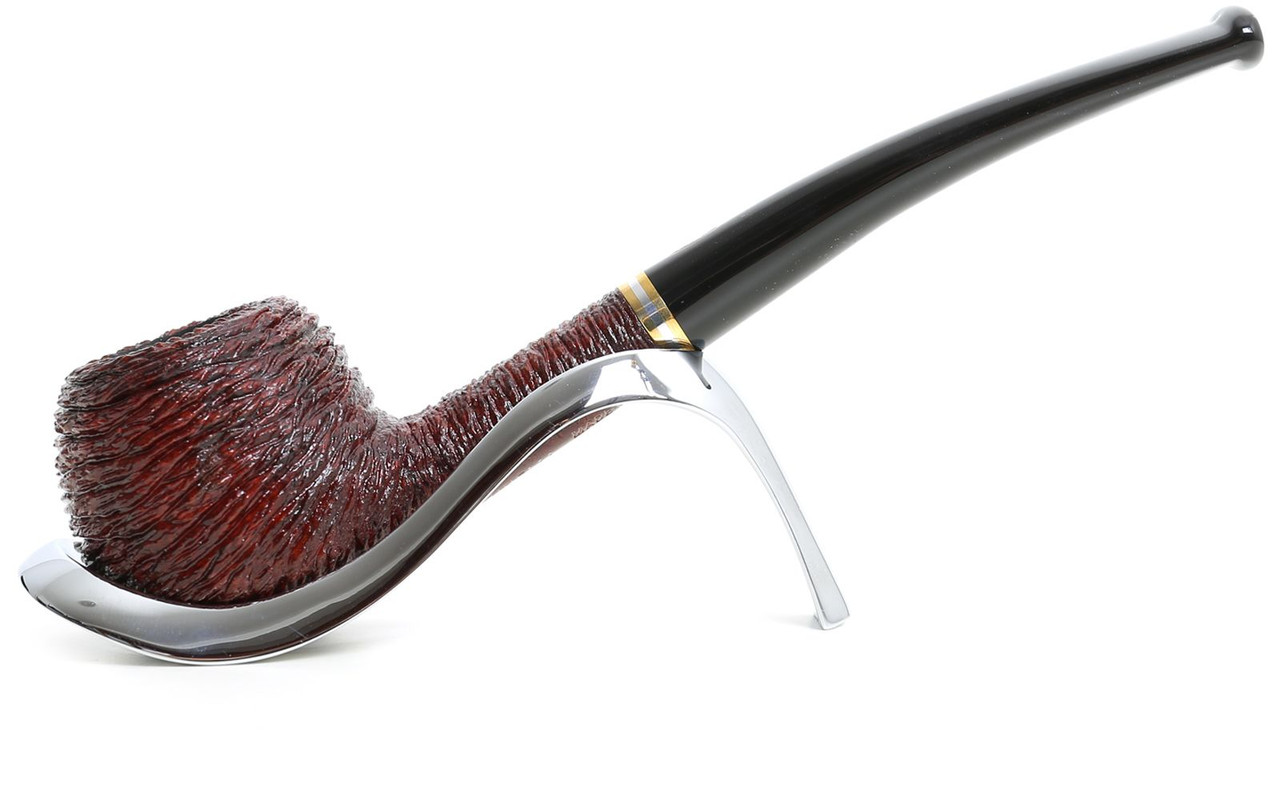
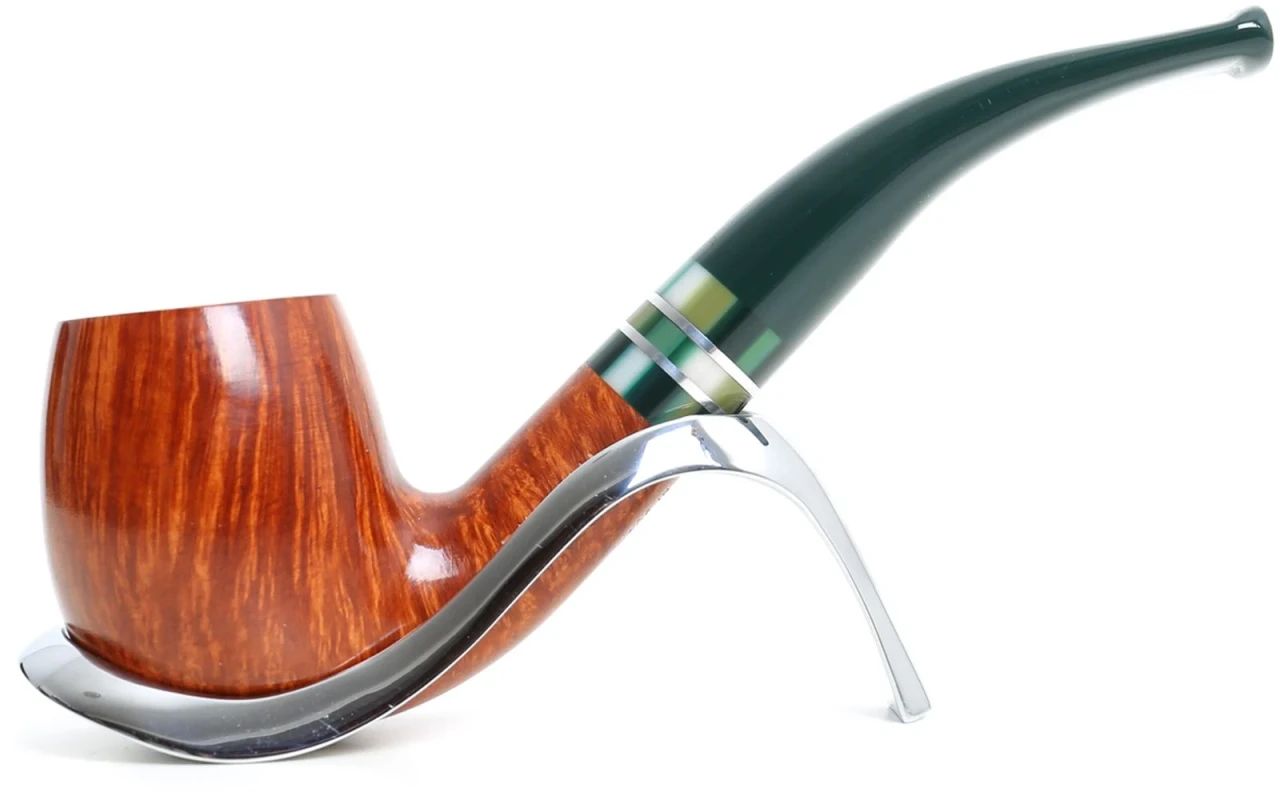
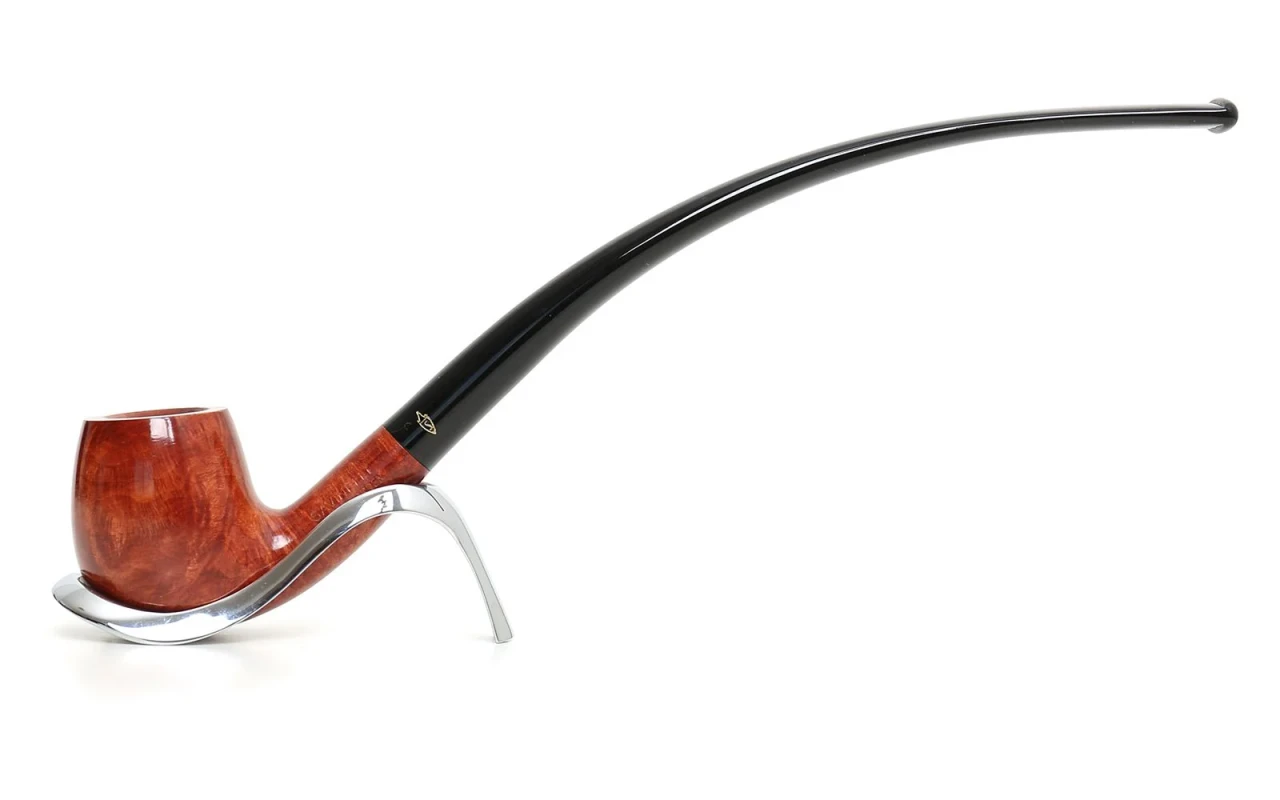
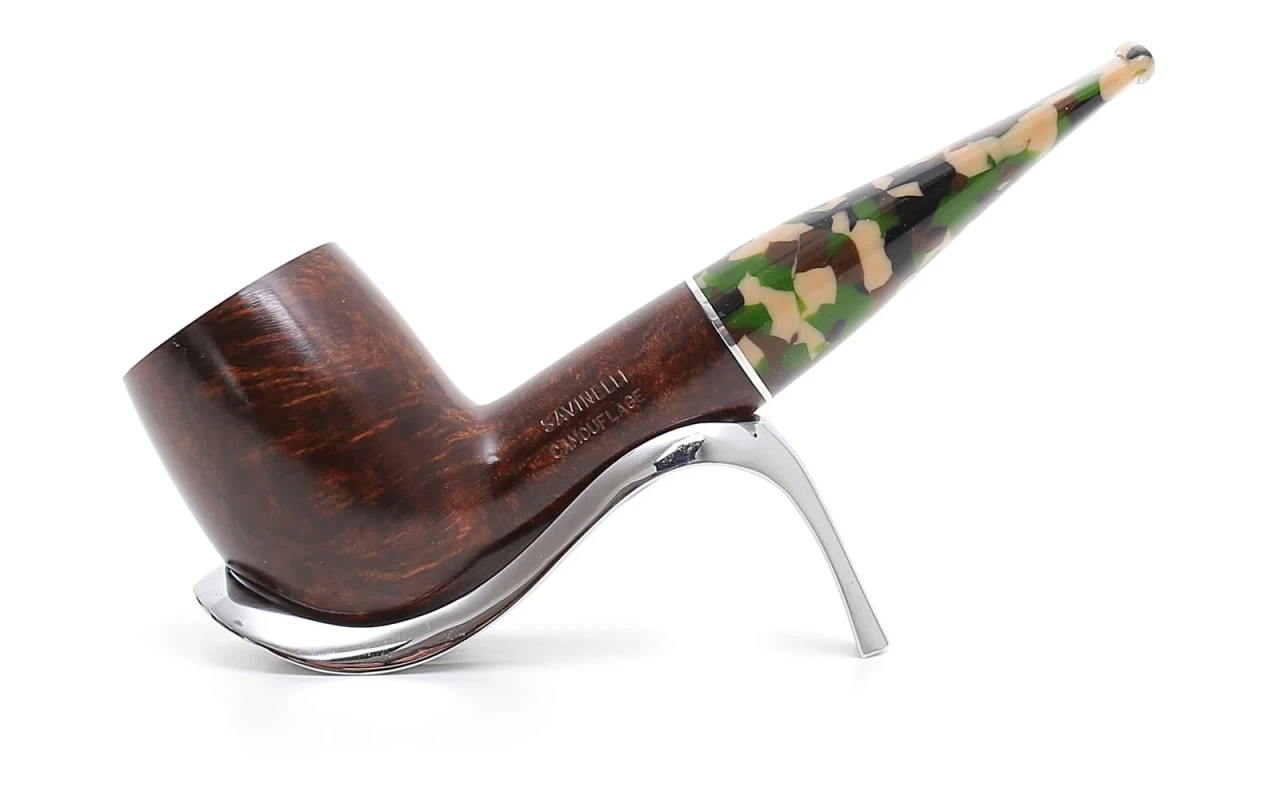
Quality pipes are characterized by craftsmanship details that make them unique and valuable pieces. Among the main elements that distinguish a high-quality artisanal pipe are:- Precious materials such as briar root, olive wood, or walnut root- Handcrafted work and attention to details in shaping and finishing- Ergonomic and comfortable stem for a better smoking experience- Efficient cooling system to ensure a smoother and fresher smoke- Markings and certification attesting to its authenticity and artisanal originThese craftsmanship details contribute to enhancing the value and quality of a pipe, making it a precious item for pipe smoking enthusiasts.
Craftsmanship in Pipe Making
The craftsmanship in pipe making is an ancient art that requires skill and precision. Master craftsmen create unique pipes using high-quality materials such as briar wood or corn cob. The process begins with the careful selection of the raw material, followed by shaping and handcrafting the desired form. Subsequently, the pipe is smoothed and polished to achieve a smooth and glossy surface. Finally, the smoking passage is created to ensure an optimal smoking experience. Thanks to the artisanal mastery, each pipe is a one-of-a-kind masterpiece.
Luxury materials for pipes
Luxury materials for pipes mainly include briarwood, oak wood, olive wood, and chestnut wood. These woods are renowned for their characteristics of durability, moisture-absorbing abilities, and natural beauty. Other high-quality materials used for pipes are vegetable ivory, amber, and buffalo horn. These materials provide pipes with a unique elegance and prestige, as well as ensuring a more enjoyable smoking experience due to their properties. The choice of material significantly influences the performance and aesthetics of the pipe, making it a highly valuable item for enthusiasts in the field.
Unique design of pipes
The unique design of pipes stands out for the variety of shapes, materials, and styles used in the production of these smoking instruments. Pipes can be made of wood, clay, glass, or other materials, often featuring artisanal decorations or special details. Each type of pipe has specific characteristics that influence how smoke is generated and consumed. This diversity of design not only makes pipes aesthetically appealing objects but can also impact the overall smoking experience. Collectors and pipe enthusiasts appreciate the creativity and originality of these functional works of art.
'%3e%3cg id='Final-Copy-2_2_' transform='translate(1275.000000, 200.000000)'%3e%3cpath class='st0' d='M7.4,12.8h6.8l3.1-11.6H7.4C4.2,1.2,1.6,3.8,1.6,7S4.2,12.8,7.4,12.8z'/%3e%3c/g%3e%3c/g%3e%3c/g%3e%3cg id='final---dec.11-2020'%3e%3cg id='_x30_208-our-toggle' transform='translate(-1275.000000, -200.000000)'%3e%3cg id='Final-Copy-2' transform='translate(1275.000000, 200.000000)'%3e%3cpath class='st1' d='M22.6,0H7.4c-3.9,0-7,3.1-7,7s3.1,7,7,7h15.2c3.9,0,7-3.1,7-7S26.4,0,22.6,0z M1.6,7c0-3.2,2.6-5.8,5.8-5.8 h9.9l-3.1,11.6H7.4C4.2,12.8,1.6,10.2,1.6,7z'/%3e%3cpath id='x' class='st2' d='M24.6,4c0.2,0.2,0.2,0.6,0,0.8l0,0L22.5,7l2.2,2.2c0.2,0.2,0.2,0.6,0,0.8c-0.2,0.2-0.6,0.2-0.8,0 l0,0l-2.2-2.2L19.5,10c-0.2,0.2-0.6,0.2-0.8,0c-0.2-0.2-0.2-0.6,0-0.8l0,0L20.8,7l-2.2-2.2c-0.2-0.2-0.2-0.6,0-0.8 c0.2-0.2,0.6-0.2,0.8,0l0,0l2.2,2.2L23.8,4C24,3.8,24.4,3.8,24.6,4z'/%3e%3cpath id='y' class='st3' d='M12.7,4.1c0.2,0.2,0.3,0.6,0.1,0.8l0,0L8.6,9.8C8.5,9.9,8.4,10,8.3,10c-0.2,0.1-0.5,0.1-0.7-0.1l0,0 L5.4,7.7c-0.2-0.2-0.2-0.6,0-0.8c0.2-0.2,0.6-0.2,0.8,0l0,0L8,8.6l3.8-4.5C12,3.9,12.4,3.9,12.7,4.1z'/%3e%3c/g%3e%3c/g%3e%3c/g%3e%3c/g%3e%3c/svg%3e) Your Privacy Choices
Your Privacy Choices 


