 ES
ES FR
FR EN
EN IT
IT DE
DE
Pipe design and the evolution of styles
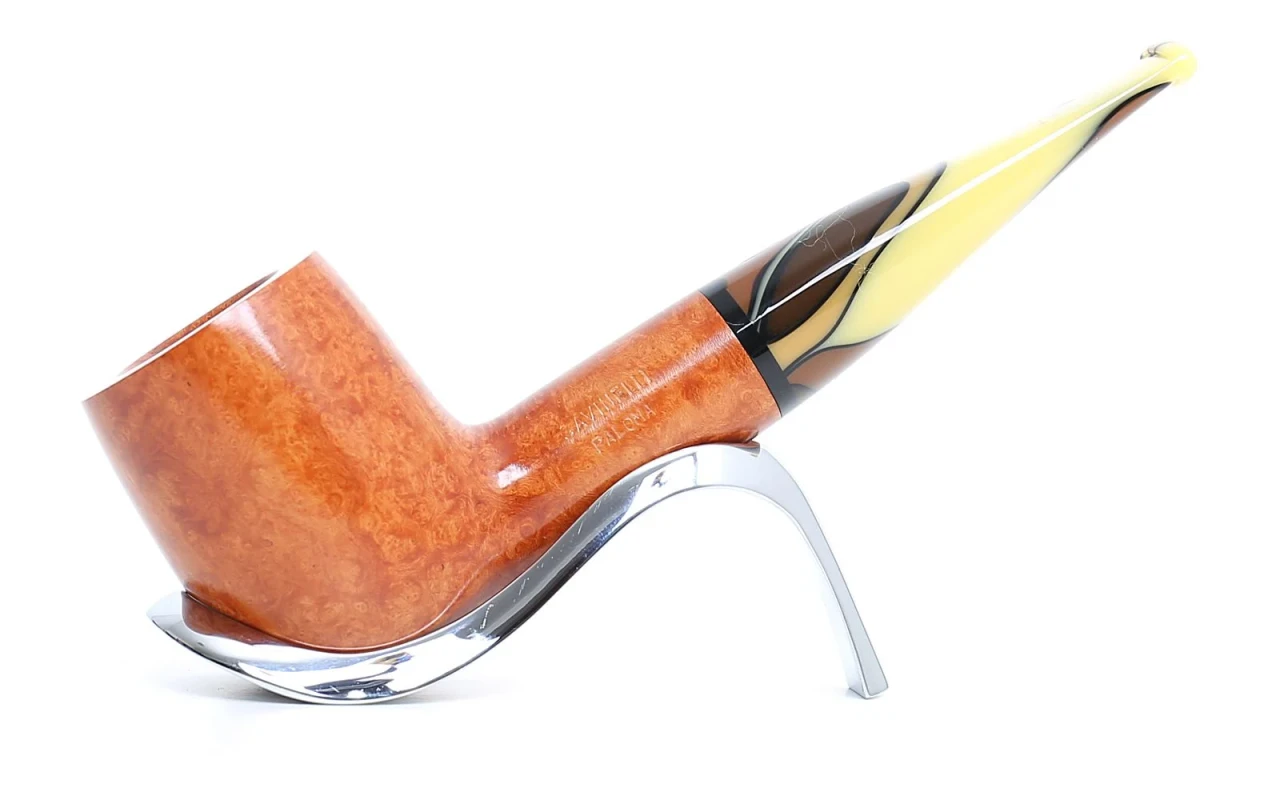
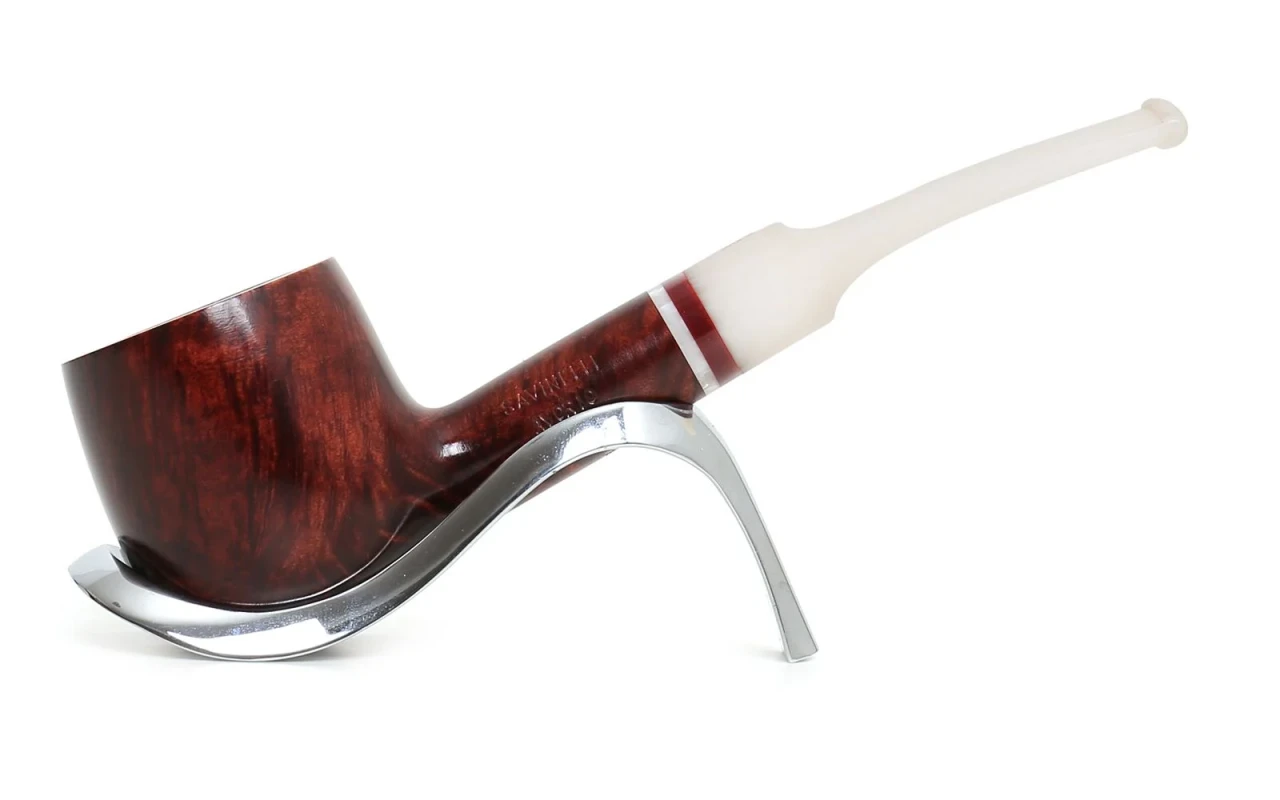
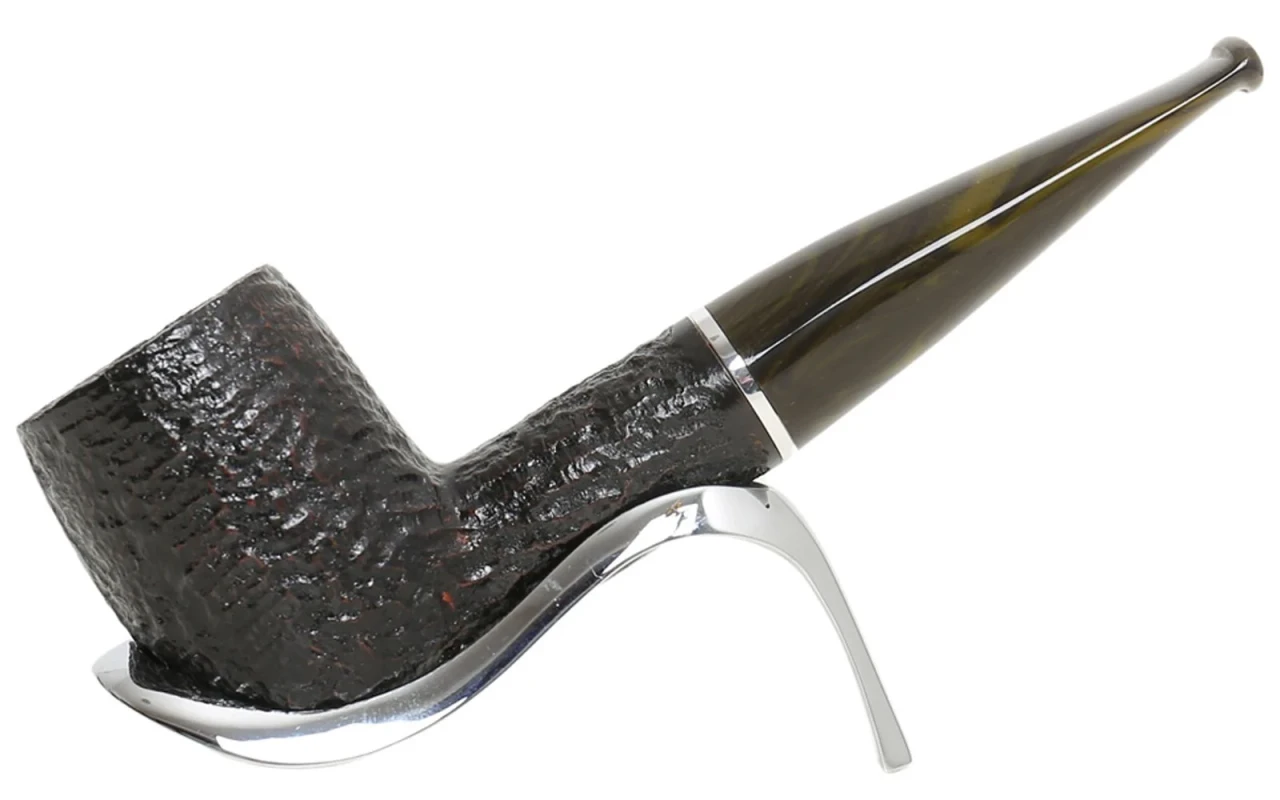
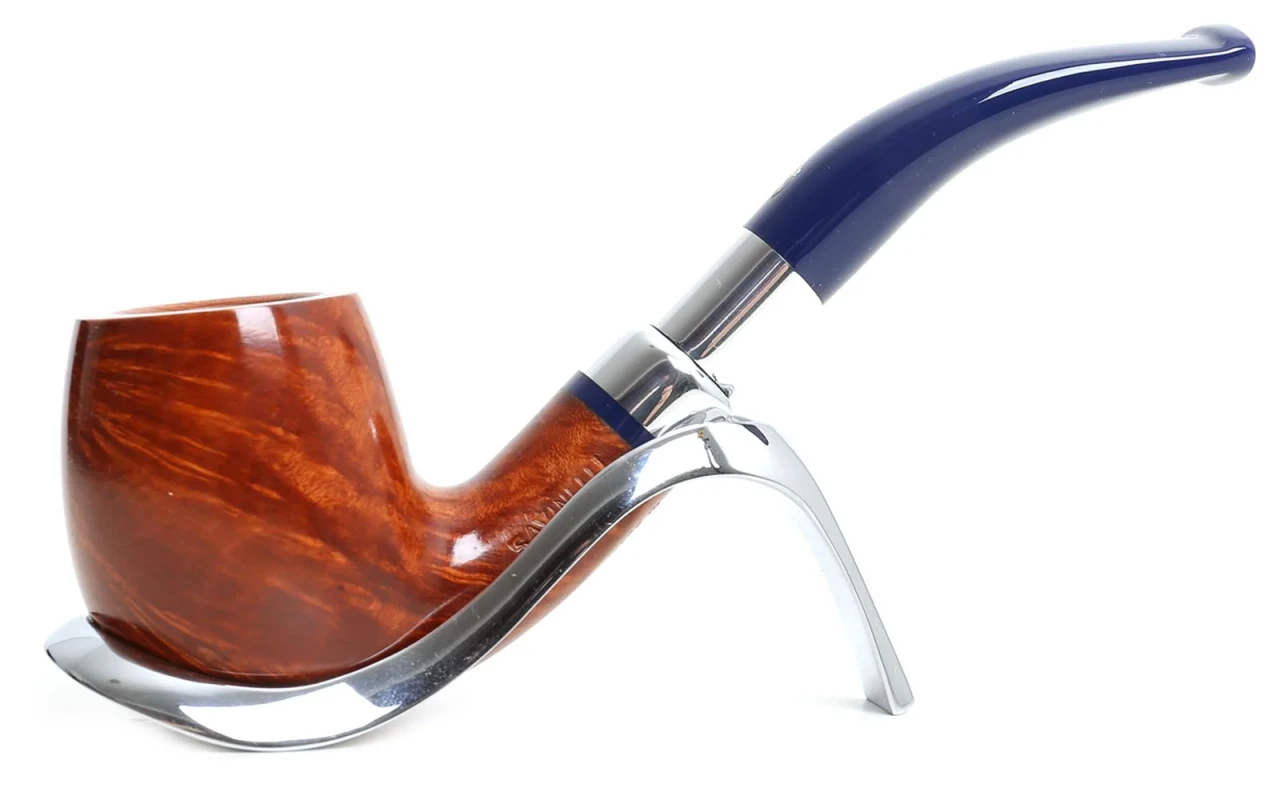
Pipe design and the evolution of styles
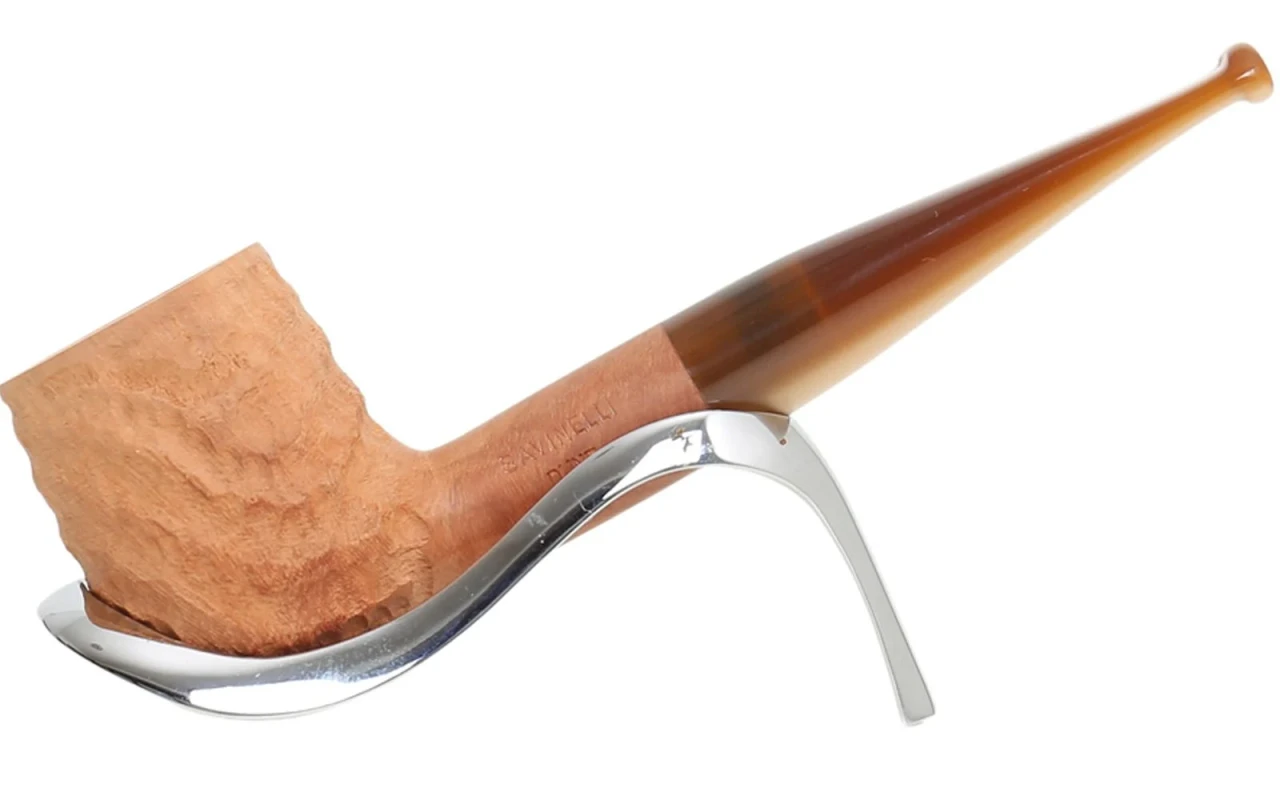
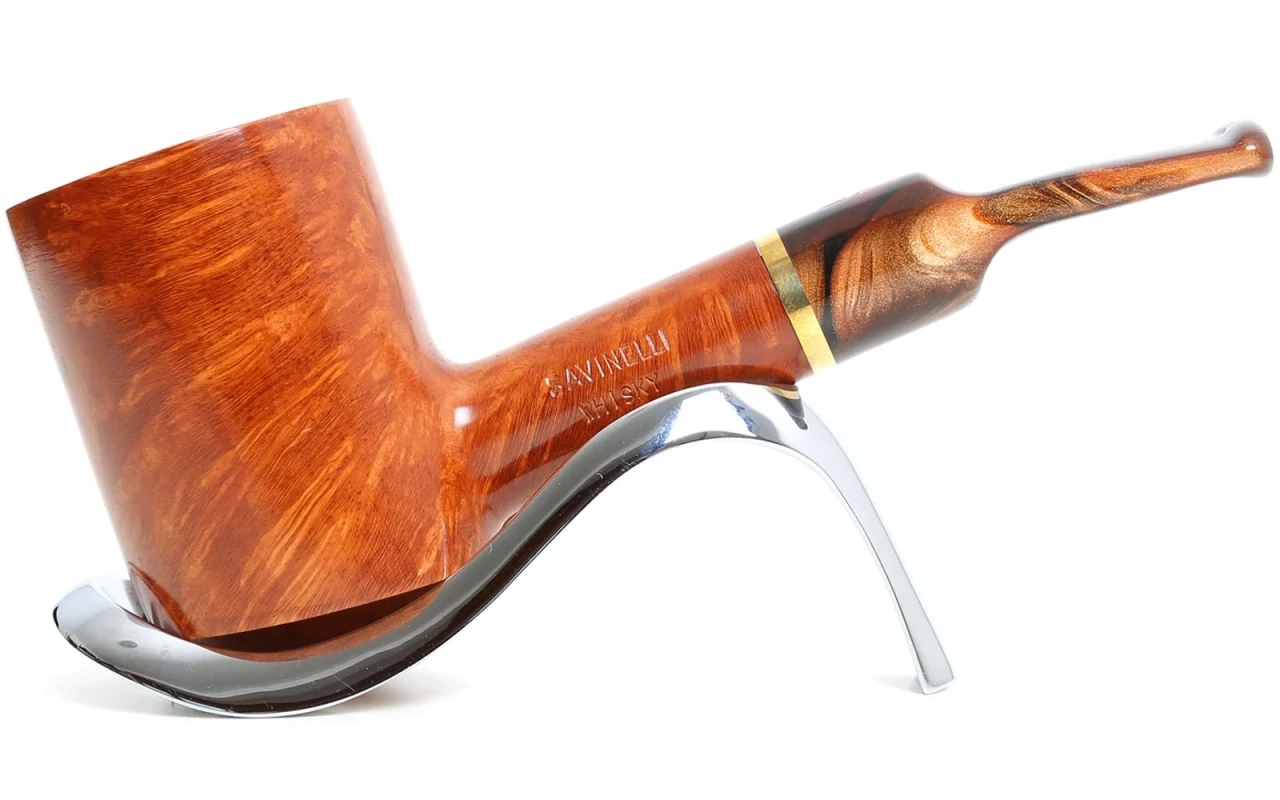
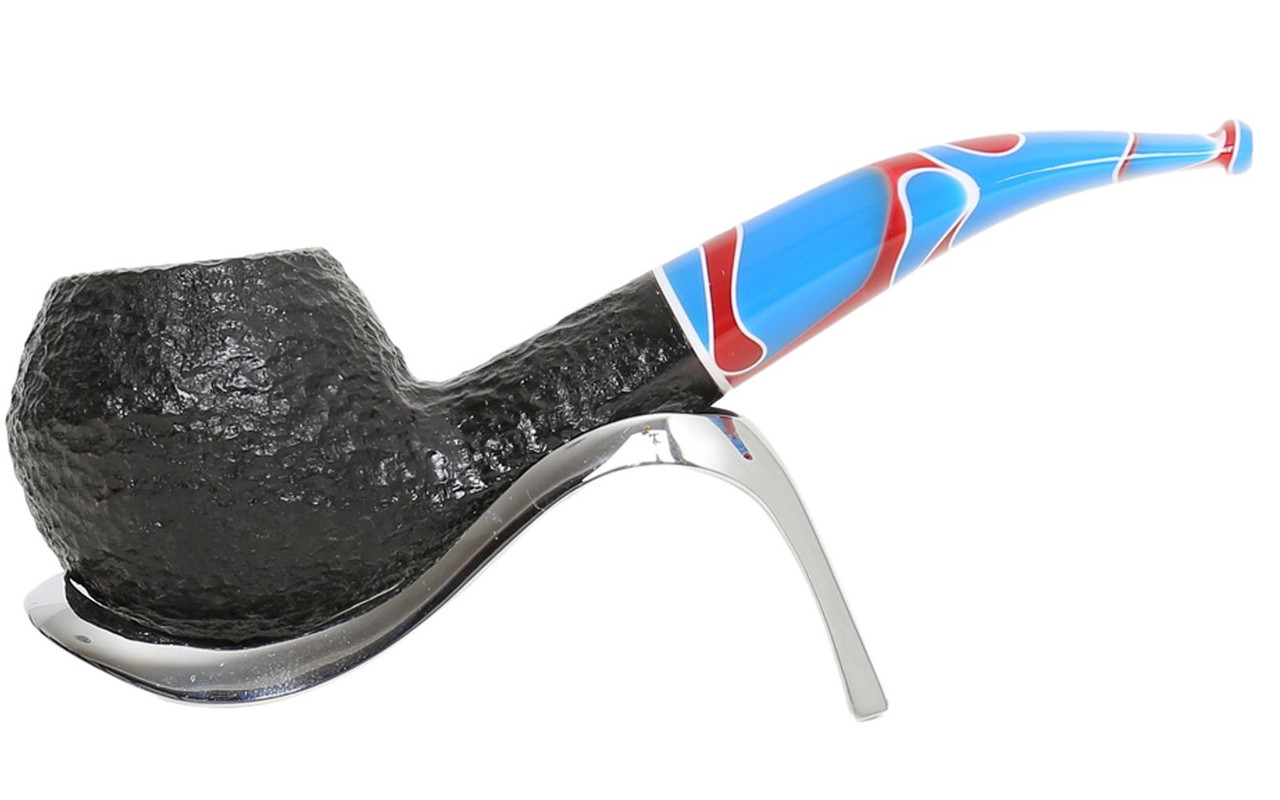
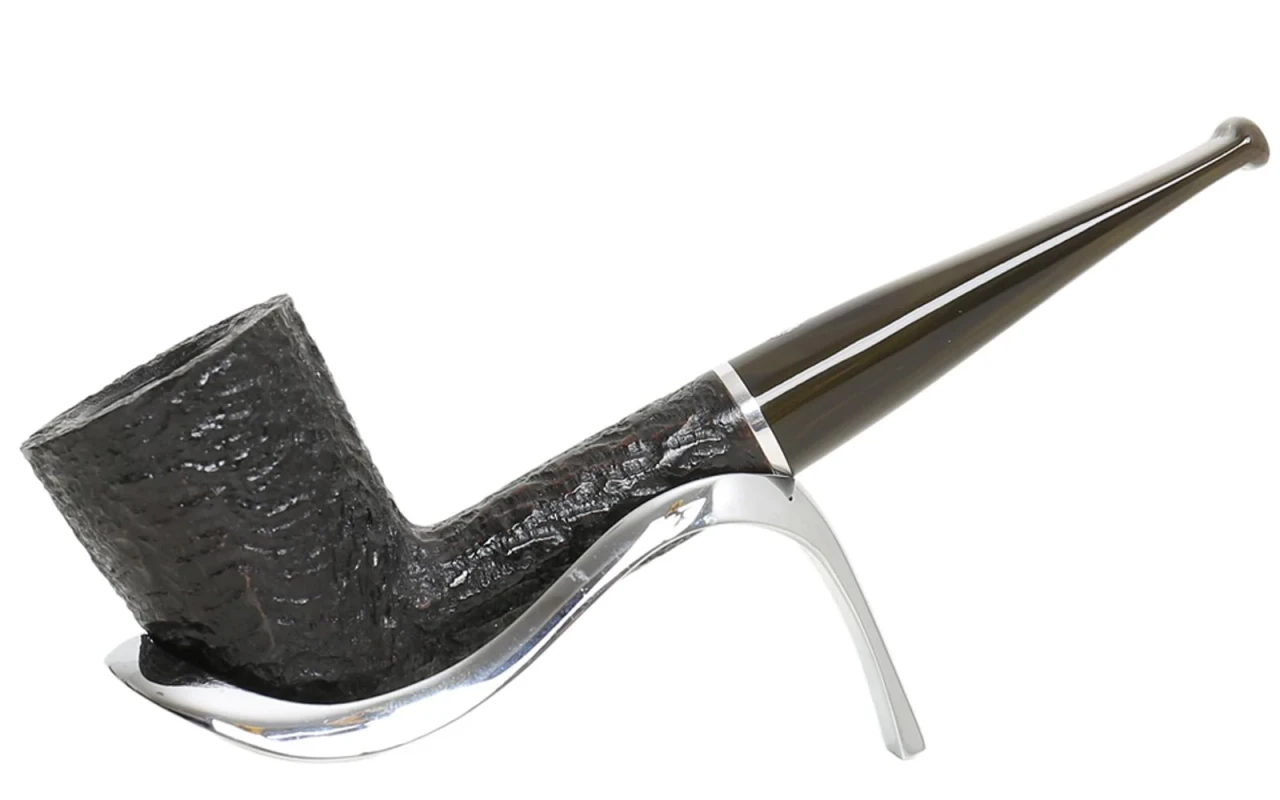
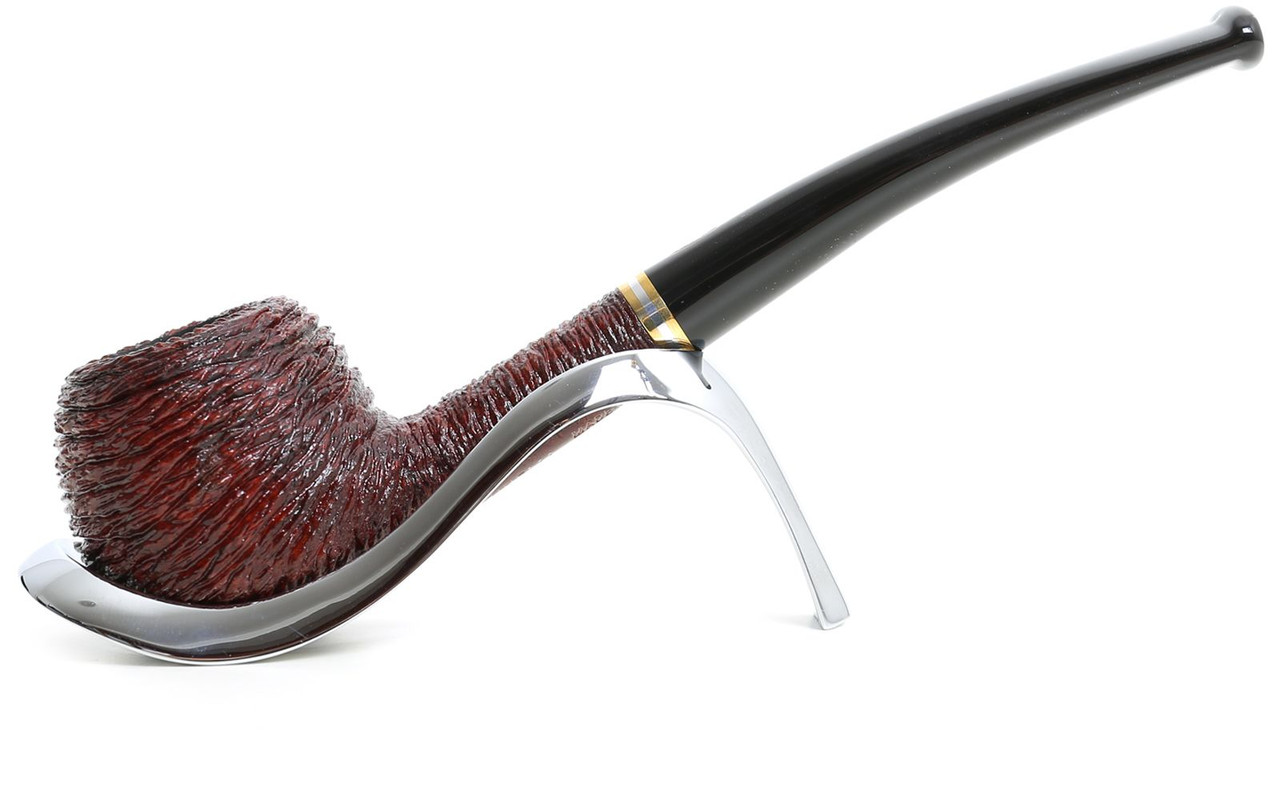
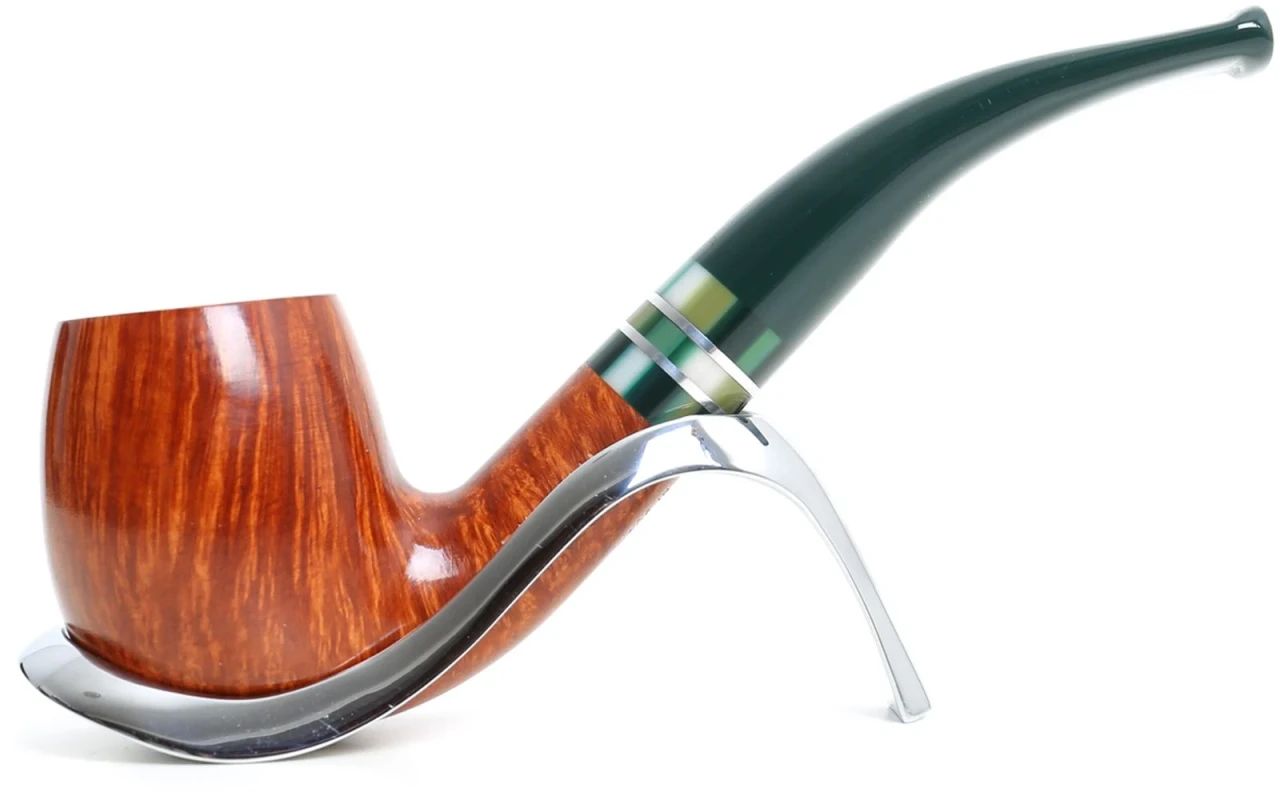
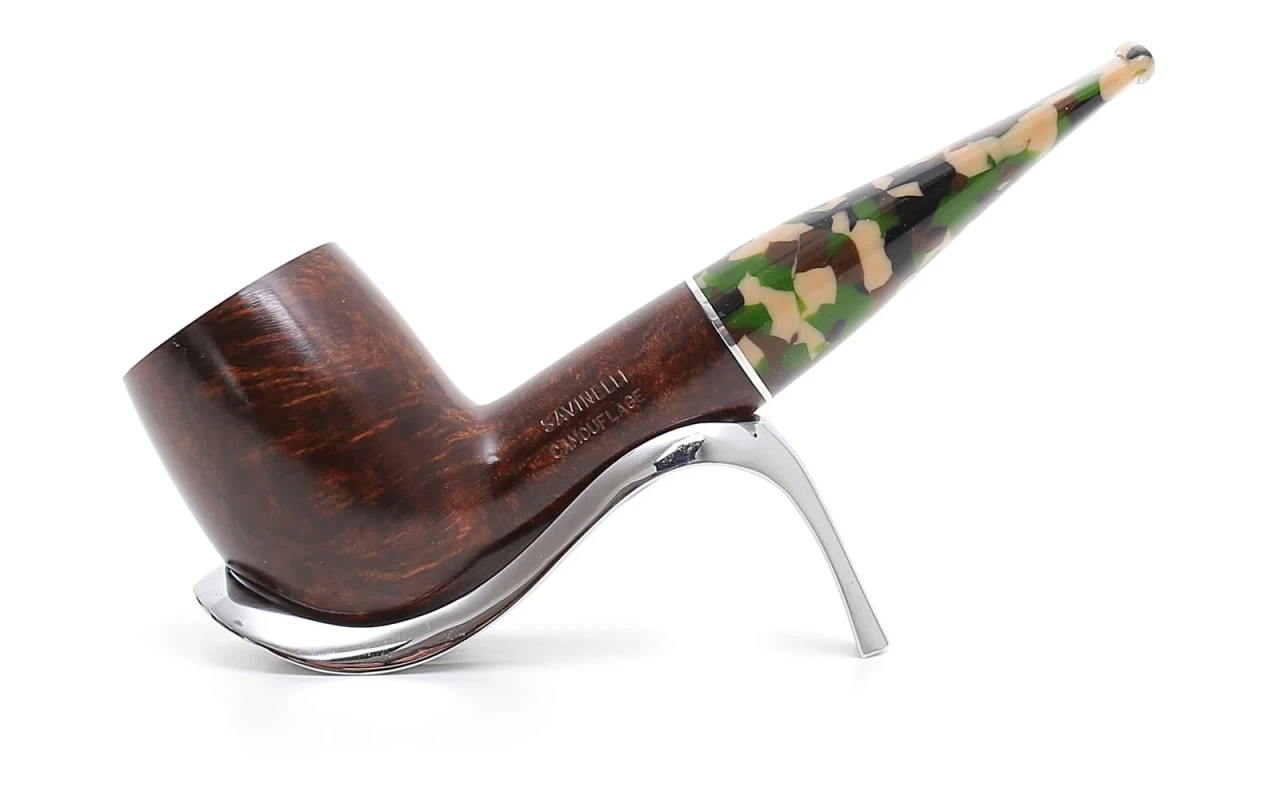
Pipe design has undergone significant evolution over the centuries, reflecting changes in styles and preferences of pipe smokers. Traditional pipes were often made of wood or clay, with simple and functional shapes. However, over time, pipe design has become more enriched, including materials such as briar, corn cob, and even glass. Modern pipes feature a wide range of styles and shapes, from classic "bent" or "straight" pipes to more imaginative "freehand" or "calabash" pipes. The evolution of pipe design continues to be influenced by the creativity of manufacturers and smokers' preferences.
Traditional shapes of pipes
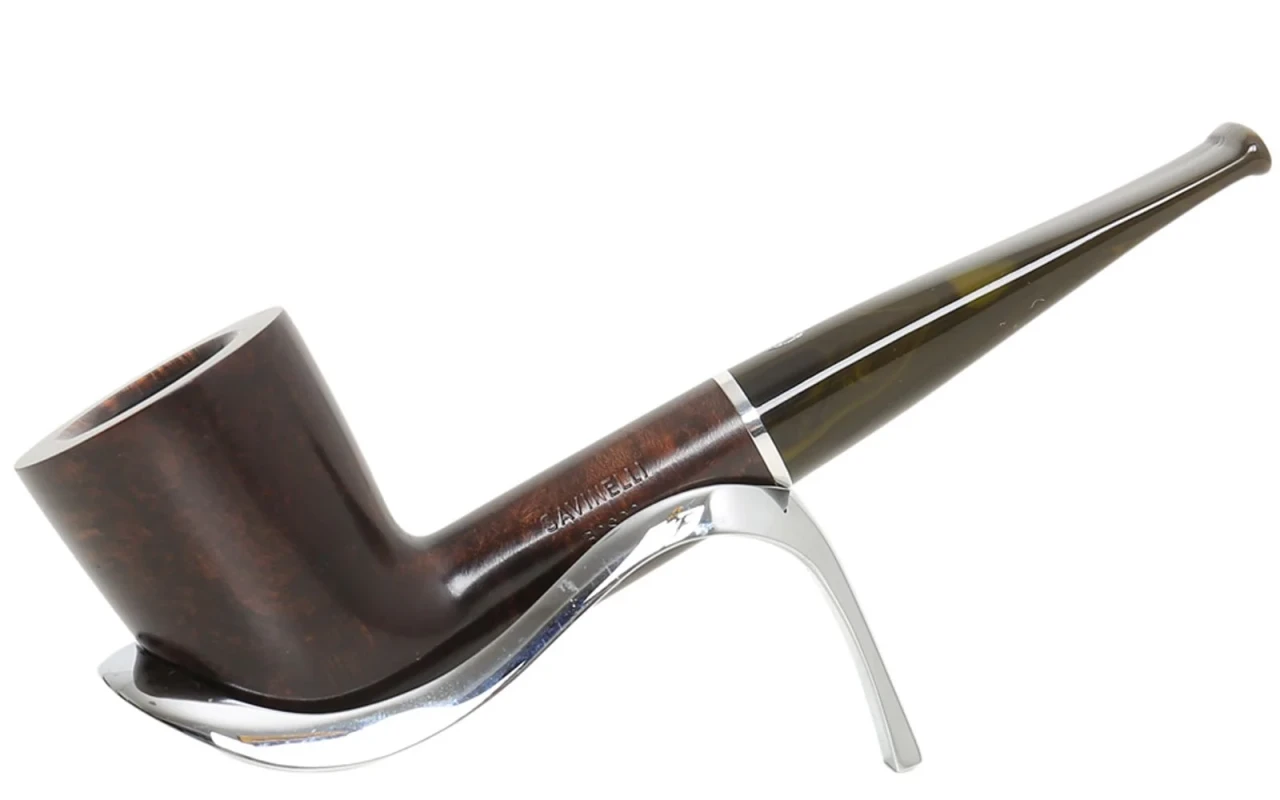
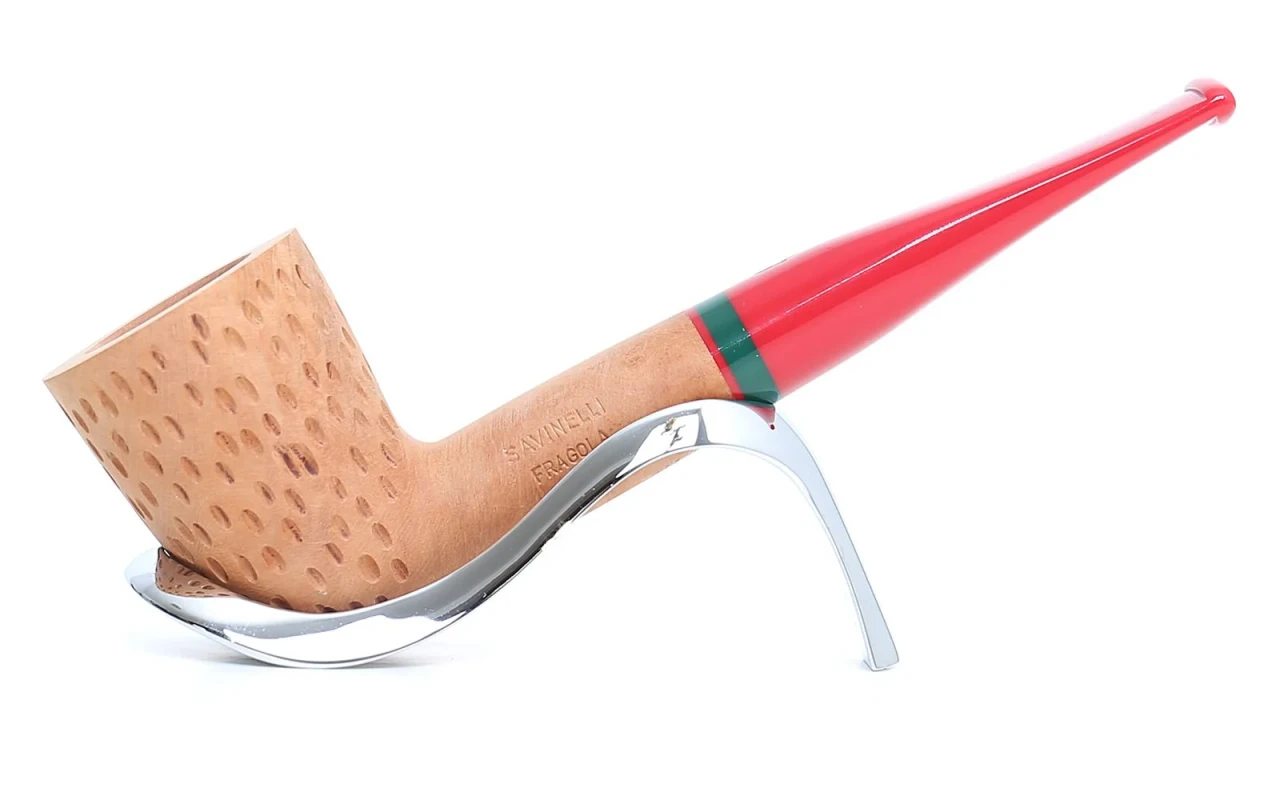
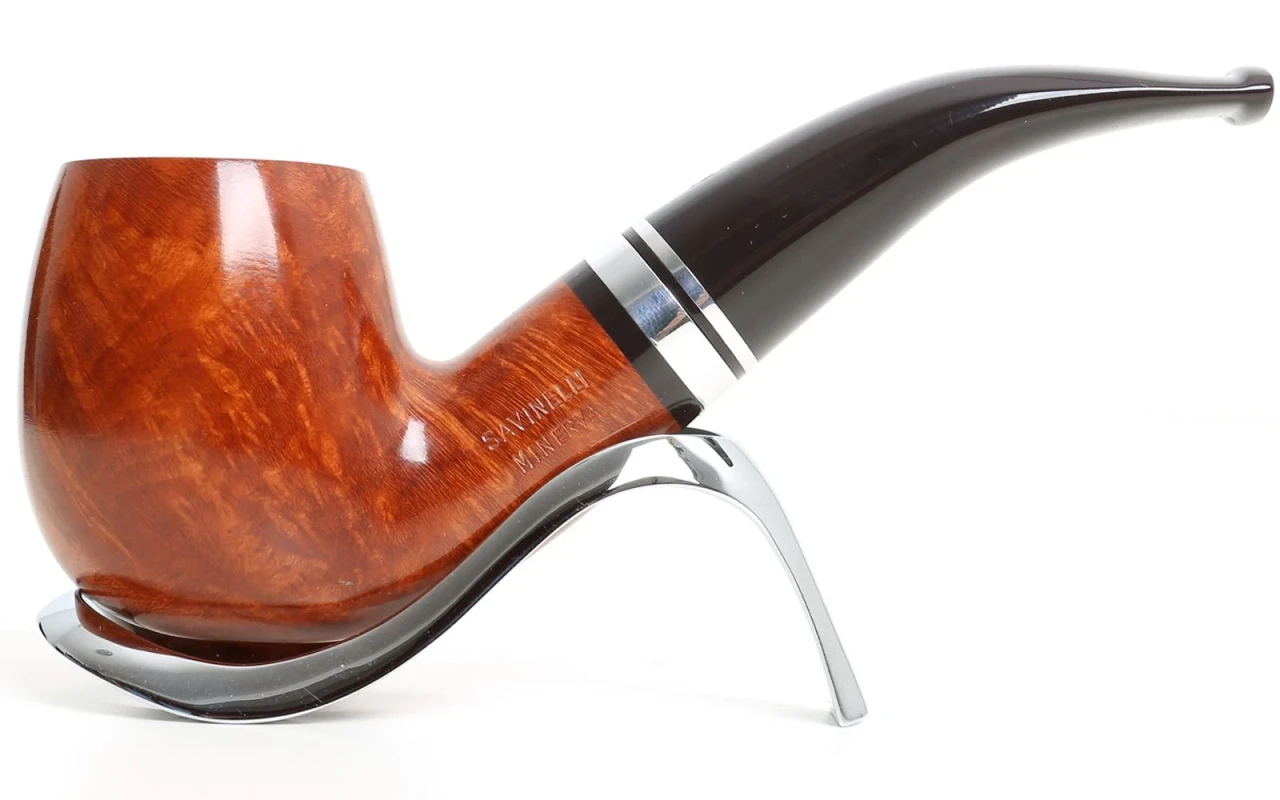
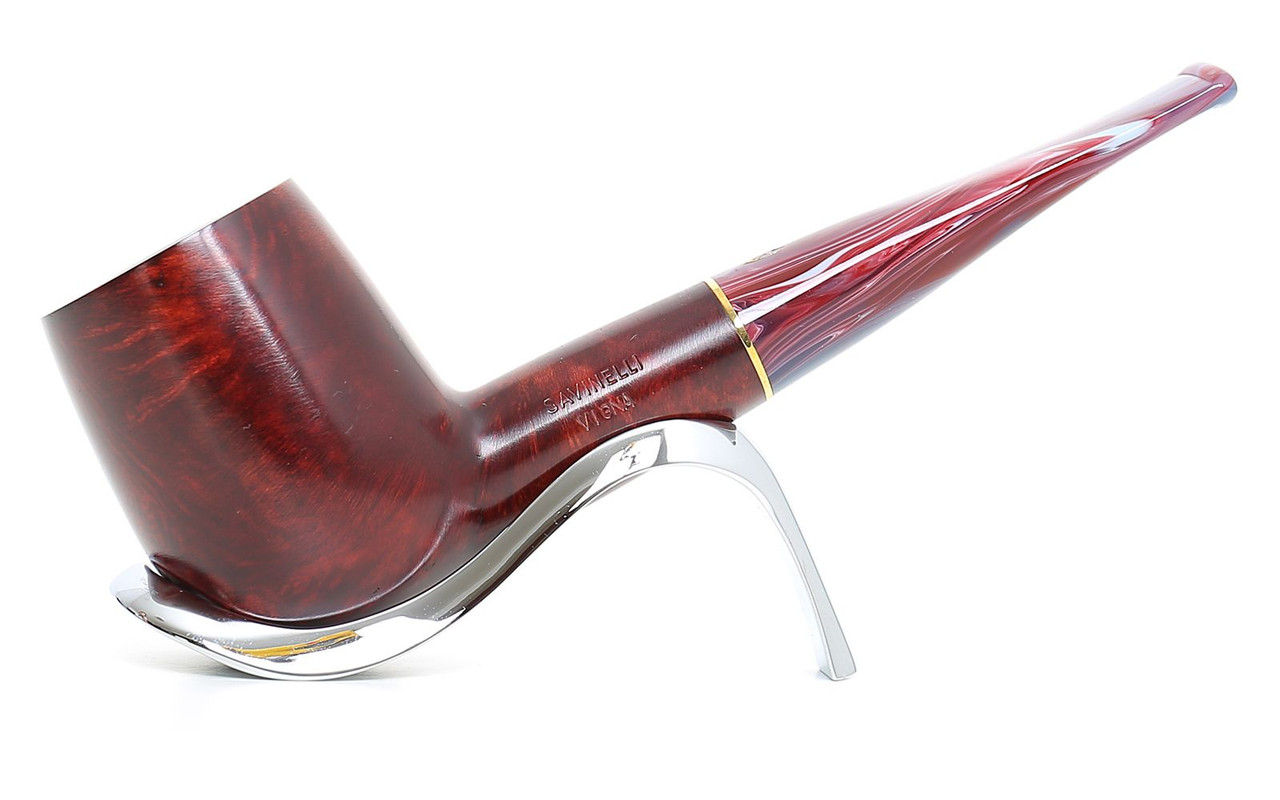
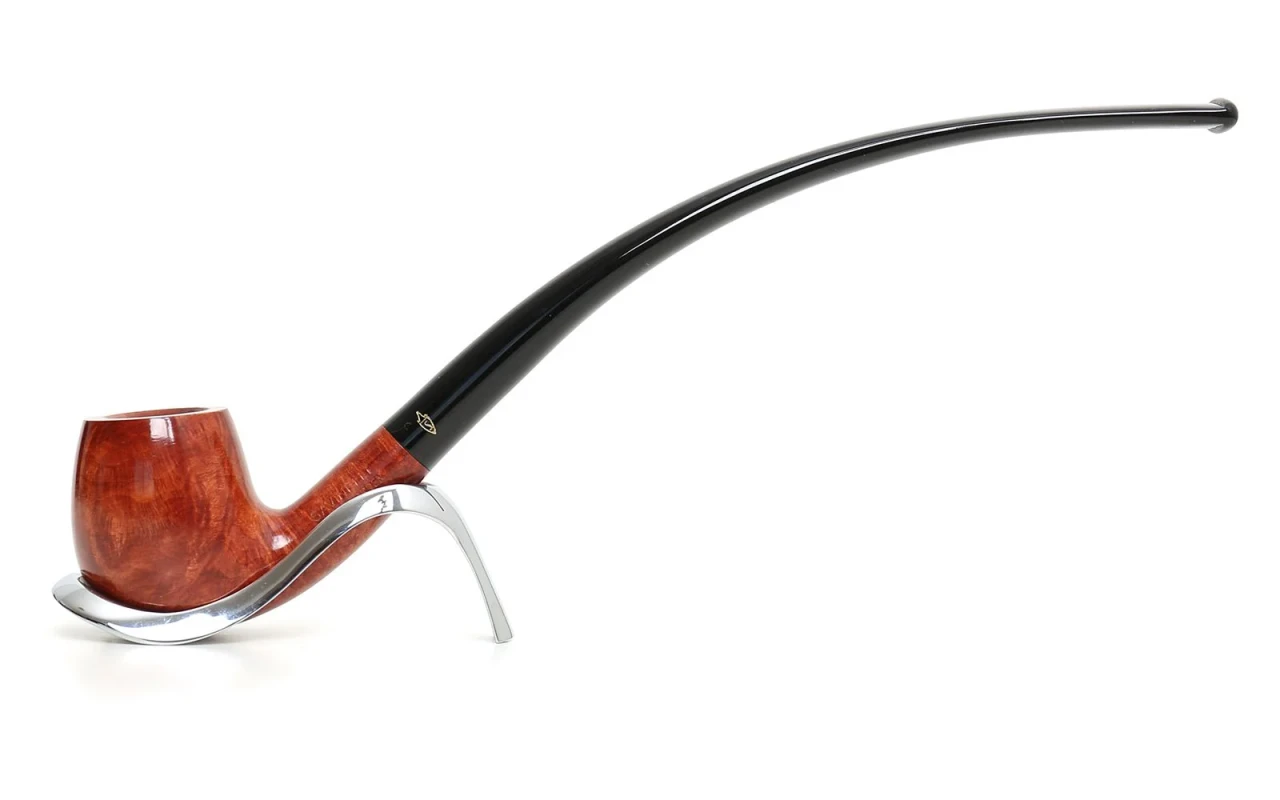
The traditional shapes of pipes include:- Billiard: with a straight mouthpiece and cylindrical bowl.- Dublin: featuring a conical bowl and an inclined mouthpiece.- Apple: characterized by a rounded bowl and a short stem.- Bulldog: showcasing a diamond-shaped bowl and a protruding mouthpiece.- Pot: with a wide and short bowl.- Author: with a rounded bowl and a short, curved mouthpiece.- Lovat: similar to the Billiard but with a longer stem.- Canadian: resembling the Lovat but with a longer and thinner stem.- Rhodesian: akin to the Bulldog but with a more rounded bowl shape.Each of these shapes has a unique design that influences the pipe smoking experience.
smoking pipe materials
The most common materials used for crafting smoking pipes include:- Briar wood: wood sourced from the Erica arborea plant, highly valued for its heat and combustion resistance.- Corn cob: corn cob pipes are lightweight and affordable, making them ideal for beginners.- Clay: a porous material that absorbs moisture, providing a dry and cool smoke.- Meerschaum: a whitish stone that absorbs nicotine residues, ensuring a cleaner smoke.- Lava mortar: originating from Mediterranean islands, it is lightweight and heat resistant.The choice of material significantly impacts the taste and quality of the smoke, offering different experiences to pipe smokers.
History of collectible pipes
Collectible pipes have a long and fascinating history, dating back centuries. Initially used by ancient Native Americans, pipes became popular in Europe in the 16th century. The first collectible pipes were often handcrafted by skilled artisans, using precious materials such as briar wood, ivory, or silver. Over time, collectible pipes have evolved into true works of art, characterized by unique designs and intricate details. Today, collectible pipes are sought after by collectors for their aesthetic beauty and historical value, representing an important part of pipe smoking culture.
'%3e%3cg id='Final-Copy-2_2_' transform='translate(1275.000000, 200.000000)'%3e%3cpath class='st0' d='M7.4,12.8h6.8l3.1-11.6H7.4C4.2,1.2,1.6,3.8,1.6,7S4.2,12.8,7.4,12.8z'/%3e%3c/g%3e%3c/g%3e%3c/g%3e%3cg id='final---dec.11-2020'%3e%3cg id='_x30_208-our-toggle' transform='translate(-1275.000000, -200.000000)'%3e%3cg id='Final-Copy-2' transform='translate(1275.000000, 200.000000)'%3e%3cpath class='st1' d='M22.6,0H7.4c-3.9,0-7,3.1-7,7s3.1,7,7,7h15.2c3.9,0,7-3.1,7-7S26.4,0,22.6,0z M1.6,7c0-3.2,2.6-5.8,5.8-5.8 h9.9l-3.1,11.6H7.4C4.2,12.8,1.6,10.2,1.6,7z'/%3e%3cpath id='x' class='st2' d='M24.6,4c0.2,0.2,0.2,0.6,0,0.8l0,0L22.5,7l2.2,2.2c0.2,0.2,0.2,0.6,0,0.8c-0.2,0.2-0.6,0.2-0.8,0 l0,0l-2.2-2.2L19.5,10c-0.2,0.2-0.6,0.2-0.8,0c-0.2-0.2-0.2-0.6,0-0.8l0,0L20.8,7l-2.2-2.2c-0.2-0.2-0.2-0.6,0-0.8 c0.2-0.2,0.6-0.2,0.8,0l0,0l2.2,2.2L23.8,4C24,3.8,24.4,3.8,24.6,4z'/%3e%3cpath id='y' class='st3' d='M12.7,4.1c0.2,0.2,0.3,0.6,0.1,0.8l0,0L8.6,9.8C8.5,9.9,8.4,10,8.3,10c-0.2,0.1-0.5,0.1-0.7-0.1l0,0 L5.4,7.7c-0.2-0.2-0.2-0.6,0-0.8c0.2-0.2,0.6-0.2,0.8,0l0,0L8,8.6l3.8-4.5C12,3.9,12.4,3.9,12.7,4.1z'/%3e%3c/g%3e%3c/g%3e%3c/g%3e%3c/g%3e%3c/svg%3e) Your Privacy Choices
Your Privacy Choices 


