 ES
ES FR
FR EN
EN IT
IT DE
DE
Combustion in Reverse Calabash Chamber Pipes
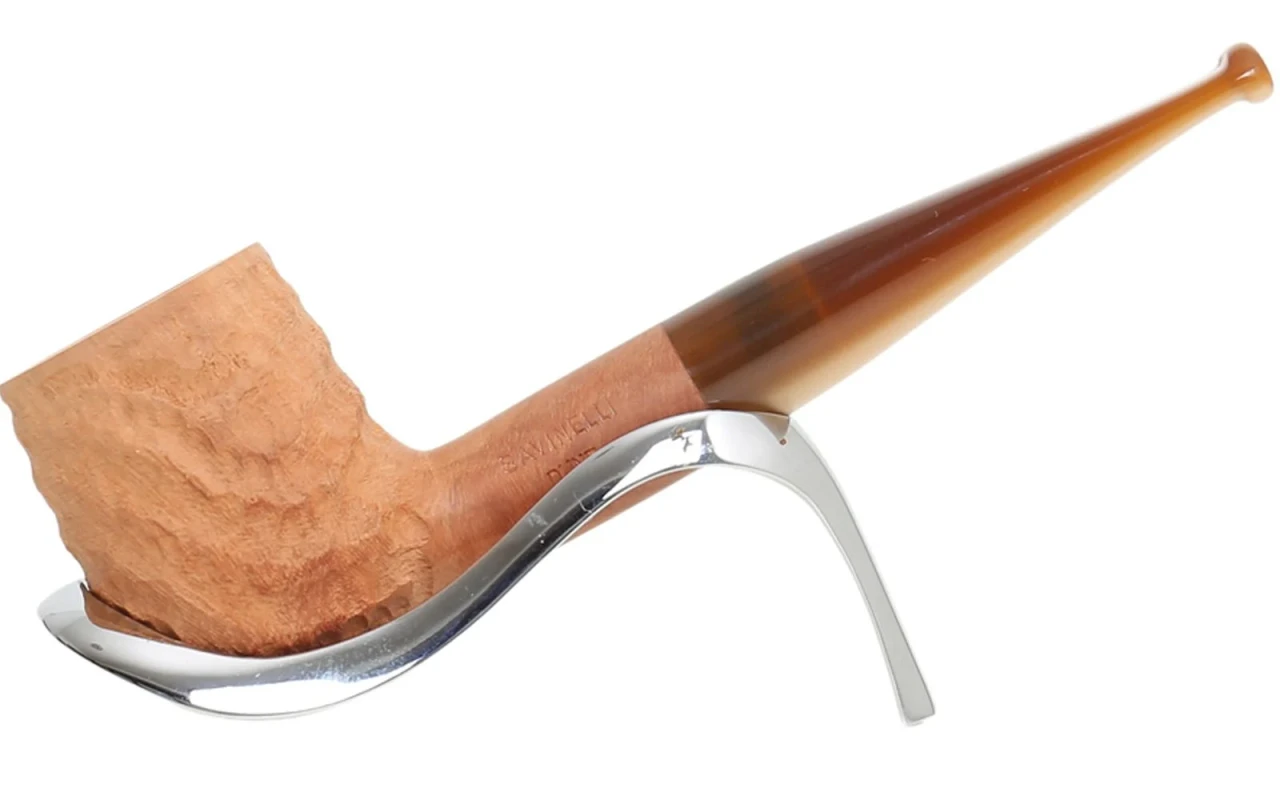
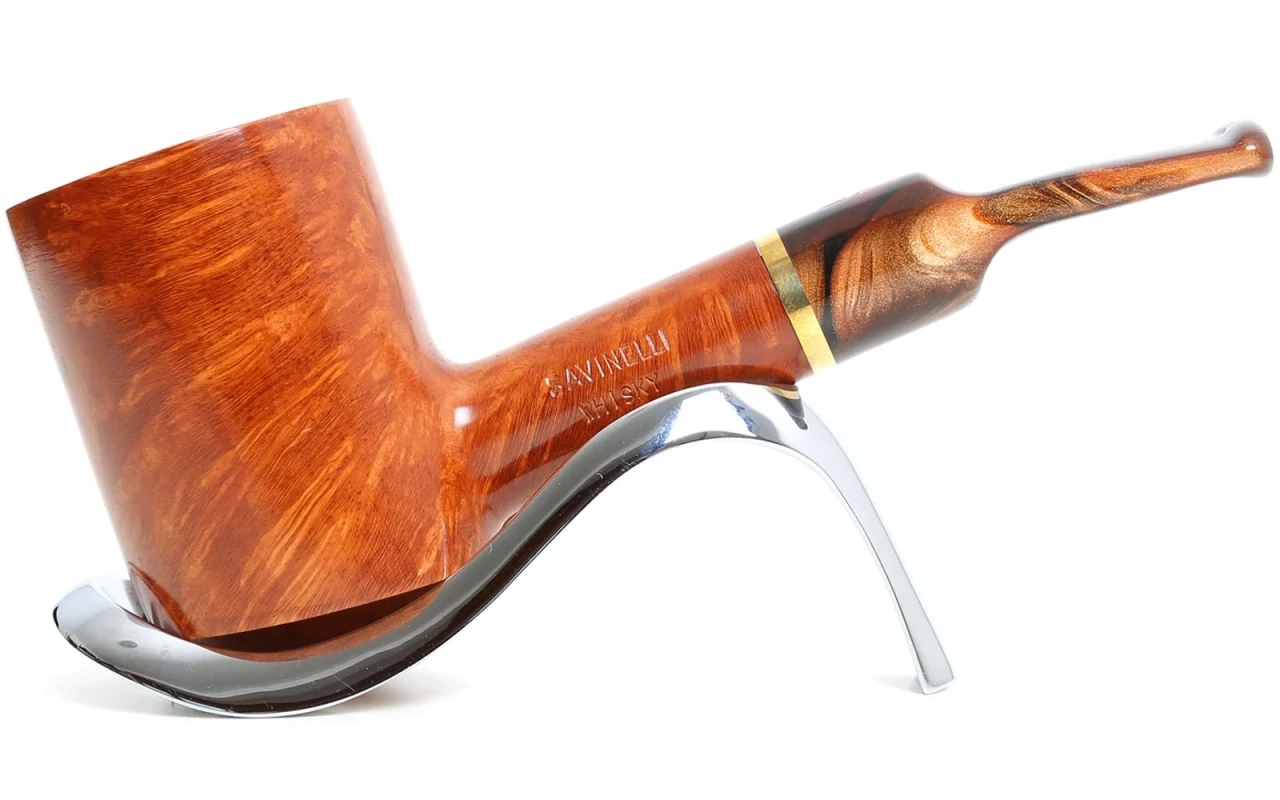
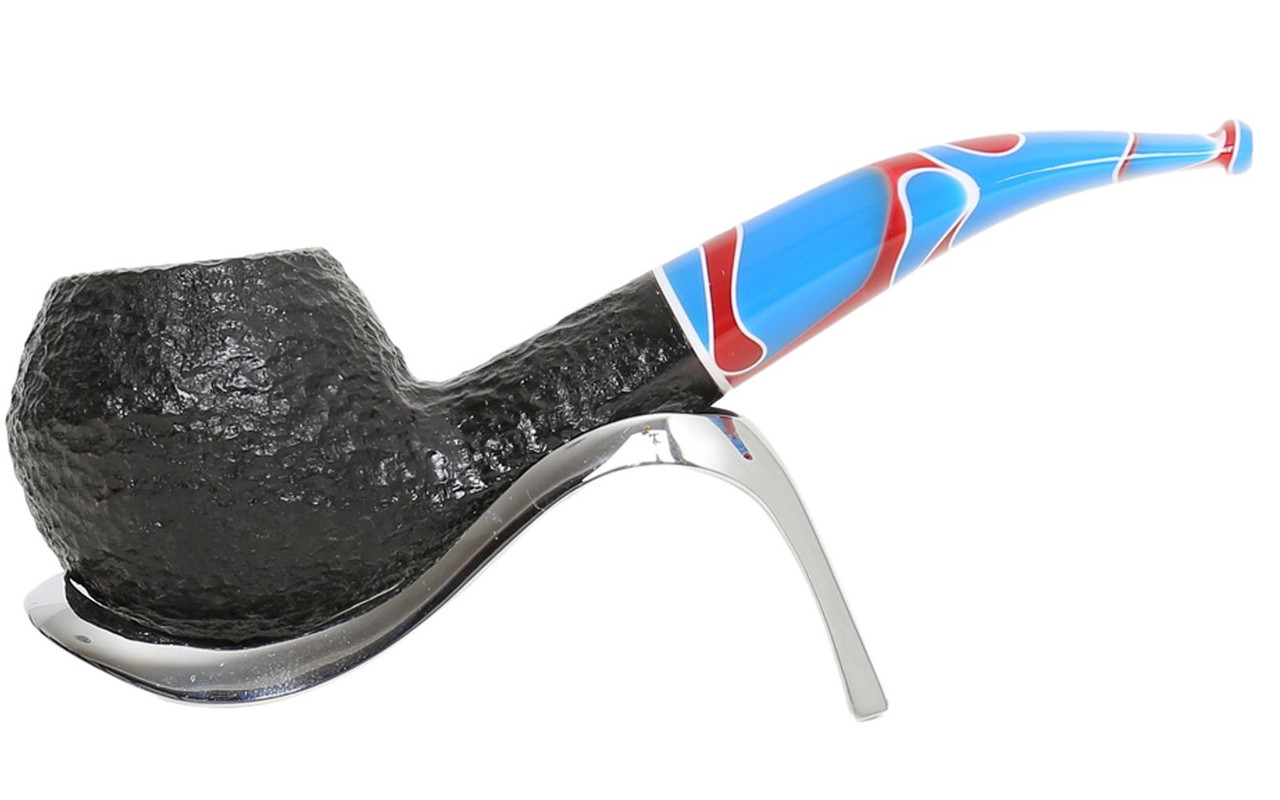
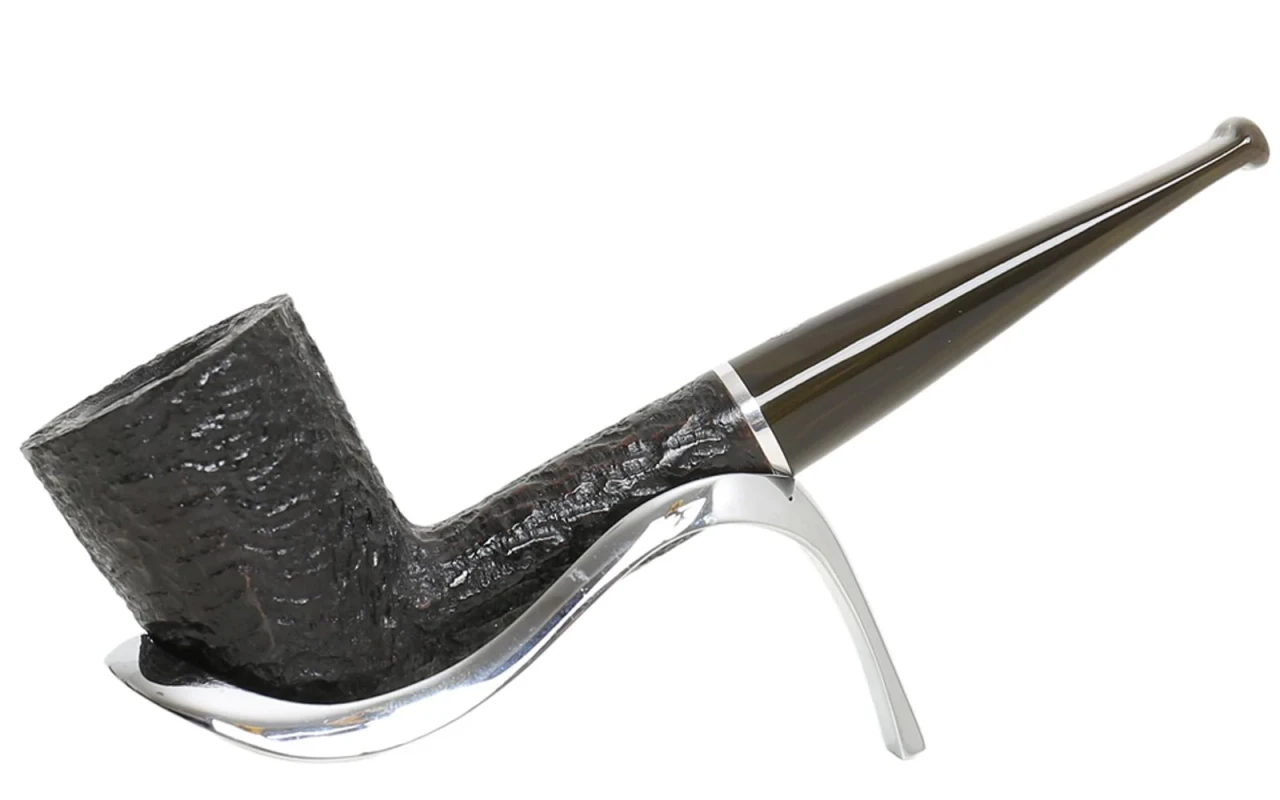
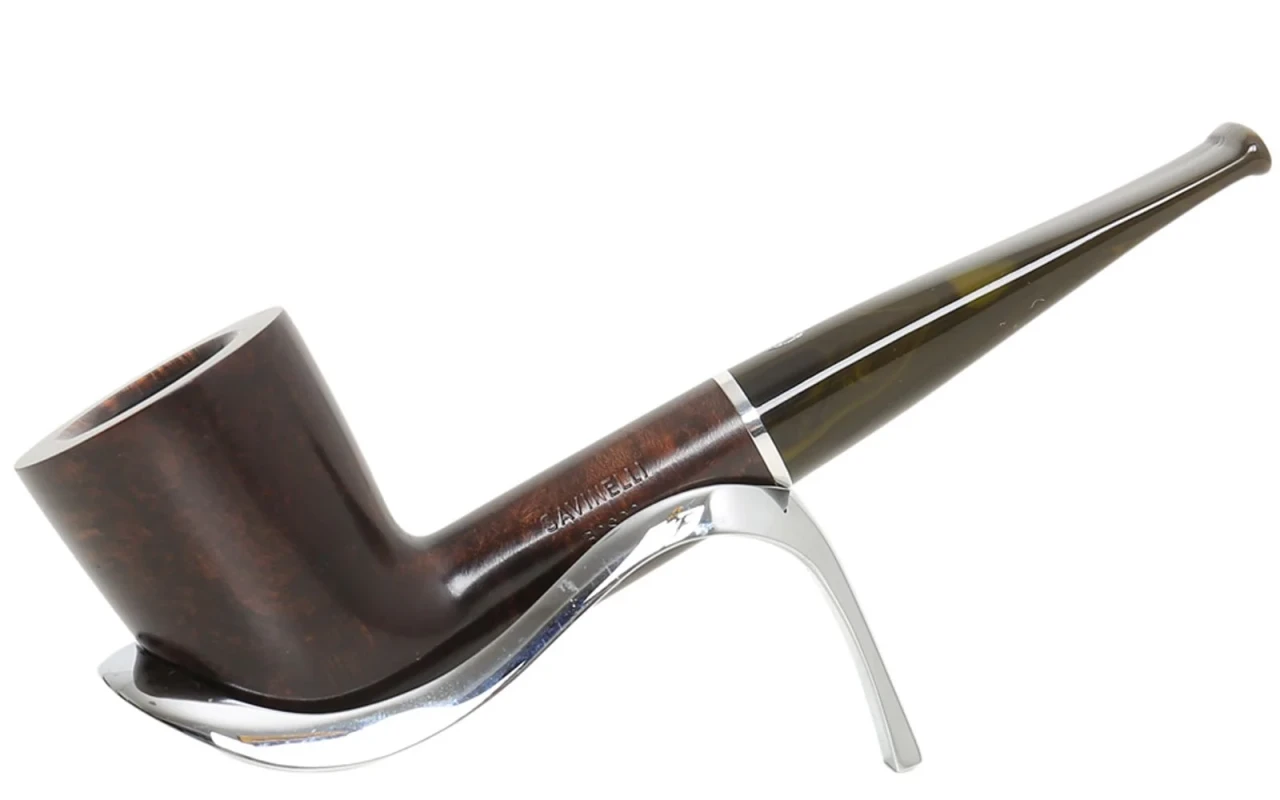
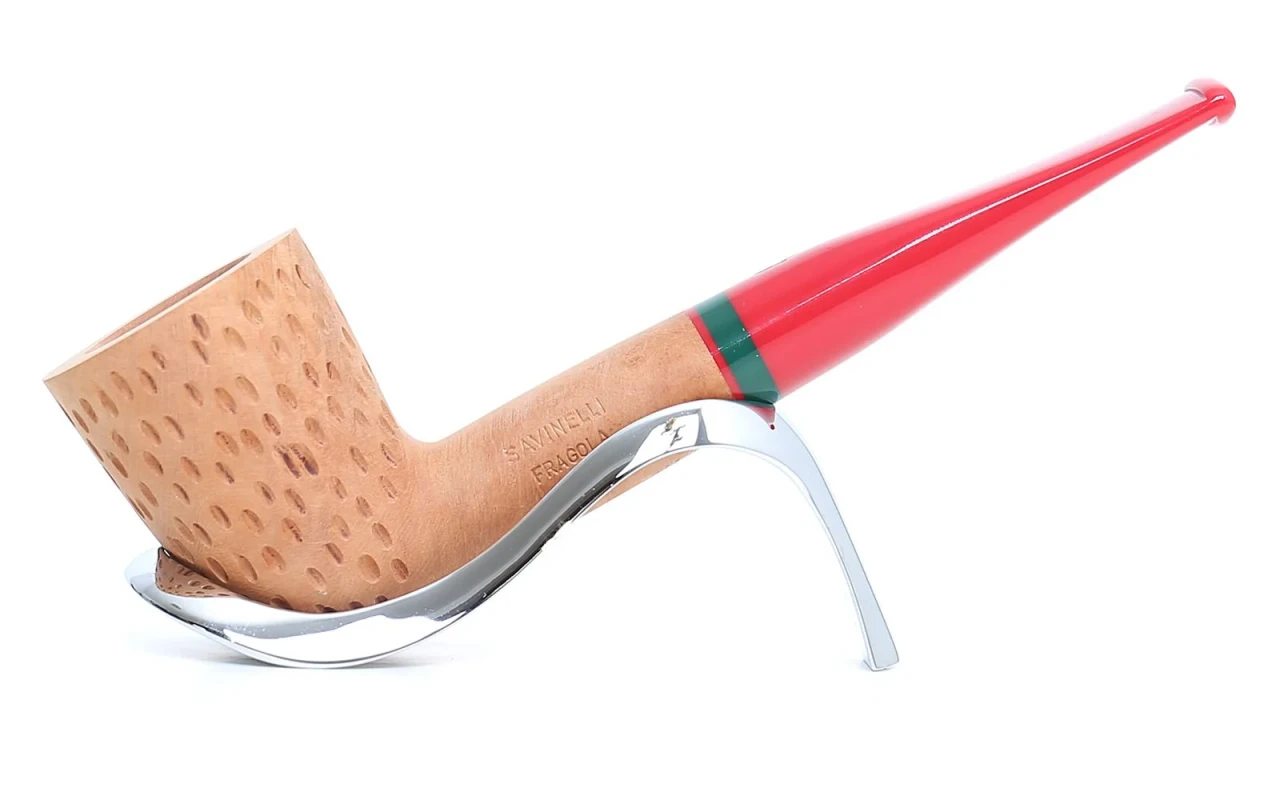
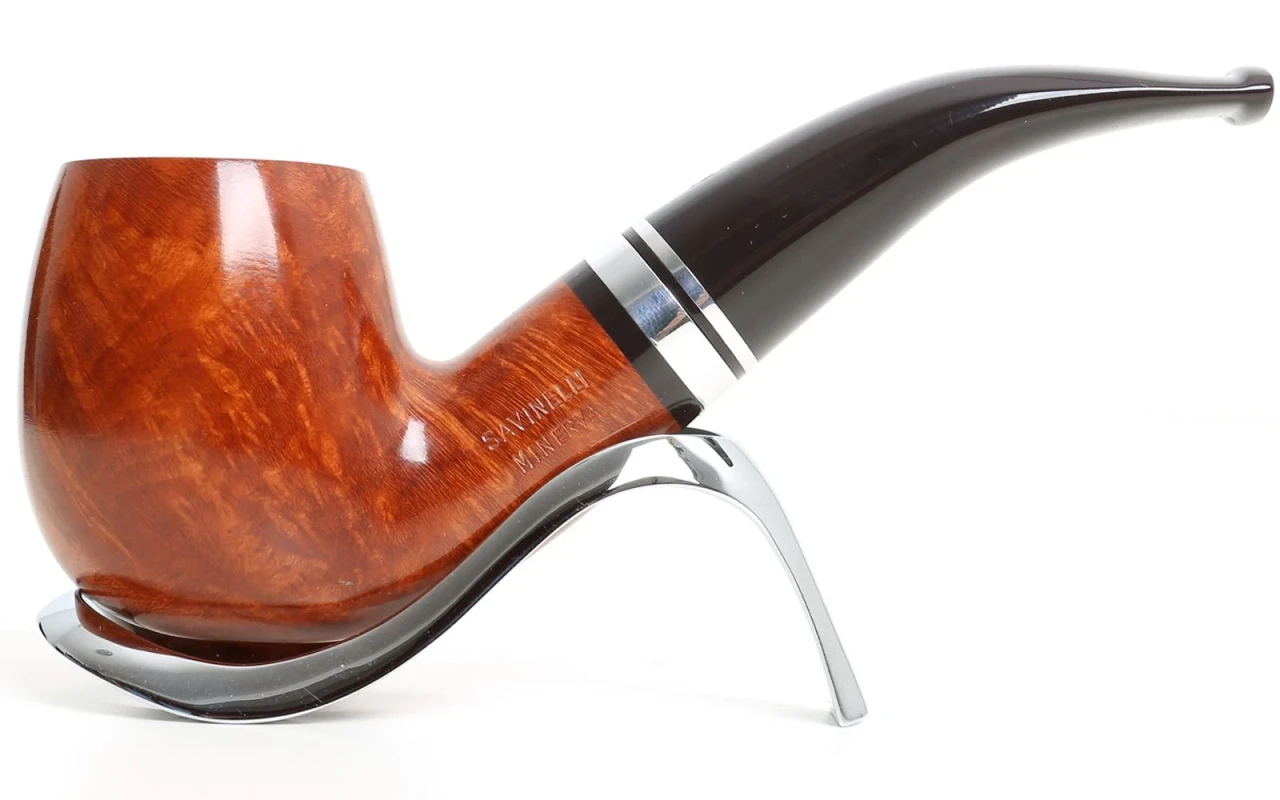
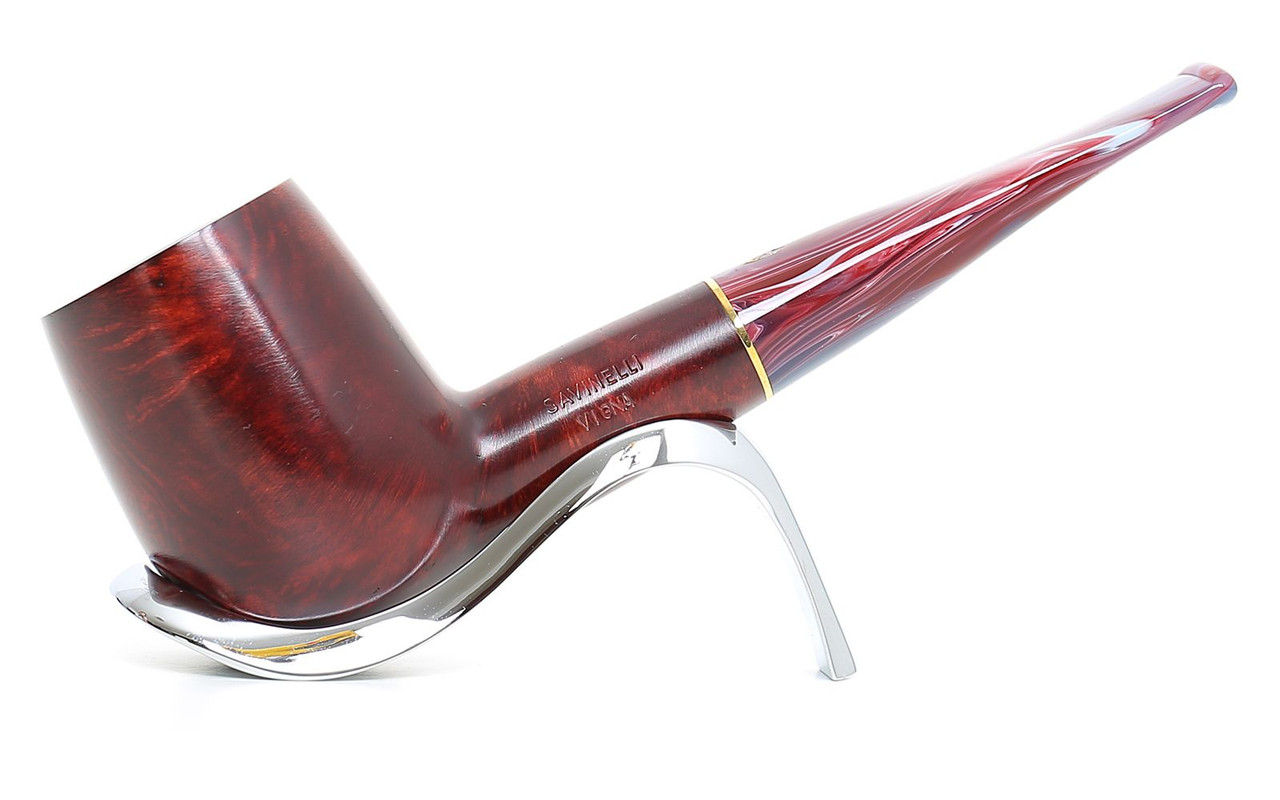
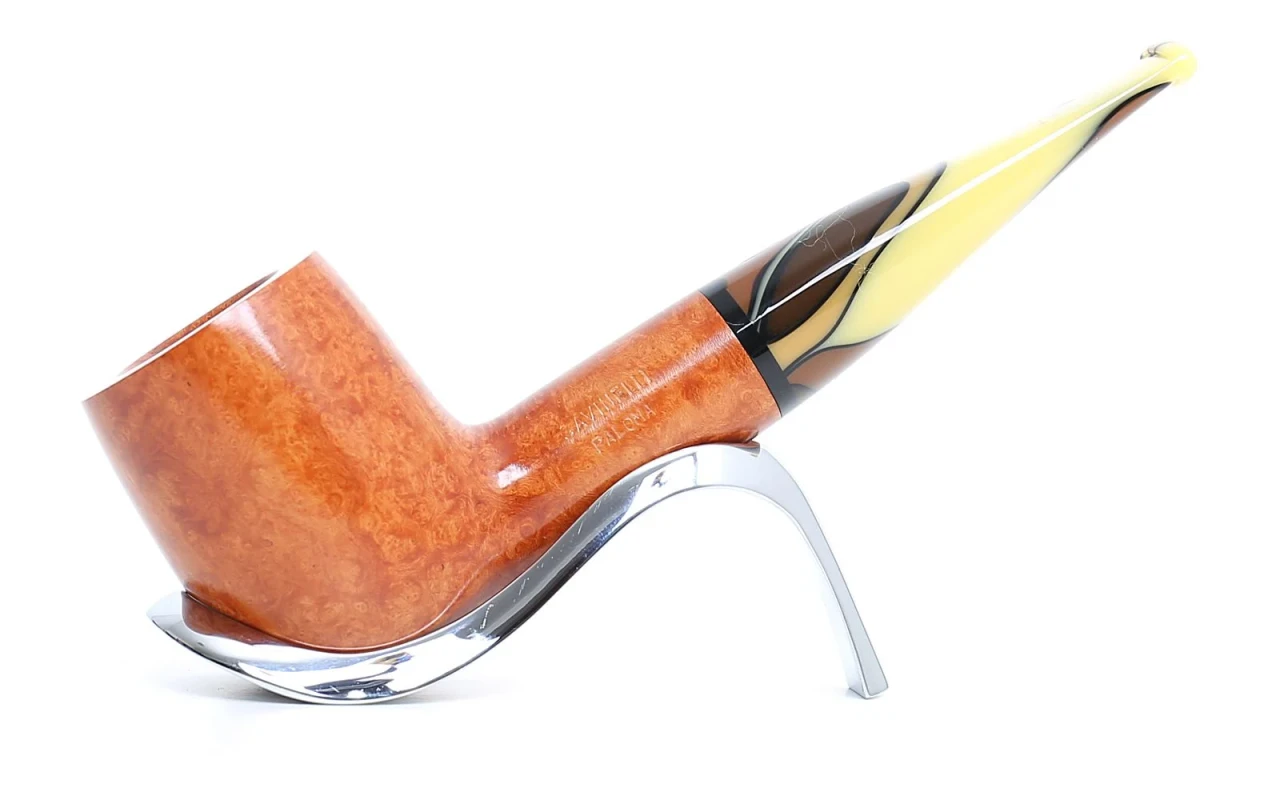
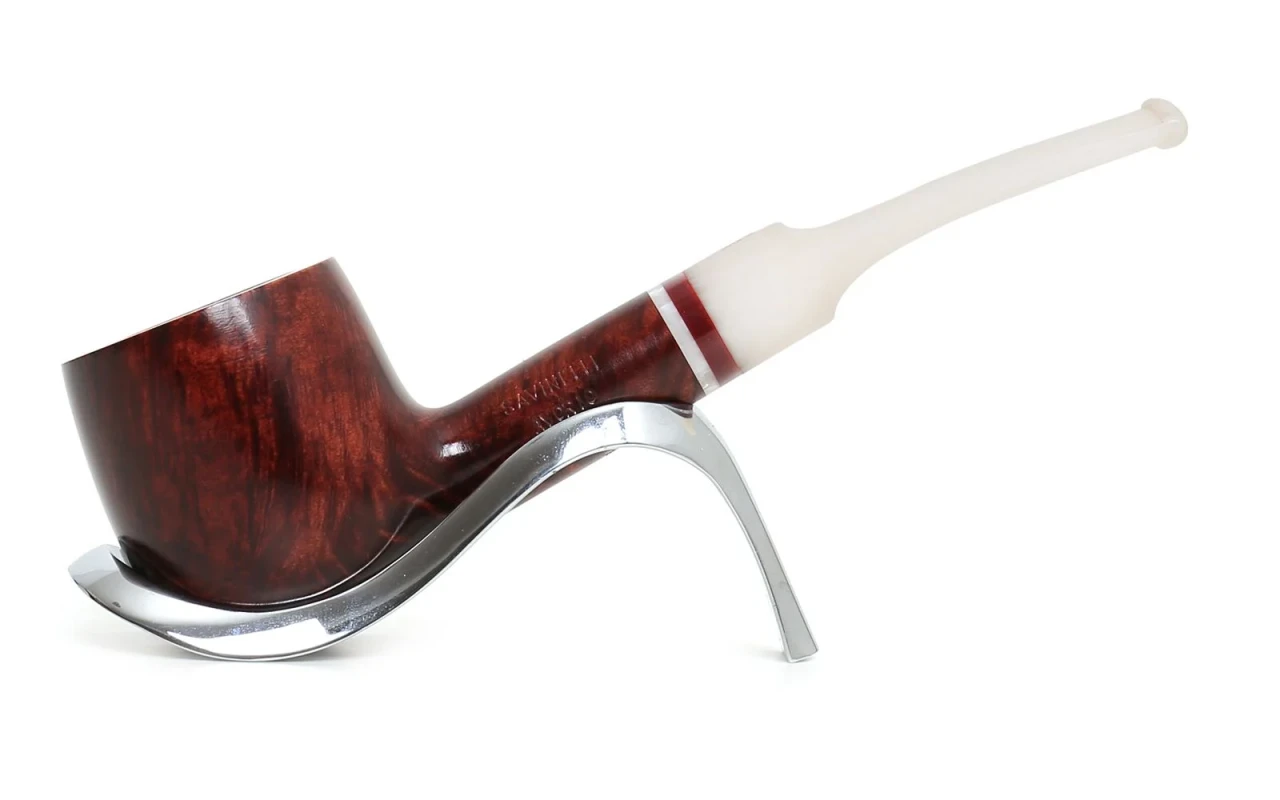
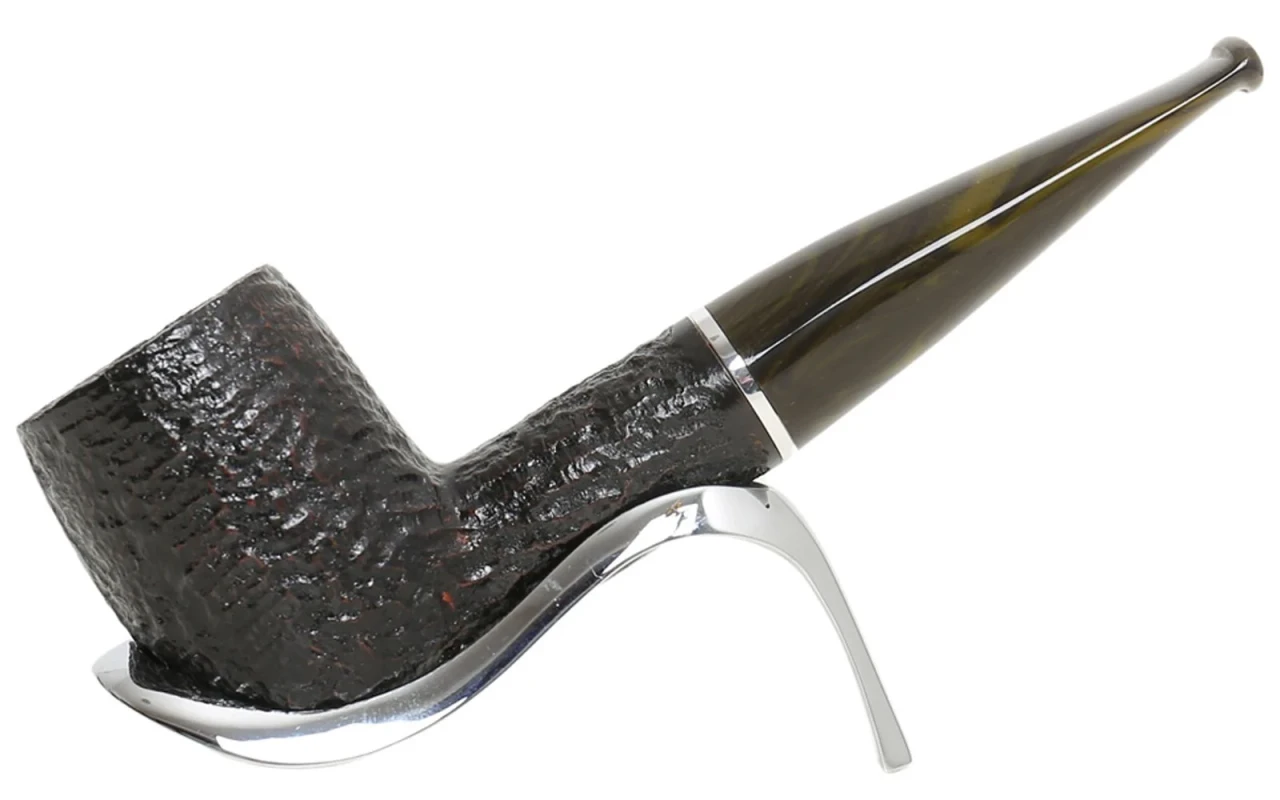
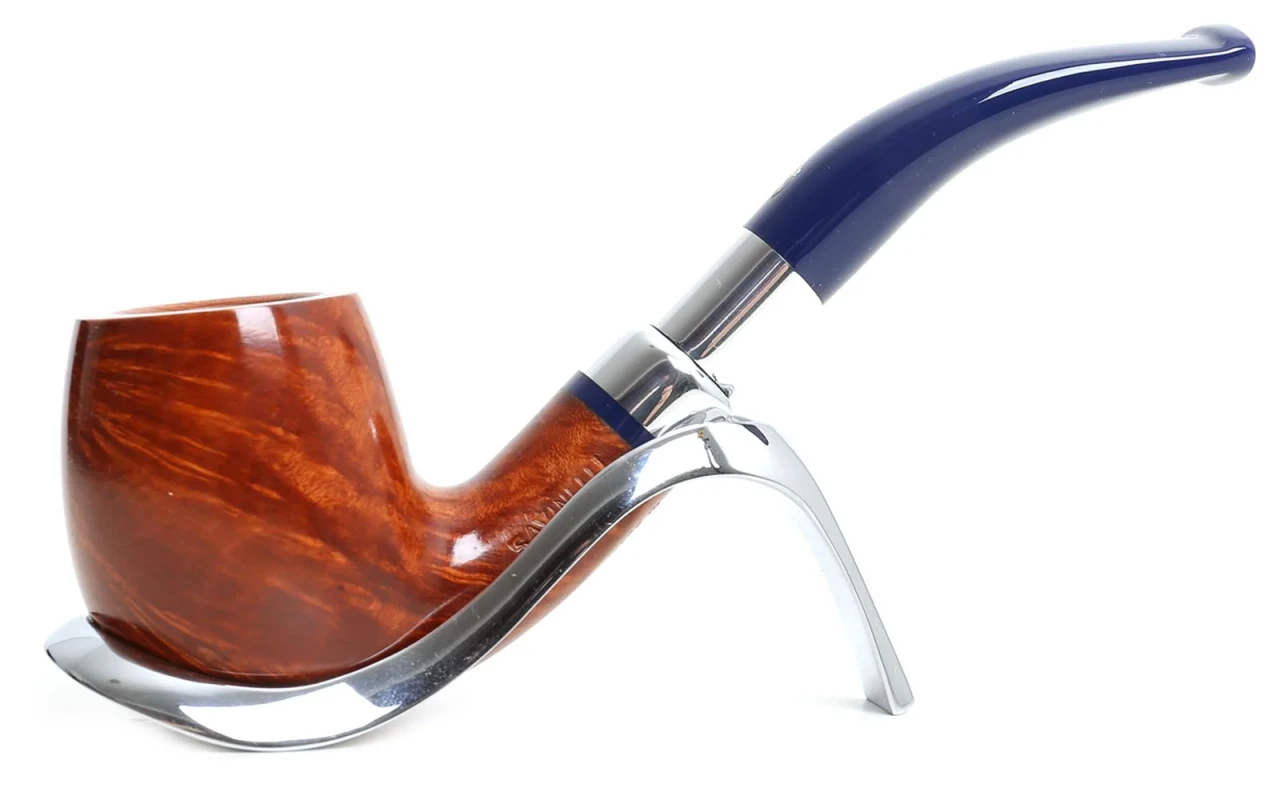
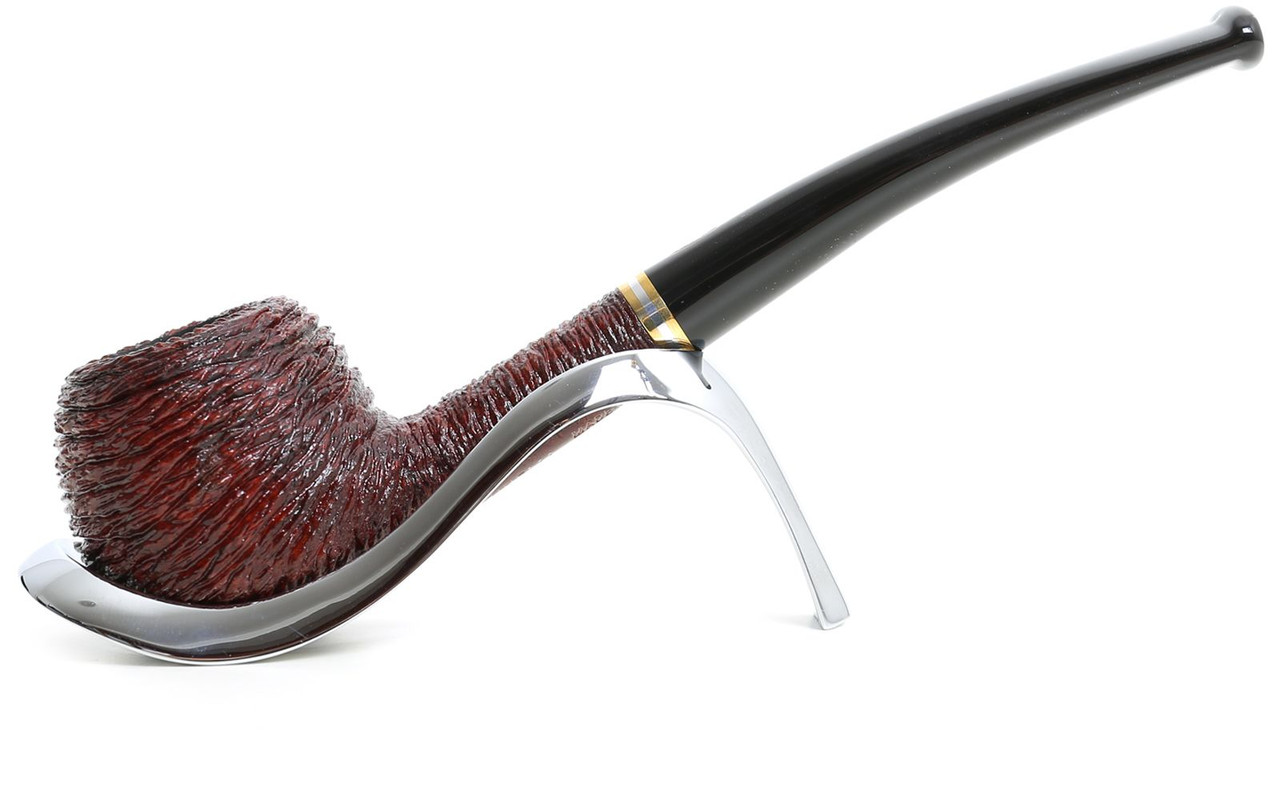
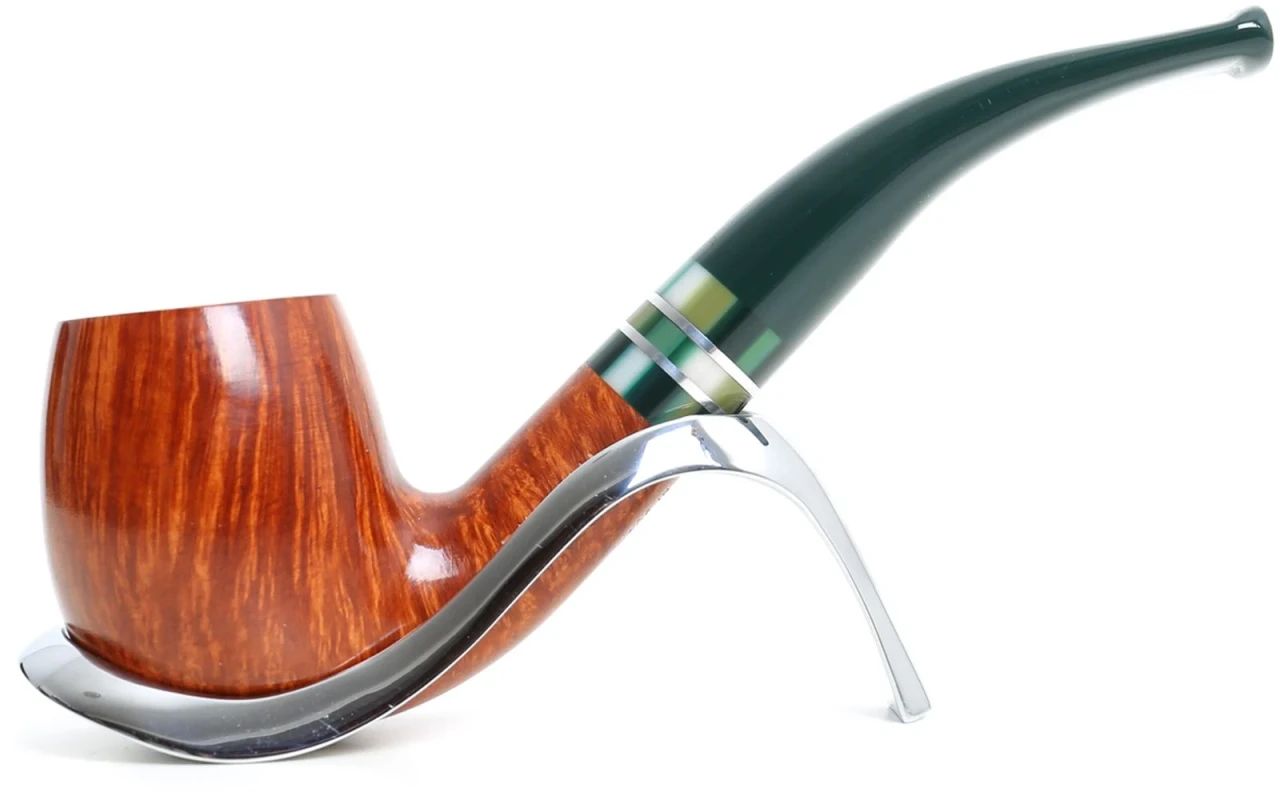
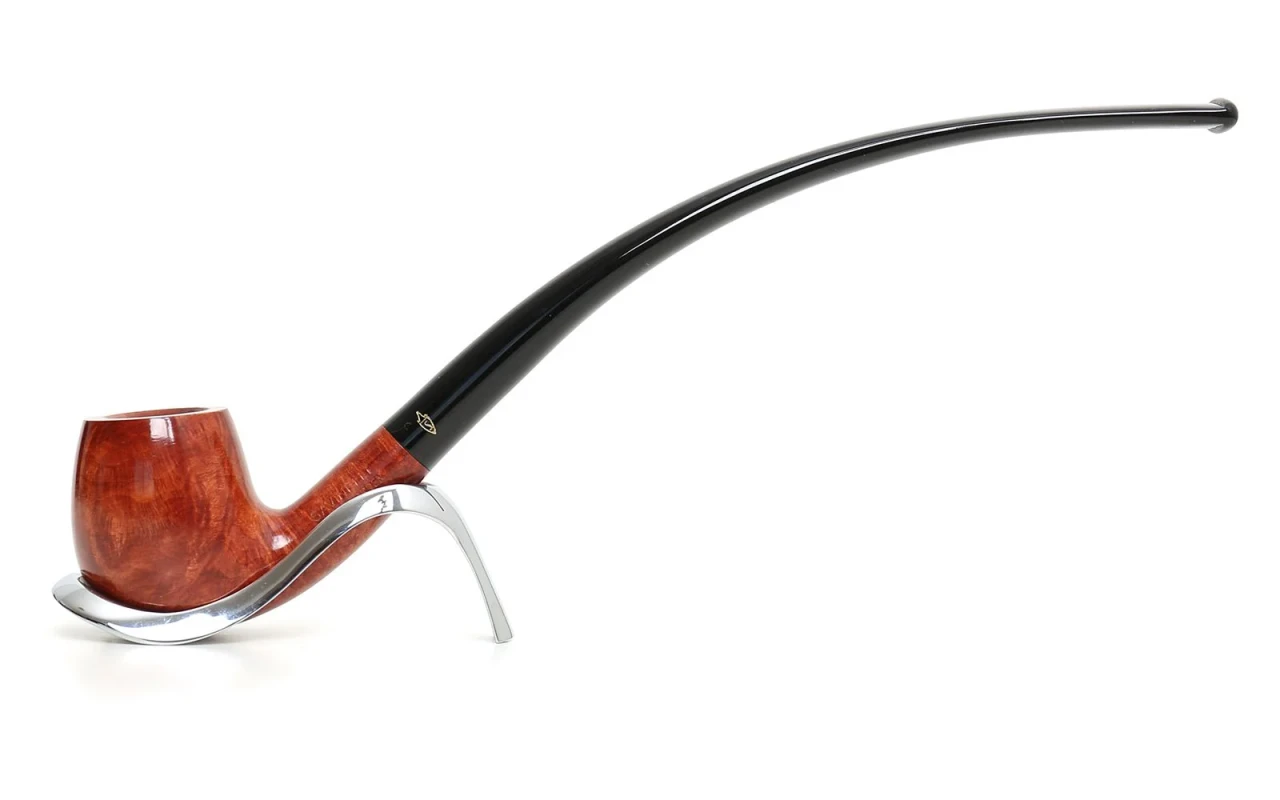
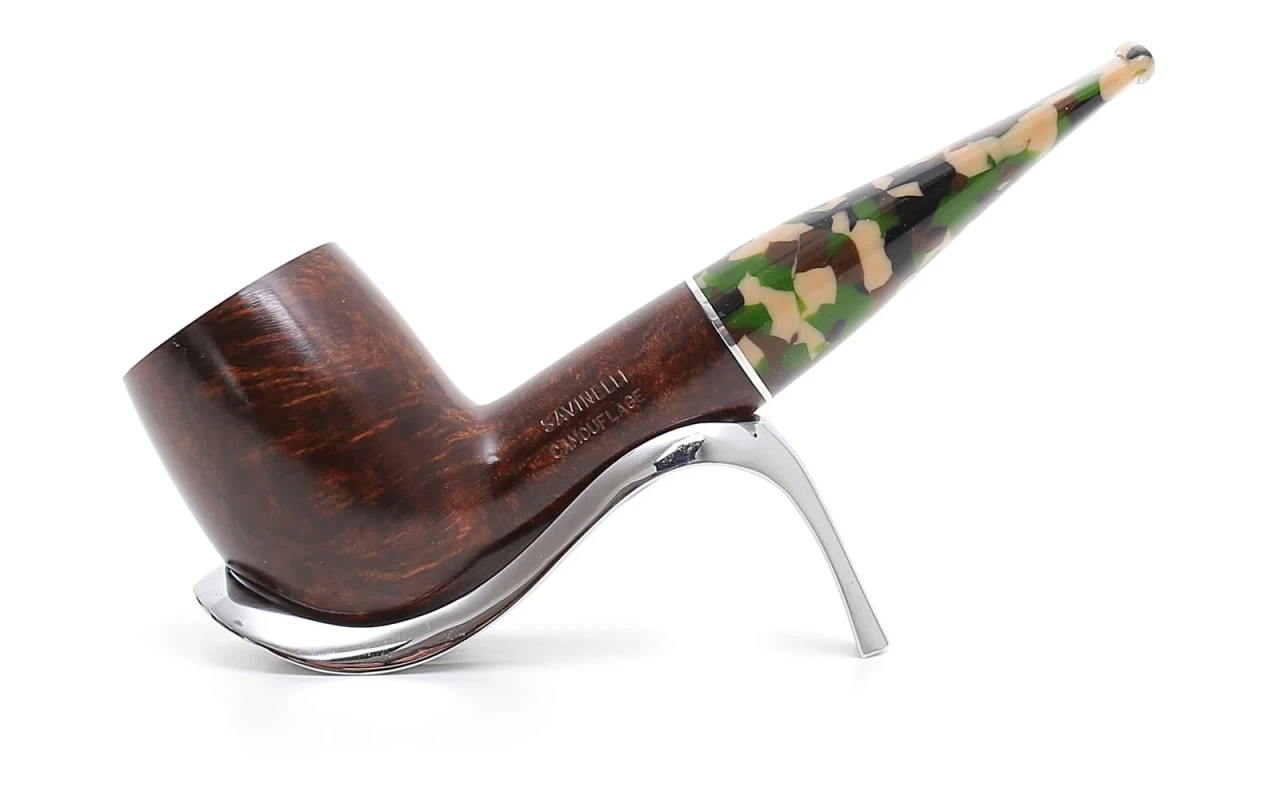
Combustion in Reverse Calabash Chamber Pipes
The combustion in Reverse Calabash Chamber pipes is a process that takes place inside the pipe chamber, designed with a special double-chamber configuration. The main chamber holds the smoking tobacco, while the secondary chamber, known as the Reverse Calabash Chamber, acts as a smoke cooling system. During combustion, the smoke generates heat that passes through the main chamber and is then directed into the Reverse Calabash Chamber. This design allows the smoke to cool further before being drawn, ensuring a smoother and cooler smoking experience.
Pipe Combustion Technique
The pipe combustion technique is a fundamental process to fully enjoy the pipe smoking experience. To achieve optimal combustion, it is important to correctly fill the pipe with tobacco, evenly distributing the load and avoiding excessive compaction. Lighting the pipe carefully, rotating the match or lighter over the tobacco surface, helps create a uniform burn. During smoking, it is advisable to maintain a constant and gentle suction to keep the combustion alive. Lastly, regularly cleaning the pipe after use helps preserve the organoleptic characteristics of the tobacco and ensures a better smoking experience.
Reverse Calabash Chamber
The Reverse Calabash Chamber is a particular type of pipe characterized by a combustion chamber separated from the main shank. This additional chamber, located at the back of the pipe, is designed to cool and dry the smoke before it reaches the smoker. In this way, condensation build-up and moisture in the smoke are minimized, ensuring a cooler and more pleasant smoking experience. The design of the Reverse Calabash Chamber is tailored to provide a superior smoking experience, especially for those who appreciate high-quality pipes and seek excellent aromatic yield without compromises.
Method for smoking pipes
To smoke a pipe correctly, it is essential to follow a precise method. Here are the steps to follow:1. Fill the pipe with high-quality tobacco, avoiding excessive compression.2. Light the tobacco with a dedicated lighter, avoiding direct flames.3. Inhale slowly and steadily from the pipe's mouthpiece, without inhaling the smoke directly into the lungs.4. Keep the tobacco lit using the "tamp and light" technique, i.e., lightly pressing the burnt tobacco with a wooden tamper and relighting it.5. Finally, clean the pipe regularly after each use to ensure an optimal smoking experience.
'%3e%3cg id='Final-Copy-2_2_' transform='translate(1275.000000, 200.000000)'%3e%3cpath class='st0' d='M7.4,12.8h6.8l3.1-11.6H7.4C4.2,1.2,1.6,3.8,1.6,7S4.2,12.8,7.4,12.8z'/%3e%3c/g%3e%3c/g%3e%3c/g%3e%3cg id='final---dec.11-2020'%3e%3cg id='_x30_208-our-toggle' transform='translate(-1275.000000, -200.000000)'%3e%3cg id='Final-Copy-2' transform='translate(1275.000000, 200.000000)'%3e%3cpath class='st1' d='M22.6,0H7.4c-3.9,0-7,3.1-7,7s3.1,7,7,7h15.2c3.9,0,7-3.1,7-7S26.4,0,22.6,0z M1.6,7c0-3.2,2.6-5.8,5.8-5.8 h9.9l-3.1,11.6H7.4C4.2,12.8,1.6,10.2,1.6,7z'/%3e%3cpath id='x' class='st2' d='M24.6,4c0.2,0.2,0.2,0.6,0,0.8l0,0L22.5,7l2.2,2.2c0.2,0.2,0.2,0.6,0,0.8c-0.2,0.2-0.6,0.2-0.8,0 l0,0l-2.2-2.2L19.5,10c-0.2,0.2-0.6,0.2-0.8,0c-0.2-0.2-0.2-0.6,0-0.8l0,0L20.8,7l-2.2-2.2c-0.2-0.2-0.2-0.6,0-0.8 c0.2-0.2,0.6-0.2,0.8,0l0,0l2.2,2.2L23.8,4C24,3.8,24.4,3.8,24.6,4z'/%3e%3cpath id='y' class='st3' d='M12.7,4.1c0.2,0.2,0.3,0.6,0.1,0.8l0,0L8.6,9.8C8.5,9.9,8.4,10,8.3,10c-0.2,0.1-0.5,0.1-0.7-0.1l0,0 L5.4,7.7c-0.2-0.2-0.2-0.6,0-0.8c0.2-0.2,0.6-0.2,0.8,0l0,0L8,8.6l3.8-4.5C12,3.9,12.4,3.9,12.7,4.1z'/%3e%3c/g%3e%3c/g%3e%3c/g%3e%3c/g%3e%3c/svg%3e) Your Privacy Choices
Your Privacy Choices 


