 ES
ES FR
FR EN
EN IT
IT DE
DE
Briarwood moisture absorbent dry pipe
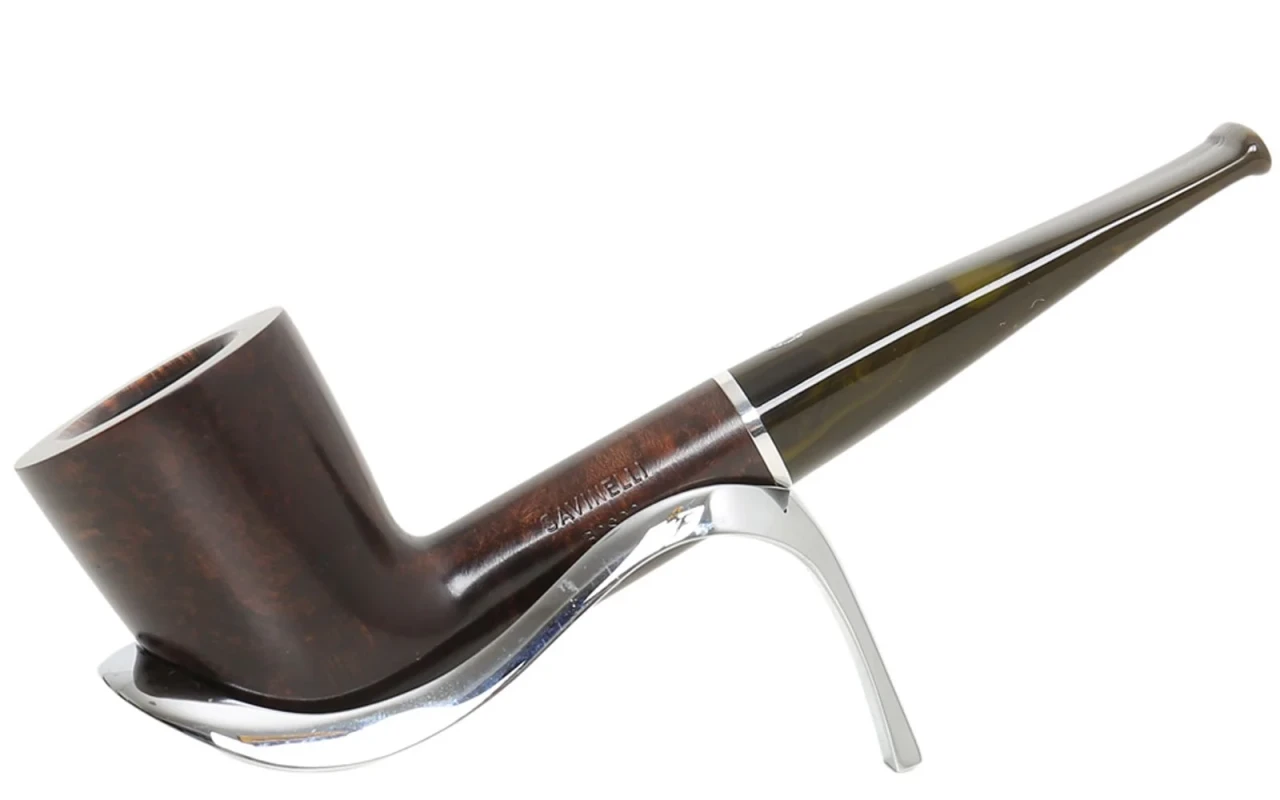
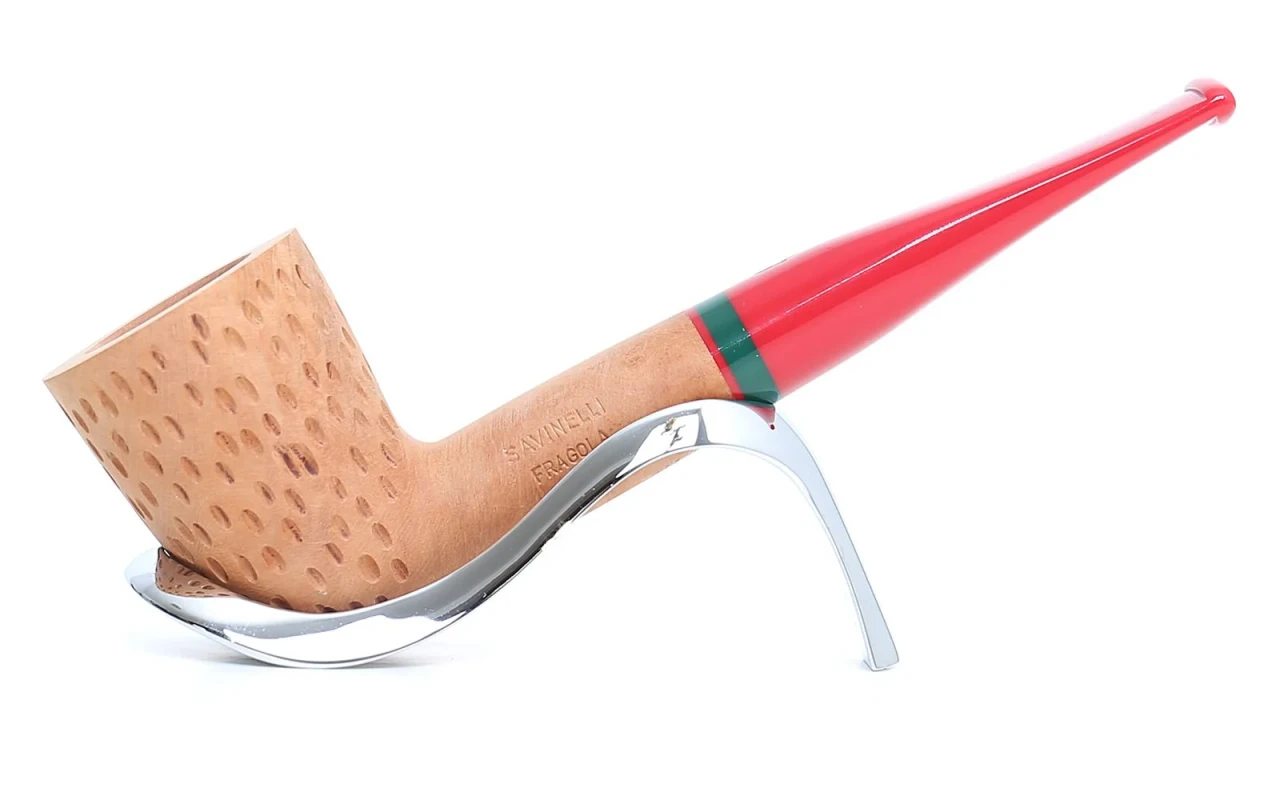
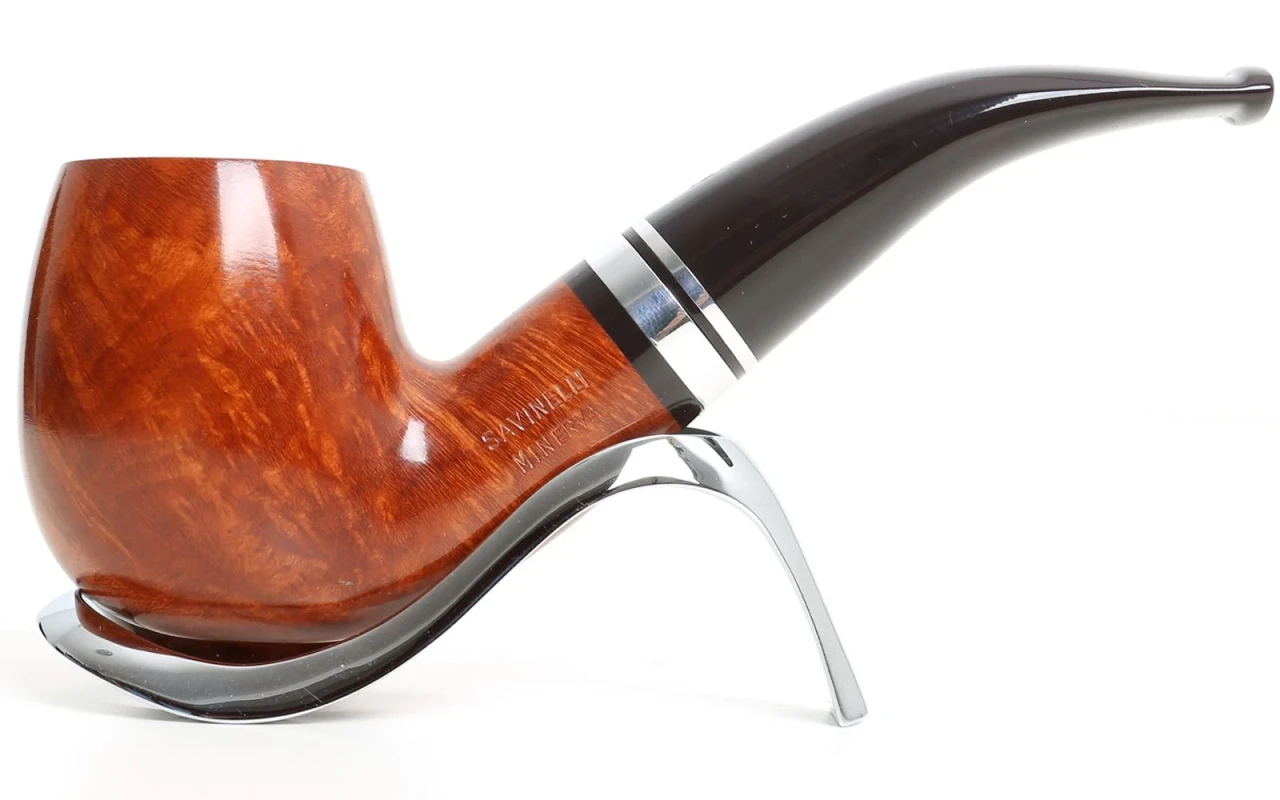
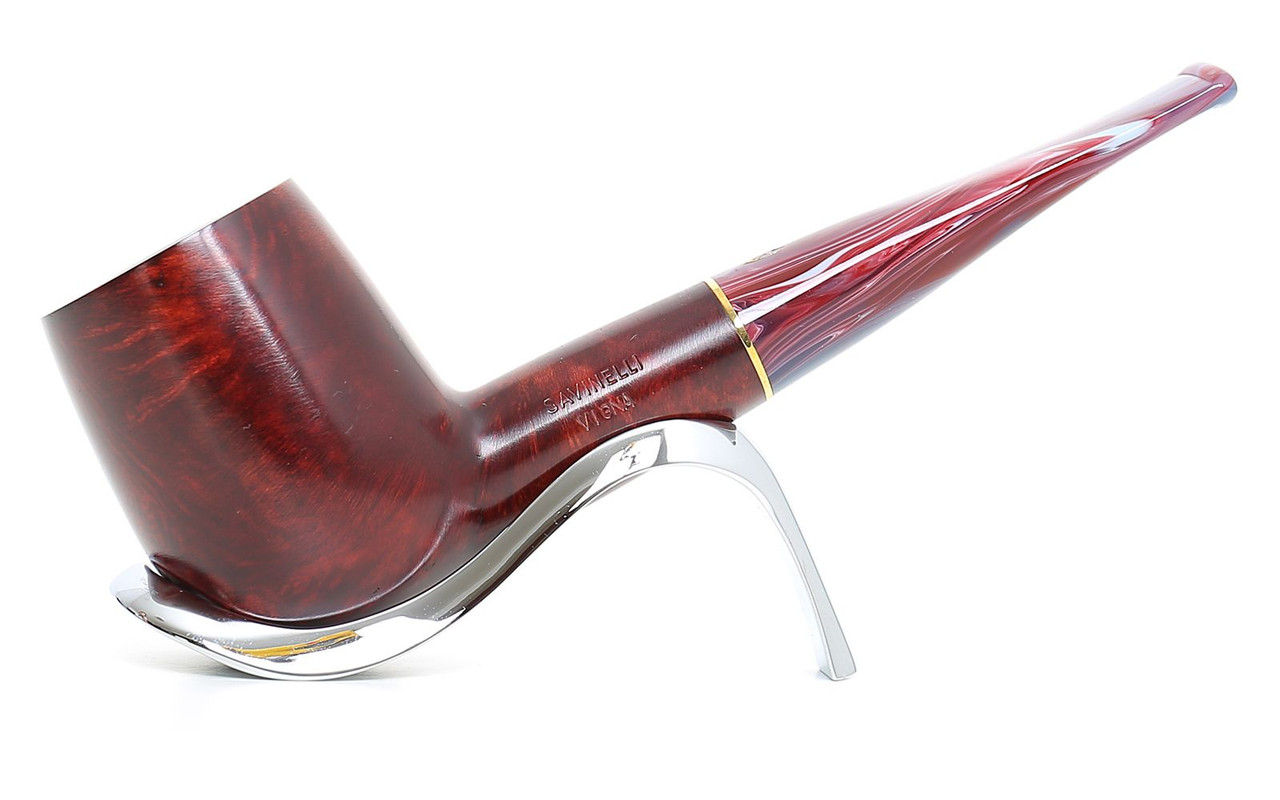
Briarwood moisture absorbent dry pipe
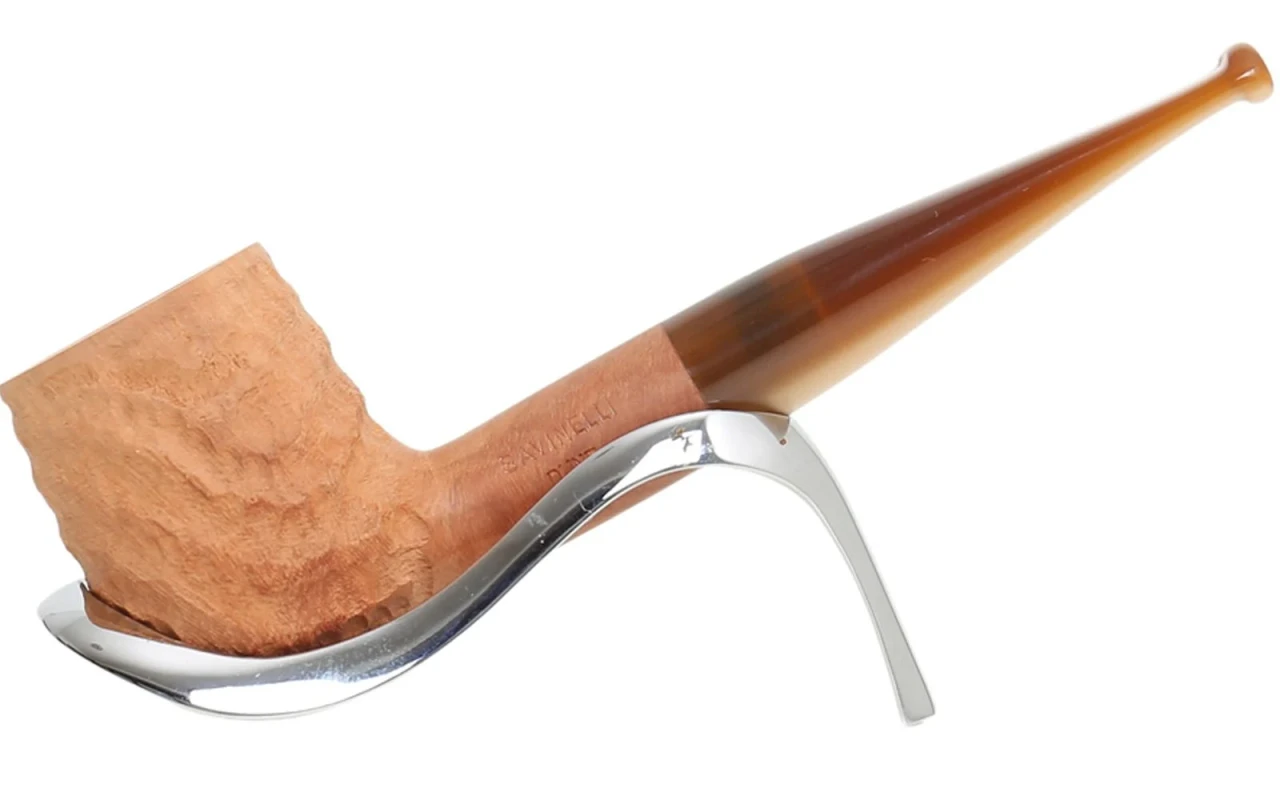
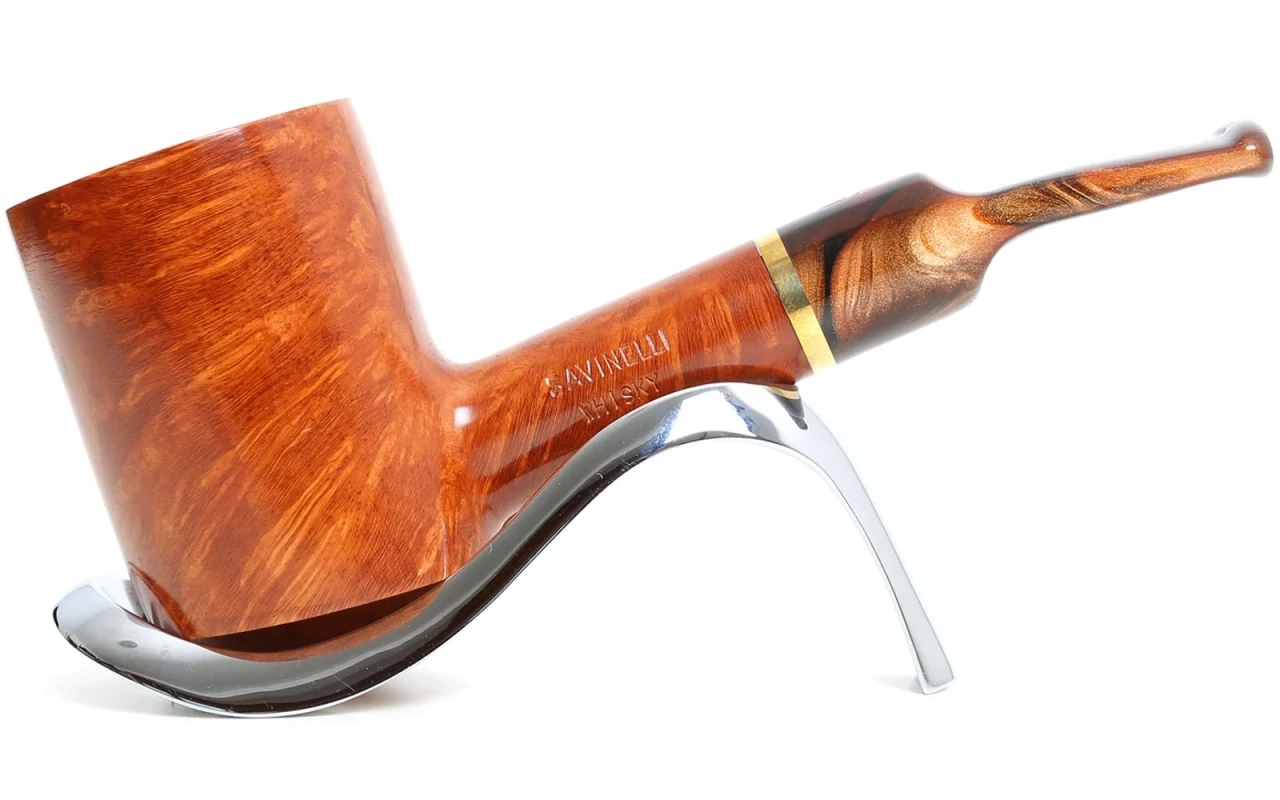
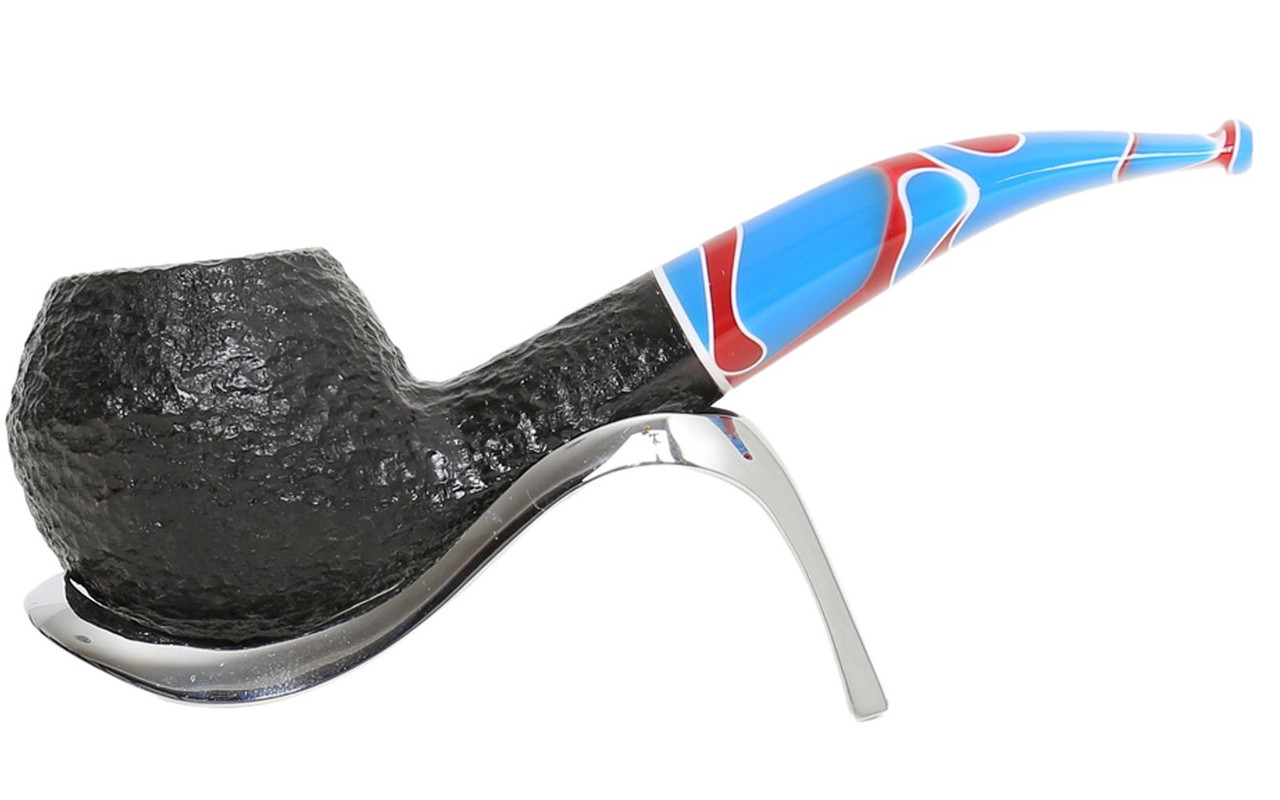
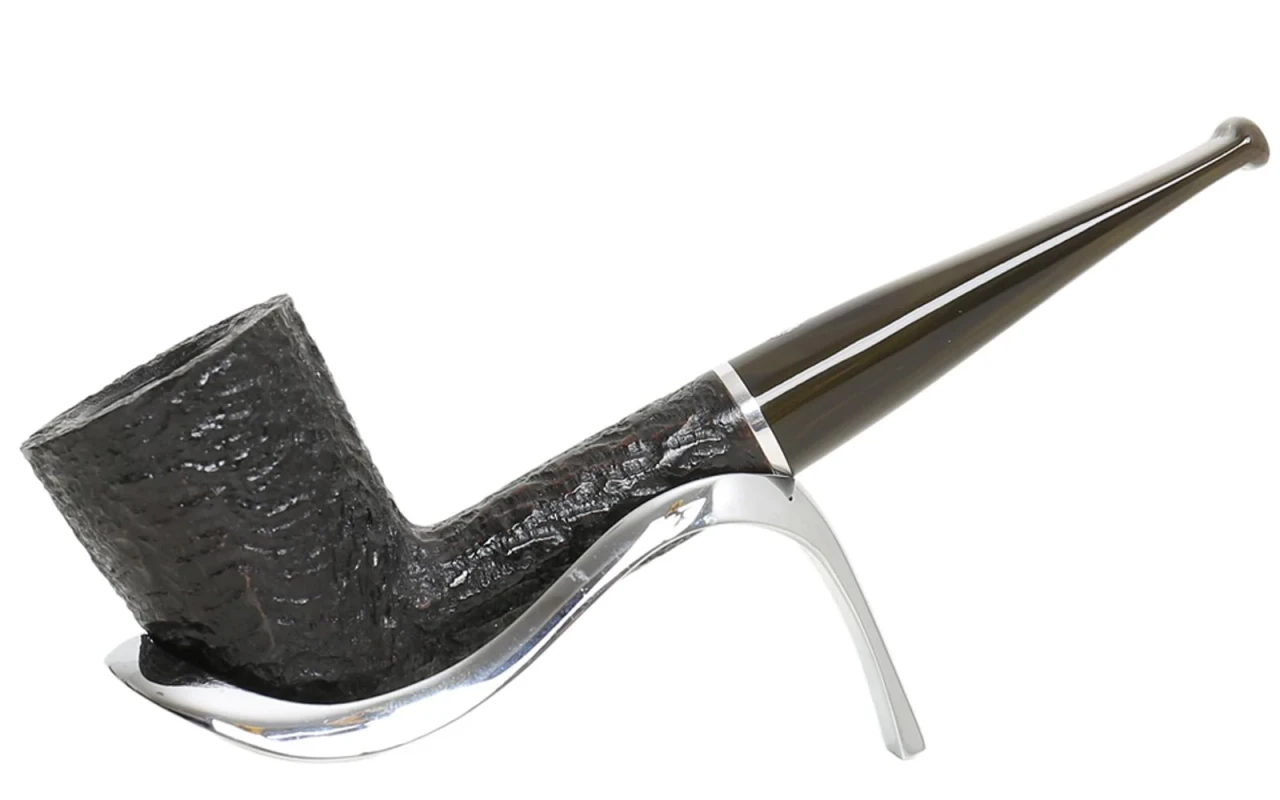
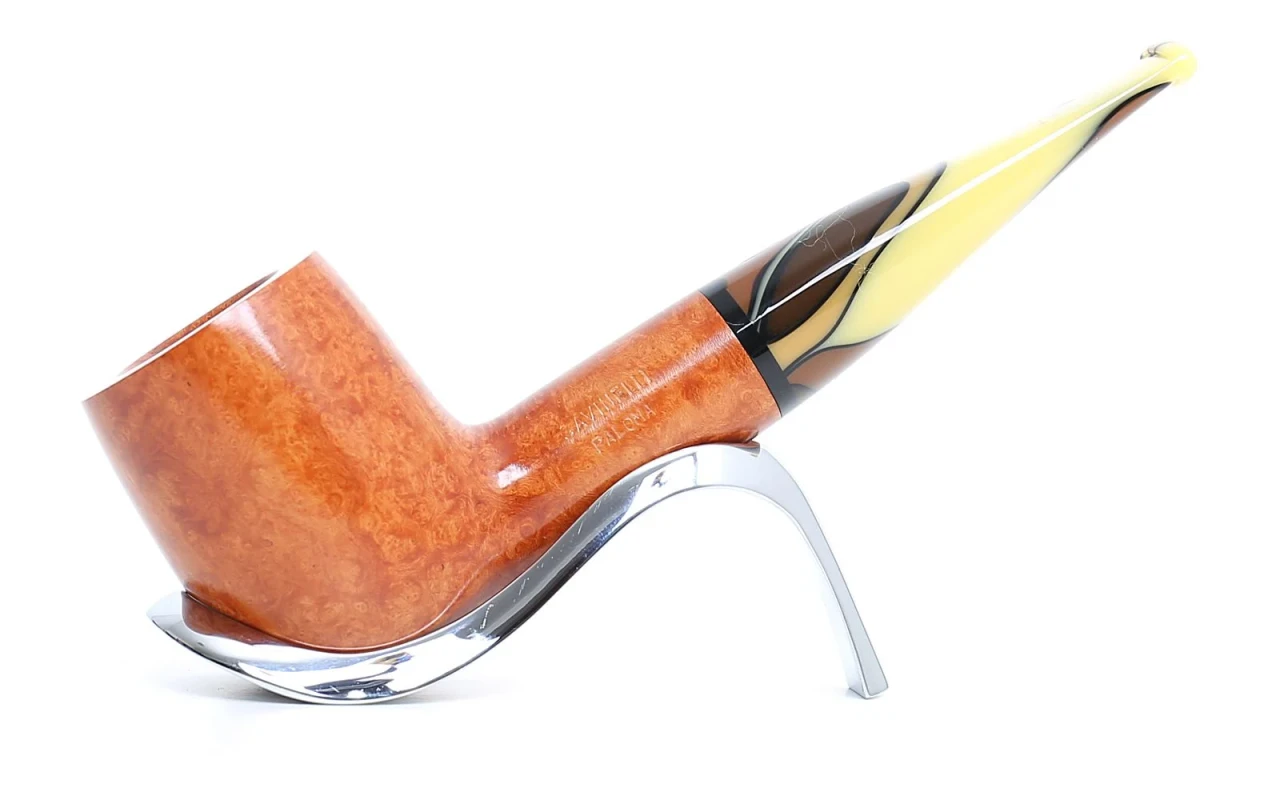
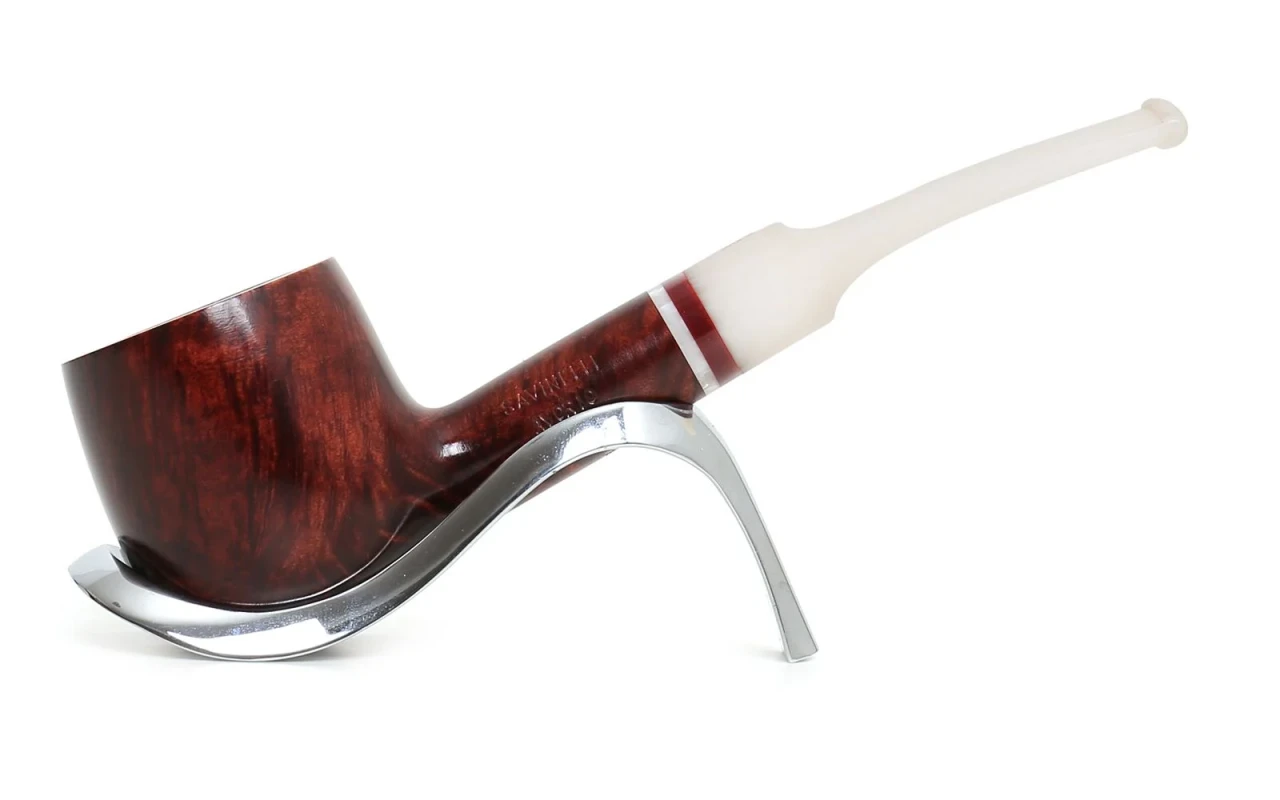
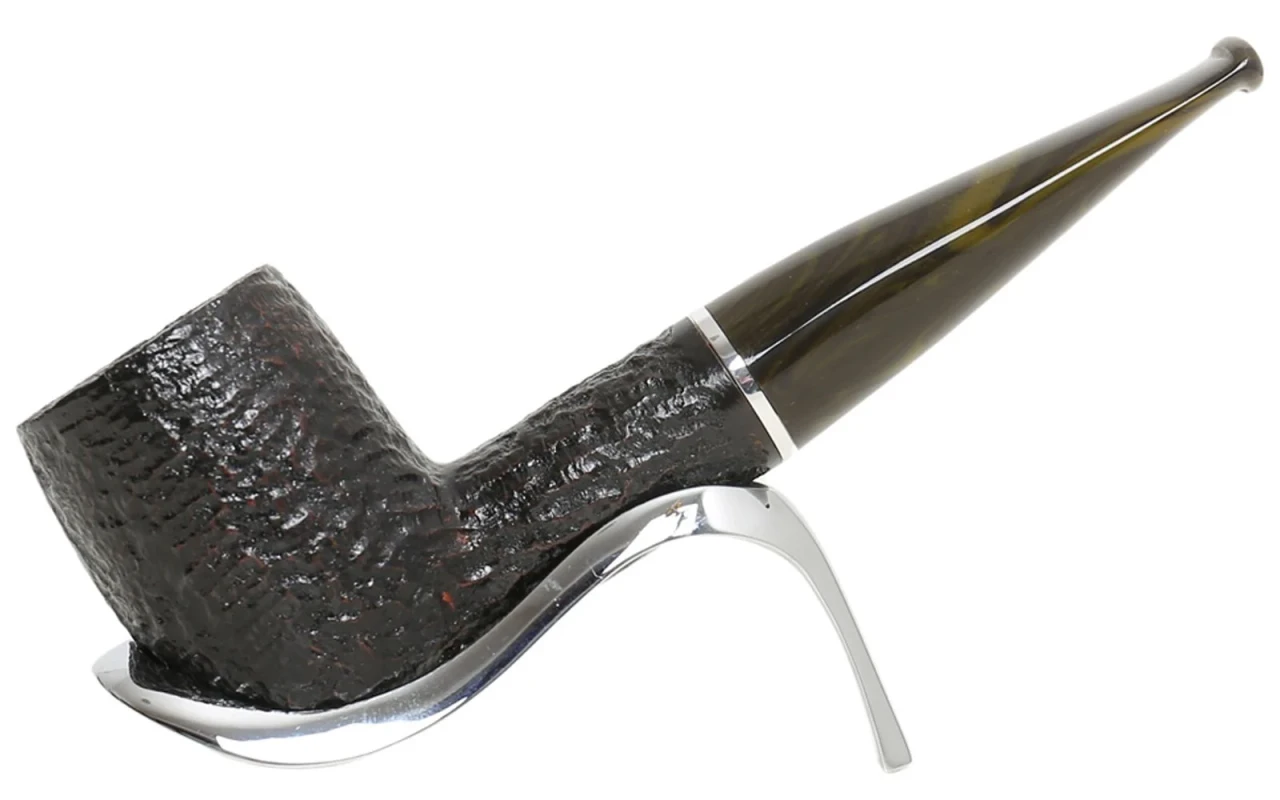
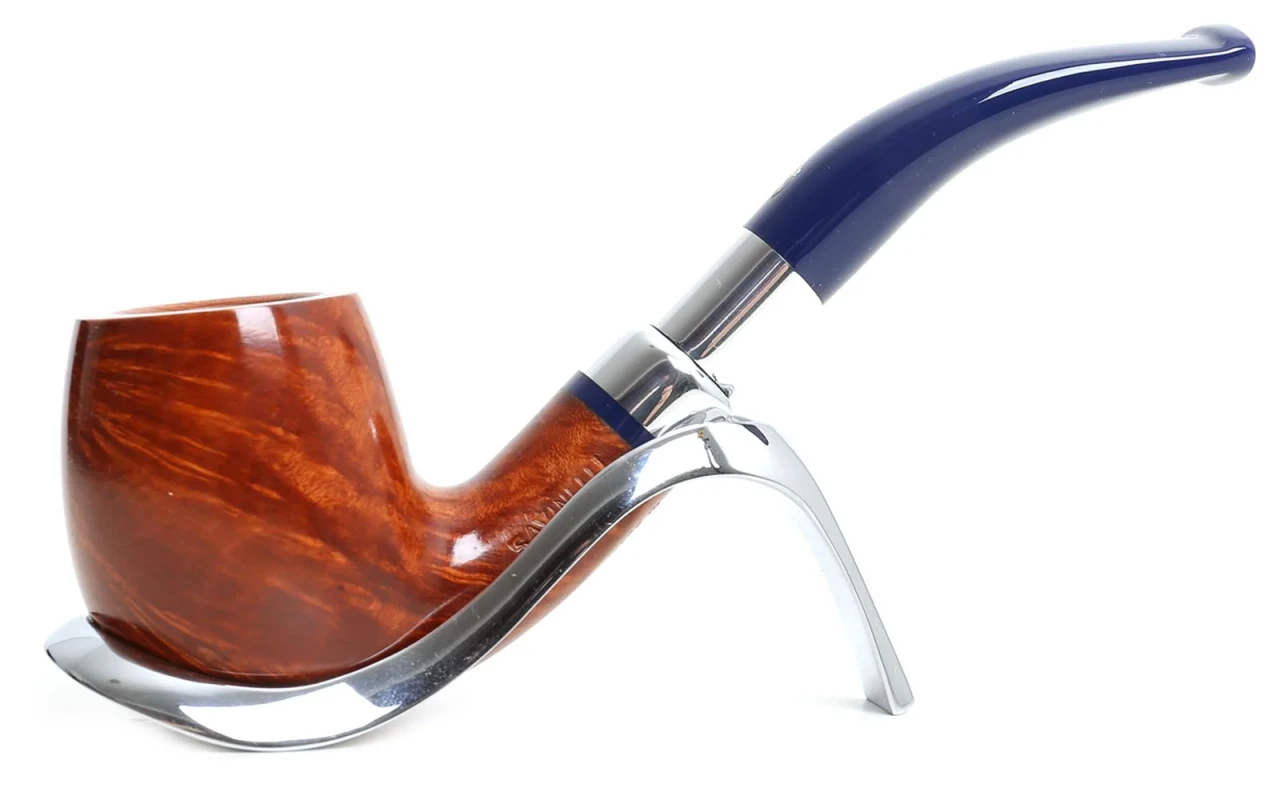
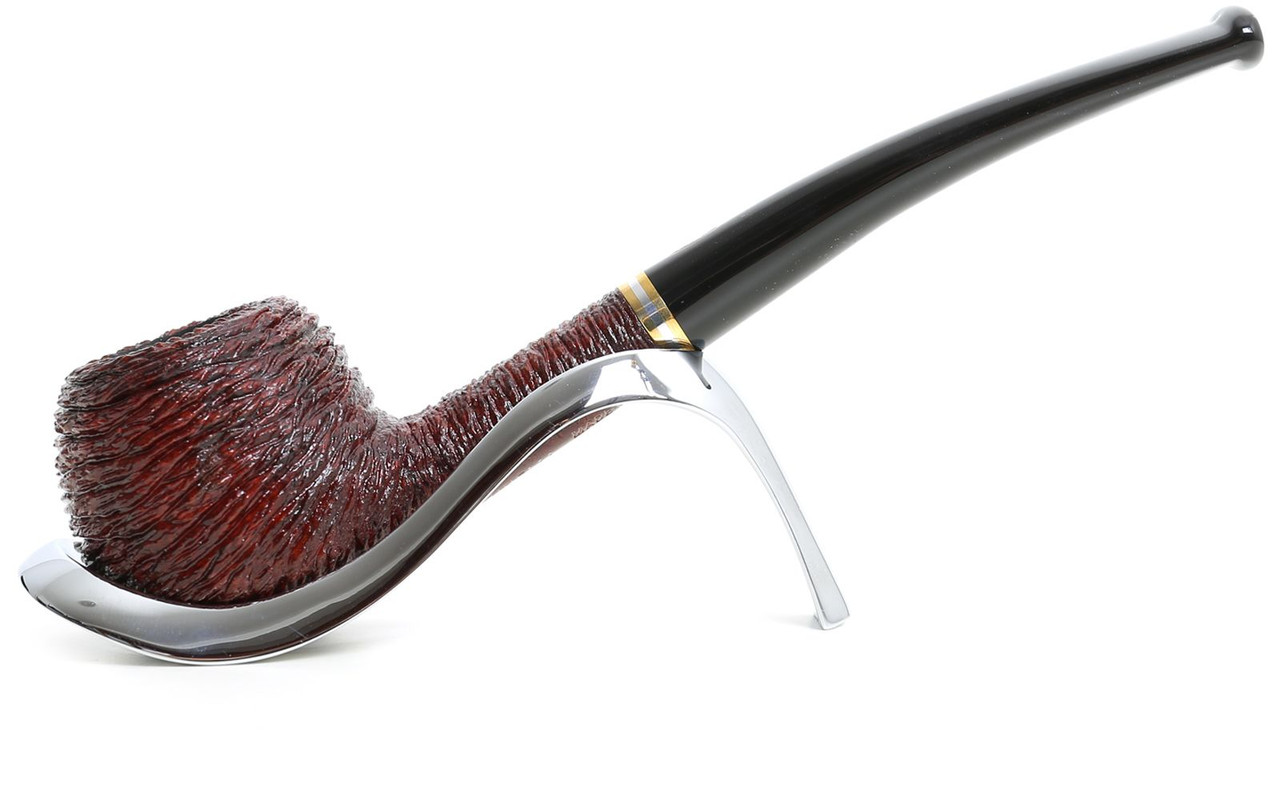
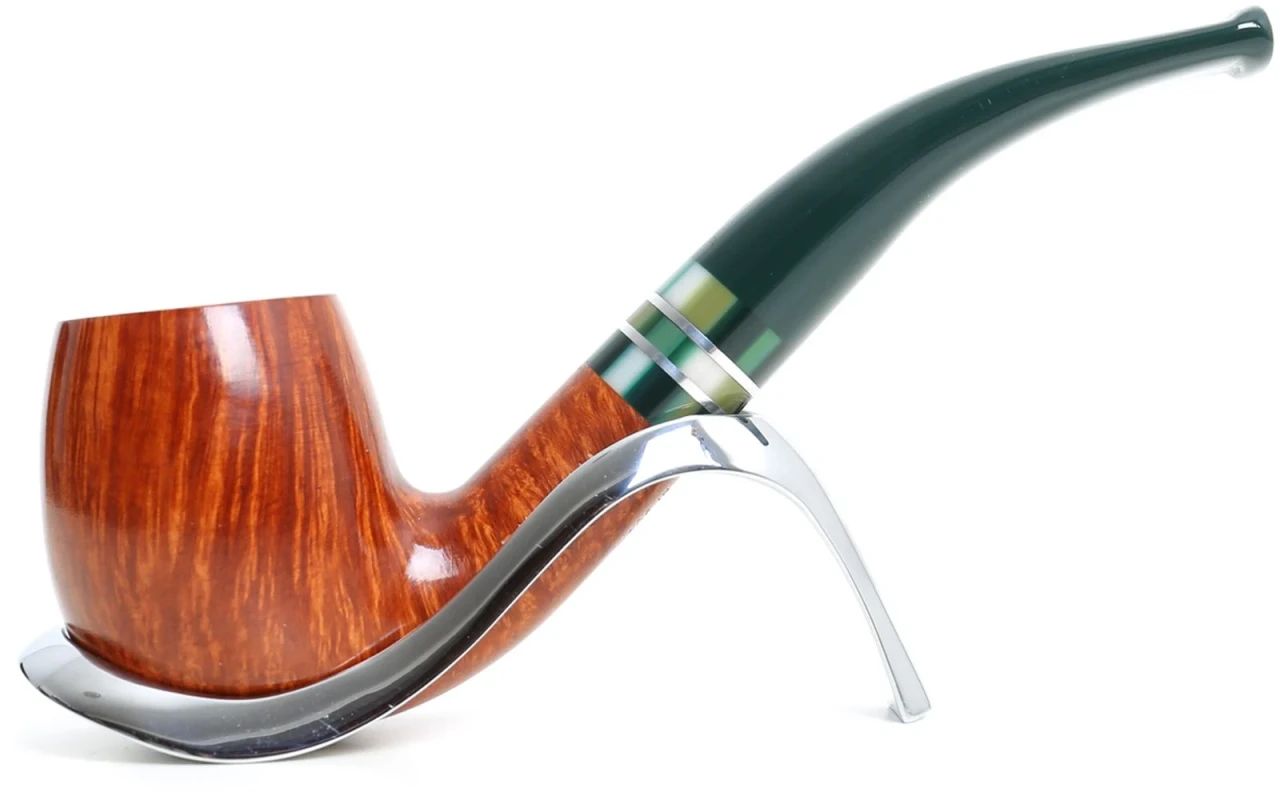
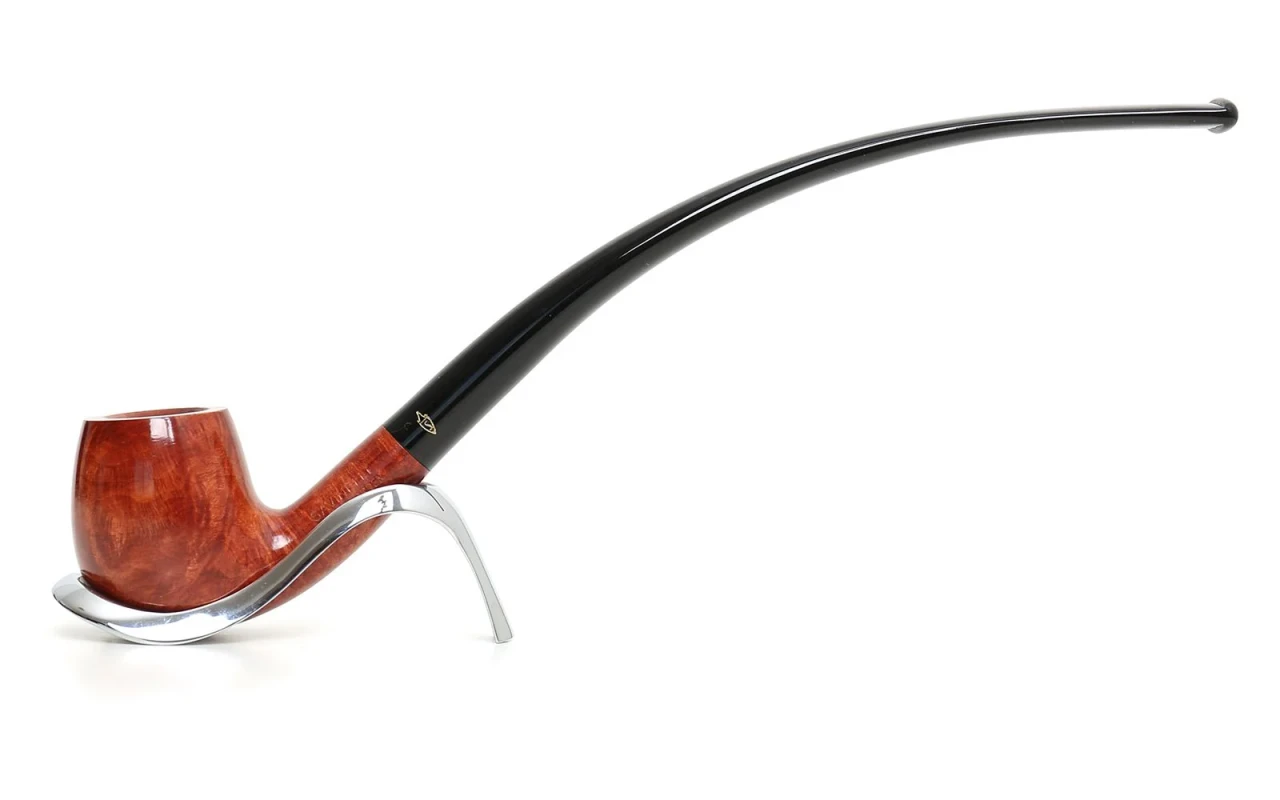
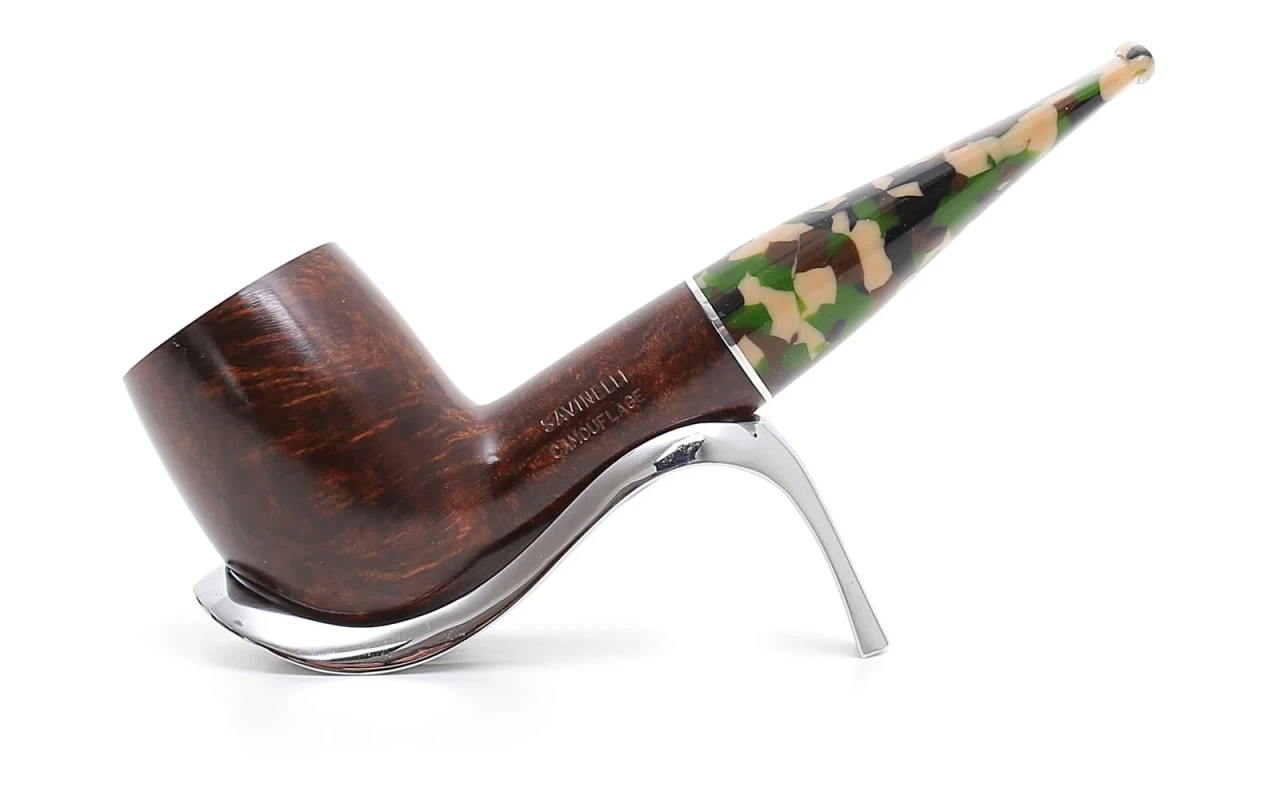
Briarwood is a high-quality wood commonly used in pipe production. Thanks to its ability to absorb moisture, briarwood helps keep the pipe dry during use. This feature is particularly valued by pipe enthusiasts as an overly humid environment could compromise the smoke quality and affect the overall pipe experience. The moisture absorption by briarwood helps ensure even combustion and a purer aroma. Therefore, pipes made with this wood are considered an excellent choice for pipe tobacco lovers.
How to prevent pipe condensation
To avoid condensation in the pipe, it is important to follow some correct practices during smoking. Here are some useful tips:- Use high-quality and well-dried tobaccos.- Smoke slowly, without taking too frequent and intense draws.- Keep the pipe clean by regularly removing burnt tobacco residues.- Avoid blowing too much into the pipe while smoking.- Avoid smoking the pipe outdoors in very low temperatures.- Use an appropriate filter to reduce moisture and condensation.- Properly store the pipe in a cool and dry environment.By following these simple guidelines, it will be possible to significantly reduce the risk of condensation in the pipe during smoking.
Pipe Drying Technique
To properly dry a pipe after use, it is advisable to follow a precise technique to avoid moisture buildup and tobacco residue. Here's how to proceed:1. Gently remove the cap and the mouthpiece from the pipe.2. Run a pipe cleaner inside the stem to absorb any residual moisture.3. Use a pipe cleaner in the mouthpiece as well to eliminate any smoke residue.4. Lightly shake the pipe to remove any remaining residues inside.5. Finally, leave the pipe upside down on a suitable stand to allow it to dry completely.By following this technique, you will ensure a longer lifespan and a better user experience for your pipe.
Pipe absorbent materials
Absorbent materials for pipes are used to absorb moisture and residue from tobacco combustion. The most common materials are cotton sponge, hemp, and treated cardboard. These materials help keep the pipe dry, ensuring a better smoking experience. The choice of absorbent material depends on the smoker's personal preferences and the type of pipe used. It is important to regularly change the absorbent material to avoid moisture and residue build-up that could compromise the taste and lifespan of the pipe.
'%3e%3cg id='Final-Copy-2_2_' transform='translate(1275.000000, 200.000000)'%3e%3cpath class='st0' d='M7.4,12.8h6.8l3.1-11.6H7.4C4.2,1.2,1.6,3.8,1.6,7S4.2,12.8,7.4,12.8z'/%3e%3c/g%3e%3c/g%3e%3c/g%3e%3cg id='final---dec.11-2020'%3e%3cg id='_x30_208-our-toggle' transform='translate(-1275.000000, -200.000000)'%3e%3cg id='Final-Copy-2' transform='translate(1275.000000, 200.000000)'%3e%3cpath class='st1' d='M22.6,0H7.4c-3.9,0-7,3.1-7,7s3.1,7,7,7h15.2c3.9,0,7-3.1,7-7S26.4,0,22.6,0z M1.6,7c0-3.2,2.6-5.8,5.8-5.8 h9.9l-3.1,11.6H7.4C4.2,12.8,1.6,10.2,1.6,7z'/%3e%3cpath id='x' class='st2' d='M24.6,4c0.2,0.2,0.2,0.6,0,0.8l0,0L22.5,7l2.2,2.2c0.2,0.2,0.2,0.6,0,0.8c-0.2,0.2-0.6,0.2-0.8,0 l0,0l-2.2-2.2L19.5,10c-0.2,0.2-0.6,0.2-0.8,0c-0.2-0.2-0.2-0.6,0-0.8l0,0L20.8,7l-2.2-2.2c-0.2-0.2-0.2-0.6,0-0.8 c0.2-0.2,0.6-0.2,0.8,0l0,0l2.2,2.2L23.8,4C24,3.8,24.4,3.8,24.6,4z'/%3e%3cpath id='y' class='st3' d='M12.7,4.1c0.2,0.2,0.3,0.6,0.1,0.8l0,0L8.6,9.8C8.5,9.9,8.4,10,8.3,10c-0.2,0.1-0.5,0.1-0.7-0.1l0,0 L5.4,7.7c-0.2-0.2-0.2-0.6,0-0.8c0.2-0.2,0.6-0.2,0.8,0l0,0L8,8.6l3.8-4.5C12,3.9,12.4,3.9,12.7,4.1z'/%3e%3c/g%3e%3c/g%3e%3c/g%3e%3c/g%3e%3c/svg%3e) Your Privacy Choices
Your Privacy Choices 


