 ES
ES FR
FR EN
EN IT
IT DE
DE
Heat and Oil Absorption in Briar and Meerschaum Pipes
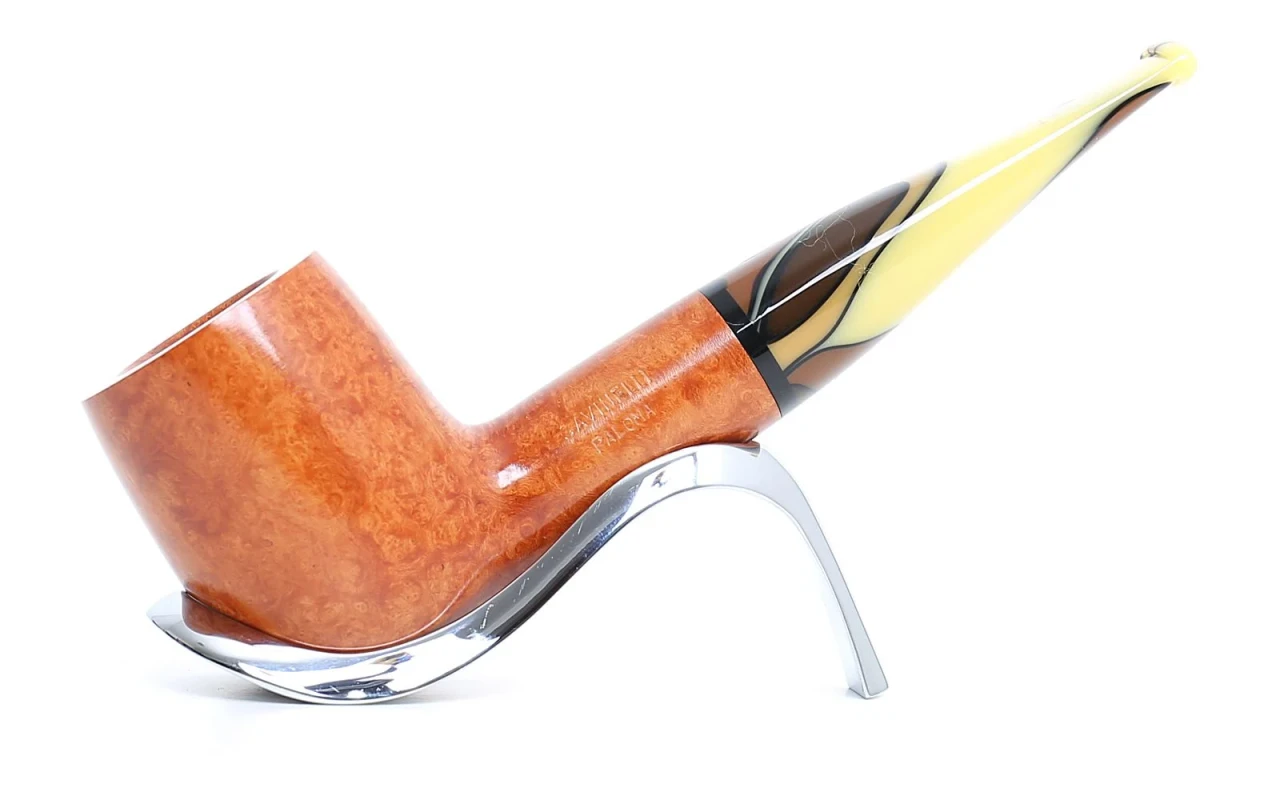
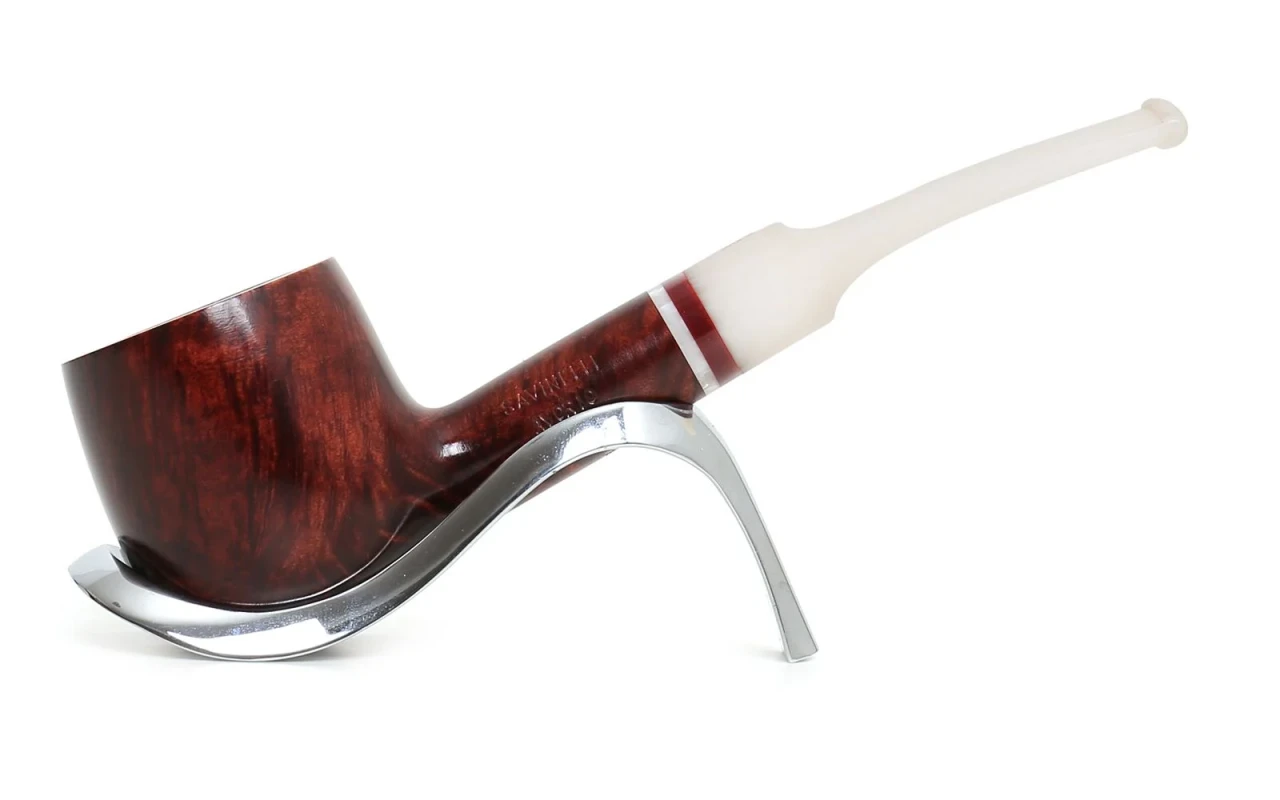
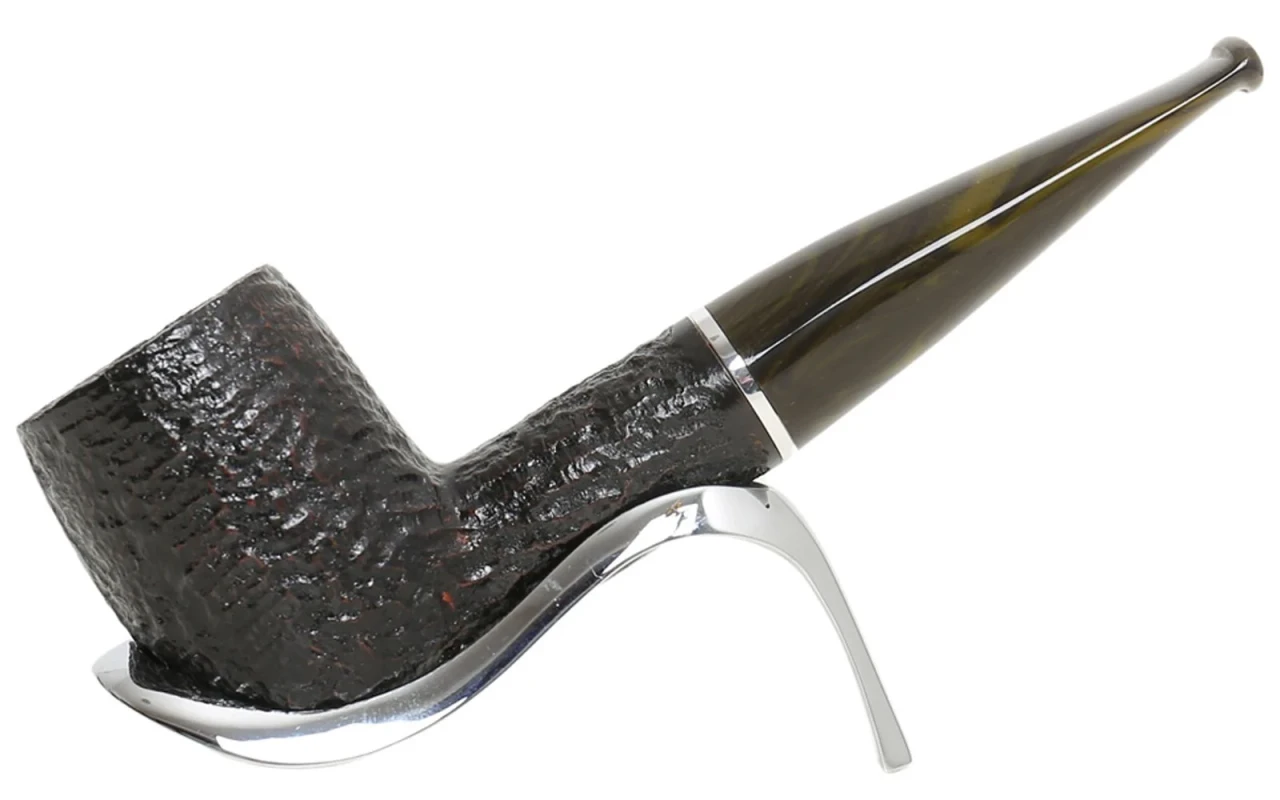
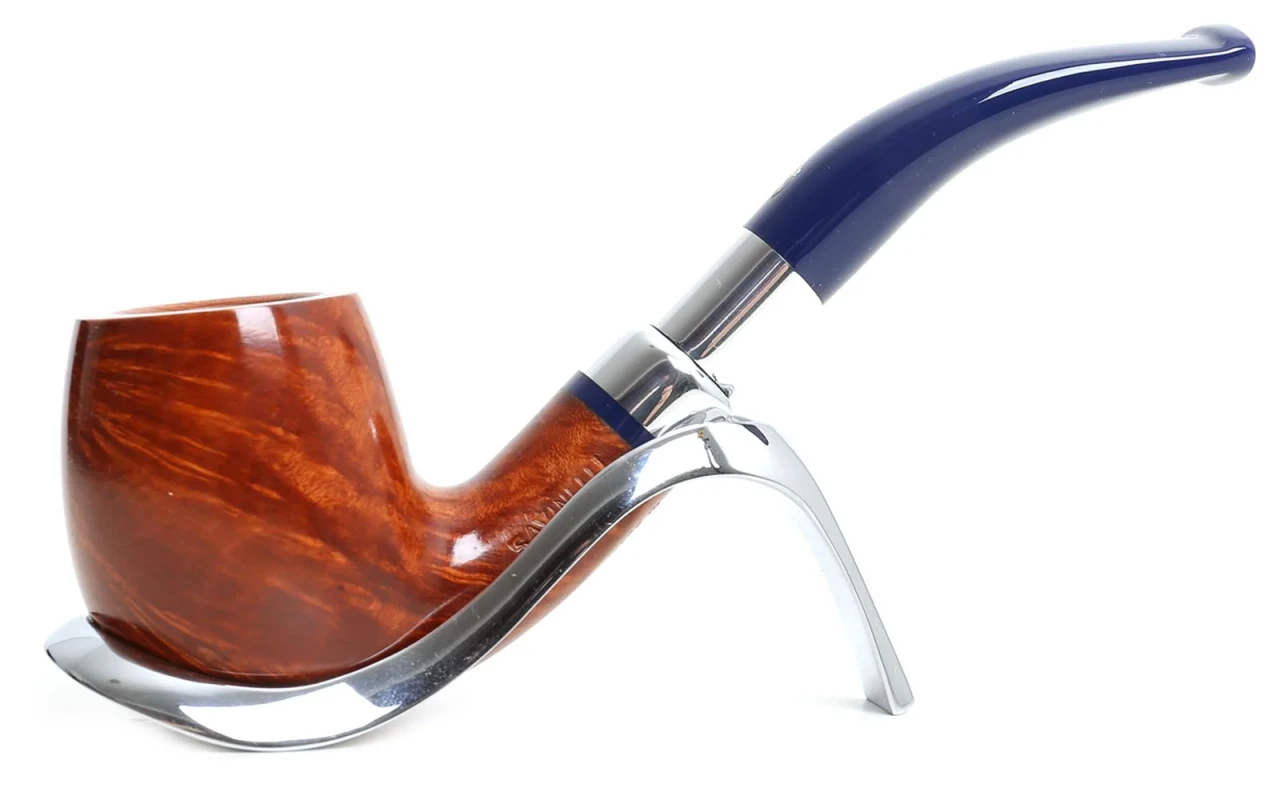
Heat and Oil Absorption in Briar and Meerschaum Pipes
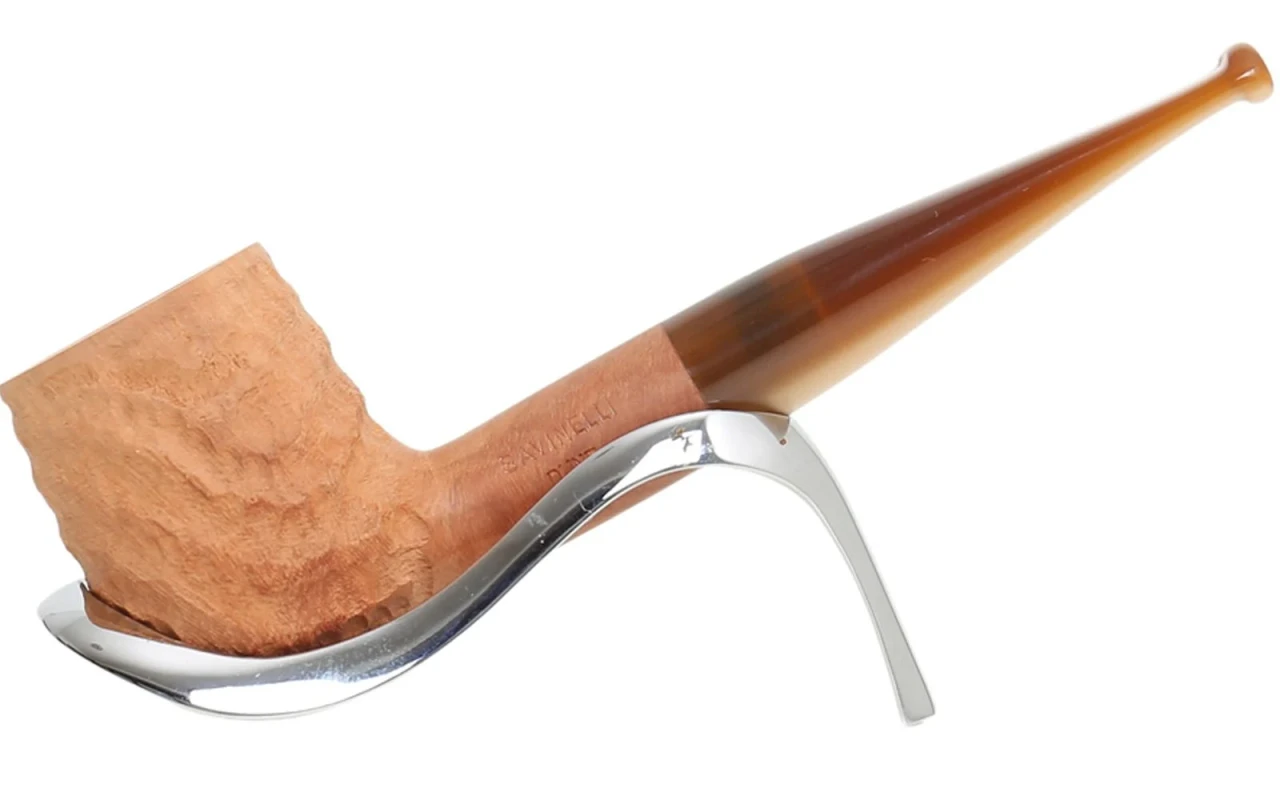
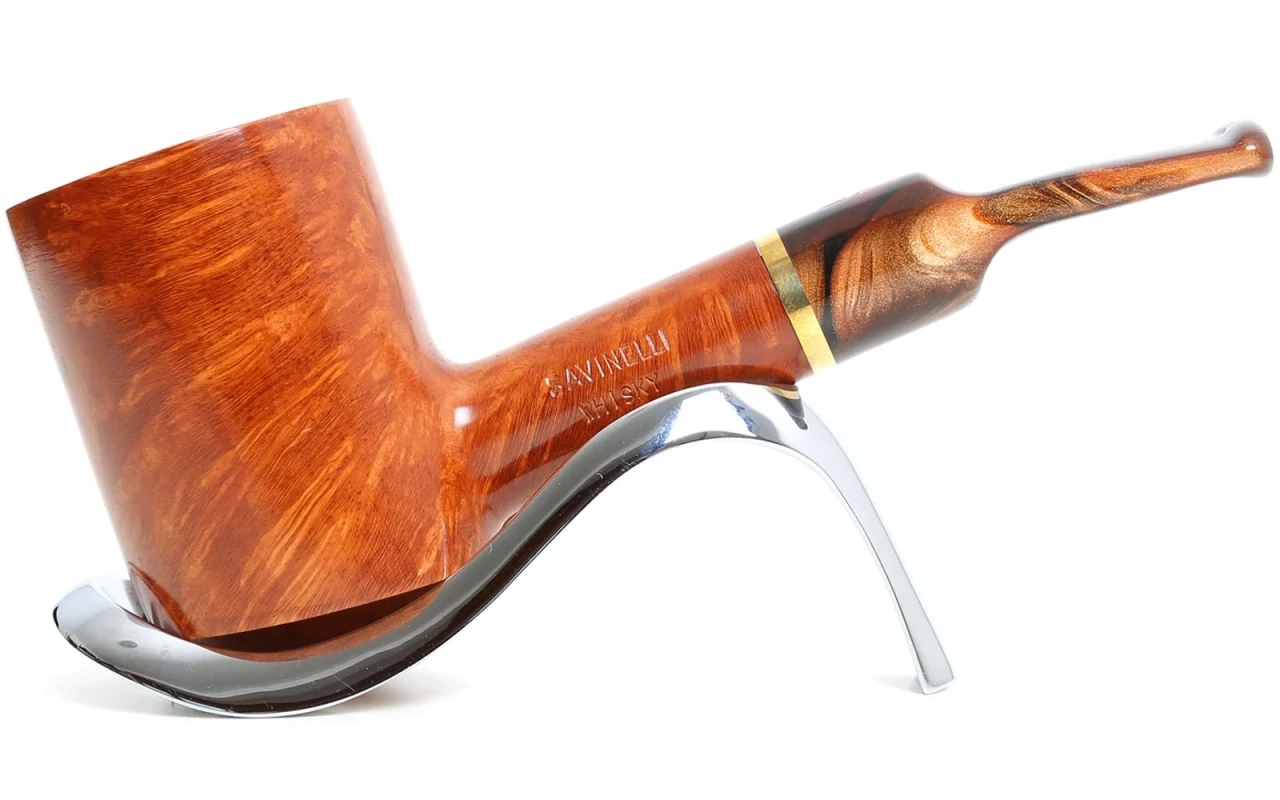
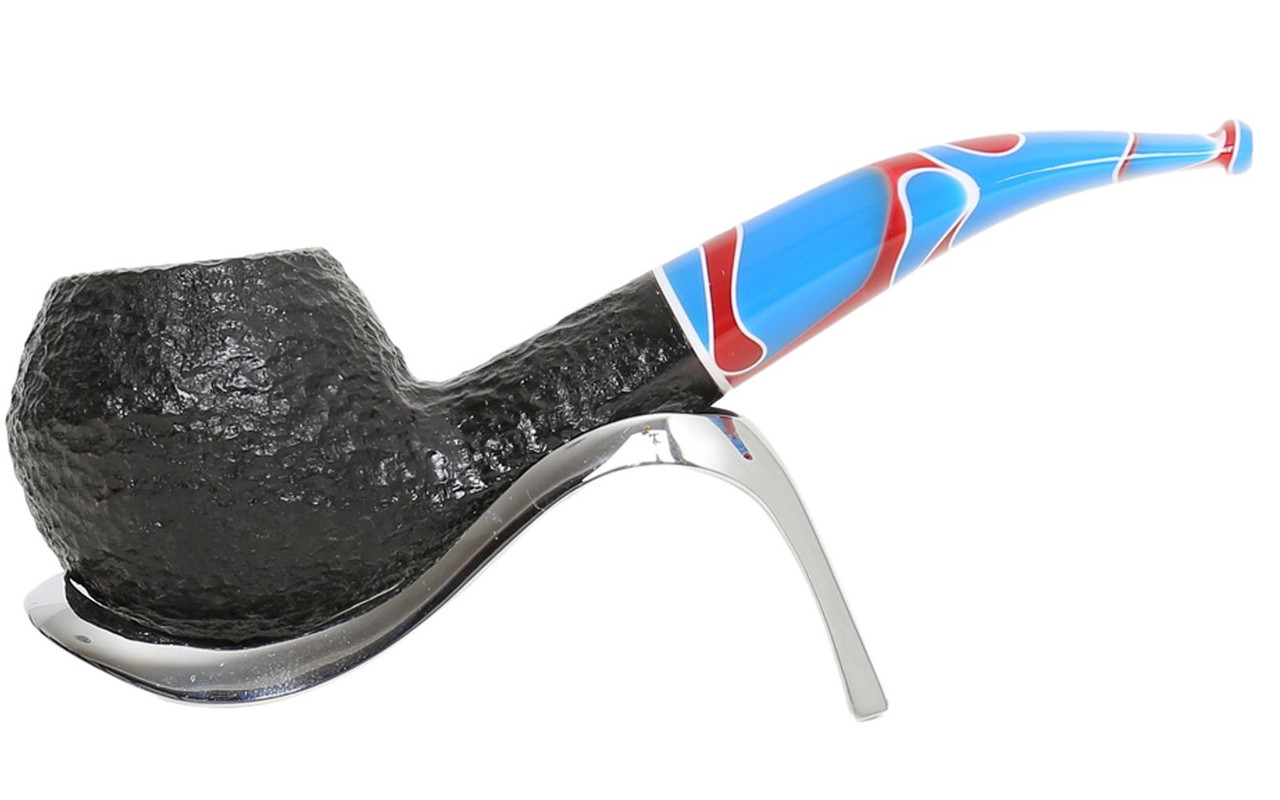
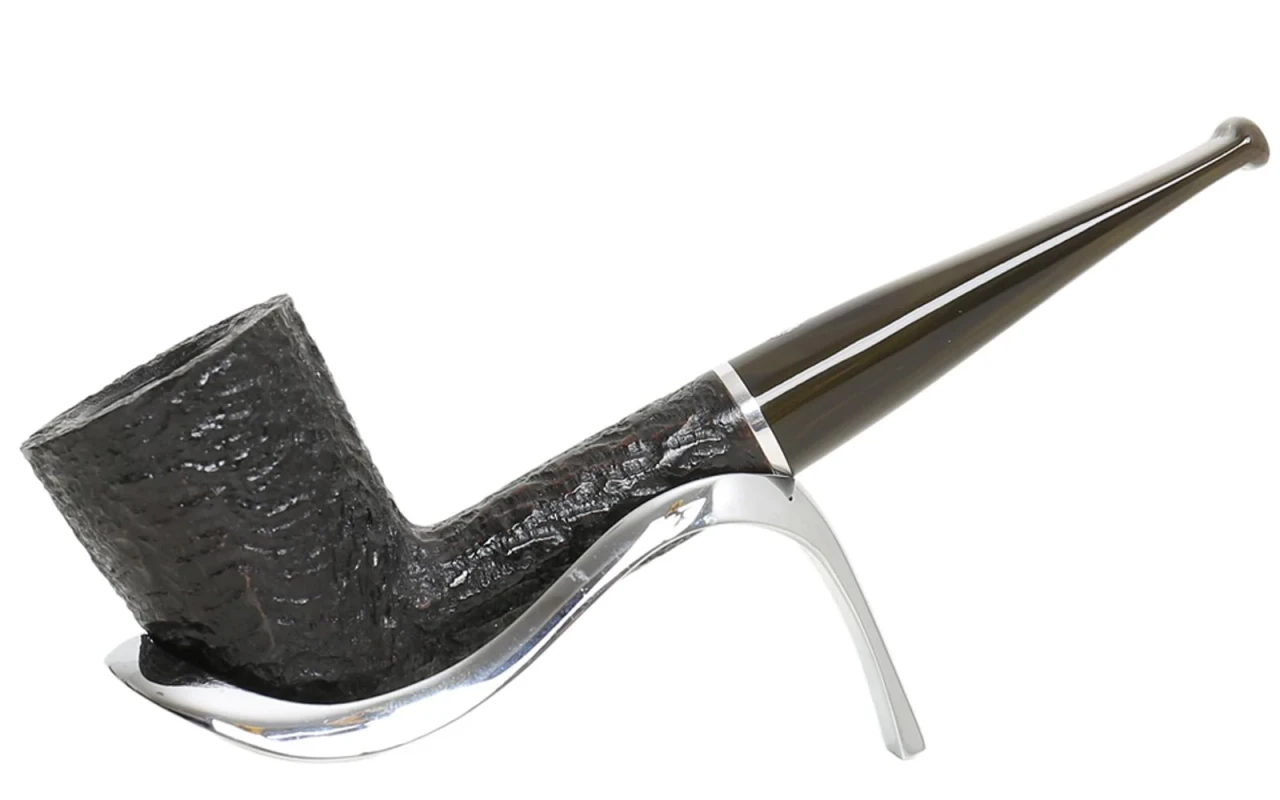
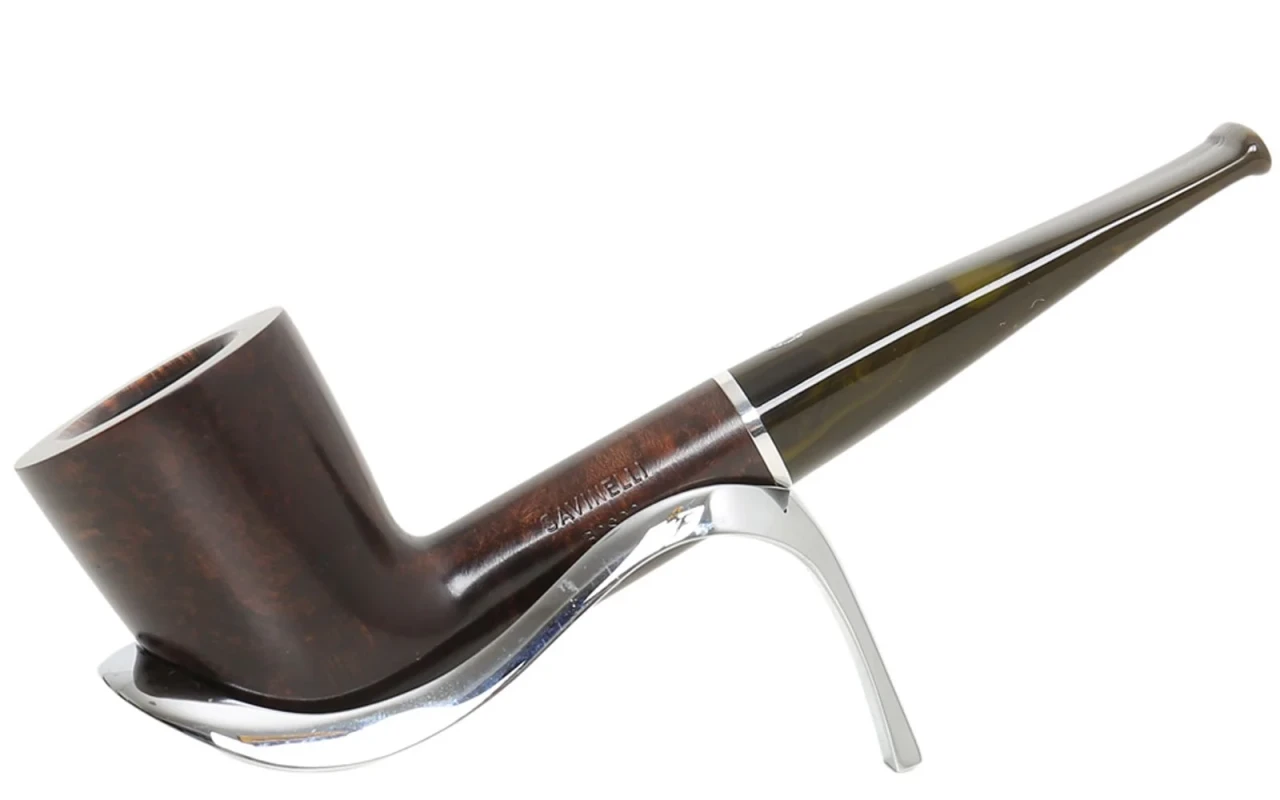
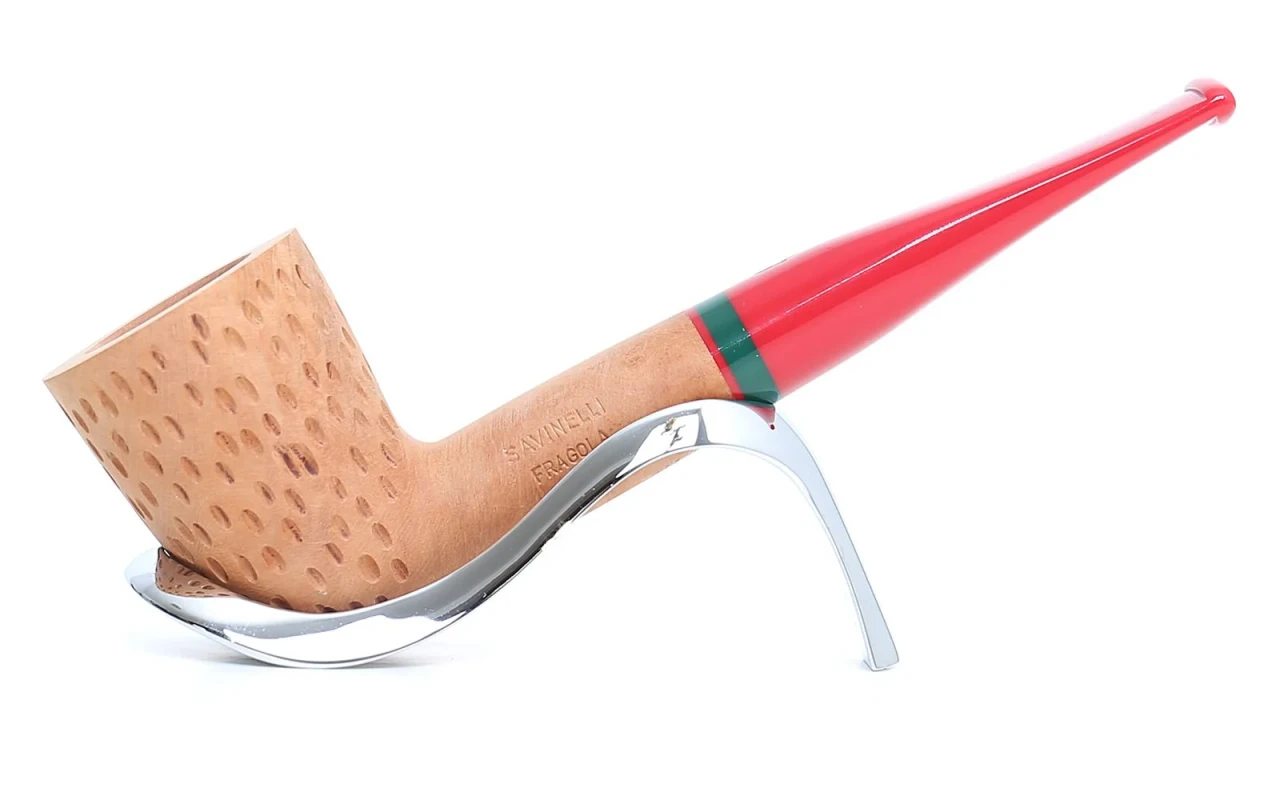
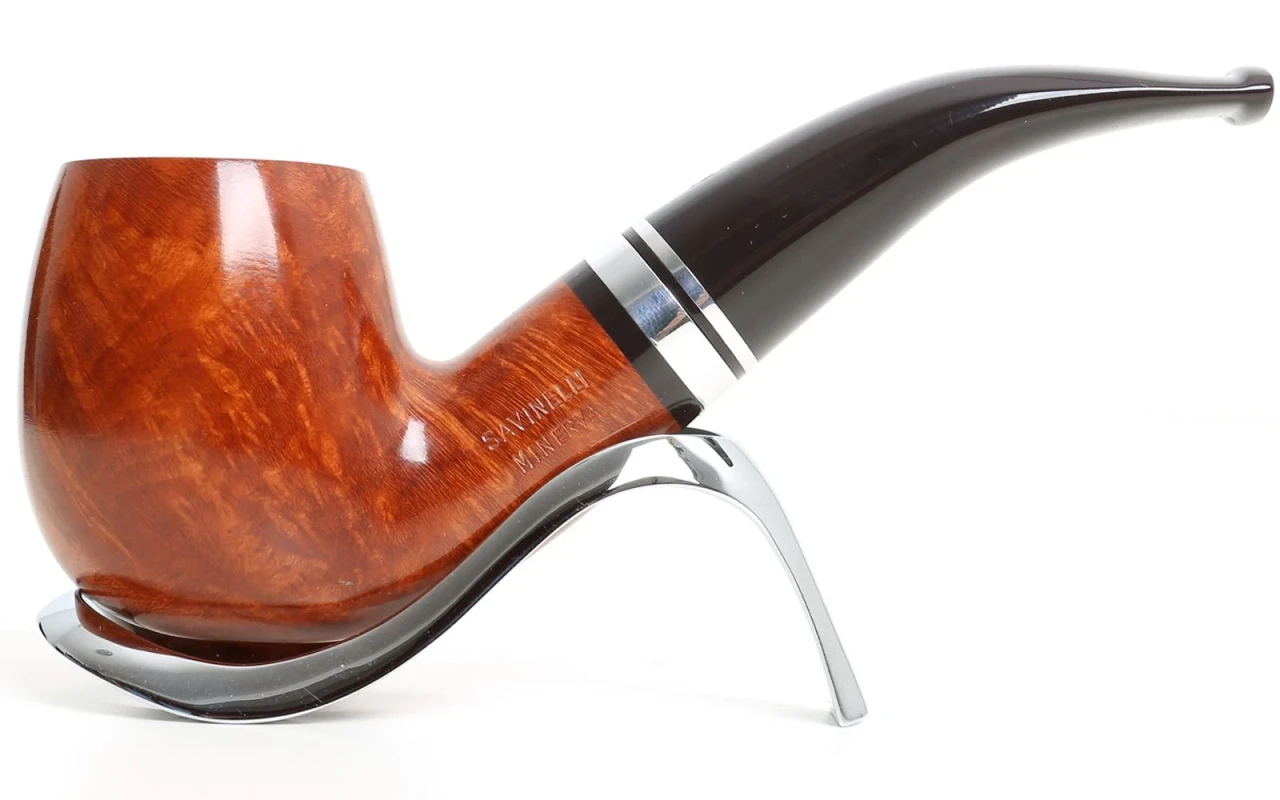
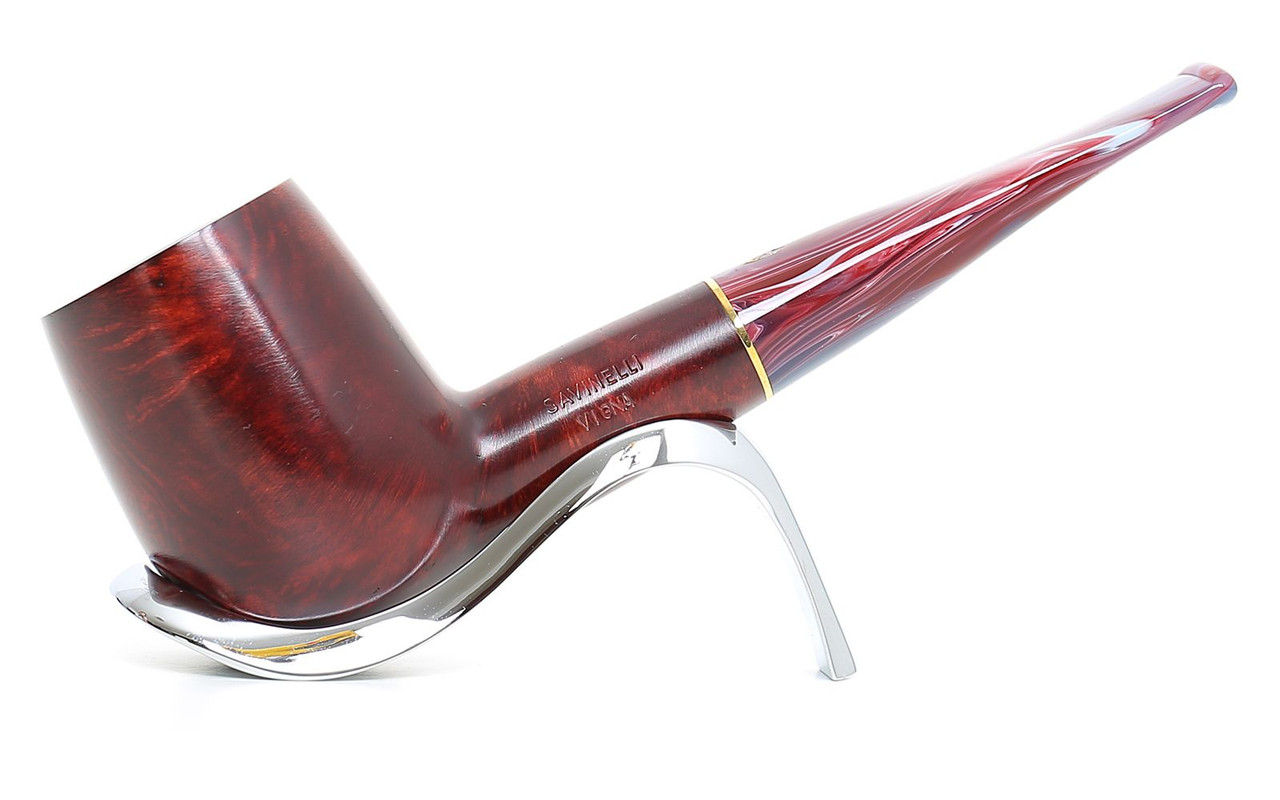
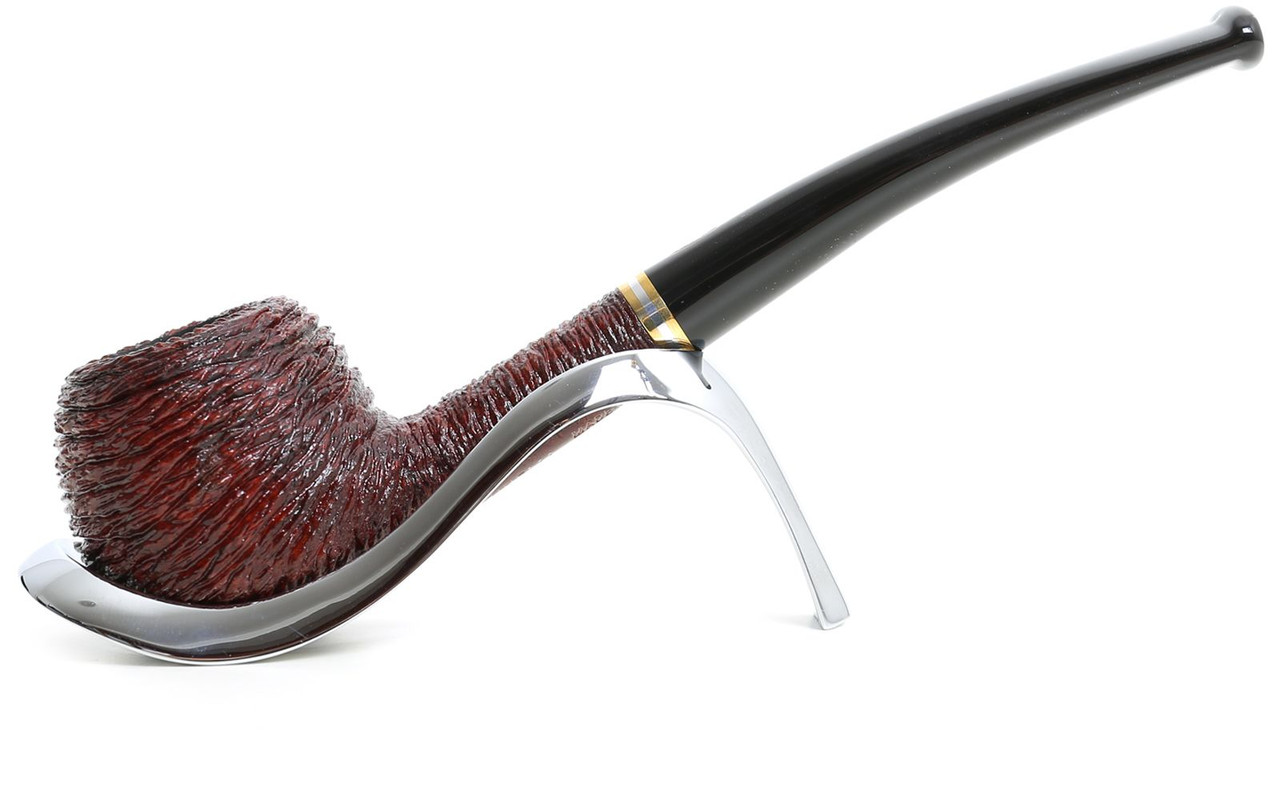
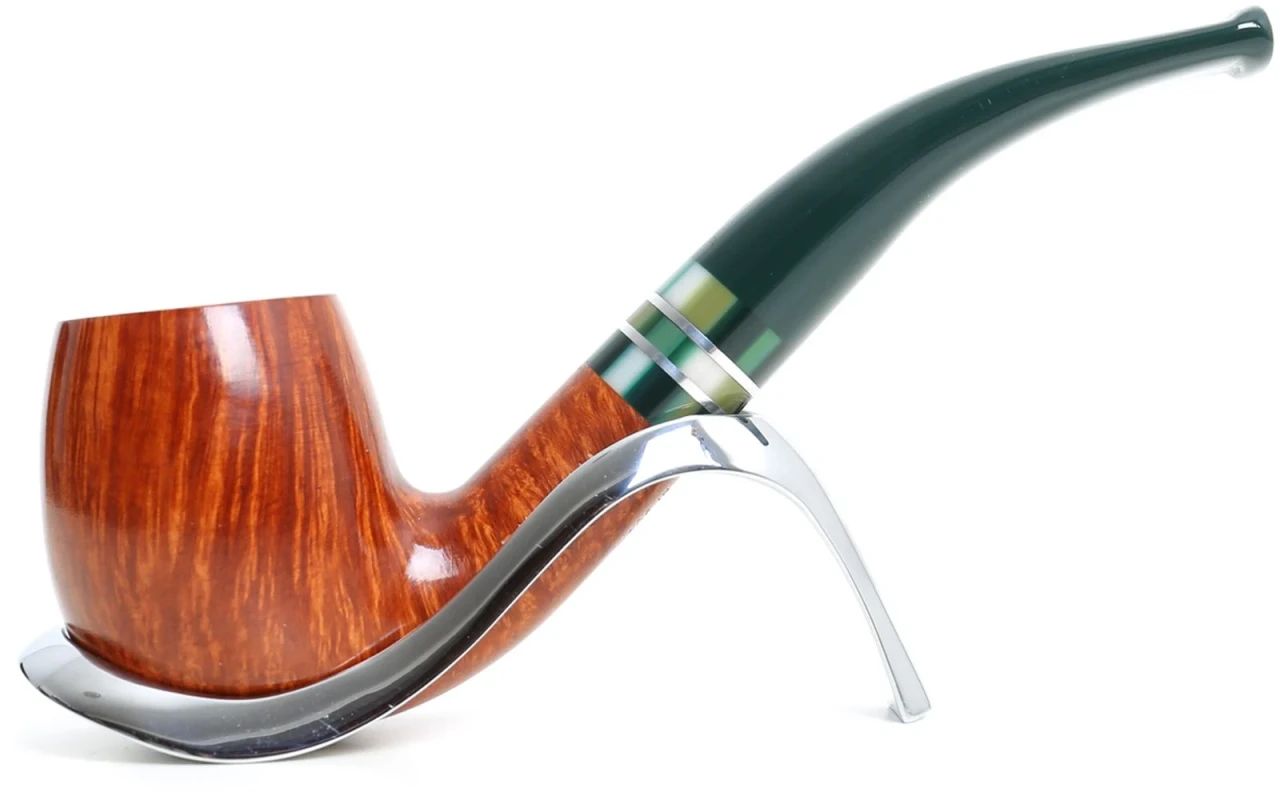
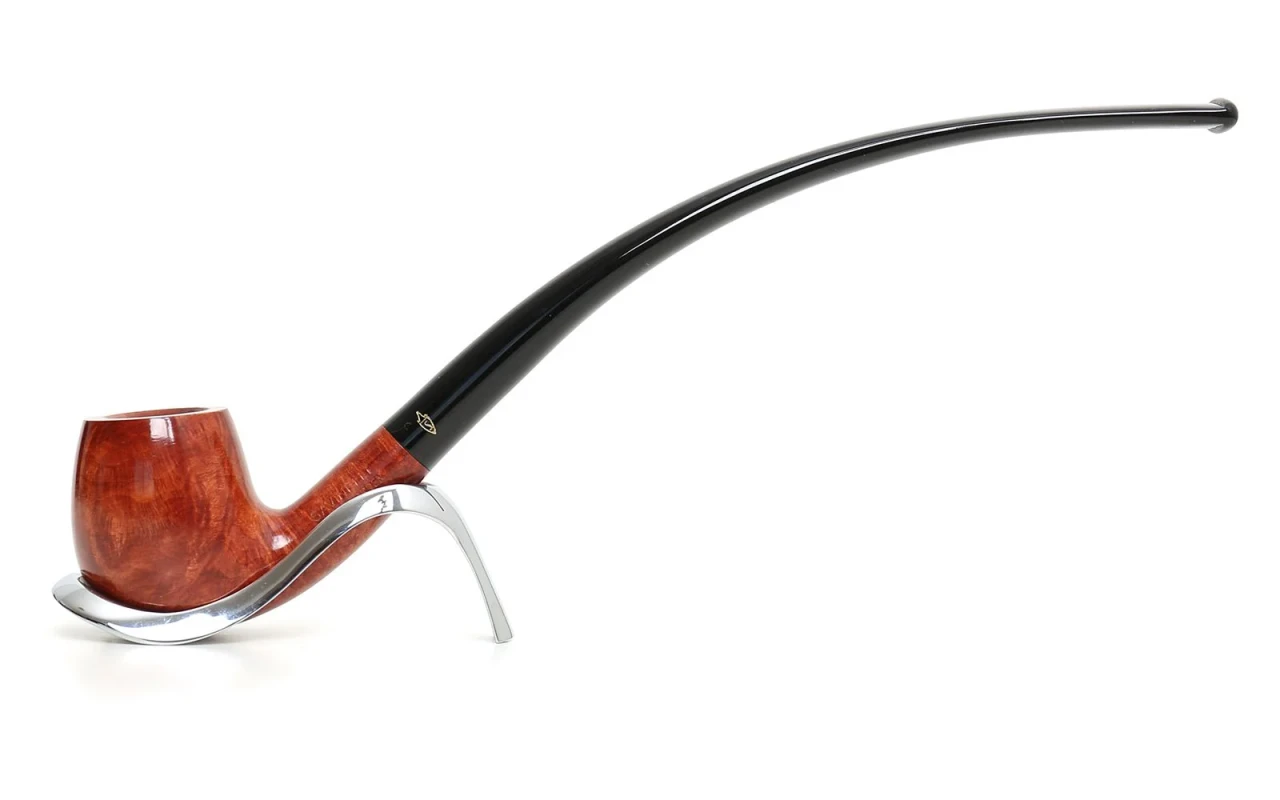
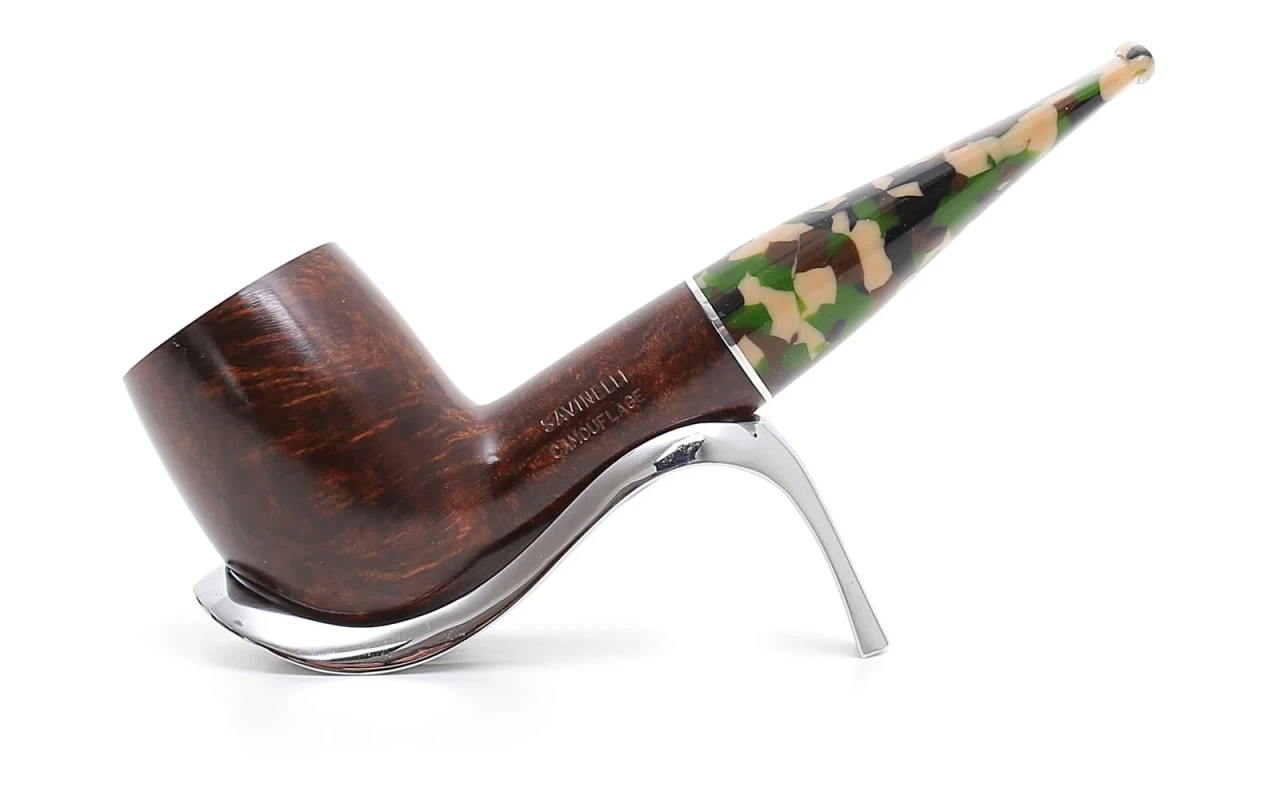
The absorption of heat and oils in briar and meerschaum pipes is a common process in the world of pipe smokers. Briar pipes, thanks to their porous properties, tend to slowly absorb heat during tobacco combustion, ensuring a cooler and drier smoke. On the other hand, meerschaum pipes have the ability to absorb oils present in the tobacco, contributing to a sweeter and smoother smoking experience. Both materials require specific care to maintain their characteristics and ensure a high-quality smoke.
Maintenance of briar and sea foam pipes
Maintaining briar and sea foam pipes is essential to ensure their longevity and smoke quality. Here are some useful tips for taking care of these precious pipes:- After each use, empty the pipe and clean it with a dedicated pipe cleaner.- Avoid overheating the pipe excessively during smoking sessions.- For briar pipes, it is advisable to regularly polish them with paraffin oil to maintain their shine.- Sea foam pipes require a gentler cleaning, use warm water and a soft cloth to remove any residues.- Store the pipes in a dry place protected from direct sunlight.By following these simple maintenance practices, you will be able to enjoy your briar and sea foam pipes for a long time.
Features of briar and sea foam pipes
Briar and sea foam pipes are two highly appreciated types among pipe enthusiasts. Briar pipes, crafted from the wood of the Erica arborea plant, are renowned for their ability to absorb smoke moisture, ensuring a cooler and drier smoke. On the other hand, sea foam pipes, made from a porous stone sourced from the seabed, provide a lighter and sweeter smoke by absorbing smoke impurities. Both types require specific care to maintain their beauty and functionality over time.
Pipe hygiene: briar and meerschaum
Hygiene of briar and meerschaum pipes is crucial to ensure an optimal and long-lasting smoking experience. Here are some useful tips to keep your pipes clean and in optimal condition:- After each use, empty the ash and run a pipe cleaner through the stem to remove tobacco residue.- Regularly clean the external surface of the pipe with a soft, dry cloth to remove dirt and oil.- Occasionally, perform a deeper cleaning with a specific pipe cleaner, avoiding the use of water or overly aggressive solvents that could damage the material.- Finally, allow the pipe to dry thoroughly before storing it in a suitable pipe rack to prevent mold and unpleasant odors.
'%3e%3cg id='Final-Copy-2_2_' transform='translate(1275.000000, 200.000000)'%3e%3cpath class='st0' d='M7.4,12.8h6.8l3.1-11.6H7.4C4.2,1.2,1.6,3.8,1.6,7S4.2,12.8,7.4,12.8z'/%3e%3c/g%3e%3c/g%3e%3c/g%3e%3cg id='final---dec.11-2020'%3e%3cg id='_x30_208-our-toggle' transform='translate(-1275.000000, -200.000000)'%3e%3cg id='Final-Copy-2' transform='translate(1275.000000, 200.000000)'%3e%3cpath class='st1' d='M22.6,0H7.4c-3.9,0-7,3.1-7,7s3.1,7,7,7h15.2c3.9,0,7-3.1,7-7S26.4,0,22.6,0z M1.6,7c0-3.2,2.6-5.8,5.8-5.8 h9.9l-3.1,11.6H7.4C4.2,12.8,1.6,10.2,1.6,7z'/%3e%3cpath id='x' class='st2' d='M24.6,4c0.2,0.2,0.2,0.6,0,0.8l0,0L22.5,7l2.2,2.2c0.2,0.2,0.2,0.6,0,0.8c-0.2,0.2-0.6,0.2-0.8,0 l0,0l-2.2-2.2L19.5,10c-0.2,0.2-0.6,0.2-0.8,0c-0.2-0.2-0.2-0.6,0-0.8l0,0L20.8,7l-2.2-2.2c-0.2-0.2-0.2-0.6,0-0.8 c0.2-0.2,0.6-0.2,0.8,0l0,0l2.2,2.2L23.8,4C24,3.8,24.4,3.8,24.6,4z'/%3e%3cpath id='y' class='st3' d='M12.7,4.1c0.2,0.2,0.3,0.6,0.1,0.8l0,0L8.6,9.8C8.5,9.9,8.4,10,8.3,10c-0.2,0.1-0.5,0.1-0.7-0.1l0,0 L5.4,7.7c-0.2-0.2-0.2-0.6,0-0.8c0.2-0.2,0.6-0.2,0.8,0l0,0L8,8.6l3.8-4.5C12,3.9,12.4,3.9,12.7,4.1z'/%3e%3c/g%3e%3c/g%3e%3c/g%3e%3c/g%3e%3c/svg%3e) Your Privacy Choices
Your Privacy Choices 


