 ES
ES FR
FR EN
EN IT
IT DE
DE
History of Briar Pipes
History of Briar Pipes
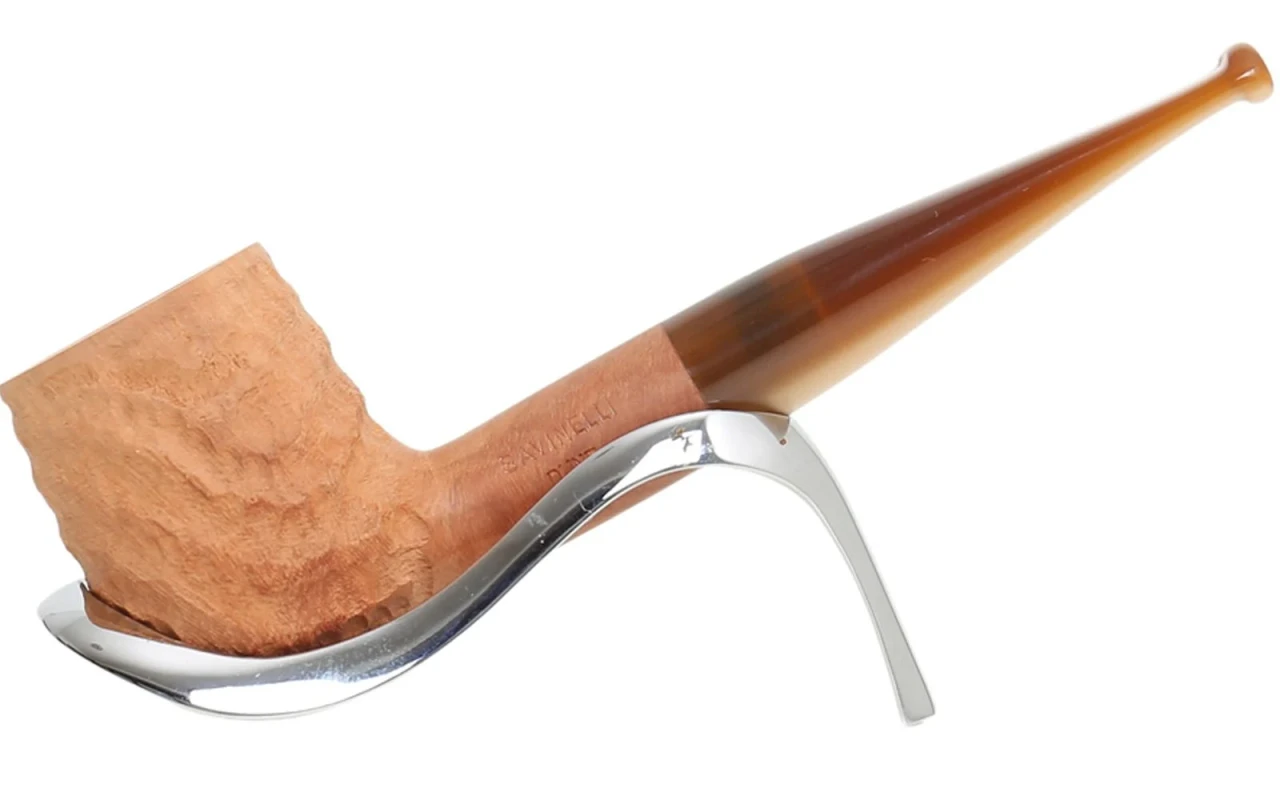
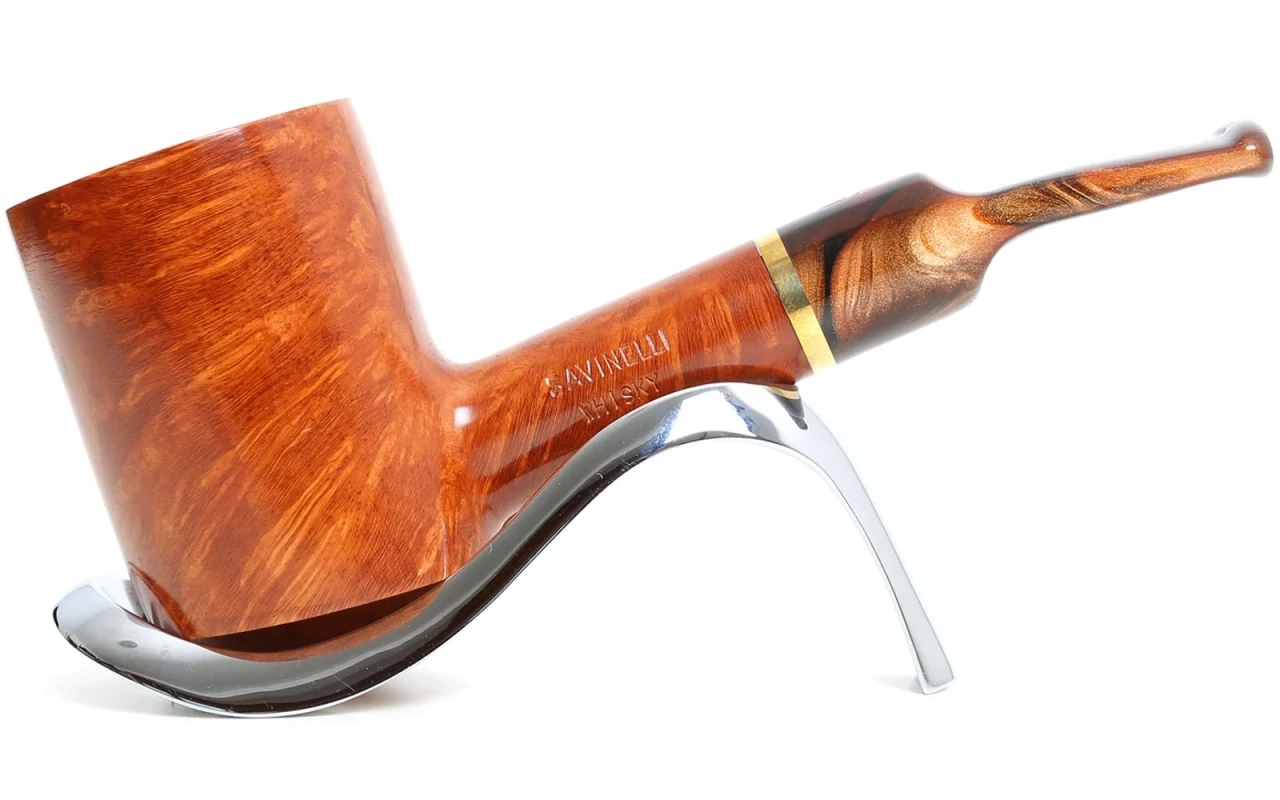
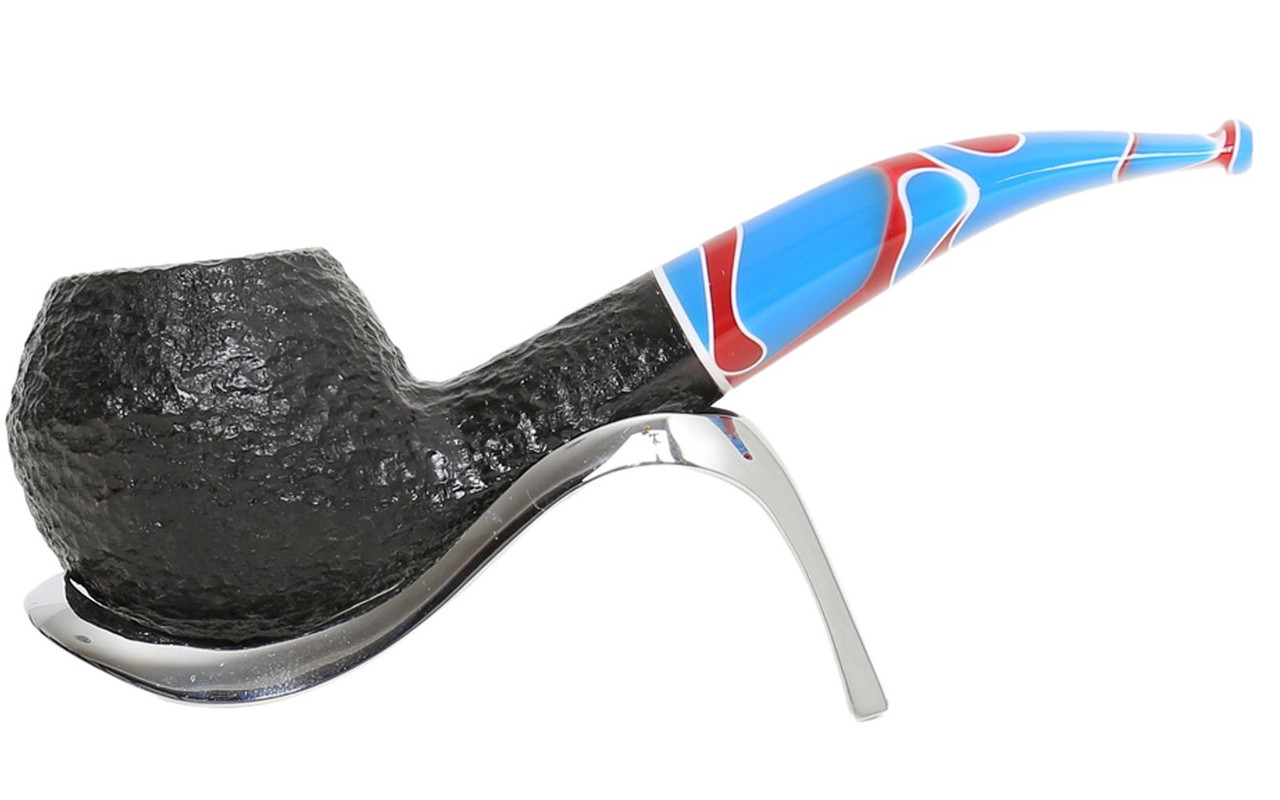
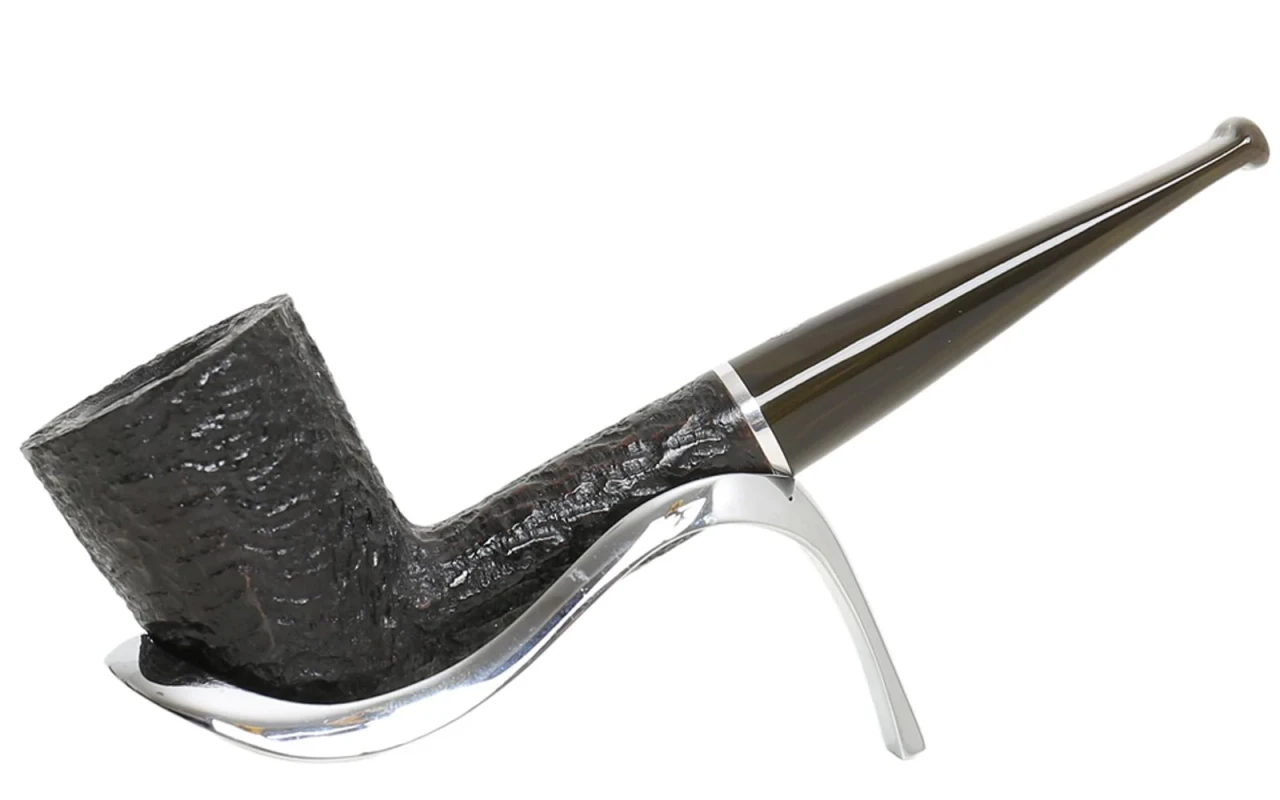
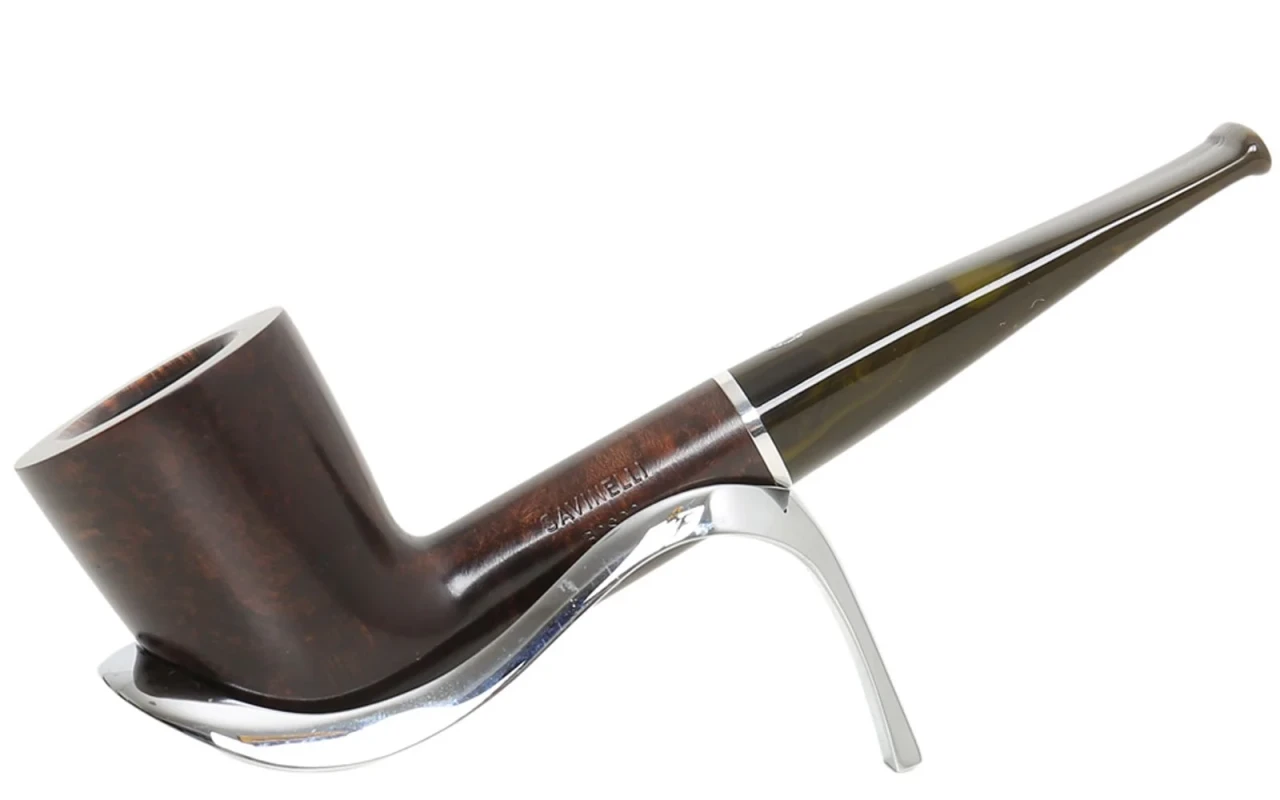
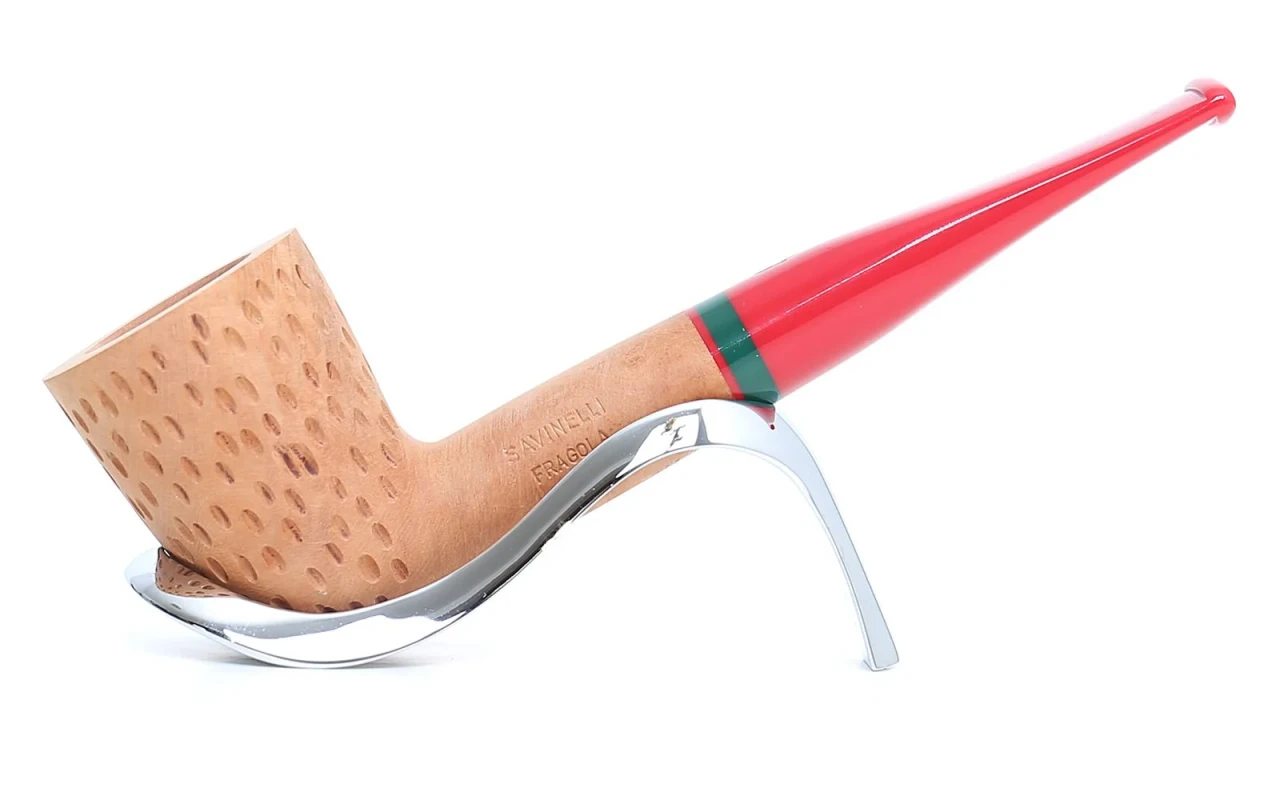
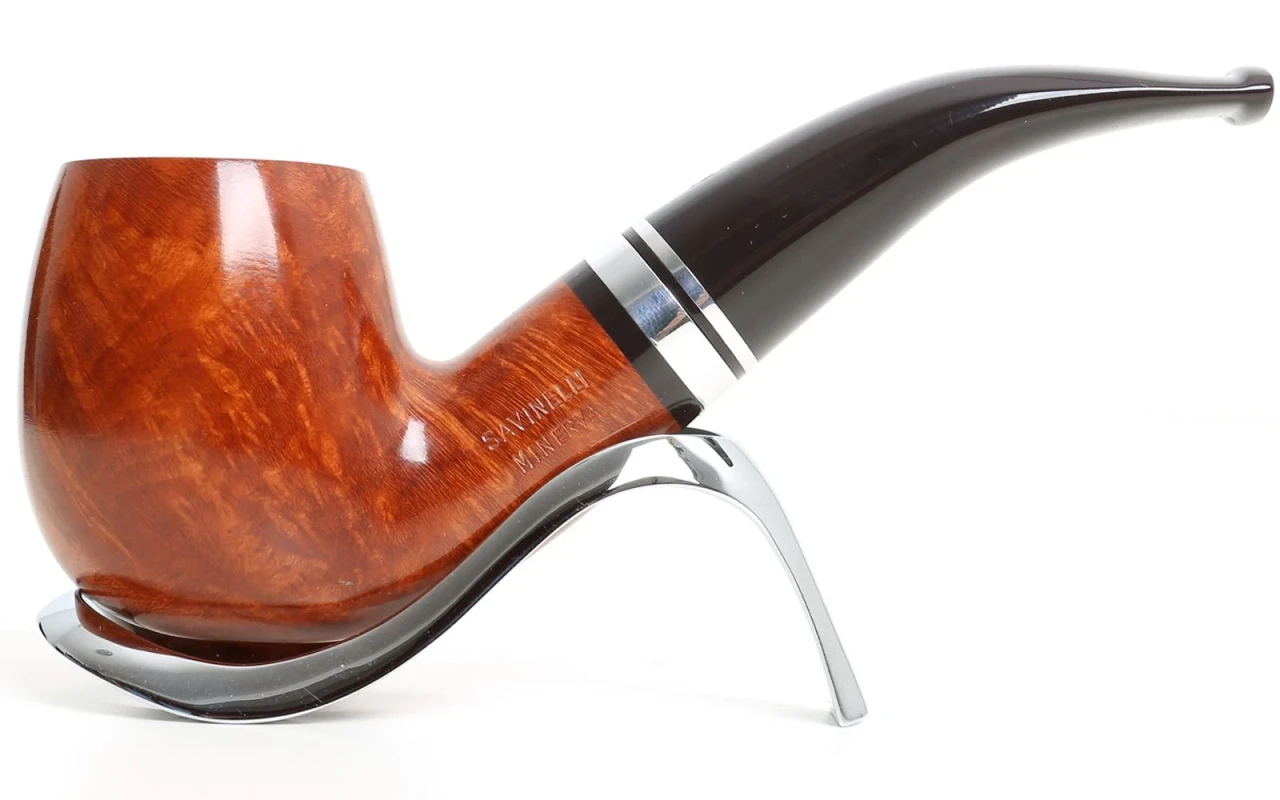
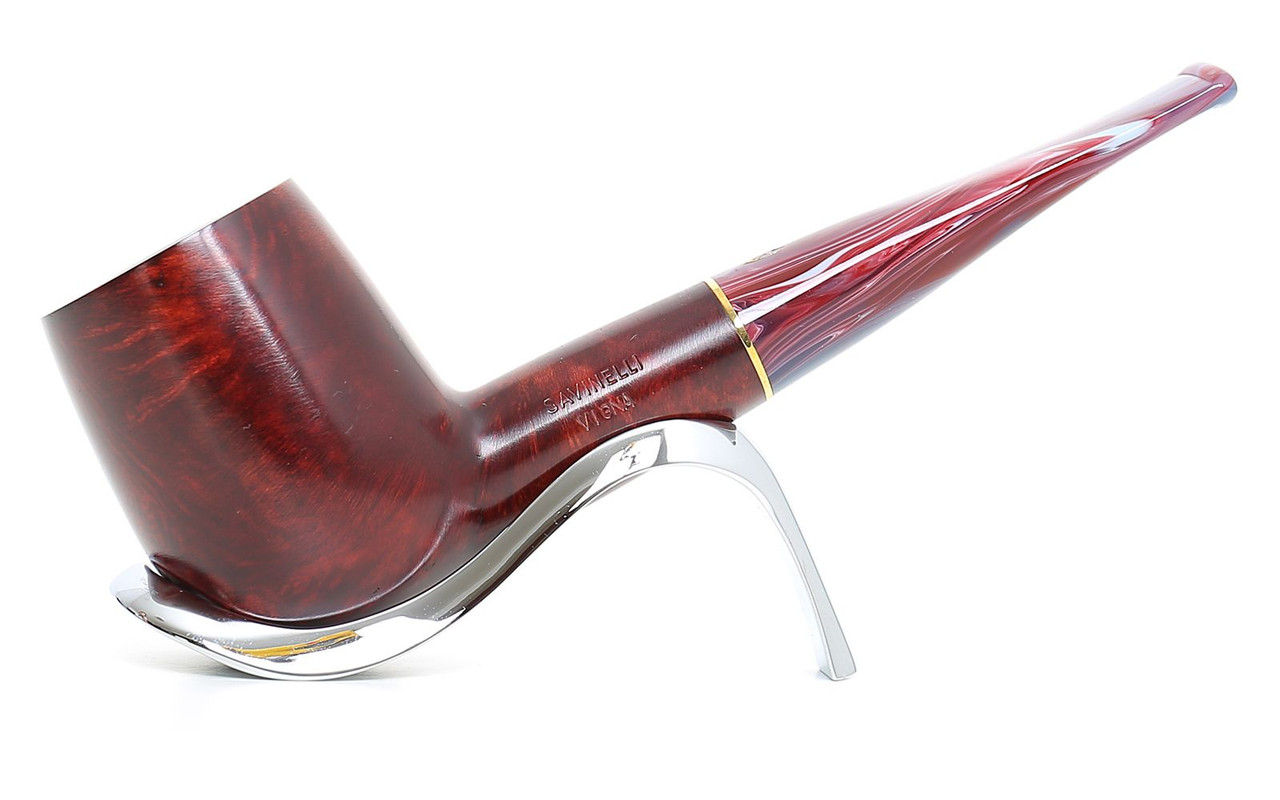
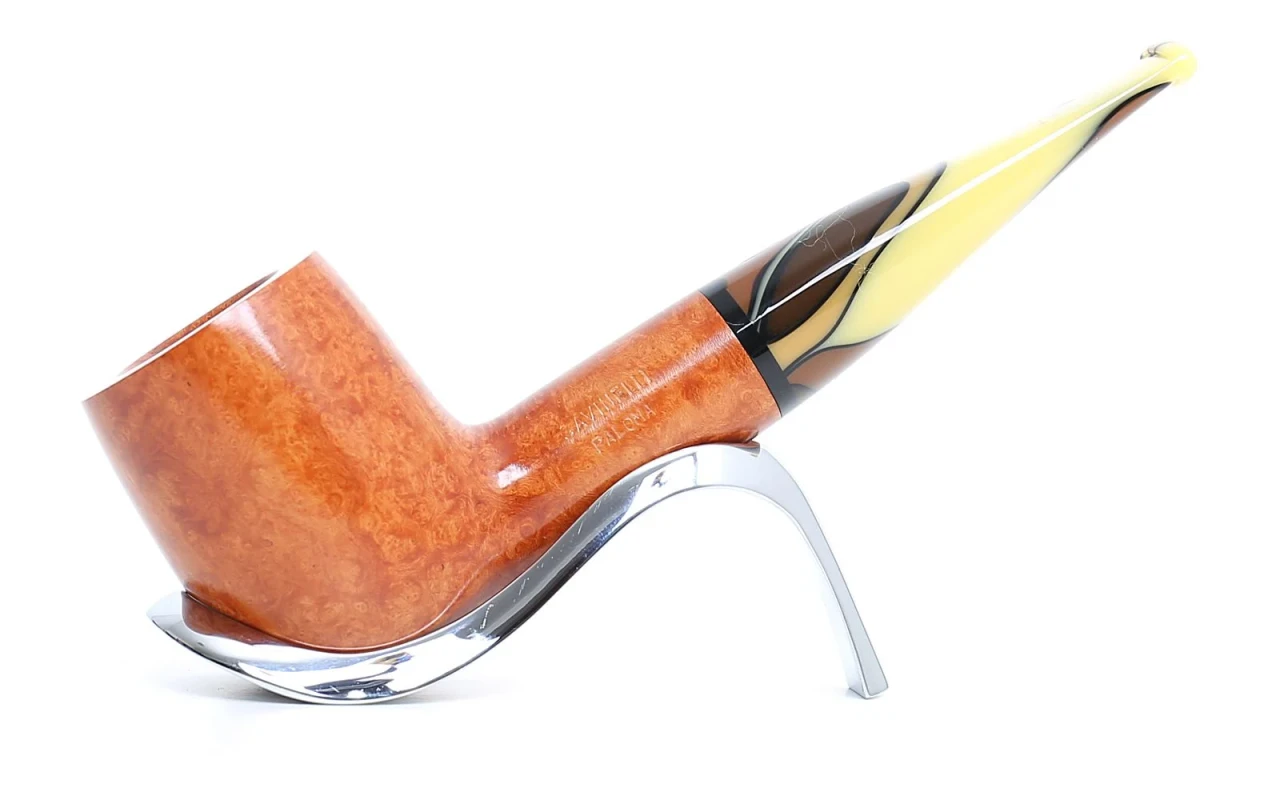
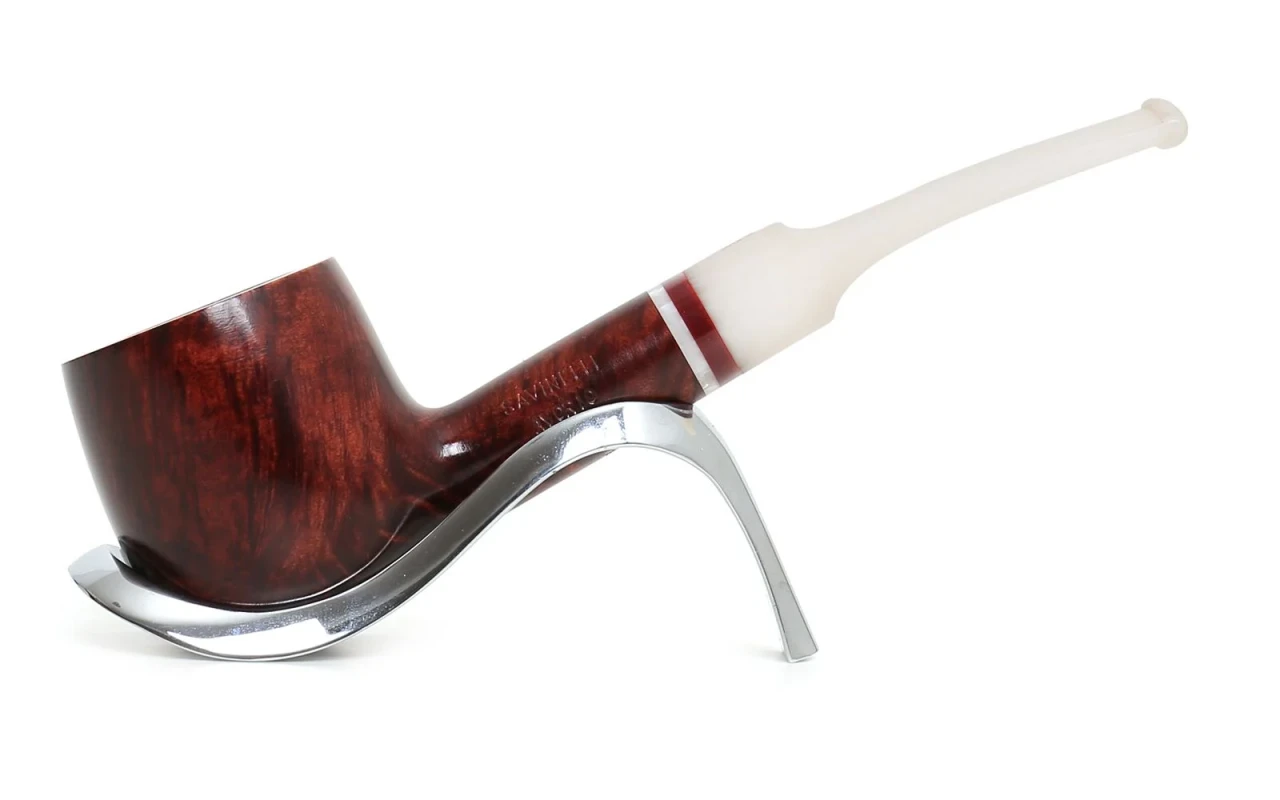
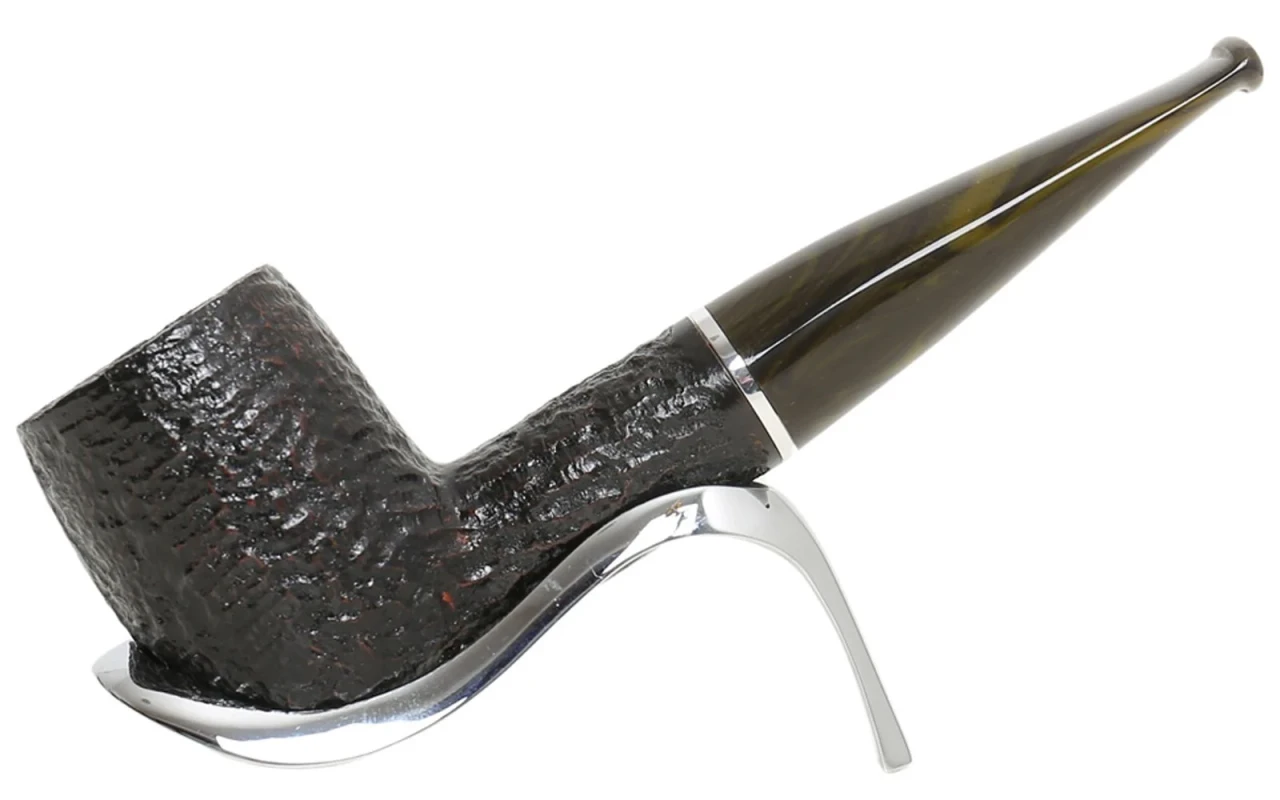
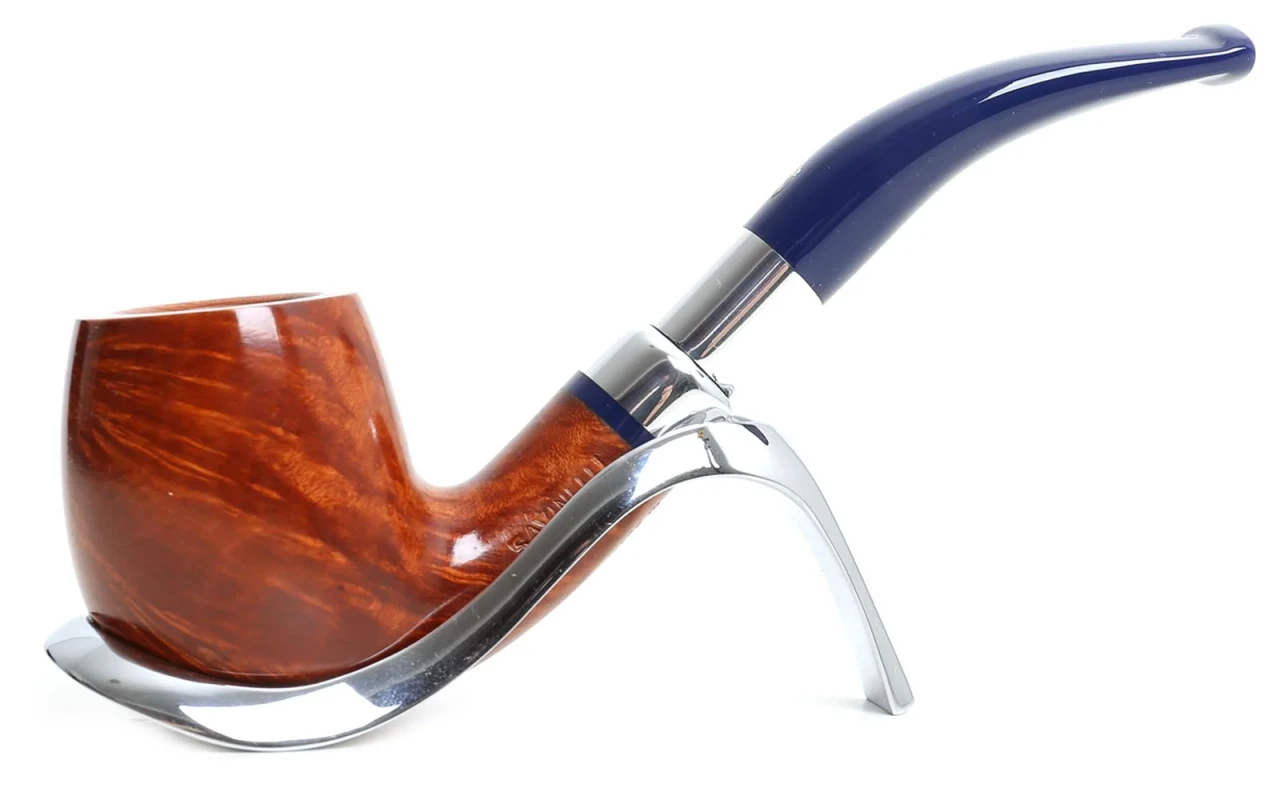
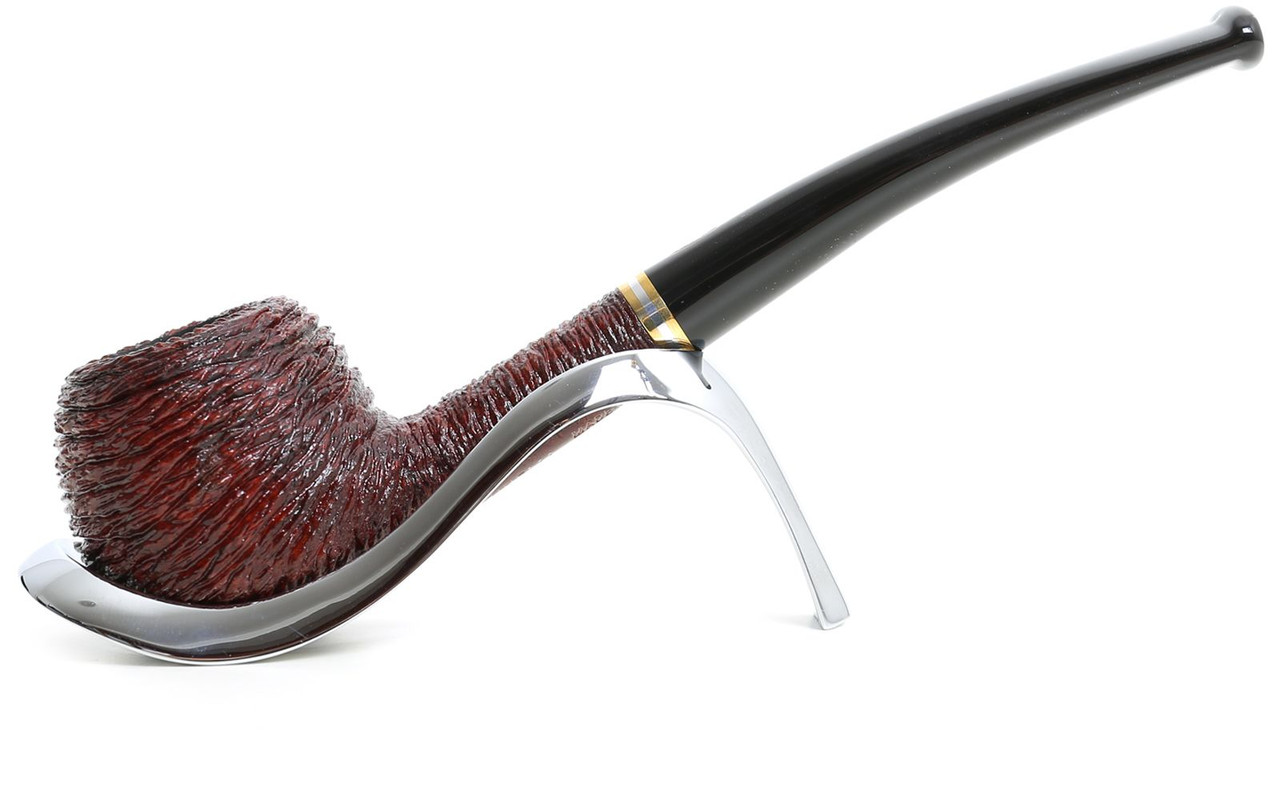
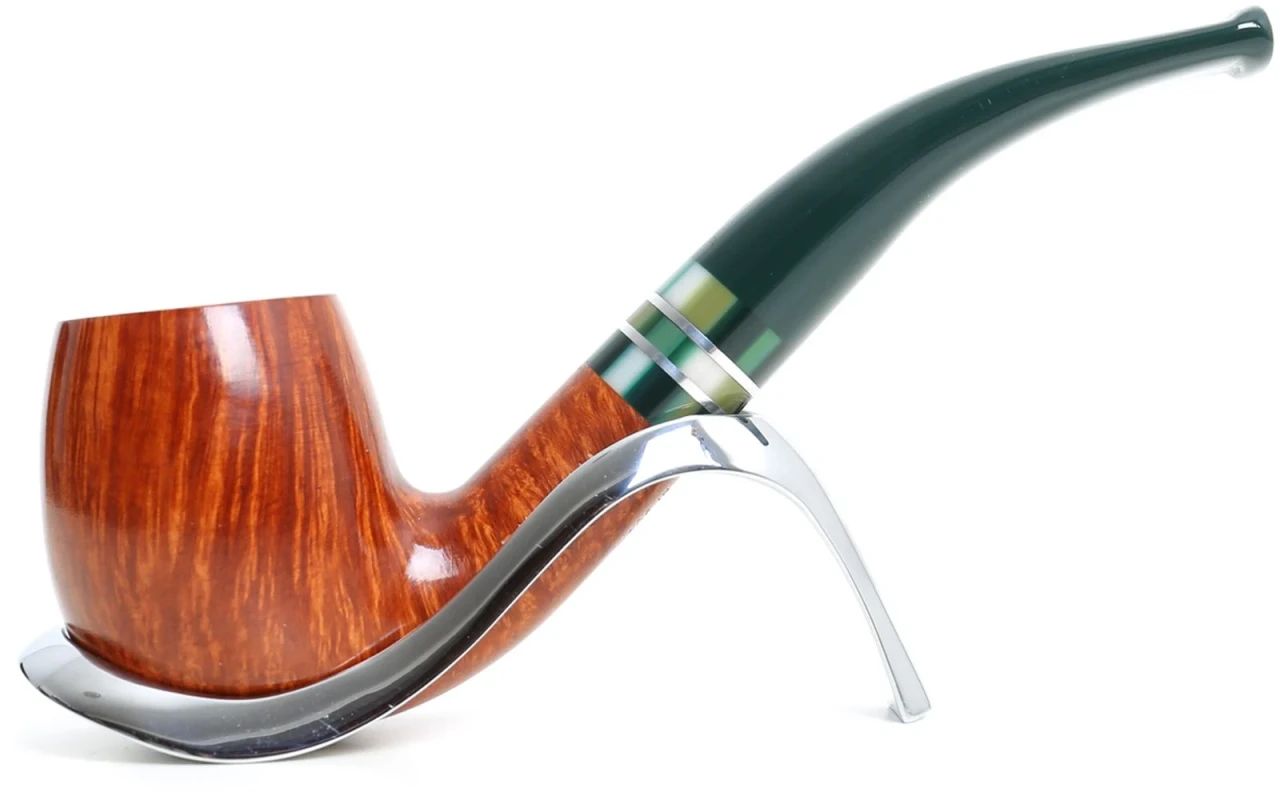
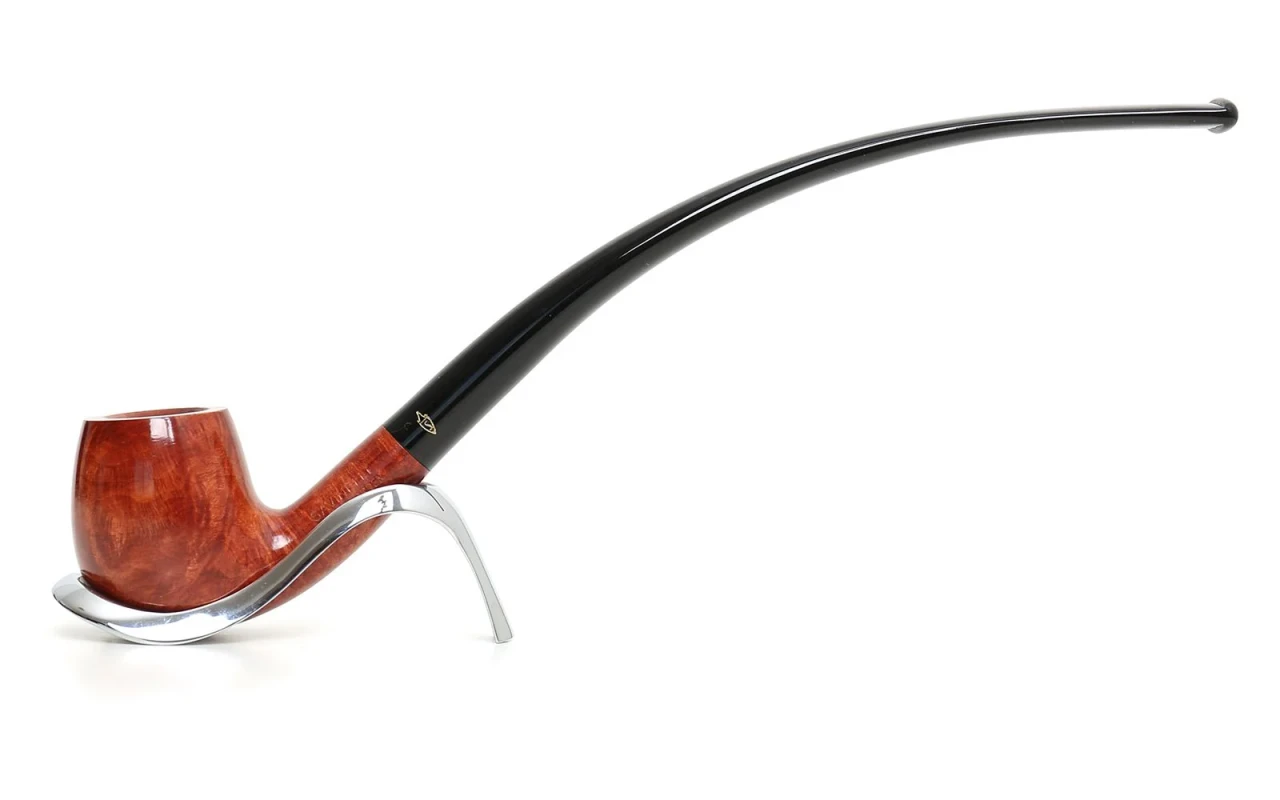
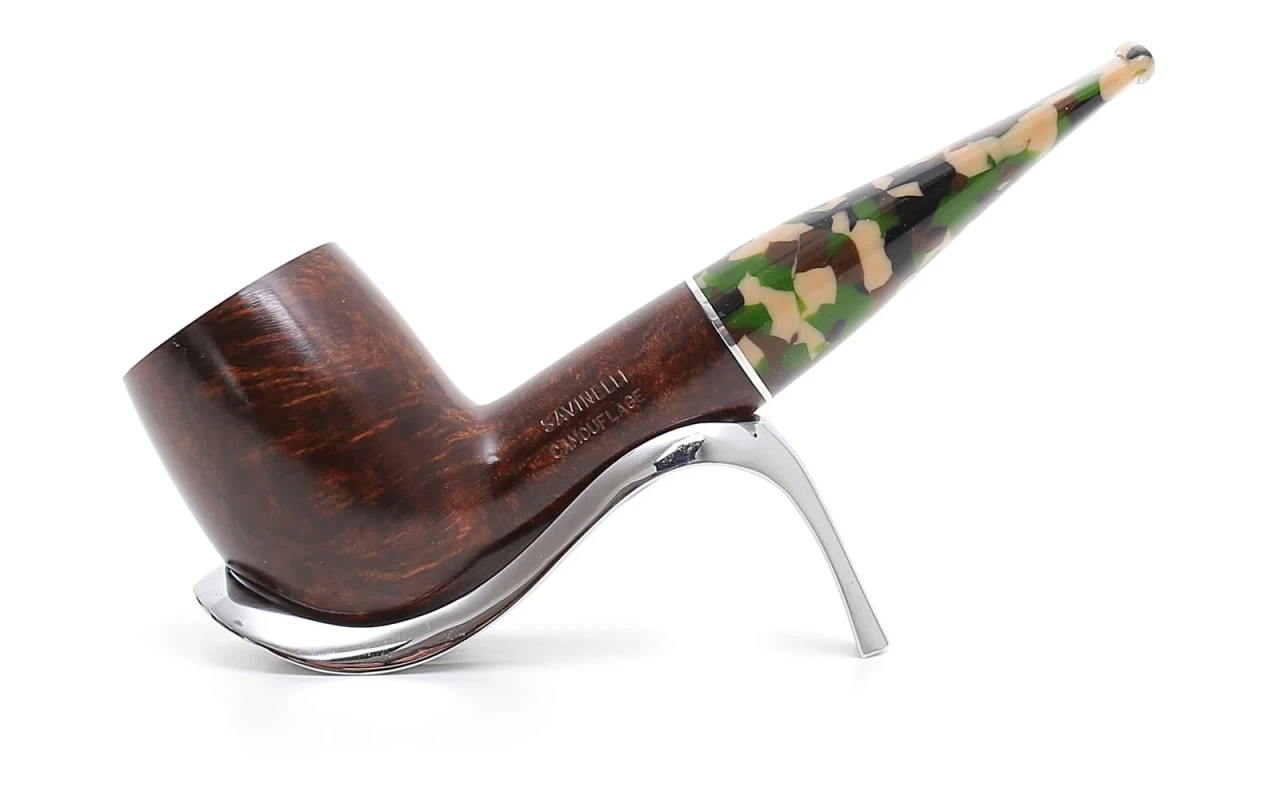
Briar pipes have a long history that dates back to the past. These smoking instruments are traditionally made with briar wood from the Erica arborea, also known as bruyère. The briar is carved and shaped to create pipes of various shapes and sizes, valued for their heat resistance and tobacco combustion properties. The first briar pipes date back to the 1800s and have since become a symbol of elegance and sophistication in the smoking world. Today, briar pipes are still highly valued by collectors and enthusiasts for their beauty and quality.
Production of Briar Pipes
The production of briar pipes is a craftsmanship process that requires specific skills and attention to detail. Briar, often sourced from heath trees or bruyère, is chosen for its heat resistance and ability to absorb smoke moisture. The production stages include the selection of briar, processing and finishing of the outer surface, as well as the creation of the combustion chamber and smoke passage. Briar pipes are highly valued by enthusiasts for their beauty and smoking qualities they offer.
Maintenance of Briar Pipes
Maintenance of briar pipes is a fundamental operation to ensure their durability over time and preserve the quality of the smoke. Here are some useful tips:- After each use, empty the ash and thoroughly clean the bowl with a pipe cleaner.- Remove any tobacco residue from the bowl and stem.- Dry the pipe well and let it rest for a day.- Occasionally, polish the external surface with specific briar oil.- Regularly check the condition of the mouthpiece and replace it if necessary.By following these simple practices, you can enjoy your briar pipe for a long time.
Materials for smoking pipes
There are different materials used for the production of smoking pipes, each with distinctive characteristics. The most common materials are:- **Wood**: traditionally used for its ability to absorb moisture and enhance the tobacco flavor.- **Clay**: lightweight and porous, offering superior aromatic yield but fragile.- **Corn cob**: light and inexpensive, often used for budget smoking pipes.- **Meerschaum**: a porous stone that absorbs nicotine residues, ensuring a clean taste.- **Metals**: such as brass or silver, durable but not always appreciated for the flavor.The choice of material influences the performance and the smoking experience of a pipe.
'%3e%3cg id='Final-Copy-2_2_' transform='translate(1275.000000, 200.000000)'%3e%3cpath class='st0' d='M7.4,12.8h6.8l3.1-11.6H7.4C4.2,1.2,1.6,3.8,1.6,7S4.2,12.8,7.4,12.8z'/%3e%3c/g%3e%3c/g%3e%3c/g%3e%3cg id='final---dec.11-2020'%3e%3cg id='_x30_208-our-toggle' transform='translate(-1275.000000, -200.000000)'%3e%3cg id='Final-Copy-2' transform='translate(1275.000000, 200.000000)'%3e%3cpath class='st1' d='M22.6,0H7.4c-3.9,0-7,3.1-7,7s3.1,7,7,7h15.2c3.9,0,7-3.1,7-7S26.4,0,22.6,0z M1.6,7c0-3.2,2.6-5.8,5.8-5.8 h9.9l-3.1,11.6H7.4C4.2,12.8,1.6,10.2,1.6,7z'/%3e%3cpath id='x' class='st2' d='M24.6,4c0.2,0.2,0.2,0.6,0,0.8l0,0L22.5,7l2.2,2.2c0.2,0.2,0.2,0.6,0,0.8c-0.2,0.2-0.6,0.2-0.8,0 l0,0l-2.2-2.2L19.5,10c-0.2,0.2-0.6,0.2-0.8,0c-0.2-0.2-0.2-0.6,0-0.8l0,0L20.8,7l-2.2-2.2c-0.2-0.2-0.2-0.6,0-0.8 c0.2-0.2,0.6-0.2,0.8,0l0,0l2.2,2.2L23.8,4C24,3.8,24.4,3.8,24.6,4z'/%3e%3cpath id='y' class='st3' d='M12.7,4.1c0.2,0.2,0.3,0.6,0.1,0.8l0,0L8.6,9.8C8.5,9.9,8.4,10,8.3,10c-0.2,0.1-0.5,0.1-0.7-0.1l0,0 L5.4,7.7c-0.2-0.2-0.2-0.6,0-0.8c0.2-0.2,0.6-0.2,0.8,0l0,0L8,8.6l3.8-4.5C12,3.9,12.4,3.9,12.7,4.1z'/%3e%3c/g%3e%3c/g%3e%3c/g%3e%3c/g%3e%3c/svg%3e) Your Privacy Choices
Your Privacy Choices 


