 ES
ES FR
FR EN
EN IT
IT DE
DE
History of pipes and tobacco
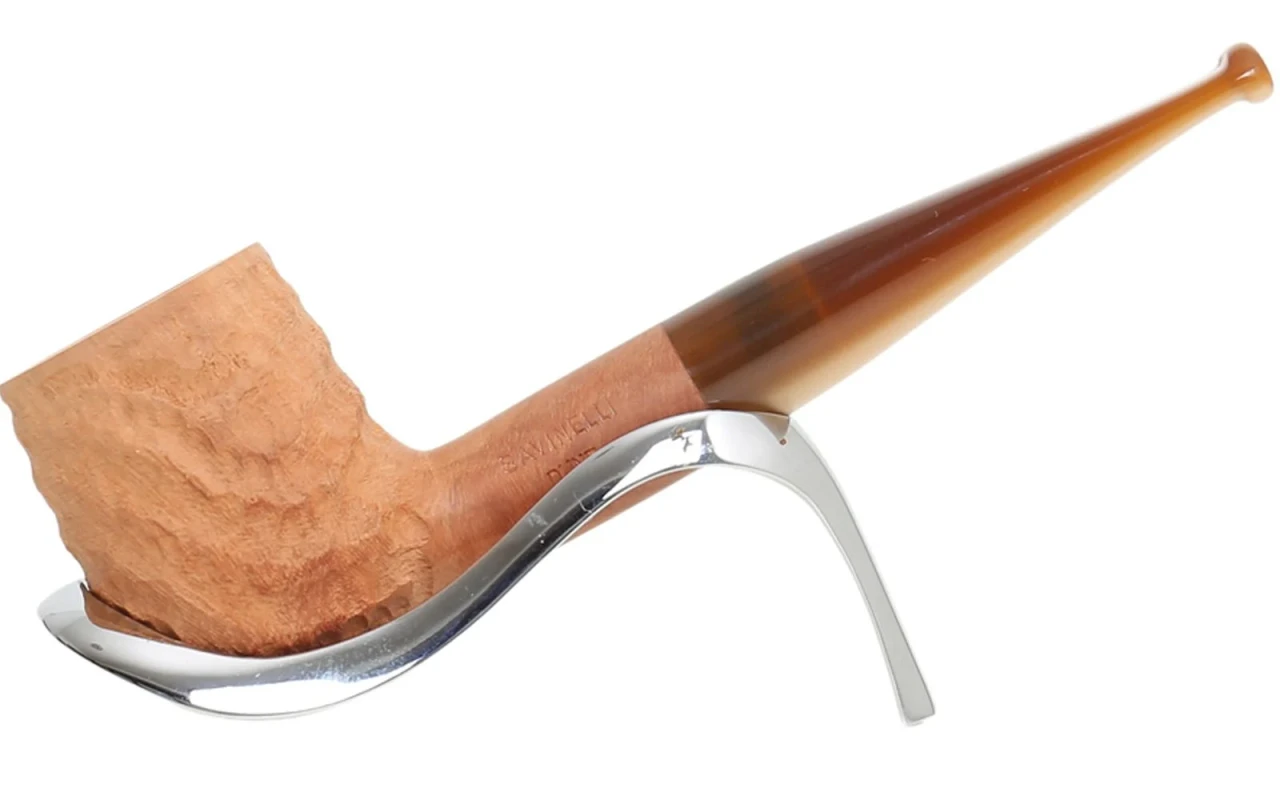
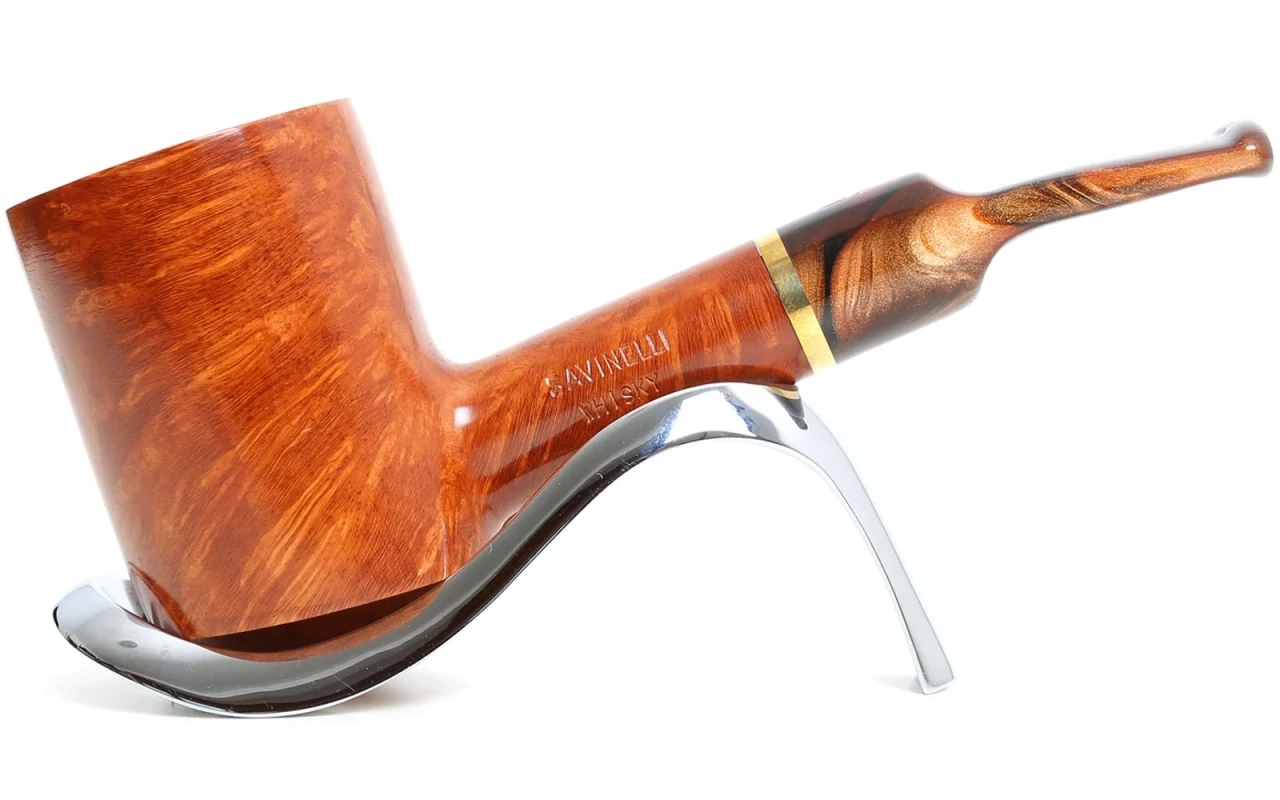
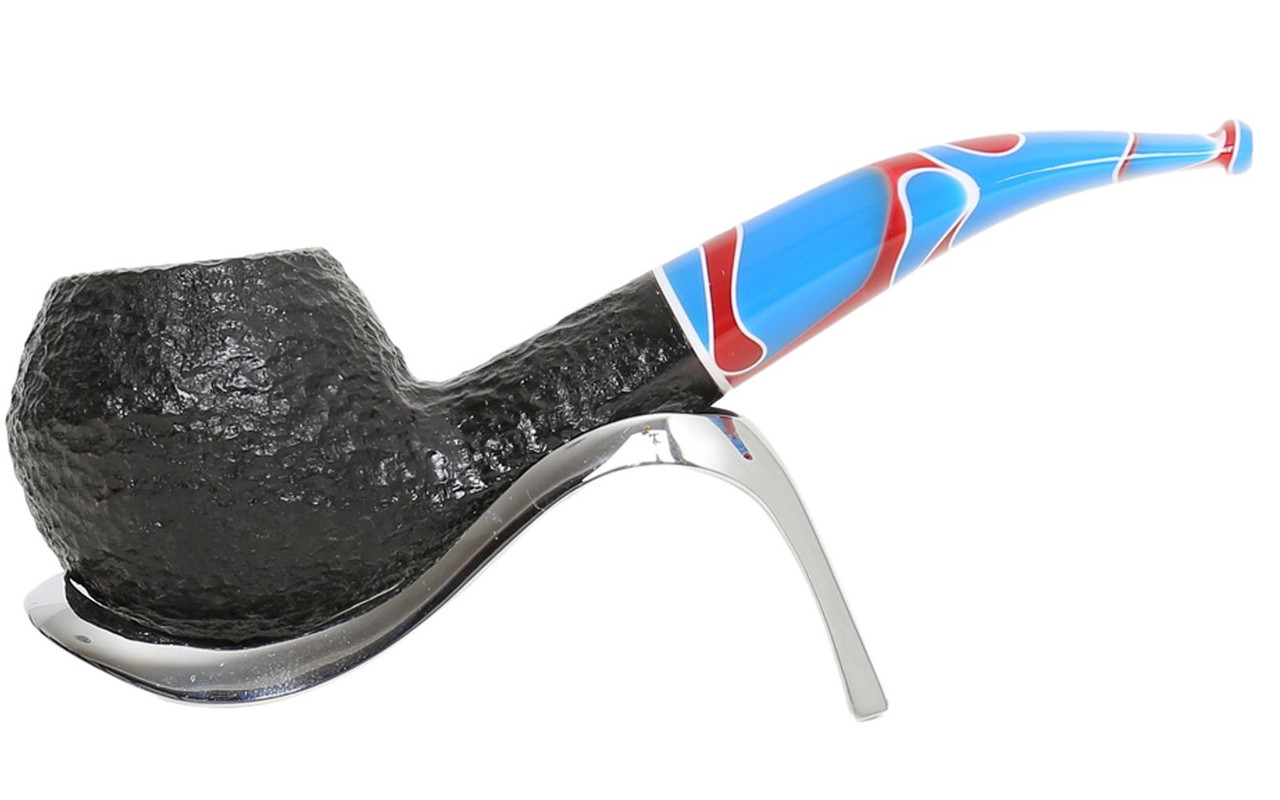
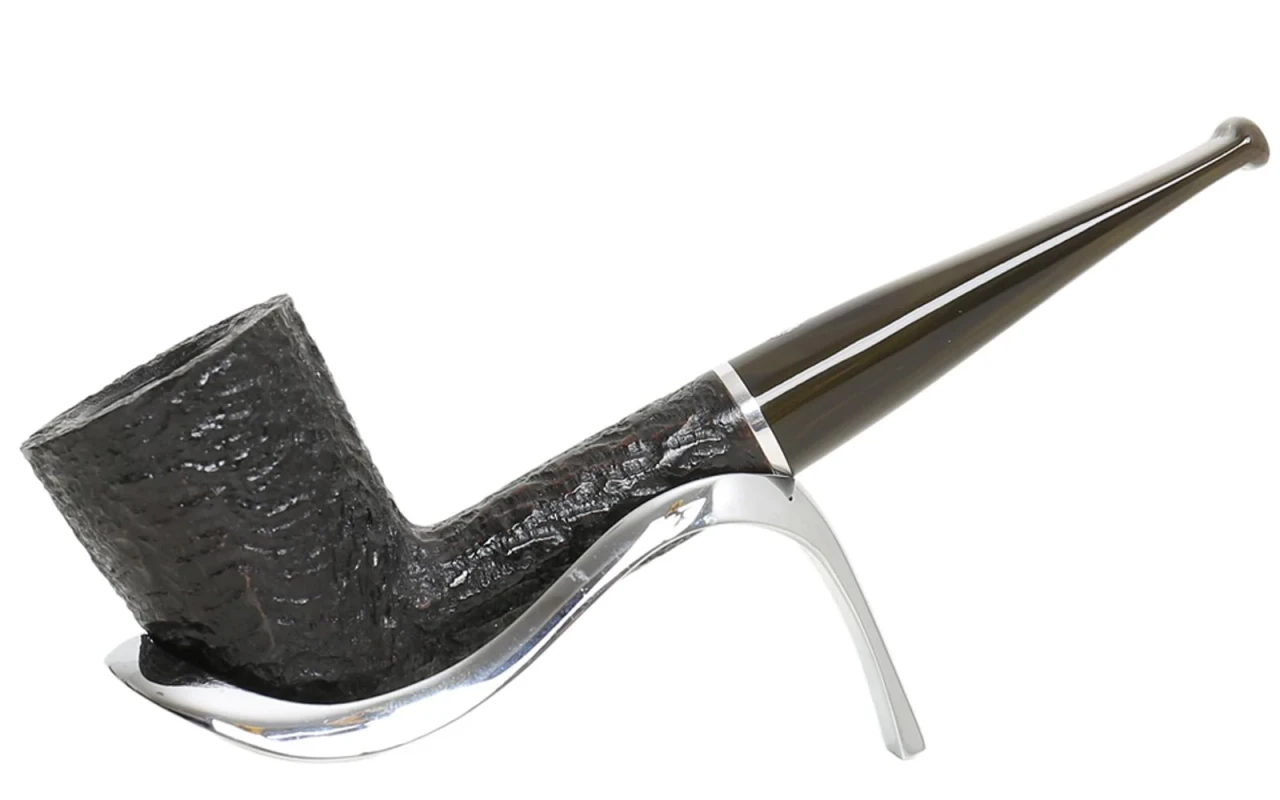
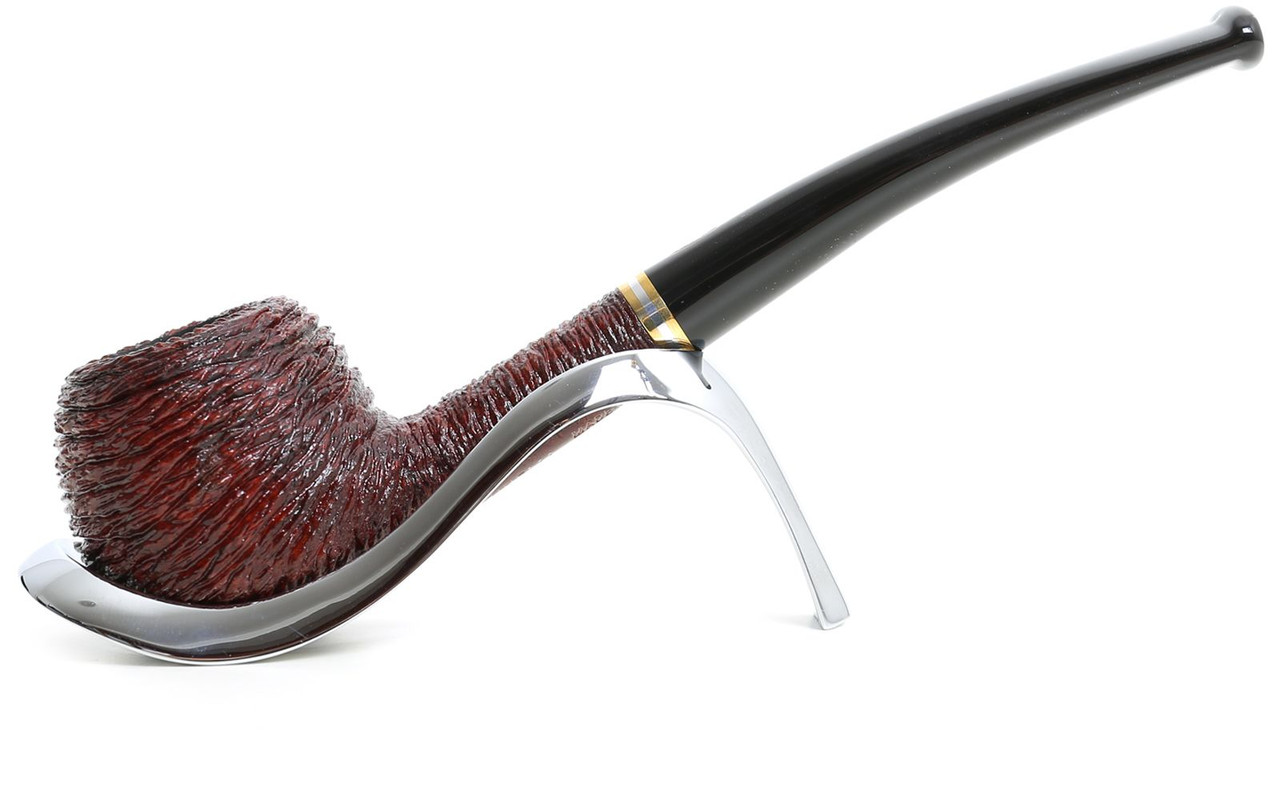
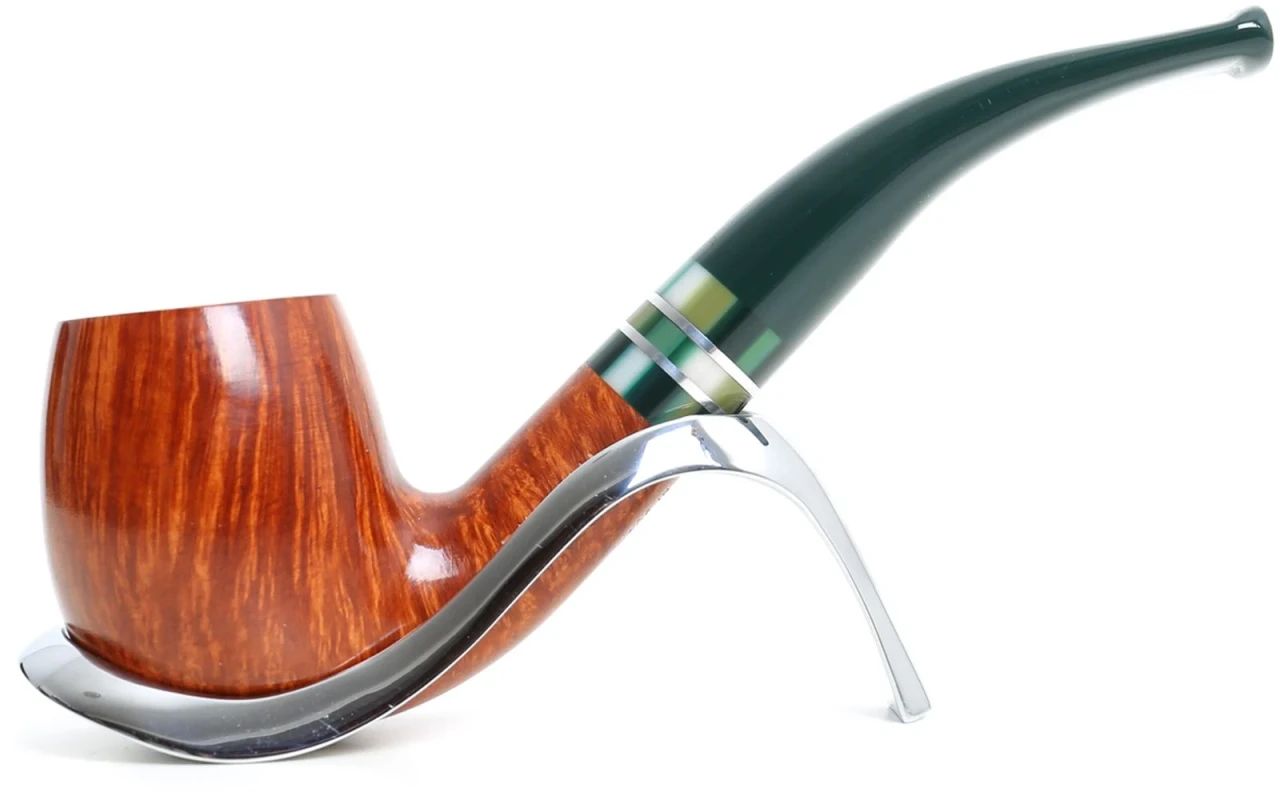
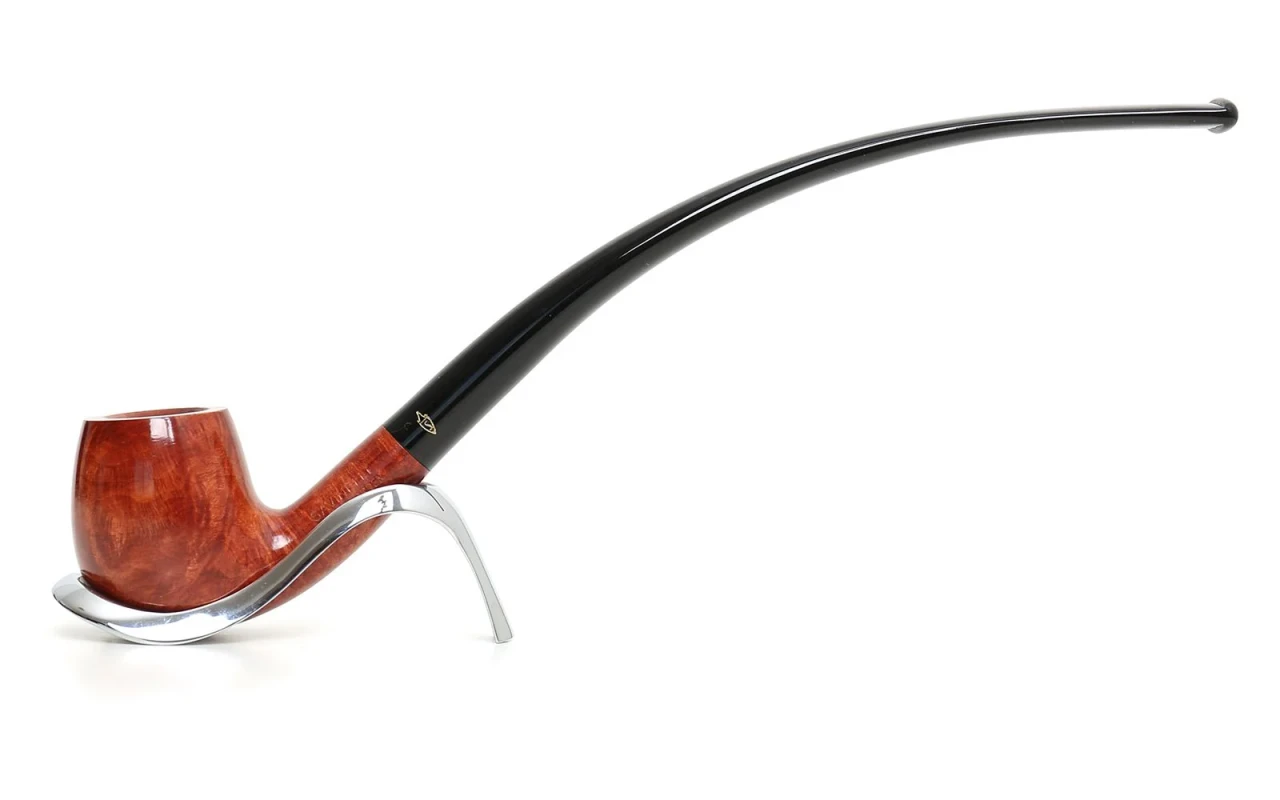

History of pipes and tobacco
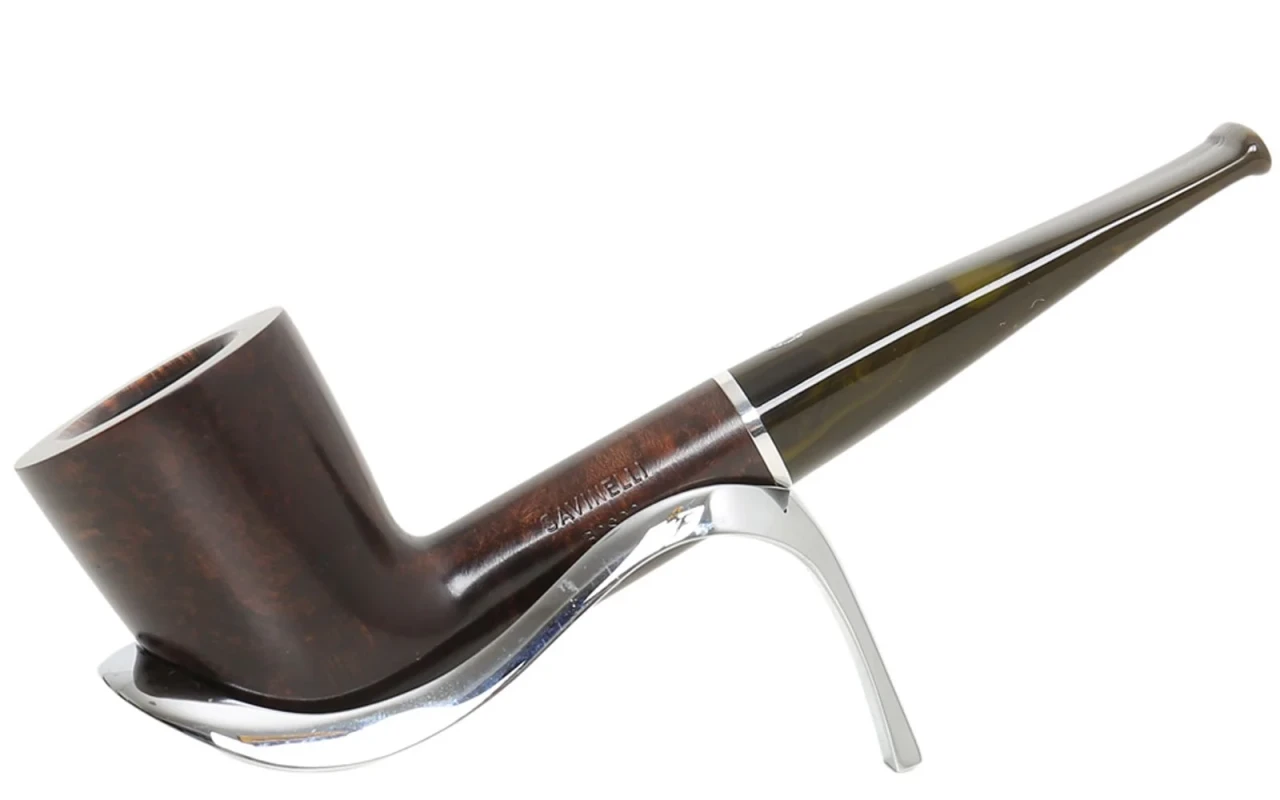
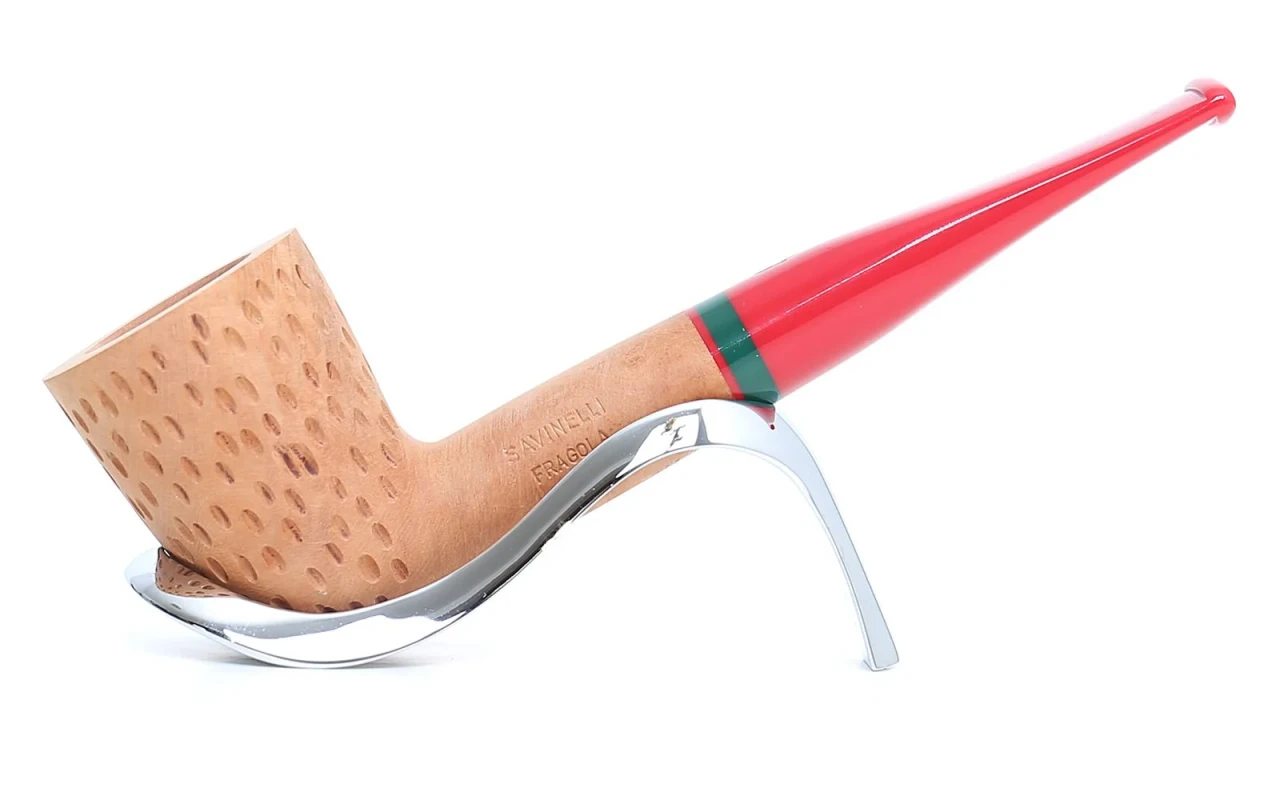
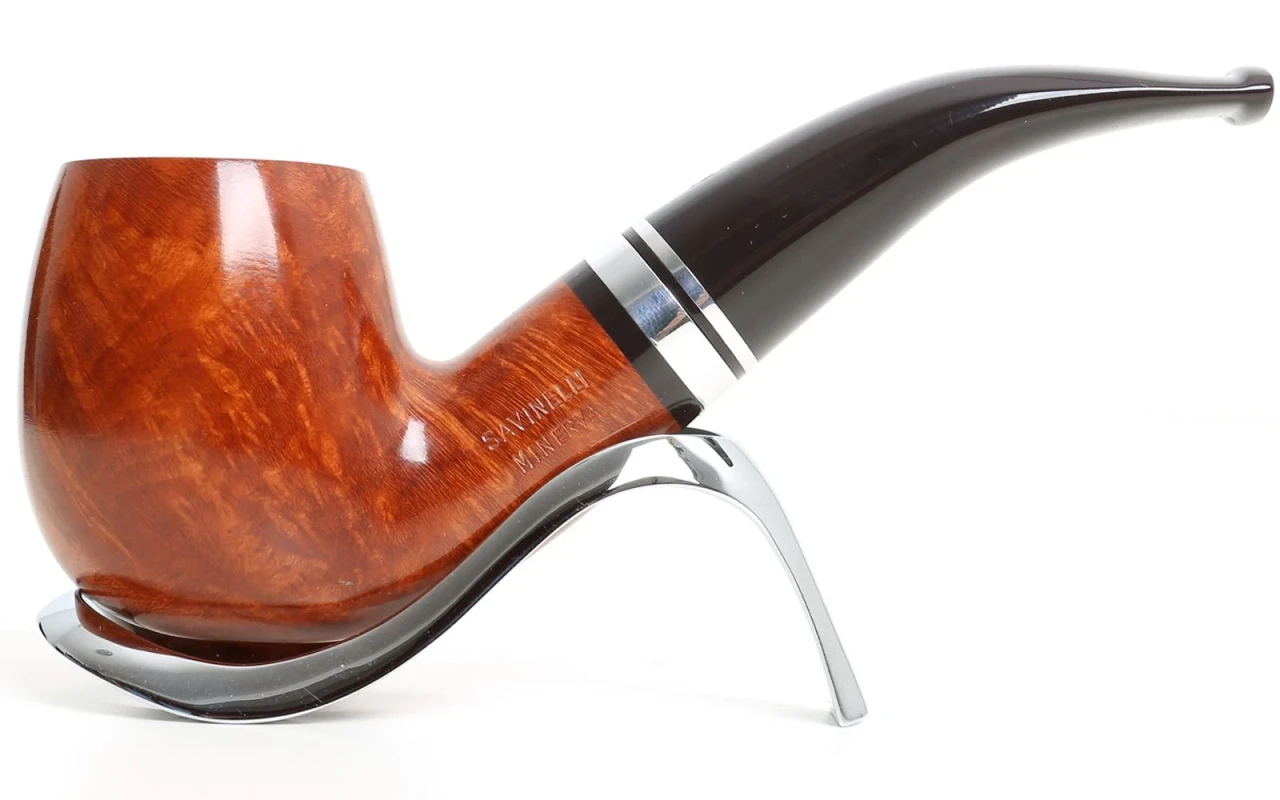
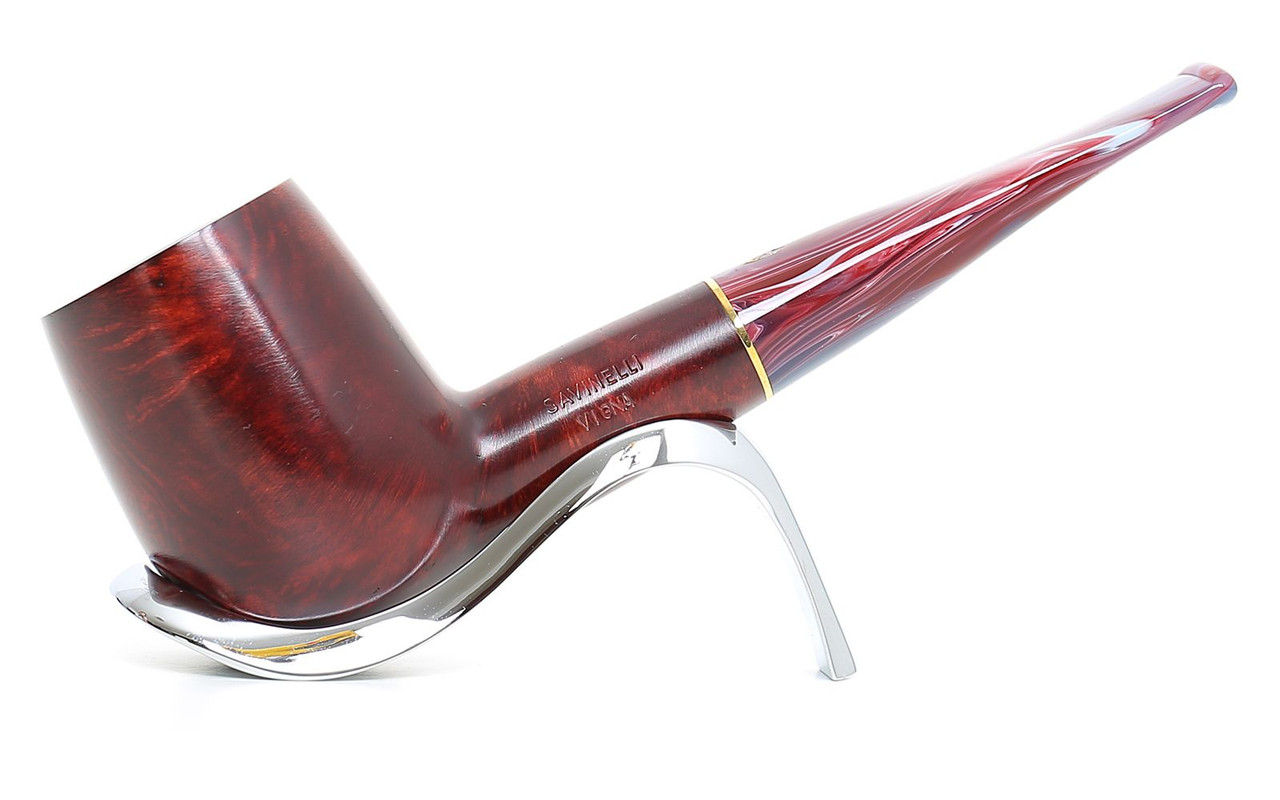
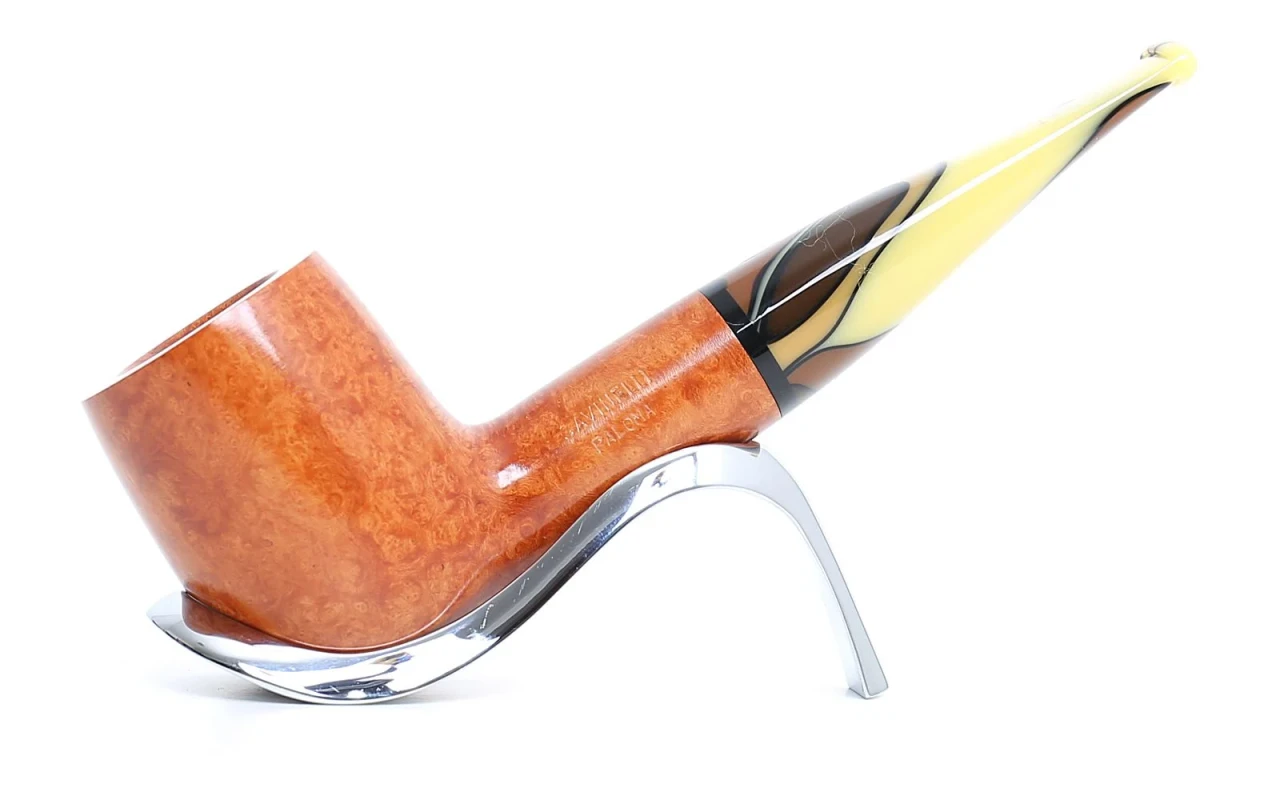
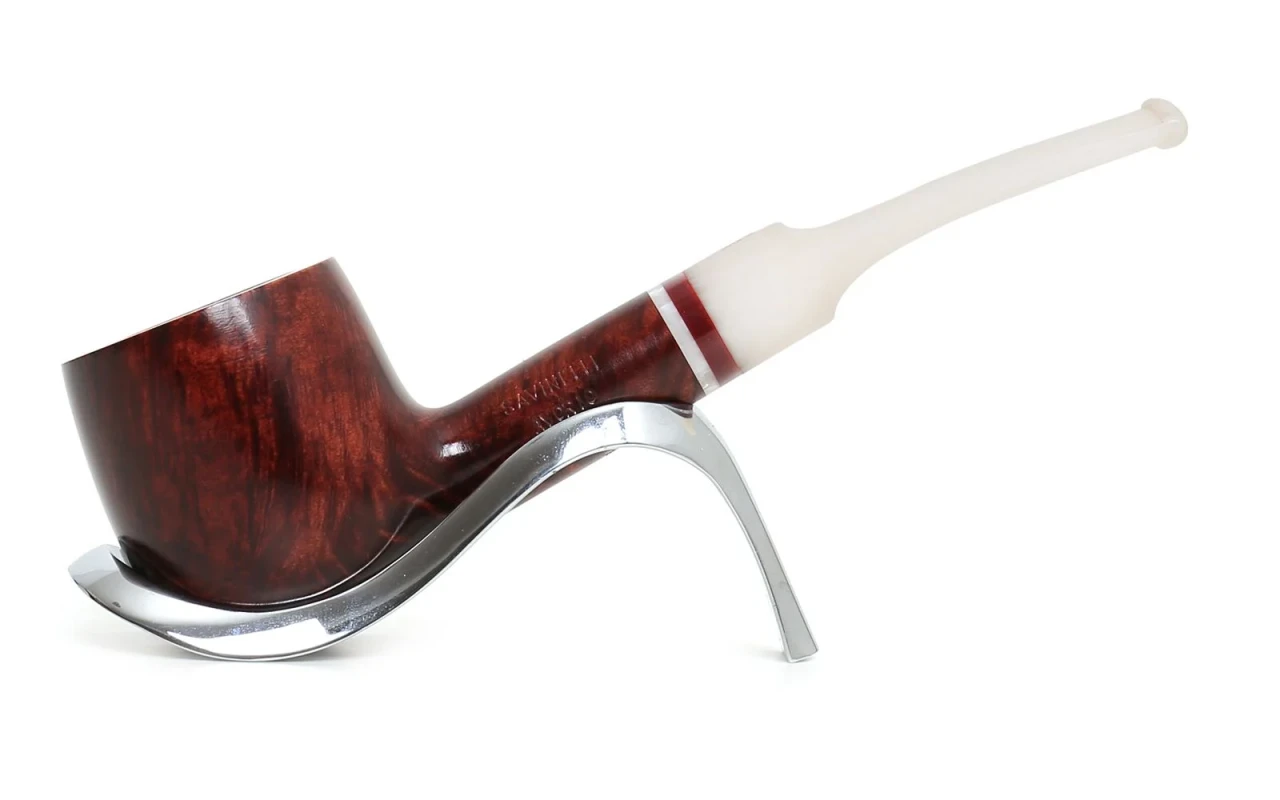
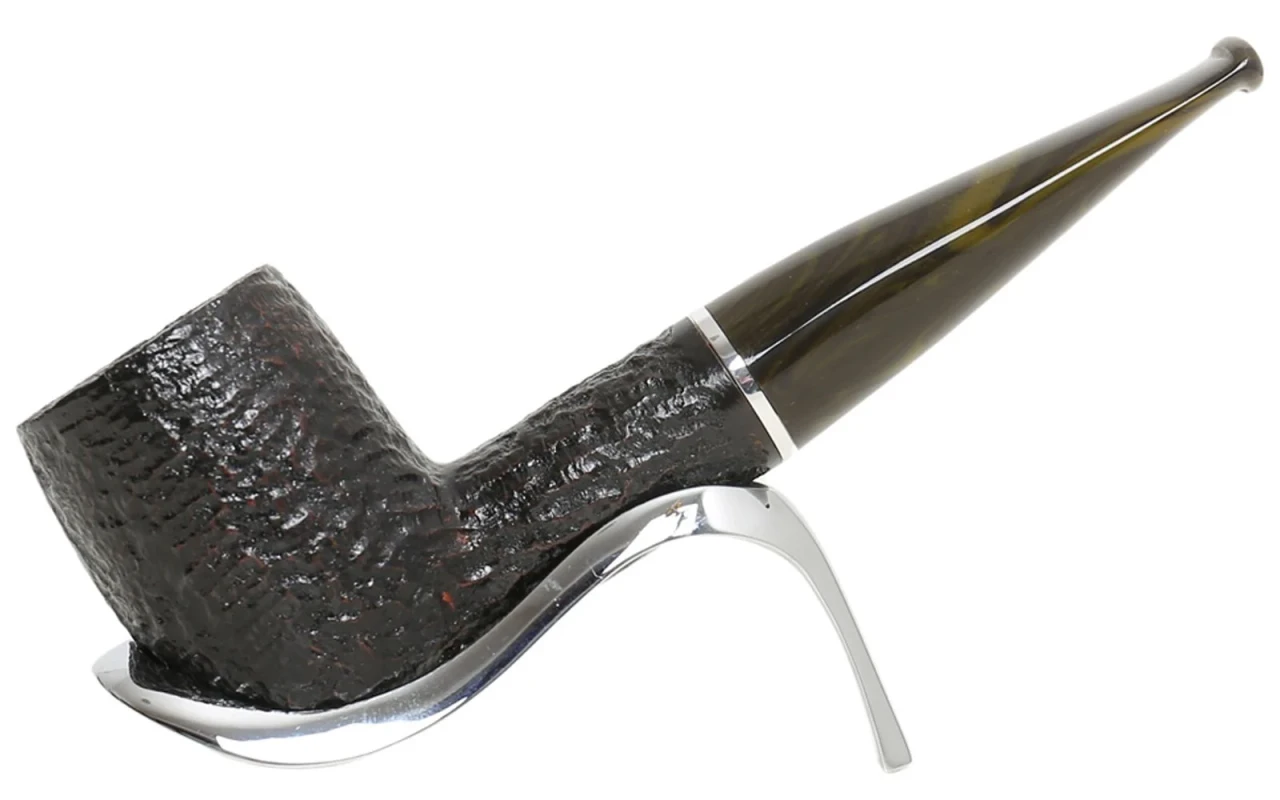
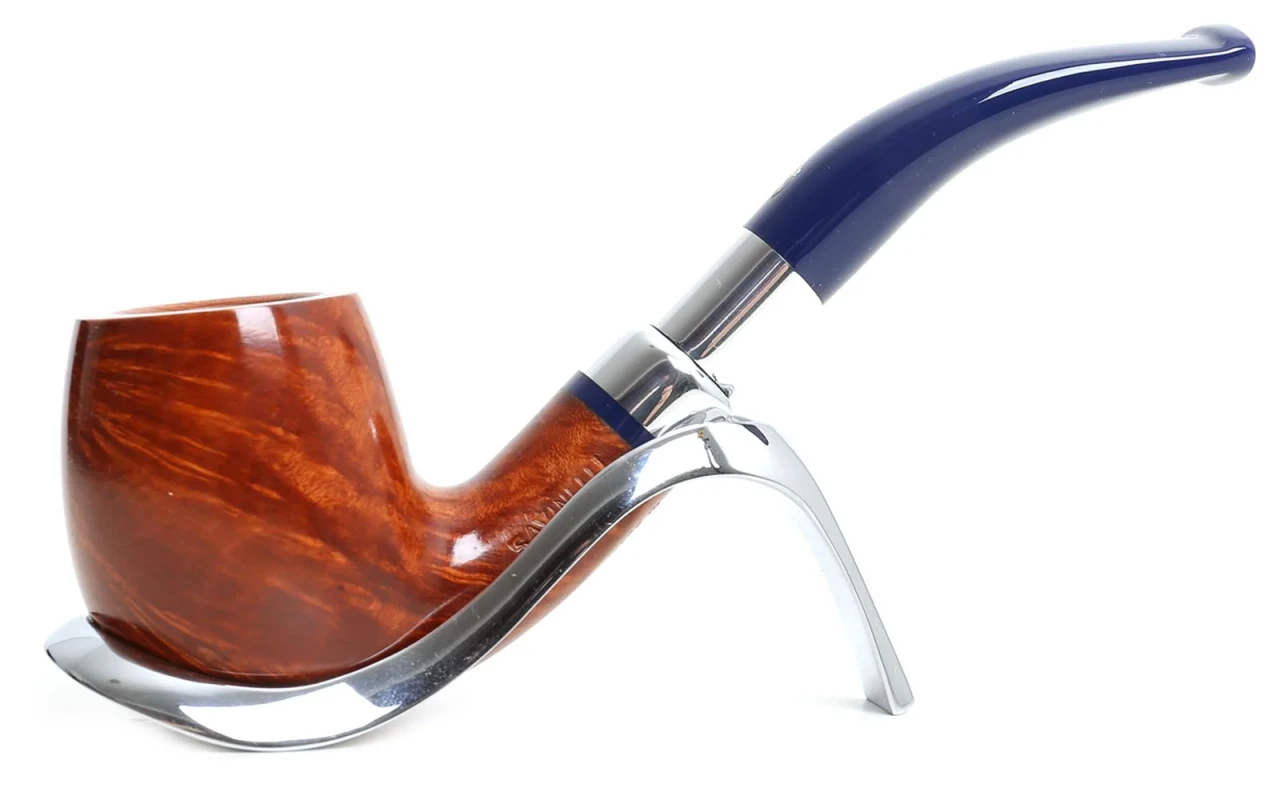
Pipes represent a historical symbol of elegance and sophistication. Dating back centuries, the first pipes were made of materials such as clay, wood, or stone. The smoking of pipes has a long cultural tradition in many societies, used in sacred rituals or moments of relaxation. Over the centuries, pipes have become true works of art, featuring precious materials and detailed craftsmanship. Tobacco, the main ingredient for smoking pipes, has undergone several transformations over time, with a variety of flavors and aromas. Today, the practice of smoking pipes continues to be appreciated by many enthusiasts for its rich history full of charm and tradition.
ORIGINAL KEYWORD: History of pipes and tobacco
The history of pipes and tobacco dates back to ancient times, with evidence showing the use of pipes already in Ancient Egypt and in other civilizations. Pipes have been used for smoking tobacco and other herbs worldwide, taking on different shapes and materials depending on the culture. Over the centuries, pipes have become symbols of social status and sophistication. Tobacco, on the other hand, has played an important role in the economies and traditions of many societies. Today, the history of pipes and tobacco continues to arouse interest among enthusiasts and scholars of smoking culture.
Materials for smoking pipes
The most common materials used for the production of smoking pipes are wood, briar, clay, corn cob, and metal. Each material has unique characteristics that influence the flavor, temperature, and smokiness during pipe use. Wood, for example, is popular for its ability to absorb tobacco moisture, while briar is appreciated for its heat resistance. Clay pipes offer a clean and neutral smoking experience, while corn cob pipes are lightweight and affordable. Metal pipes are sturdy and easy to clean. The choice of material depends on the smoker's personal preferences and the desired smoking experience.
Pipe Manufacturing Techniques
Pipes are mainly crafted using two manufacturing techniques: lathe turning and manual crafting. Lathe turning involves the use of a lathe to shape the briar block or any other chosen material for the pipe. This method ensures a precise and uniform shape for the pipe. On the other hand, manual crafting involves the use of hand tools such as rasps and files to shape the pipe without the use of machinery. This technique requires great skill and precision from the artisan. Both techniques are employed to create high-quality pipes in the pipe world.
Various types of pipe tobacco
There are different types of pipe tobacco available on the market, each with unique characteristics to satisfy the tastes of enthusiasts. Among the main categories of pipe tobaccos are:- Aromatic tobacco: treated with flavors to offer sweet and pleasant fragrances during smoking.- Non-aromatic tobacco: without added flavors, appreciated for its natural and complex taste.- Latakia pipe tobacco: dark and aromatic tobacco, smoked with oak or cedar wood for an intense flavor.- Virginia pipe tobacco: sweet and light tobacco, appreciated for its natural sweetness and low nicotine content.Each type of pipe tobacco offers a unique smoking experience, suitable for different tastes of connoisseurs.
'%3e%3cg id='Final-Copy-2_2_' transform='translate(1275.000000, 200.000000)'%3e%3cpath class='st0' d='M7.4,12.8h6.8l3.1-11.6H7.4C4.2,1.2,1.6,3.8,1.6,7S4.2,12.8,7.4,12.8z'/%3e%3c/g%3e%3c/g%3e%3c/g%3e%3cg id='final---dec.11-2020'%3e%3cg id='_x30_208-our-toggle' transform='translate(-1275.000000, -200.000000)'%3e%3cg id='Final-Copy-2' transform='translate(1275.000000, 200.000000)'%3e%3cpath class='st1' d='M22.6,0H7.4c-3.9,0-7,3.1-7,7s3.1,7,7,7h15.2c3.9,0,7-3.1,7-7S26.4,0,22.6,0z M1.6,7c0-3.2,2.6-5.8,5.8-5.8 h9.9l-3.1,11.6H7.4C4.2,12.8,1.6,10.2,1.6,7z'/%3e%3cpath id='x' class='st2' d='M24.6,4c0.2,0.2,0.2,0.6,0,0.8l0,0L22.5,7l2.2,2.2c0.2,0.2,0.2,0.6,0,0.8c-0.2,0.2-0.6,0.2-0.8,0 l0,0l-2.2-2.2L19.5,10c-0.2,0.2-0.6,0.2-0.8,0c-0.2-0.2-0.2-0.6,0-0.8l0,0L20.8,7l-2.2-2.2c-0.2-0.2-0.2-0.6,0-0.8 c0.2-0.2,0.6-0.2,0.8,0l0,0l2.2,2.2L23.8,4C24,3.8,24.4,3.8,24.6,4z'/%3e%3cpath id='y' class='st3' d='M12.7,4.1c0.2,0.2,0.3,0.6,0.1,0.8l0,0L8.6,9.8C8.5,9.9,8.4,10,8.3,10c-0.2,0.1-0.5,0.1-0.7-0.1l0,0 L5.4,7.7c-0.2-0.2-0.2-0.6,0-0.8c0.2-0.2,0.6-0.2,0.8,0l0,0L8,8.6l3.8-4.5C12,3.9,12.4,3.9,12.7,4.1z'/%3e%3c/g%3e%3c/g%3e%3c/g%3e%3c/g%3e%3c/svg%3e) Your Privacy Choices
Your Privacy Choices 


