 ES
ES FR
FR EN
EN IT
IT DE
DE
History of smoking pipes

History of smoking pipes
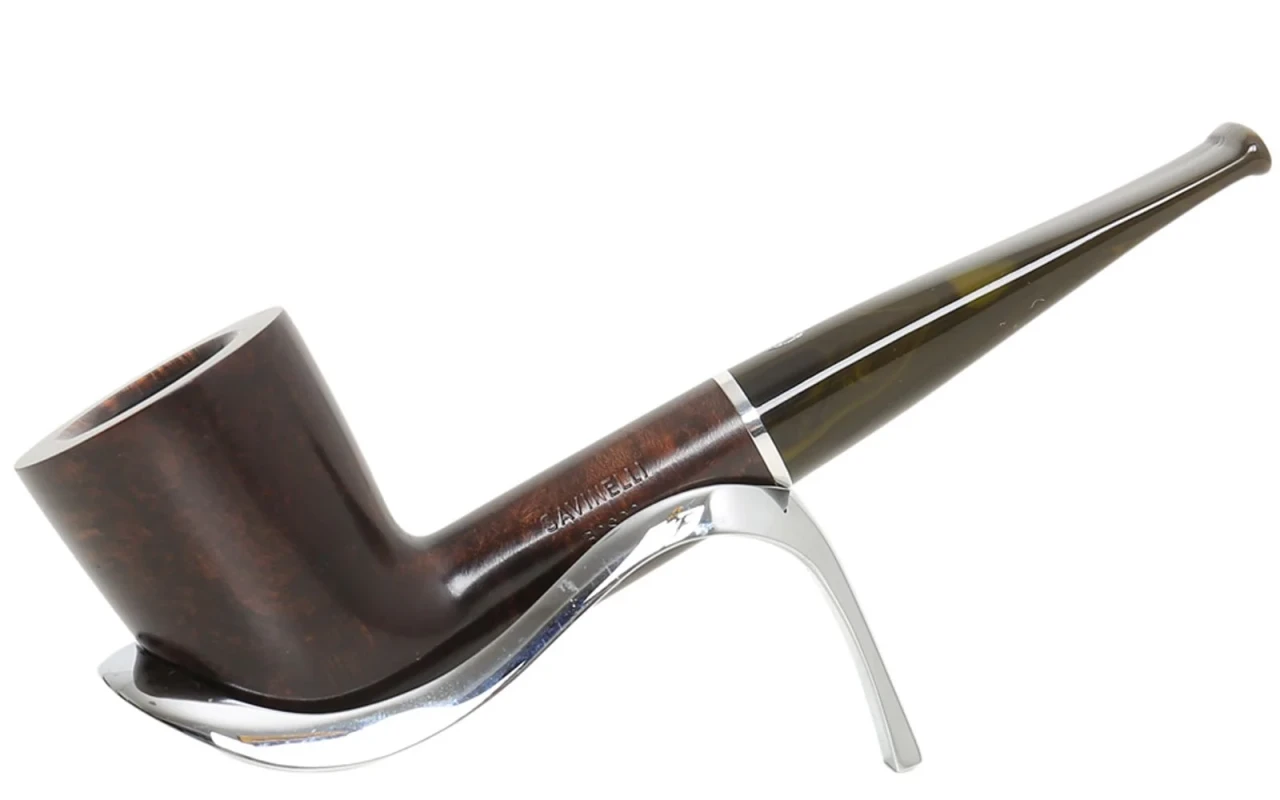
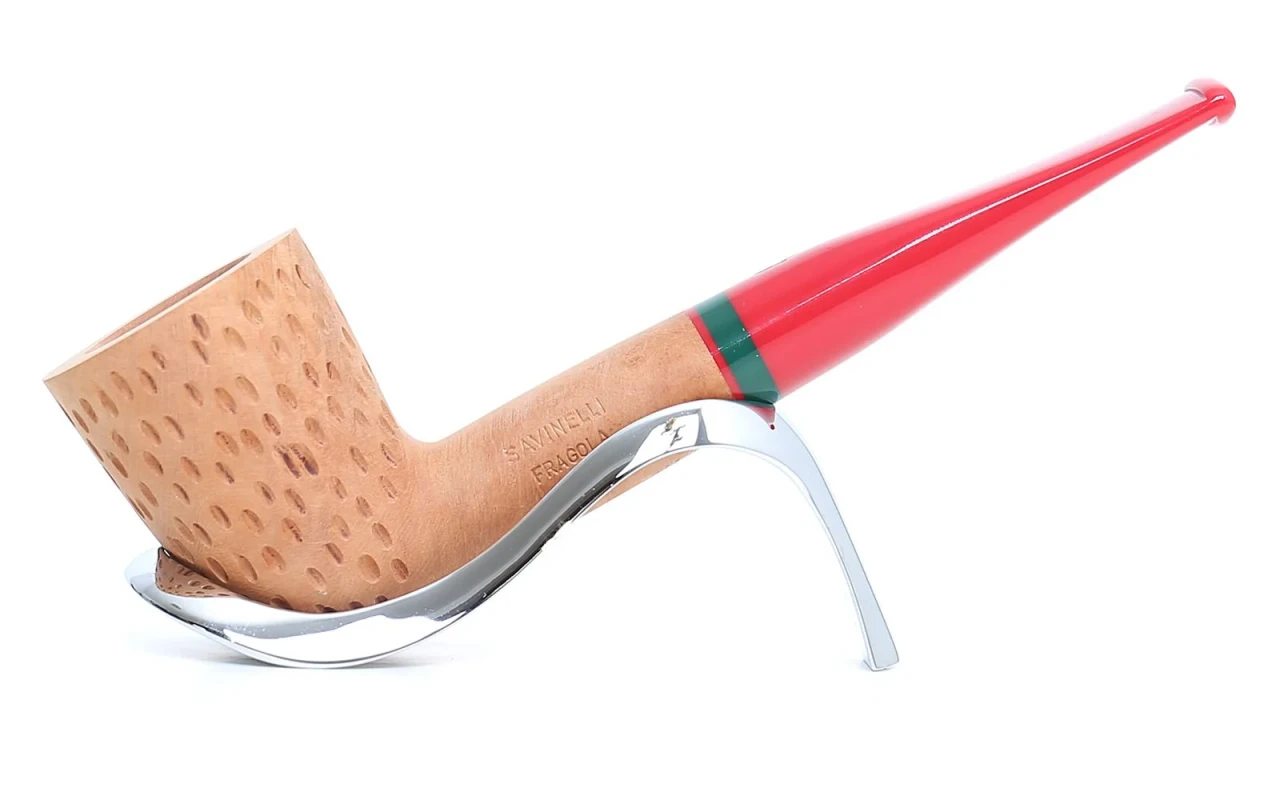
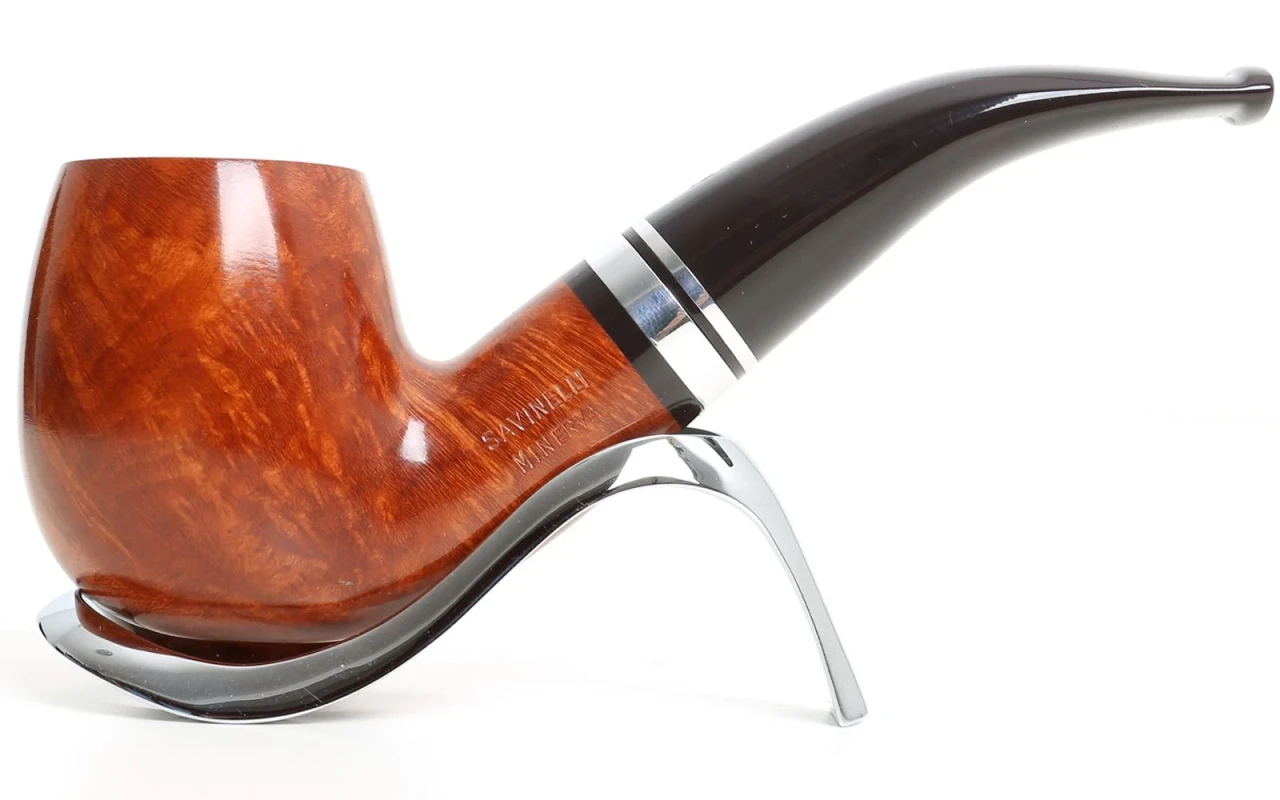
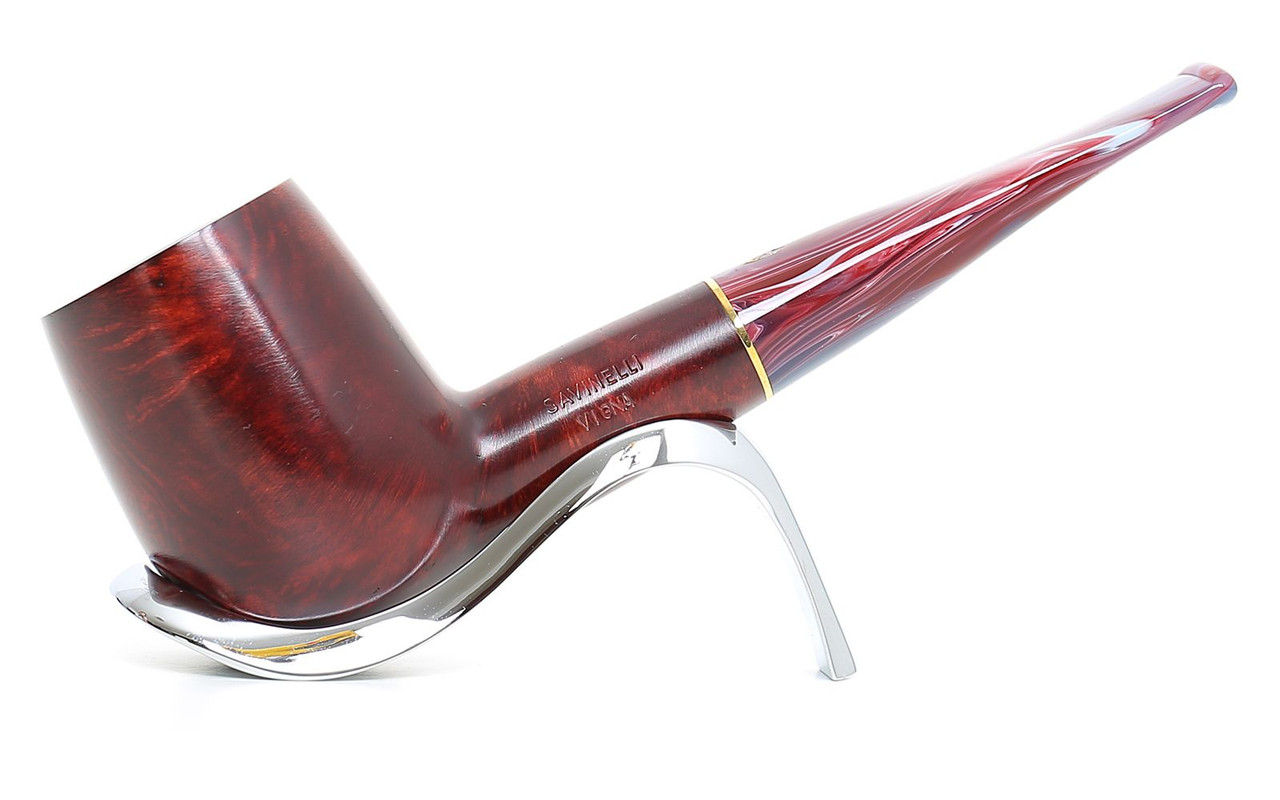
Smoking pipes have a long and fascinating history that dates back to ancient times. Used for smoking tobacco, pipes have been present in various cultures and epochs, assuming different shapes and materials. It is believed that the first pipes were used by indigenous populations of the Americas. Over the centuries, pipes have evolved, becoming true works of art, with precious materials and refined designs. Today, smoking pipes maintain their traditional charm, attracting enthusiasts and collectors from around the world.
Materials for smoking pipes
The most common materials used for making smoking pipes are wood, briar root, corn cob, clay, metal, and bakelite. Each material imparts unique characteristics to the pipes in terms of durability, weight, heat conduction, and flavor. Wood is traditionally appreciated for its ability to absorb moisture, while briar root is known for its heat resistance. Corn cob pipes are lightweight and affordable, while clay pipes offer a pure taste. Metal pipes are sturdy and easy to clean, while bakelite pipes are lightweight and heat resistant.
Tobacco Pipe Maintenance
Maintaining tobacco pipes is essential to ensure an optimal smoking experience and prolong the life of the device. Here are some useful tips:- Regularly clean the pipe with a pipe cleaner to remove tobacco residues and moisture.- Thoroughly dry the pipe after each use to prevent moisture buildup and unpleasant odors.- Check and replace the filter regularly to ensure a cleaner smoke.- Avoid overfilling the pipe to prevent tobacco from overheating.- Store the pipe in a cool and dry place when not in use.By following these practices, you can fully enjoy your tobacco pipe for a long time.
Pipe Tobacco Shapes
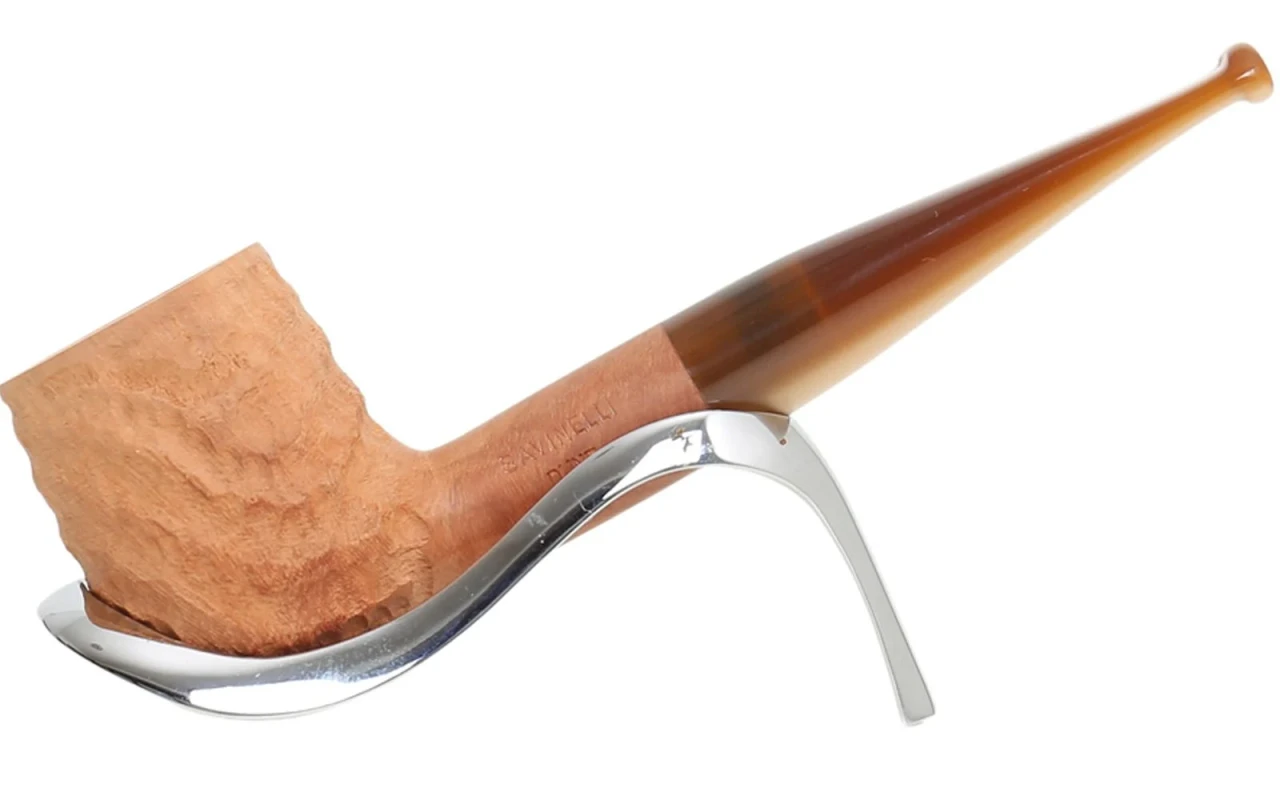
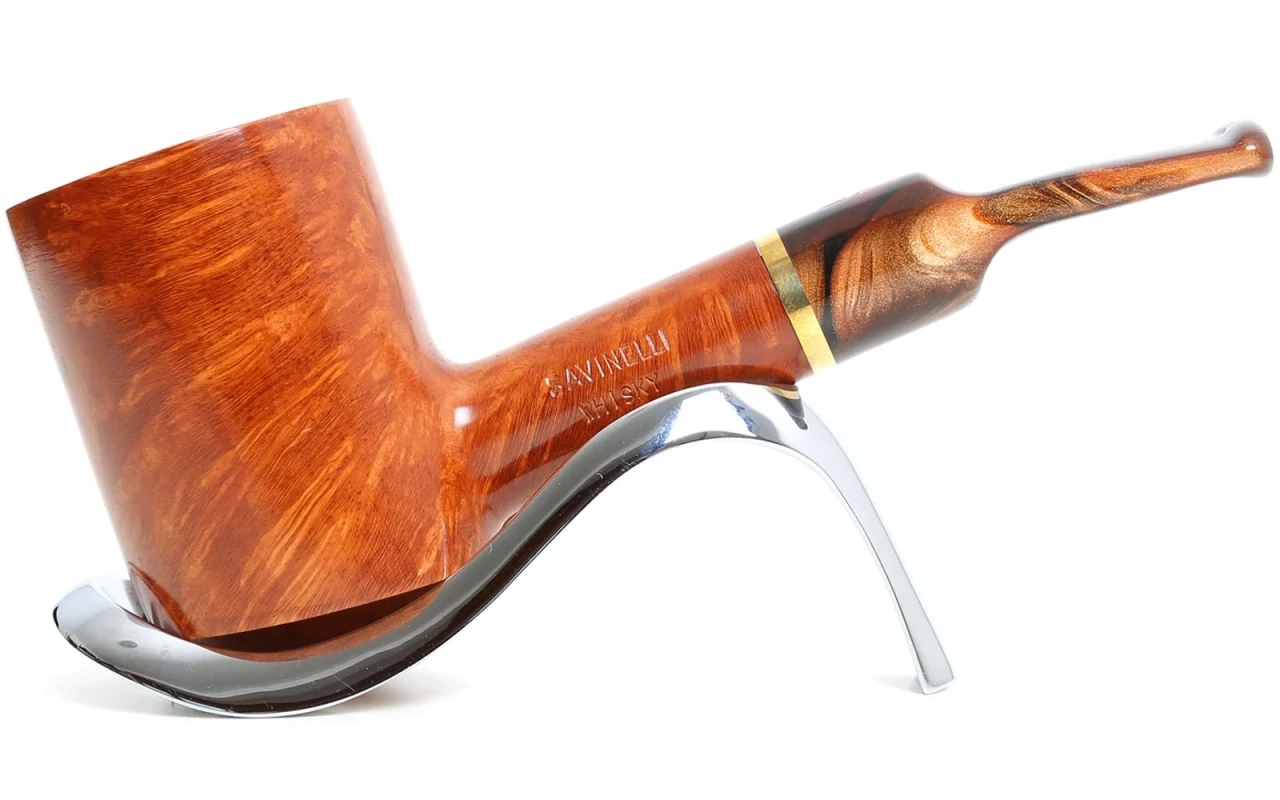
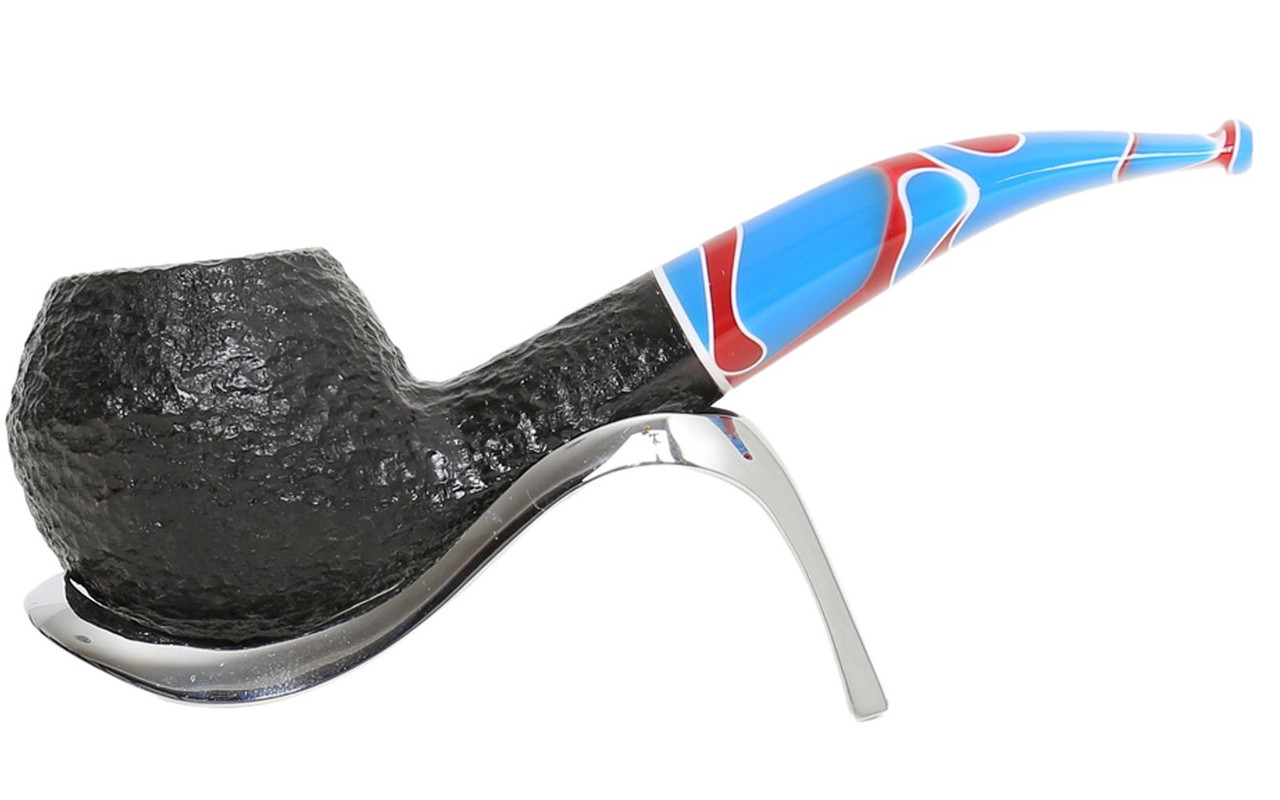
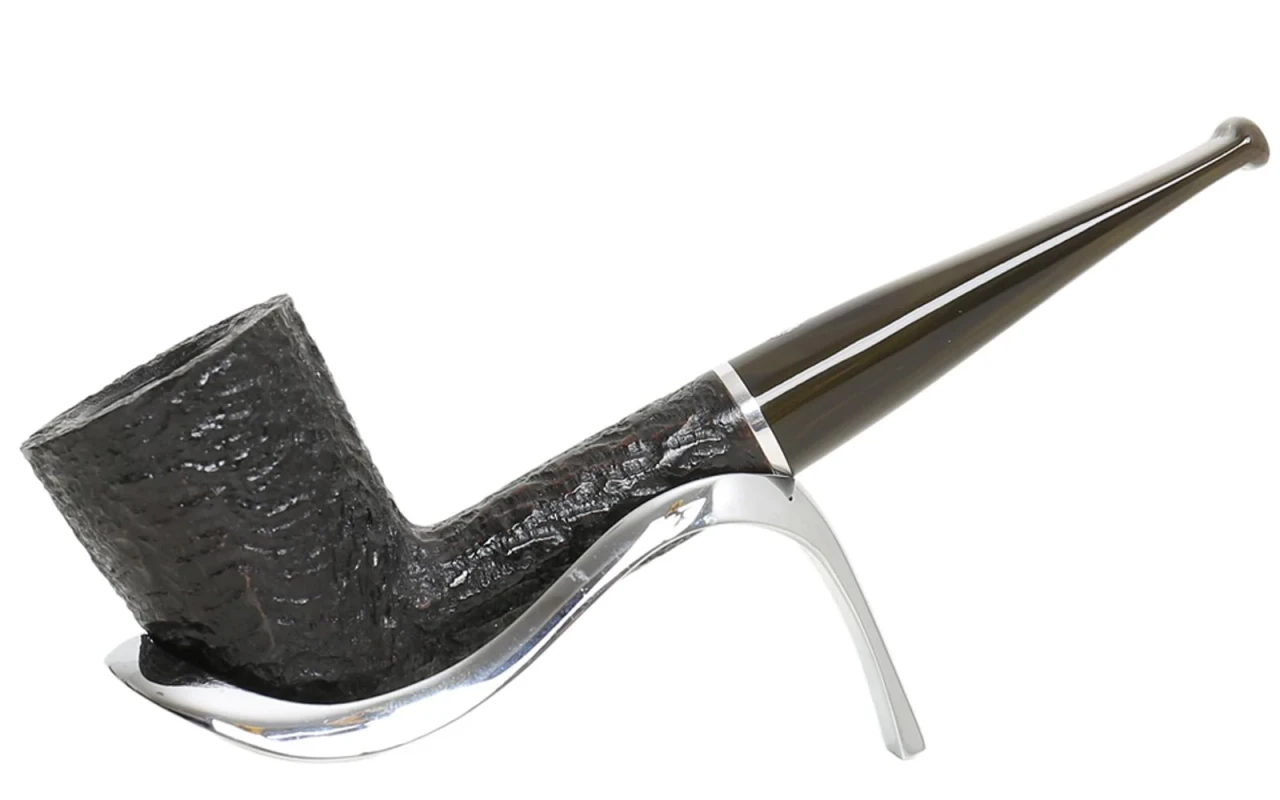
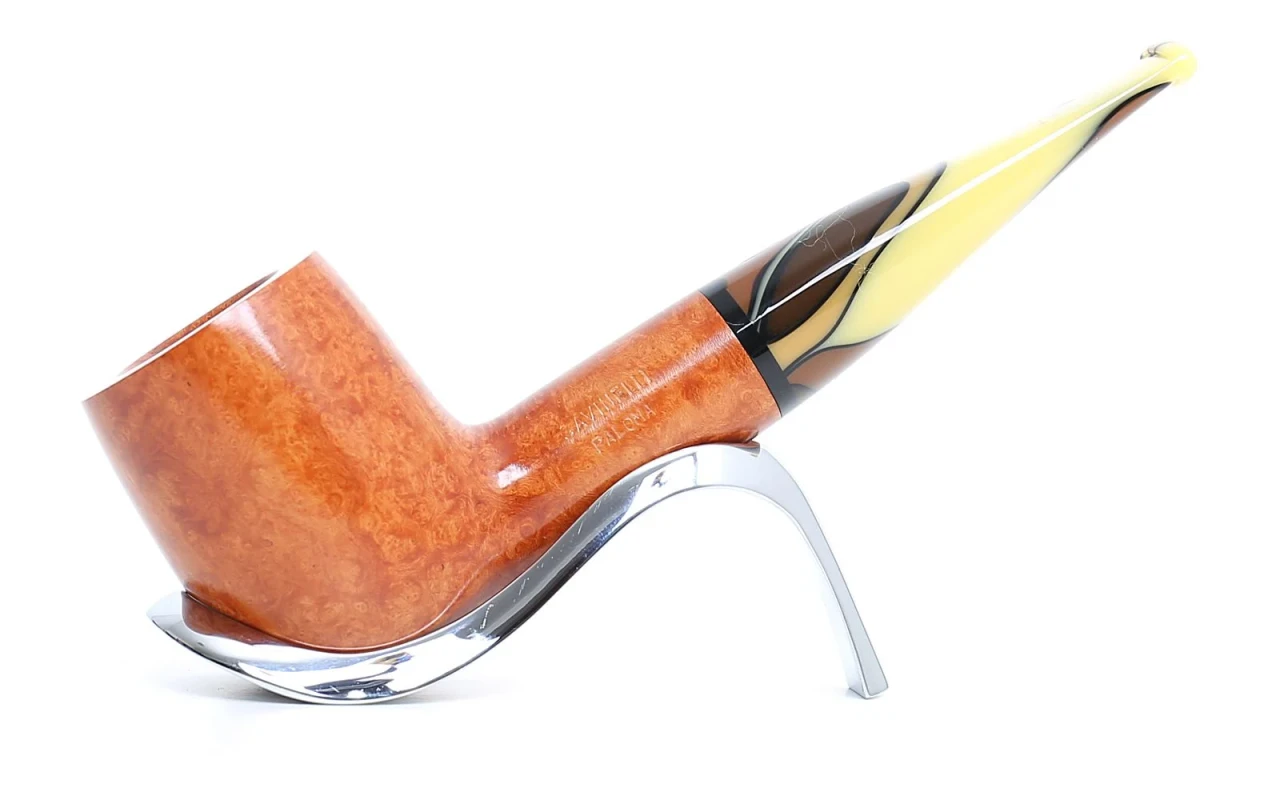
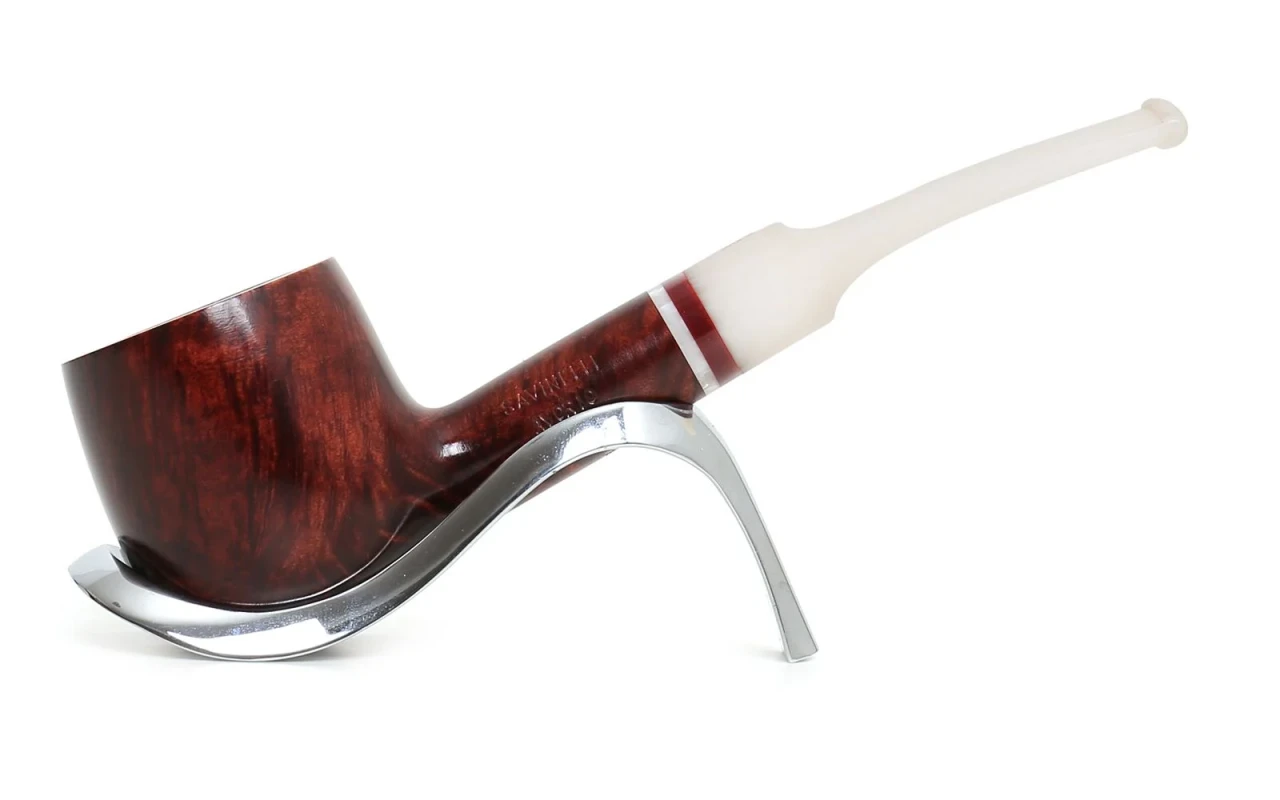
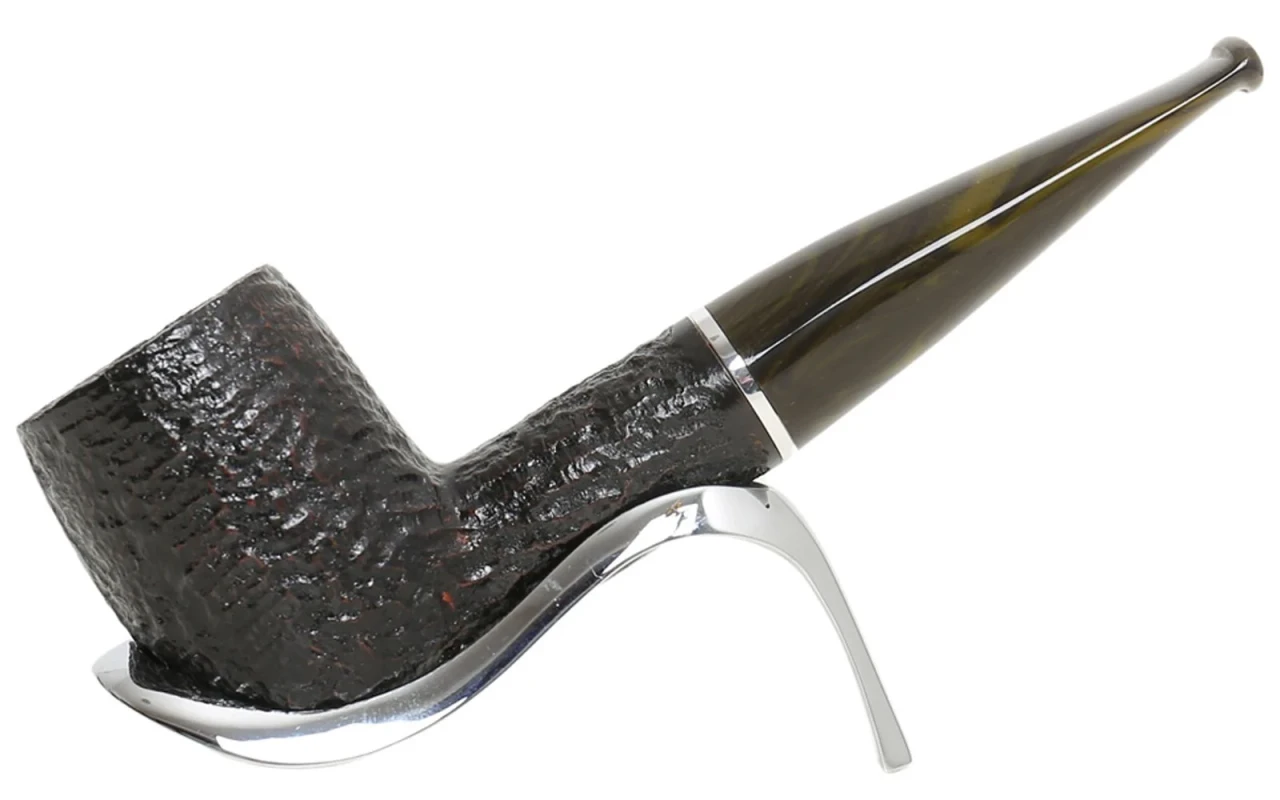
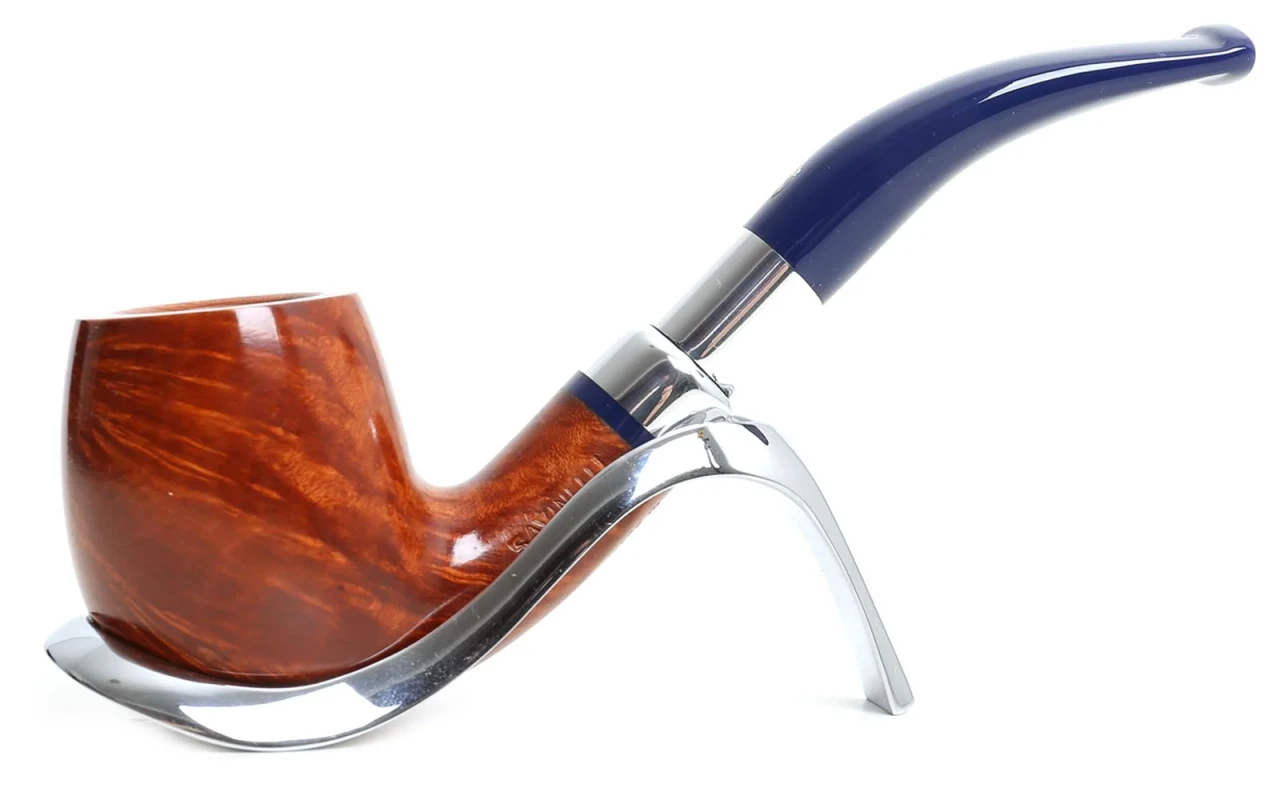
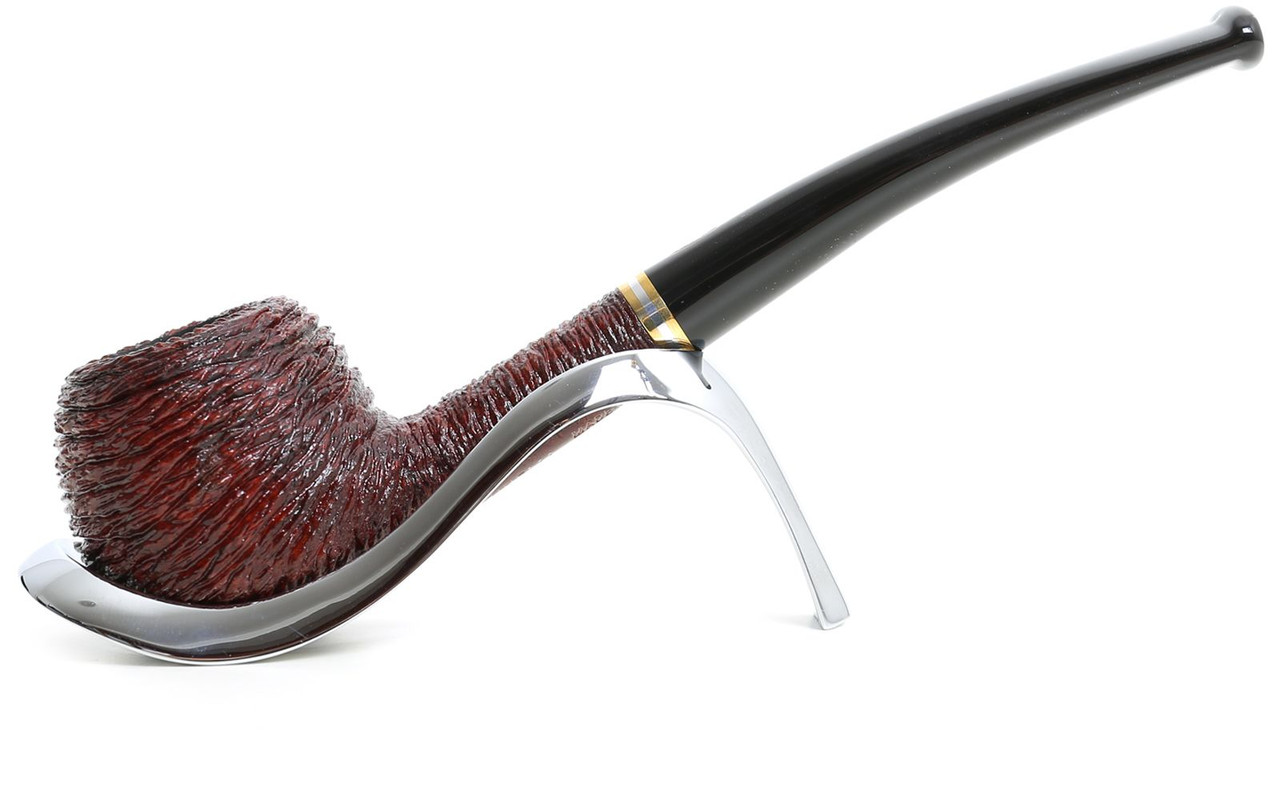
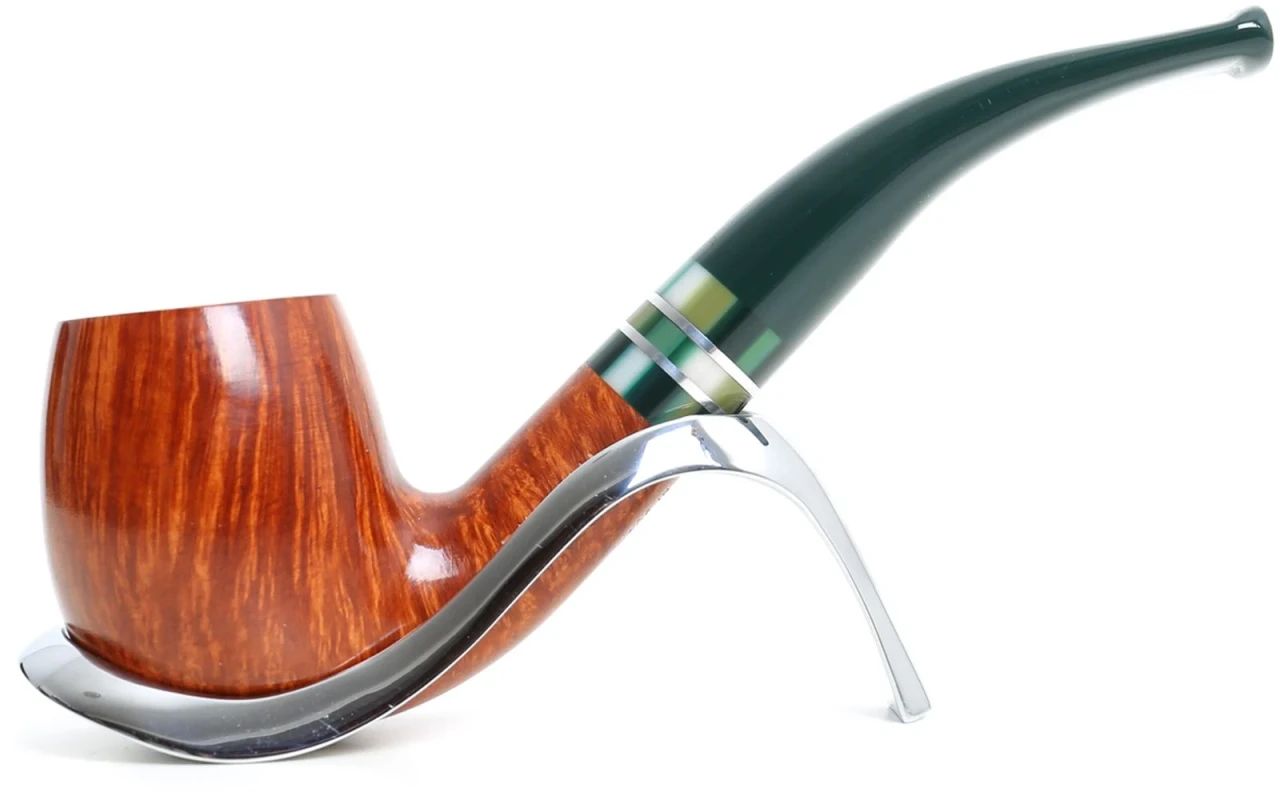
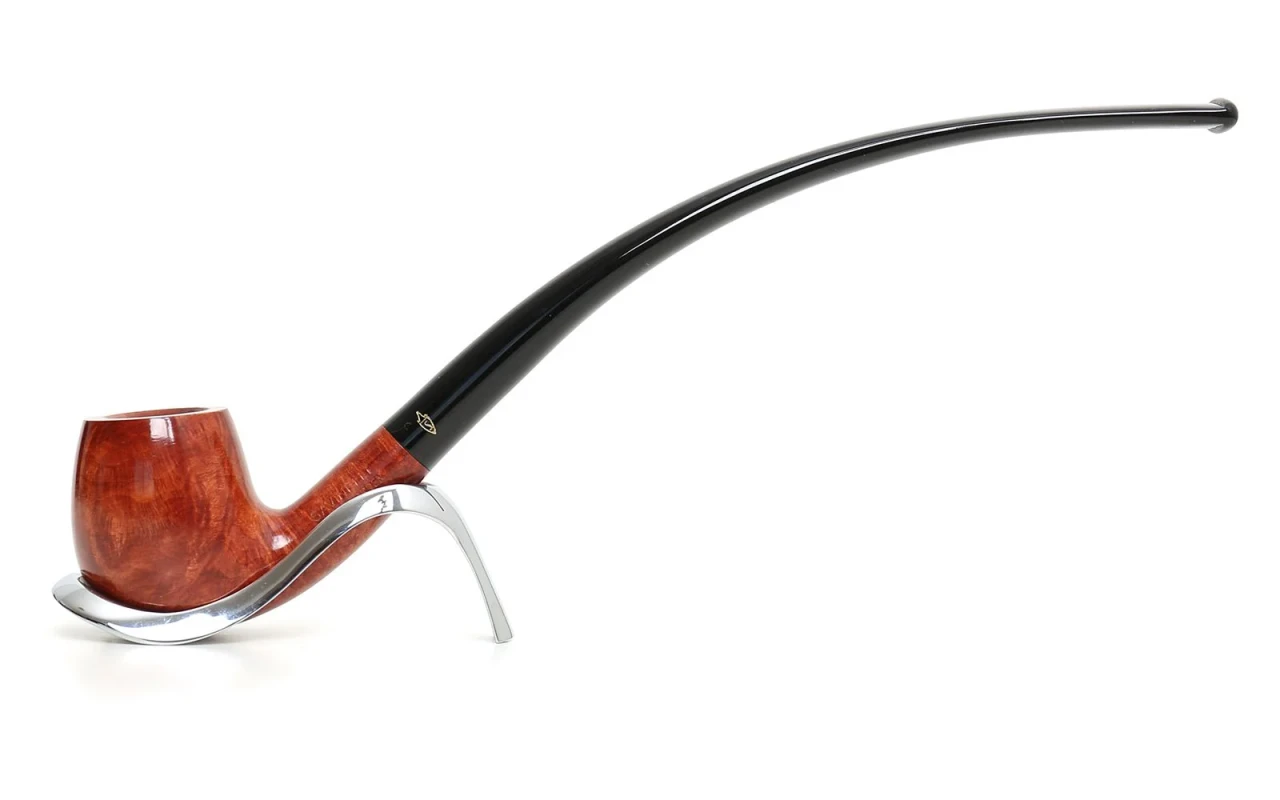
The shapes of tobacco pipes can vary significantly, including different styles and materials. The most common ones are:- Billiard: a classic shape with a cylindrical bowl and a straight stem.- Dublin: similar to the Billiard but with a slightly tilted bowl.- Apple: featuring a round bowl and a short stem.- Bulldog: with a cone-shaped bowl and protruding edges.- Pot: characterized by a wide bowl and a short stem.- Freehand: pipes with the most creative and unconventional shapes, often handmade.Each shape has unique characteristics that influence the pipe smoking experience.
'%3e%3cg id='Final-Copy-2_2_' transform='translate(1275.000000, 200.000000)'%3e%3cpath class='st0' d='M7.4,12.8h6.8l3.1-11.6H7.4C4.2,1.2,1.6,3.8,1.6,7S4.2,12.8,7.4,12.8z'/%3e%3c/g%3e%3c/g%3e%3c/g%3e%3cg id='final---dec.11-2020'%3e%3cg id='_x30_208-our-toggle' transform='translate(-1275.000000, -200.000000)'%3e%3cg id='Final-Copy-2' transform='translate(1275.000000, 200.000000)'%3e%3cpath class='st1' d='M22.6,0H7.4c-3.9,0-7,3.1-7,7s3.1,7,7,7h15.2c3.9,0,7-3.1,7-7S26.4,0,22.6,0z M1.6,7c0-3.2,2.6-5.8,5.8-5.8 h9.9l-3.1,11.6H7.4C4.2,12.8,1.6,10.2,1.6,7z'/%3e%3cpath id='x' class='st2' d='M24.6,4c0.2,0.2,0.2,0.6,0,0.8l0,0L22.5,7l2.2,2.2c0.2,0.2,0.2,0.6,0,0.8c-0.2,0.2-0.6,0.2-0.8,0 l0,0l-2.2-2.2L19.5,10c-0.2,0.2-0.6,0.2-0.8,0c-0.2-0.2-0.2-0.6,0-0.8l0,0L20.8,7l-2.2-2.2c-0.2-0.2-0.2-0.6,0-0.8 c0.2-0.2,0.6-0.2,0.8,0l0,0l2.2,2.2L23.8,4C24,3.8,24.4,3.8,24.6,4z'/%3e%3cpath id='y' class='st3' d='M12.7,4.1c0.2,0.2,0.3,0.6,0.1,0.8l0,0L8.6,9.8C8.5,9.9,8.4,10,8.3,10c-0.2,0.1-0.5,0.1-0.7-0.1l0,0 L5.4,7.7c-0.2-0.2-0.2-0.6,0-0.8c0.2-0.2,0.6-0.2,0.8,0l0,0L8,8.6l3.8-4.5C12,3.9,12.4,3.9,12.7,4.1z'/%3e%3c/g%3e%3c/g%3e%3c/g%3e%3c/g%3e%3c/svg%3e) Your Privacy Choices
Your Privacy Choices 


