 ES
ES FR
FR EN
EN IT
IT DE
DE
History of the traditional pipe
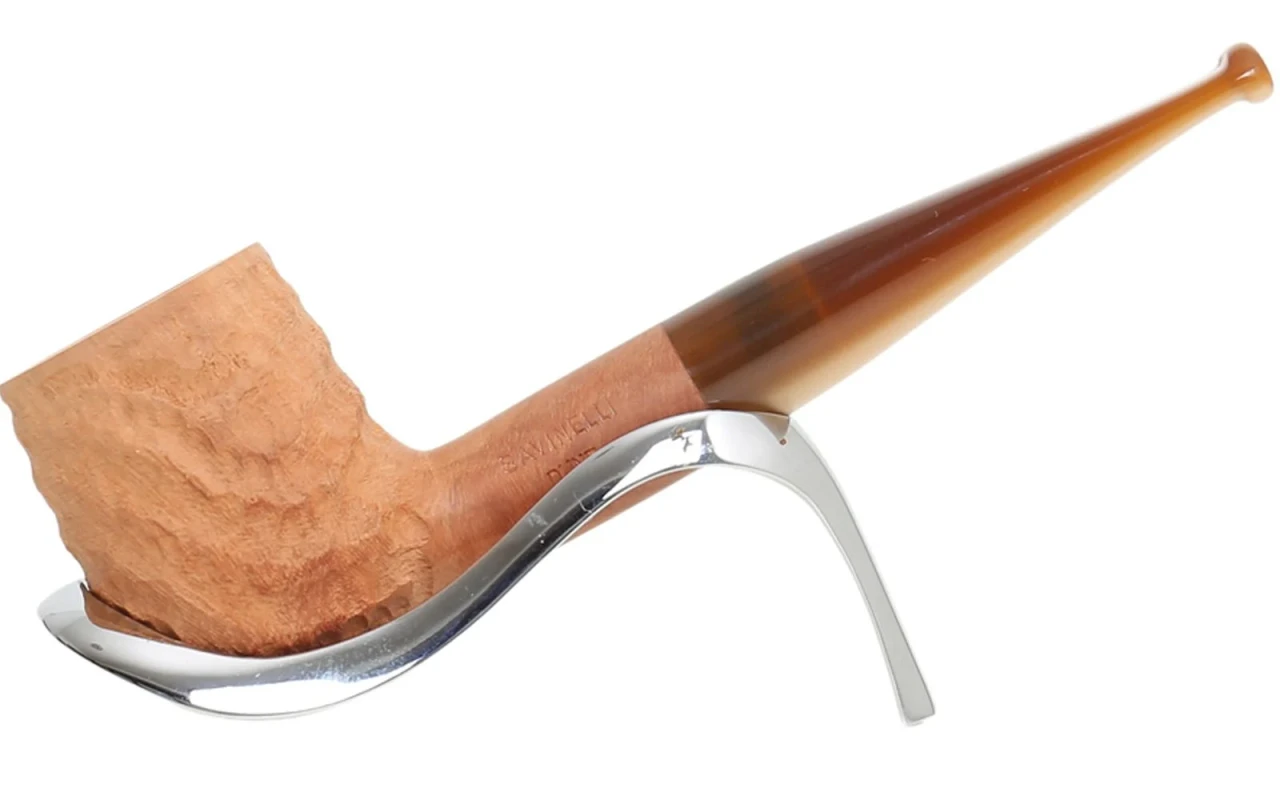
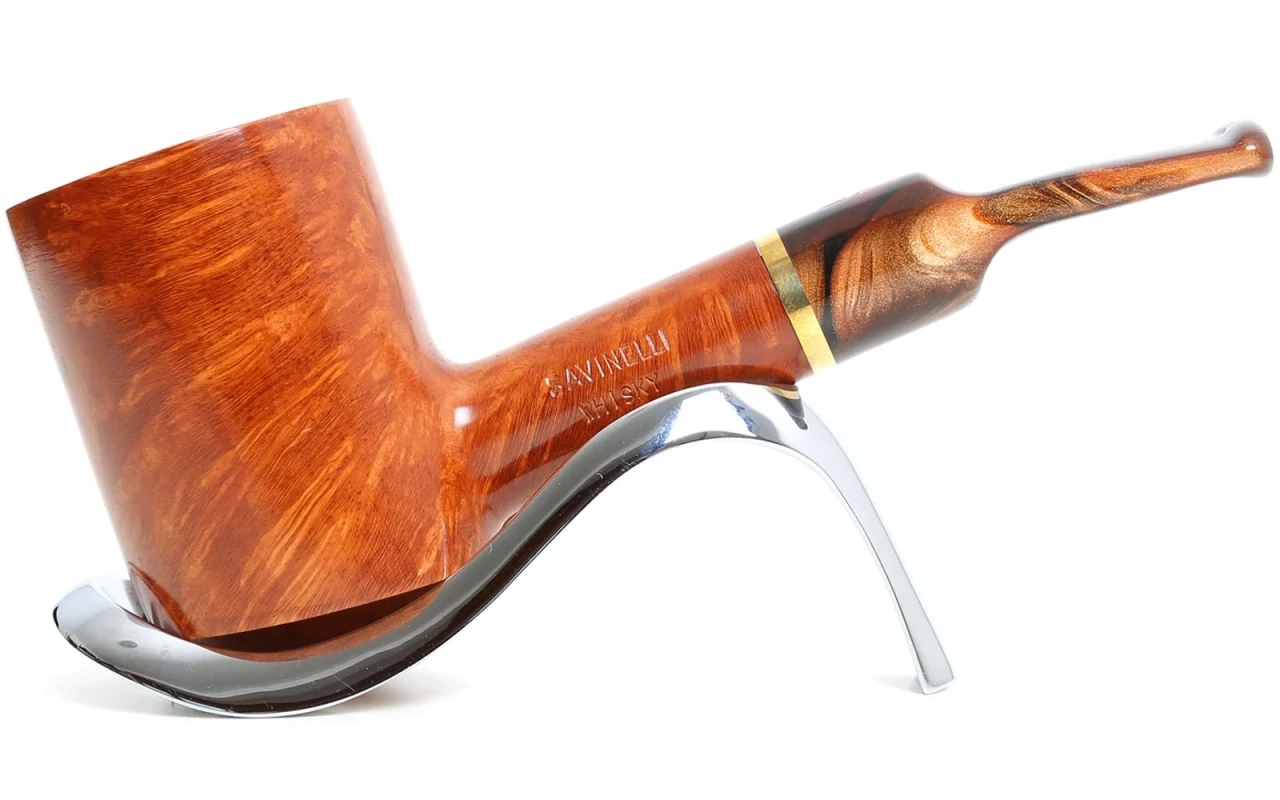
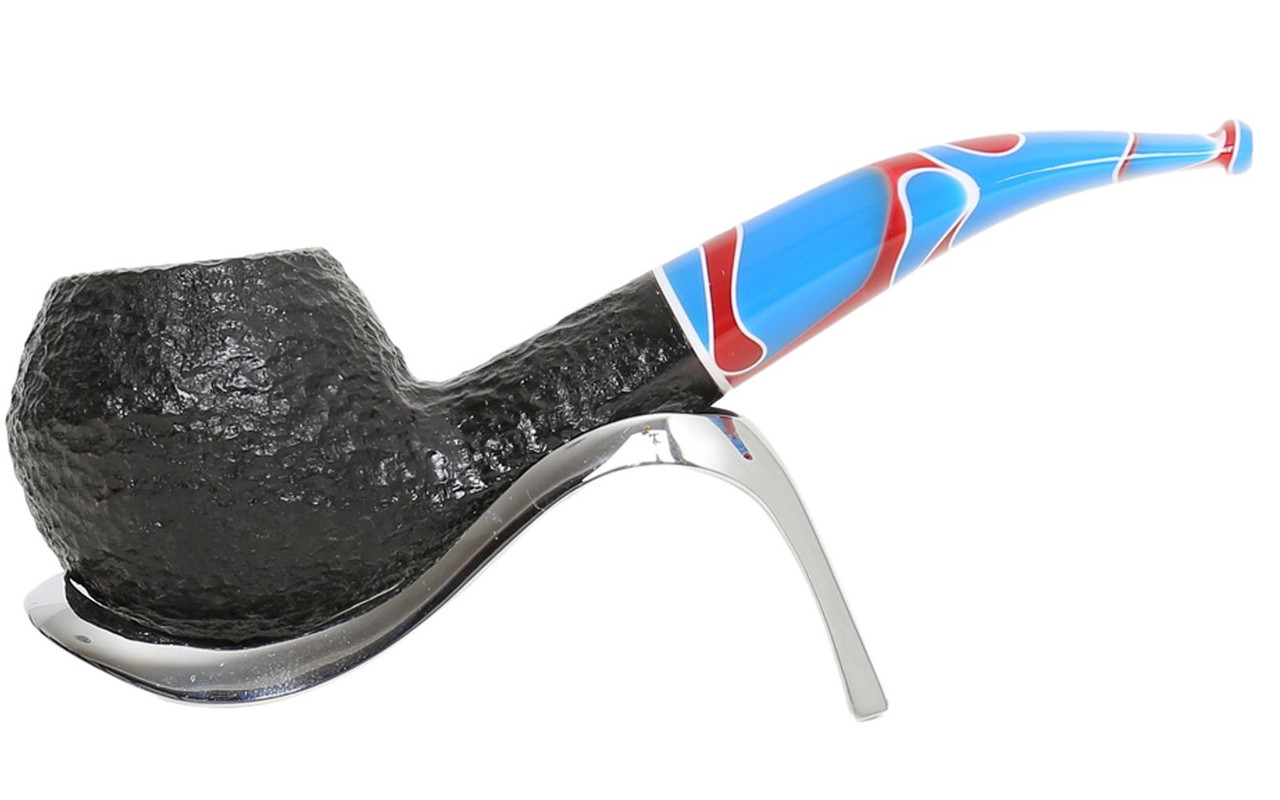
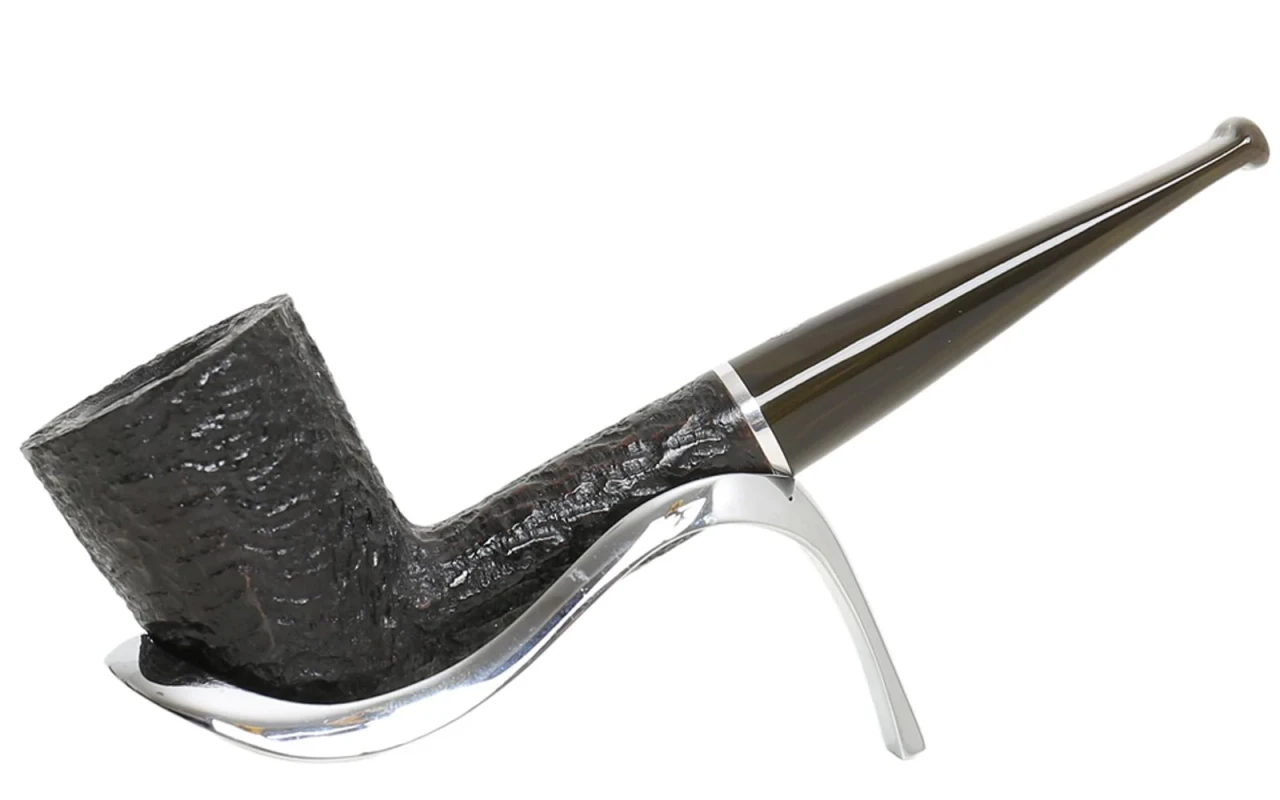
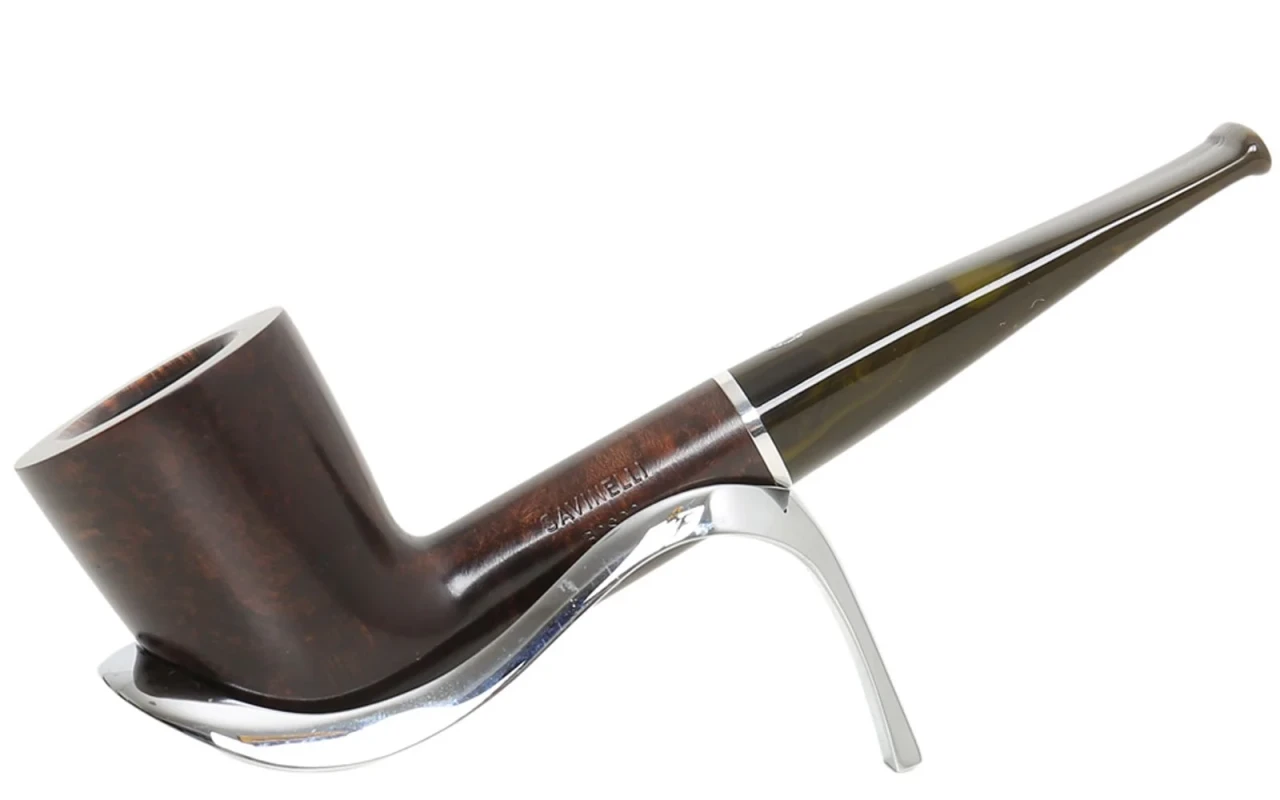
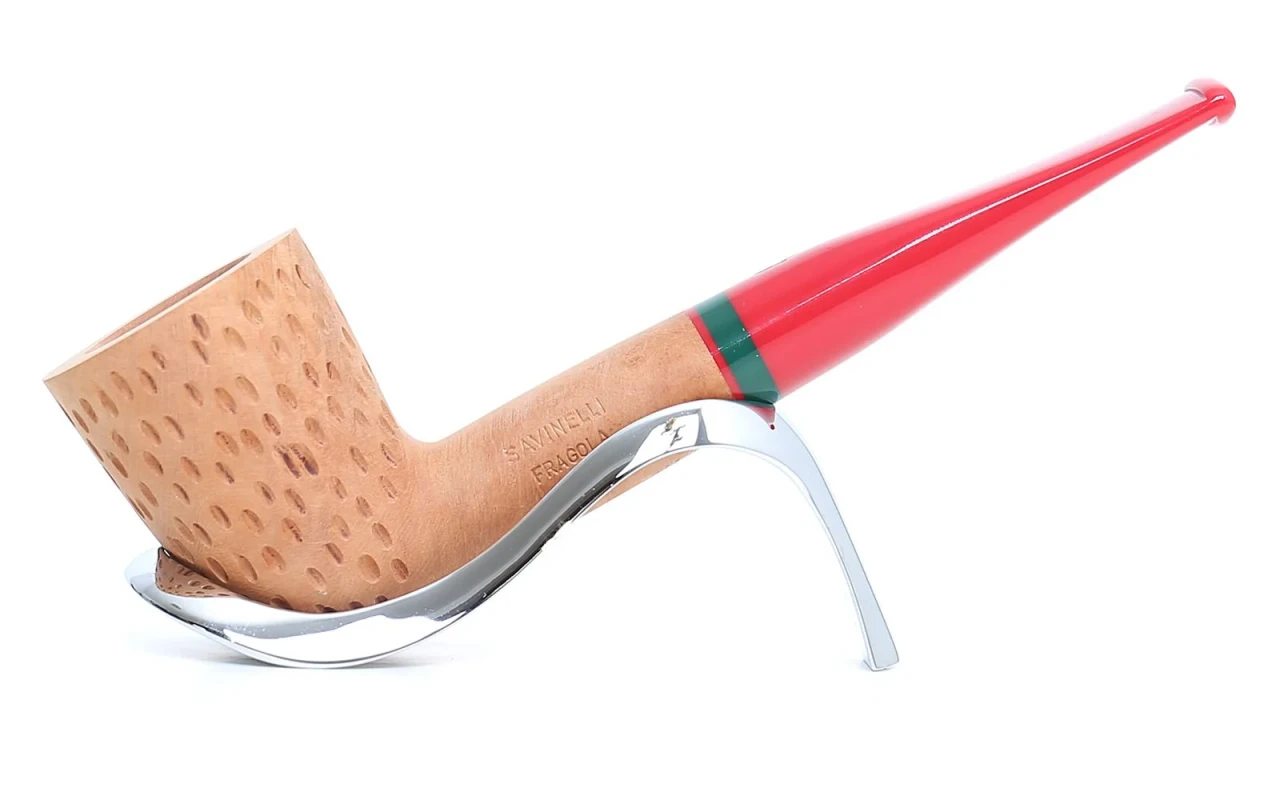
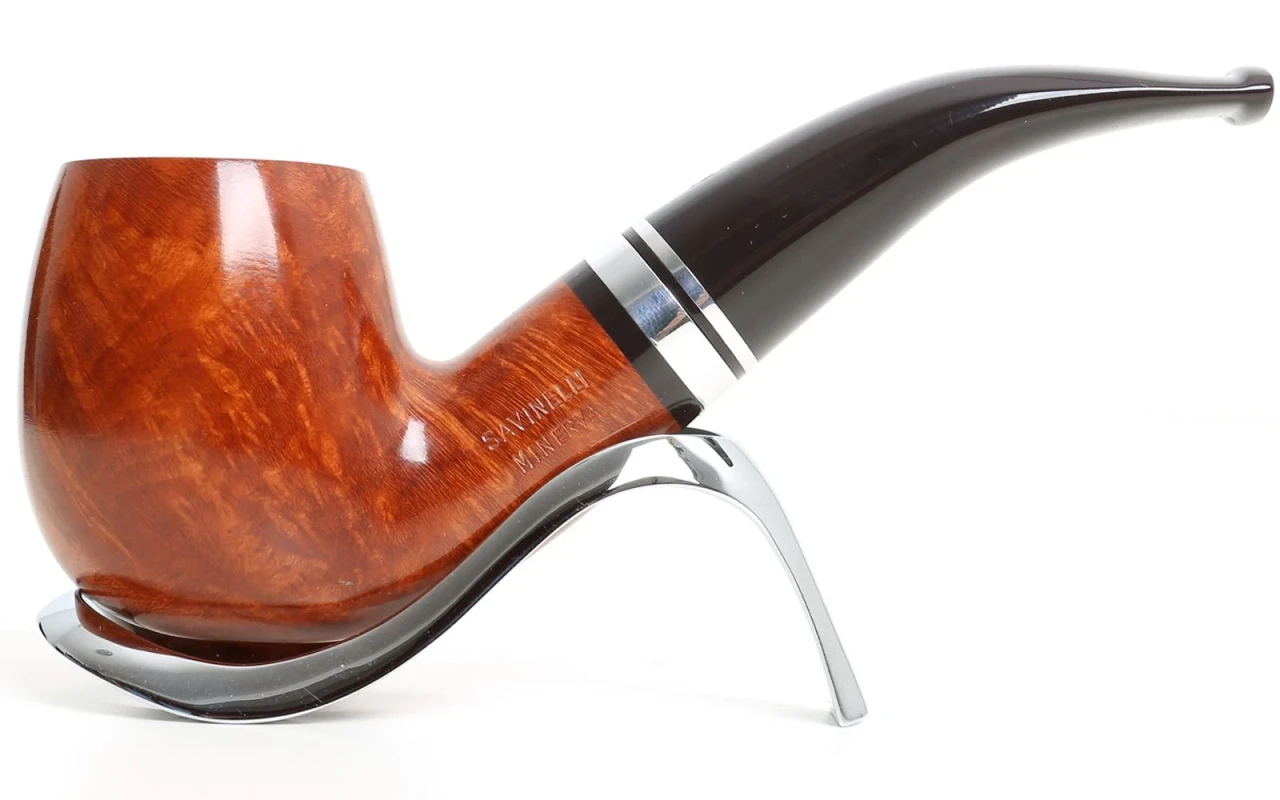
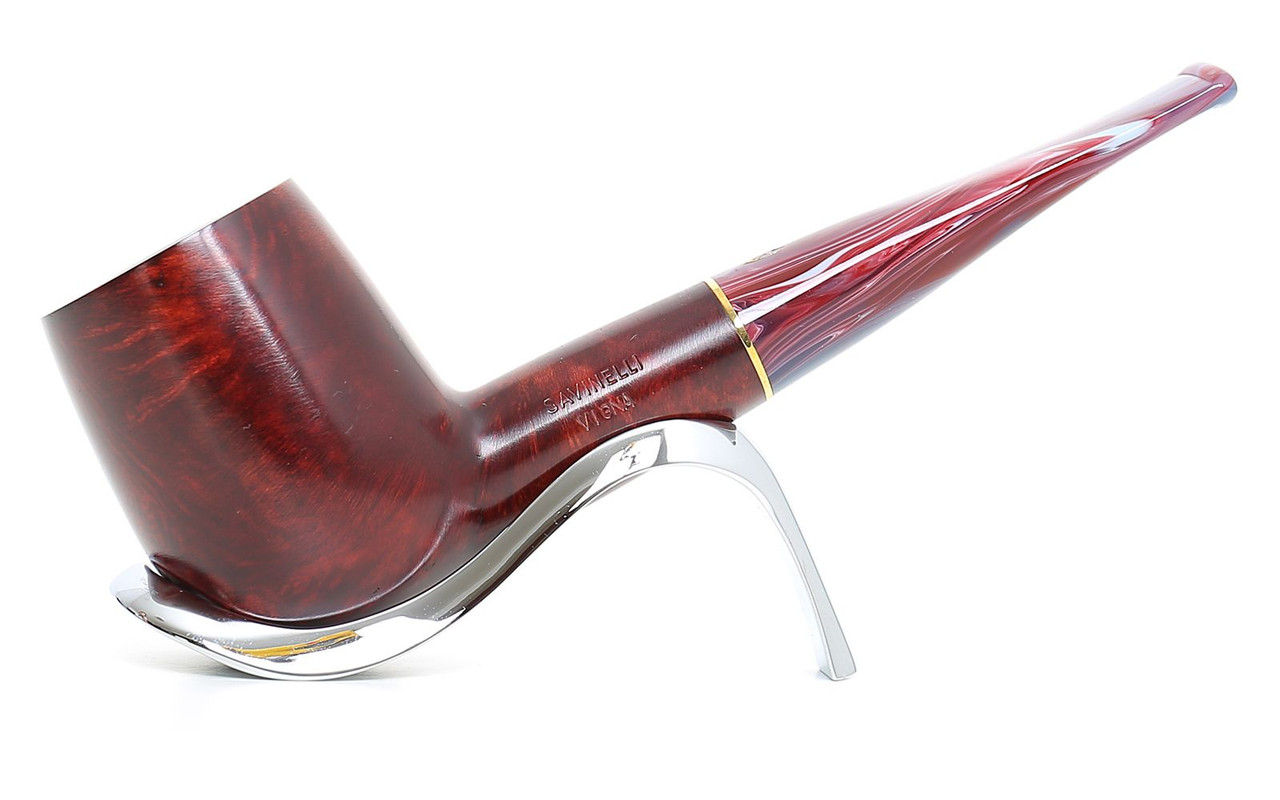
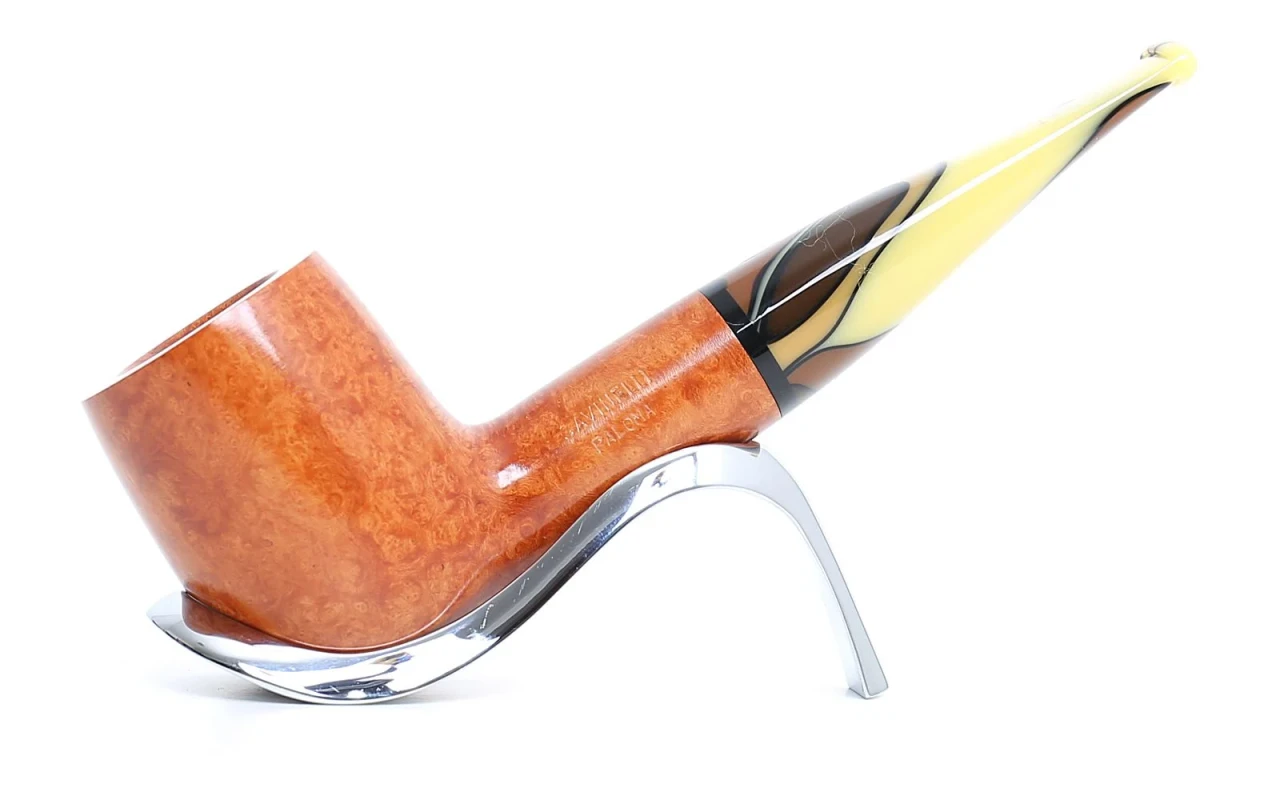
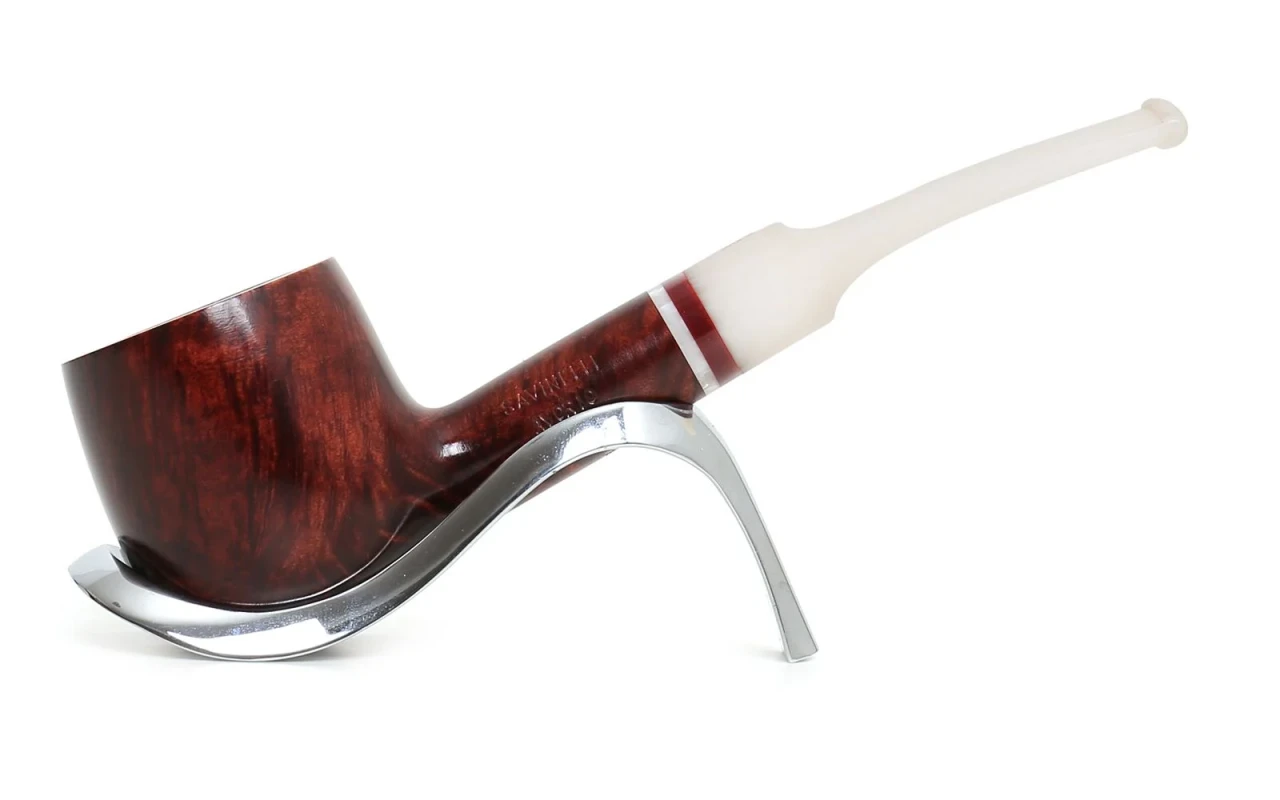
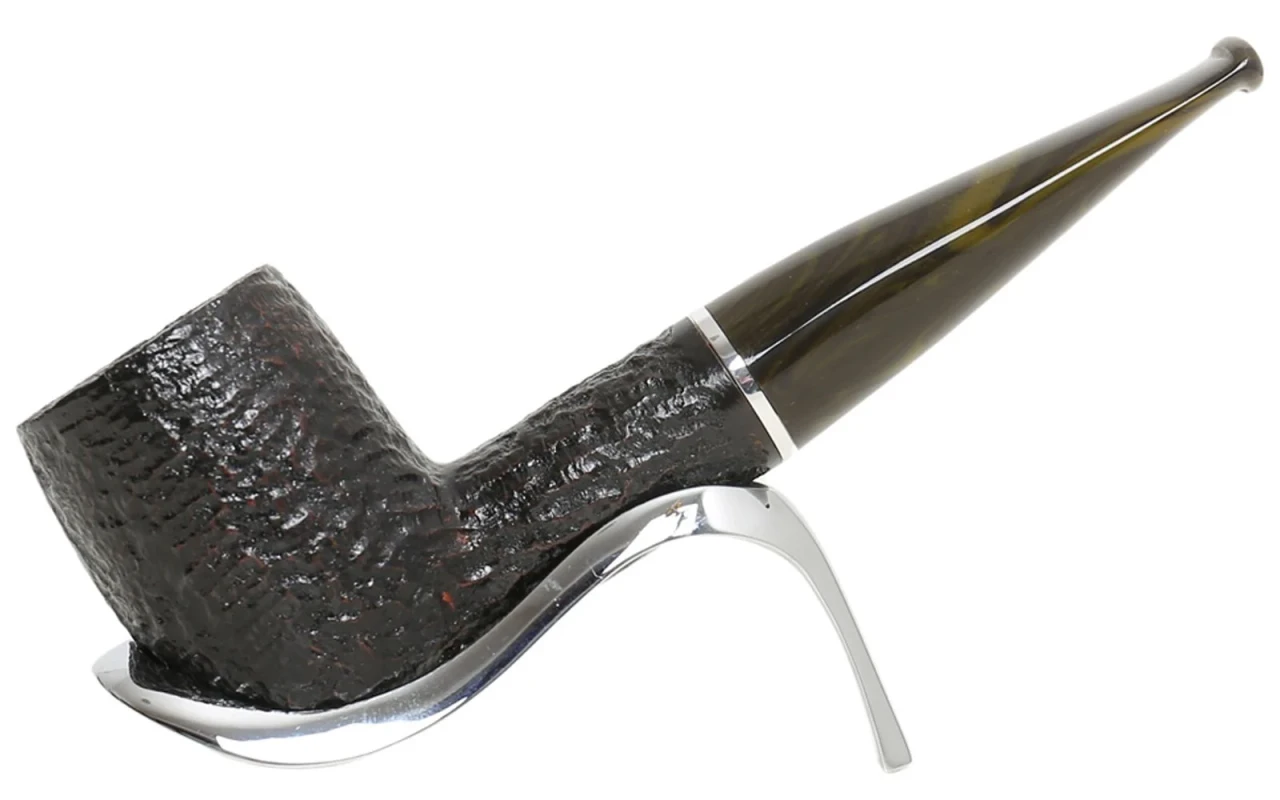
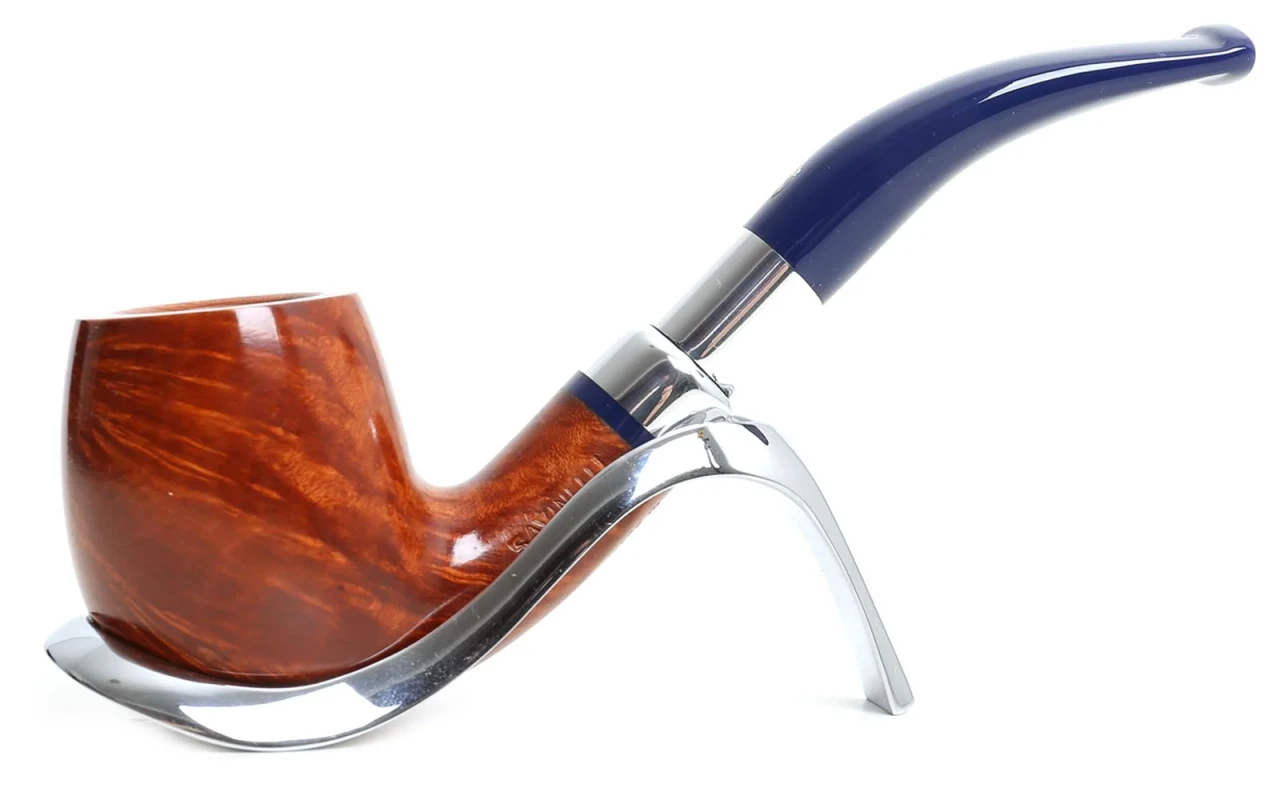
History of the traditional pipe
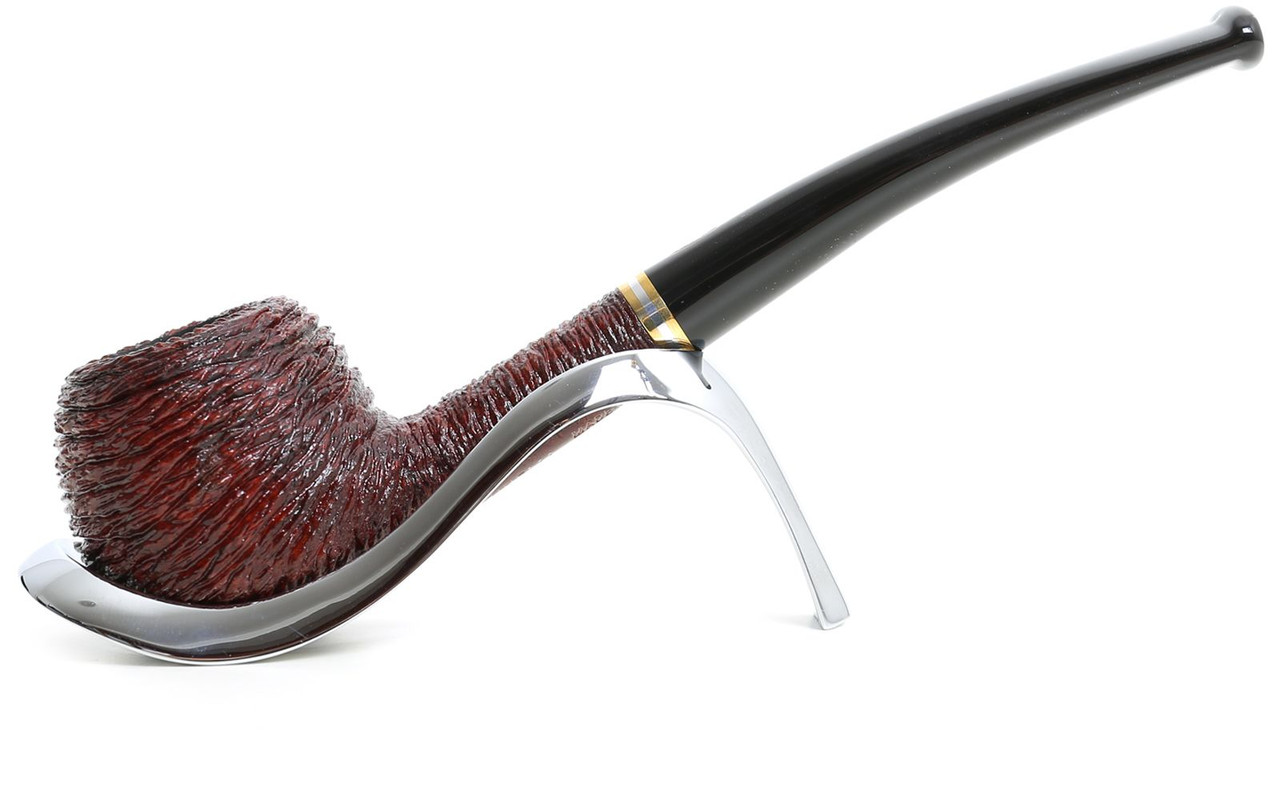
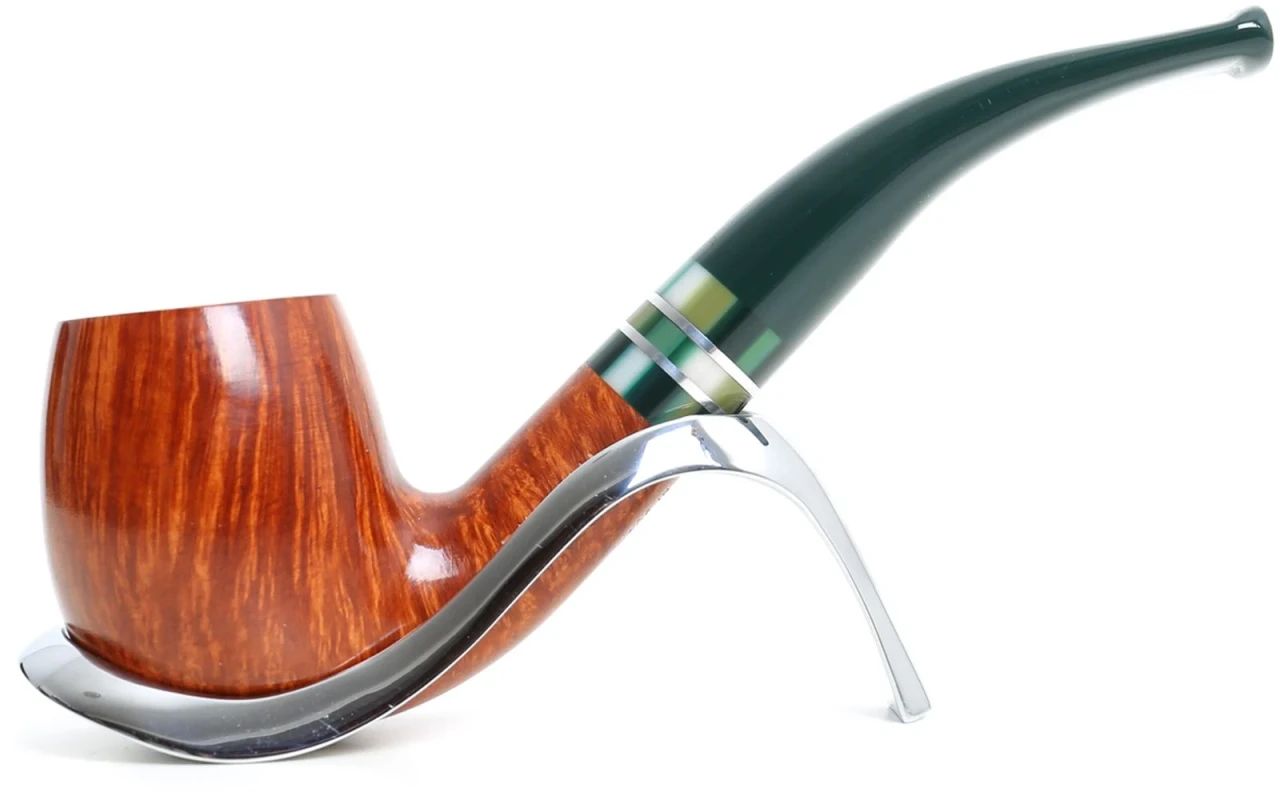
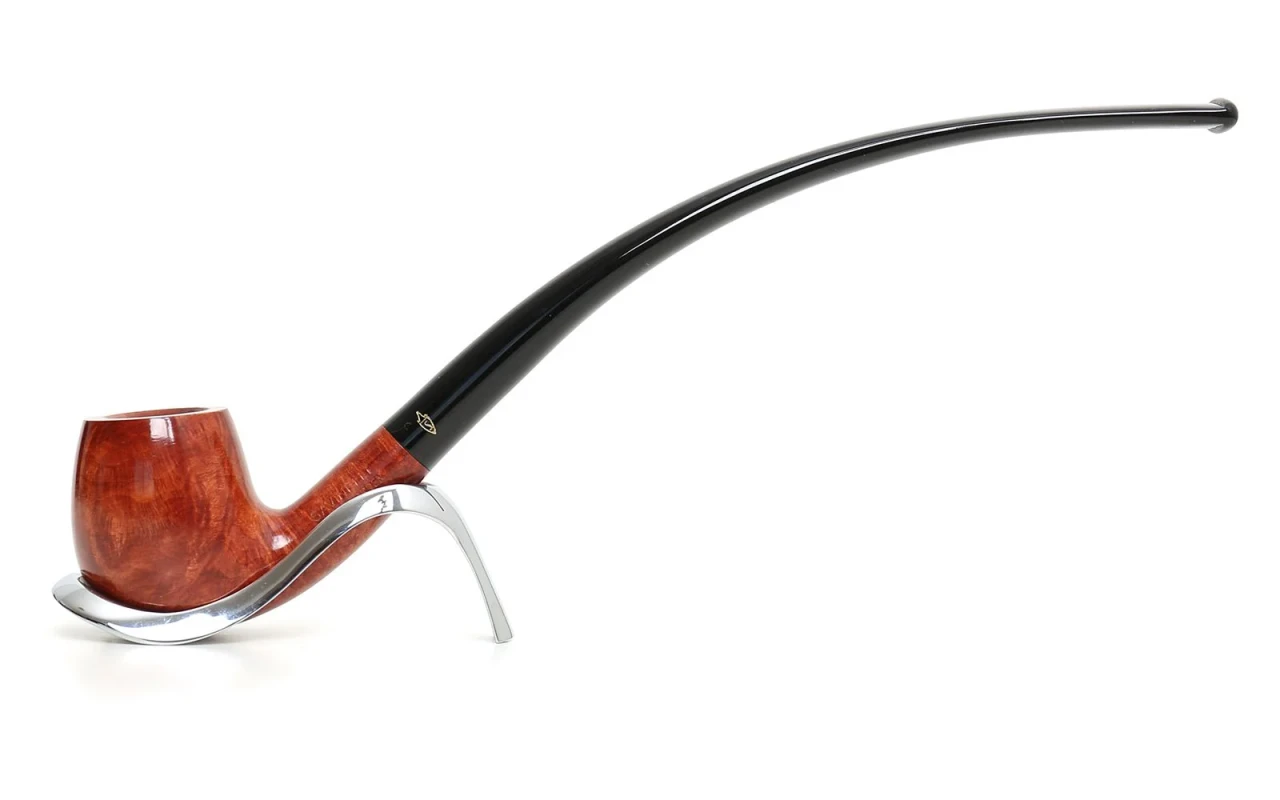
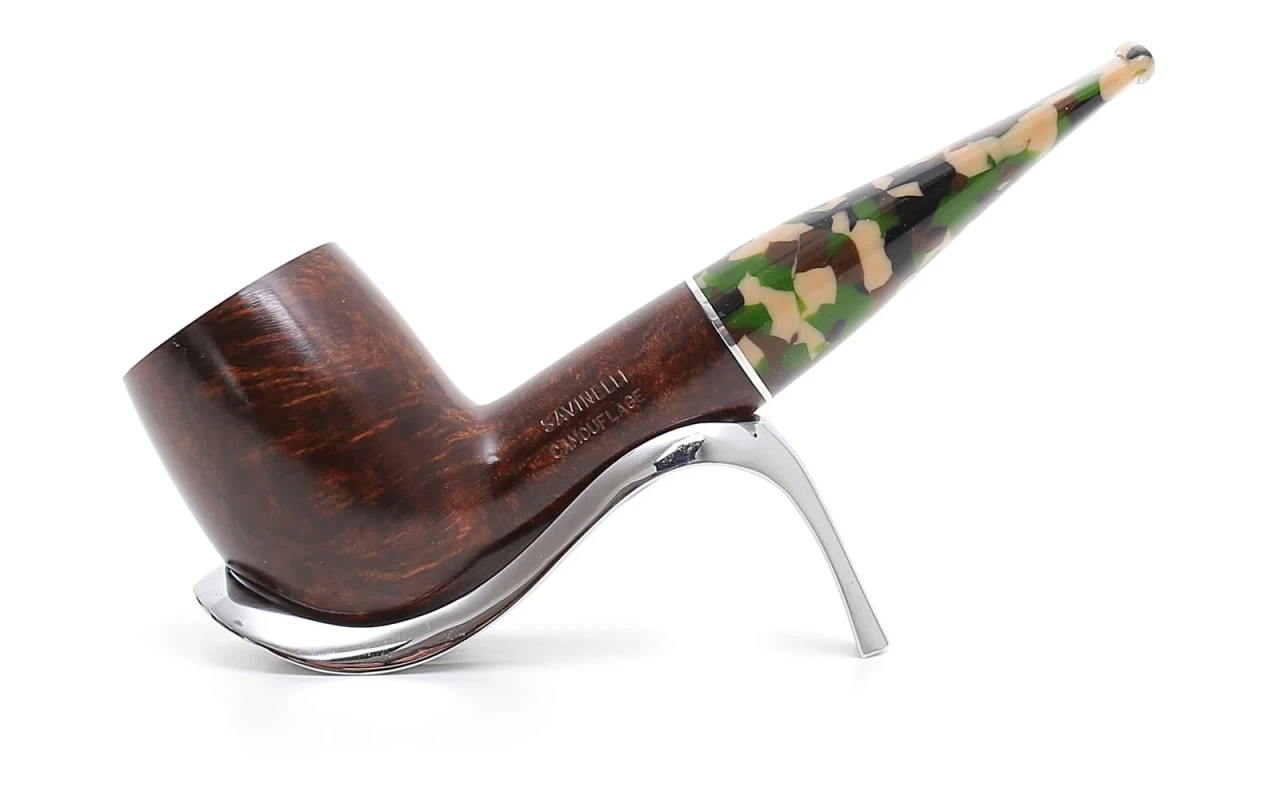
The history of the traditional pipe dates back centuries, when Native American populations and other ancient cultures used rudimentary pipes to smoke herbs. However, the pipe as we know it today has more recent roots, with the introduction of tobacco to Europe in the 16th century. Traditional pipes have been made from various materials such as wood, clay, corn, and briar root, and have taken on different shapes and styles over time. Today, traditional pipes are valued both for their functionality and for their historical and cultural significance in the world of pipe smoking.
Materials for Handcrafted Pipes
Handcrafted pipes can be made from a variety of high-quality materials, each with unique characteristics. The most common materials include:- Briar wood: lightweight and durable, it offers an interesting grain and warm colors.- Oak wood: hard and heat-resistant, suitable for long-lasting pipes.- Deer antler: used for handles or decorative details.- Olive wood: lightweight and durable, with interesting veins.- Meerschaum: a porous stone that absorbs smoke and oil, creating a unique patina over time.The choice of material influences the aesthetic and functional characteristics of the handcrafted pipe.
Pipe Smoking Maintenance
Maintenance of the pipe smoking is essential to ensure an optimal experience and extend the life of the device. Here are some useful tips:- After each use, gently clean the pipe with a pipe cleaner to remove tobacco residues and moisture.- Periodically, disassemble the pipe and carefully clean both the mouthpiece and the combustion chamber.- Avoid overloading the pipe excessively and overheating it.- Allow the pipe to cool completely before storing it.- Regularly check the condition of the pipe for any cracks or damage.By following these simple practices, you will be able to fully enjoy your pipe smoking experience over time.
Pipe smoking techniques
Pipe smoking techniques require precision and practice to achieve a good smoking experience. Here are some fundamental techniques to consider:- Fill the pipe evenly for a uniform combustion.- Light the tobacco carefully and without burning it too quickly.- Smoke slowly to avoid overheating and excessive condensation.- Use regular and light movements with the pipe tool to keep the flame lit.- Clean the pipe regularly to prevent tar and residue buildup.By following these techniques, you can fully enjoy your pipe and its smoke.
'%3e%3cg id='Final-Copy-2_2_' transform='translate(1275.000000, 200.000000)'%3e%3cpath class='st0' d='M7.4,12.8h6.8l3.1-11.6H7.4C4.2,1.2,1.6,3.8,1.6,7S4.2,12.8,7.4,12.8z'/%3e%3c/g%3e%3c/g%3e%3c/g%3e%3cg id='final---dec.11-2020'%3e%3cg id='_x30_208-our-toggle' transform='translate(-1275.000000, -200.000000)'%3e%3cg id='Final-Copy-2' transform='translate(1275.000000, 200.000000)'%3e%3cpath class='st1' d='M22.6,0H7.4c-3.9,0-7,3.1-7,7s3.1,7,7,7h15.2c3.9,0,7-3.1,7-7S26.4,0,22.6,0z M1.6,7c0-3.2,2.6-5.8,5.8-5.8 h9.9l-3.1,11.6H7.4C4.2,12.8,1.6,10.2,1.6,7z'/%3e%3cpath id='x' class='st2' d='M24.6,4c0.2,0.2,0.2,0.6,0,0.8l0,0L22.5,7l2.2,2.2c0.2,0.2,0.2,0.6,0,0.8c-0.2,0.2-0.6,0.2-0.8,0 l0,0l-2.2-2.2L19.5,10c-0.2,0.2-0.6,0.2-0.8,0c-0.2-0.2-0.2-0.6,0-0.8l0,0L20.8,7l-2.2-2.2c-0.2-0.2-0.2-0.6,0-0.8 c0.2-0.2,0.6-0.2,0.8,0l0,0l2.2,2.2L23.8,4C24,3.8,24.4,3.8,24.6,4z'/%3e%3cpath id='y' class='st3' d='M12.7,4.1c0.2,0.2,0.3,0.6,0.1,0.8l0,0L8.6,9.8C8.5,9.9,8.4,10,8.3,10c-0.2,0.1-0.5,0.1-0.7-0.1l0,0 L5.4,7.7c-0.2-0.2-0.2-0.6,0-0.8c0.2-0.2,0.6-0.2,0.8,0l0,0L8,8.6l3.8-4.5C12,3.9,12.4,3.9,12.7,4.1z'/%3e%3c/g%3e%3c/g%3e%3c/g%3e%3c/g%3e%3c/svg%3e) Your Privacy Choices
Your Privacy Choices 


