 ES
ES FR
FR EN
EN IT
IT DE
DE
Pipe sandblasting: what it is and how it works
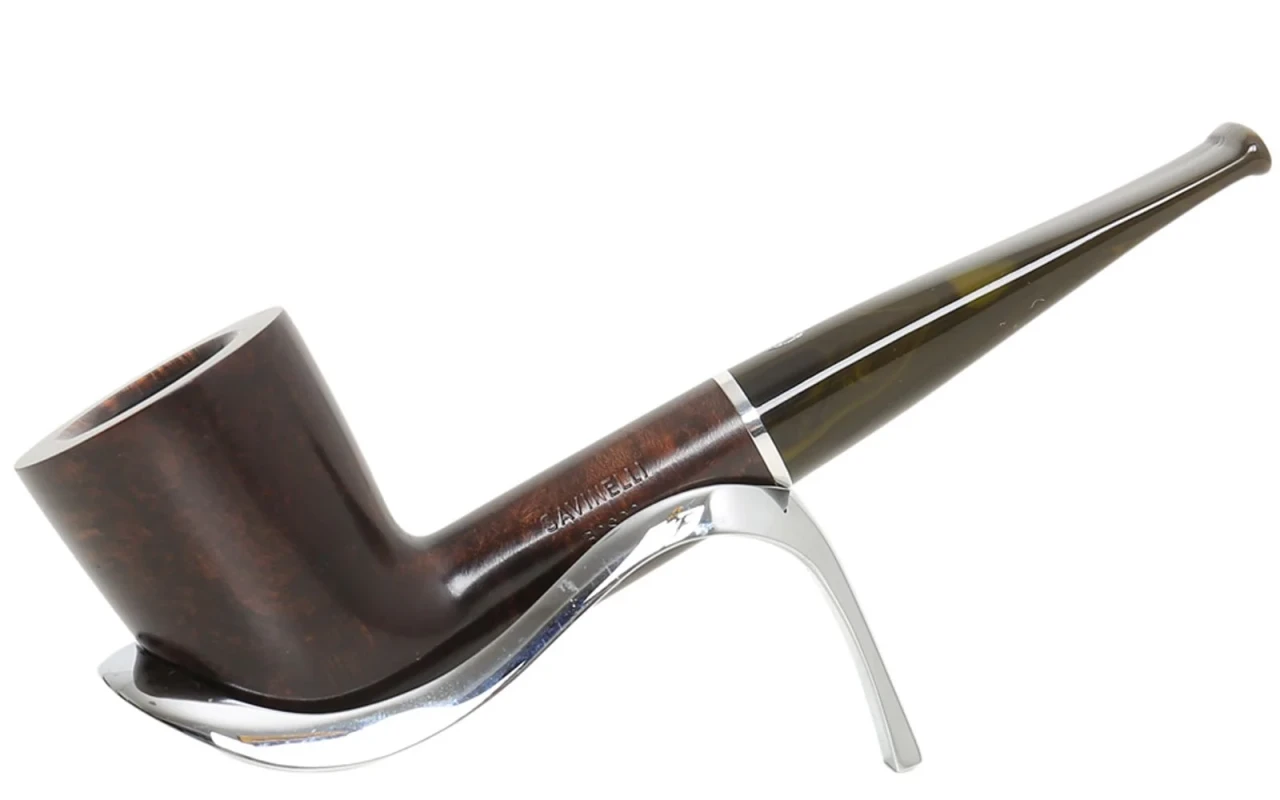
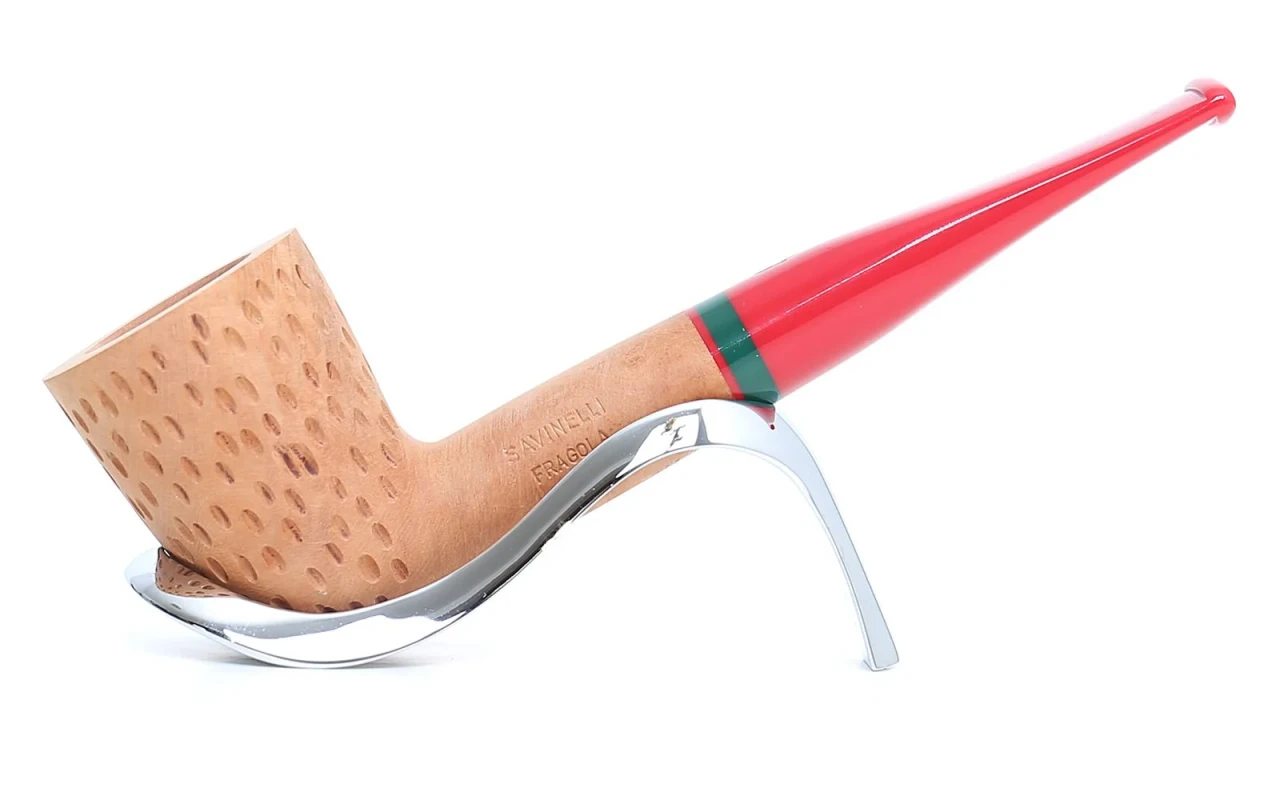
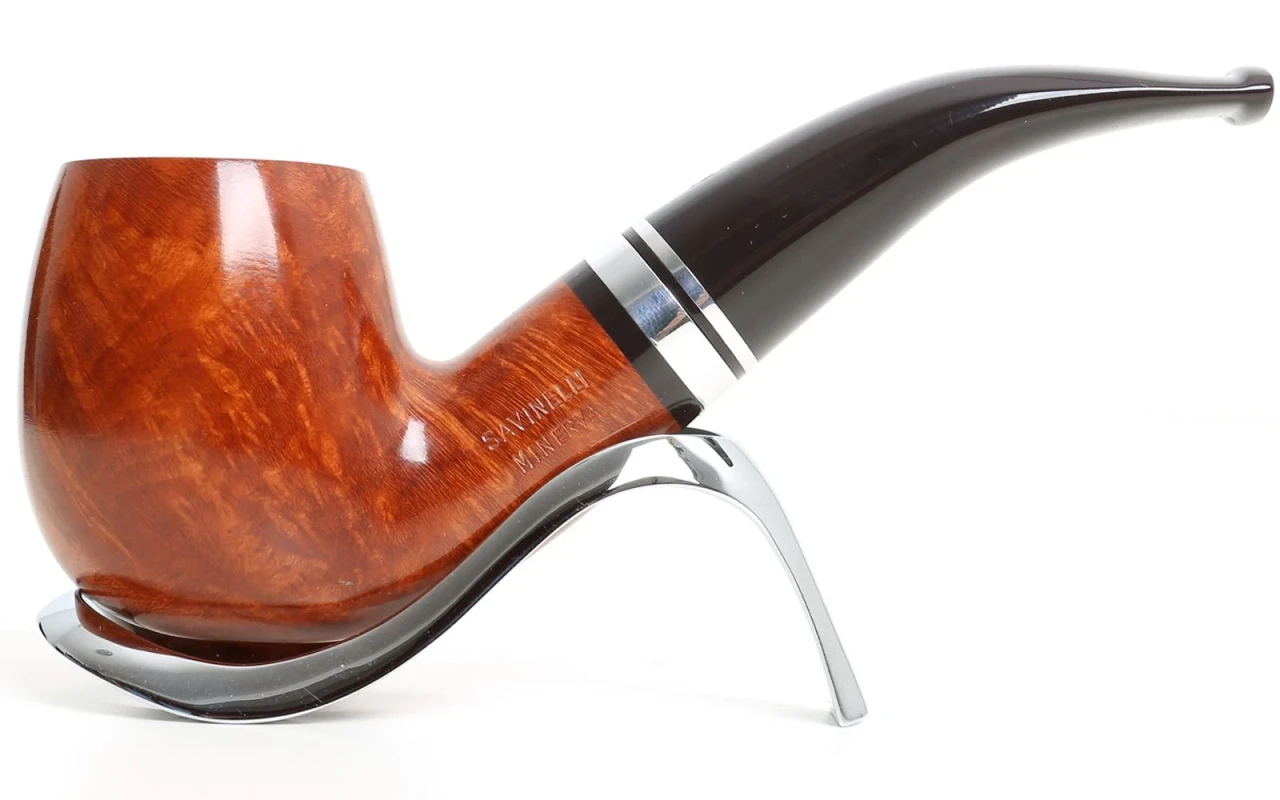
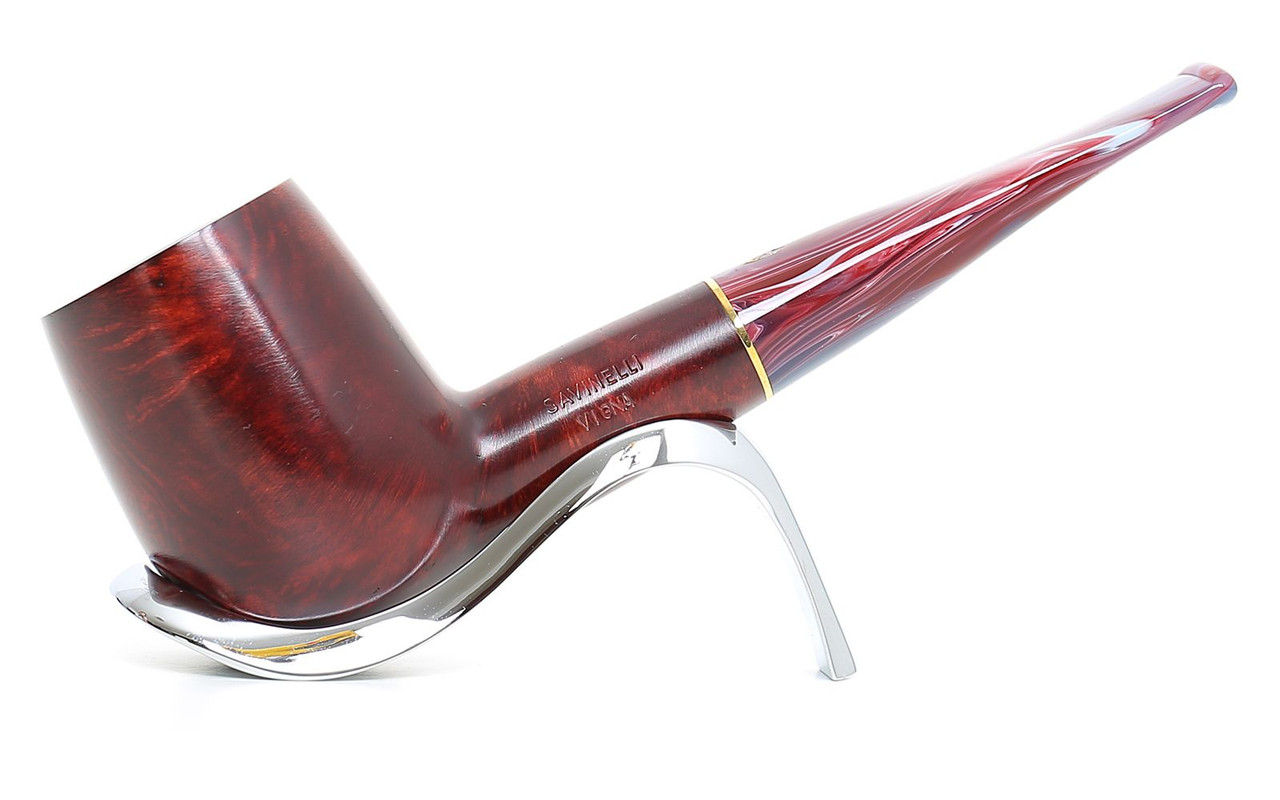
Pipe sandblasting: what it is and how it works
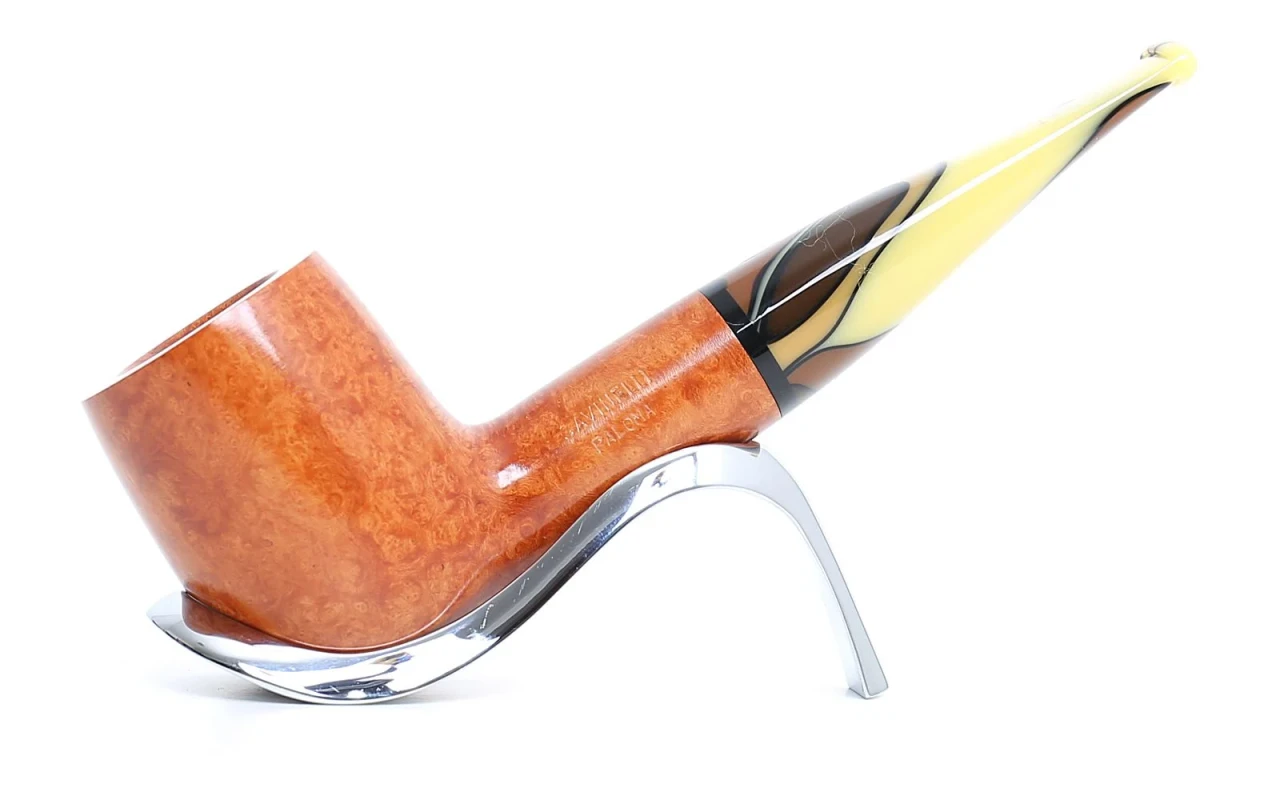
Pipe sandblasting is a cleaning and restoration process for smoking pipes that allows the removal of carbon and residues accumulated inside the pipe. This procedure is carried out using fine sand or abrasive powder which, through a specific sandblasting machine, is shot into the pipe with controlled pressure. The abrasive material acts as a cleaning agent, removing build-ups and restoring the pipe to its original shine. Sandblasting is crucial to keep pipes in good condition and ensure an optimal smoking experience.
KEYWORD: Pipe Sandblasting
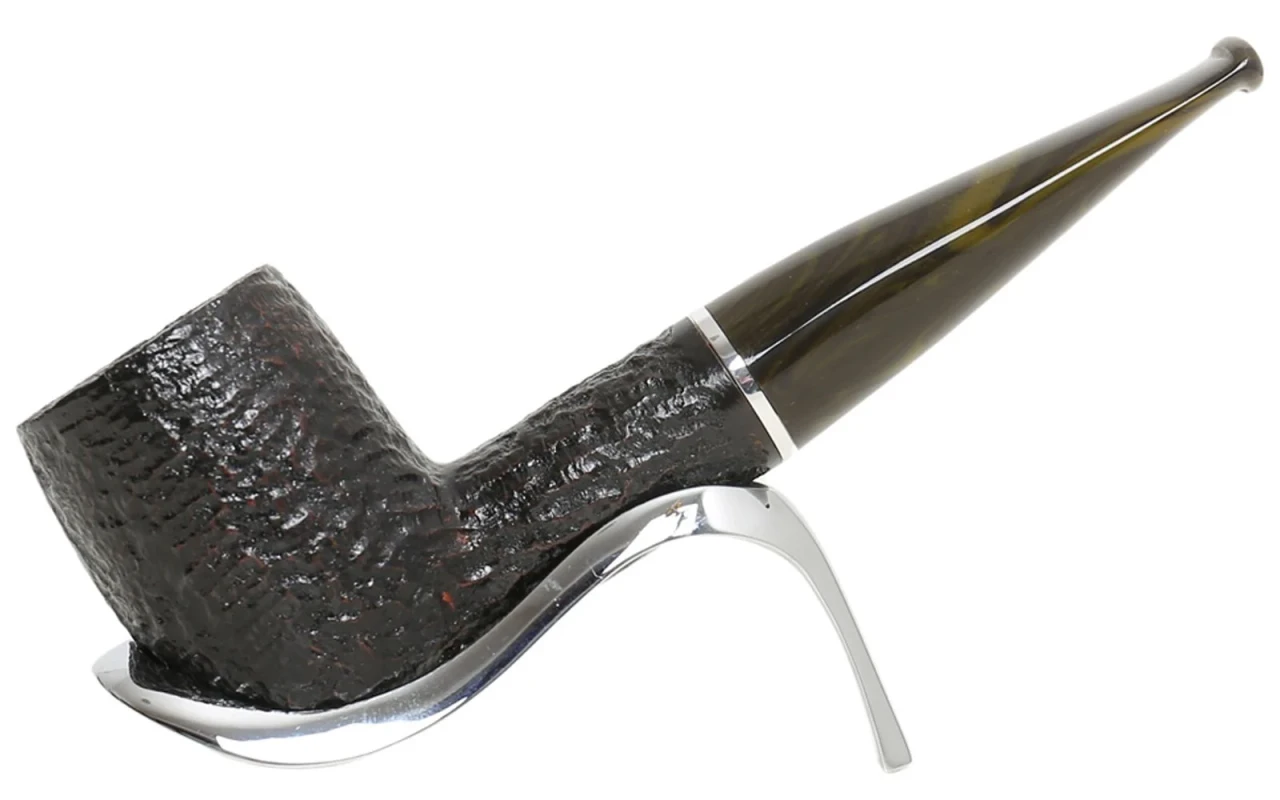
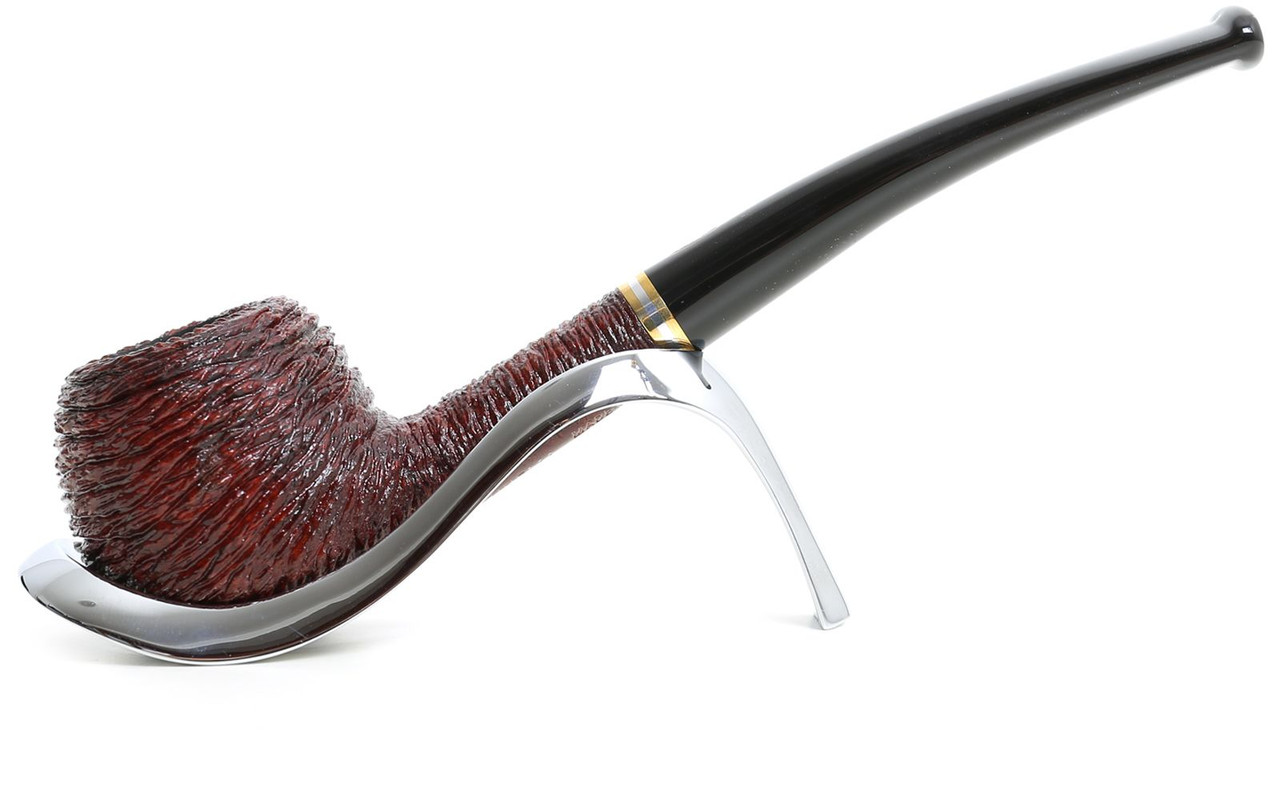
Pipe sandblasting is a finishing process that involves applying sand to the surface of the pipe to create a rough and interesting texture. This technique not only adds a unique aesthetic touch to the pipe but can also help improve grip and tactile sensation during use. Sandblasting is often used to conceal any imperfections in the pipe's surface and to create custom designs and patterns. This process requires skill and precision to achieve the desired result and is a common practice in the world of handmade pipe enthusiasts.
Sandblasting Techniques for Pipes
Sandblasting pipes is a technique used to clean and smooth the outer surface of pipes in order to achieve a rough and pleasant-to-the-touch finish. This process involves the use of sand or abrasive granules that are shot onto the pipe's surface at high pressure. This allows to remove any imperfections, stains, or residual varnishes, making the surface uniform and ready for the next finishing phase. Sandblasting pipes can be done manually or by using specialized machinery, ensuring a high-quality and long-lasting final result.
Sandblasting Materials for Pipes
Sandblasting pipes is a fundamental process to achieve a high-quality finish. The materials used in this procedure are crucial to ensure optimal results. Here are some common materials used for sandblasting pipes:- Sand: generally silica-based, used as the main abrasive.- Grit: a harder abrasive than sand, ideal for removing stubborn residues.- Baking soda: a non-harmful abrasive, suitable for delicate materials.- Silicon carbide: a high-strength abrasive, effective for hard materials.- Aluminum oxide: a versatile abrasive, used for various sandblasting applications.The choice of material depends on the type of pipe and the desired final effect.
Sandblasting Pipes DIY
Sandblasting pipes DIY is a delicate process that requires attention and precision. Before starting, make sure you have suitable sandblasting sand and an air compressor to perform the job effectively. Protect the sensitive parts of the pipe with adhesive tape and ensure you work in a well-ventilated area to avoid inhaling dust. During sandblasting, maintain an adequate distance between the sand and the surface of the pipe to prevent damage. After the process, make sure to clean the pipe thoroughly to remove any sand residues and restore it to its original condition.
'%3e%3cg id='Final-Copy-2_2_' transform='translate(1275.000000, 200.000000)'%3e%3cpath class='st0' d='M7.4,12.8h6.8l3.1-11.6H7.4C4.2,1.2,1.6,3.8,1.6,7S4.2,12.8,7.4,12.8z'/%3e%3c/g%3e%3c/g%3e%3c/g%3e%3cg id='final---dec.11-2020'%3e%3cg id='_x30_208-our-toggle' transform='translate(-1275.000000, -200.000000)'%3e%3cg id='Final-Copy-2' transform='translate(1275.000000, 200.000000)'%3e%3cpath class='st1' d='M22.6,0H7.4c-3.9,0-7,3.1-7,7s3.1,7,7,7h15.2c3.9,0,7-3.1,7-7S26.4,0,22.6,0z M1.6,7c0-3.2,2.6-5.8,5.8-5.8 h9.9l-3.1,11.6H7.4C4.2,12.8,1.6,10.2,1.6,7z'/%3e%3cpath id='x' class='st2' d='M24.6,4c0.2,0.2,0.2,0.6,0,0.8l0,0L22.5,7l2.2,2.2c0.2,0.2,0.2,0.6,0,0.8c-0.2,0.2-0.6,0.2-0.8,0 l0,0l-2.2-2.2L19.5,10c-0.2,0.2-0.6,0.2-0.8,0c-0.2-0.2-0.2-0.6,0-0.8l0,0L20.8,7l-2.2-2.2c-0.2-0.2-0.2-0.6,0-0.8 c0.2-0.2,0.6-0.2,0.8,0l0,0l2.2,2.2L23.8,4C24,3.8,24.4,3.8,24.6,4z'/%3e%3cpath id='y' class='st3' d='M12.7,4.1c0.2,0.2,0.3,0.6,0.1,0.8l0,0L8.6,9.8C8.5,9.9,8.4,10,8.3,10c-0.2,0.1-0.5,0.1-0.7-0.1l0,0 L5.4,7.7c-0.2-0.2-0.2-0.6,0-0.8c0.2-0.2,0.6-0.2,0.8,0l0,0L8,8.6l3.8-4.5C12,3.9,12.4,3.9,12.7,4.1z'/%3e%3c/g%3e%3c/g%3e%3c/g%3e%3c/g%3e%3c/svg%3e) Your Privacy Choices
Your Privacy Choices 


