 ES
ES FR
FR EN
EN IT
IT DE
DE
Materials used for the “Cutty” pipe
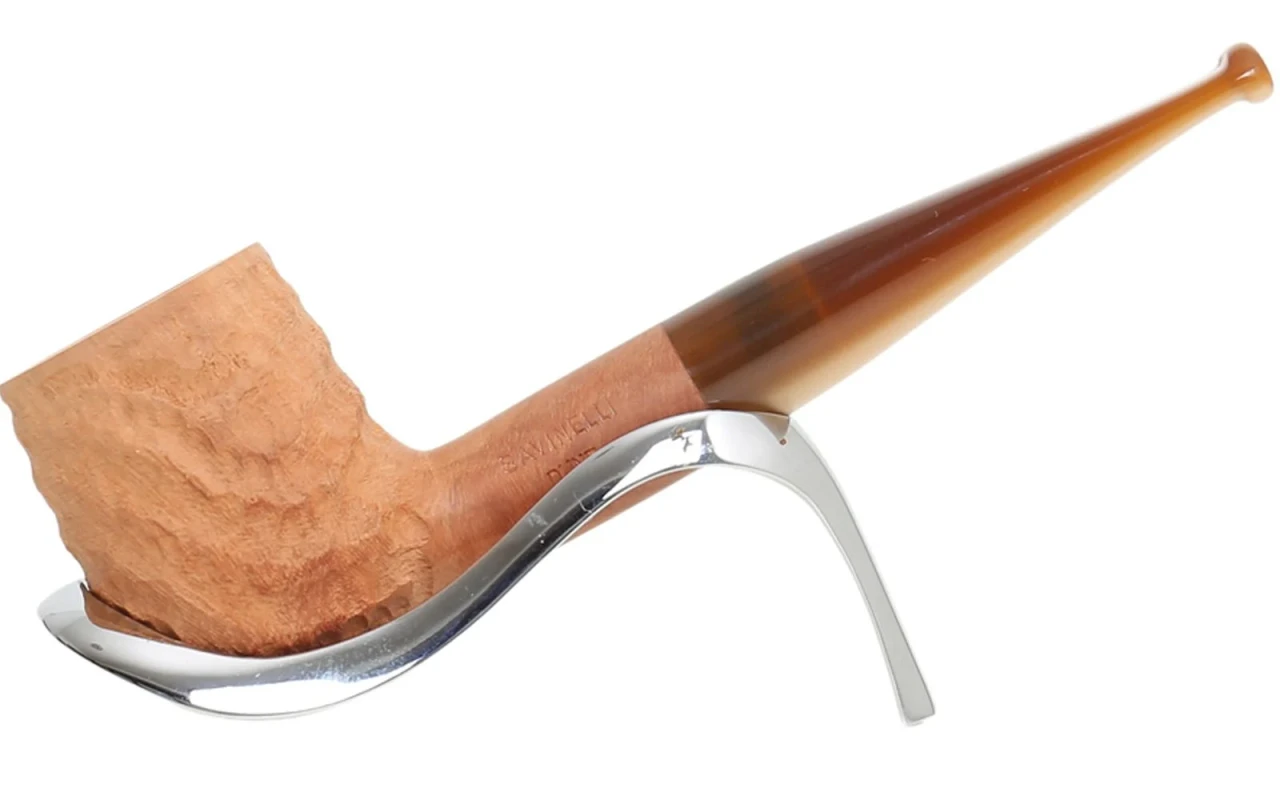
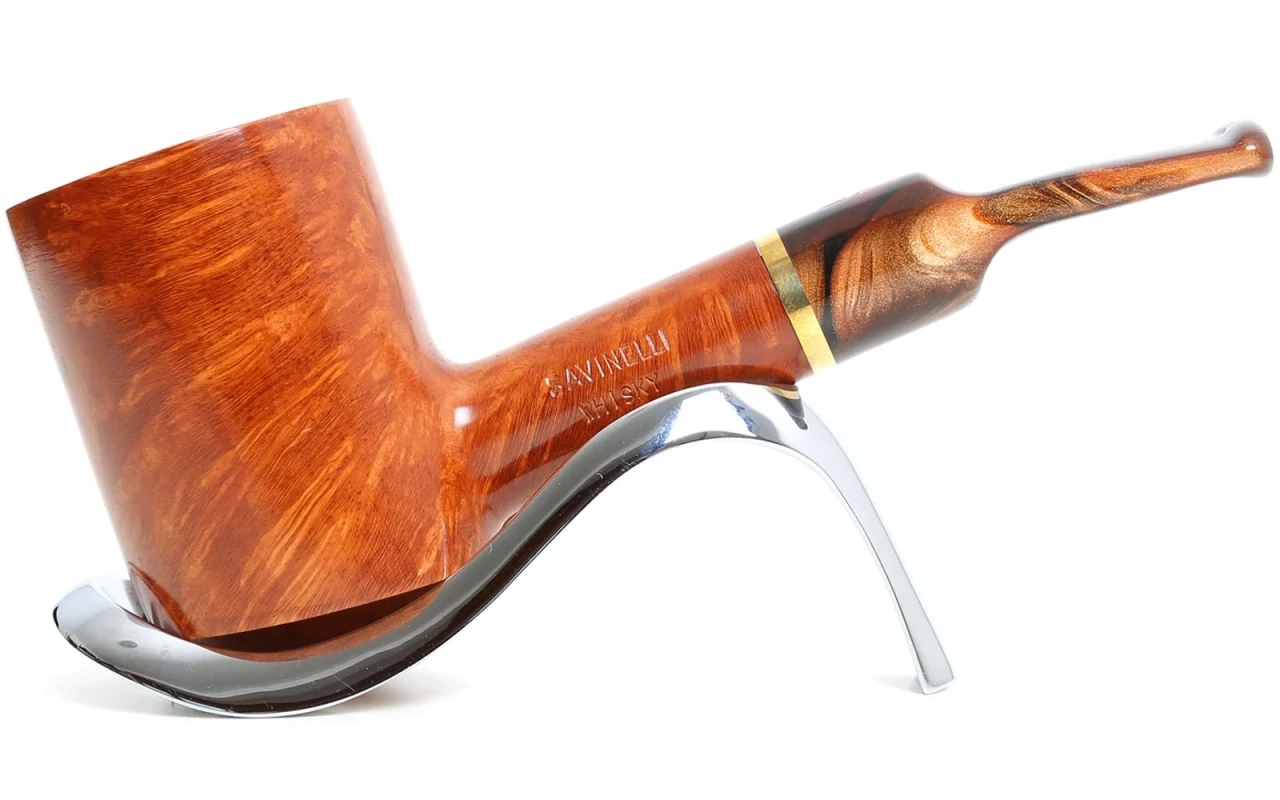
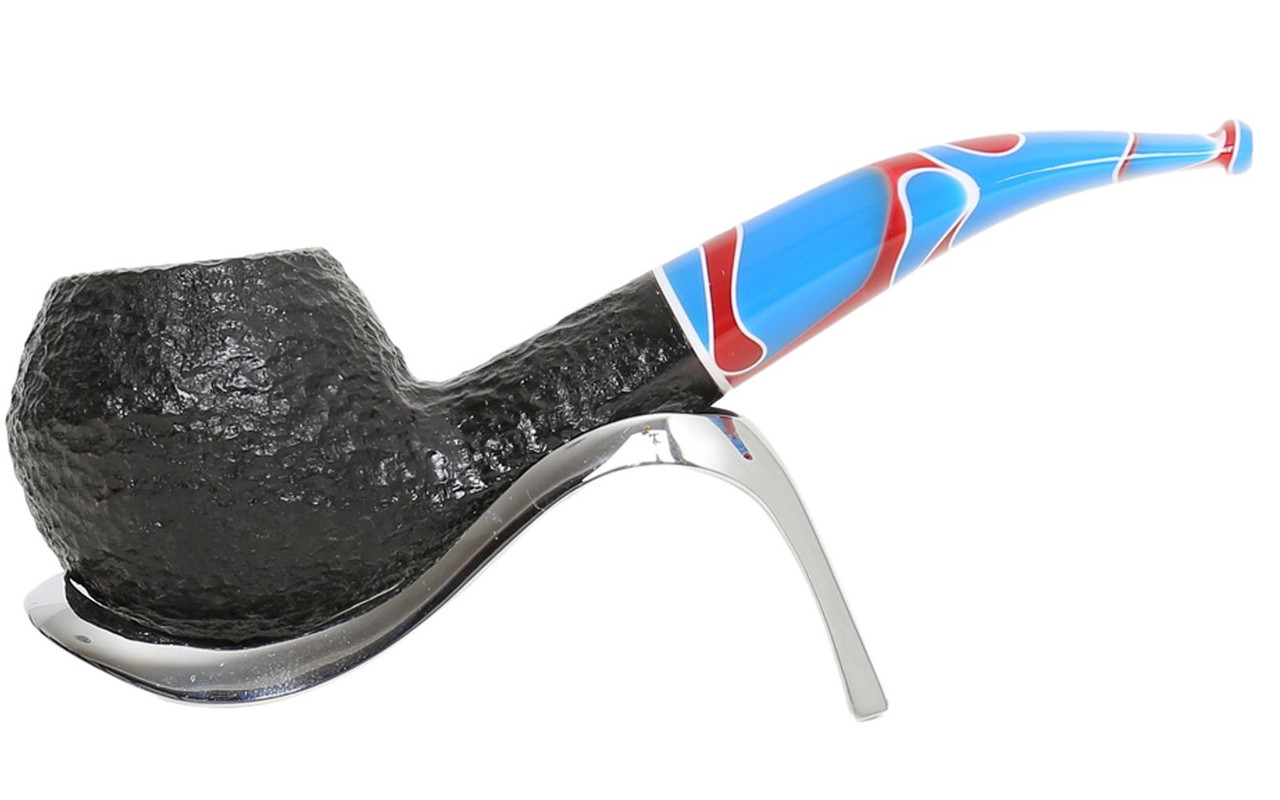
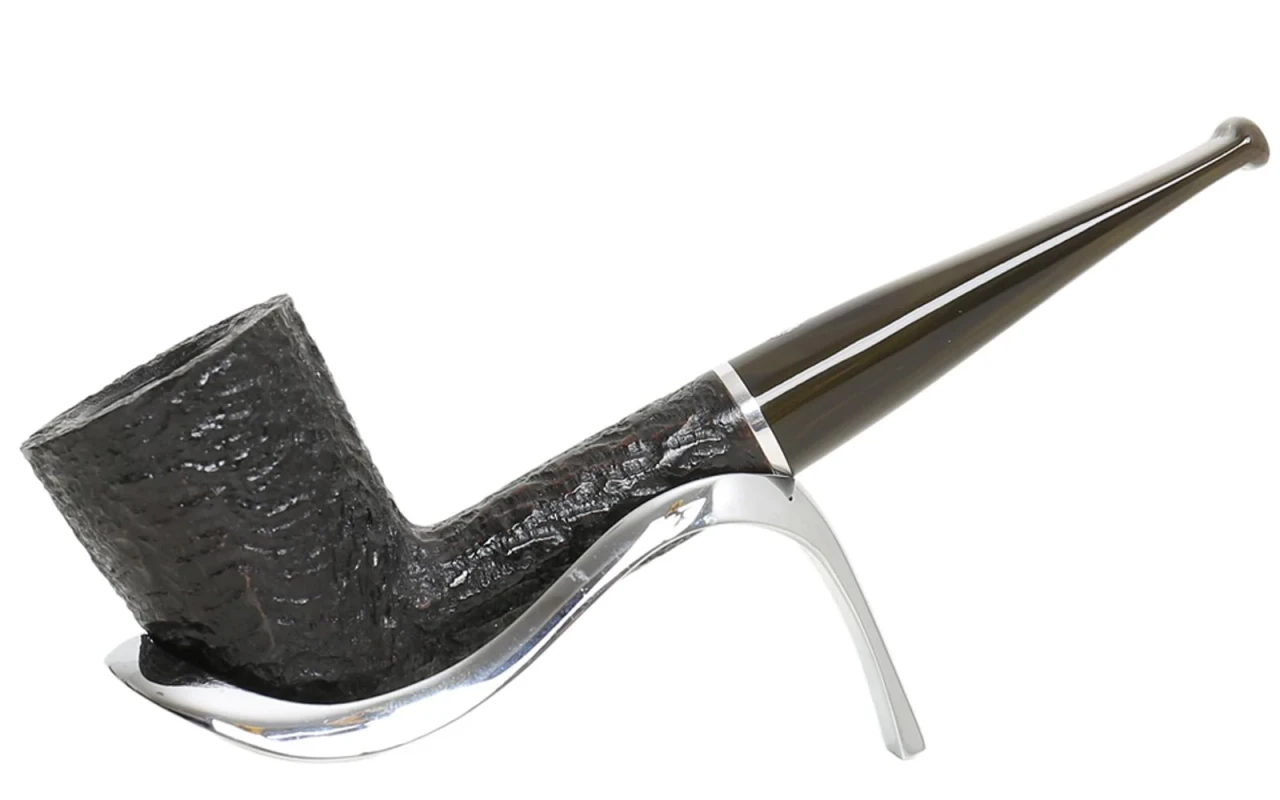
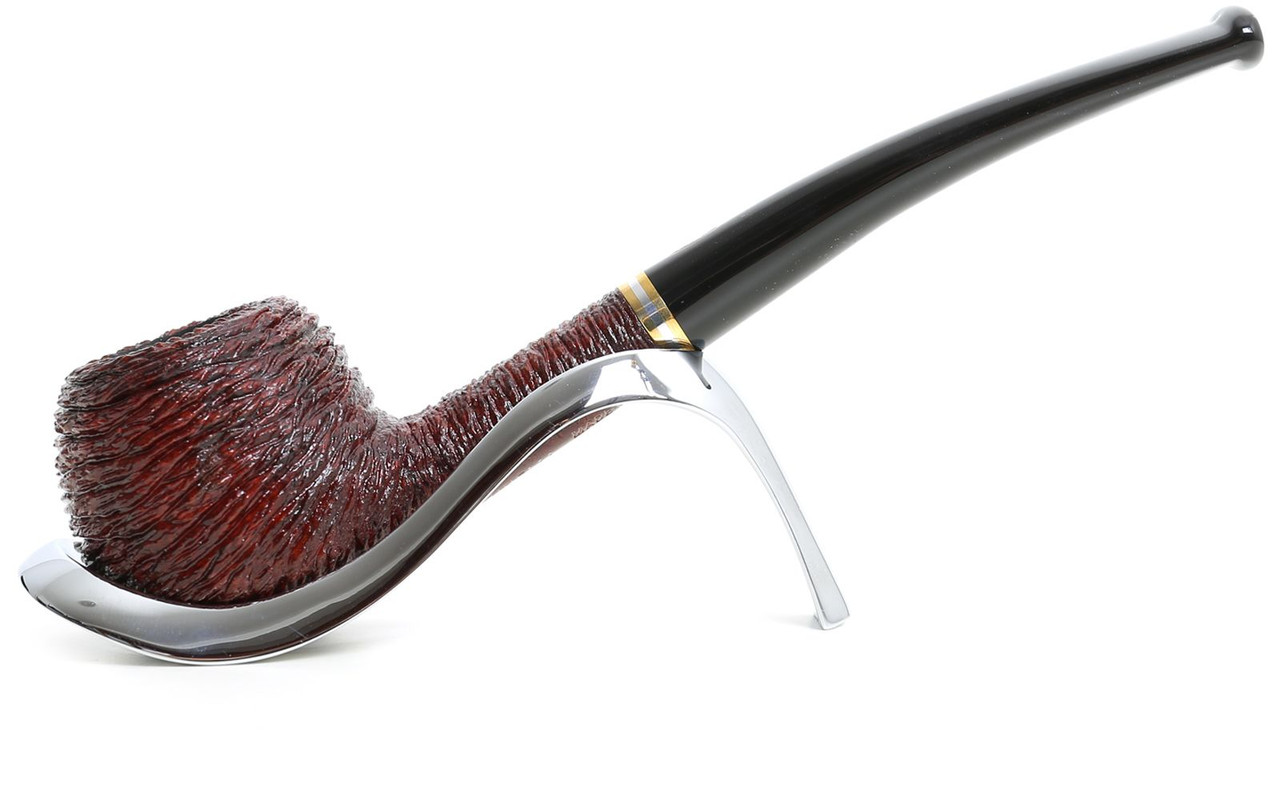
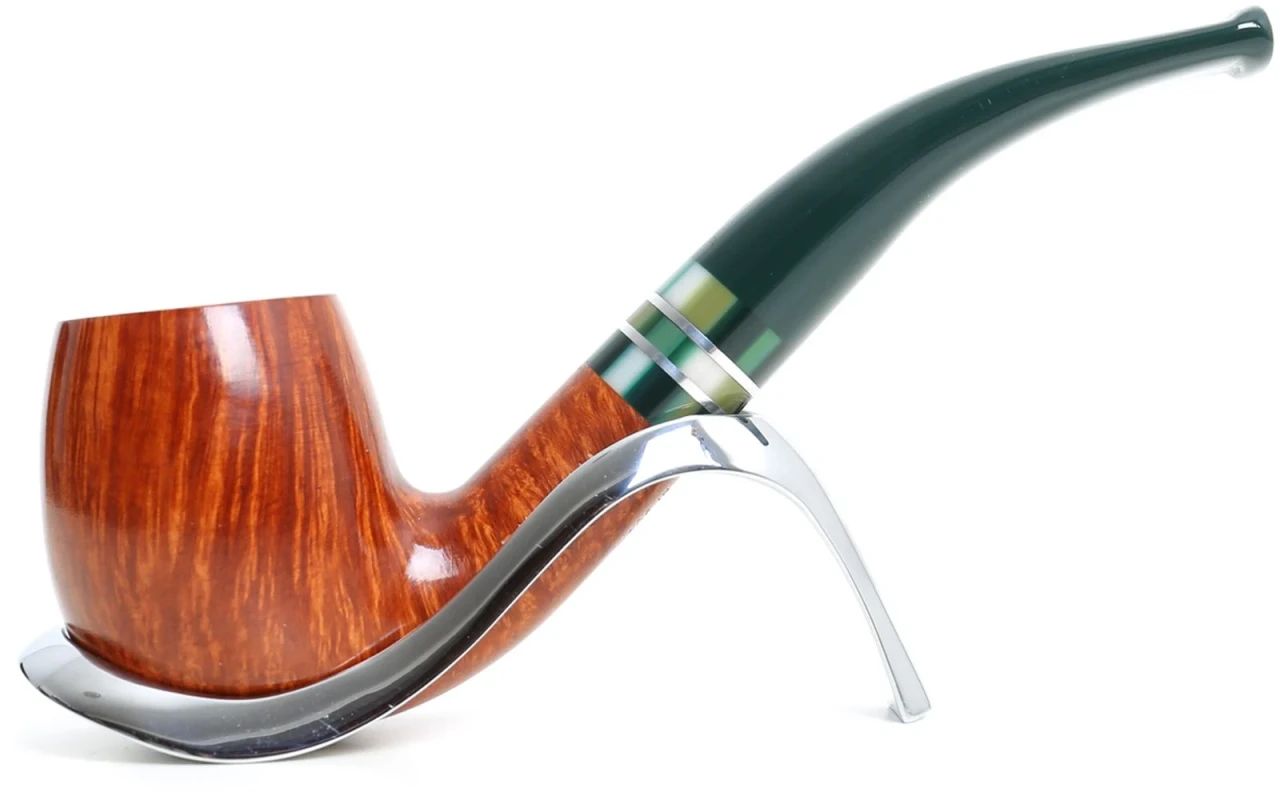
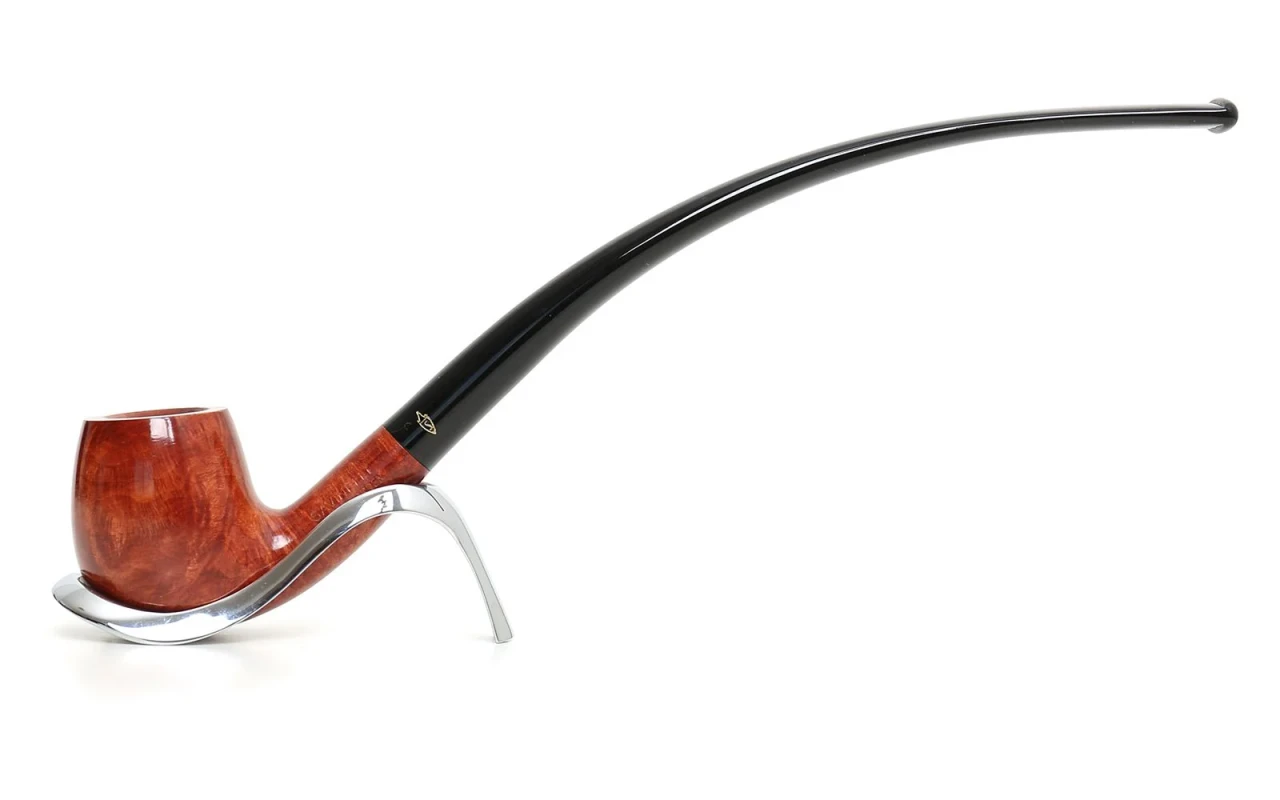
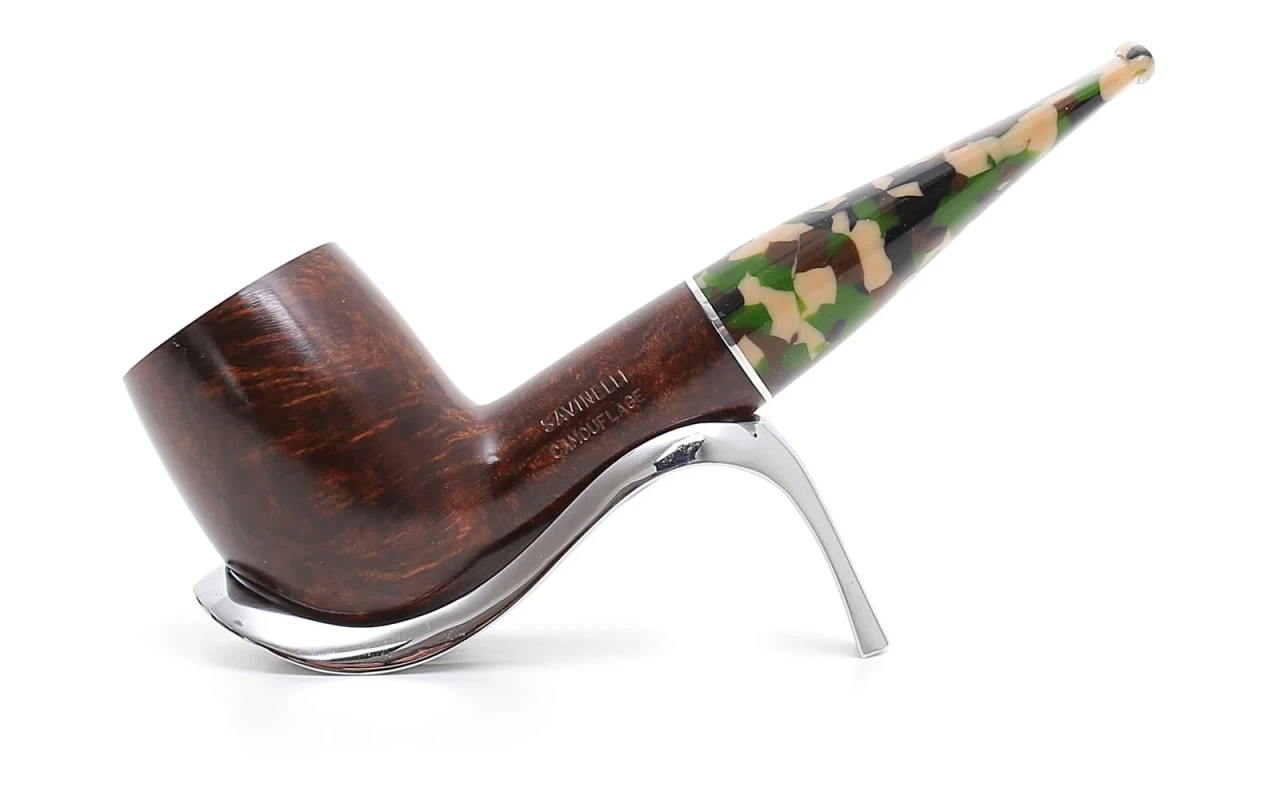
Materials used for the "Cutty" pipe
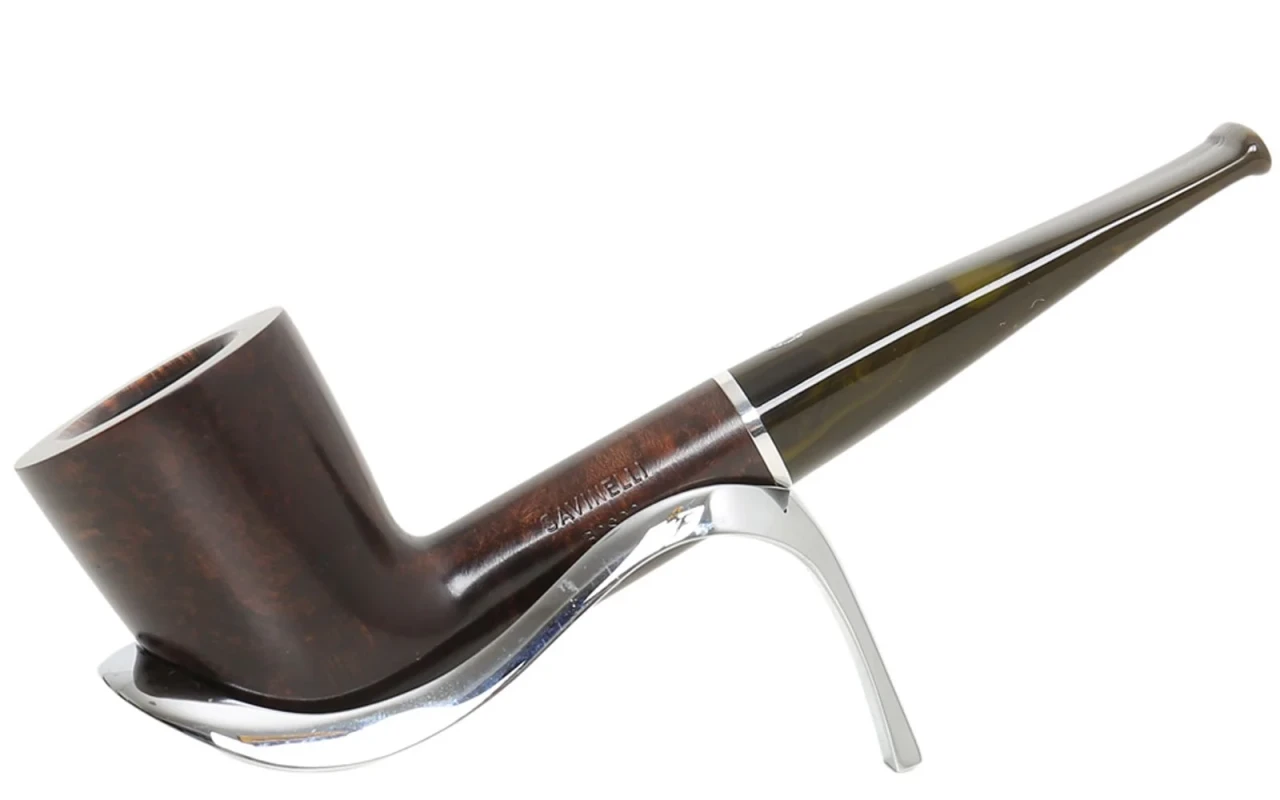
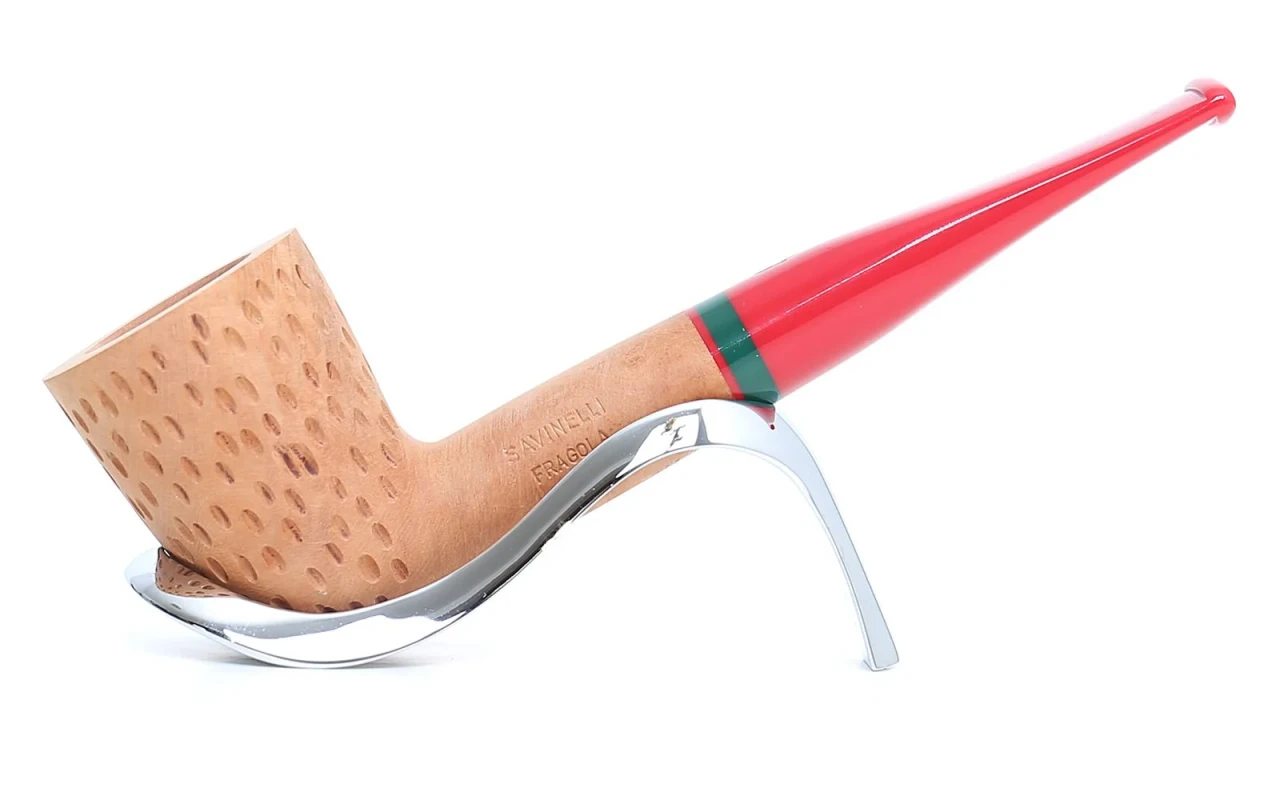
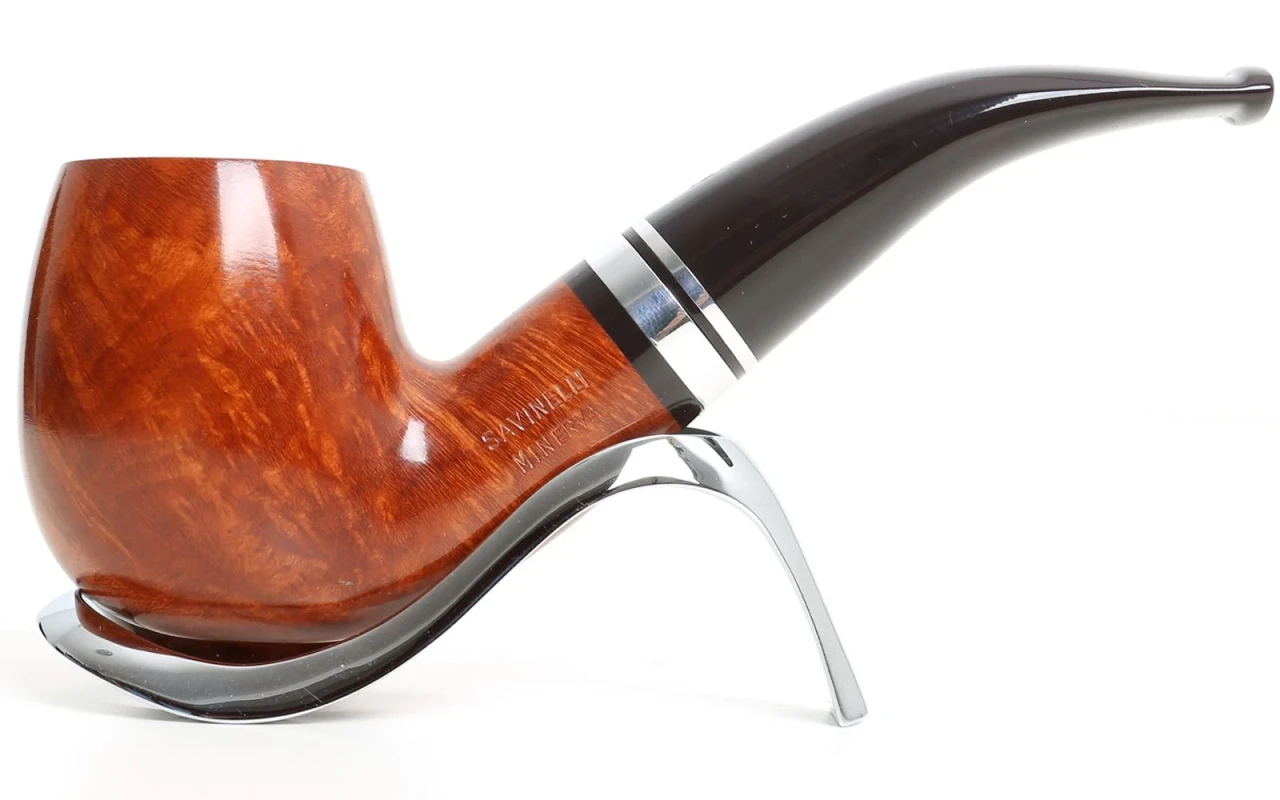
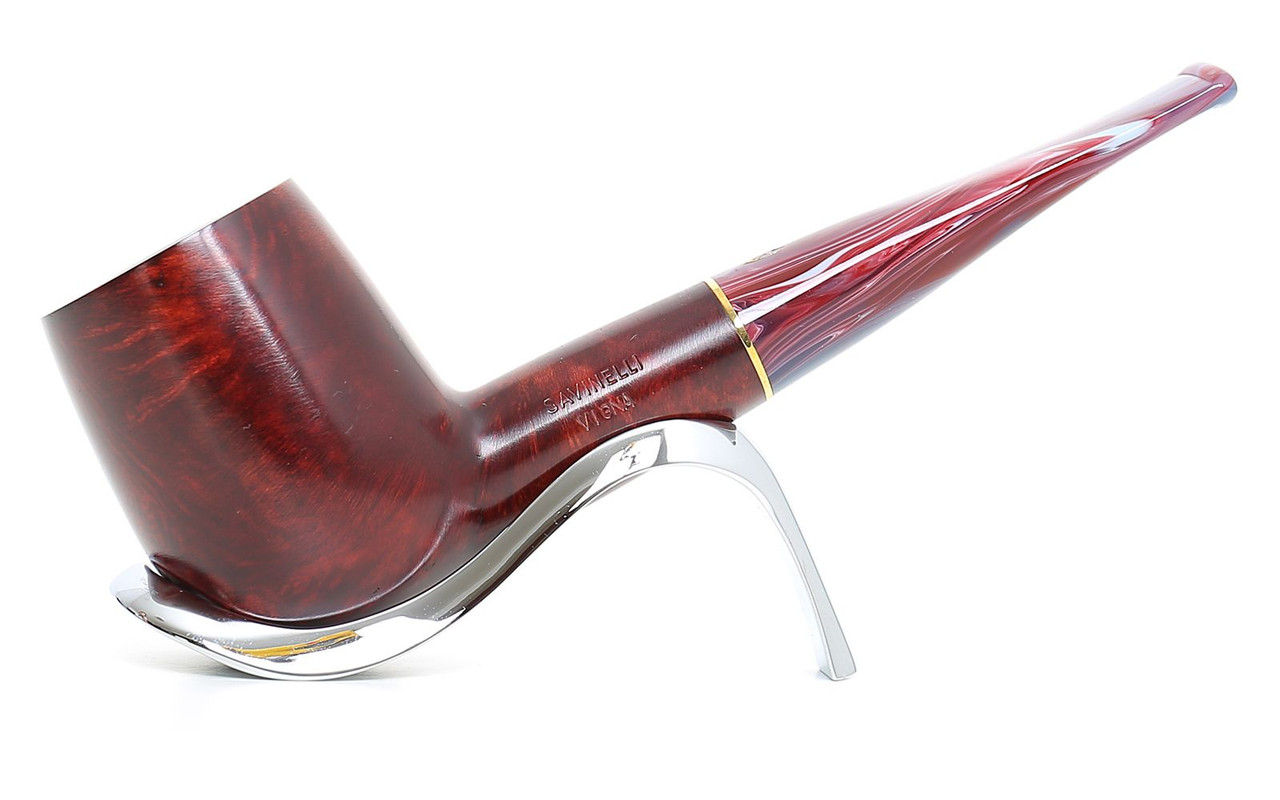
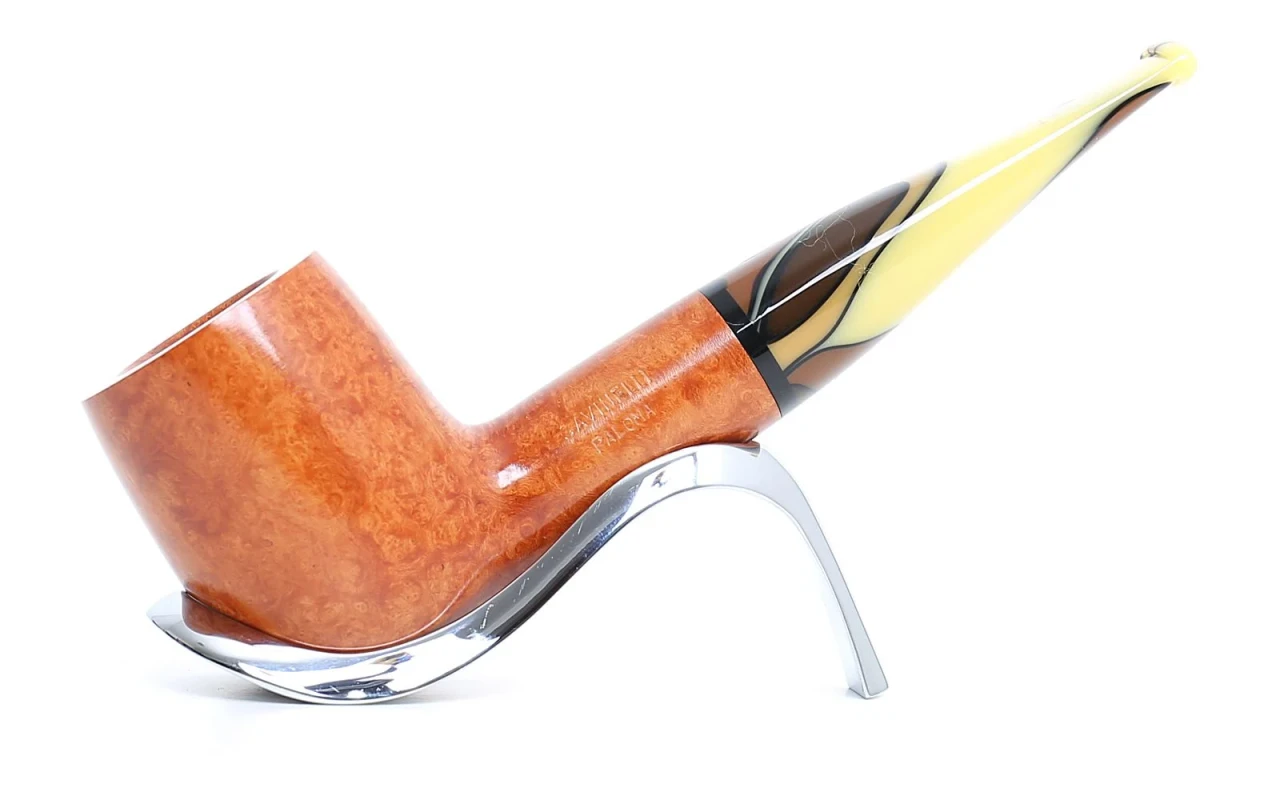
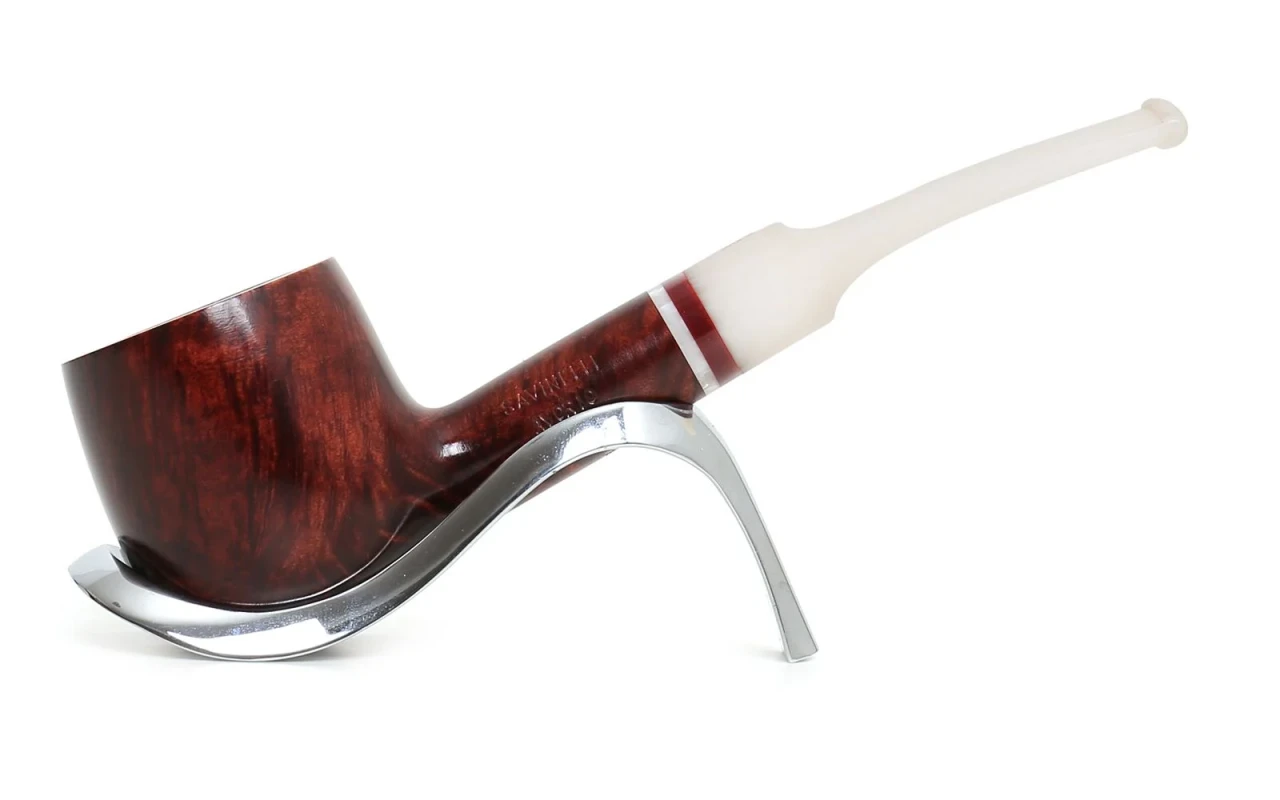
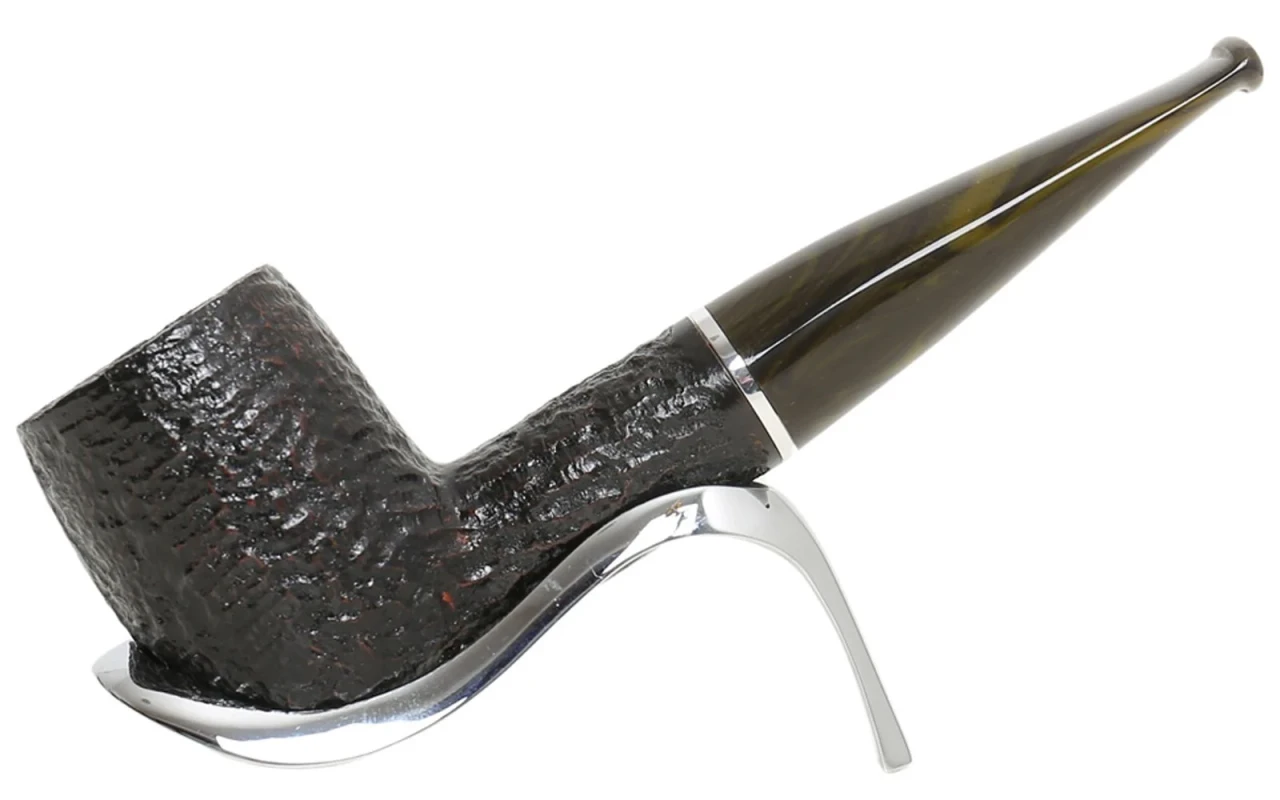
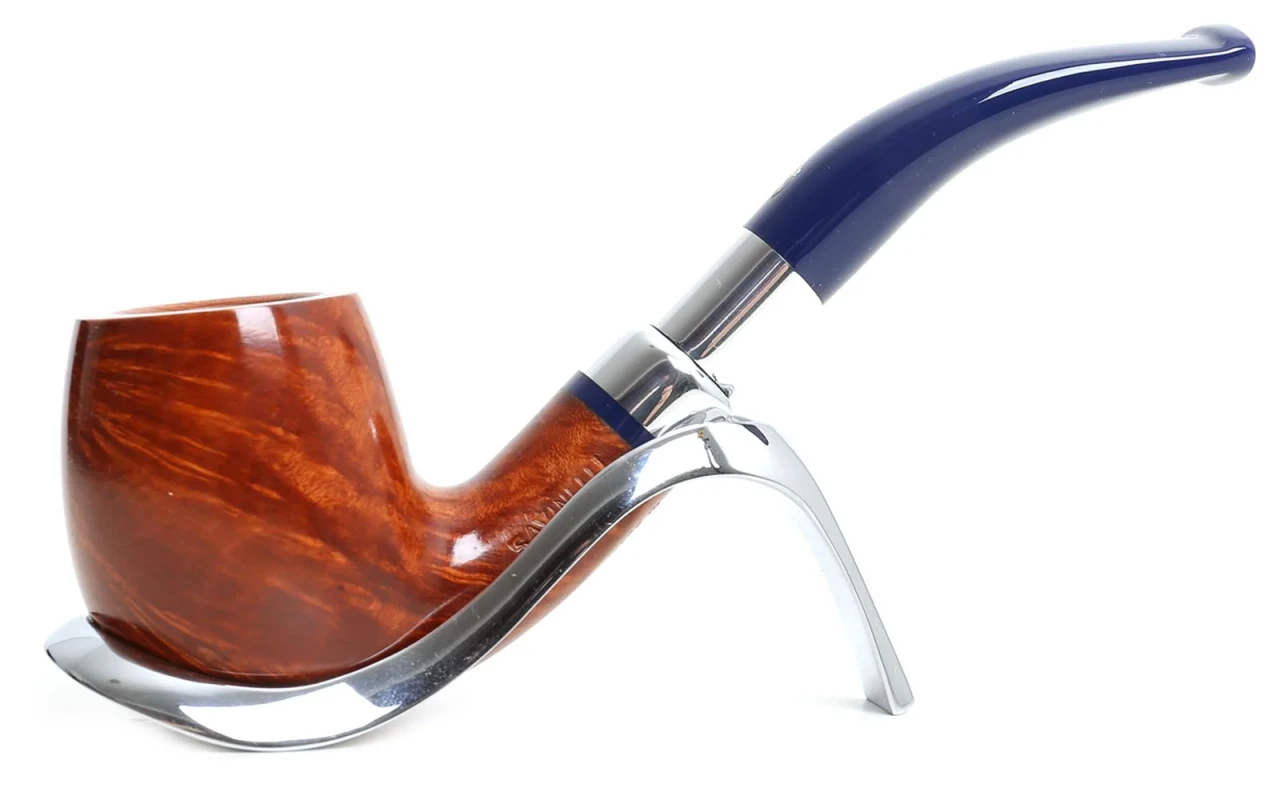
The "Cutty" pipe is traditionally crafted with high-quality materials to ensure a satisfying smoking experience. The most common materials used in constructing a "Cutty" pipe include:- Briar wood: a hard and resilient wood, widely appreciated for its moisture absorption properties and heat resistance.- Acrylic or horn mouthpiece: durable and easy-to-clean materials that provide excellent grip.- Inner lining of corn cob or meerschaum: to ensure a cool and dry smoke.- Decorative metal rings: often featured as aesthetic details on the "Cutty" pipe.These materials are carefully chosen to guarantee the quality and functionality of the "Cutty" pipe.
Cutty Pipes Materials
The Cutty pipe is a traditional model characterized by a distinctive shape, with a long and slender shank and a slightly bent bowl. Cutty pipes can be made from various materials, including:- Briar: high-quality wood highly valued in the pipe world for its durability and moisture-absorbing properties.- Heather root: light and durable, it offers good heat dissipation.- Corn cob: lightweight and affordable, it is often used for budget pipes or for travel purposes.The choice of material affects the weight, smoke quality, and aesthetics of the Cutty pipe.
Best materials for pipes
The best materials for pipes are:- Briar wood: light, heat-resistant, and corrosion-resistant, offering excellent flavor during smoking.- Oak wood: a hard wood that ensures long durability and excellent aromatic performance.- Briar: wood from the Erica arborea plant, very resistant and suitable for artisanal processing.- Corn cob: light and inexpensive, a popular choice for smoking pipes.- Clay: a traditional material for pipes, offering a pure and clean aromatic performance.- Meerschaum: a porous stone that absorbs smoke moisture, ensuring a fresh and dry smoking experience.
Traditional materials for pipes
Traditional pipes are mainly made from natural materials such as:- Briar wood: light and durable, it offers a good combustion.- Broom wood: appreciated for its color and ability to absorb moisture.- Corn cob: cheap and lightweight, often used for basic smoking pipes.- Clay: ensures a neutral taste and better moisture absorption.- Meerschaum: a porous stone that ensures a cool and dry smoke.When properly crafted, these materials contribute to a pleasant smoking experience and are highly valued by collectors of traditional pipes.
High-Quality Materials for Pipes
High-quality materials for pipes vary according to the smoker's preferences. However, the most common ones include:- Briarwood: light and durable, offering excellent heat dissipation.- Mediterranean briar: hard wood, ideal for long-lasting pipes.- Olive wood: dried olive wood, valued for its beauty and durability.- Meerschaum: porous stone, absorbs tobacco oils for enhanced flavoring.- Silver: used for aesthetic linings or decorative parts.- Bamboo: lightweight and sturdy, often used for pipe stems.The choice of material depends on personal preferences in terms of weight, aesthetics, and long-term durability.
'%3e%3cg id='Final-Copy-2_2_' transform='translate(1275.000000, 200.000000)'%3e%3cpath class='st0' d='M7.4,12.8h6.8l3.1-11.6H7.4C4.2,1.2,1.6,3.8,1.6,7S4.2,12.8,7.4,12.8z'/%3e%3c/g%3e%3c/g%3e%3c/g%3e%3cg id='final---dec.11-2020'%3e%3cg id='_x30_208-our-toggle' transform='translate(-1275.000000, -200.000000)'%3e%3cg id='Final-Copy-2' transform='translate(1275.000000, 200.000000)'%3e%3cpath class='st1' d='M22.6,0H7.4c-3.9,0-7,3.1-7,7s3.1,7,7,7h15.2c3.9,0,7-3.1,7-7S26.4,0,22.6,0z M1.6,7c0-3.2,2.6-5.8,5.8-5.8 h9.9l-3.1,11.6H7.4C4.2,12.8,1.6,10.2,1.6,7z'/%3e%3cpath id='x' class='st2' d='M24.6,4c0.2,0.2,0.2,0.6,0,0.8l0,0L22.5,7l2.2,2.2c0.2,0.2,0.2,0.6,0,0.8c-0.2,0.2-0.6,0.2-0.8,0 l0,0l-2.2-2.2L19.5,10c-0.2,0.2-0.6,0.2-0.8,0c-0.2-0.2-0.2-0.6,0-0.8l0,0L20.8,7l-2.2-2.2c-0.2-0.2-0.2-0.6,0-0.8 c0.2-0.2,0.6-0.2,0.8,0l0,0l2.2,2.2L23.8,4C24,3.8,24.4,3.8,24.6,4z'/%3e%3cpath id='y' class='st3' d='M12.7,4.1c0.2,0.2,0.3,0.6,0.1,0.8l0,0L8.6,9.8C8.5,9.9,8.4,10,8.3,10c-0.2,0.1-0.5,0.1-0.7-0.1l0,0 L5.4,7.7c-0.2-0.2-0.2-0.6,0-0.8c0.2-0.2,0.6-0.2,0.8,0l0,0L8,8.6l3.8-4.5C12,3.9,12.4,3.9,12.7,4.1z'/%3e%3c/g%3e%3c/g%3e%3c/g%3e%3c/g%3e%3c/svg%3e) Your Privacy Choices
Your Privacy Choices 


