 ES
ES FR
FR EN
EN IT
IT DE
DE
Materials used in pipe production
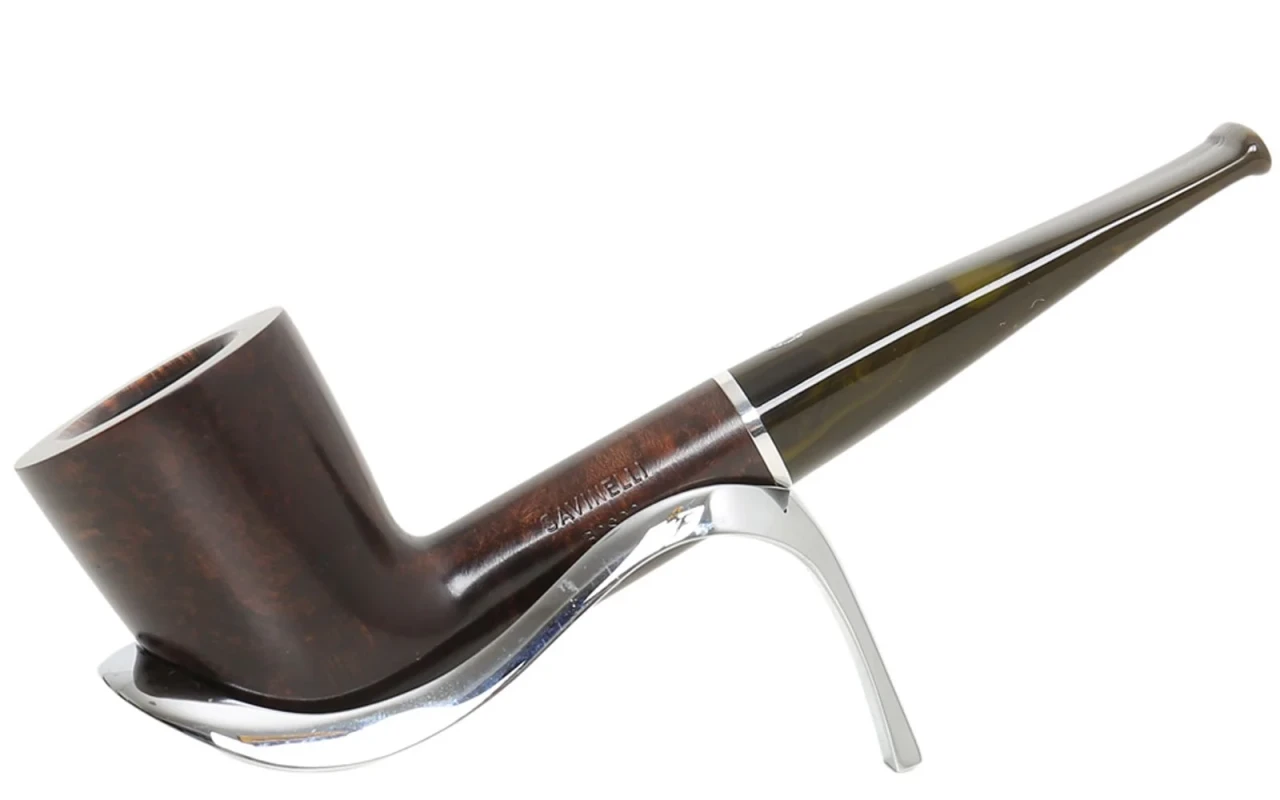
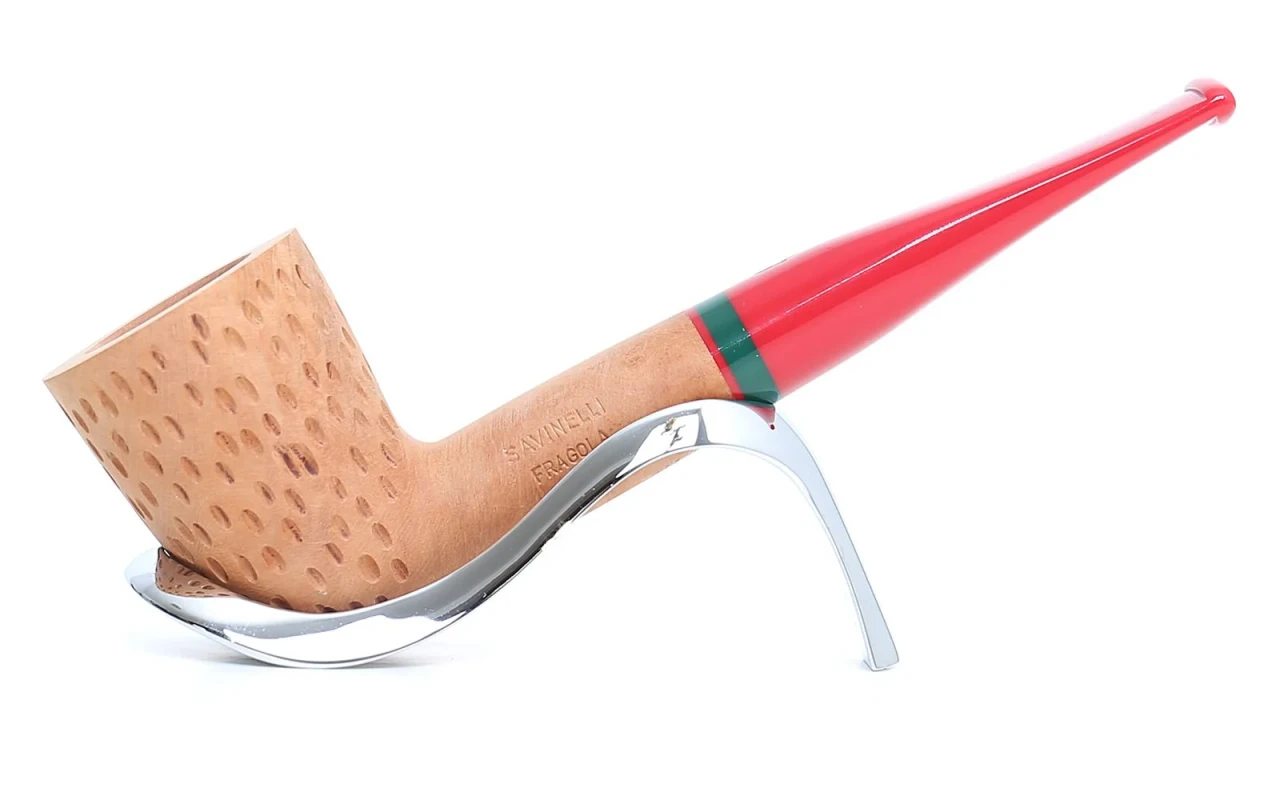
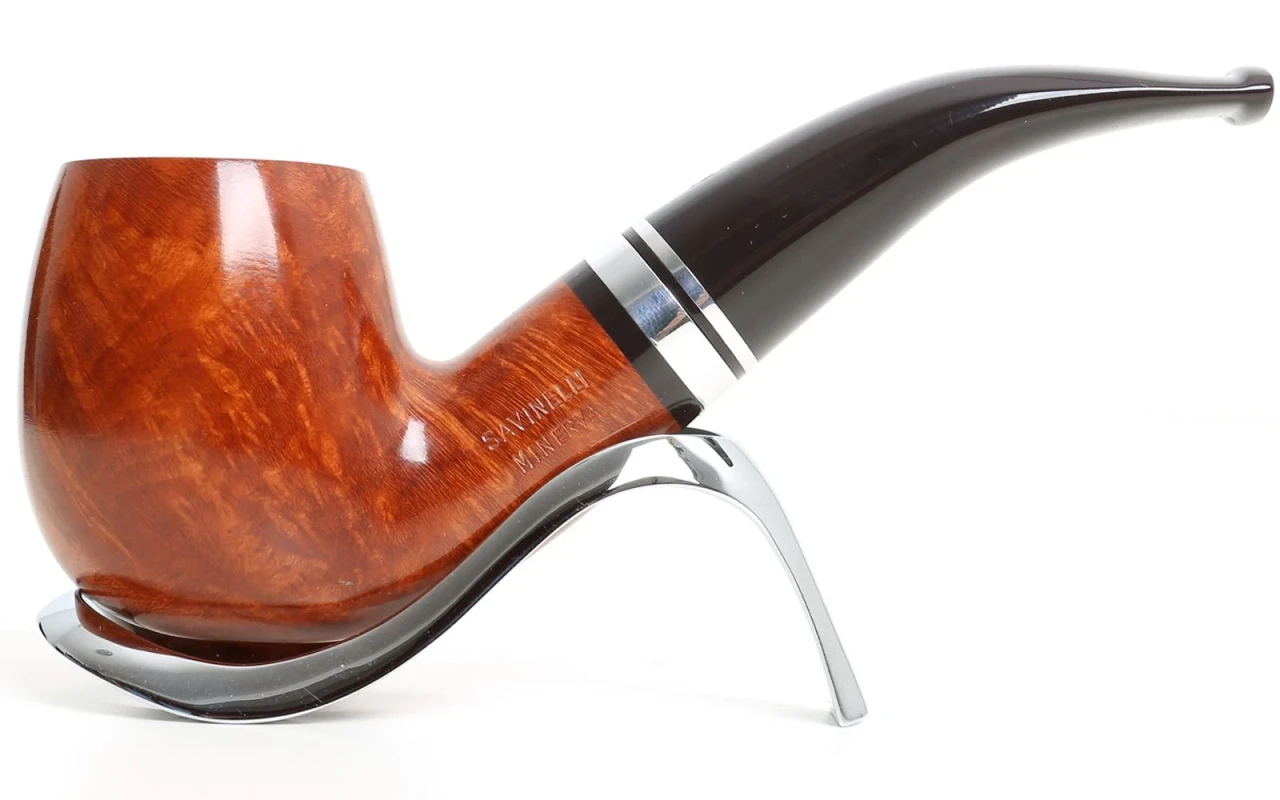
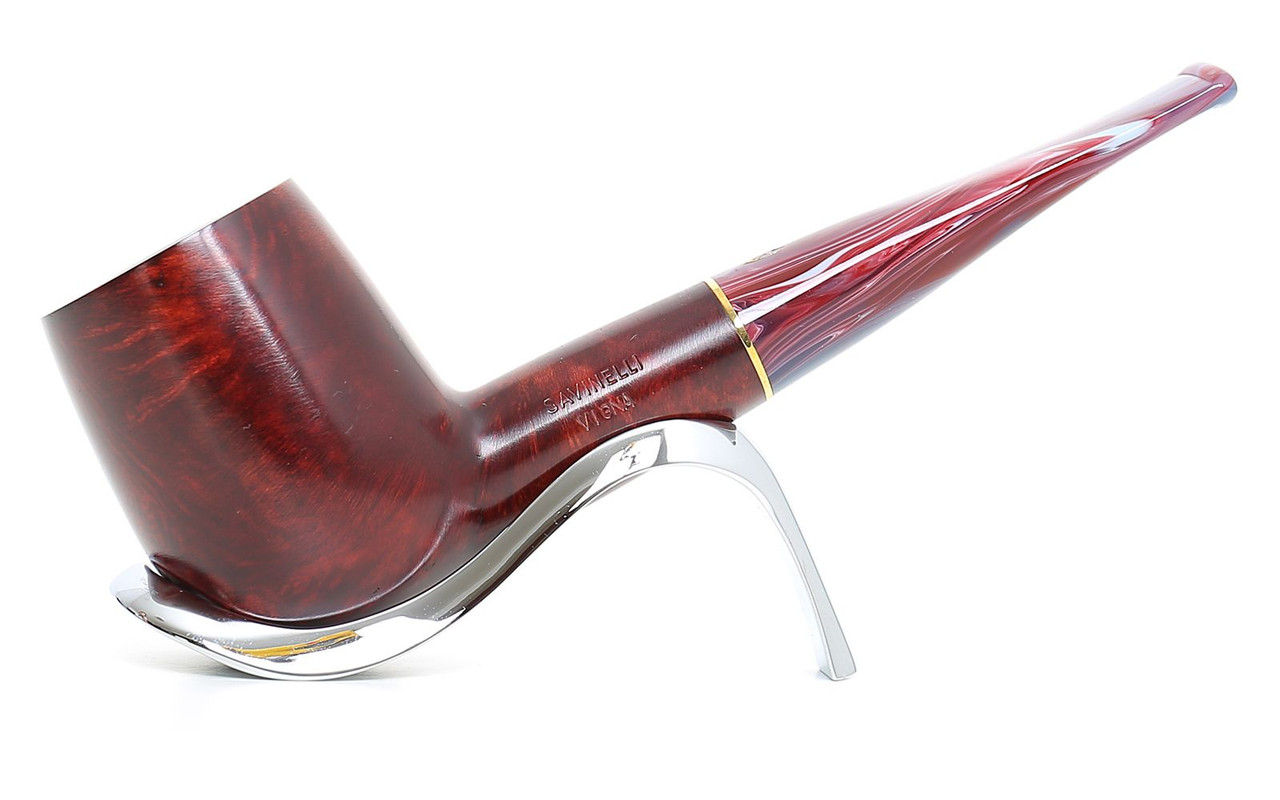
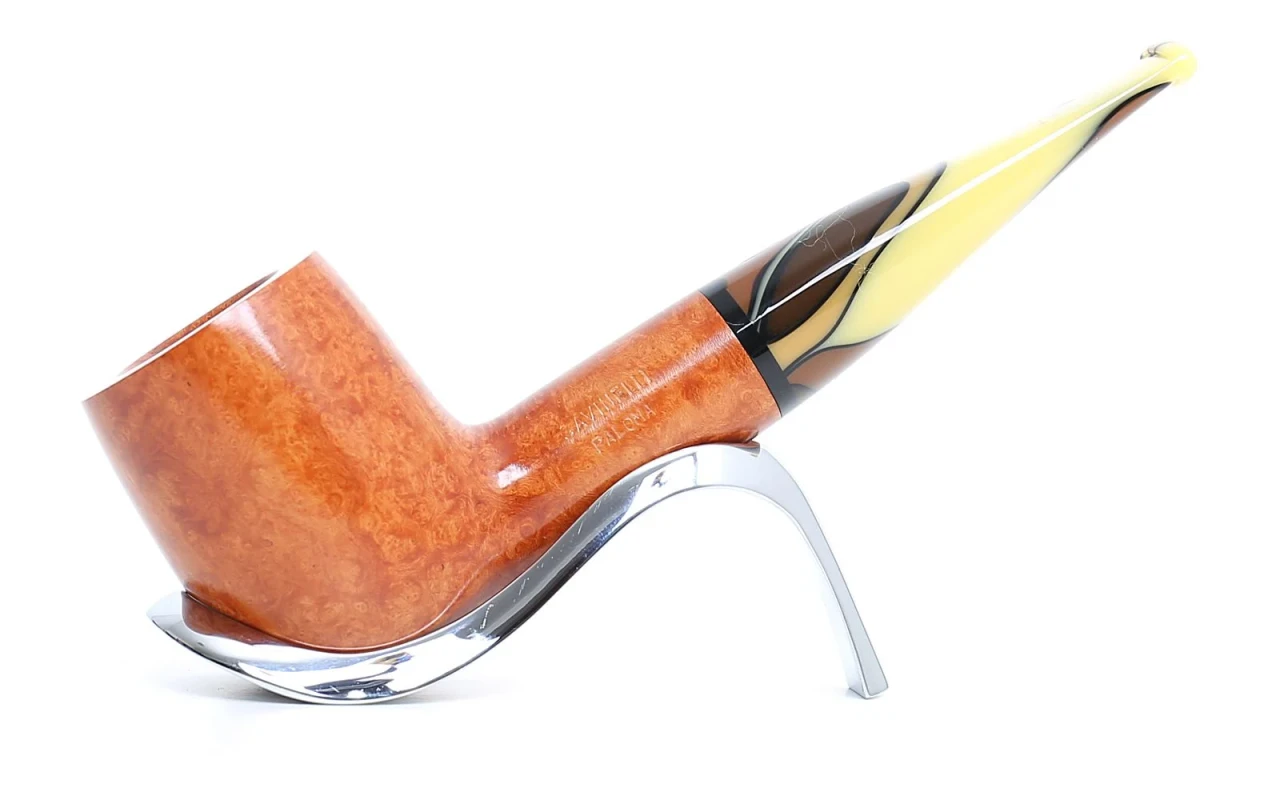
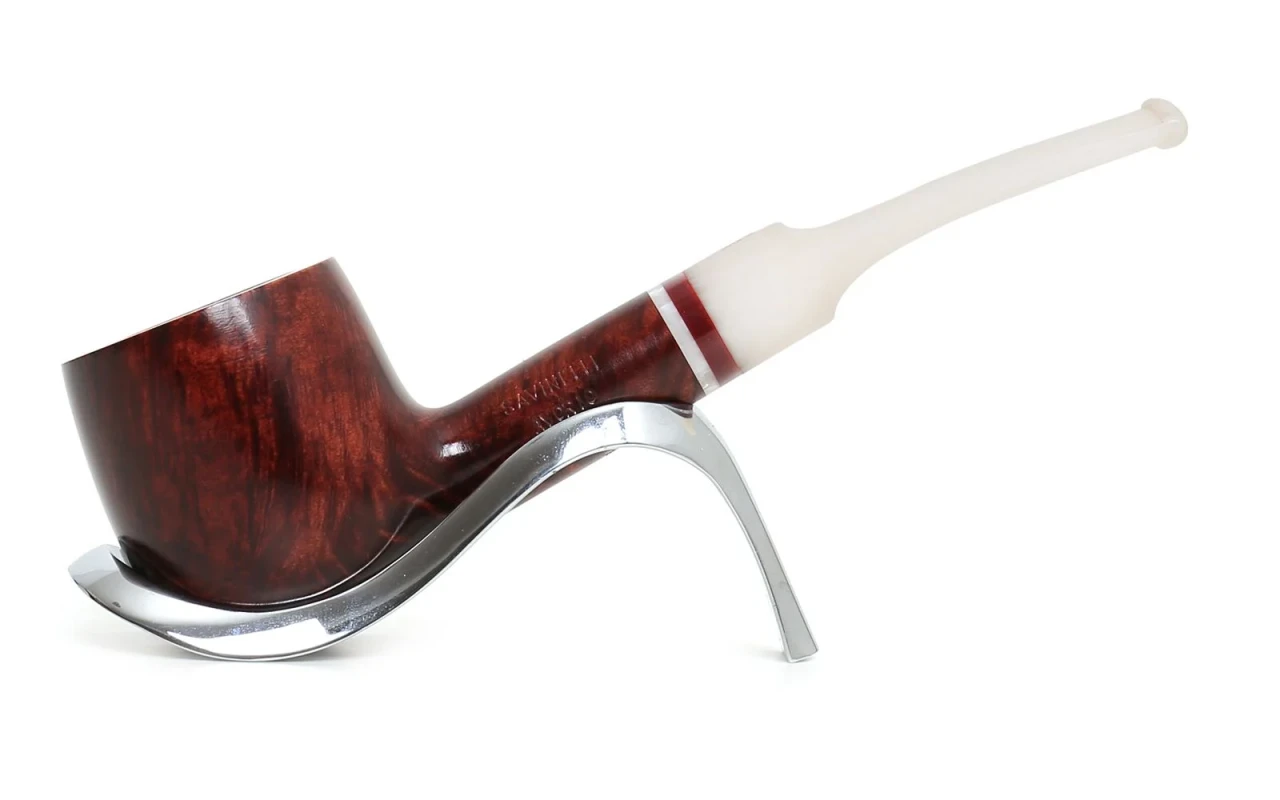
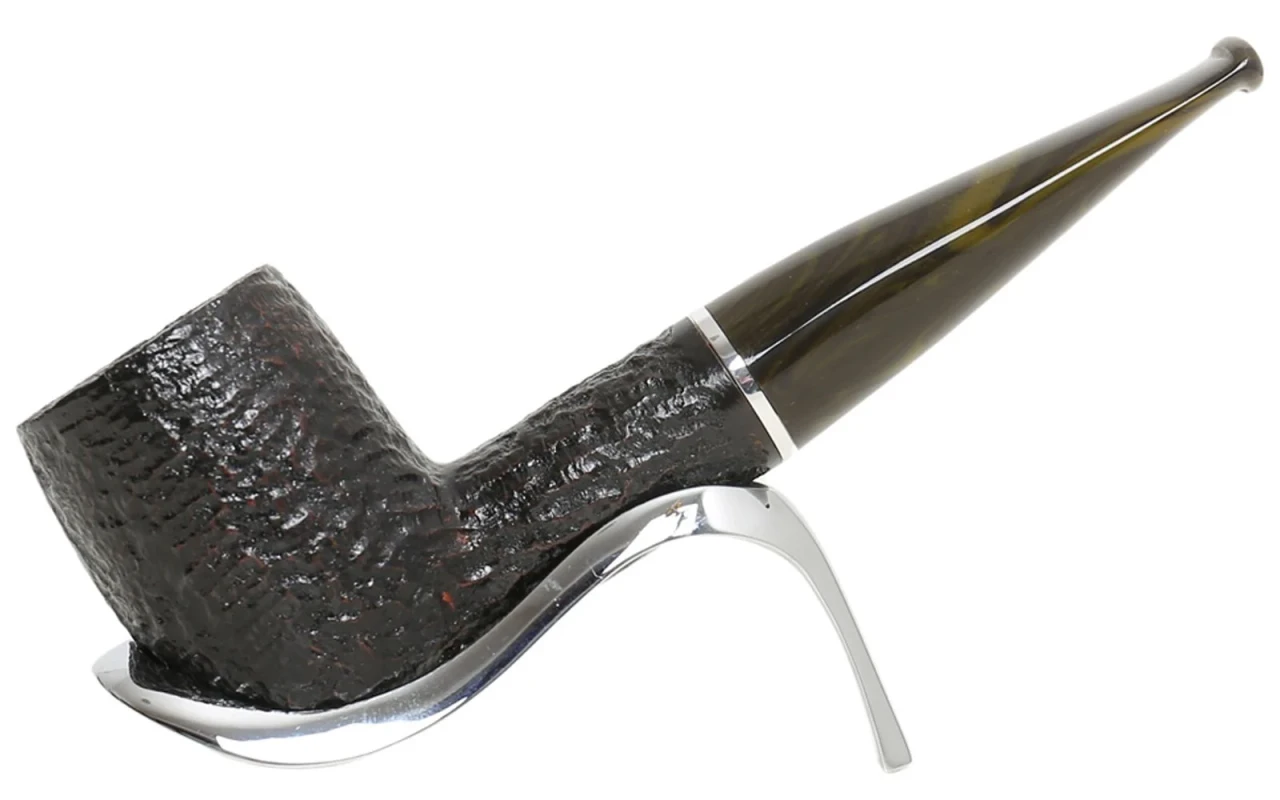
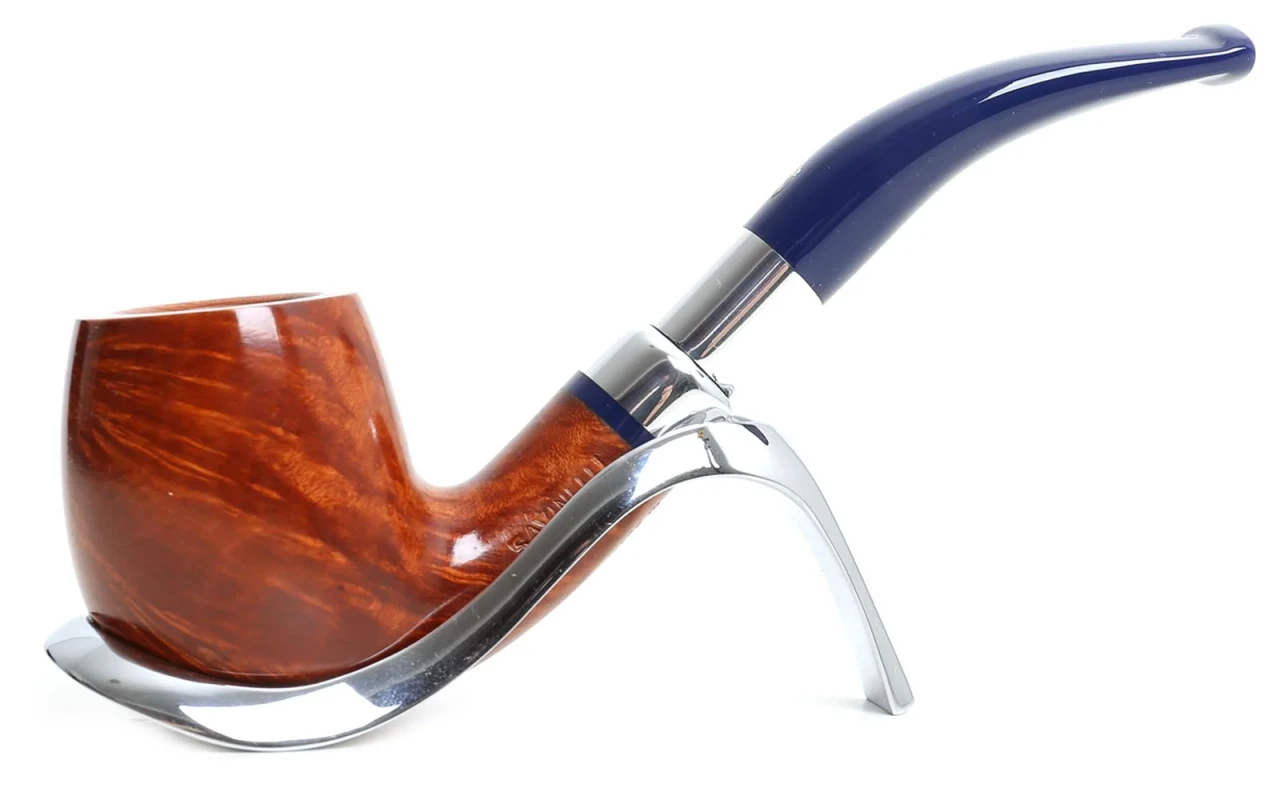
Materials used in pipe production
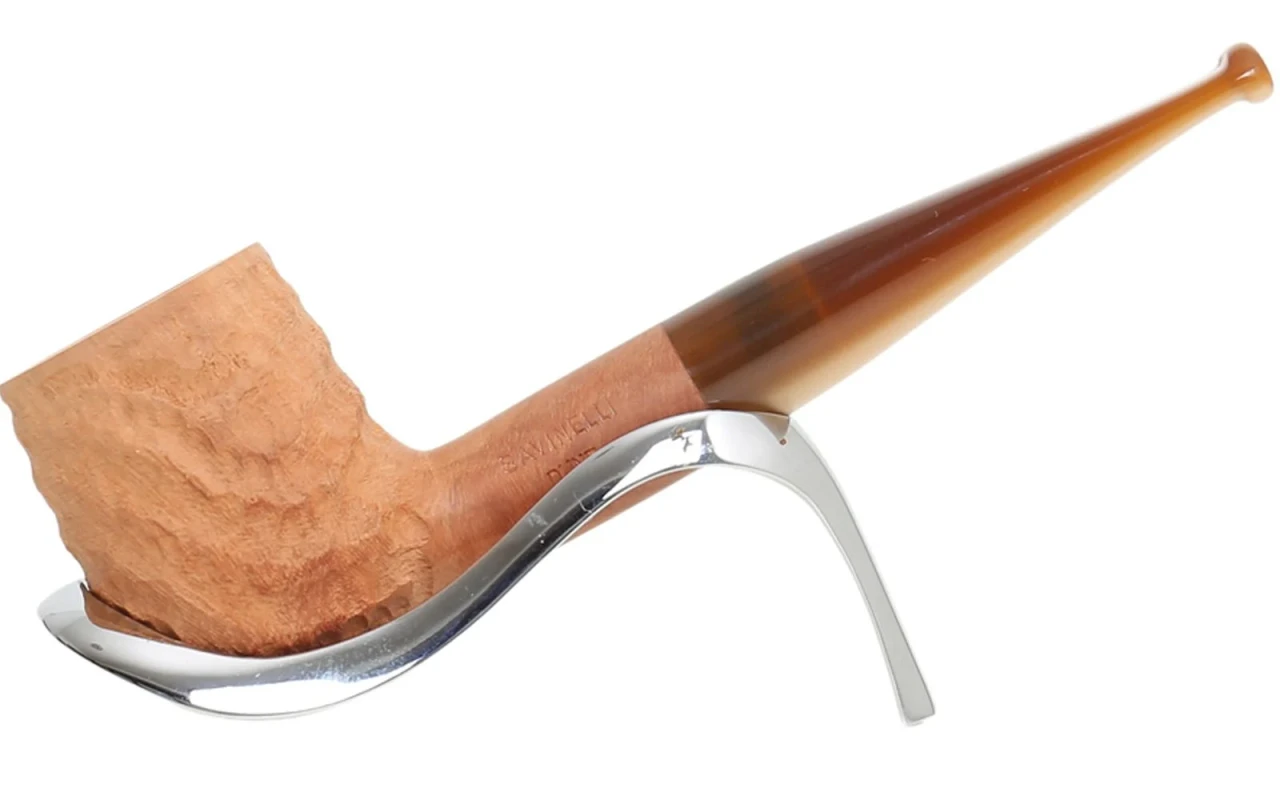
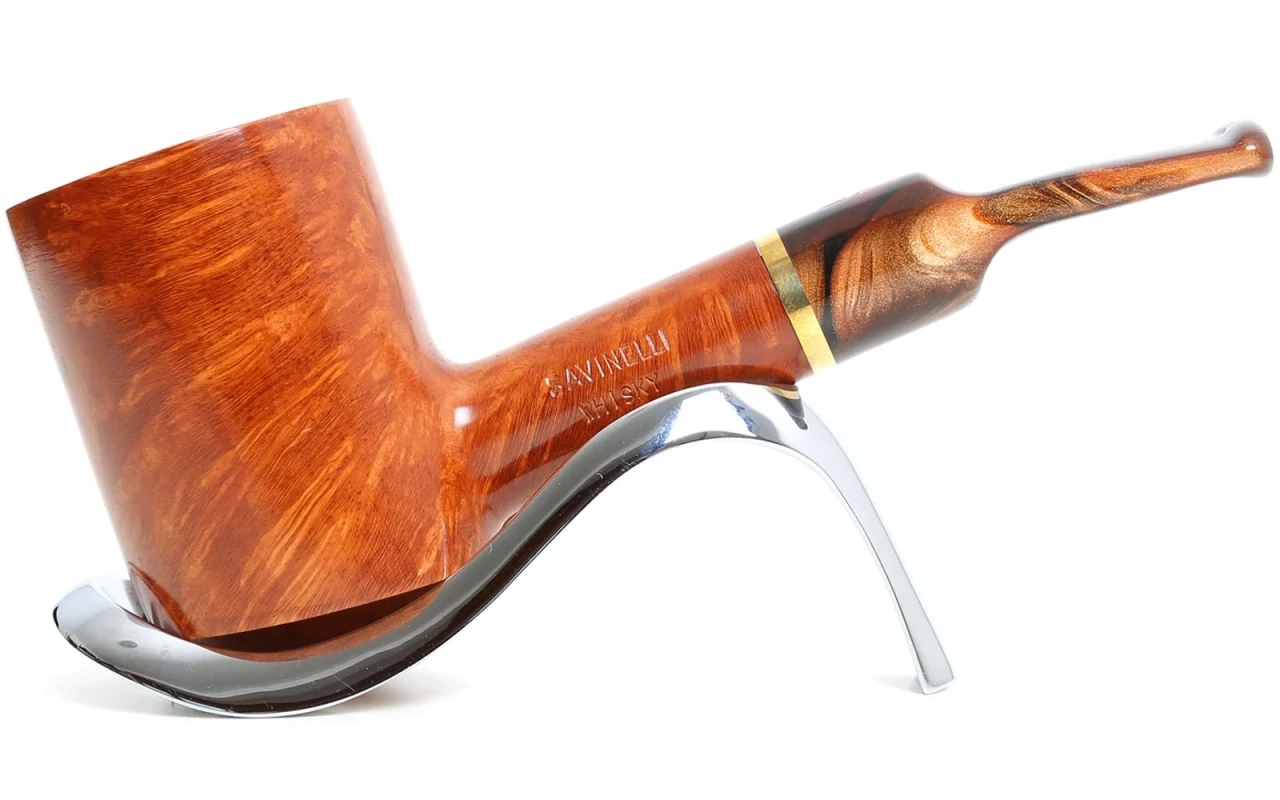
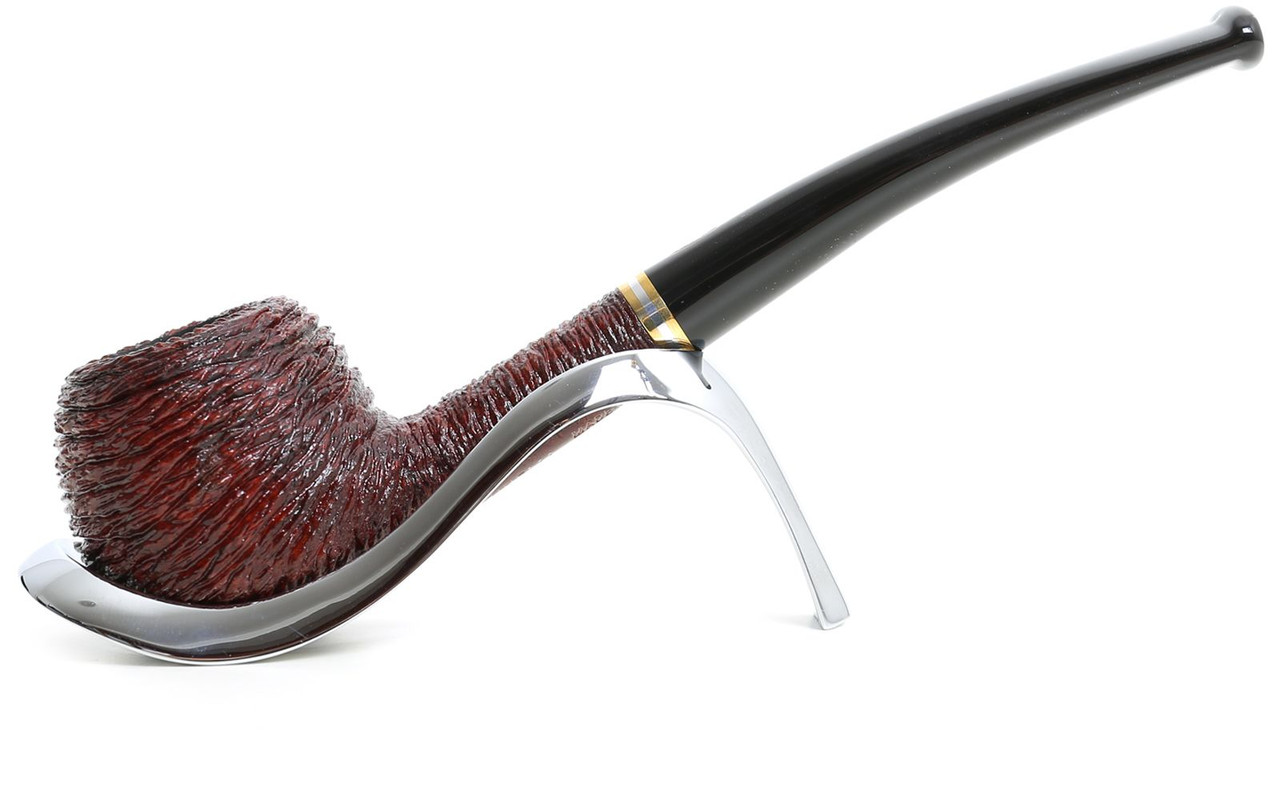
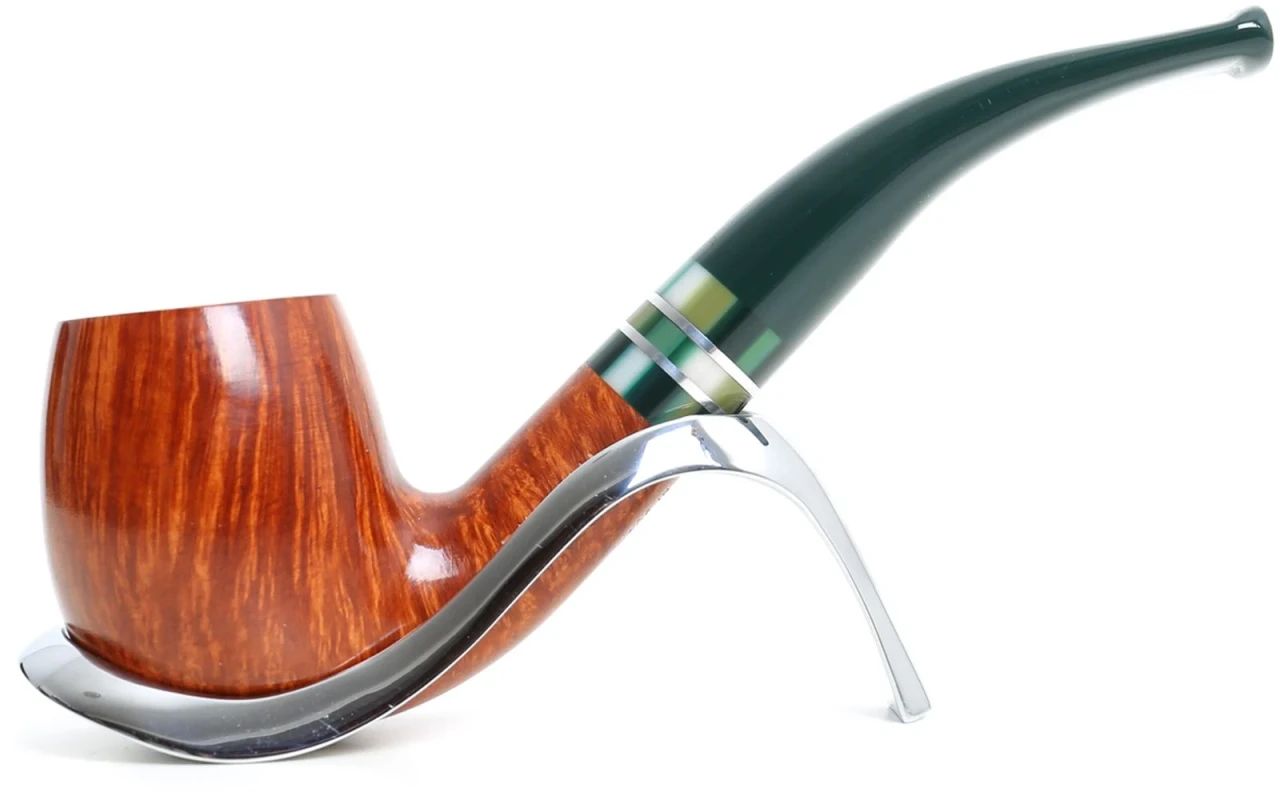
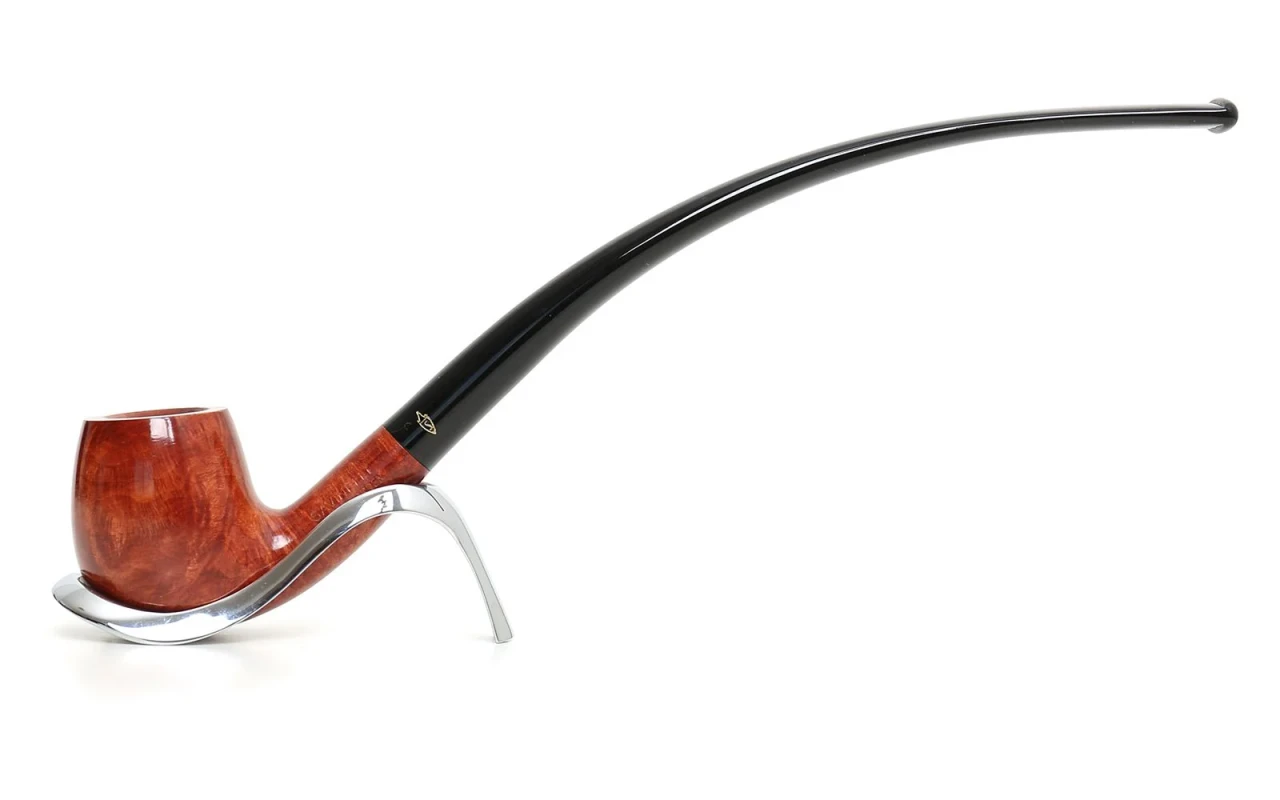
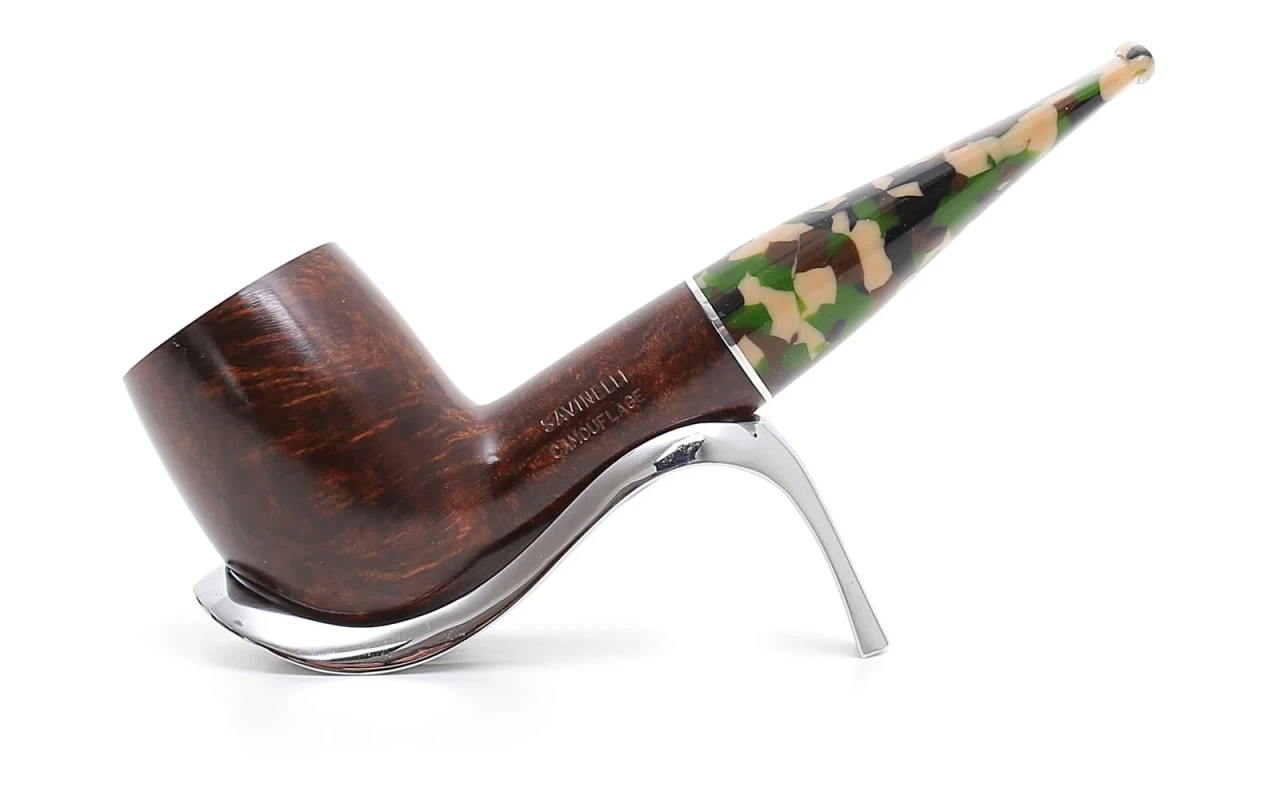
Pipes are traditionally made using high-quality materials such as:- Briar wood: lightweight and durable, it offers good combustion and a neutral taste.- Sea foam: known for its heat and corrosion resistance.- Clay: a porous material that absorbs tobacco moisture.- Corn cob: inexpensive and lightweight, commonly used for pipe bowls.- Meerschaum: a porous natural stone that absorbs nicotine and moisture.- Walnut wood: hard and durable, used for high-quality pipes.- Metal: such as brass or stainless steel, for more modern pipes with unique designs.
Wood for smoking pipes
Wood for smoking pipes is a fundamental element in the construction of a good pipe. The most commonly used woods are high-quality ones, such as briar, mortar, cherry, and walnut. These woods are chosen for their heat and combustion resistance, as well as their moisture absorption properties. The choice of wood affects the quality of the smoke, as it determines the flavor and heat generated during pipe use. It is important that the wood has been properly seasoned to ensure a good smoking experience.
Tobacco Pipe Accessories
Tobacco pipe accessories are essential tools for pipe smoking enthusiasts. Among the most common ones, we find:- Tamper: a tool used to compress the tobacco in the pipe.- Pipe cleaners: brushes for the internal cleaning of the pipe.- Tobacco pouch: a container for optimal tobacco storage.- Pipe lighter: a special lighter with a flame oriented to facilitate pipe lighting.- Tobacco pouch: useful for keeping tobacco fresh and moist.- Filter: to filter the smoke and reduce moisture in the pipe.Purchasing quality accessories is crucial to fully enjoy the pipe smoking experience.
Pipe Smoking Maintenance
Maintaining smoking pipes is essential to ensure a good smoking experience and preserve the device's lifespan. Here are some important steps to follow for the proper maintenance of smoking pipes:- After each use, empty the ash and gently clean the pipe with a pipe cleaner.- Occasionally, use a cotton swab on the inner surface of the pipe to remove any tobacco residues.- Avoid wetting the pipe or exposing it to excessive heat sources that could damage it.- If necessary, polish the pipe with beeswax or specific pipe oil to keep it in good condition over time.By following these simple practices, you can fully enjoy your smoking pipe for a long time.
'%3e%3cg id='Final-Copy-2_2_' transform='translate(1275.000000, 200.000000)'%3e%3cpath class='st0' d='M7.4,12.8h6.8l3.1-11.6H7.4C4.2,1.2,1.6,3.8,1.6,7S4.2,12.8,7.4,12.8z'/%3e%3c/g%3e%3c/g%3e%3c/g%3e%3cg id='final---dec.11-2020'%3e%3cg id='_x30_208-our-toggle' transform='translate(-1275.000000, -200.000000)'%3e%3cg id='Final-Copy-2' transform='translate(1275.000000, 200.000000)'%3e%3cpath class='st1' d='M22.6,0H7.4c-3.9,0-7,3.1-7,7s3.1,7,7,7h15.2c3.9,0,7-3.1,7-7S26.4,0,22.6,0z M1.6,7c0-3.2,2.6-5.8,5.8-5.8 h9.9l-3.1,11.6H7.4C4.2,12.8,1.6,10.2,1.6,7z'/%3e%3cpath id='x' class='st2' d='M24.6,4c0.2,0.2,0.2,0.6,0,0.8l0,0L22.5,7l2.2,2.2c0.2,0.2,0.2,0.6,0,0.8c-0.2,0.2-0.6,0.2-0.8,0 l0,0l-2.2-2.2L19.5,10c-0.2,0.2-0.6,0.2-0.8,0c-0.2-0.2-0.2-0.6,0-0.8l0,0L20.8,7l-2.2-2.2c-0.2-0.2-0.2-0.6,0-0.8 c0.2-0.2,0.6-0.2,0.8,0l0,0l2.2,2.2L23.8,4C24,3.8,24.4,3.8,24.6,4z'/%3e%3cpath id='y' class='st3' d='M12.7,4.1c0.2,0.2,0.3,0.6,0.1,0.8l0,0L8.6,9.8C8.5,9.9,8.4,10,8.3,10c-0.2,0.1-0.5,0.1-0.7-0.1l0,0 L5.4,7.7c-0.2-0.2-0.2-0.6,0-0.8c0.2-0.2,0.6-0.2,0.8,0l0,0L8,8.6l3.8-4.5C12,3.9,12.4,3.9,12.7,4.1z'/%3e%3c/g%3e%3c/g%3e%3c/g%3e%3c/g%3e%3c/svg%3e) Your Privacy Choices
Your Privacy Choices 


