 FR
FR EN
EN IT
IT DE
DE
Materials and Production Technique
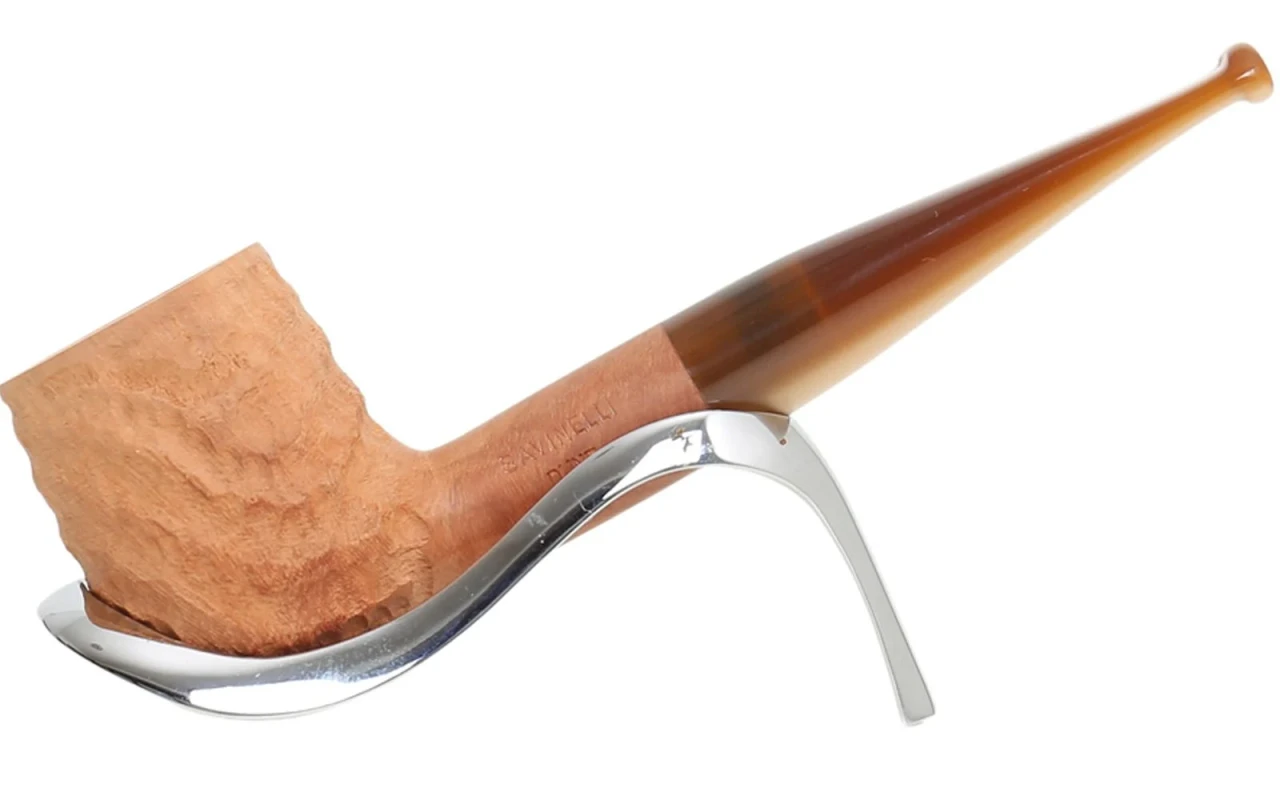
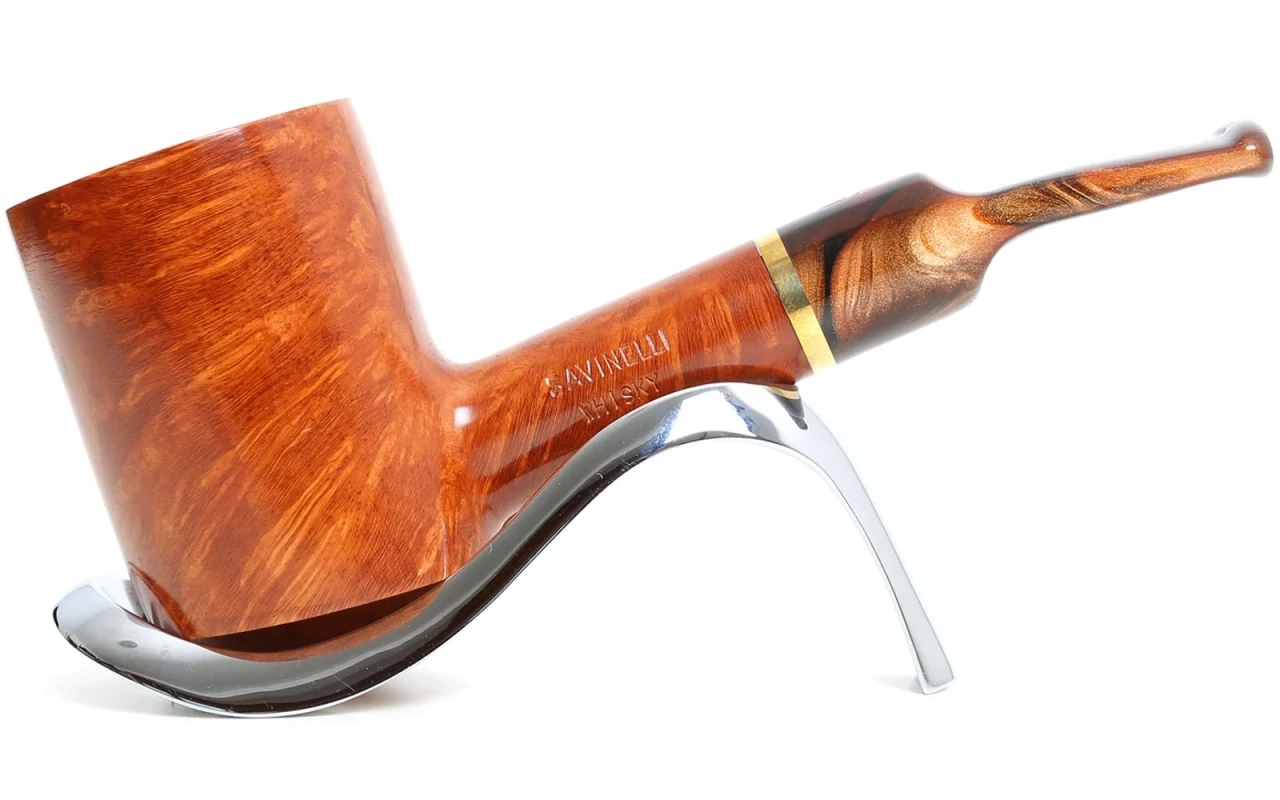
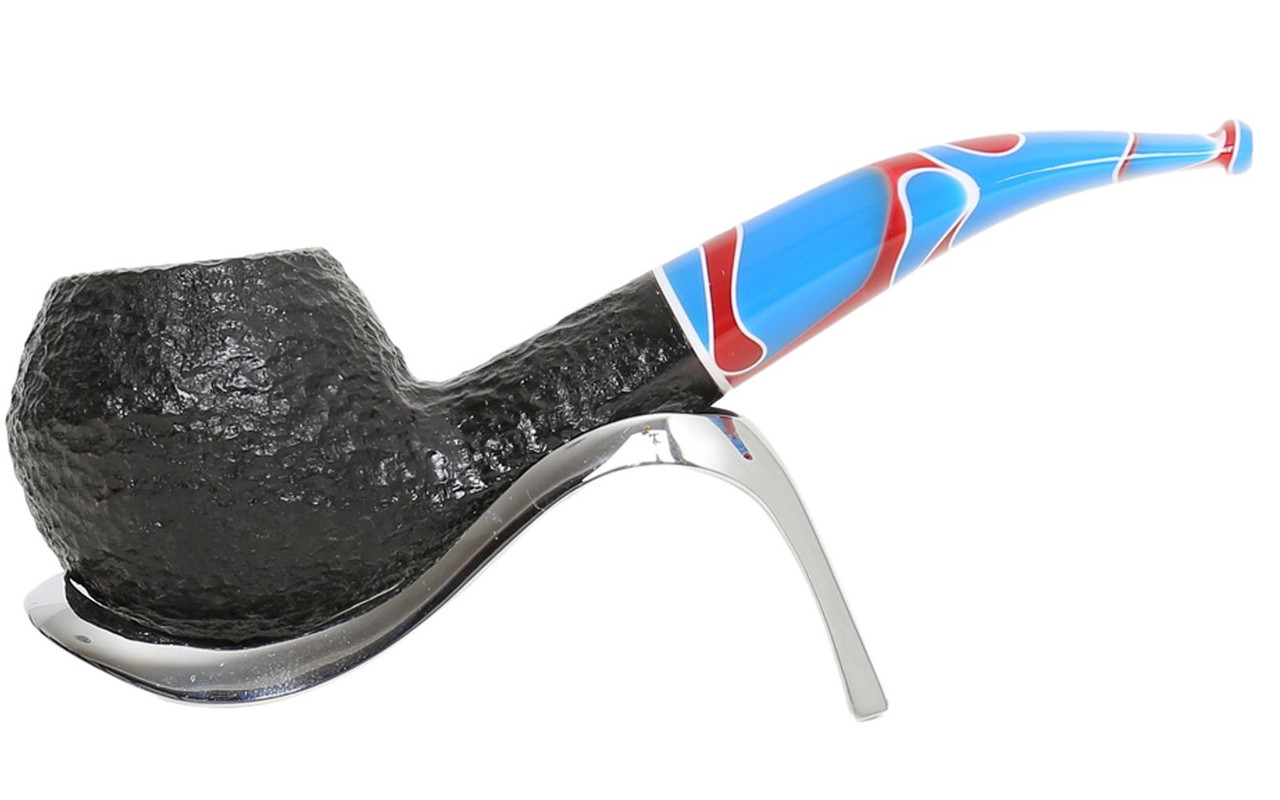
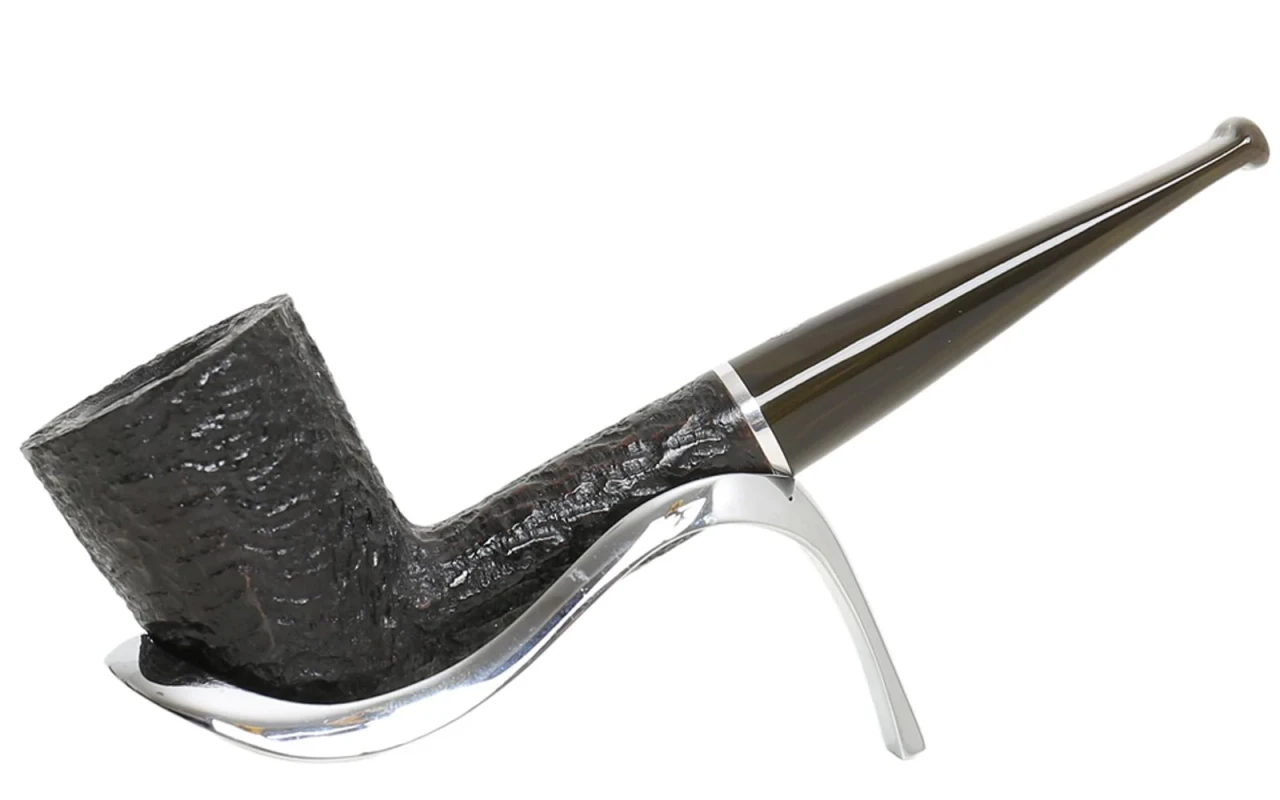
Materials and Production Technique
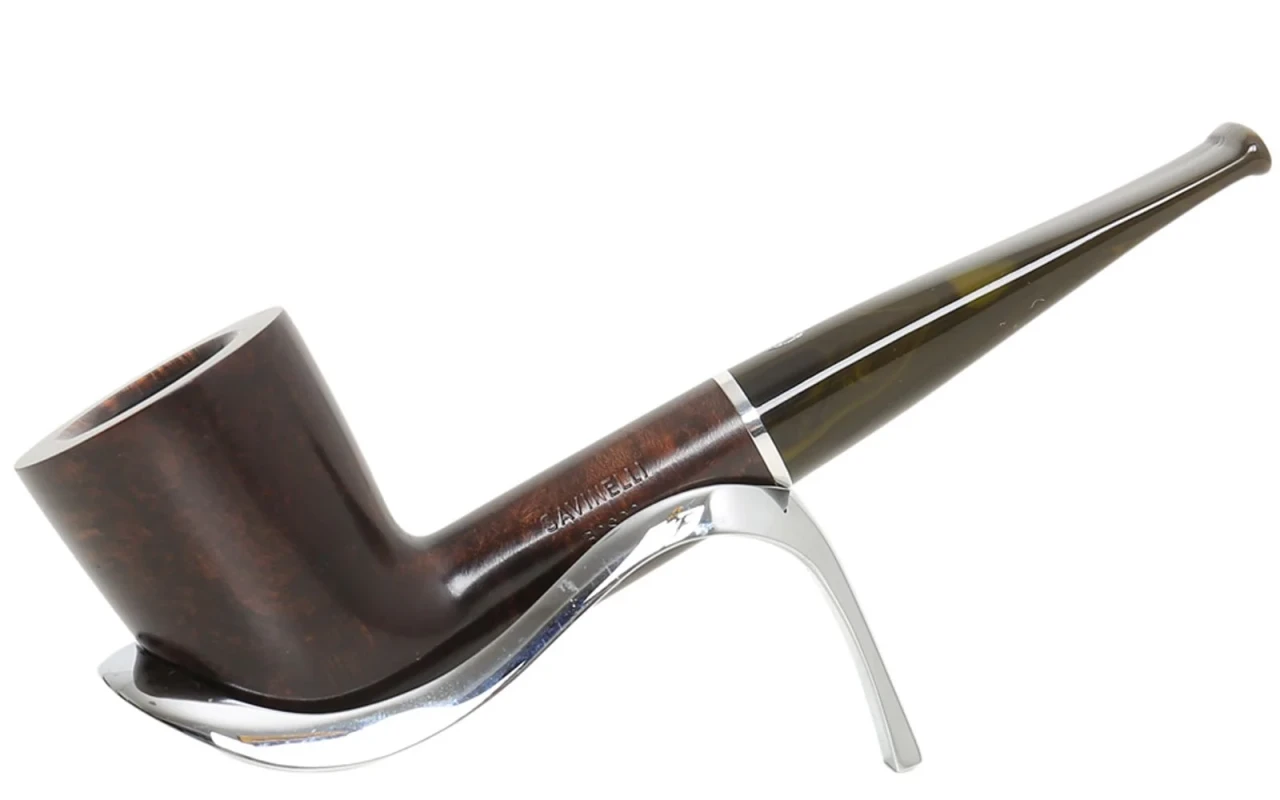
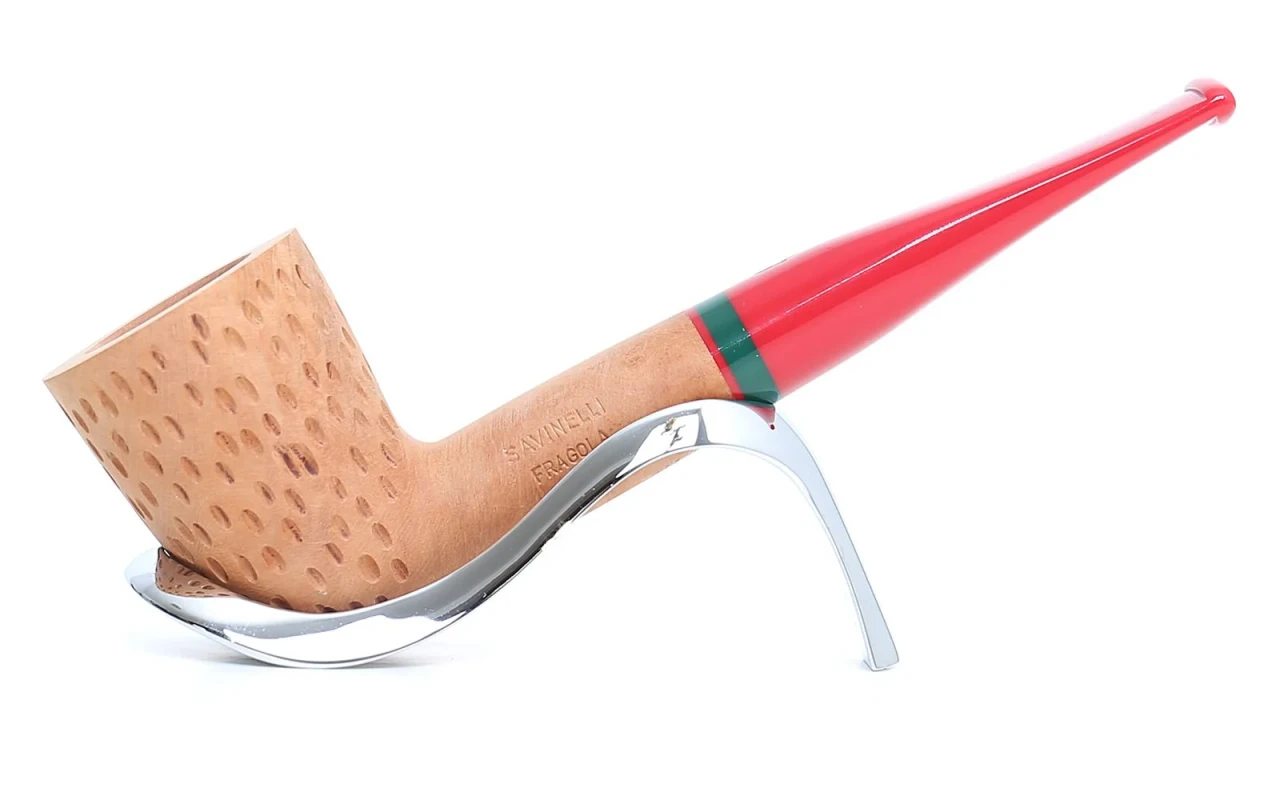
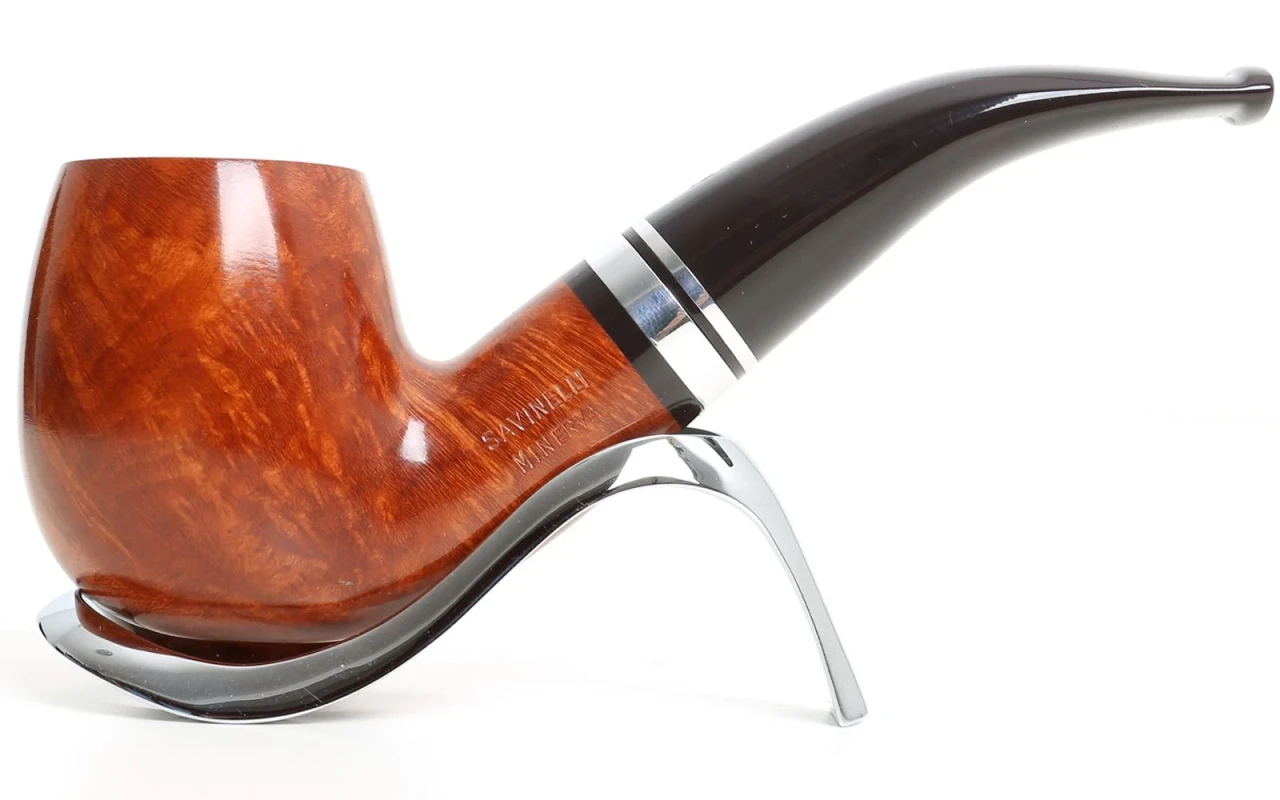
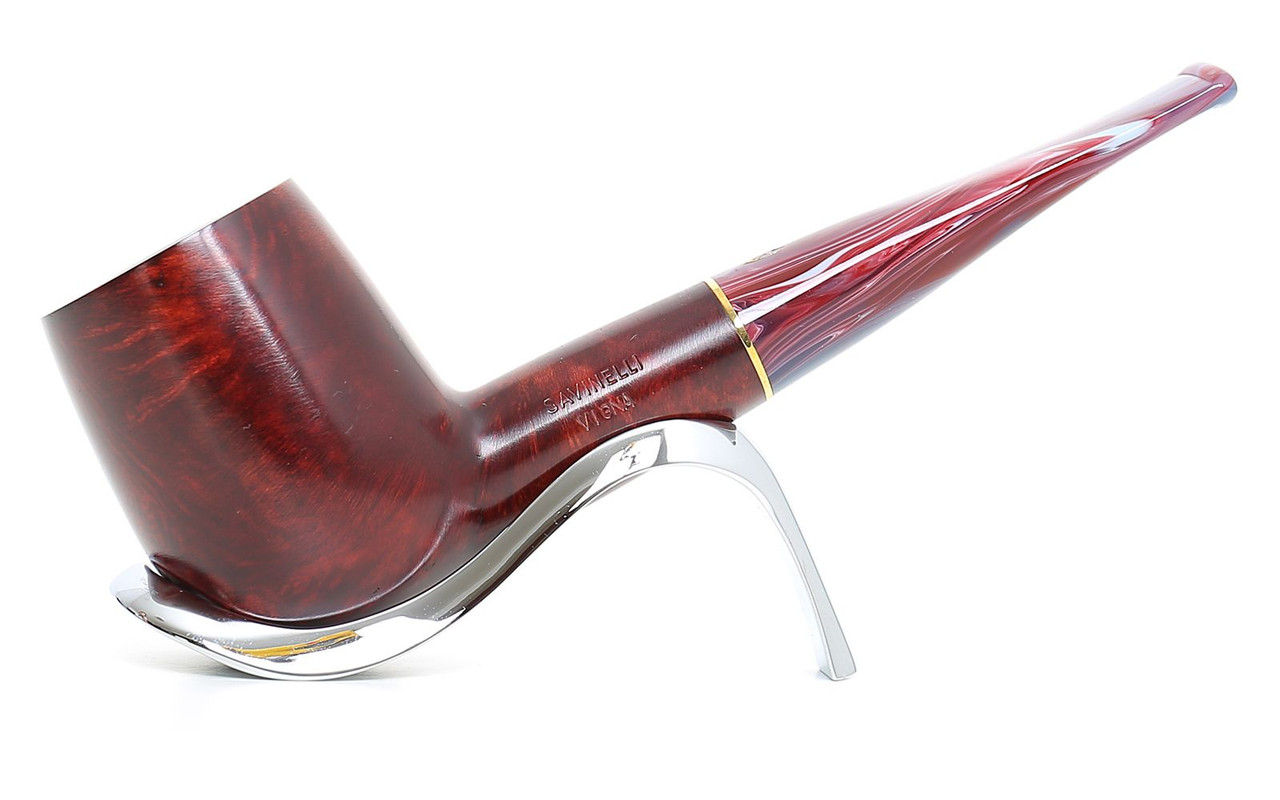
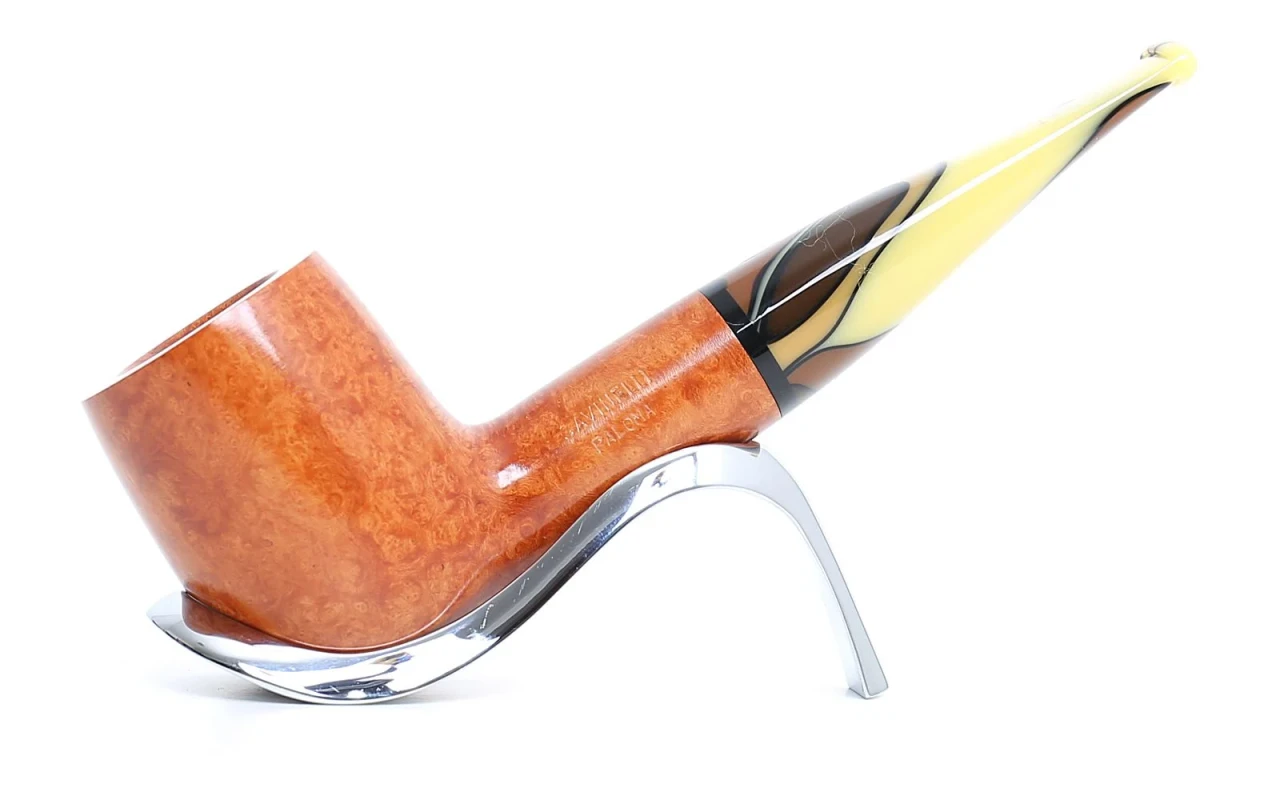
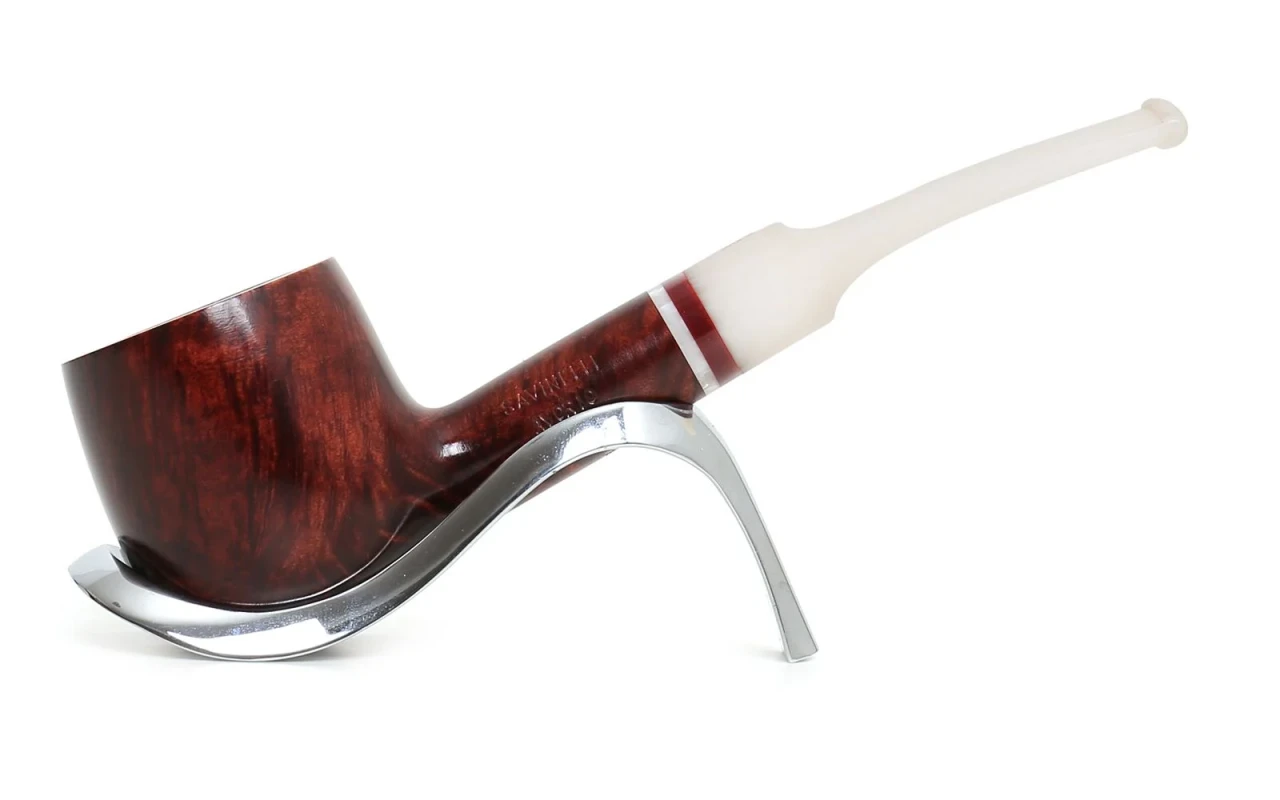
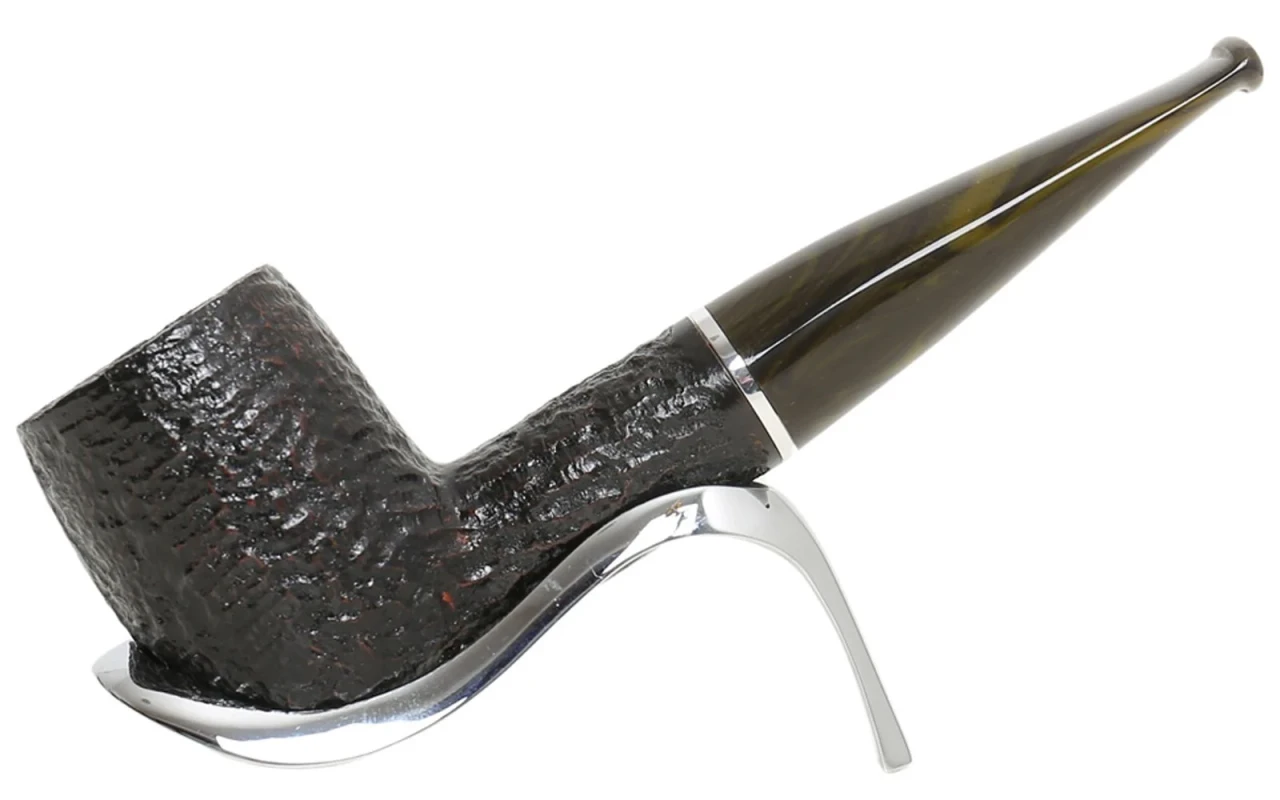
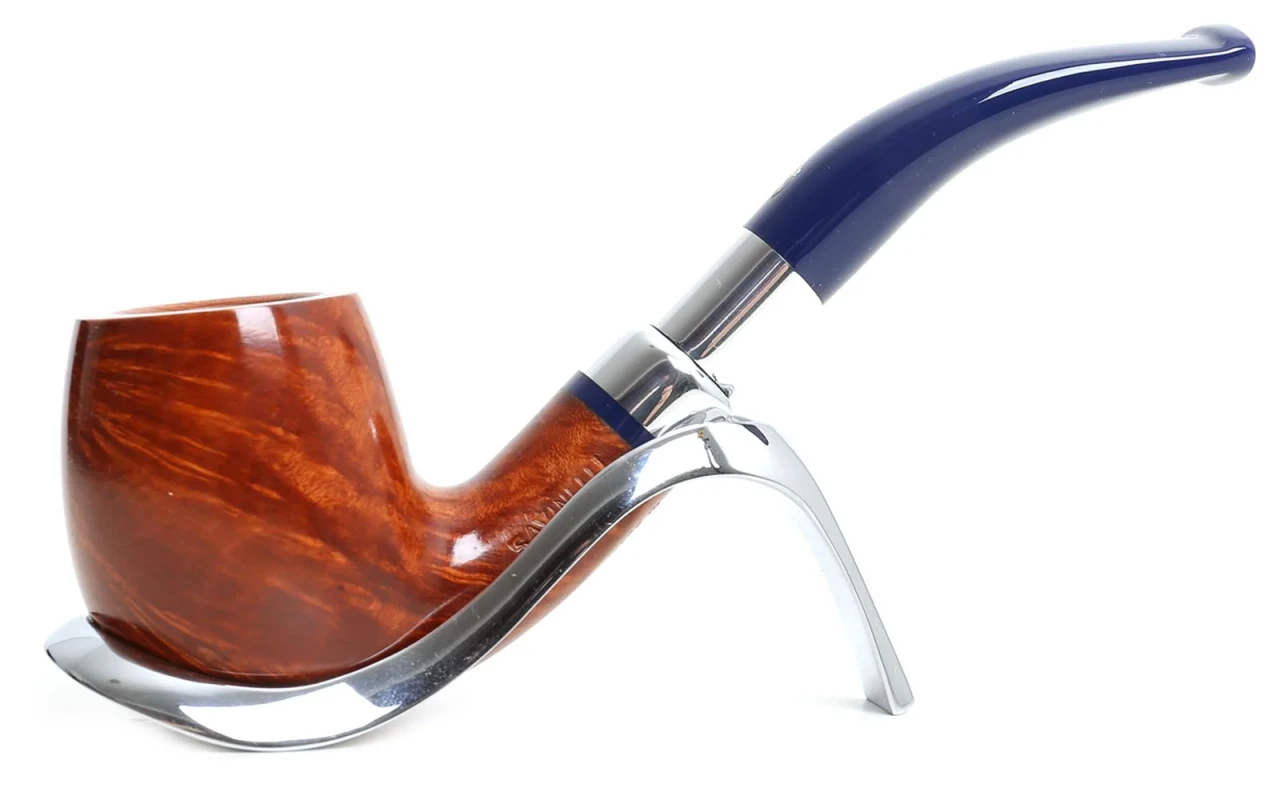
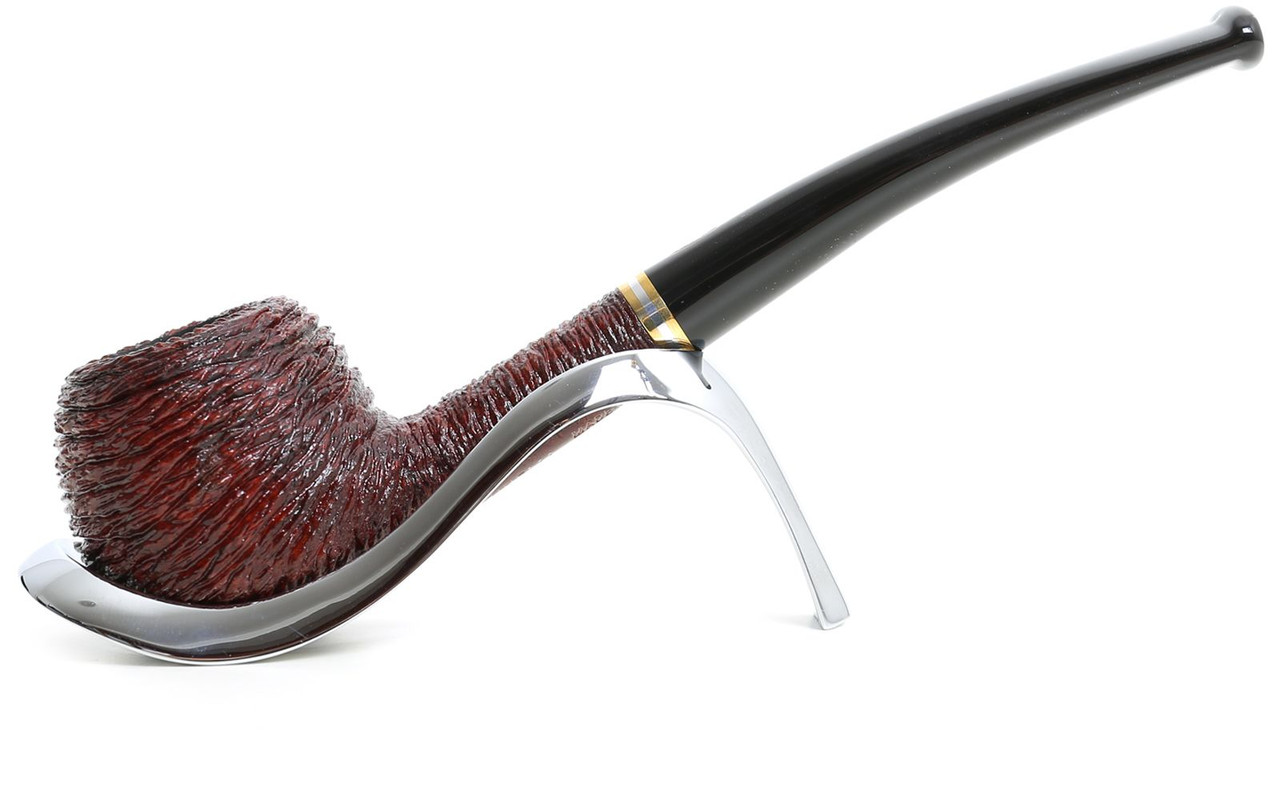
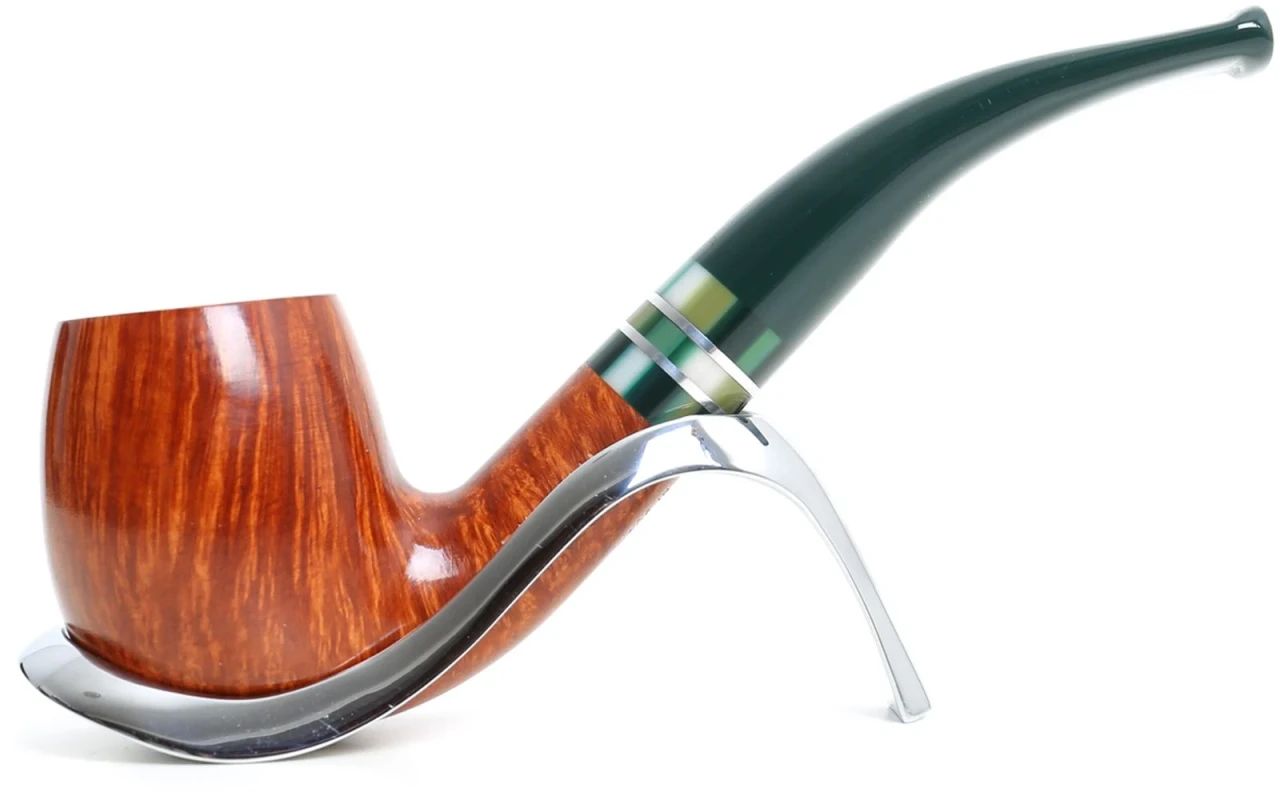
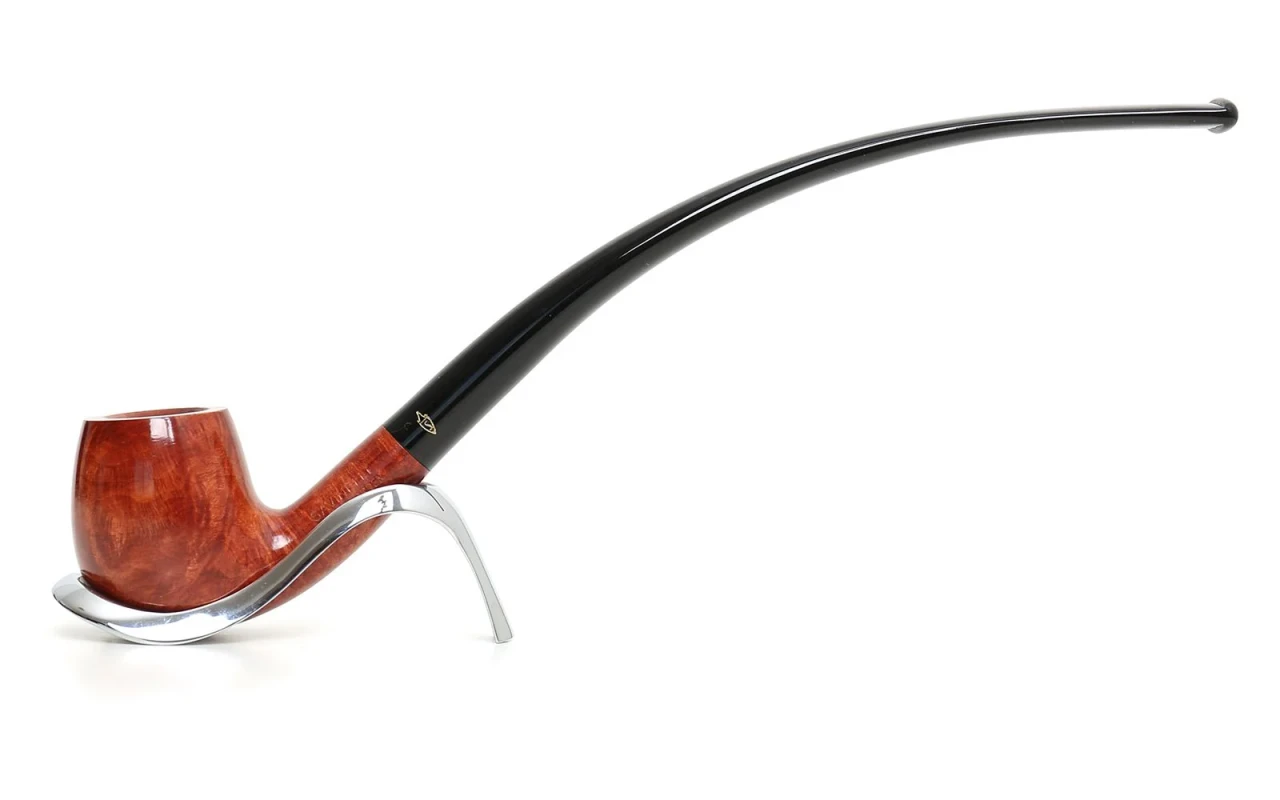
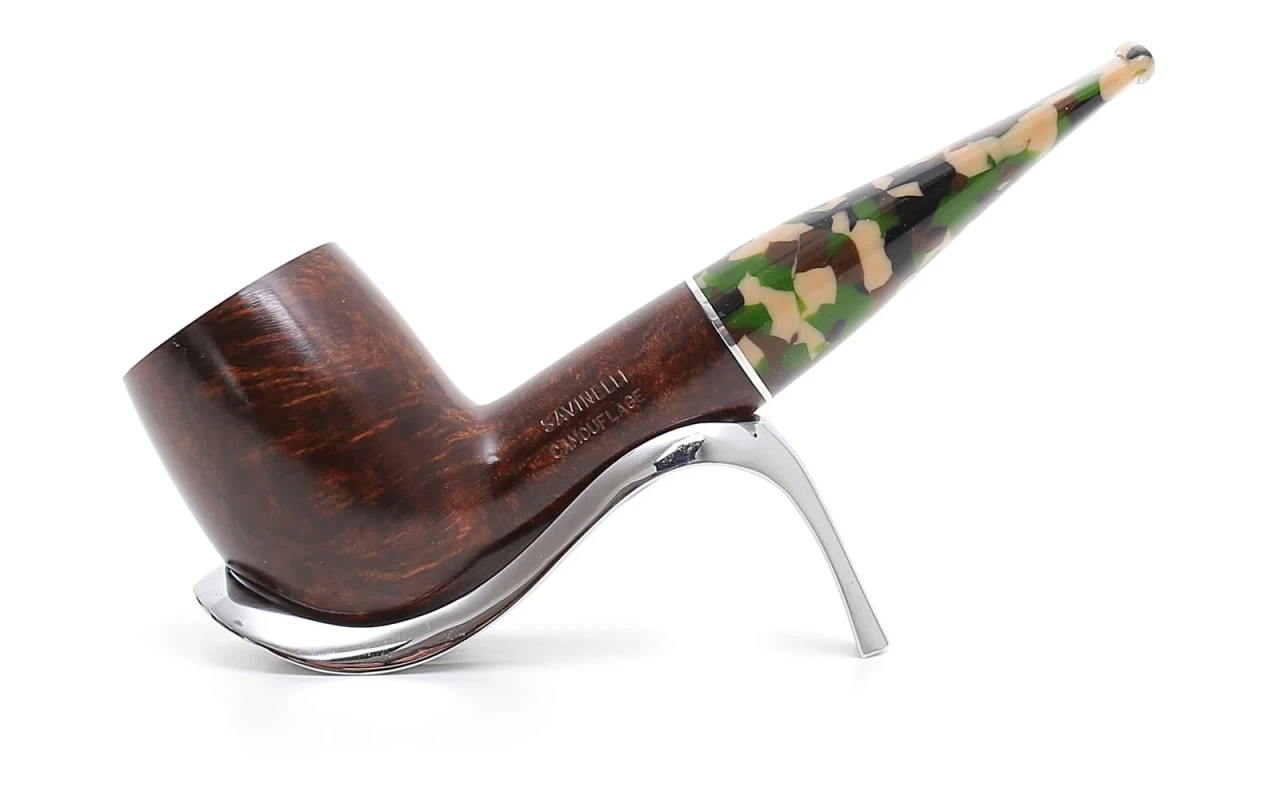
Smoking pipes are crafted using a variety of materials, including wood, briar, corn cob, and clay. The choice of material impacts the pipe's characteristics, such as the flavor and smoke temperature. The production technique varies depending on the material used, but typically involves artisanal processing of the raw material to shape the desired form of the pipe. For instance, wooden pipes are hand-carved and polished, while clay pipes are molded and then fired in a kiln. The combination of high-quality materials and craftsmanship is essential for creating a high-quality smoking pipe.
Materials for smoking pipes
The most common materials used for the production of smoking pipes include:- Briar wood: wood from the Erica arborea plant, known for its heat and combustion resistance.- Corn cob: an economical and lightweight material, often used for inexpensive or decorative smoking pipes.- Clay: traditionally used for high-quality smoking pipes, capable of absorbing moisture and ensuring a cool smoke.- Meerschaum: a porous and lightweight stone that absorbs nicotine and tars, preserving the tobacco flavor.- Metals: such as brass or stainless steel, used for more modern and innovative design smoking pipes.
Pipe Manufacturing Techniques
Pipes are crafted using different techniques to ensure quality and precision in the production process. The main pipe manufacturing techniques include:- Turning: a process that involves shaping the block of wood or other materials using a lathe to create the desired shape of the pipe;- Sandblasting: a technique that involves the use of sand or other abrasive materials to achieve a rough finish on the external surface of the pipe;- Lacquering: the process of applying a layer of lacquer on the surface of the pipe to protect it and give it a glossy appearance;- Inlay: decoration achieved by inserting small pieces of different materials (such as wood or metal) into the surface of the pipe.These techniques contribute to creating high-quality pipes with a unique design.
Production of Handcrafted Pipes
The production of handcrafted pipes is a process that requires great skill and attention to detail. Artisans carefully select high-quality woods, such as briar or cherry morta, to create unique and valuable pieces. After the wood selection, the process moves on to the crafting, which includes turning, sanding, and polishing. Each step is carried out manually, ensuring maximum precision and craftsmanship. The final result is a high-quality pipe, characterized by elegant design and excellent functionality.
'%3e%3cg id='Final-Copy-2_2_' transform='translate(1275.000000, 200.000000)'%3e%3cpath class='st0' d='M7.4,12.8h6.8l3.1-11.6H7.4C4.2,1.2,1.6,3.8,1.6,7S4.2,12.8,7.4,12.8z'/%3e%3c/g%3e%3c/g%3e%3c/g%3e%3cg id='final---dec.11-2020'%3e%3cg id='_x30_208-our-toggle' transform='translate(-1275.000000, -200.000000)'%3e%3cg id='Final-Copy-2' transform='translate(1275.000000, 200.000000)'%3e%3cpath class='st1' d='M22.6,0H7.4c-3.9,0-7,3.1-7,7s3.1,7,7,7h15.2c3.9,0,7-3.1,7-7S26.4,0,22.6,0z M1.6,7c0-3.2,2.6-5.8,5.8-5.8 h9.9l-3.1,11.6H7.4C4.2,12.8,1.6,10.2,1.6,7z'/%3e%3cpath id='x' class='st2' d='M24.6,4c0.2,0.2,0.2,0.6,0,0.8l0,0L22.5,7l2.2,2.2c0.2,0.2,0.2,0.6,0,0.8c-0.2,0.2-0.6,0.2-0.8,0 l0,0l-2.2-2.2L19.5,10c-0.2,0.2-0.6,0.2-0.8,0c-0.2-0.2-0.2-0.6,0-0.8l0,0L20.8,7l-2.2-2.2c-0.2-0.2-0.2-0.6,0-0.8 c0.2-0.2,0.6-0.2,0.8,0l0,0l2.2,2.2L23.8,4C24,3.8,24.4,3.8,24.6,4z'/%3e%3cpath id='y' class='st3' d='M12.7,4.1c0.2,0.2,0.3,0.6,0.1,0.8l0,0L8.6,9.8C8.5,9.9,8.4,10,8.3,10c-0.2,0.1-0.5,0.1-0.7-0.1l0,0 L5.4,7.7c-0.2-0.2-0.2-0.6,0-0.8c0.2-0.2,0.6-0.2,0.8,0l0,0L8,8.6l3.8-4.5C12,3.9,12.4,3.9,12.7,4.1z'/%3e%3c/g%3e%3c/g%3e%3c/g%3e%3c/g%3e%3c/svg%3e) Your Privacy Choices
Your Privacy Choices 


