 FR
FR EN
EN IT
IT DE
DE
Pipe Materials
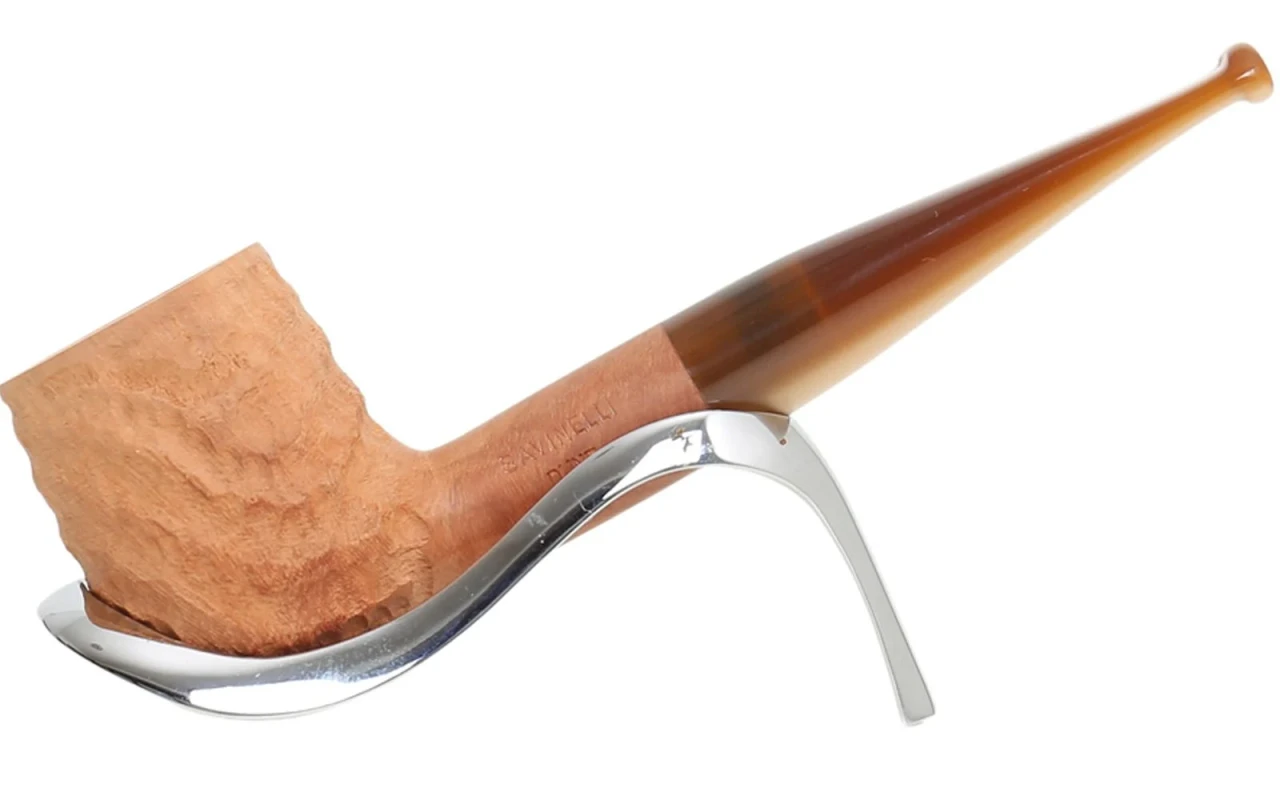
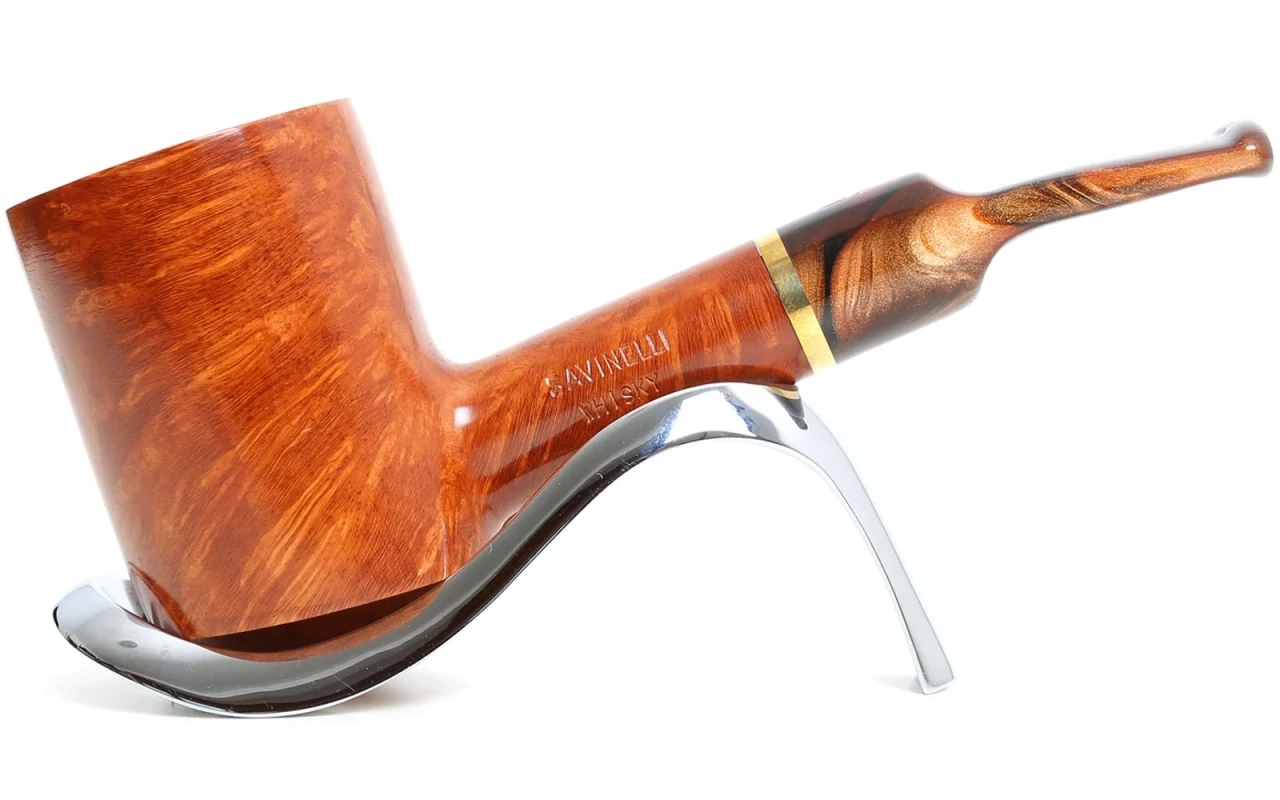
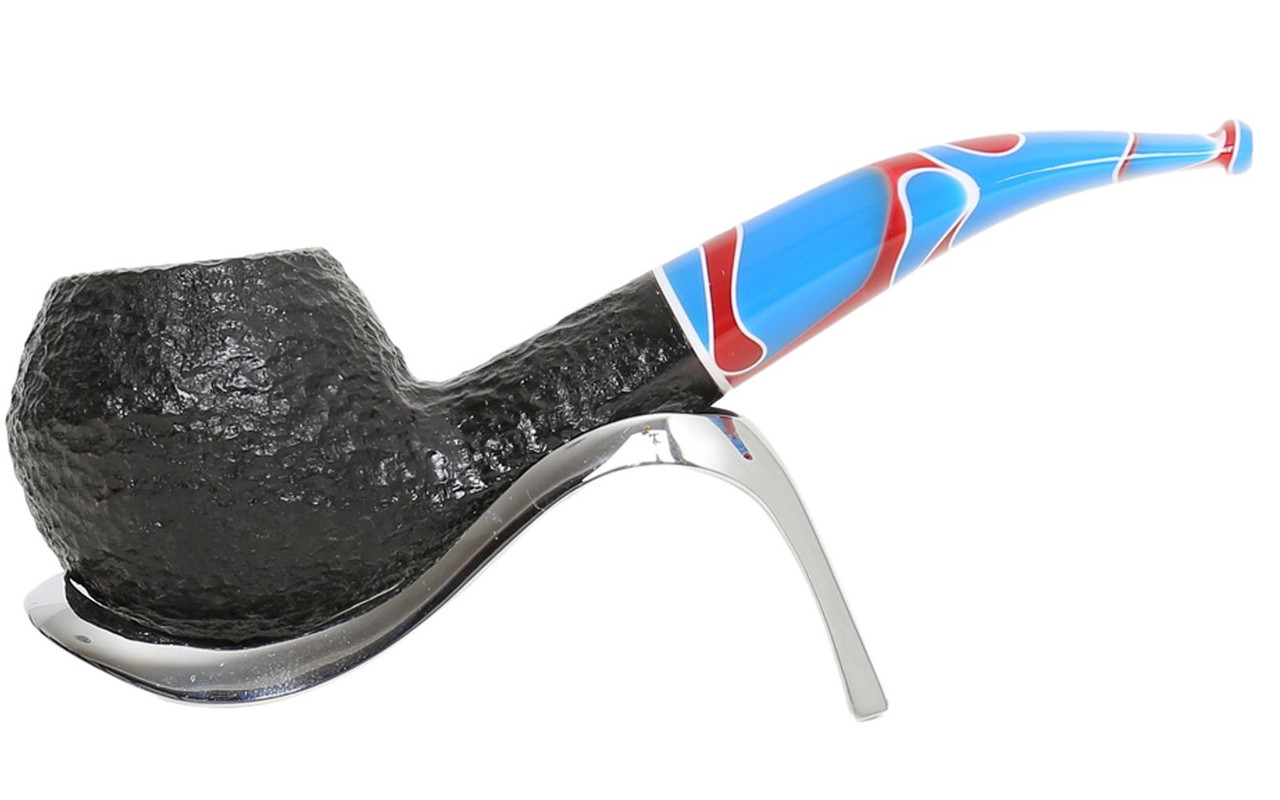
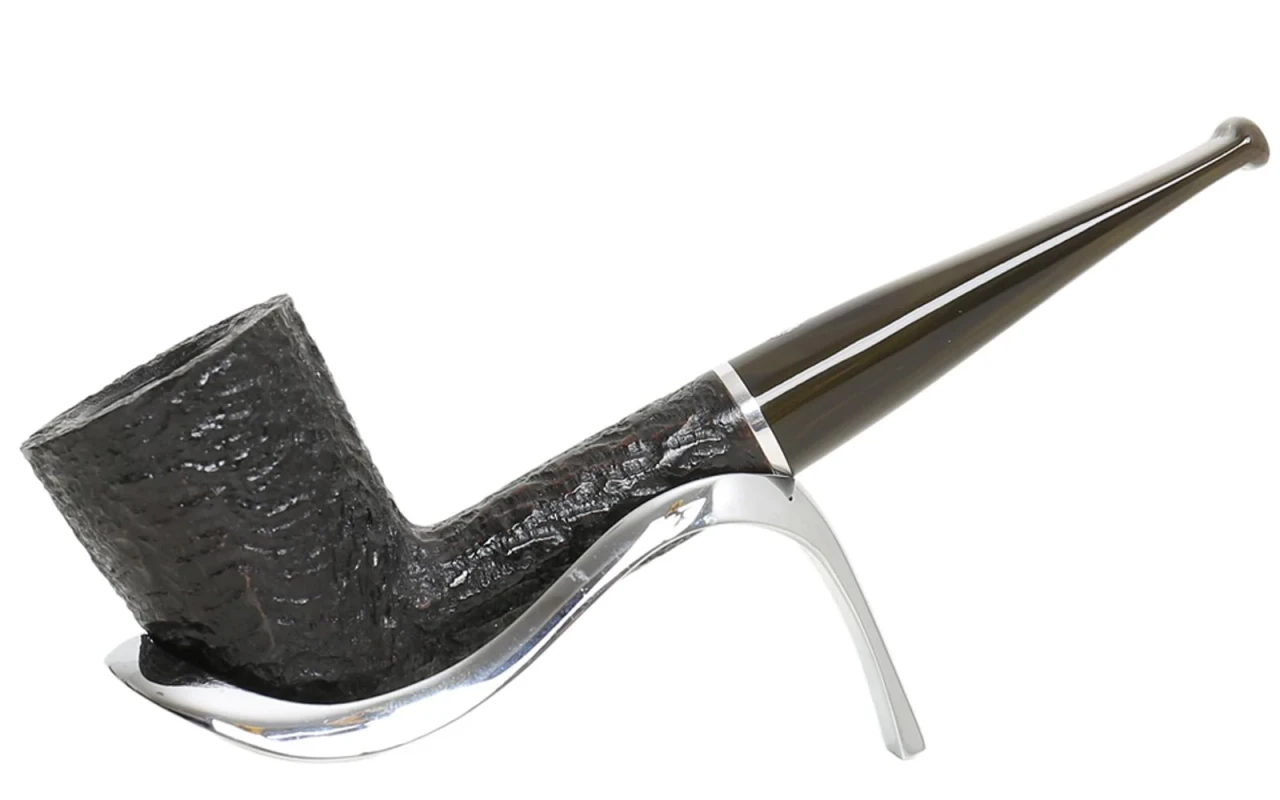
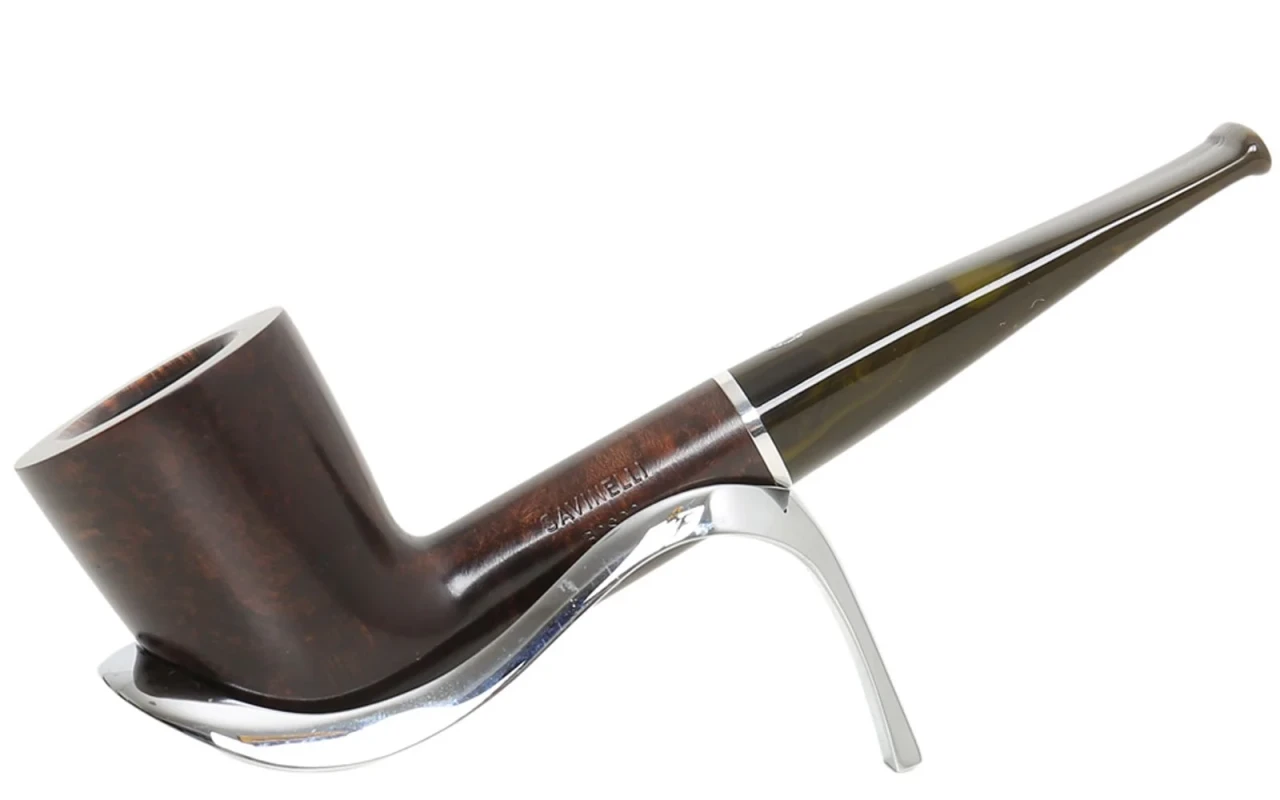
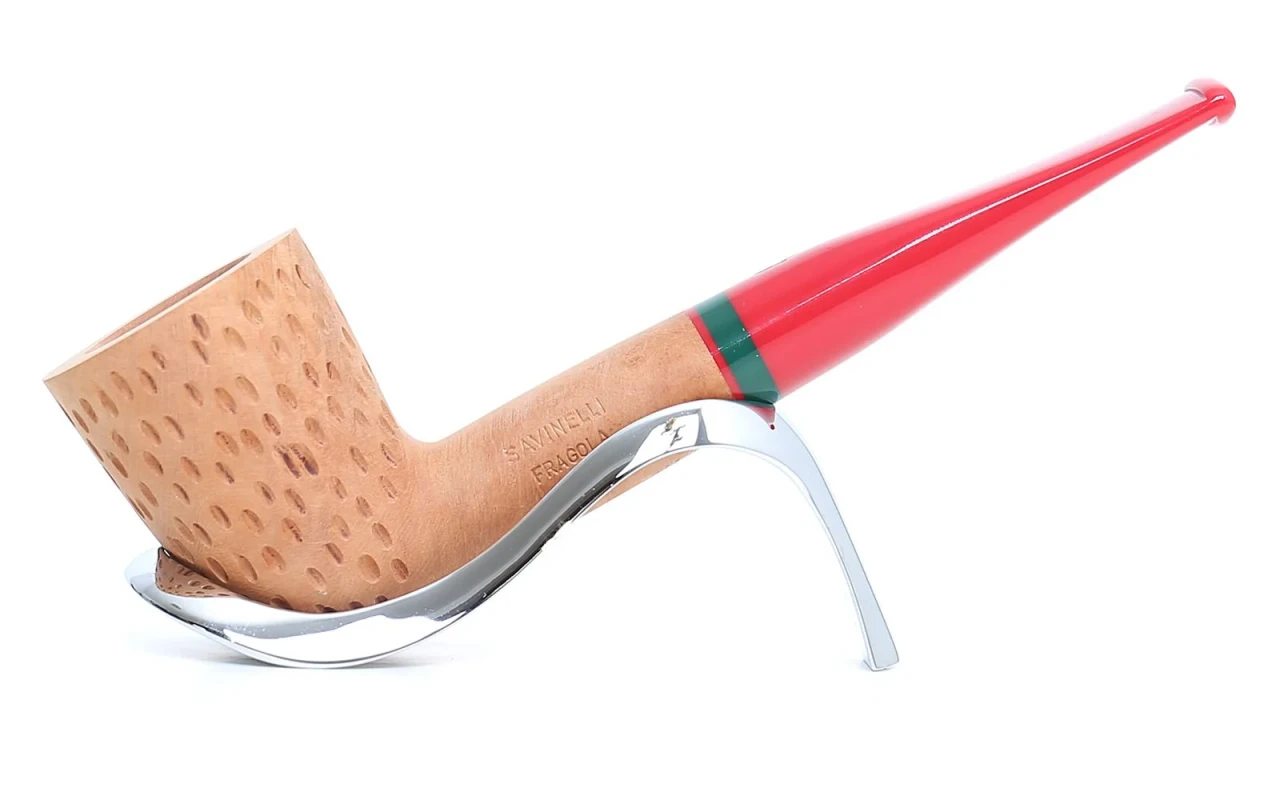
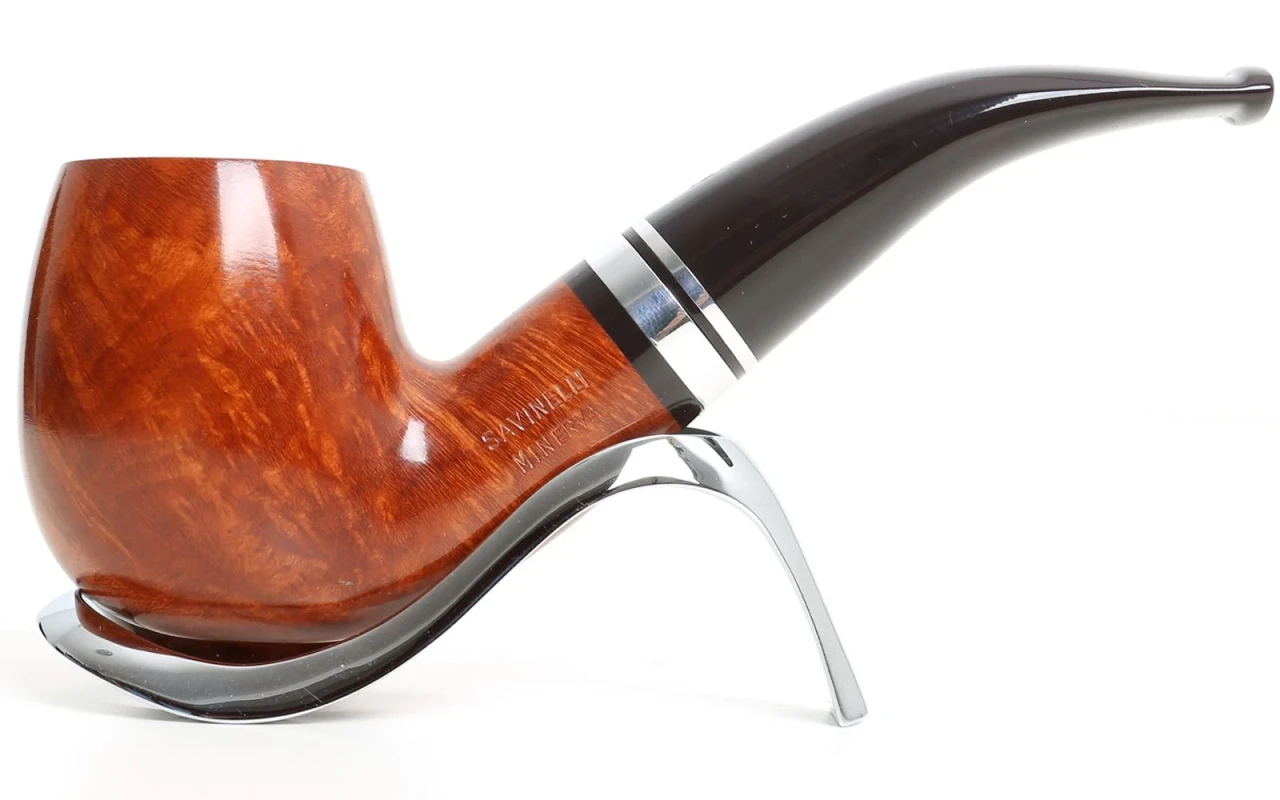
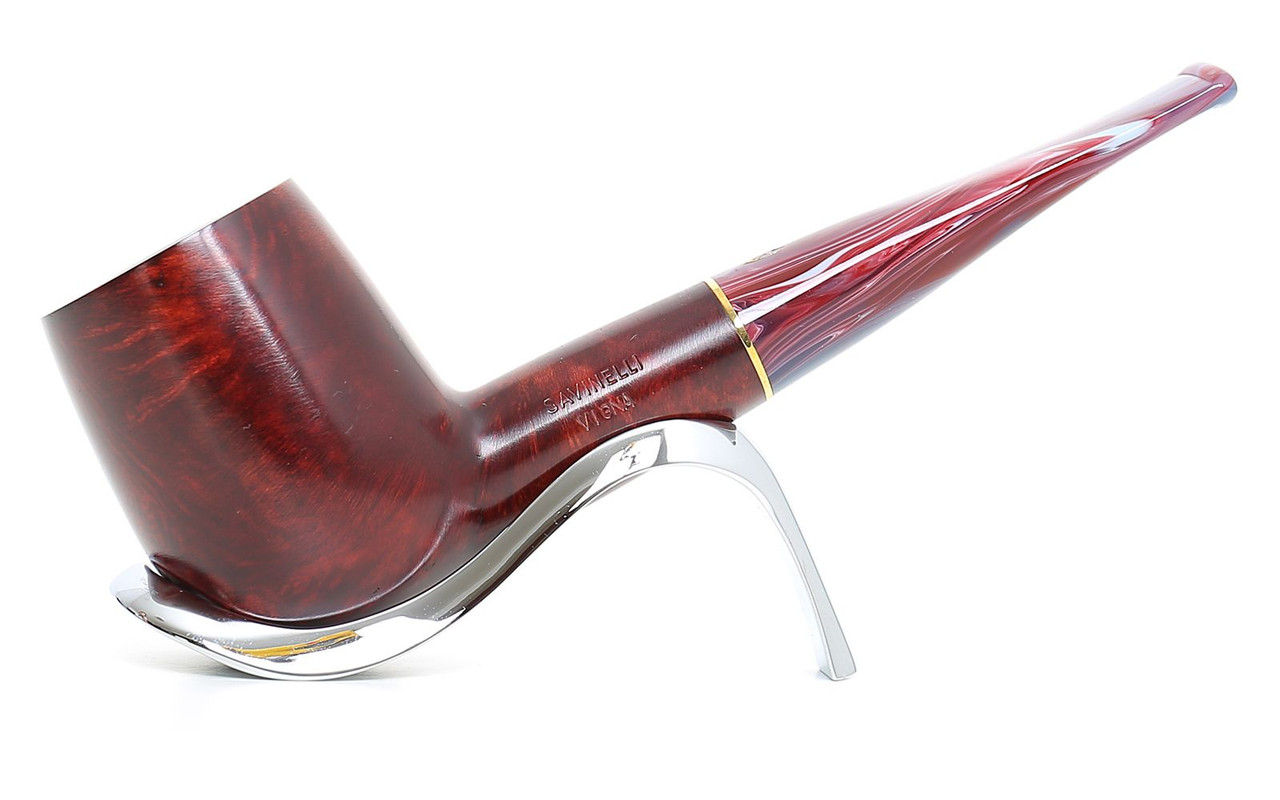
Pipe Materials
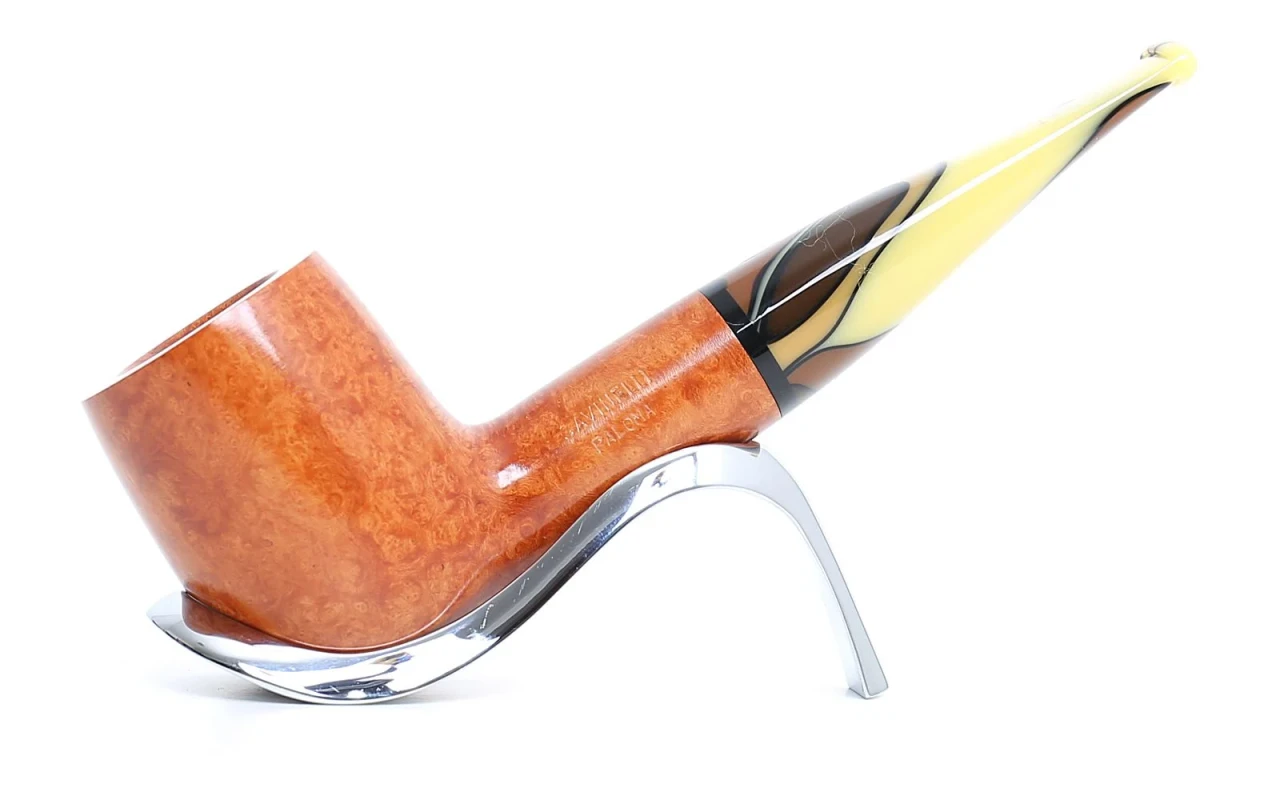
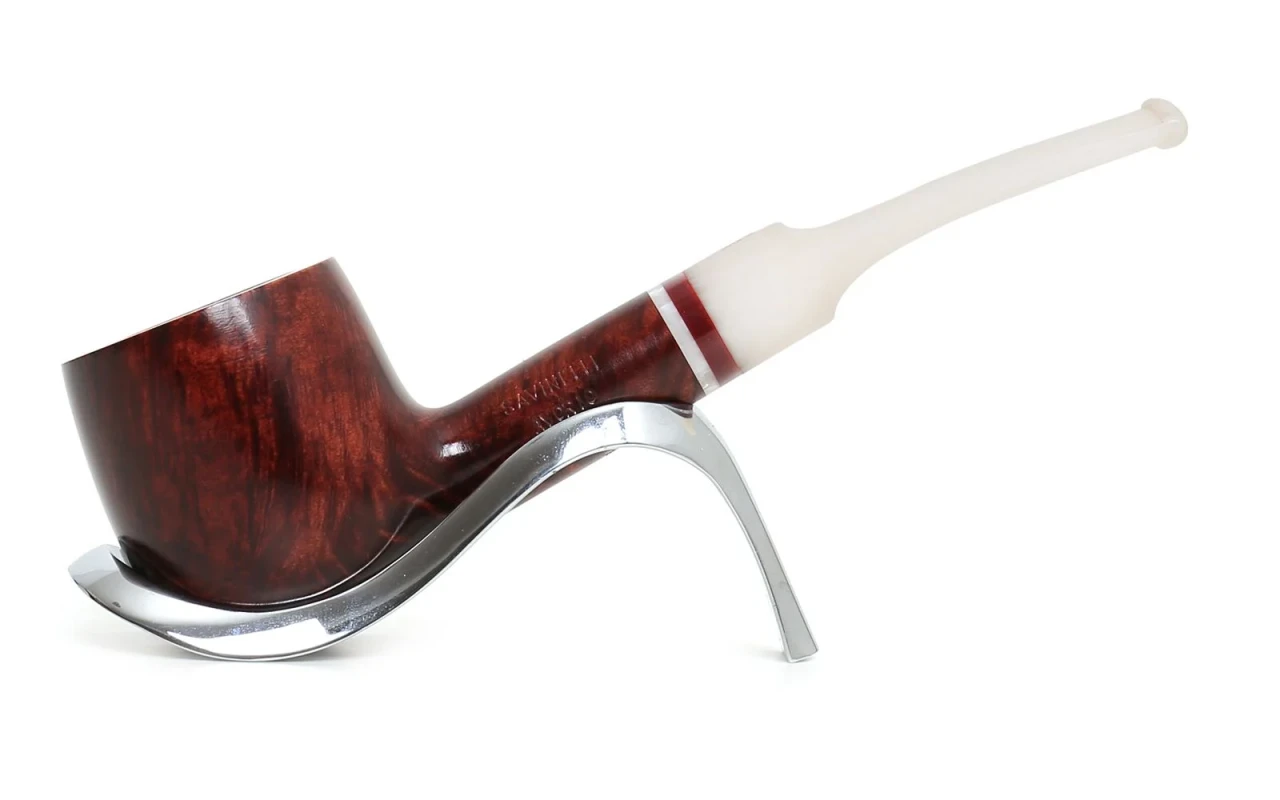
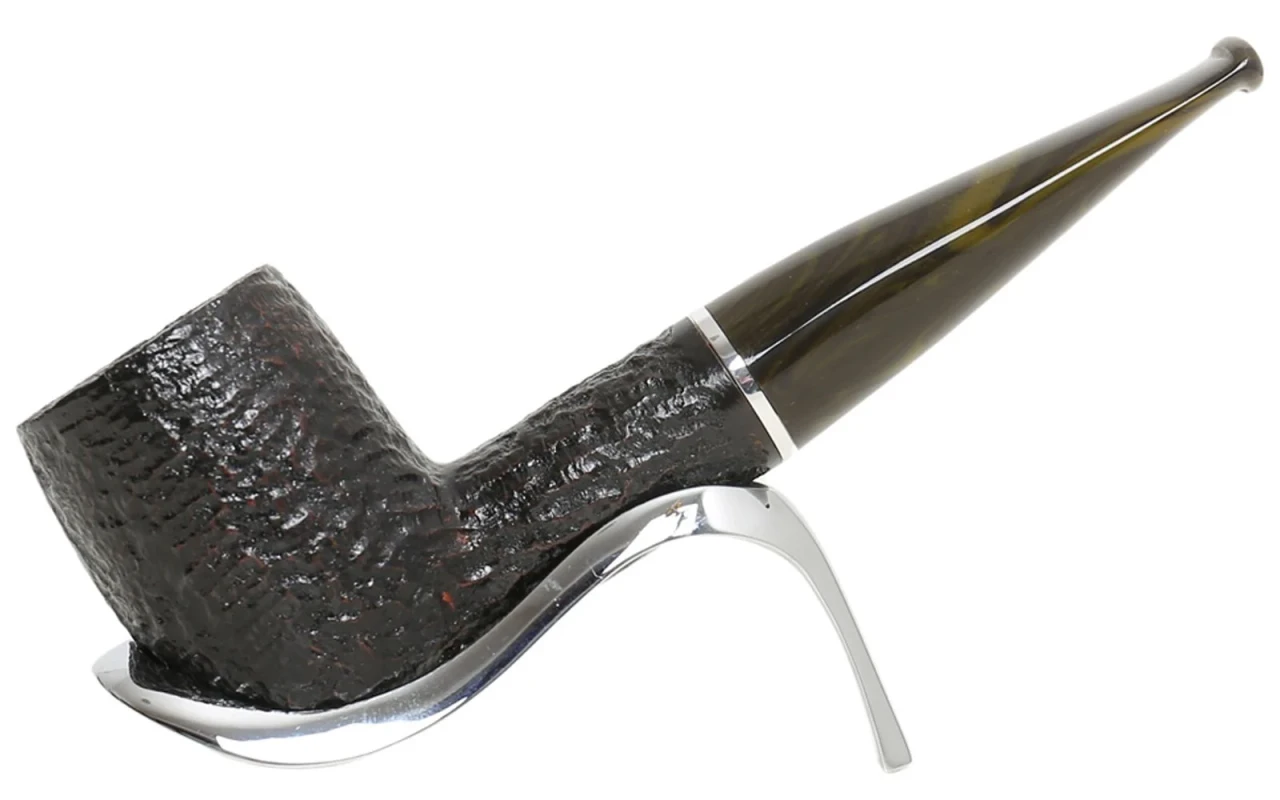
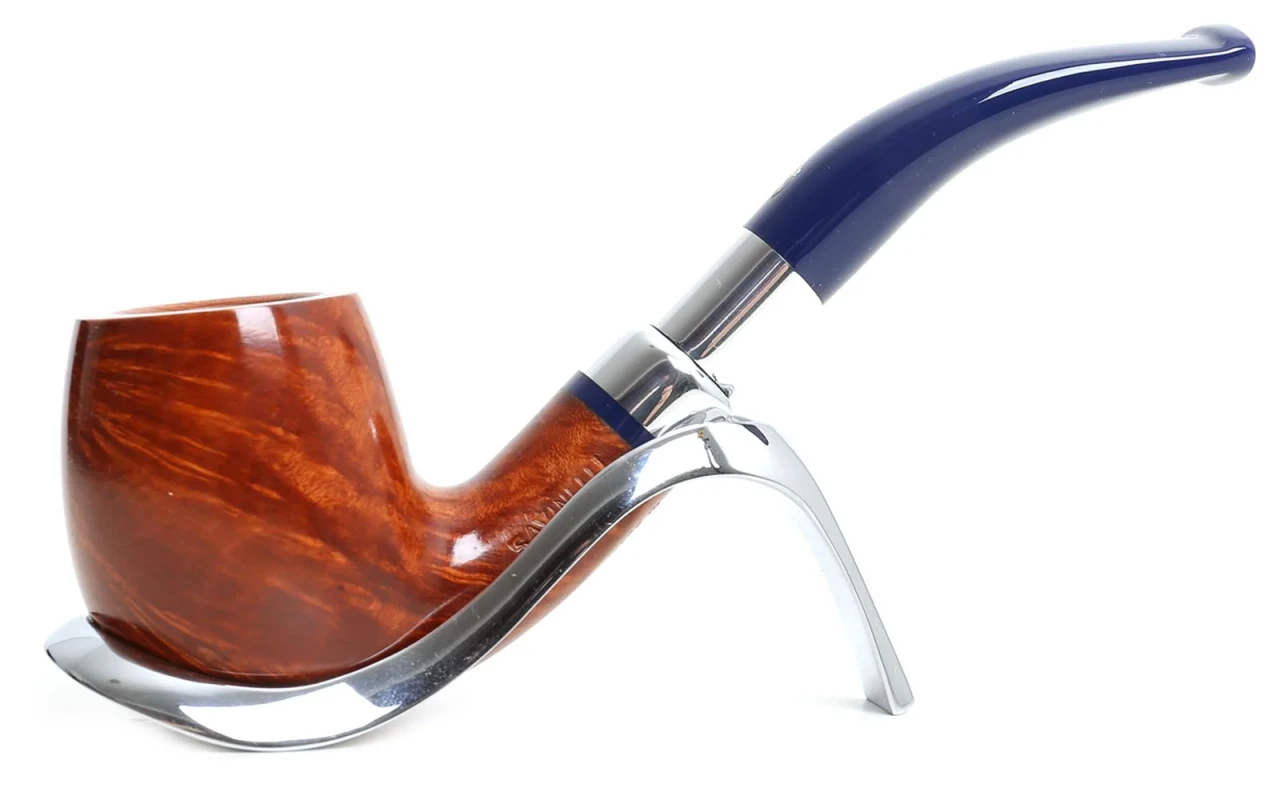
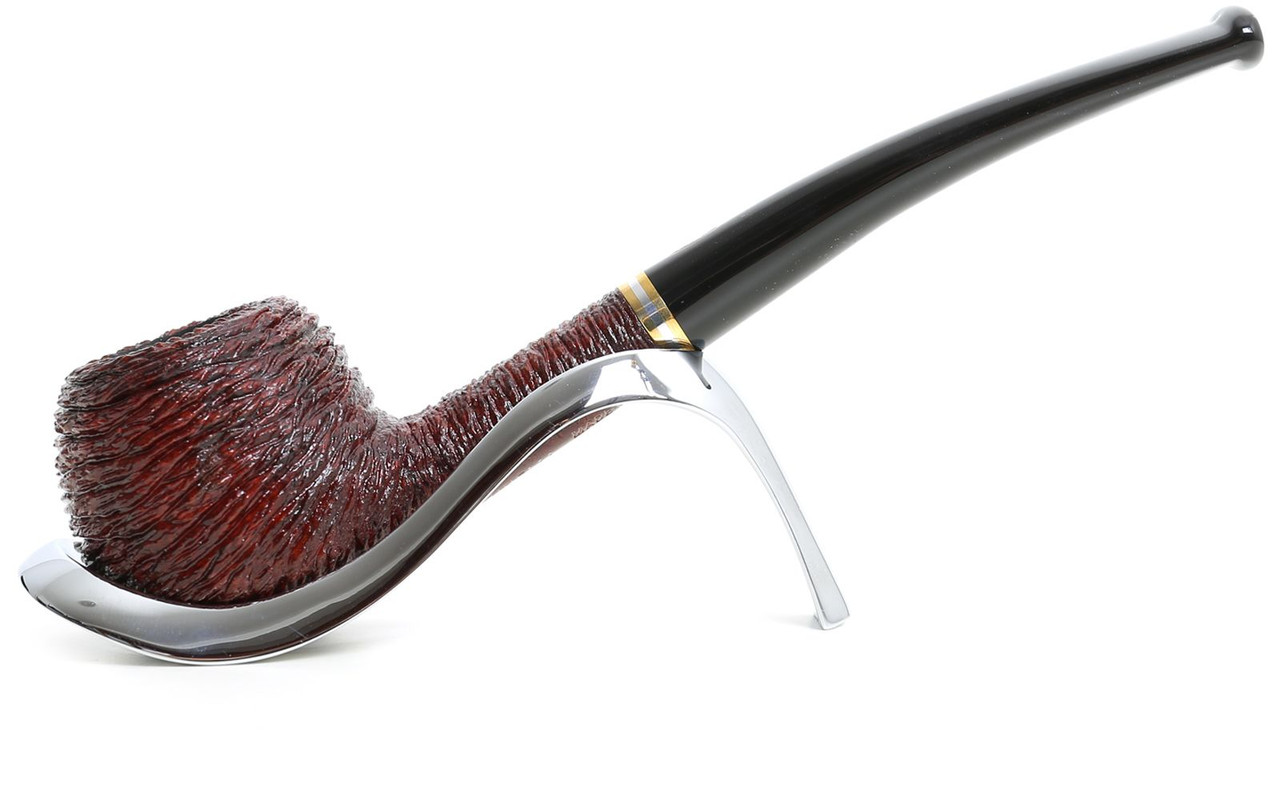
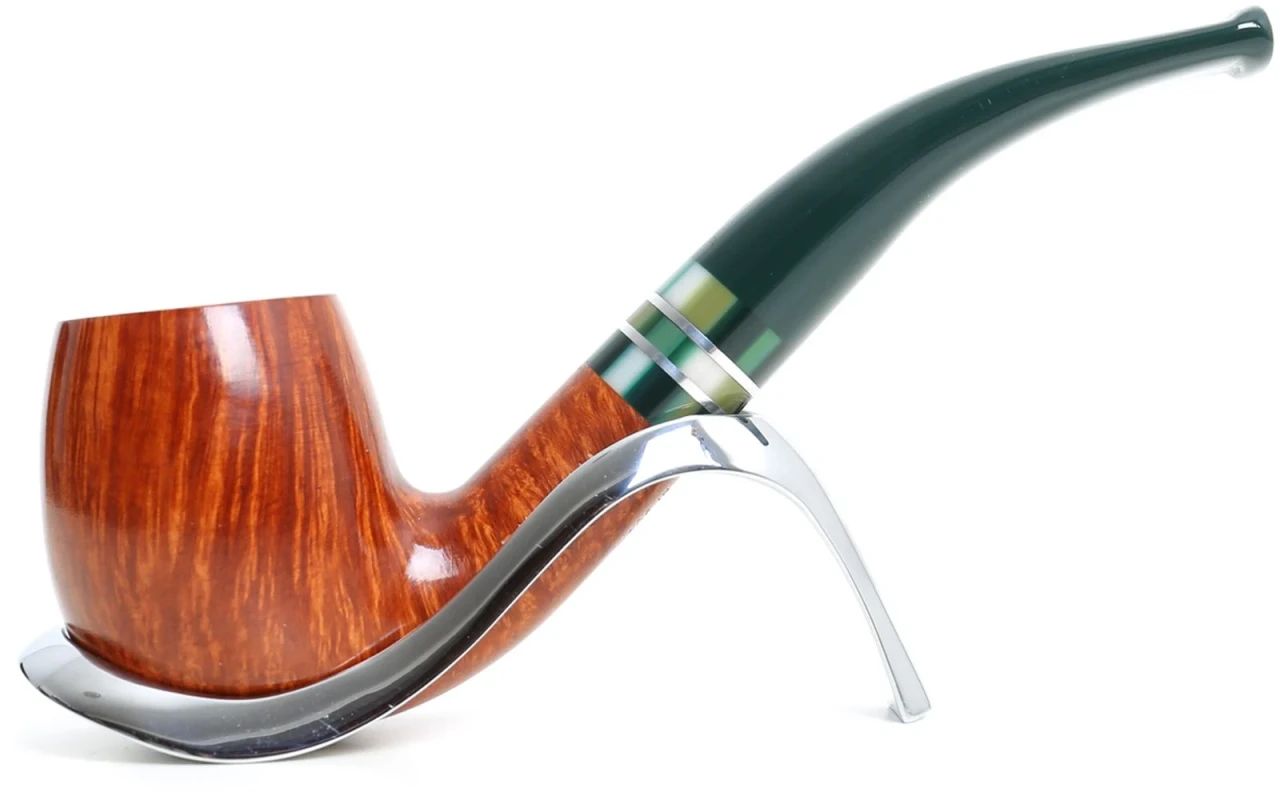
Pipe materials can vary, each imparting unique characteristics to the pipe itself. The most common materials include:- Briar wood: high-quality wood, heat and flame resistant, highly valued for pipe production.- Corn cob: economical and lightweight material, often used for cheap or travel pipes.- Clay: traditionally used for high-quality pipe bowls, capable of absorbing moisture for a better smoking experience.- Meerschaum: porous stone used for high-end smoking pipes, able to absorb nicotine and condensation.- Metals: such as brass or silver, used for crafting more decorative or designer pipes.Each material has its own advantages and distinctive characteristics in the world of smoking pipes.
Materials for smoking pipes
The materials for smoking pipes can significantly influence the smoking experience. The main materials used include:- Briar wood: it is the most common and appreciated material for smoking pipes, as it offers good heat resistance and absorbs moisture.- Corn cob: corn cob pipes are lightweight and inexpensive, suitable for occasional smokers.- Clay: clay pipes are appreciated for their ability to absorb moisture and for the neutral flavor that does not affect the tobacco.- Meerschaum: a porous material that absorbs oils during smoking, creating a unique patina over time.The choice of material depends on personal preferences and the smoking experience one wishes to achieve.
Types of Wood for Pipes
There are several types of wood used for crafting smoking pipes. Among the most common ones are:- Briar: a hard and durable wood, highly valued for its distinctive grain patterns.- Morta: a superior quality wood, known for its ability to absorb moisture.- Olive wood: a precious wood with unique beauty, often chosen for luxury pipes.- Cherry wood: a lightweight and easy-to-carve wood, perfect for smaller pipes.- Walnut: a sturdy and long-lasting wood, used for high-quality pipes.Each of these types offers unique characteristics that influence the flavor and overall quality of the smoking pipe.
Elements for Pipe Construction
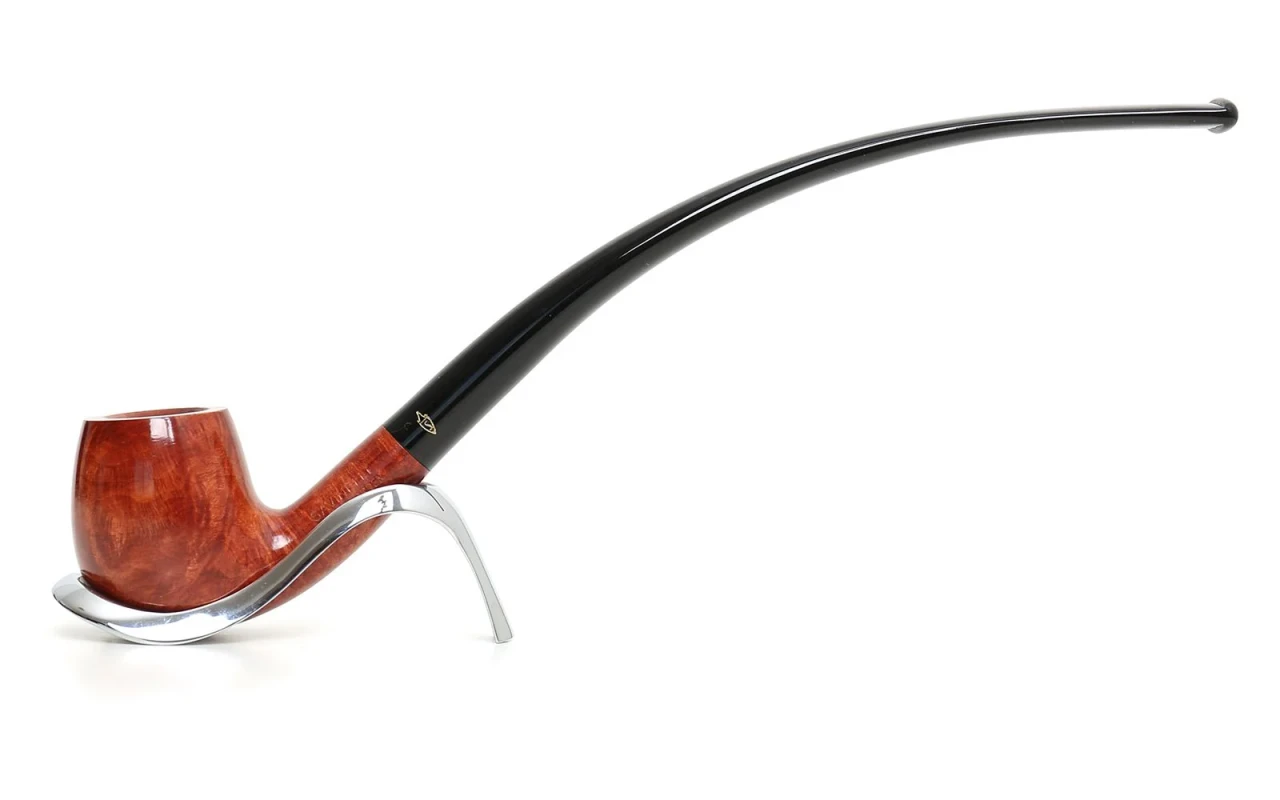
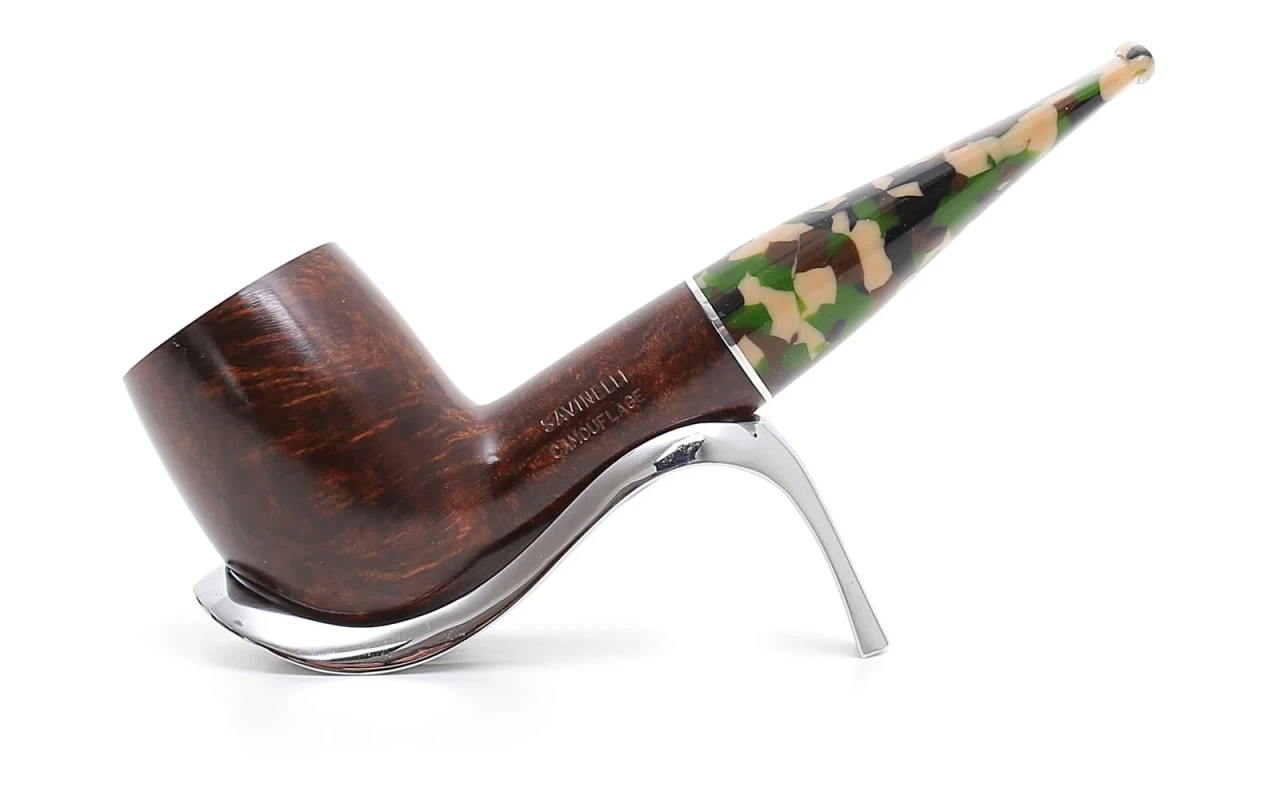
Pipe construction requires several essential elements to ensure optimal functioning. Among the main necessary elements, we find:- The stem: the final part of the pipe where the smoker places their lips.- The bowl: the central part of the pipe where the tobacco is inserted and burned.- The combustion chamber: the space inside the pipe where tobacco combustion takes place.- The filter: optional but recommended to reduce moisture and enhance the taste of the smoke.- The exterior of the pipe: can be made of various materials such as wood, briar, or other fine materials.These are the basic elements that make up a traditional pipe.
'%3e%3cg id='Final-Copy-2_2_' transform='translate(1275.000000, 200.000000)'%3e%3cpath class='st0' d='M7.4,12.8h6.8l3.1-11.6H7.4C4.2,1.2,1.6,3.8,1.6,7S4.2,12.8,7.4,12.8z'/%3e%3c/g%3e%3c/g%3e%3c/g%3e%3cg id='final---dec.11-2020'%3e%3cg id='_x30_208-our-toggle' transform='translate(-1275.000000, -200.000000)'%3e%3cg id='Final-Copy-2' transform='translate(1275.000000, 200.000000)'%3e%3cpath class='st1' d='M22.6,0H7.4c-3.9,0-7,3.1-7,7s3.1,7,7,7h15.2c3.9,0,7-3.1,7-7S26.4,0,22.6,0z M1.6,7c0-3.2,2.6-5.8,5.8-5.8 h9.9l-3.1,11.6H7.4C4.2,12.8,1.6,10.2,1.6,7z'/%3e%3cpath id='x' class='st2' d='M24.6,4c0.2,0.2,0.2,0.6,0,0.8l0,0L22.5,7l2.2,2.2c0.2,0.2,0.2,0.6,0,0.8c-0.2,0.2-0.6,0.2-0.8,0 l0,0l-2.2-2.2L19.5,10c-0.2,0.2-0.6,0.2-0.8,0c-0.2-0.2-0.2-0.6,0-0.8l0,0L20.8,7l-2.2-2.2c-0.2-0.2-0.2-0.6,0-0.8 c0.2-0.2,0.6-0.2,0.8,0l0,0l2.2,2.2L23.8,4C24,3.8,24.4,3.8,24.6,4z'/%3e%3cpath id='y' class='st3' d='M12.7,4.1c0.2,0.2,0.3,0.6,0.1,0.8l0,0L8.6,9.8C8.5,9.9,8.4,10,8.3,10c-0.2,0.1-0.5,0.1-0.7-0.1l0,0 L5.4,7.7c-0.2-0.2-0.2-0.6,0-0.8c0.2-0.2,0.6-0.2,0.8,0l0,0L8,8.6l3.8-4.5C12,3.9,12.4,3.9,12.7,4.1z'/%3e%3c/g%3e%3c/g%3e%3c/g%3e%3c/g%3e%3c/svg%3e) Your Privacy Choices
Your Privacy Choices 


