 FR
FR EN
EN IT
IT DE
DE
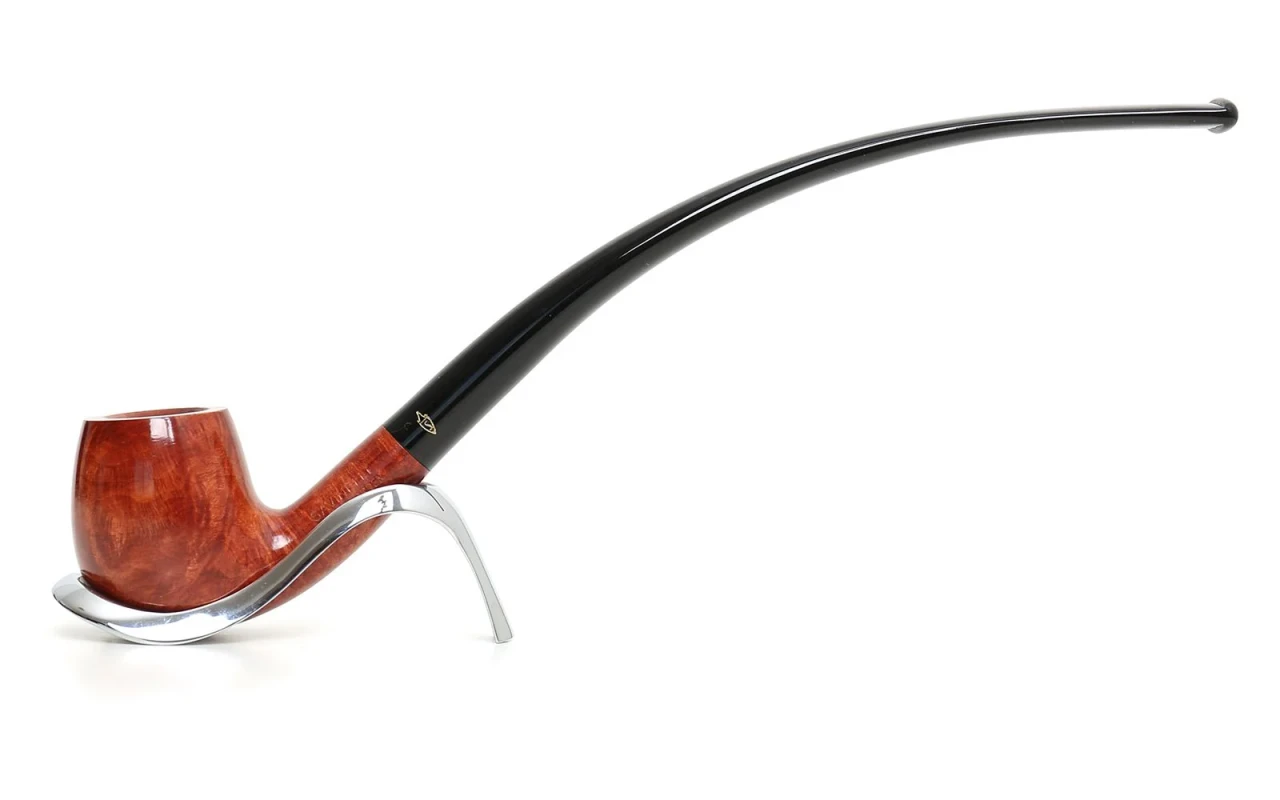
The history of pipes: a journey through time

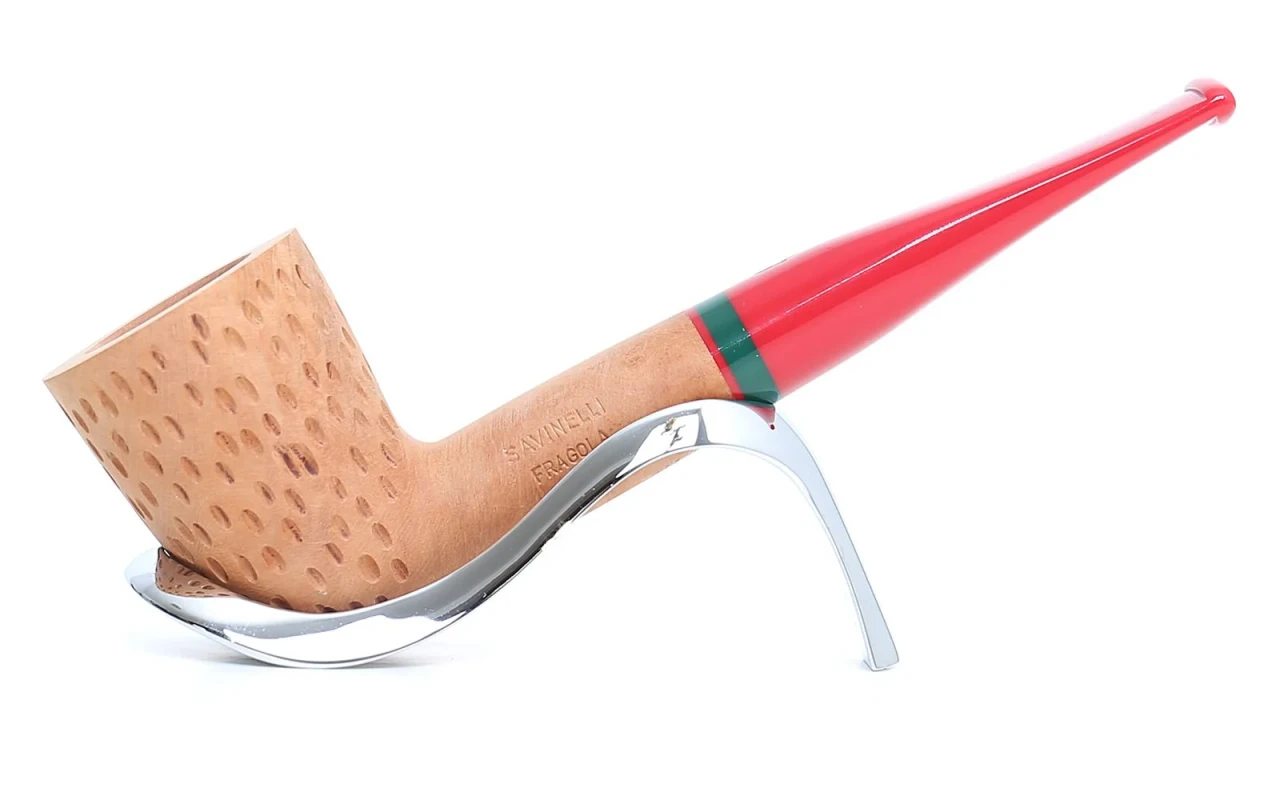
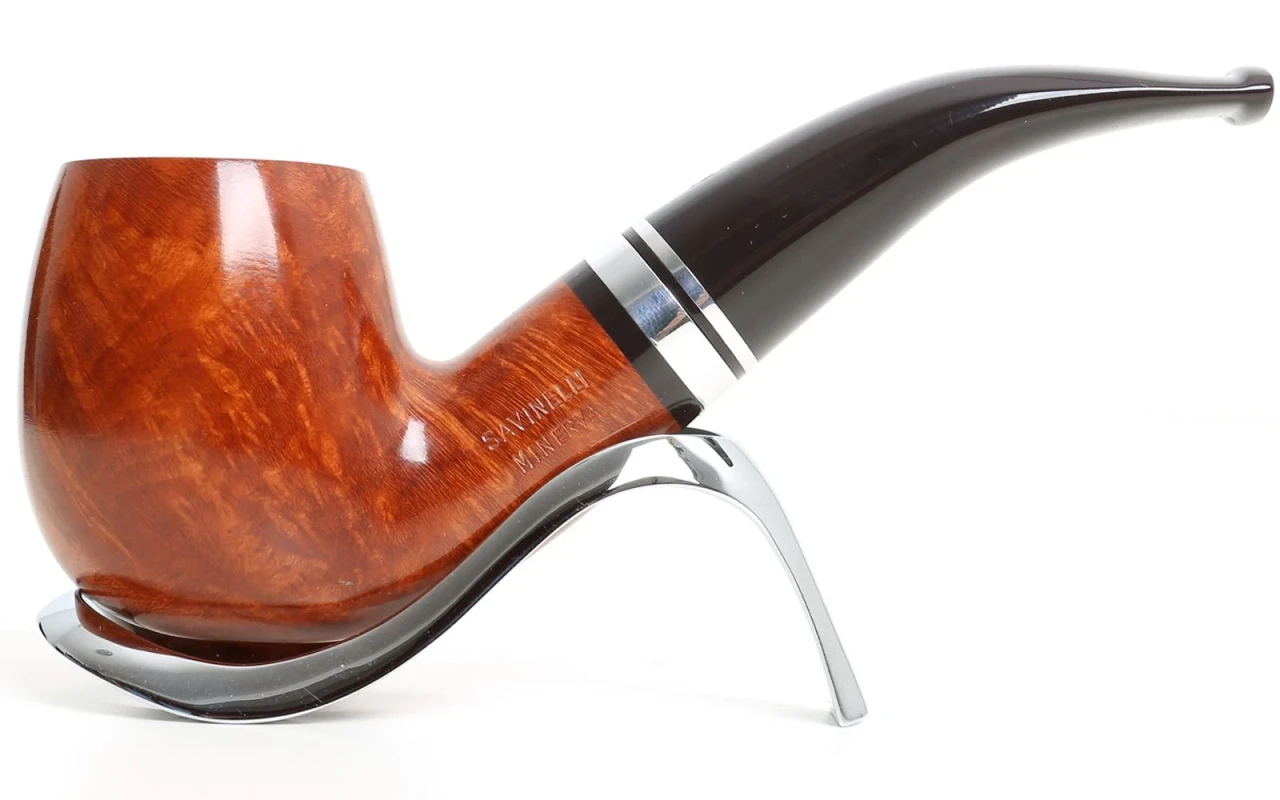
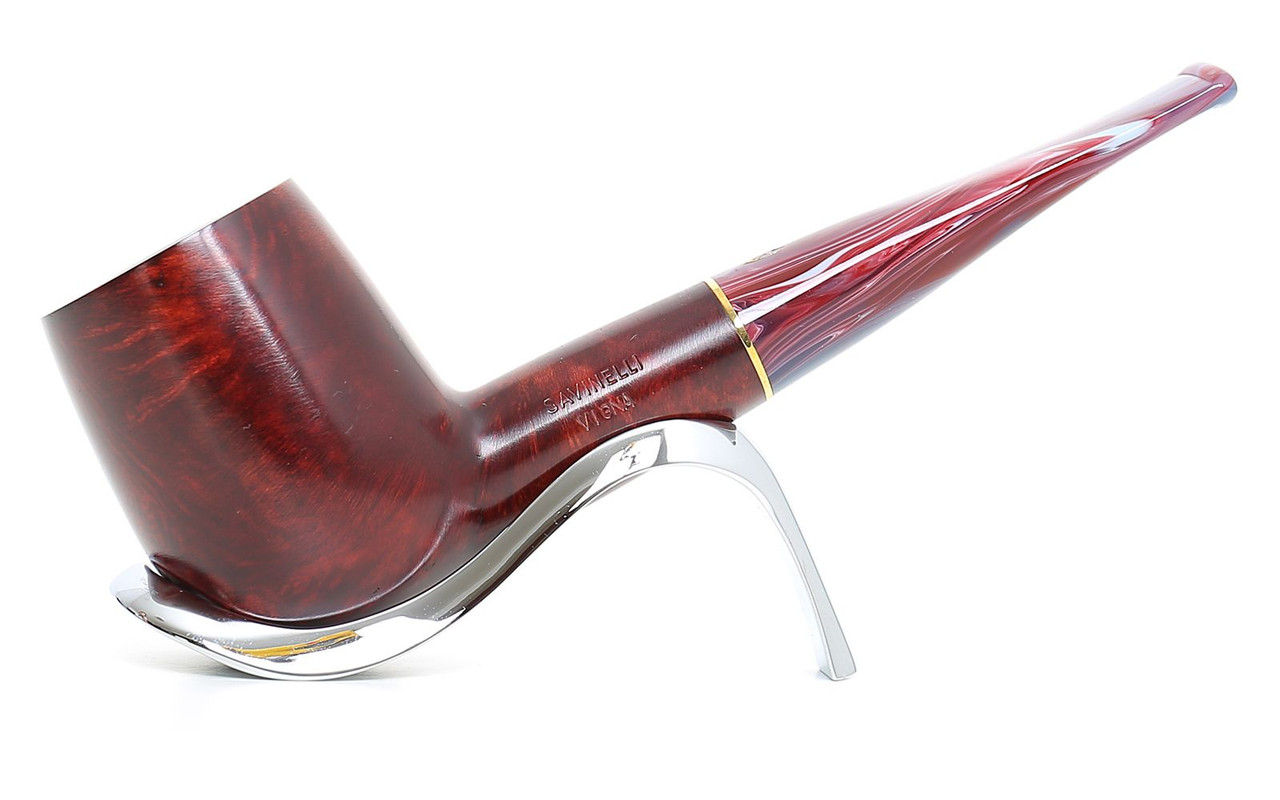

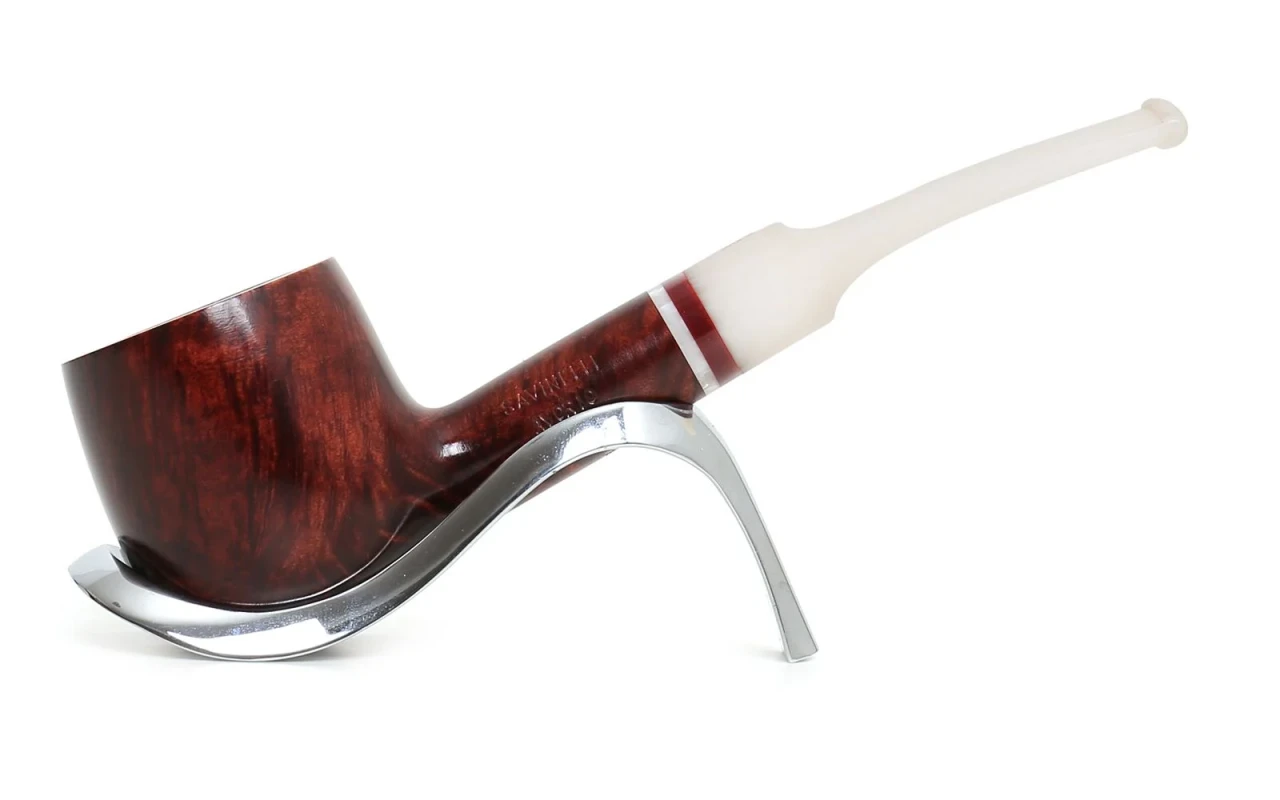

The history of pipes: a journey through time
Pipes have a long history that dates back to antiquity. Initially used by Native American populations, pipes have become a symbol of status and prestige over the centuries. In the 17th century, pipes began to spread in Europe, becoming popular among the aristocracy. Over time, pipes have undergone various transformations, evolving from simple smoking tools to true works of art, made with precious materials and elaborate decorations. Today, pipes continue to be appreciated by pipe tobacco enthusiasts for their elegance and sophistication.
Collectible smoking pipes
Collectible pipes are precious objects appreciated by many smoking enthusiasts. These pipes are often crafted with high-quality materials such as briar wood, corn cob, and other fine woods. Collectors seek unique pipes for their design, craftsmanship, and history. Each piece can hold a special significance, coming from a famous pipe maker or being crafted in a specific style or historical period. Care and maintenance are crucial to preserve the integrity of these collectible pipes, which must be regularly cleaned and stored appropriately to maintain their value and beauty over time.
Materials for smoking pipes
The materials used for the production of smoking pipes vary according to the preferences and needs of each smoker. The most common materials are:- Wood: among the most popular for its ability to absorb moisture and enhance the taste of tobacco.- Corn cob: light and inexpensive, often chosen for travel pipes.- Clay: offers excellent aromatic performance, but is fragile and requires special care.- Meerschaum: a porous stone that absorbs liquids, ensuring a cooler and drier smoke.- Metals: such as aluminum or stainless steel, durable and easy to clean.Each material has unique characteristics that influence the smoking experience.
Tobacco pipe maintenance
Maintaining tobacco pipes is essential to ensure an optimal smoke and prolong the life of the pipe itself. Here are some useful tips:- Regularly clean the pipe after each use, removing burnt tobacco residues and moistening the interior with a specific pipe oil.- Regularly change the filter, if present, to prevent it from clogging and affecting the airflow.- Check the condition of the pipe's smoking chamber and replace it if damaged, to ensure proper combustion and prevent heat damage to the pipe.- Store the pipes in a cool and dry environment, away from heat sources and direct sunlight.By following these practices, you can enjoy your favorite tobacco pipes for a long time.
Pipe Shapes
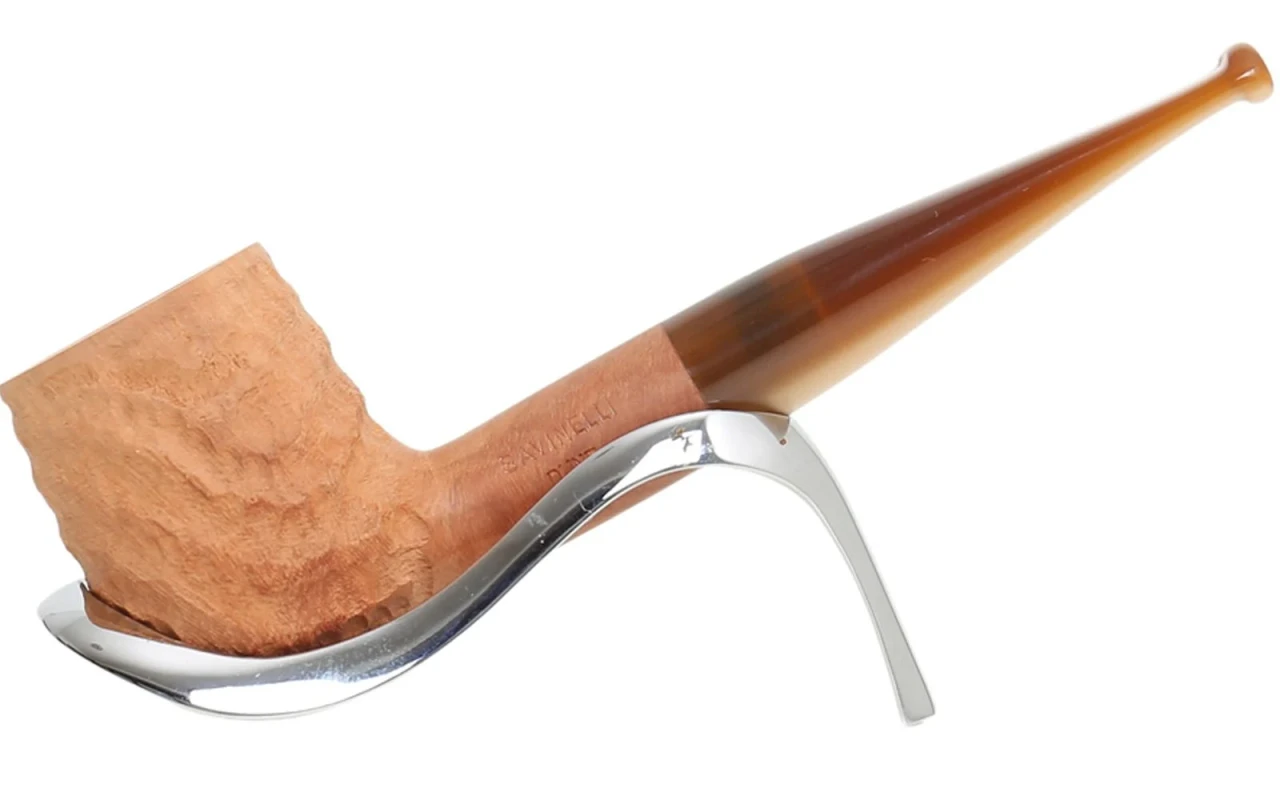
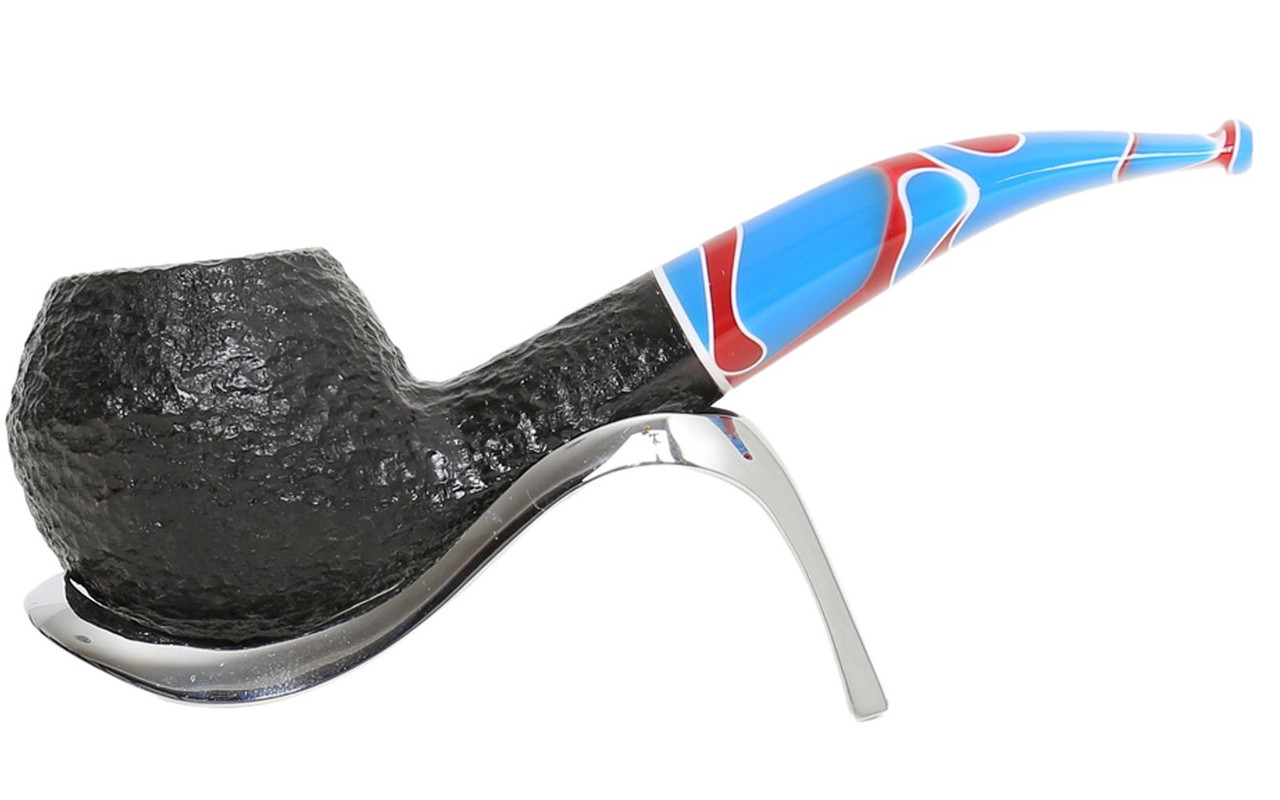
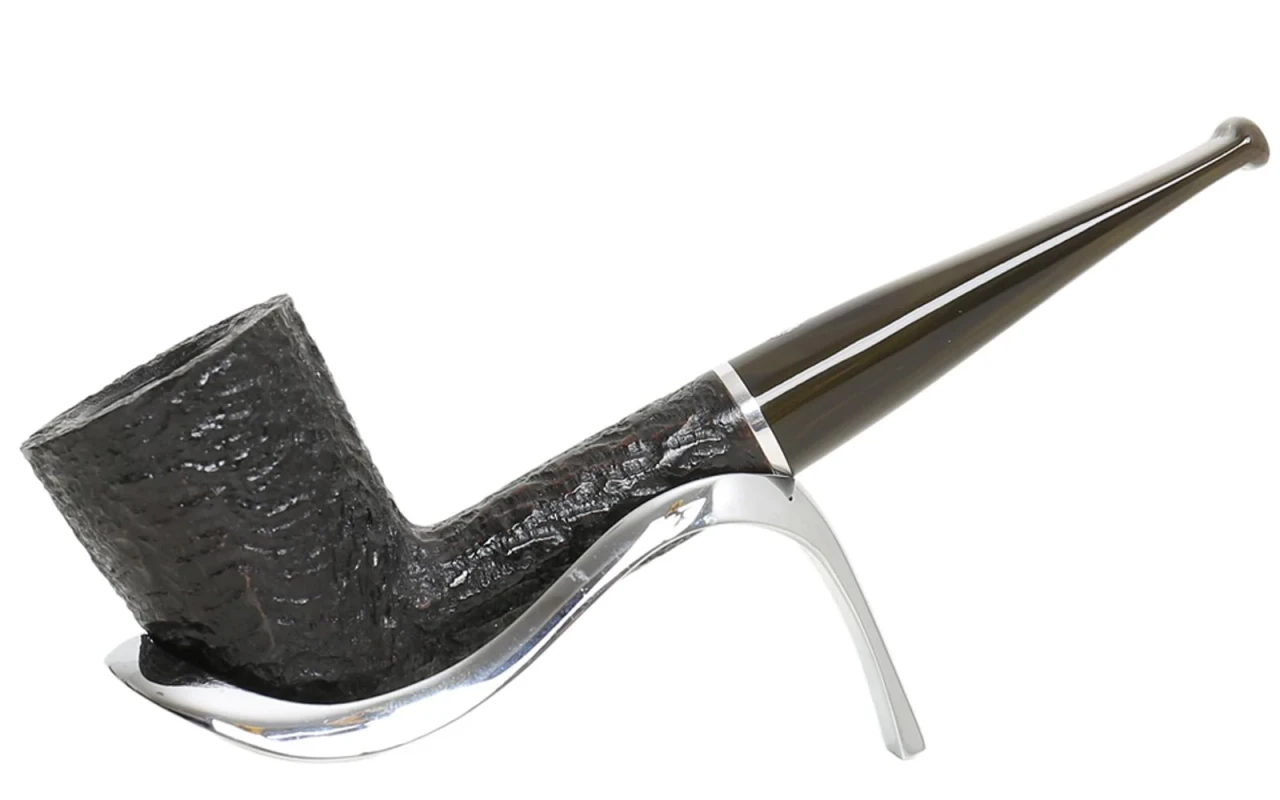
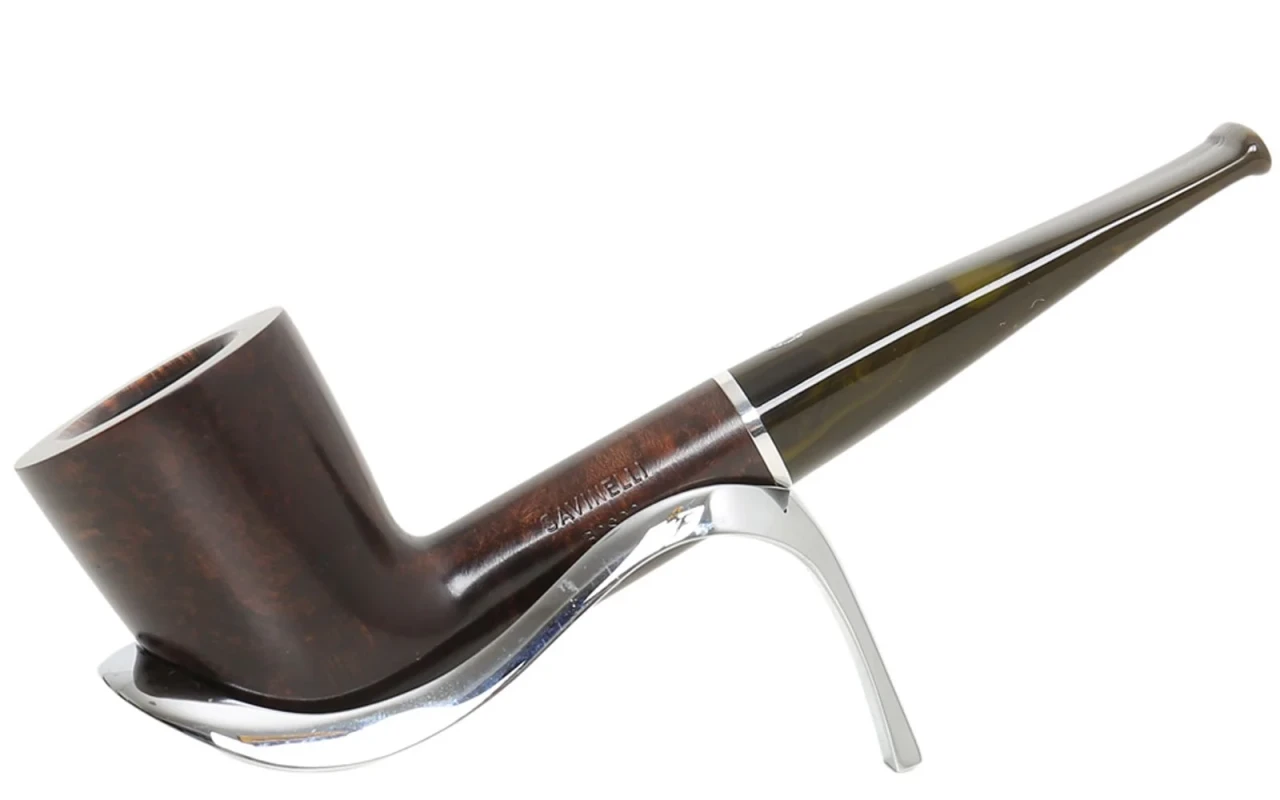
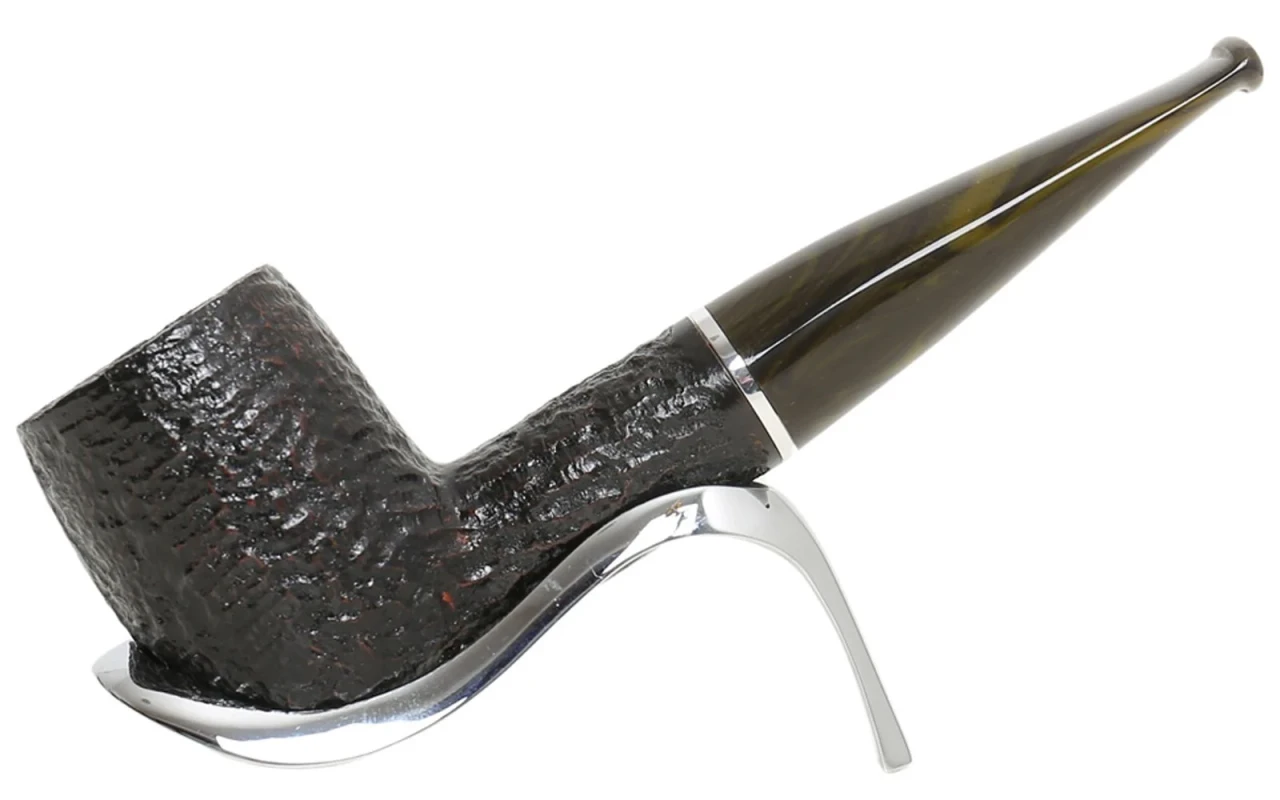
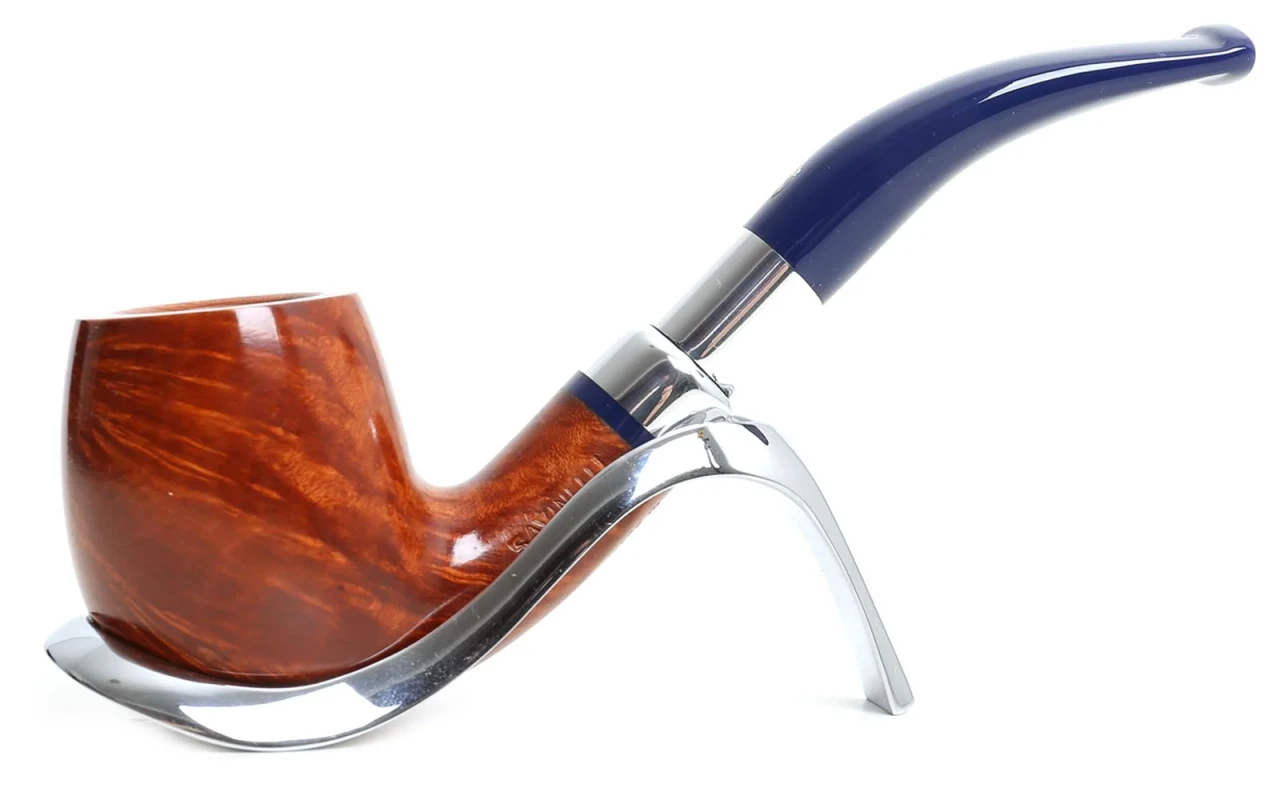
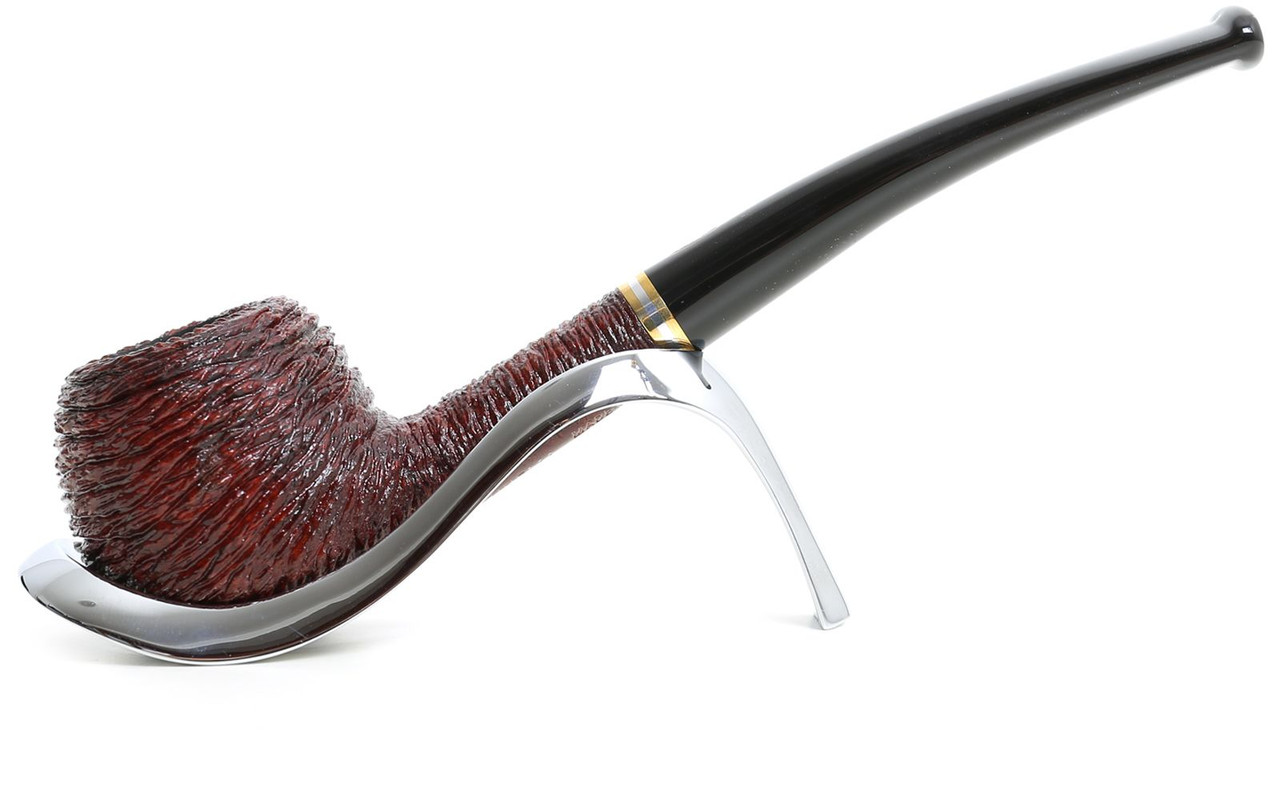
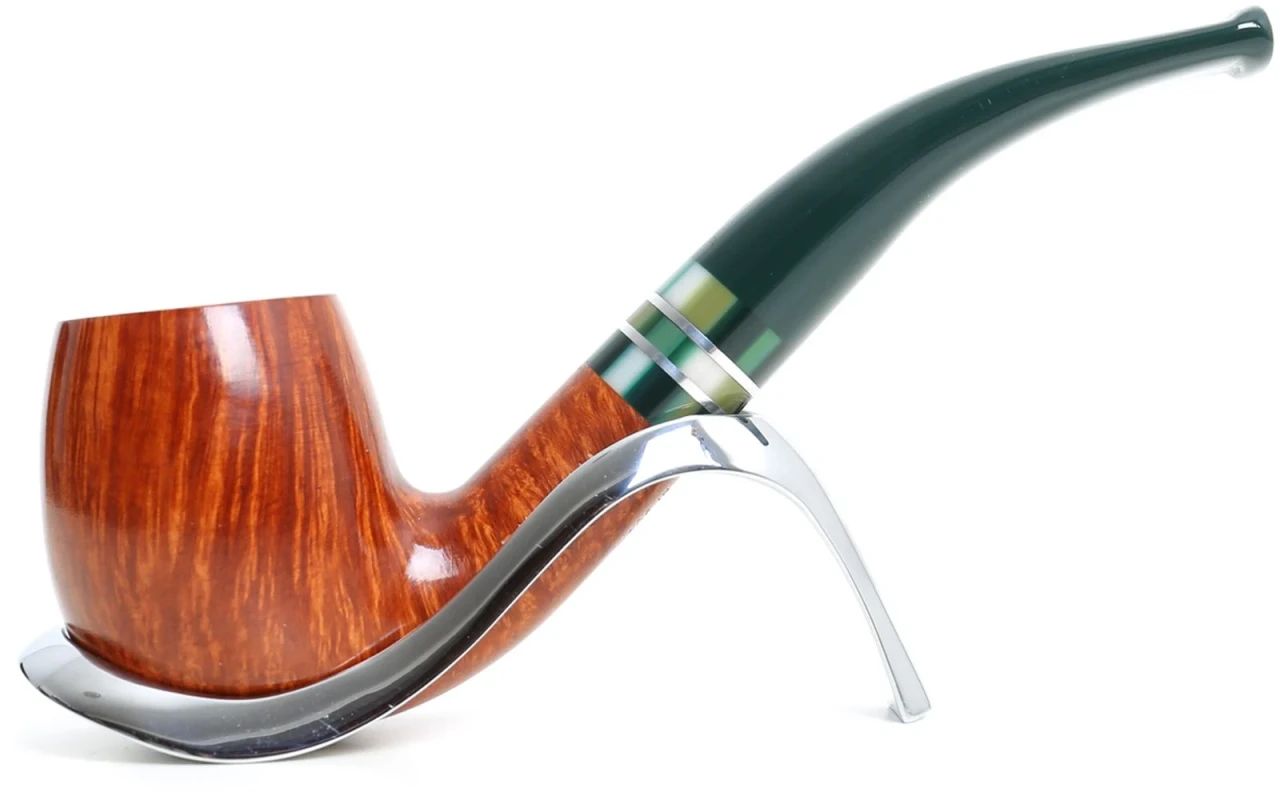
The shapes of smoking pipes can vary significantly, but they are usually distinguished in three main types:- Billiard: the most classic and widespread shape, featuring a cylindrical bowl and a straight stem.- Dublin: characterized by a slightly inclined bowl and a longer stem.- Apple: resembling the shape of an apple, with a rounded bowl and a short stem.In addition to these, there are many other shapes of smoking pipes, each with unique characteristics that influence how the pipe can be smoked and the flavor of the tobacco. The choice of shape often depends on the smoker's personal preferences.
'%3e%3cg id='Final-Copy-2_2_' transform='translate(1275.000000, 200.000000)'%3e%3cpath class='st0' d='M7.4,12.8h6.8l3.1-11.6H7.4C4.2,1.2,1.6,3.8,1.6,7S4.2,12.8,7.4,12.8z'/%3e%3c/g%3e%3c/g%3e%3c/g%3e%3cg id='final---dec.11-2020'%3e%3cg id='_x30_208-our-toggle' transform='translate(-1275.000000, -200.000000)'%3e%3cg id='Final-Copy-2' transform='translate(1275.000000, 200.000000)'%3e%3cpath class='st1' d='M22.6,0H7.4c-3.9,0-7,3.1-7,7s3.1,7,7,7h15.2c3.9,0,7-3.1,7-7S26.4,0,22.6,0z M1.6,7c0-3.2,2.6-5.8,5.8-5.8 h9.9l-3.1,11.6H7.4C4.2,12.8,1.6,10.2,1.6,7z'/%3e%3cpath id='x' class='st2' d='M24.6,4c0.2,0.2,0.2,0.6,0,0.8l0,0L22.5,7l2.2,2.2c0.2,0.2,0.2,0.6,0,0.8c-0.2,0.2-0.6,0.2-0.8,0 l0,0l-2.2-2.2L19.5,10c-0.2,0.2-0.6,0.2-0.8,0c-0.2-0.2-0.2-0.6,0-0.8l0,0L20.8,7l-2.2-2.2c-0.2-0.2-0.2-0.6,0-0.8 c0.2-0.2,0.6-0.2,0.8,0l0,0l2.2,2.2L23.8,4C24,3.8,24.4,3.8,24.6,4z'/%3e%3cpath id='y' class='st3' d='M12.7,4.1c0.2,0.2,0.3,0.6,0.1,0.8l0,0L8.6,9.8C8.5,9.9,8.4,10,8.3,10c-0.2,0.1-0.5,0.1-0.7-0.1l0,0 L5.4,7.7c-0.2-0.2-0.2-0.6,0-0.8c0.2-0.2,0.6-0.2,0.8,0l0,0L8,8.6l3.8-4.5C12,3.9,12.4,3.9,12.7,4.1z'/%3e%3c/g%3e%3c/g%3e%3c/g%3e%3c/g%3e%3c/svg%3e) Your Privacy Choices
Your Privacy Choices 


