 FR
FR EN
EN IT
IT DE
DE
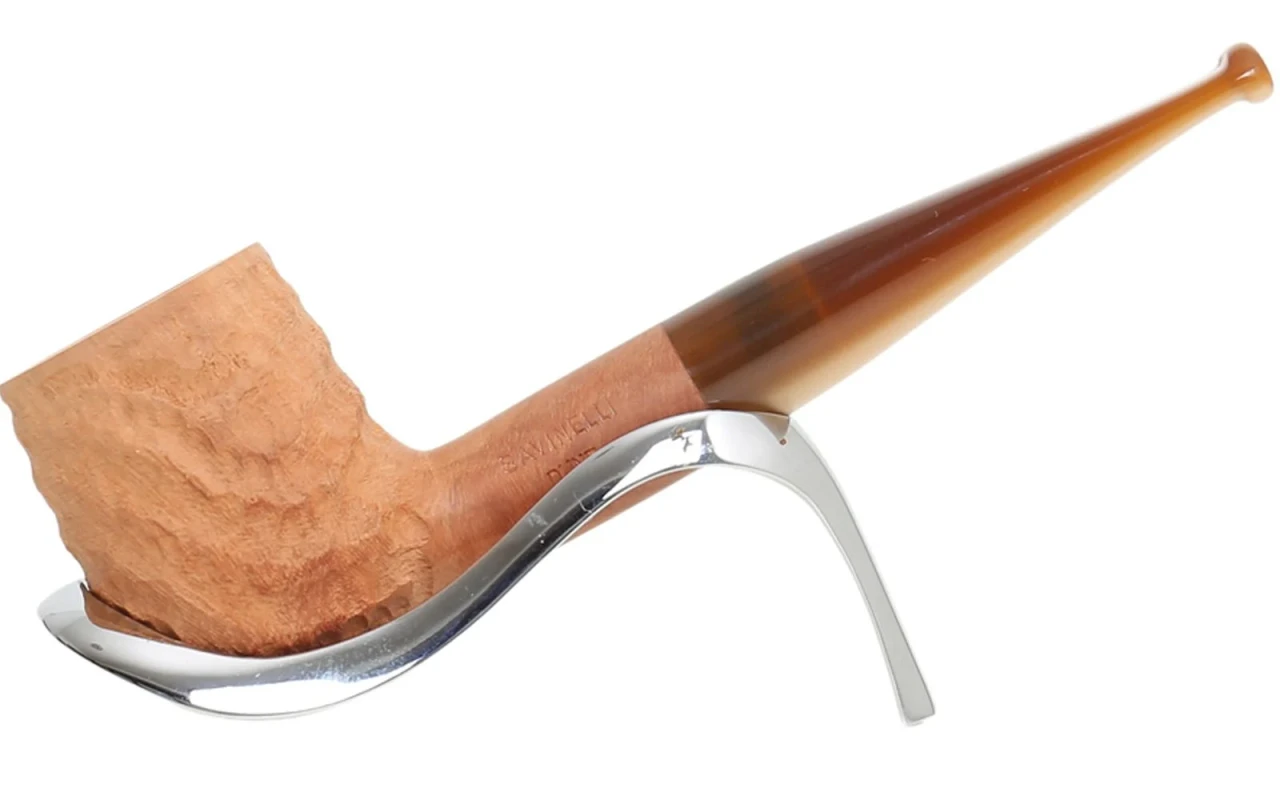
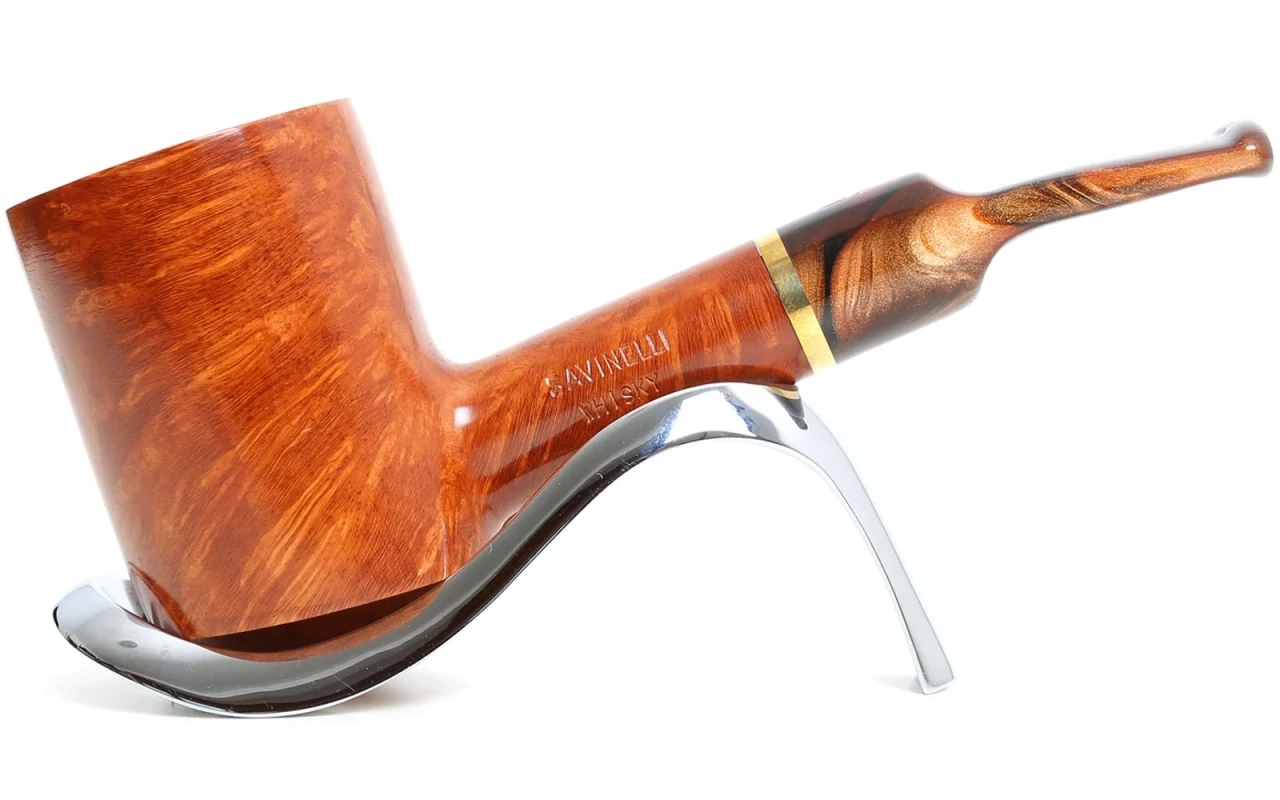
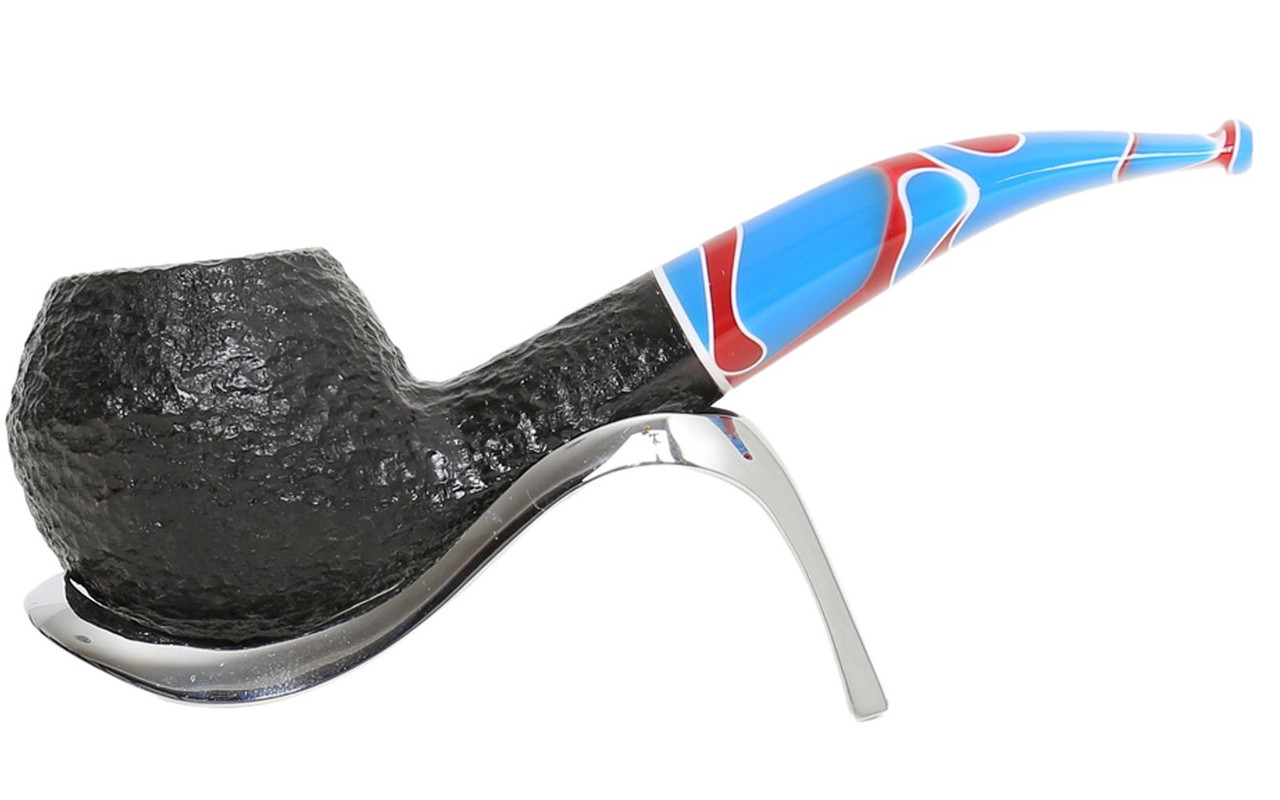
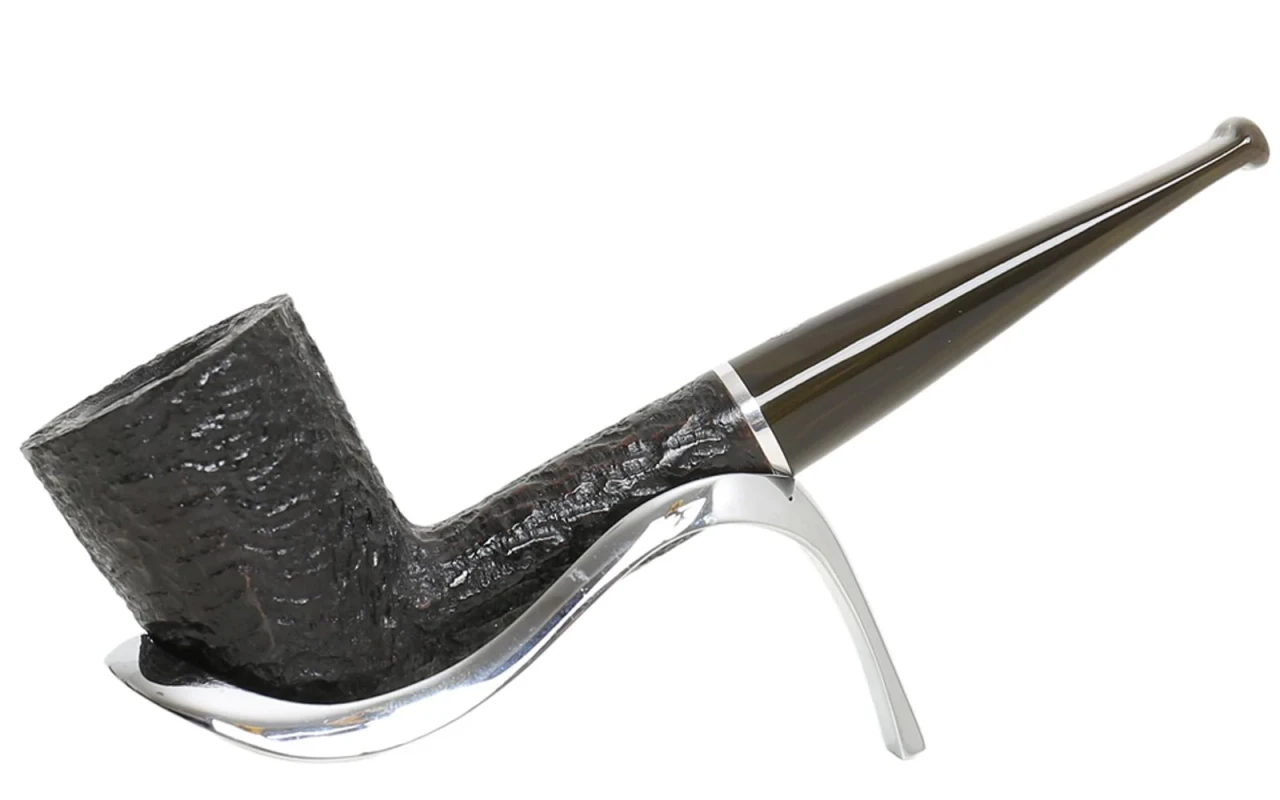
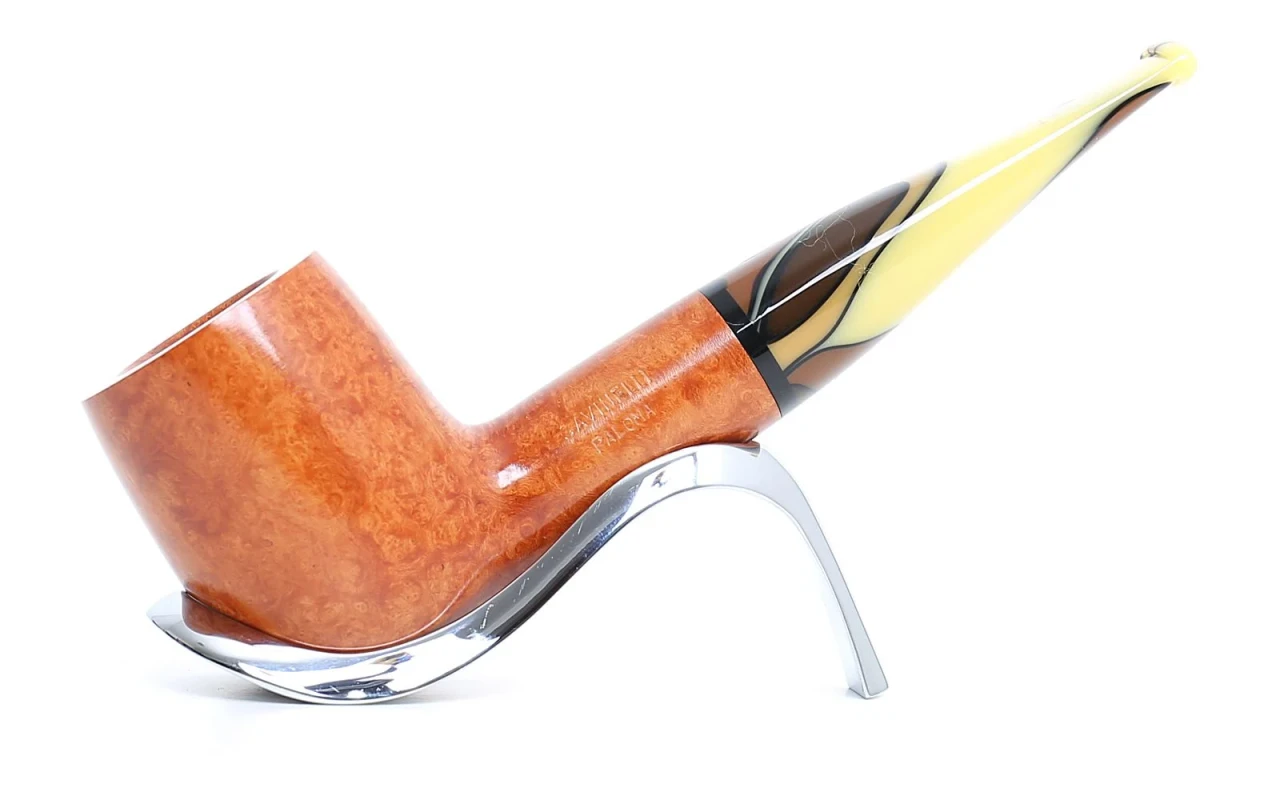
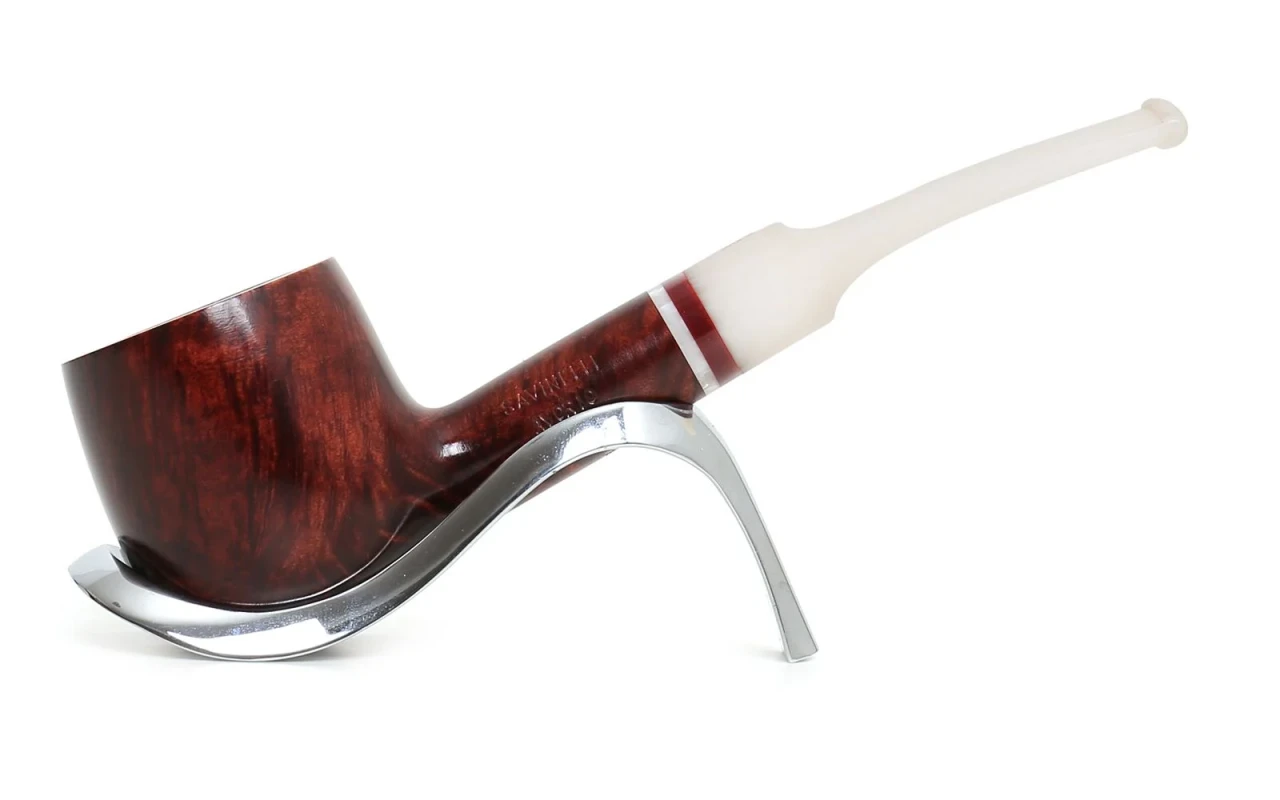
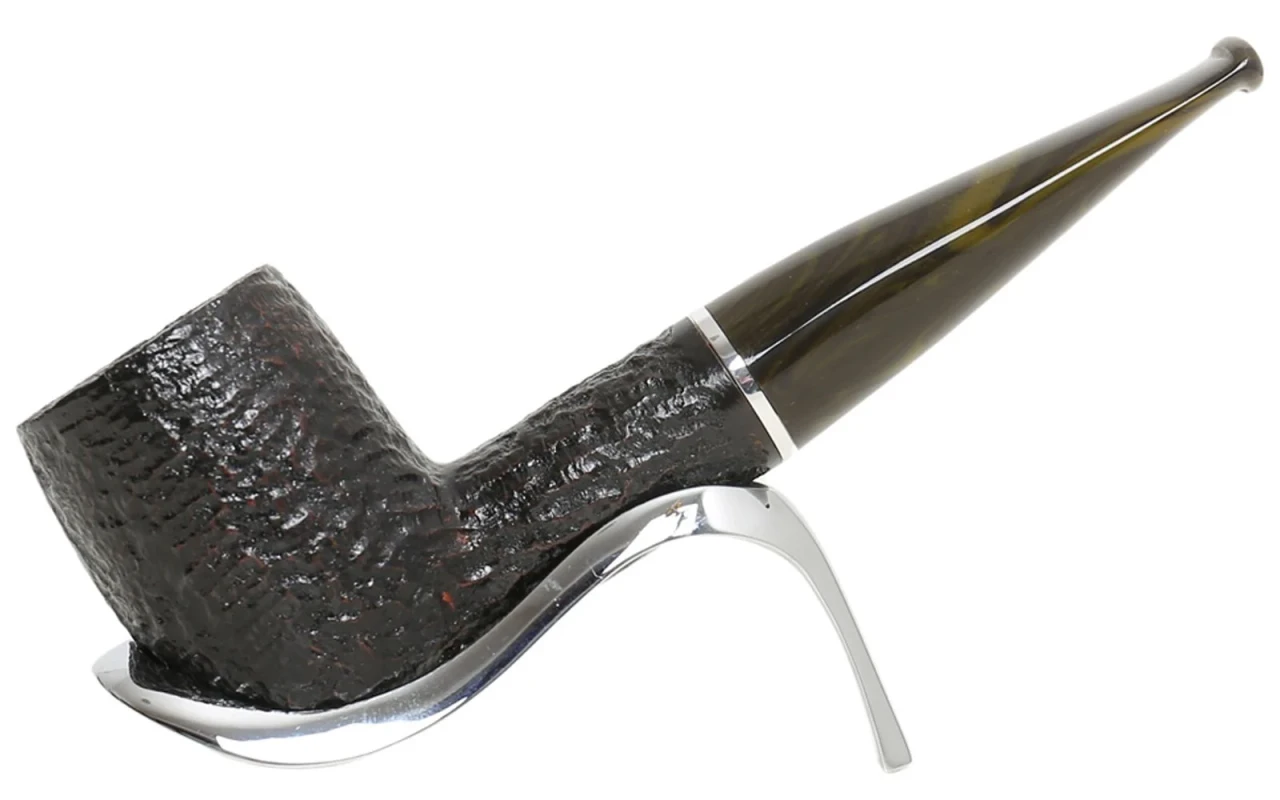
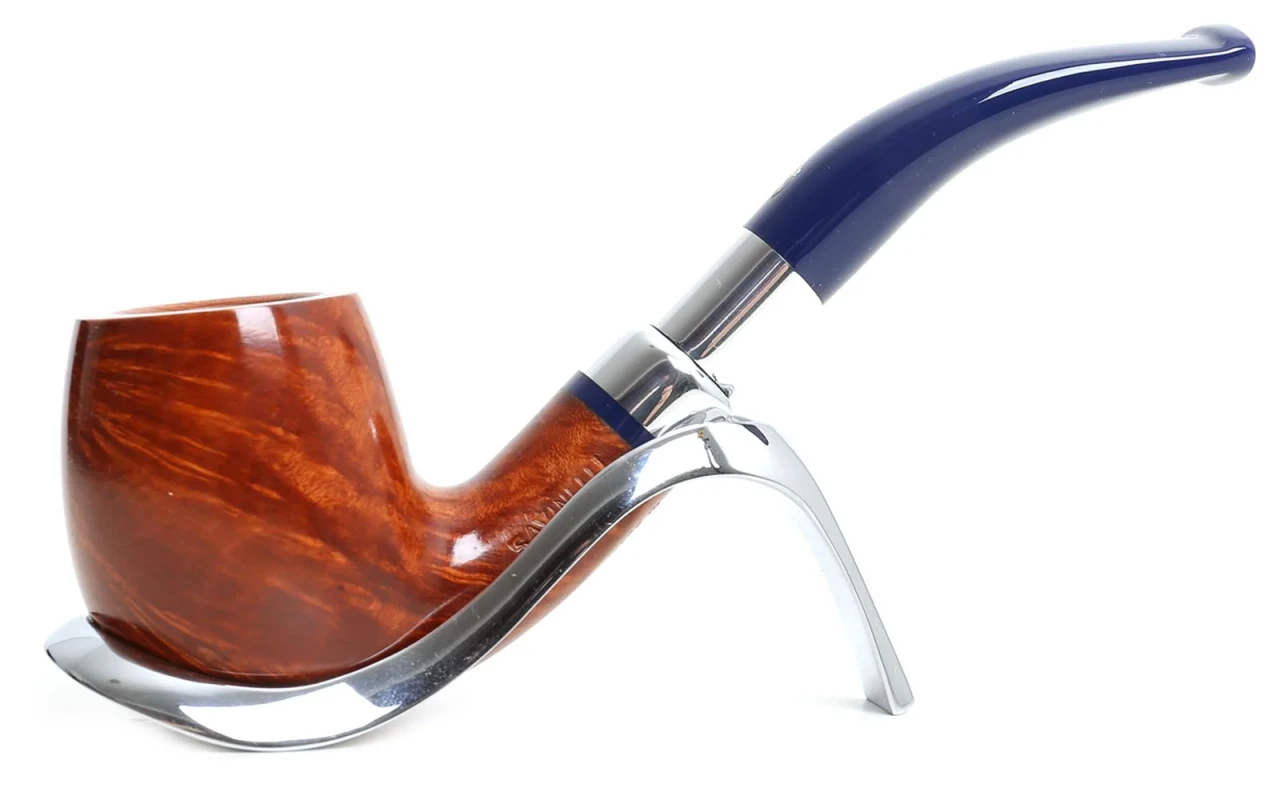
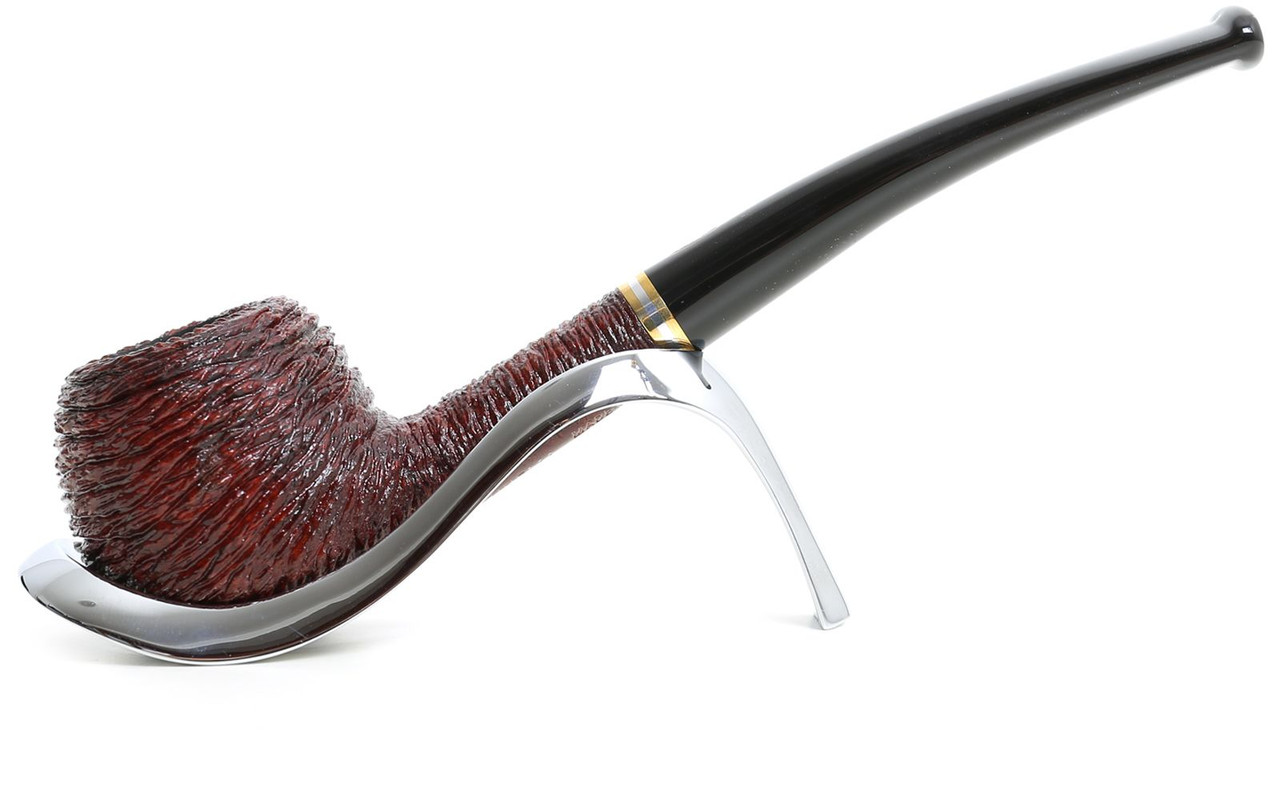
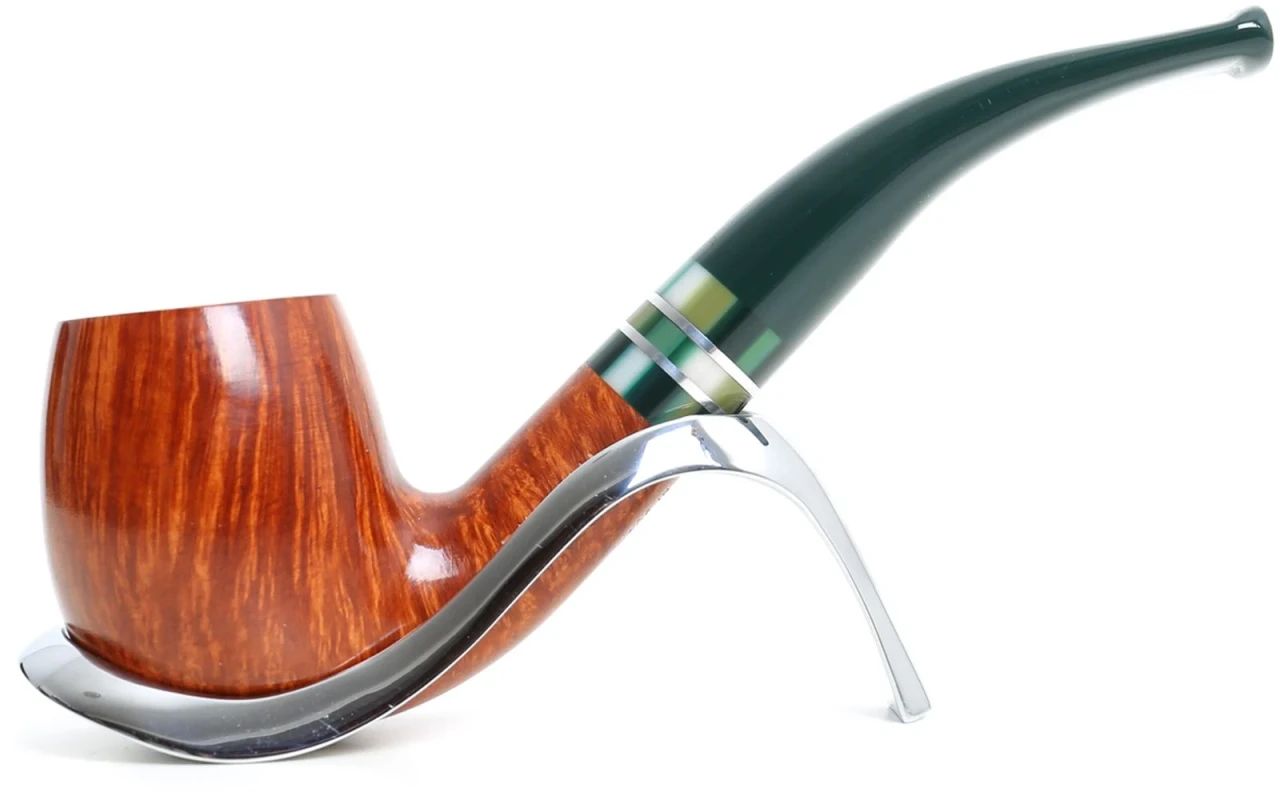
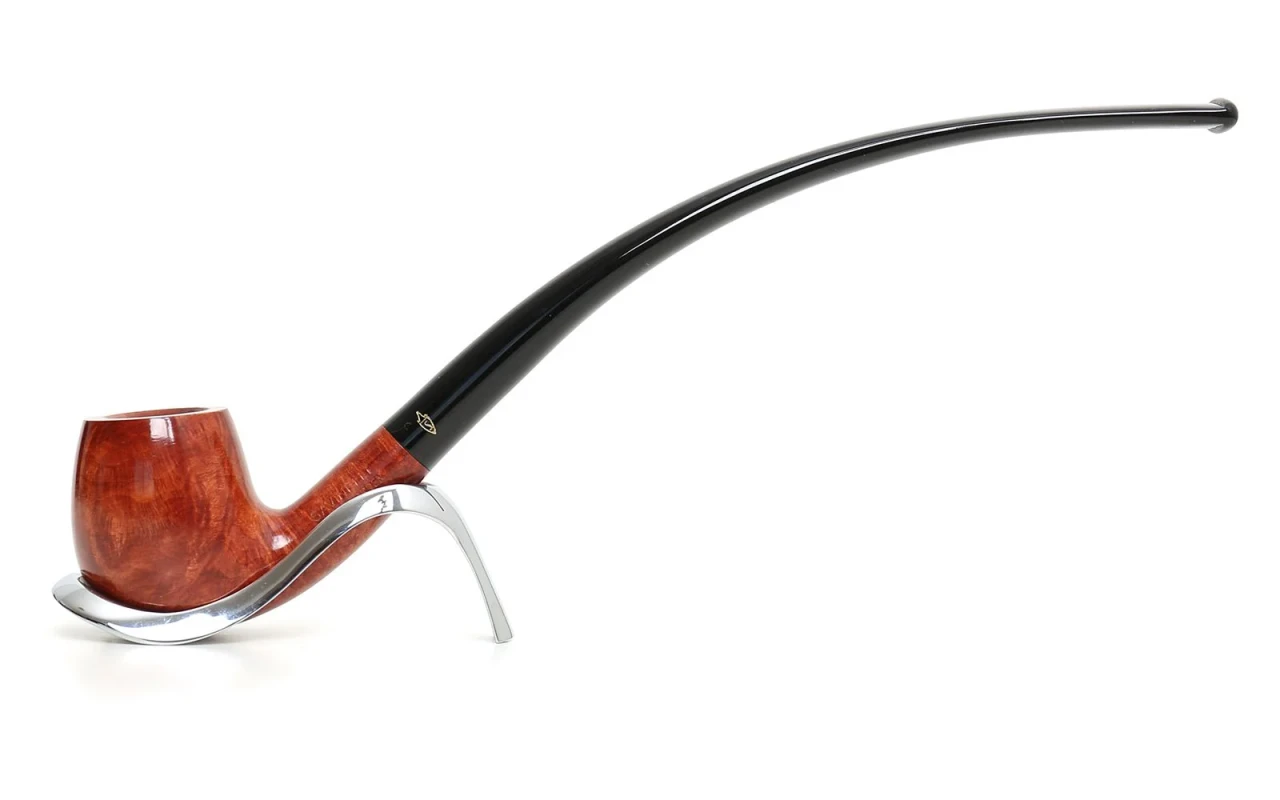
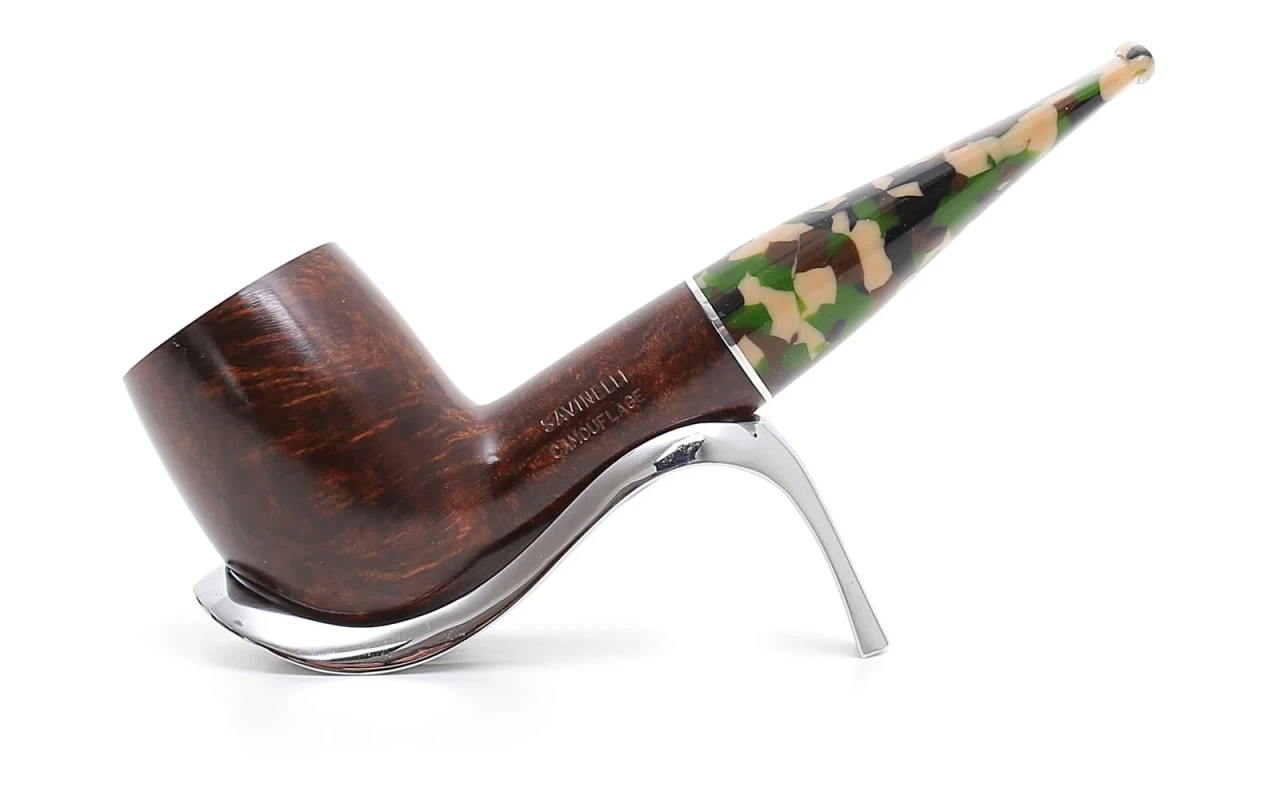
The stability of smoking pipes
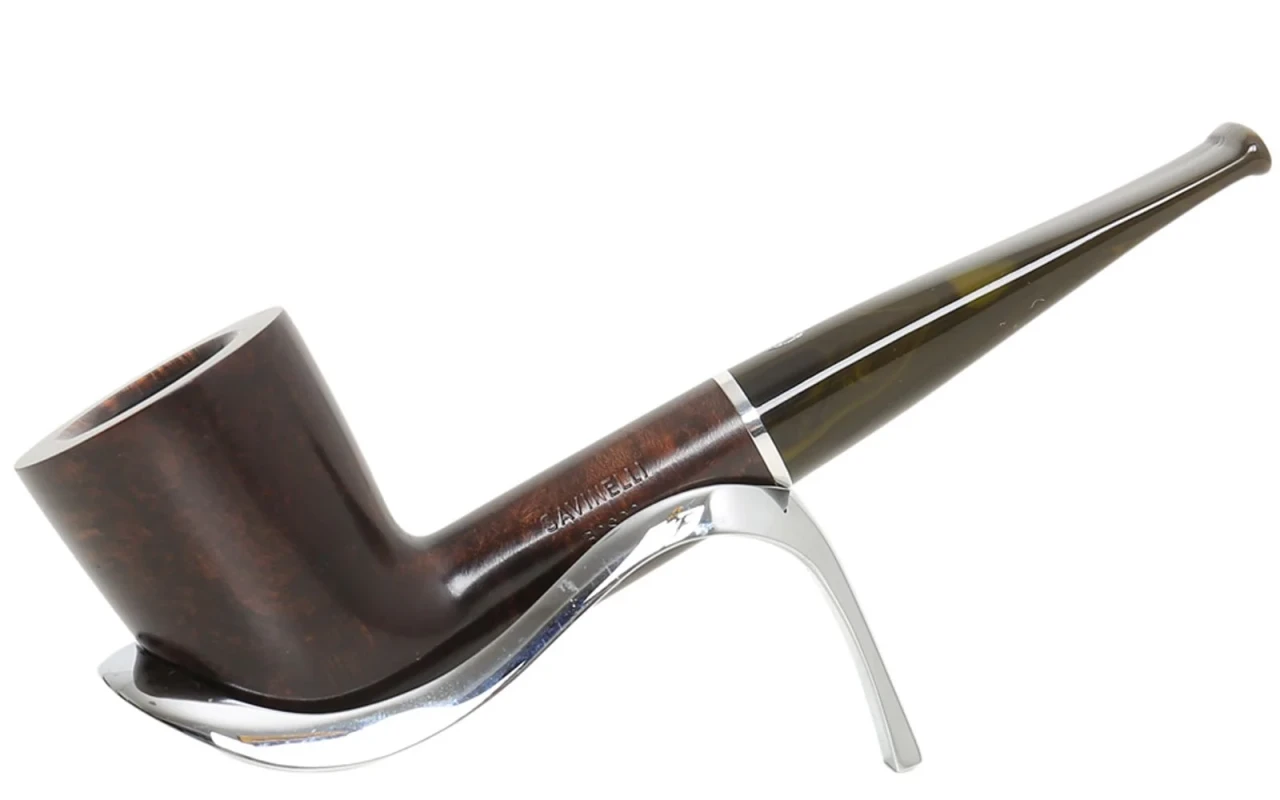
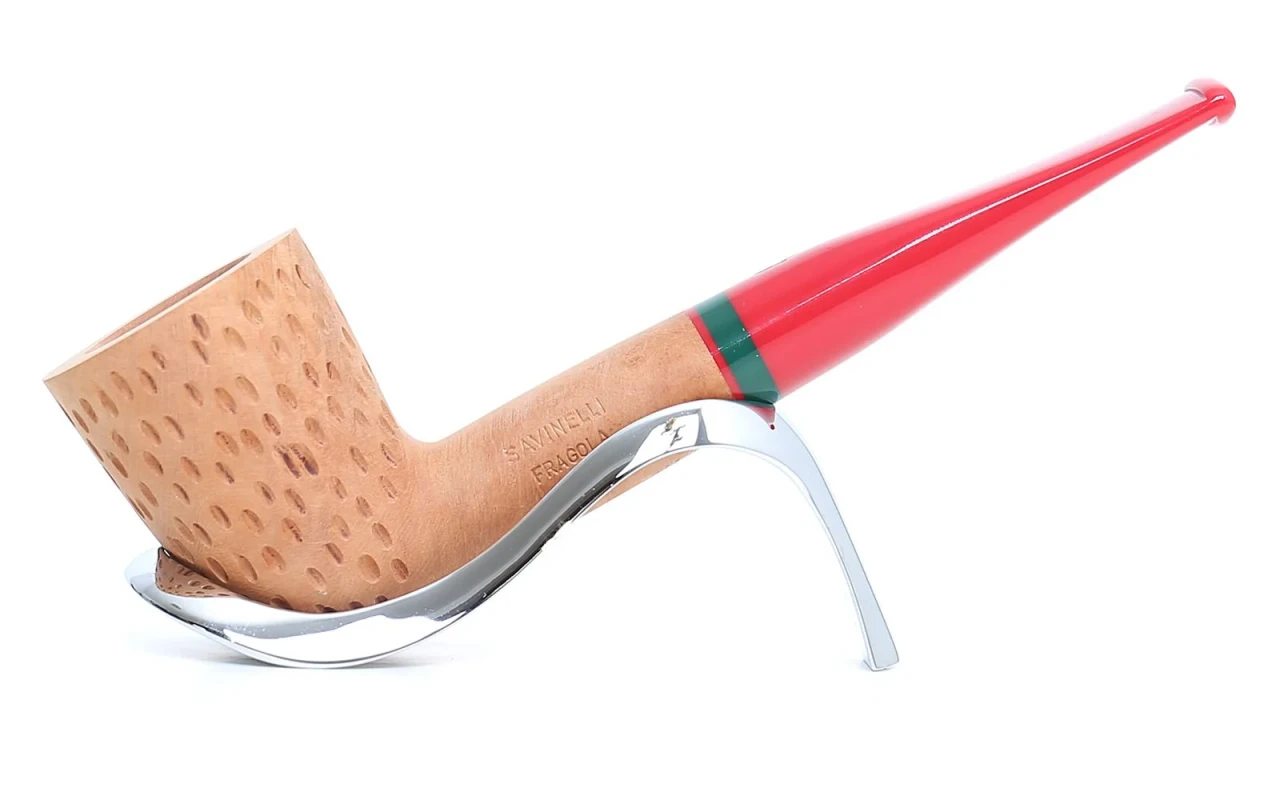
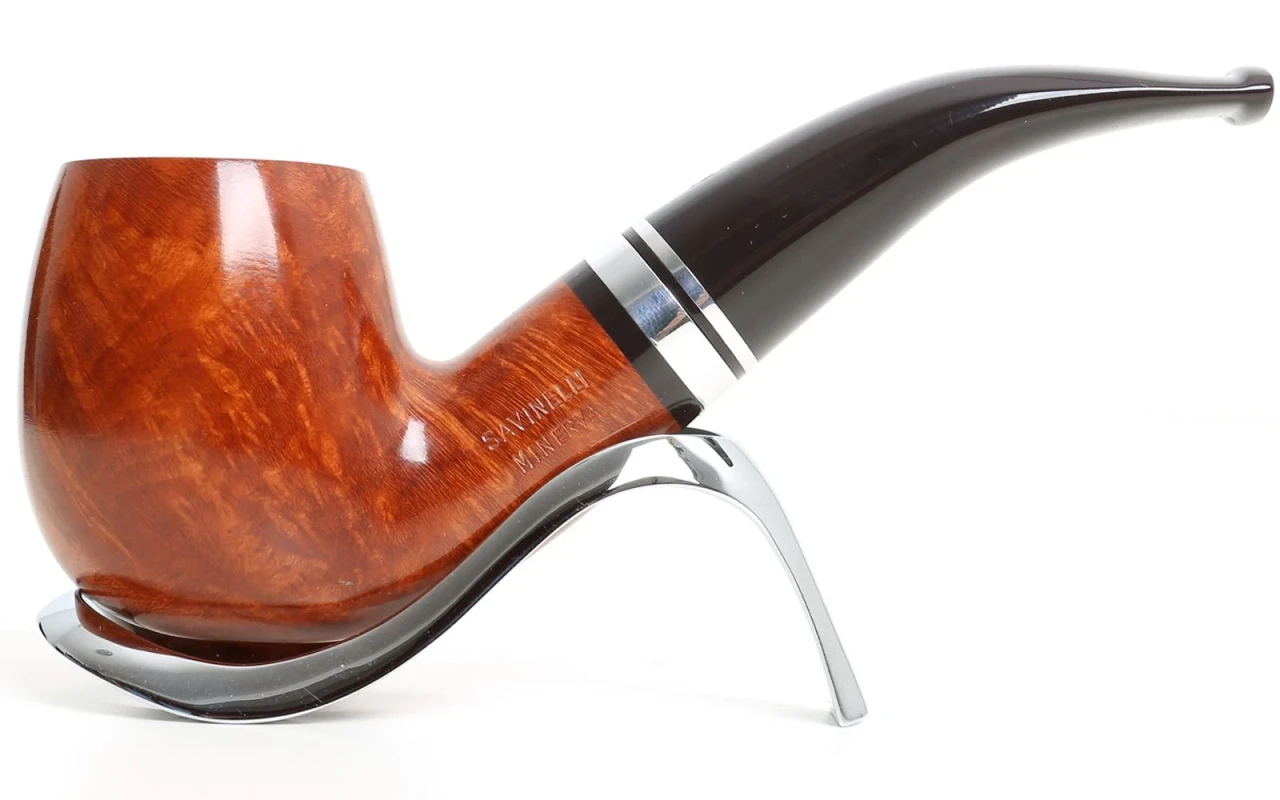
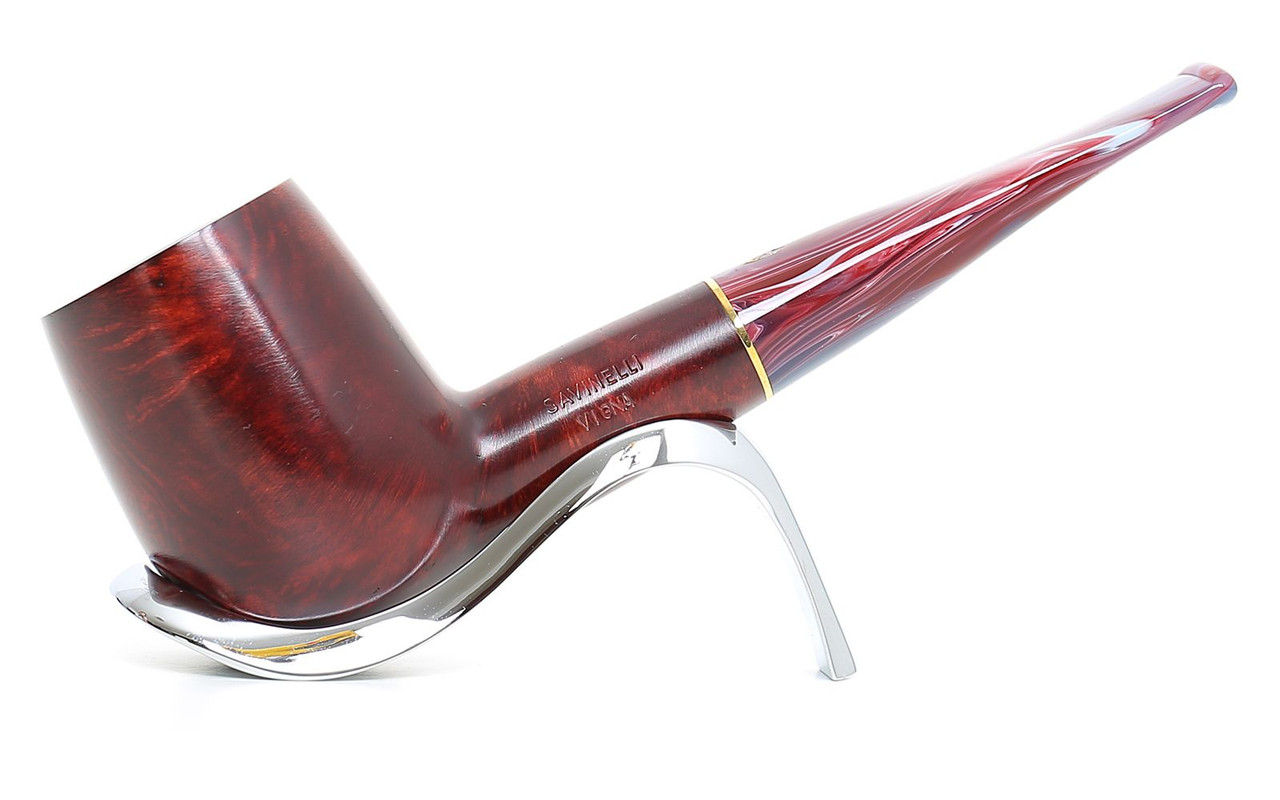
The stability of smoking pipes
The stability of smoking pipes is a crucial element to ensure a pleasant smoking experience. Well-balanced and sturdy pipes are essential to avoid accidents during use. To ensure the stability of a pipe, it is important to consider several factors:- The base of the pipe must be wide and solid to prevent tipping over.- The weight of the pipe should be evenly distributed for a comfortable and secure grip.- High-quality materials and craftsmanship can contribute to the overall stability of the pipe.- Keeping the moving parts of the pipe clean and in good condition helps preserve its balance over time.Choosing a well-built and balanced smoking pipe is essential to fully enjoy the pipe smoking ritual.
Maintenance of smoking pipes
Maintenance of smoking pipes is essential to ensure optimal functioning and maximum durability over time. Here are some useful tips:- Regular cleaning: remove tobacco and tar residues from the inside of the pipe with a specific pipe cleaner.- Proper drying: after use, allow the pipe to dry completely to prevent mold formation.- Tobacco rotation: alternate the types of smoked tobacco to avoid residue buildup.- Filter replacement: if the pipe is equipped with a filter, replace it regularly to maintain smoke quality.- Correct storage: store the pipe in a cool and dry environment, away from heat sources and direct light.
Materials of Smoking Pipes
Smoking pipes can be made from different materials, each with unique characteristics. The main materials used include:- **Wood**: traditionally used for its ability to absorb moisture and enhance the tobacco's flavor.- **Briar**: appreciated for its heat resistance and moisture absorption capabilities.- **Horn**: lightweight and durable, it provides a natural elegance to pipes.- **Clay**: particularly suitable for flavored smoking pipes, as it does not alter the taste of the tobacco.- **Meerschaum**: a porous stone that absorbs tobacco oils, enhancing the flavor over time.The choice of material influences the performance and overall experience of smoking a pipe.
Pipe Smoking Design
The design of smoking pipes is a crucial element for enthusiasts. Pipes can feature classic shapes such as bent, Dublin, or Apple, as well as more modern and creative designs. The materials used range from wood to briar, from corn cob to clay. Details such as the finish, the mouthpiece craftsmanship, and the care for aesthetic details contribute to creating unique and personalized pipes. The design not only affects the aesthetics but can also influence the smoking experience, for example, by determining smoke cooling or facilitating cleaning.
'%3e%3cg id='Final-Copy-2_2_' transform='translate(1275.000000, 200.000000)'%3e%3cpath class='st0' d='M7.4,12.8h6.8l3.1-11.6H7.4C4.2,1.2,1.6,3.8,1.6,7S4.2,12.8,7.4,12.8z'/%3e%3c/g%3e%3c/g%3e%3c/g%3e%3cg id='final---dec.11-2020'%3e%3cg id='_x30_208-our-toggle' transform='translate(-1275.000000, -200.000000)'%3e%3cg id='Final-Copy-2' transform='translate(1275.000000, 200.000000)'%3e%3cpath class='st1' d='M22.6,0H7.4c-3.9,0-7,3.1-7,7s3.1,7,7,7h15.2c3.9,0,7-3.1,7-7S26.4,0,22.6,0z M1.6,7c0-3.2,2.6-5.8,5.8-5.8 h9.9l-3.1,11.6H7.4C4.2,12.8,1.6,10.2,1.6,7z'/%3e%3cpath id='x' class='st2' d='M24.6,4c0.2,0.2,0.2,0.6,0,0.8l0,0L22.5,7l2.2,2.2c0.2,0.2,0.2,0.6,0,0.8c-0.2,0.2-0.6,0.2-0.8,0 l0,0l-2.2-2.2L19.5,10c-0.2,0.2-0.6,0.2-0.8,0c-0.2-0.2-0.2-0.6,0-0.8l0,0L20.8,7l-2.2-2.2c-0.2-0.2-0.2-0.6,0-0.8 c0.2-0.2,0.6-0.2,0.8,0l0,0l2.2,2.2L23.8,4C24,3.8,24.4,3.8,24.6,4z'/%3e%3cpath id='y' class='st3' d='M12.7,4.1c0.2,0.2,0.3,0.6,0.1,0.8l0,0L8.6,9.8C8.5,9.9,8.4,10,8.3,10c-0.2,0.1-0.5,0.1-0.7-0.1l0,0 L5.4,7.7c-0.2-0.2-0.2-0.6,0-0.8c0.2-0.2,0.6-0.2,0.8,0l0,0L8,8.6l3.8-4.5C12,3.9,12.4,3.9,12.7,4.1z'/%3e%3c/g%3e%3c/g%3e%3c/g%3e%3c/g%3e%3c/svg%3e) Your Privacy Choices
Your Privacy Choices 


