 ES
ES FR
FR EN
EN IT
IT DE
DE
The Evolution of Pipe Design
The Evolution of Pipe Design
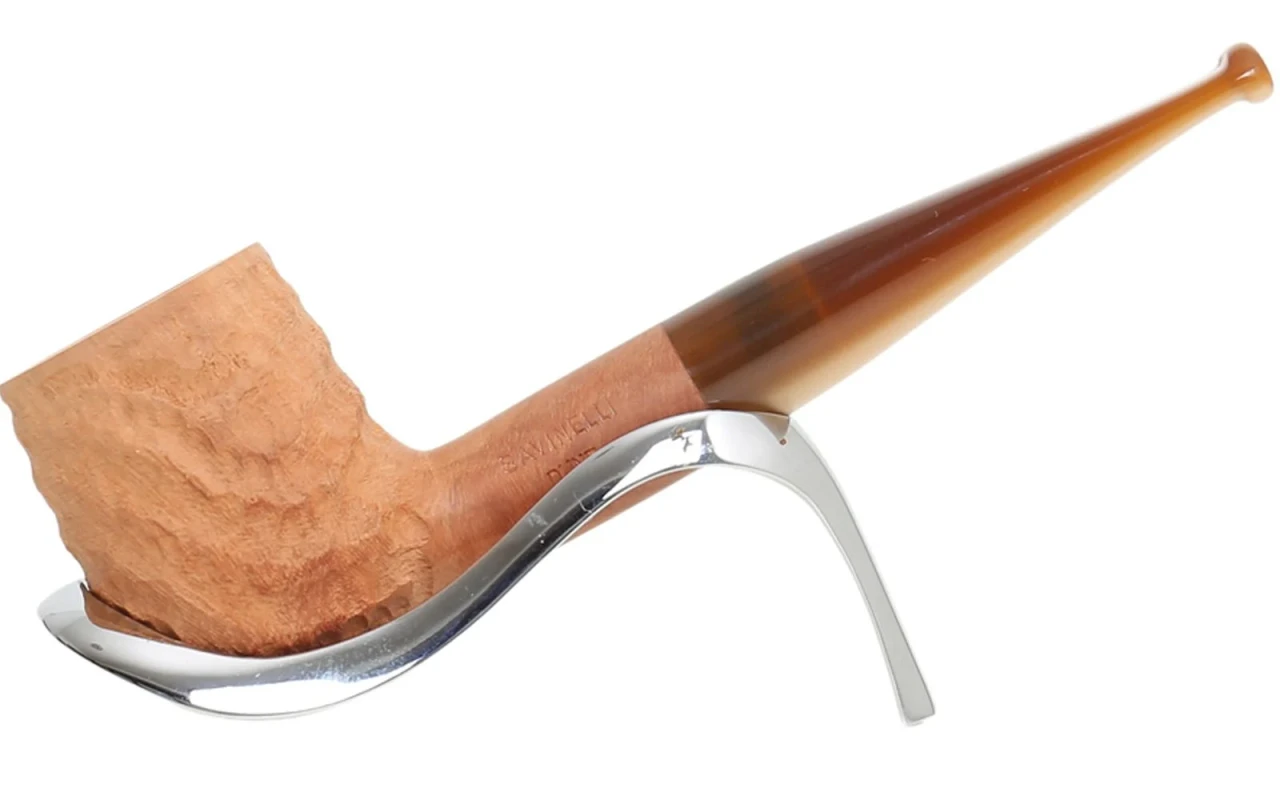
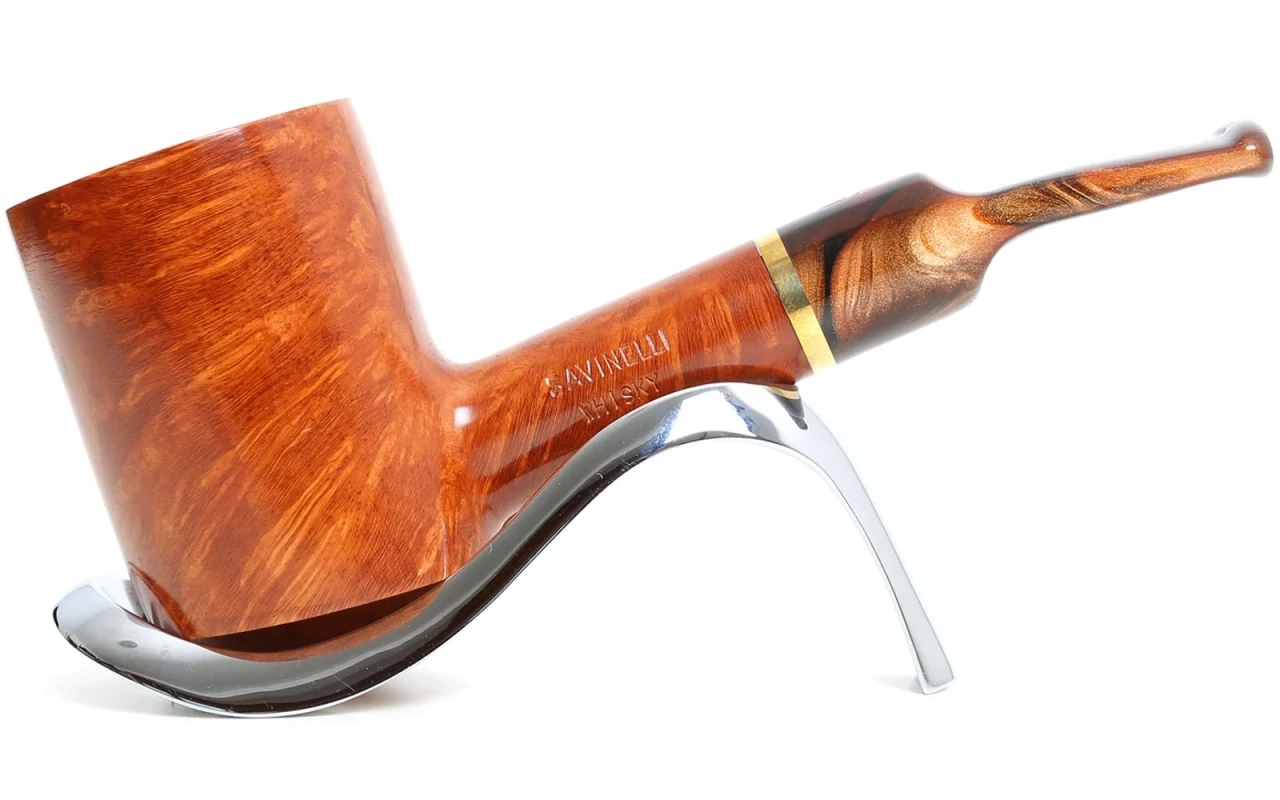
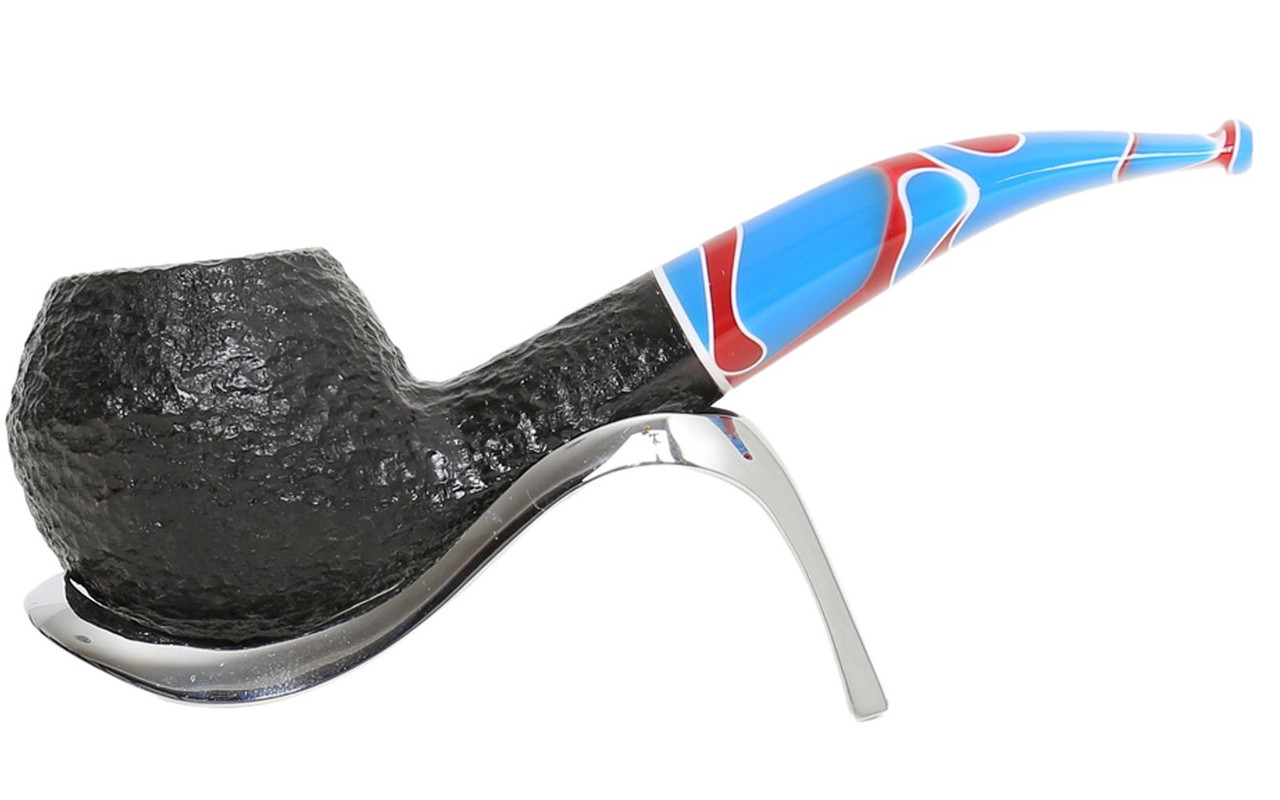
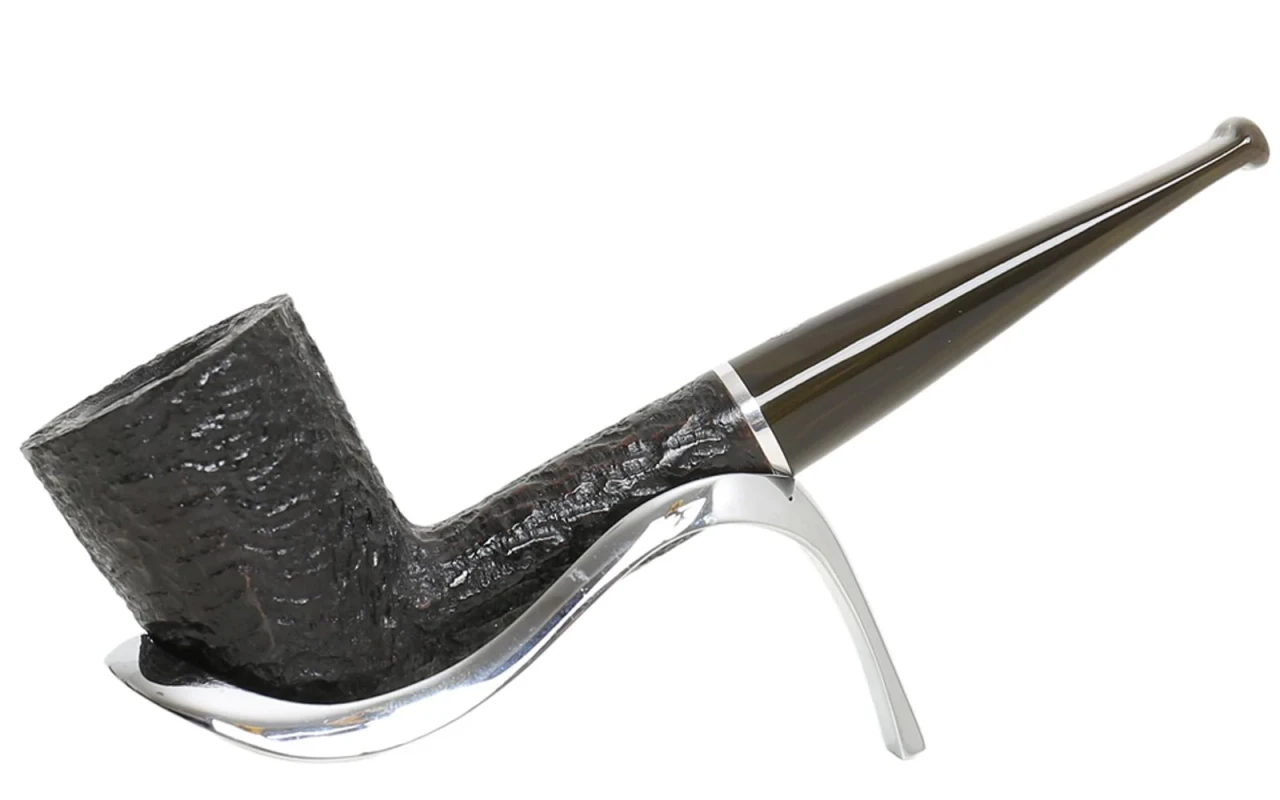
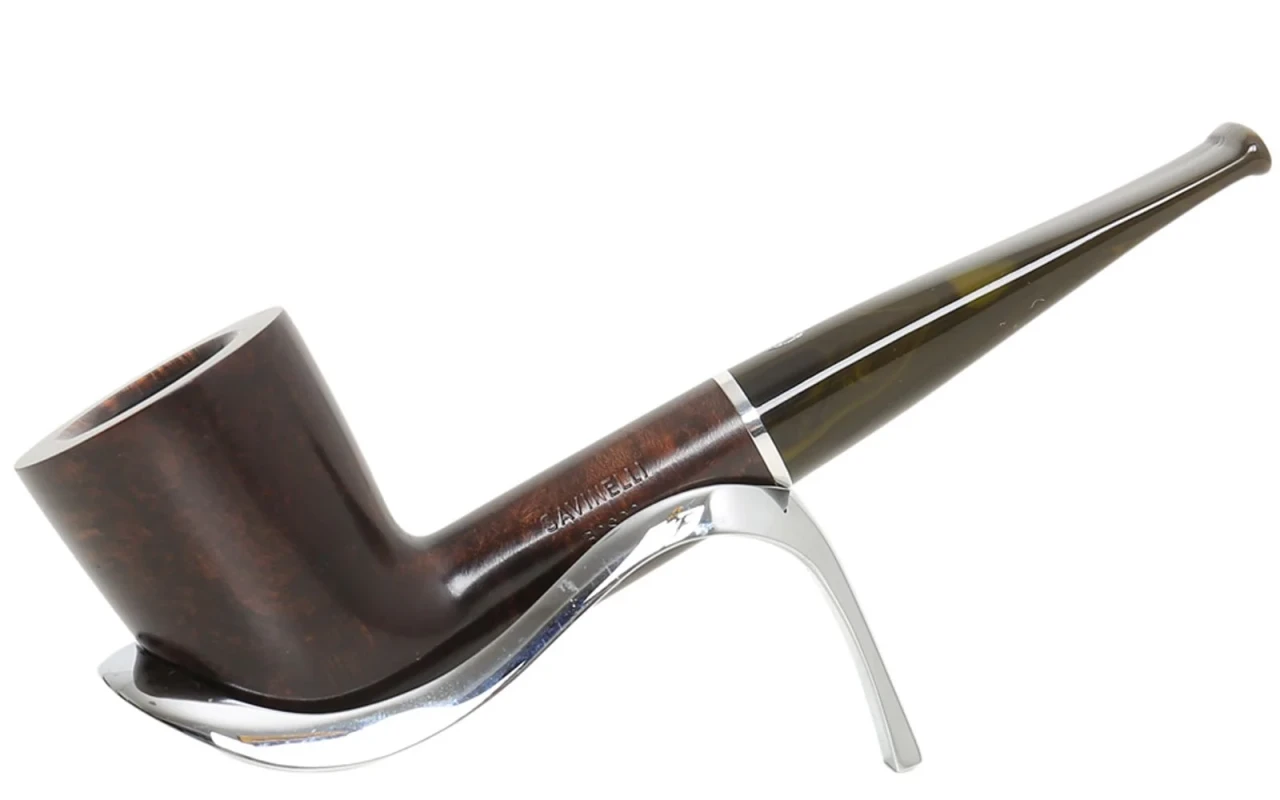
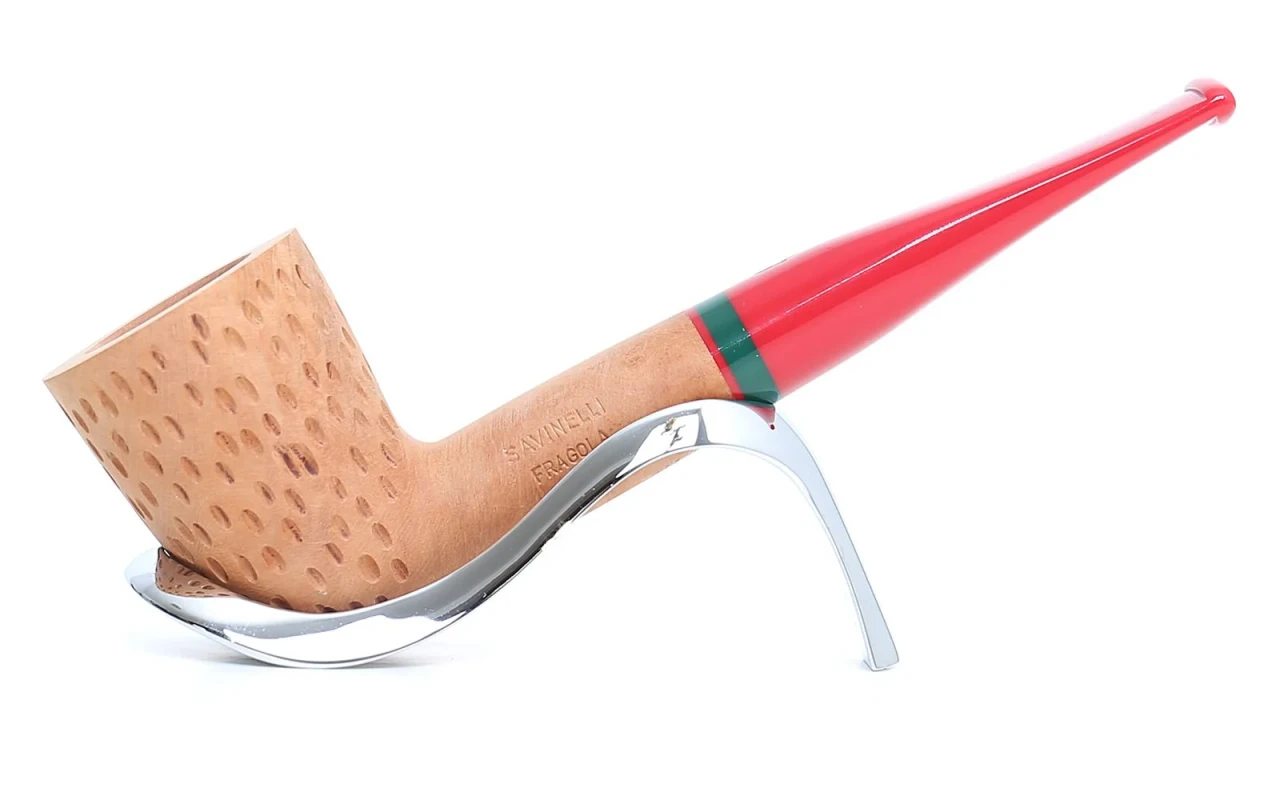
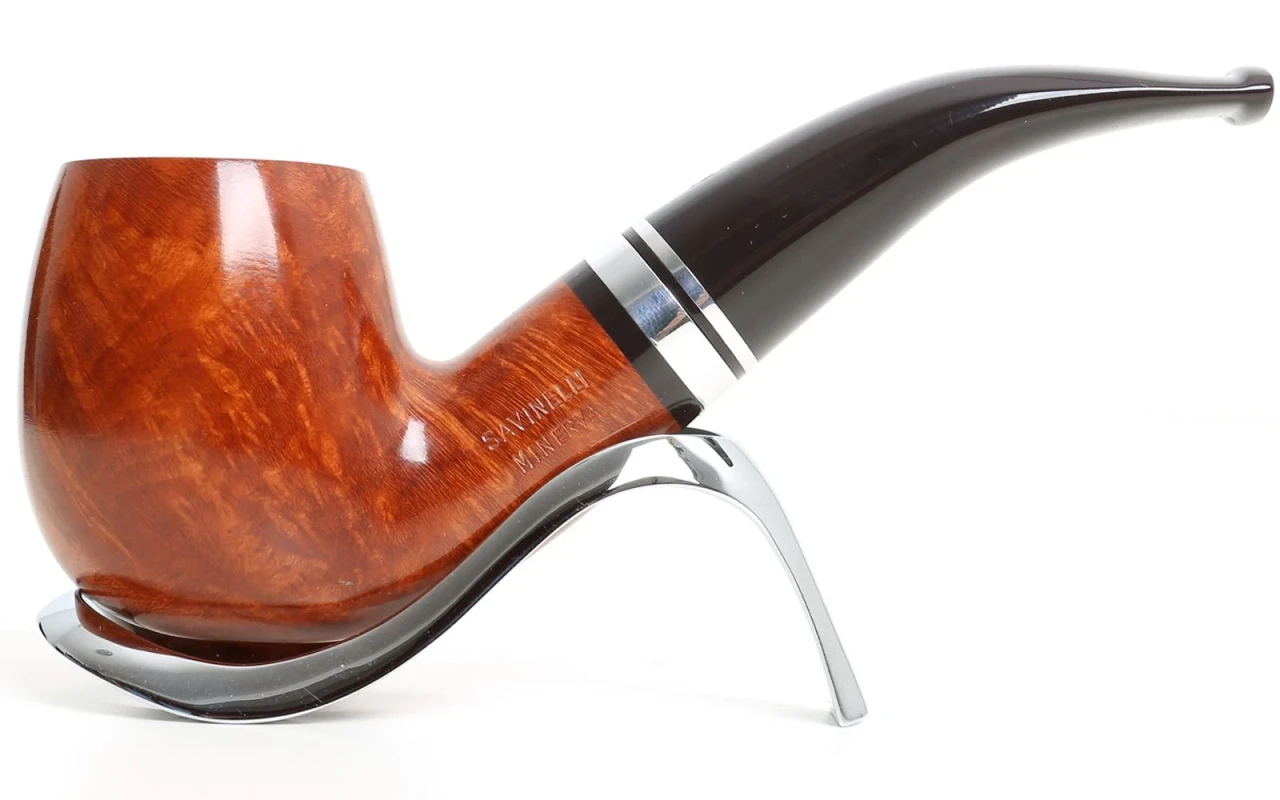
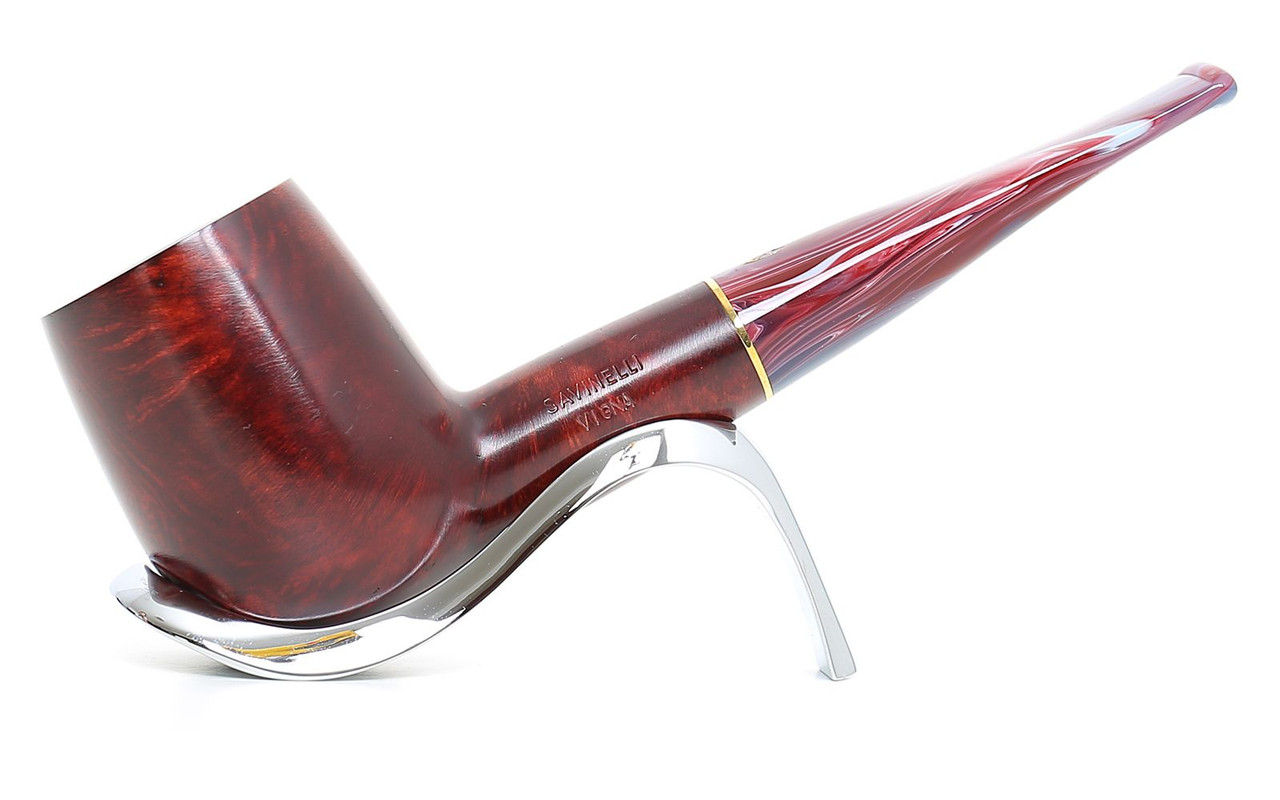
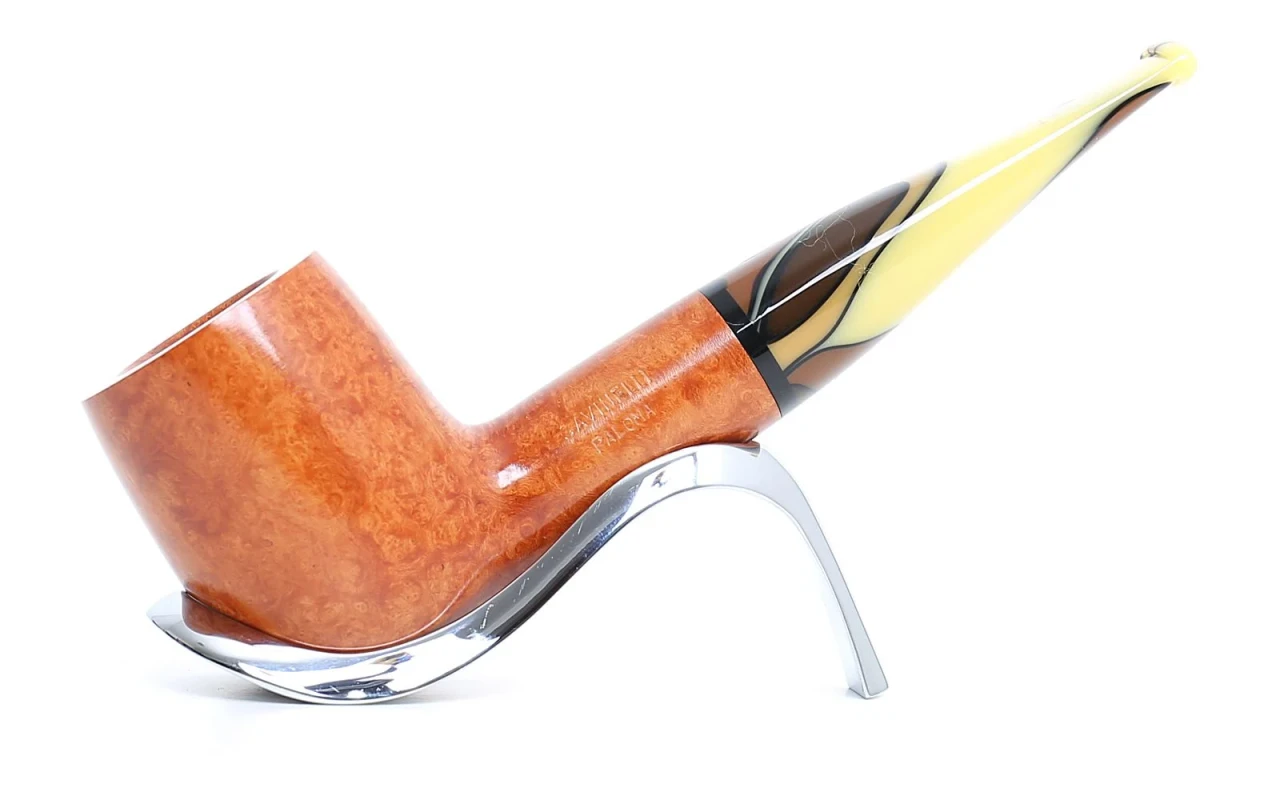
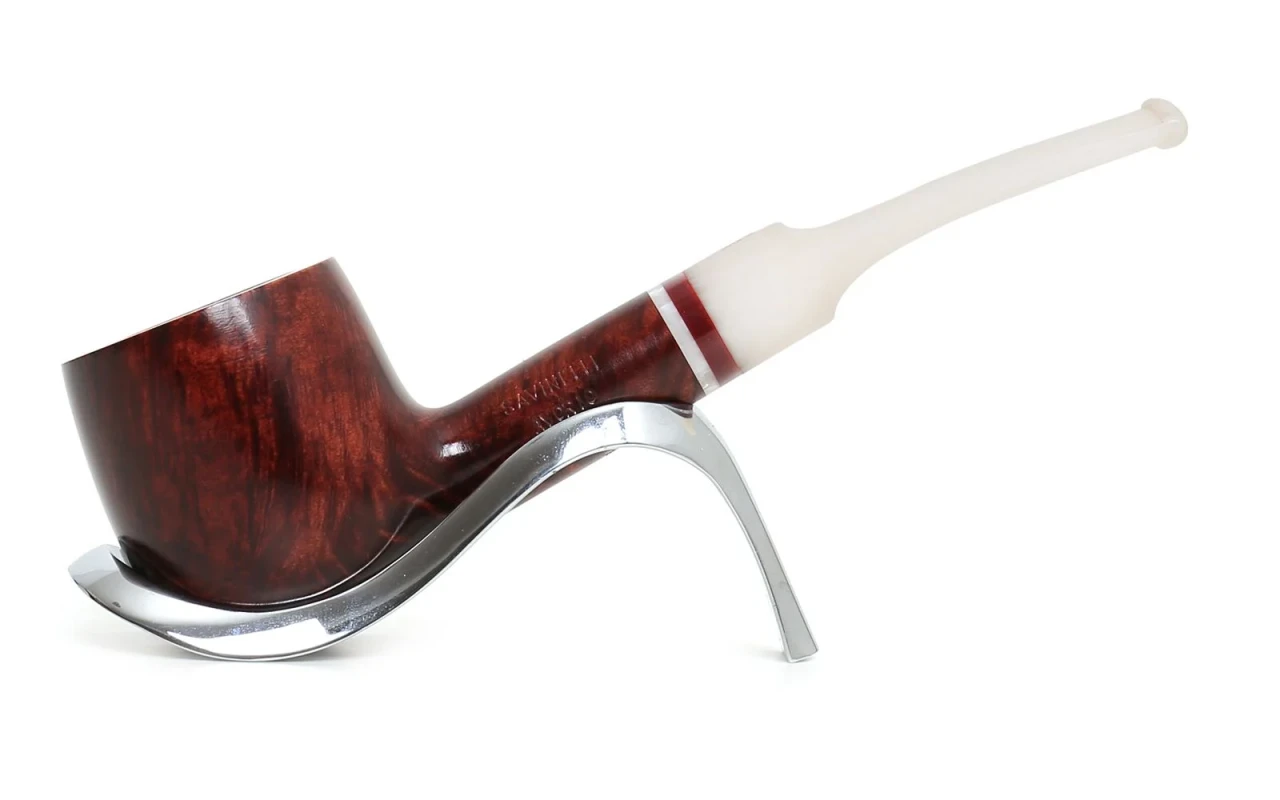
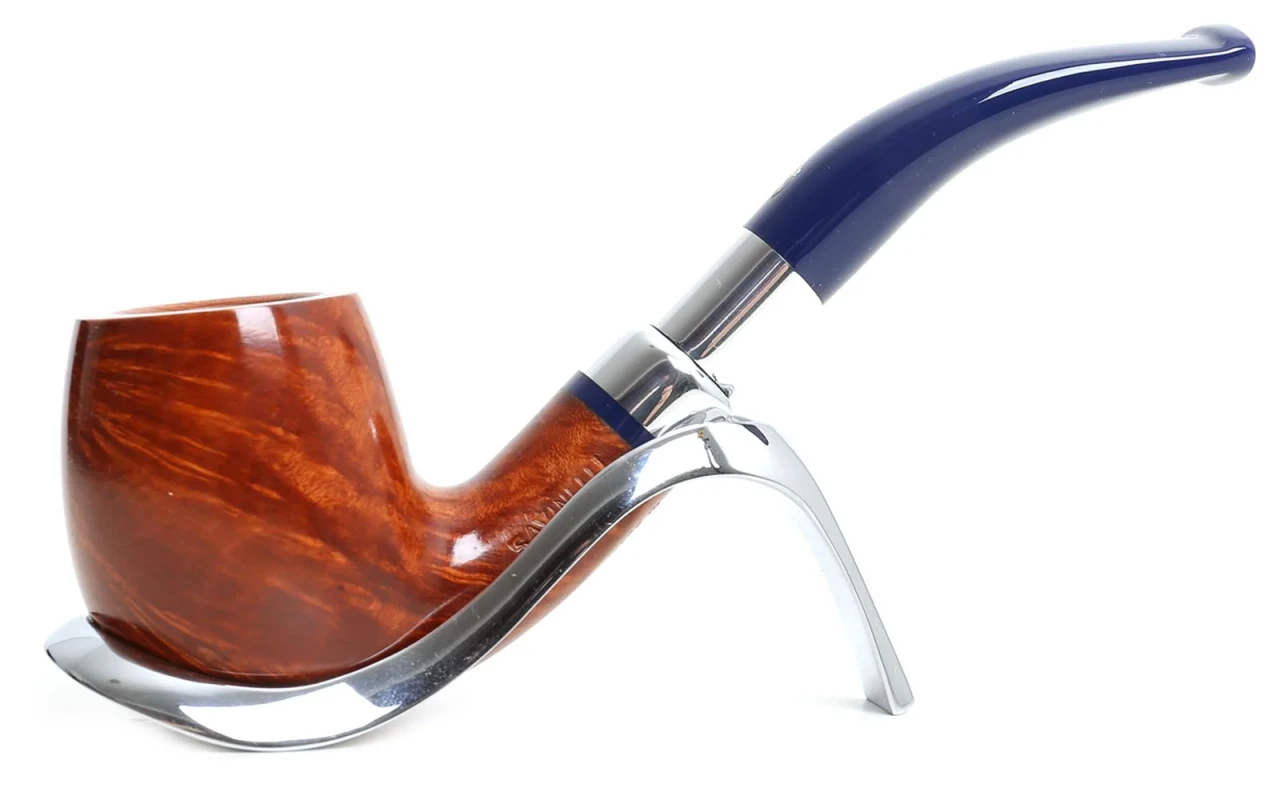
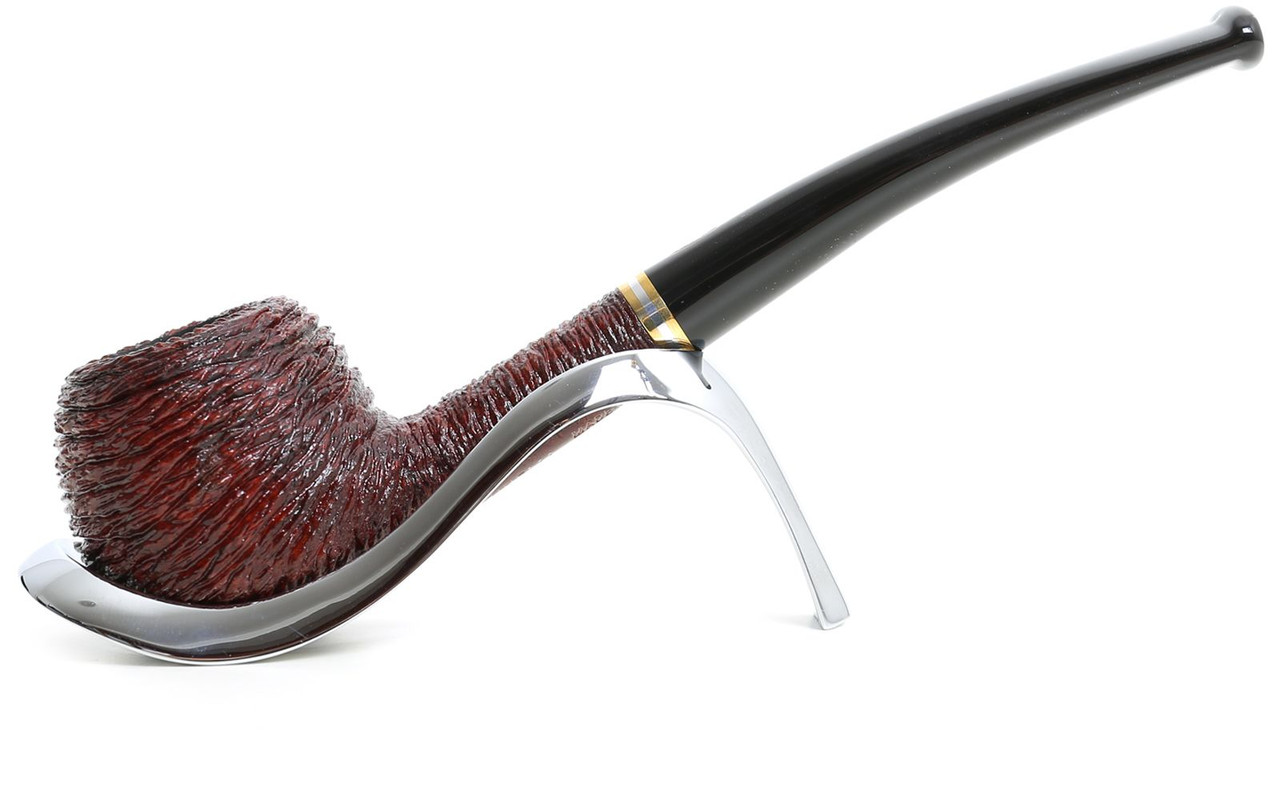
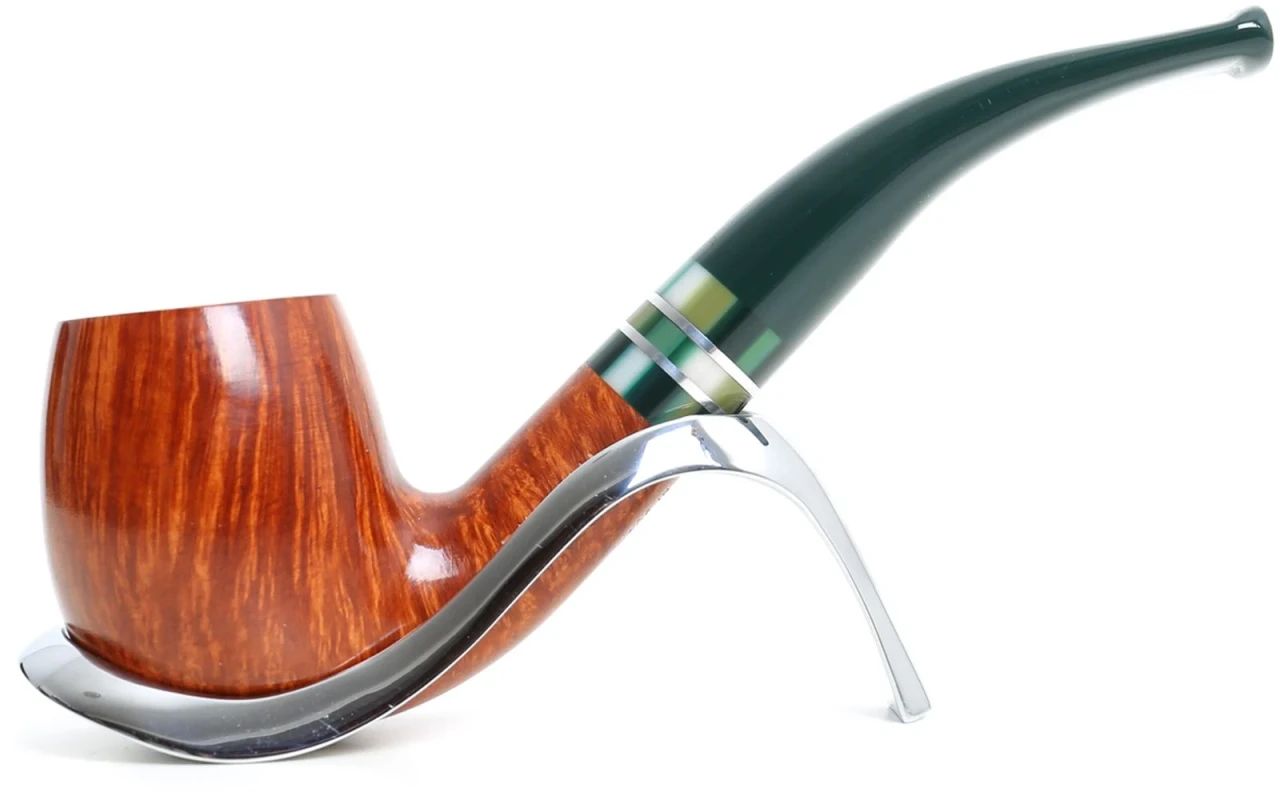
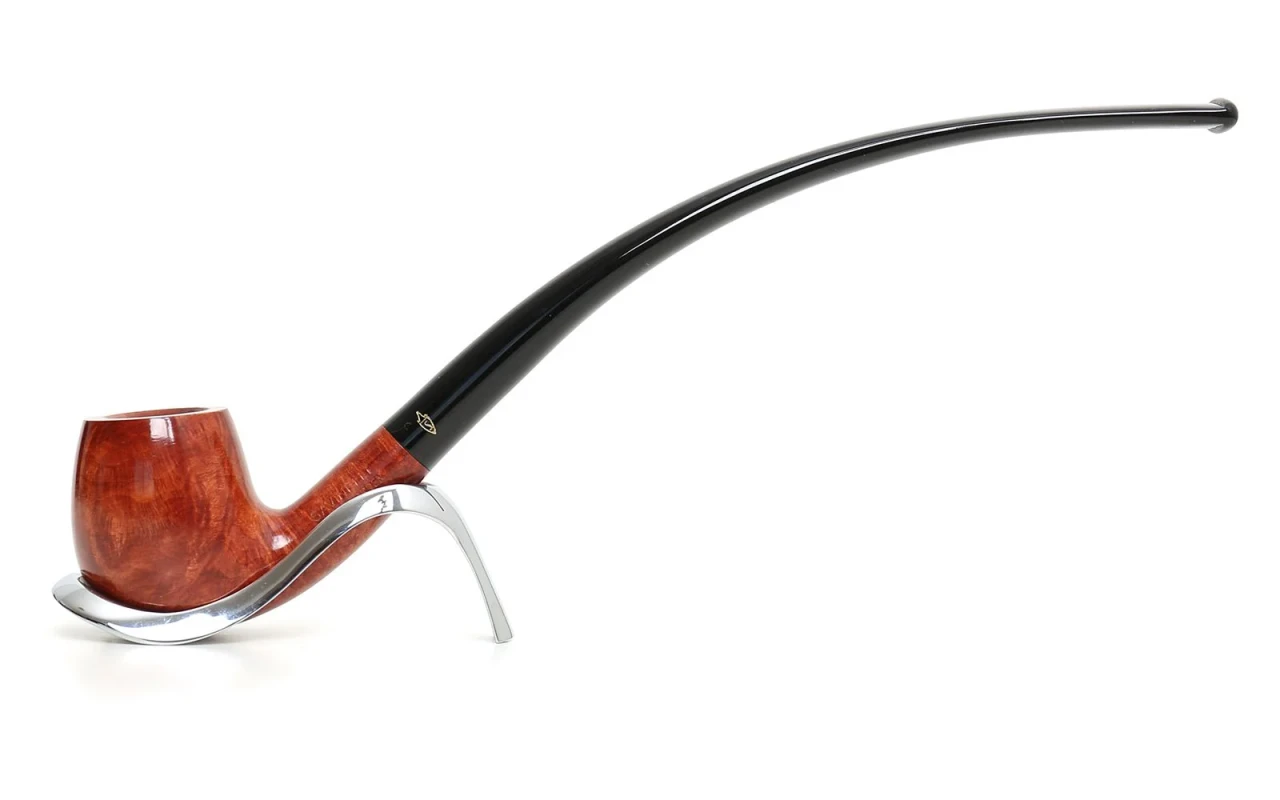
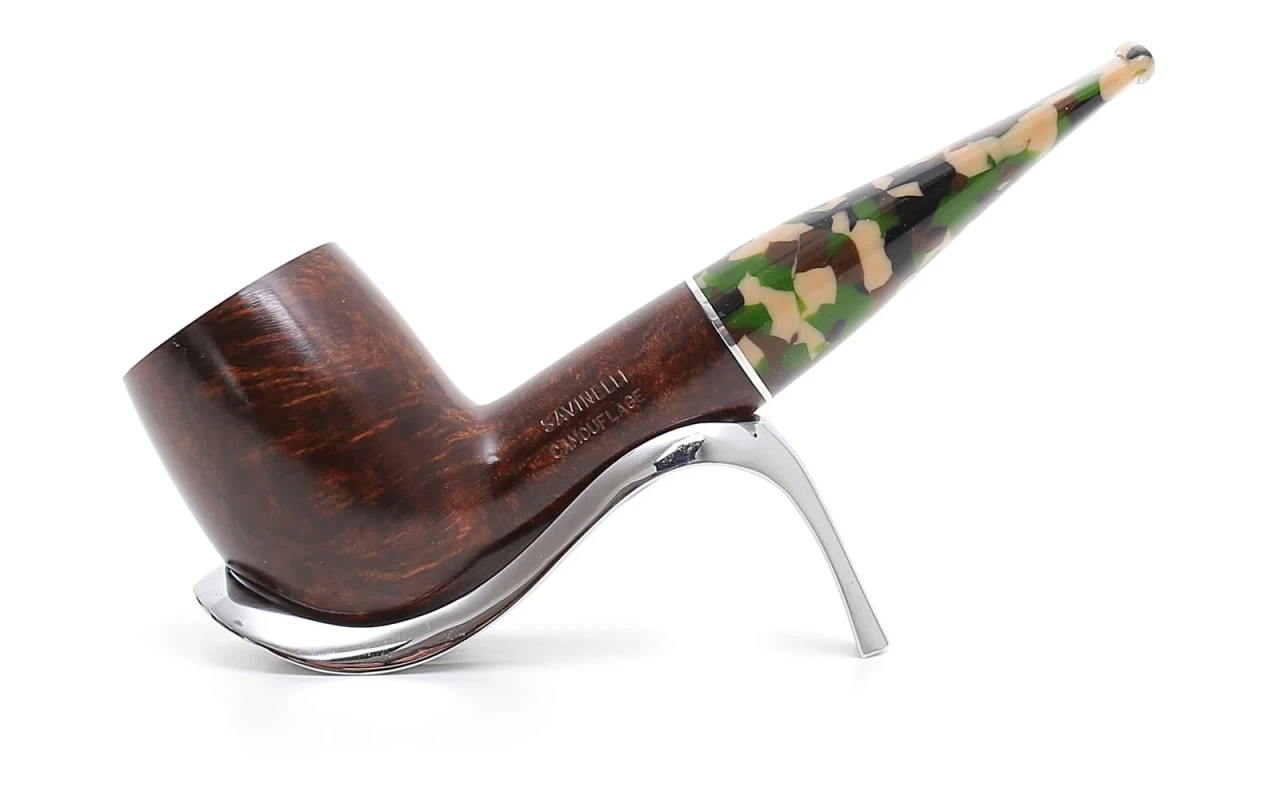
Pipe design has undergone significant evolution over the centuries. From rudimentary tools for smoking tobacco, pipes have become true works of art. The early pipes, such as the classic spoon pipe, have gradually been replaced by more elegant and refined models. In the 19th century, briar pipes became popular for their beauty and quality. Over time, innovative materials like meerschaum and coral have been introduced to create unique pipes. Today, pipe design is inspired by ancient traditions but also incorporates modern elements to meet the needs of enthusiasts.
Materials used for artisanal pipes
Artisanal pipes can be made using different materials, each with unique characteristics. The most common materials used for the production of artisanal pipes include:- Briar wood: hard wood, resistant to heat and flames, highly valued for its grains and natural colors.- Oak wood: sturdy and durable wood, often chosen for its longevity.- Horn: precious material, used for decorative details on pipes.- Silver: refined metal, used for mouthpieces and decorative rings.- Acrylic or ebonite mouthpieces: high-quality plastic materials, chosen for their durability and comfort in use.
Pipe Carving Styles
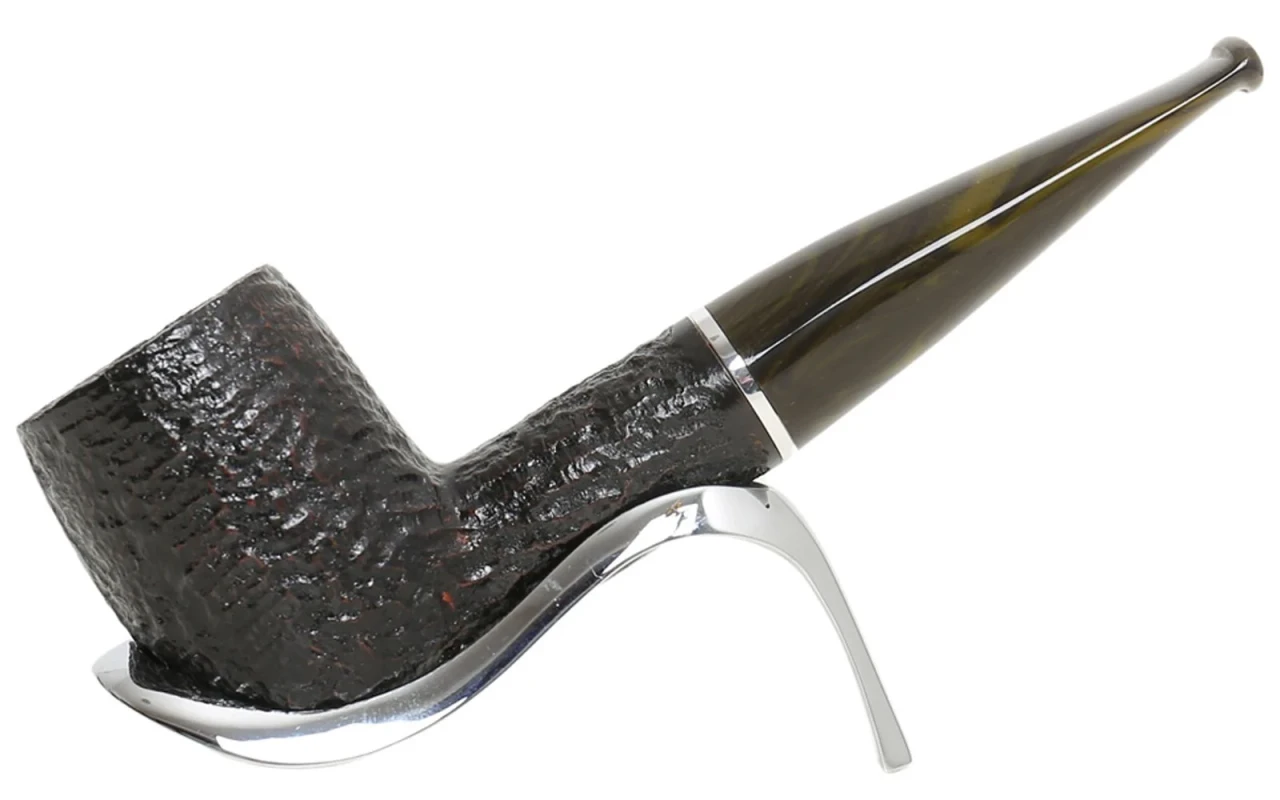
Pipe carving styles are multiple and varied, offering a wide choice to enthusiasts. Among the main pipe carving styles, we find:- Rusticated: characterized by a rough and rustic surface.- Smooth: with a polished and glossy finish.- Sandblasted: obtained through sandblasting, giving the surface a granular effect.- Smooth: created with a smooth and glossy finish.- Blast: with a rough and irregular finish.Each carving style contributes to defining the aesthetics and style of the pipe, offering different options to satisfy the individual tastes of pipe smoking enthusiasts.
Pipe Manufacturing Techniques
Pipe manufacturing techniques are fundamental to achieve a high-quality product. Various processes are used by master pipe makers to create unique and functional artisanal pipes. Among the main pipe manufacturing techniques, we find:- Wood carving: Wood is precisely shaped to create the desired pipe form.- Polishing: Wood is smoothed and polished to obtain a smooth and glossy surface.- Surface finishing: The internal and external surfaces of the pipe are treated to ensure optimal smoking.- Assembly: All parts of the pipe are carefully joined to ensure solidity and functionality.These techniques require craftsmanship skills and attention to detail to produce high-quality pipes.
'%3e%3cg id='Final-Copy-2_2_' transform='translate(1275.000000, 200.000000)'%3e%3cpath class='st0' d='M7.4,12.8h6.8l3.1-11.6H7.4C4.2,1.2,1.6,3.8,1.6,7S4.2,12.8,7.4,12.8z'/%3e%3c/g%3e%3c/g%3e%3c/g%3e%3cg id='final---dec.11-2020'%3e%3cg id='_x30_208-our-toggle' transform='translate(-1275.000000, -200.000000)'%3e%3cg id='Final-Copy-2' transform='translate(1275.000000, 200.000000)'%3e%3cpath class='st1' d='M22.6,0H7.4c-3.9,0-7,3.1-7,7s3.1,7,7,7h15.2c3.9,0,7-3.1,7-7S26.4,0,22.6,0z M1.6,7c0-3.2,2.6-5.8,5.8-5.8 h9.9l-3.1,11.6H7.4C4.2,12.8,1.6,10.2,1.6,7z'/%3e%3cpath id='x' class='st2' d='M24.6,4c0.2,0.2,0.2,0.6,0,0.8l0,0L22.5,7l2.2,2.2c0.2,0.2,0.2,0.6,0,0.8c-0.2,0.2-0.6,0.2-0.8,0 l0,0l-2.2-2.2L19.5,10c-0.2,0.2-0.6,0.2-0.8,0c-0.2-0.2-0.2-0.6,0-0.8l0,0L20.8,7l-2.2-2.2c-0.2-0.2-0.2-0.6,0-0.8 c0.2-0.2,0.6-0.2,0.8,0l0,0l2.2,2.2L23.8,4C24,3.8,24.4,3.8,24.6,4z'/%3e%3cpath id='y' class='st3' d='M12.7,4.1c0.2,0.2,0.3,0.6,0.1,0.8l0,0L8.6,9.8C8.5,9.9,8.4,10,8.3,10c-0.2,0.1-0.5,0.1-0.7-0.1l0,0 L5.4,7.7c-0.2-0.2-0.2-0.6,0-0.8c0.2-0.2,0.6-0.2,0.8,0l0,0L8,8.6l3.8-4.5C12,3.9,12.4,3.9,12.7,4.1z'/%3e%3c/g%3e%3c/g%3e%3c/g%3e%3c/g%3e%3c/svg%3e) Your Privacy Choices
Your Privacy Choices 


