 ES
ES FR
FR EN
EN IT
IT DE
DE
Impact of 3D Printing Technologies on Pipe Design
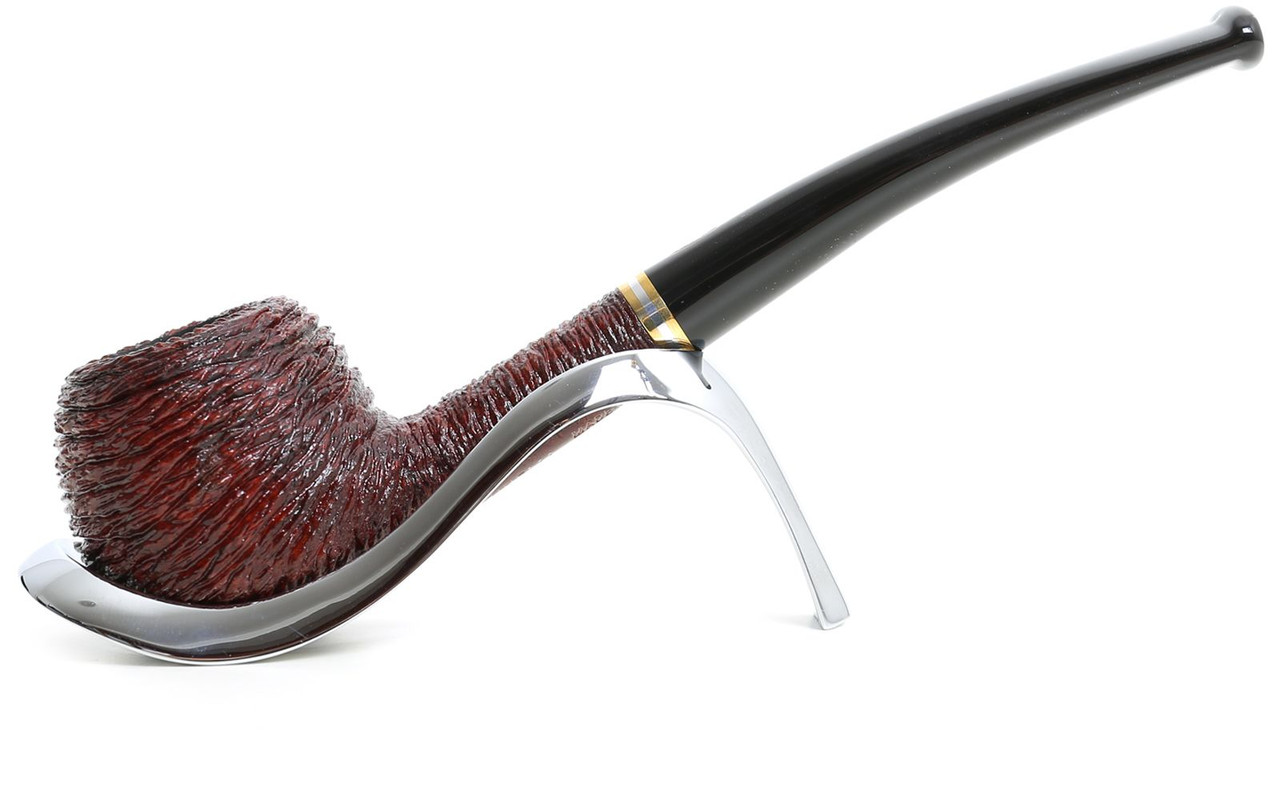
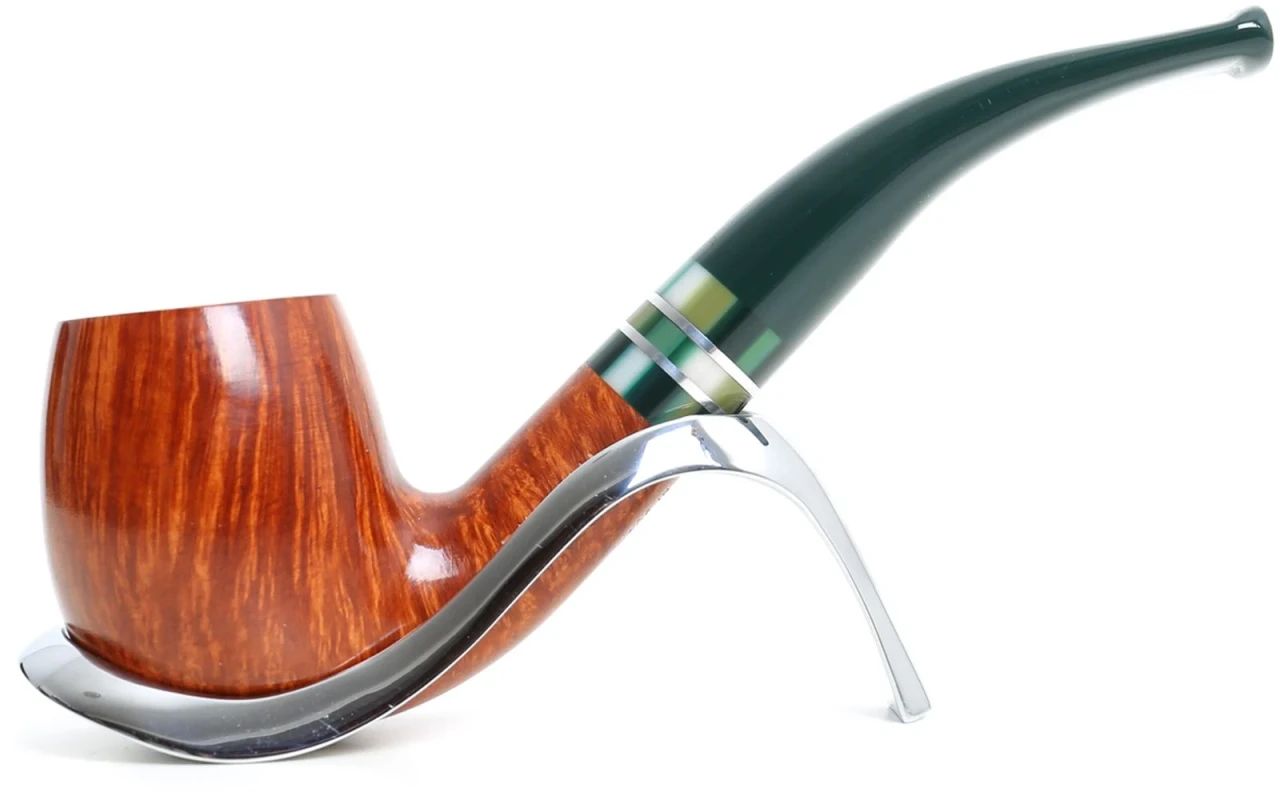
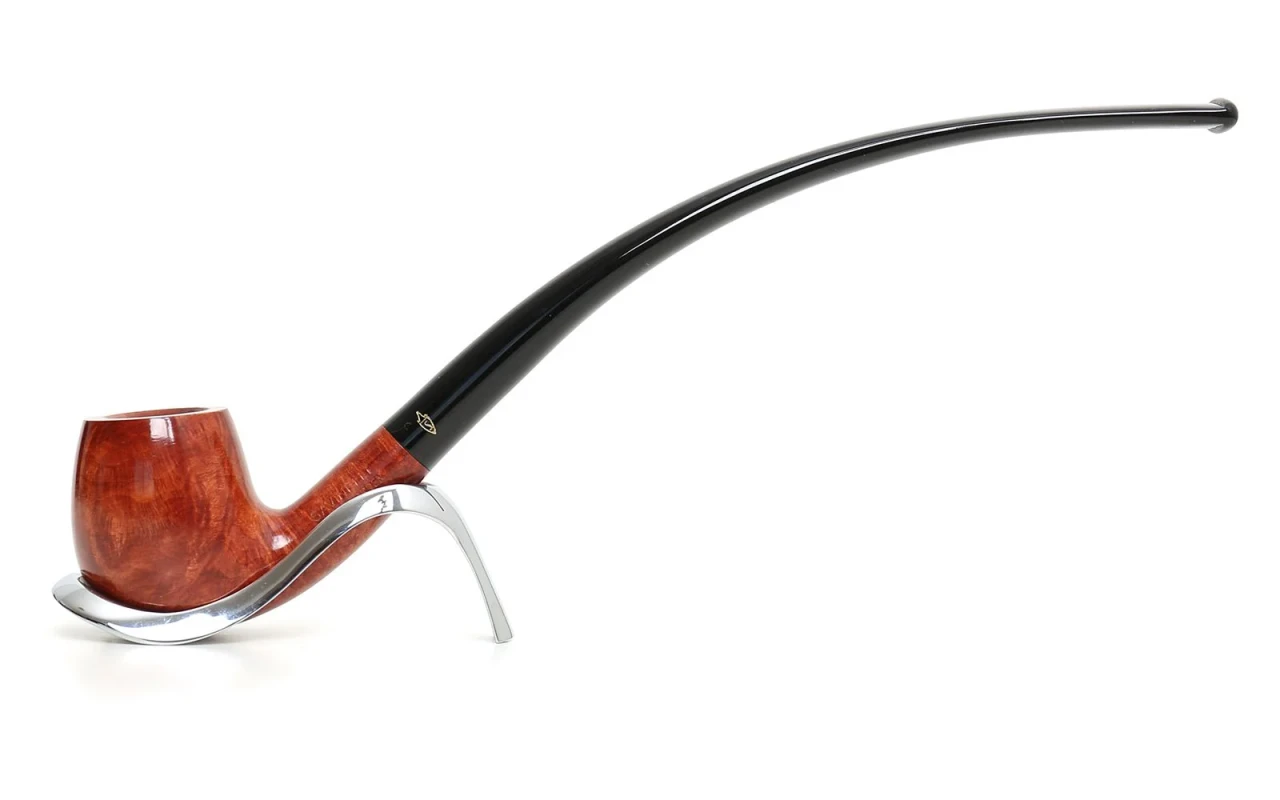

Impact of 3D Printing Technologies on Pipe Design
3D printing technologies are revolutionizing the design of pipes, allowing the creation of personalized and innovative models. Thanks to 3D printing, it is possible to produce pipes with complex designs and unique shapes that would be difficult to achieve with traditional methods. This enables manufacturers to experiment with new ideas and materials, enhancing the aesthetics and performance of pipes. 3D printing also offers greater flexibility in small-scale production and the ability to quickly produce prototypes. Ultimately, the use of 3D printing technologies is leading to a significant evolution in the world of pipe design, with tangible benefits in terms of creativity and innovation.
PIPE PIPE SMOKING
Pipe smoking is the result of tobacco combustion inside a pipe. This process occurs thanks to the slow and controlled combustion of tobacco, which produces the smoke that is inhaled through the pipe stem. During pipe smoking, the tobacco releases flavors and chemicals that give the smoke a unique and distinctive aroma. The pipe, being a device specifically designed for tobacco smoking, allows for a slower and more relaxing smoking experience compared to other tobacco consumption methods, such as cigarettes or cigars. The choice of pipe and tobacco significantly influence the taste and overall smoking experience.
Materials for smoking pipe construction
The most common materials used for the construction of smoking pipes include:- Wood: often chosen for its beauty and ability to absorb moisture.- Briar: particularly valued for its unique grain patterns and rustic character.- Corn cob: light and inexpensive, ideal for budget-friendly smoking pipes.- Clay: typically used for artisanal smoking pipes.- Meerschaum: a porous stone that absorbs nicotine, darkening with use.- Metal: such as brass or aluminum, often used for travel pipes.The choice of material influences the characteristics and taste of the smoking pipe.
Artisanal Techniques for Crafting Pipes
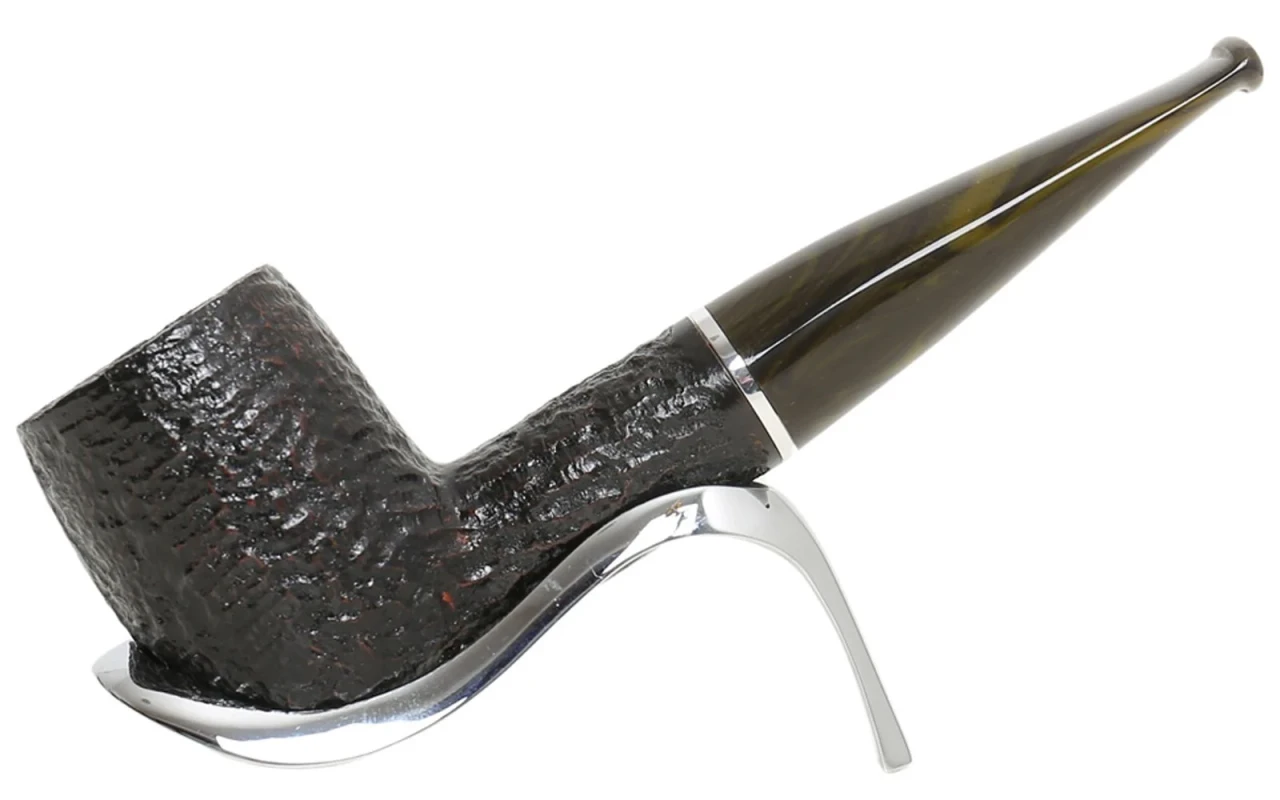
Artisanal techniques for crafting pipes are varied and require skill and precision. Master pipe makers carefully select briar root, among the most commonly used for its heat and combustion resistance. After selecting the wood, the crafting process may include:- Carving and shaping into the desired form- Drilling the draft hole and tobacco chamber- Sandblasting to achieve a rough surface- Glossy or matte finish with natural waxesThese artisanal techniques ensure the creation of high-quality pipes, appreciated by pipe tobacco enthusiasts.
Innovative Design of Smoking Pipes
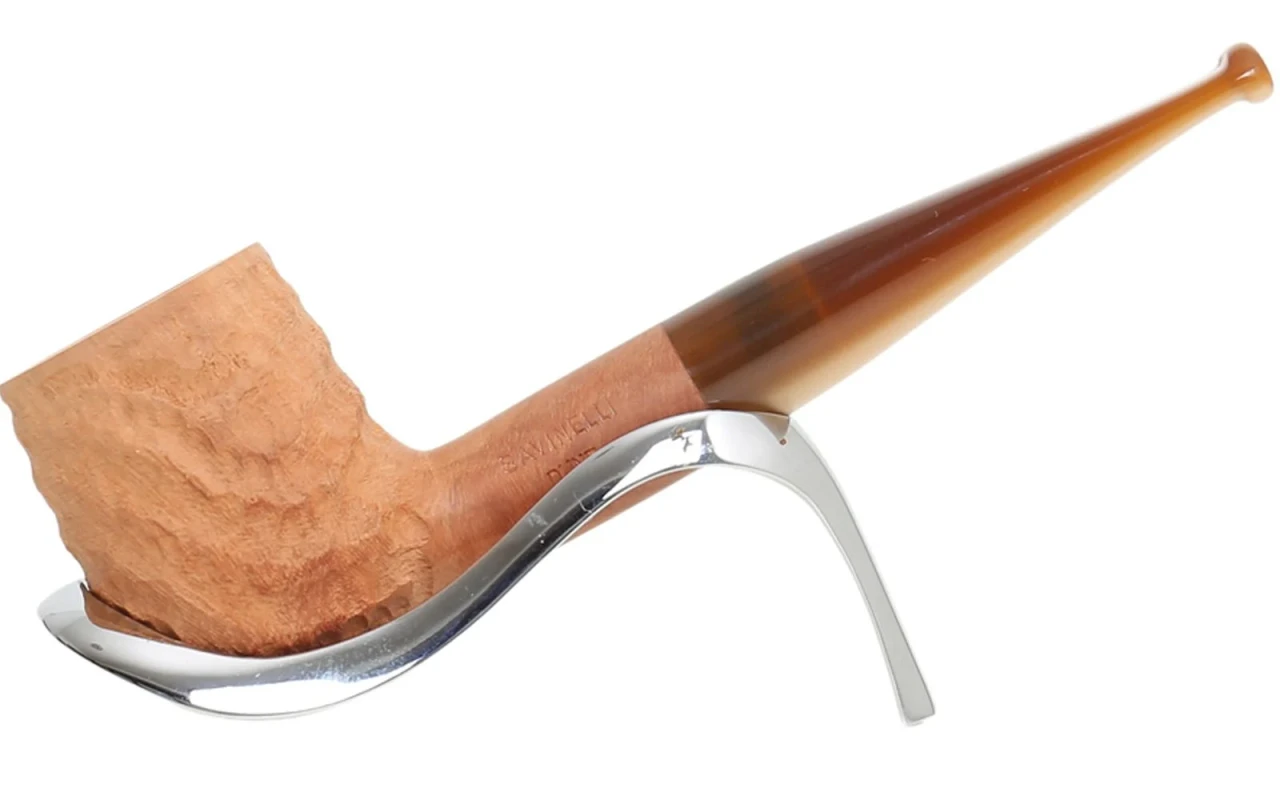
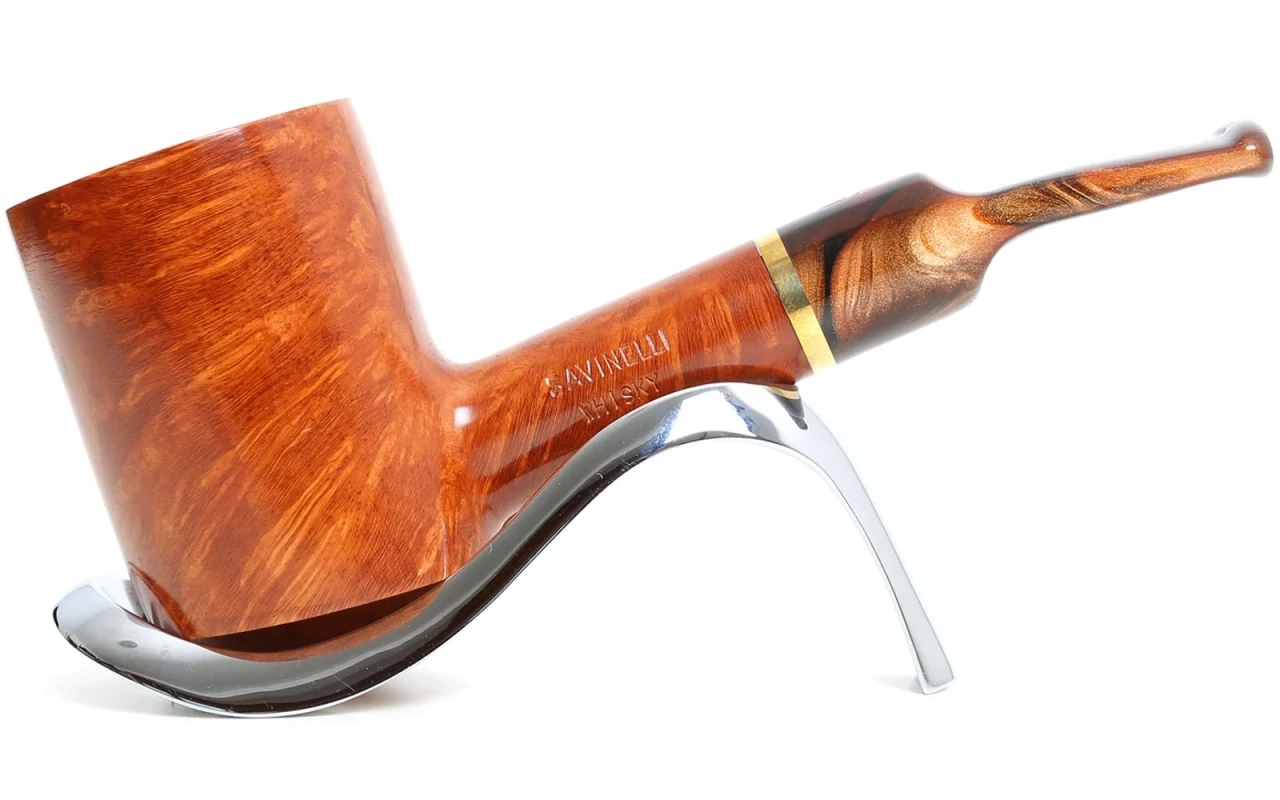
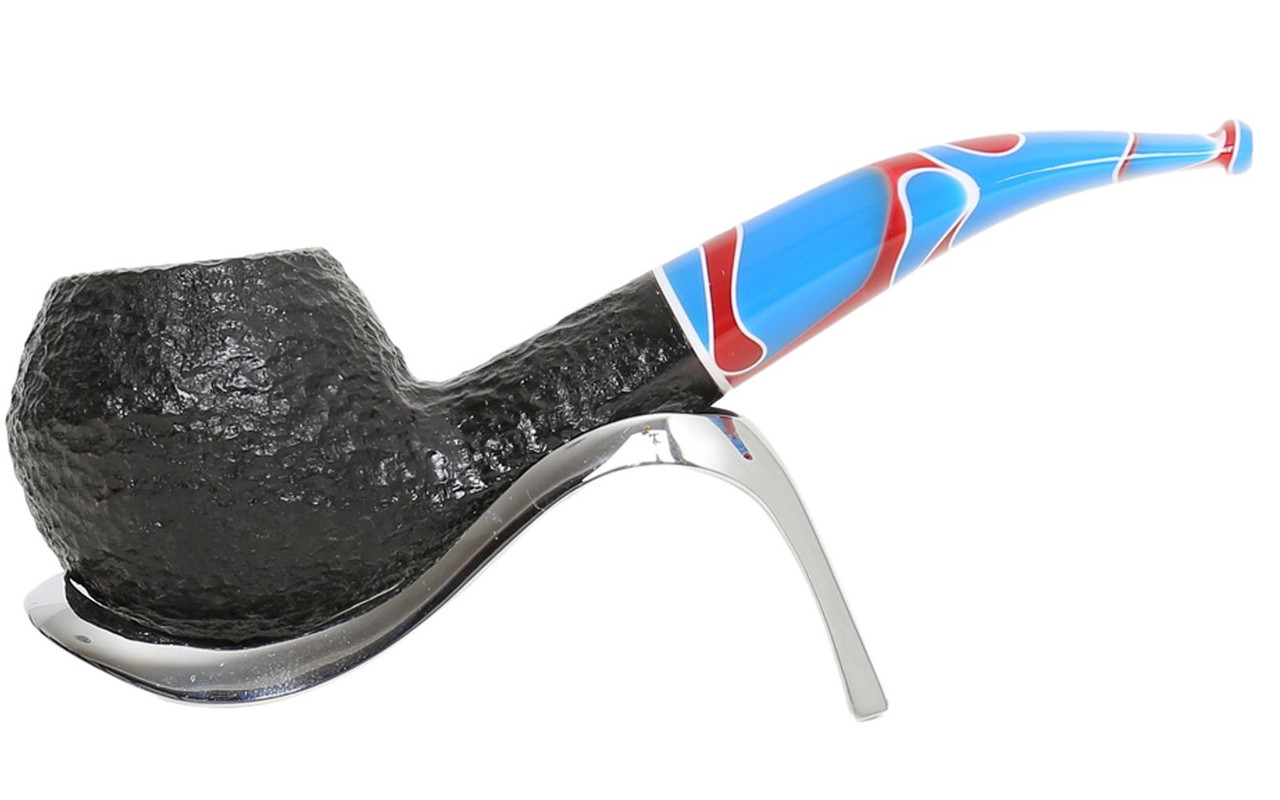
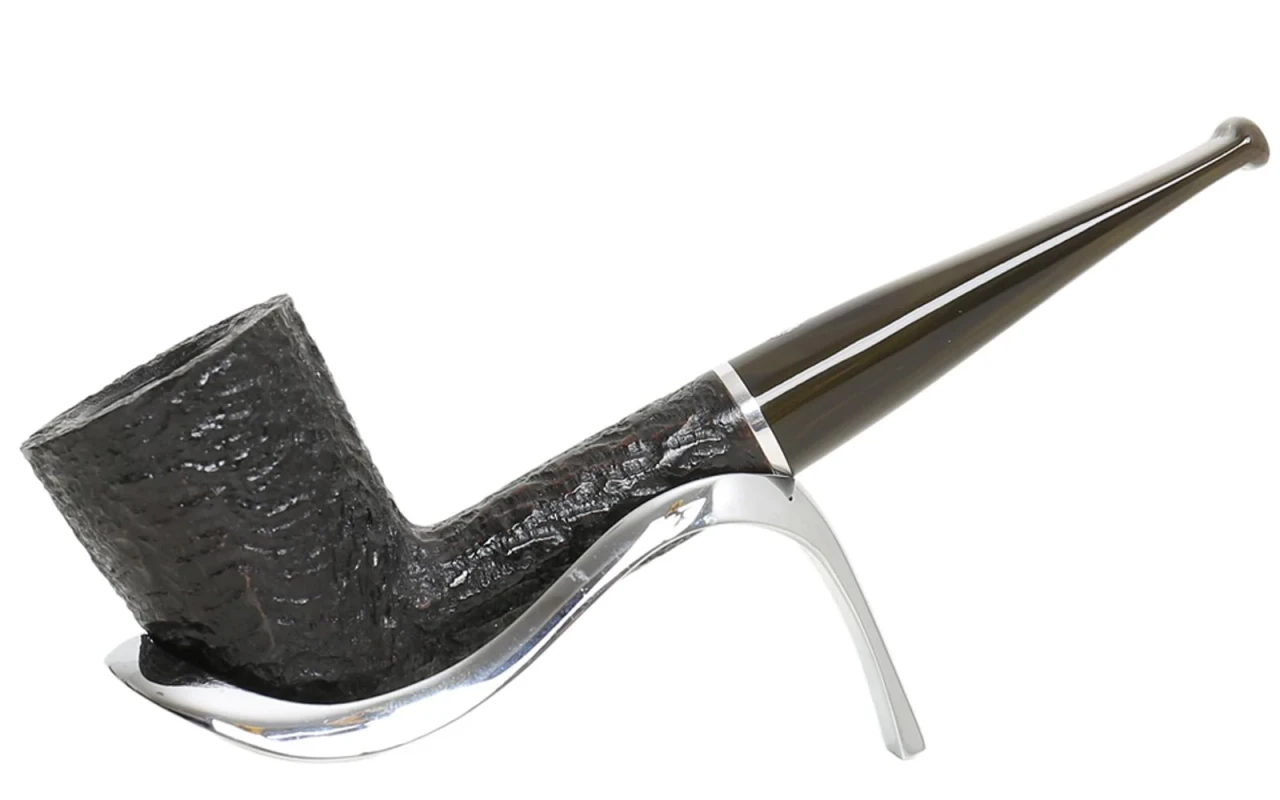
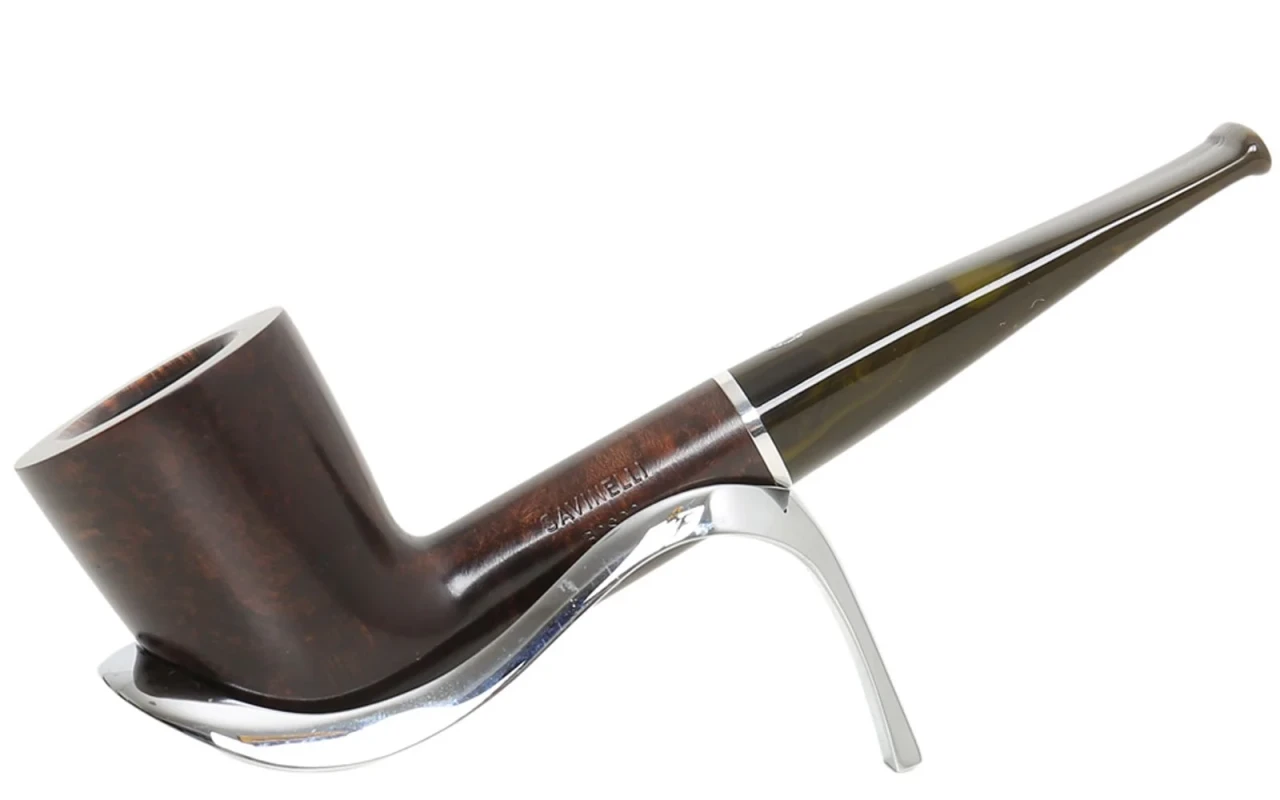
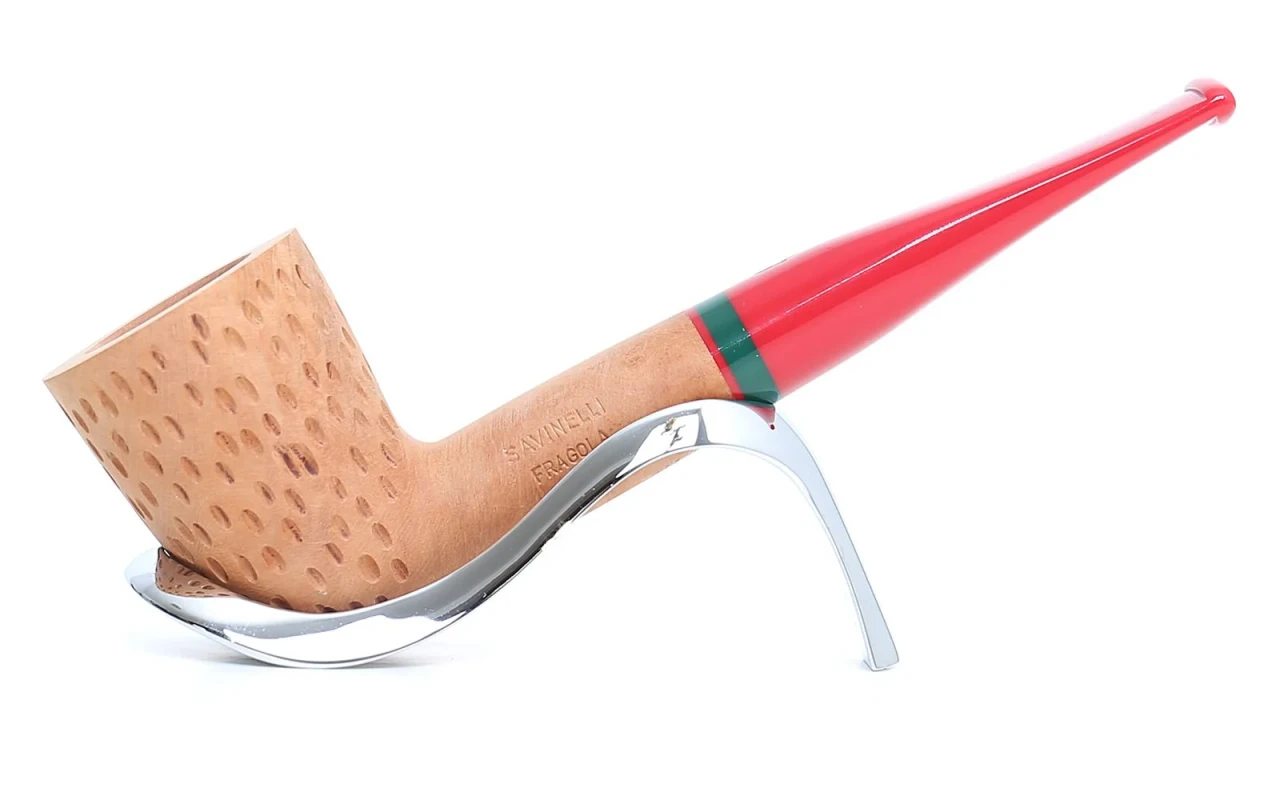
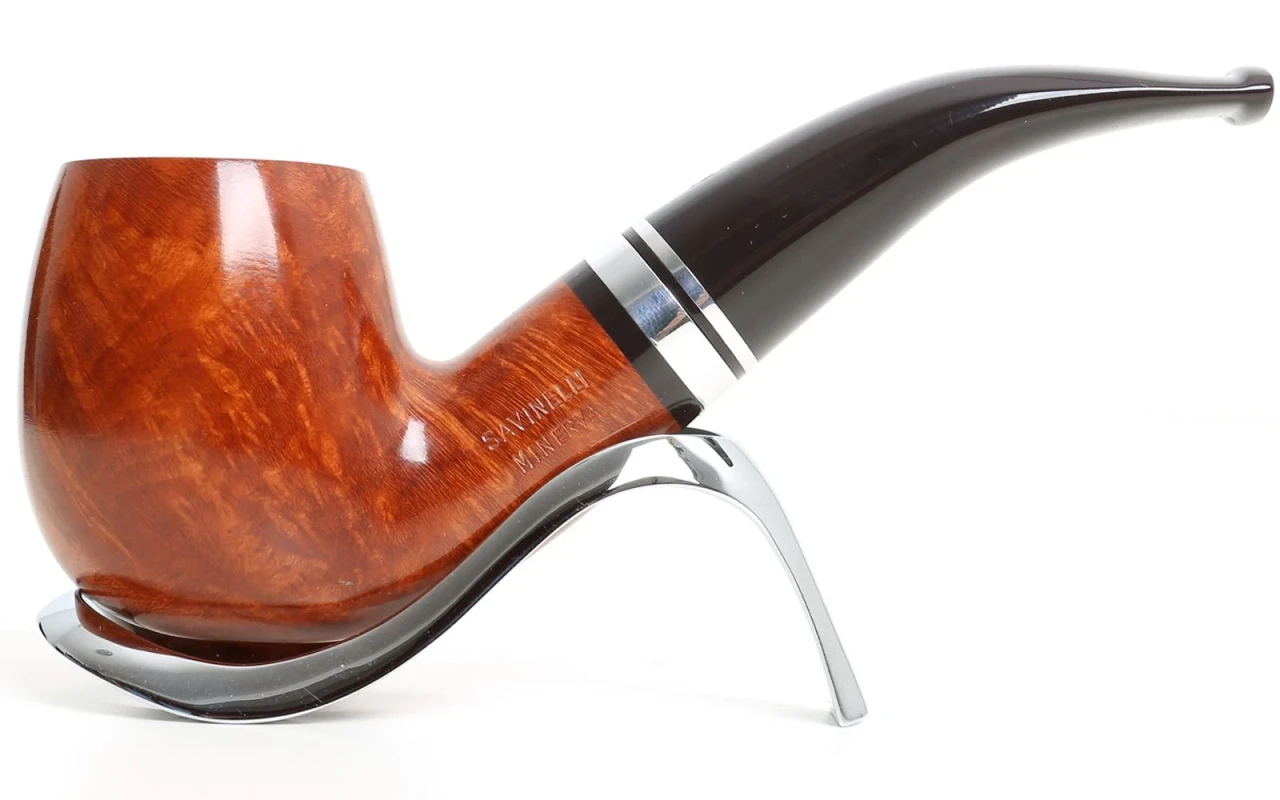
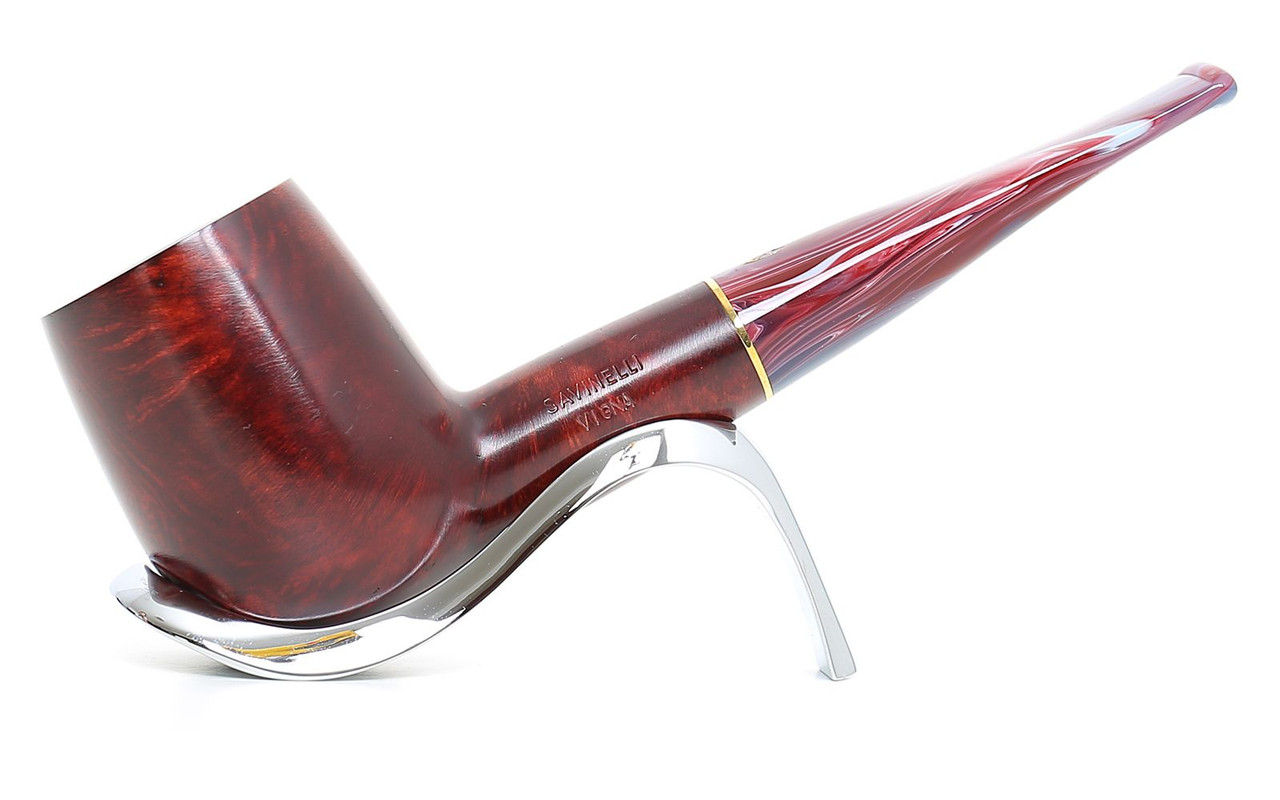
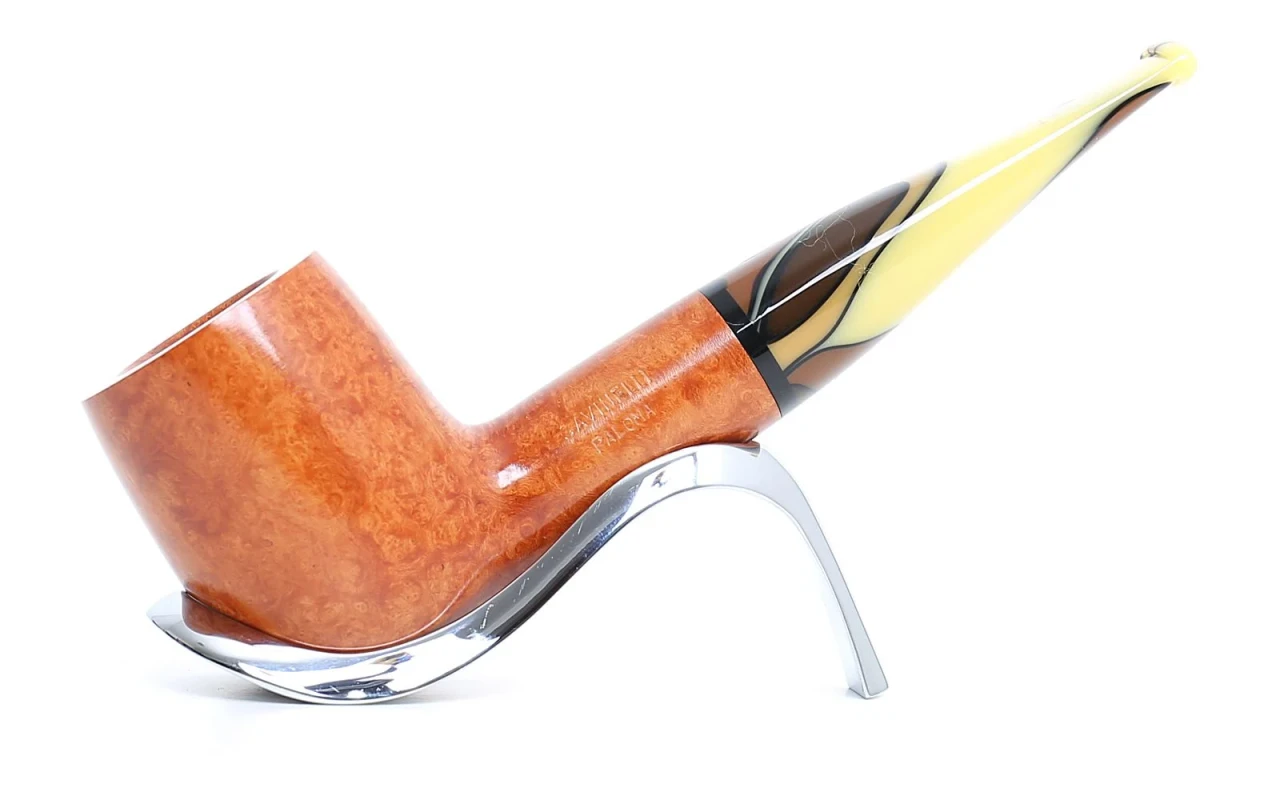
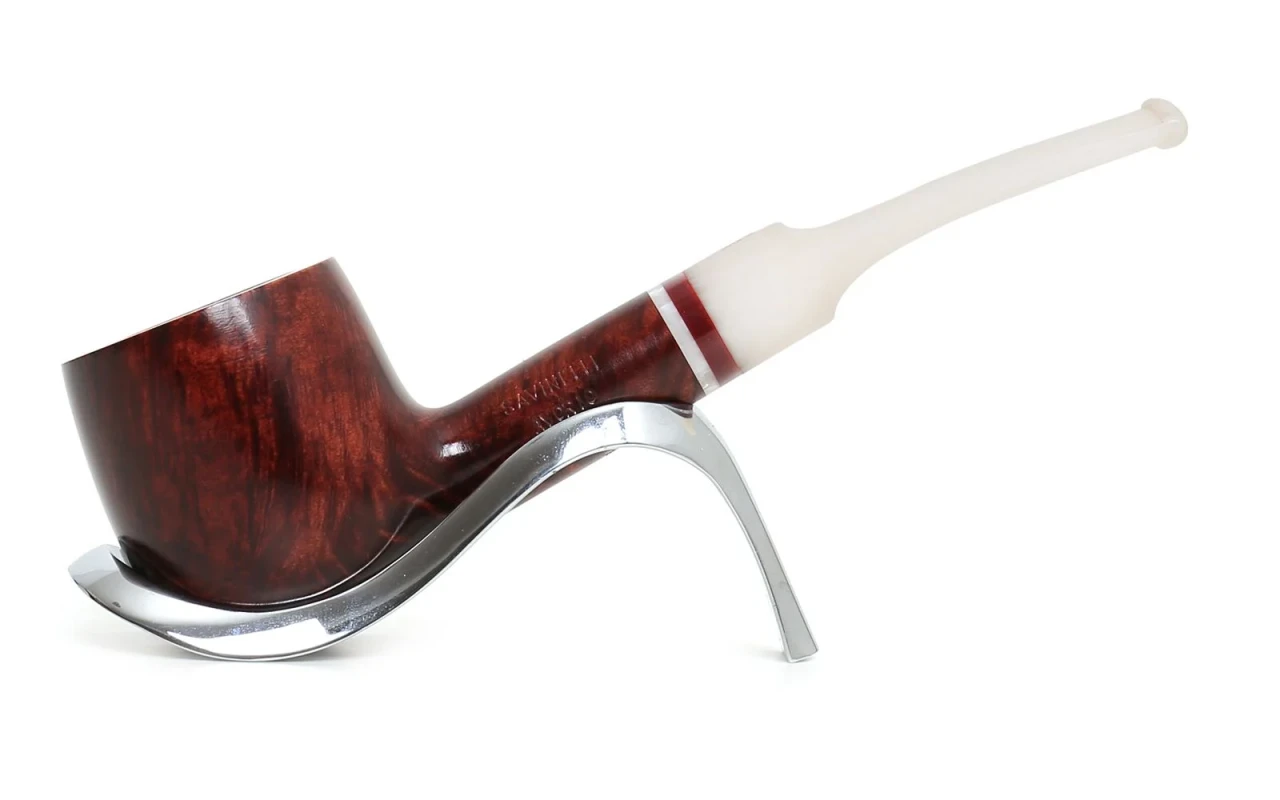
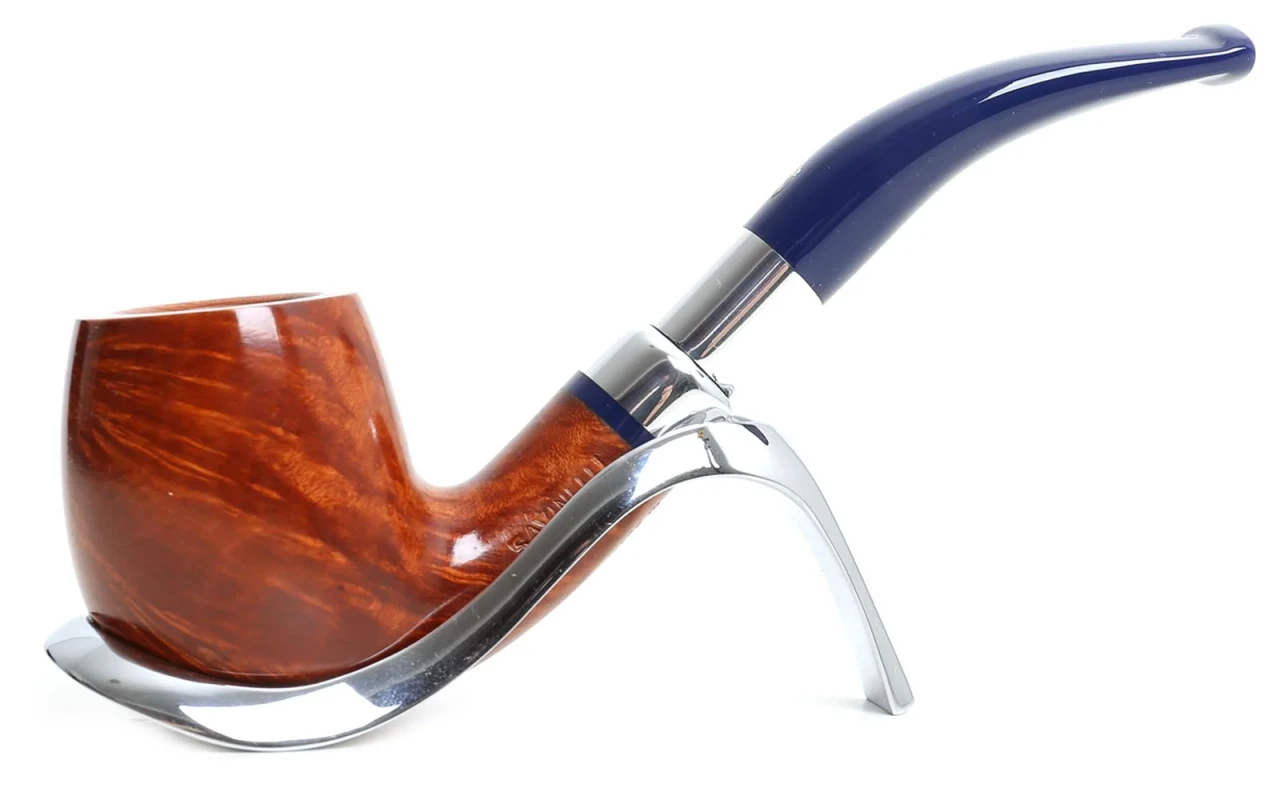
The innovative design of smoking pipes is a key element in the world of pipe smokers. Modern pipes often feature elegant lines and high-quality materials that combine tradition and innovation. Designers focus on ergonomics, aromatic yield, and ease of cleaning. Shapes can vary significantly, from classic straight pipes to more creative freehand designs. Materials used range from wood to briar, to modern glass or metal pipes. This design focus not only adds a touch of style to the practice of pipe smoking but also enhances the overall smoking experience.
'%3e%3cg id='Final-Copy-2_2_' transform='translate(1275.000000, 200.000000)'%3e%3cpath class='st0' d='M7.4,12.8h6.8l3.1-11.6H7.4C4.2,1.2,1.6,3.8,1.6,7S4.2,12.8,7.4,12.8z'/%3e%3c/g%3e%3c/g%3e%3c/g%3e%3cg id='final---dec.11-2020'%3e%3cg id='_x30_208-our-toggle' transform='translate(-1275.000000, -200.000000)'%3e%3cg id='Final-Copy-2' transform='translate(1275.000000, 200.000000)'%3e%3cpath class='st1' d='M22.6,0H7.4c-3.9,0-7,3.1-7,7s3.1,7,7,7h15.2c3.9,0,7-3.1,7-7S26.4,0,22.6,0z M1.6,7c0-3.2,2.6-5.8,5.8-5.8 h9.9l-3.1,11.6H7.4C4.2,12.8,1.6,10.2,1.6,7z'/%3e%3cpath id='x' class='st2' d='M24.6,4c0.2,0.2,0.2,0.6,0,0.8l0,0L22.5,7l2.2,2.2c0.2,0.2,0.2,0.6,0,0.8c-0.2,0.2-0.6,0.2-0.8,0 l0,0l-2.2-2.2L19.5,10c-0.2,0.2-0.6,0.2-0.8,0c-0.2-0.2-0.2-0.6,0-0.8l0,0L20.8,7l-2.2-2.2c-0.2-0.2-0.2-0.6,0-0.8 c0.2-0.2,0.6-0.2,0.8,0l0,0l2.2,2.2L23.8,4C24,3.8,24.4,3.8,24.6,4z'/%3e%3cpath id='y' class='st3' d='M12.7,4.1c0.2,0.2,0.3,0.6,0.1,0.8l0,0L8.6,9.8C8.5,9.9,8.4,10,8.3,10c-0.2,0.1-0.5,0.1-0.7-0.1l0,0 L5.4,7.7c-0.2-0.2-0.2-0.6,0-0.8c0.2-0.2,0.6-0.2,0.8,0l0,0L8,8.6l3.8-4.5C12,3.9,12.4,3.9,12.7,4.1z'/%3e%3c/g%3e%3c/g%3e%3c/g%3e%3c/g%3e%3c/svg%3e) Your Privacy Choices
Your Privacy Choices 


