 ES
ES FR
FR EN
EN IT
IT DE
DE
Tips for Choosing Pipe Briar
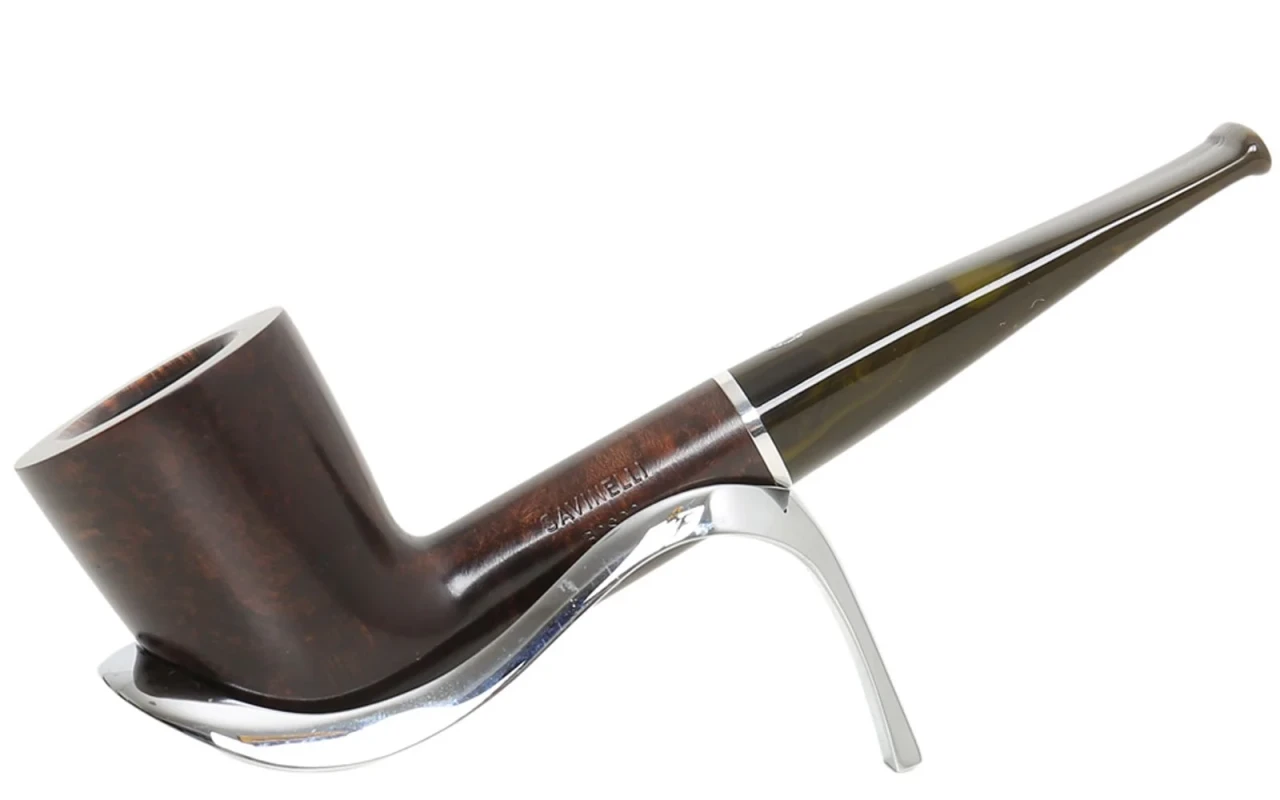
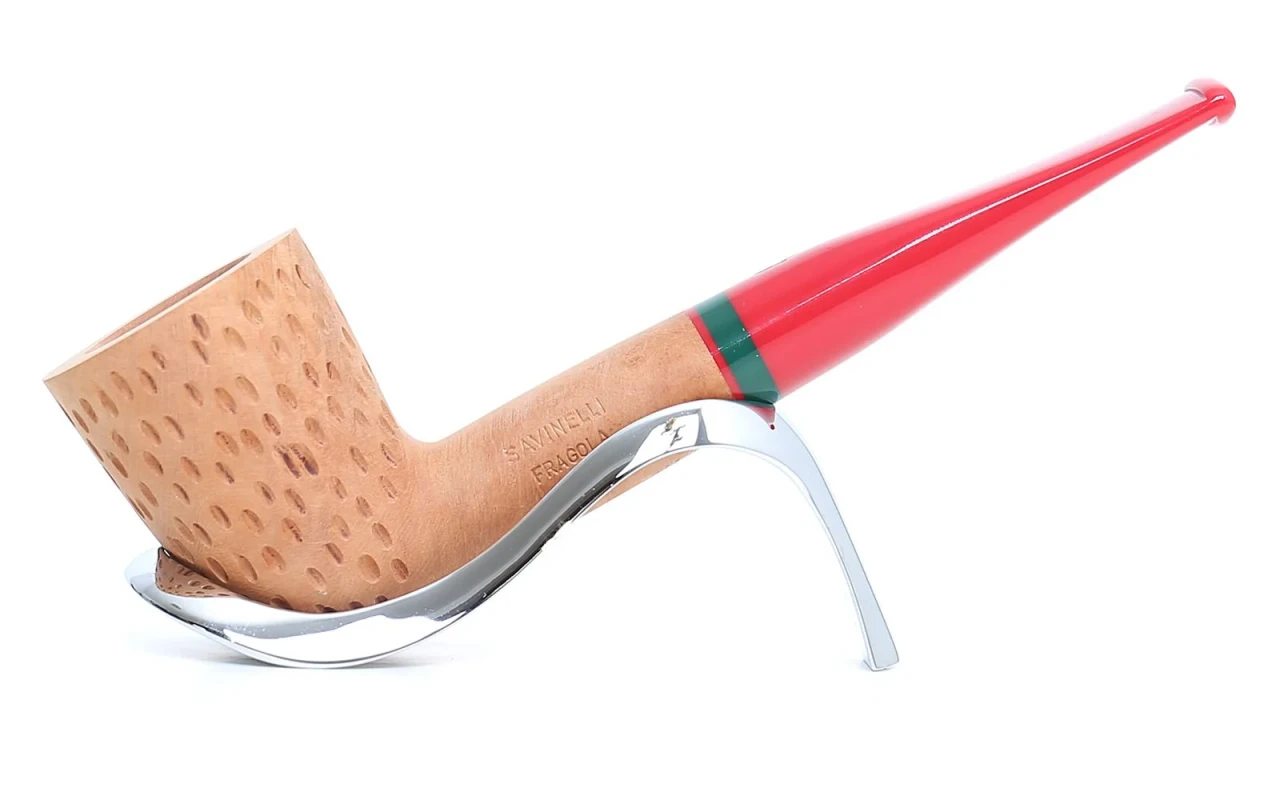
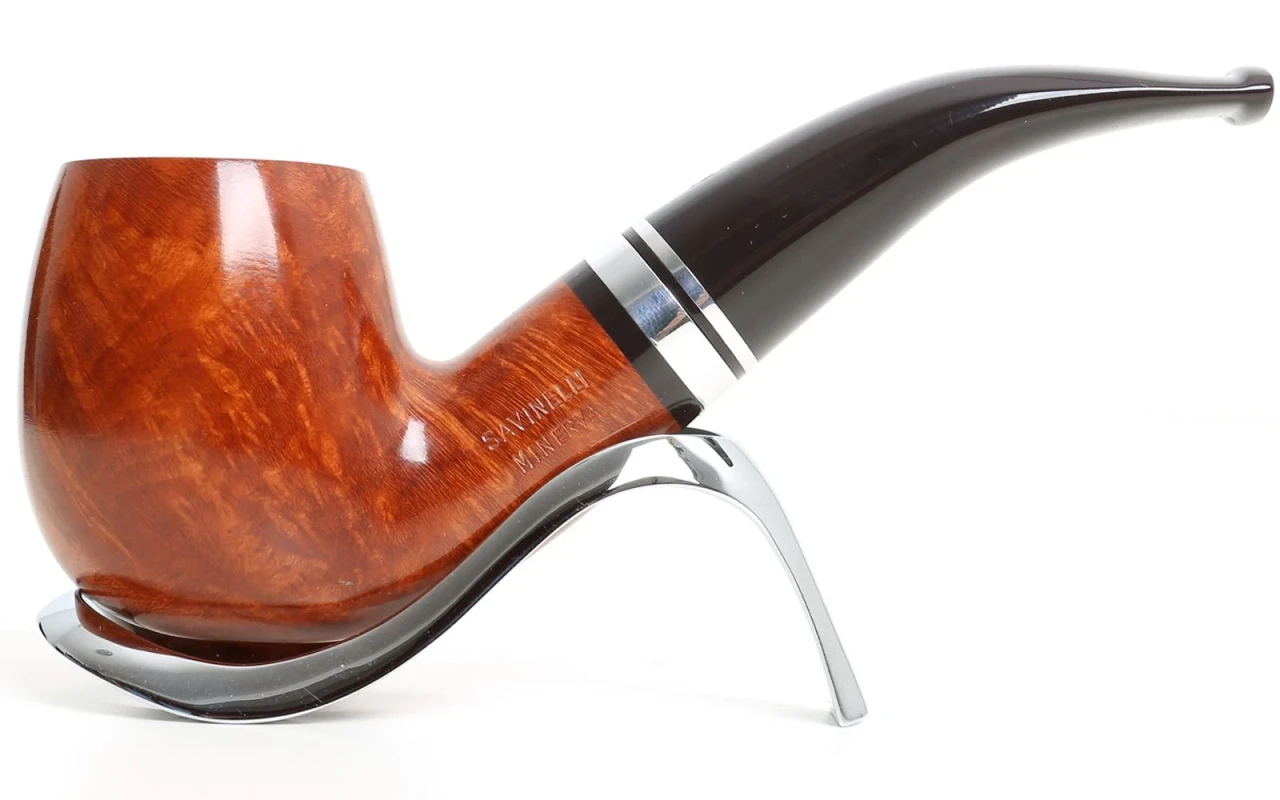
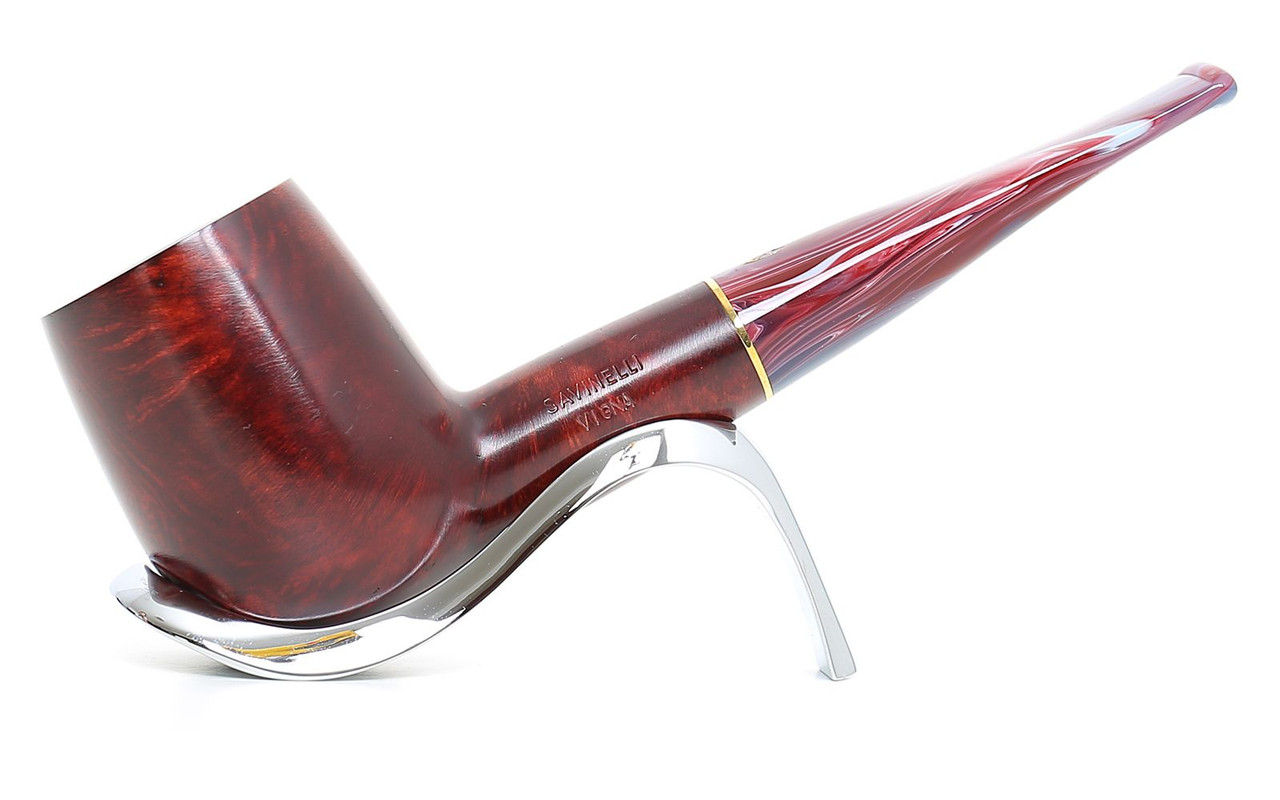
Tips for Choosing Pipe Briar
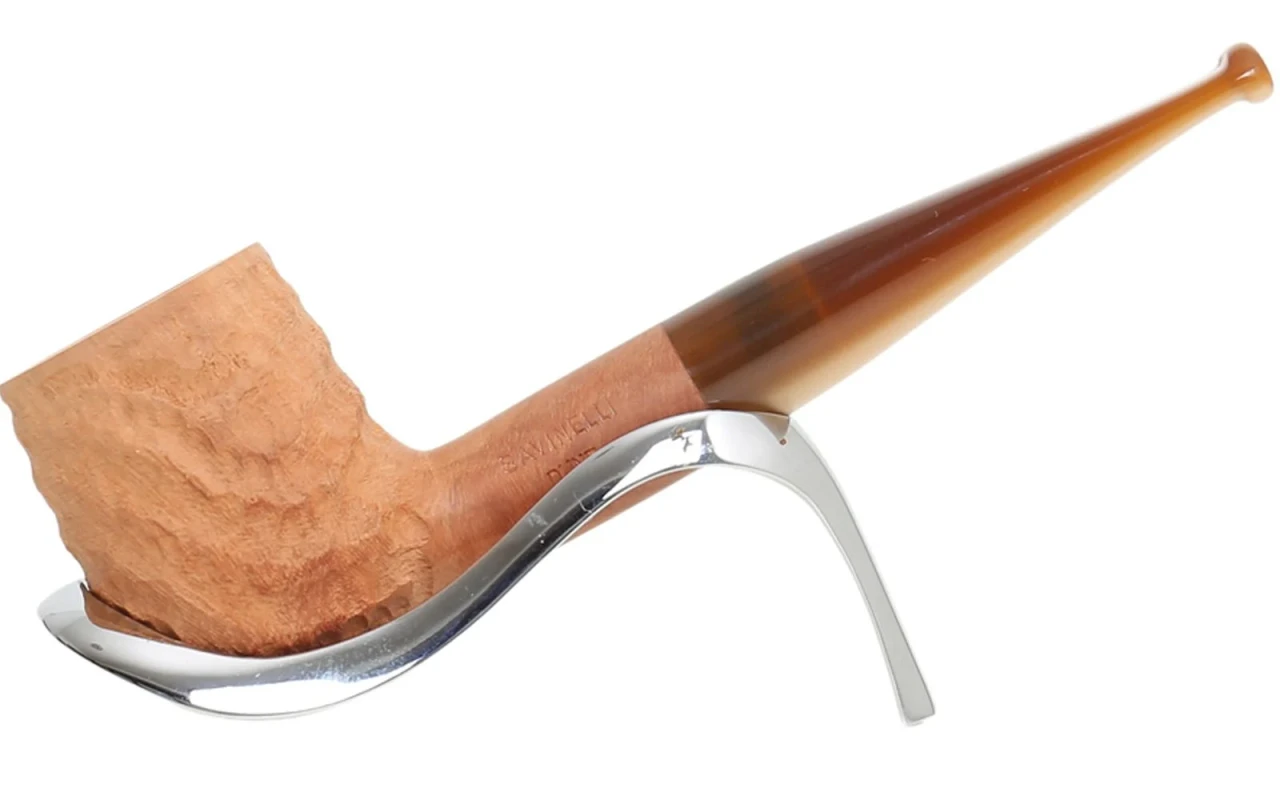
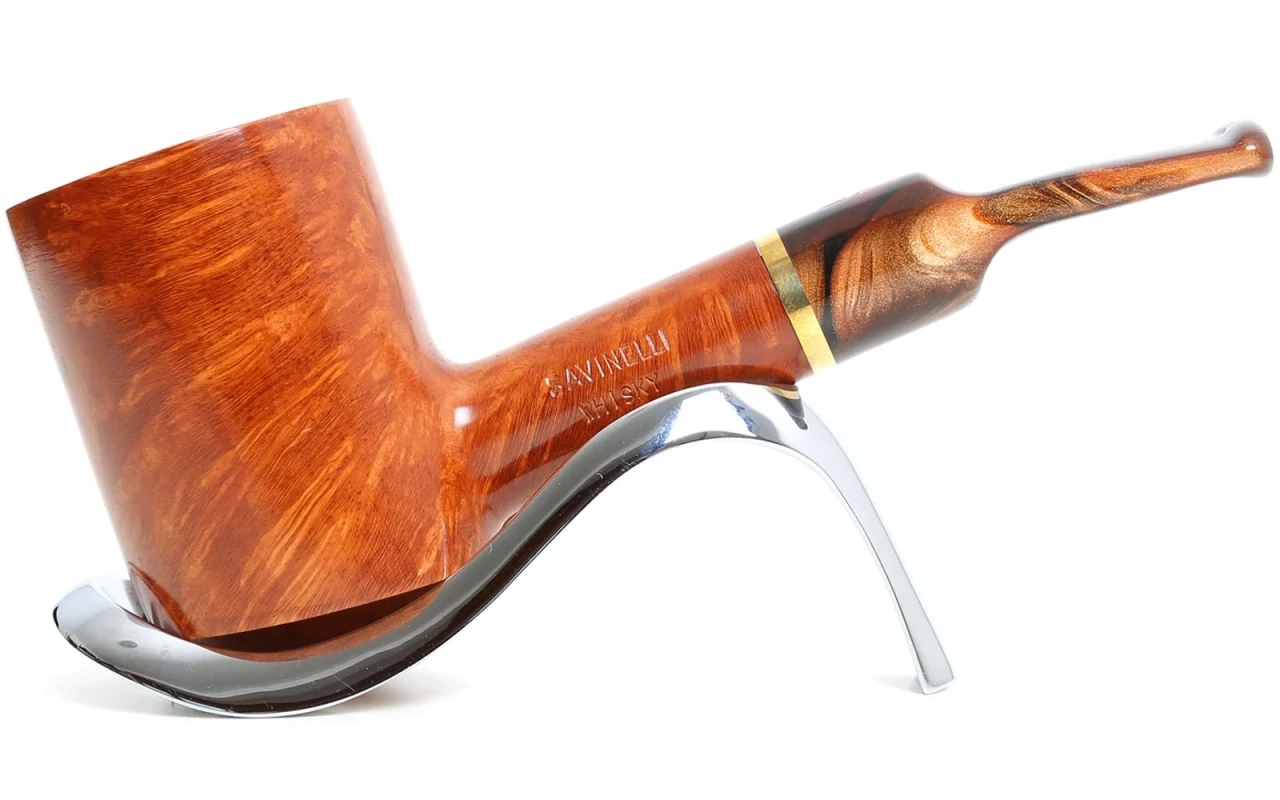
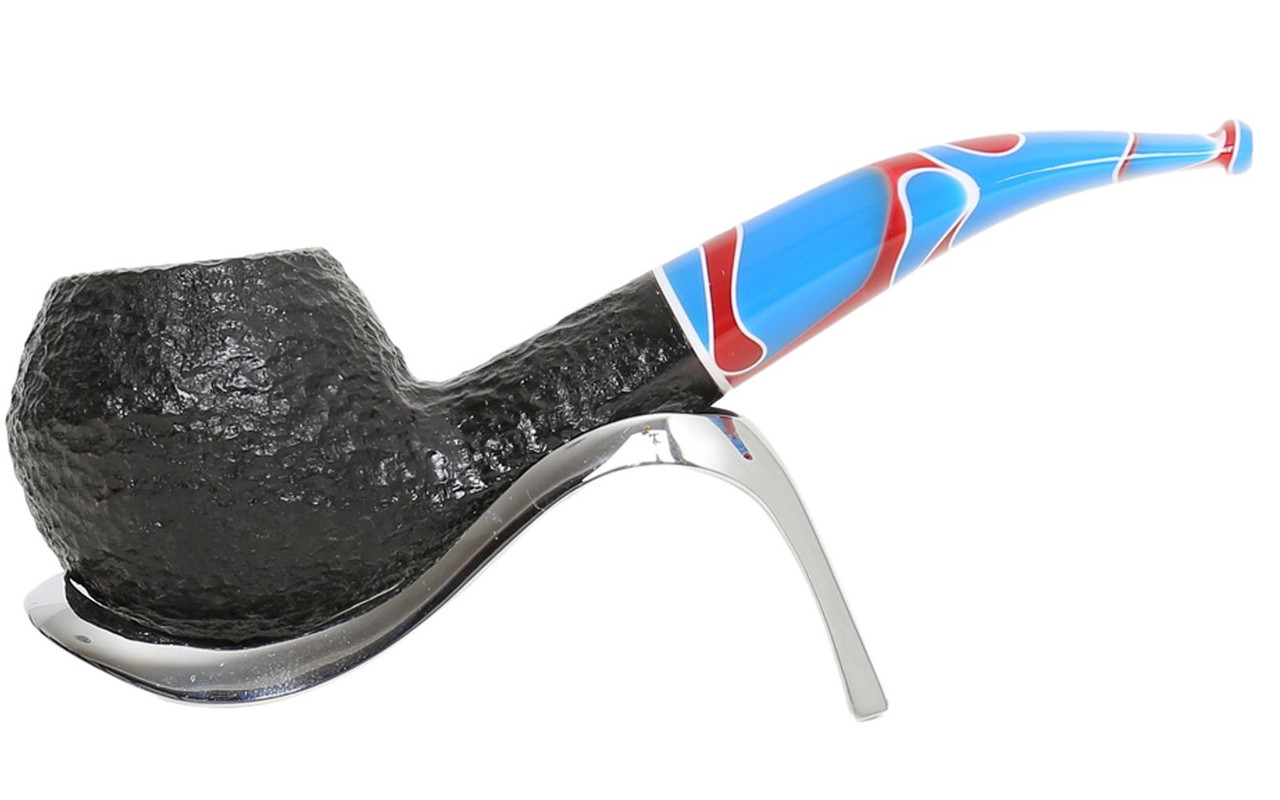
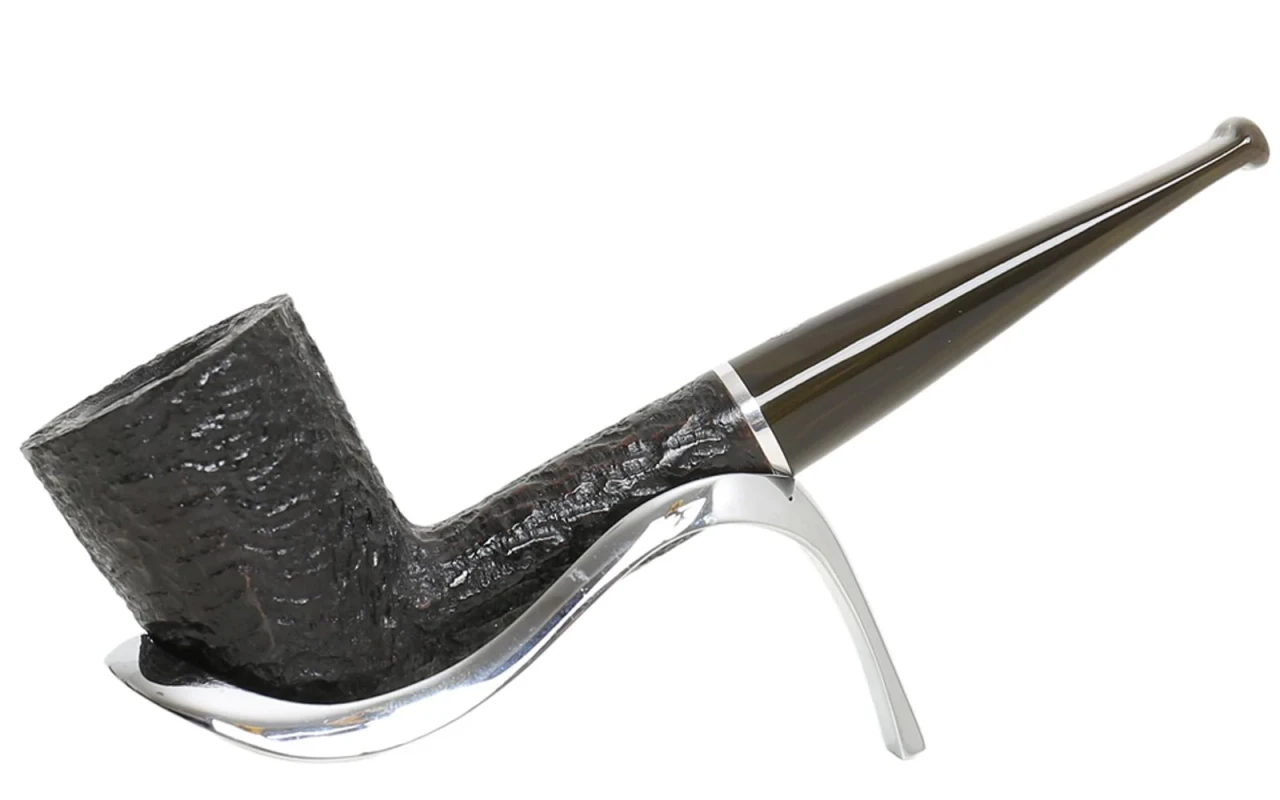
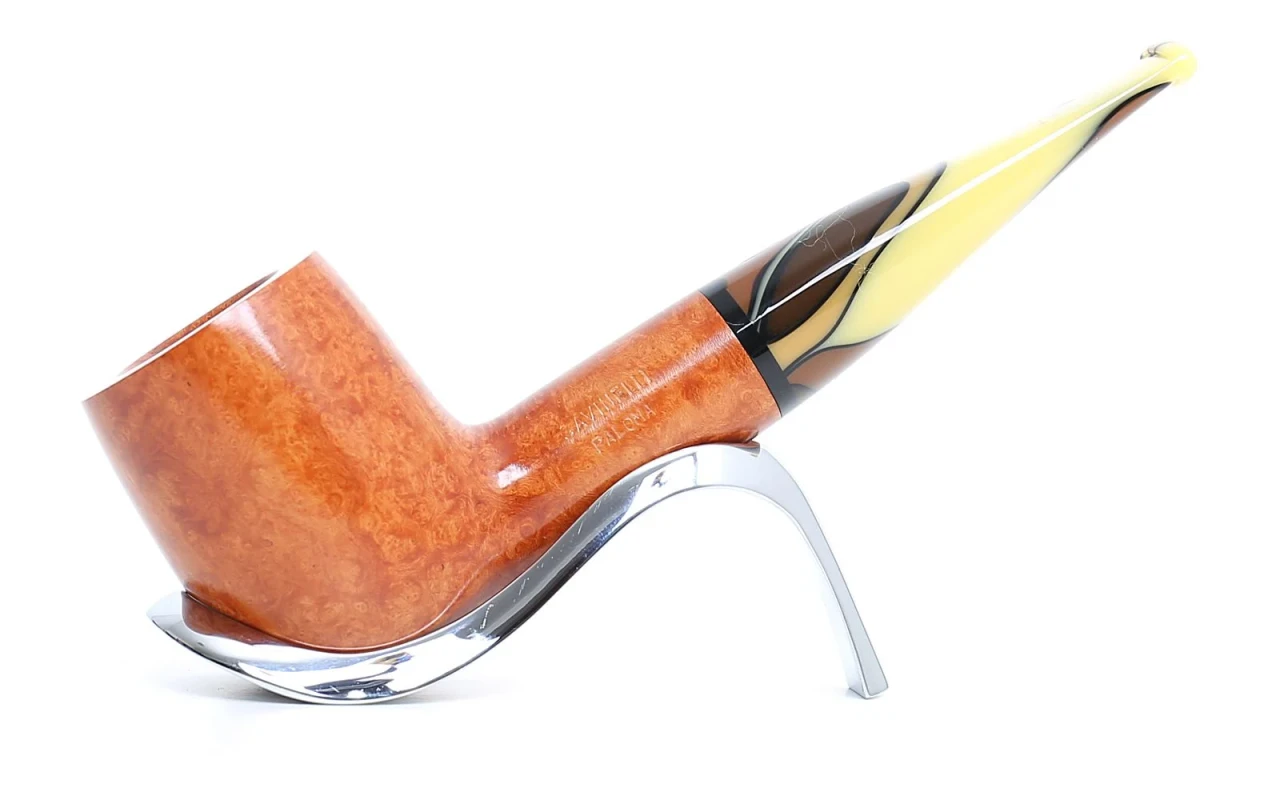
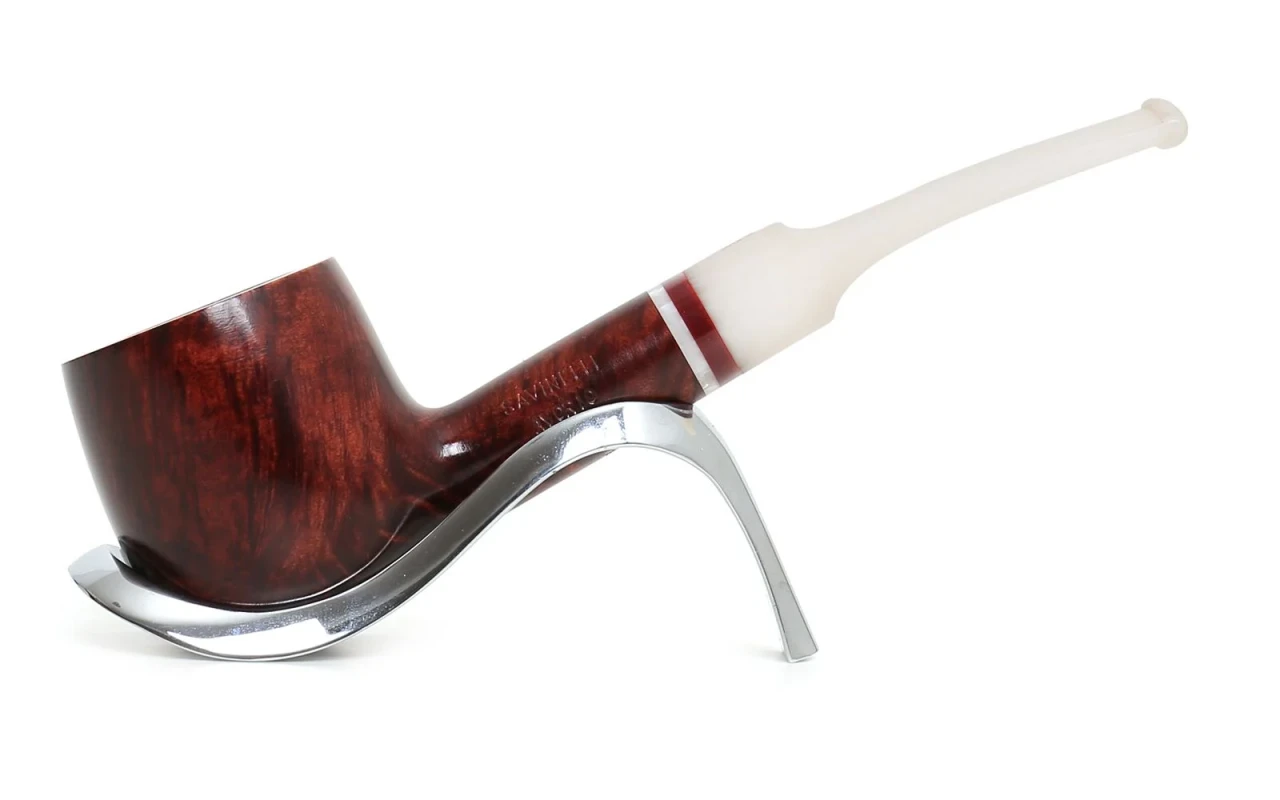
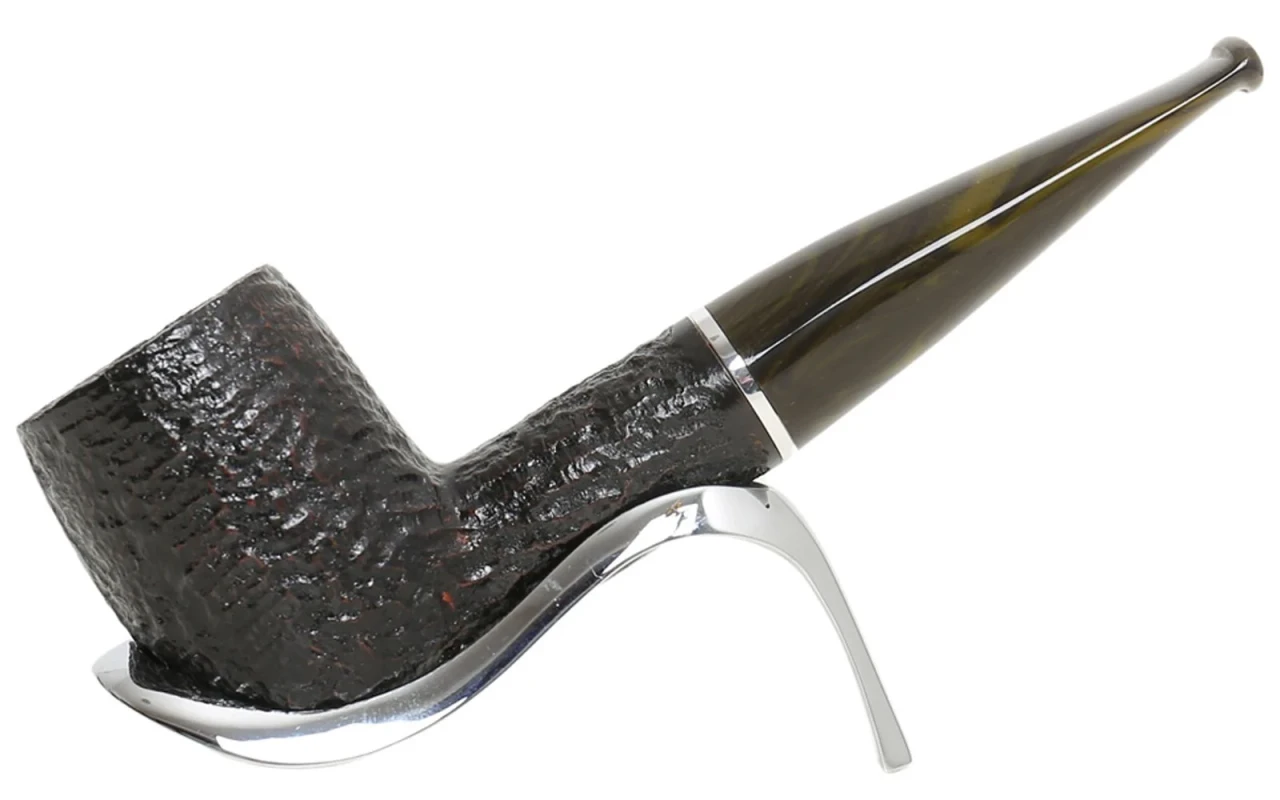
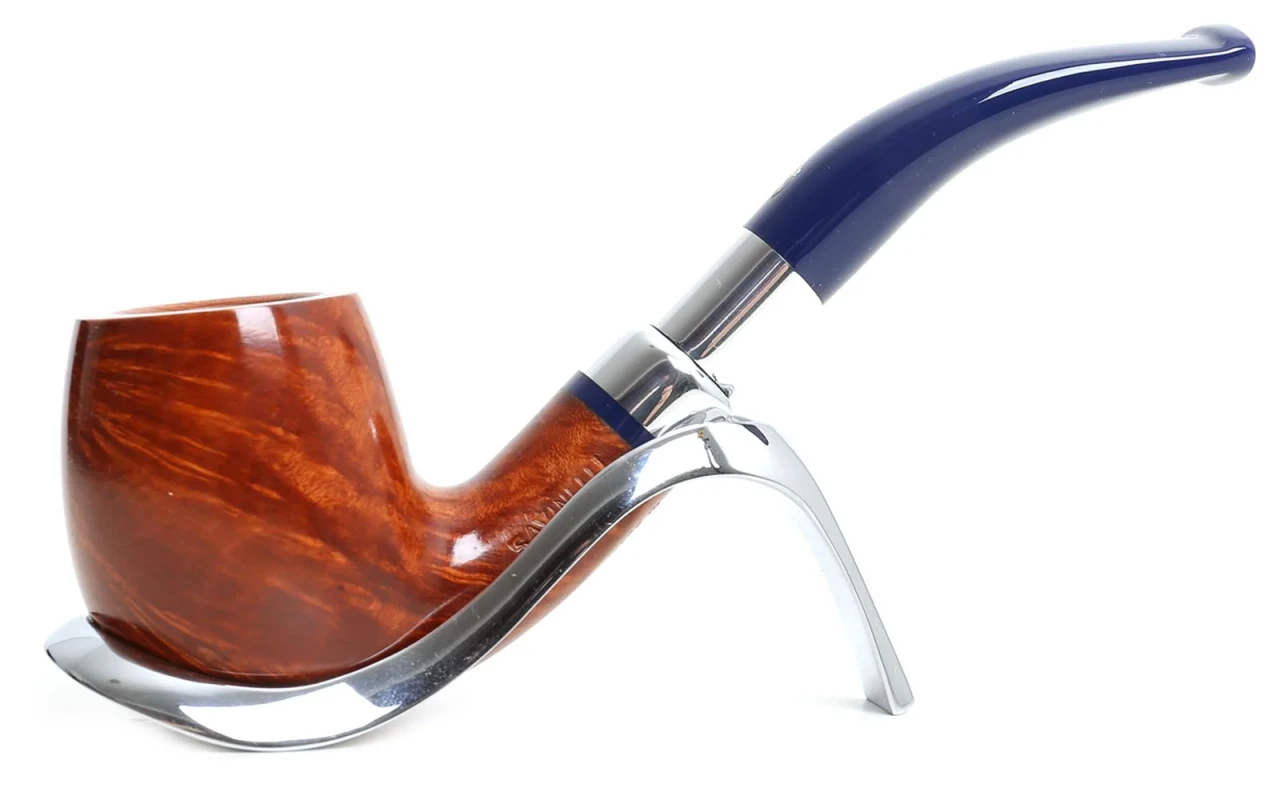
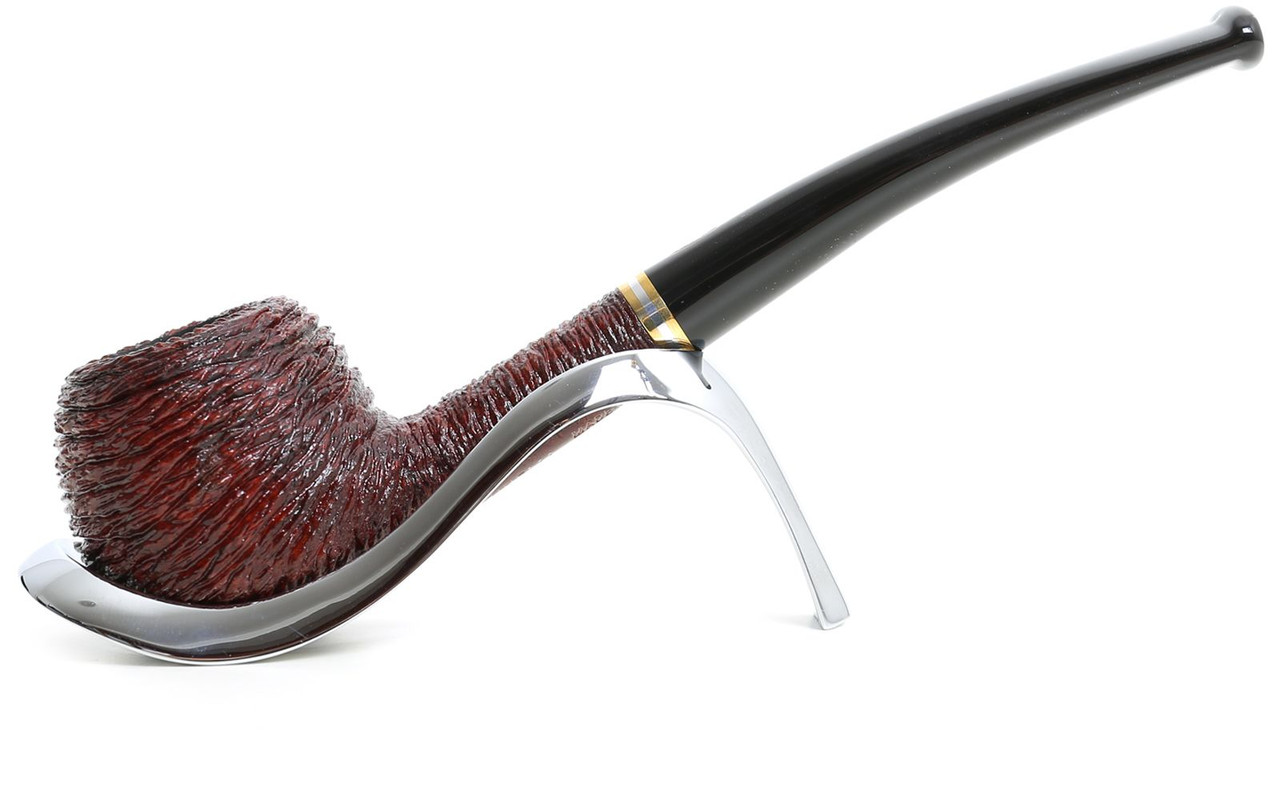
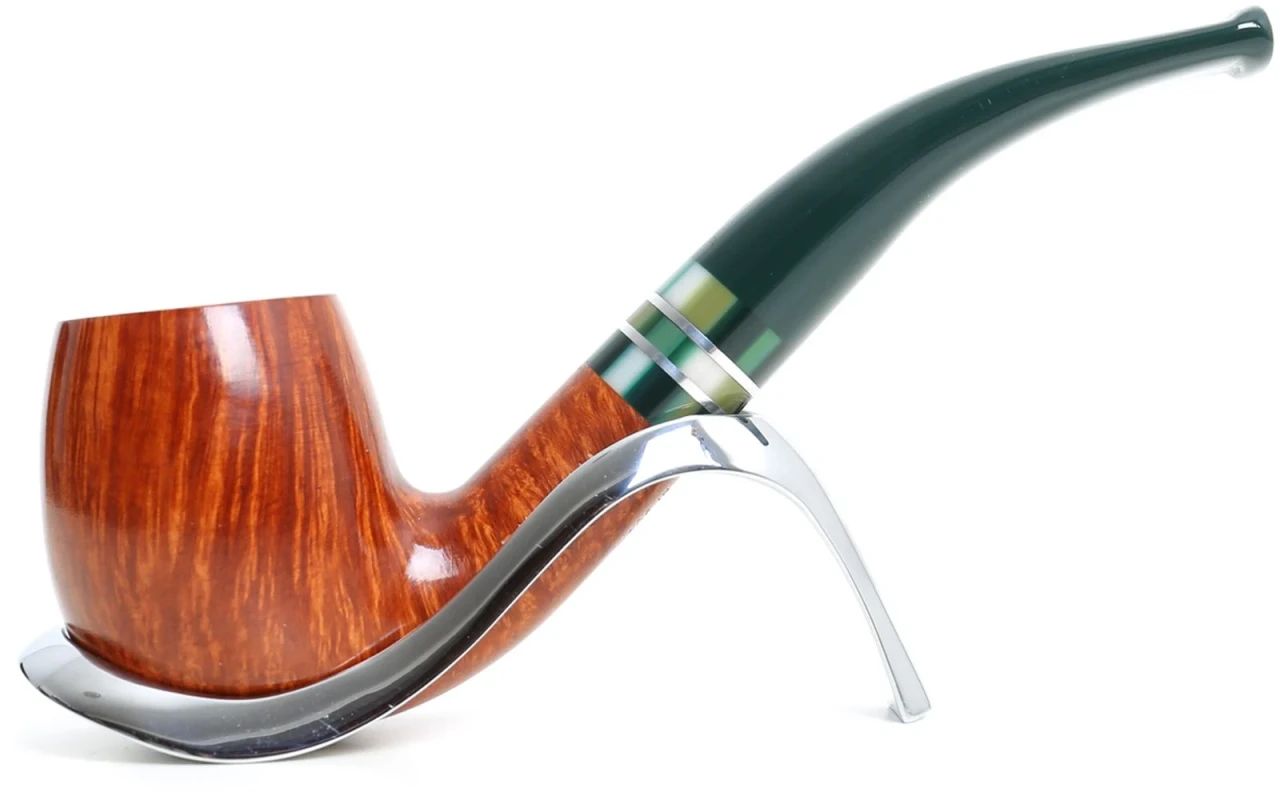
Choosing the briar for a pipe is an important step for pipe enthusiasts. Here are some useful tips to keep in mind:- **Wood Type**: Erica arborea briar, known as briarwood, is the most popular for its heat resistance and even combustion.- **Grain of the Briar**: A fine and tight grain is indicative of high-quality wood, while a wide grain can affect the pipe's strength and durability.- **Finish of the Briar**: The briar can be smooth or rustic, depending on personal taste and desired aesthetics.- **Origin of the Briar**: Pipes made with briar from specific regions, such as Turkey or Italy, may have unique characteristics.By considering these suggestions, you can choose the most suitable briar for your preferences and needs.
**Original Keyword: "Pipe Briar Root"**
Briar root is a precious material widely used in the production of high-quality smoking pipes. This wood comes from the roots of Erica arborea trees, known as briar, and is renowned for its durability, moisture-absorbing properties, and neutral flavor that does not interfere with the tobacco. Crafting briar root pipes requires specific artisanal skills to create elegant and functional pieces. Pipes made with briar root are highly valued by connoisseurs for their unique characteristics and the potential to develop a patina over time, giving them a special charm.
Best types of briar for pipes
The best types of briar for pipes include Erica Arborea briar, also known as briar wood, which is the most common choice for high-quality pipes. Other premium types are olive wood briar, characterized by unique veins and colors, and cherry wood briar, appreciated for its natural beauty. Oak briar offers an interesting grain and remarkable strength, while chestnut briar is valued for its warm color and durability. Finally, walnut briar is often used for high-quality artisan pipes.
How to Recognize the Quality of Briar Wood for Pipes
The quality of briar wood for pipes can be assessed by considering several key factors. Here are some aspects to take into consideration:- **Grain**: a fine and uniform grain indicates high-quality briar wood.- **Coloration**: dark and intense tones are often a sign of premium briar wood.- **Durability**: a resistant briar wood ensures a pipe that will last over time.- **Porosity**: briar wood with well-distributed pores promotes good moisture absorption.- **Craftsmanship**: check the craftsmanship of the briar wood to verify the care and attention to detail.By carefully examining these elements, it is possible to evaluate the quality of the briar wood used in pipe production.
Pipe Briar Wood: Key Features to Consider
Briar wood is a fundamental element in the production of high-quality pipes. The main characteristics to consider are:- Grain: the quality of briar wood depends on the grain, which can be straight, flame, birds-eye, or cross-cut. Finer grain is generally associated with better quality.- Hardness: the briar wood must be hard enough to withstand heat and wear, yet also elastic enough to be worked without breaking.- Porosity: wood that is too porous can affect the pipe's smoking experience, while wood that is too compact may hinder proper airflow.- Color: briar wood can range from yellow to red to black, with different shades adding character to the pipe.Choosing the right briar wood is essential to ensure a superior quality pipe.
'%3e%3cg id='Final-Copy-2_2_' transform='translate(1275.000000, 200.000000)'%3e%3cpath class='st0' d='M7.4,12.8h6.8l3.1-11.6H7.4C4.2,1.2,1.6,3.8,1.6,7S4.2,12.8,7.4,12.8z'/%3e%3c/g%3e%3c/g%3e%3c/g%3e%3cg id='final---dec.11-2020'%3e%3cg id='_x30_208-our-toggle' transform='translate(-1275.000000, -200.000000)'%3e%3cg id='Final-Copy-2' transform='translate(1275.000000, 200.000000)'%3e%3cpath class='st1' d='M22.6,0H7.4c-3.9,0-7,3.1-7,7s3.1,7,7,7h15.2c3.9,0,7-3.1,7-7S26.4,0,22.6,0z M1.6,7c0-3.2,2.6-5.8,5.8-5.8 h9.9l-3.1,11.6H7.4C4.2,12.8,1.6,10.2,1.6,7z'/%3e%3cpath id='x' class='st2' d='M24.6,4c0.2,0.2,0.2,0.6,0,0.8l0,0L22.5,7l2.2,2.2c0.2,0.2,0.2,0.6,0,0.8c-0.2,0.2-0.6,0.2-0.8,0 l0,0l-2.2-2.2L19.5,10c-0.2,0.2-0.6,0.2-0.8,0c-0.2-0.2-0.2-0.6,0-0.8l0,0L20.8,7l-2.2-2.2c-0.2-0.2-0.2-0.6,0-0.8 c0.2-0.2,0.6-0.2,0.8,0l0,0l2.2,2.2L23.8,4C24,3.8,24.4,3.8,24.6,4z'/%3e%3cpath id='y' class='st3' d='M12.7,4.1c0.2,0.2,0.3,0.6,0.1,0.8l0,0L8.6,9.8C8.5,9.9,8.4,10,8.3,10c-0.2,0.1-0.5,0.1-0.7-0.1l0,0 L5.4,7.7c-0.2-0.2-0.2-0.6,0-0.8c0.2-0.2,0.6-0.2,0.8,0l0,0L8,8.6l3.8-4.5C12,3.9,12.4,3.9,12.7,4.1z'/%3e%3c/g%3e%3c/g%3e%3c/g%3e%3c/g%3e%3c/svg%3e) Your Privacy Choices
Your Privacy Choices 


