 ES
ES FR
FR EN
EN IT
IT DE
DE
Wood Grain and Quality Perception
Wood Grain and Quality Perception
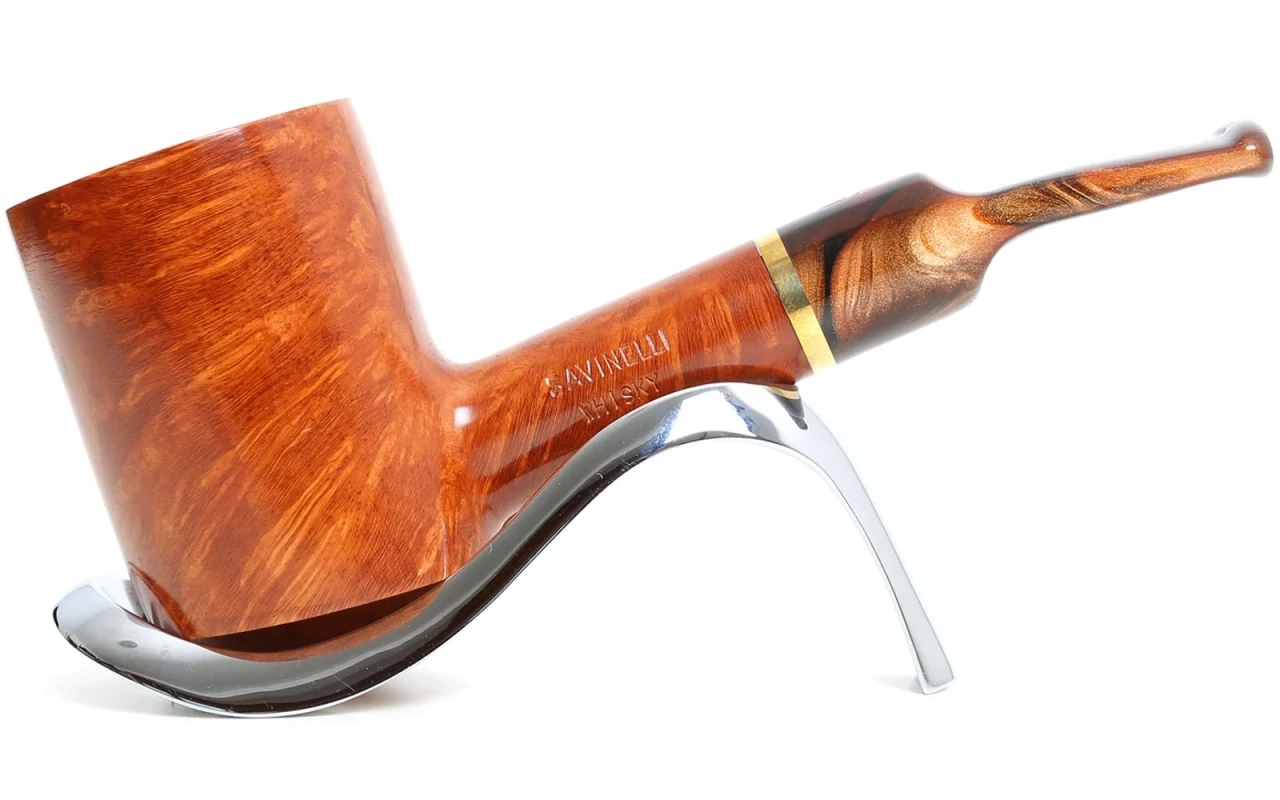
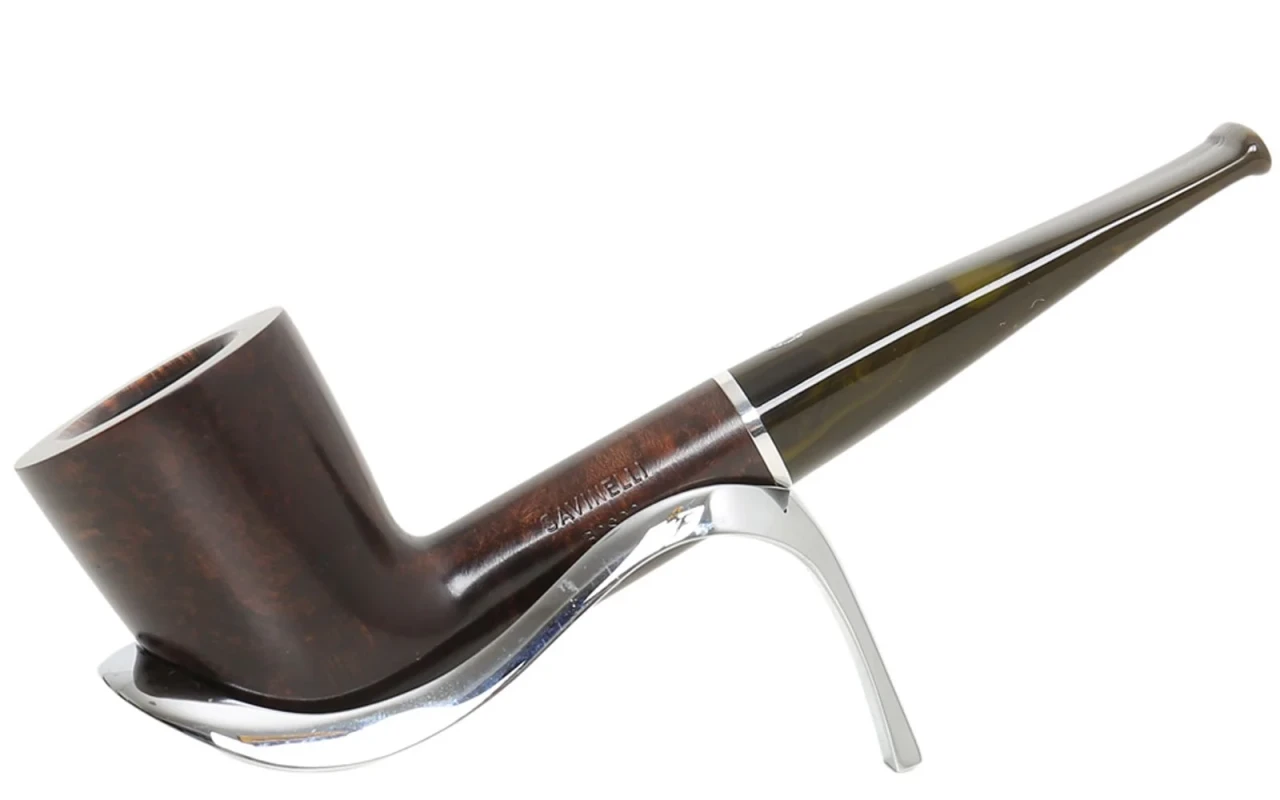
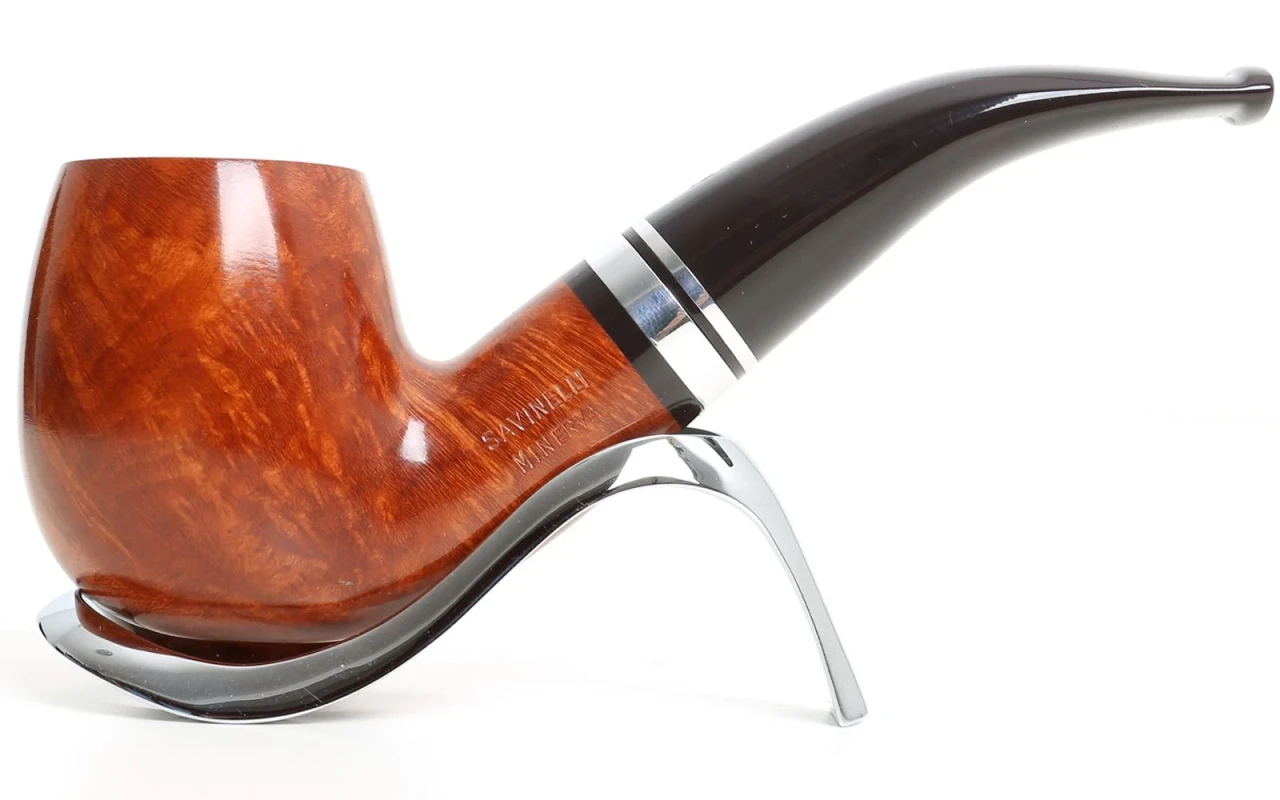
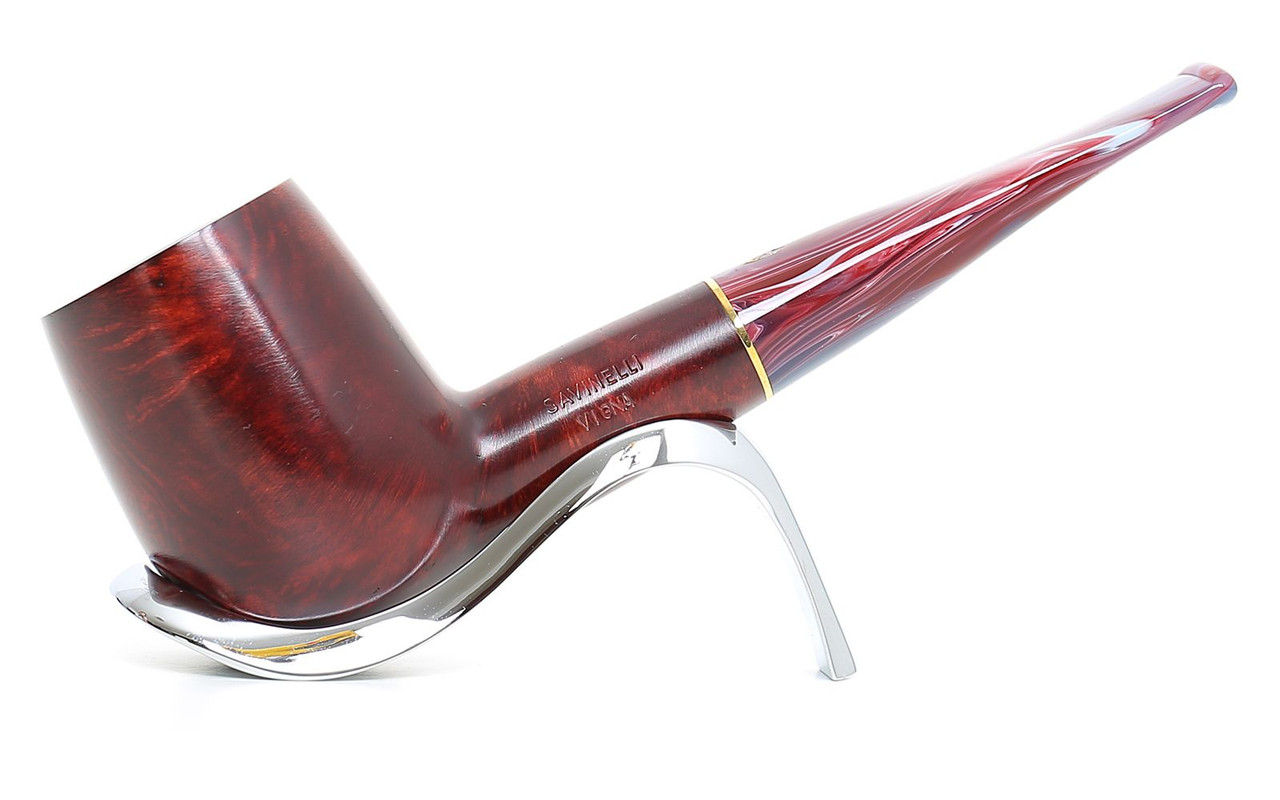
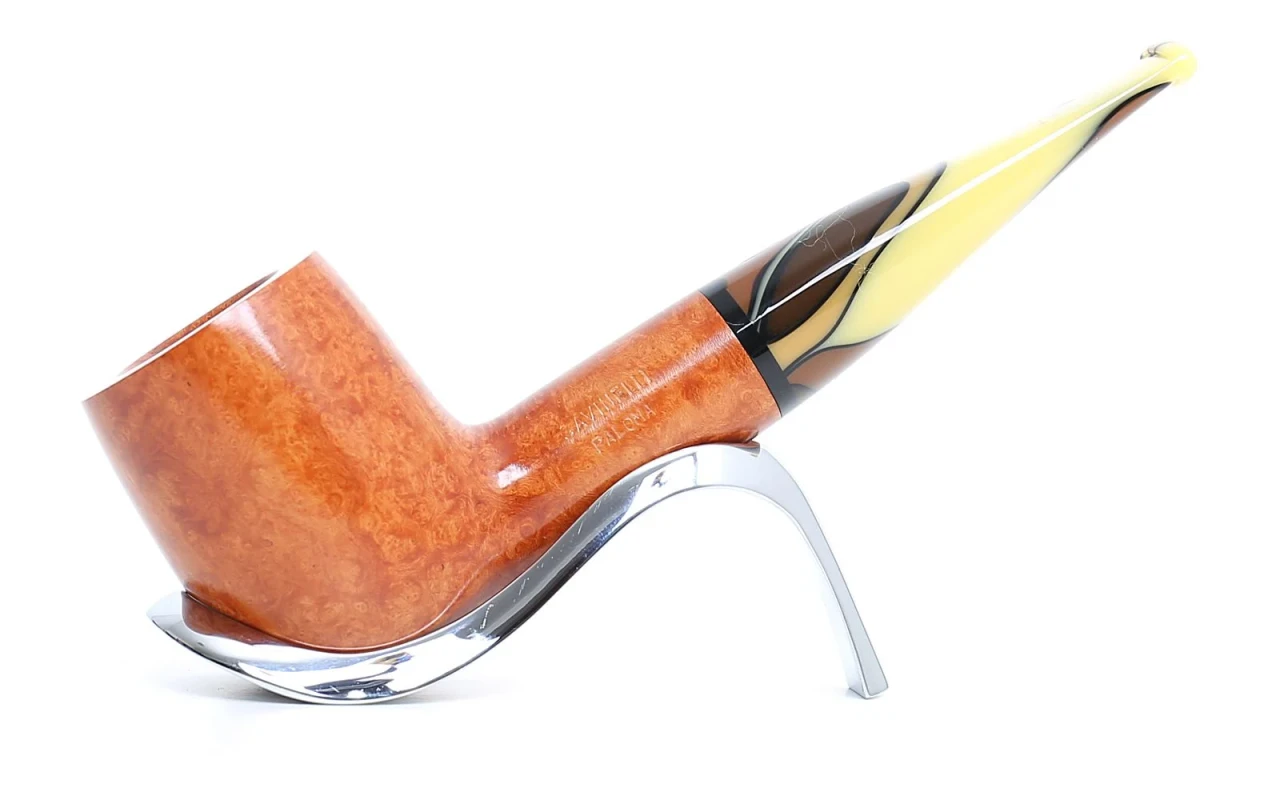
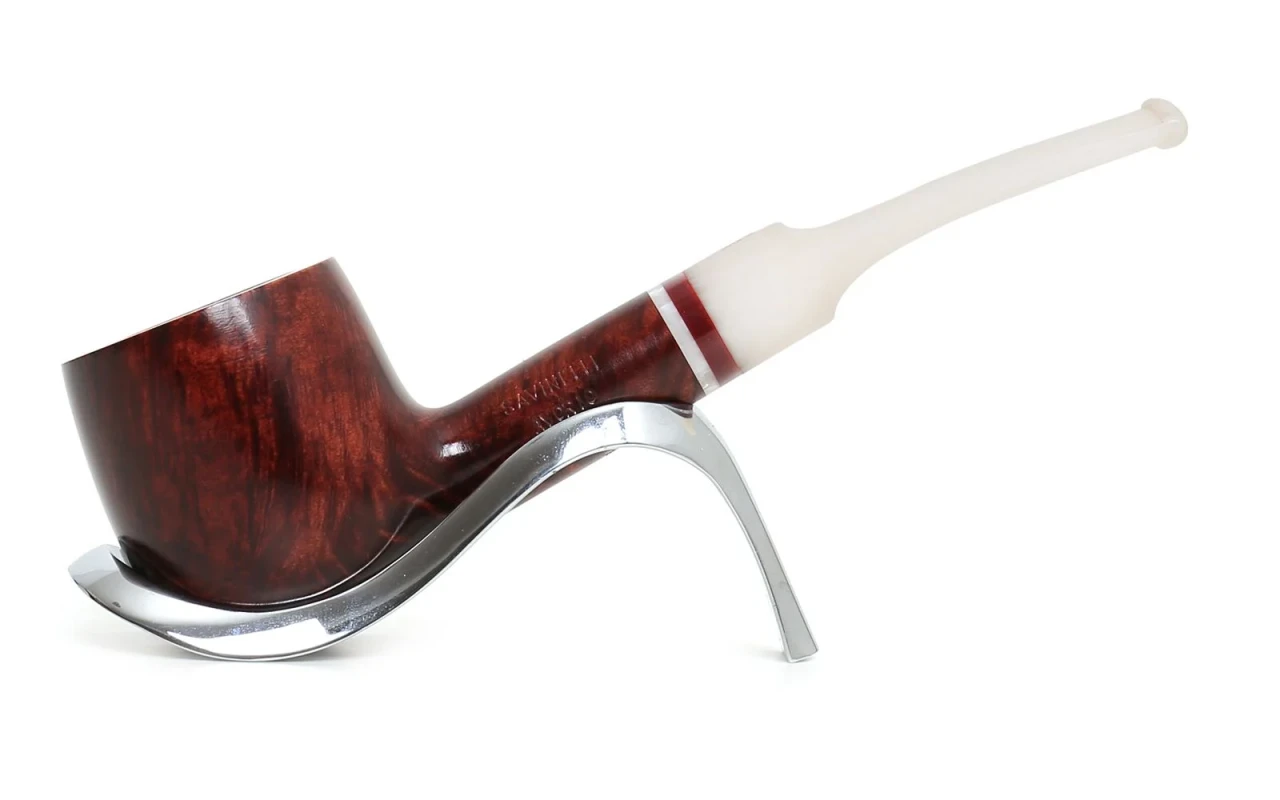
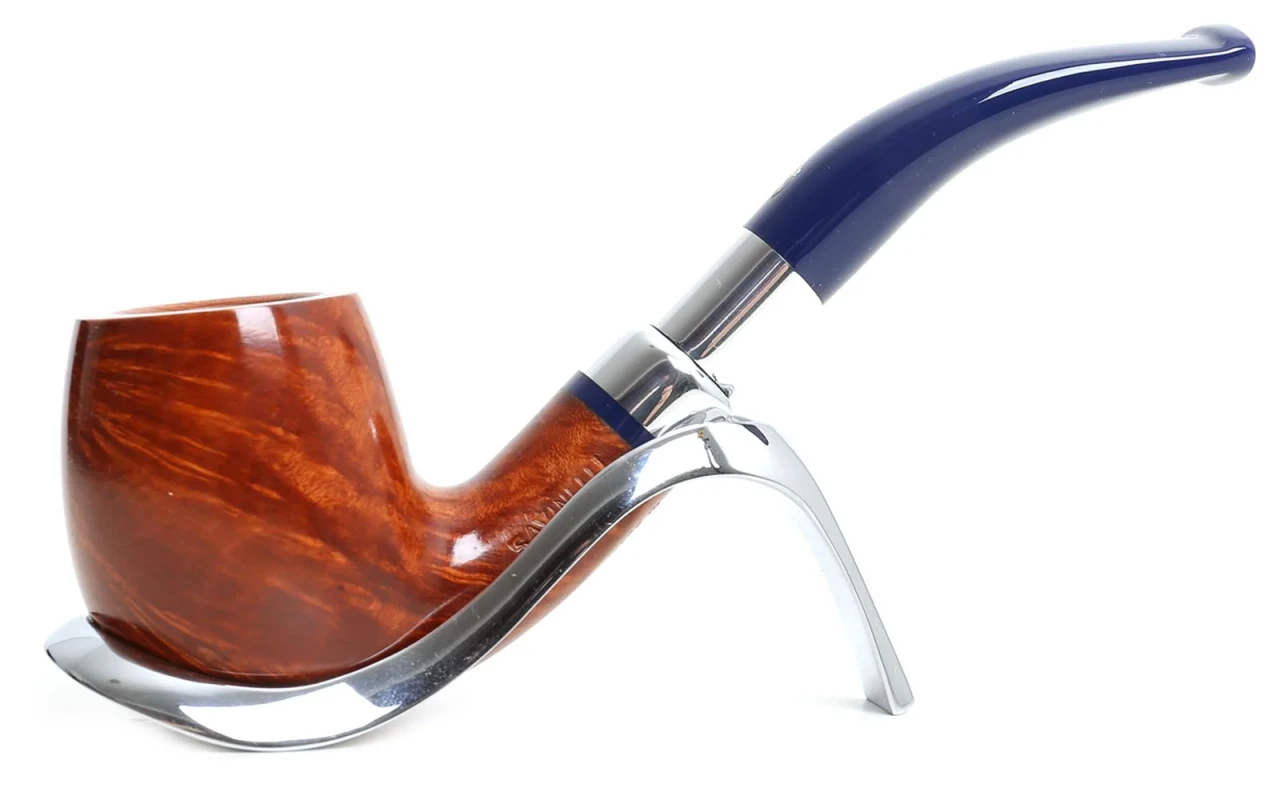
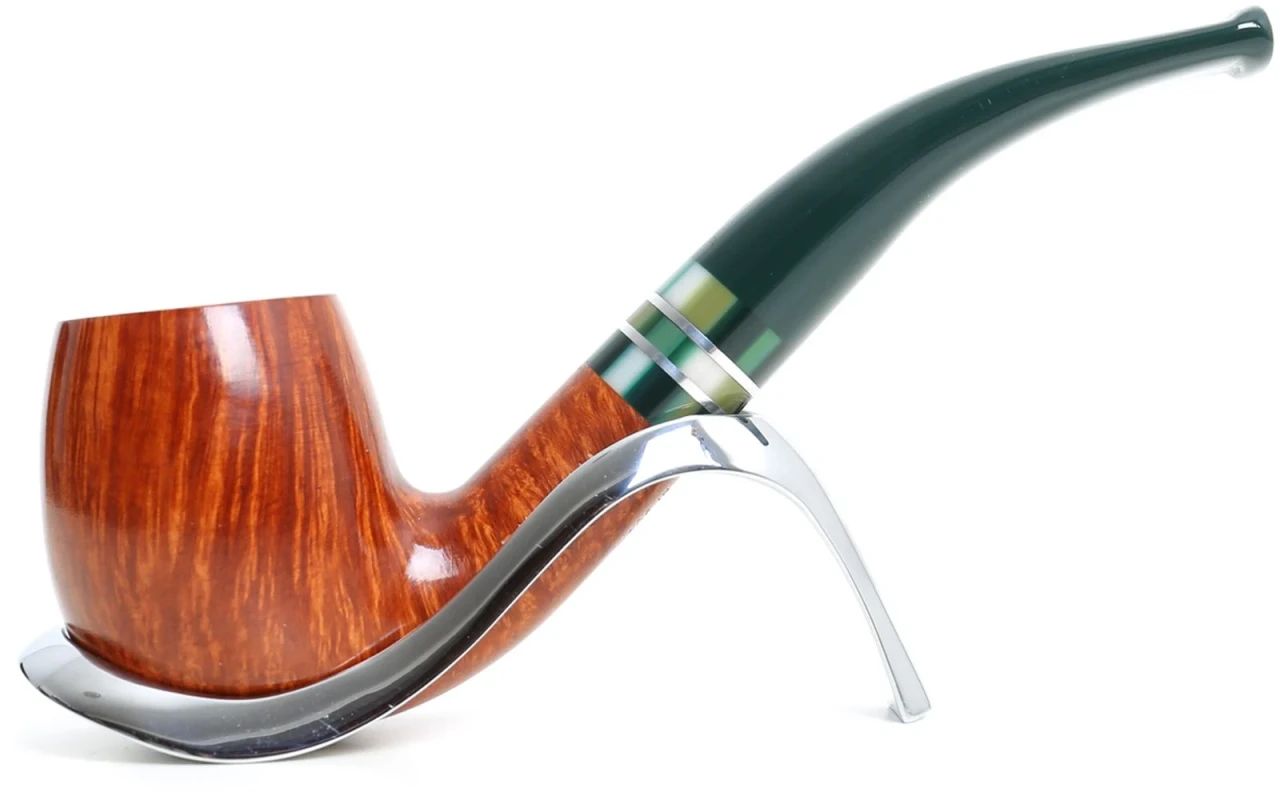
Pipe briar can display a wide range of colors, ranging from light brown to deep black. This chromatic variety depends on various factors, including the type of wood used and the processing method. Generally, darker and more uniform colors are often associated with high-quality briar, as they indicate slower tree growth and higher wood density. However, it is important to emphasize that quality perception is not solely determined by the color of the briar, but also by other factors such as grain, shine, and overall wood consistency.
Materials of smoking pipes
The materials of smoking pipes vary and influence the overall experience of smoking a pipe. The most common ones are:- Wood: such as walnut, pear, or olive wood, valued for their ability to absorb tobacco moisture.- Corn Cob: lightweight and affordable, perfect for corncob smoking pipes.- Clay: used for artisanal smoking pipes, ensures a clean taste.- Meerschaum: a porous stone that absorbs nicotine and colors with use.- Metal: like brass or silver, durable but tends to heat up.The choice of material affects the taste, temperature, and maintenance of the smoking pipe.
Craft finishes for pipes
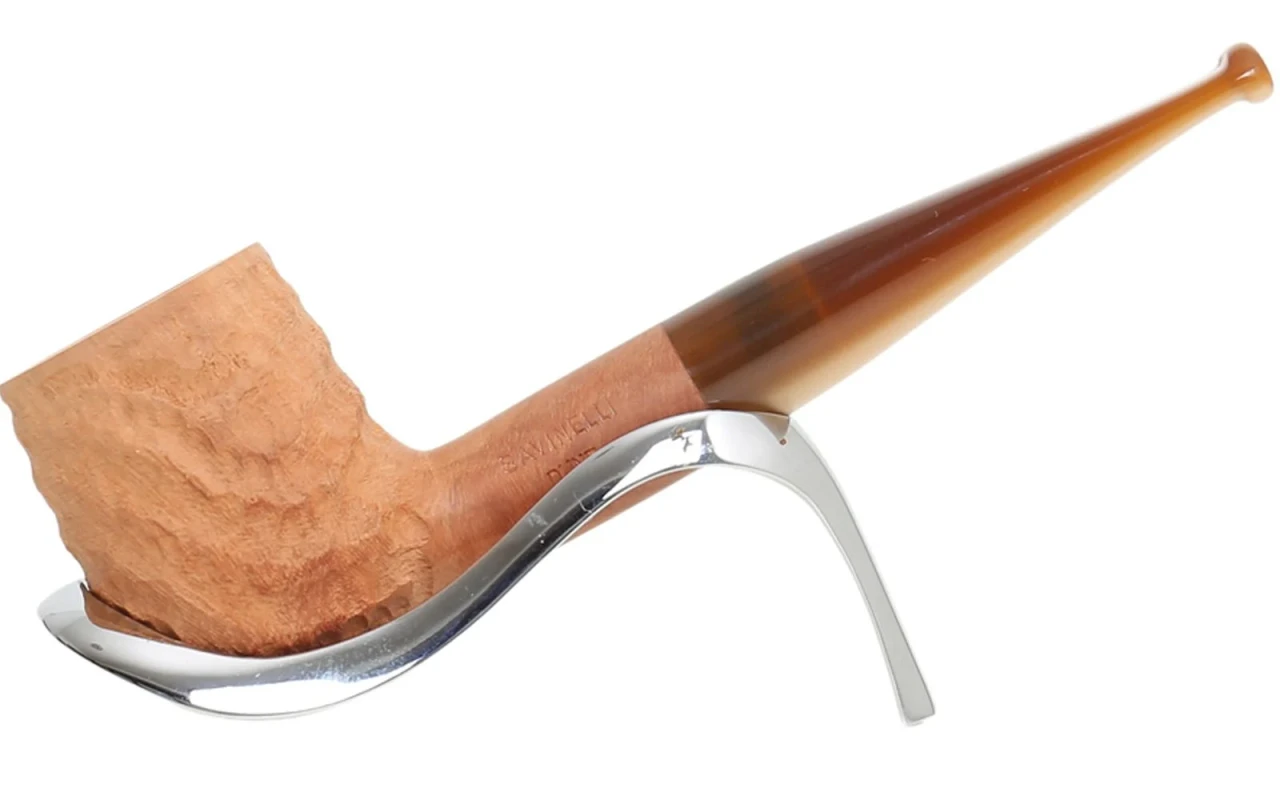
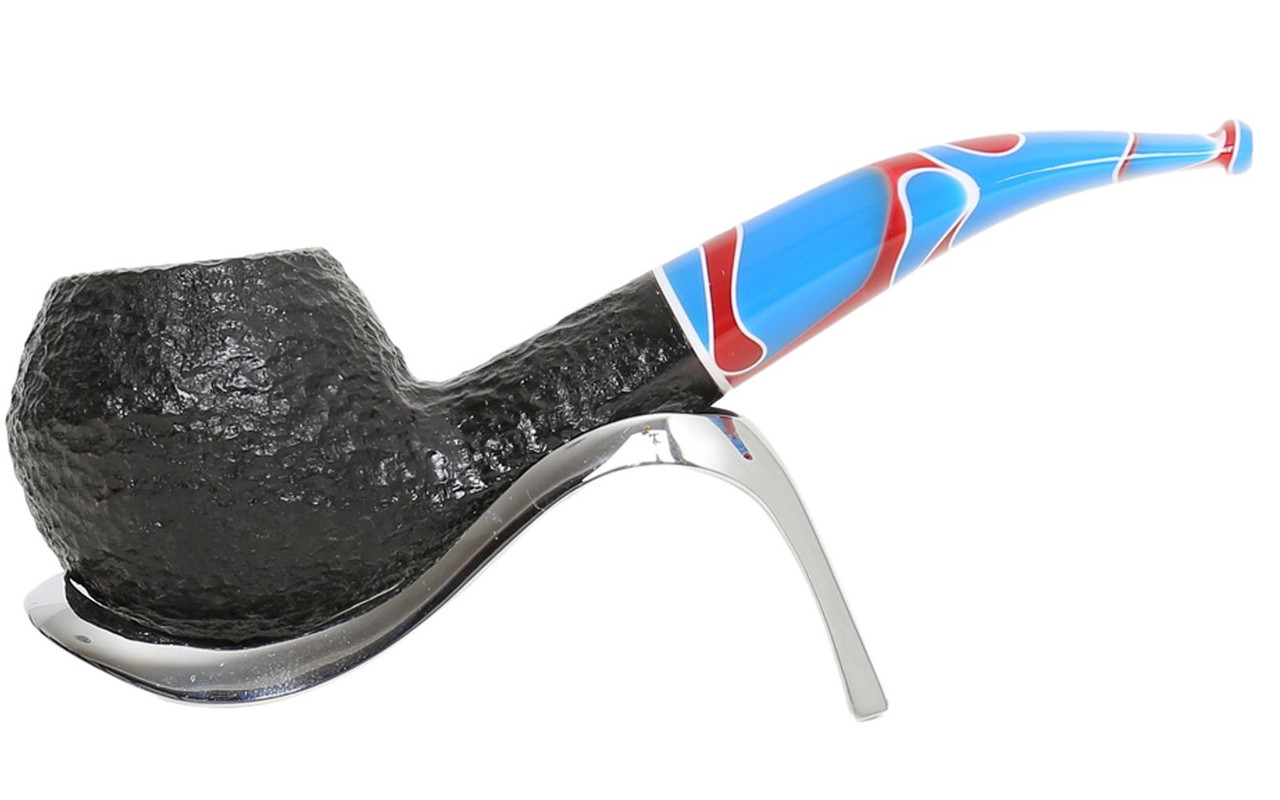
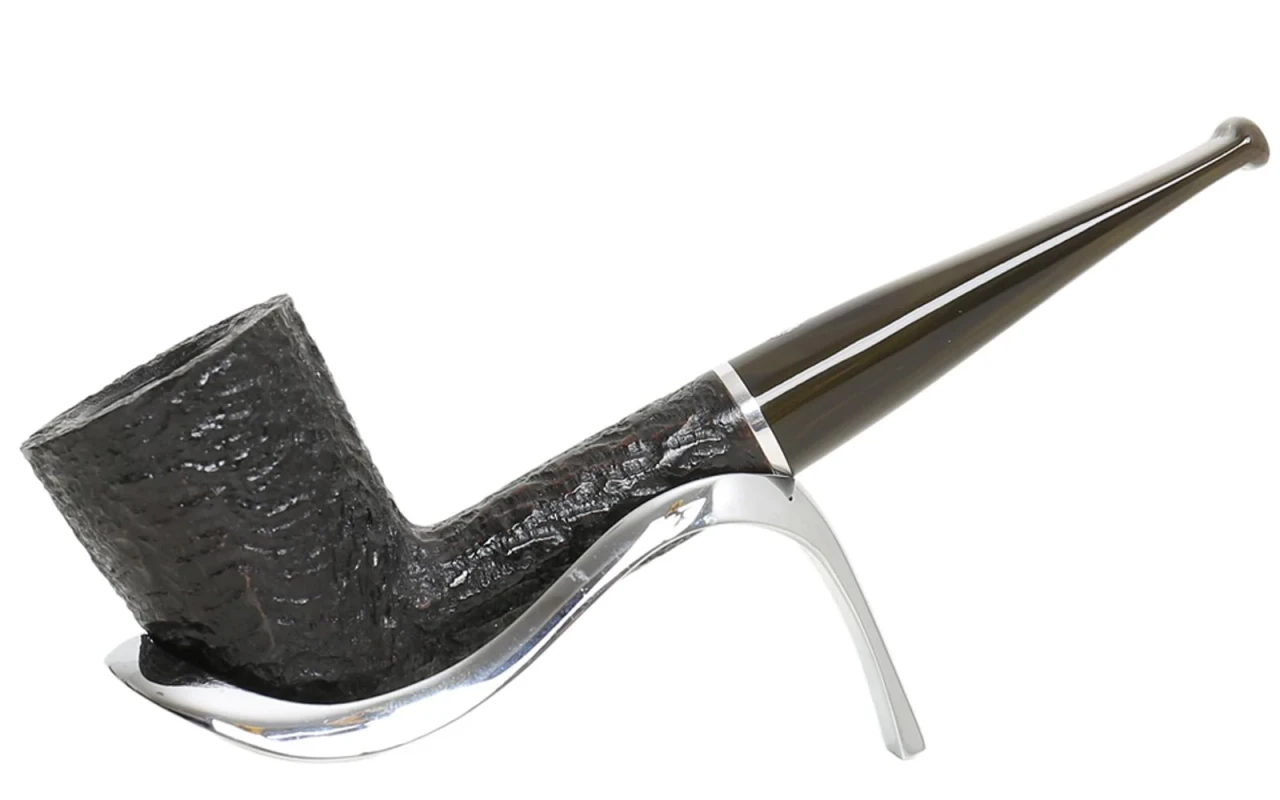
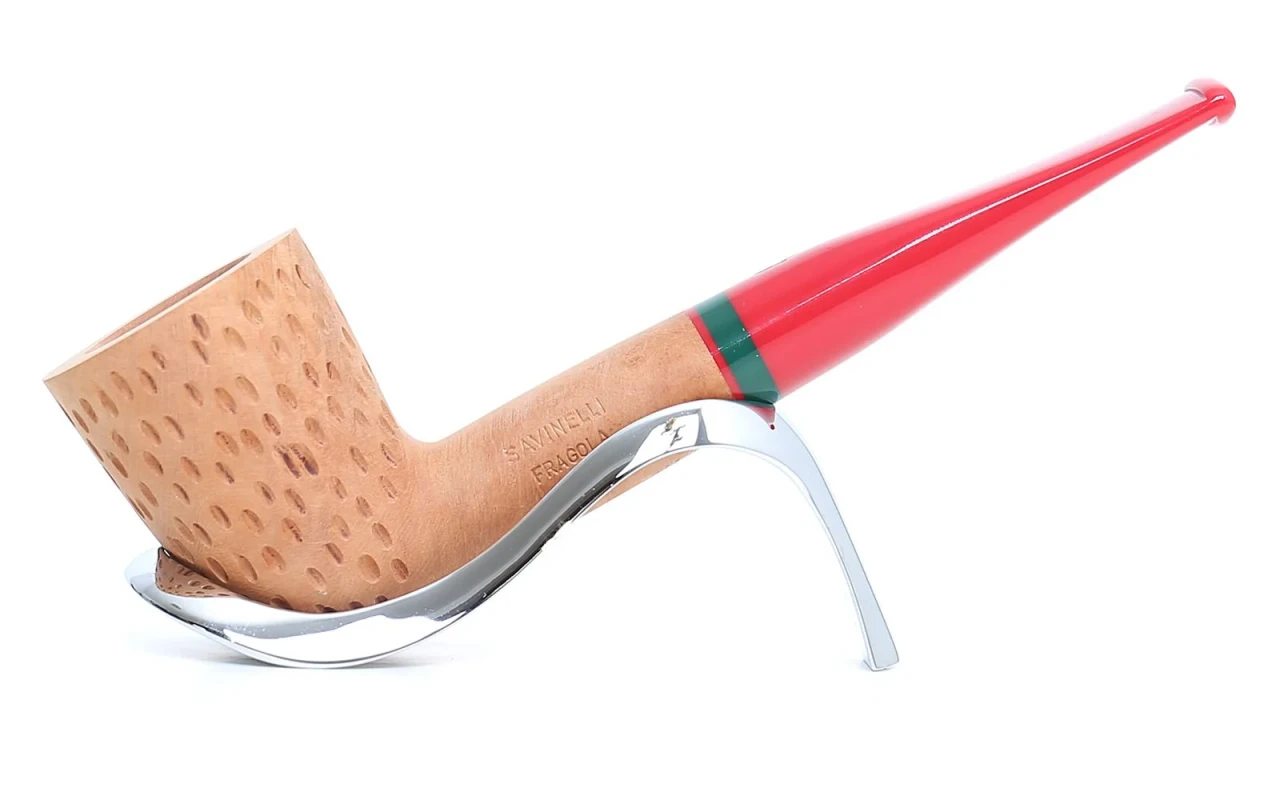
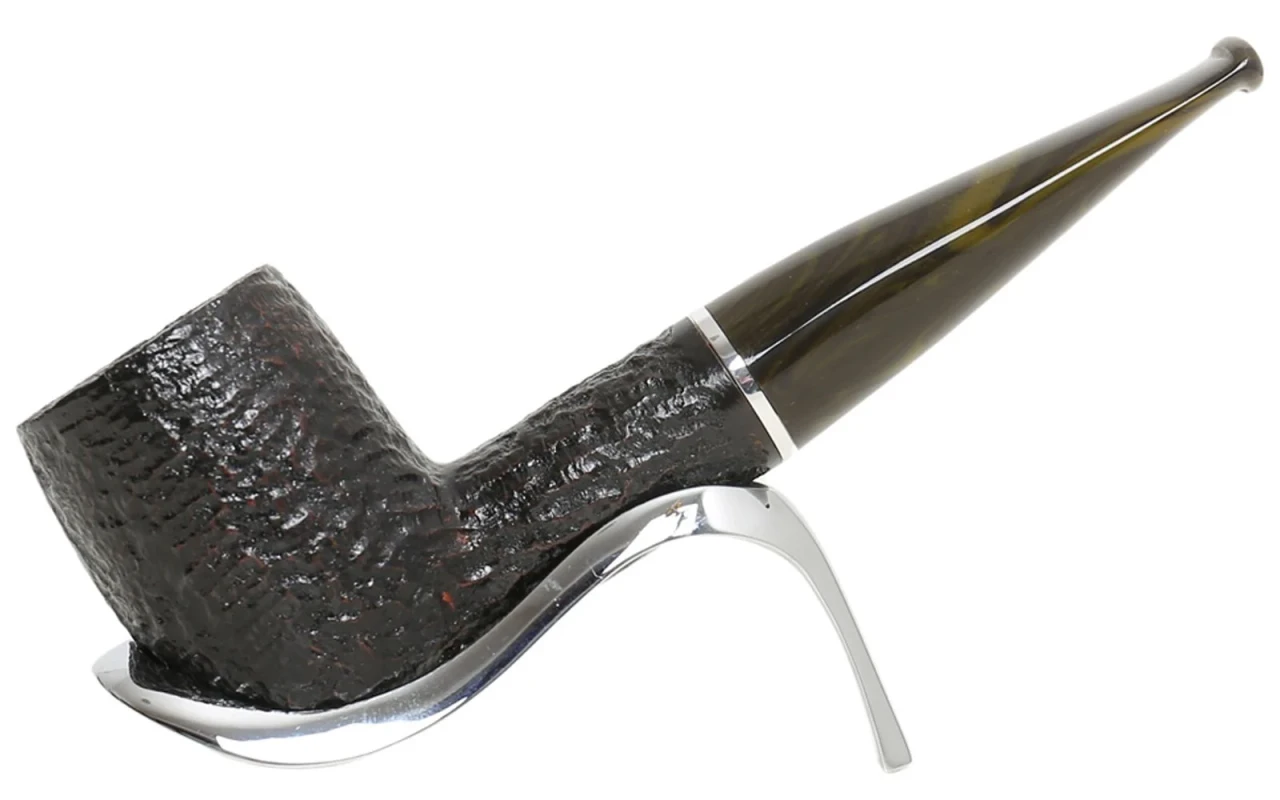
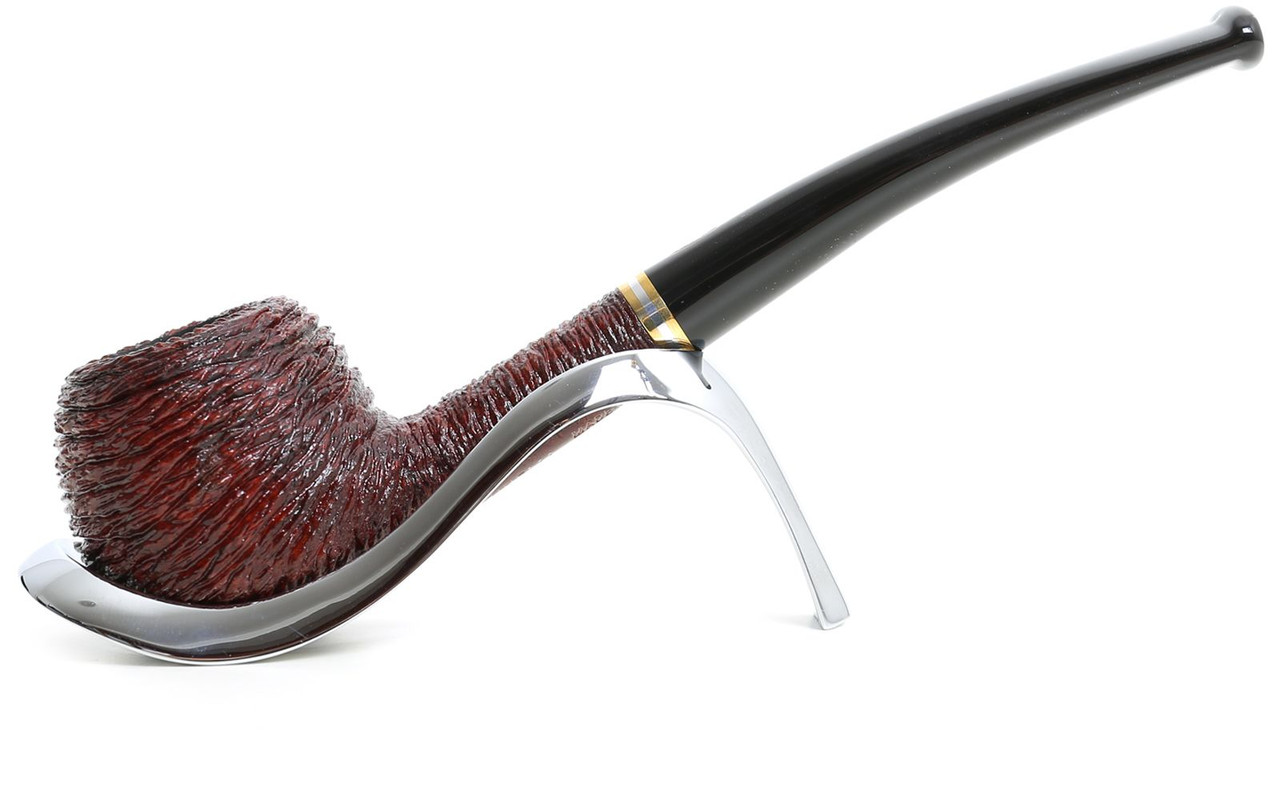
Craft finishes for pipes represent a distinctive and valuable element in the world of pipe smokers. These manual processes are carried out with great skill and attention to detail, giving each pipe a unique character. Among the most common finishes, we find sandblasting, which gives the pipe a rustic look and a pleasant feel, and polishing, which enhances the natural wood grain. Other techniques include rustication, which creates special textured effects, and varnishing, which protects and customizes the pipe's surface. Craft finishes for pipes are a sign of quality and craftsmanship in the pipe world.
Wood Quality in Pipes
The quality of wood in pipes is a crucial factor that influences the smoking experience and the pipe's longevity. The most commonly used woods are briar, mortaio, pear, cherry, and oak. These woods are chosen for their resistance to heat, combustion, and condensation formation. Furthermore, the wood's porosity affects its ability to absorb moisture and release smoke uniformly. Pipes made with high-quality woods tend to ensure better combustion, a more intense flavor, and greater longevity over time.
'%3e%3cg id='Final-Copy-2_2_' transform='translate(1275.000000, 200.000000)'%3e%3cpath class='st0' d='M7.4,12.8h6.8l3.1-11.6H7.4C4.2,1.2,1.6,3.8,1.6,7S4.2,12.8,7.4,12.8z'/%3e%3c/g%3e%3c/g%3e%3c/g%3e%3cg id='final---dec.11-2020'%3e%3cg id='_x30_208-our-toggle' transform='translate(-1275.000000, -200.000000)'%3e%3cg id='Final-Copy-2' transform='translate(1275.000000, 200.000000)'%3e%3cpath class='st1' d='M22.6,0H7.4c-3.9,0-7,3.1-7,7s3.1,7,7,7h15.2c3.9,0,7-3.1,7-7S26.4,0,22.6,0z M1.6,7c0-3.2,2.6-5.8,5.8-5.8 h9.9l-3.1,11.6H7.4C4.2,12.8,1.6,10.2,1.6,7z'/%3e%3cpath id='x' class='st2' d='M24.6,4c0.2,0.2,0.2,0.6,0,0.8l0,0L22.5,7l2.2,2.2c0.2,0.2,0.2,0.6,0,0.8c-0.2,0.2-0.6,0.2-0.8,0 l0,0l-2.2-2.2L19.5,10c-0.2,0.2-0.6,0.2-0.8,0c-0.2-0.2-0.2-0.6,0-0.8l0,0L20.8,7l-2.2-2.2c-0.2-0.2-0.2-0.6,0-0.8 c0.2-0.2,0.6-0.2,0.8,0l0,0l2.2,2.2L23.8,4C24,3.8,24.4,3.8,24.6,4z'/%3e%3cpath id='y' class='st3' d='M12.7,4.1c0.2,0.2,0.3,0.6,0.1,0.8l0,0L8.6,9.8C8.5,9.9,8.4,10,8.3,10c-0.2,0.1-0.5,0.1-0.7-0.1l0,0 L5.4,7.7c-0.2-0.2-0.2-0.6,0-0.8c0.2-0.2,0.6-0.2,0.8,0l0,0L8,8.6l3.8-4.5C12,3.9,12.4,3.9,12.7,4.1z'/%3e%3c/g%3e%3c/g%3e%3c/g%3e%3c/g%3e%3c/svg%3e) Your Privacy Choices
Your Privacy Choices 


