 ES
ES FR
FR EN
EN IT
IT DE
DE
Historical overview of smoking pipes
Historical overview of smoking pipes
Smoking pipes have a long history dating back centuries. They have been used in many different cultures as a symbol of social status, religious rituals, or simply for the pleasure of smoking tobacco. The earliest pipes were made from natural materials such as clay, stone, or wood. Over time, pipes have become increasingly elaborate and artistic, with the introduction of materials such as ivory, metal, and even glass. Today, smoking pipes are appreciated by collectors and enthusiasts for their variety of styles and designs, as well as for the ritualistic and contemplative aspects that accompany their use.
SMOKING PIPES
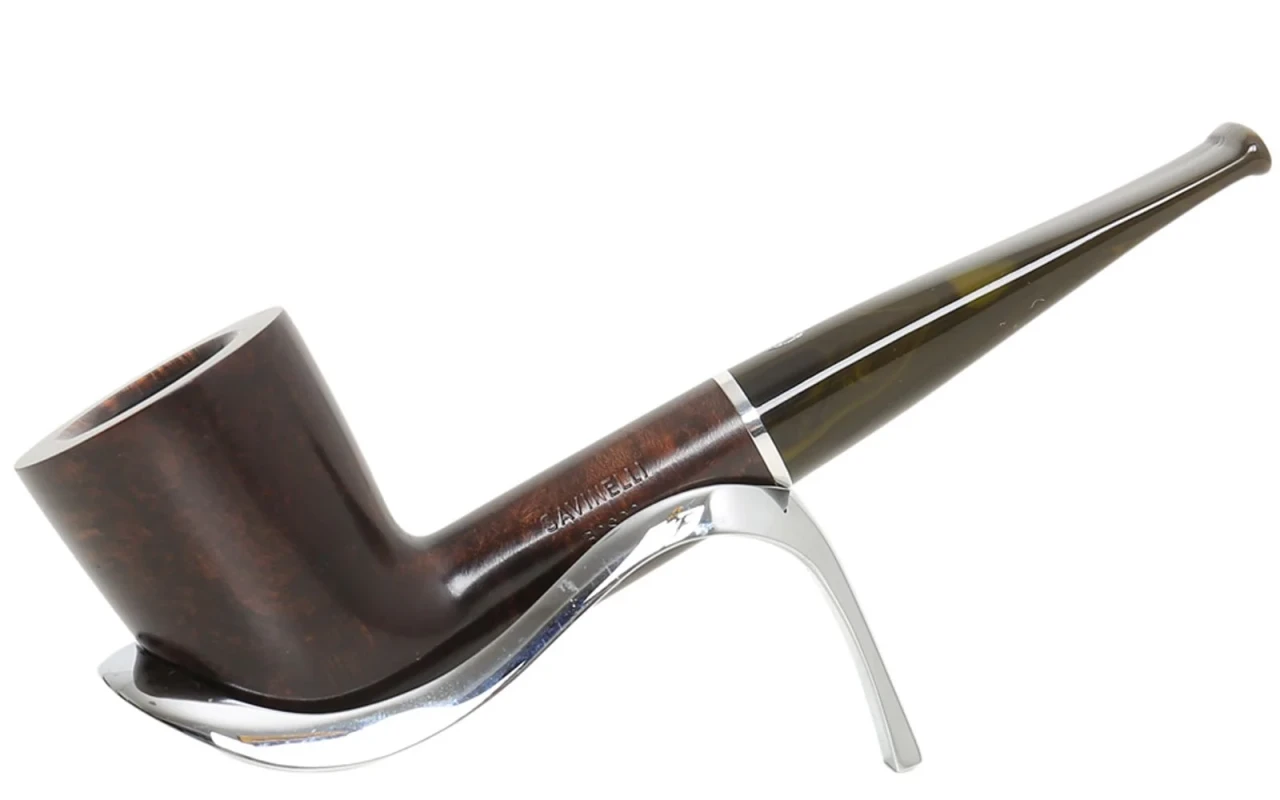
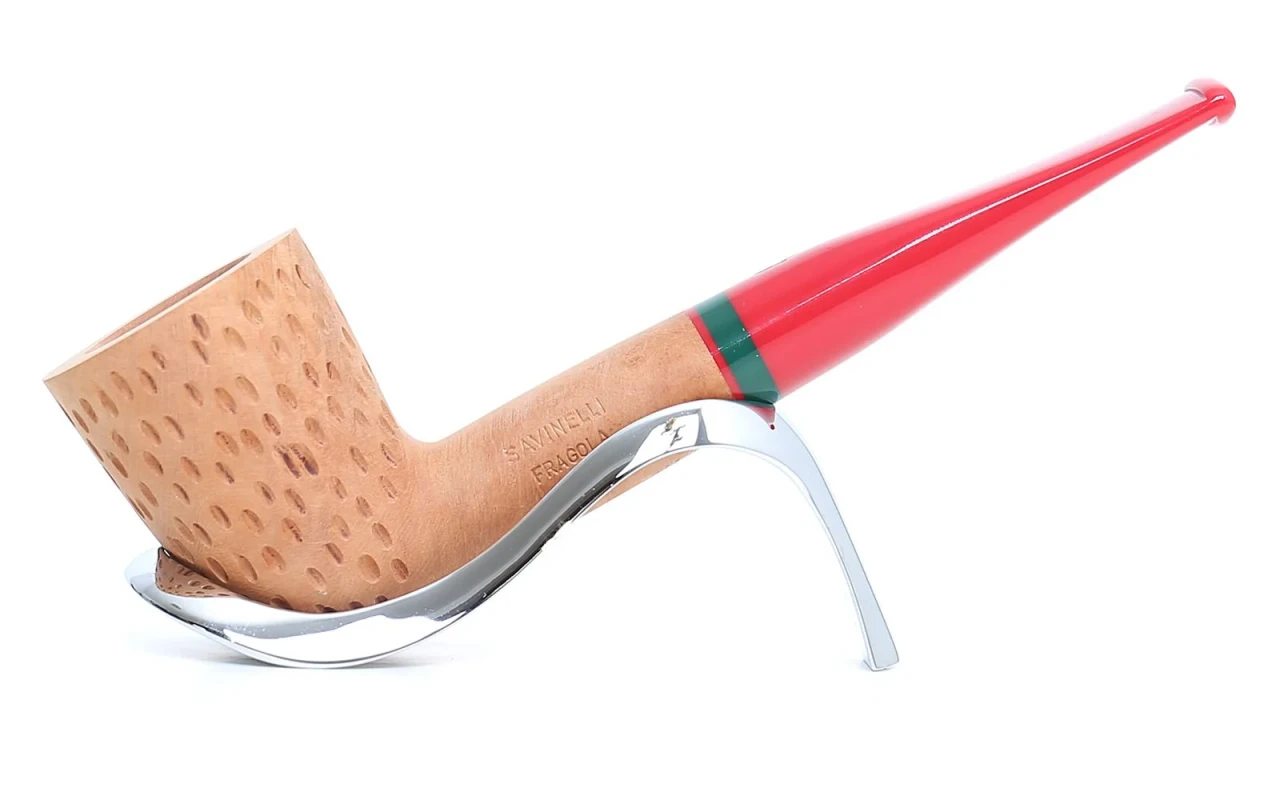
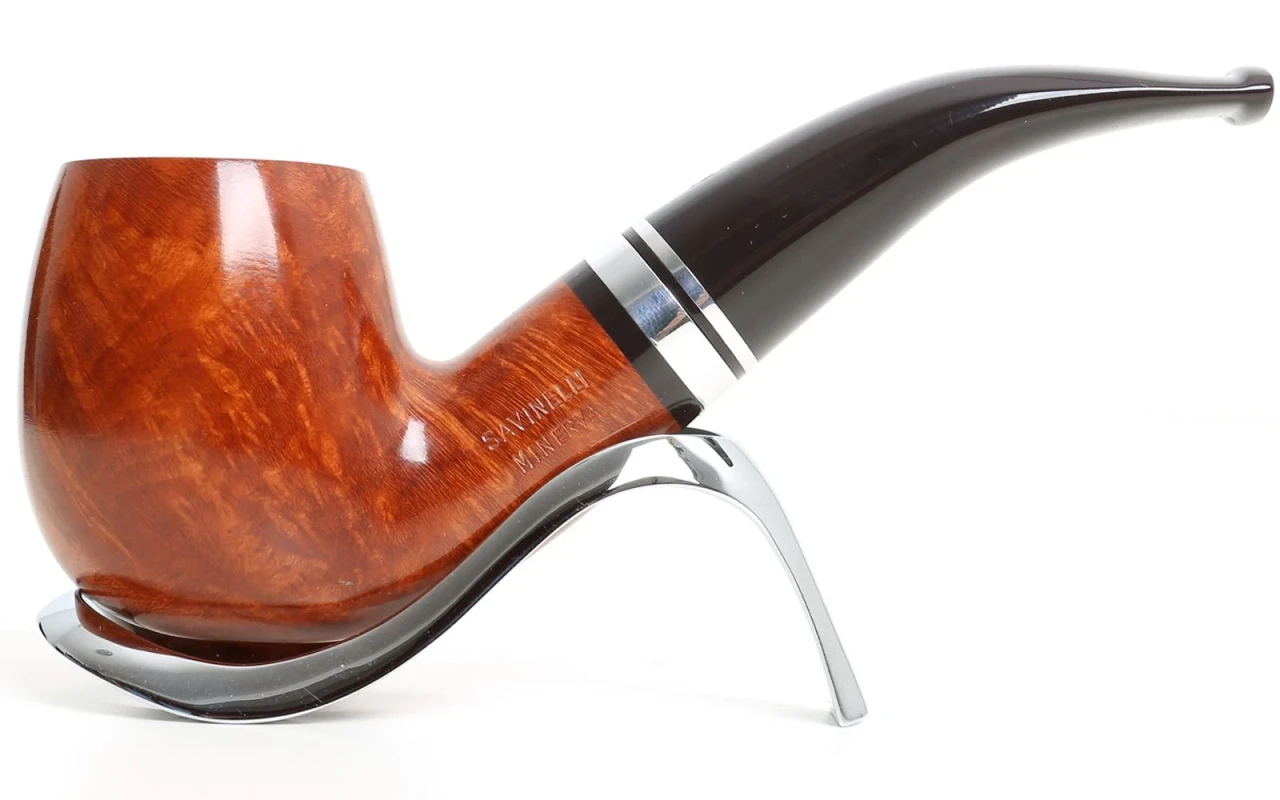
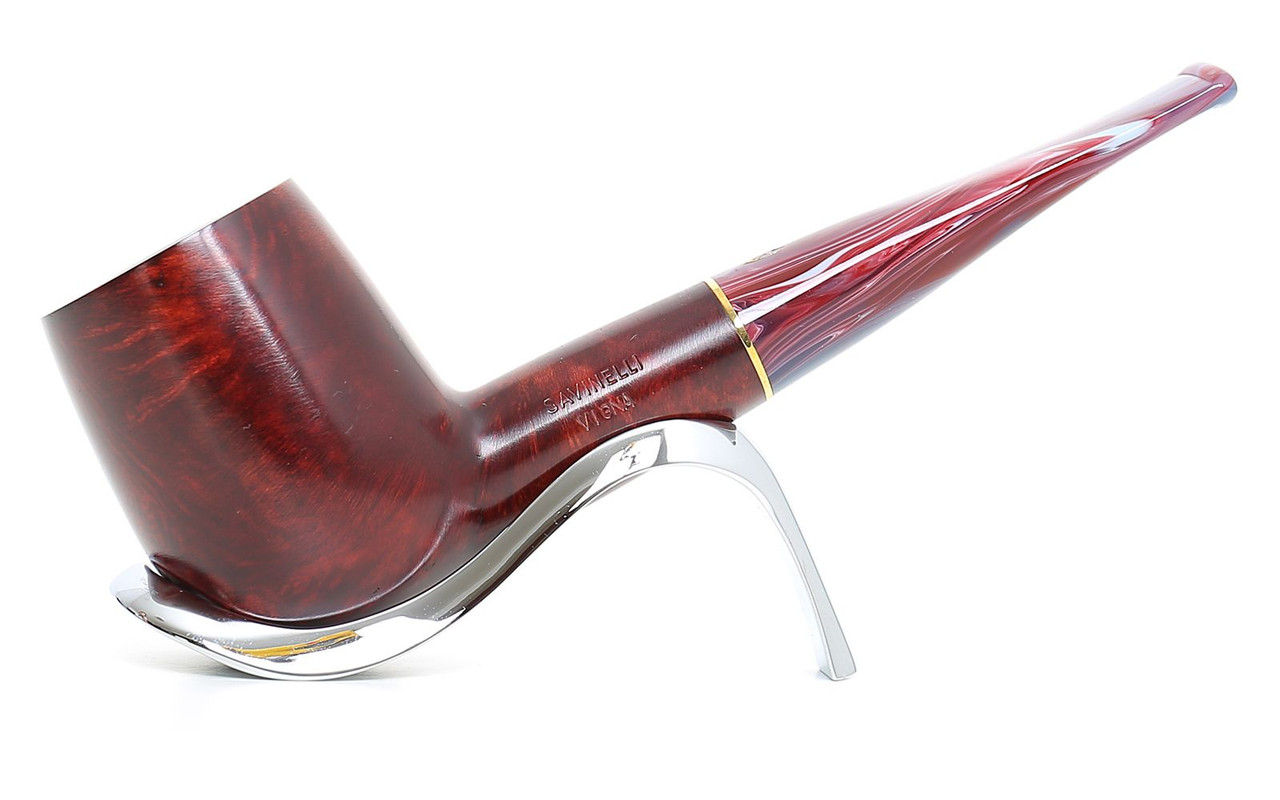
Smoking pipes are tools used for consuming loose tobacco or pipe tobacco. Generally composed of a bowl, a shank, and a stem, smoking pipes offer a slower and more contemplative smoking experience compared to other tobacco consumption methods. There are different types of smoking pipes, such as straight pipes, curved pipes, horn-shaped or horse-shaped pipes, each characterized by specific design and functionality. Smoking pipes require proper maintenance to ensure optimal performance and a pleasant smoking experience.
Materials for smoking pipes
Materials for smoking pipes can vary, but the most common ones are wood, briar, corn cob, and clay. Wooden pipes are traditional and offer a wide variety of options, while briar pipes are renowned for their beauty and heat resistance. Corn cob pipes are lightweight and affordable, making them ideal for beginners. Clay pipes are appreciated for their ability to absorb moisture, ensuring a cooler smoke. Choosing a quality material is important to ensure a good smoking experience and preserve the pipe over time.
Pipe smoking maintenance
Maintaining pipe smoking is essential to ensure a good smoking experience and preserve the longevity and efficiency of the tool. Here are some useful tips for the proper maintenance of smoking pipes:- Regular cleaning: remove any tobacco and tar residues from inside the pipe.- Use brushes and pipe cleaners to clean the stem and the mouthpiece.- Avoid overpacking the pipe with tobacco to prevent clogging the chimney.- Rotate the pipes regularly to avoid overheating.- Store the pipes in a cool and dry place to prevent breakage or deformations.By following these practices, you can enjoy your smoking pipes for a long time.
Pipe Shapes for Smoking
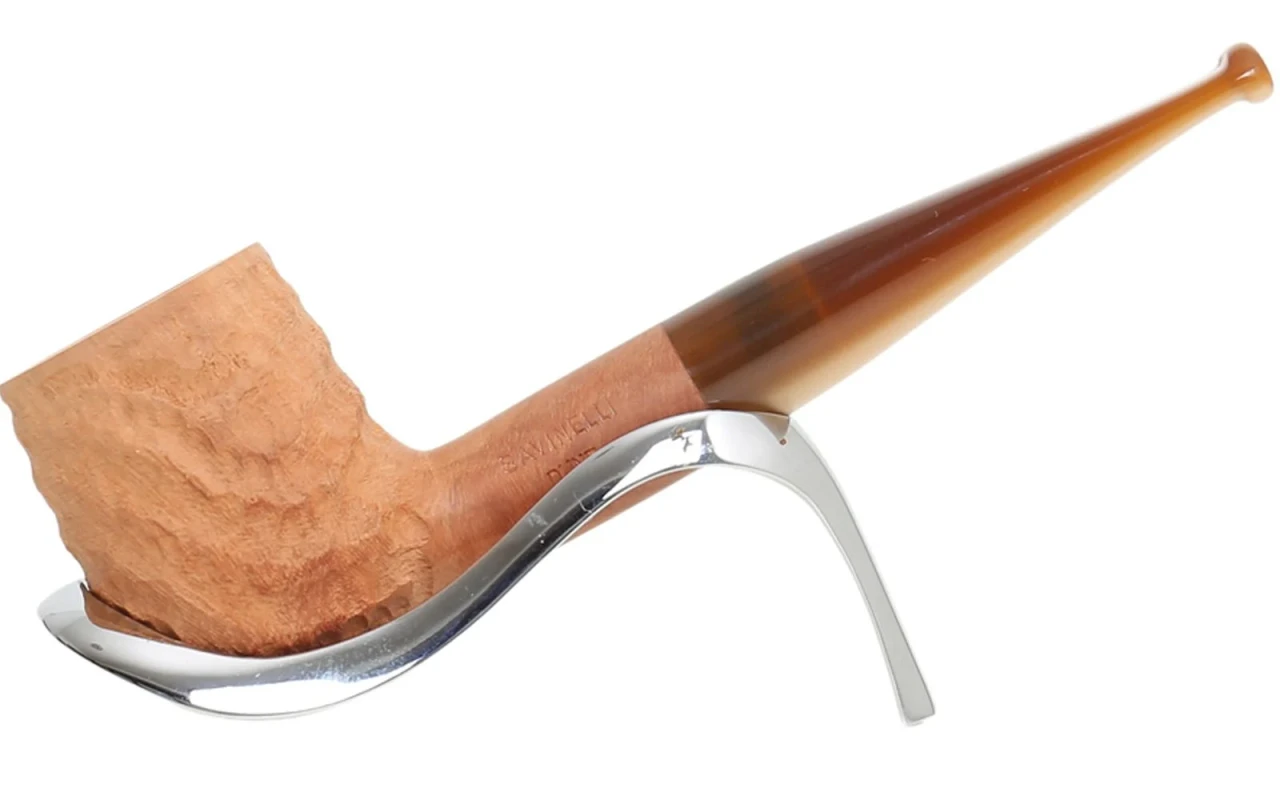
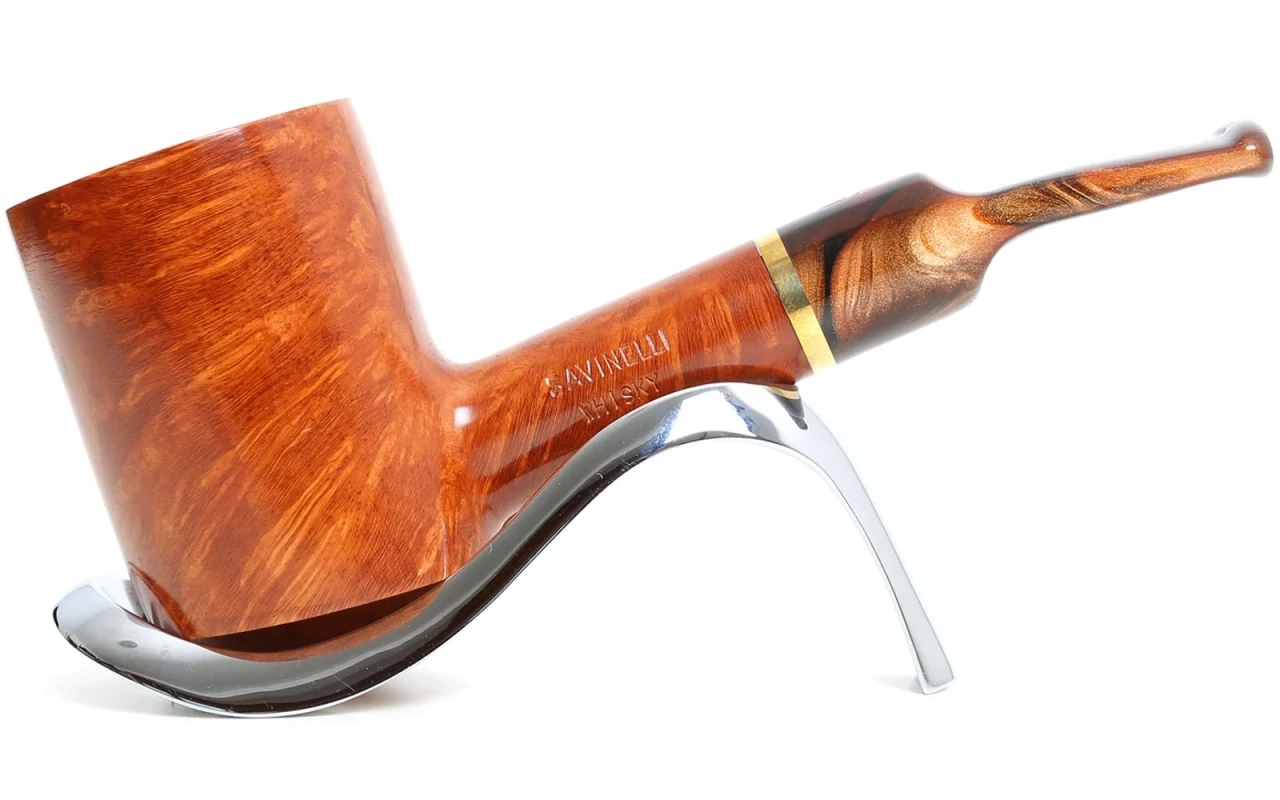
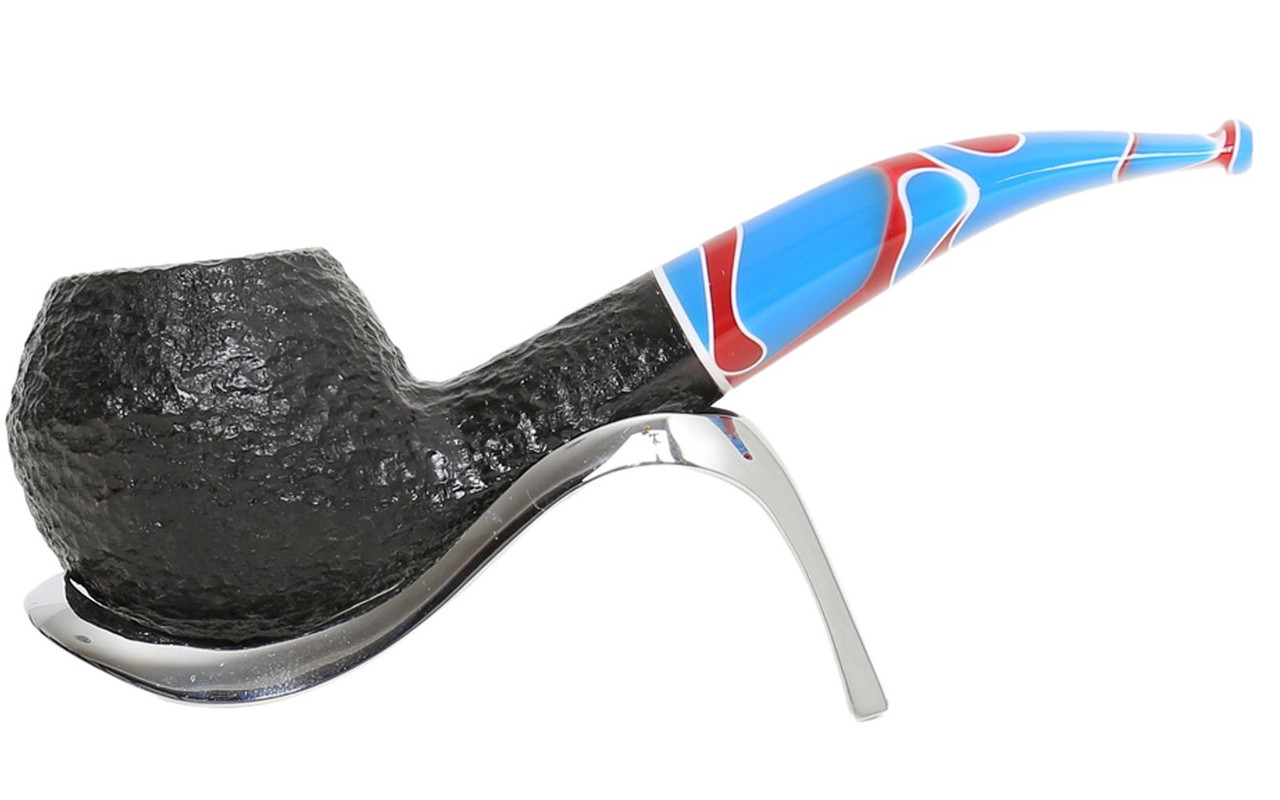
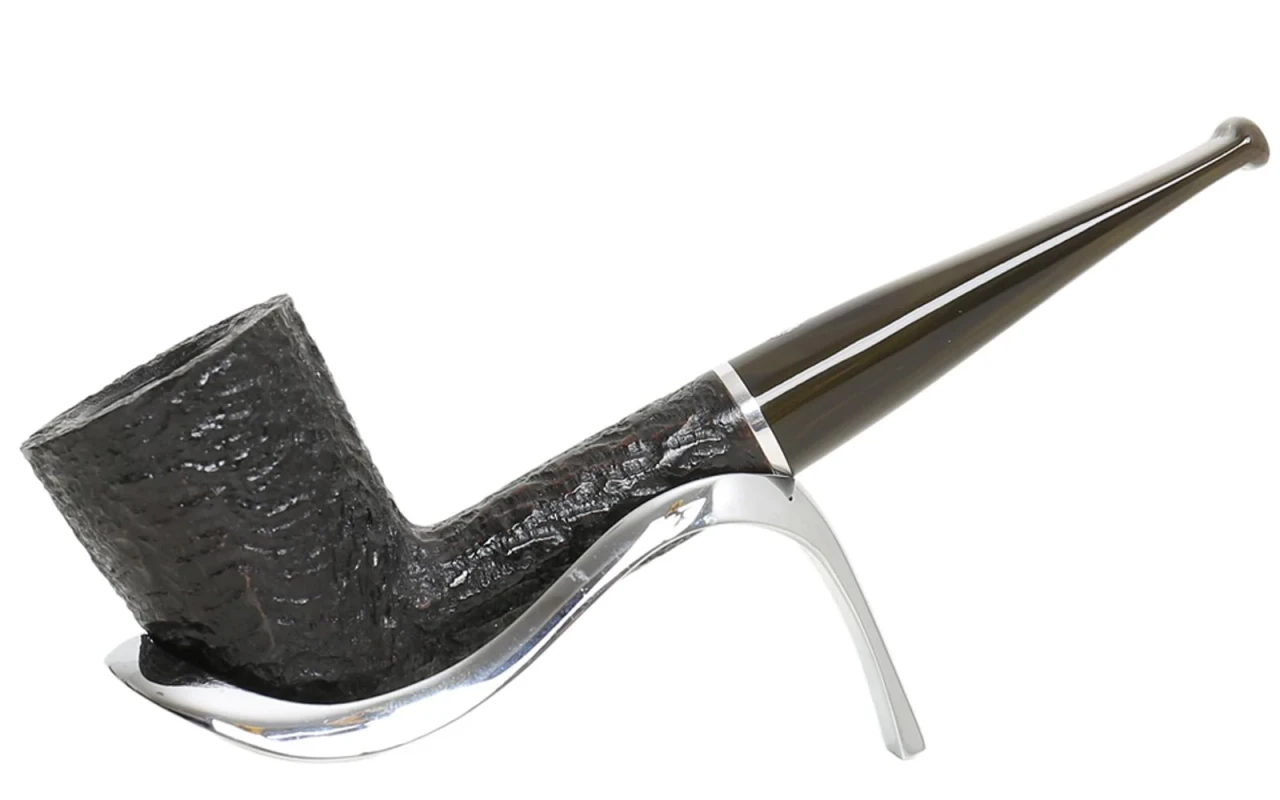
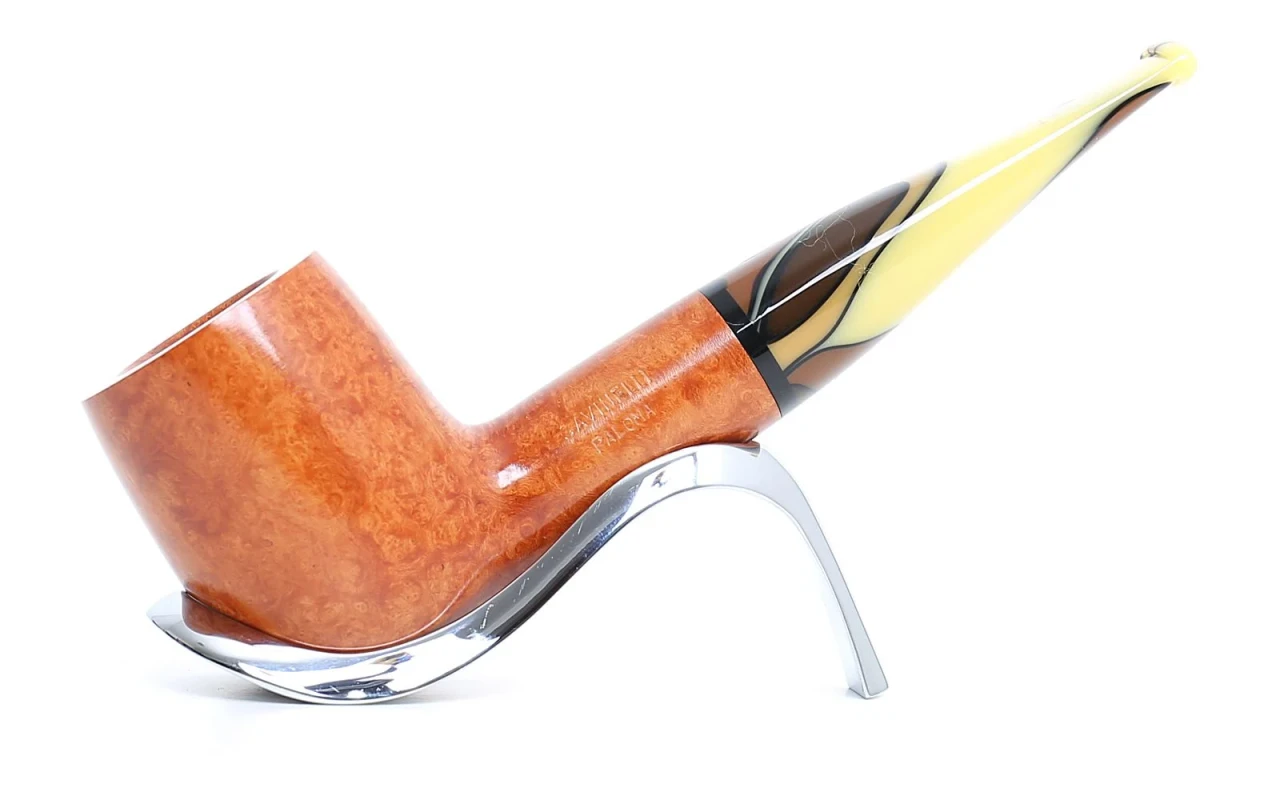
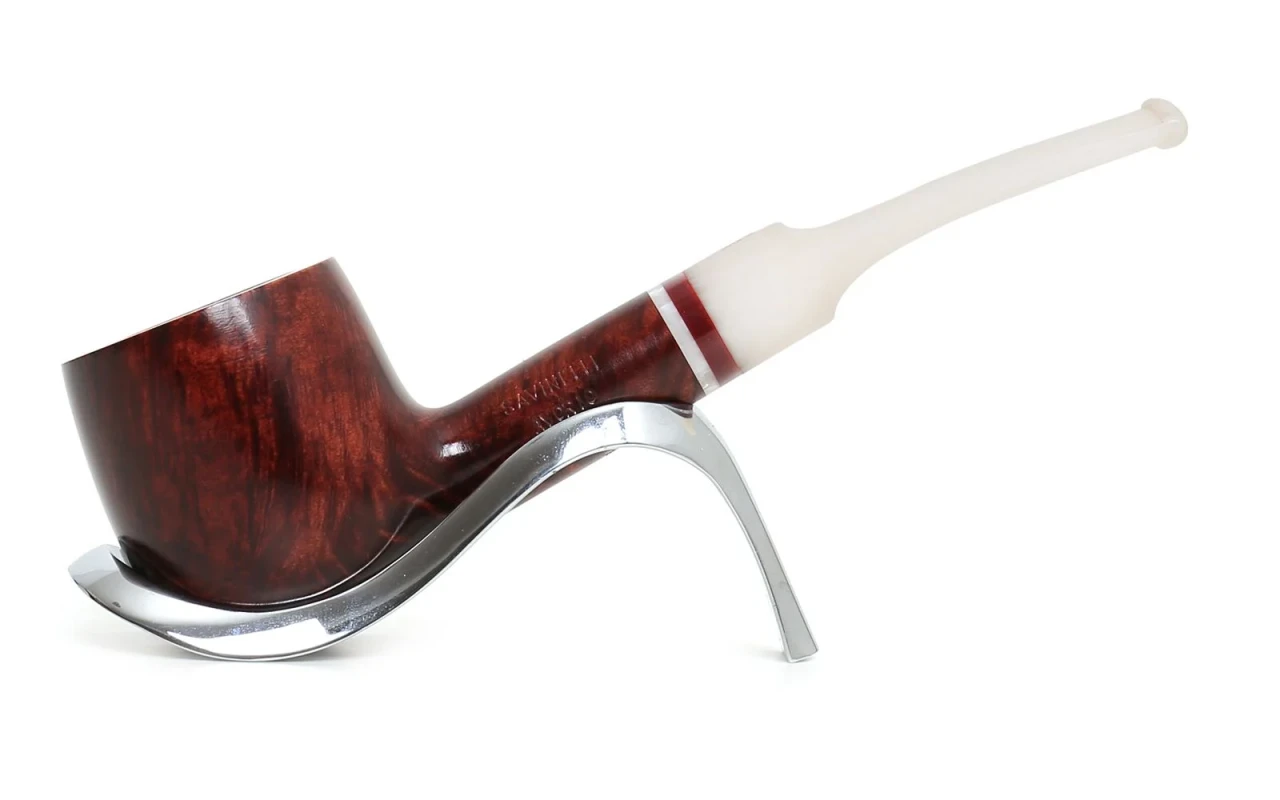
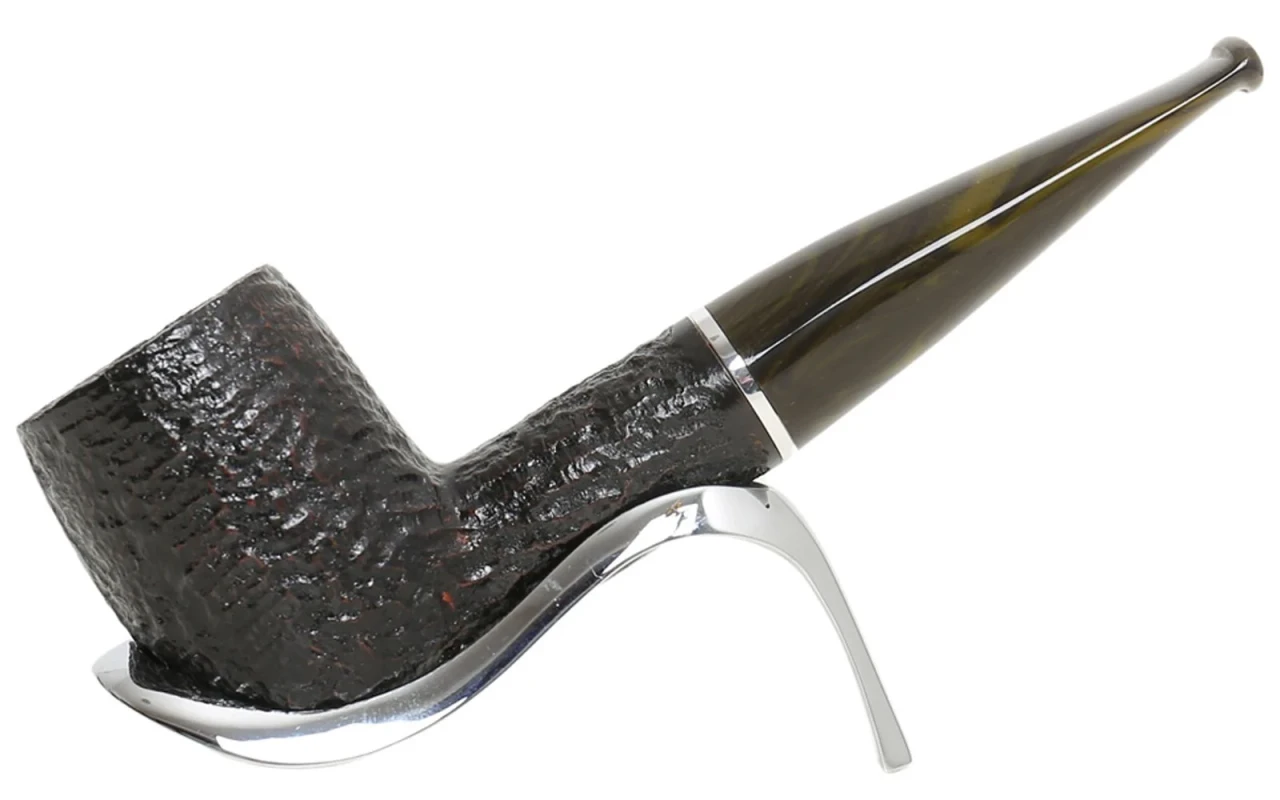
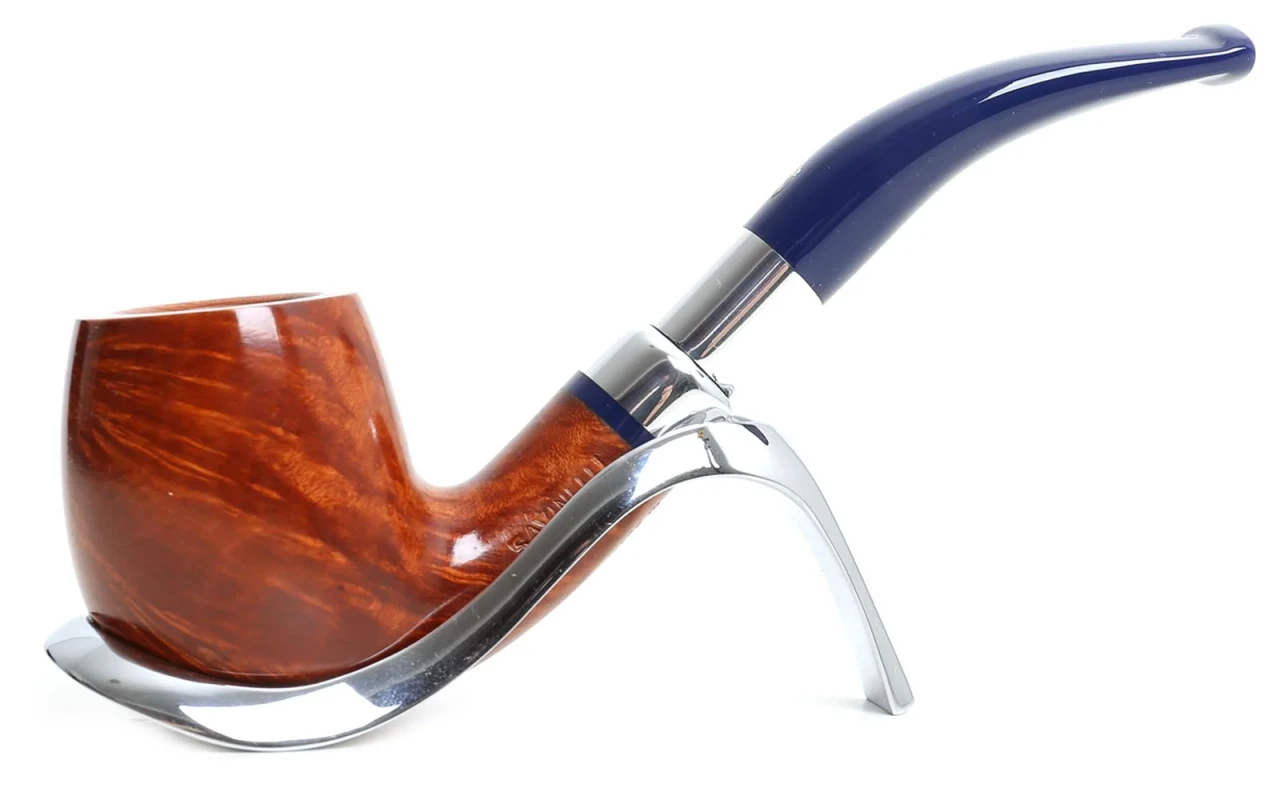
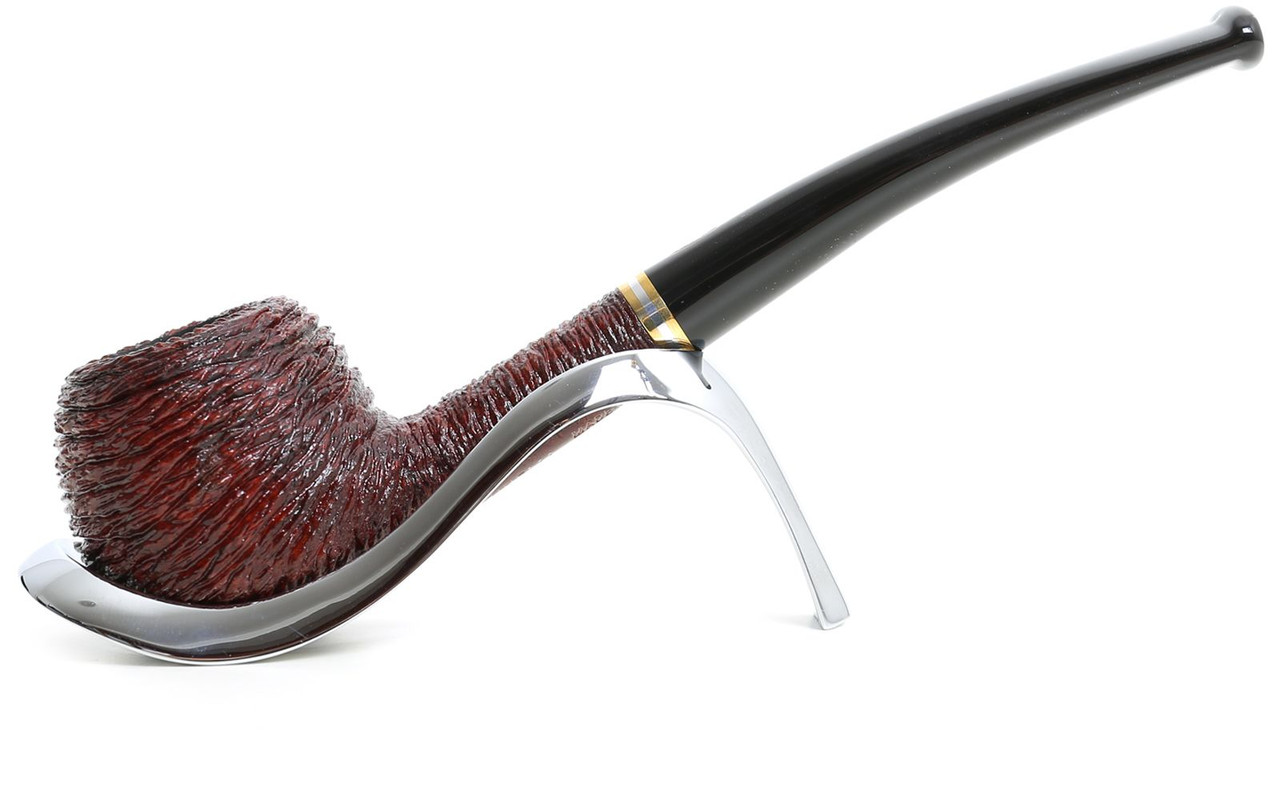
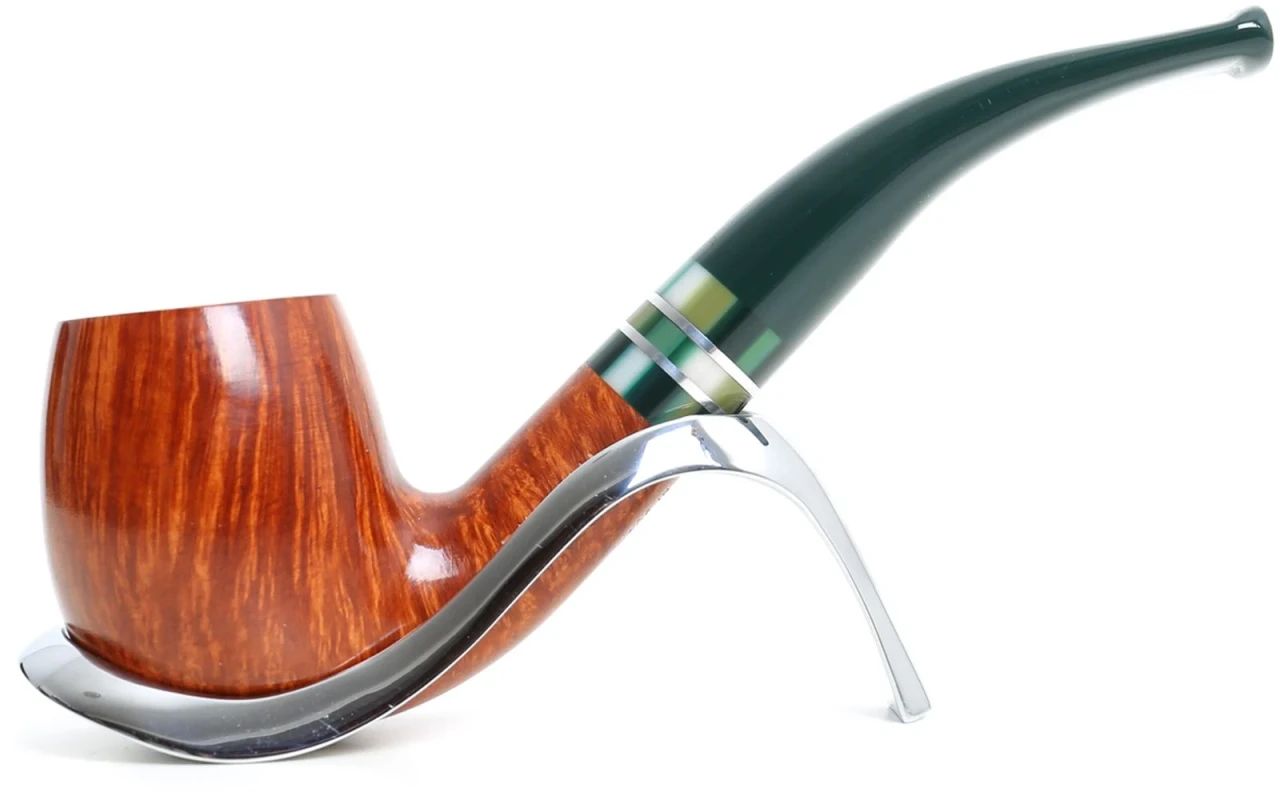
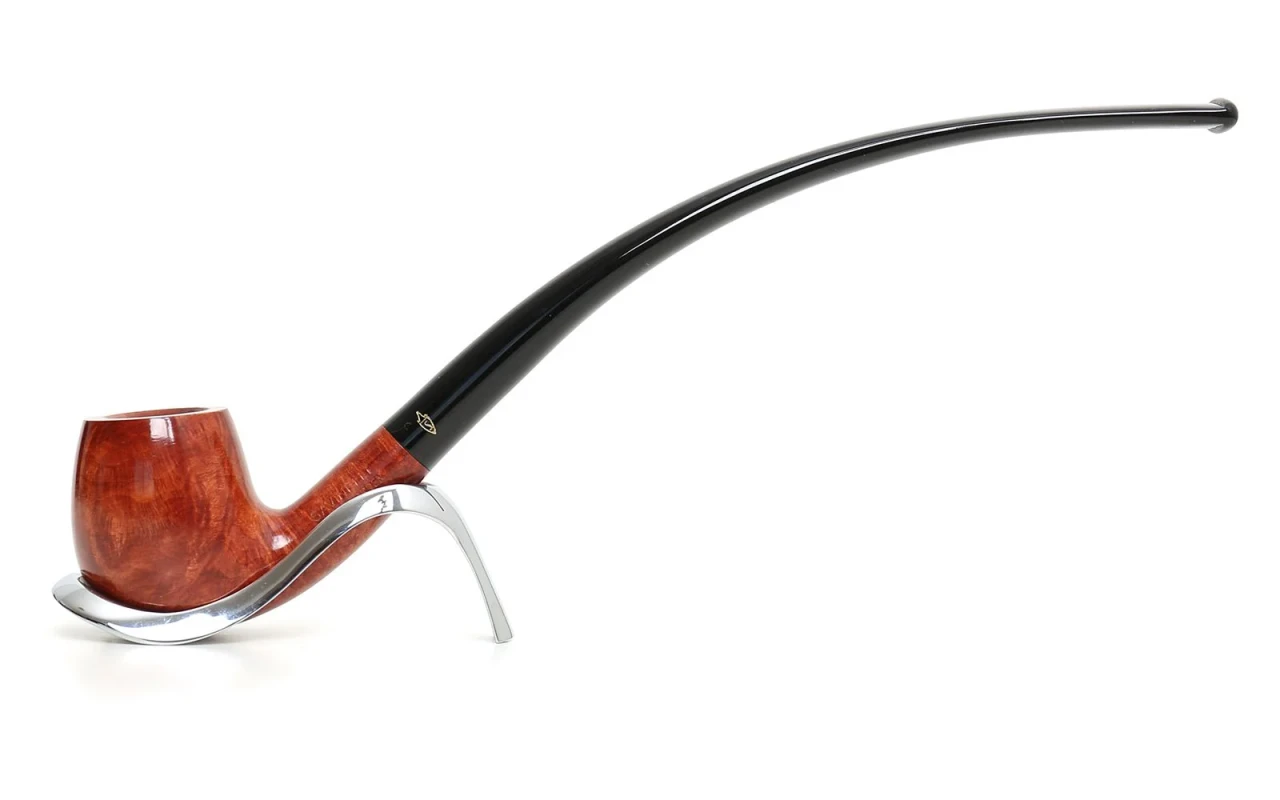
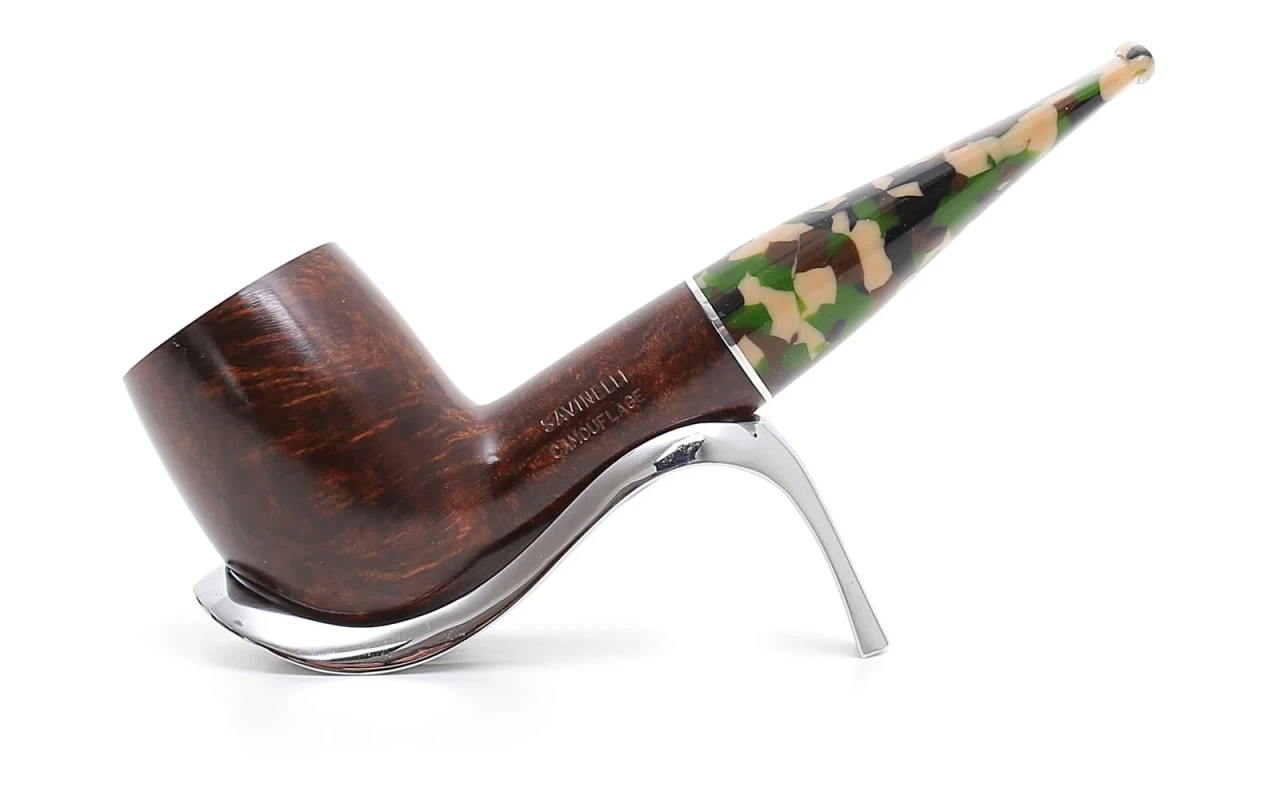
The shapes of smoking pipes can vary significantly, each designed to offer a different experience to smokers. The most common shapes include:- Billiard- Dublin- Bulldog- Apple- Author- Rhodesian- Pot- BentEach shape has unique characteristics that influence the way tobacco burns and is smoked. For example, pipes with a straight mouthpiece tend to offer a cooler smoke, while bent pipes provide a smoother smoke. The choice of pipe shape depends on the smoker's personal preferences and the type of tobacco they wish to smoke.
'%3e%3cg id='Final-Copy-2_2_' transform='translate(1275.000000, 200.000000)'%3e%3cpath class='st0' d='M7.4,12.8h6.8l3.1-11.6H7.4C4.2,1.2,1.6,3.8,1.6,7S4.2,12.8,7.4,12.8z'/%3e%3c/g%3e%3c/g%3e%3c/g%3e%3cg id='final---dec.11-2020'%3e%3cg id='_x30_208-our-toggle' transform='translate(-1275.000000, -200.000000)'%3e%3cg id='Final-Copy-2' transform='translate(1275.000000, 200.000000)'%3e%3cpath class='st1' d='M22.6,0H7.4c-3.9,0-7,3.1-7,7s3.1,7,7,7h15.2c3.9,0,7-3.1,7-7S26.4,0,22.6,0z M1.6,7c0-3.2,2.6-5.8,5.8-5.8 h9.9l-3.1,11.6H7.4C4.2,12.8,1.6,10.2,1.6,7z'/%3e%3cpath id='x' class='st2' d='M24.6,4c0.2,0.2,0.2,0.6,0,0.8l0,0L22.5,7l2.2,2.2c0.2,0.2,0.2,0.6,0,0.8c-0.2,0.2-0.6,0.2-0.8,0 l0,0l-2.2-2.2L19.5,10c-0.2,0.2-0.6,0.2-0.8,0c-0.2-0.2-0.2-0.6,0-0.8l0,0L20.8,7l-2.2-2.2c-0.2-0.2-0.2-0.6,0-0.8 c0.2-0.2,0.6-0.2,0.8,0l0,0l2.2,2.2L23.8,4C24,3.8,24.4,3.8,24.6,4z'/%3e%3cpath id='y' class='st3' d='M12.7,4.1c0.2,0.2,0.3,0.6,0.1,0.8l0,0L8.6,9.8C8.5,9.9,8.4,10,8.3,10c-0.2,0.1-0.5,0.1-0.7-0.1l0,0 L5.4,7.7c-0.2-0.2-0.2-0.6,0-0.8c0.2-0.2,0.6-0.2,0.8,0l0,0L8,8.6l3.8-4.5C12,3.9,12.4,3.9,12.7,4.1z'/%3e%3c/g%3e%3c/g%3e%3c/g%3e%3c/g%3e%3c/svg%3e) Your Privacy Choices
Your Privacy Choices 


