 ES
ES FR
FR EN
EN IT
IT DE
DE
Automation in pipe production: advantages and disadvantages



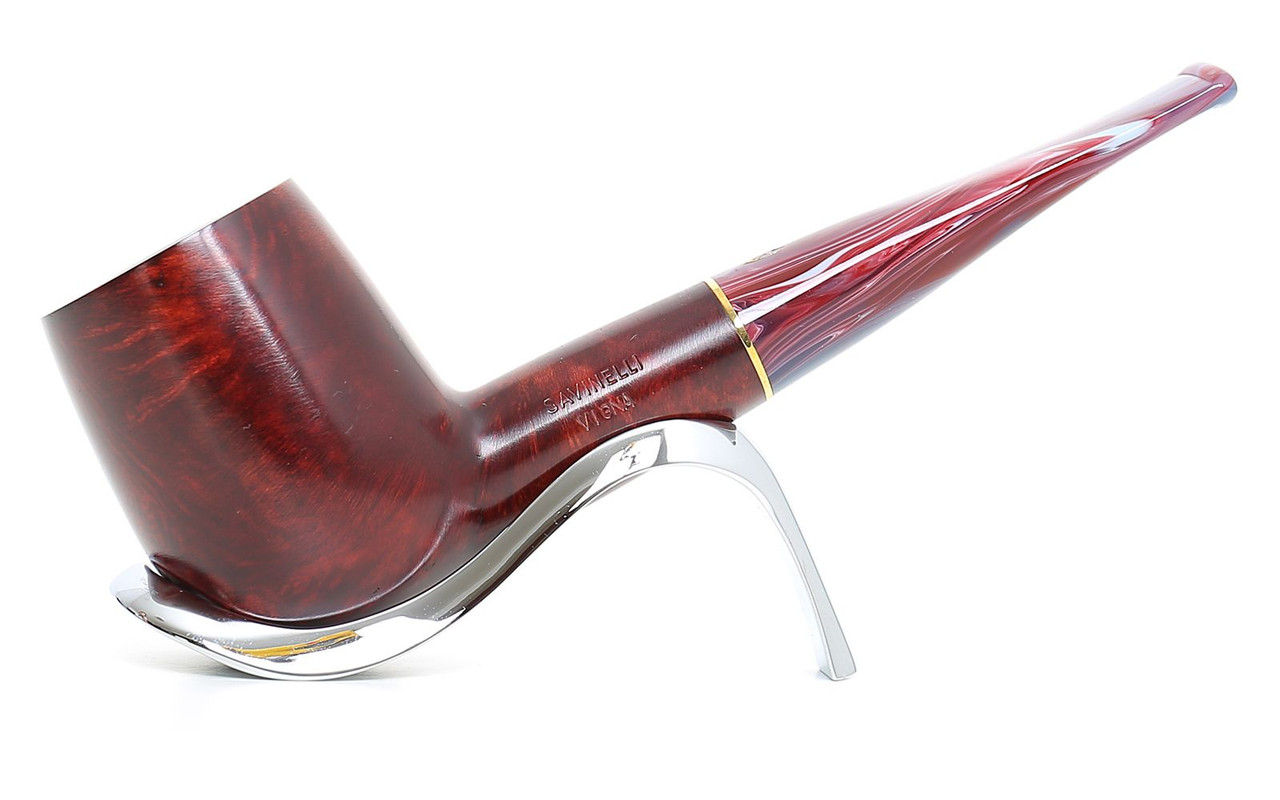

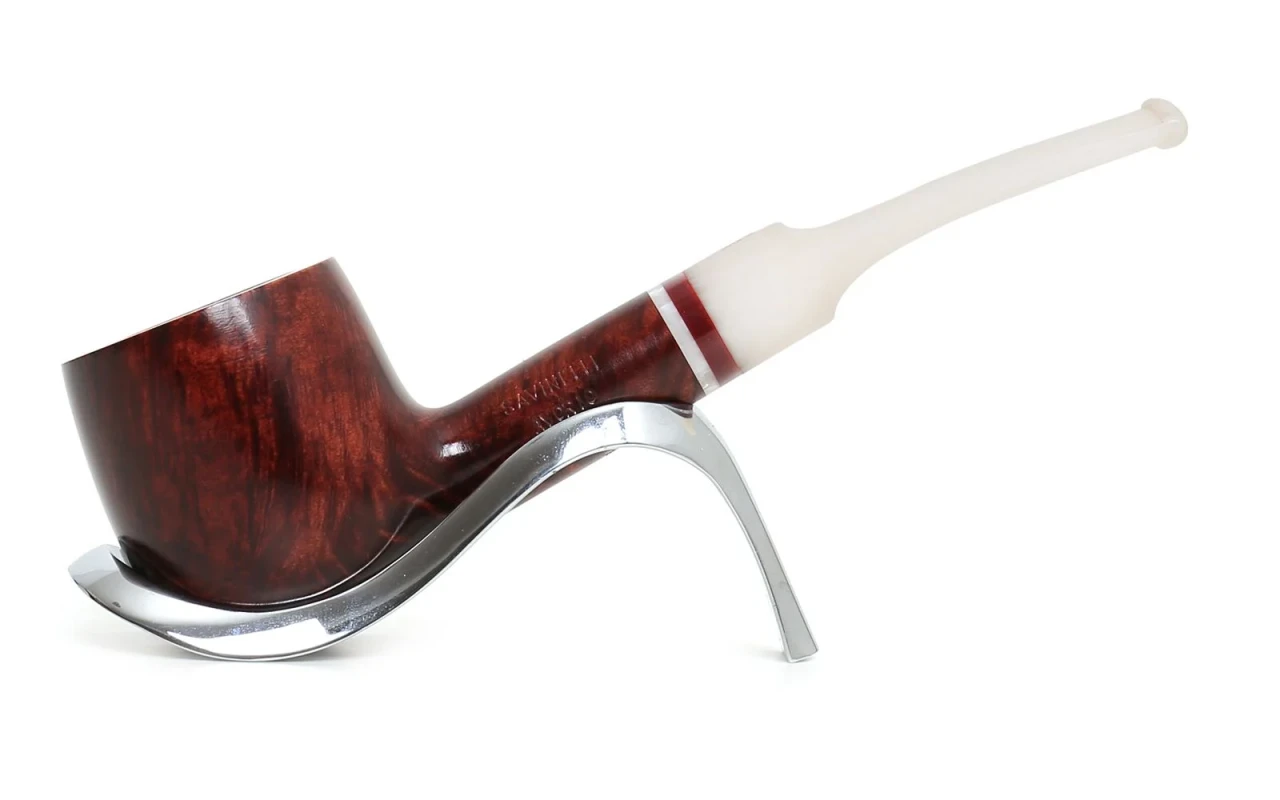
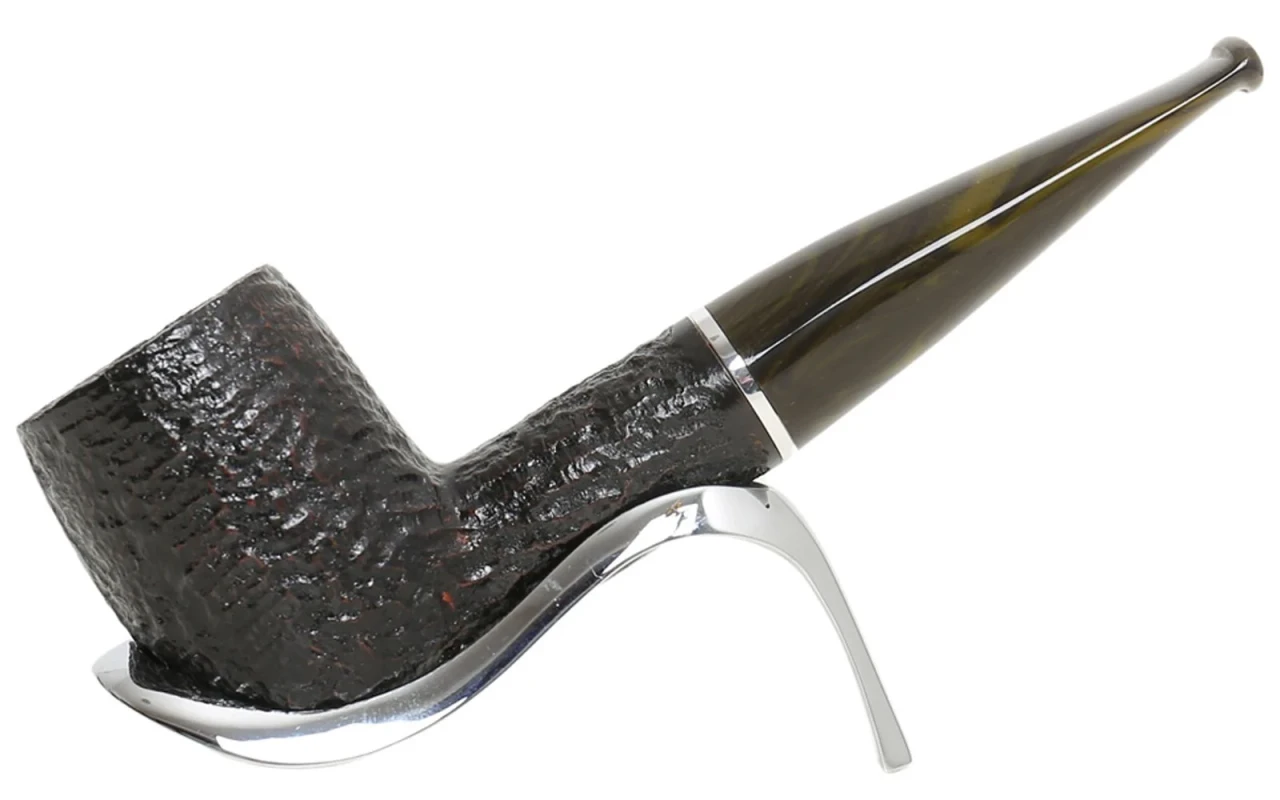
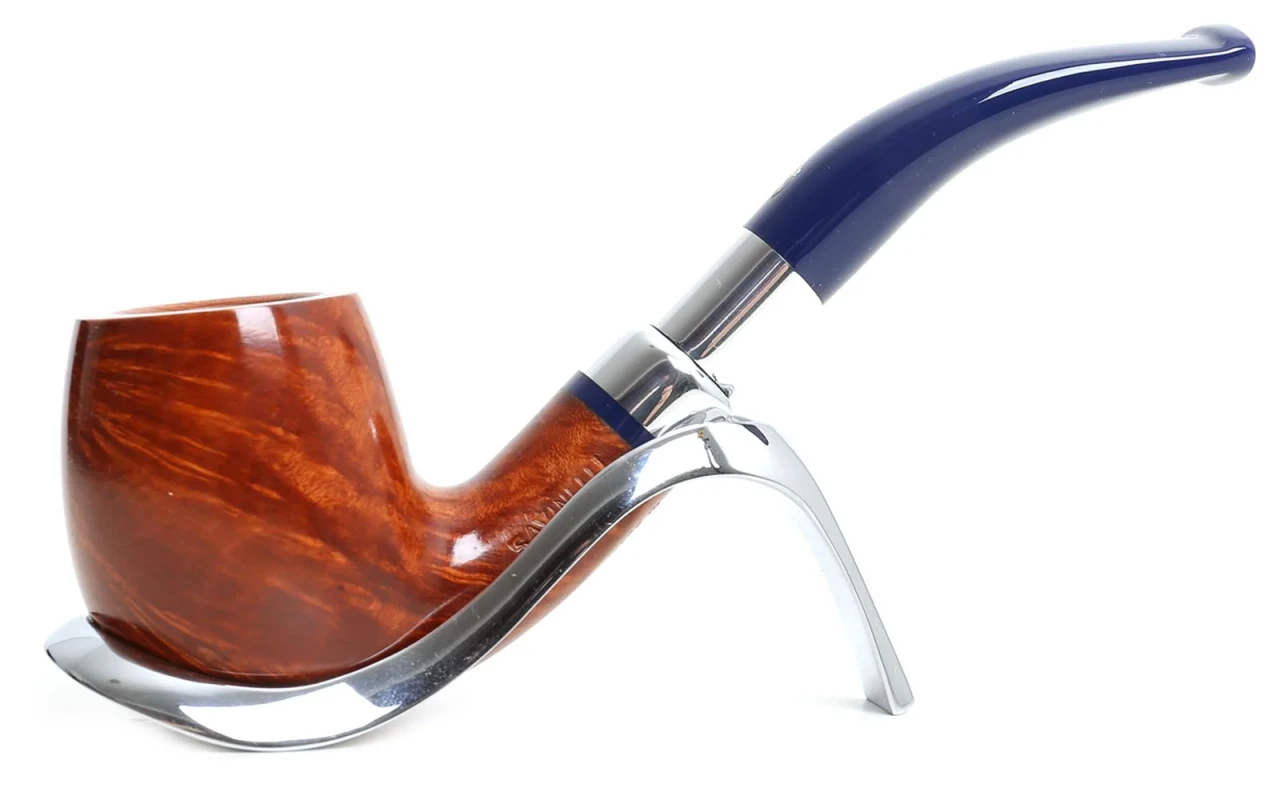


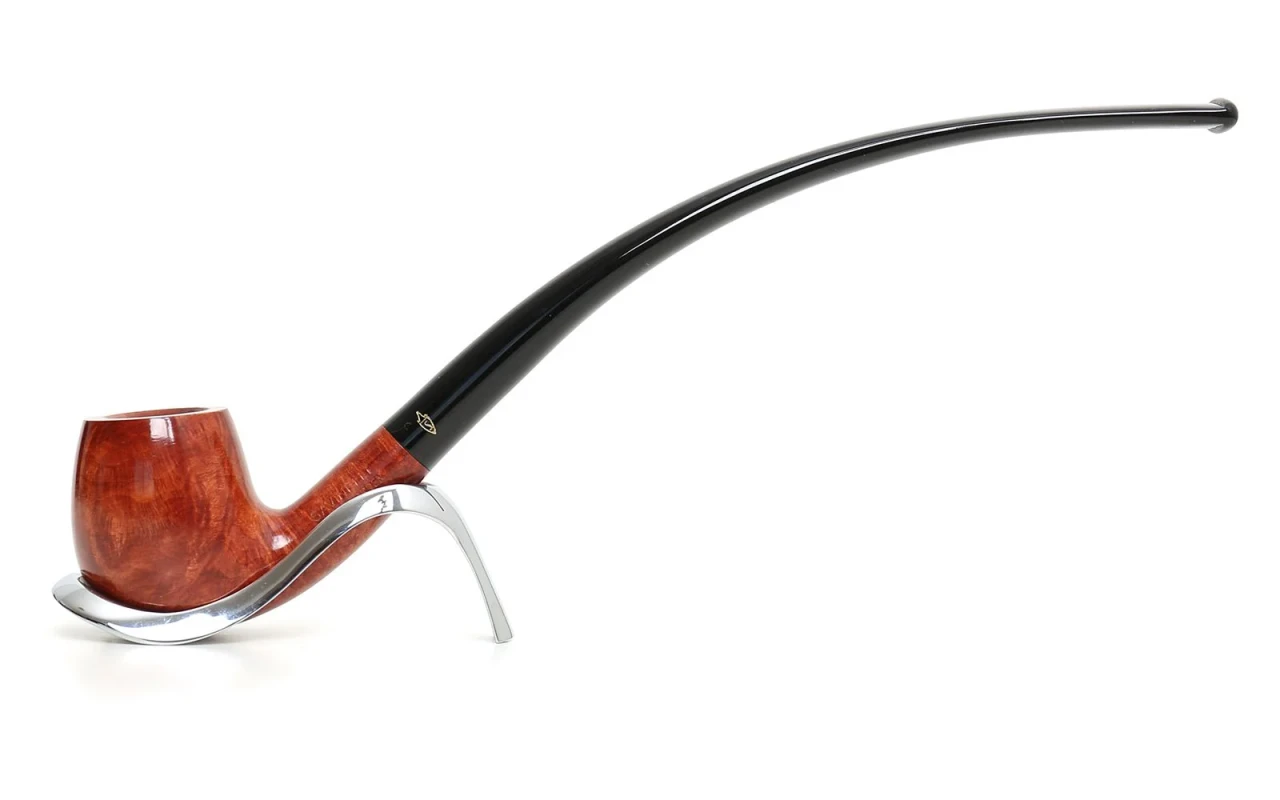

Automation in pipe production: advantages and disadvantages
Automation in pipe production offers numerous advantages and some considerations regarding disadvantages. Among the main benefits are:- Greater precision and repeatability in pipe processing.- Increased productivity thanks to the speed and efficiency of automated processes.- Long-term reduction of production costs.- Ability to monitor and control the production process in real time.However, it is important to also consider some disadvantages, such as:- High initial costs for implementing automated systems.- Possible loss of flexibility in product customization.- Need for constant maintenance and equipment updates.Ultimately, automation can bring significant advantages in terms of efficiency and quality, but it is crucial to carefully evaluate the costs and compromises it entails.
Automation in Pipe Production
Automation in pipe production is a fundamental process to enhance efficiency and precision in the manufacturing of these artifacts. By utilizing automated machinery, it is possible to ensure a consistent and high-quality production. Robots can be employed for wood or other materials processing, shaping, and finishing of pipes. Moreover, automated systems allow for the optimization of production times and minimizing waste. Thanks to these advanced technologies, companies in the pipe industry can offer competitive products in the market, meeting the quality standards demanded by consumers.
Automated Process in Pipe Manufacturing
The automated process in pipe manufacturing is a modern and efficient method that utilizes advanced machinery for the production of high-quality pipes quickly and accurately. This system employs technologies such as laser cutting, computer-controlled bending, and automated welding to ensure the precision and consistency of the final product. Thanks to this automated approach, it is possible to obtain pipes with uniform finishes, tight tolerances, and reduced production times. Furthermore, automation reduces human errors and enhances the overall efficiency of the pipe manufacturing process.
Impact of automation on pipe design
Automation has significantly influenced the design of pipes, allowing for greater precision and repeatability in production. Thanks to advanced machinery, it is possible to create pipes with complex and detailed shapes with increased efficiency. This has led to the introduction of new materials and styles in the pipe industry, meeting the needs of an increasingly diverse clientele. However, some purists still prefer handcrafted pipes, which offer a touch of uniqueness and tradition. Ultimately, automation has revolutionized the way pipes are designed and produced, offering advantages in terms of quality and variety.
Advantages and Disadvantages of Automation in Pipe Manufacturing
Automation in pipe manufacturing comes with several advantages and disadvantages to consider.Advantages:1. **Efficiency**: Automated processes can increase productivity and reduce production times.2. **Repeatability**: Automation ensures greater consistency in the quality and characteristics of pipes.3. **Cost Reduction**: In the long run, automation can lead to lower production costs.4. **Safety**: By reducing human involvement in certain stages, workplace safety conditions can be improved.Disadvantages:1. **High Initial Costs**: Implementing automated systems may require significant investments.2. **Lack of Flexibility**: Automated machines are designed for specific tasks and may not easily adapt to changes in production.3. **Maintenance**: Automated equipment requires regular maintenance and specialized skills.4. **Job Losses**: In some cases, automation could lead to a decrease in the need for human labor.
'%3e%3cg id='Final-Copy-2_2_' transform='translate(1275.000000, 200.000000)'%3e%3cpath class='st0' d='M7.4,12.8h6.8l3.1-11.6H7.4C4.2,1.2,1.6,3.8,1.6,7S4.2,12.8,7.4,12.8z'/%3e%3c/g%3e%3c/g%3e%3c/g%3e%3cg id='final---dec.11-2020'%3e%3cg id='_x30_208-our-toggle' transform='translate(-1275.000000, -200.000000)'%3e%3cg id='Final-Copy-2' transform='translate(1275.000000, 200.000000)'%3e%3cpath class='st1' d='M22.6,0H7.4c-3.9,0-7,3.1-7,7s3.1,7,7,7h15.2c3.9,0,7-3.1,7-7S26.4,0,22.6,0z M1.6,7c0-3.2,2.6-5.8,5.8-5.8 h9.9l-3.1,11.6H7.4C4.2,12.8,1.6,10.2,1.6,7z'/%3e%3cpath id='x' class='st2' d='M24.6,4c0.2,0.2,0.2,0.6,0,0.8l0,0L22.5,7l2.2,2.2c0.2,0.2,0.2,0.6,0,0.8c-0.2,0.2-0.6,0.2-0.8,0 l0,0l-2.2-2.2L19.5,10c-0.2,0.2-0.6,0.2-0.8,0c-0.2-0.2-0.2-0.6,0-0.8l0,0L20.8,7l-2.2-2.2c-0.2-0.2-0.2-0.6,0-0.8 c0.2-0.2,0.6-0.2,0.8,0l0,0l2.2,2.2L23.8,4C24,3.8,24.4,3.8,24.6,4z'/%3e%3cpath id='y' class='st3' d='M12.7,4.1c0.2,0.2,0.3,0.6,0.1,0.8l0,0L8.6,9.8C8.5,9.9,8.4,10,8.3,10c-0.2,0.1-0.5,0.1-0.7-0.1l0,0 L5.4,7.7c-0.2-0.2-0.2-0.6,0-0.8c0.2-0.2,0.6-0.2,0.8,0l0,0L8,8.6l3.8-4.5C12,3.9,12.4,3.9,12.7,4.1z'/%3e%3c/g%3e%3c/g%3e%3c/g%3e%3c/g%3e%3c/svg%3e) Your Privacy Choices
Your Privacy Choices 


