 ES
ES FR
FR EN
EN IT
IT DE
DE
Attention during use
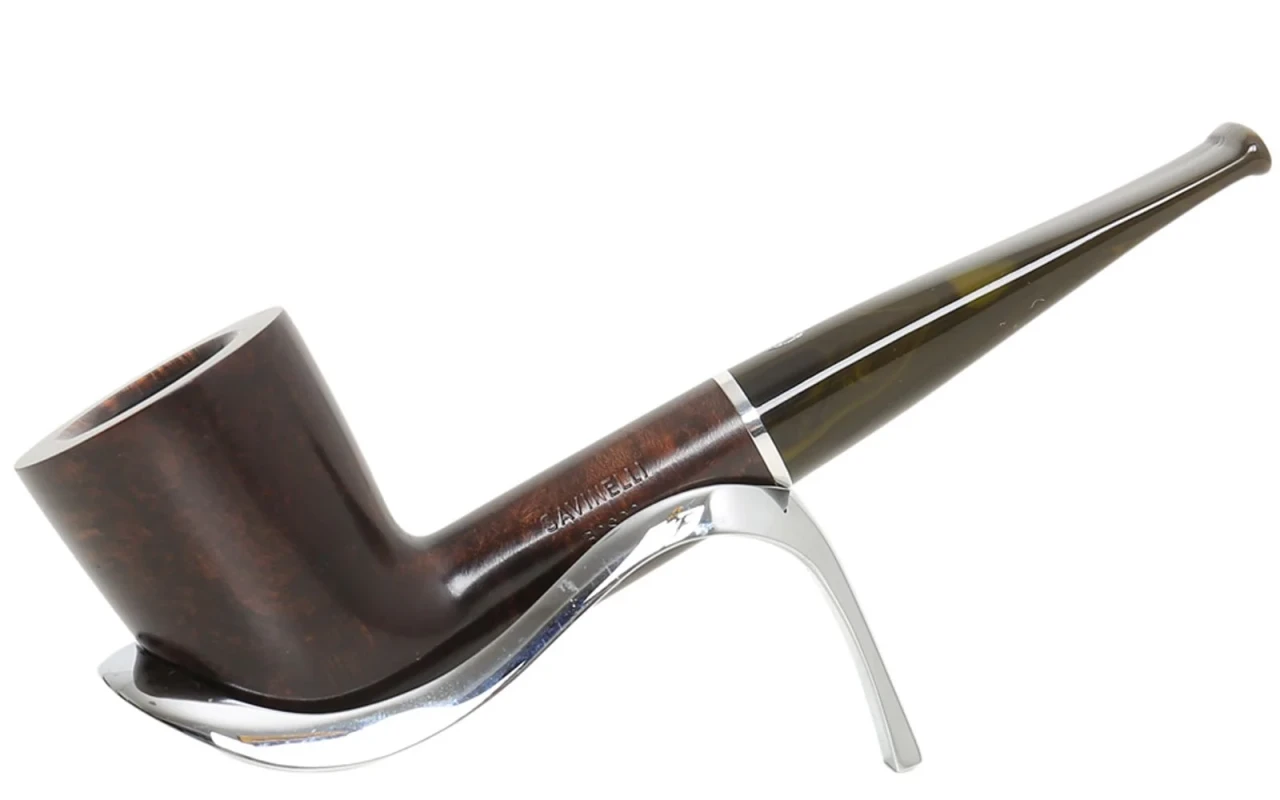
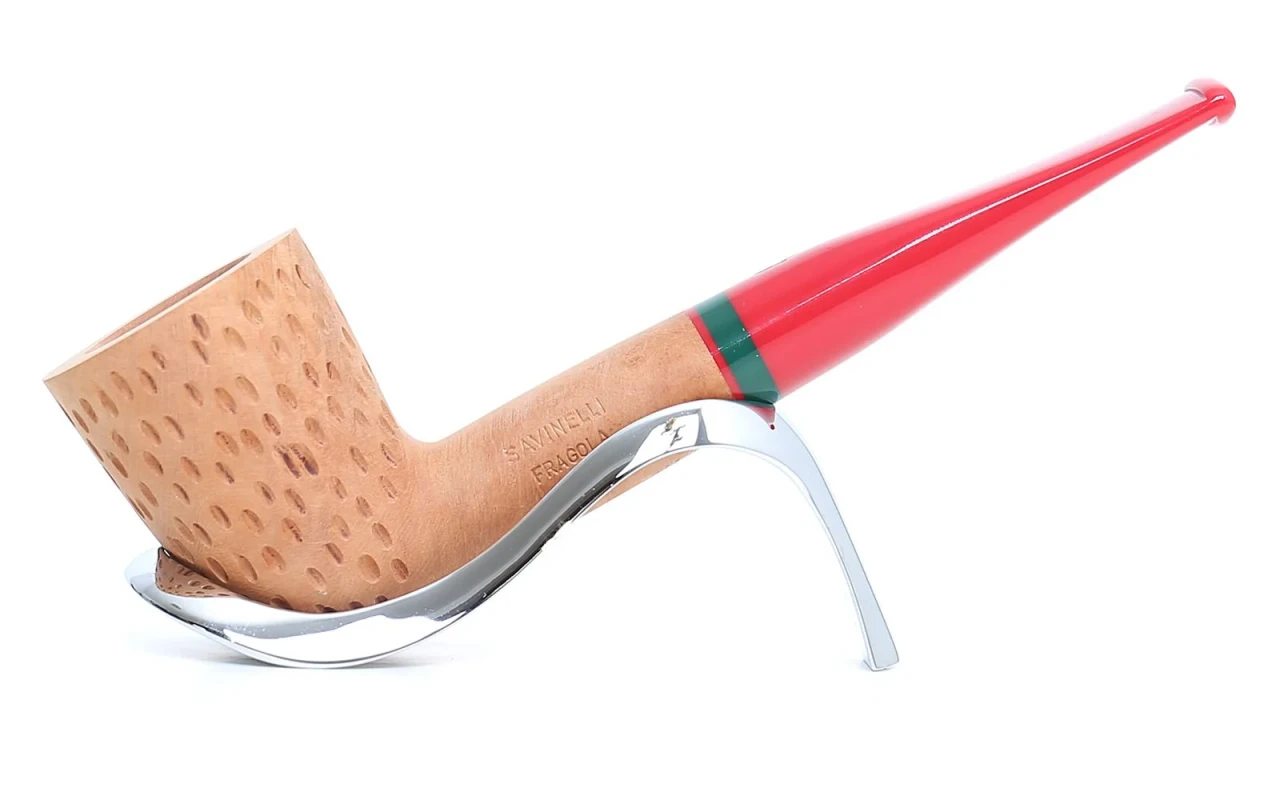
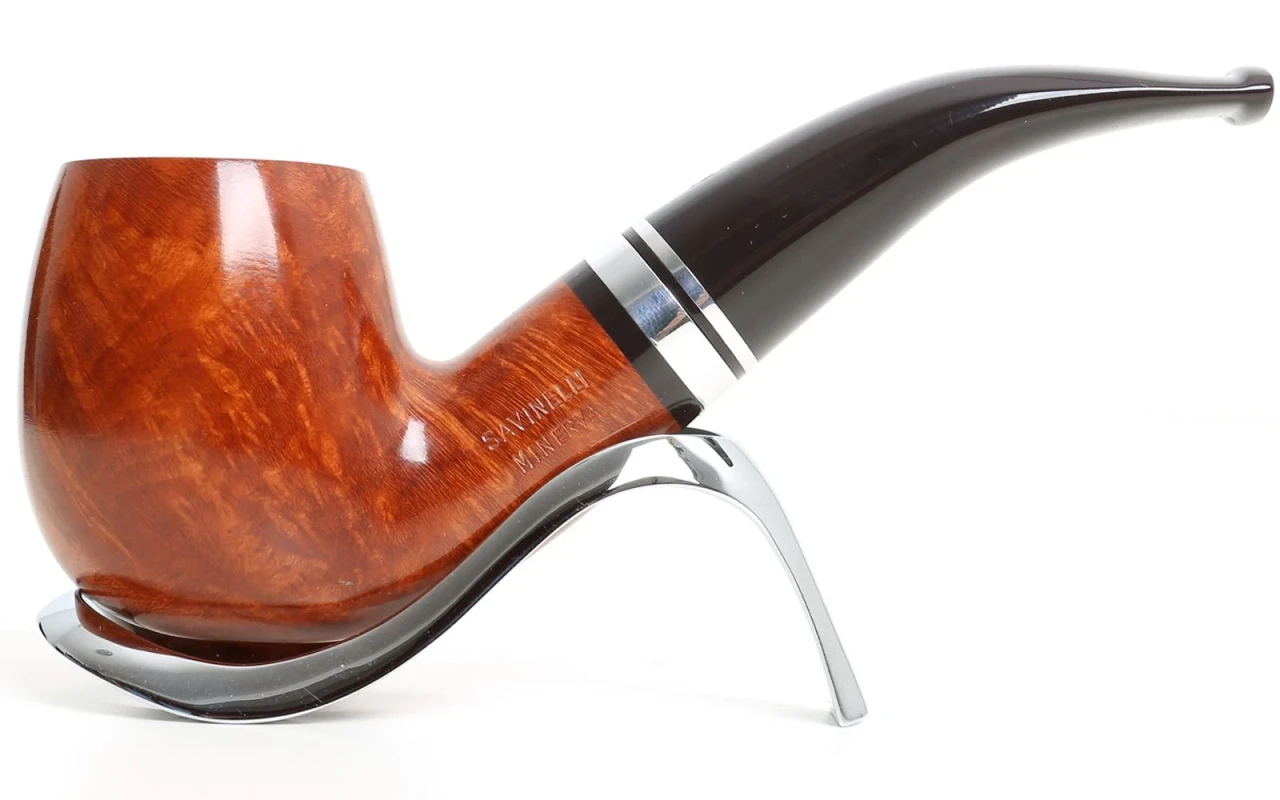
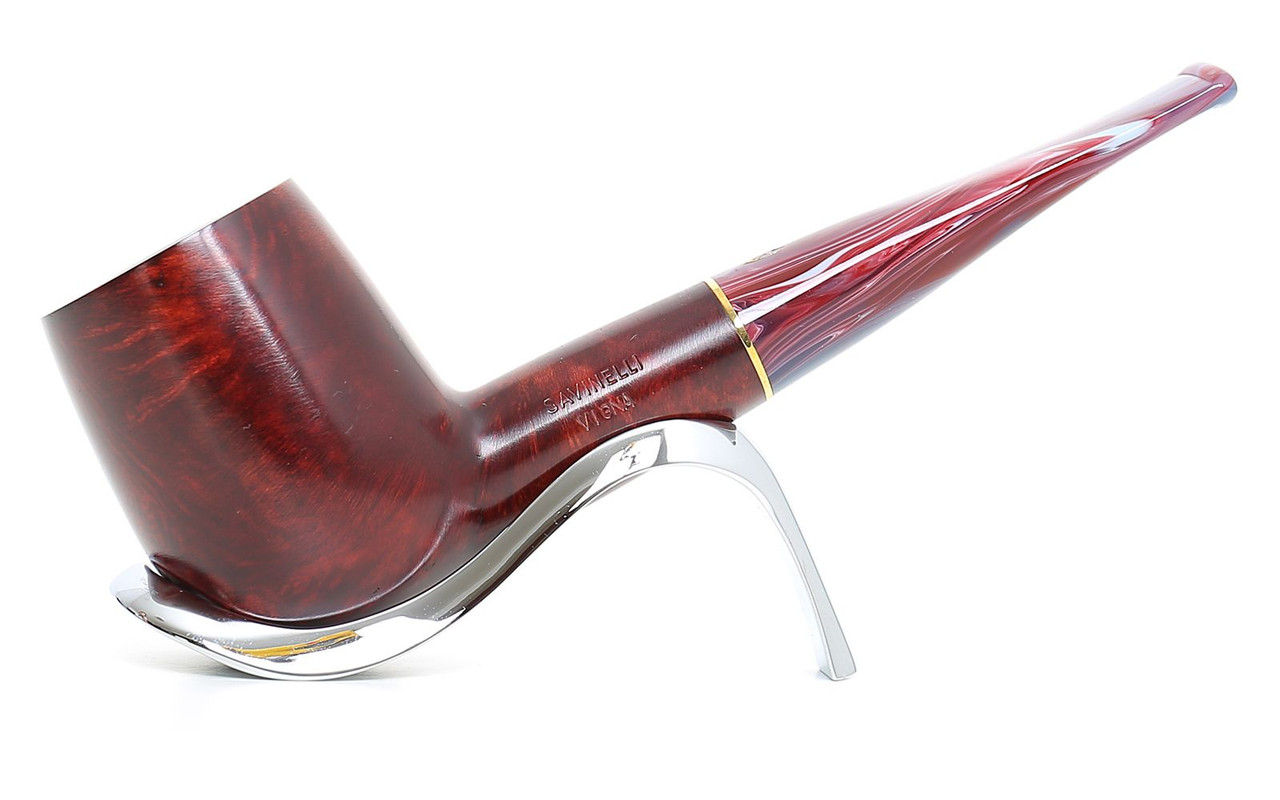
Attention during use
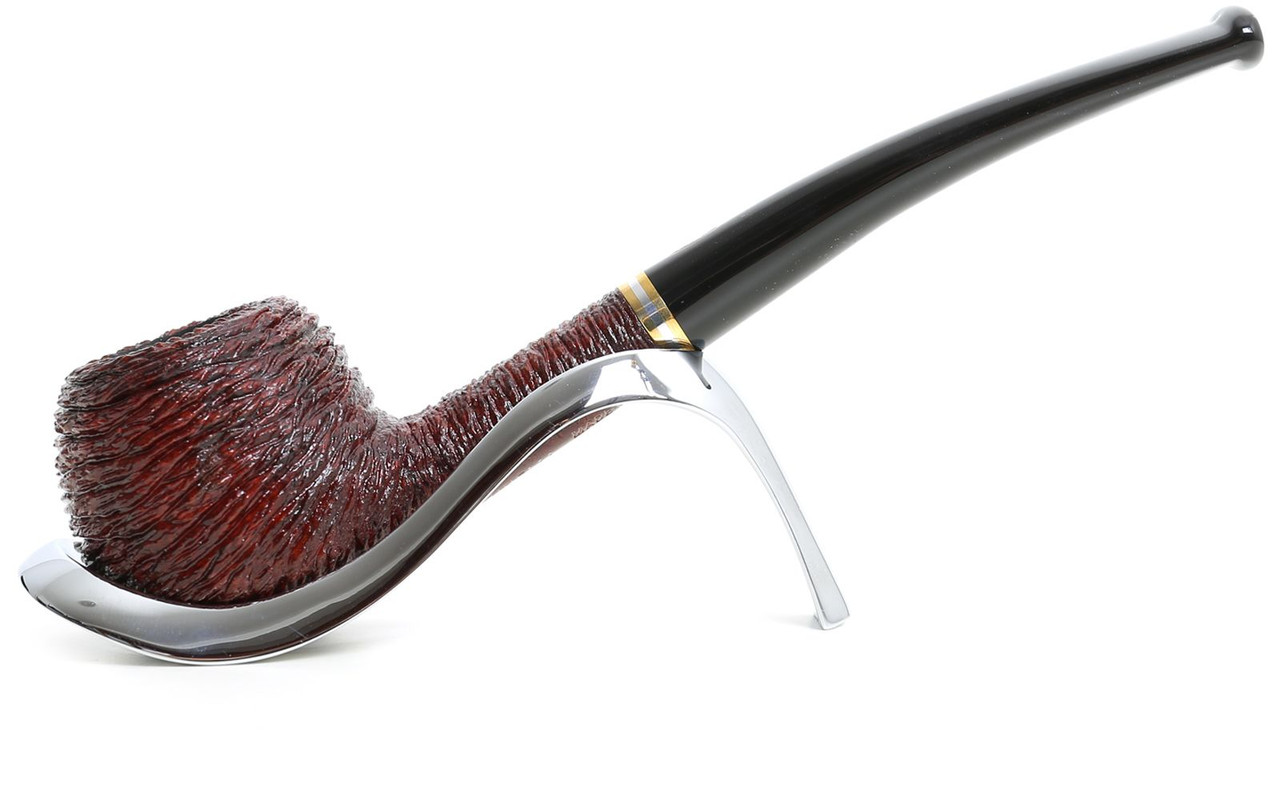
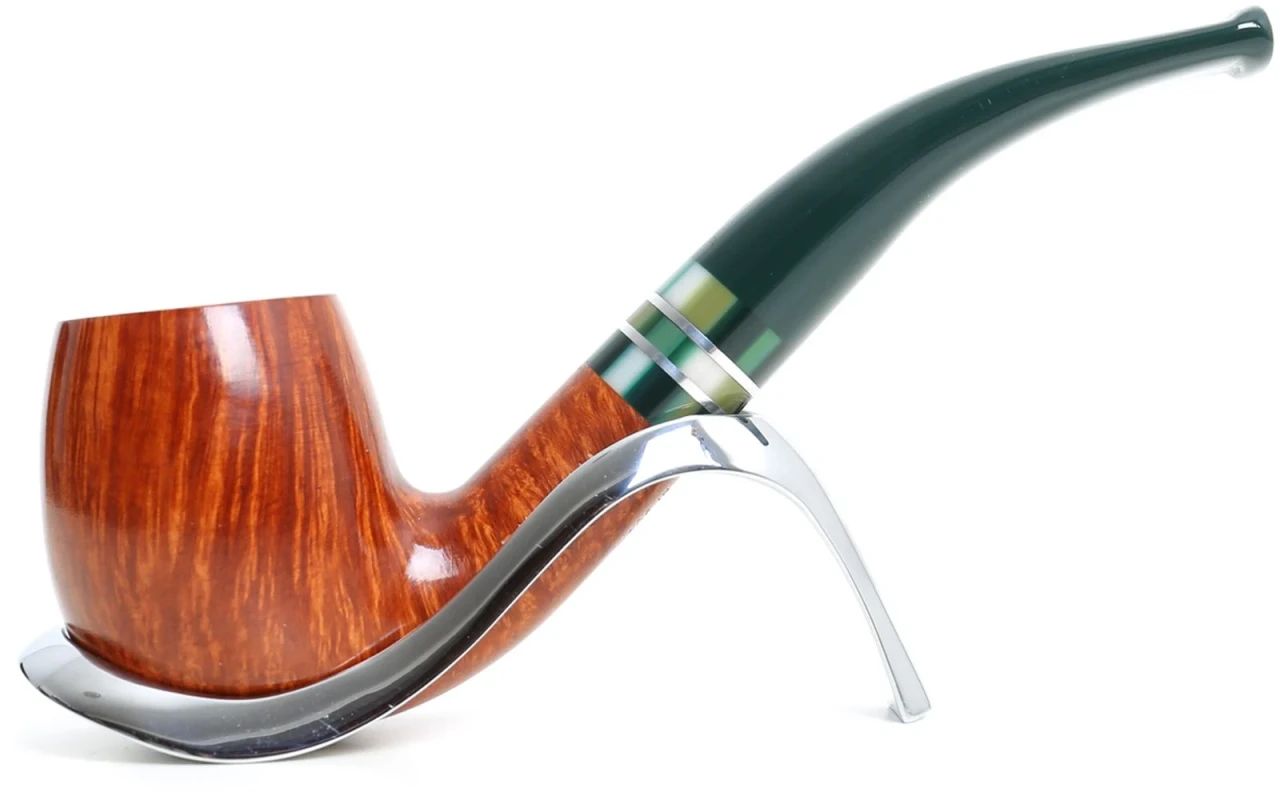
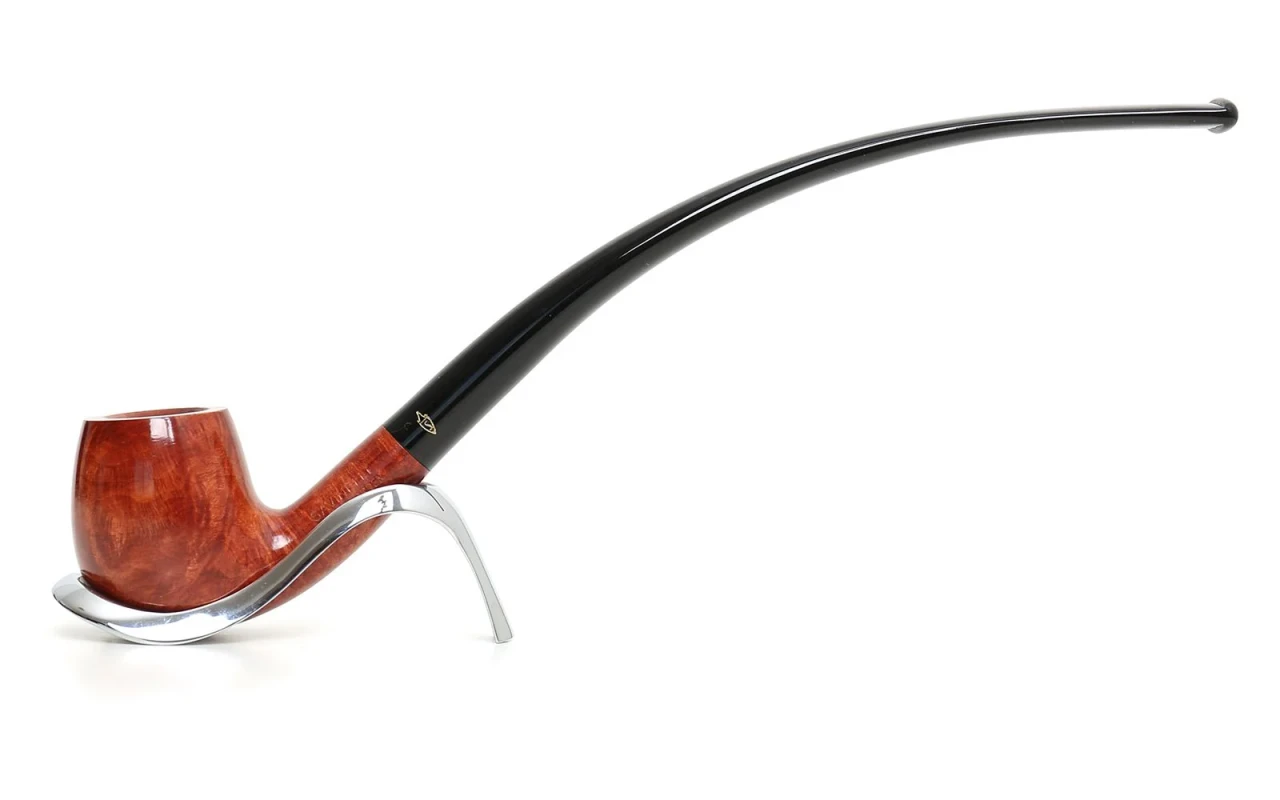
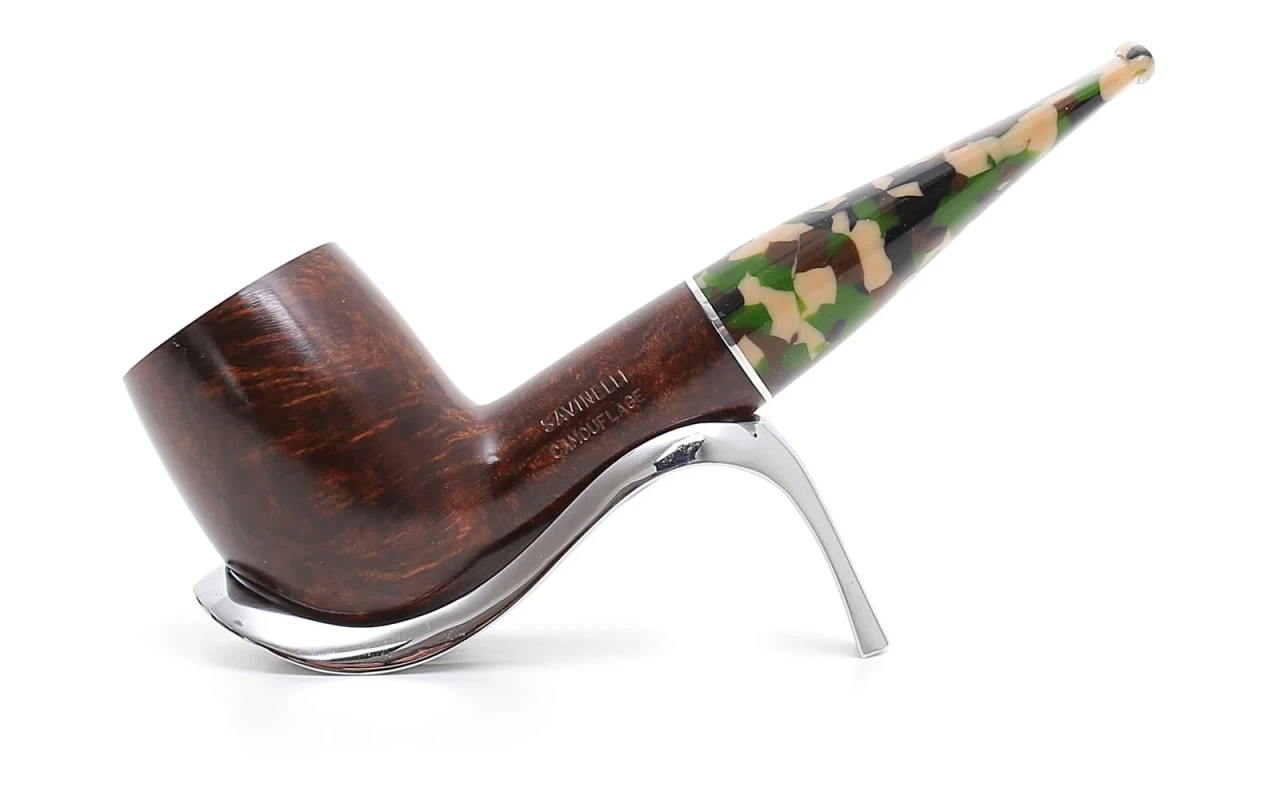
Smoking pipes require special attention during use. It is important to avoid excessive overheating of the pipe, as this could compromise the structure of the wood or the material of the pipe itself. Furthermore, it is advisable not to blow too hard into the pipe to avoid the risk of burns and to ensure an even tobacco combustion. Finally, it is essential to regularly clean the pipe to prevent residue build-up that could alter the tobacco flavor and compromise the smoking experience. Paying attention to these details is essential to fully enjoy the pleasure of smoking a pipe.
- PIPE PIPE SMOKING
Pipe smoking is the result of the combustion of tobacco inside a pipe. This process occurs thanks to the slow and controlled combustion of tobacco, which produces the smoke. Pipe smoke is known to be more aromatic and less aggressive compared to cigar or cigarette smoke. This is due to the lower temperature at which tobacco burns inside a pipe, allowing the full appreciation of different flavors and aromas. Additionally, pipe smoking is often associated with relaxation and meditation rituals, contributing to creating a unique and relaxing sensory experience.
Pipe smoking maintenance
Maintaining pipe smoking is essential to ensure a good smoking experience and preserve the quality of tobacco. Here are some useful tips:- Regularly clean the pipe with a pipe cleaner or a pipe reamer to remove tobacco residues and moisture.- Avoid overpacking the pipe excessively with tobacco to prevent air passage blockage.- Slowly heat the pipe during smoking to avoid wood overheating.- Dedicate a specific pipe to each type of tobacco to not compromise the flavors.- Store pipes in a cool and dry place to prevent moisture damage.
Raw materials for artisanal pipes
The raw materials for the production of artisanal pipes vary depending on the type of pipe and the preferences of the manufacturer. However, the most common materials include high-quality wood, such as briar, olive, or walnut, as they offer strength and aesthetic beauty. Other materials used are coral, amber, horn, and ebony for precious details. Furthermore, for more modern pipes, materials such as clay, corn, and briar root are used, known for their heat resistance and smoke absorption properties.
Pipe Lighting Techniques
To properly light a pipe, it is important to follow some specific techniques. Here's what to do:1. Fill the pipe with light and compact tobacco leaves.2. Light the tobacco by rotating the flame around the surface for even combustion.3. Take a few light puffs to create a good amount of smoke without overheating the pipe.4. Keep the flame lit to prevent the pipe from going out during smoking.5. Avoid blowing into the pipe to prevent overheating the tobacco.By following these techniques, you will be able to fully enjoy your pipe and fully appreciate the taste and aroma of the tobacco.
'%3e%3cg id='Final-Copy-2_2_' transform='translate(1275.000000, 200.000000)'%3e%3cpath class='st0' d='M7.4,12.8h6.8l3.1-11.6H7.4C4.2,1.2,1.6,3.8,1.6,7S4.2,12.8,7.4,12.8z'/%3e%3c/g%3e%3c/g%3e%3c/g%3e%3cg id='final---dec.11-2020'%3e%3cg id='_x30_208-our-toggle' transform='translate(-1275.000000, -200.000000)'%3e%3cg id='Final-Copy-2' transform='translate(1275.000000, 200.000000)'%3e%3cpath class='st1' d='M22.6,0H7.4c-3.9,0-7,3.1-7,7s3.1,7,7,7h15.2c3.9,0,7-3.1,7-7S26.4,0,22.6,0z M1.6,7c0-3.2,2.6-5.8,5.8-5.8 h9.9l-3.1,11.6H7.4C4.2,12.8,1.6,10.2,1.6,7z'/%3e%3cpath id='x' class='st2' d='M24.6,4c0.2,0.2,0.2,0.6,0,0.8l0,0L22.5,7l2.2,2.2c0.2,0.2,0.2,0.6,0,0.8c-0.2,0.2-0.6,0.2-0.8,0 l0,0l-2.2-2.2L19.5,10c-0.2,0.2-0.6,0.2-0.8,0c-0.2-0.2-0.2-0.6,0-0.8l0,0L20.8,7l-2.2-2.2c-0.2-0.2-0.2-0.6,0-0.8 c0.2-0.2,0.6-0.2,0.8,0l0,0l2.2,2.2L23.8,4C24,3.8,24.4,3.8,24.6,4z'/%3e%3cpath id='y' class='st3' d='M12.7,4.1c0.2,0.2,0.3,0.6,0.1,0.8l0,0L8.6,9.8C8.5,9.9,8.4,10,8.3,10c-0.2,0.1-0.5,0.1-0.7-0.1l0,0 L5.4,7.7c-0.2-0.2-0.2-0.6,0-0.8c0.2-0.2,0.6-0.2,0.8,0l0,0L8,8.6l3.8-4.5C12,3.9,12.4,3.9,12.7,4.1z'/%3e%3c/g%3e%3c/g%3e%3c/g%3e%3c/g%3e%3c/svg%3e) Your Privacy Choices
Your Privacy Choices 


