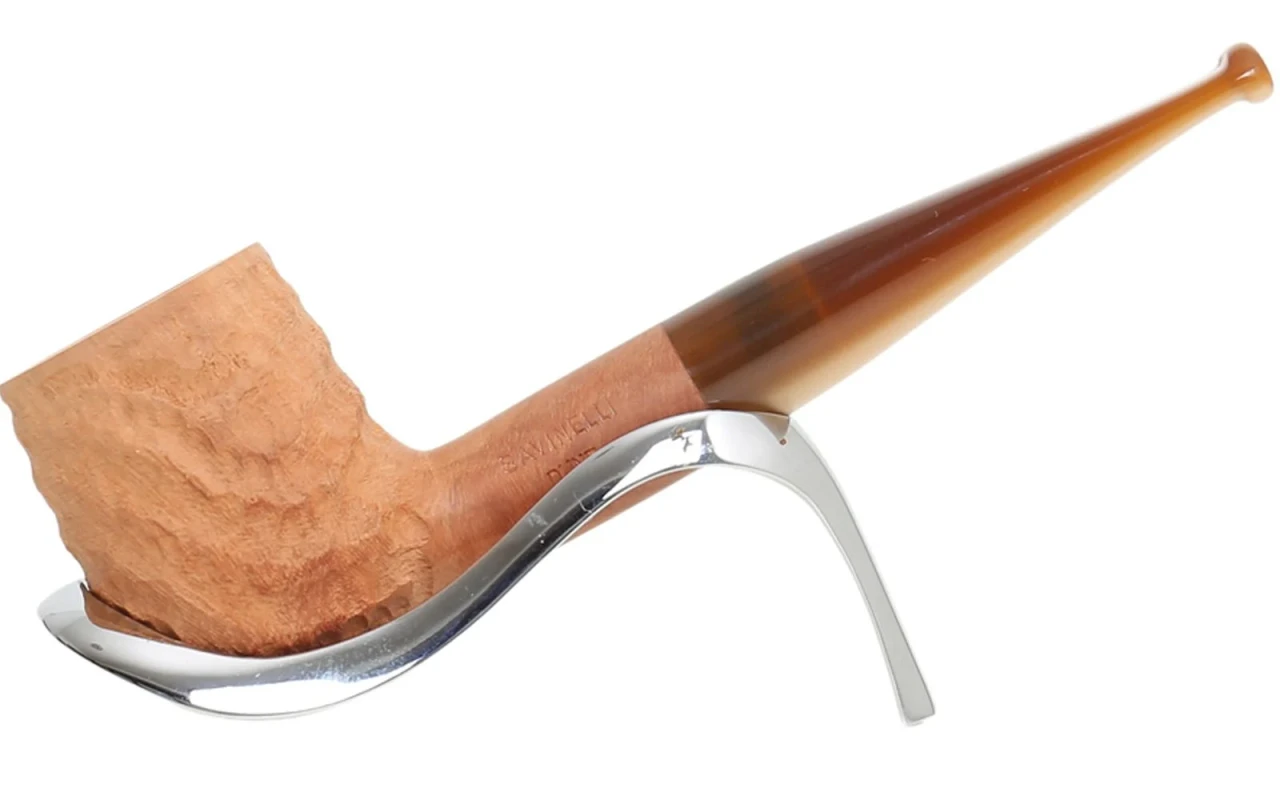
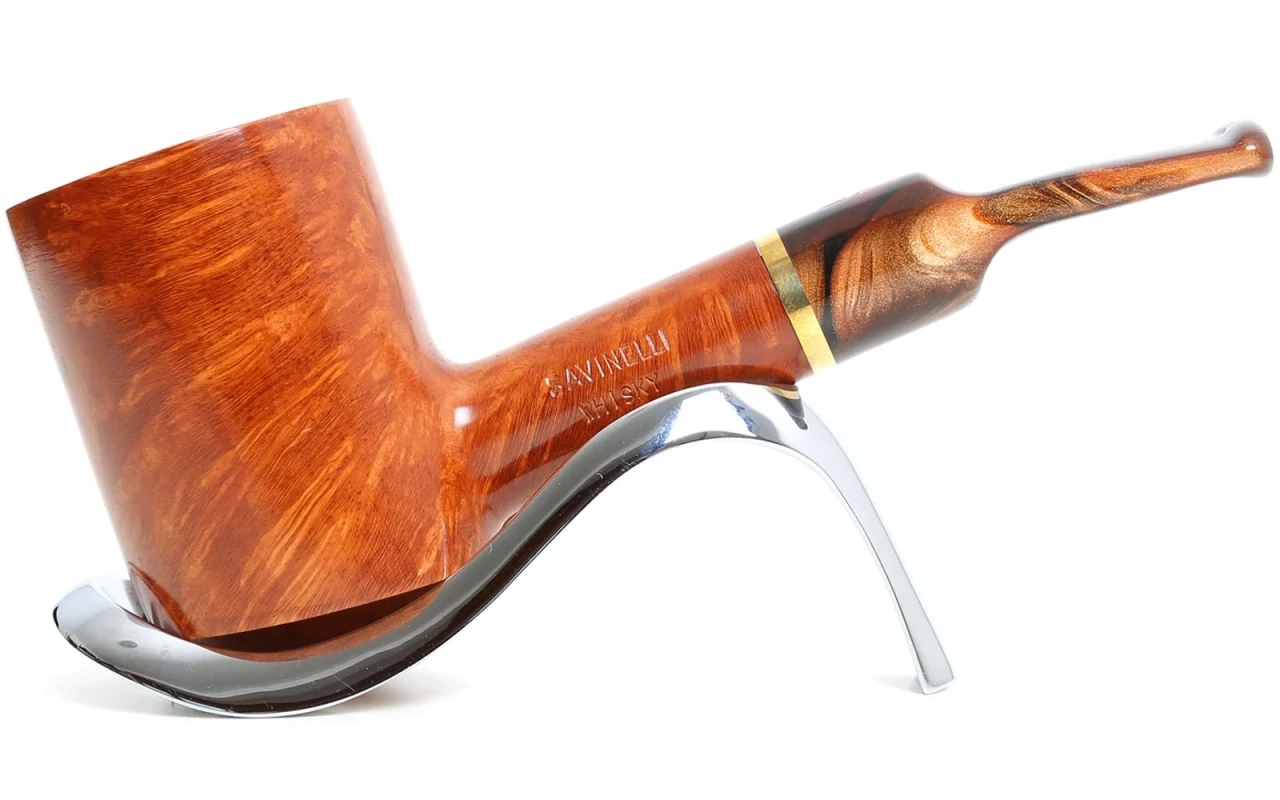
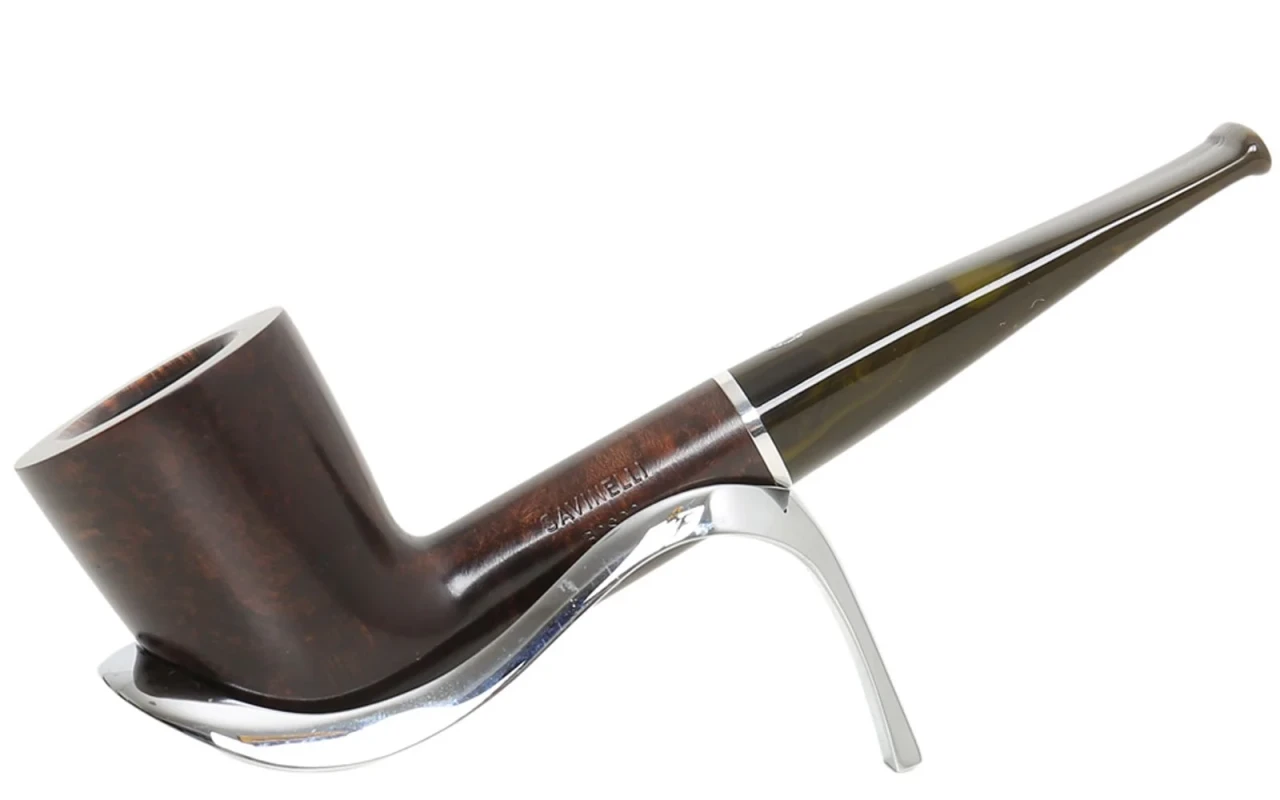
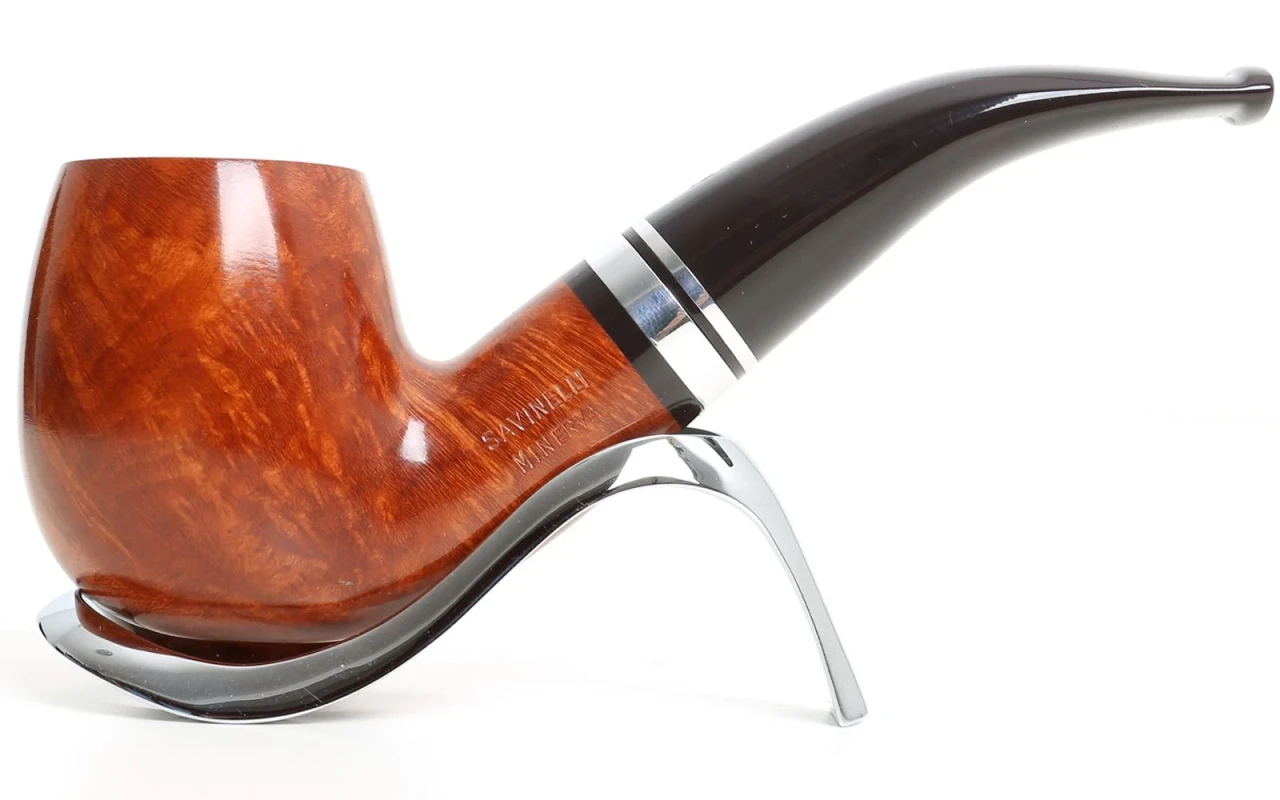
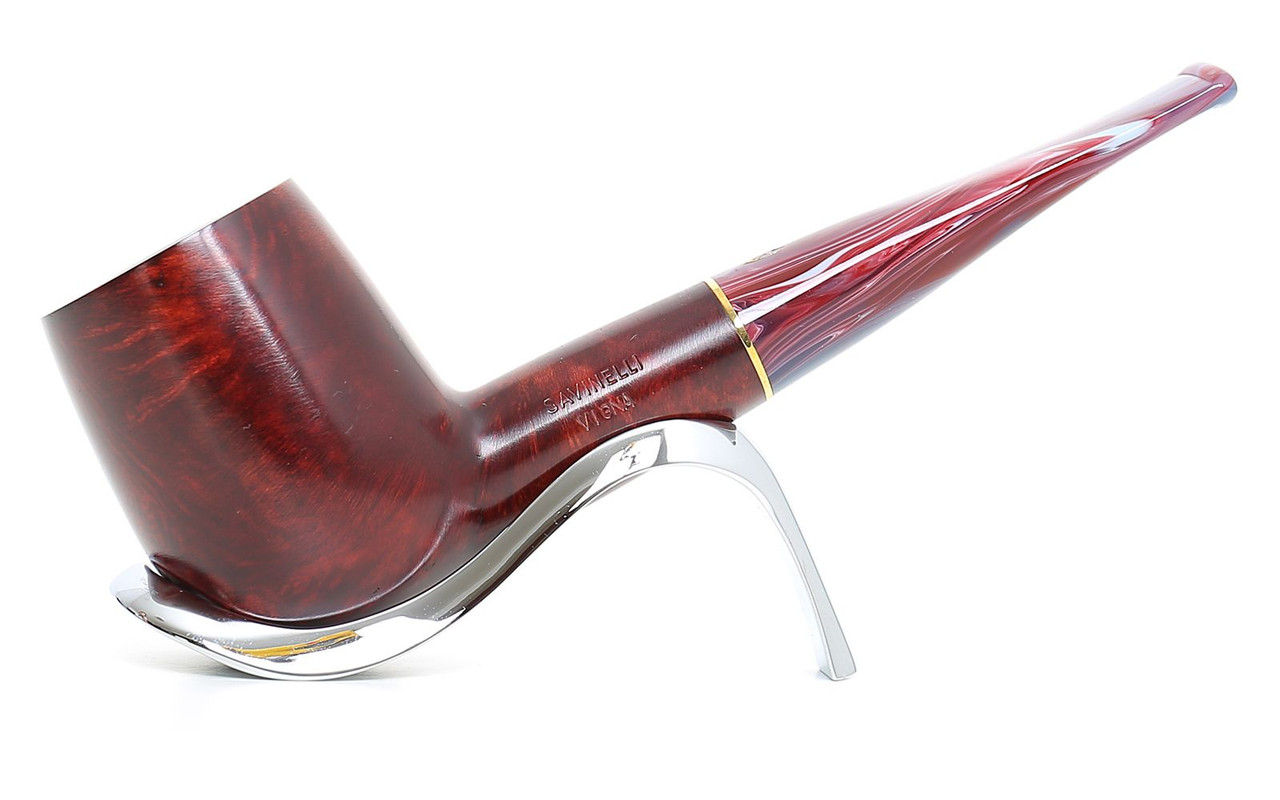
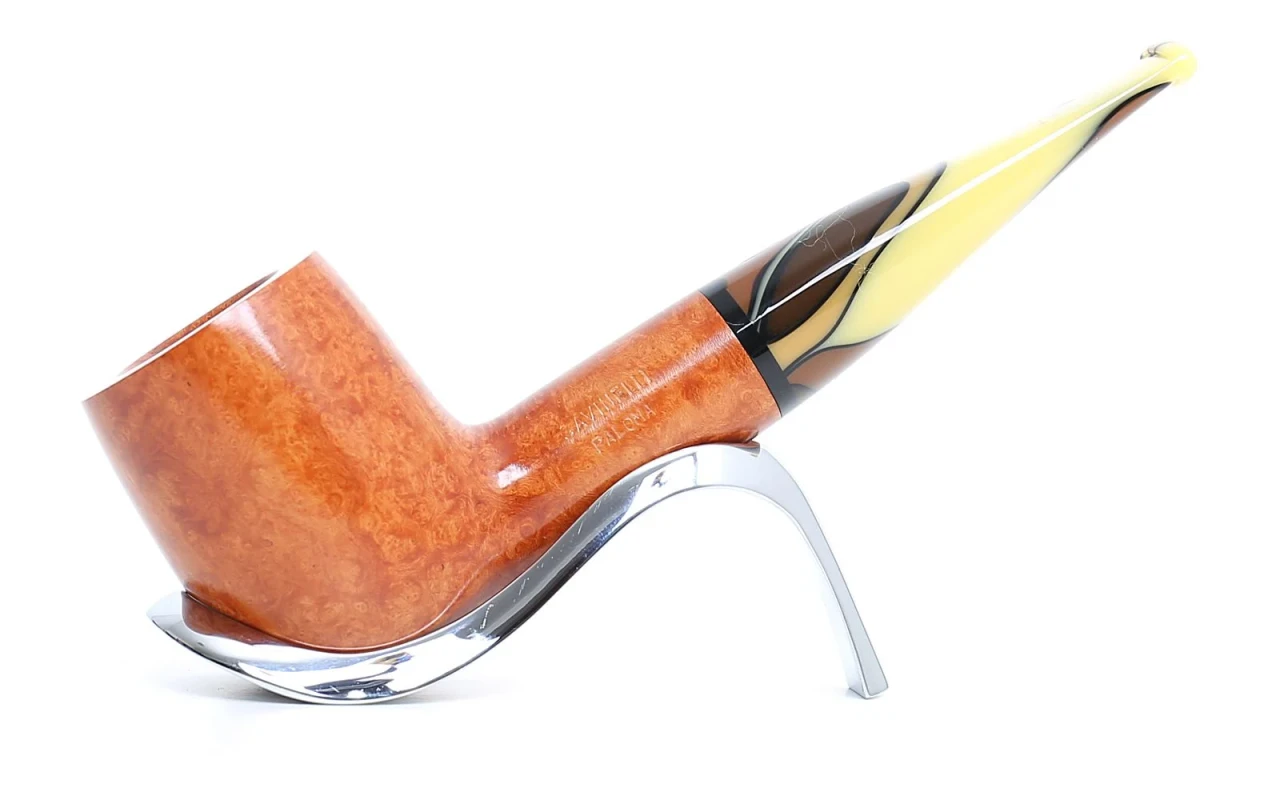
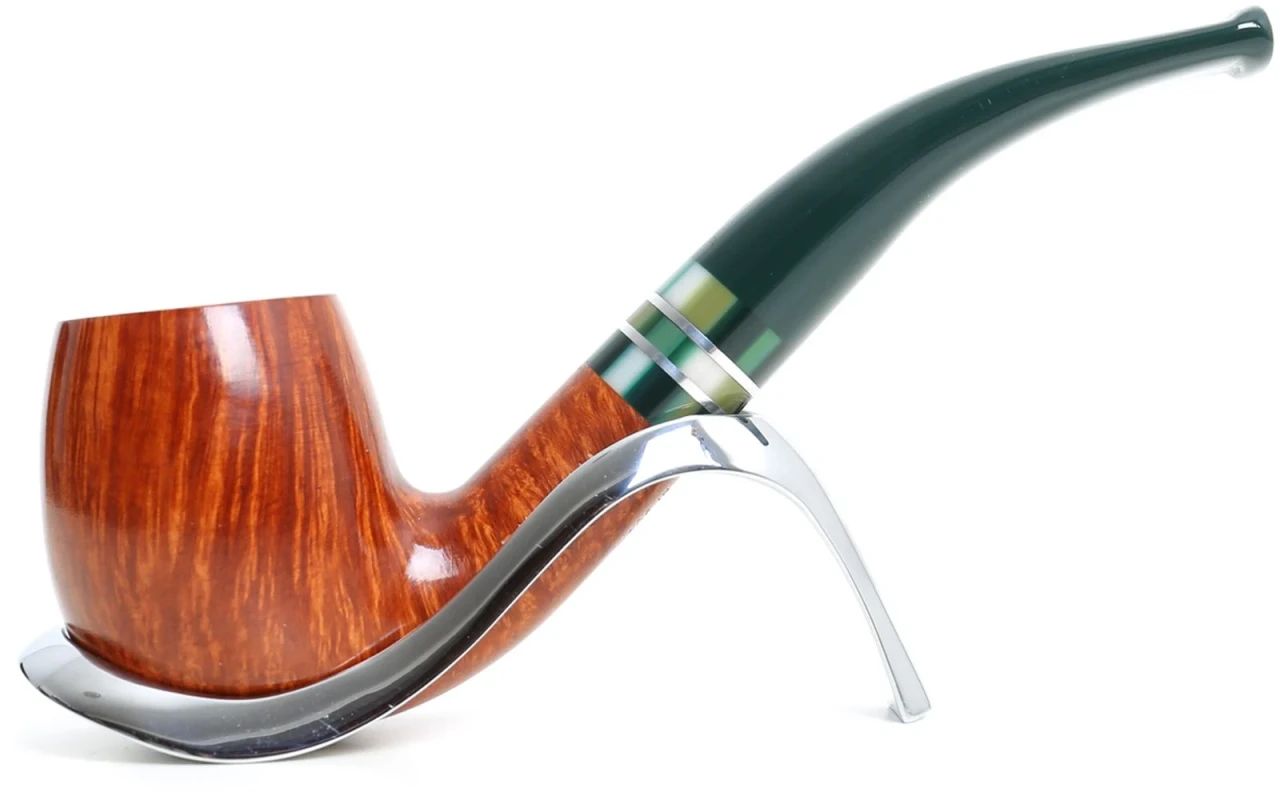
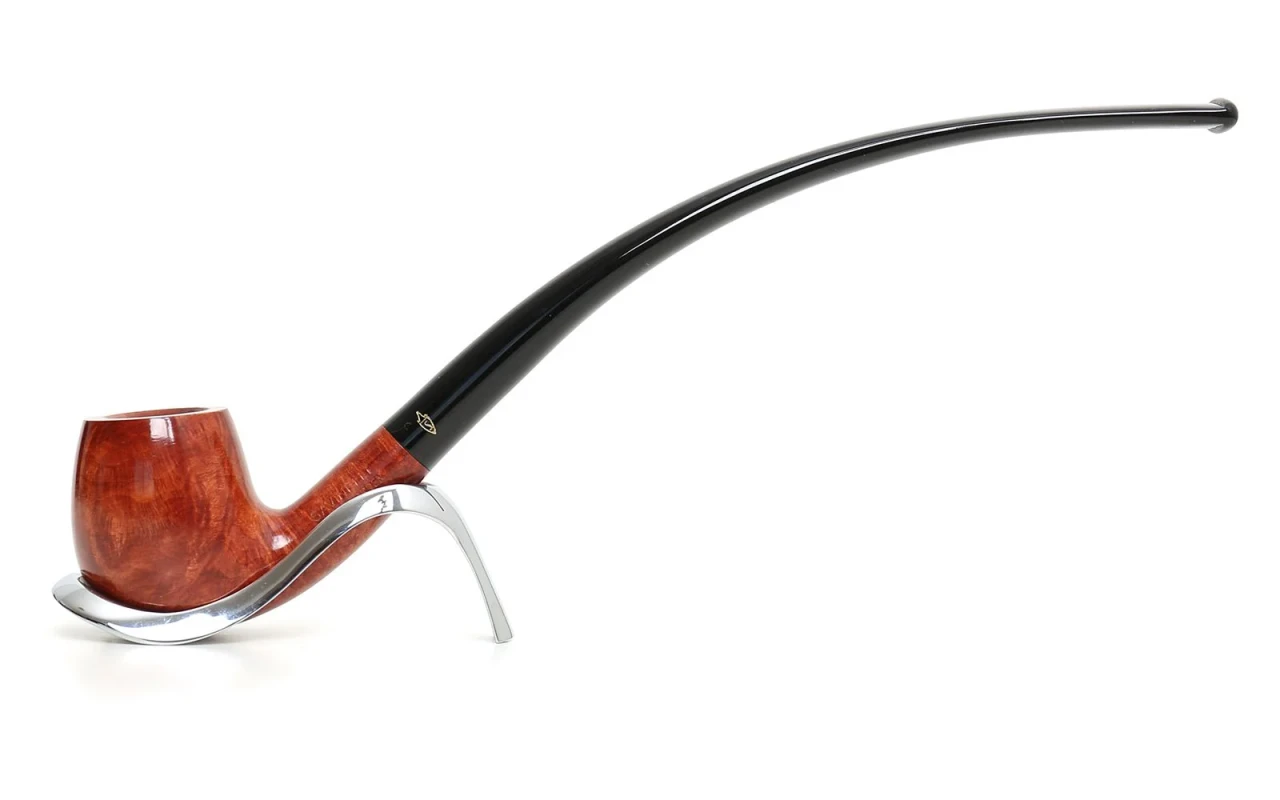
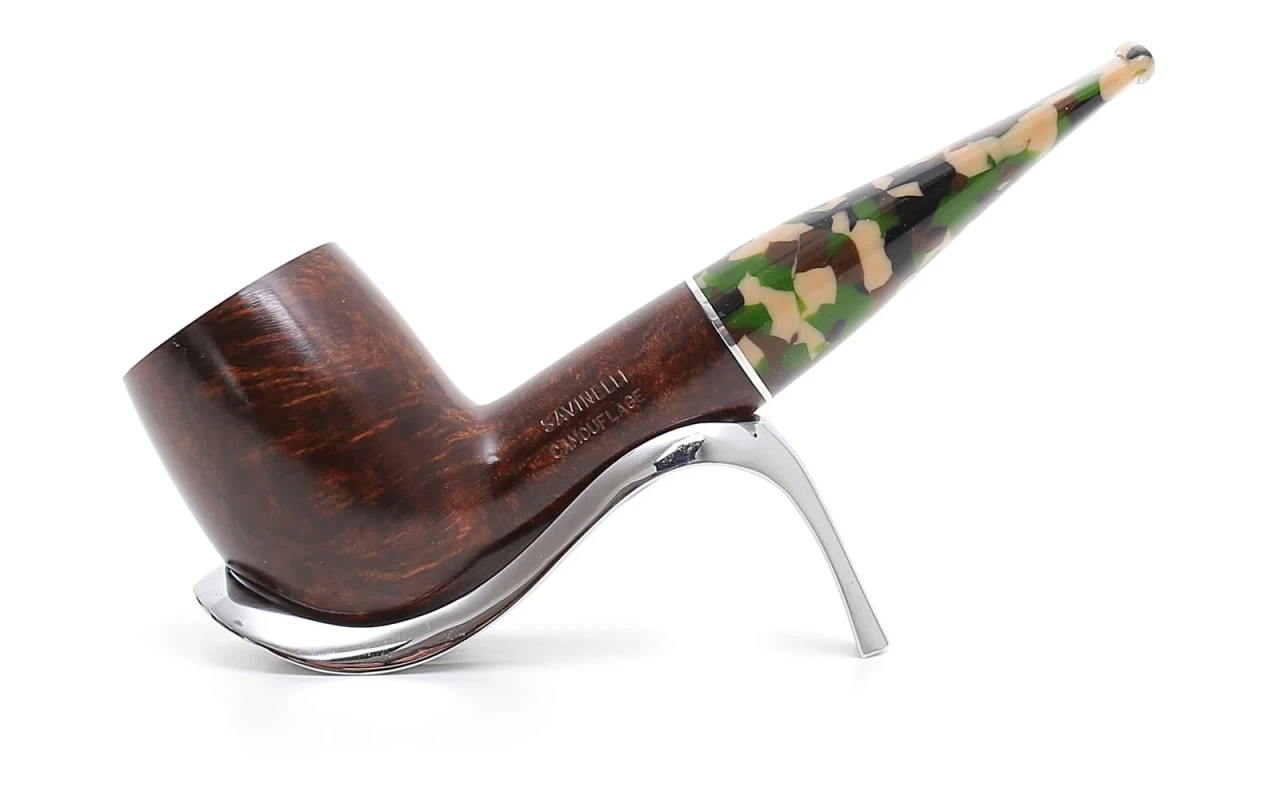
To create a finish that allows the pipe's wood to breathe, natural oils or light waxes are applied in thin layers. This type of finish protects without completely sealing the wood, permitting good breathability while preserving the pipe's aesthetic and functional characteristics.
How is a pipe finish created that allows the wood to breathe? Deep dive
A pipe finish that permits the wood to breathe is mainly achieved by using natural oils such as linseed or walnut oil, or light waxes like beeswax. These materials are applied in thin, well-absorbed layers avoiding the creation of an impermeable film that would block breathability. The wood’s breathability is essential to maintain the pipe’s stability and beauty over time, allowing the material to absorb and release moisture without damage. Additionally, a breathable finish helps preserve the tobacco’s flavor by preventing moisture residues from accumulating inside. The technique entails careful sanding of the surface followed by repeated light applications of oil or wax, allowing adequate drying time between each coat. This process enhances the wood grain and imparts a natural, pleasant patina to the touch, without compromising the pipe’s functionality. It is important to avoid overly thick finishes or synthetic varnishes that seal the wood, as these prevent proper breathability and can alter the smoking experience.