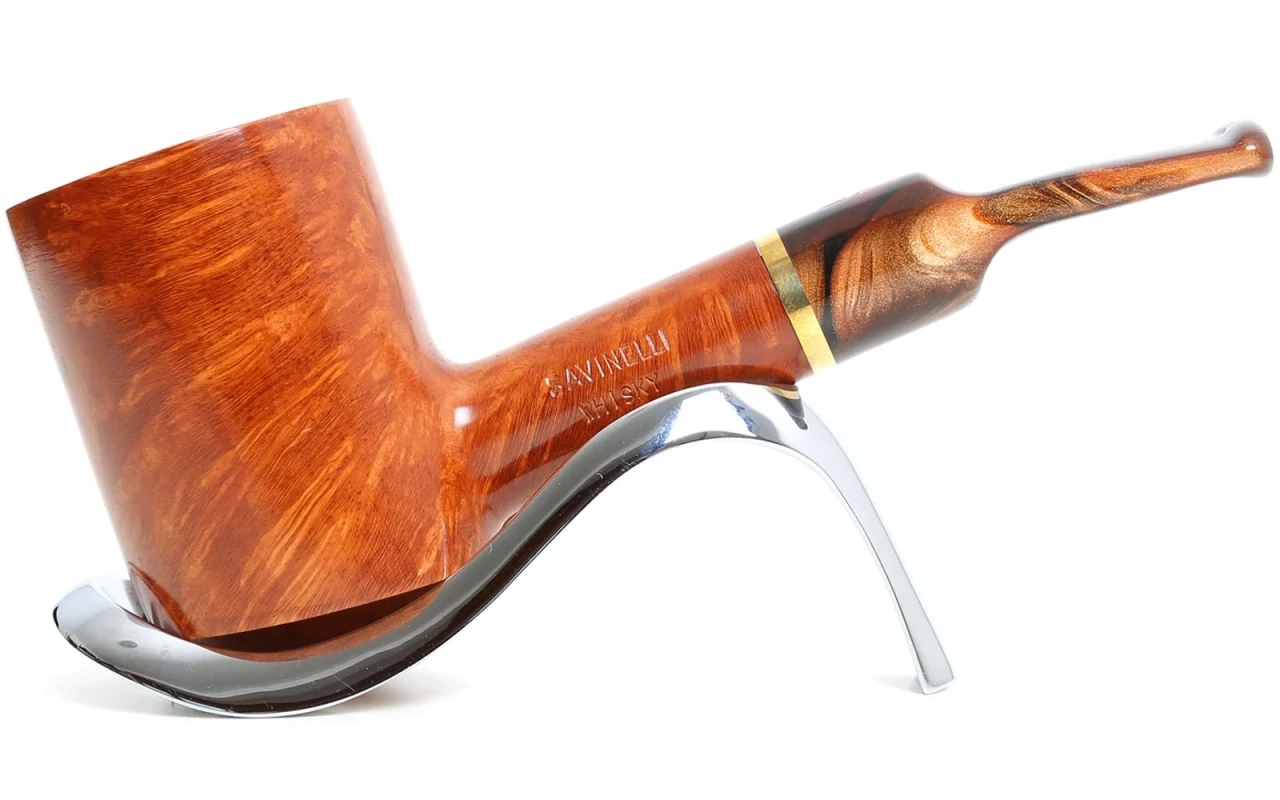
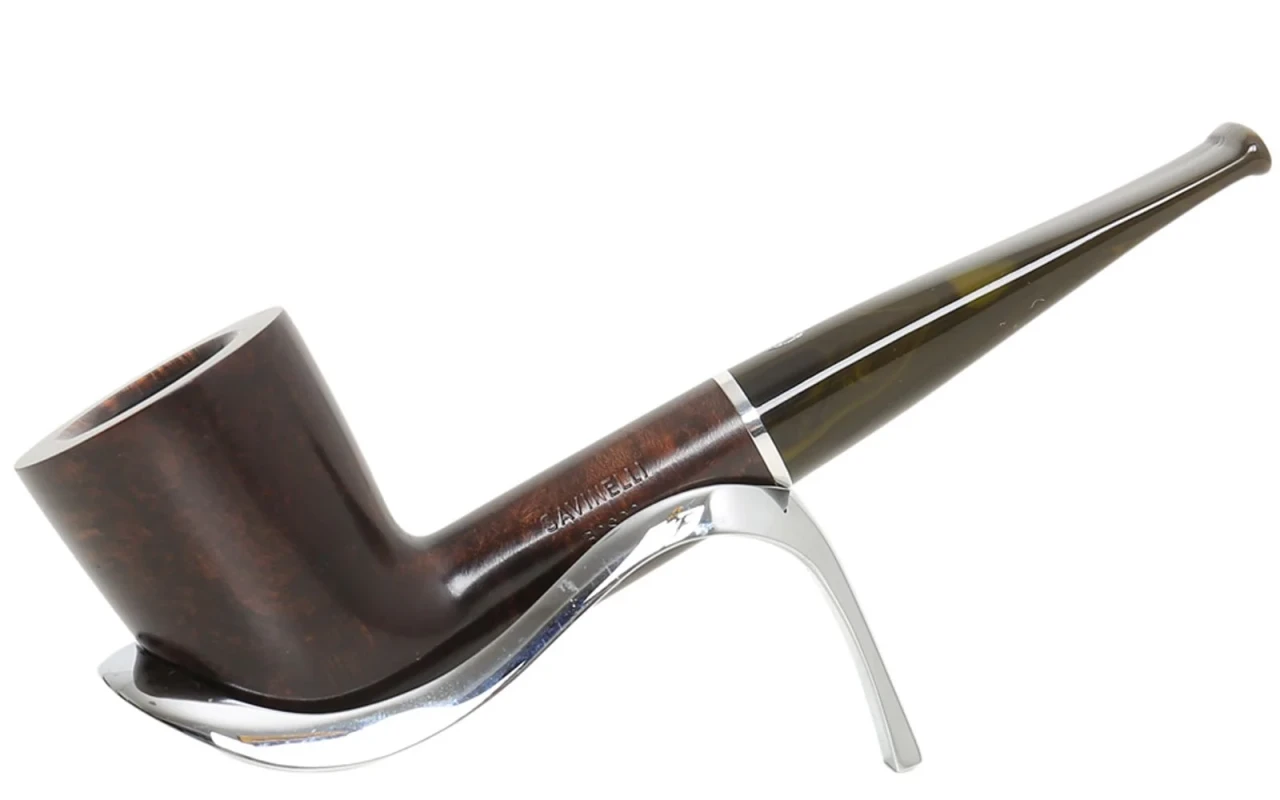
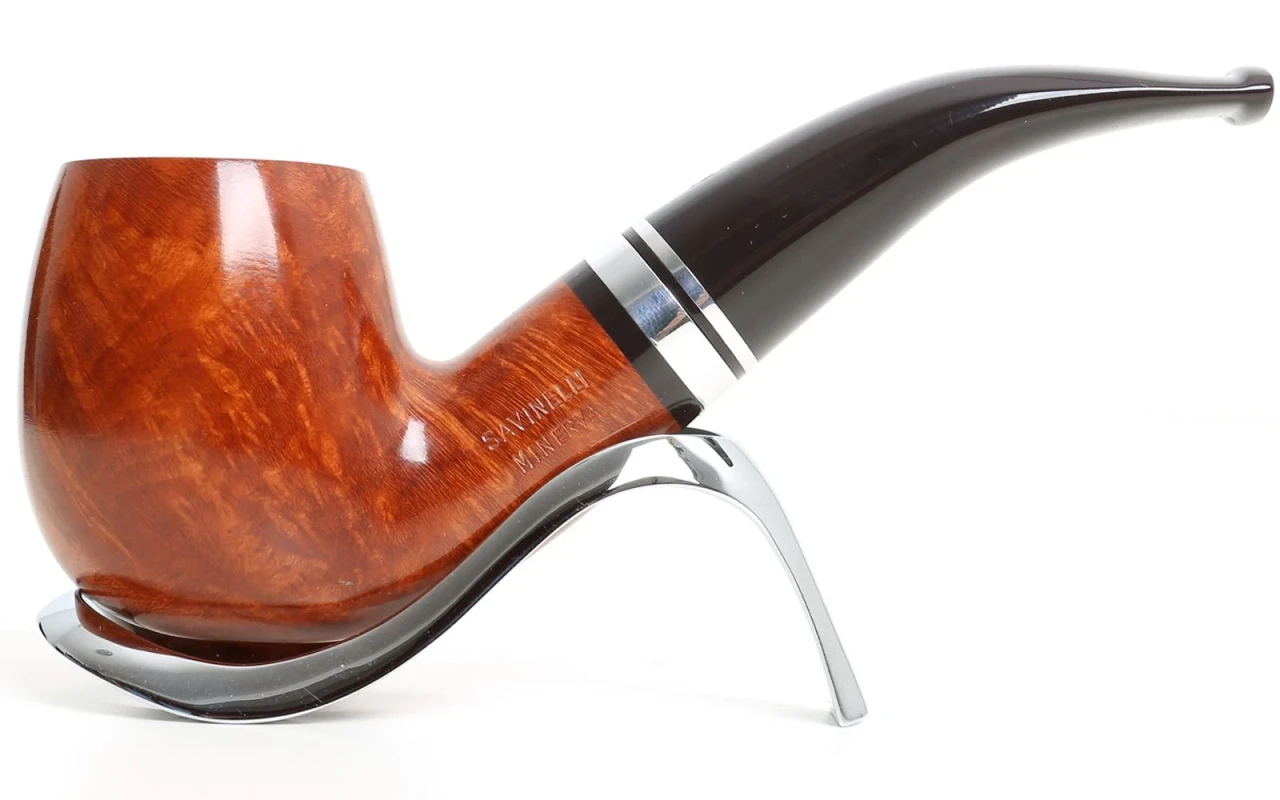
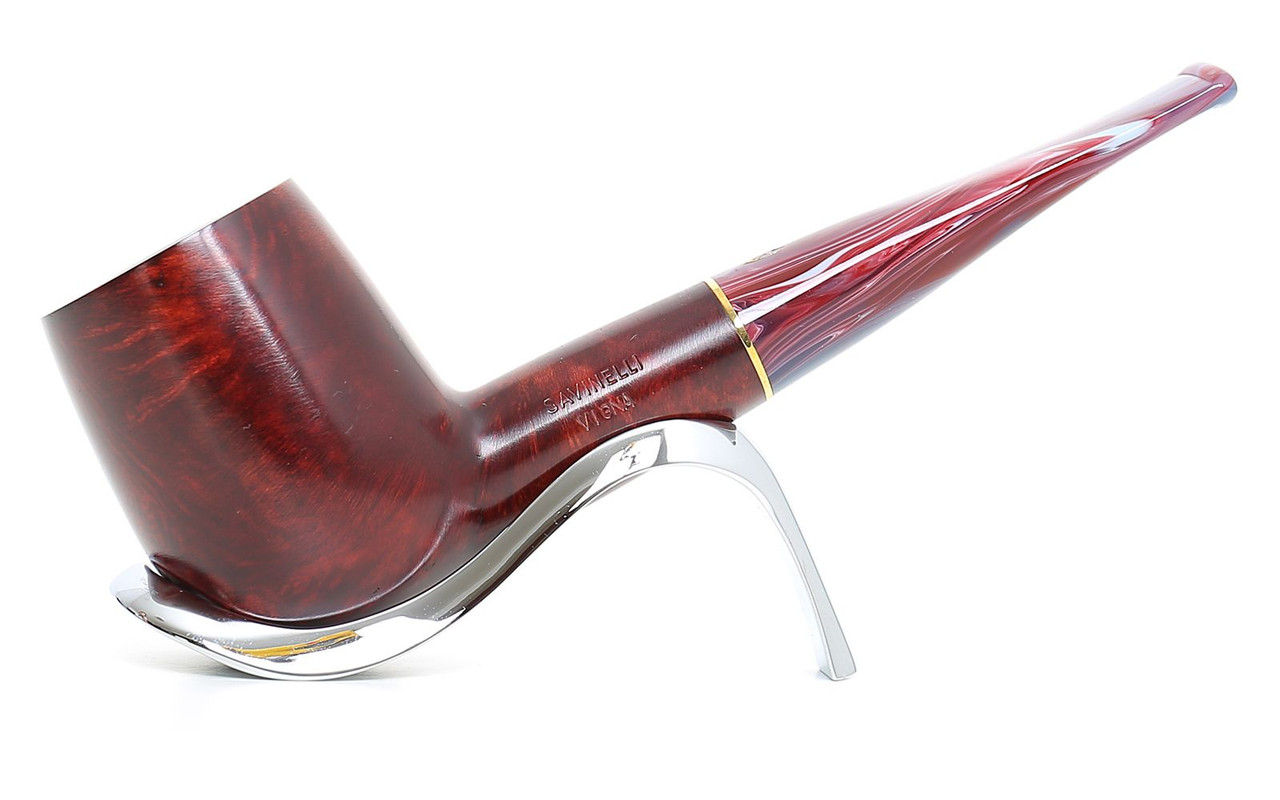
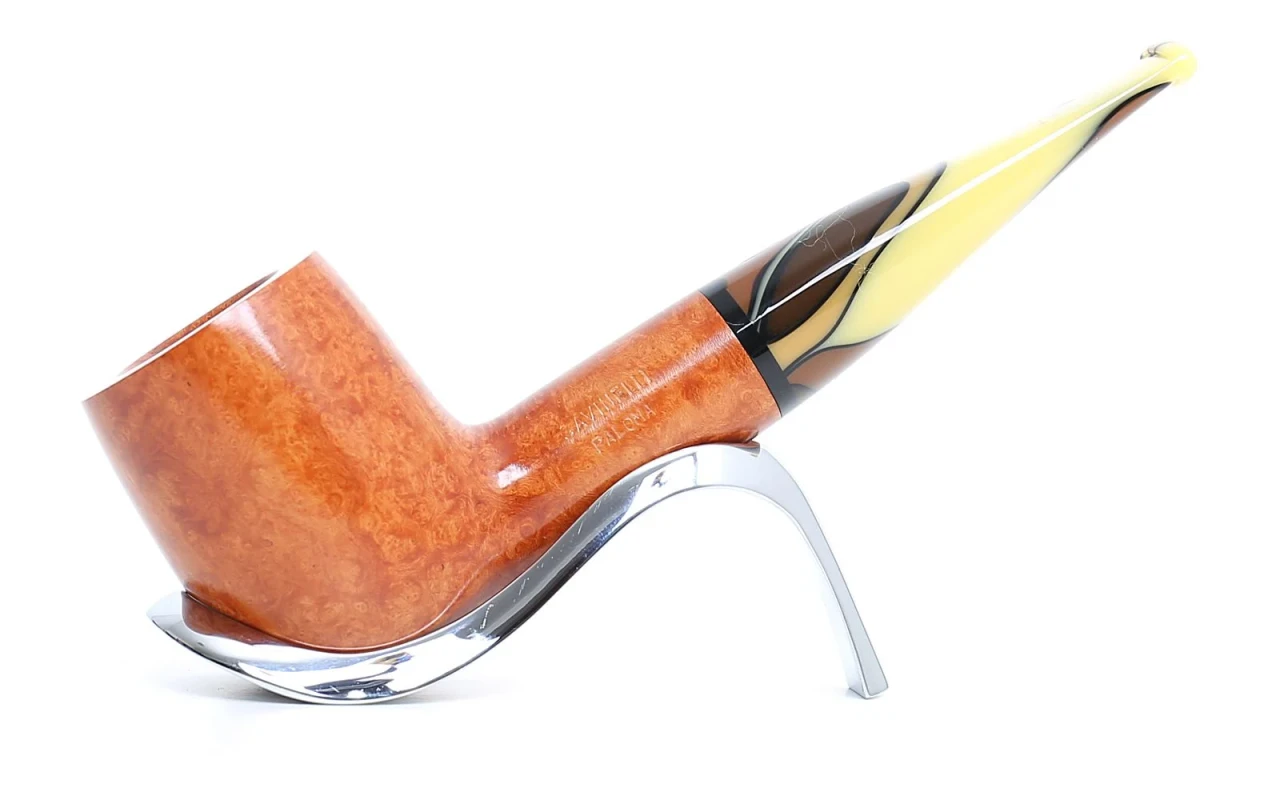
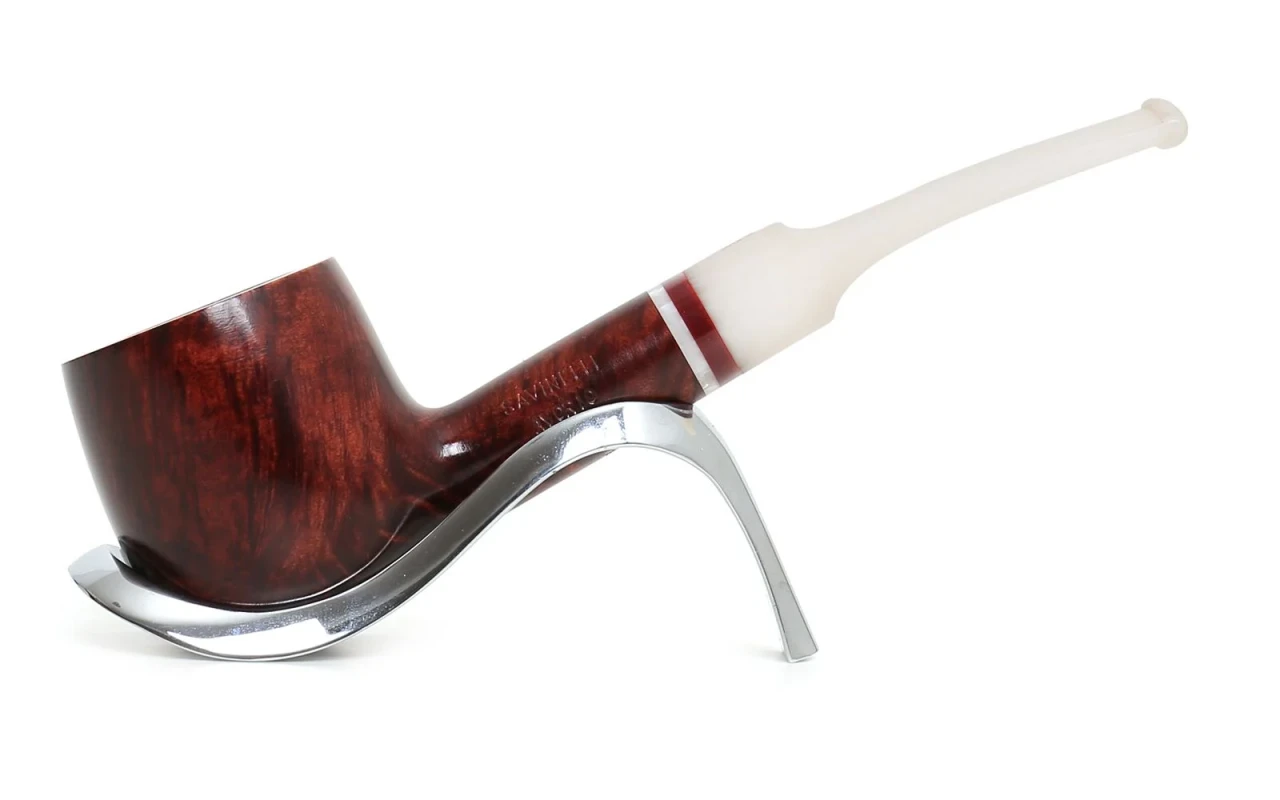
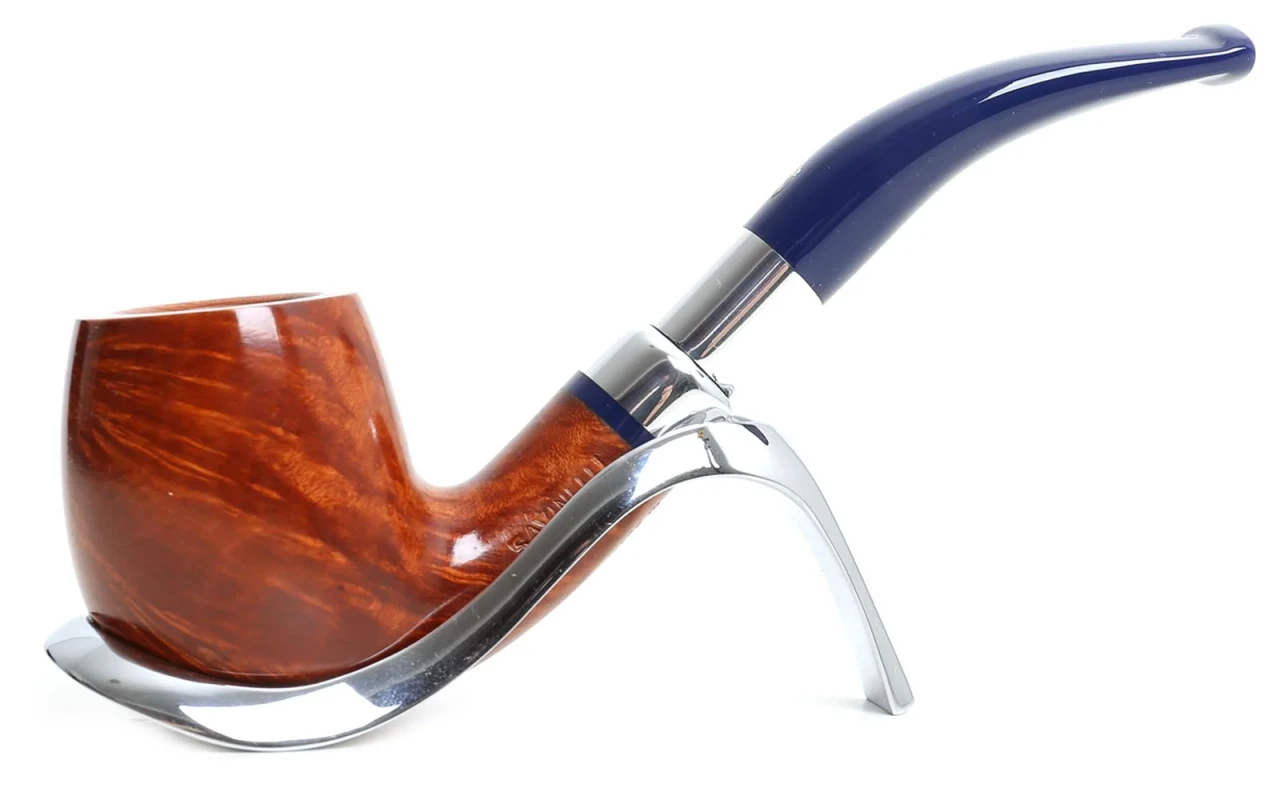
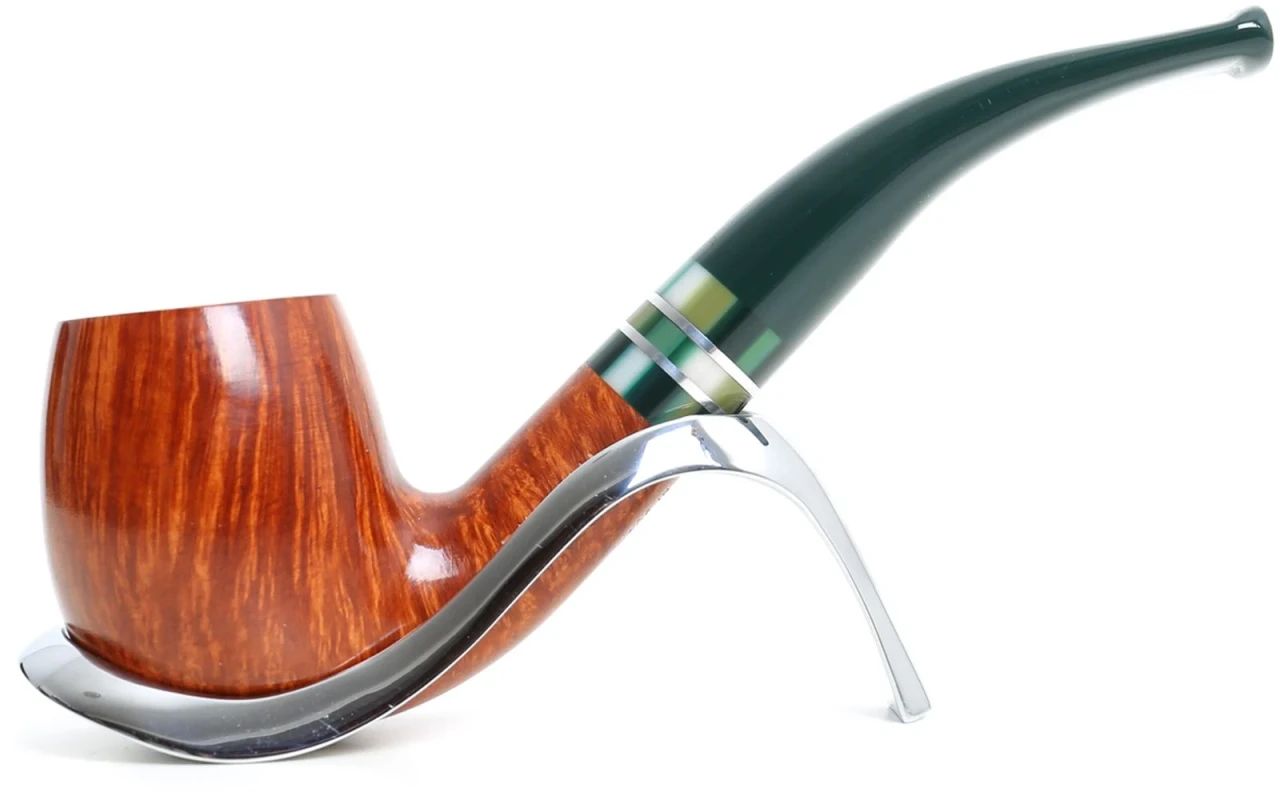
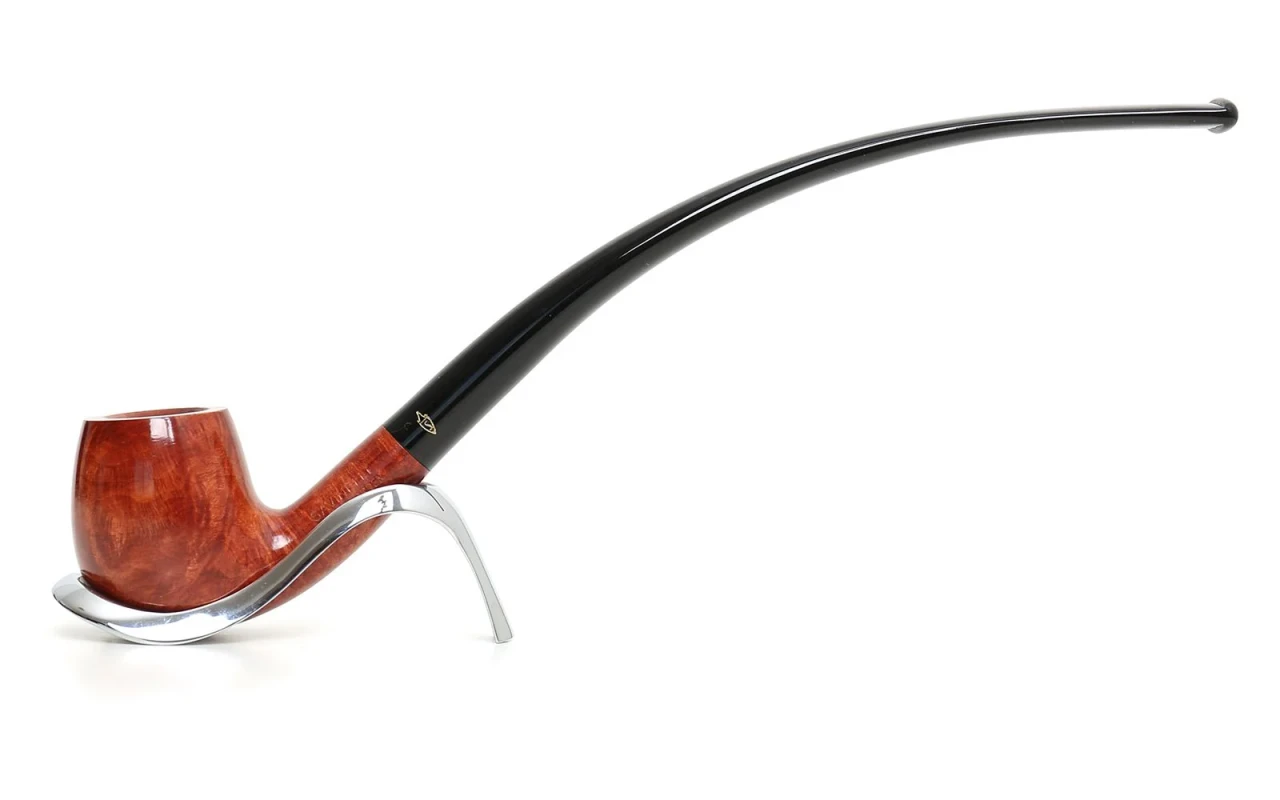
To achieve a perfectly smooth surface on a pipe, an accurate sanding process is performed using increasingly fine-grit sandpapers, followed by polishing with specific pastes. This procedure eliminates imperfections and gives the pipe a uniform and refined appearance, enhancing the quality of the briar and the finish.
How is a perfectly smooth surface achieved on a pipe? Deep dive
The perfectly smooth surface of a pipe is obtained through a meticulous crafting process that begins with manual or mechanical sanding. Various grits of sandpaper are used, starting with a coarser grit to remove imperfections and shape the form, then moving to progressively finer grits to refine the surface. This step is essential to eliminate every minor irregularity and prepare the briar for the next stage. After sanding, specific wood polishing pastes are applied and rubbed with soft cloths or rotating pads. Polishing not only makes the surface smooth to the touch but also accentuates the grain and natural color of the briar, giving the pipe an elegant and refined look. In some cases, a light layer of oil or wax is applied to protect the finish and maintain its shine over time. This process demands patience and attention to detail, as the quality of the surface affects both the aesthetics and tactile sensation of the pipe—fundamental elements for aficionados of slow smoking and artisanal craftsmanship.