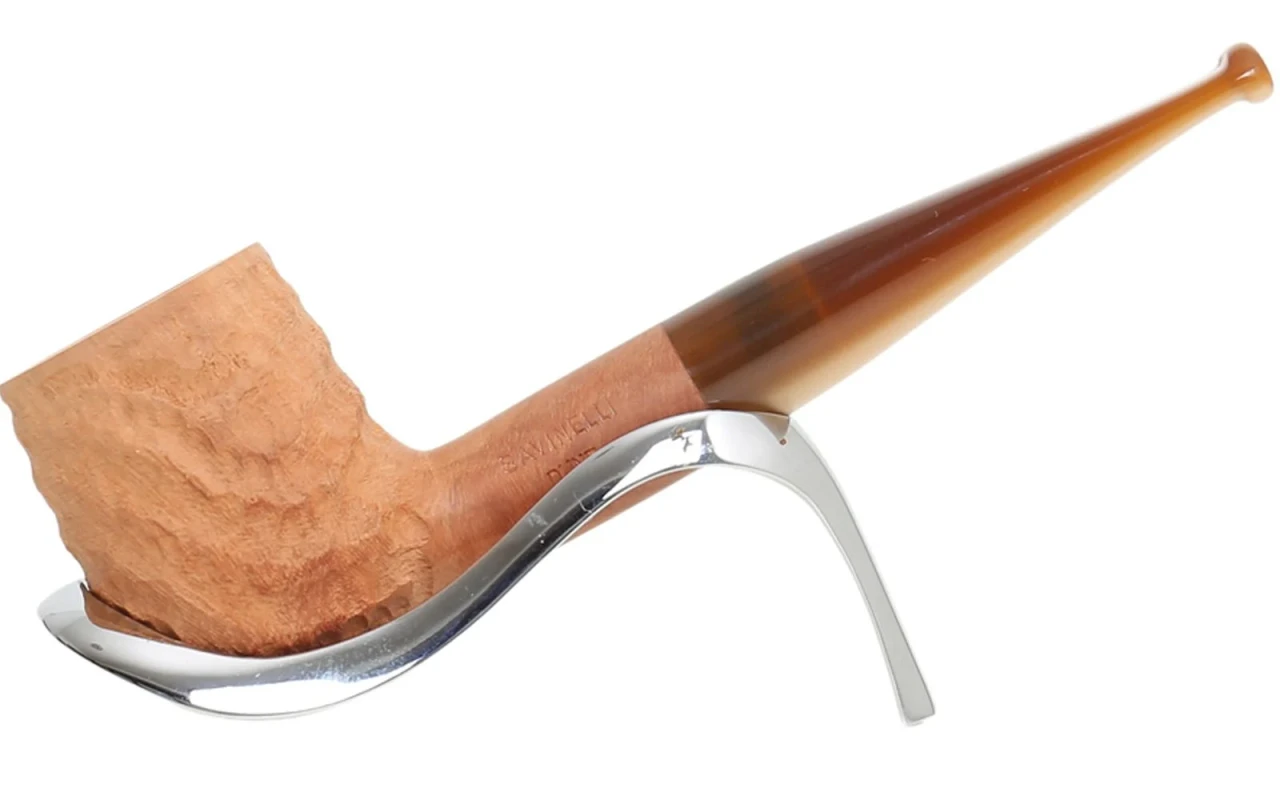
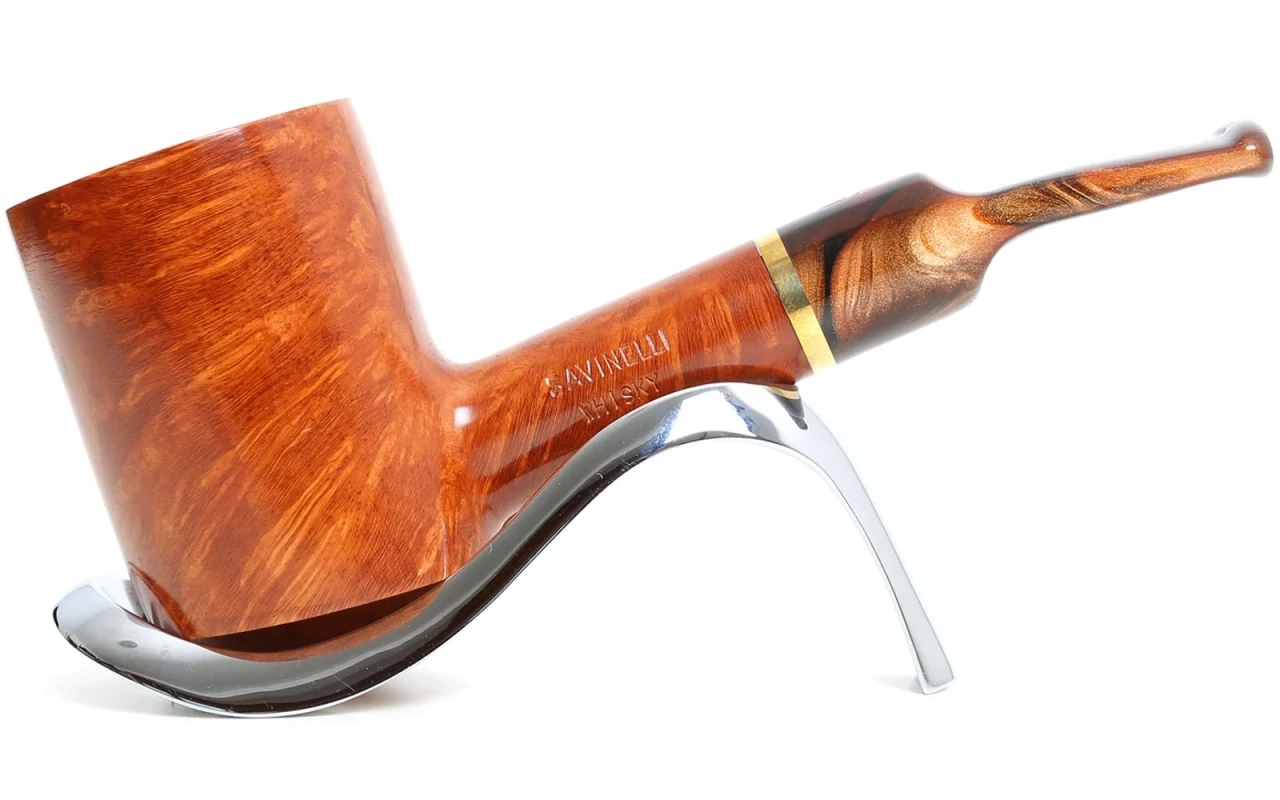
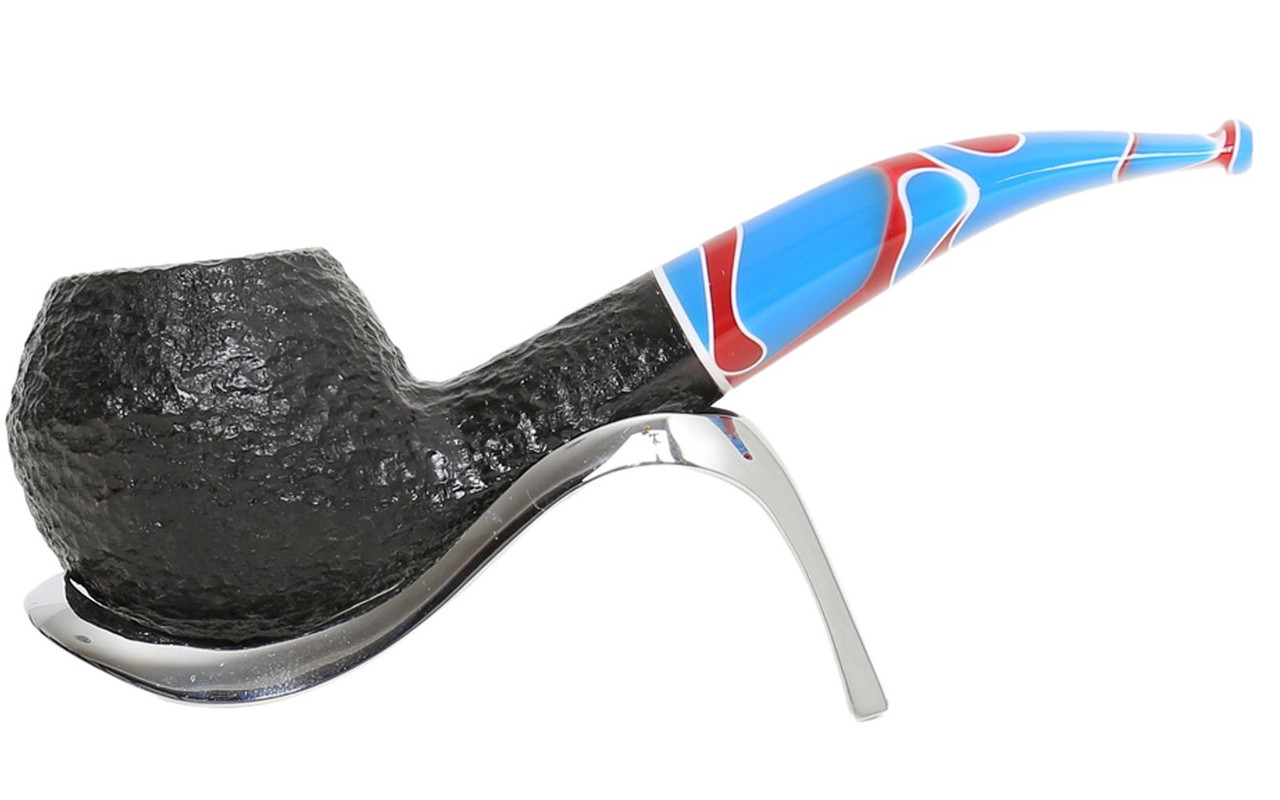
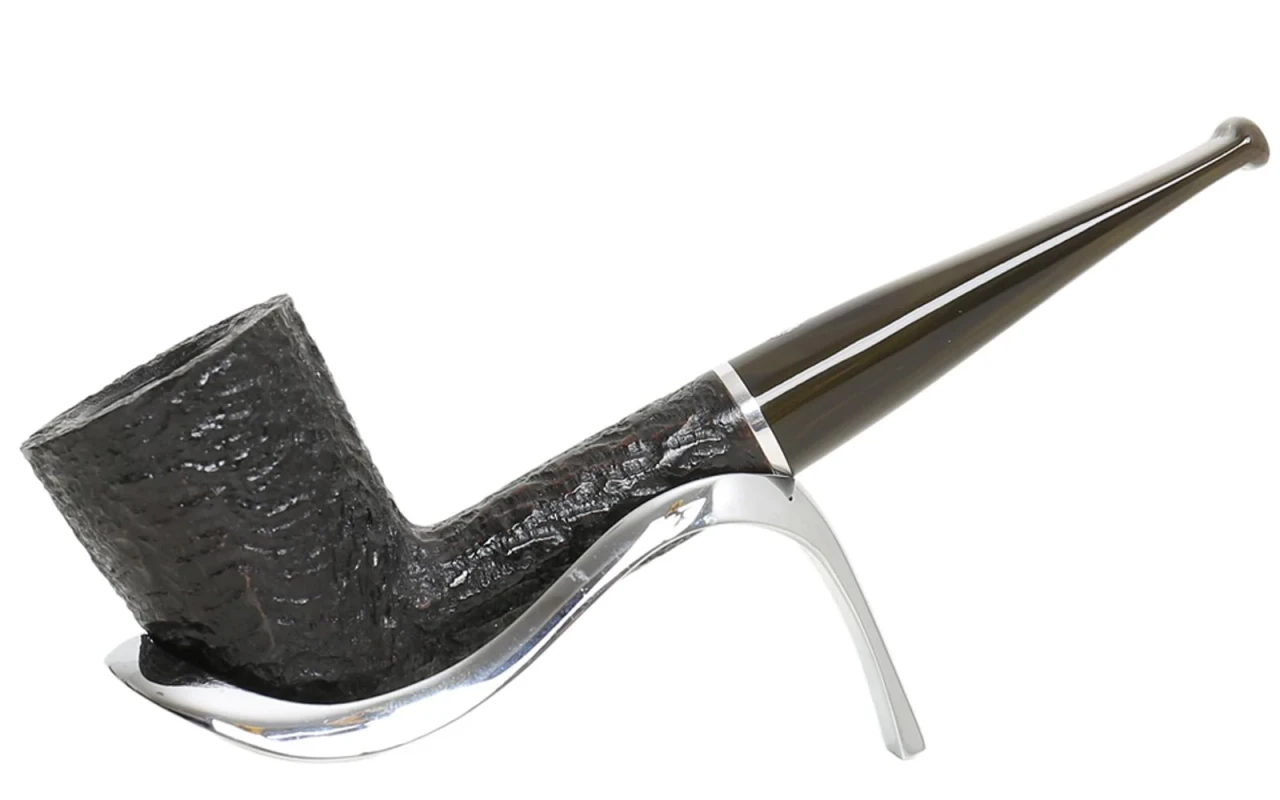
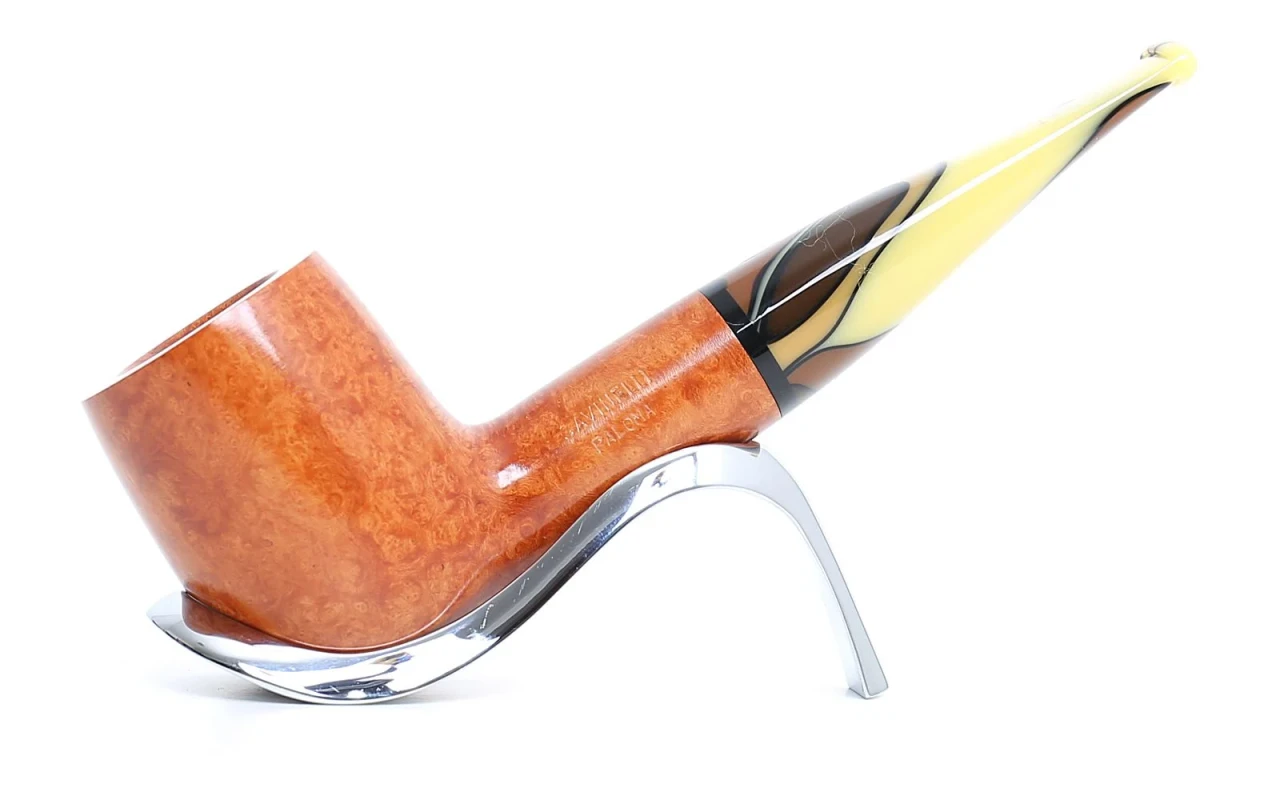
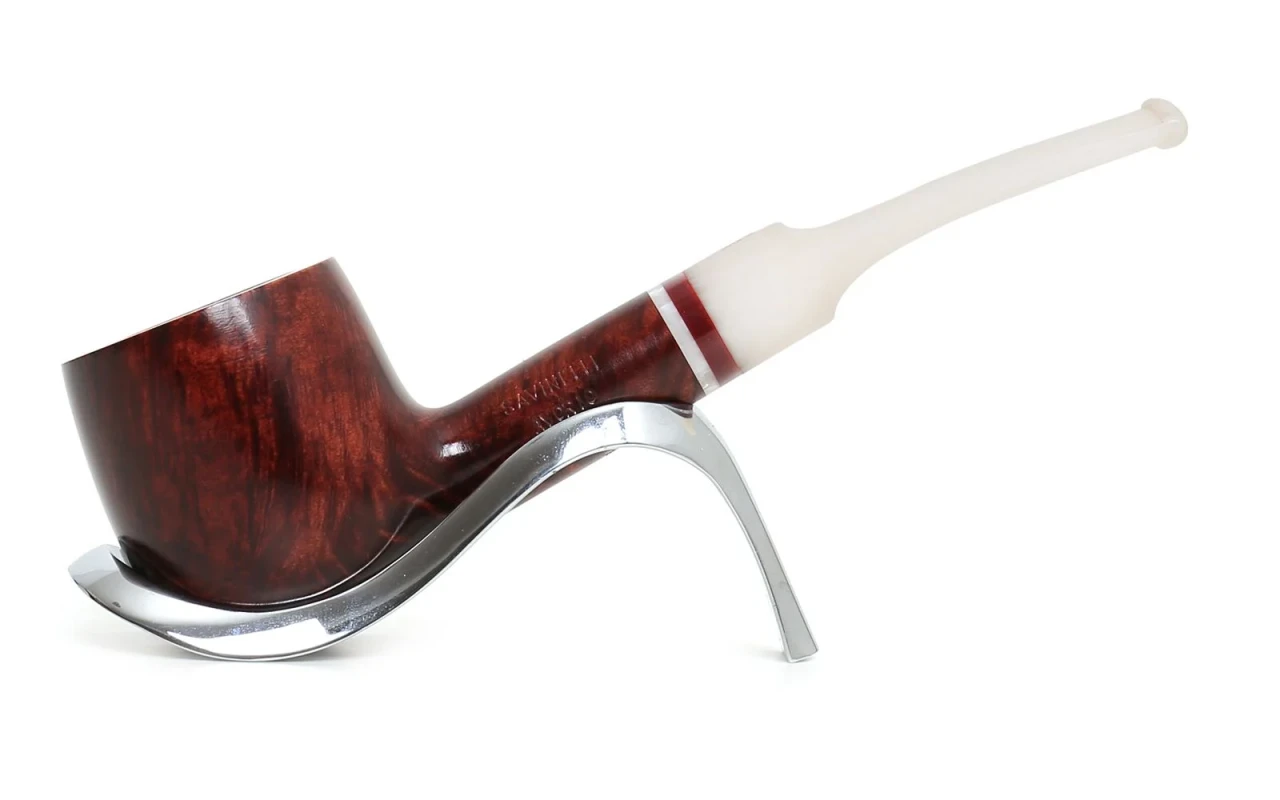
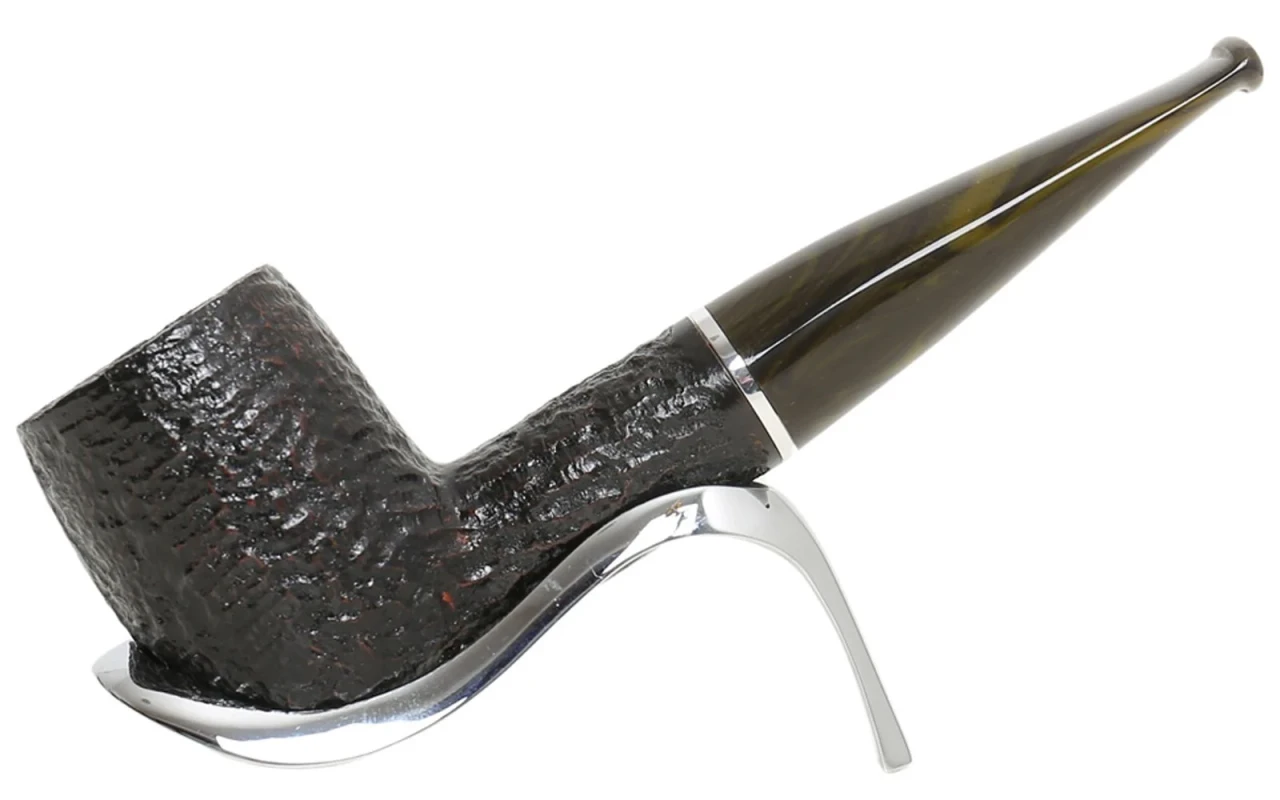
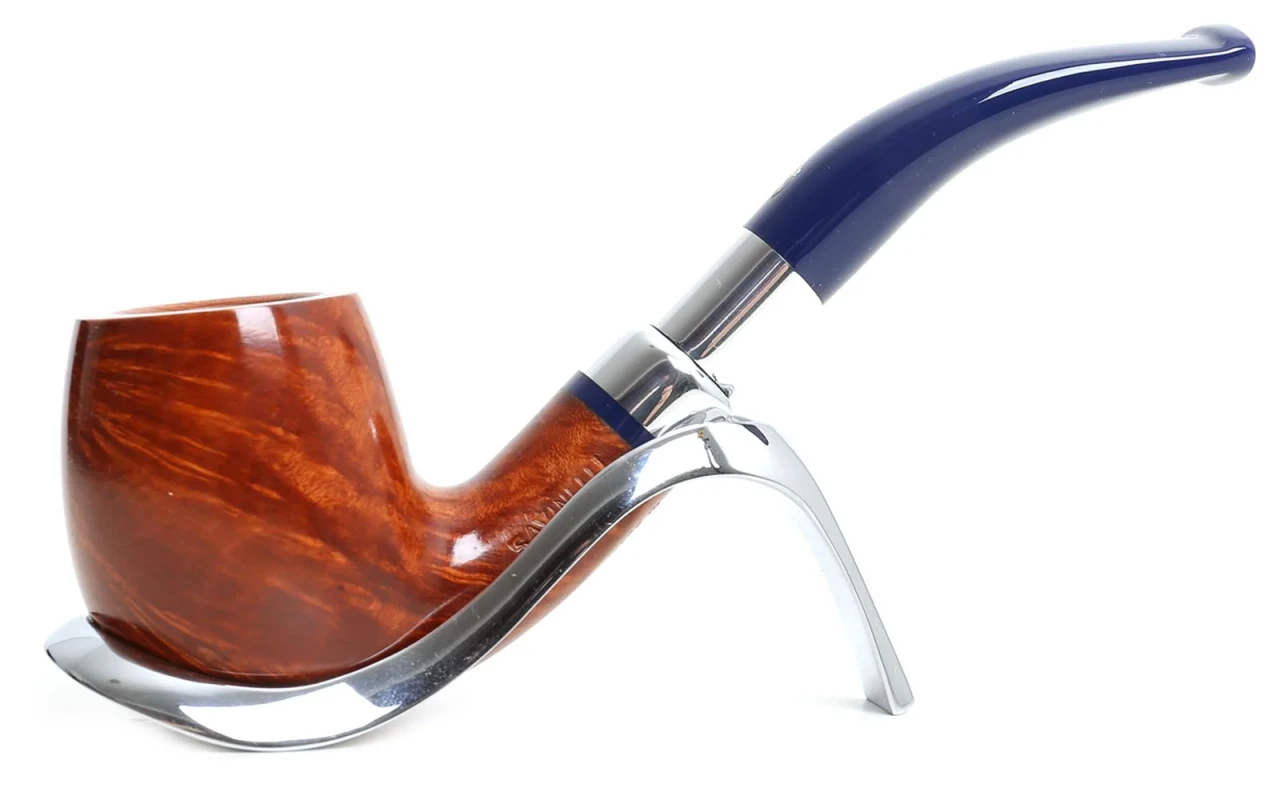
The creation of a pipe starts from a raw block of wood, usually briar. The process involves shaping, drilling the tobacco chamber and airway, sanding, and finally finishing with oils or waxes to enhance the grain and protect the wood. Each step requires precision to ensure both functionality and aesthetics.
How is a pipe created starting from a raw block? Deep dive
The making of a pipe begins with selecting a raw block of briar, a prized wood known for its heat resistance and beautiful grain patterns. The process starts by shaping the block, modeling it according to the desired pipe form while considering ergonomics and aesthetics. Next, the tobacco chamber and airway are drilled, essential operations to guarantee proper combustion and optimal airflow. After these steps, the pipe is carefully sanded to remove imperfections and create a smooth surface to the touch. Finally, finishes such as natural oils or waxes are applied to highlight the wood grain and protect the pipe from moisture and wear. This artisanal procedure demands attention and skill to produce a functional and refined object capable of accompanying the smoker in the ritual of slow smoking.