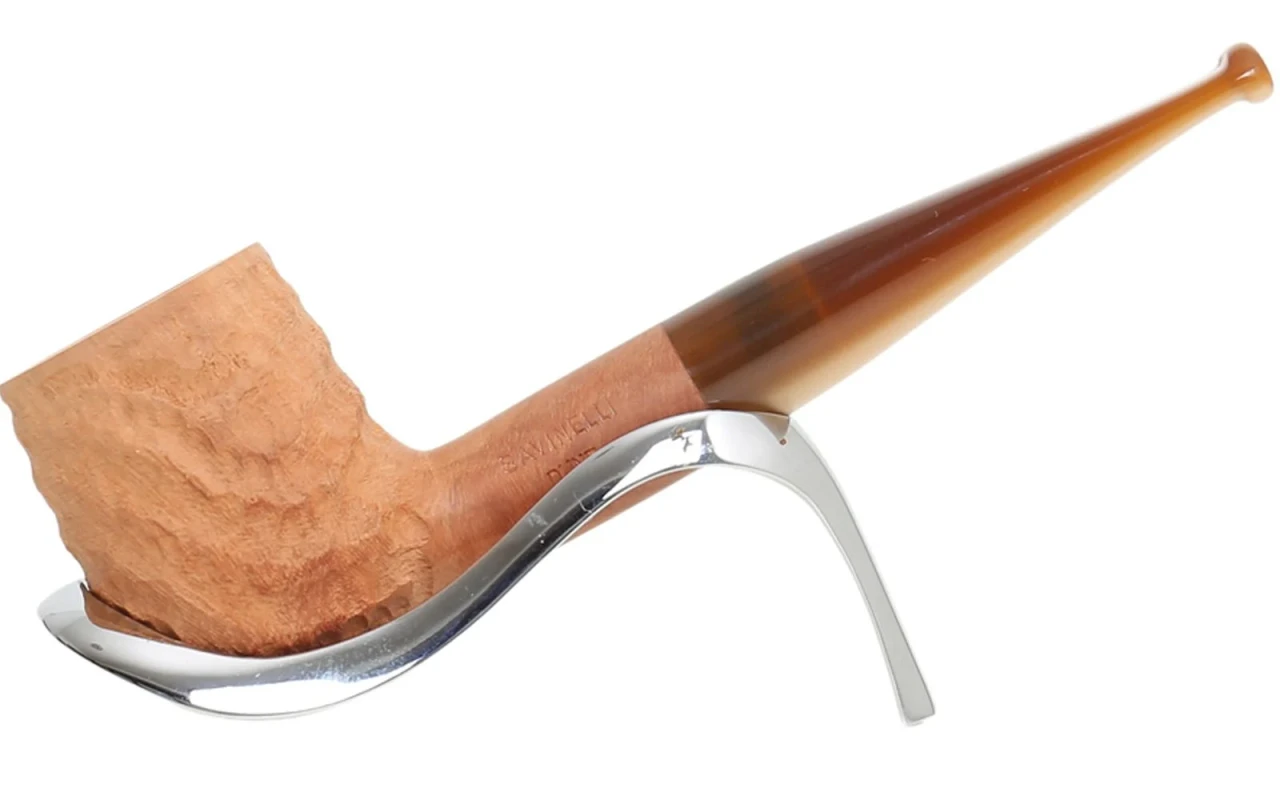
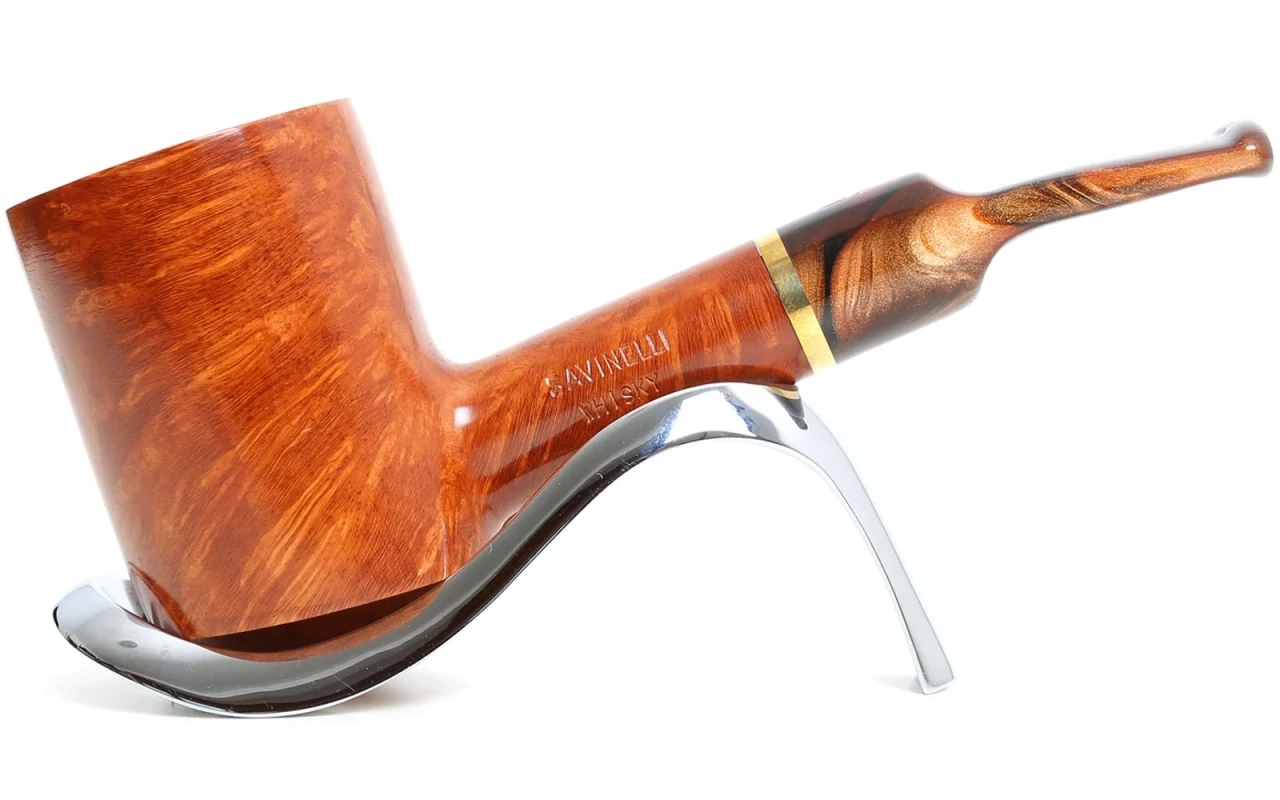
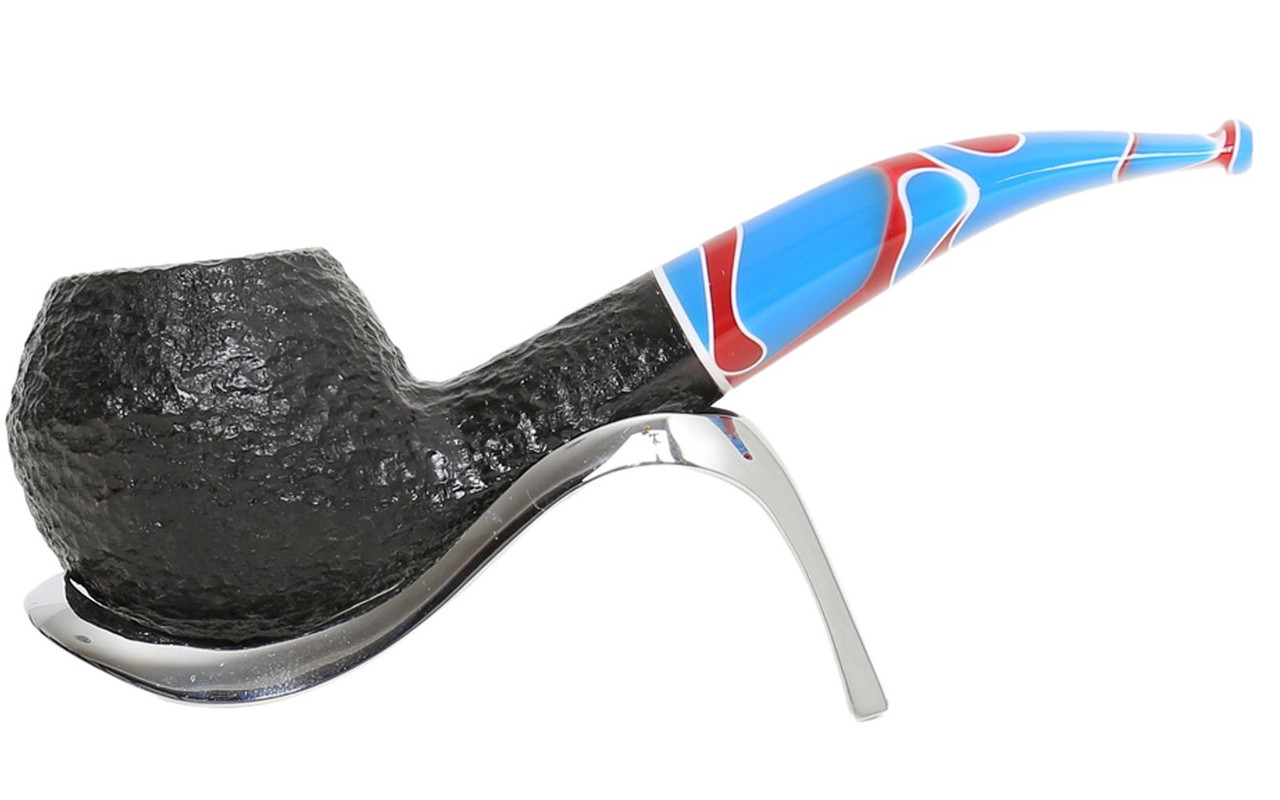
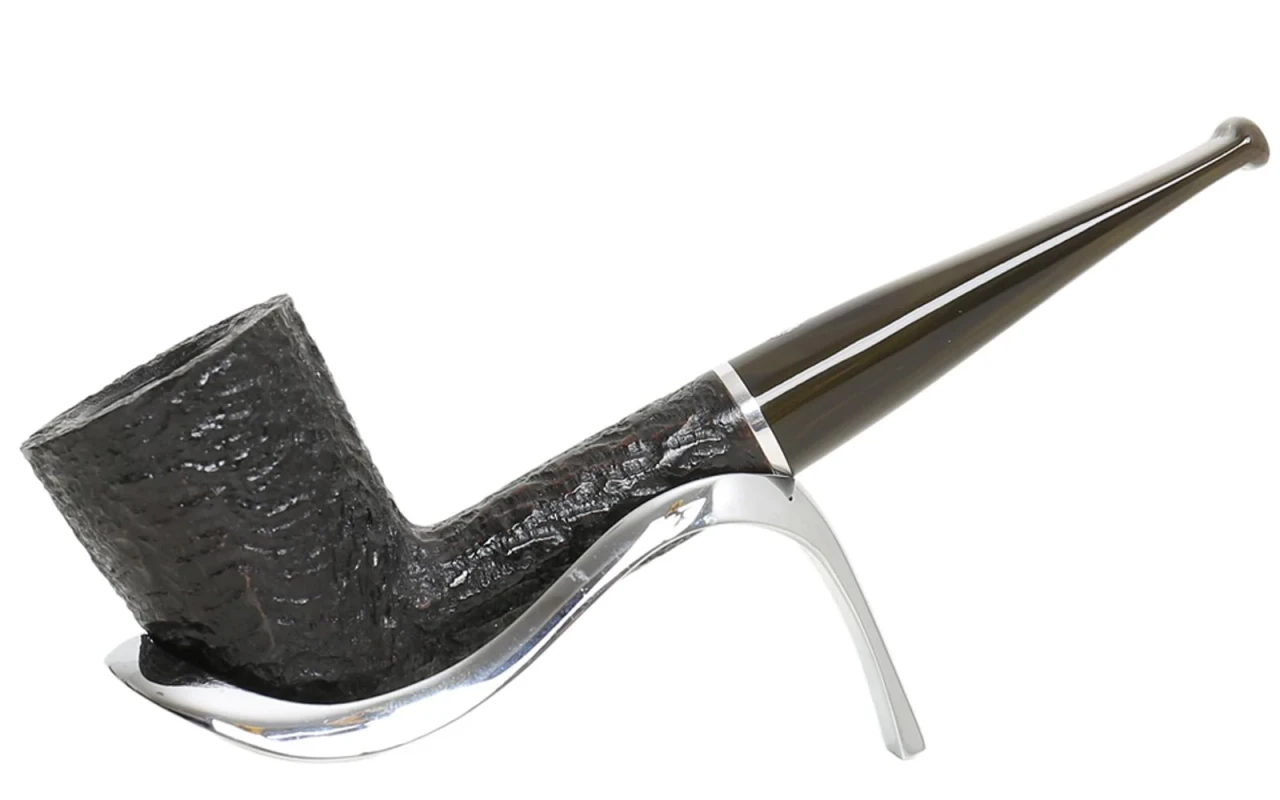
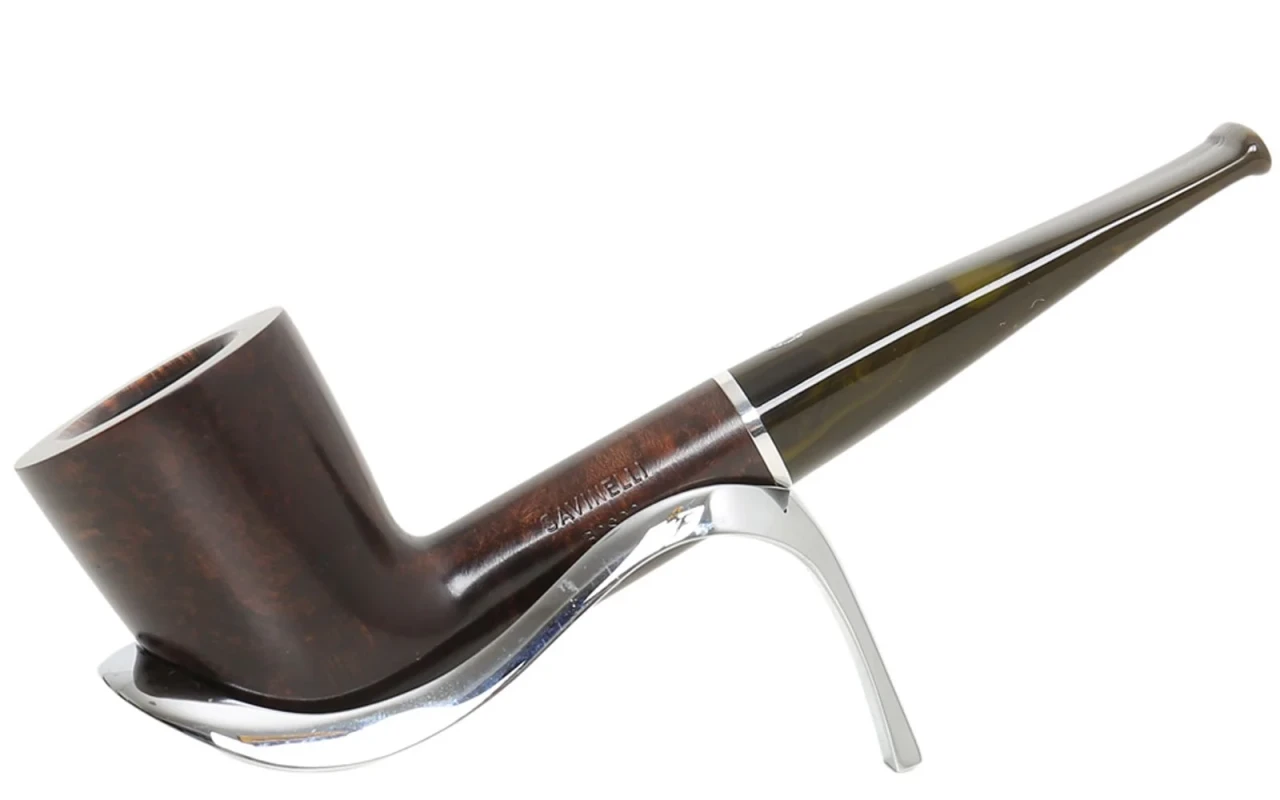
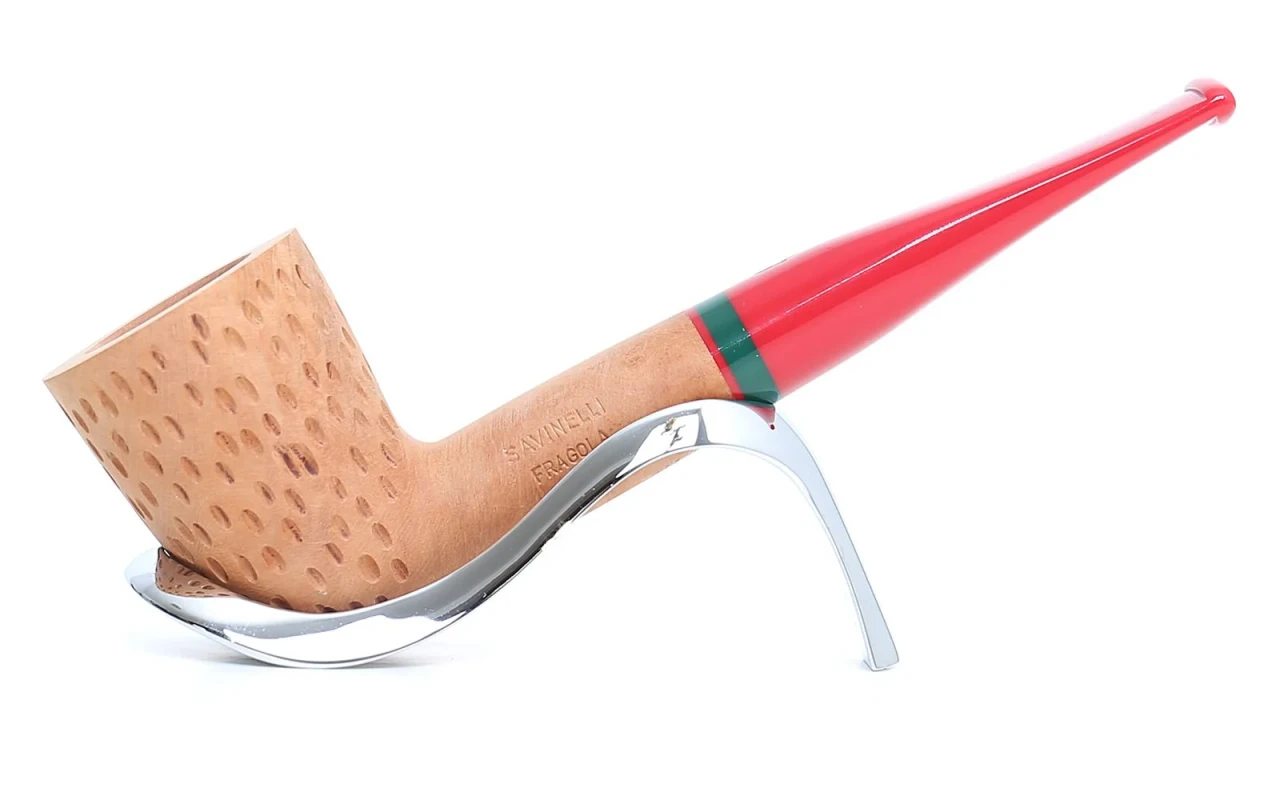
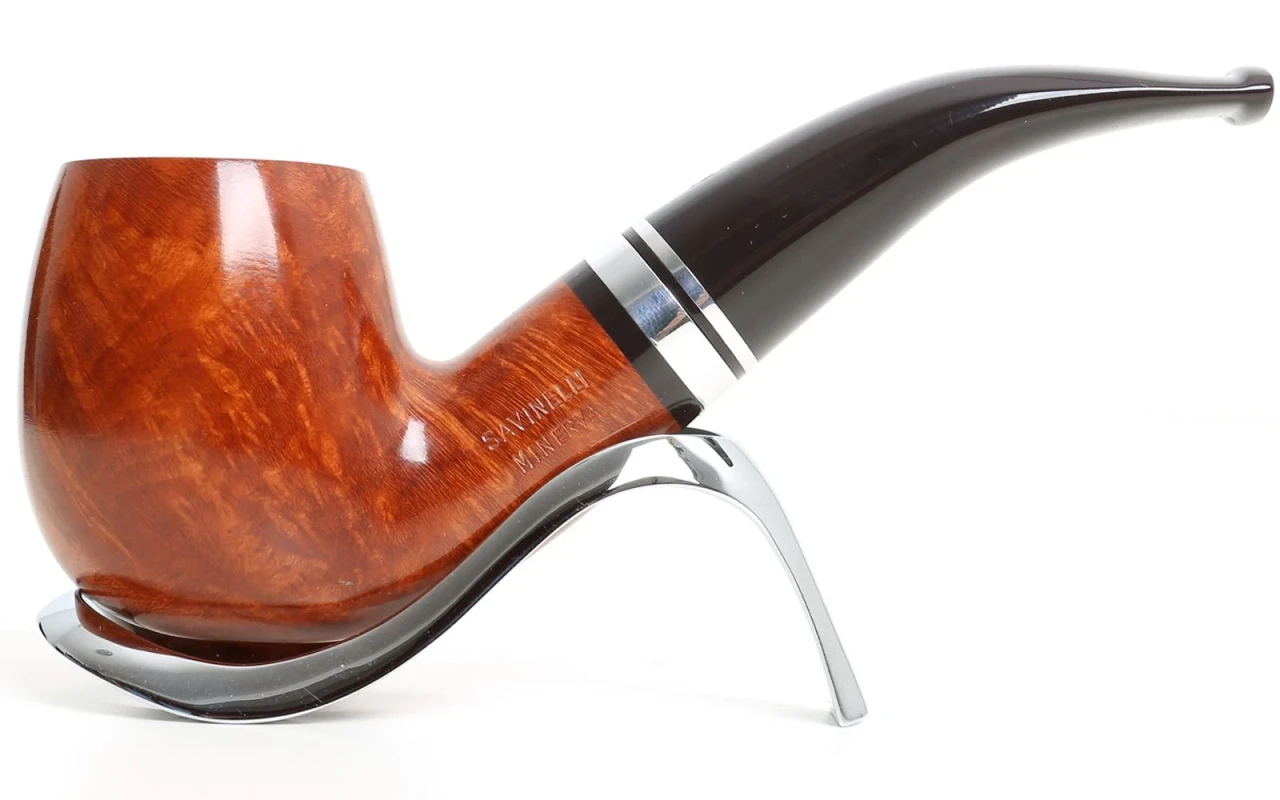
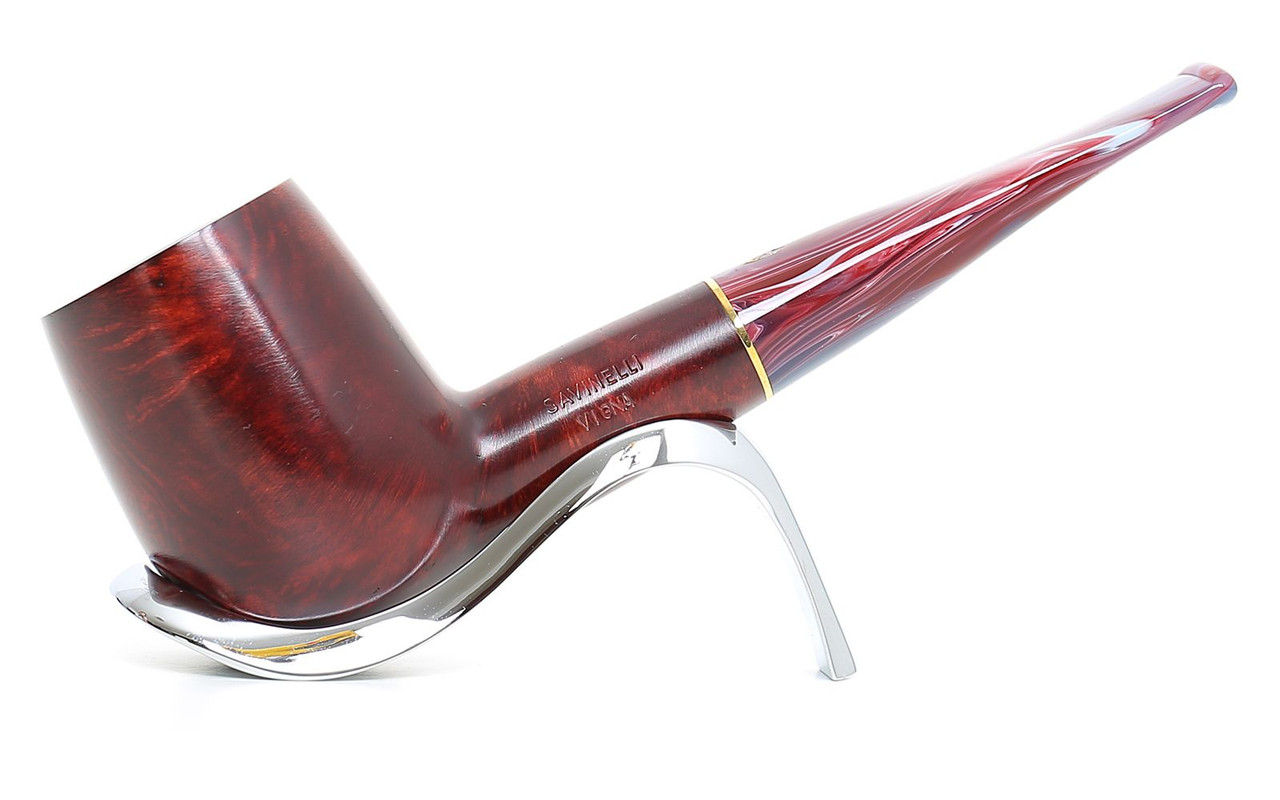
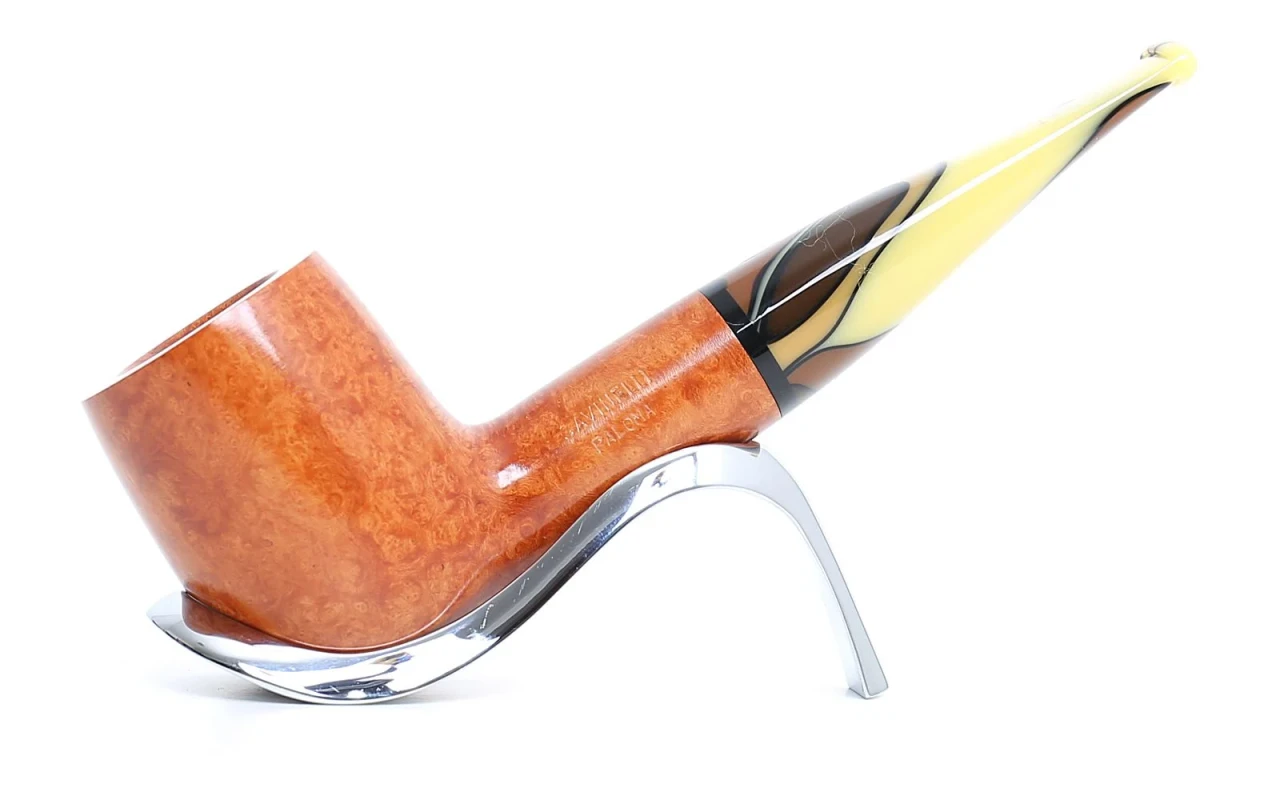
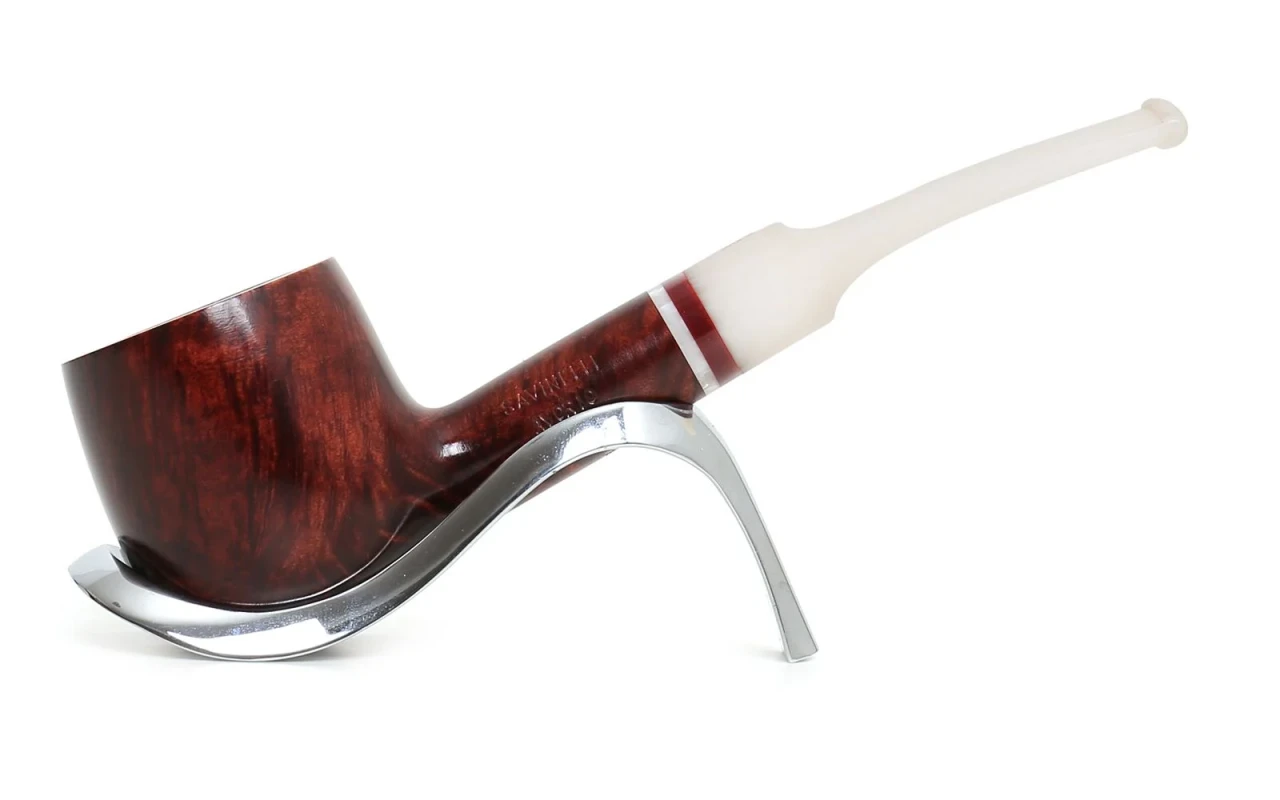
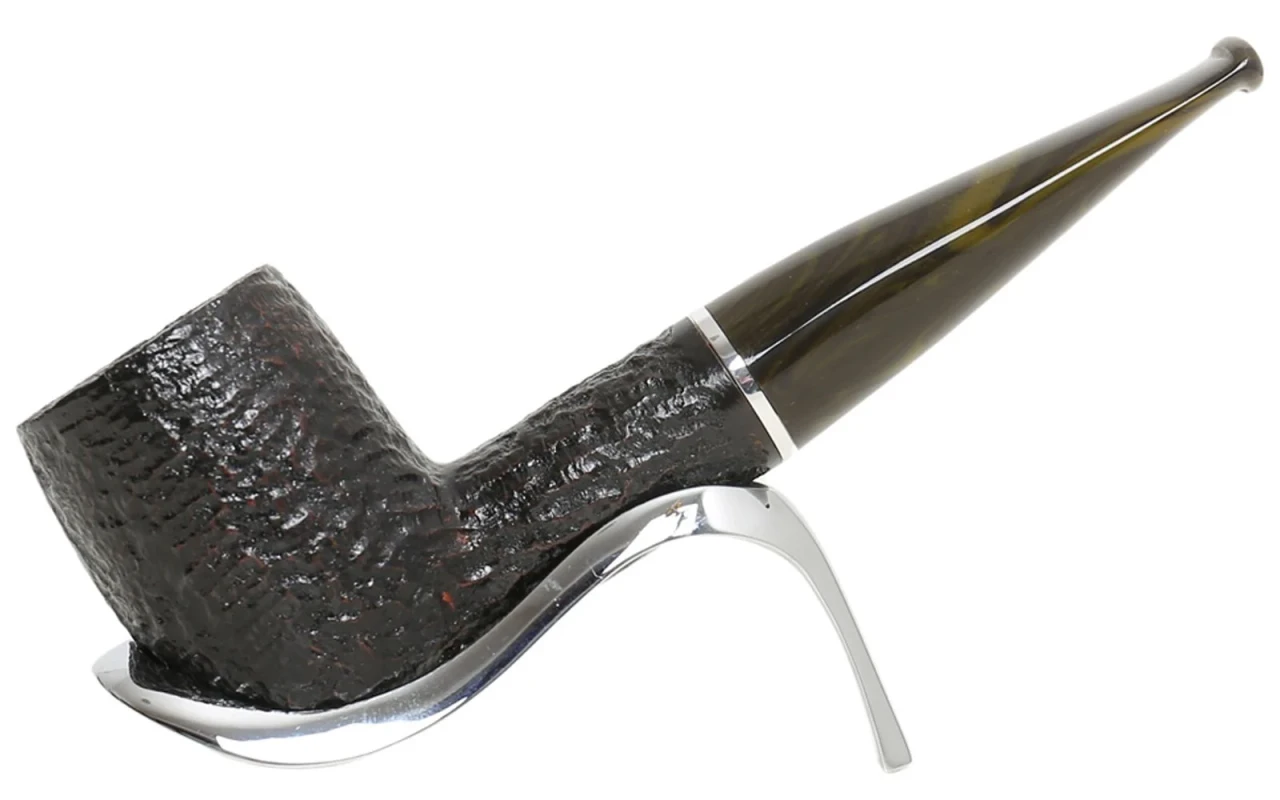
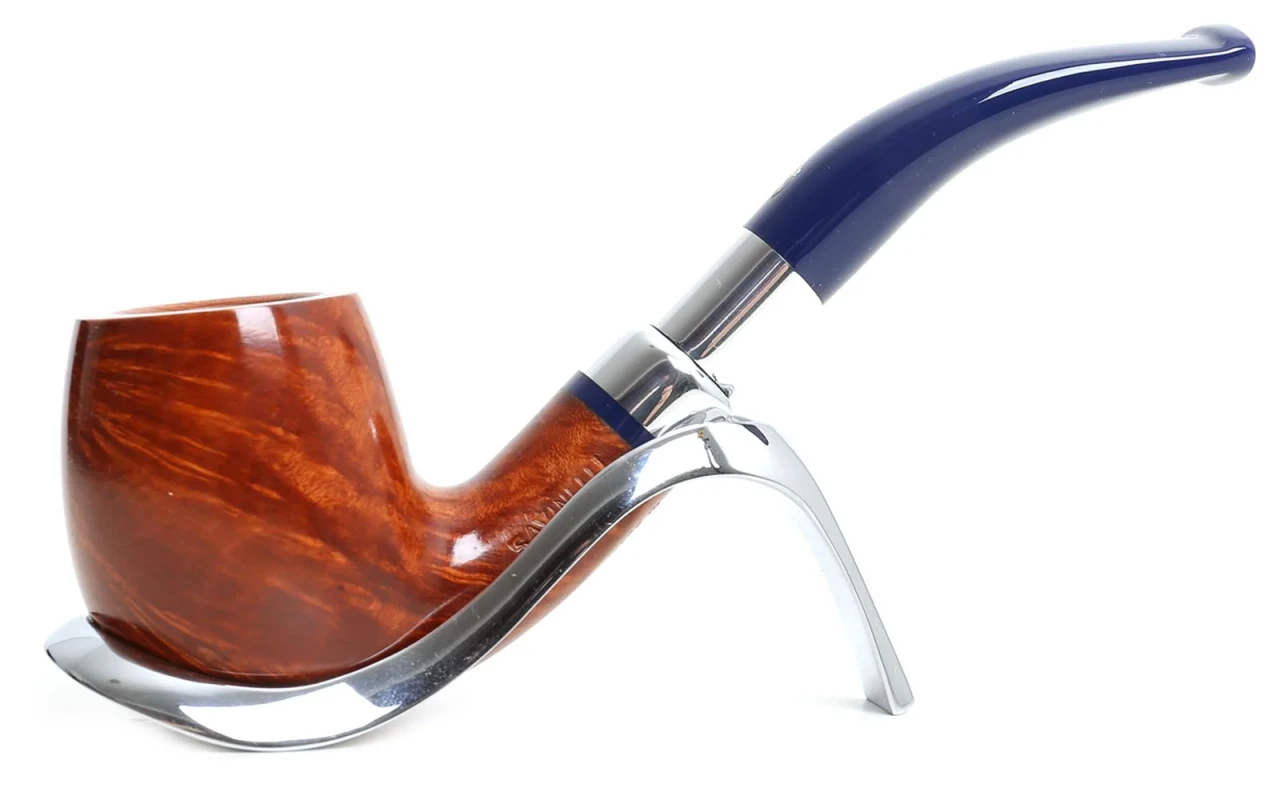
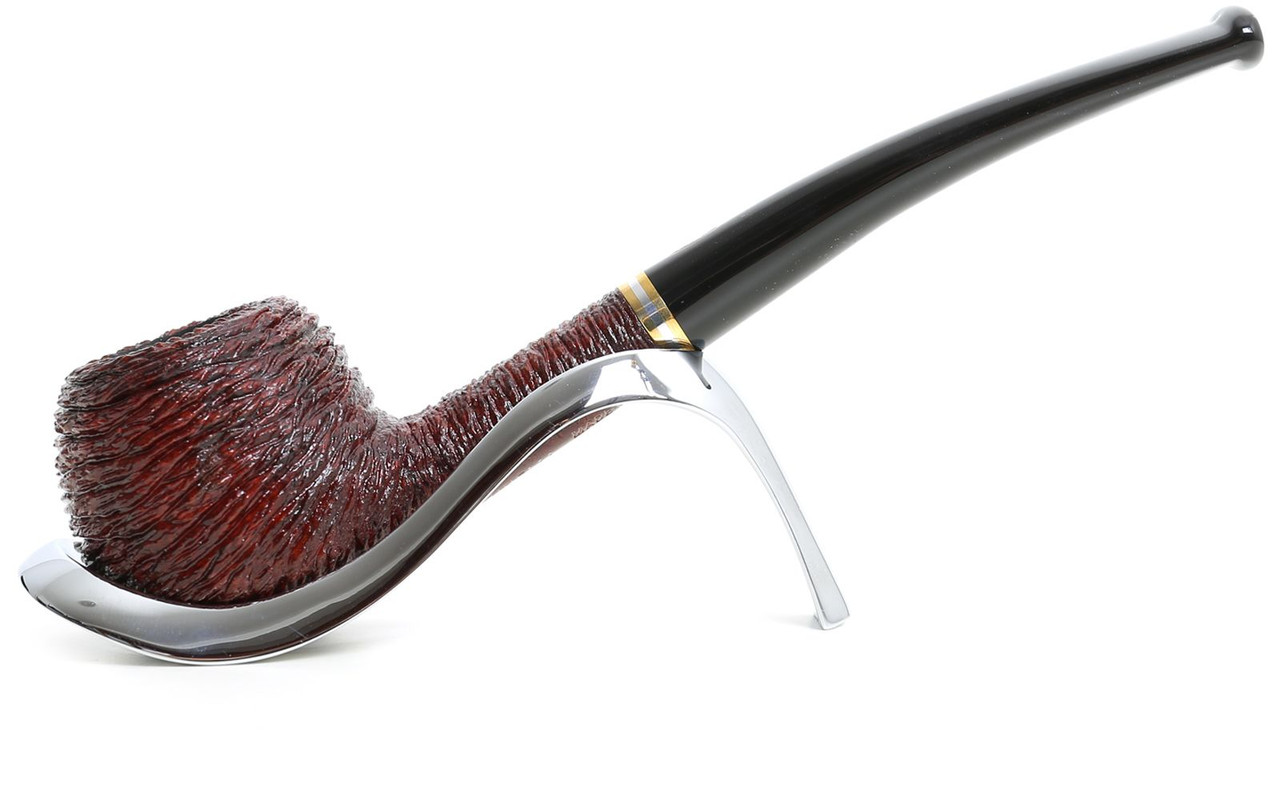
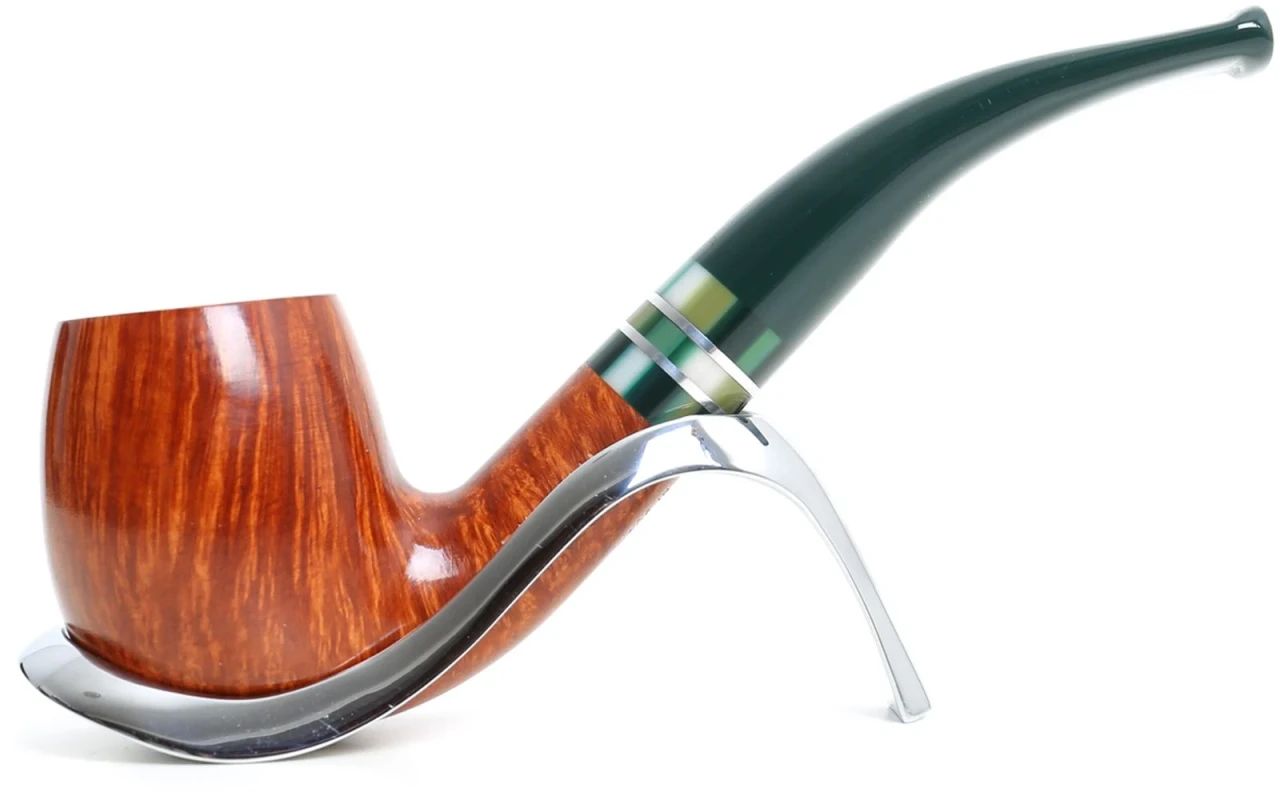
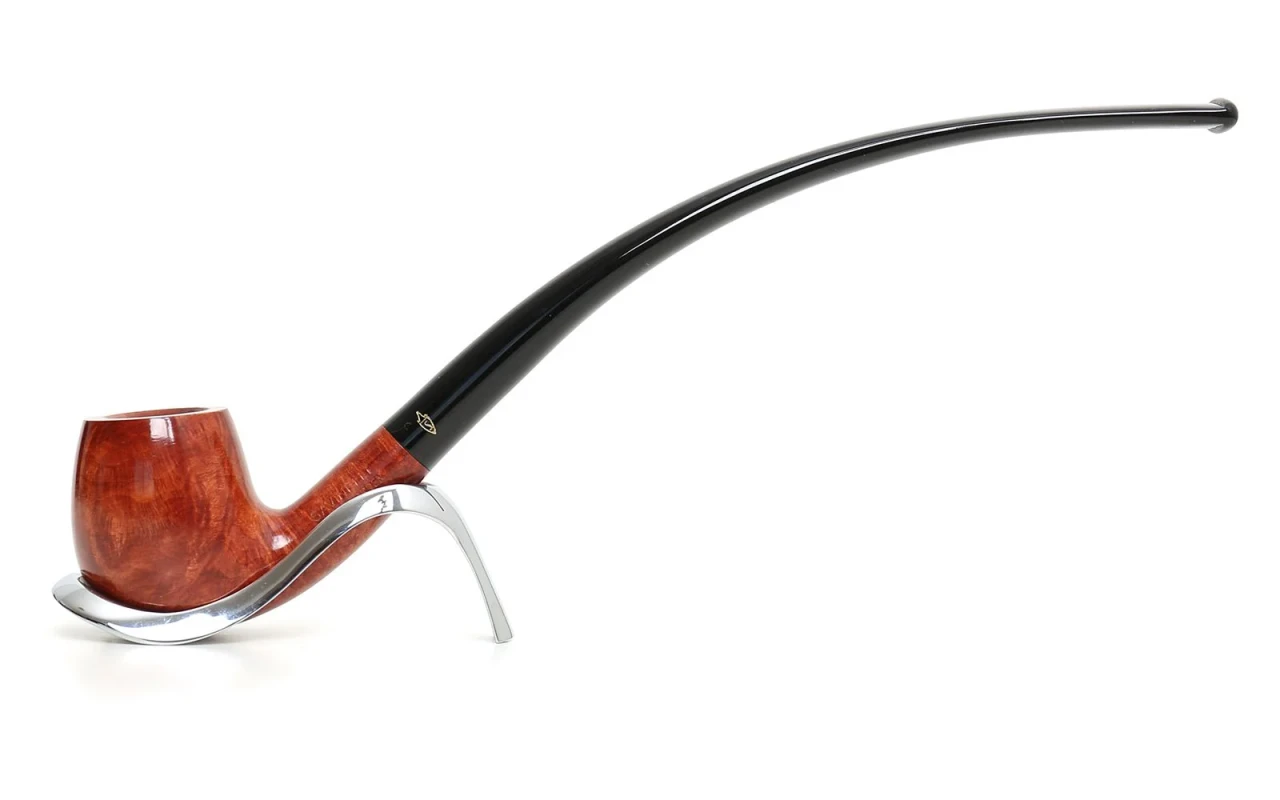
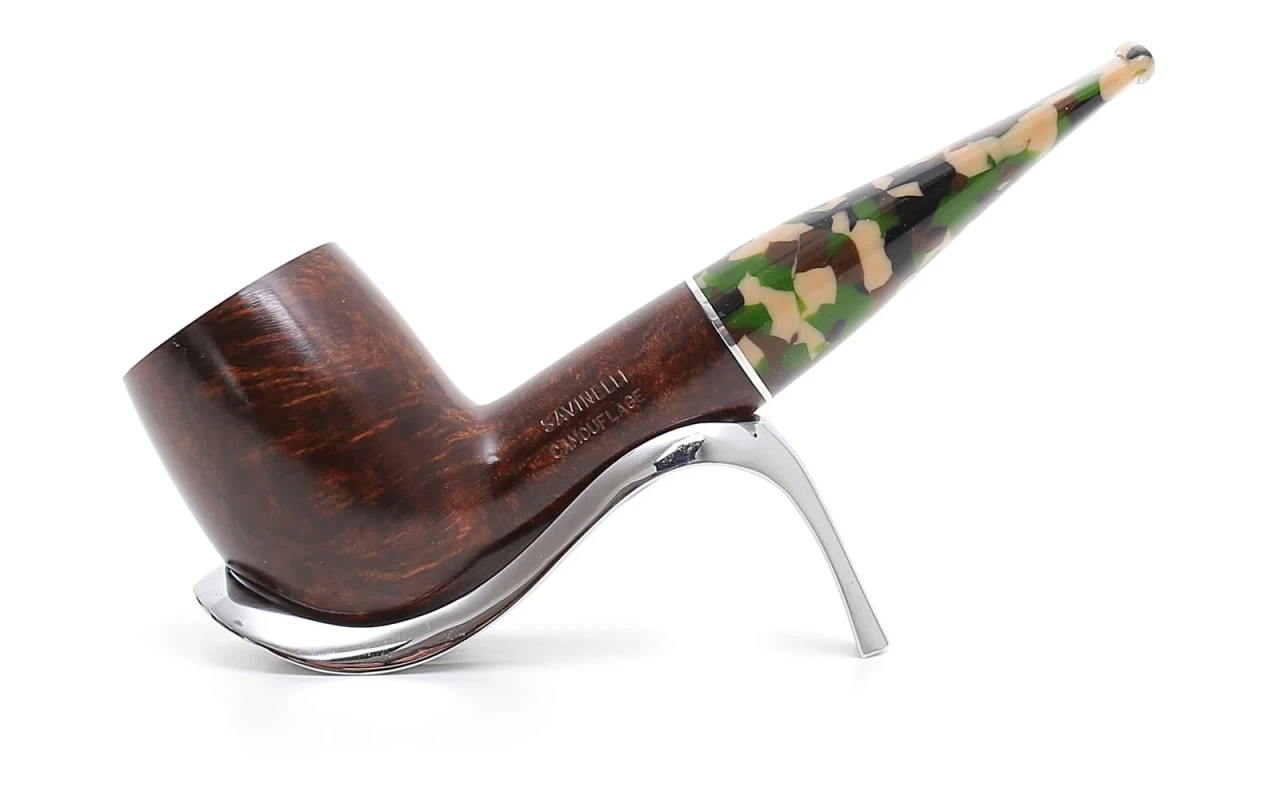
To make a pipe that heats less, insulating materials like high-quality briar are used, shapes with larger combustion chambers are designed, and cooling systems such as longer stems or filters are adopted. These measures help dissipate heat, making the smoking experience more pleasant and cooler.
How is a pipe made to heat less? Deep dive
Creating a pipe that heats less relies on several technical and design factors. Firstly, material choice is crucial: briar, the traditional wood for pipes, must be of high quality and well-cured to ensure good heat resistance. The pipe’s shapes greatly influence temperature; larger combustion chambers allow for slower, less concentrated burning, reducing heat transferred to the mouthpiece. Additionally, using longer stems increases the distance between the combustion and the mouth, promoting smoke cooling. Some pipes are designed with integrated cooling systems or special filters that absorb part of the heat. Regular maintenance, such as thorough cleaning of the airway and removal of residue, also helps maintain lower temperatures during smoking. Finally, the smoking technique—such as drawing slowly with pauses—helps avoid excessive pipe overheating. Combined, all these elements allow the production of pipes that offer a cooler, more comfortable smoking experience.