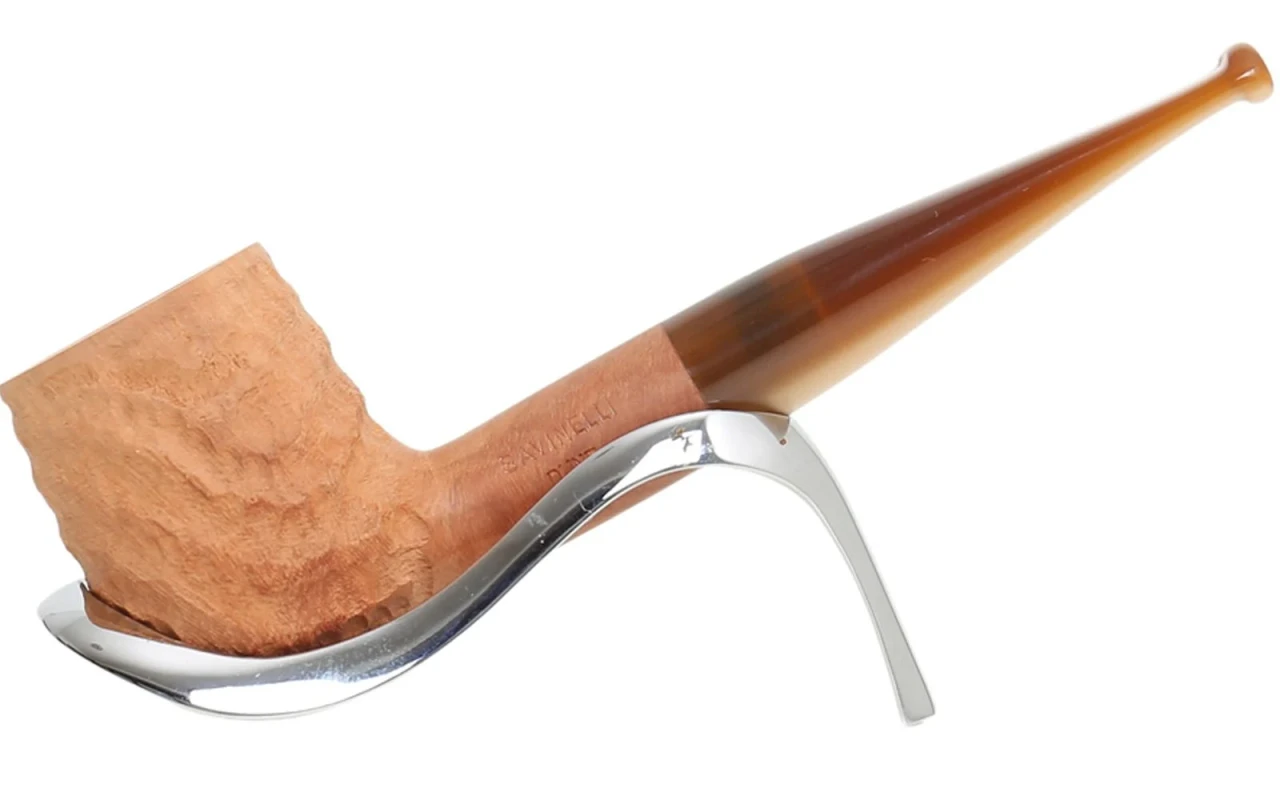
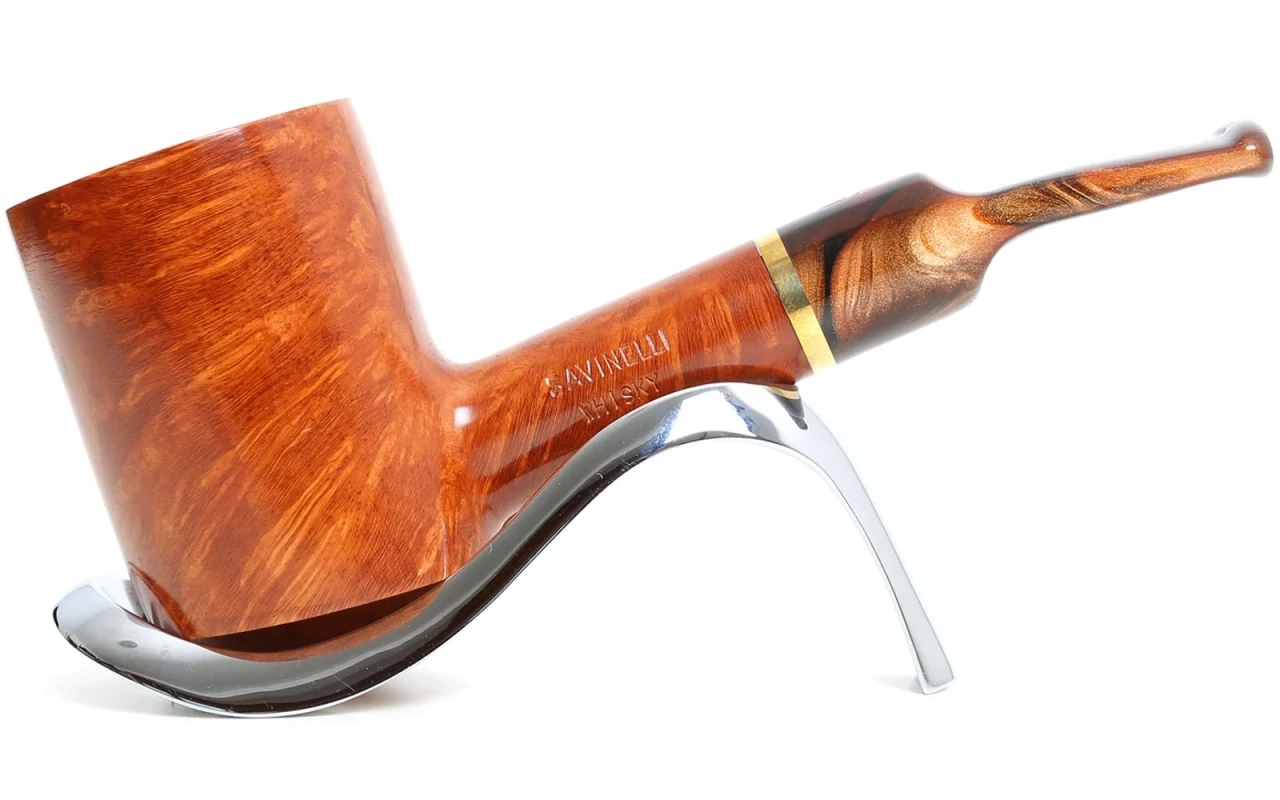
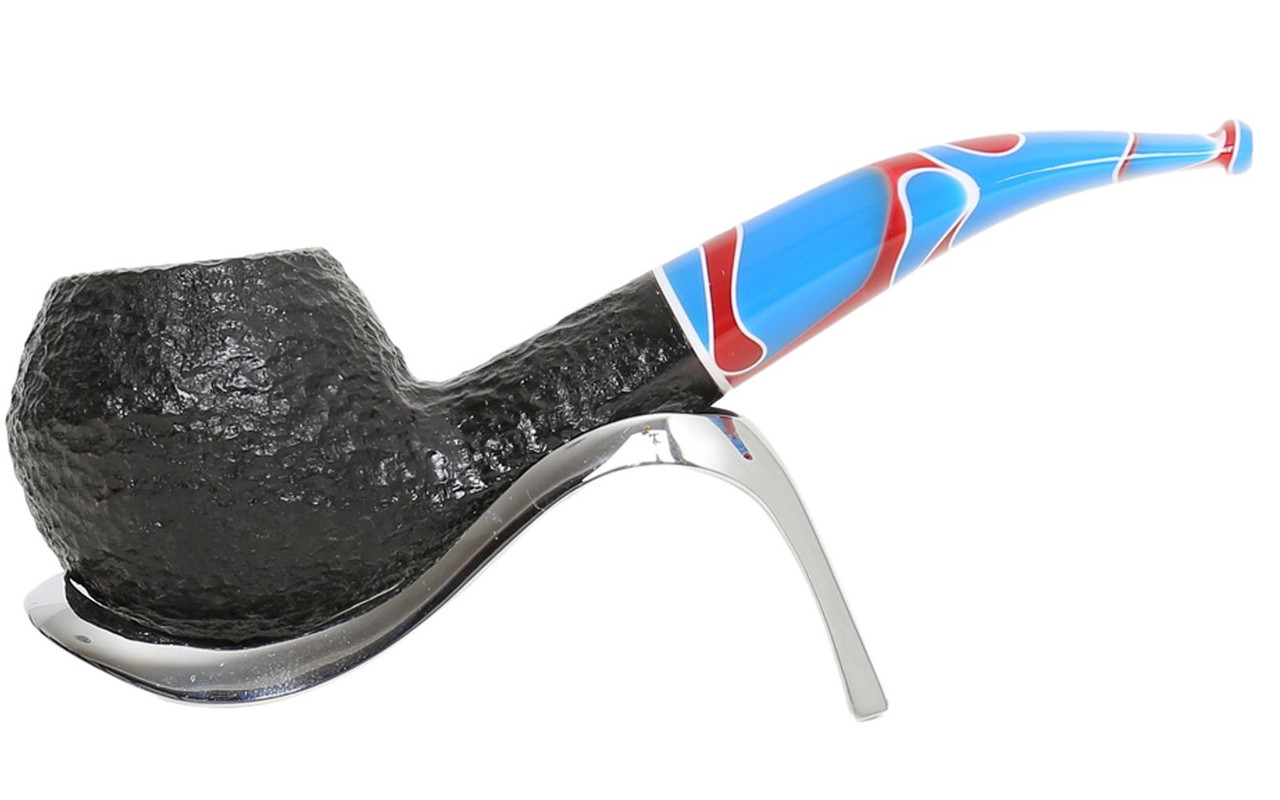
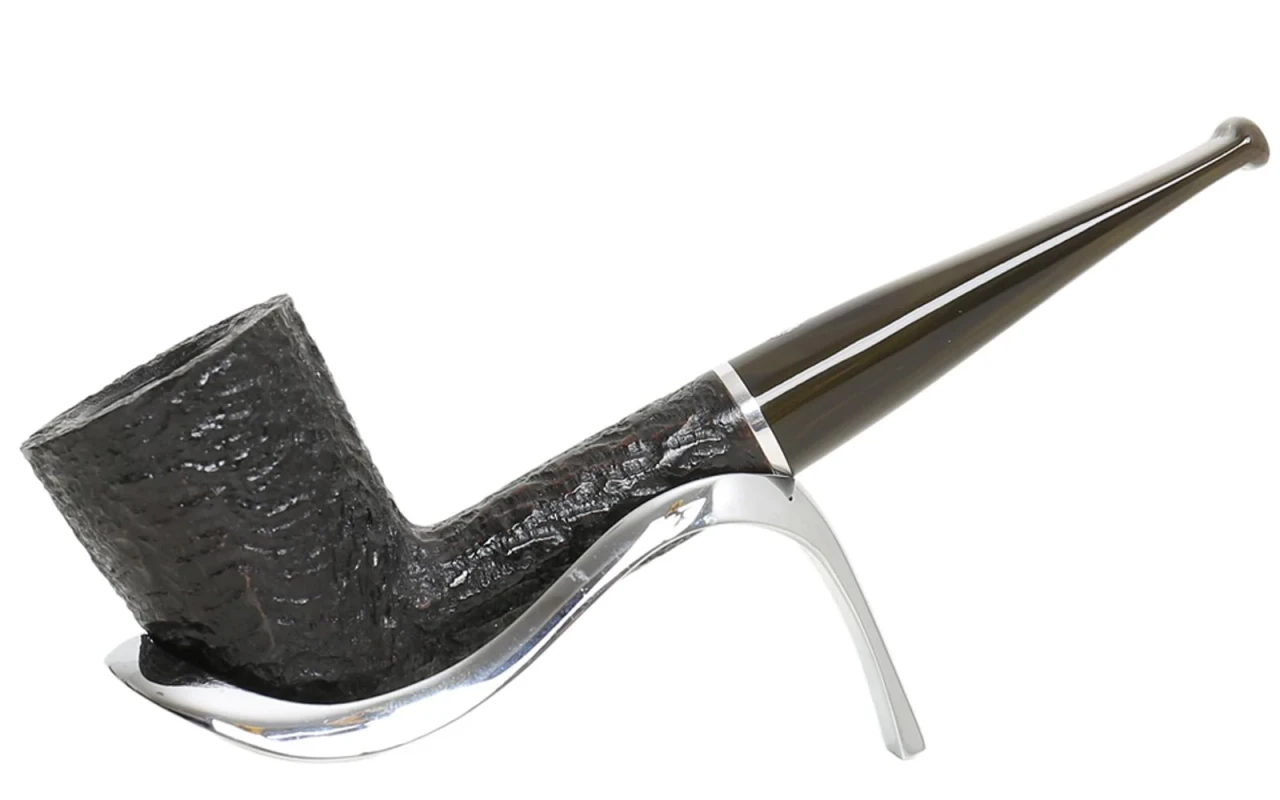
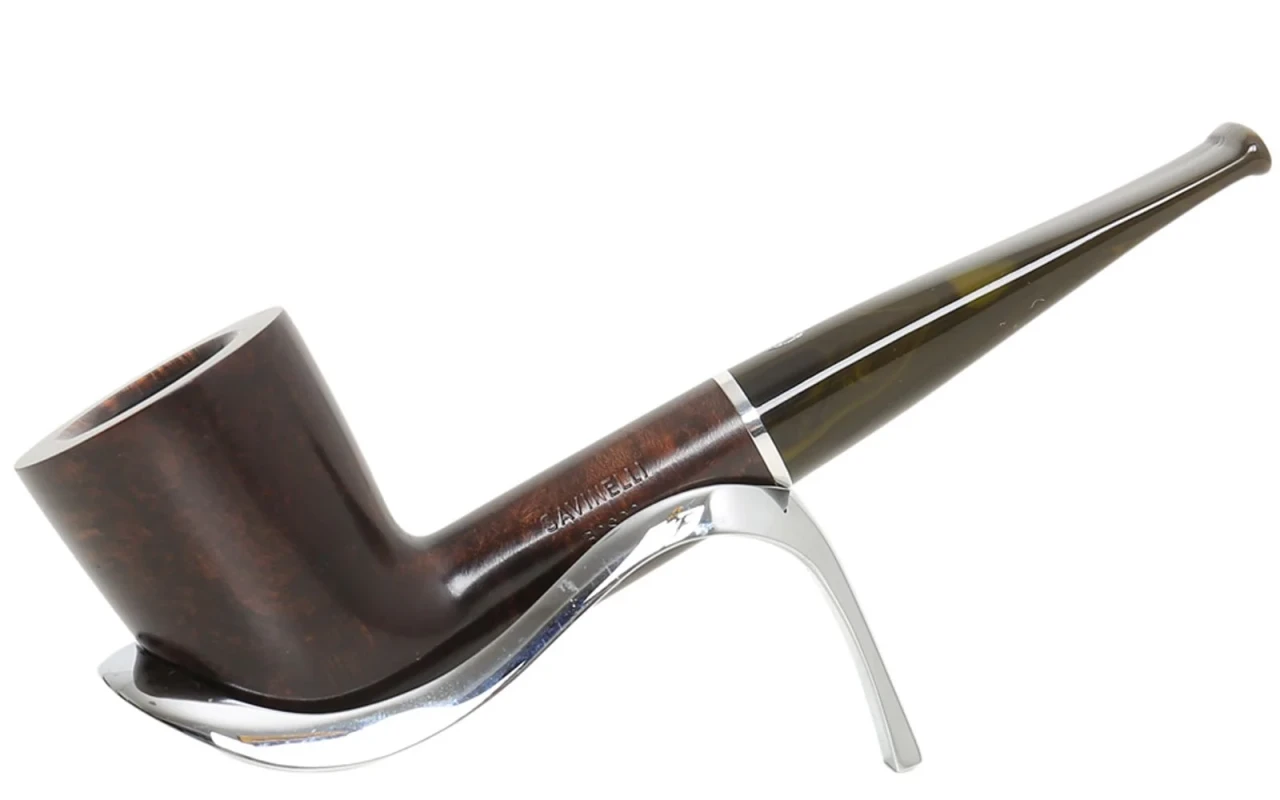
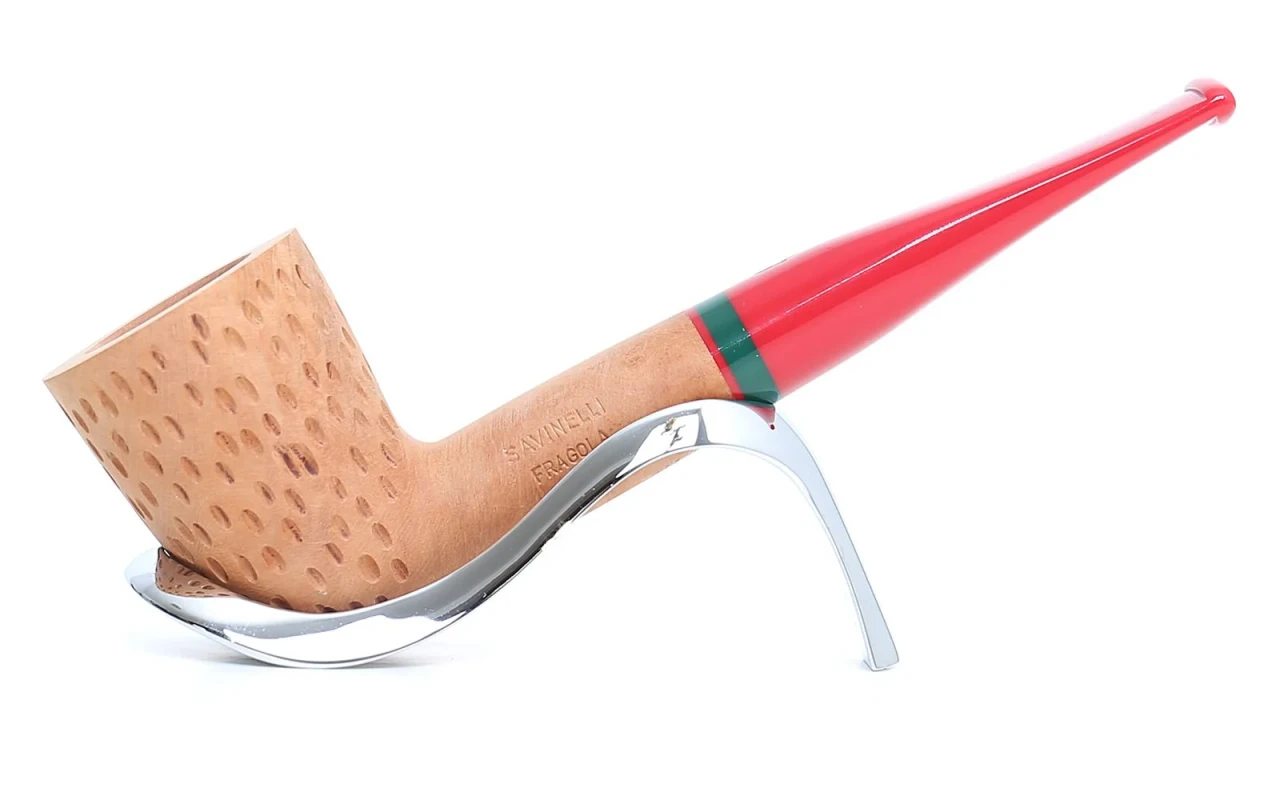
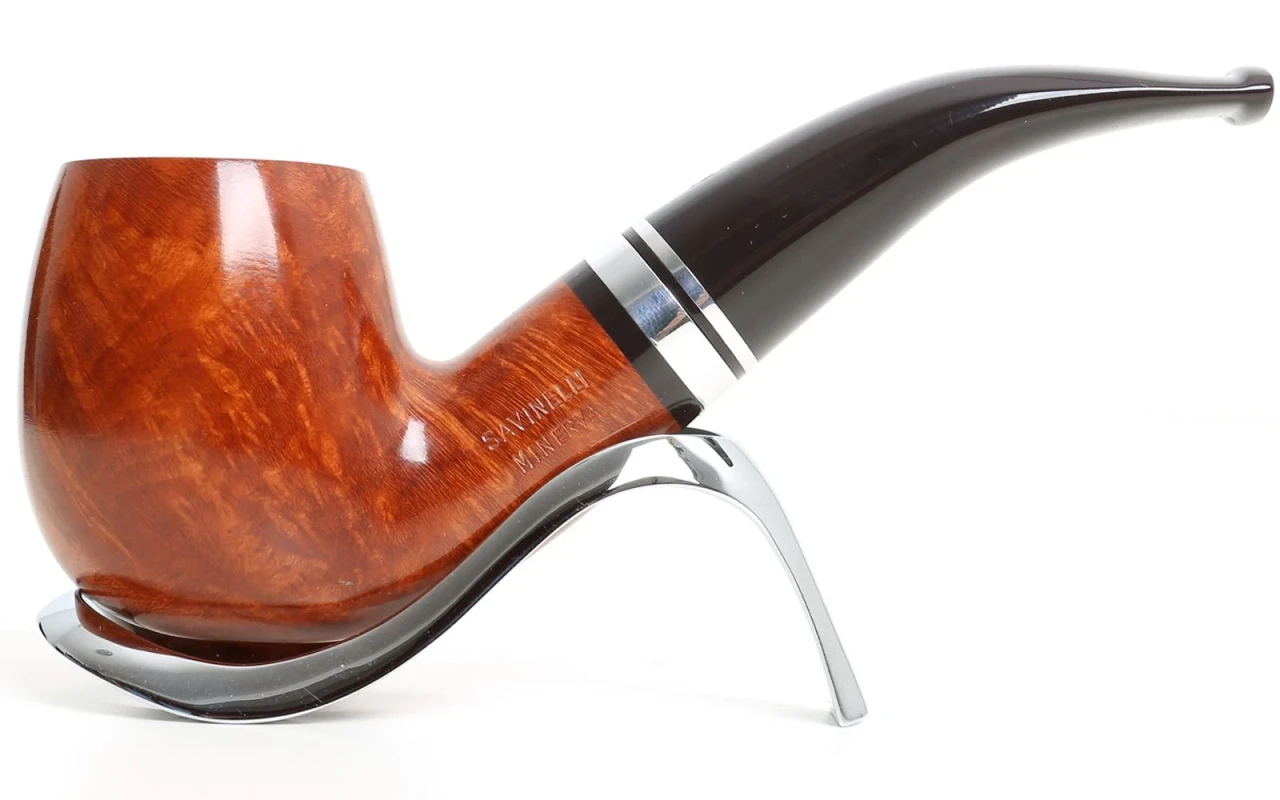
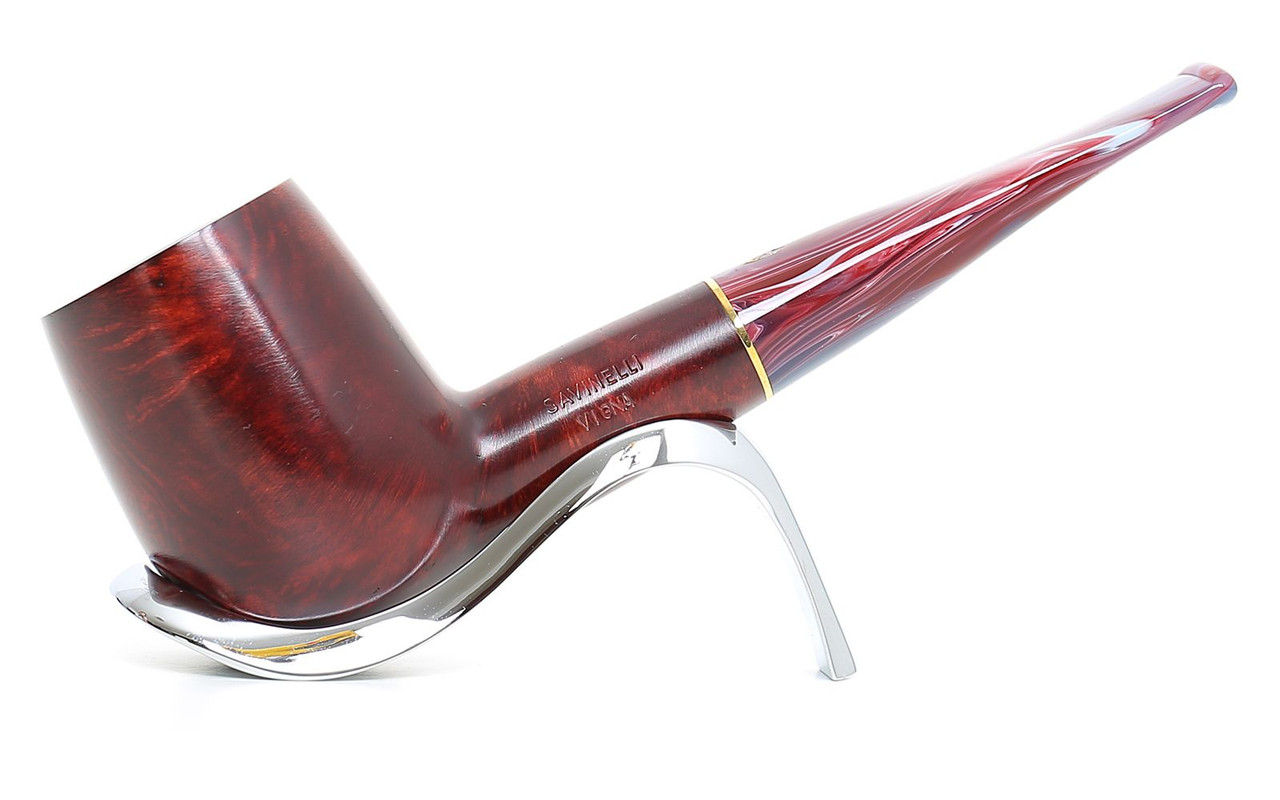
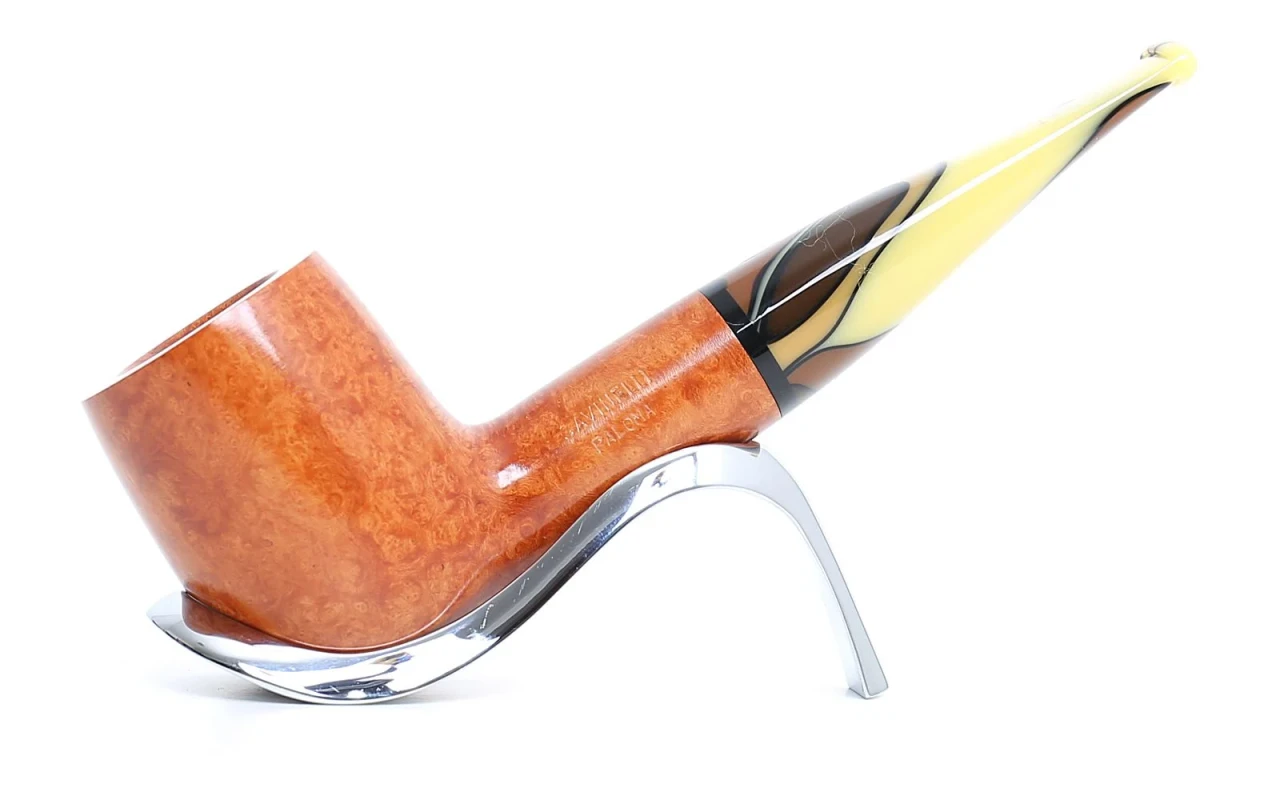
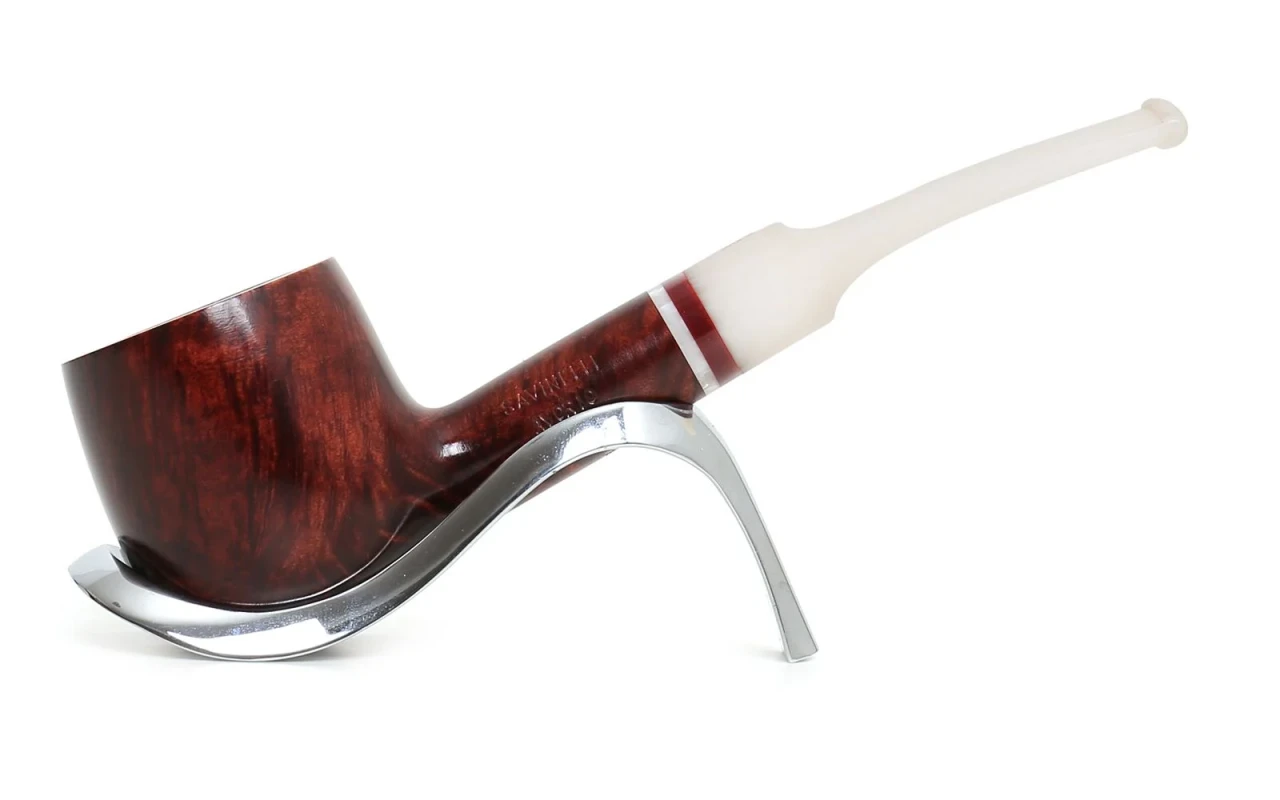
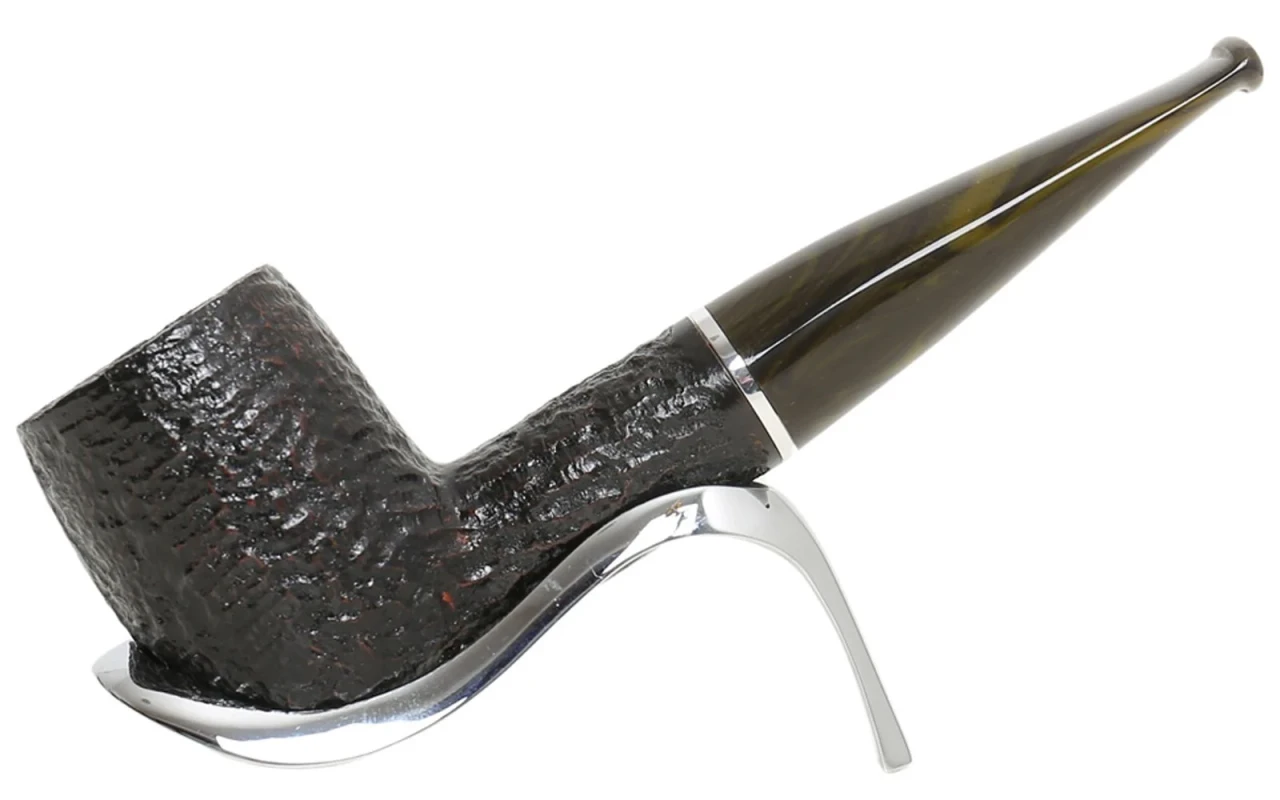
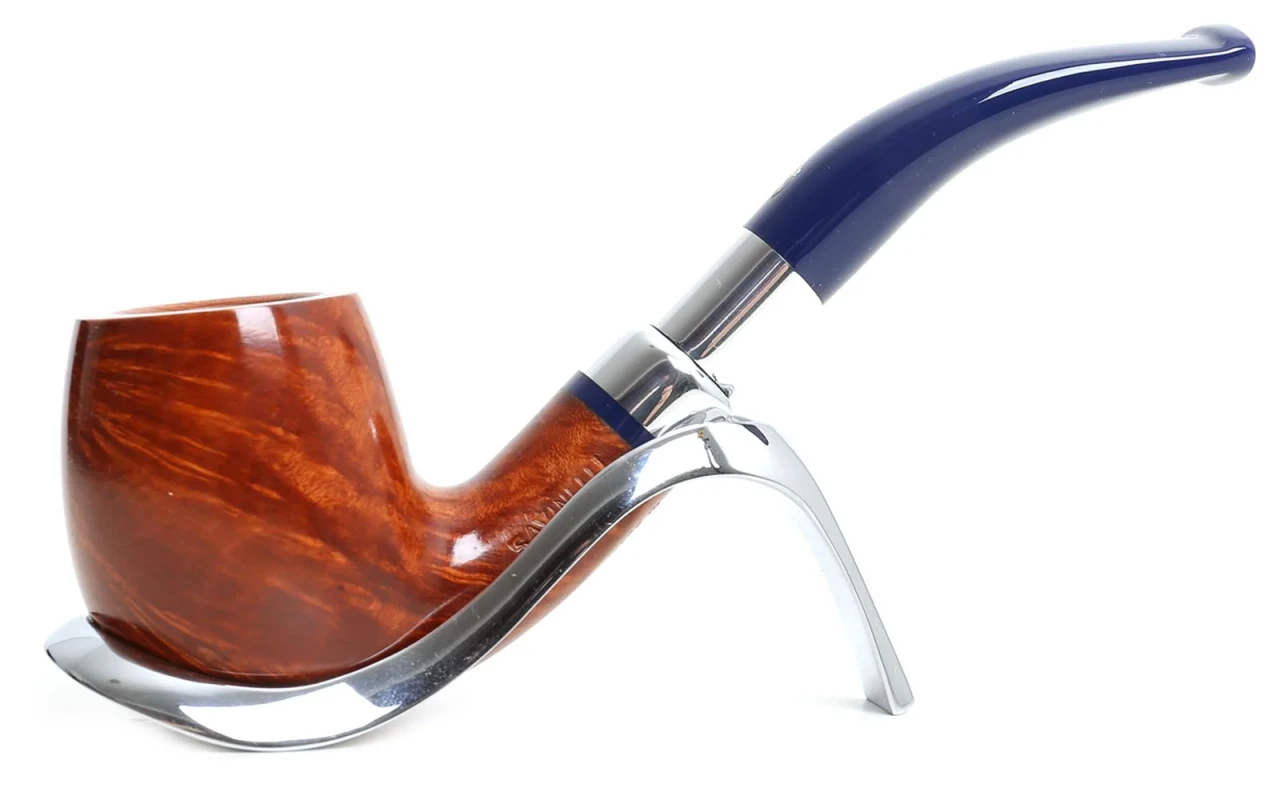
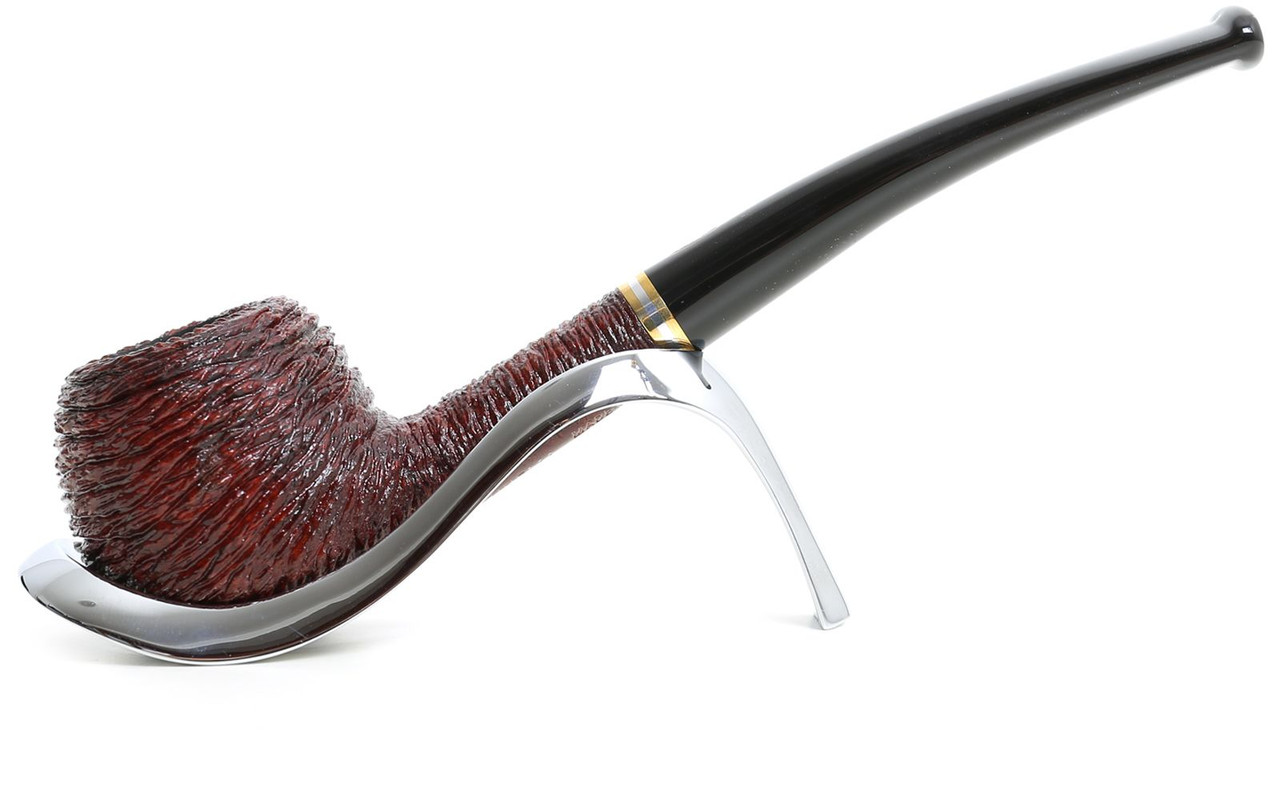
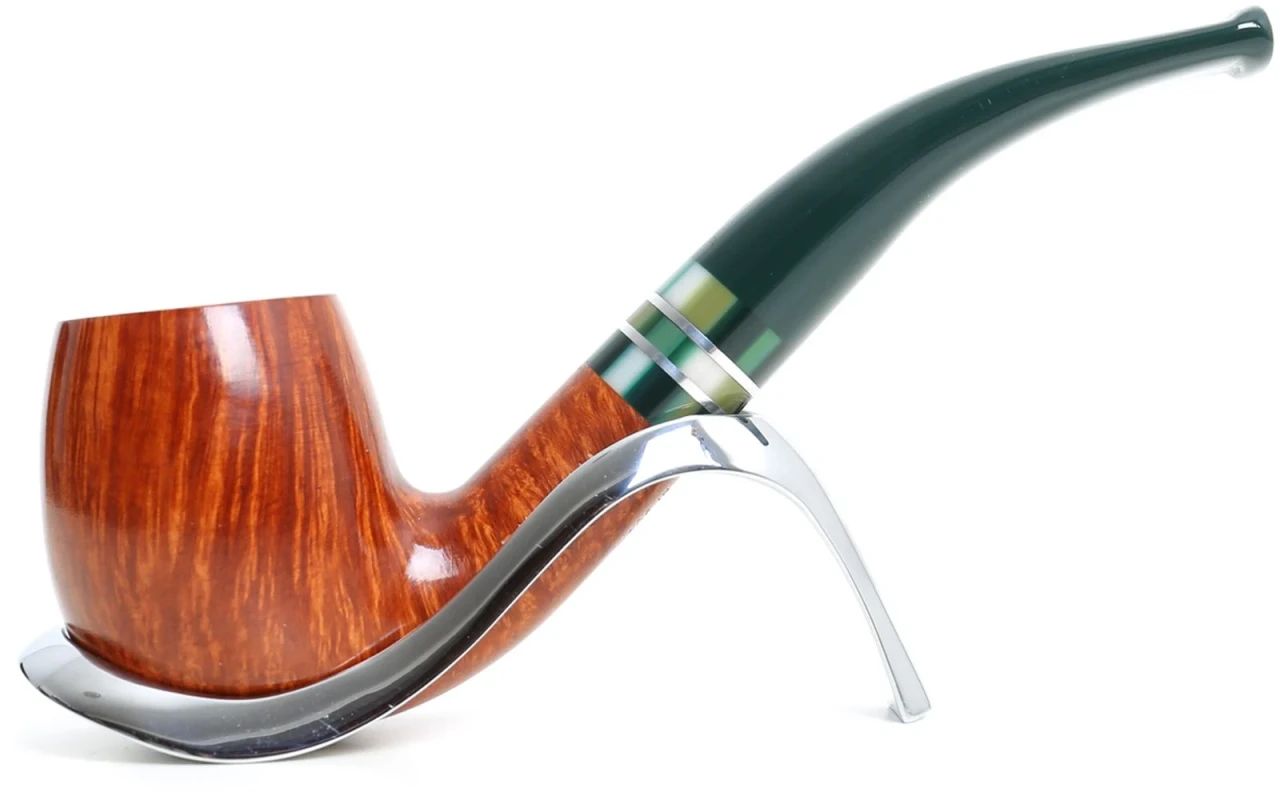
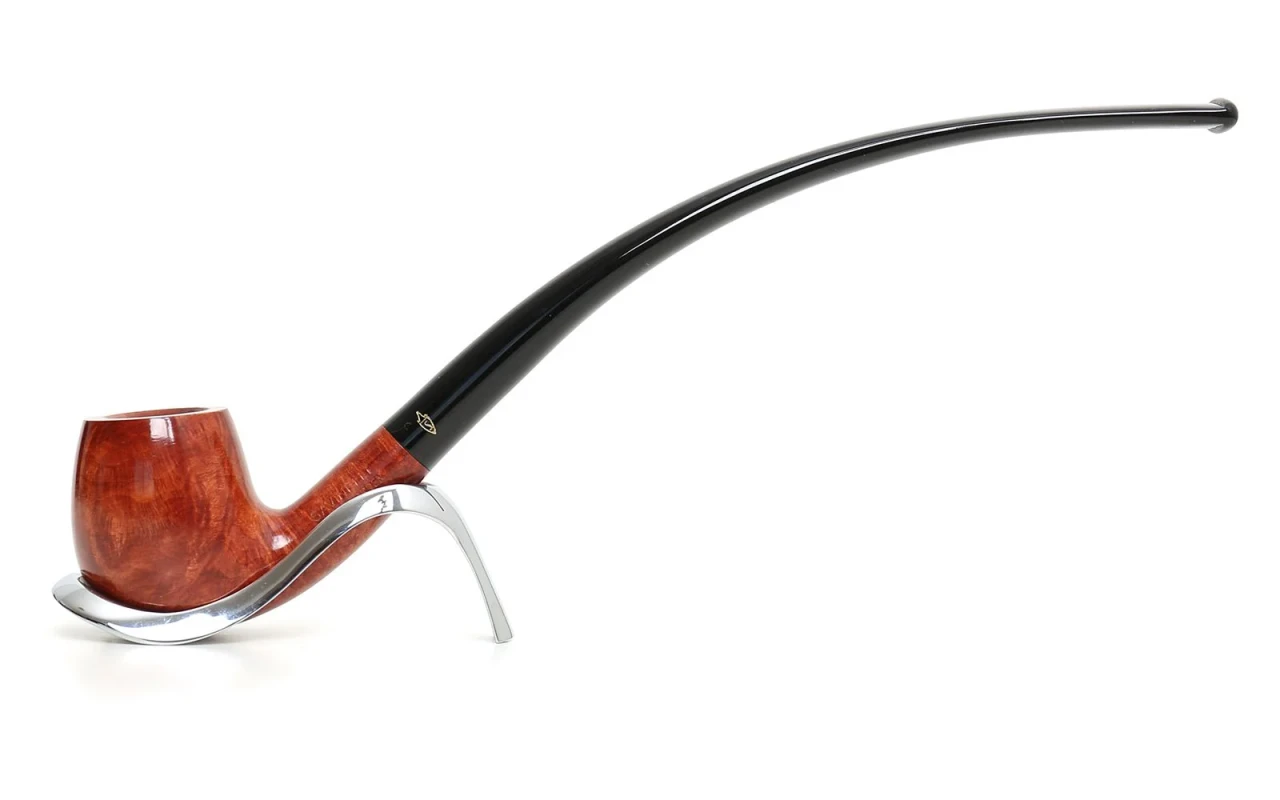
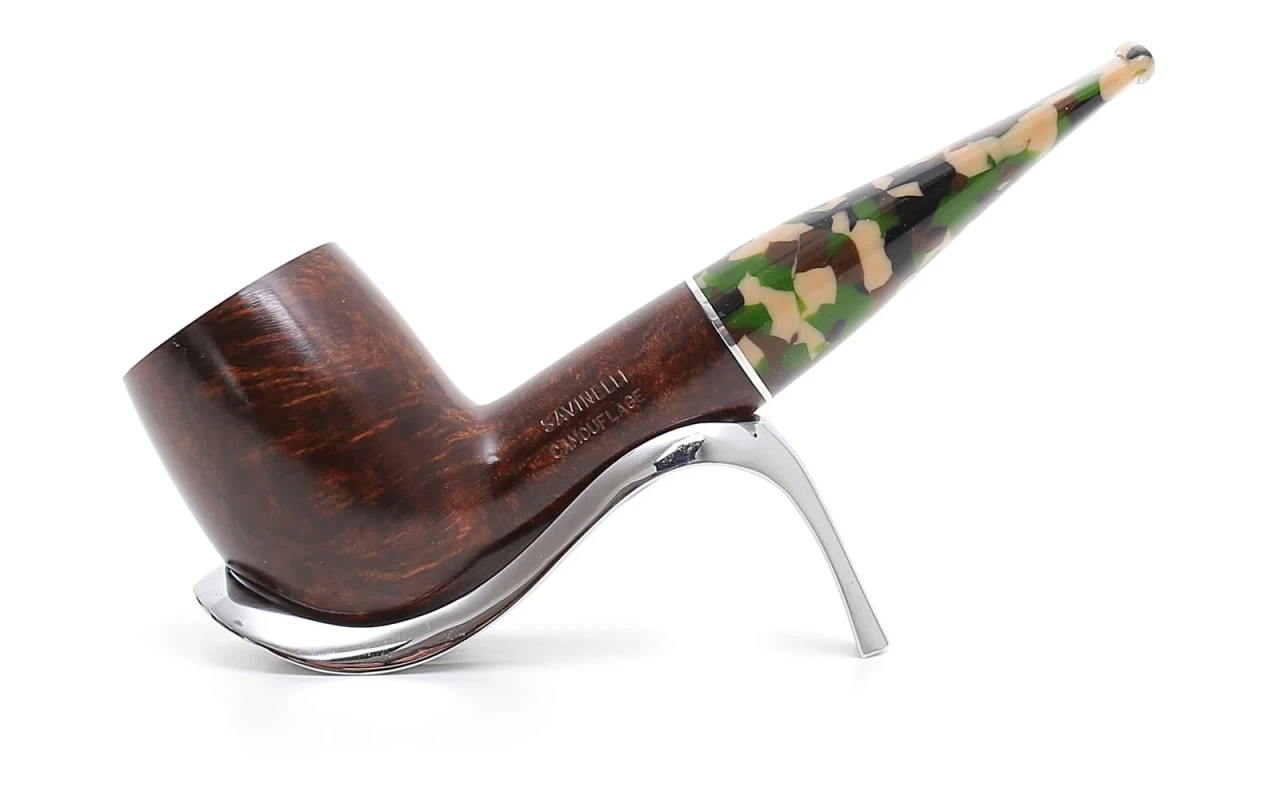
The creation of a pipe begins with selecting the briar wood, which is then shaped and drilled for the chamber and stem. This is followed by sanding, surface treatment, and final assembly with the stem to produce a functional and refined pipe, ready for use.
How is a pipe created step by step? Deep dive
Crafting a handmade pipe starts with choosing a block of briar, a prized wood known for its heat resistance and moisture absorption properties. The block is initially cut and roughly shaped according to the desired model. Next, the chamber hole is drilled precisely in the center and calibrated to ensure proper tobacco combustion. The stem hole is then drilled to provide a precise fit for the mouthpiece. After these fundamental operations, the pipe is sanded using progressively finer abrasive paper to achieve a smooth, uniform surface. The surface treatment follows, which may involve applying natural oils or waxes to enhance the wood grain and protect it. Finally, the stem—often made of ebonite or acrylic—is mounted and finished to ensure comfort during smoking. The entire process demands precision and care to guarantee the pipe is not only aesthetically pleasing but also functional and durable over time.