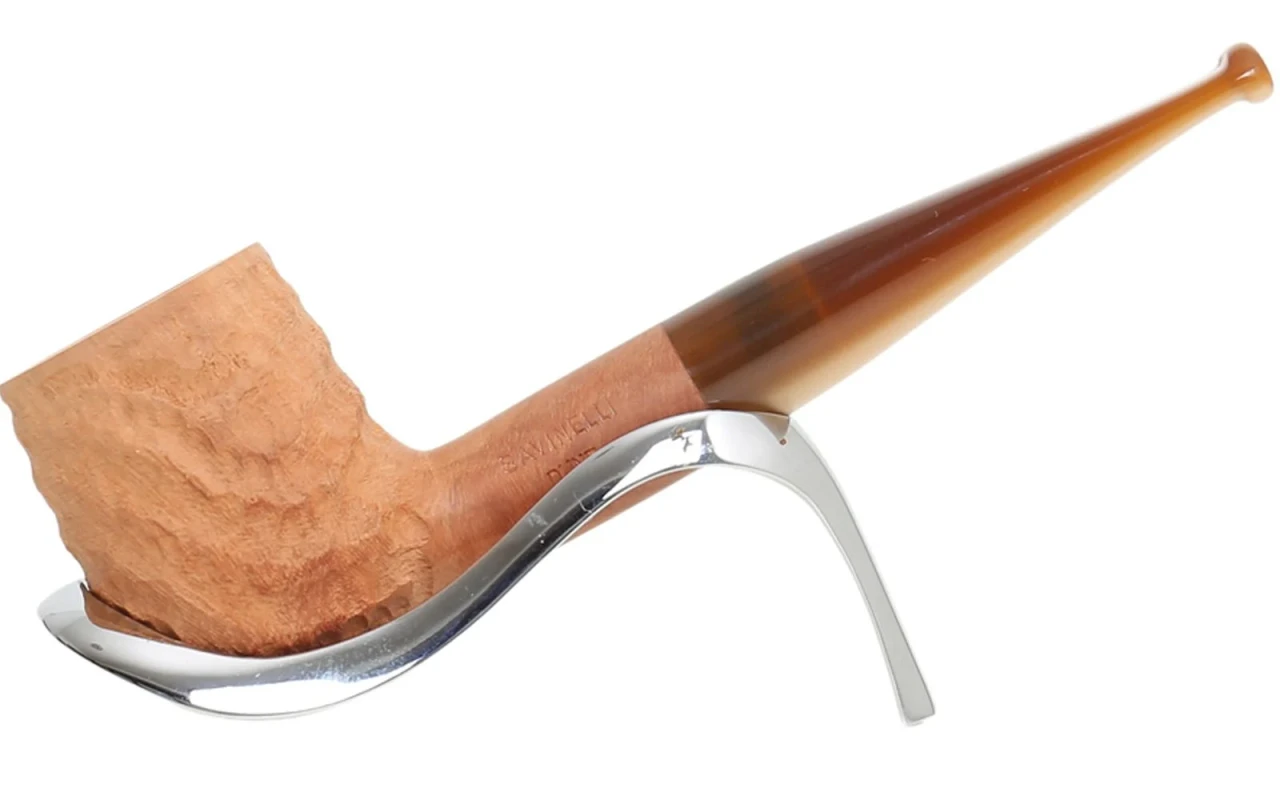
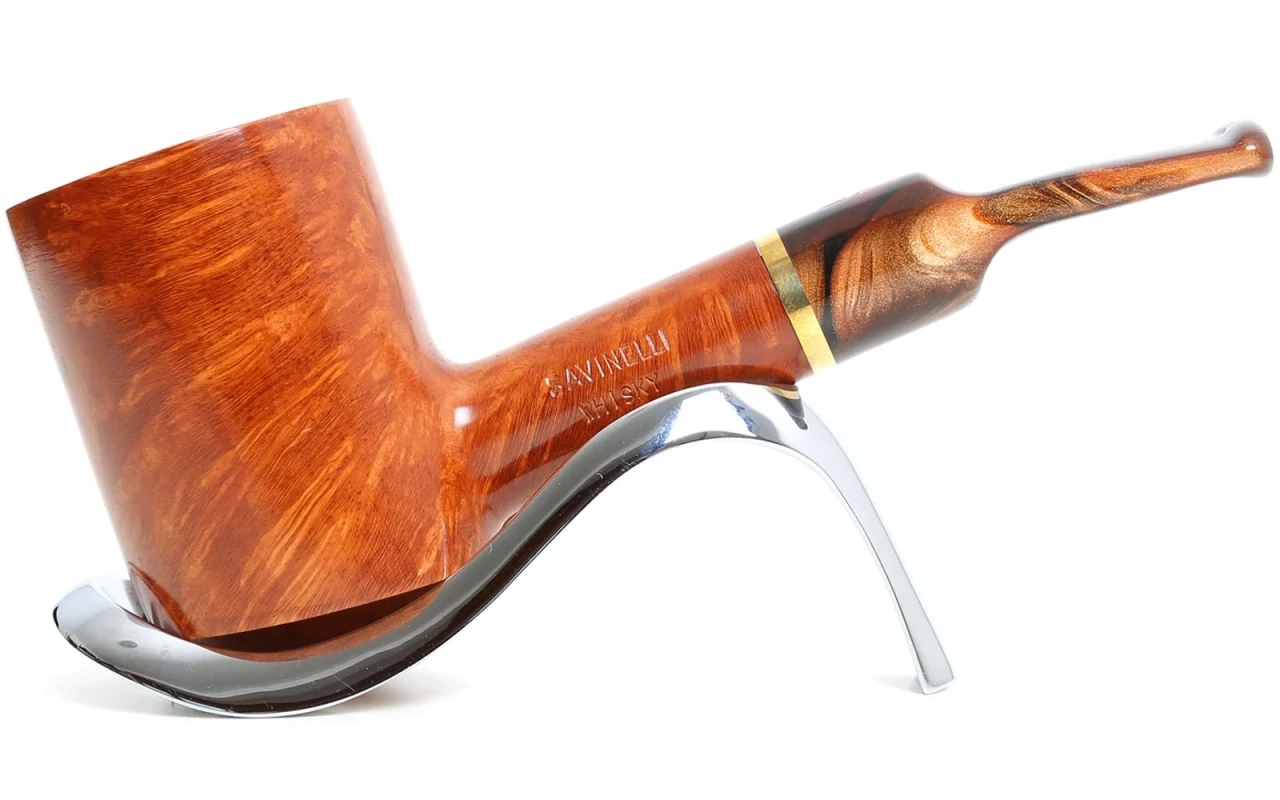
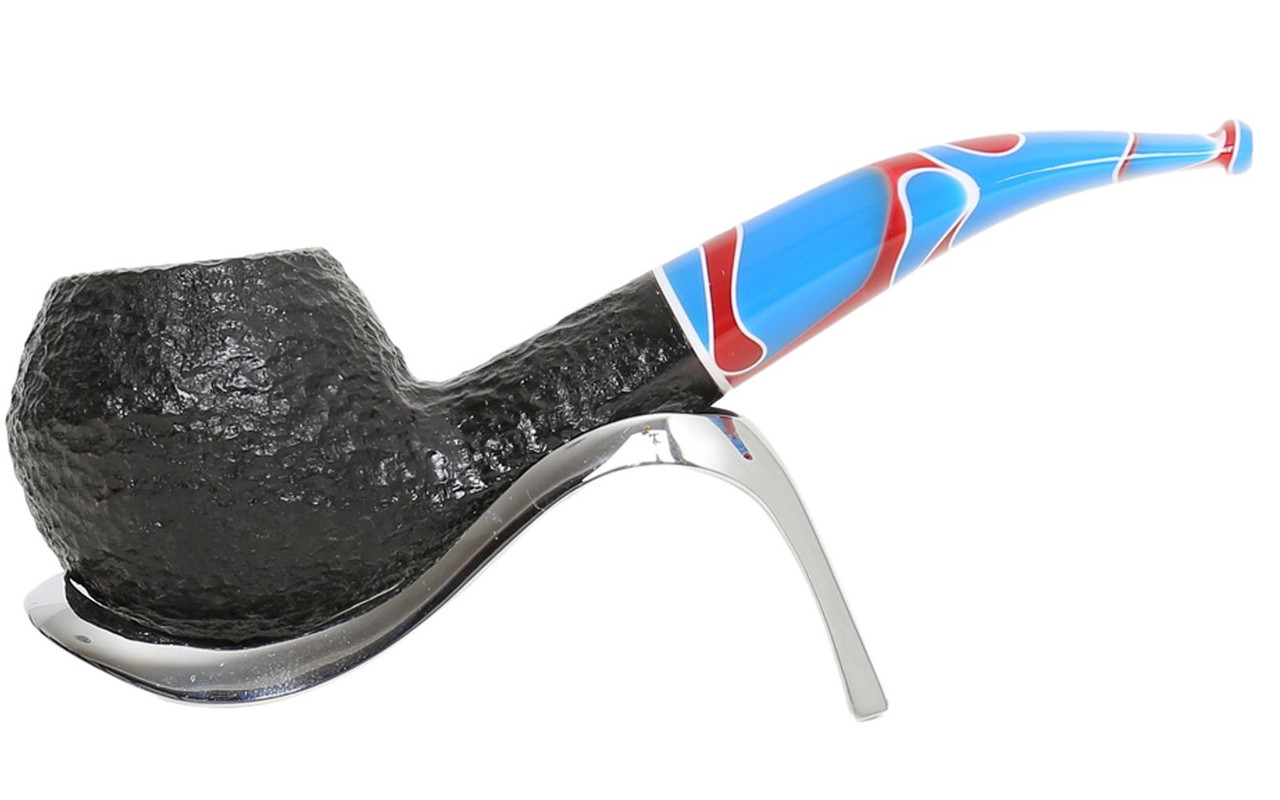
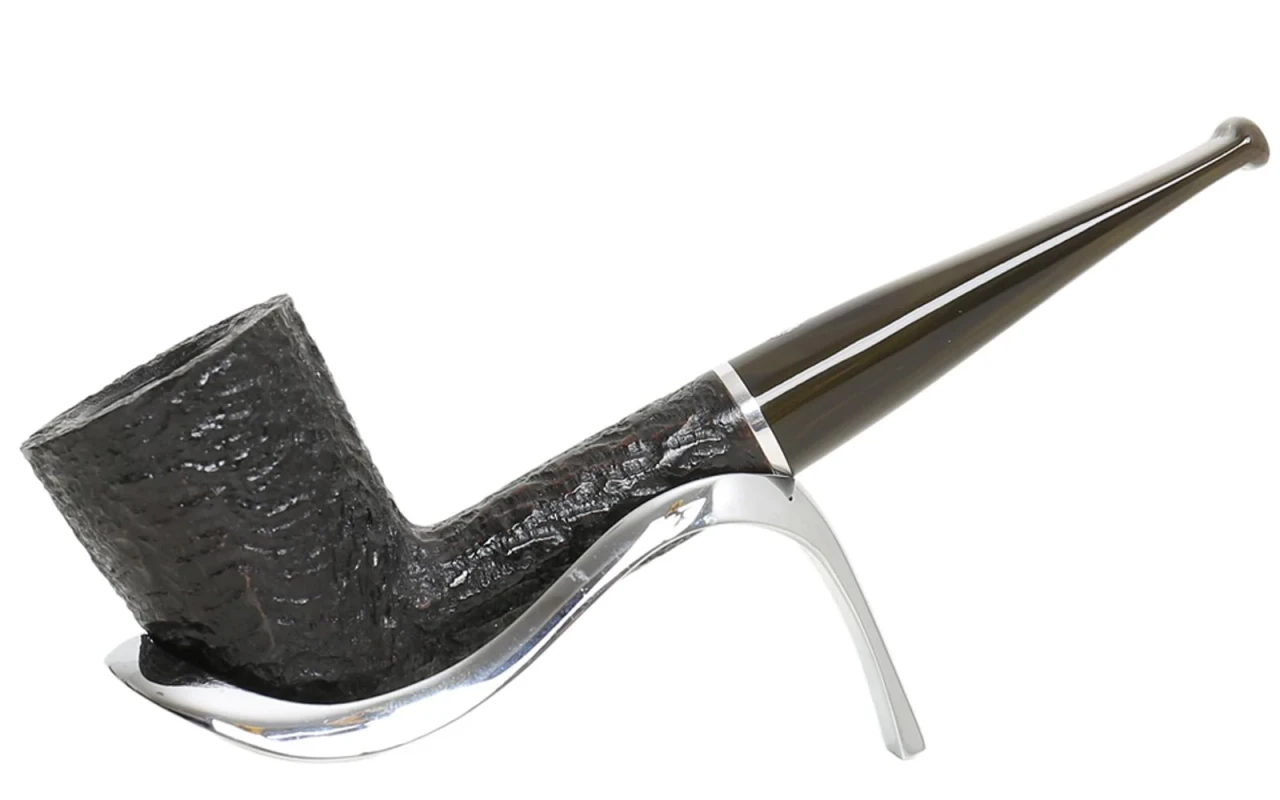
Pipes are classified by quality based on factors such as the type of wood used, artisanal craftsmanship, finishing, and attention to detail. Quality is reflected in durability, aesthetics, and smoking performance, with high-grade pipes offering a more refined and lasting experience.
How are pipes classified by quality? Deep dive
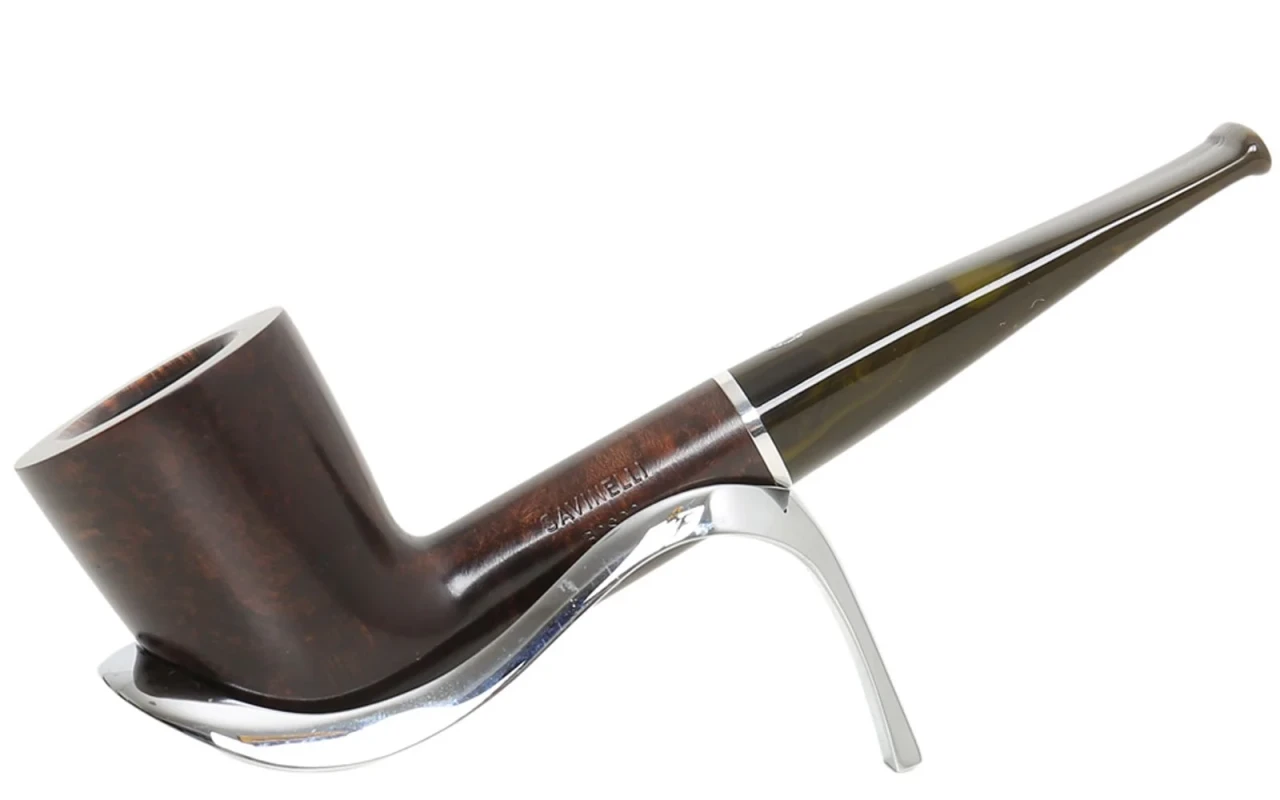
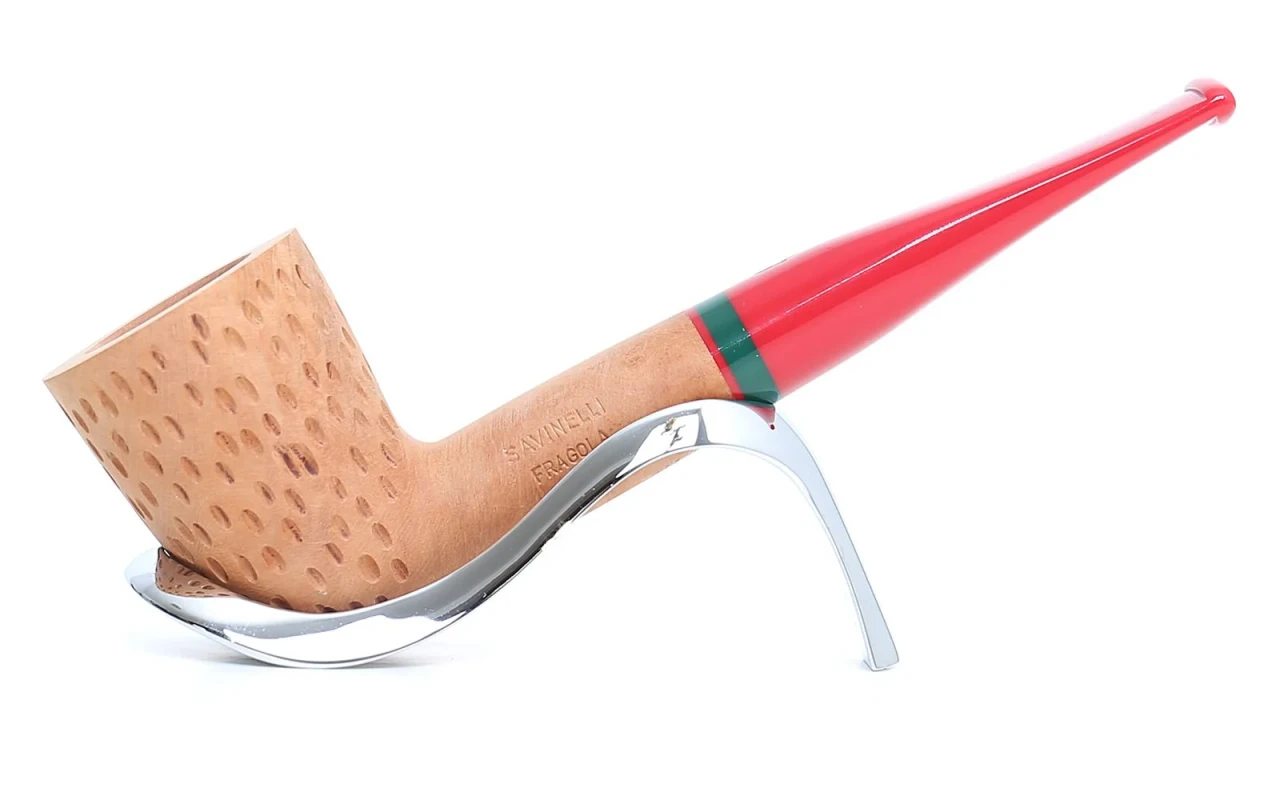
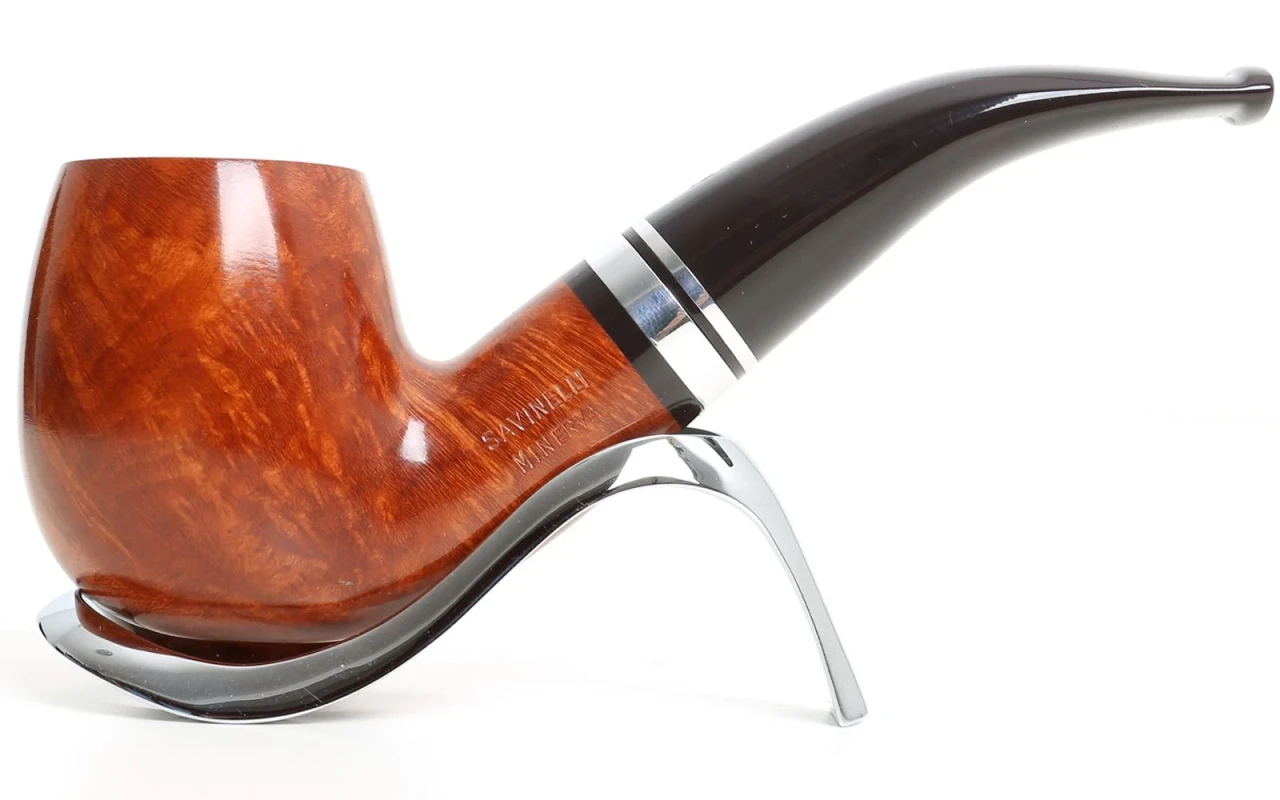
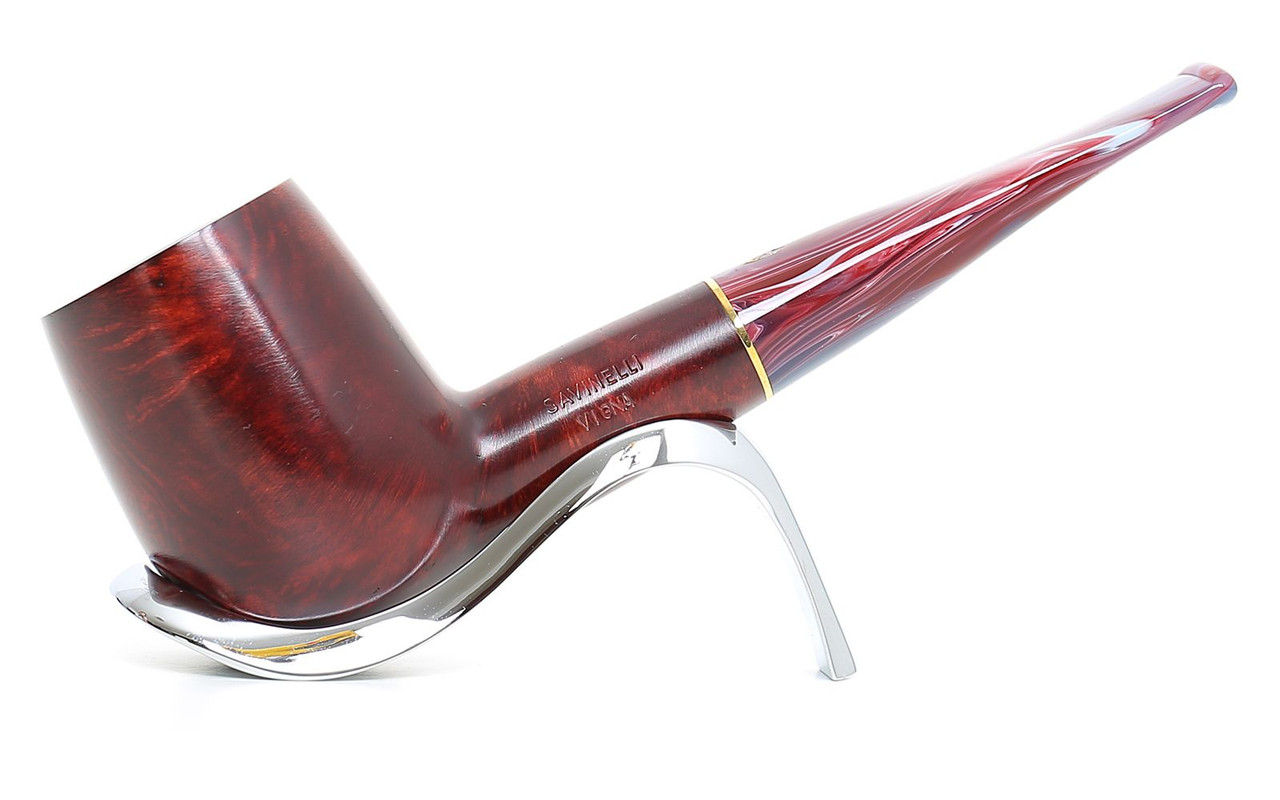
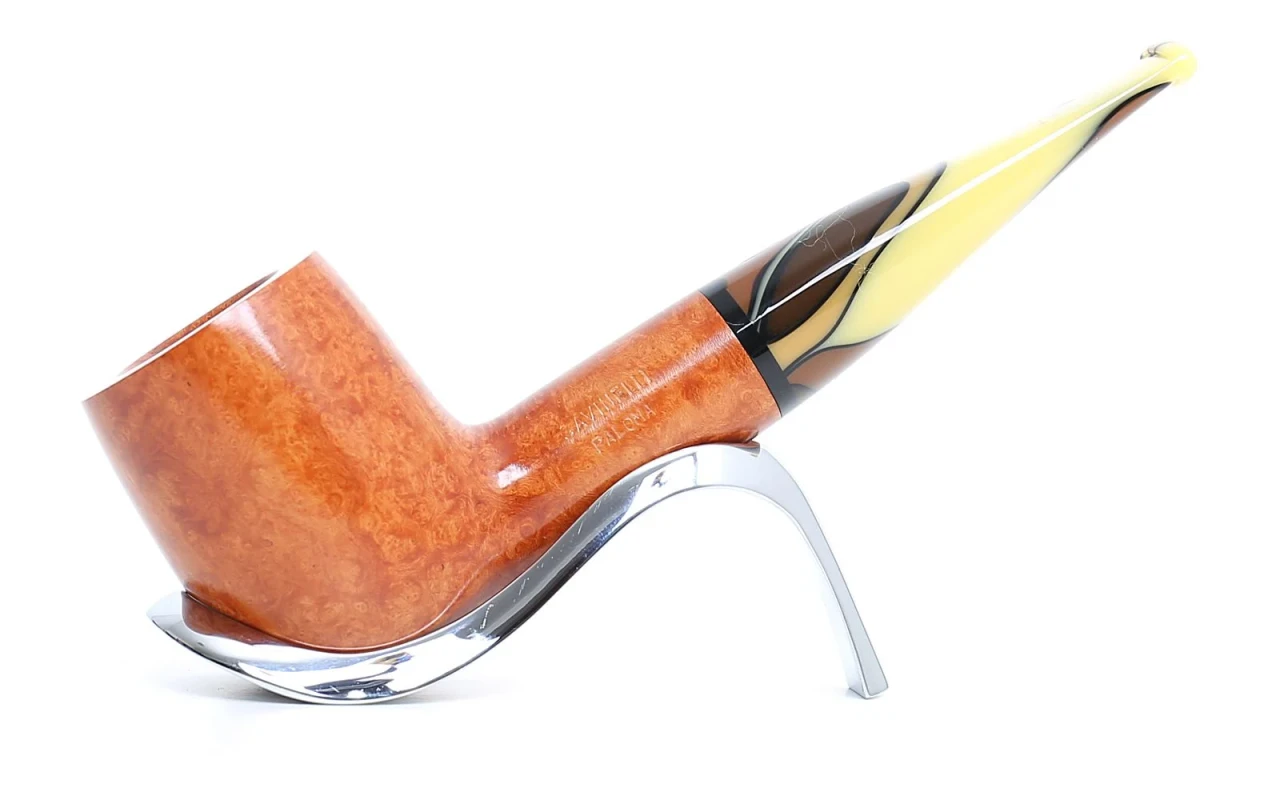
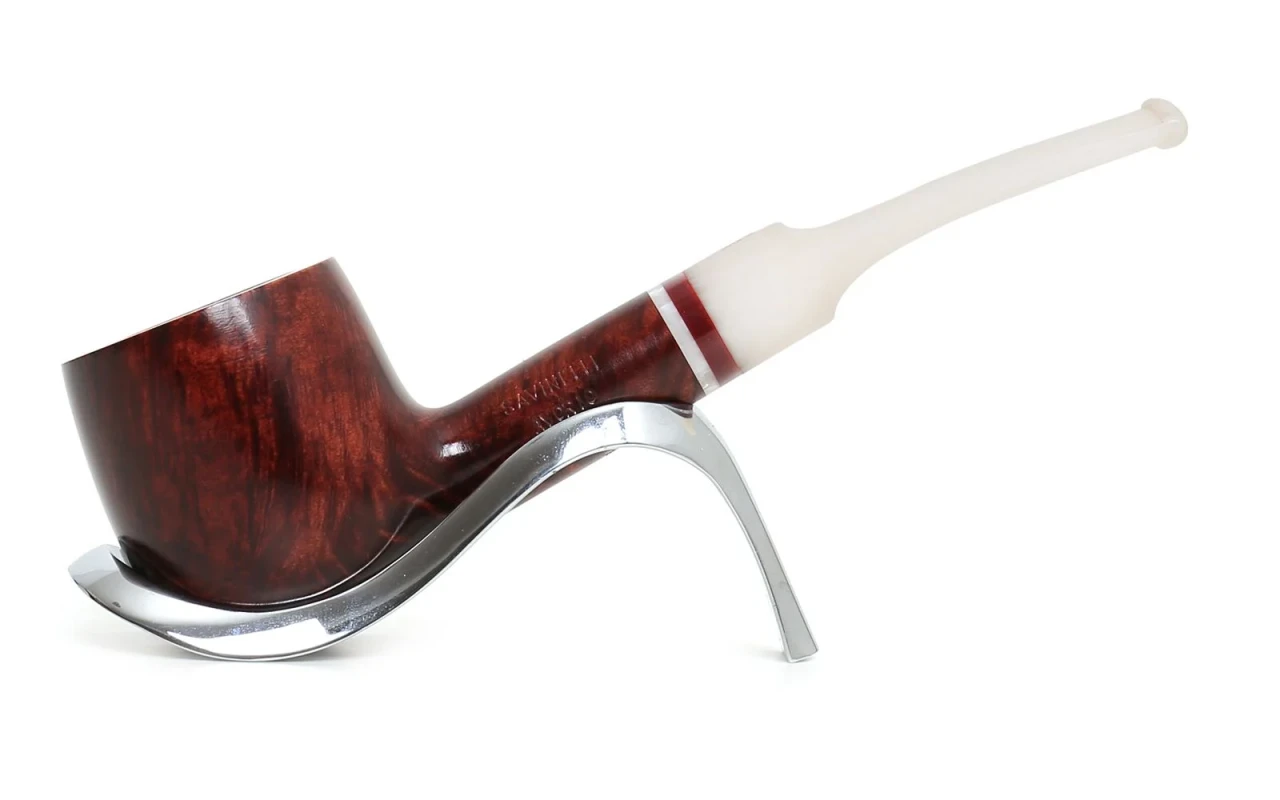
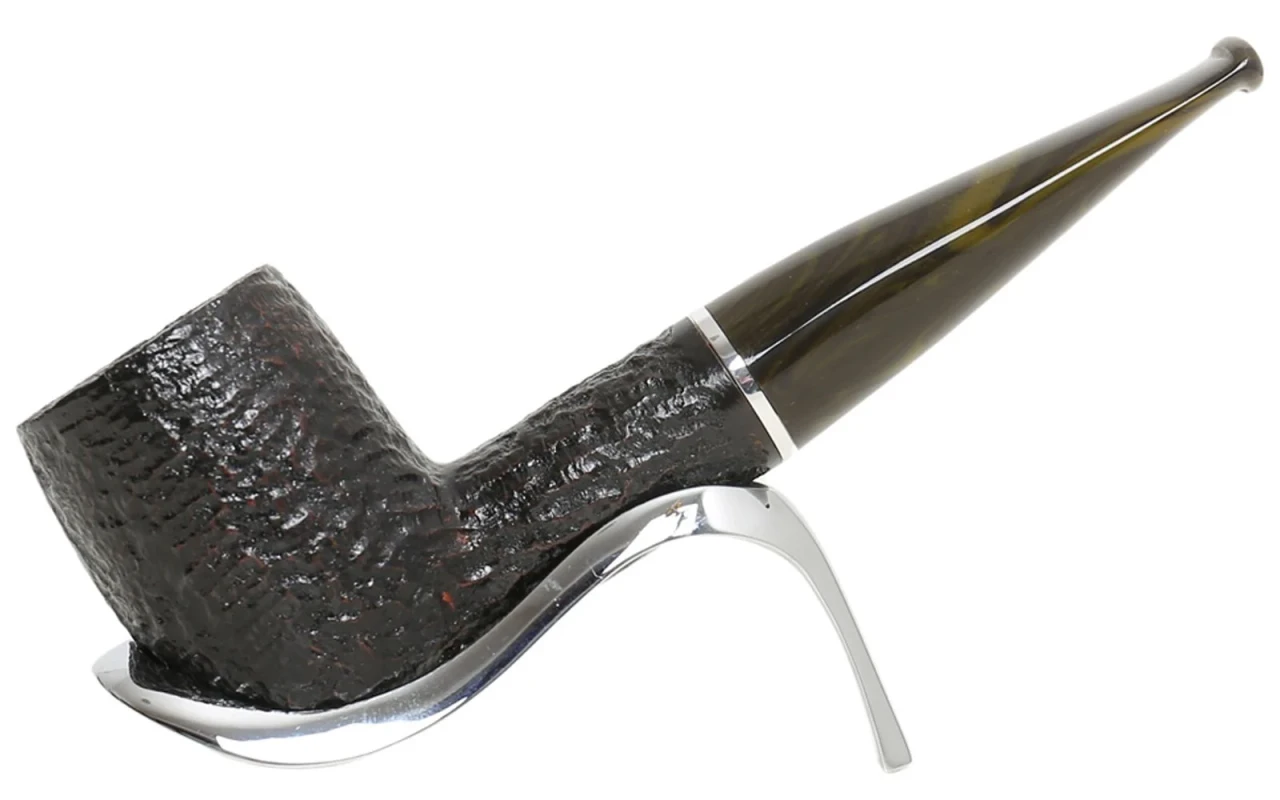
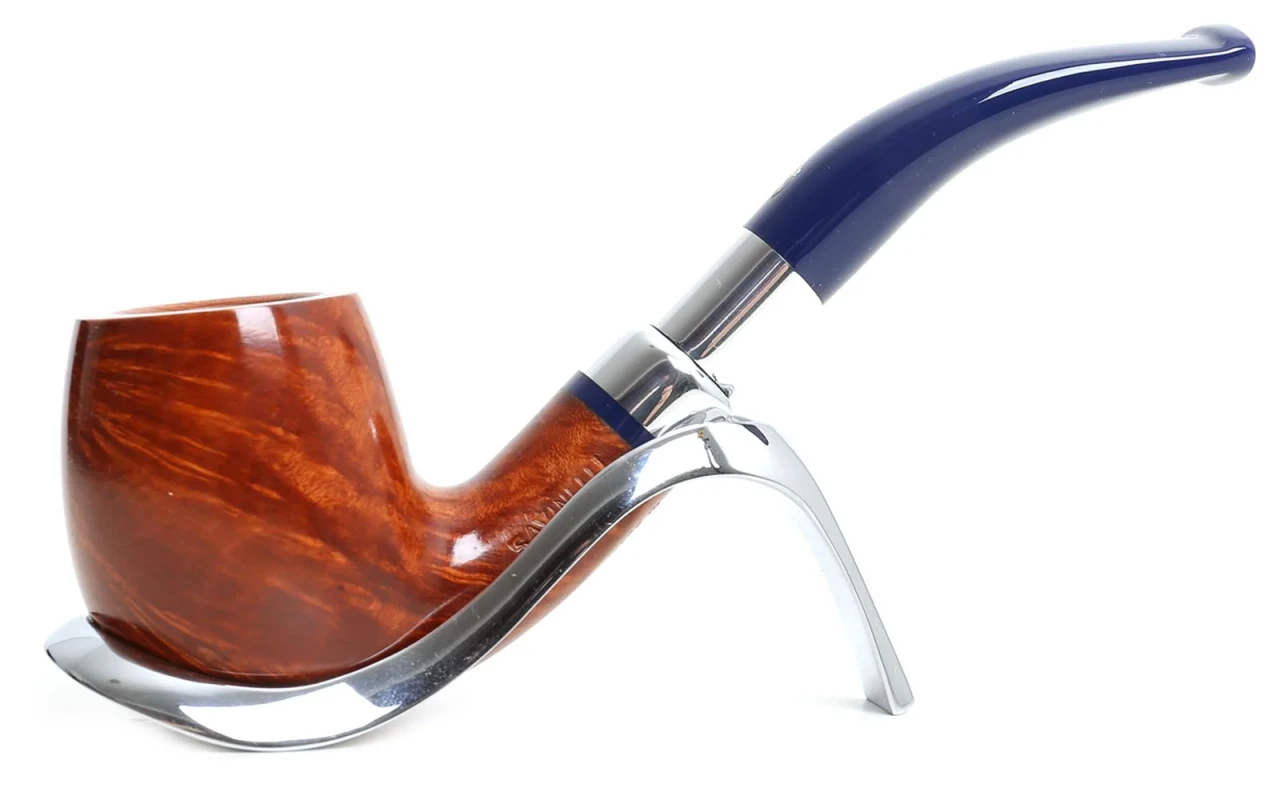
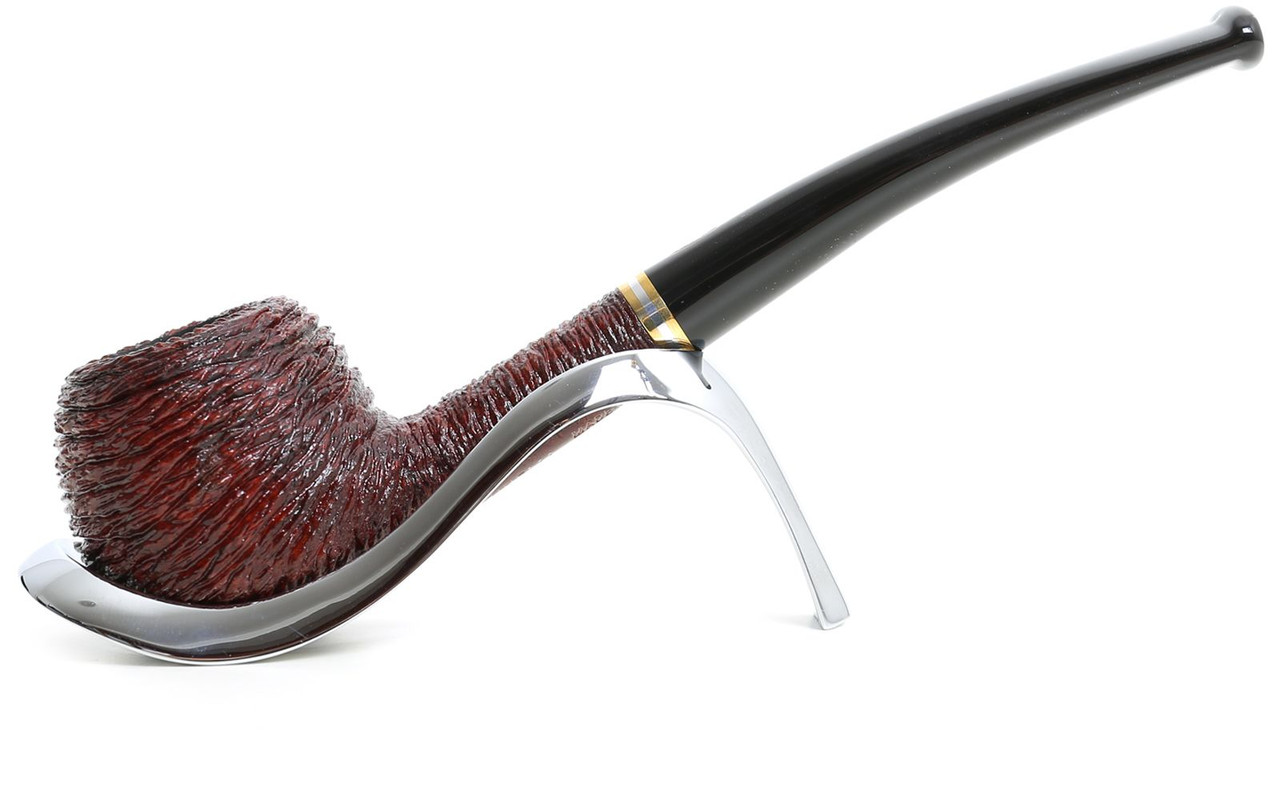
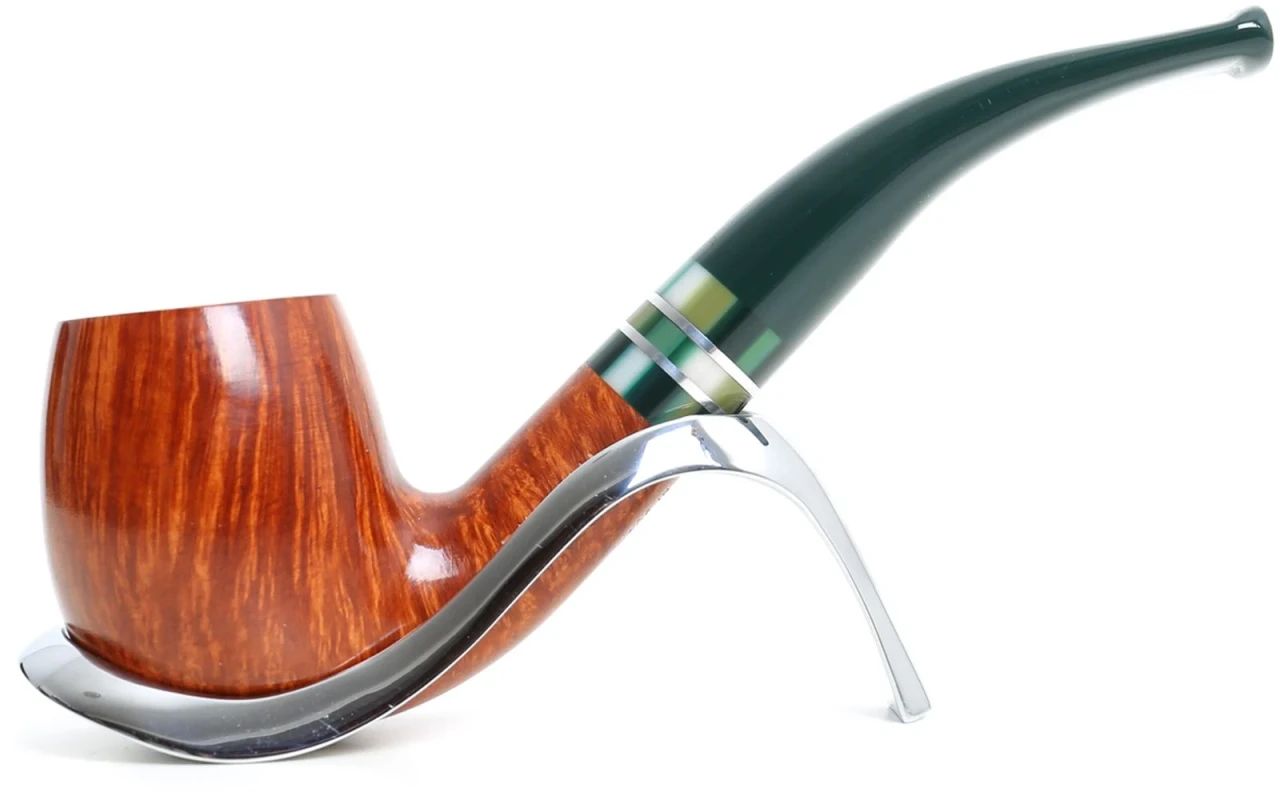
The classification of pipes by quality depends on multiple factors that determine their value and functionality. Firstly, the material is fundamental: briar wood is the most appreciated for its heat resistance and moisture absorption capacity, but the quality of the briar itself, such as its density and the presence of knots, also impacts classification. Artisanal craftsmanship is another crucial aspect; pipes handcrafted with care exhibit a more refined finish, precise details, and better ergonomics. The external finish, which can range from smooth to sandblasted or with inlays, contributes to aesthetics and tactile sensation, influencing the perception of quality. Moreover, the design of the chamber and the draught system affects smoke performance and ease of cleaning, important elements for a good slow smoking experience. Finally, the manufacturer’s reputation and origin can be quality indicators, as some artisanal traditions are internationally recognized. In summary, a pipe’s quality is assessed by considering materials, craftsmanship, finishing, and functionality—elements that together determine durability, aesthetics, and enjoyment in use.