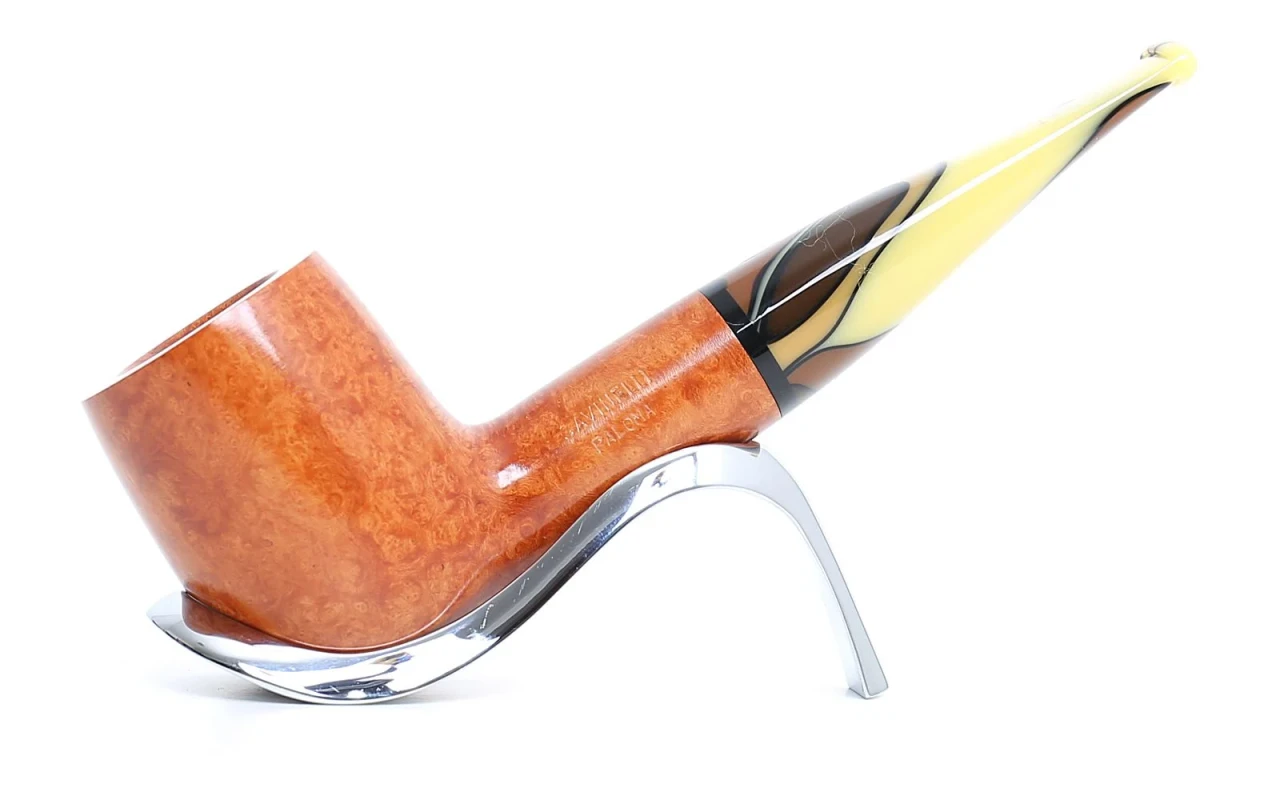
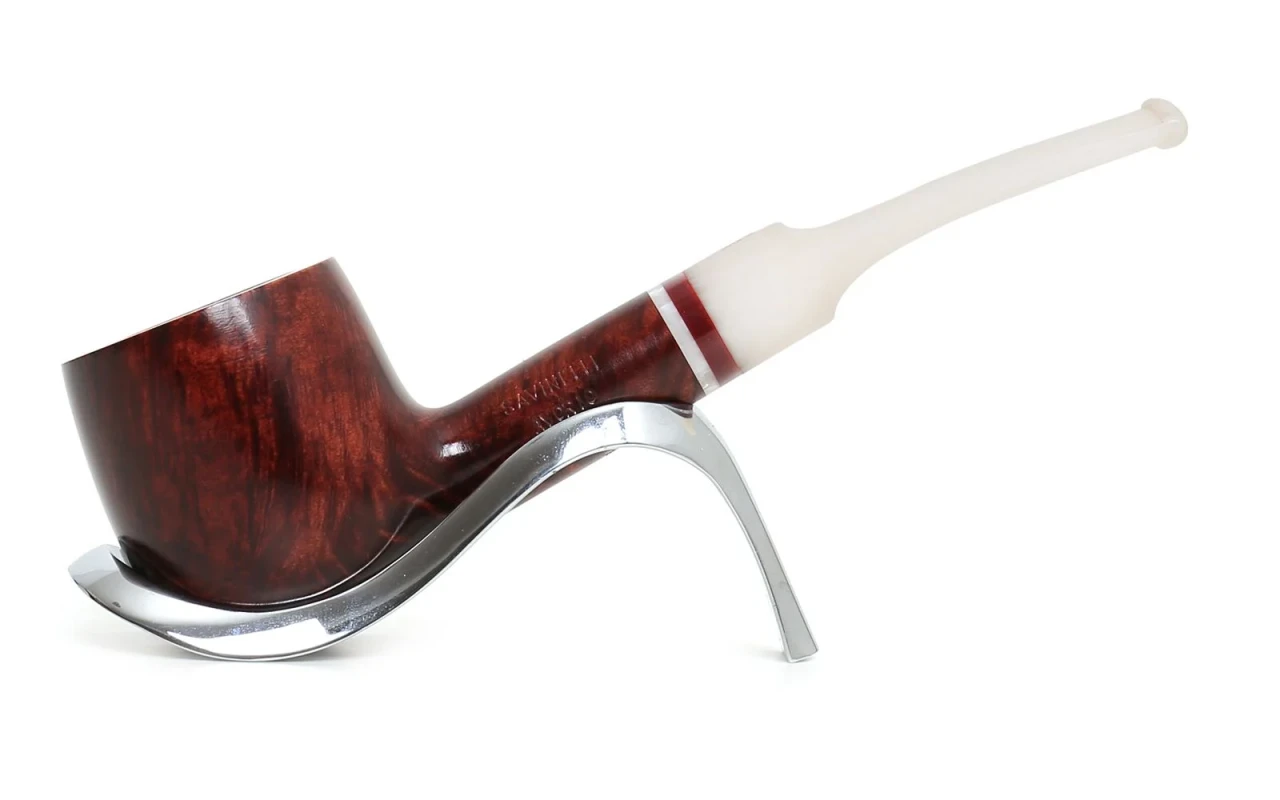
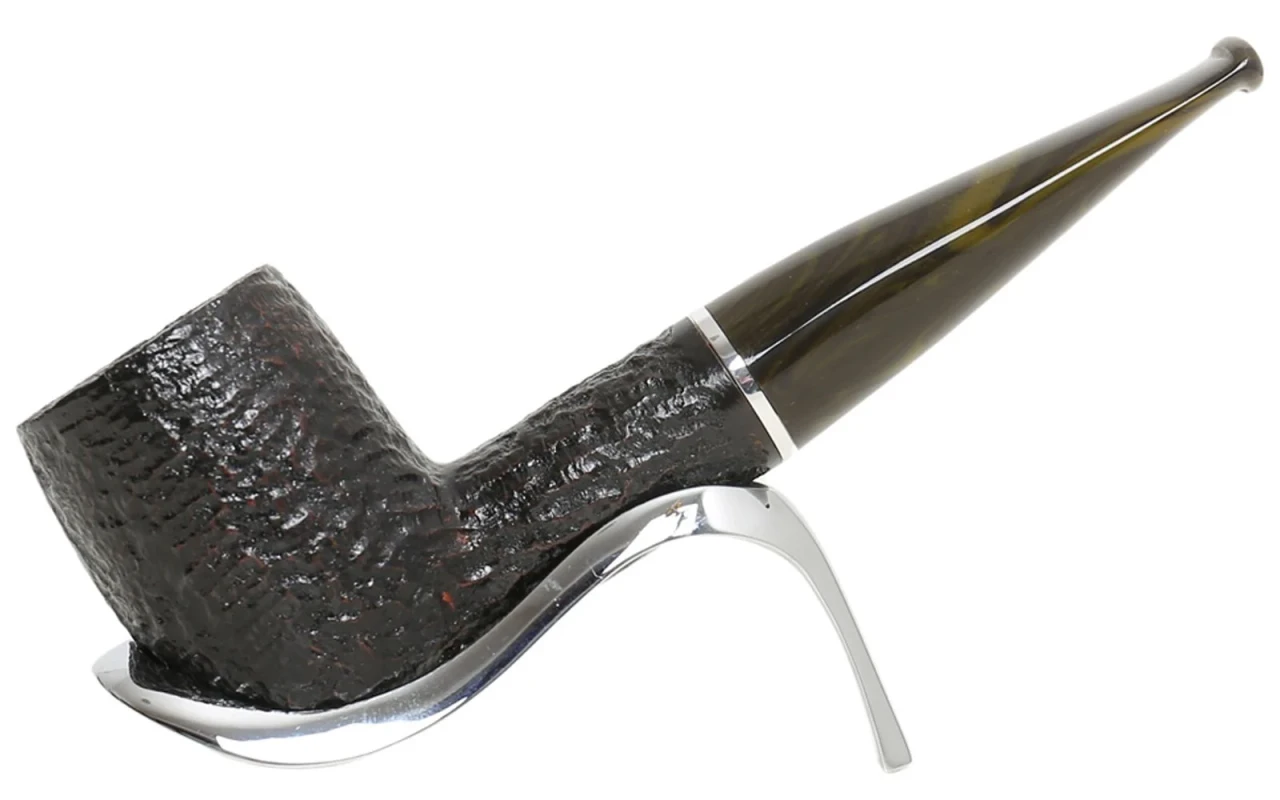
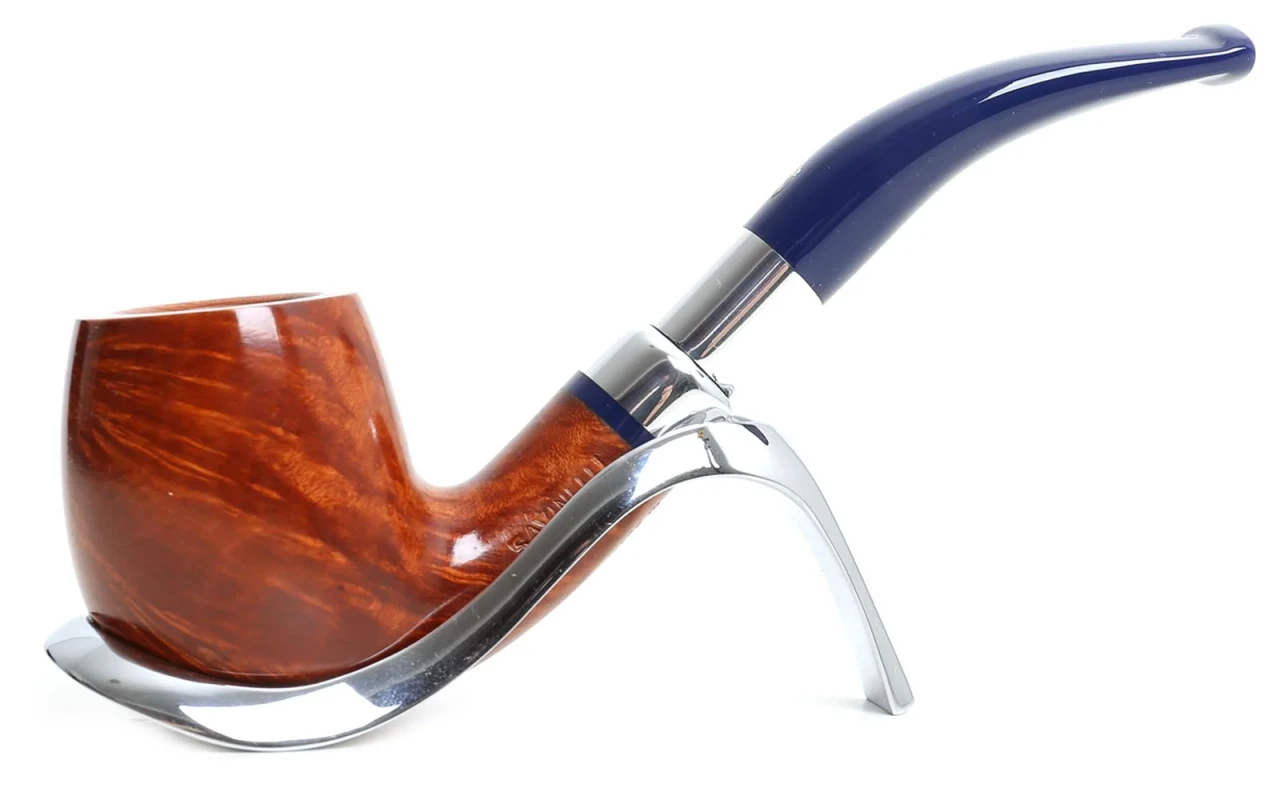
The smokeability of a pipe is evaluated by considering the quality of the material, the shape of the combustion chamber, ventilation, and the balance of the draw. Good smokeability ensures an even smoking experience without overheating or difficulty in suction, enhancing the tobacco and the pleasure of slow smoking.
How is the smokeability of a pipe evaluated? Deep dive
Evaluating the smokeability of a pipe involves analyzing several technical and structural aspects that influence the smoking experience. First, the material from which the pipe is made, such as briar wood, must be of high quality and well-seasoned to ensure regular combustion and good thermal insulation. The shape and size of the combustion chamber are fundamental: a chamber that is too small can cause overheating, whereas one that is too large can make it difficult to keep the tobacco lit. Ventilation, meaning the airflow path through the pipe, must be designed to allow a smooth draw without obstructions, preventing the smoke from becoming too dense or the combustion from extinguishing easily. Finally, the balance of the draw—that is, the ease with which the smoke is inhaled—is essential for a pleasant experience without excessive effort. All of these elements together determine the smokeability of a pipe, influencing the quality of the smoke and the smoker’s pleasure in enjoying tobacco slowly and refined.