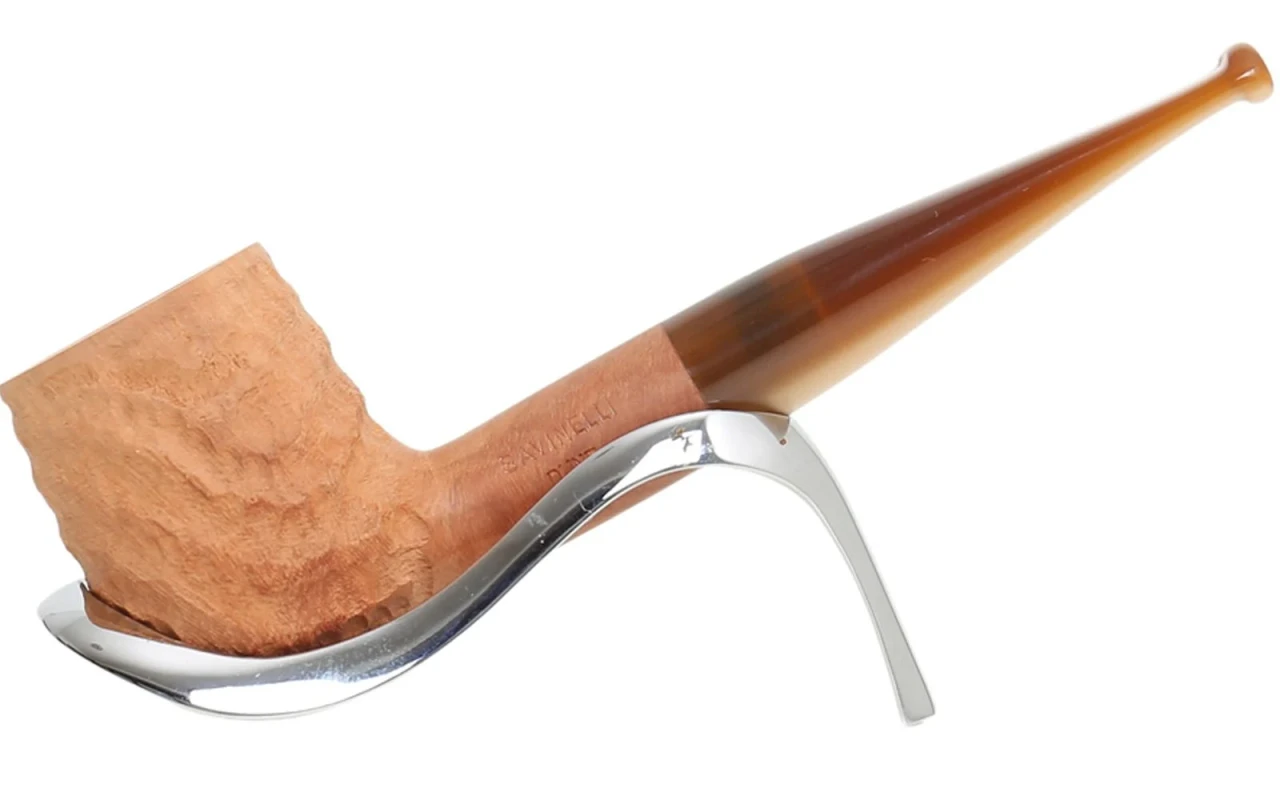
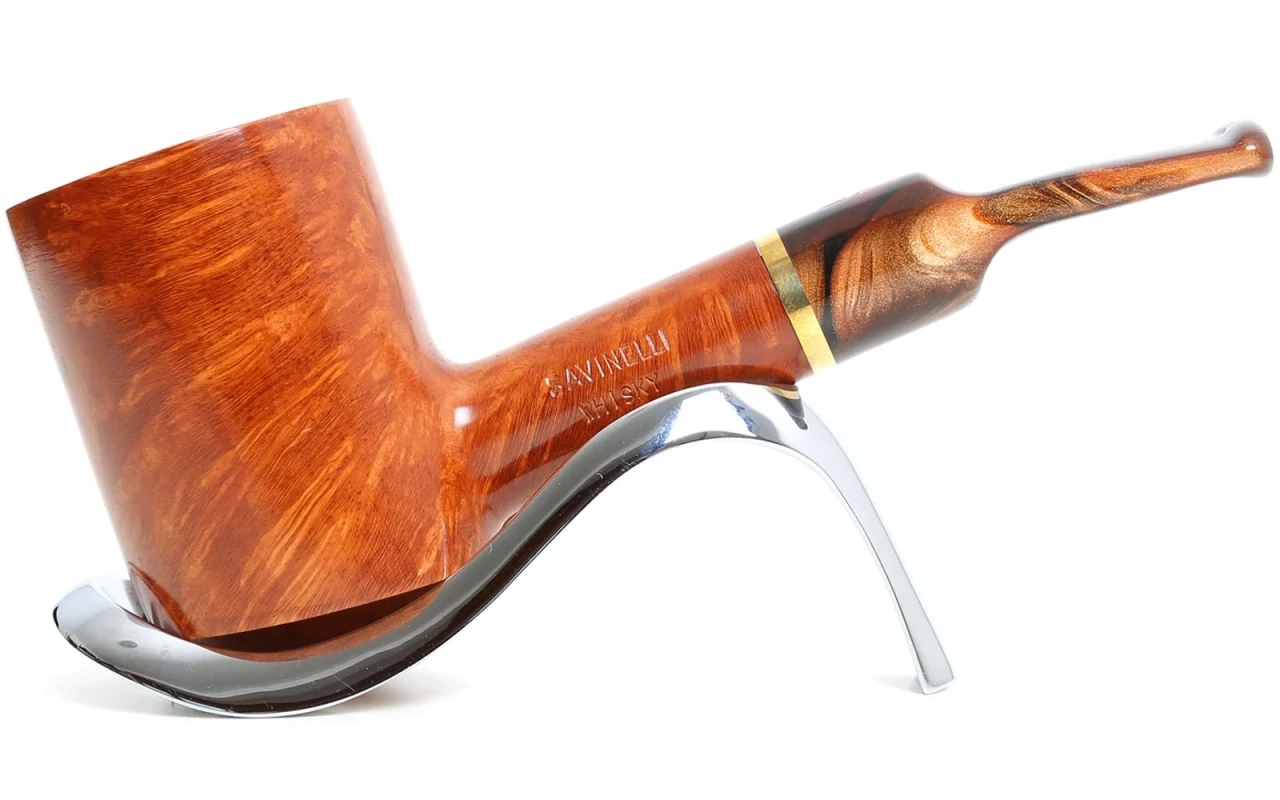
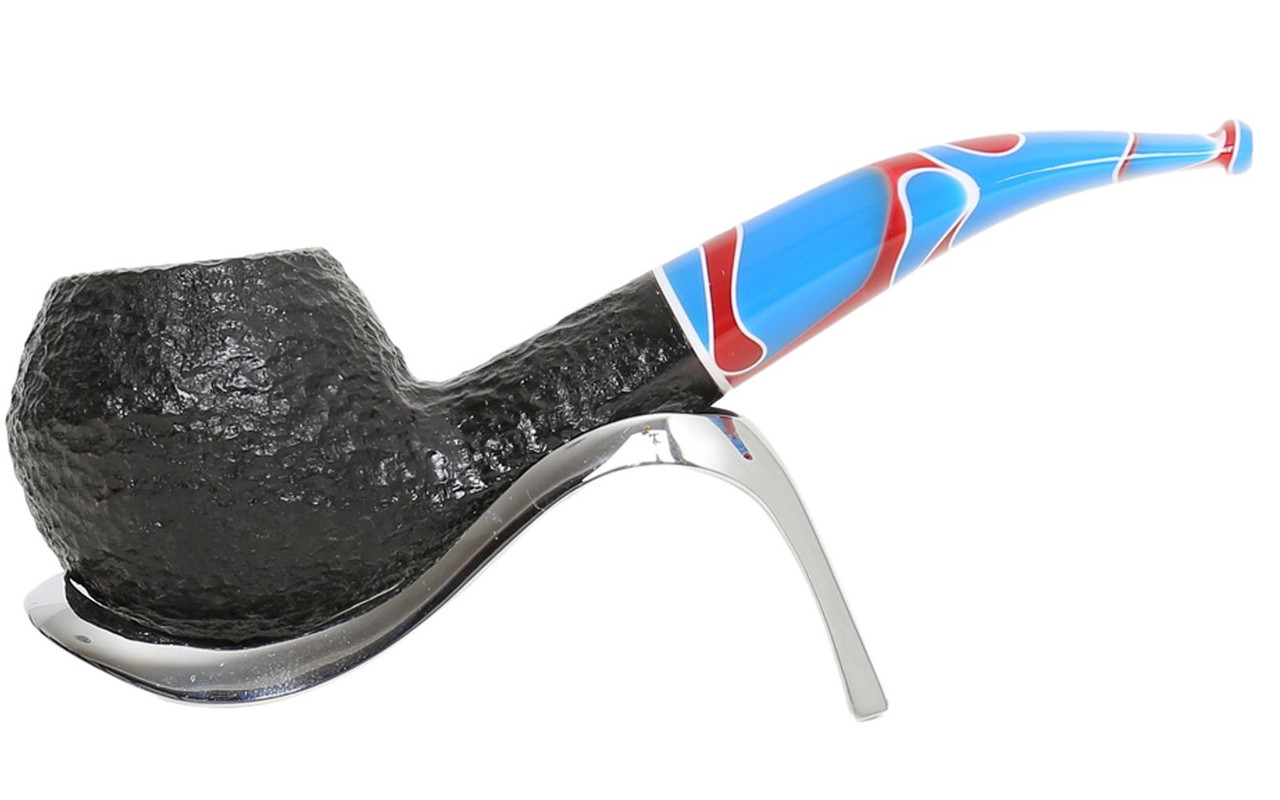
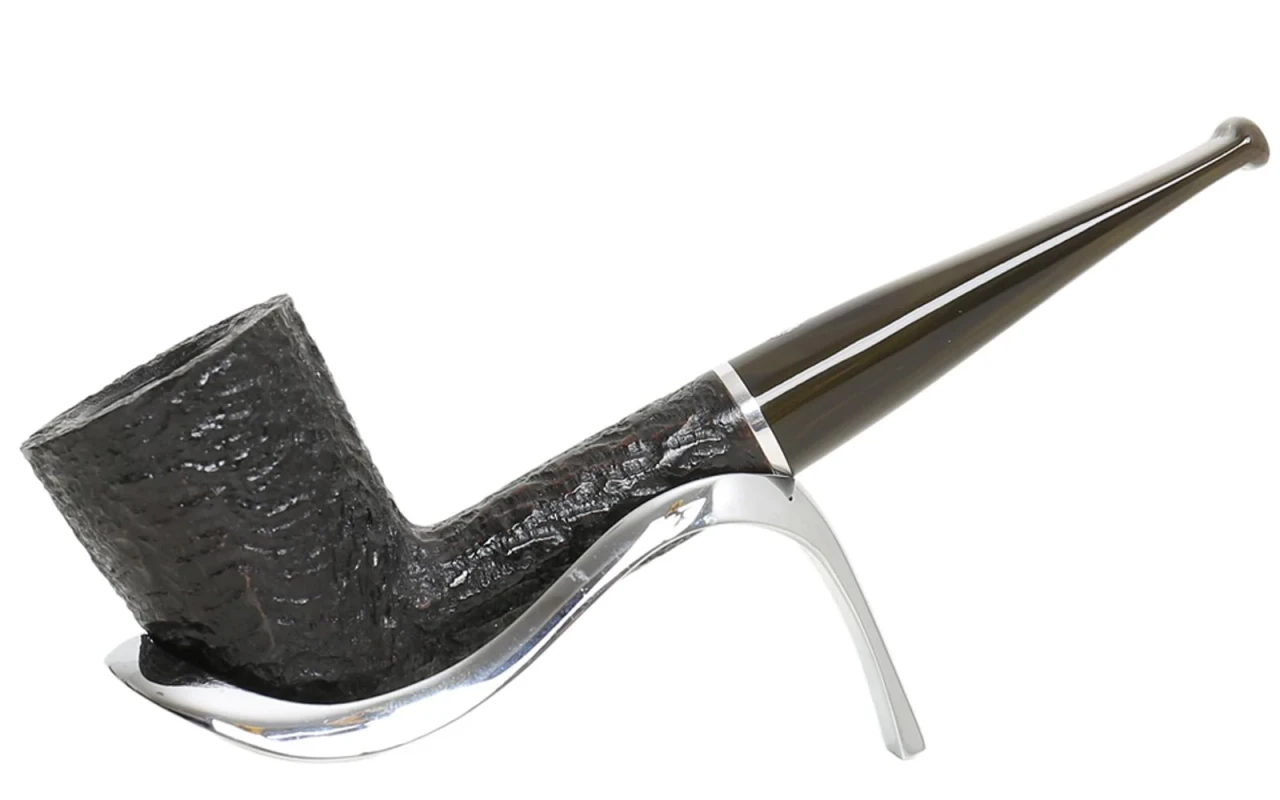
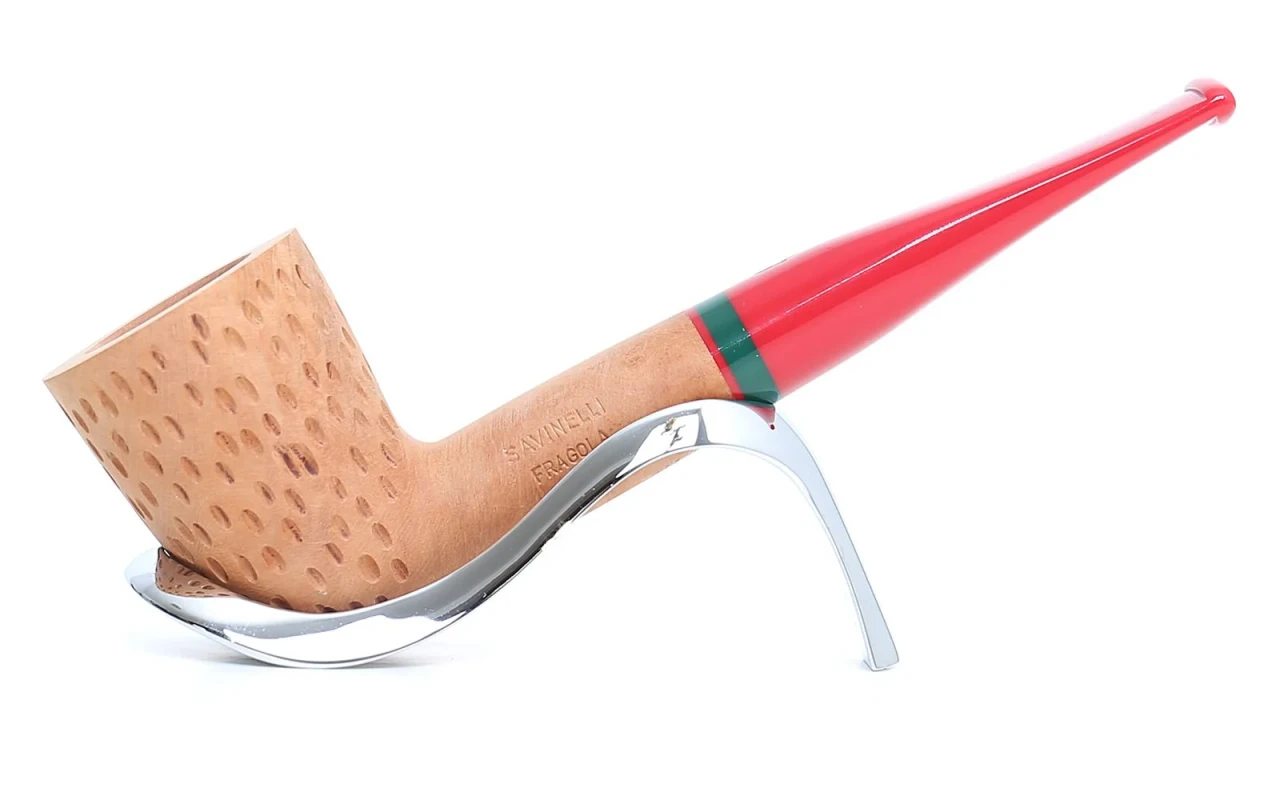
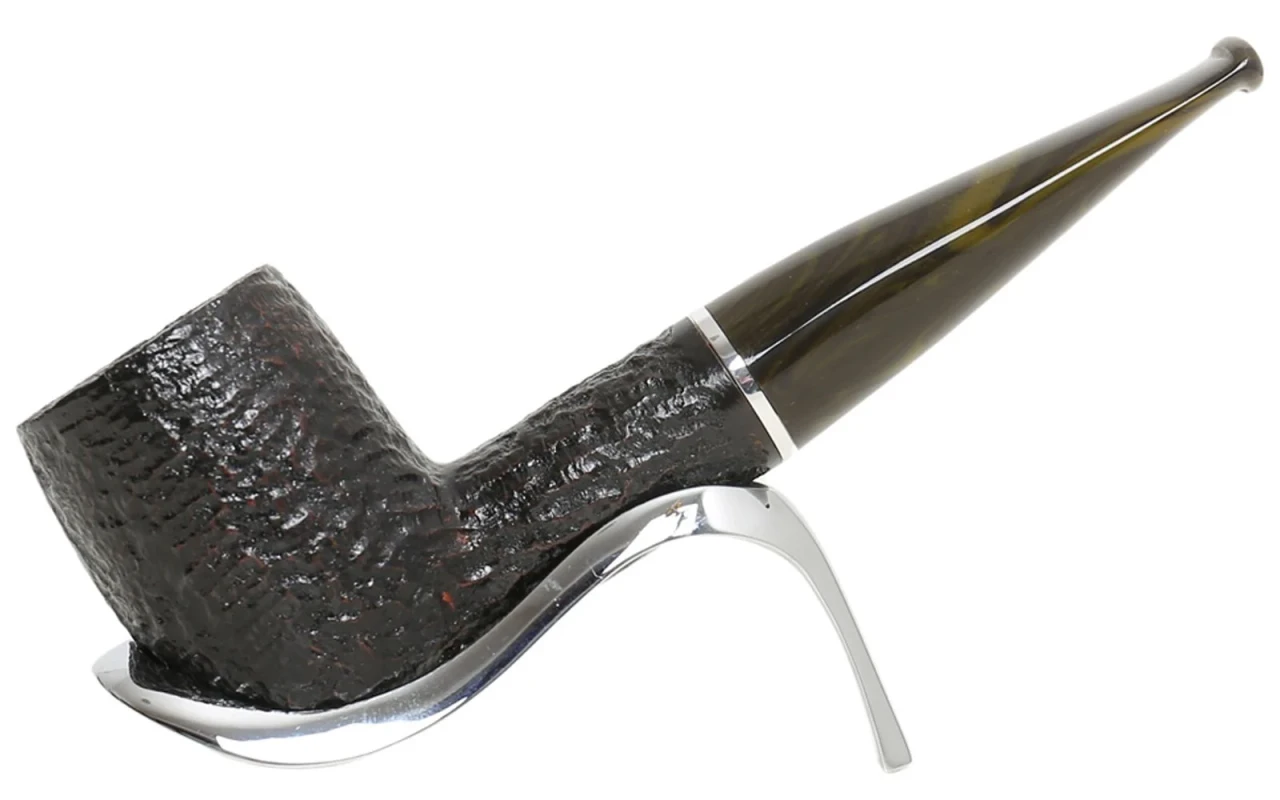
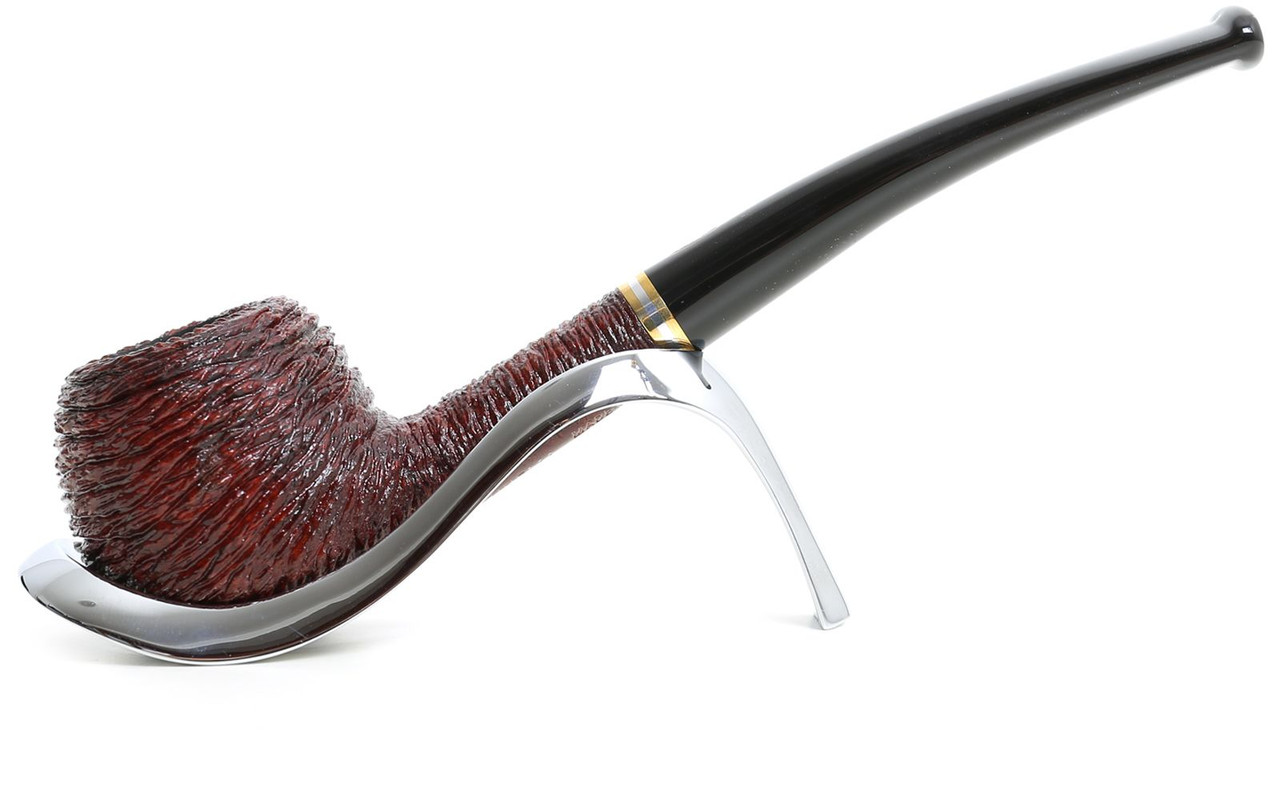
To rusticate a pipe, files, rasps, and sandpaper of various grits are primarily used. These tools create a rough and irregular surface, enhancing the pipe's aesthetics and improving grip. The choice of tools depends on the desired rustic finish and the pipe material.
Which tools are used to rusticate a pipe? Deep dive
Rusticating a pipe involves working the surface to achieve a rough, natural finish that highlights the wood grain and gives a unique handcrafted appearance. The most common tools for this process are files and rasps of different shapes and sizes, allowing controlled material removal to create irregular textures. Subsequently, coarse-grit sandpaper is used to even out the rustic finish without removing the rough character. Some artisans also employ wire brushes or stiff-bristle brushes to accentuate the rustic effect. Tool selection varies based on the wood type, pipe shape, and the desired aesthetic outcome. It is important to proceed carefully to avoid damaging the pipe’s structure while maintaining functionality. Rustication not only enhances visual appeal but can also improve grip during use, making the pipe more comfortable to handle.