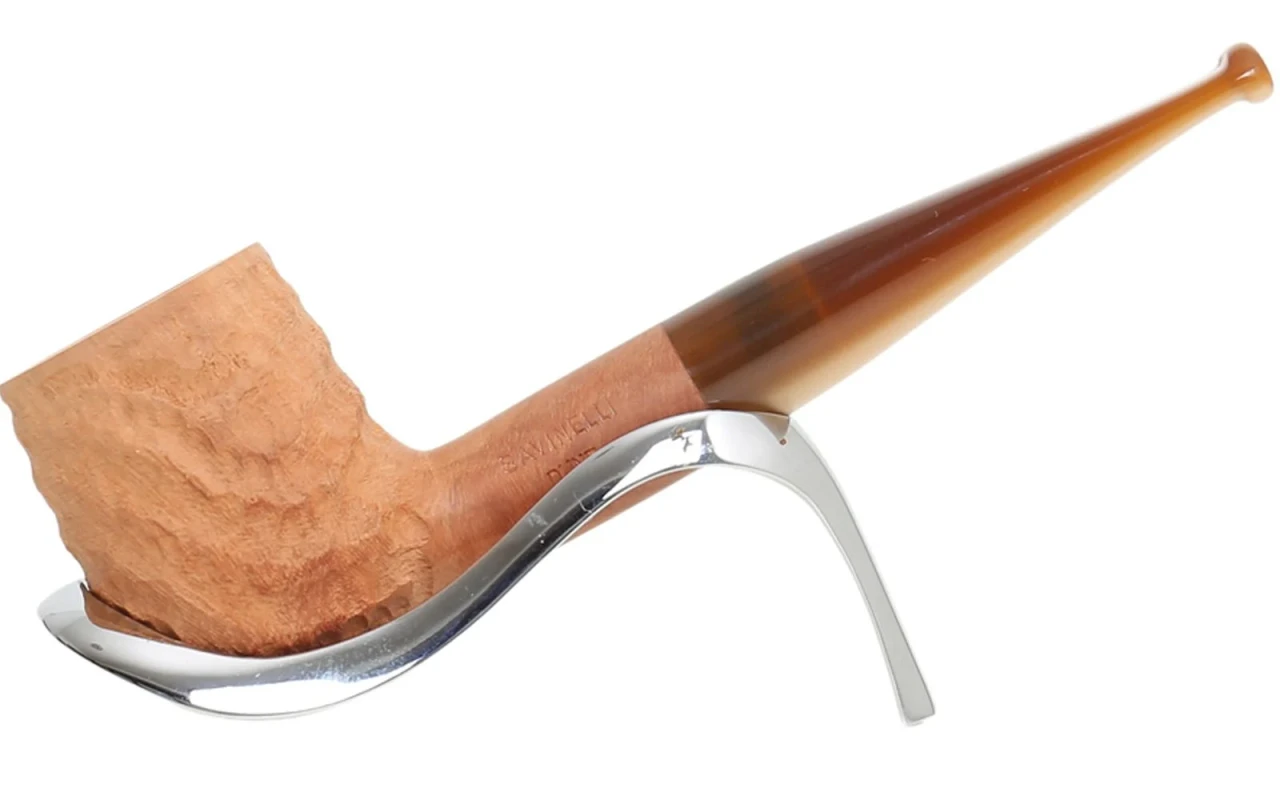
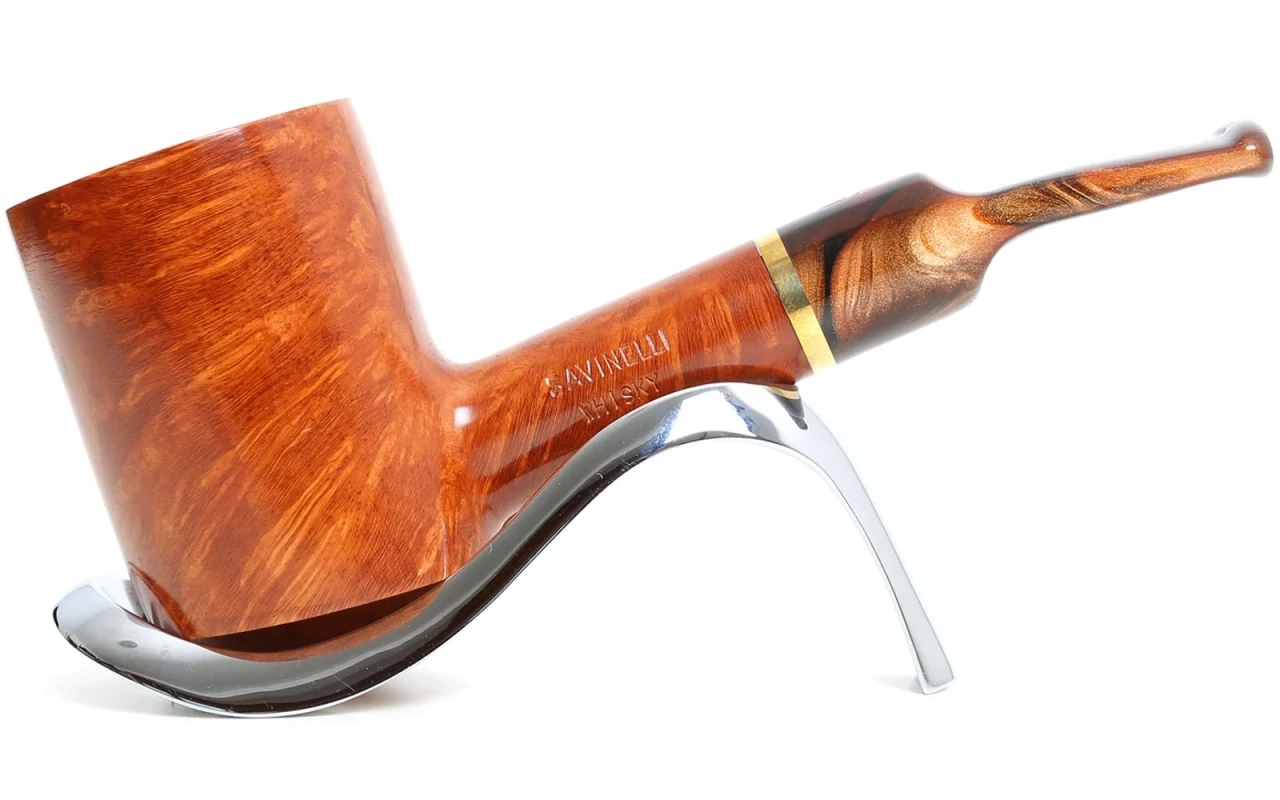
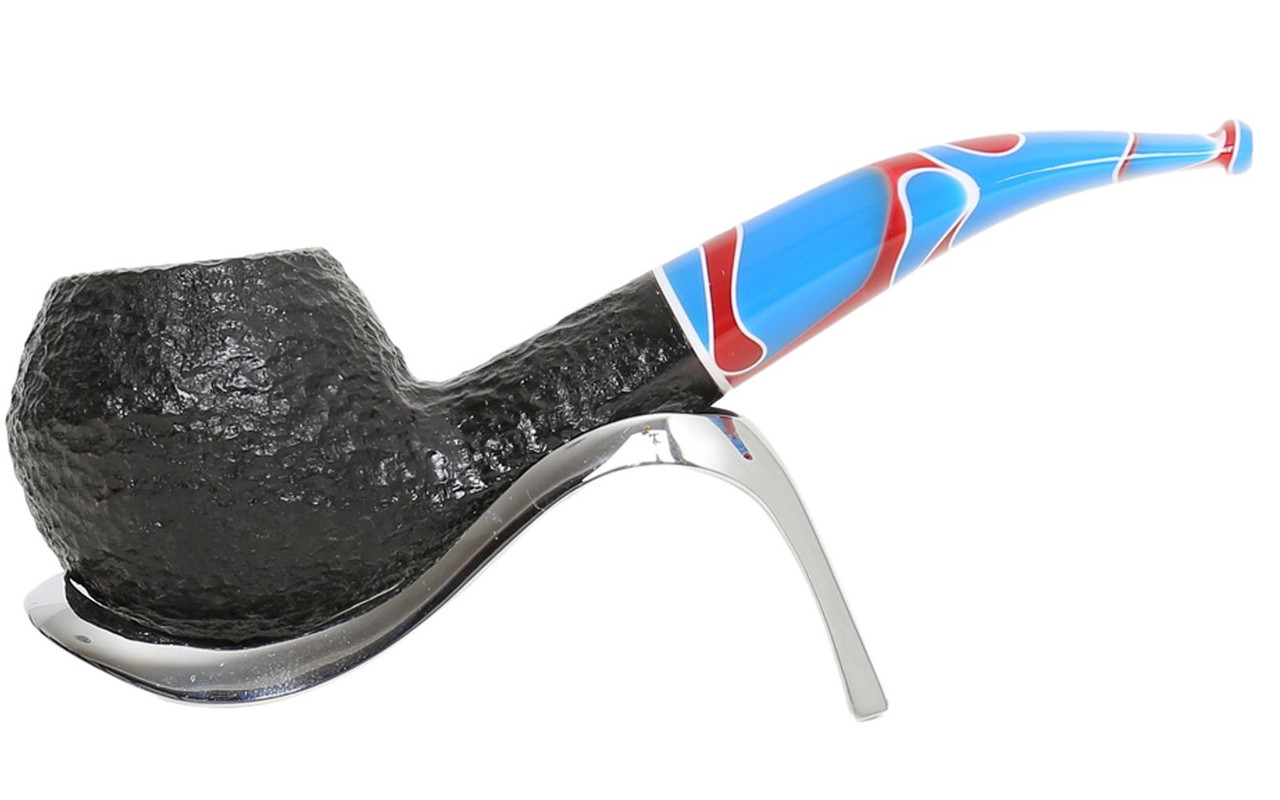
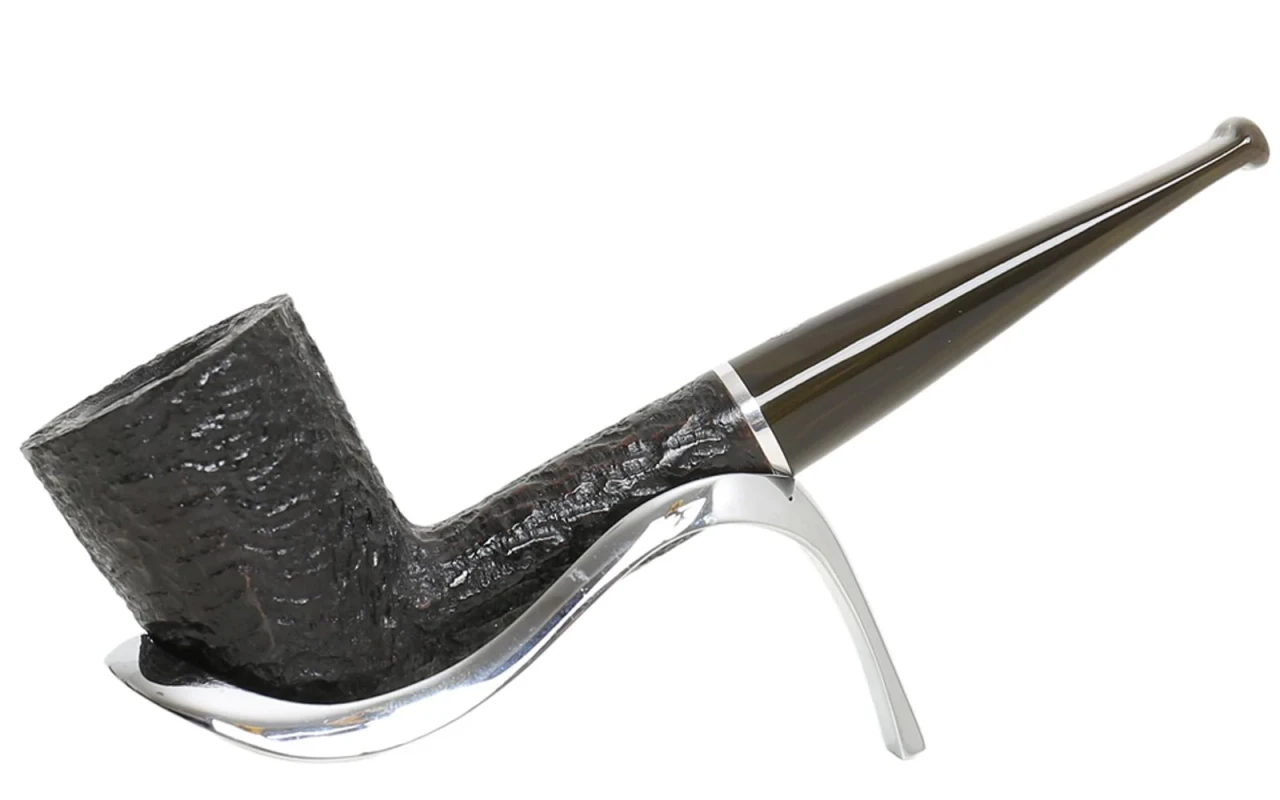
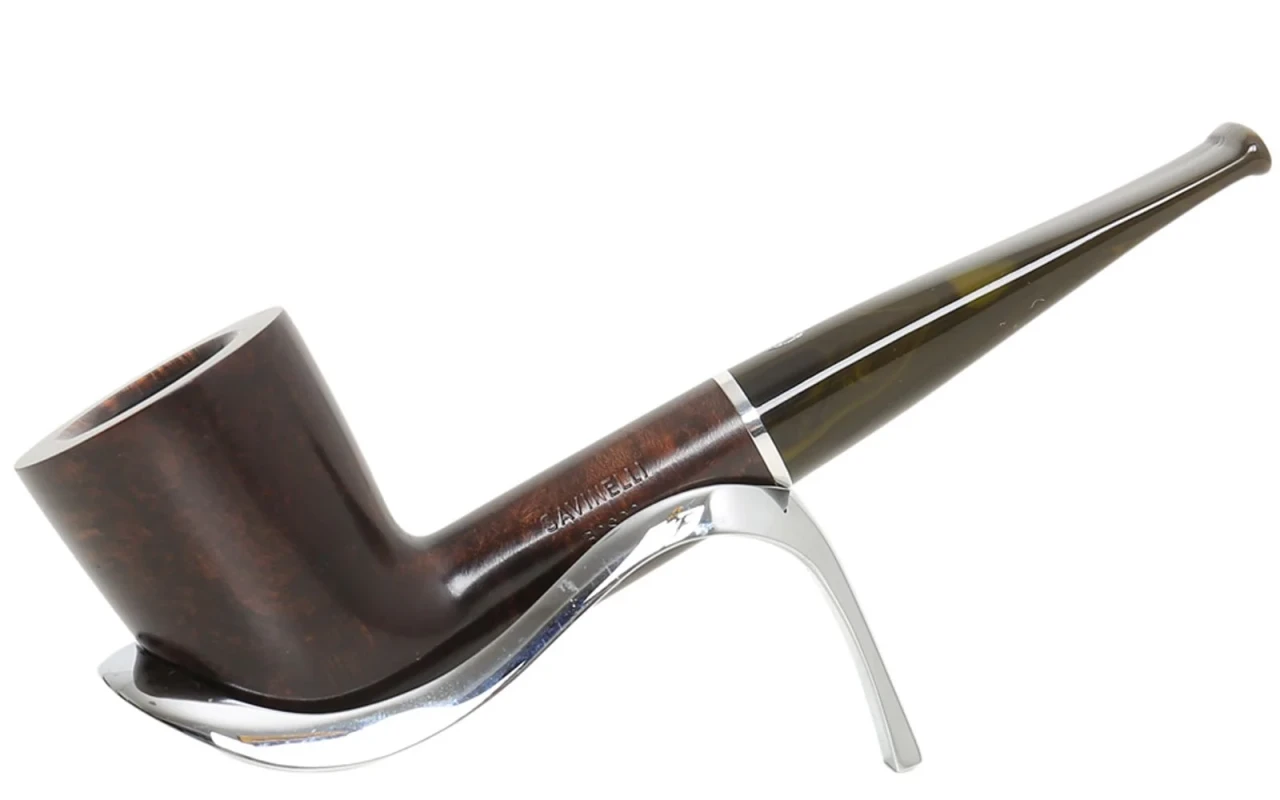
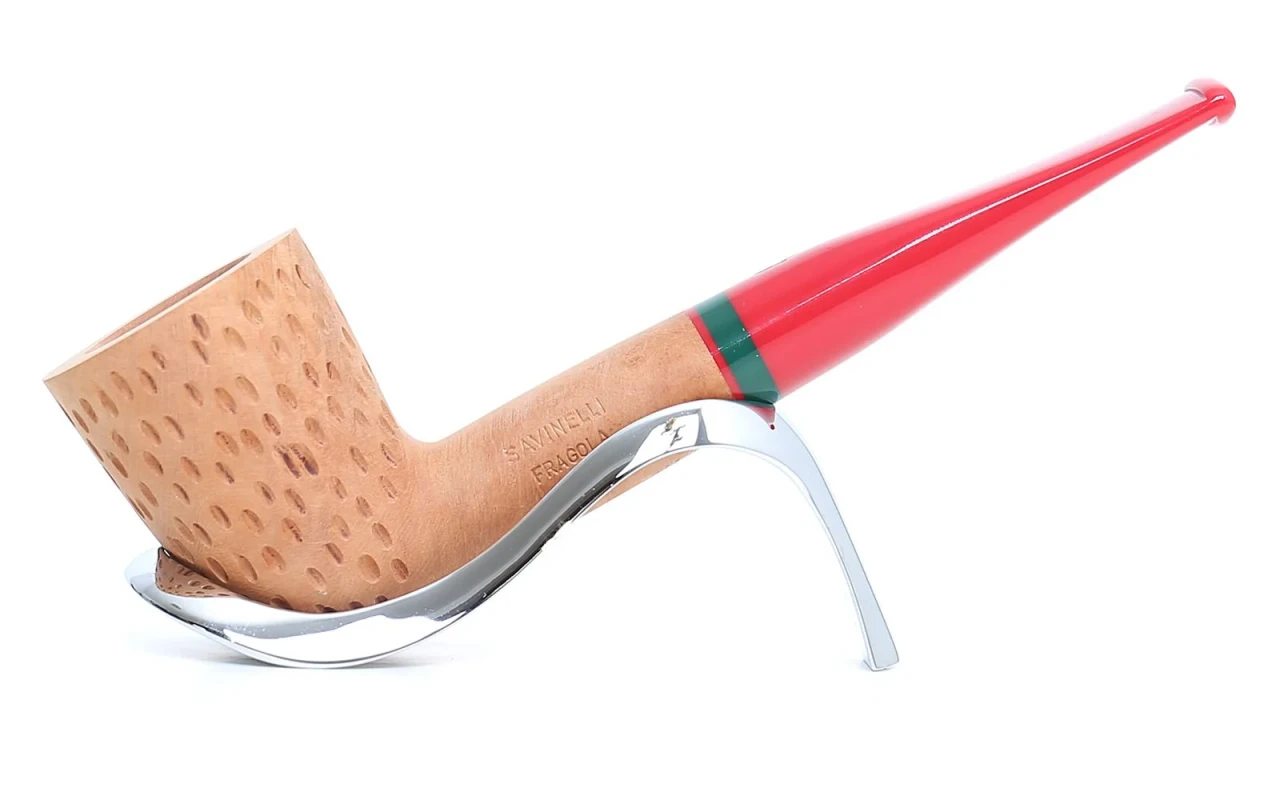
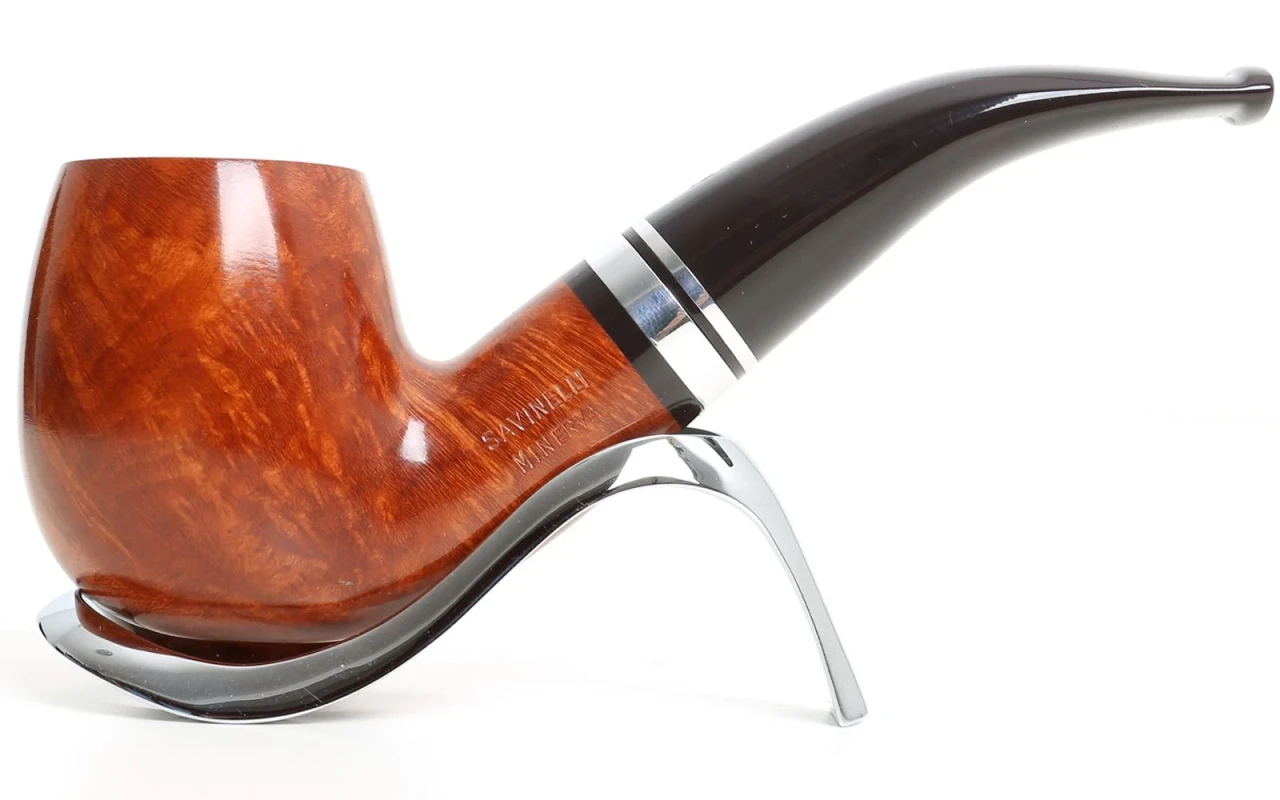
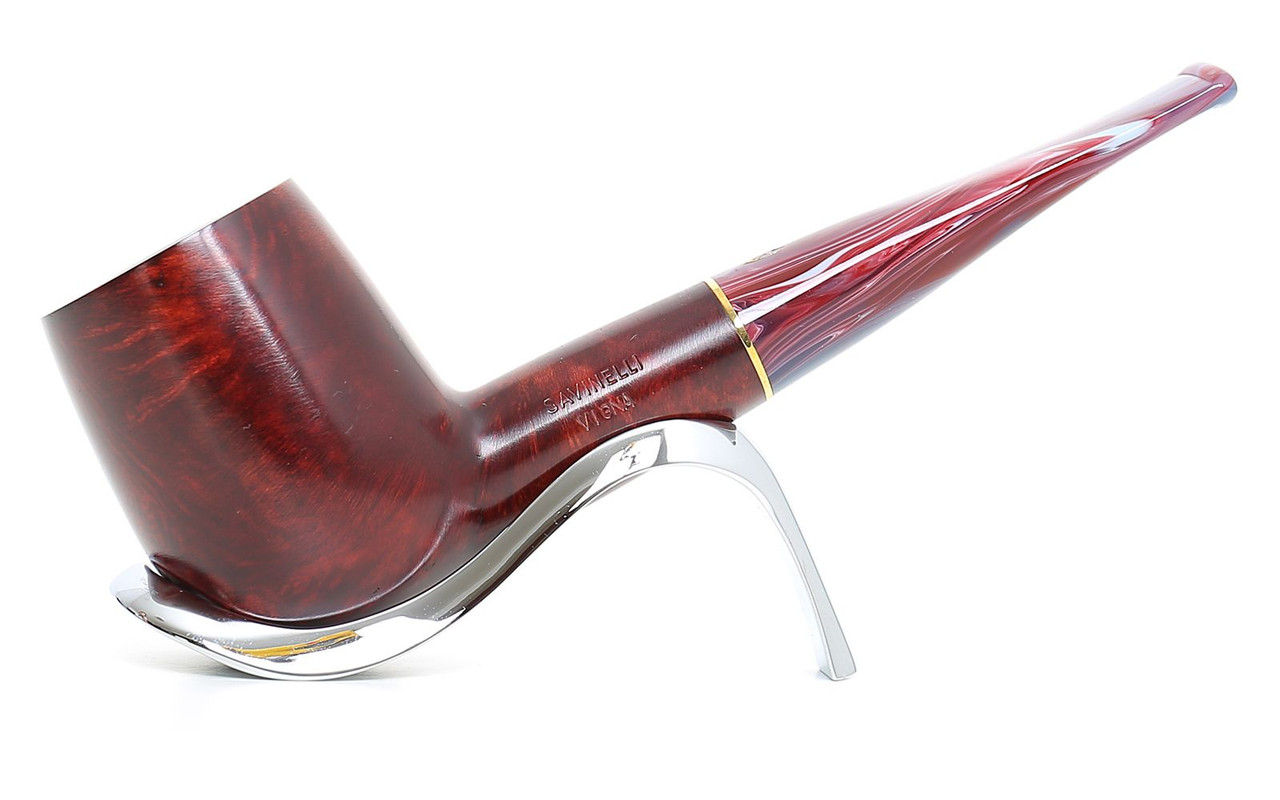
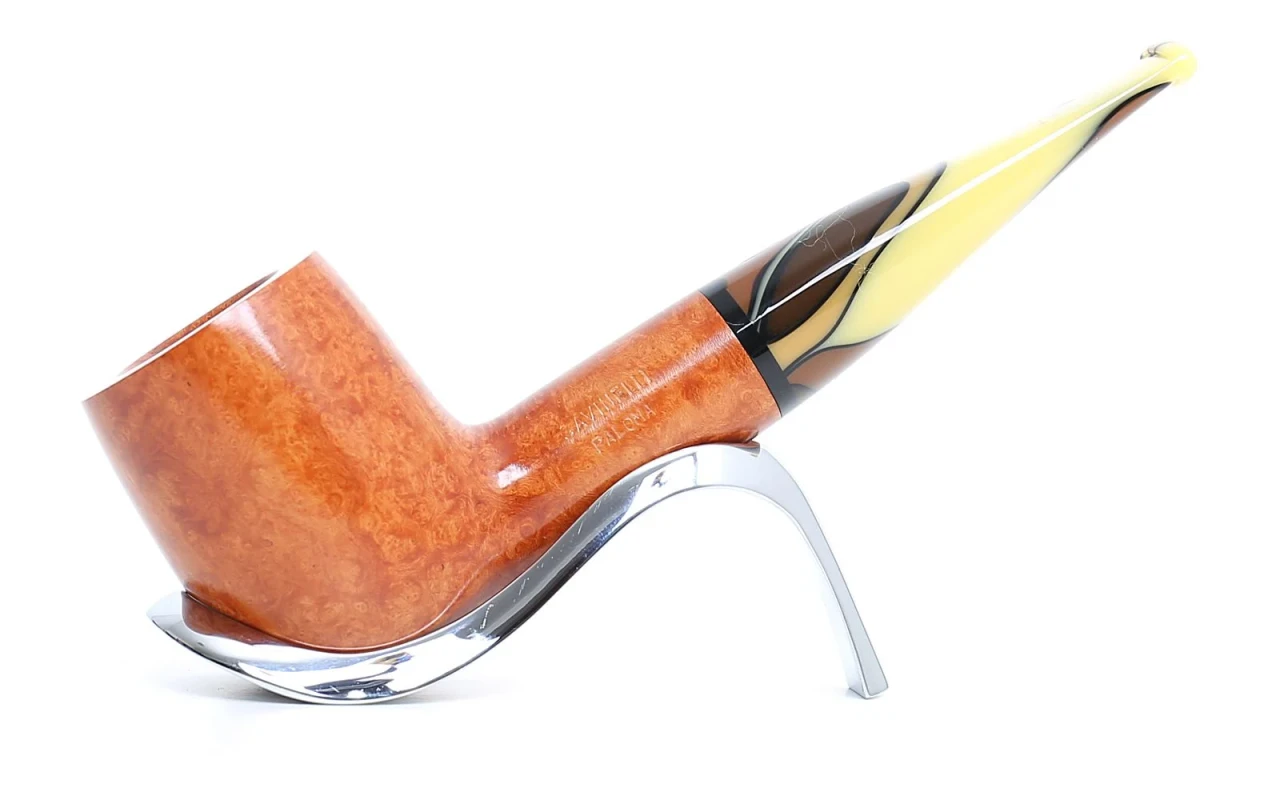
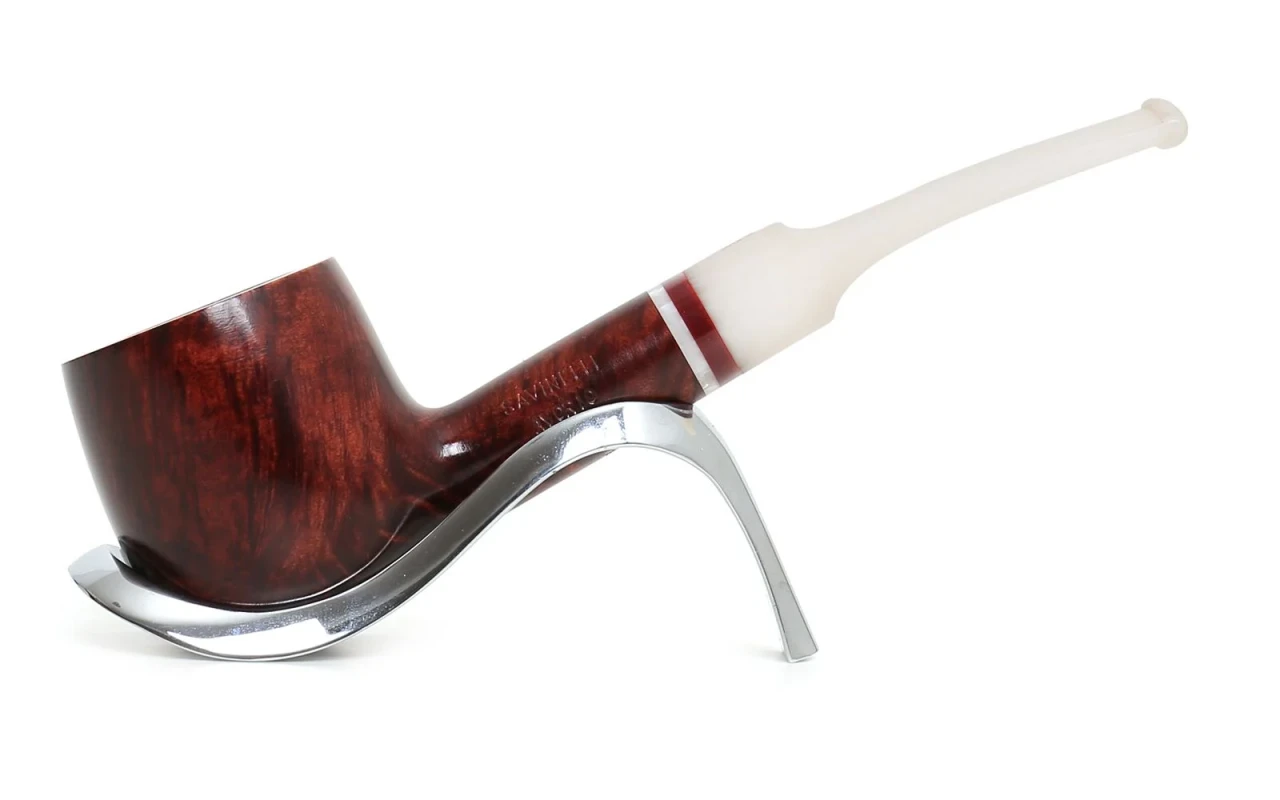
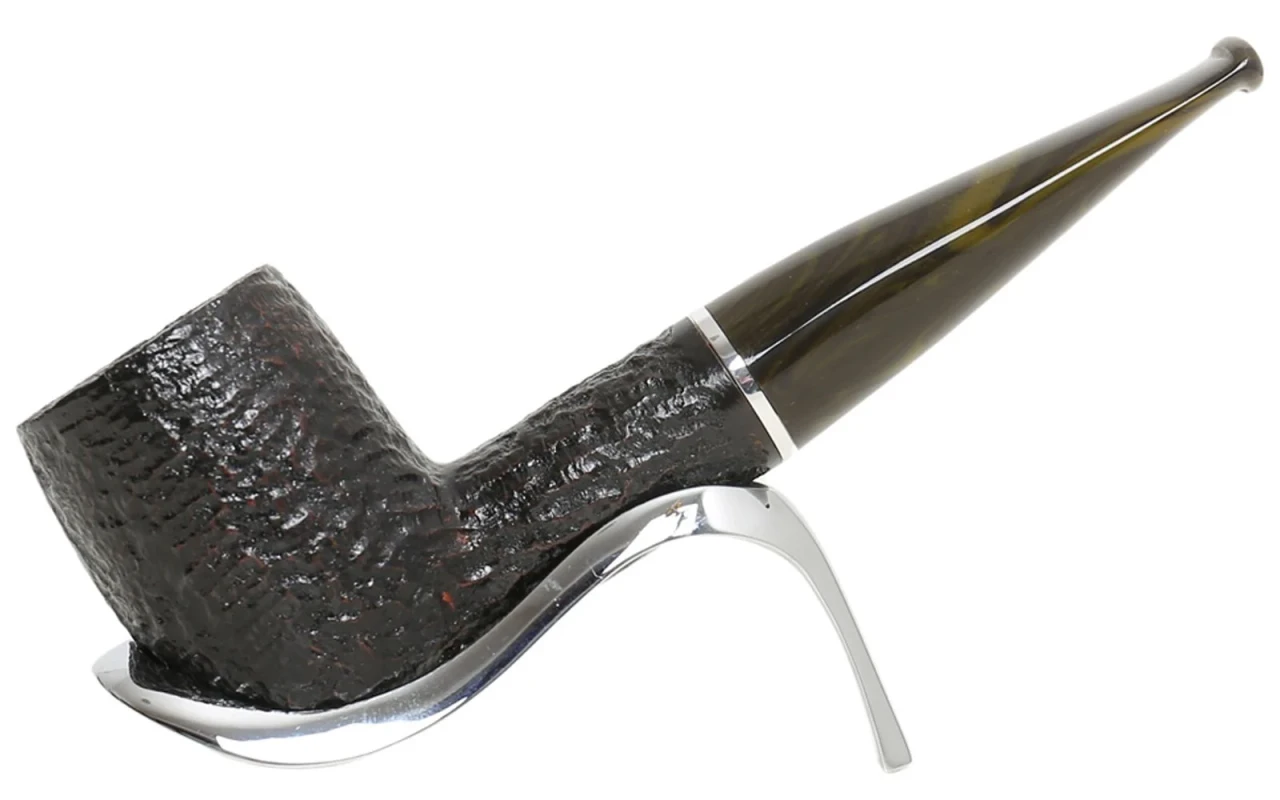
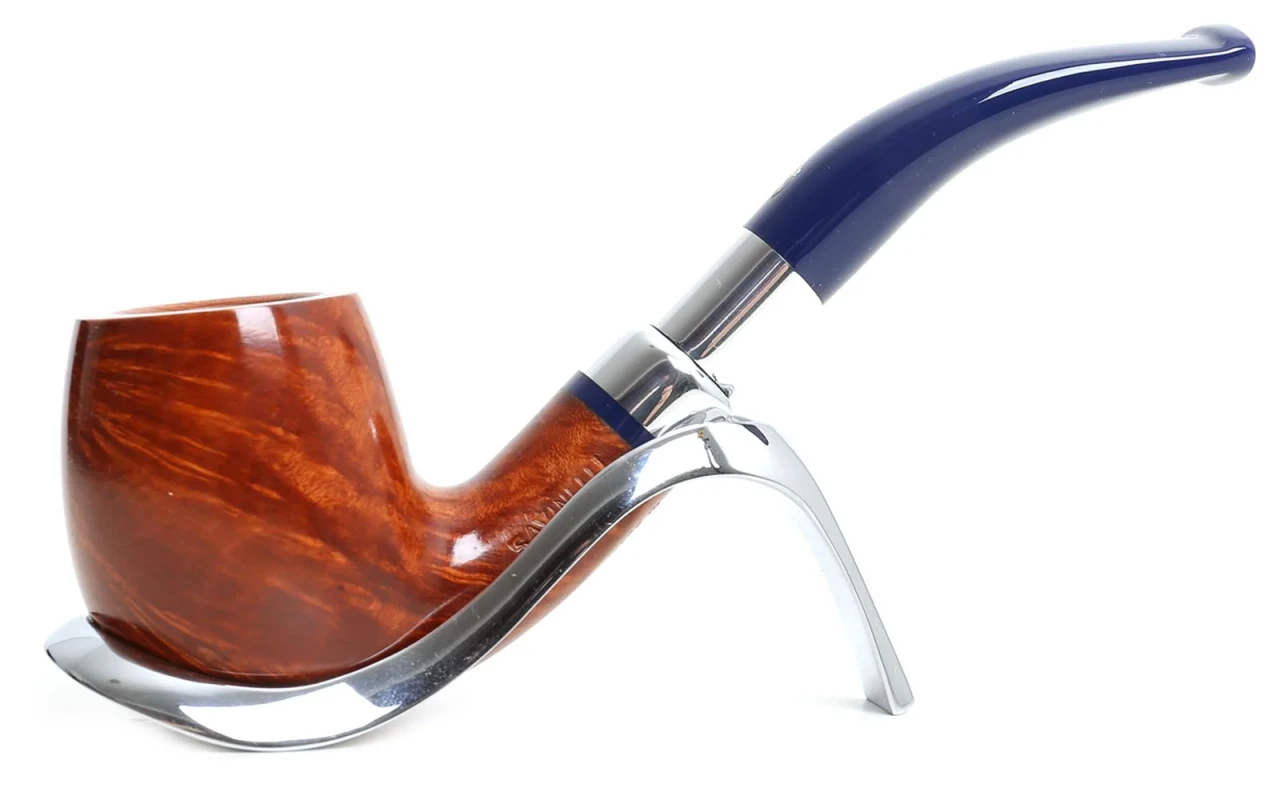
The stem mortise hole in a pipe serves to securely connect the stem to the calabash or bowl, allowing the smoke to pass through. This hole ensures a stable fit and optimal airflow, essential for a proper and enjoyable smoking experience.
What is the purpose of the stem mortise hole in a pipe? Deep dive
The stem mortise hole in a pipe is a fundamental component in the construction and functioning of the pipe itself. This hole, drilled into the bowl or calabash, serves primarily to accommodate the stem, which is the part through which the smoker draws the smoke. Its size and position must be precise to ensure a firm and stable connection, preventing looseness or movement that could compromise the seal and thus the quality of the smoking experience. Moreover, the hole allows the smoke to pass from the combustion chamber to the stem, enabling a smooth and controlled airflow. A well-executed mortise hole helps maintain proper draw, preventing blockages or air leaks that could alter the flavor and temperature of the smoke. During the pipe’s crafting, drilling this hole requires care and precision, as it directly affects the pipe’s functionality and longevity. In summary, the stem mortise hole is essential to securely join the two parts of the pipe and to guarantee the optimal passage of smoke, both indispensable elements for a satisfying slow-smoking experience.