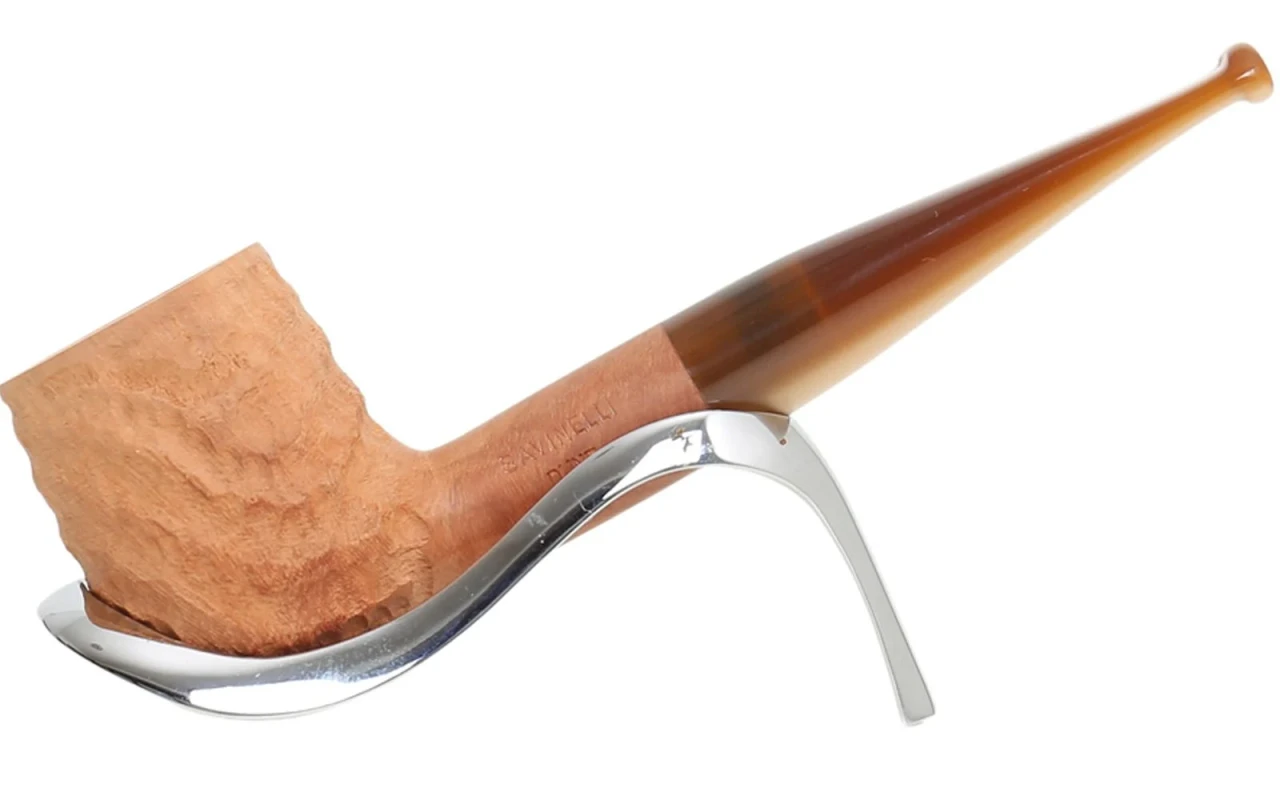
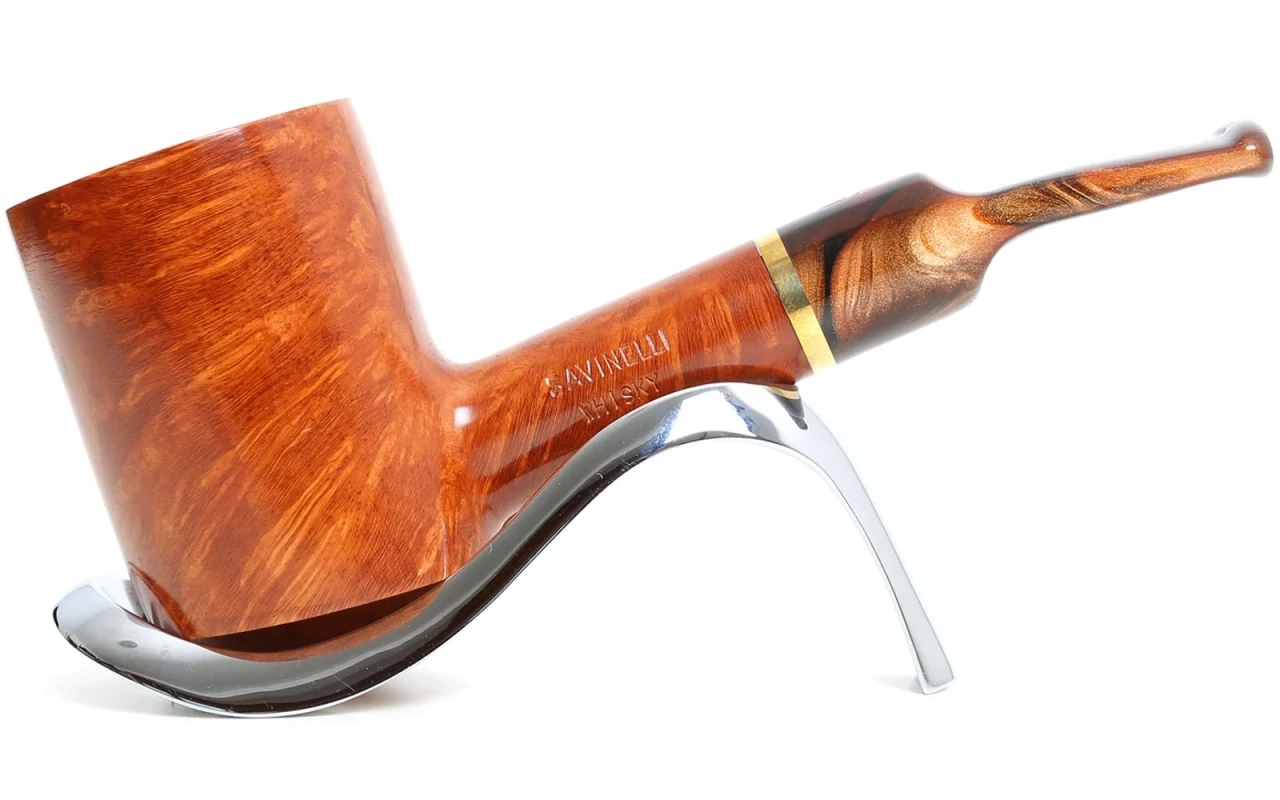
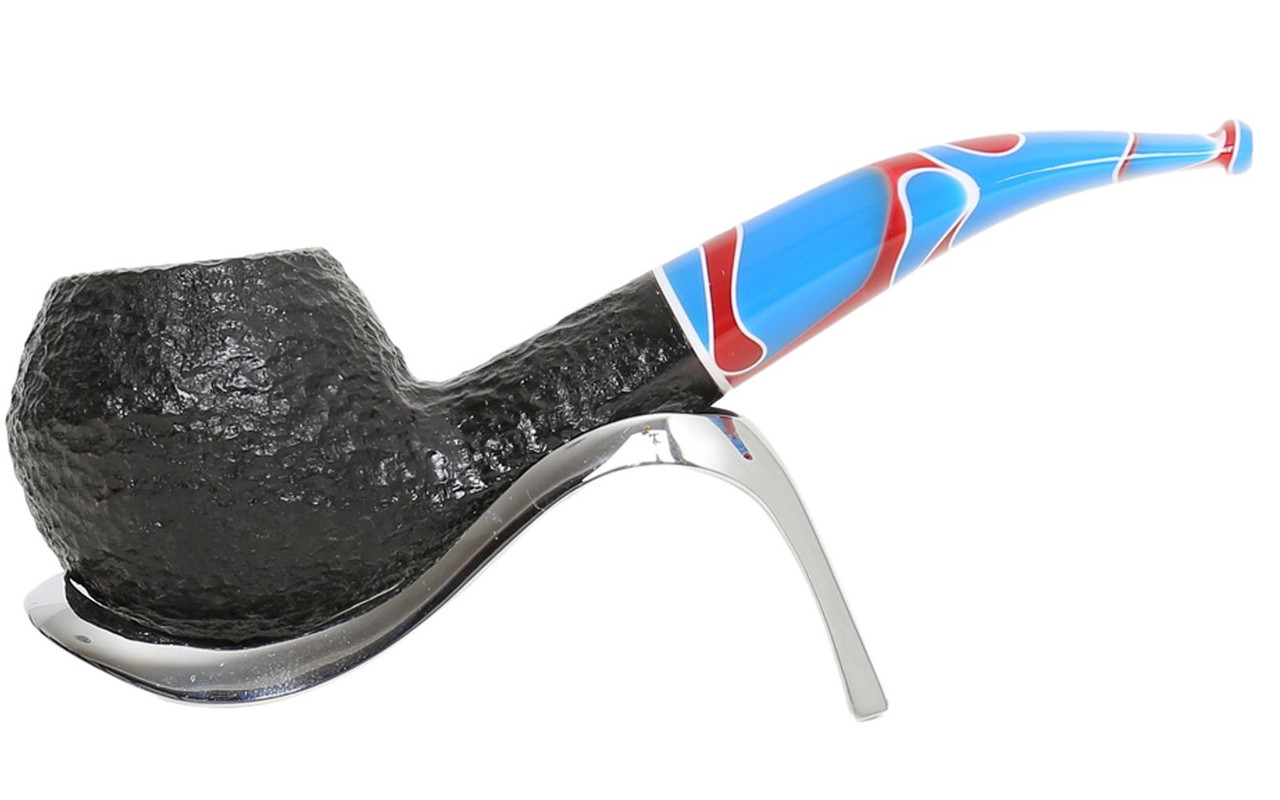
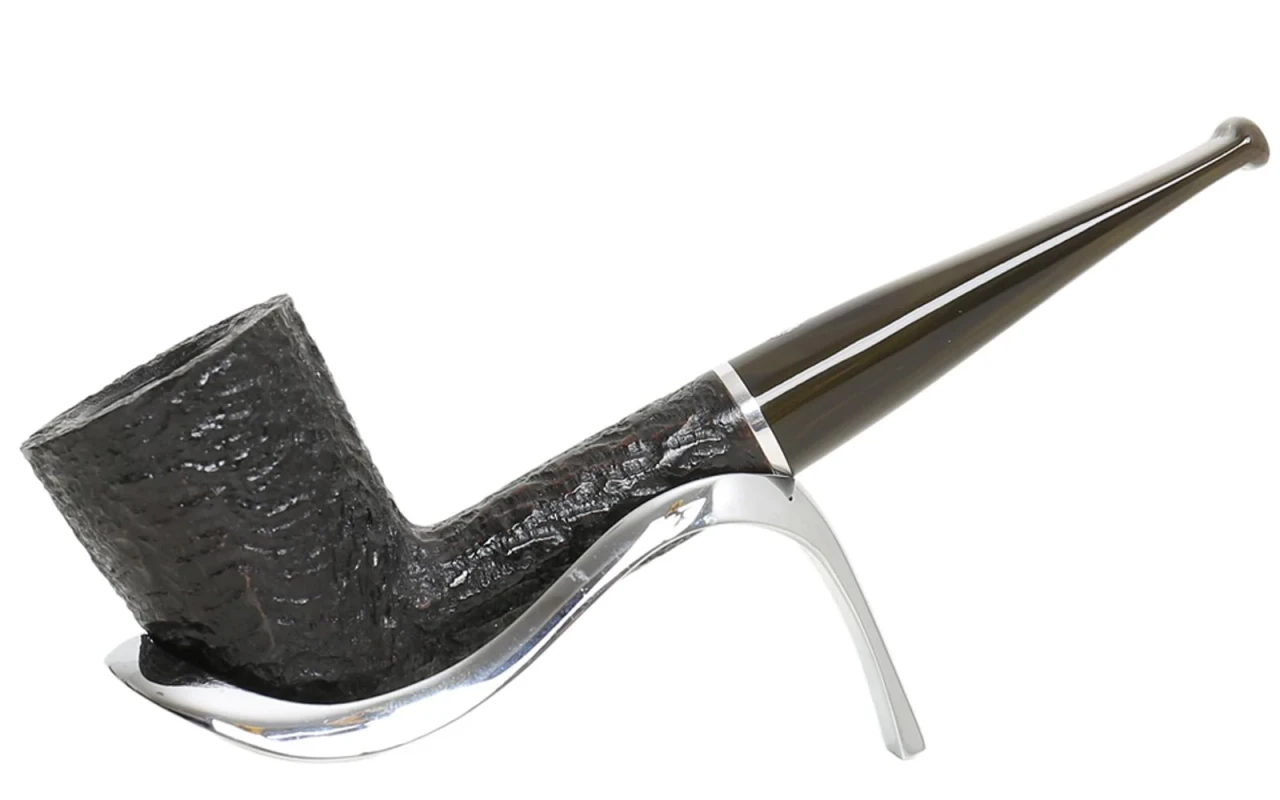
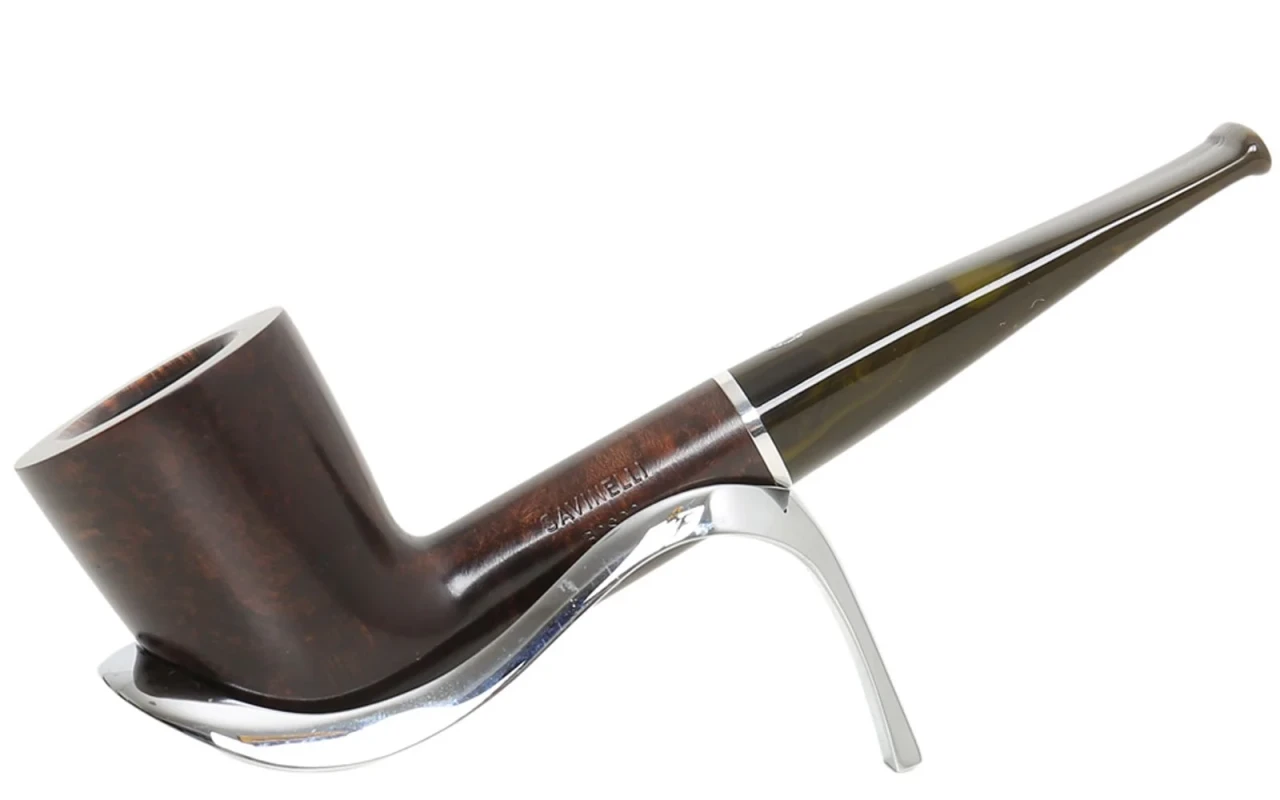
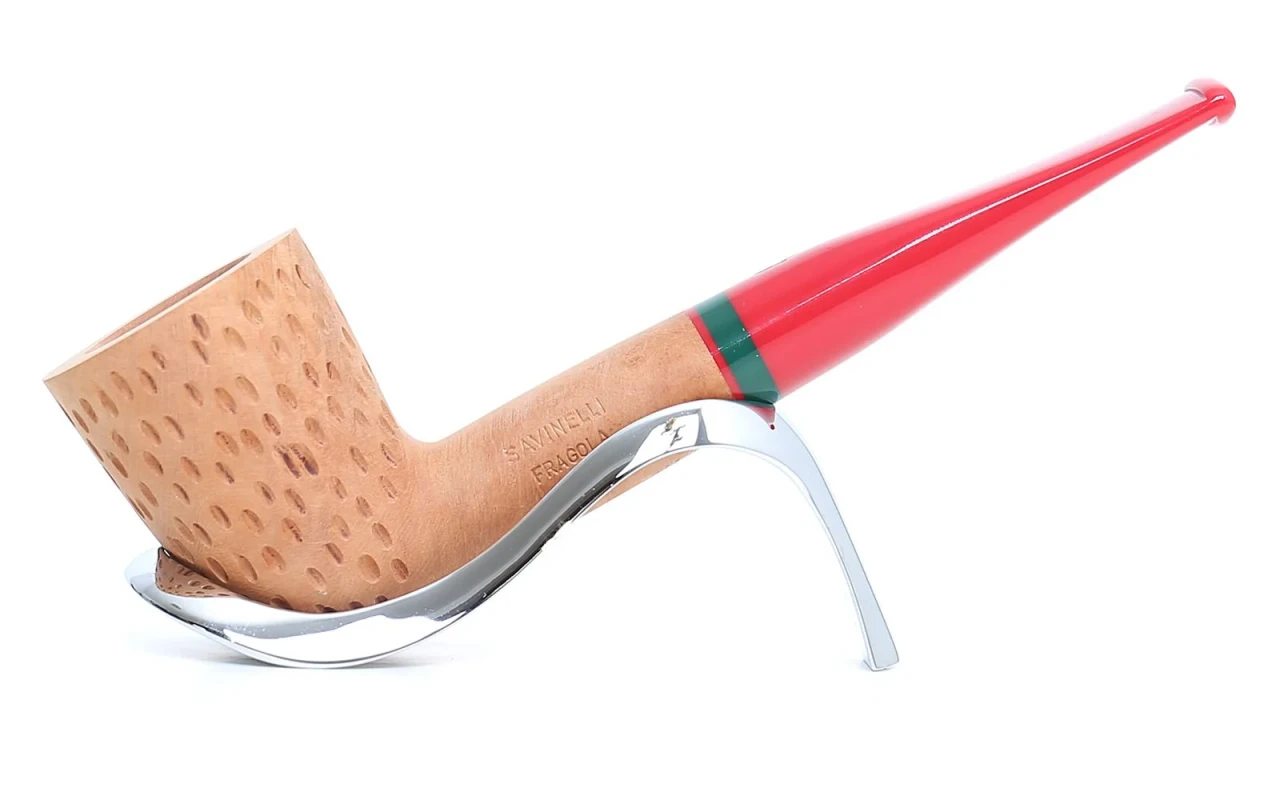
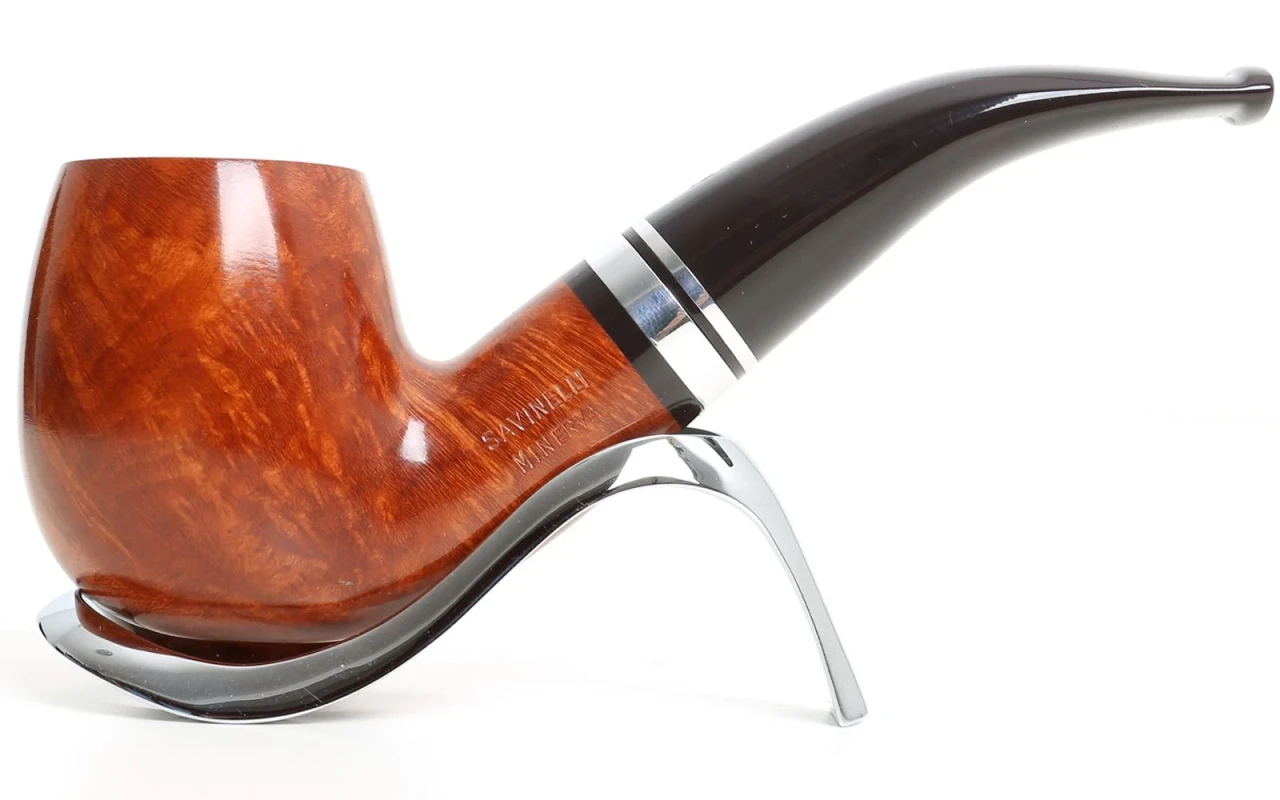
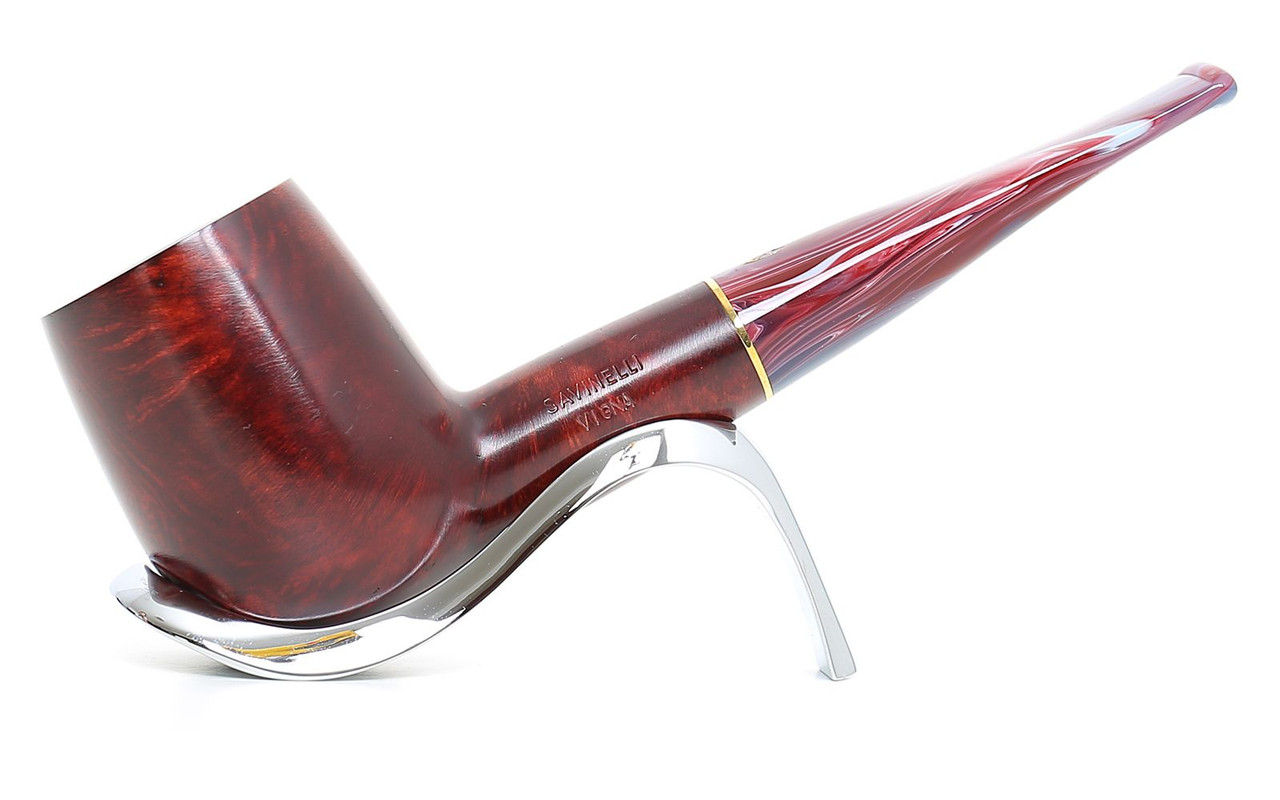
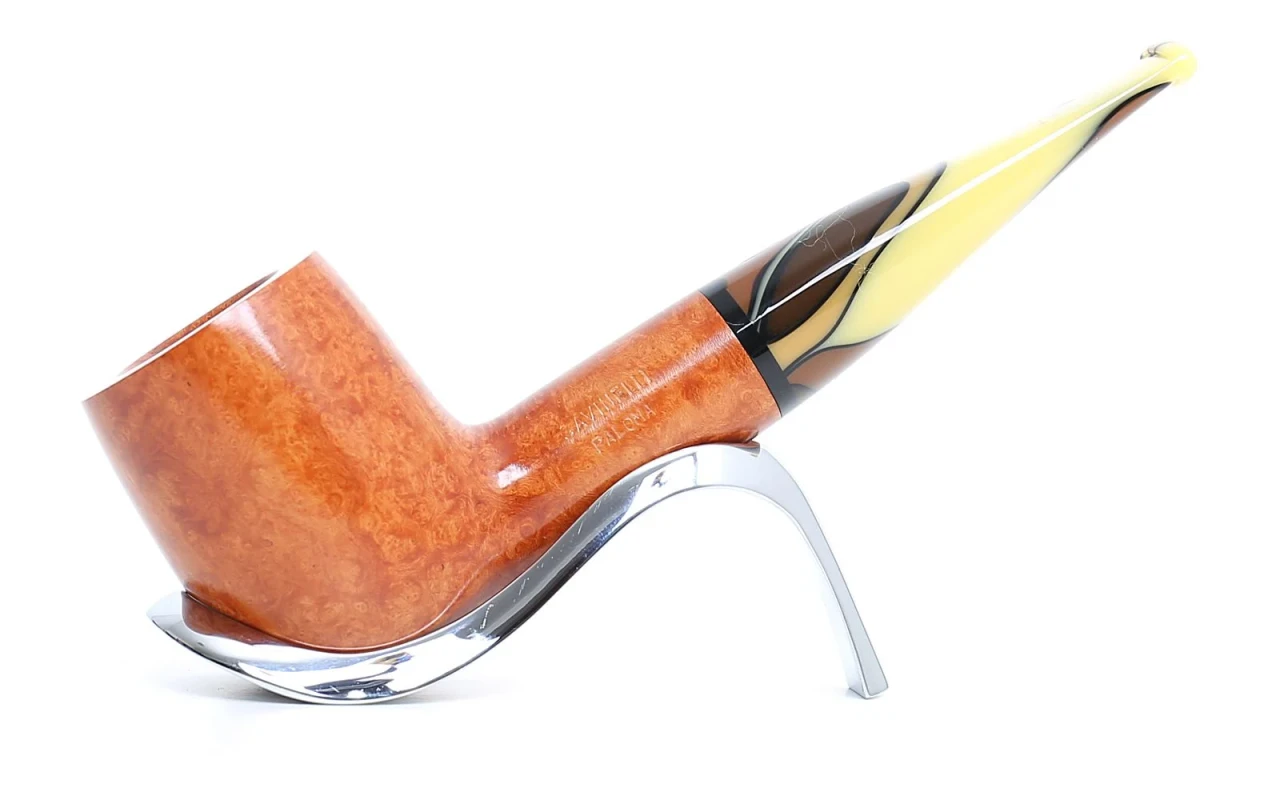
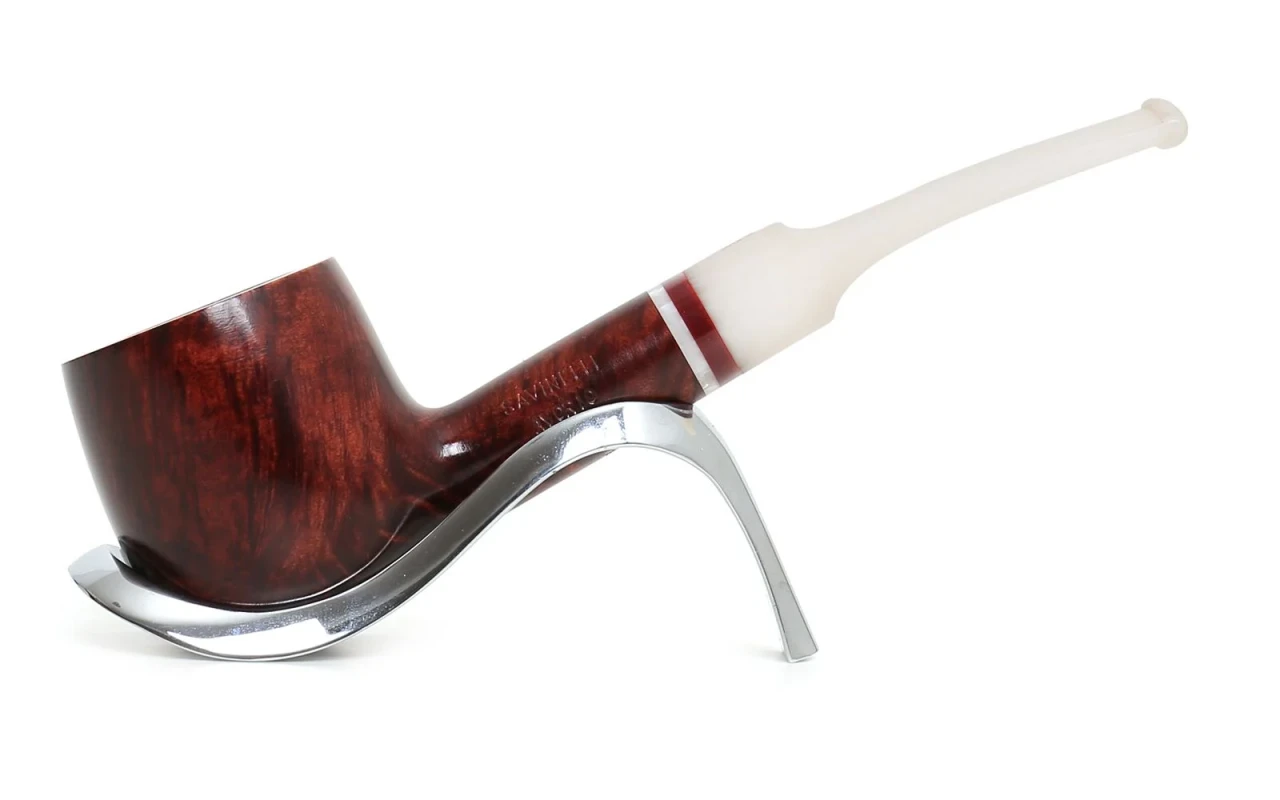
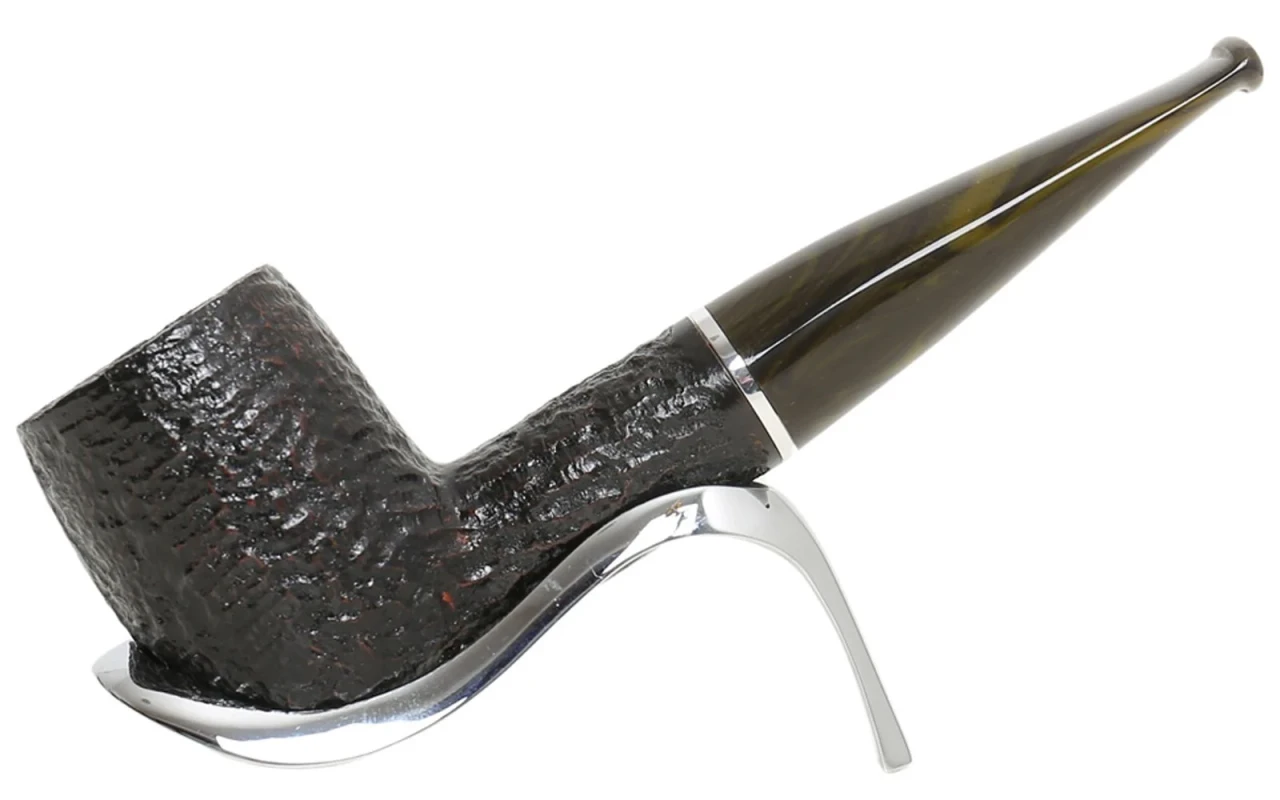
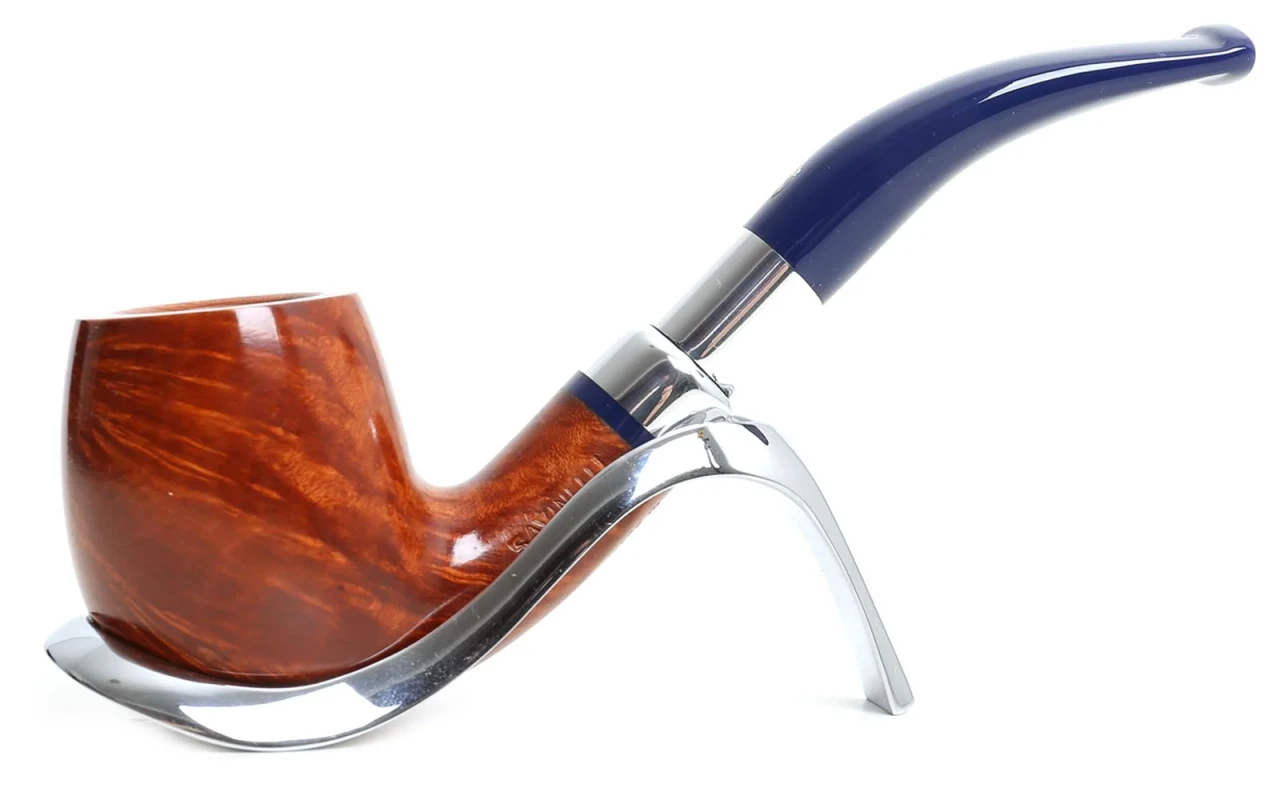
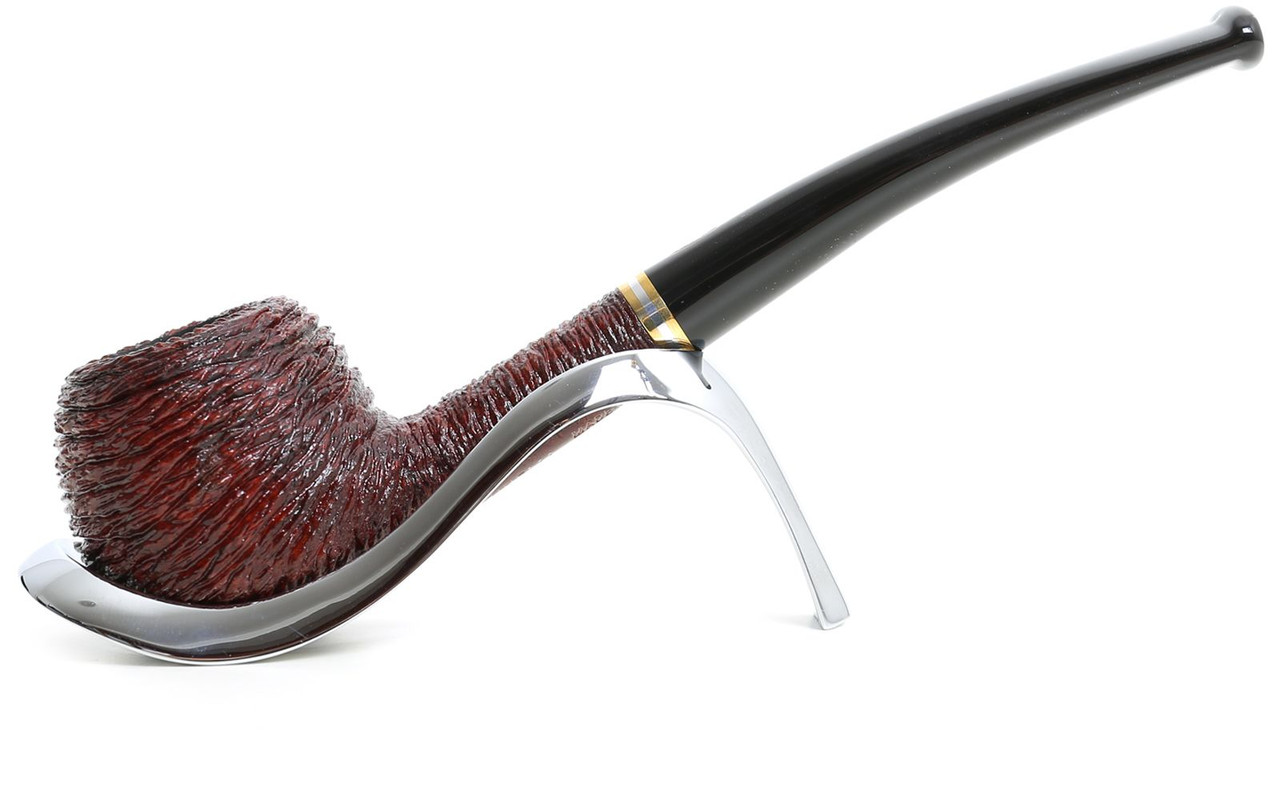
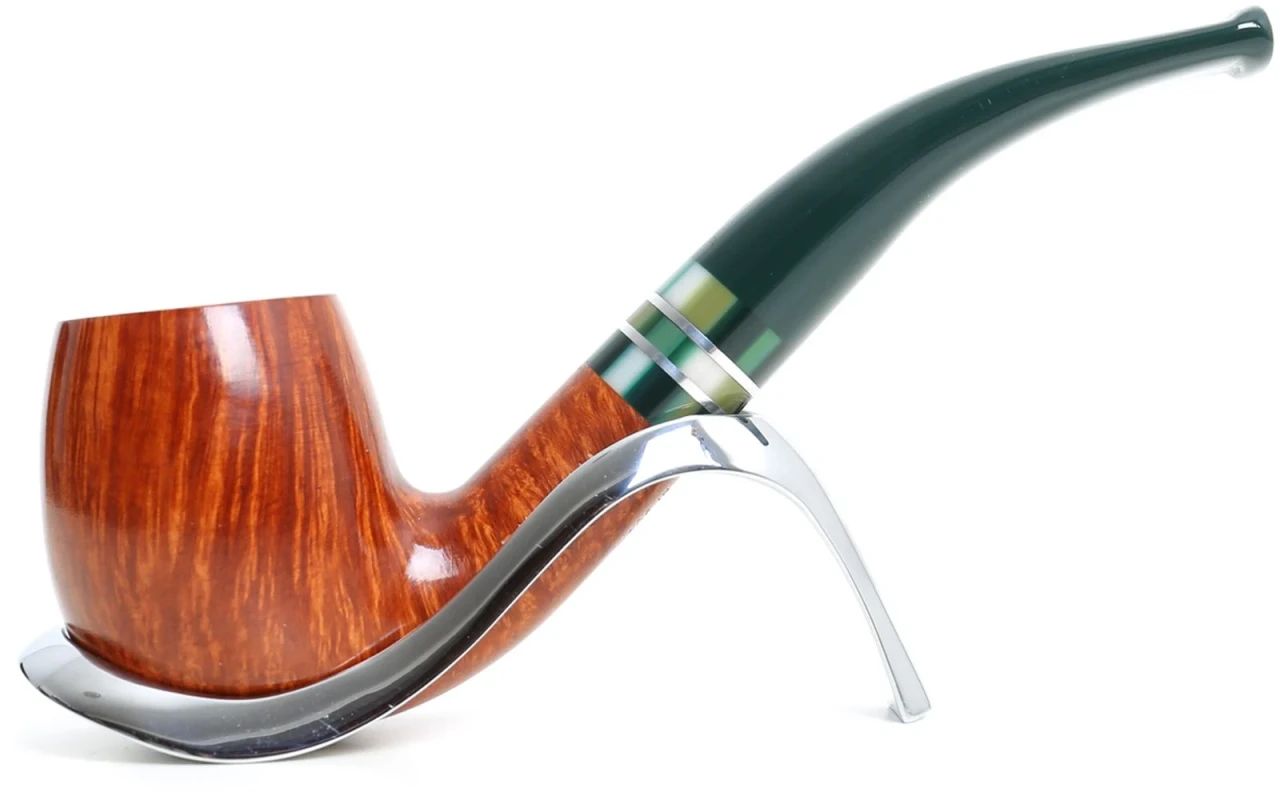
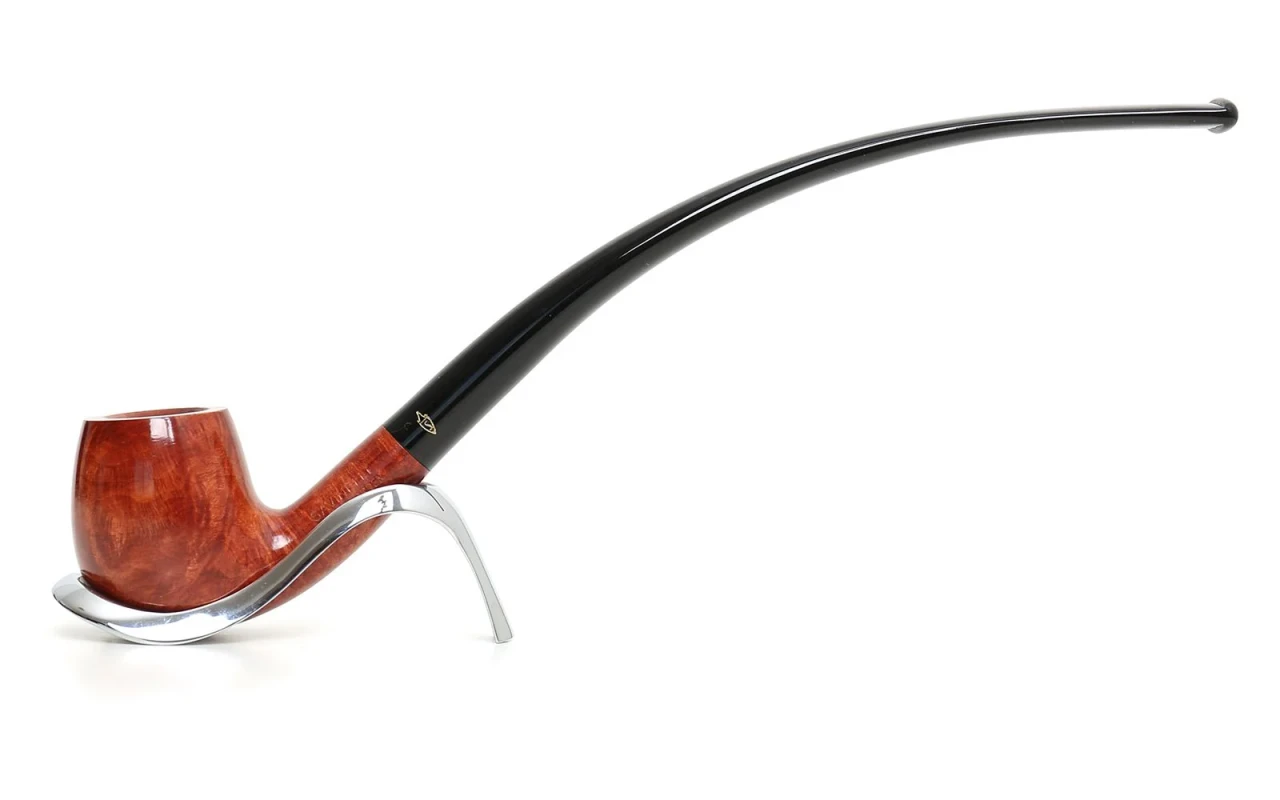
A freehand pipe stands out for its unique, hand-carved, often asymmetric and artistic shapes, while a classic pipe follows traditional and standardized designs. The freehand highlights the pipe maker's creativity, whereas the classic focuses on recognizable and functional forms, both made with quality materials.
What is the difference between a freehand pipe and a classic pipe? Deep dive
The main difference between a freehand pipe and a classic pipe lies in the design and creation process. The classic pipe follows traditional and established shapes, such as the billiard, bulldog, or bent, that have been refined over time to ensure a balance between aesthetics and functionality. These pipes are often produced according to standardized models, even if handmade, and feature symmetrical lines and recognizable proportions. The freehand pipe, on the other hand, is a unique work of art, freely carved by the pipe master without constraints of predefined shapes. This type of pipe values the artisan’s creativity and personal expression, exploiting the natural characteristics of the wood, such as grain and knots, to create original and often asymmetric forms. Freehand pipes may have unusual curves, particular volumes, and finishes that enhance the natural beauty of the material. Both types use high-quality materials, such as briar wood, but the freehand distinguishes itself by its uniqueness and the artistic attention dedicated to each piece, while the classic focuses on a more traditional and recognizable design, ideal for those seeking a pipe with a classic and functional character.