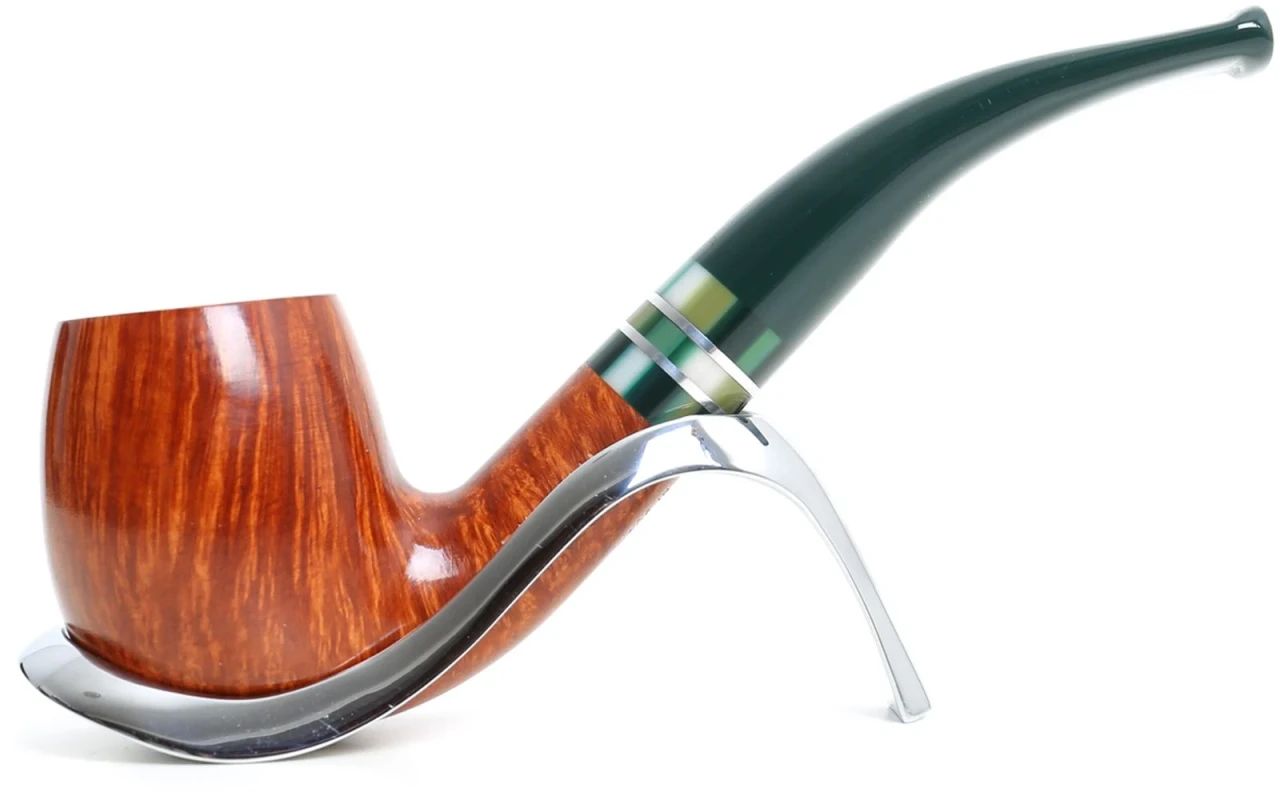
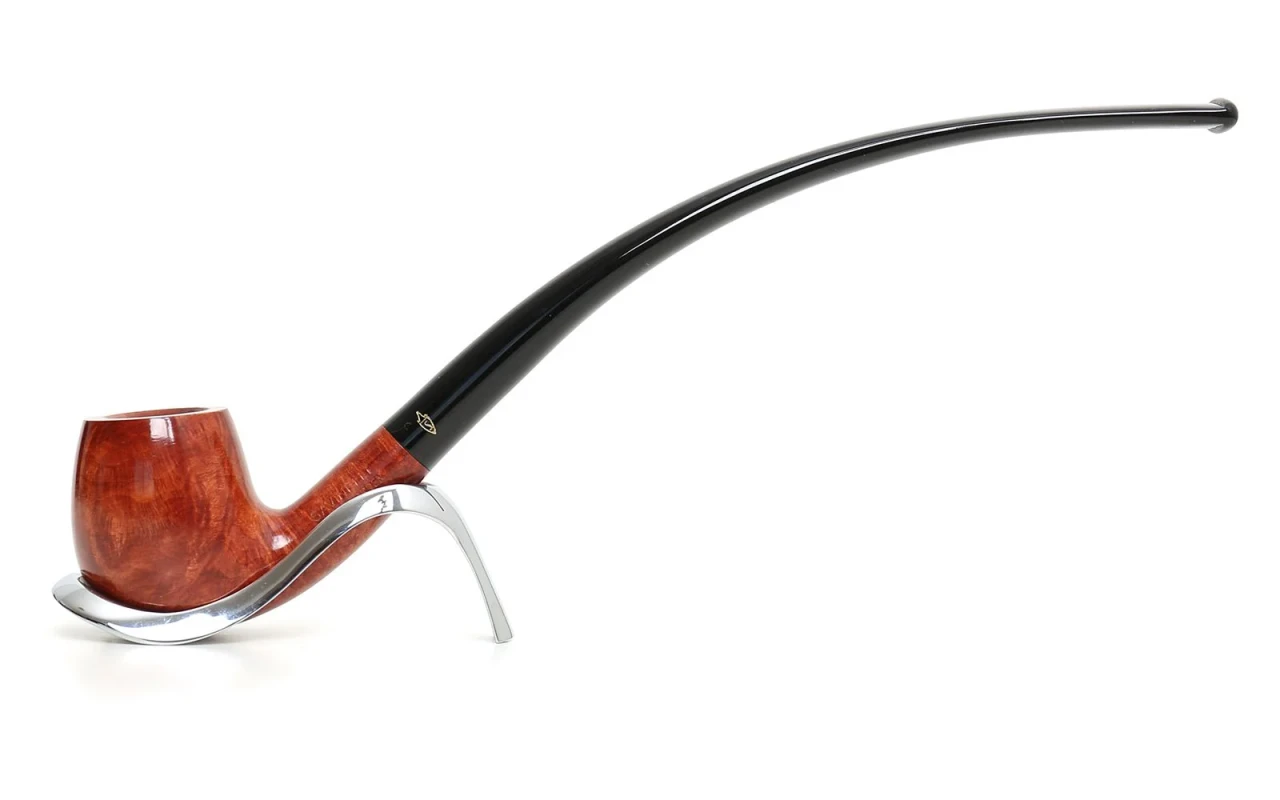
Pipe tobacco is smoked in the mouth without inhaling into the lungs because the smoke is savored for its aroma and flavor, not inhaled. This method allows for a slower, more reflective smoking experience typical of slow-smoking culture, avoiding the direct inhalation common with cigarettes.
Why is pipe tobacco smoked in the mouth and not inhaled into the lungs? Deep dive
Pipe tobacco is smoked in the mouth without inhaling the smoke into the lungs because the primary goal is to savor the taste and aroma of the tobacco, rather than to inhale the smoke as with cigarettes. The smoke from a pipe is held in the mouth, where the aromatic nuances and organoleptic characteristics of the tobacco are perceived, then exhaled without passing into the lungs. This method of smoking is an integral part of slow-smoking culture, which values tasting and contemplation over the speed and amount of nicotine absorbed. Furthermore, the construction of the pipe and the type of tobacco used are designed for a slower, controlled consumption, requiring the smoke not to be inhaled into the lungs to avoid irritation and a less pleasant experience. In summary, smoking pipe tobacco in the mouth without inhaling is a traditional practice that allows full appreciation of the tobacco and its aromatic complexity, maintaining a relaxed and meditative smoking rhythm.