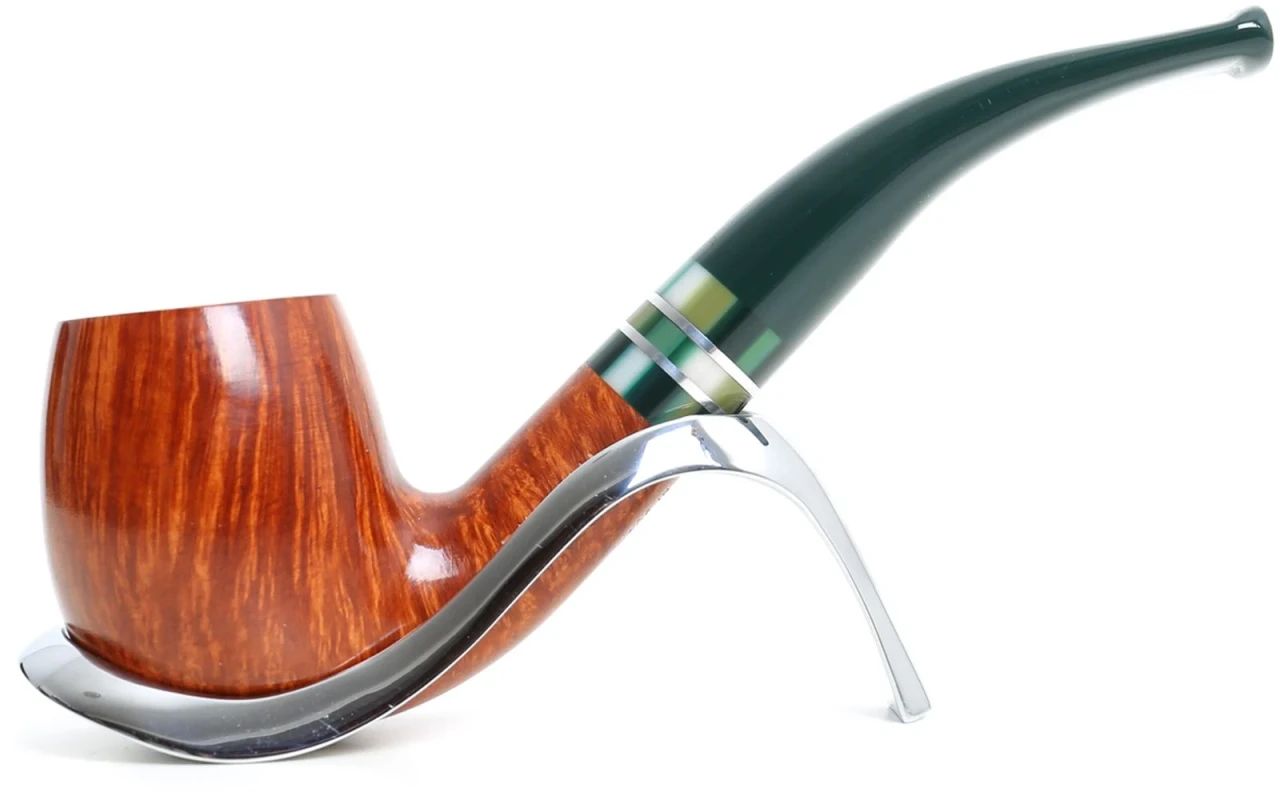
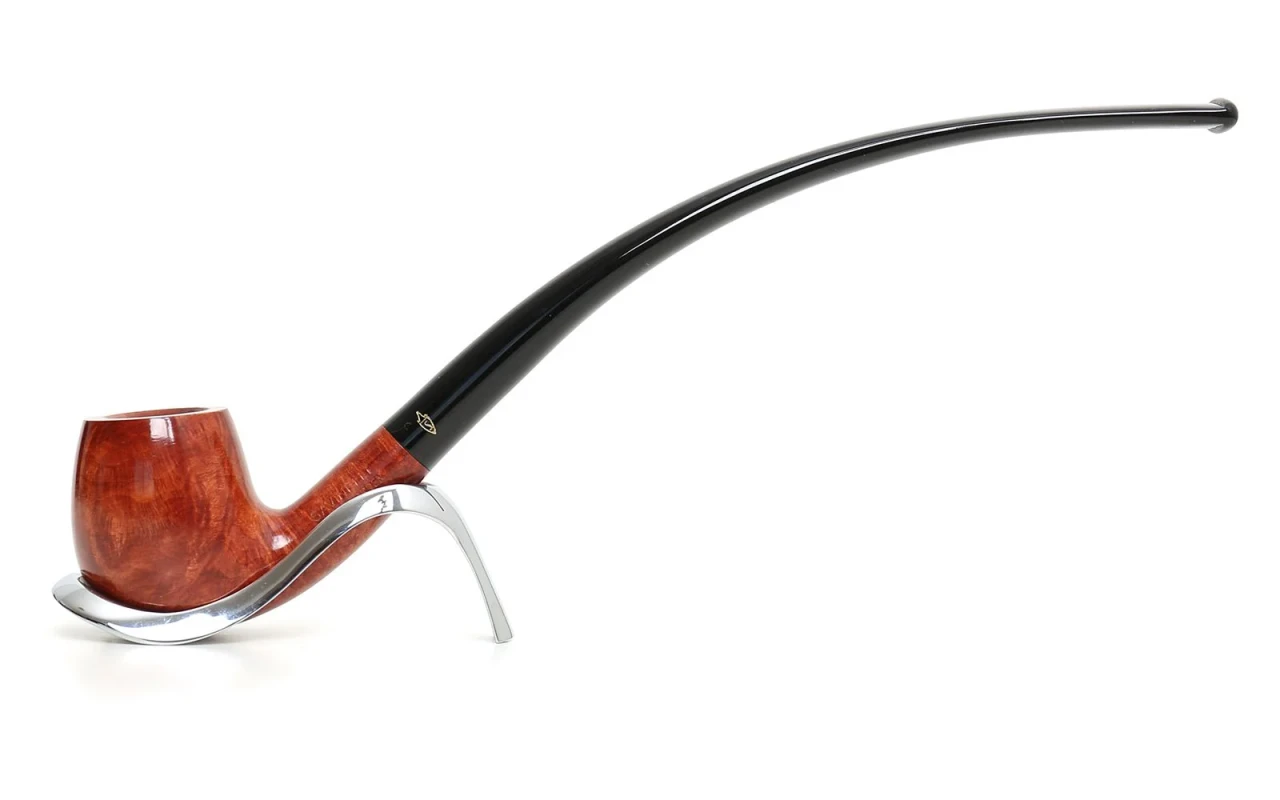
The cake in the pipe, or rather the layer of carbonized tobacco residue, should form a thin and even layer about 2-3 millimeters thick. This layer helps protect the mouthpiece and the combustion chamber, keeping the pipe in good condition and ensuring a more pleasant and lasting smoking experience.
How thick should the cake be in the pipe? Deep dive
The ideal thickness of the cake in the pipe—that is, the residue of burnt tobacco that forms during smoking—is generally about 2-3 millimeters. This thin and even layer is important because it acts as a natural protection for the combustion chamber, preventing direct heat from damaging the briar or the pipe material. A cake that is too thick can cause excessive overheating, while one that is too thin does not provide adequate protection. During cleaning and maintenance, it is advisable to maintain this consistent layer by removing any excessive buildup to preserve the pipe’s functionality and longevity. Proper management of the cake thickness also contributes to improving the quality of the smoke, as it promotes a more uniform and controlled combustion of the tobacco.