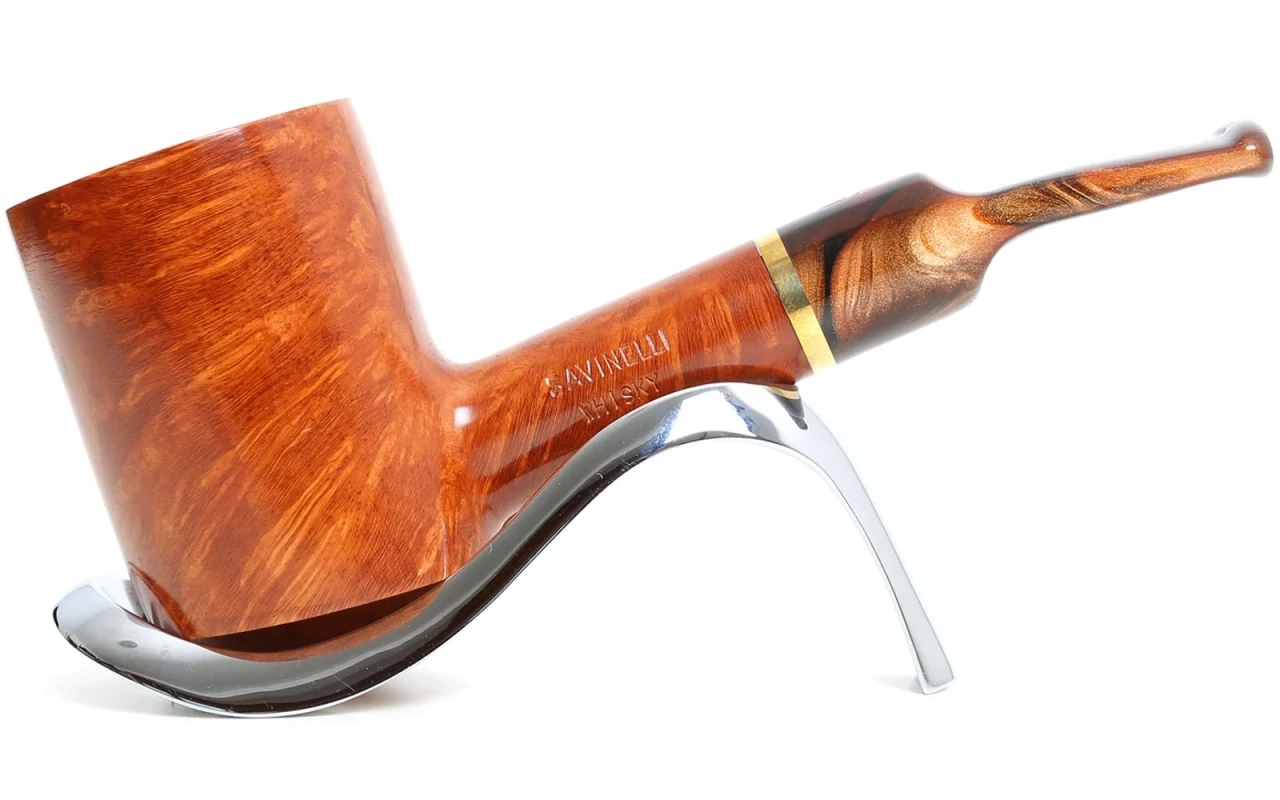
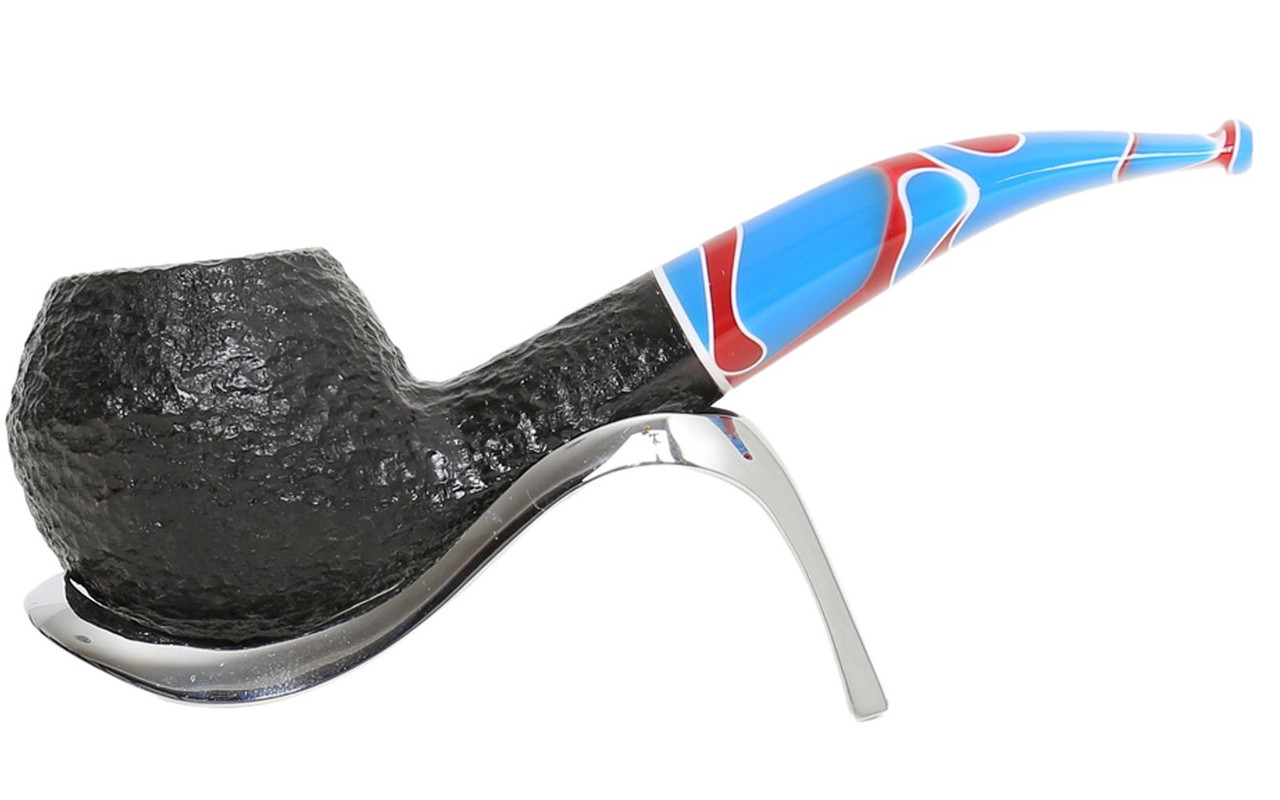
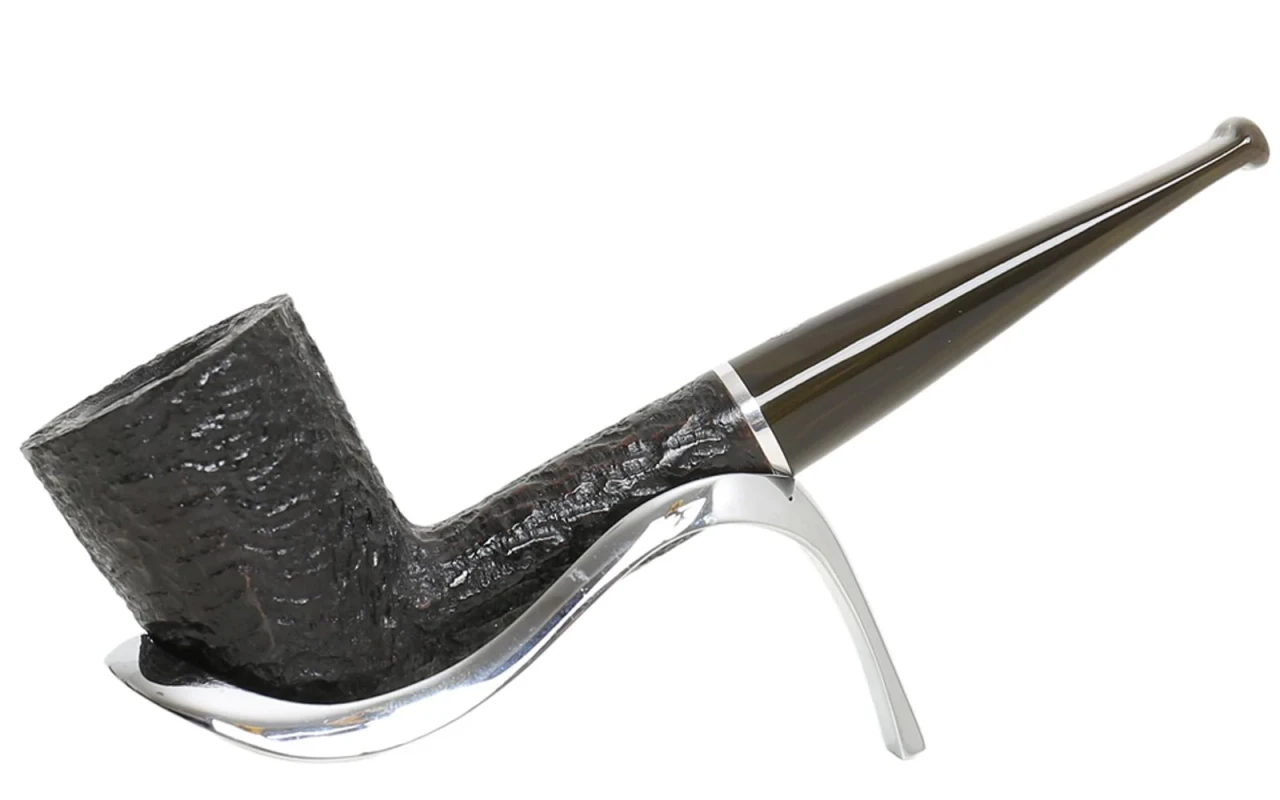
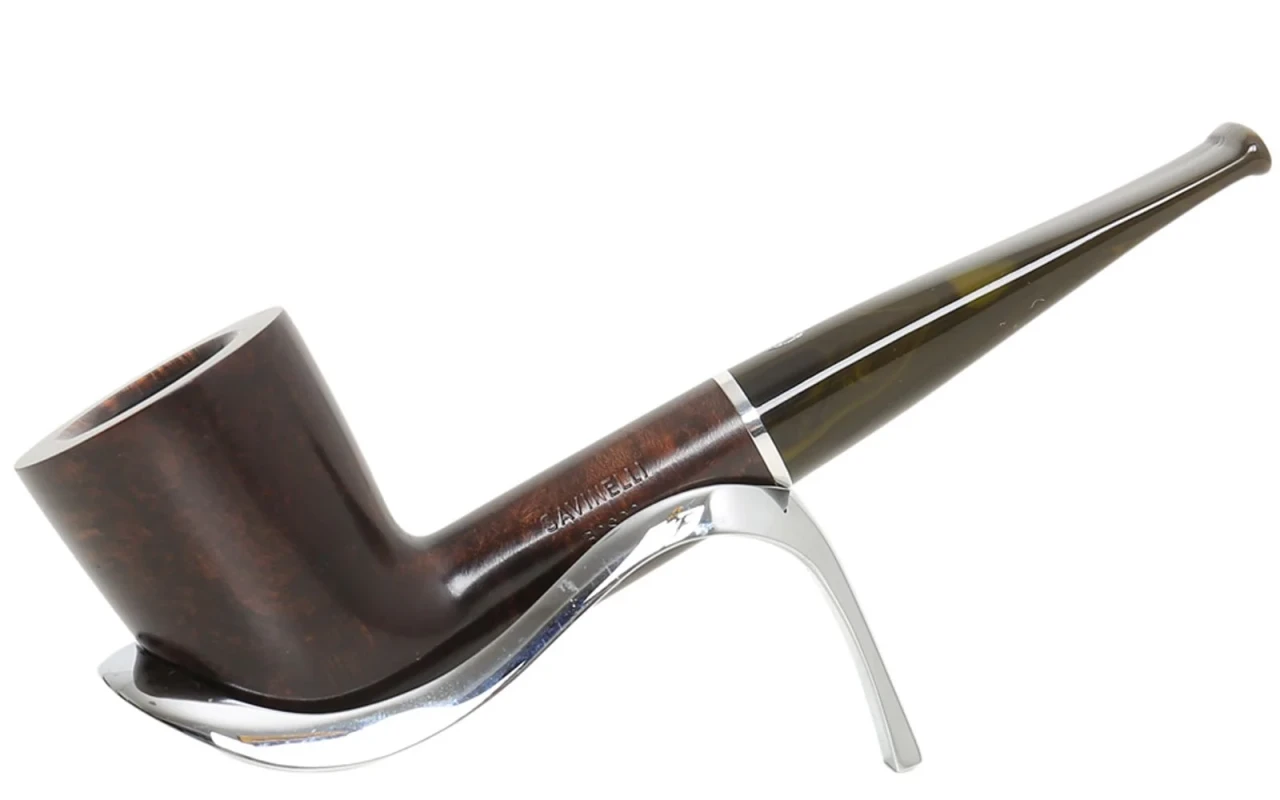
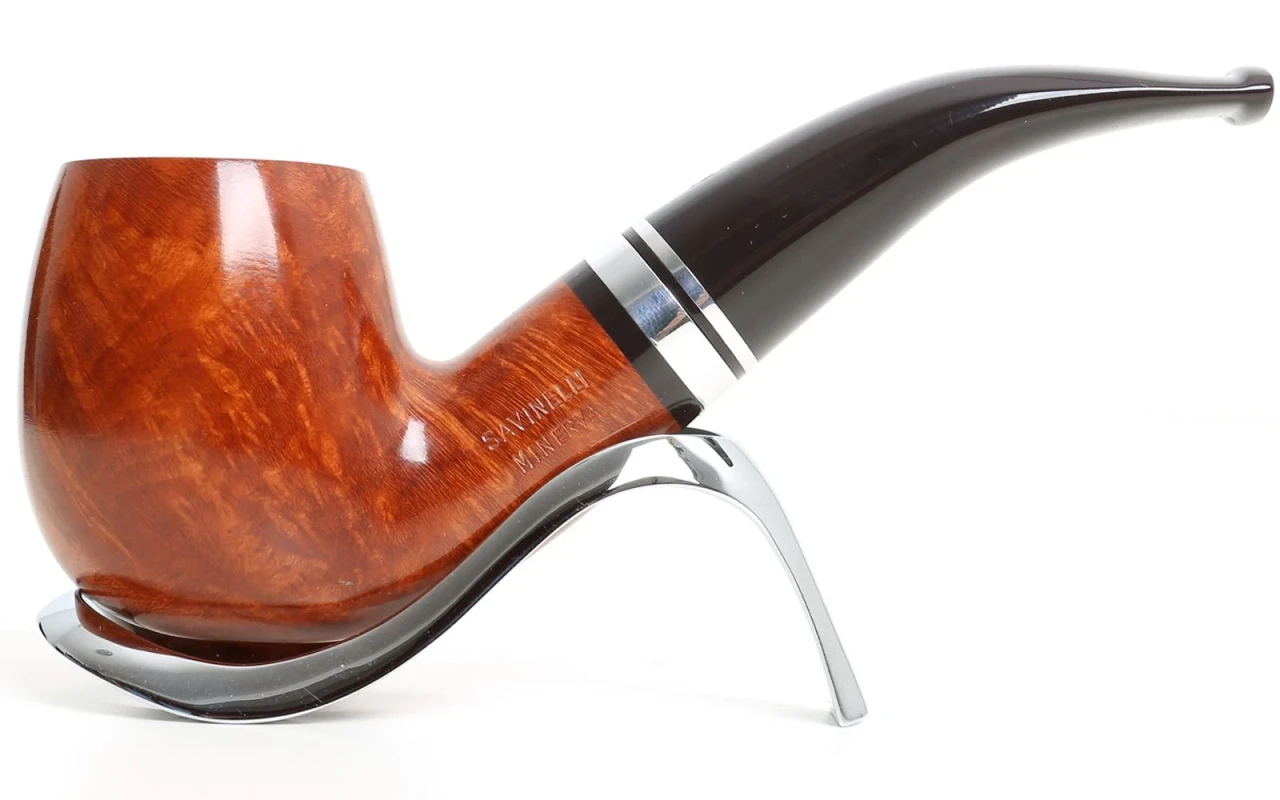
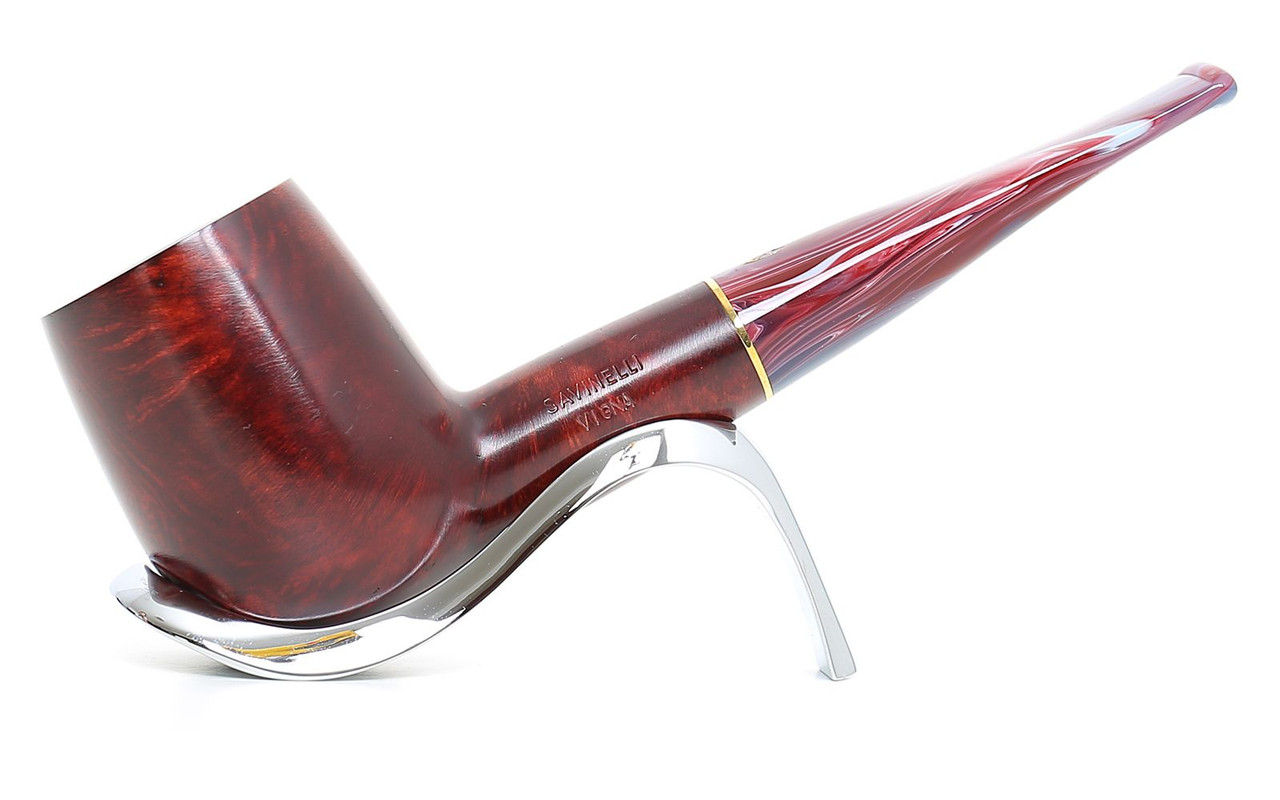
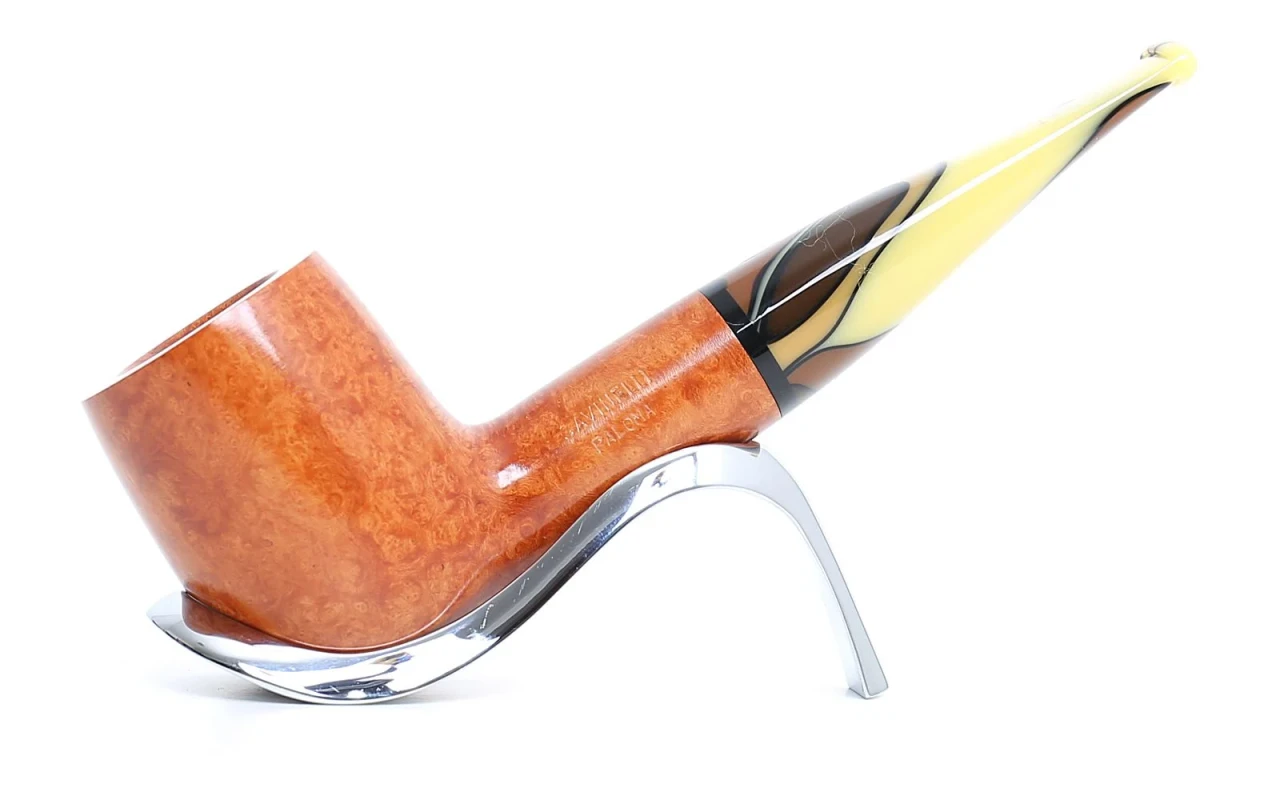
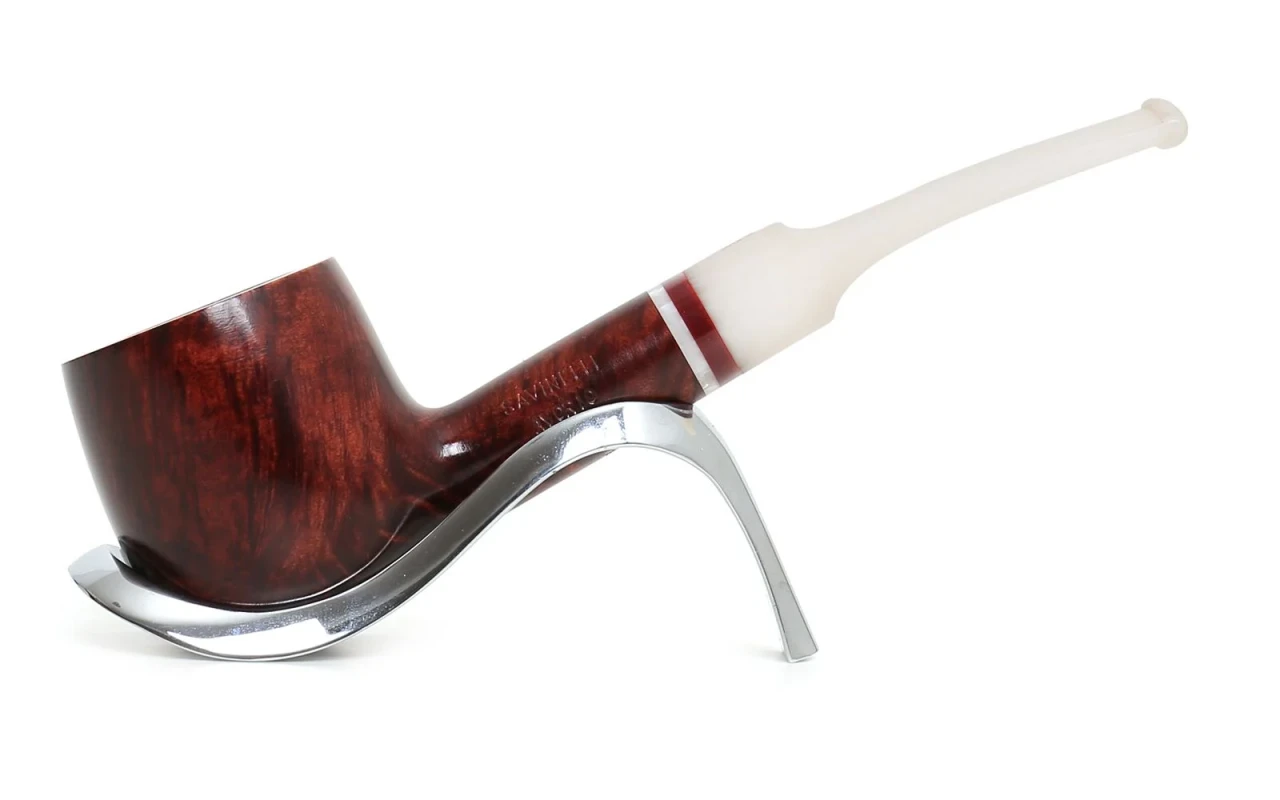
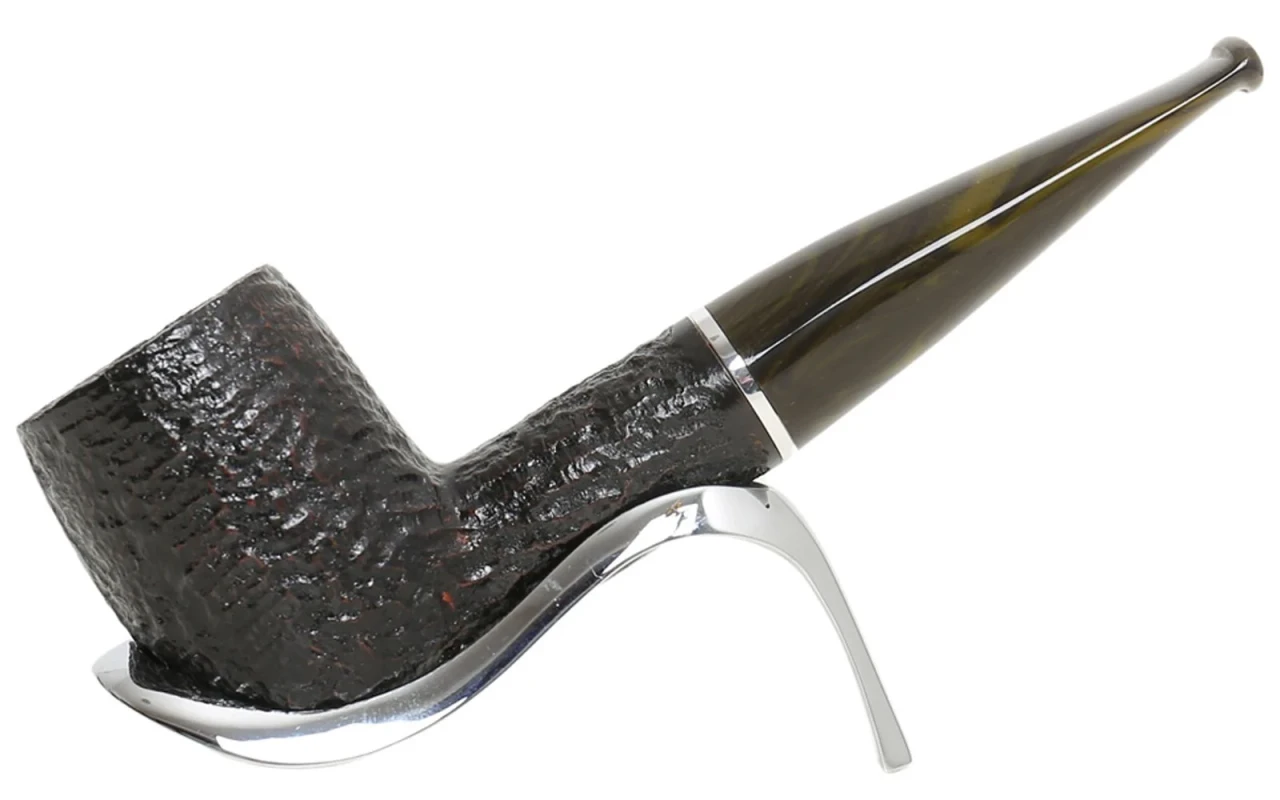
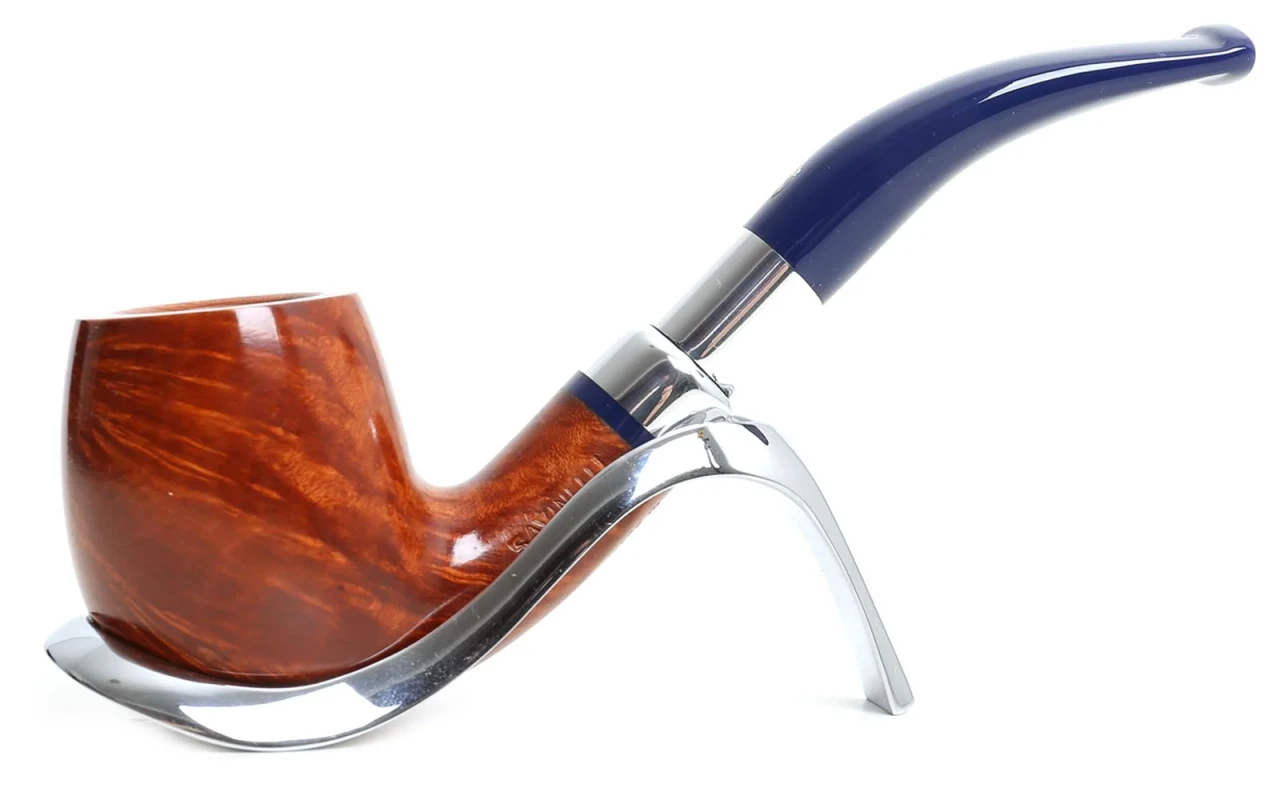
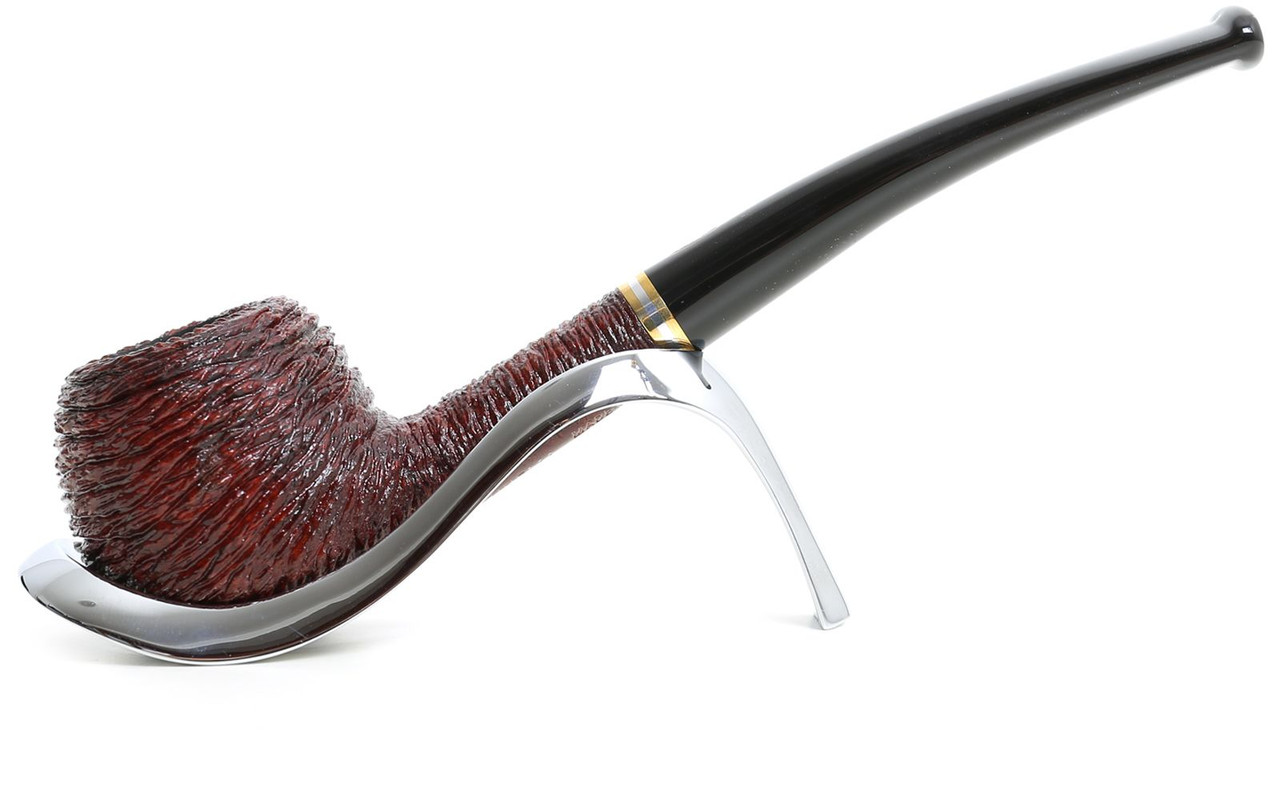
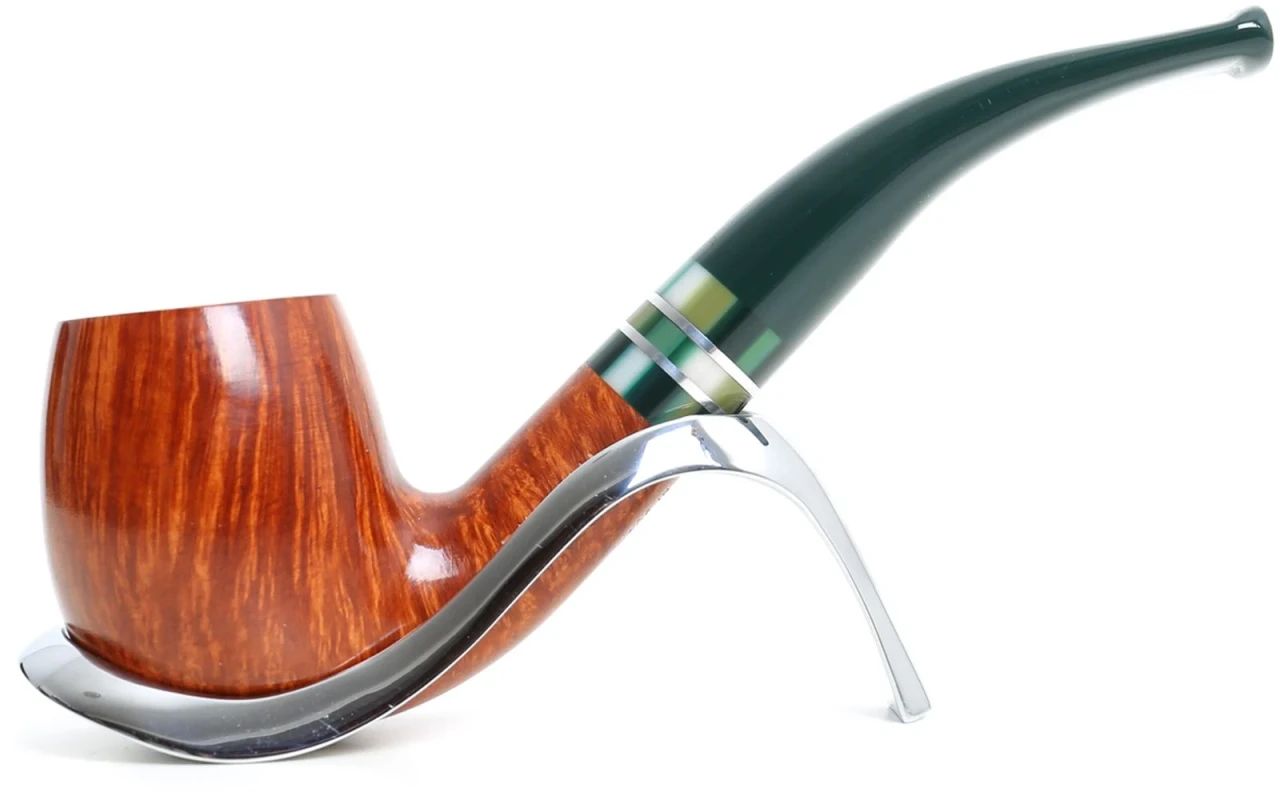
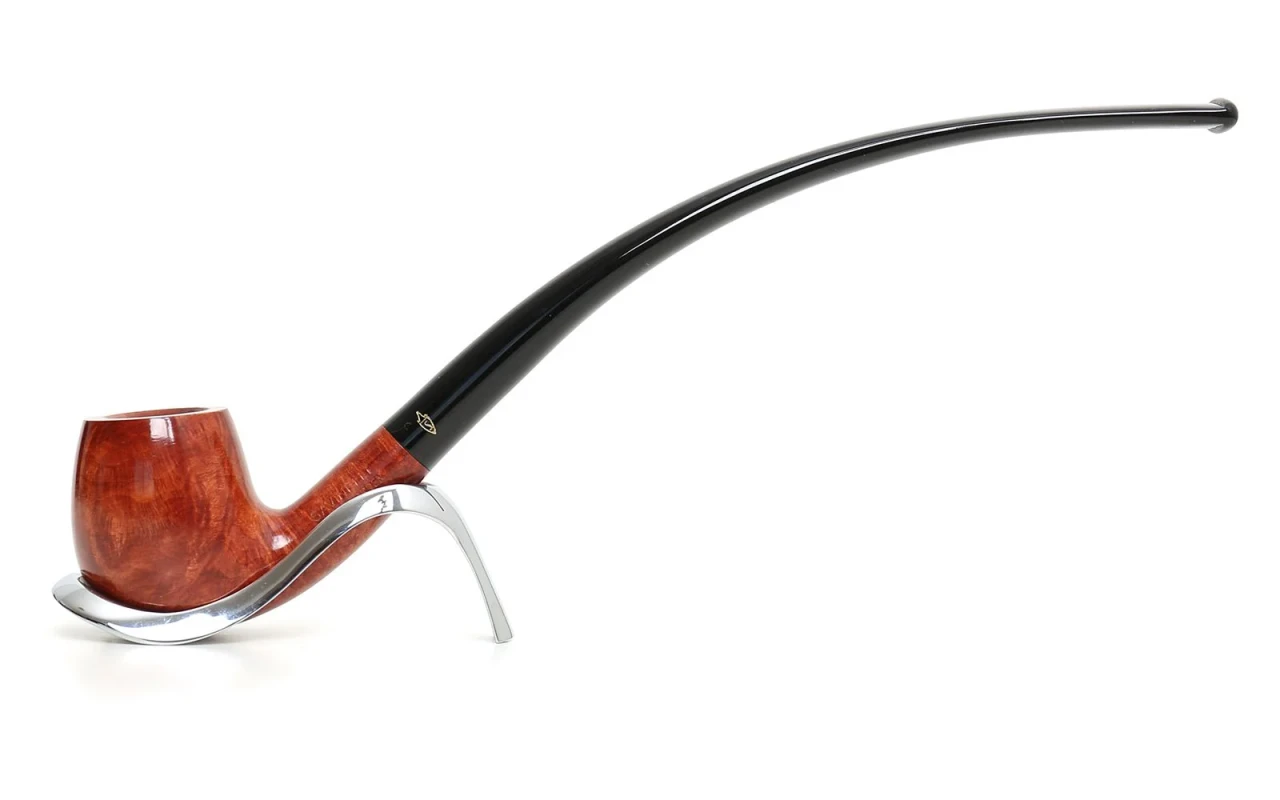
The smoke inside the pipe travels through the combustion chamber where the tobacco burns, then passes through the shank hole, continues along the internal airway of the stem, and finally reaches the mouthpiece from which it is inhaled or savored. This path is essential to ensure a proper slow smoking experience.
Where does the smoke travel inside the pipe? Deep dive
Inside the pipe, the smoke follows a well-defined path beginning in the combustion chamber, where the tobacco is lit and burned. From there, the smoke passes through the central hole of the shank, connecting the chamber to the stem of the pipe. The stem contains an internal airway that guides the smoke toward the mouthpiece, the terminal part of the pipe designed to be held in the mouth. This journey allows the smoke to cool down and develop its aromas before reaching the smoker. Proper design and maintenance of these internal passages are crucial to ensure good draw and a pleasant, controlled smoking experience. Any blockages or residue buildup can impair the smoke flow, making combustion difficult and altering the taste. For this reason, regular cleaning of the pipe is essential to keep the smoke path clear and optimal.