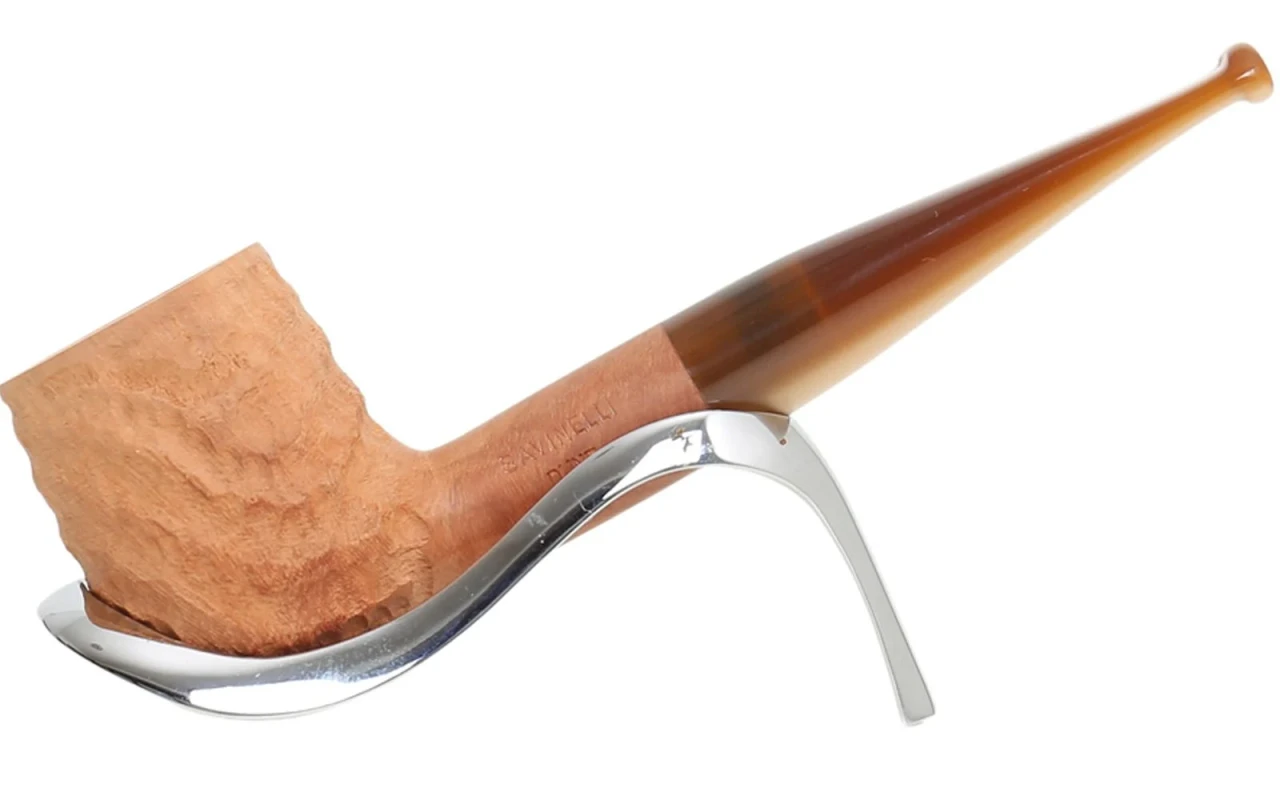
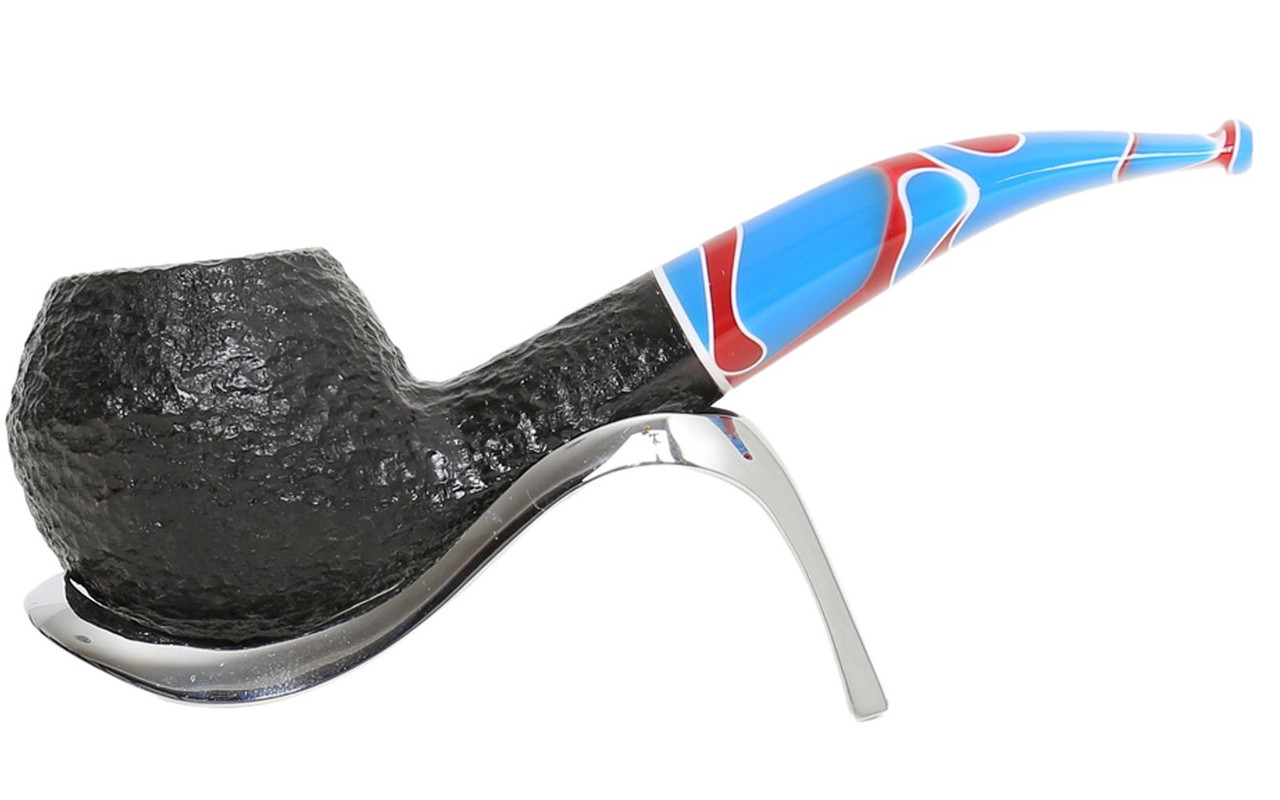
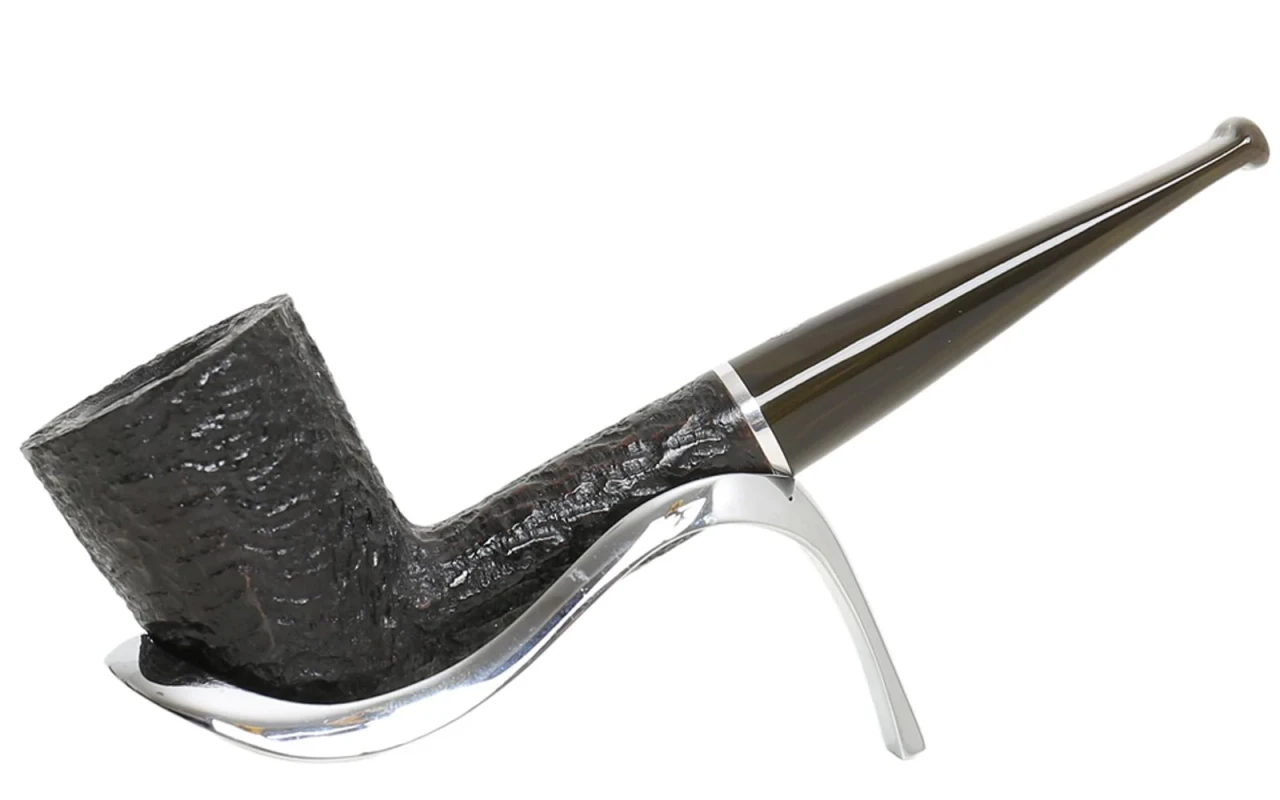
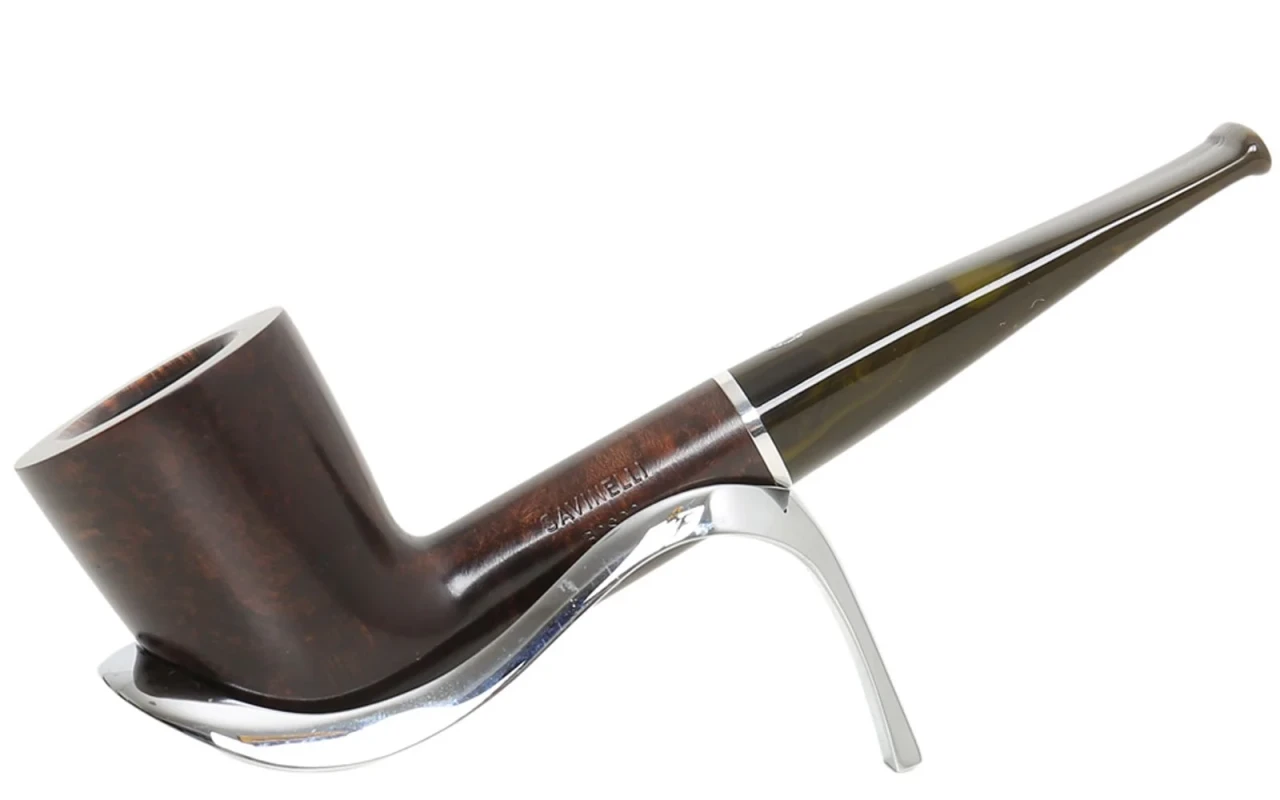
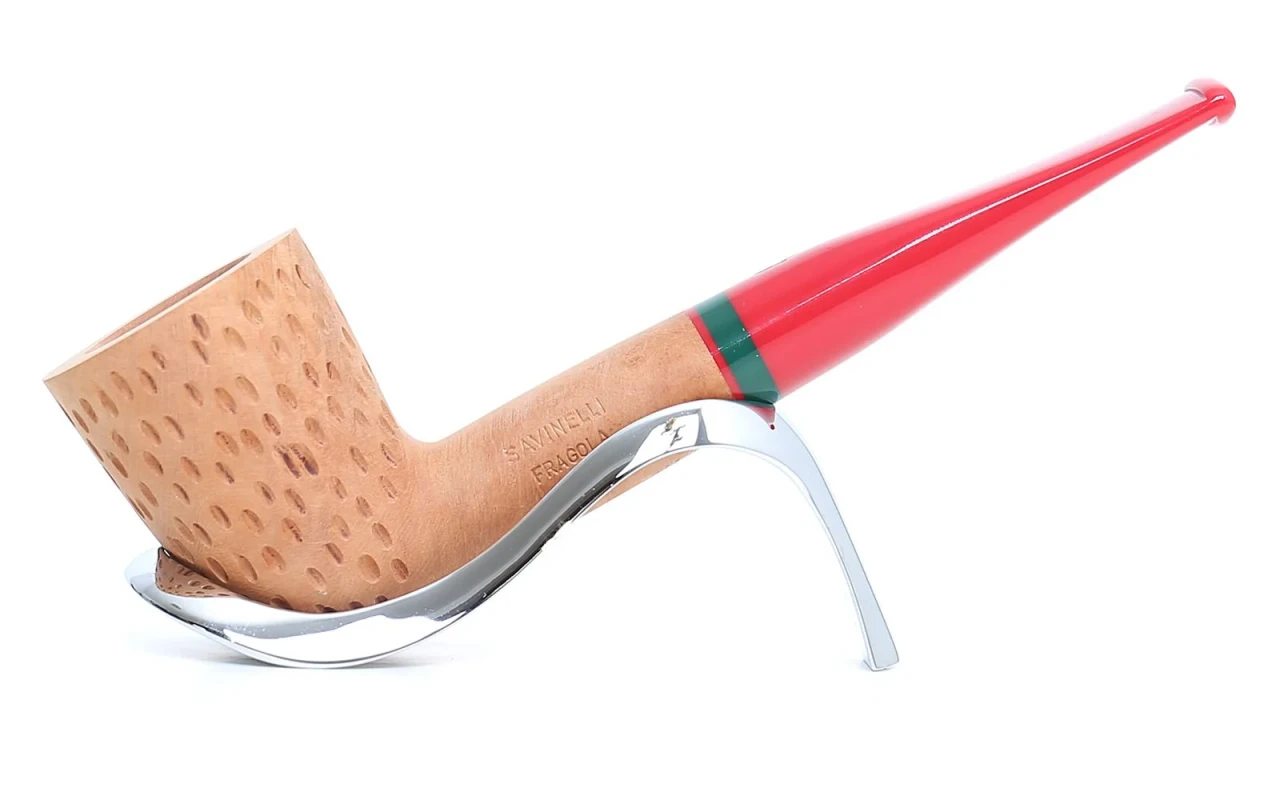
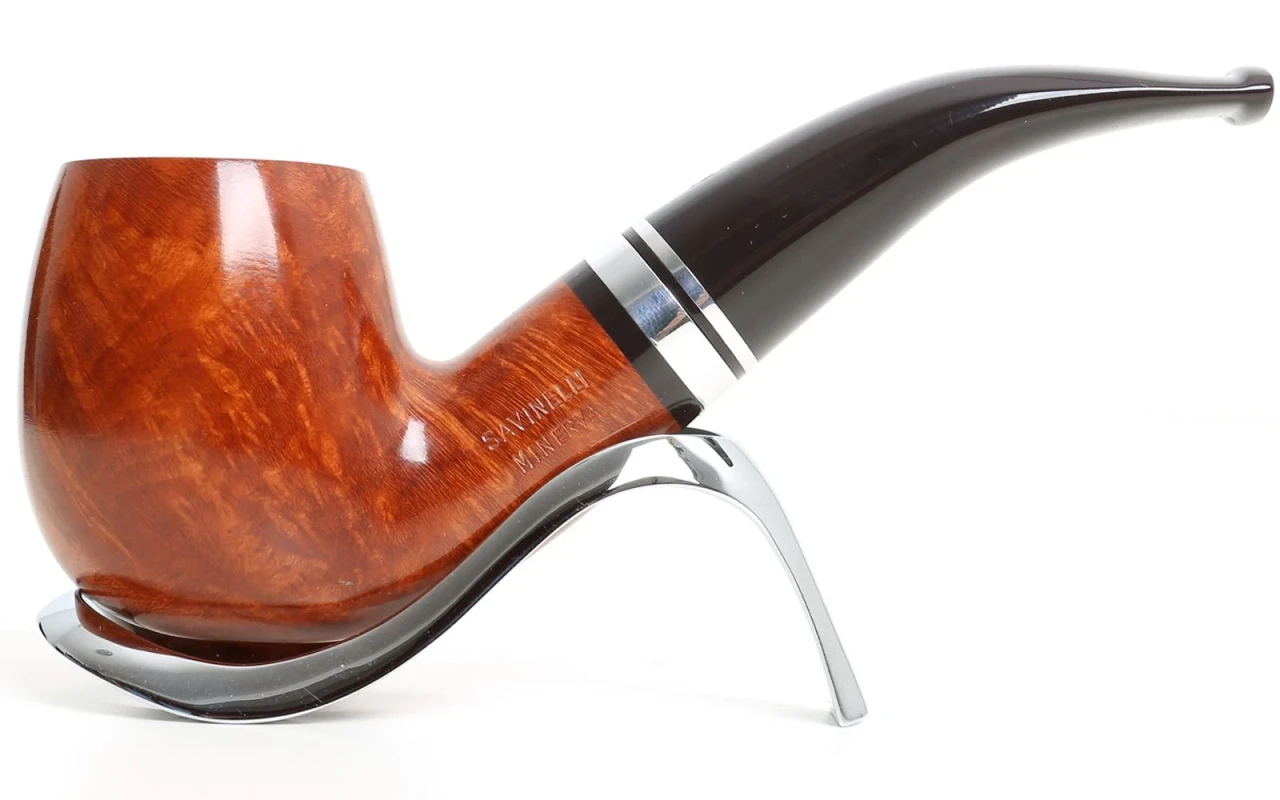
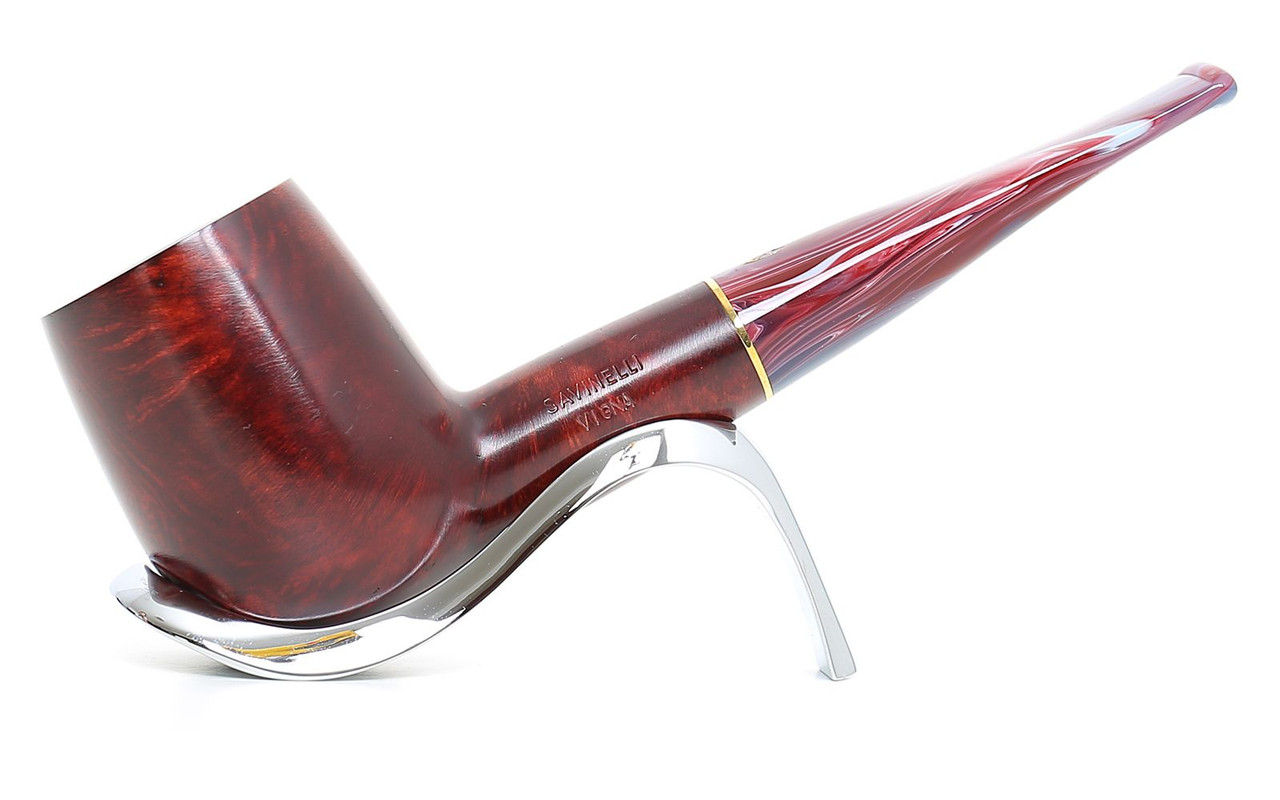
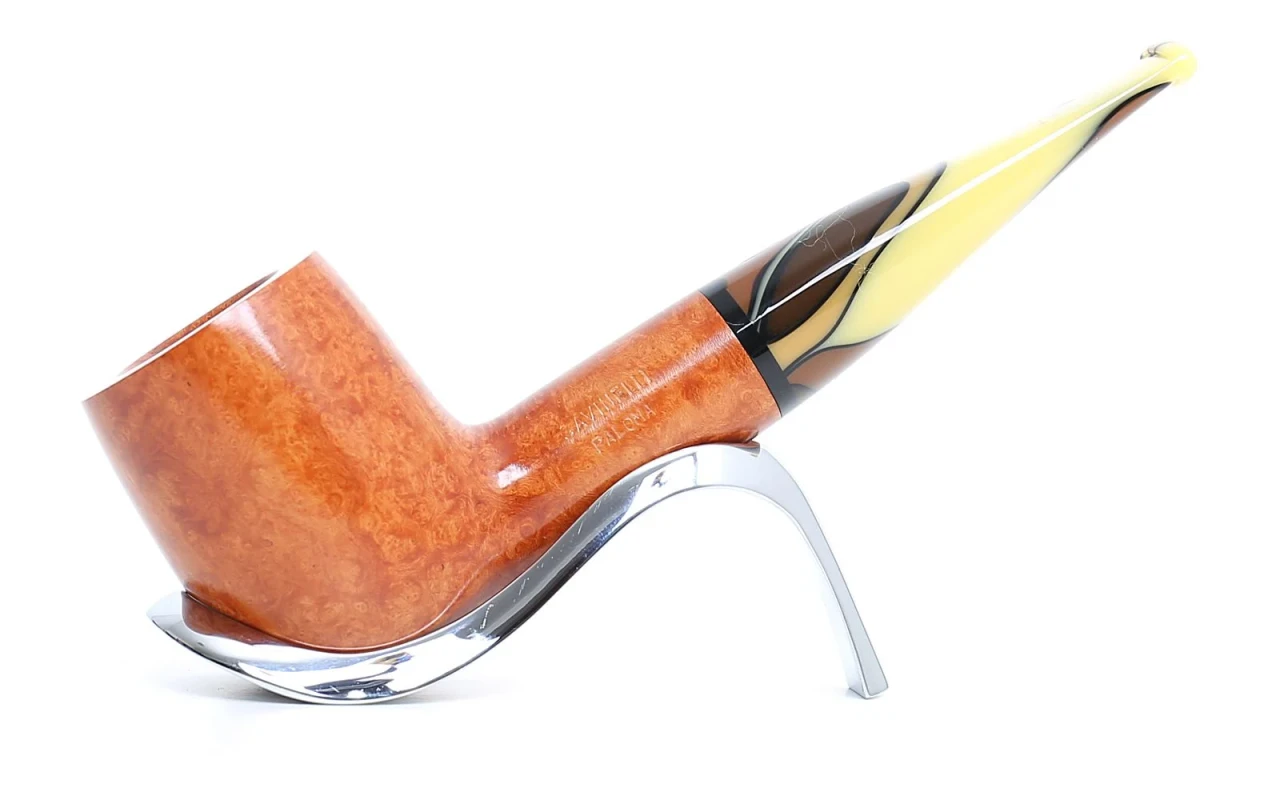
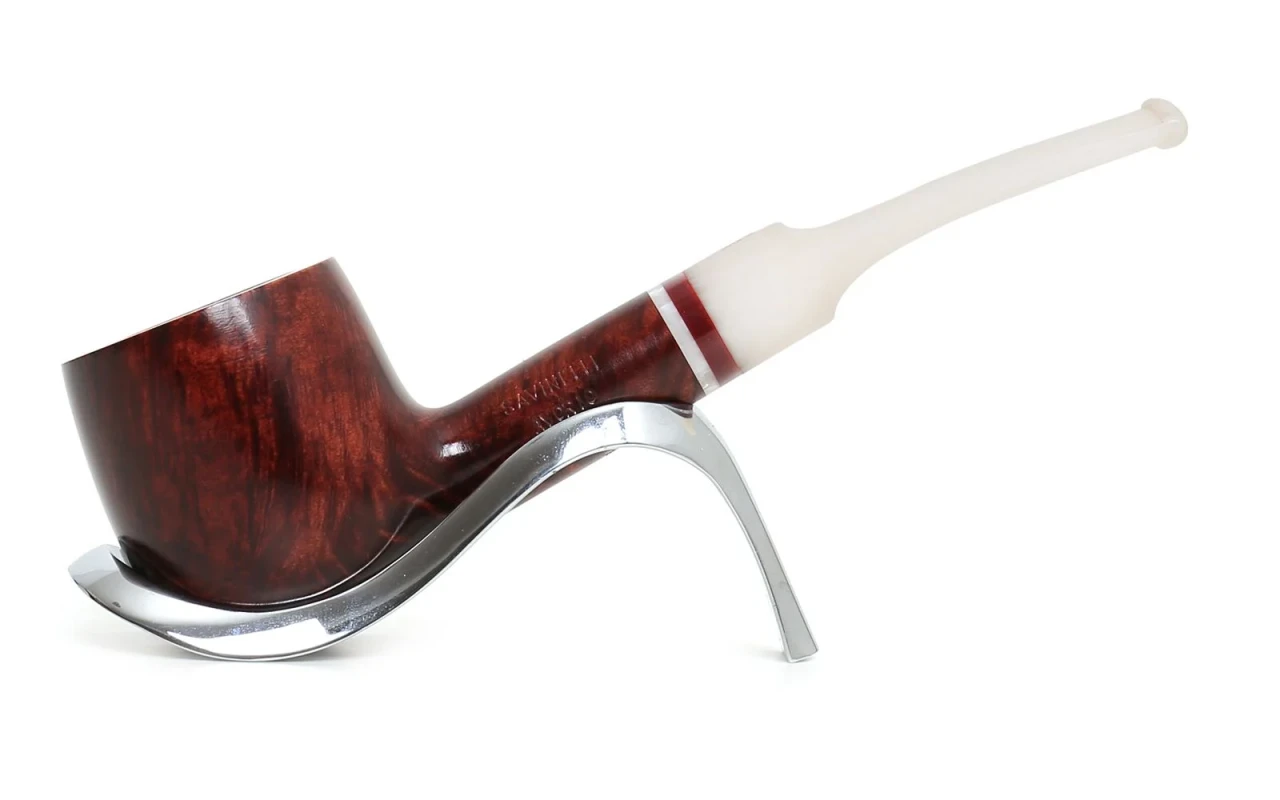
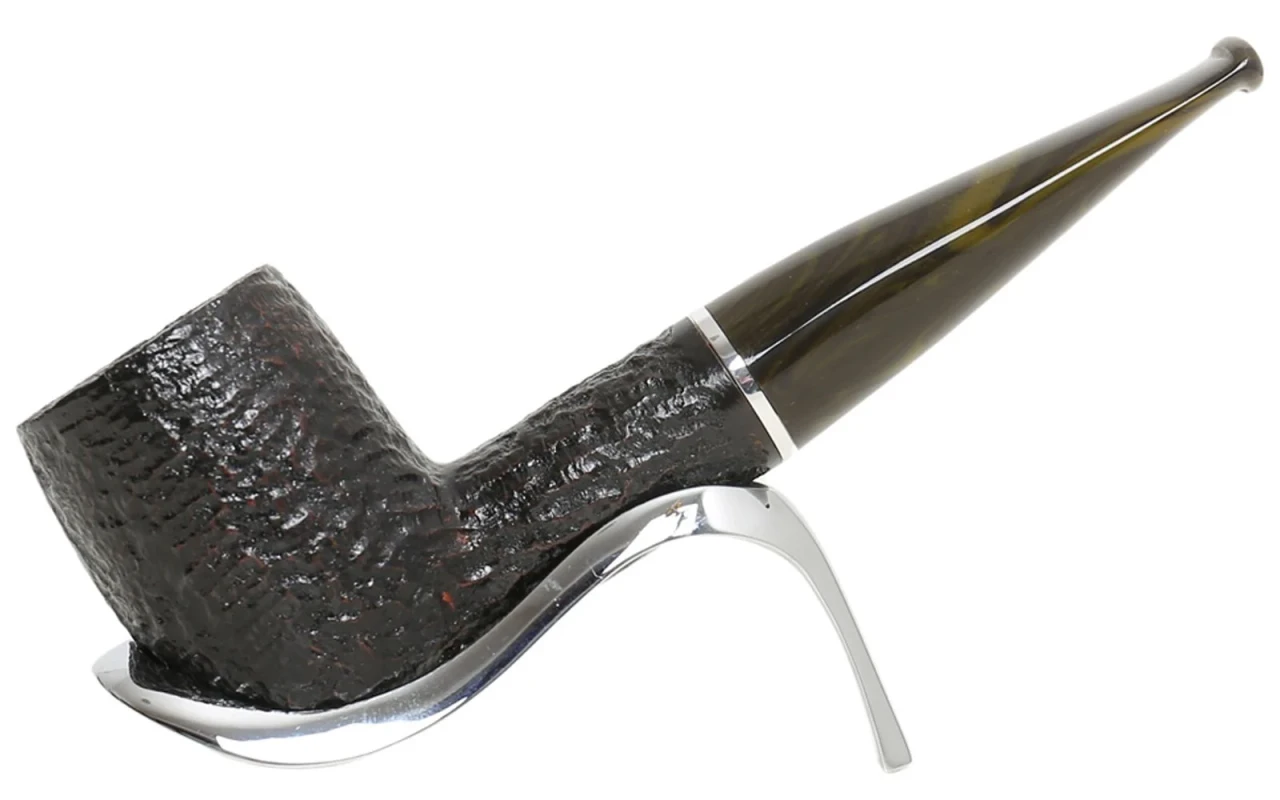
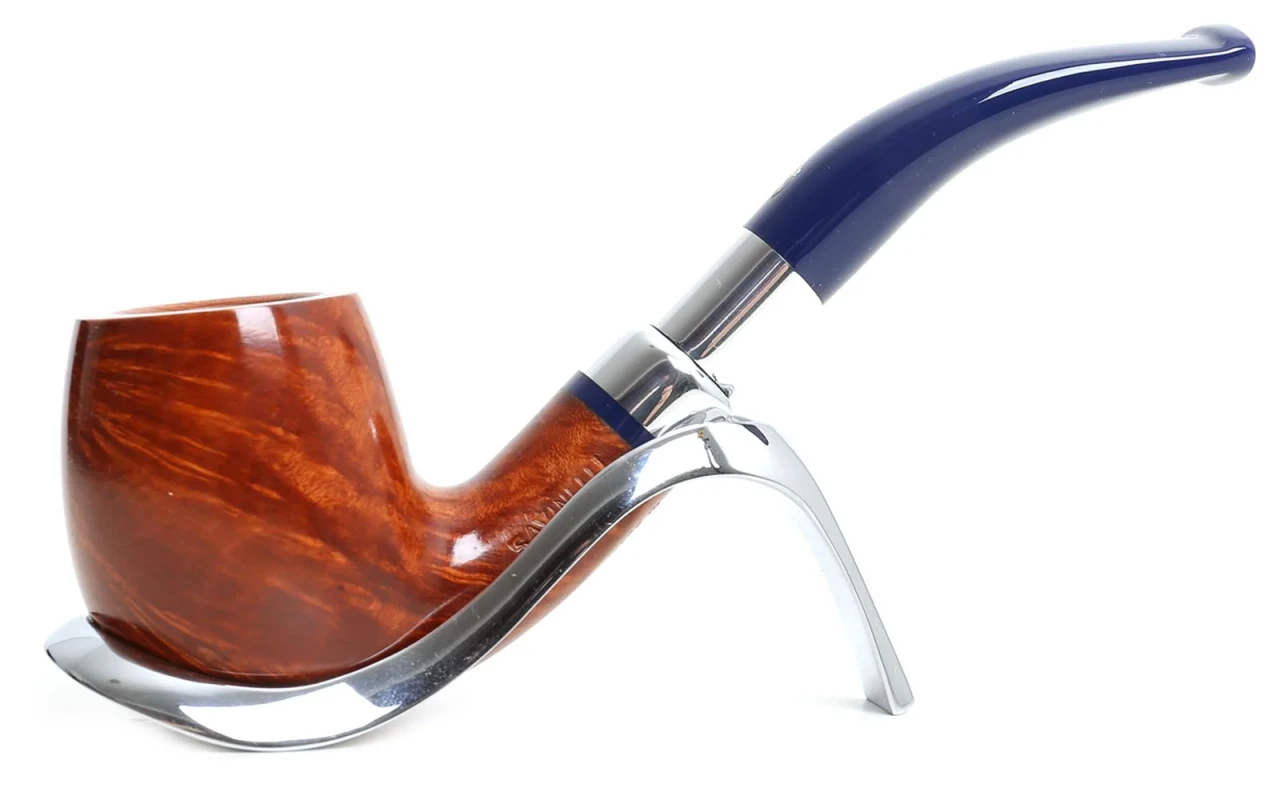
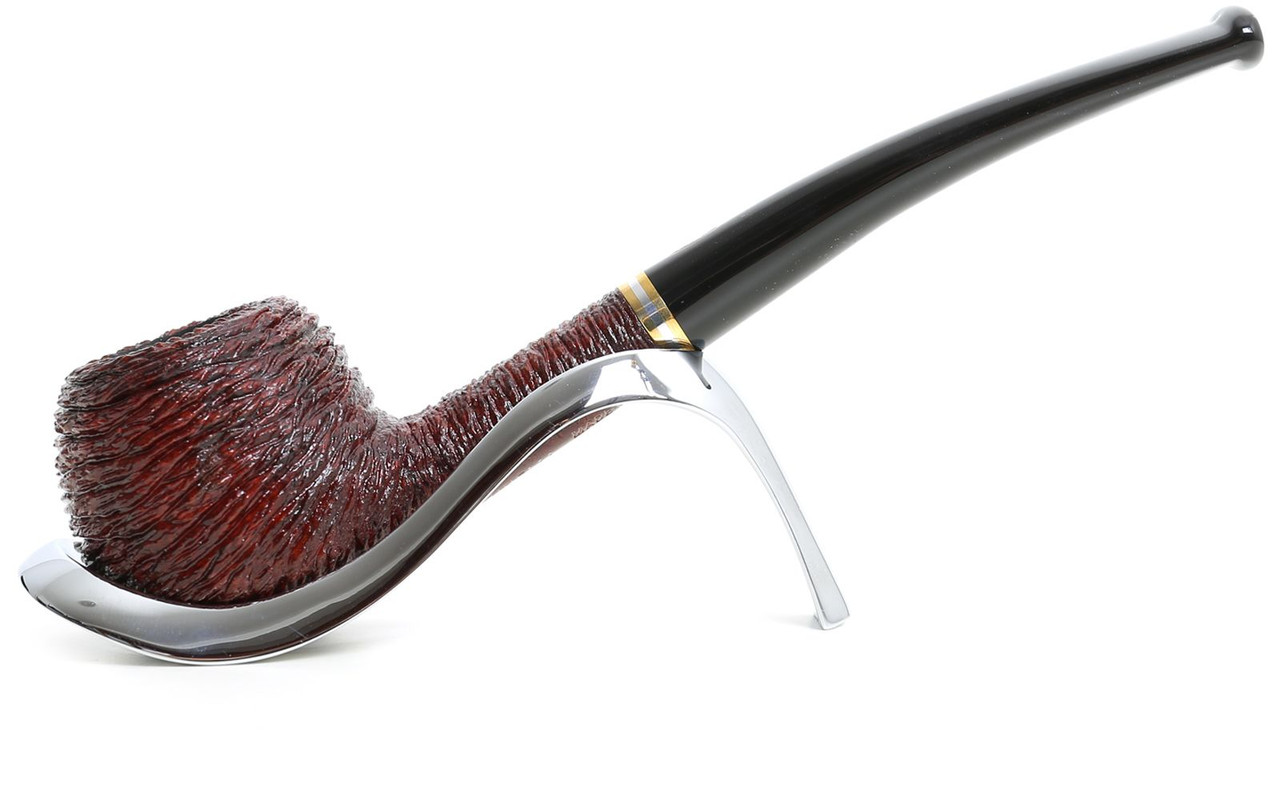
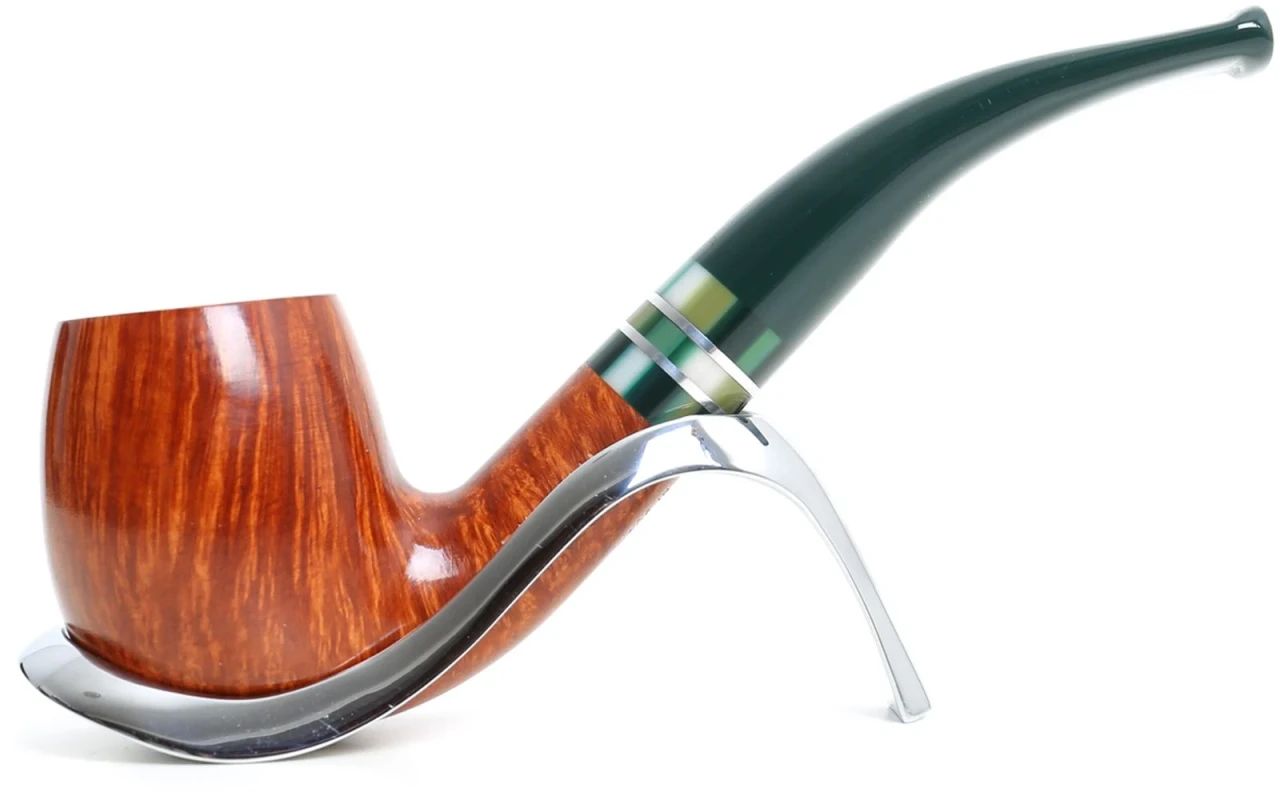
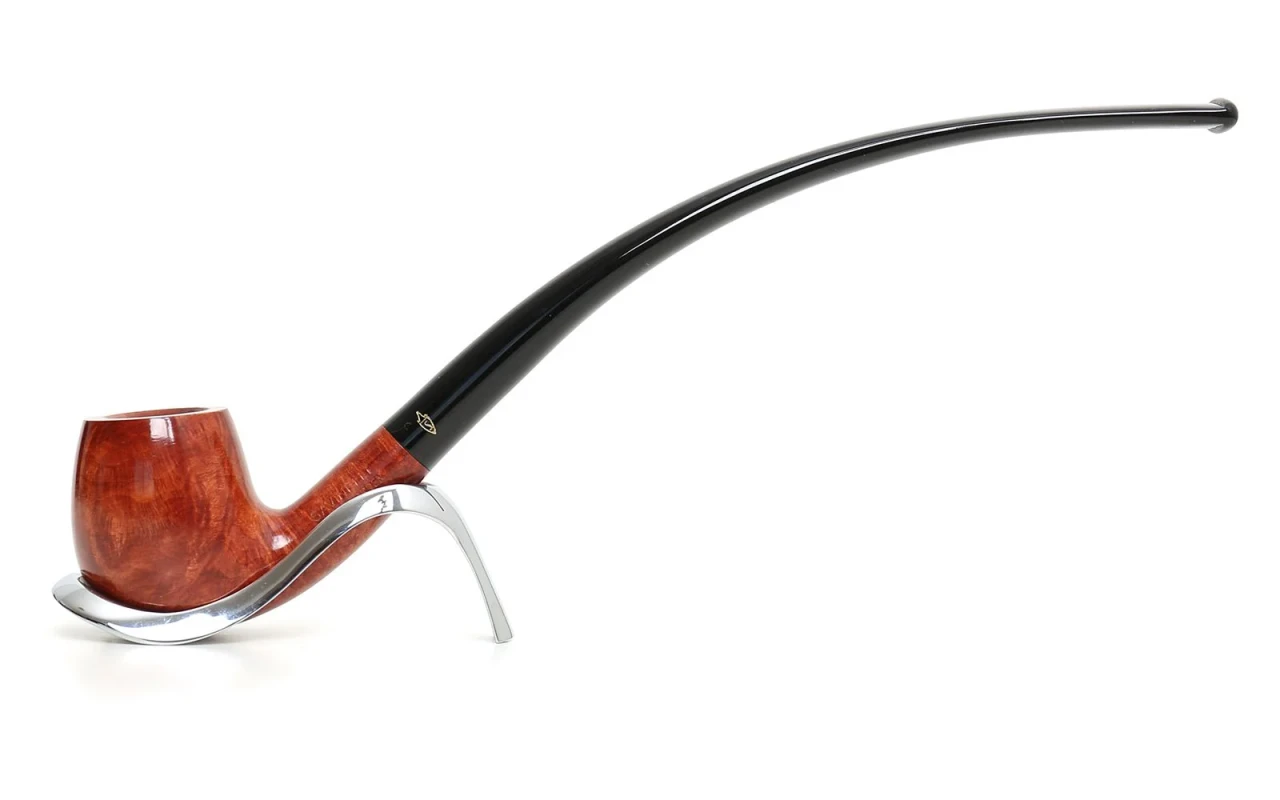
A pipe mainly consists of three external parts: the bowl, where the tobacco is placed; the shank, which connects the bowl to the stem; and the stem itself, the part through which the smoke is drawn. These components define the shape and functionality of the pipe.
Which external parts characterize a pipe? Deep dive
The external parts of a pipe are essential for its structure and the smoker’s experience. The primary part is the bowl, which is the chamber where pipe tobacco is packed. The bowl can vary in shape and size, affecting the combustion and flavor of the tobacco. Connected to the bowl is the shank, a section that may be straight or bent, serving to maintain distance between the bowl and the stem. The shank also plays a key role in the pipe’s balance during use. Finally, the stem is the terminal part of the pipe, typically made from materials like ebonite or acrylic, through which the smoker draws the smoke. The design and material of the stem impact the comfort and the quality of the smoke. Together, these three external components define the pipe’s aesthetics, functionality, and quality, making it a unique and customizable object for every slow-smoking enthusiast.