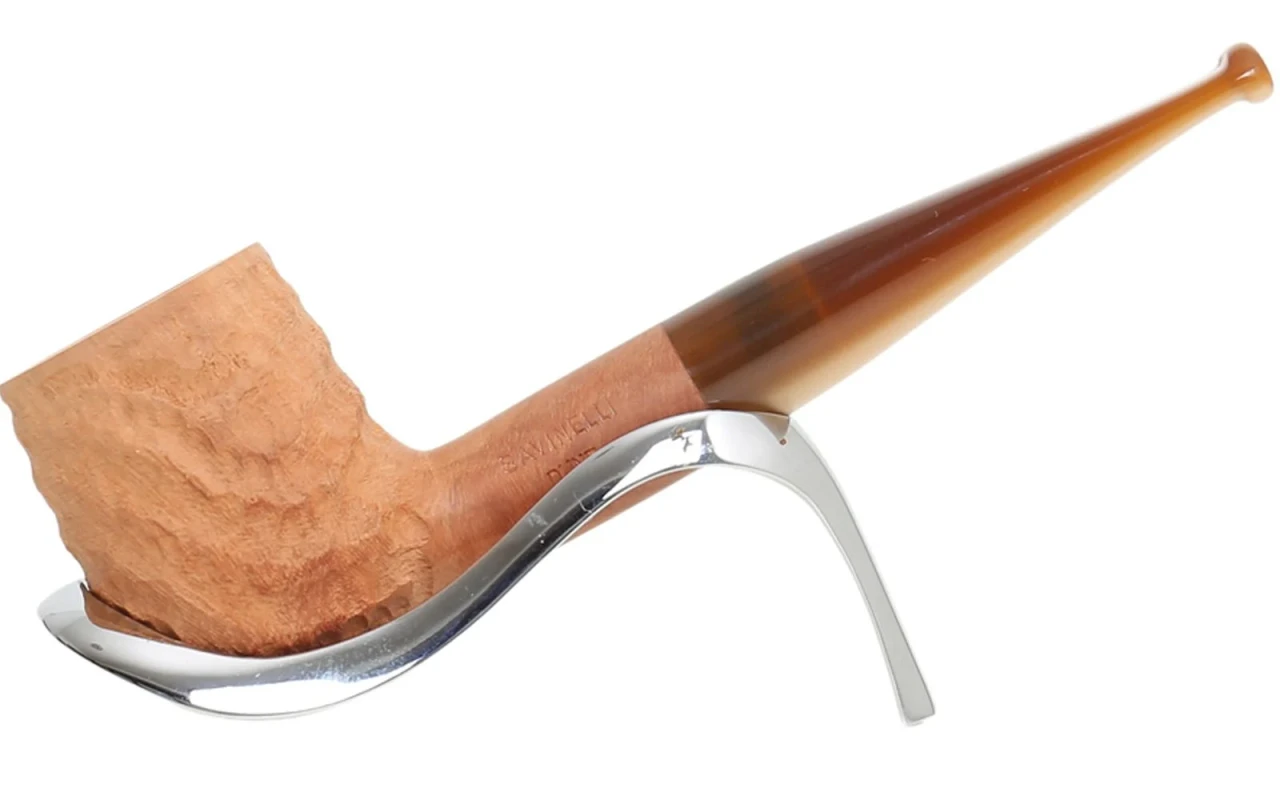
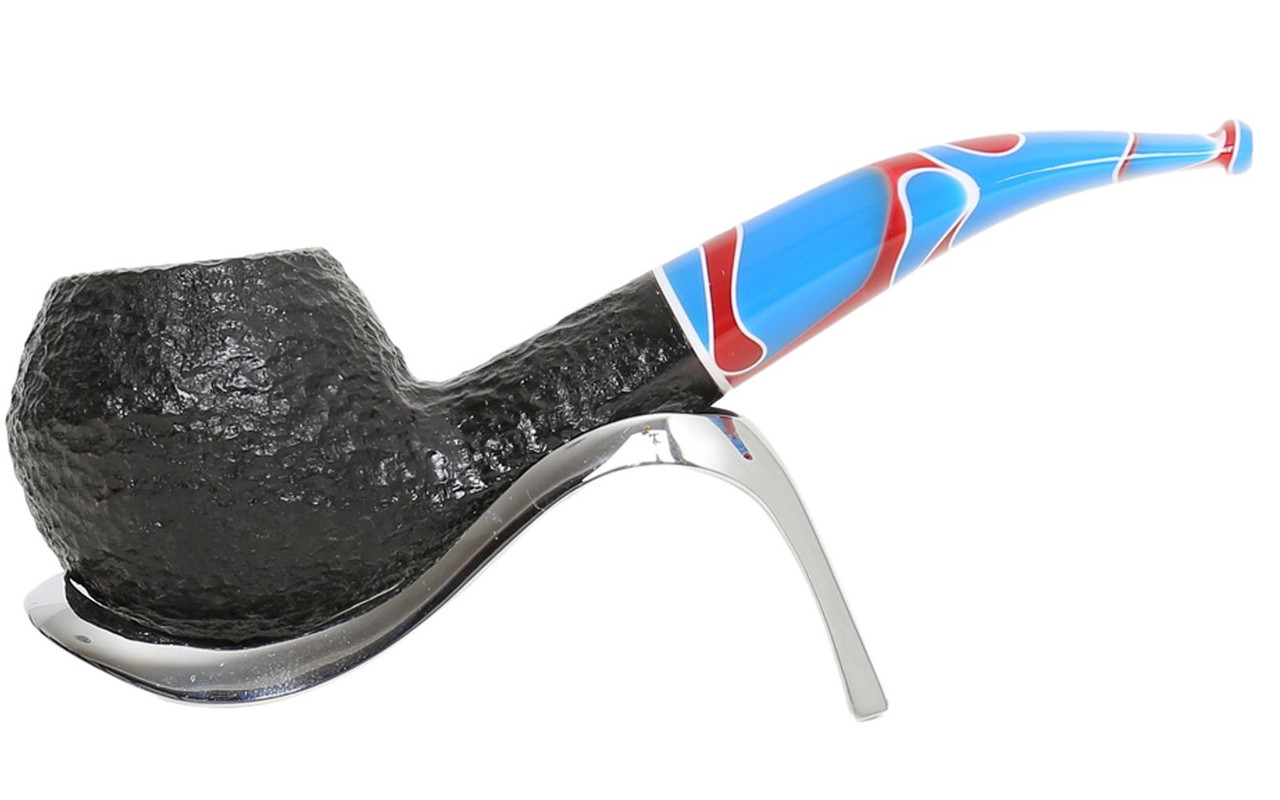
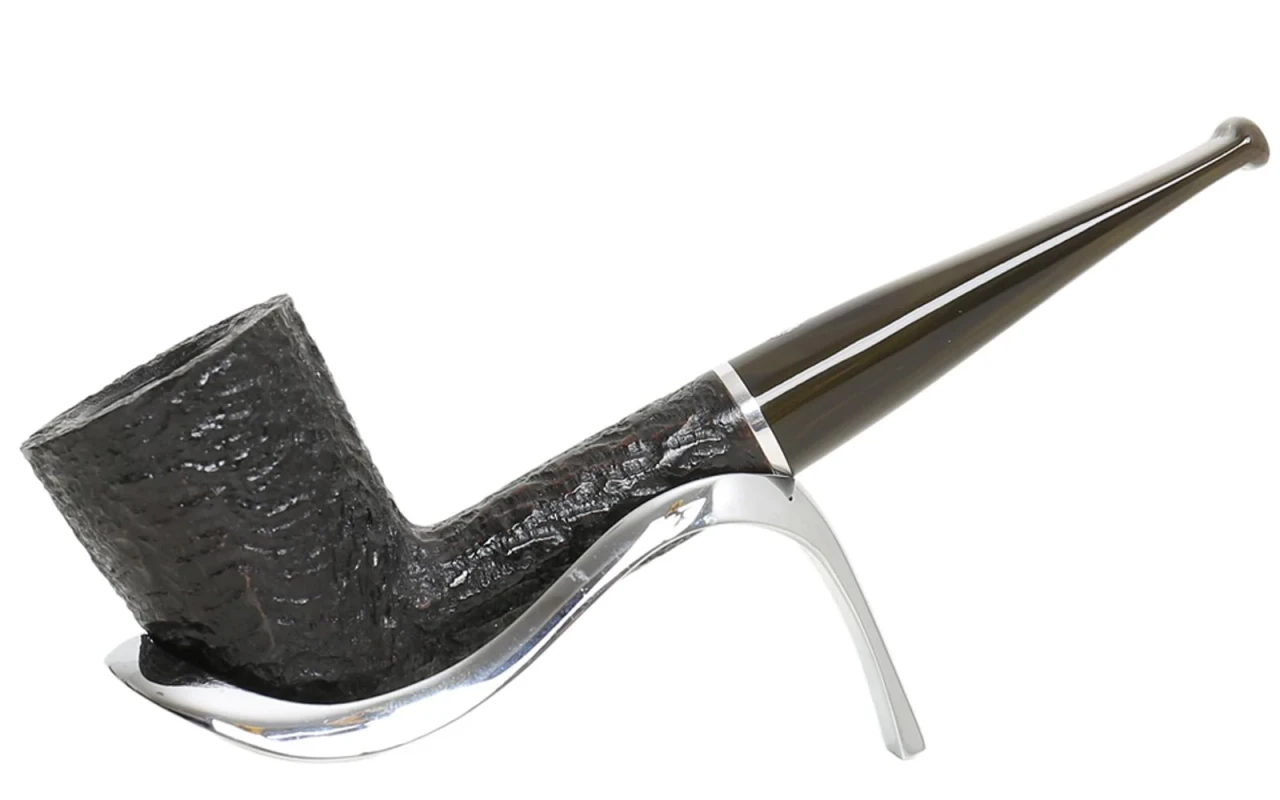
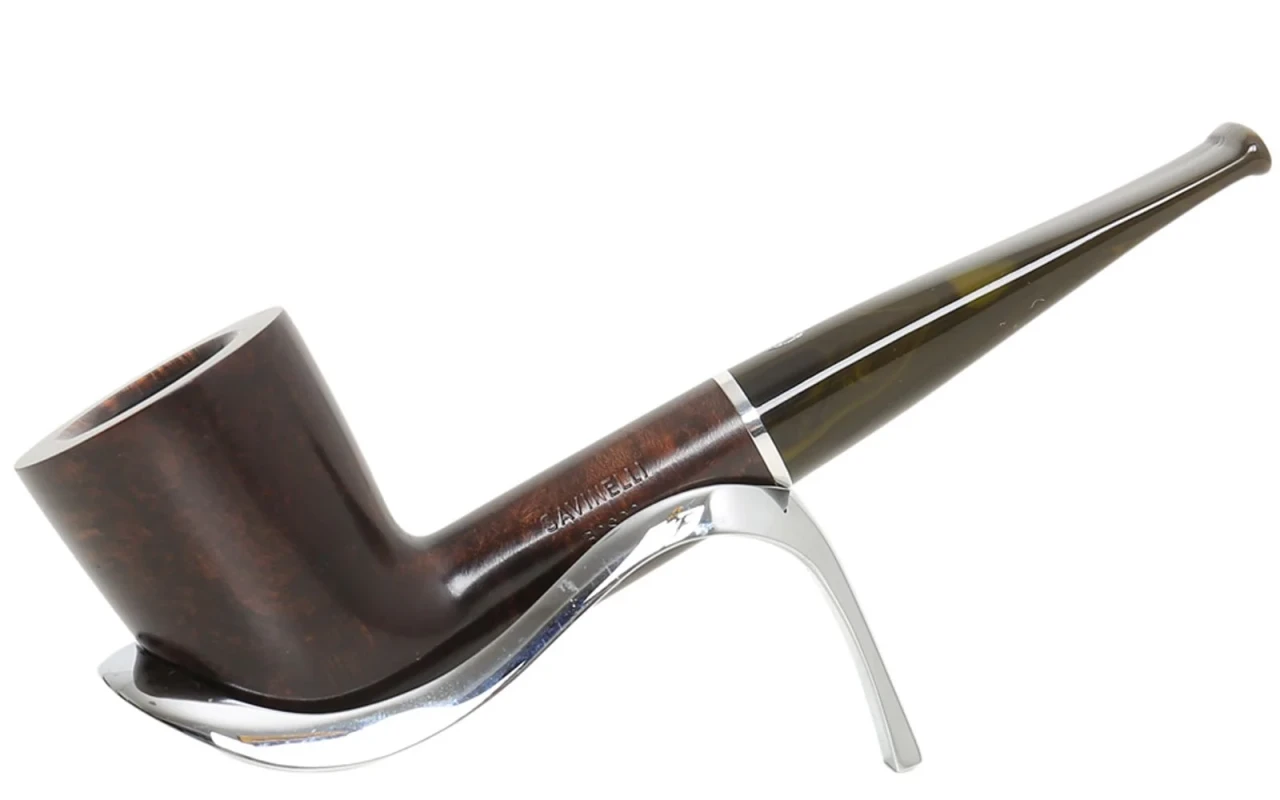
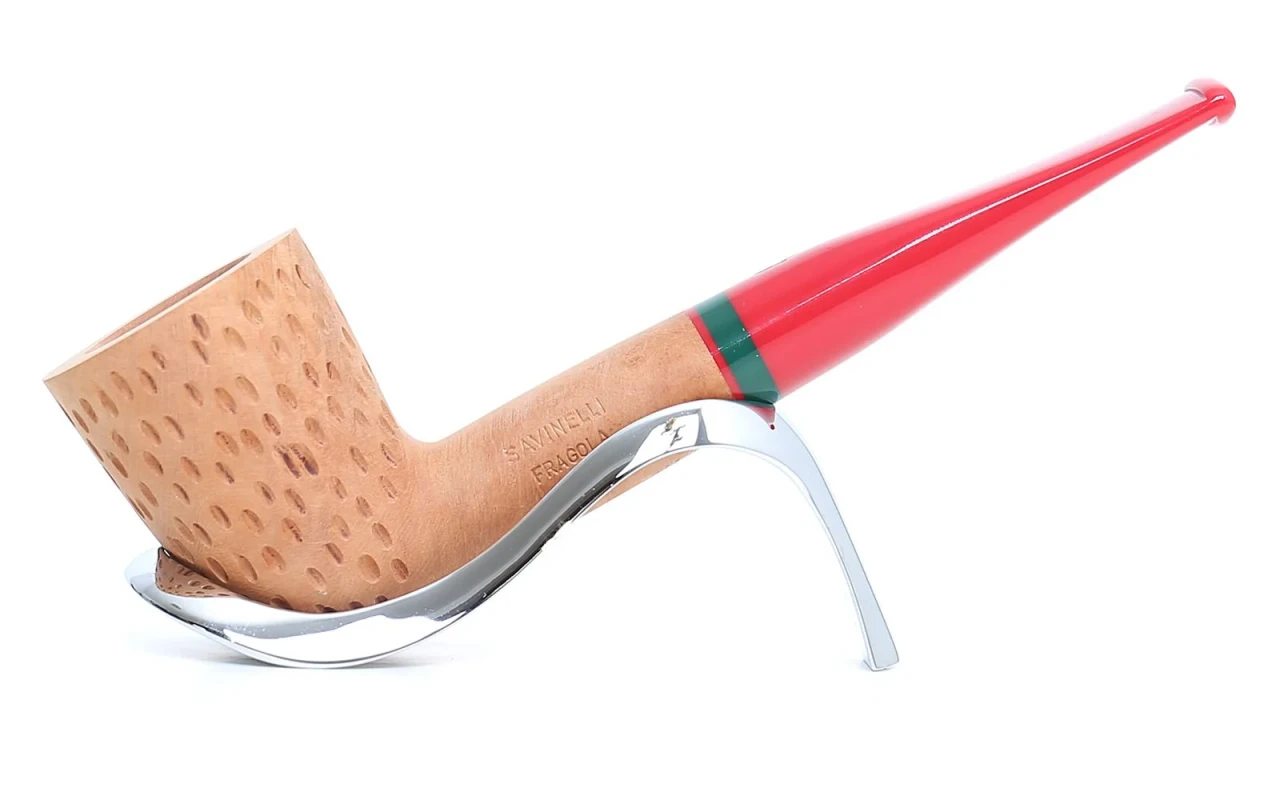
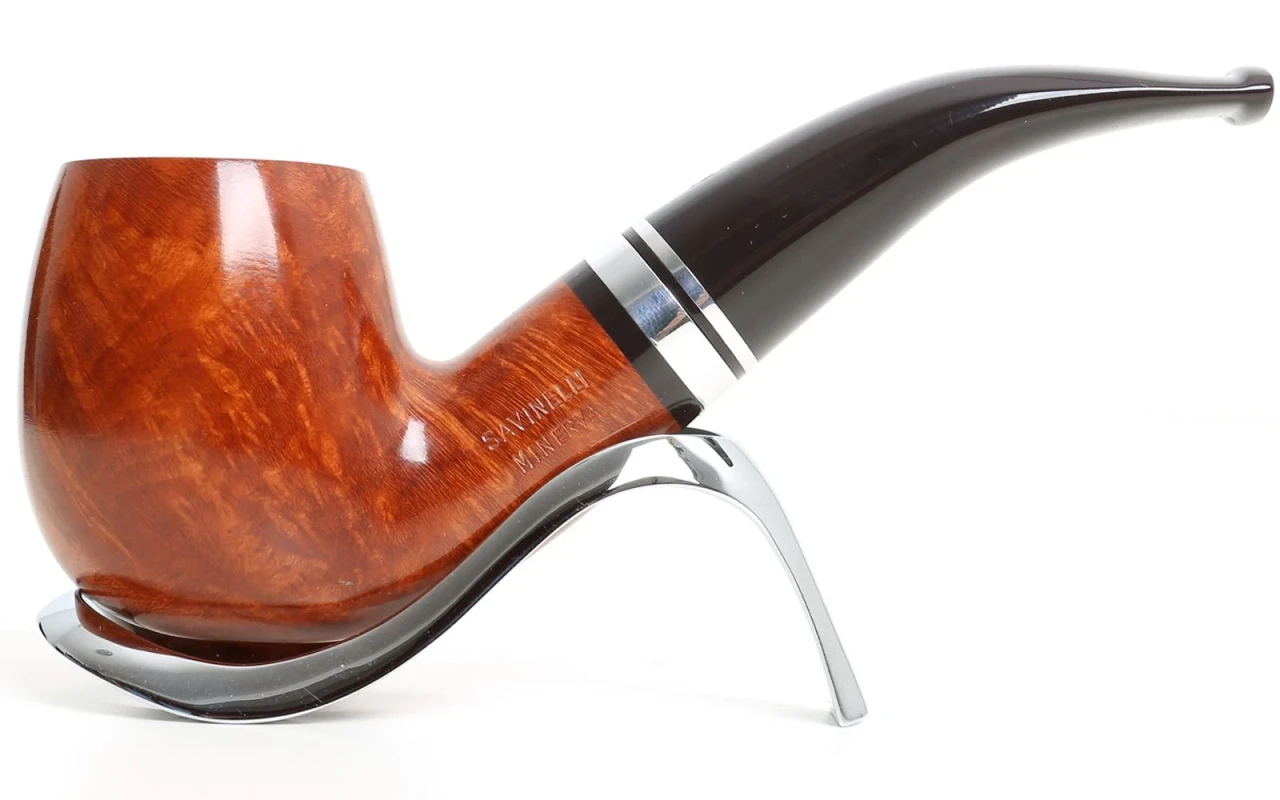
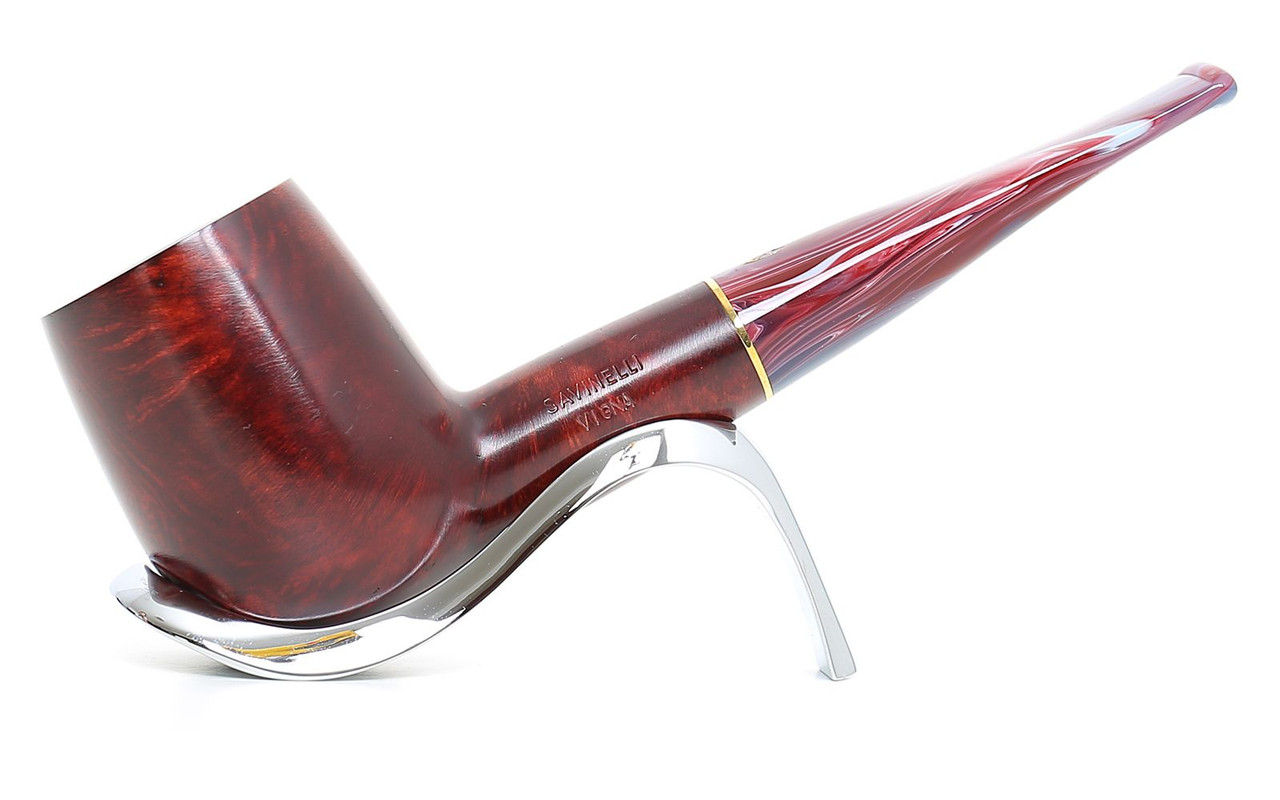
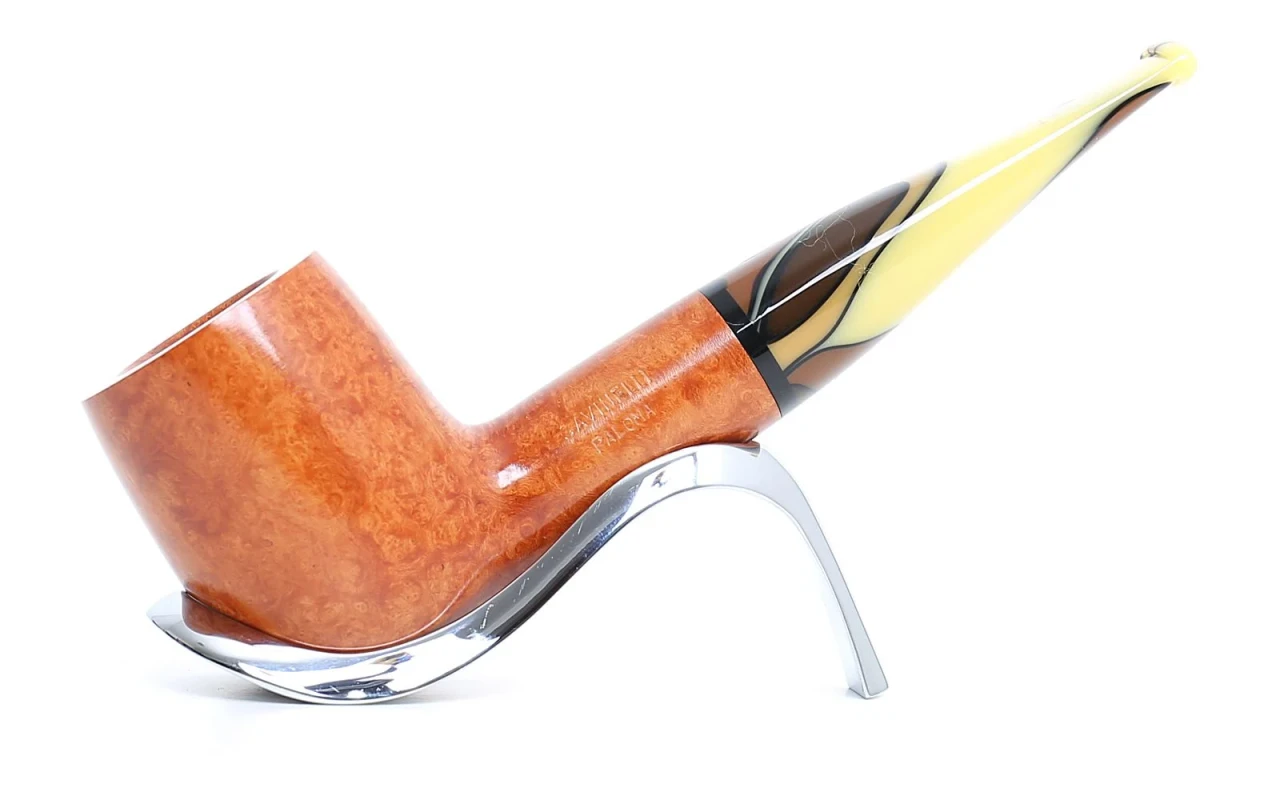
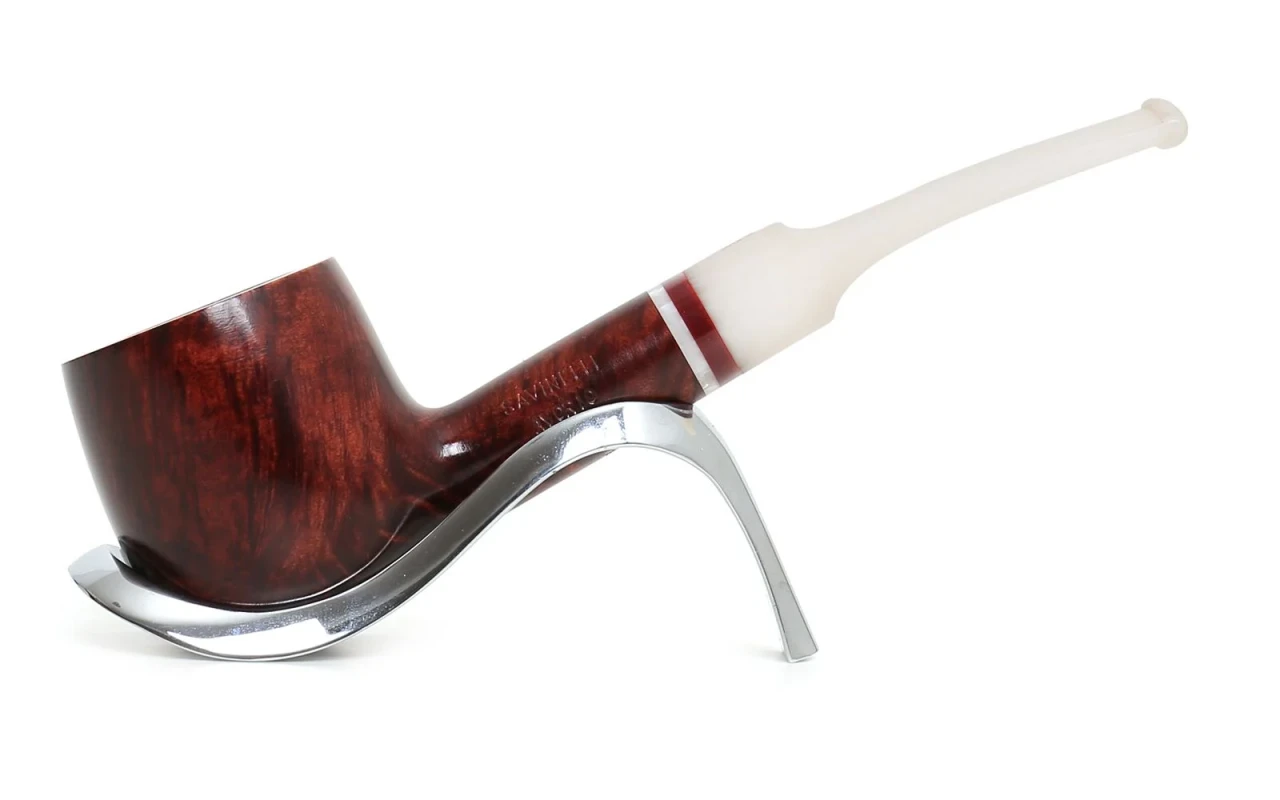
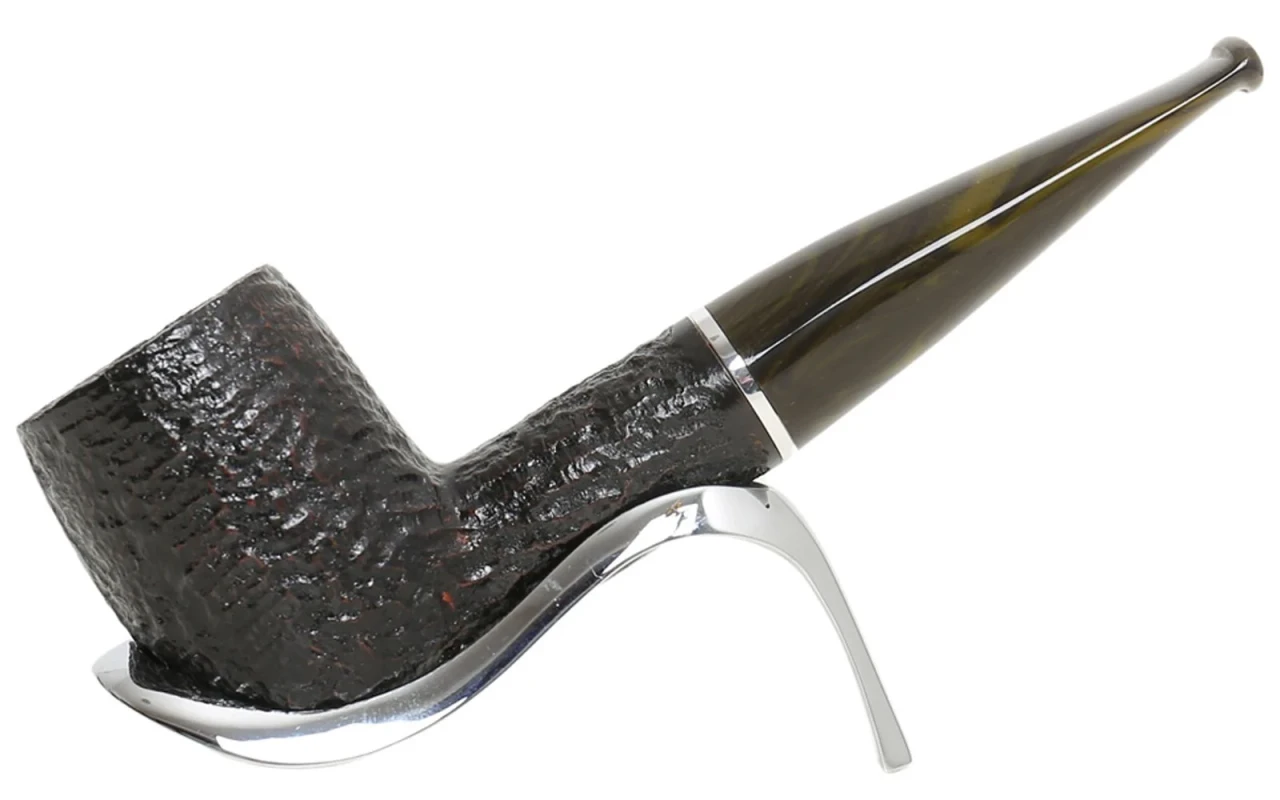
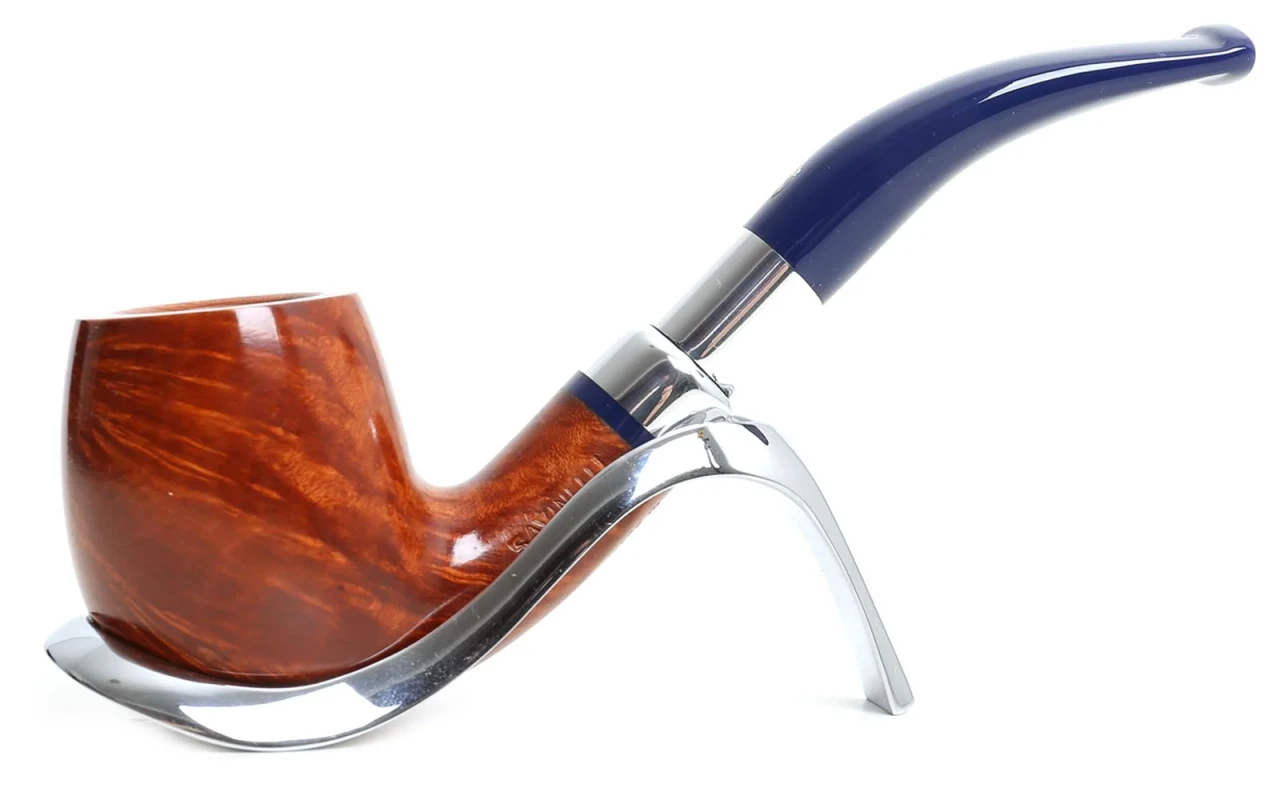
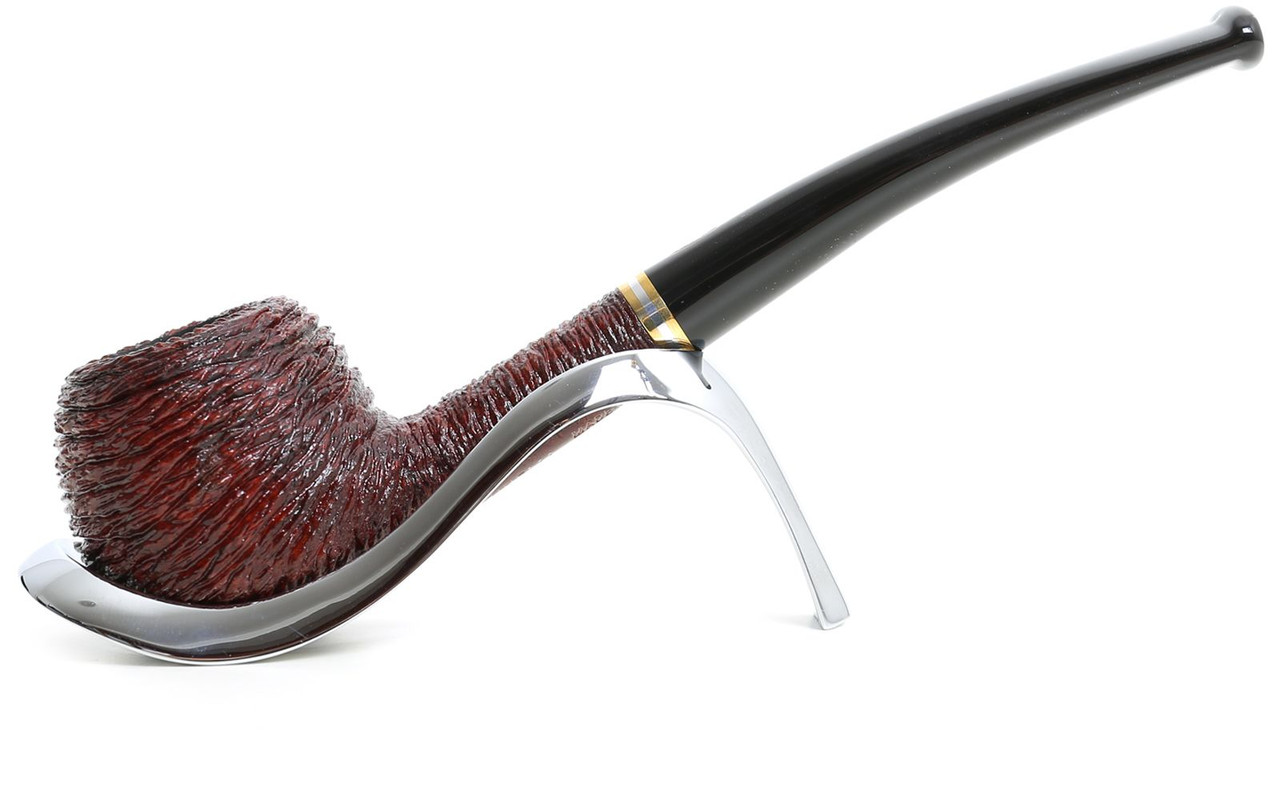
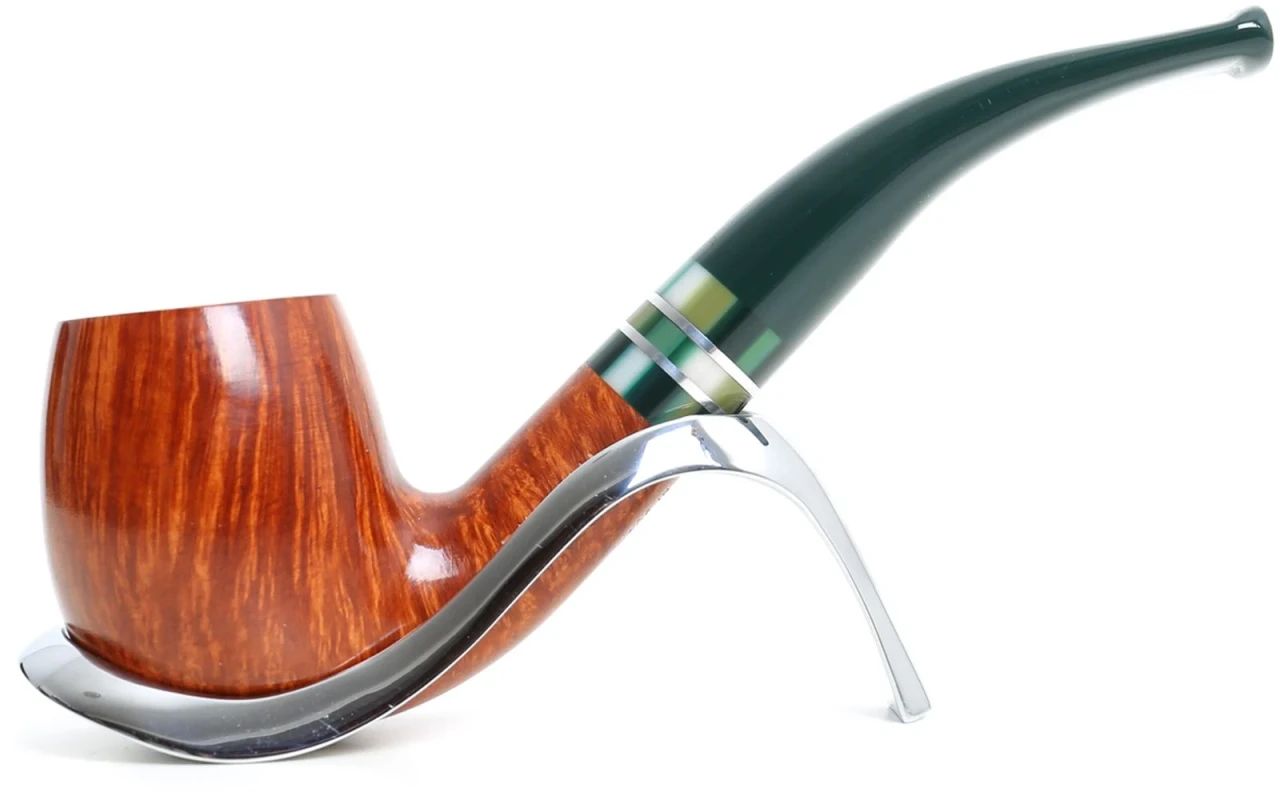
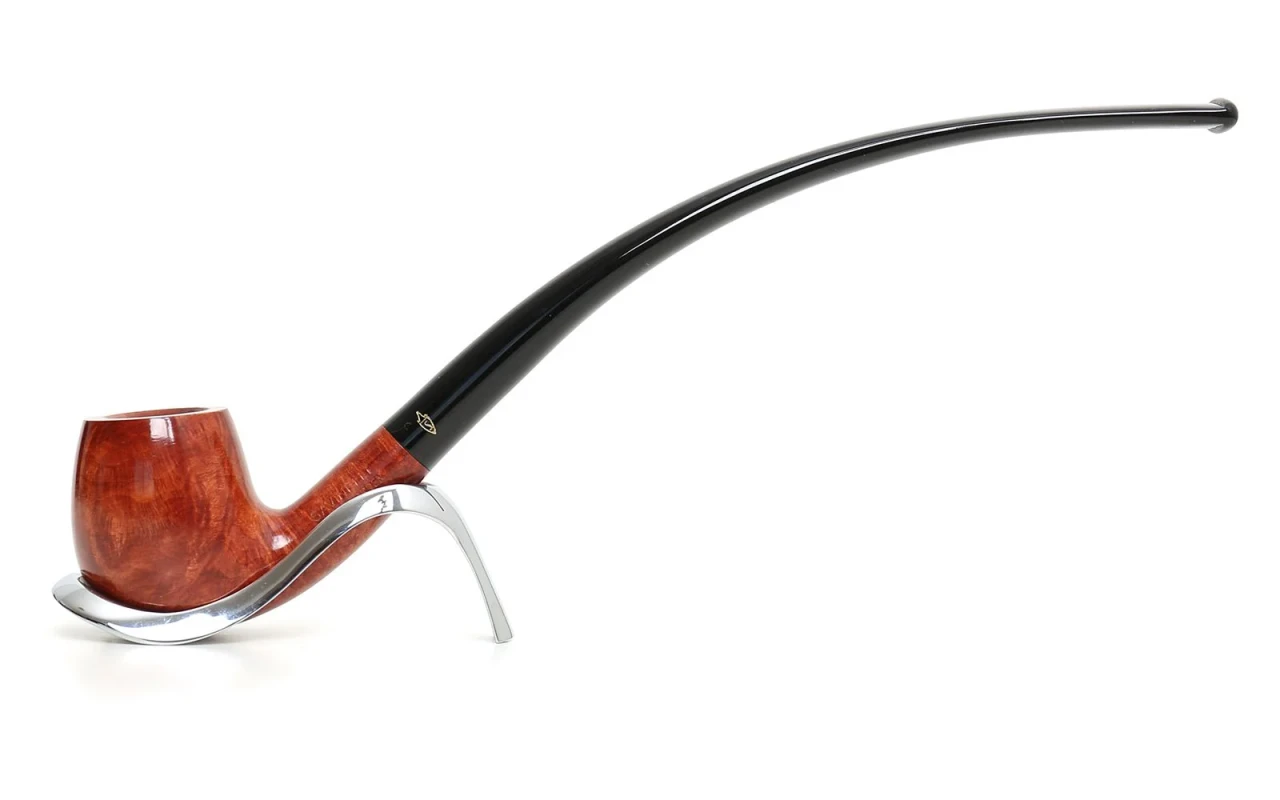
The anatomy of a pipe mainly includes the calabash or bowl, where the tobacco is placed, the shank that connects the bowl to the stem, and the stem itself, through which the smoke is drawn. These parts are essential to ensure a good slow-smoking experience and proper pipe maintenance.
What parts make up the anatomy of a pipe? Deep dive
A pipe is composed of three main parts: the bowl (or calabash), the shank, and the stem. The bowl is the upper part where the pipe tobacco is packed; its shape and size can vary depending on the model and the material used. The shank is the segment connecting the bowl to the stem and can be made from various materials, influencing both the pipe’s aesthetics and functionality. Finally, the stem is the terminal part from which smoke is inhaled; it is designed to provide comfort during use and can be crafted from ebonite, acrylic, or other materials. Proper understanding of these parts is essential for maintenance, selection, and optimal use of the pipe, contributing to the appreciation of slow-smoking culture and the smoker’s personal experience.