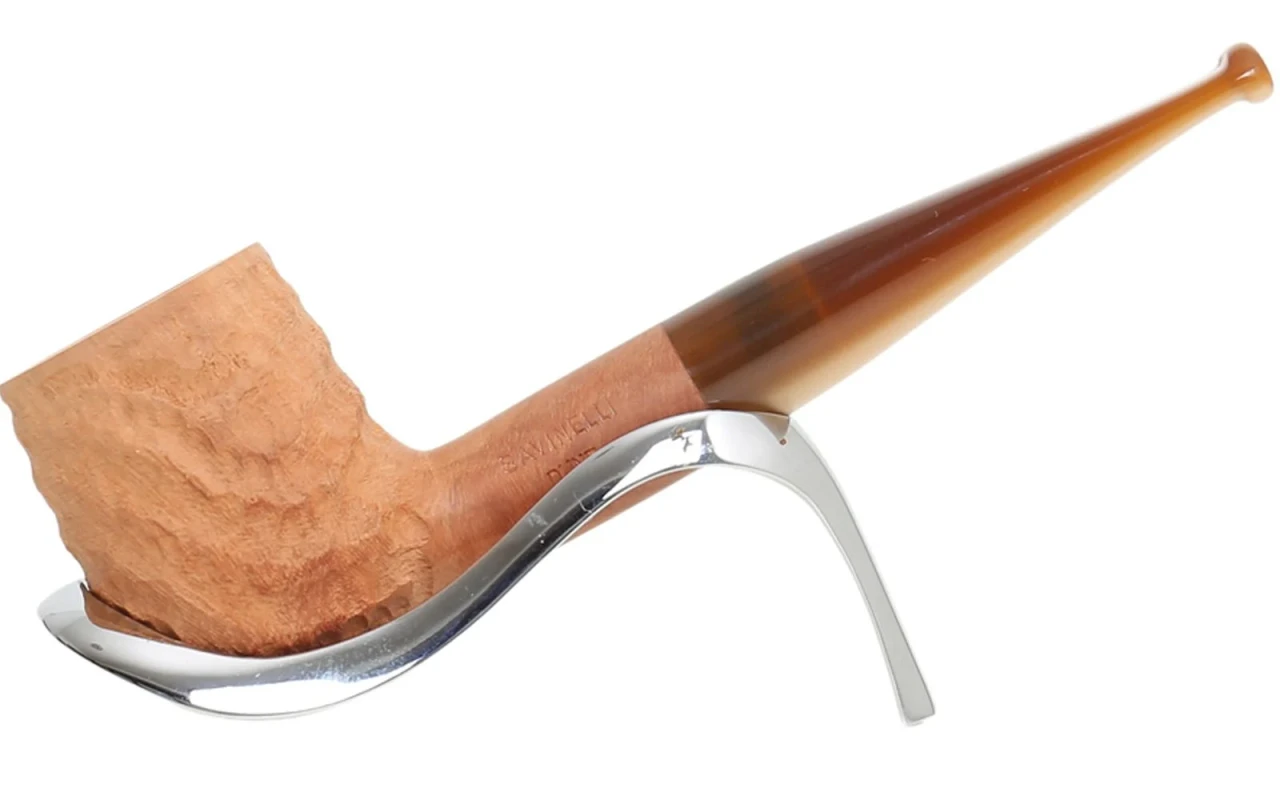
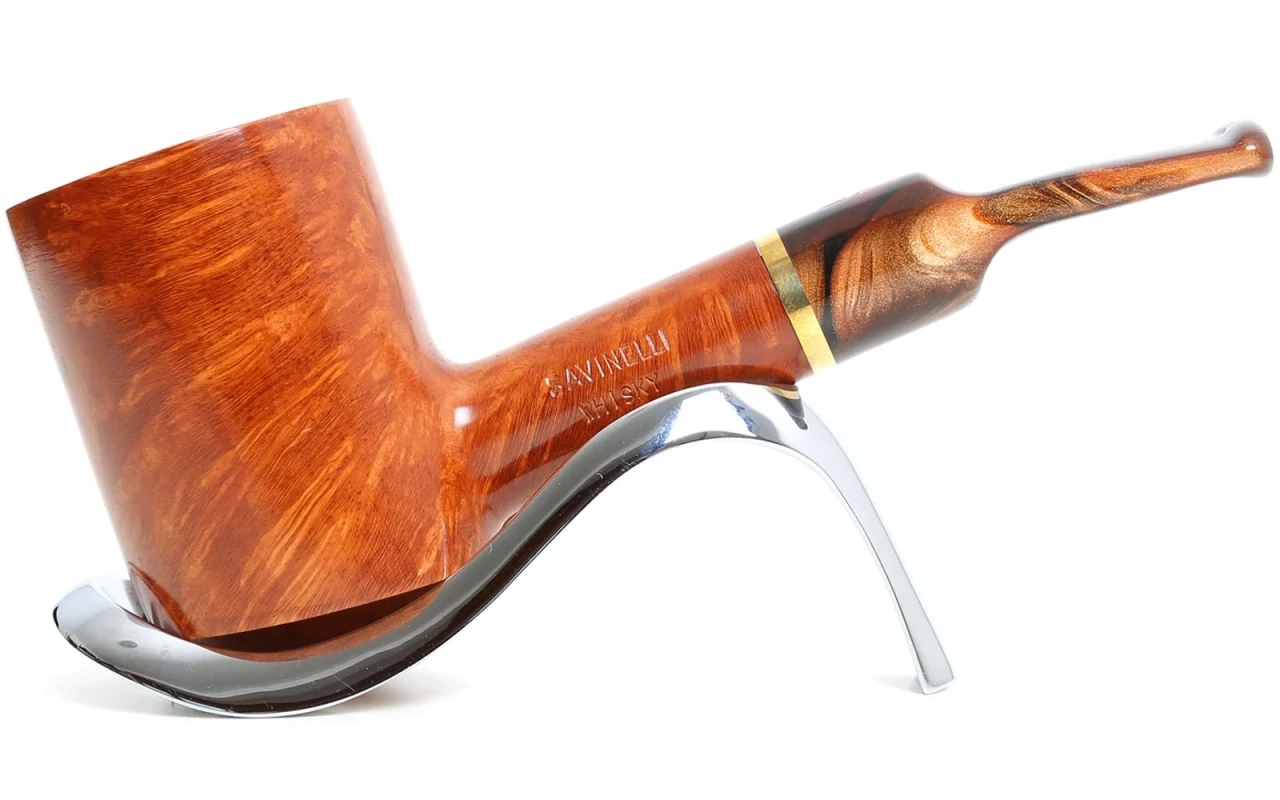
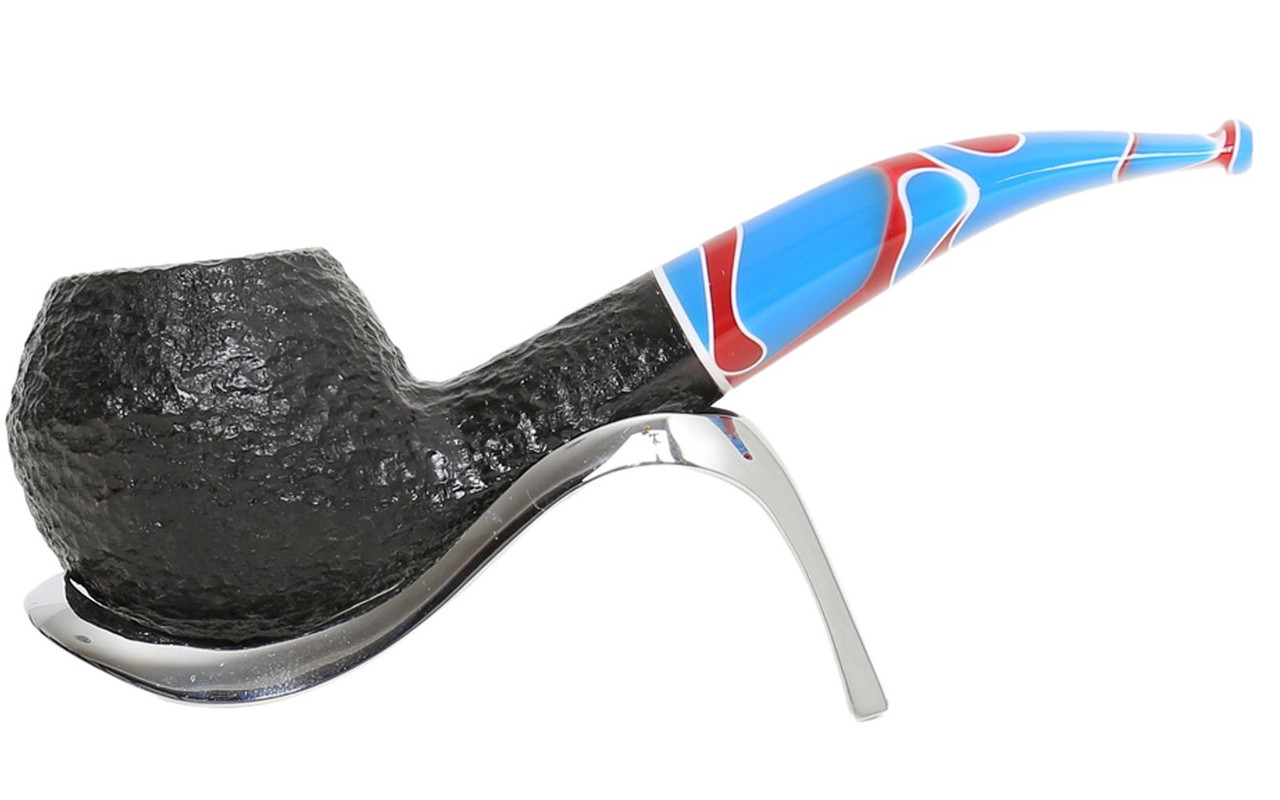
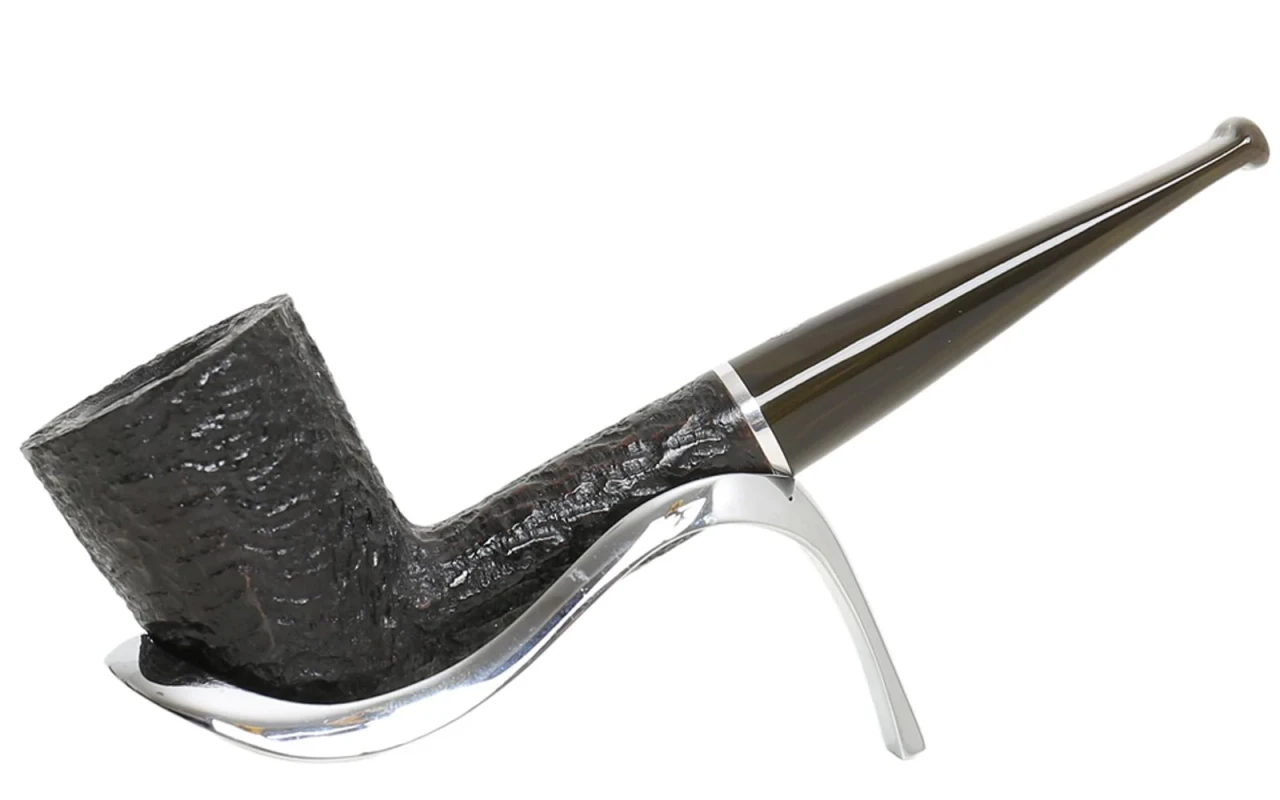
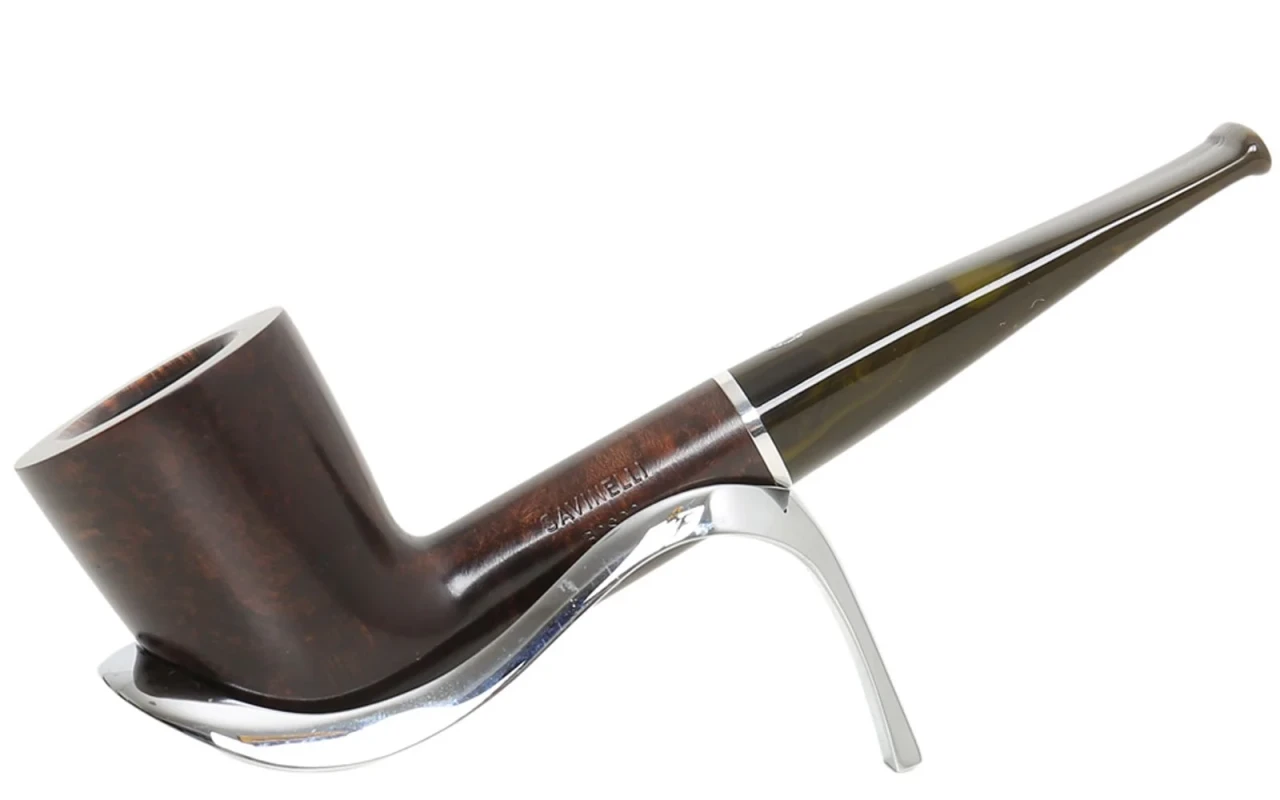
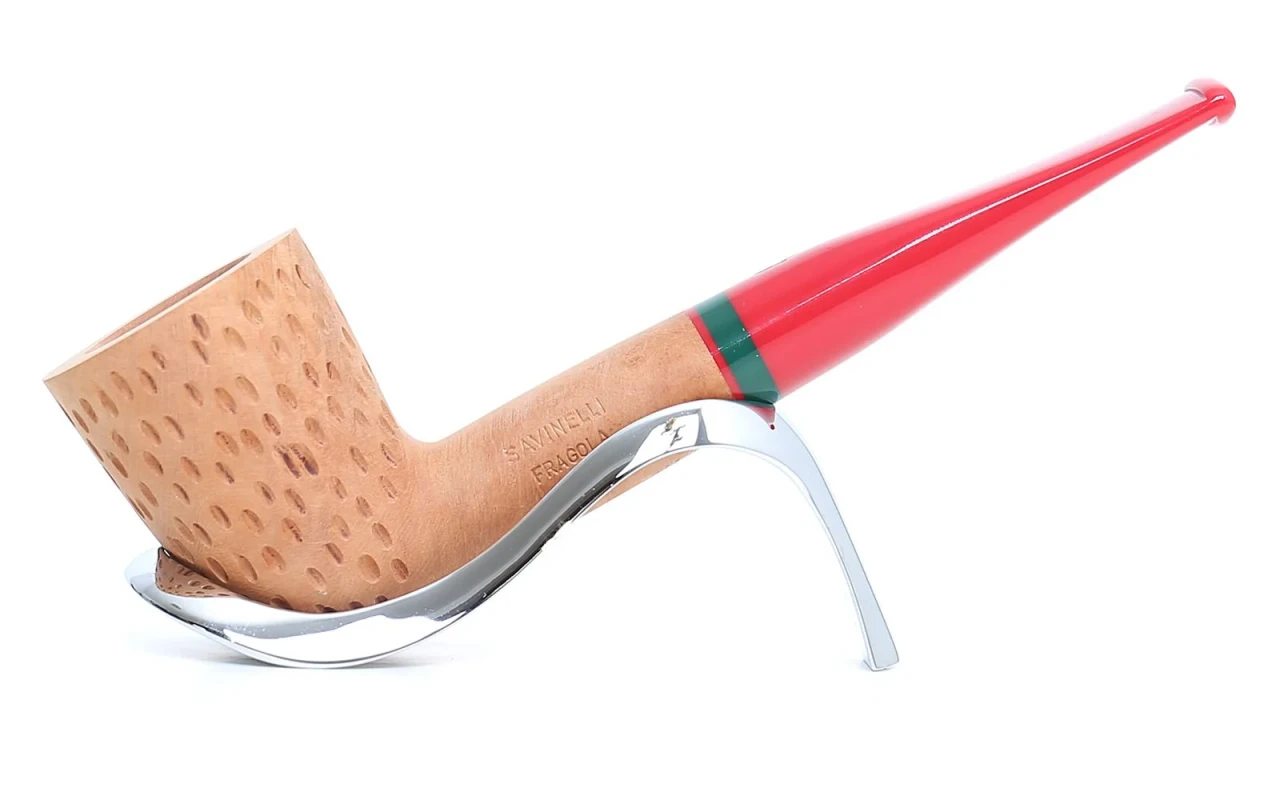
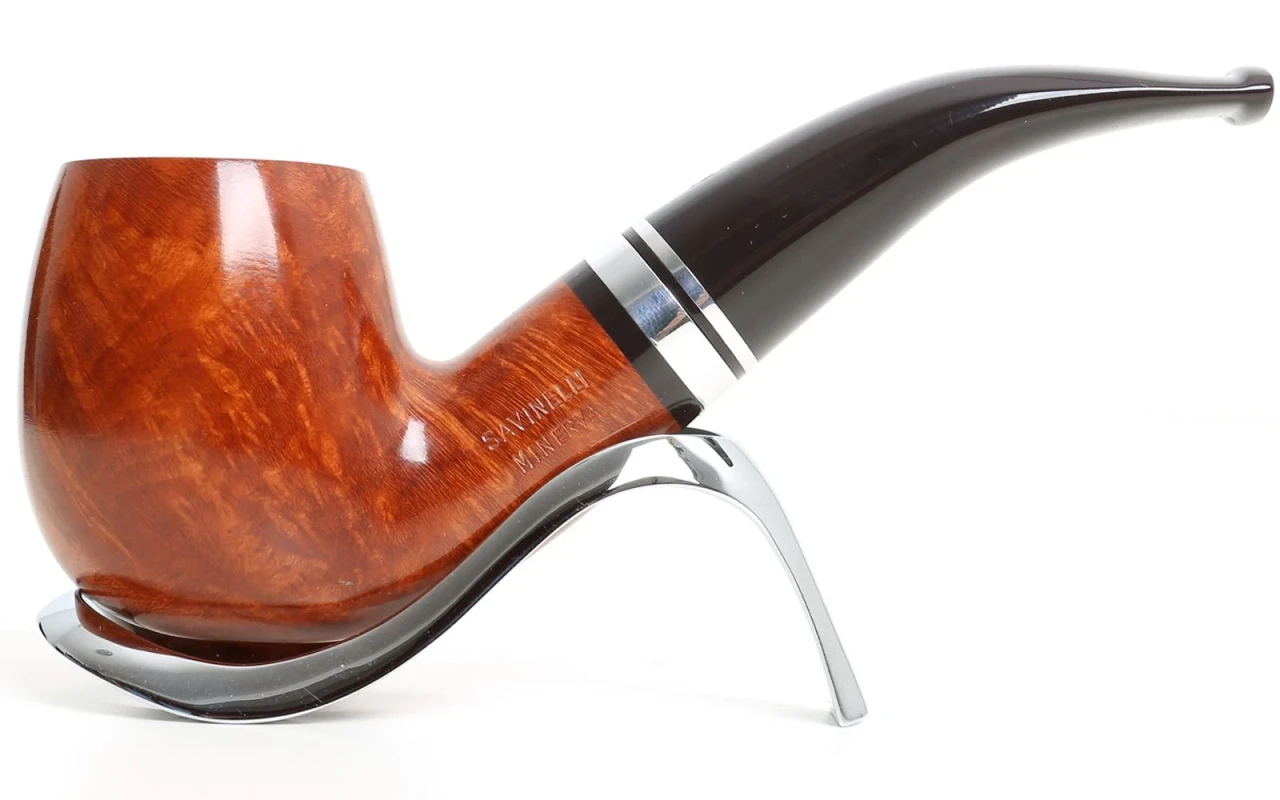
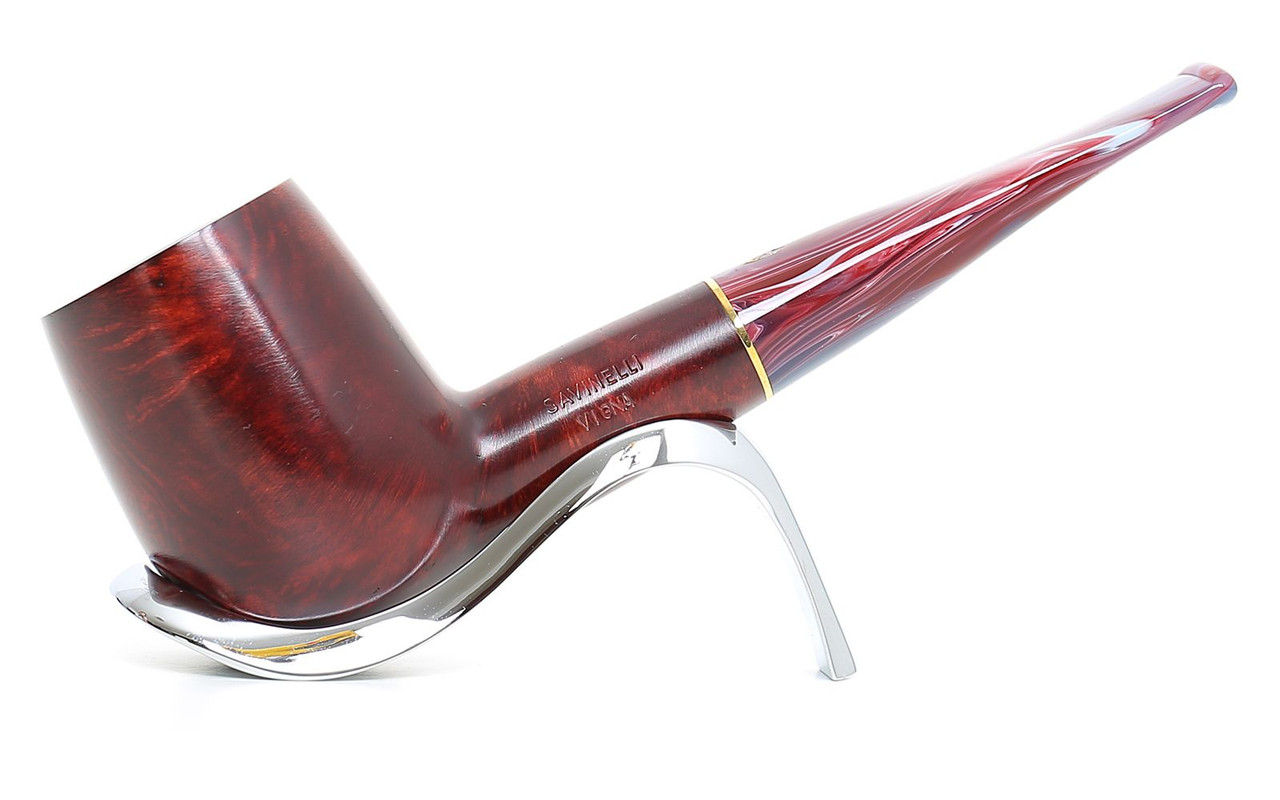
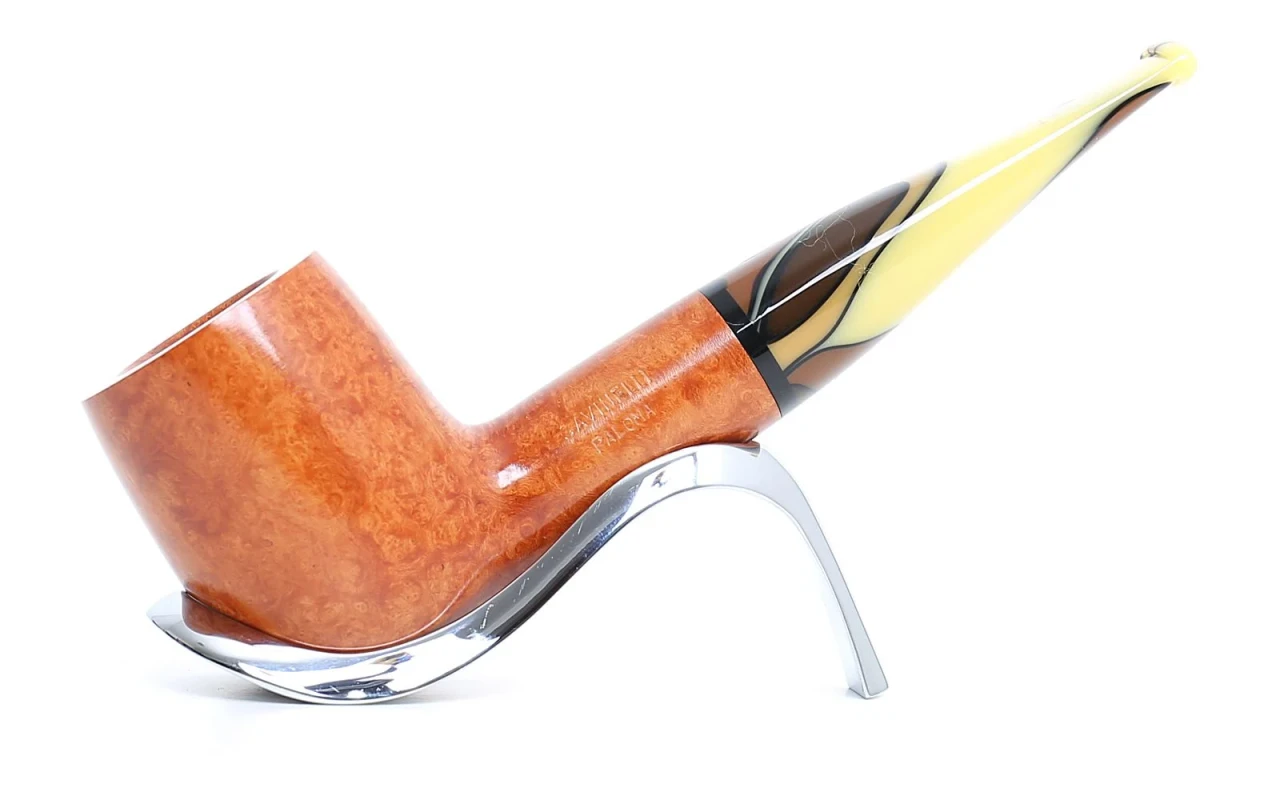
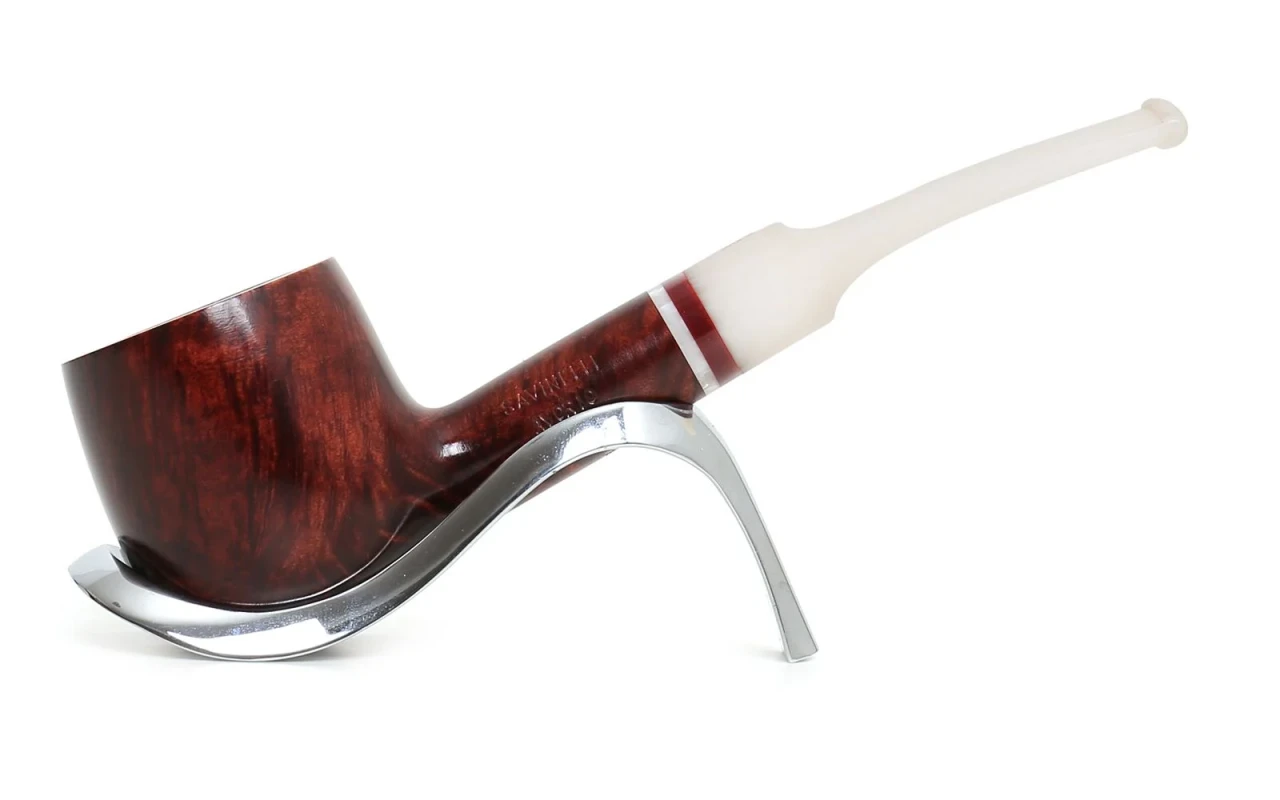
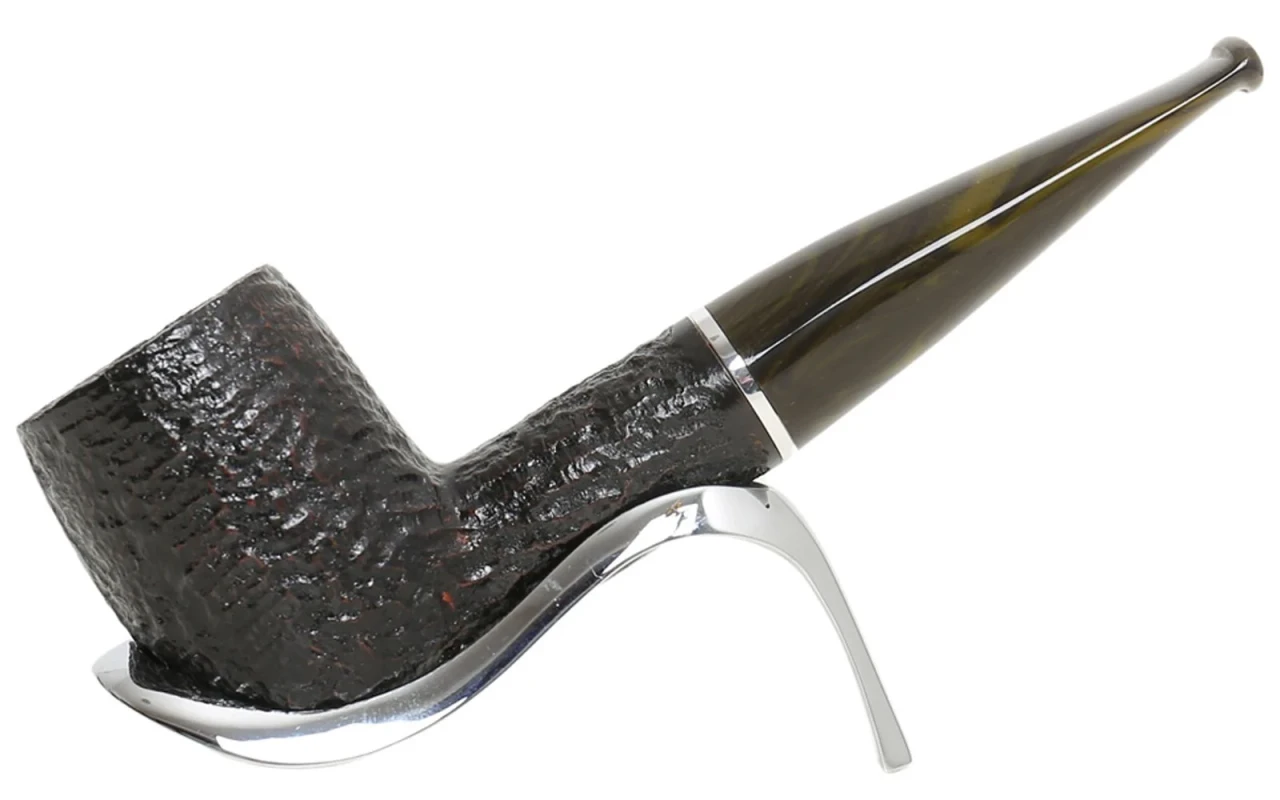
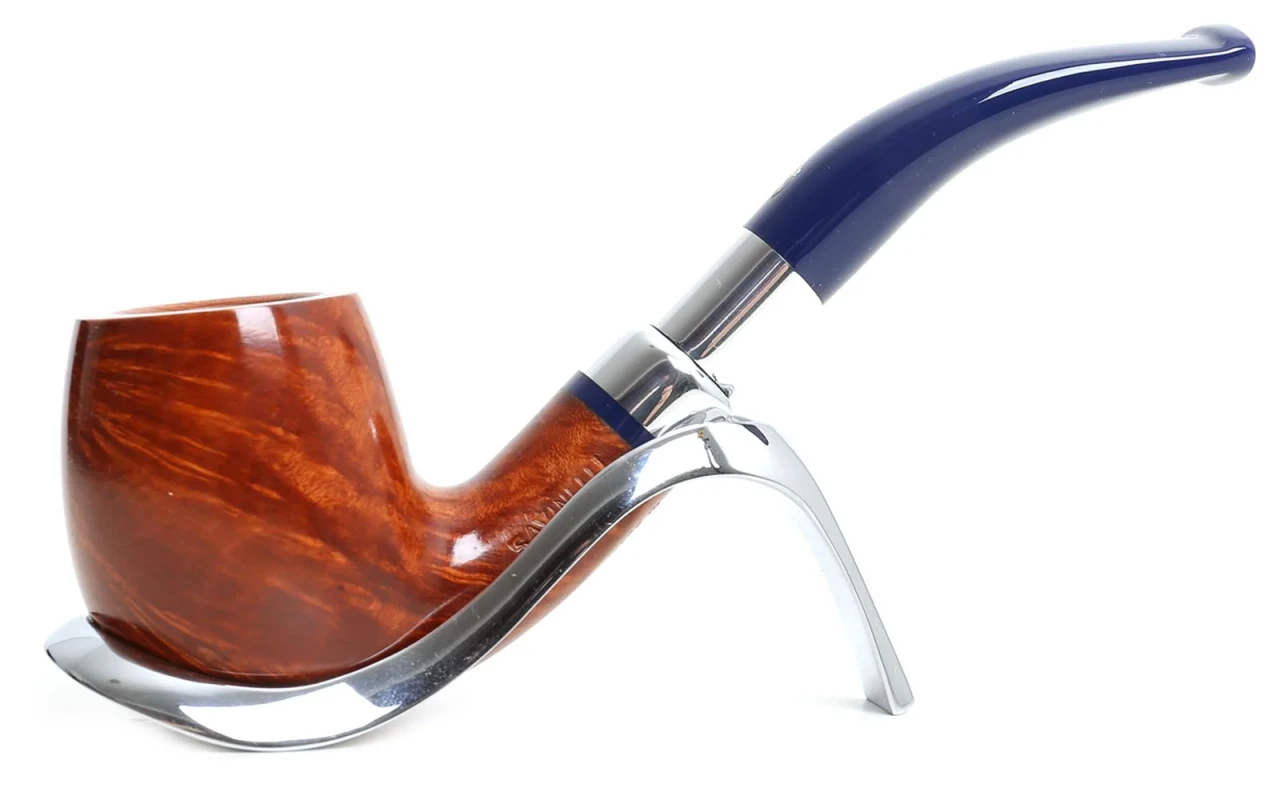
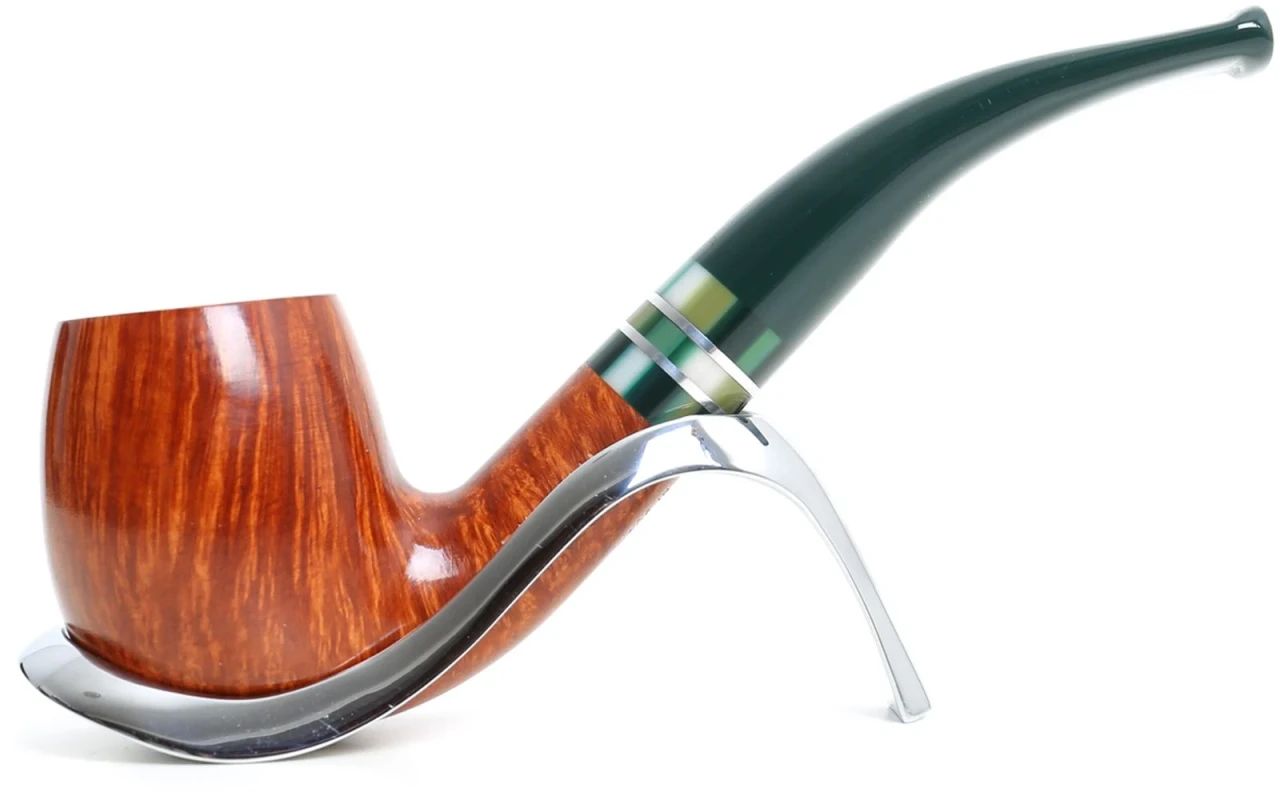
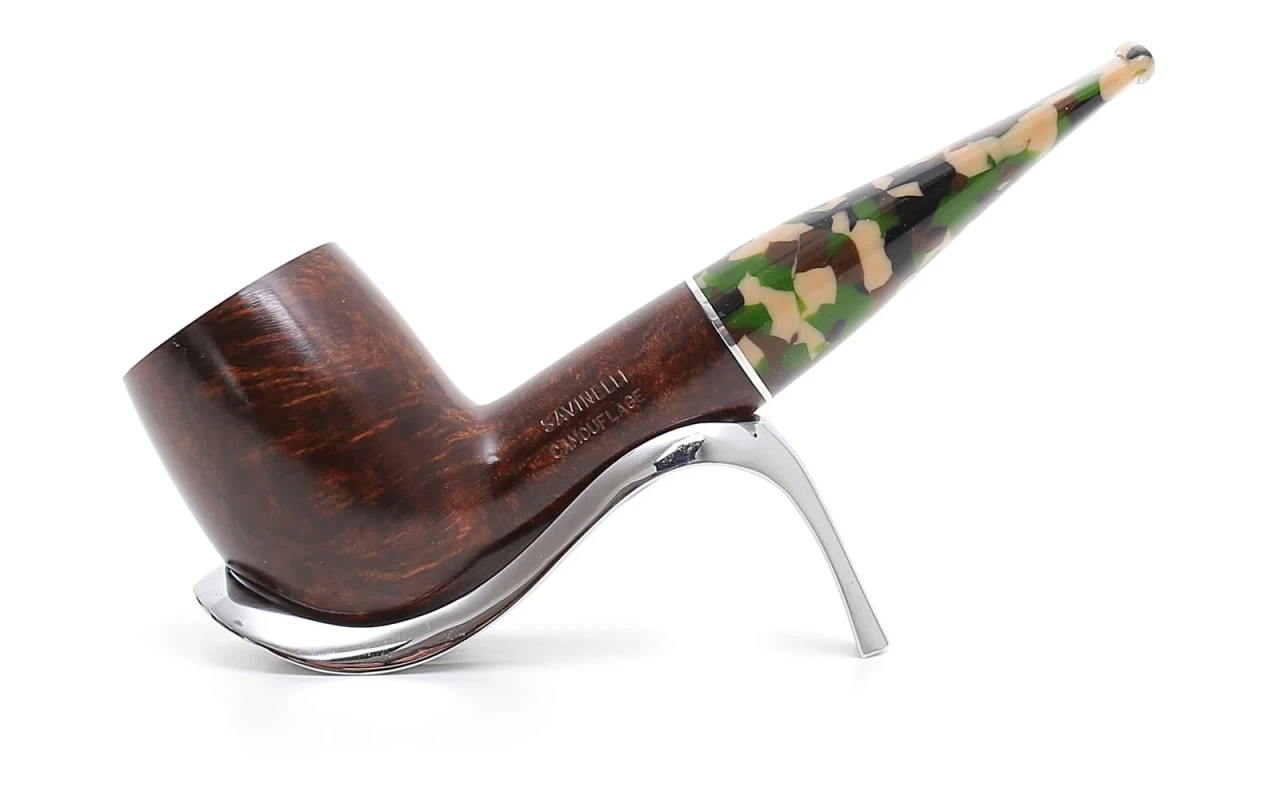
The grain of briar is evaluated by observing the regularity, depth, and distribution of the wood fibers. A fine, tight grain indicates superior quality, while irregular or overly coarse grain can affect both the pipe's aesthetics and durability. The beauty of the grain is a key element in appreciating the pipe.
How is the grain of a briar pipe evaluated? Deep dive
Evaluating the grain of briar is fundamental for those seeking a quality pipe, as it influences both the aesthetic appearance and the product’s durability. Briar, wood sourced from the Erica arborea plant, exhibits various types of grain that can be more or less dense, regular, and deep. A fine and compact grain is generally considered a mark of excellence, giving the pipe an elegant look and greater mechanical resistance. Additionally, an even fiber distribution contributes to improved wood stability during use and seasoning. Conversely, very wide or irregular grains may create weak points or visual imperfections. The assessment is performed by carefully observing the briar surface, preferably under good lighting, to appreciate the texture and depth. Some enthusiasts look for particular grain patterns, such as birdseye or flame grain, which add aesthetic value and uniqueness to the pipe. In summary, briar grain is a distinctive feature that combines both functionality and beauty, and its evaluation requires attention and knowledge of the wood characteristics used in pipe crafting.