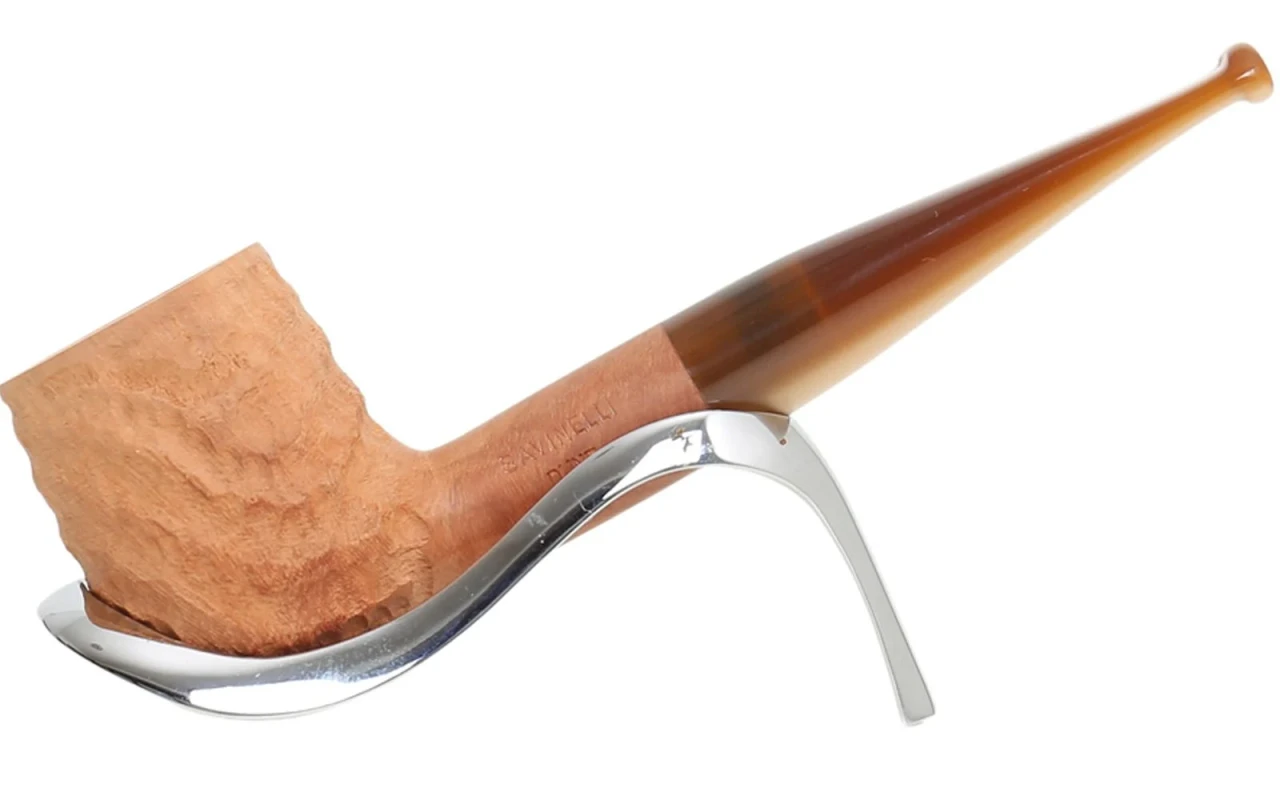
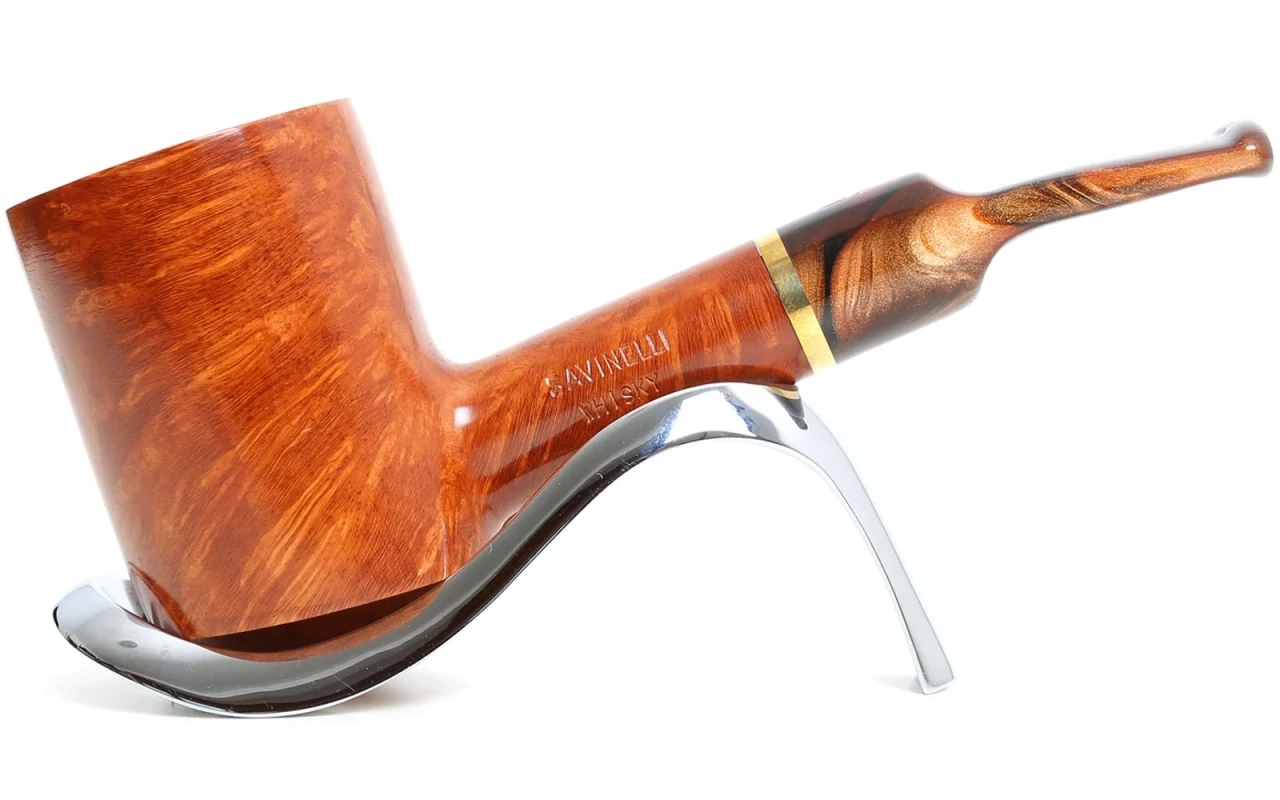
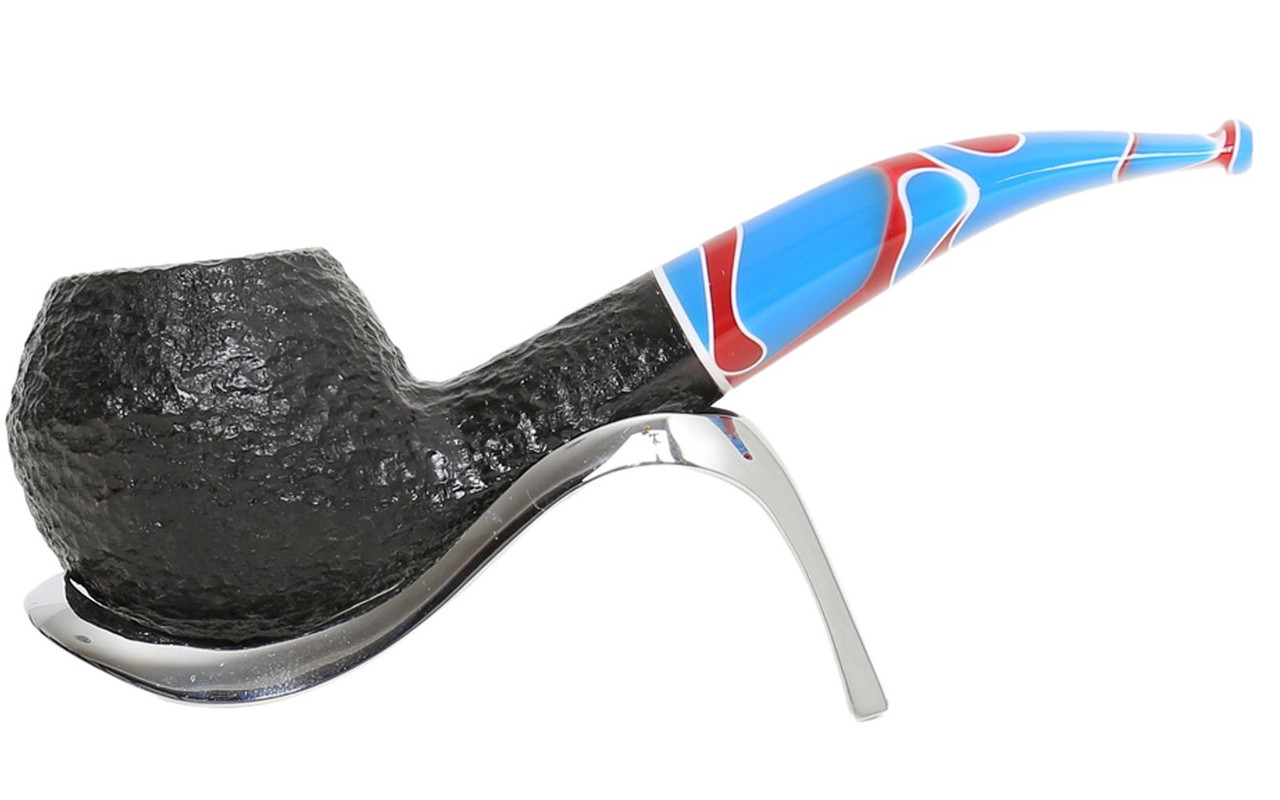
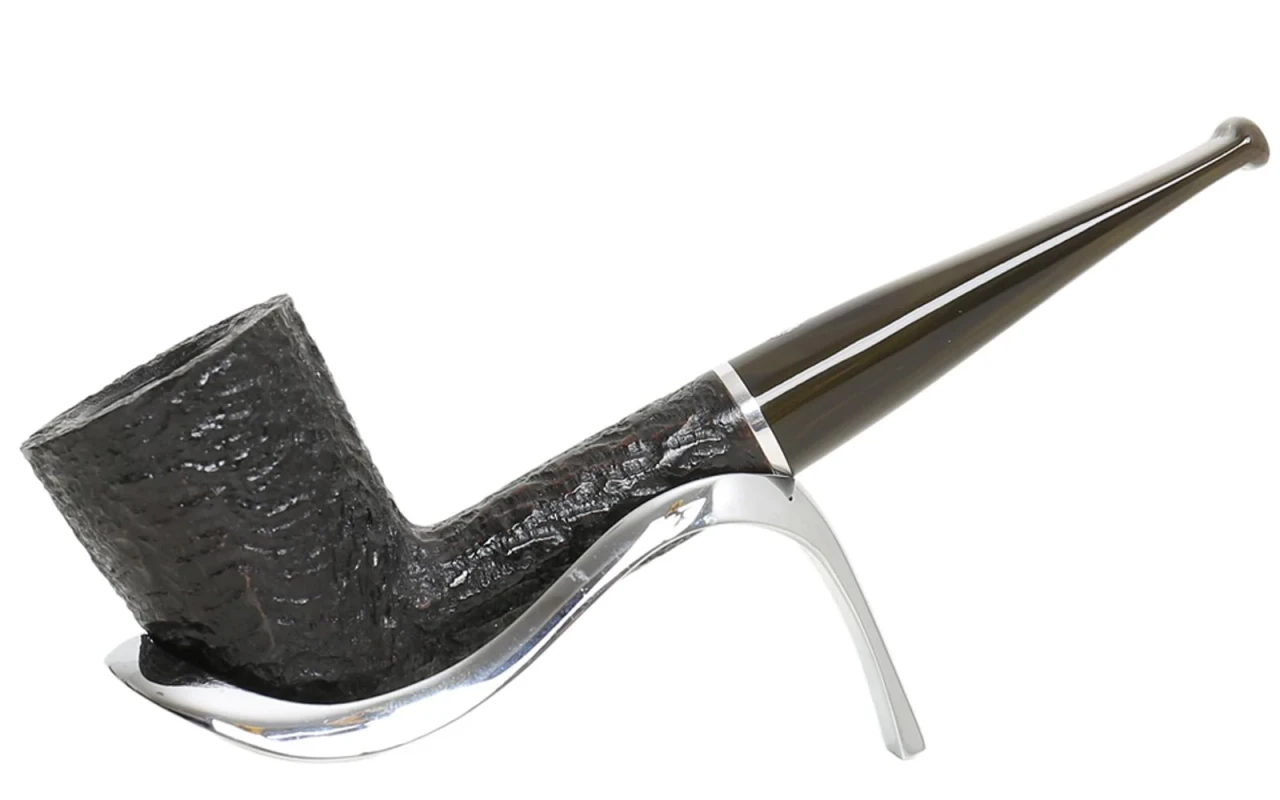
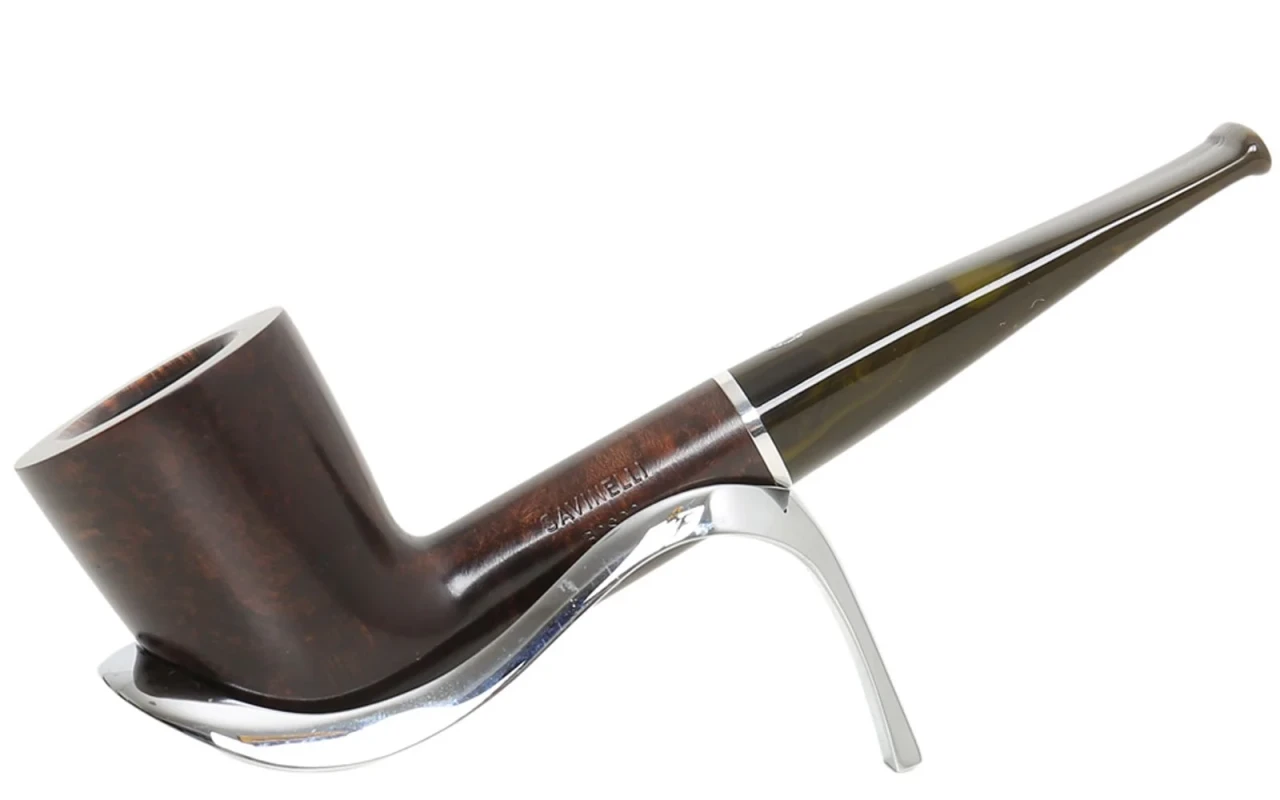
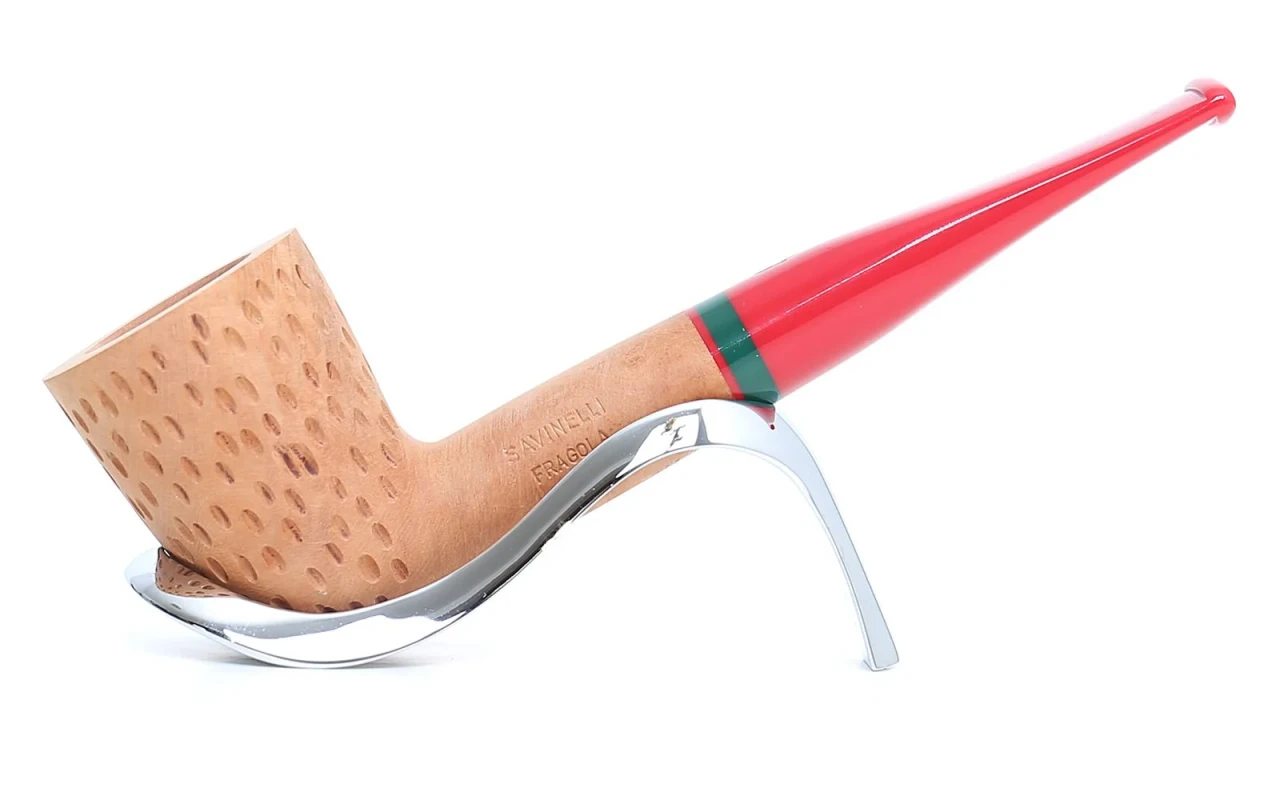
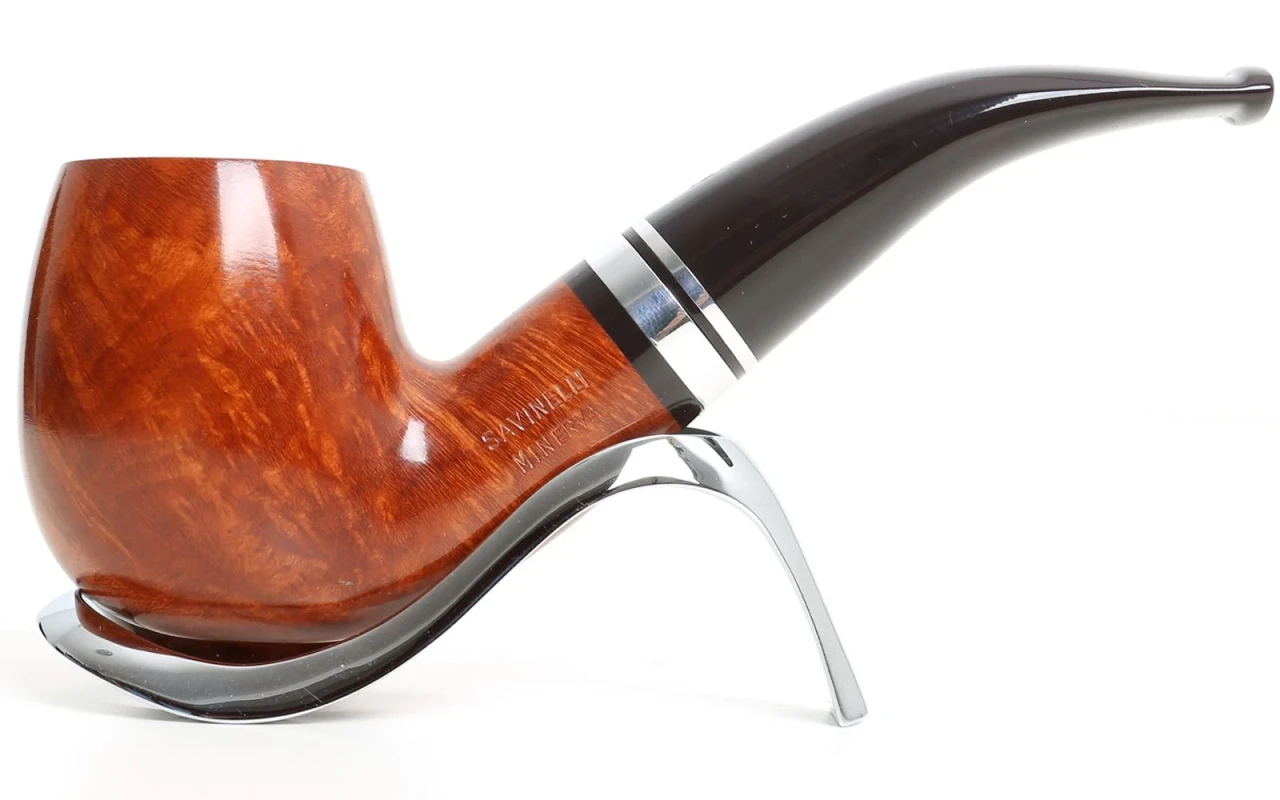
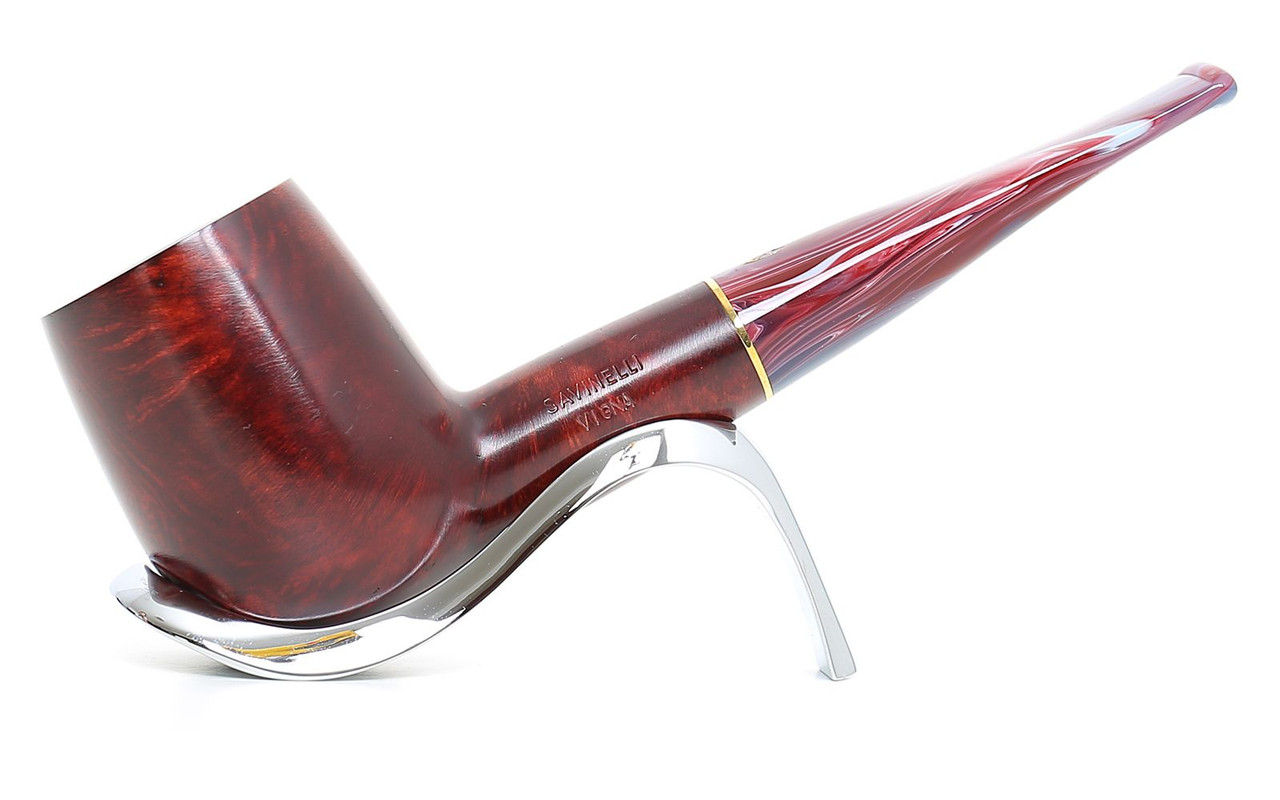
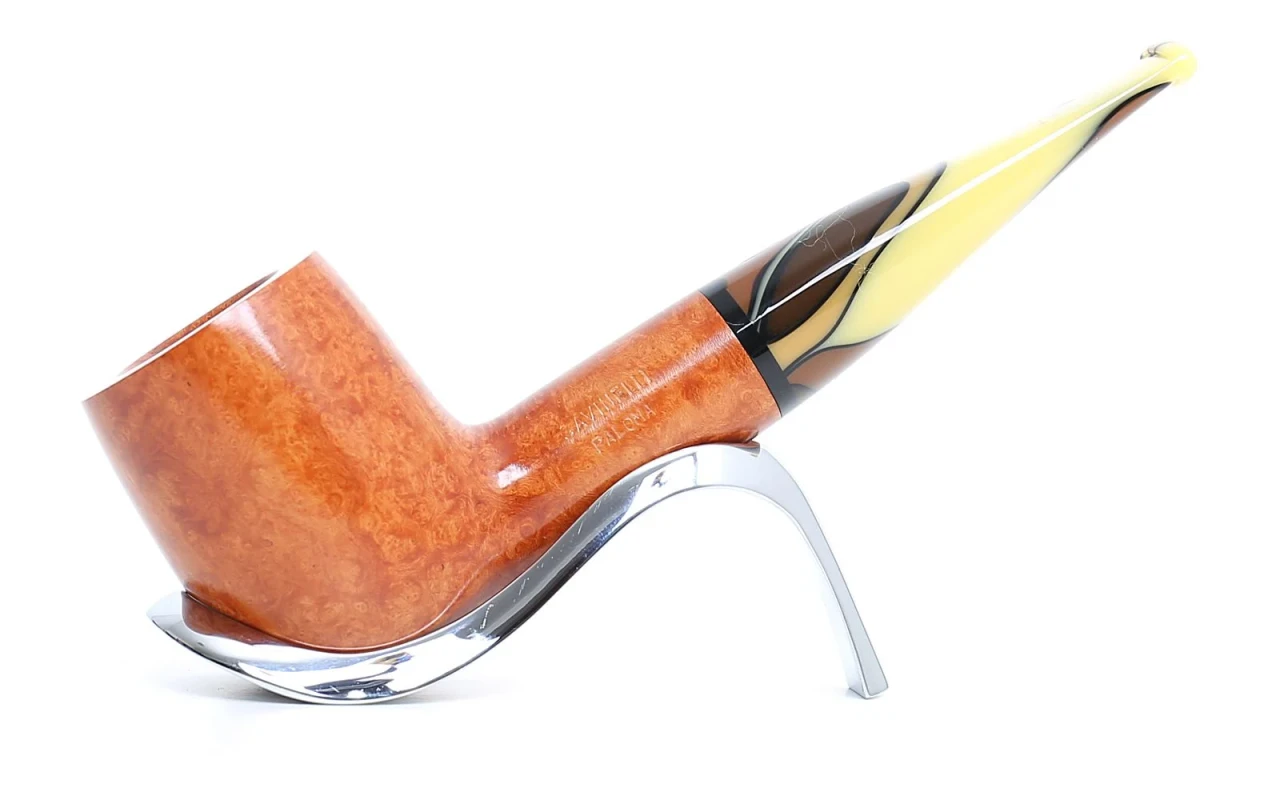
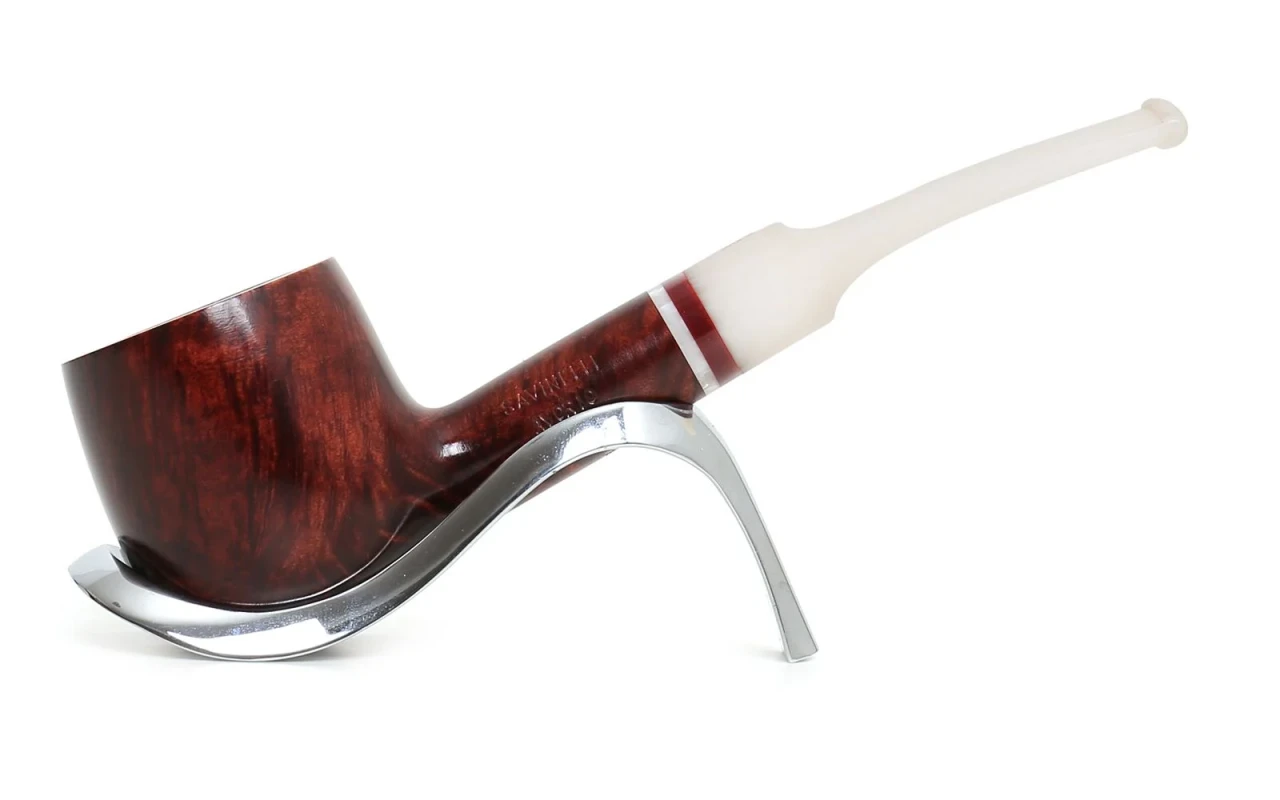
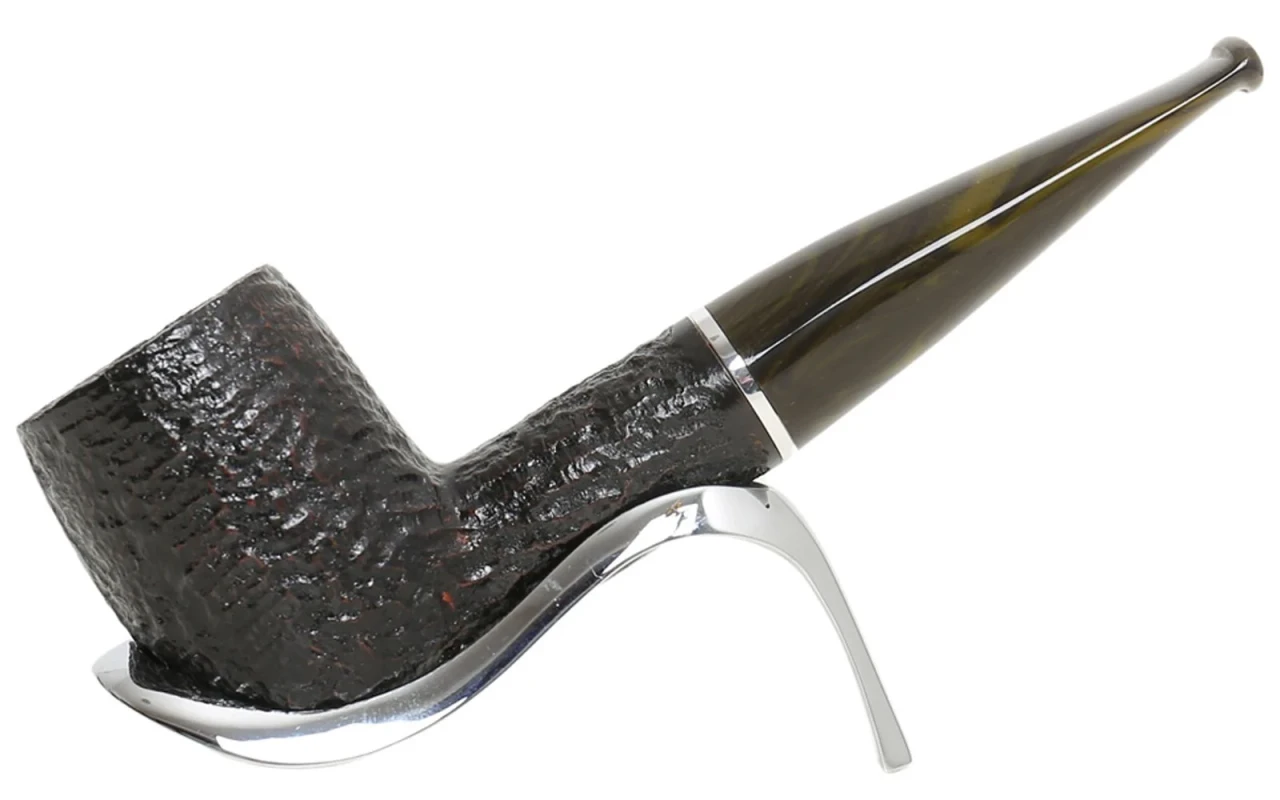
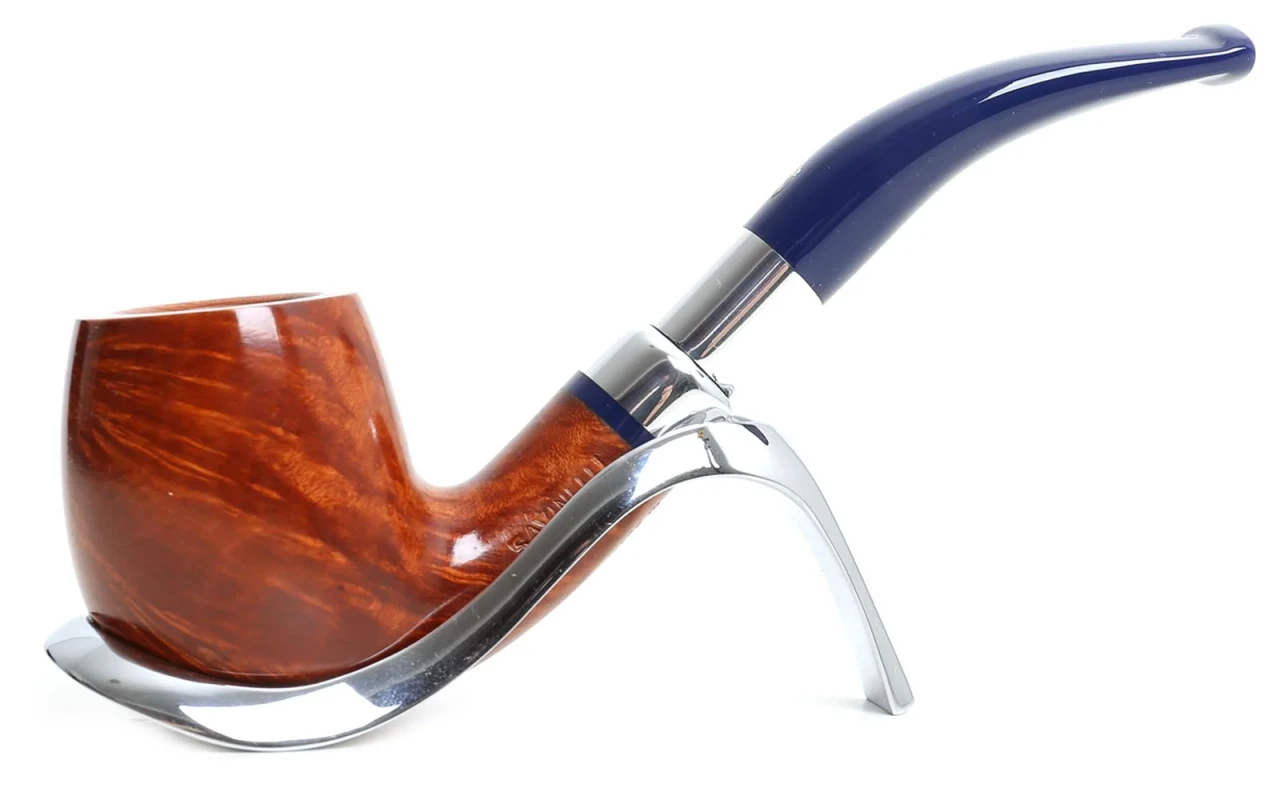
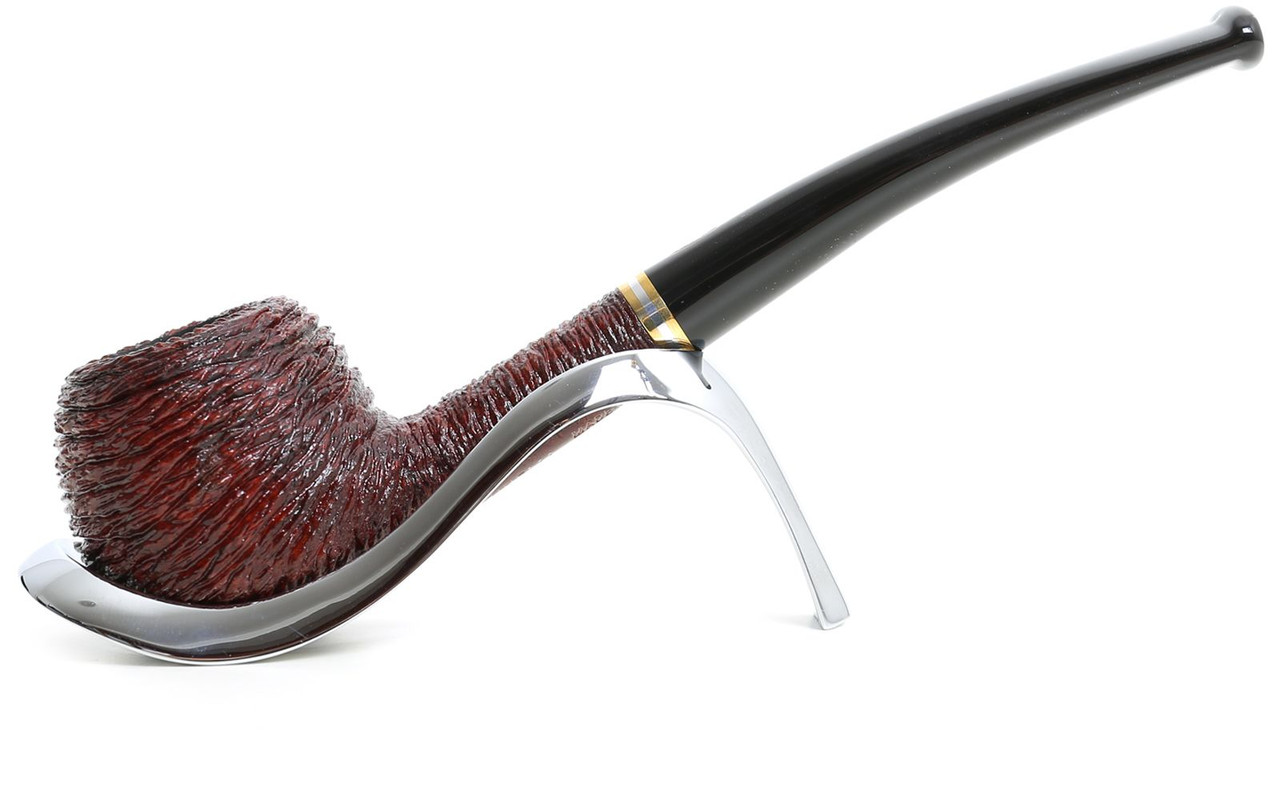
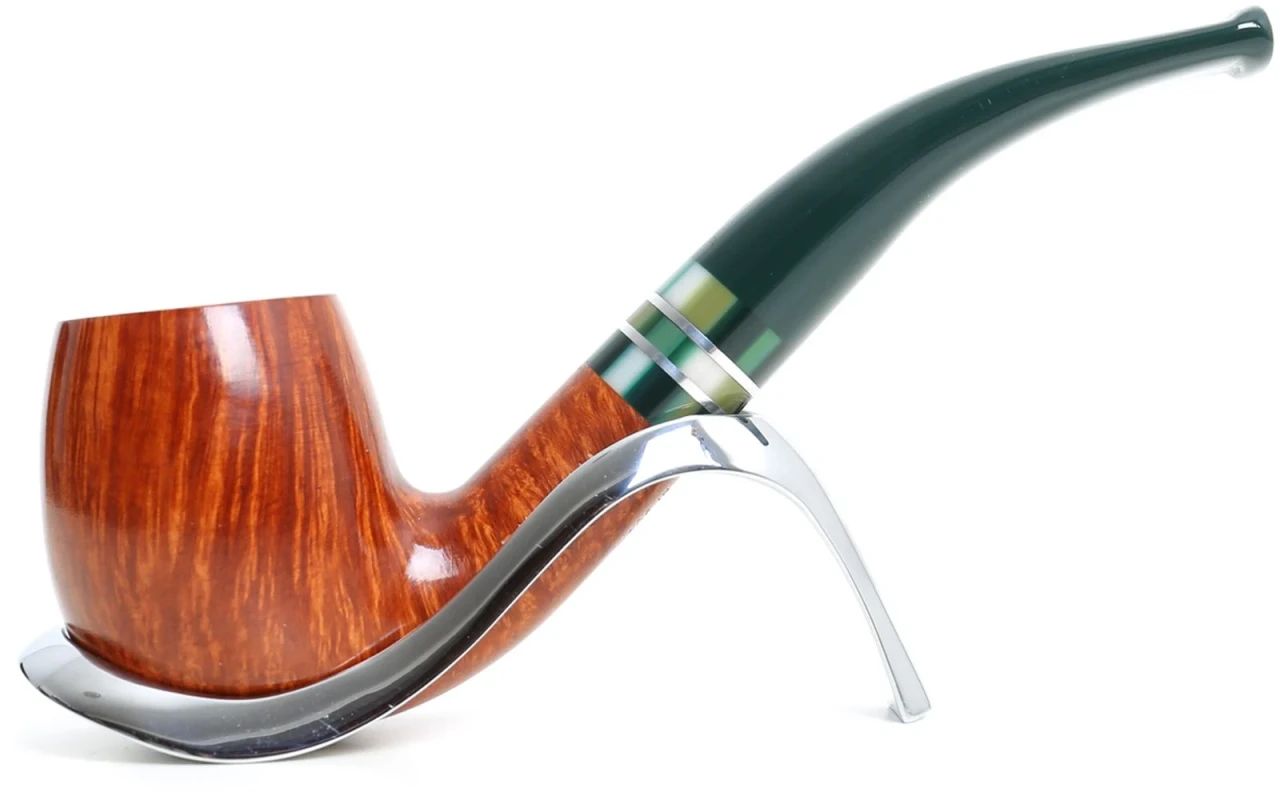
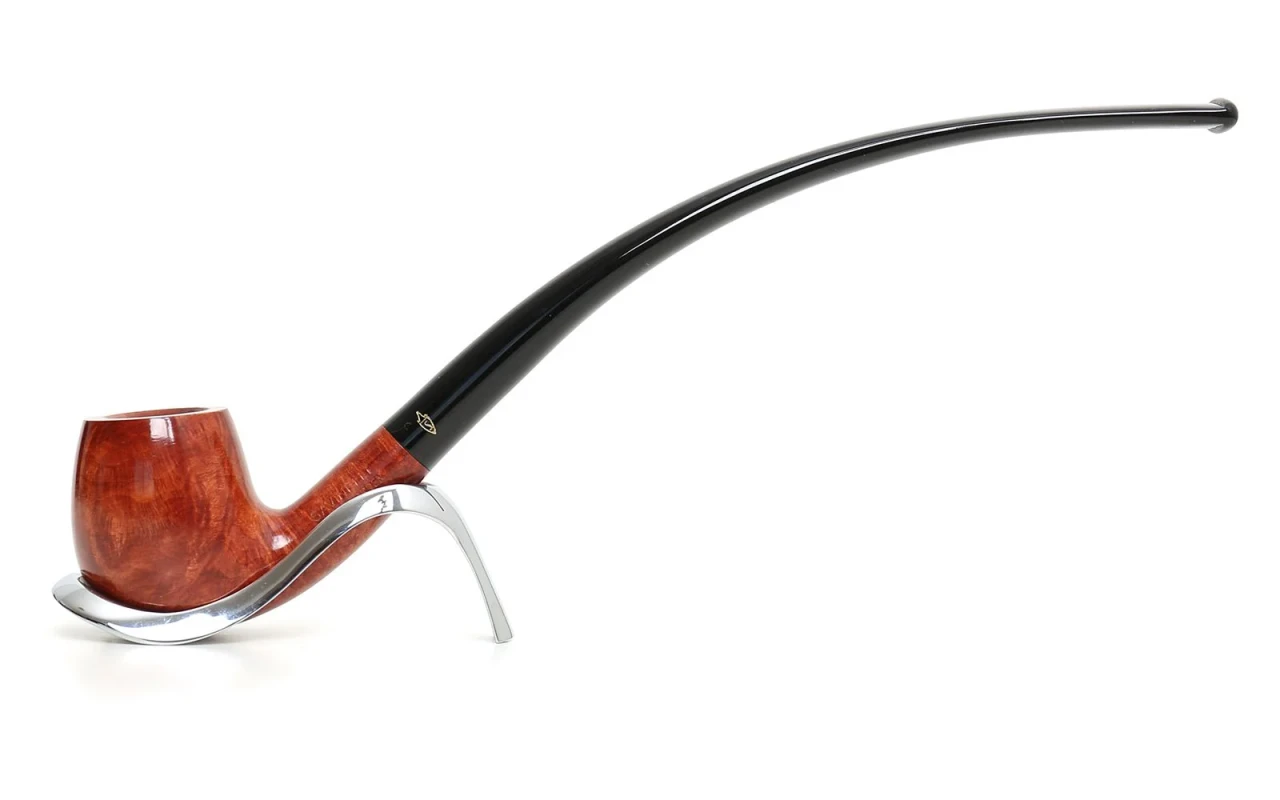
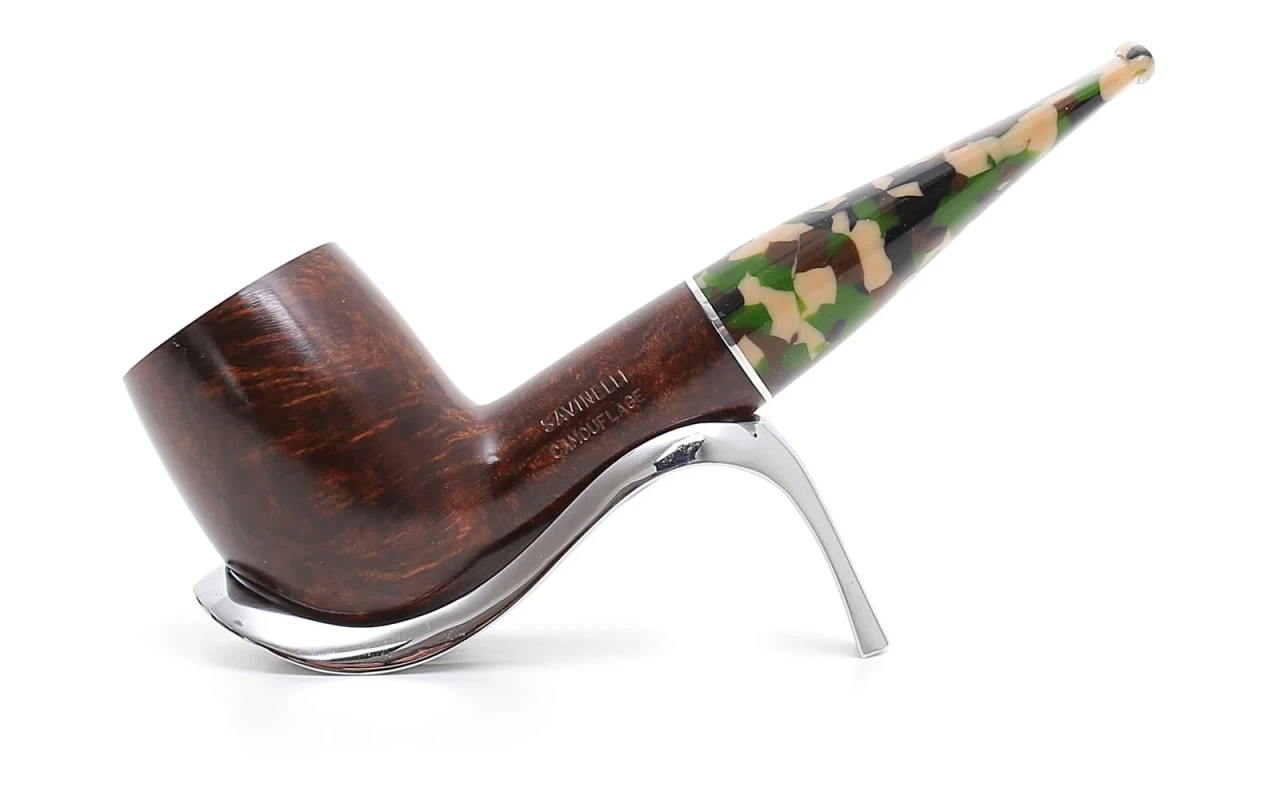
The smoking quality of a pipe greatly depends on the material it is made from. Briar wood is the most appreciated for its ability to resist heat and absorb moisture, while materials like corncob or ceramic provide different smoking experiences. The stem, often made of ebonite or acrylic, also influences comfort and flavor.
Which materials affect the smoking quality of a pipe? Deep dive
The smoking quality of a pipe is closely linked to the materials used in its construction. Briar wood, sourced from the root burl, is the most widespread and valued material for its heat resistance and moisture absorption, contributing to a drier and more pleasant smoke. Other materials like corncob, used for more affordable pipes, offer a lighter but less durable smoking experience. Ceramic or stone may be chosen for aesthetic reasons or a different smoking sensation but tend to transmit more heat. The stem, often crafted from ebonite or acrylic, plays a significant role as well: ebonite provides a warmer and more natural feel, while acrylic is more durable and easier to clean. The combination of these materials affects not only the pipe’s longevity and maintenance but also the flavor and temperature of the smoke—essential factors for enthusiasts of slow and mindful smoking.