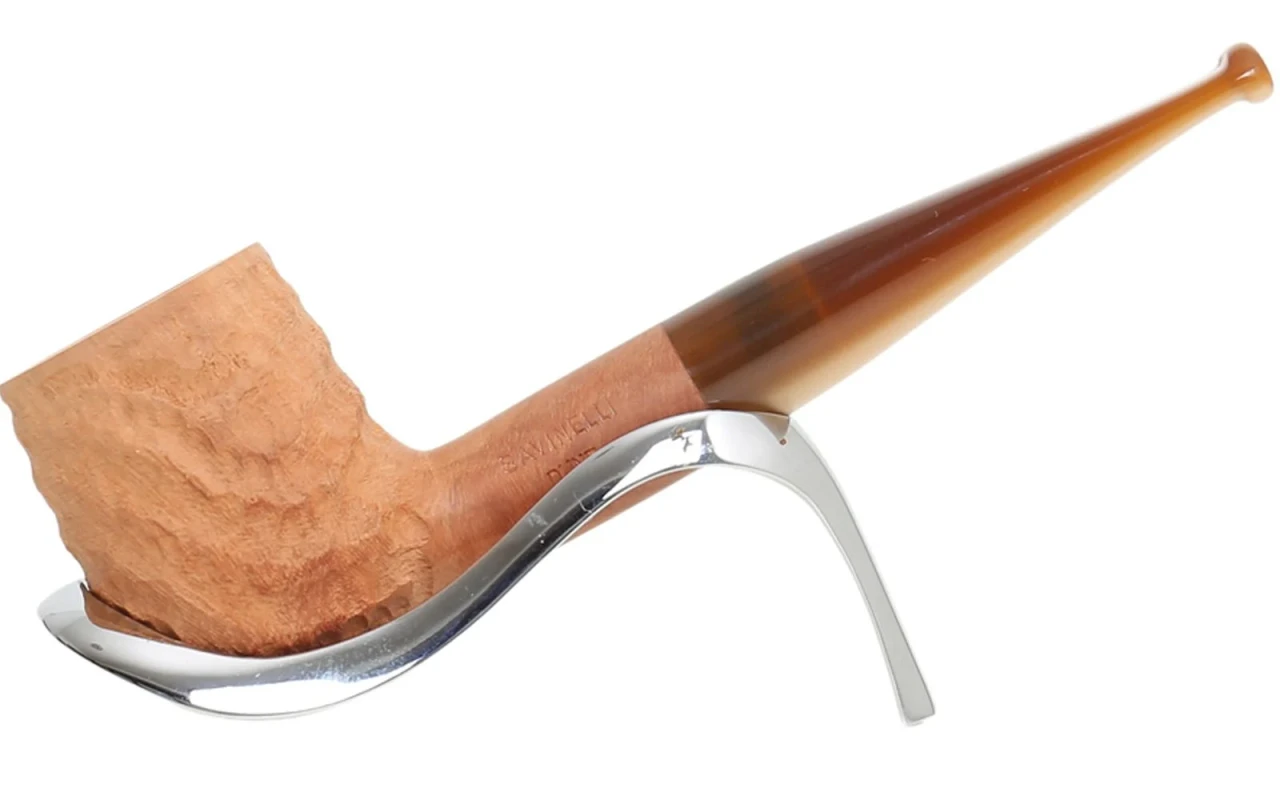
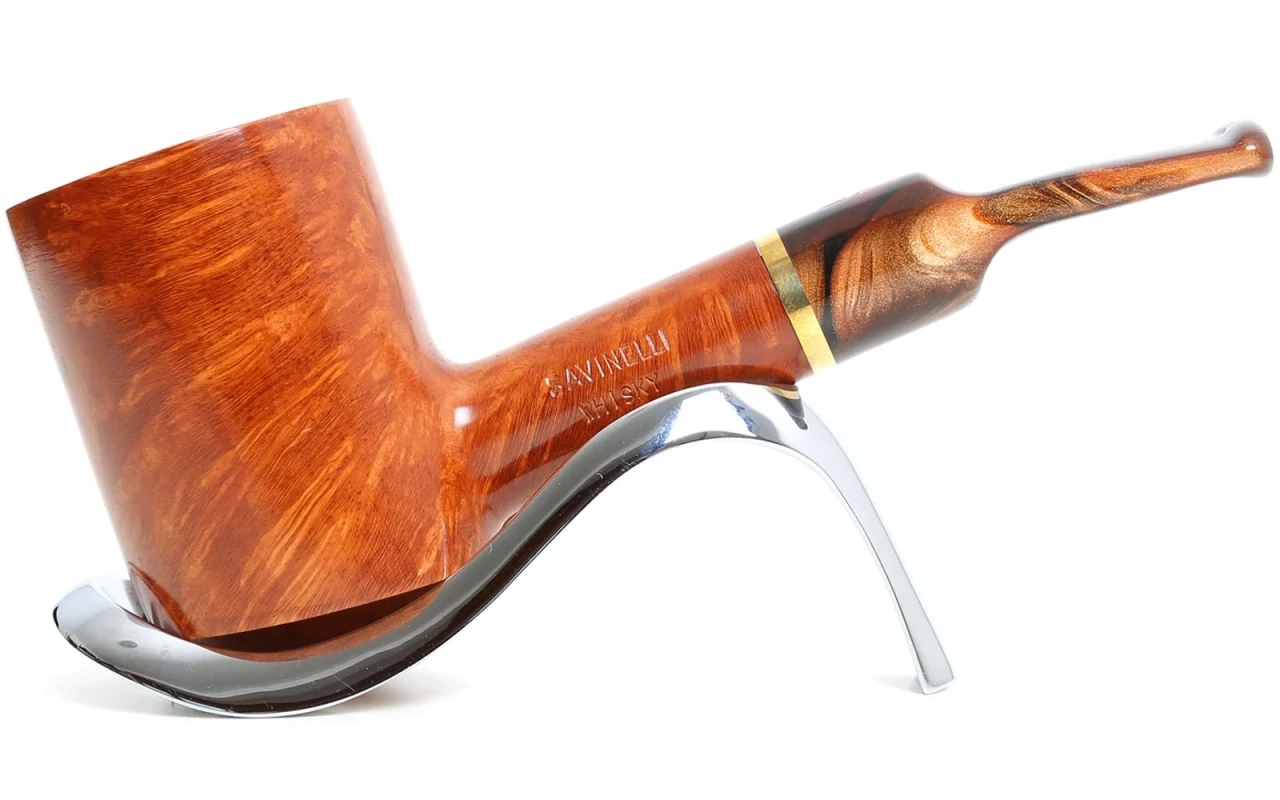
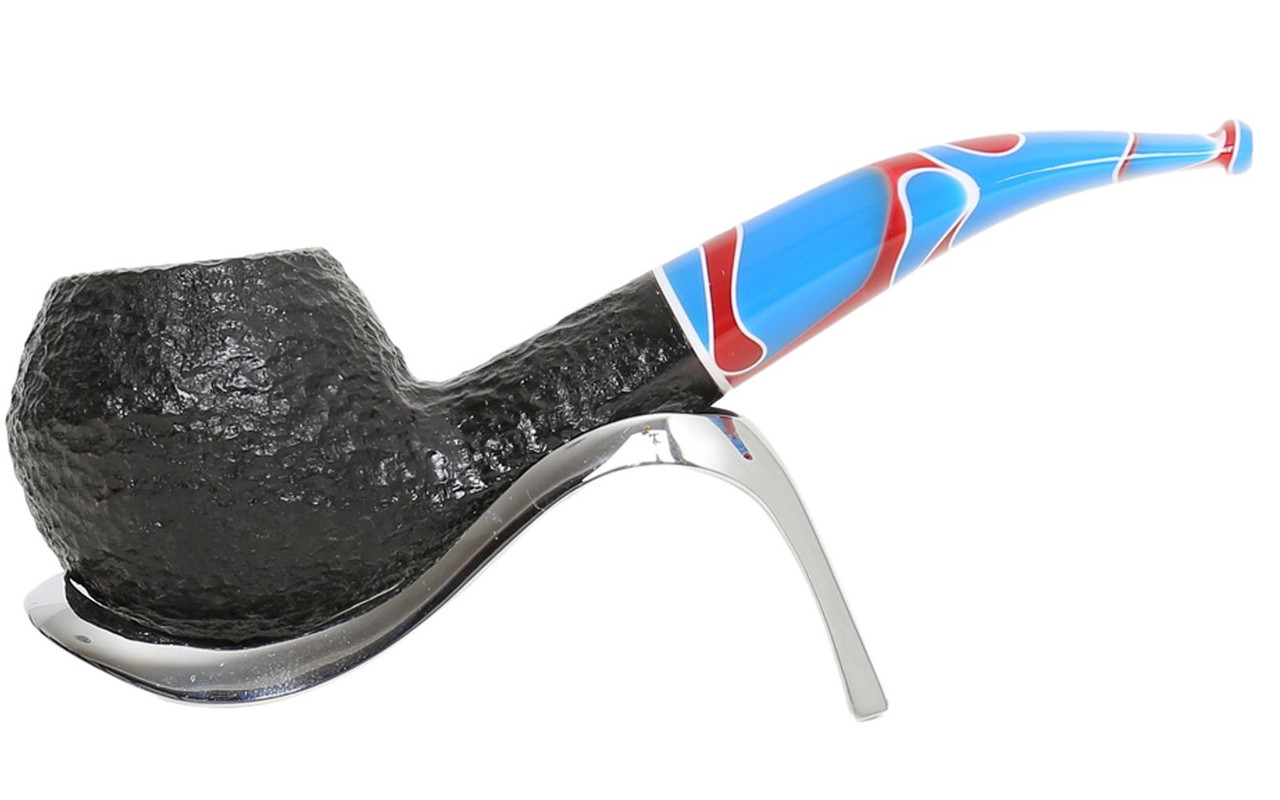
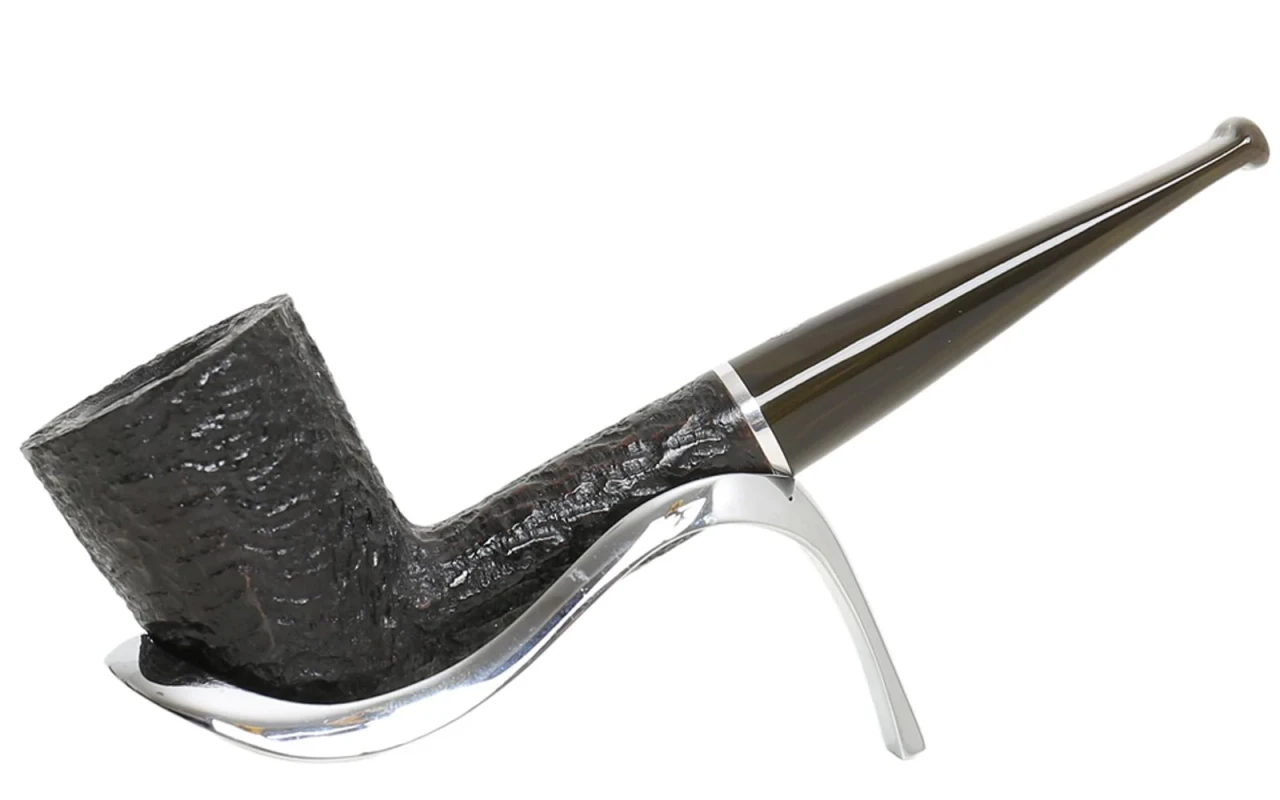
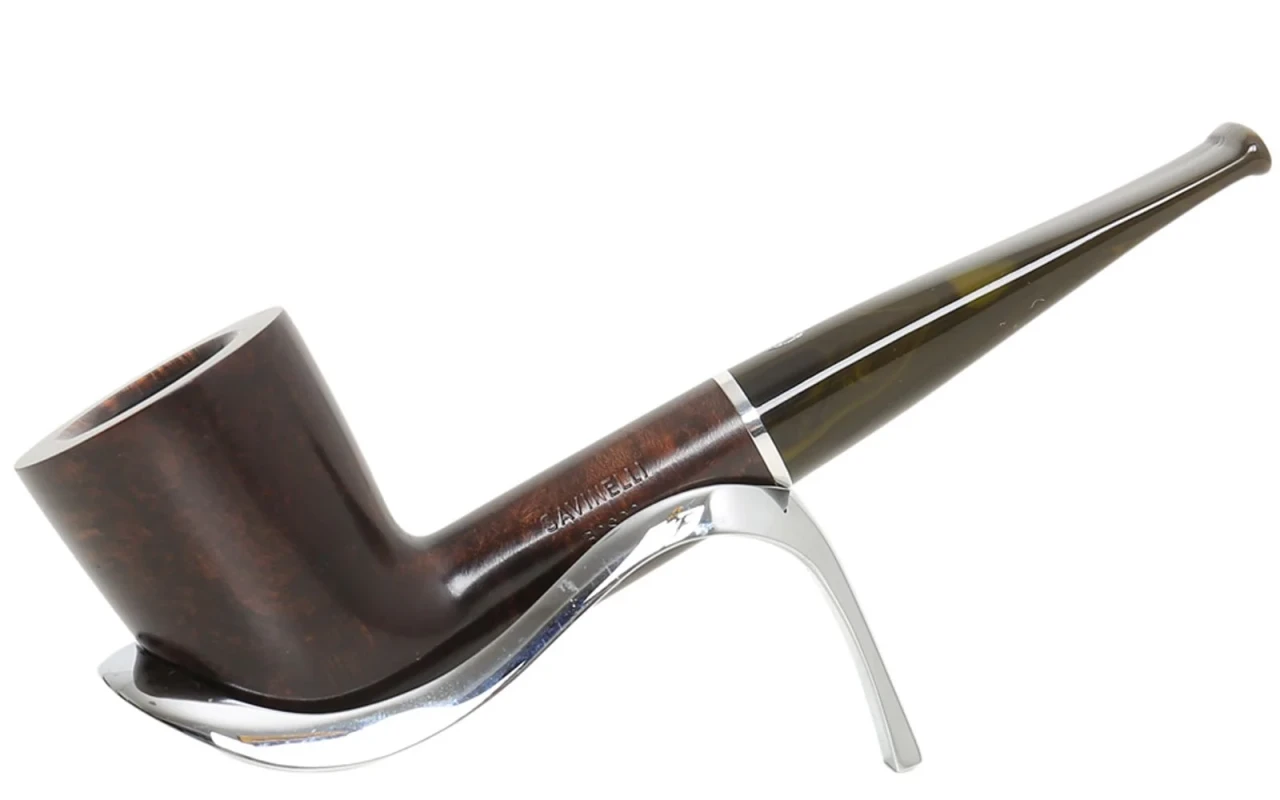
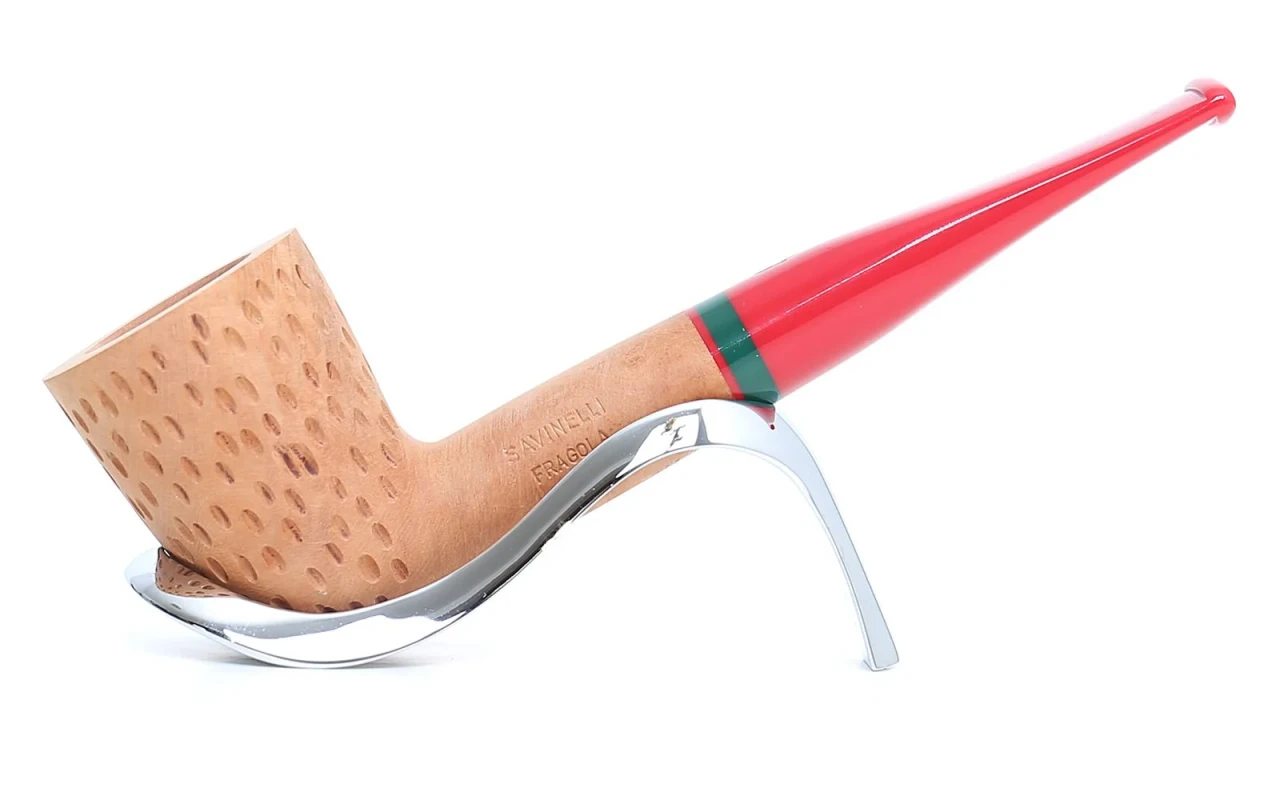
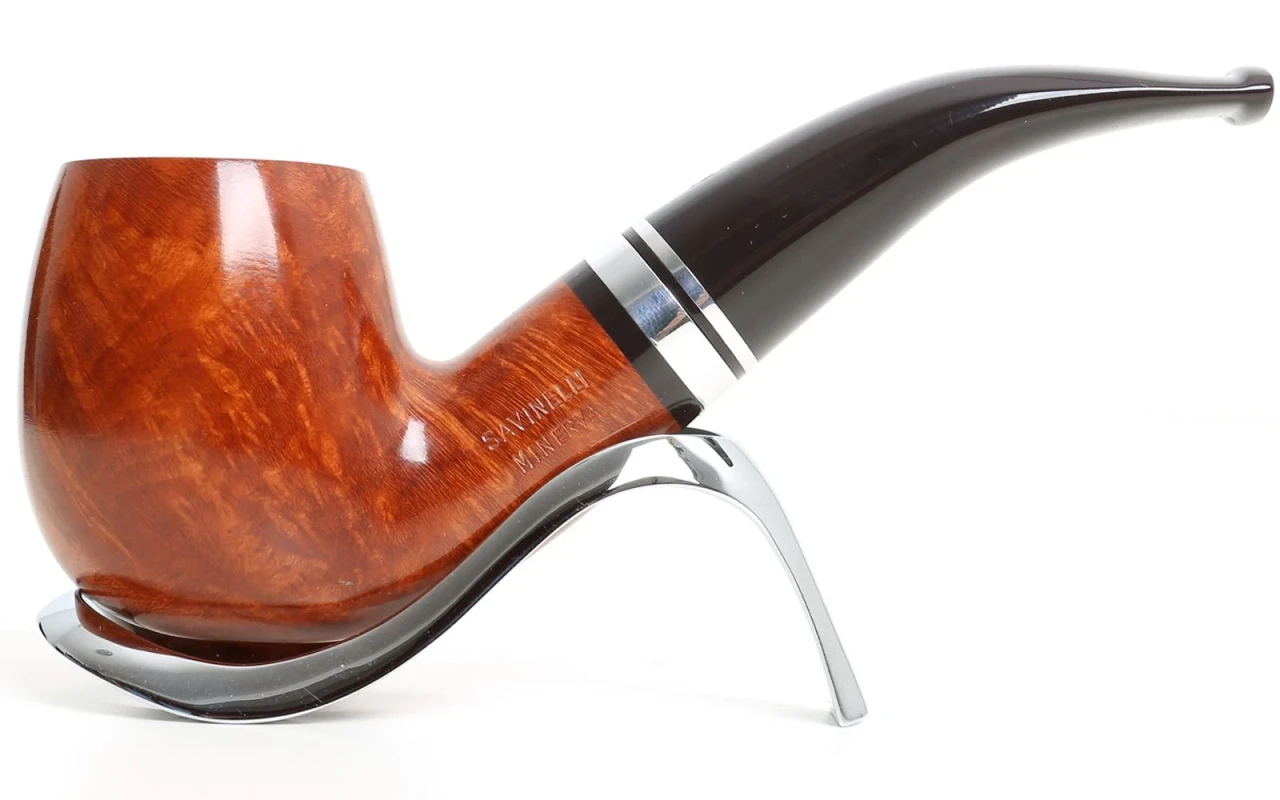
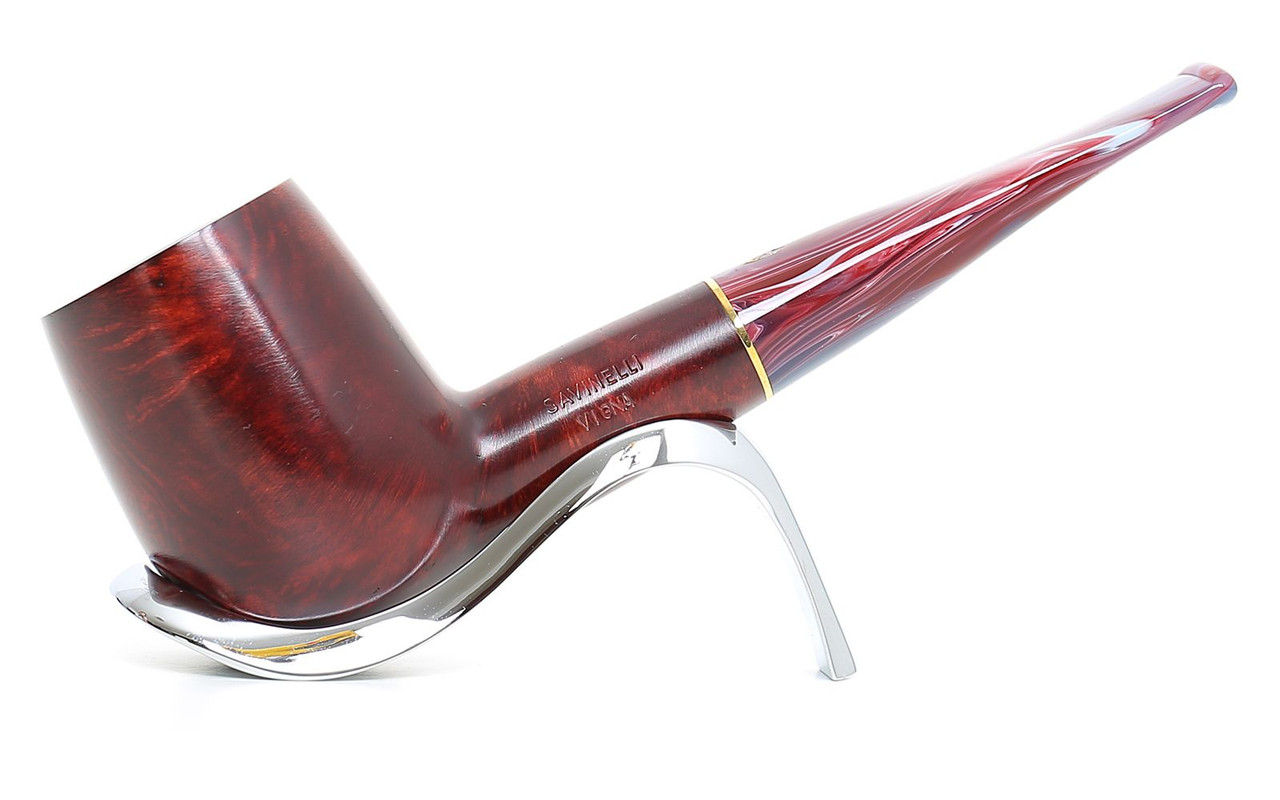
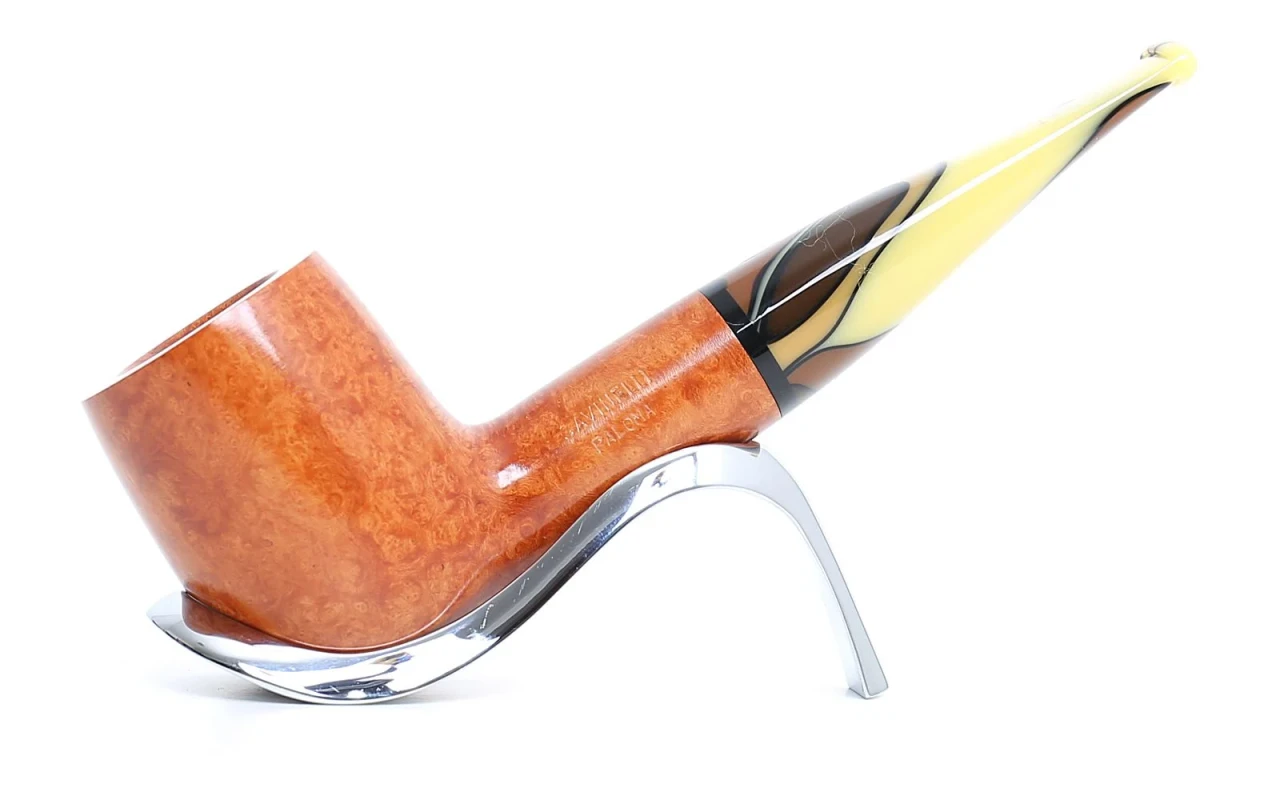
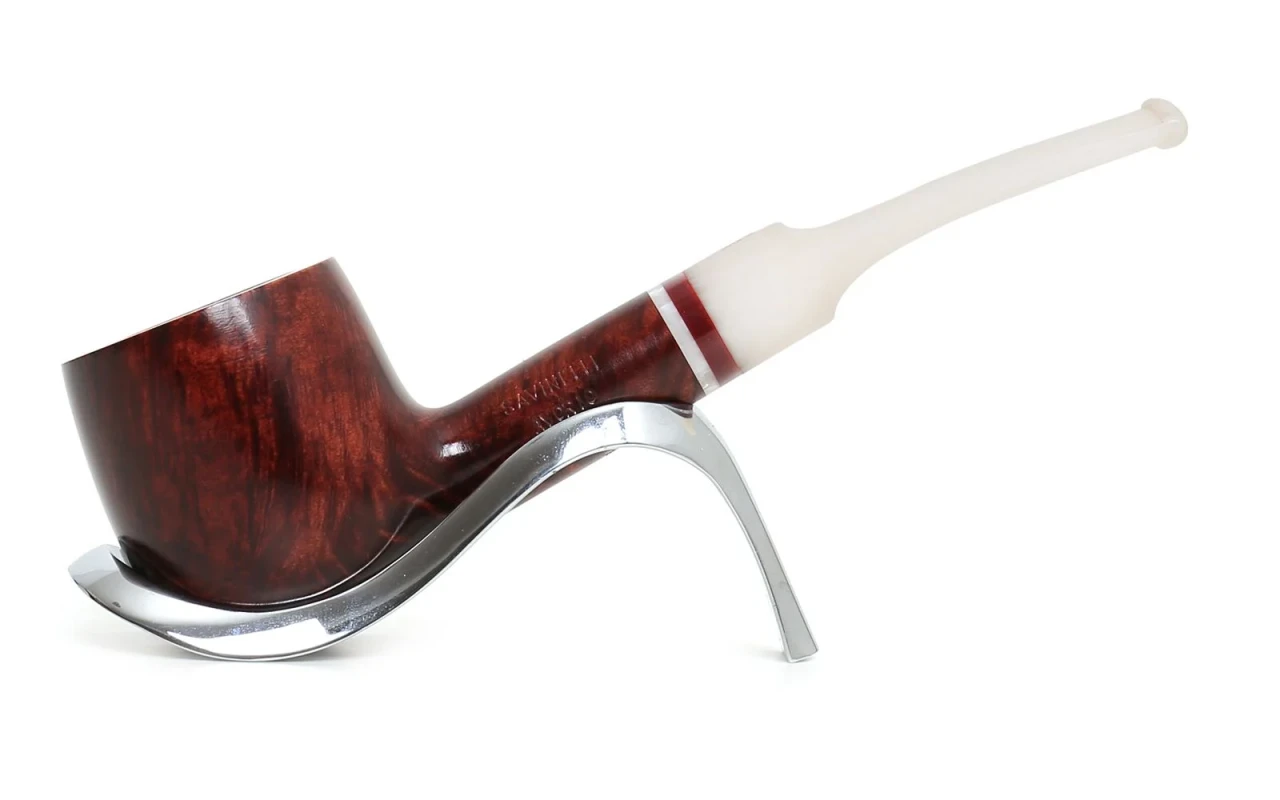
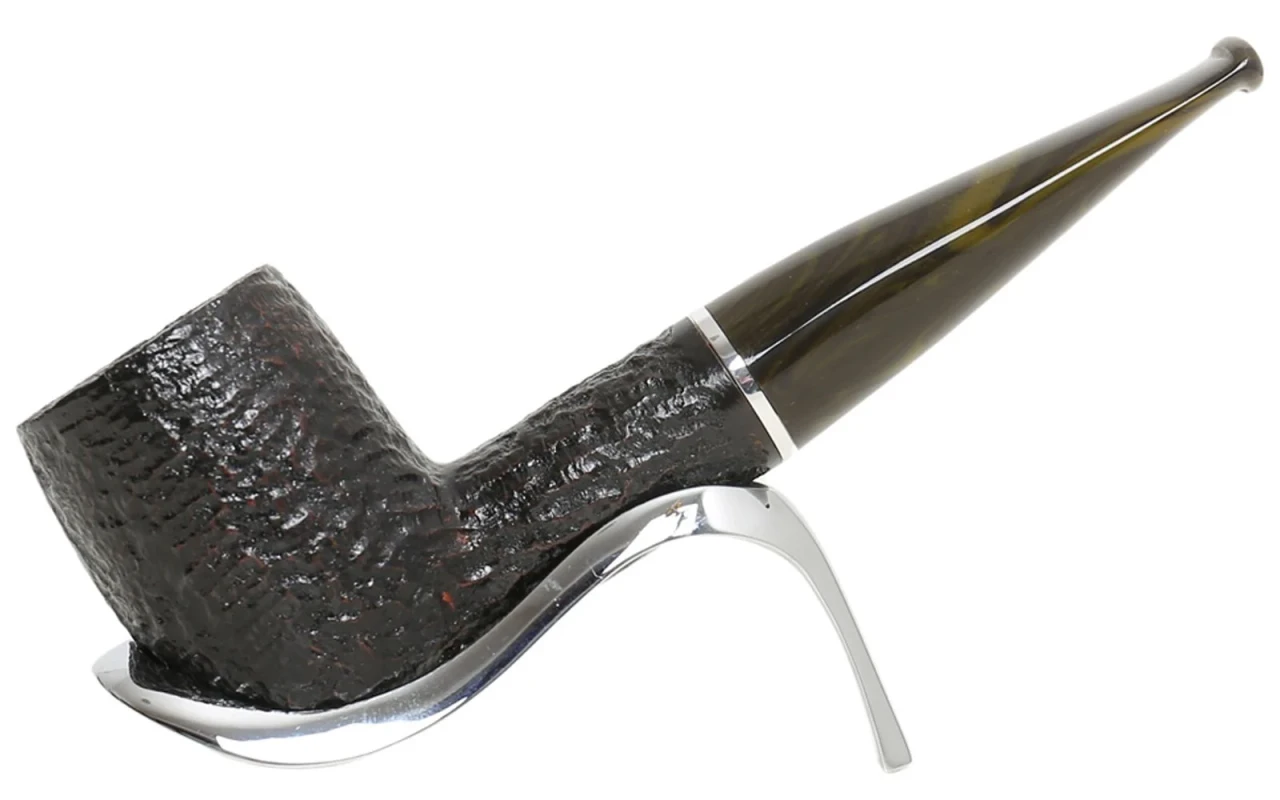
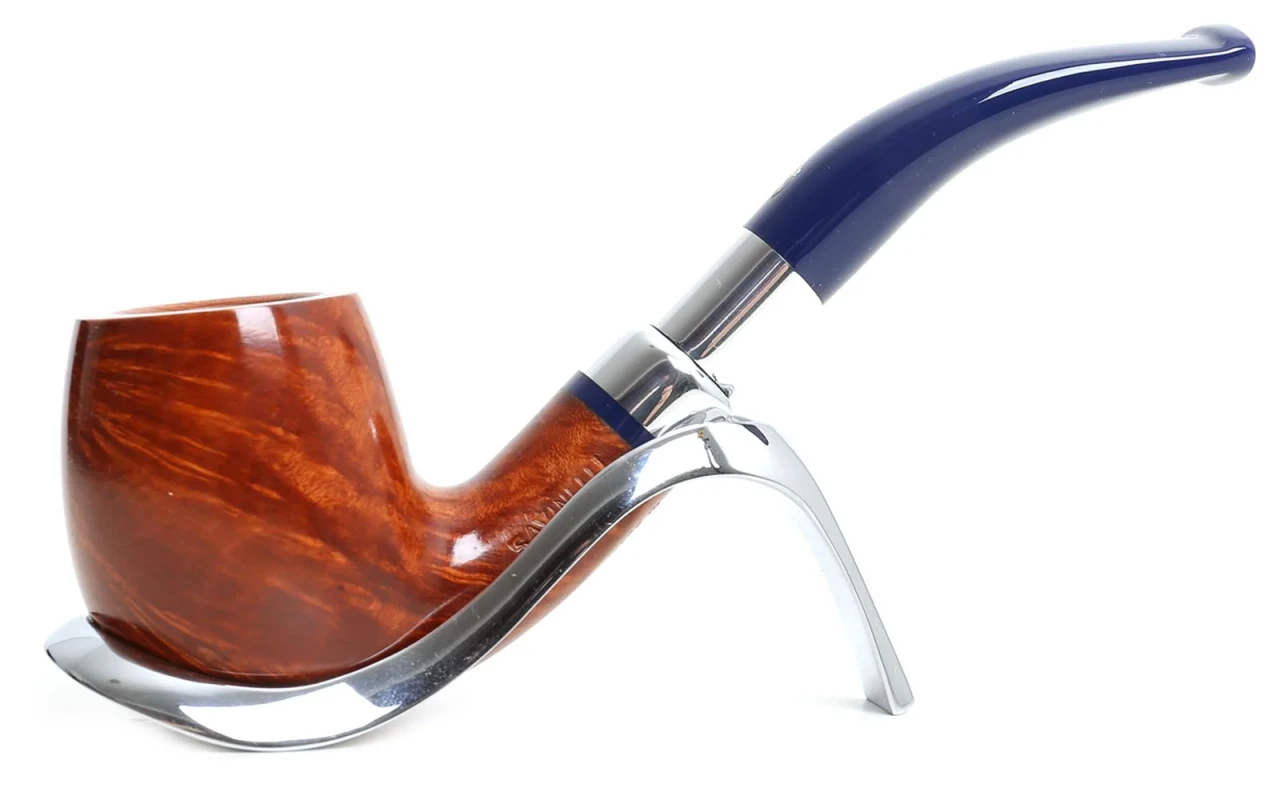
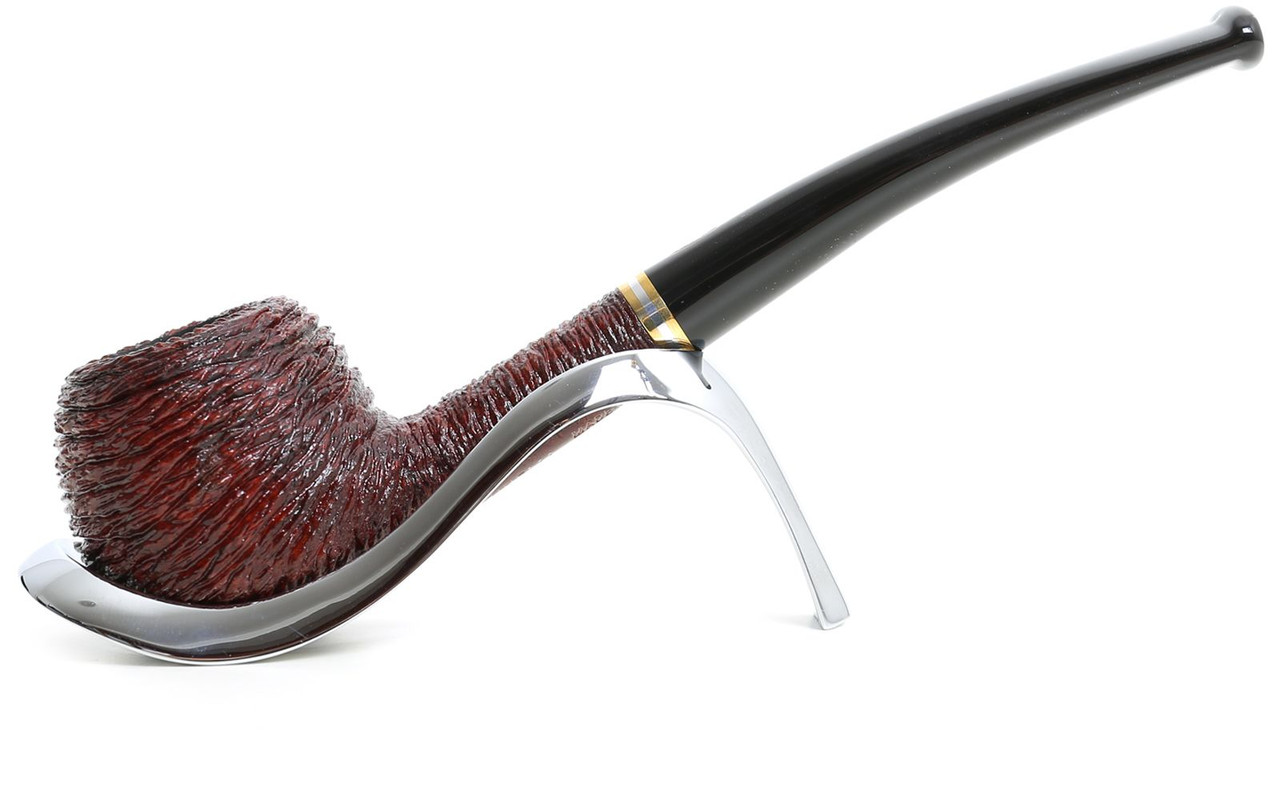
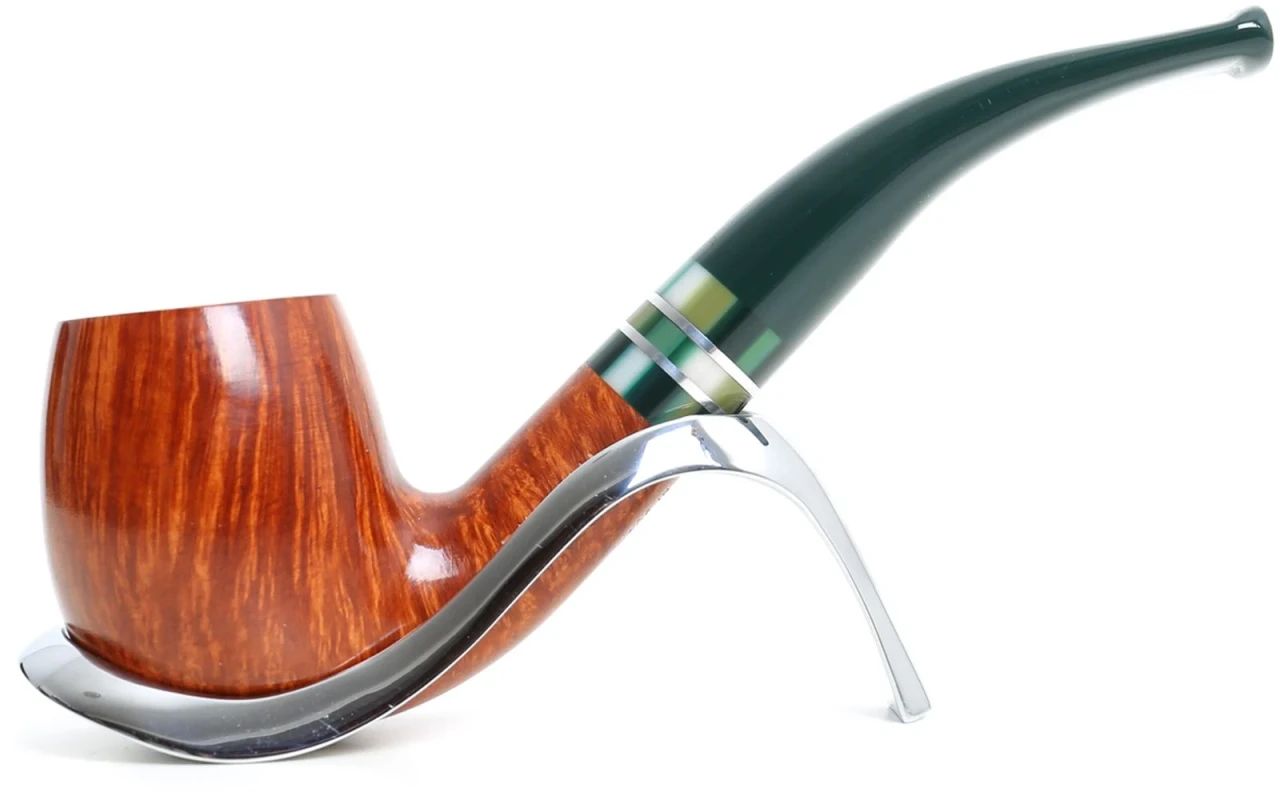
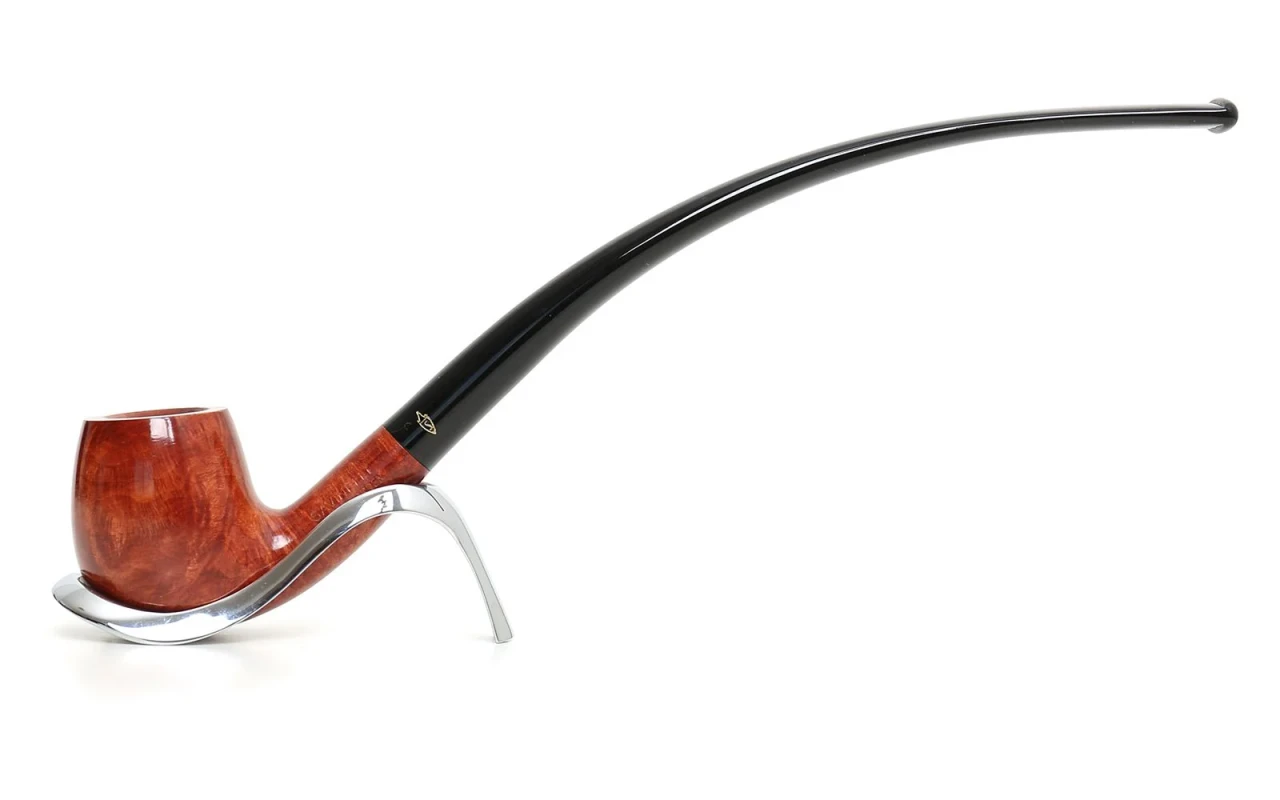
Tobacco pipes are commonly made from briar wood, known for its durability and moisture absorption. Other materials include corn cob, metal, ceramic, and glass, each offering different aesthetic and functional characteristics that affect the smoking experience and pipe maintenance.
What are the most common materials used in tobacco pipes? Deep dive
The most common materials used in tobacco pipes reflect a combination of tradition, functionality, and aesthetics. Briar wood is the most widespread material due to its durability and capacity to absorb moisture, which improves the quality of the smoke. Briar pipes are valued for their heat resistance and the beauty of their natural grain patterns. Besides briar, pipes made from corn cob are particularly popular for their affordability and lightness, although they are less durable. Other materials include metals such as aluminum or steel, mainly used for modern or travel pipes, offering ease of cleaning and robustness. Ceramic and glass are rarer and more decorative choices, often preferred by those seeking a distinctive design or a different smoking experience. Each material influences not only the visual appeal of the pipe but also its maintenance and the perception of the smoke, making the choice personal and tied to the slow smoker’s preferences.