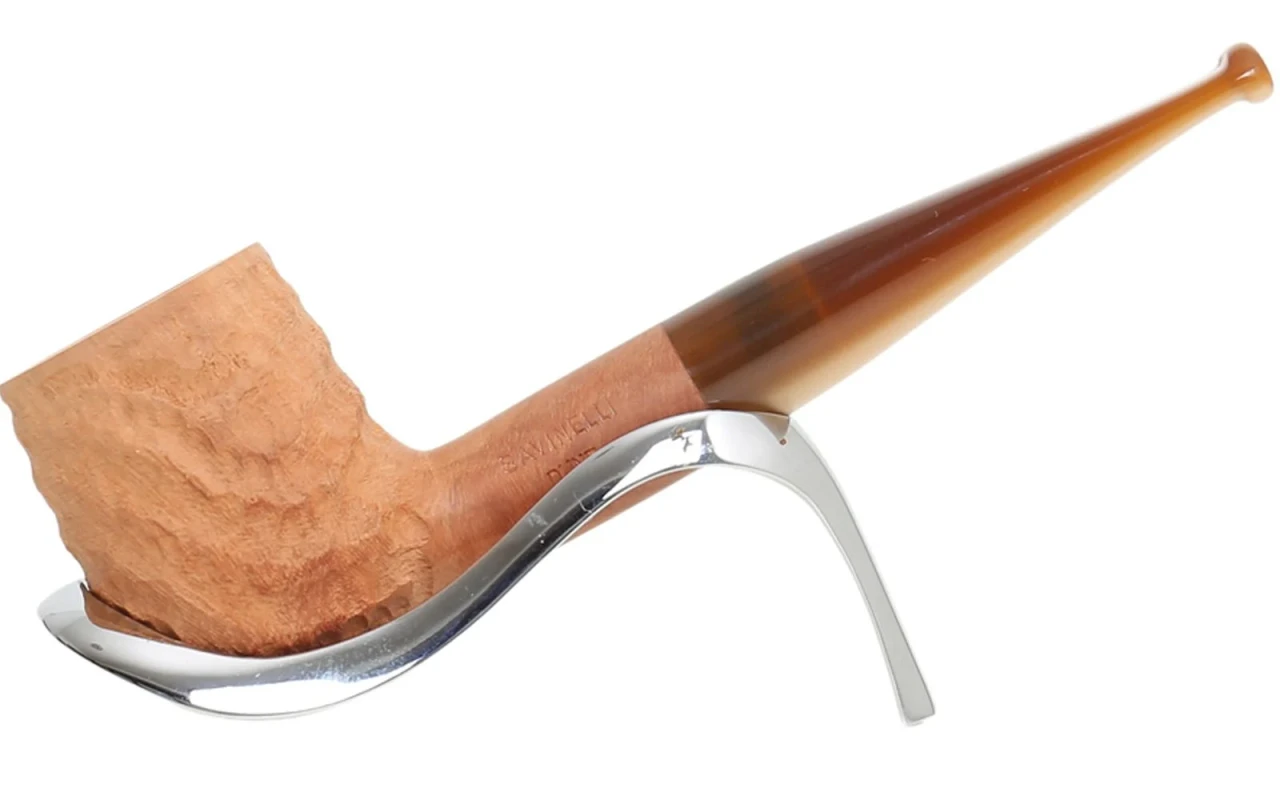
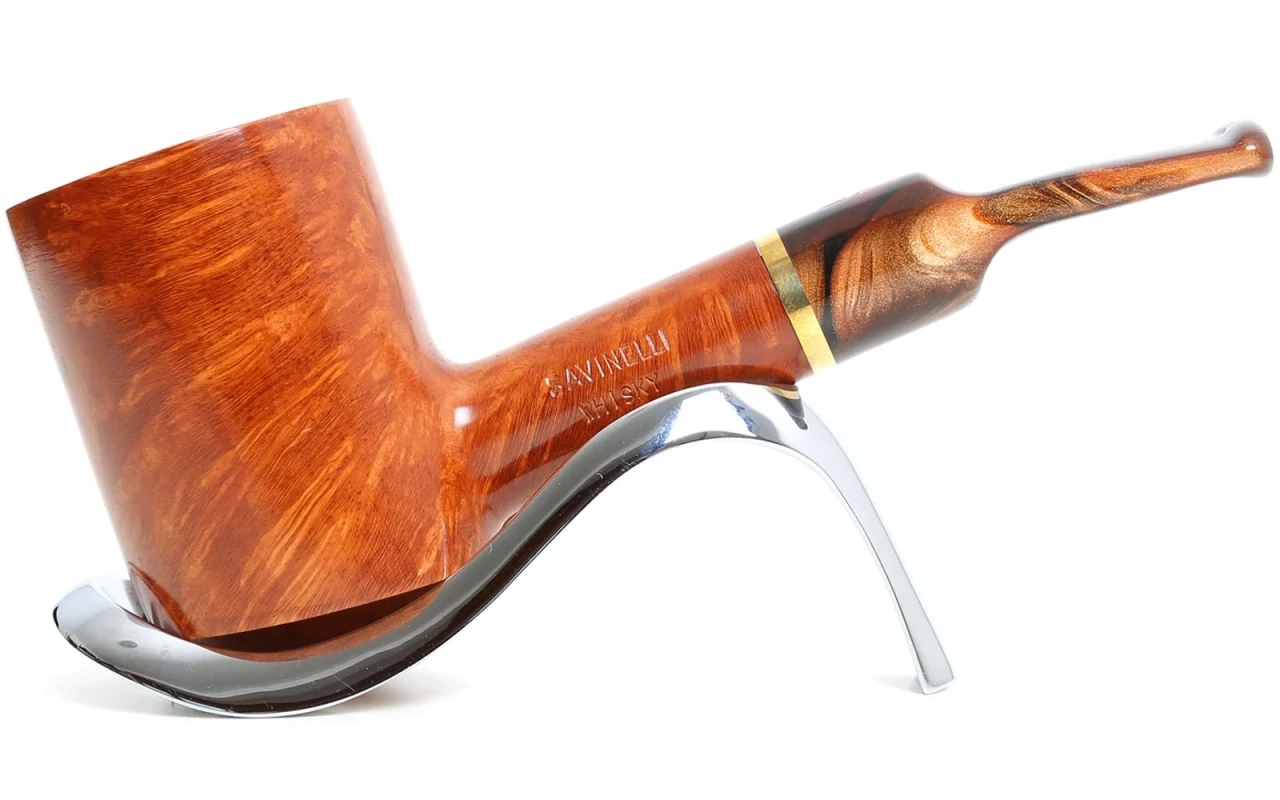
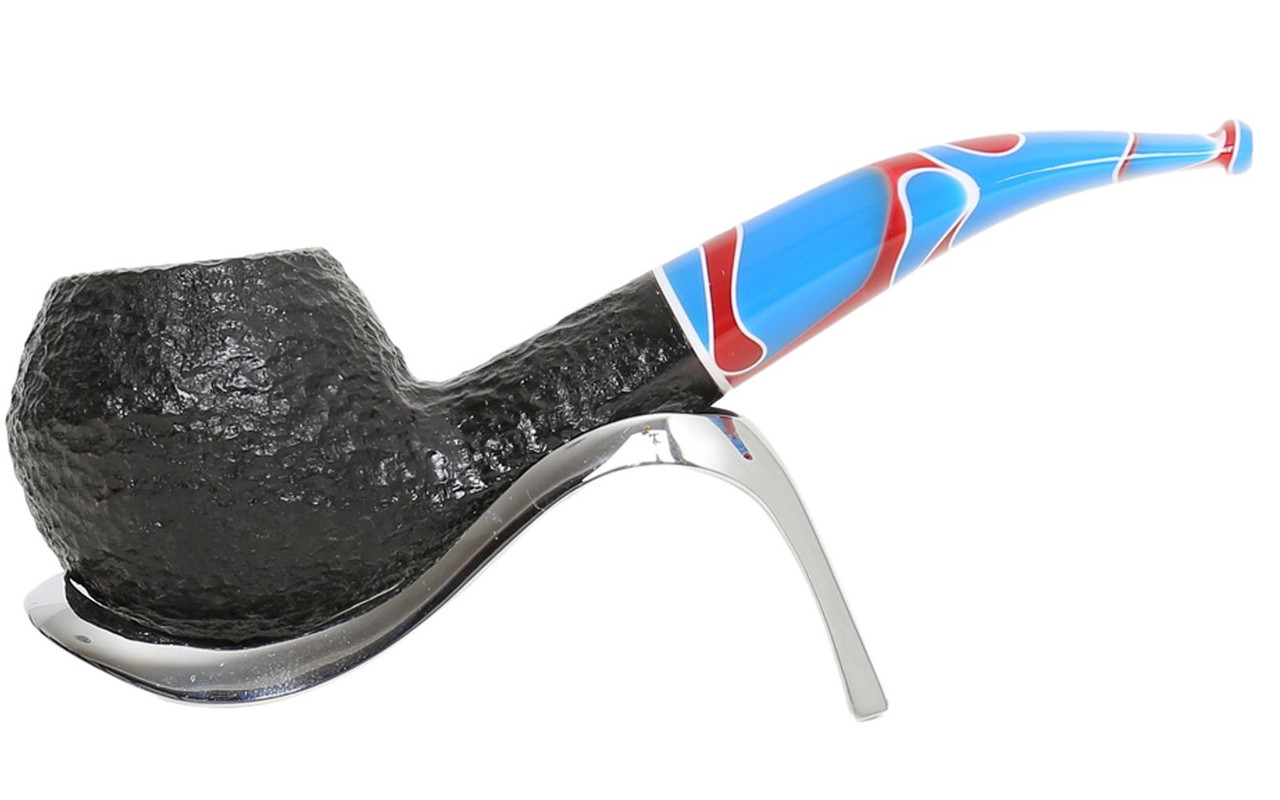
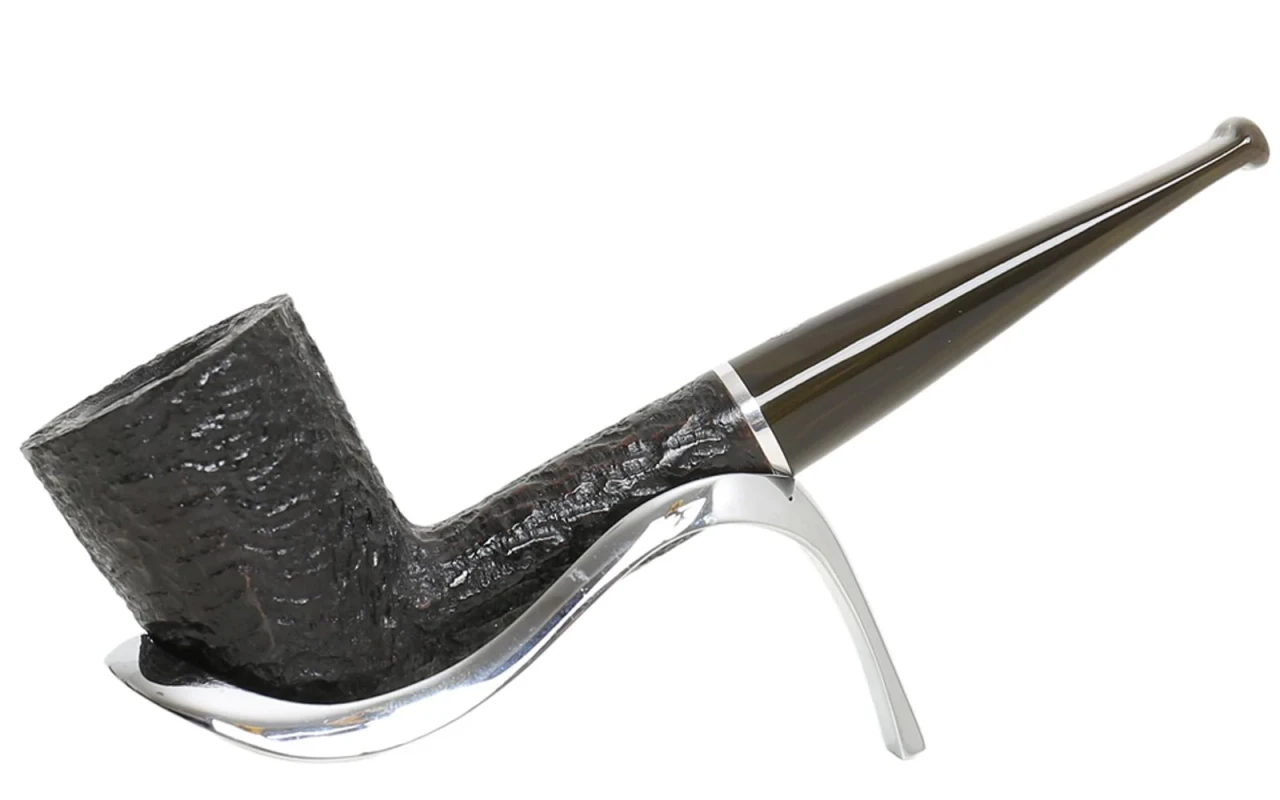
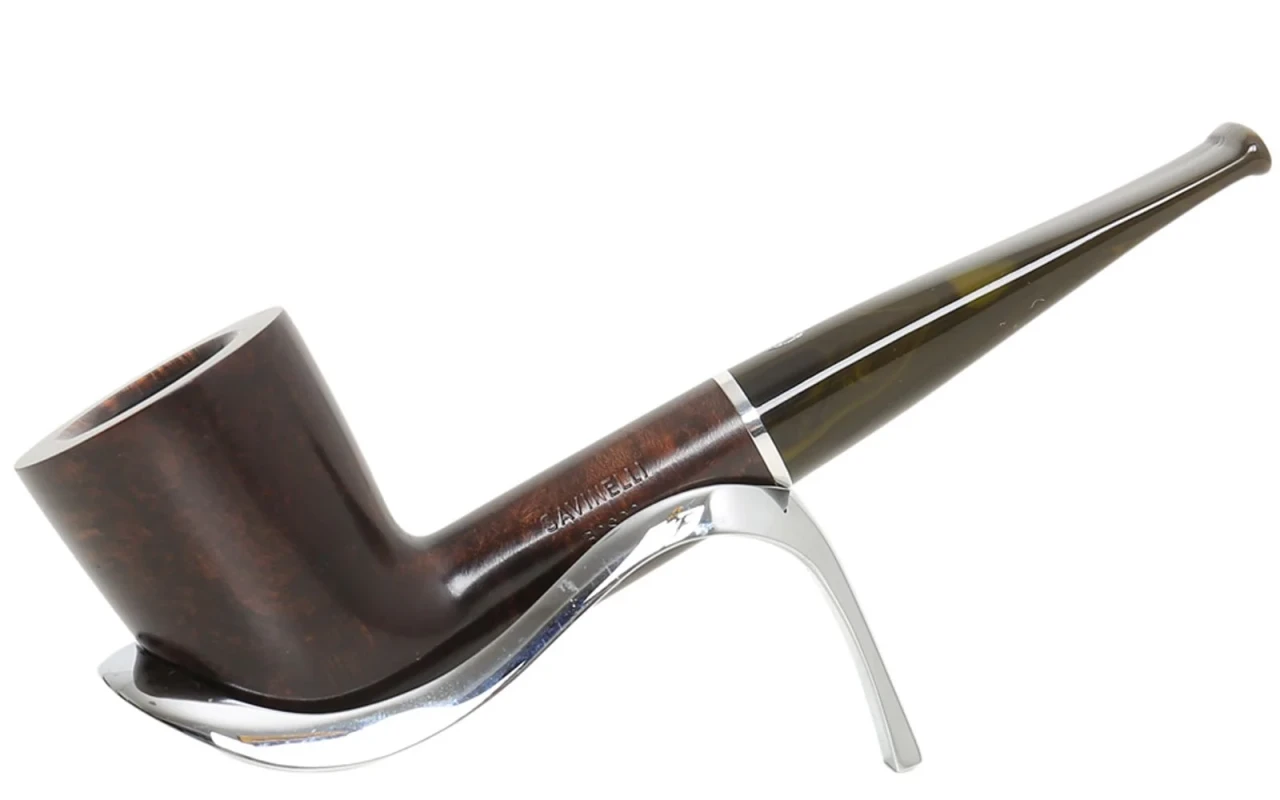
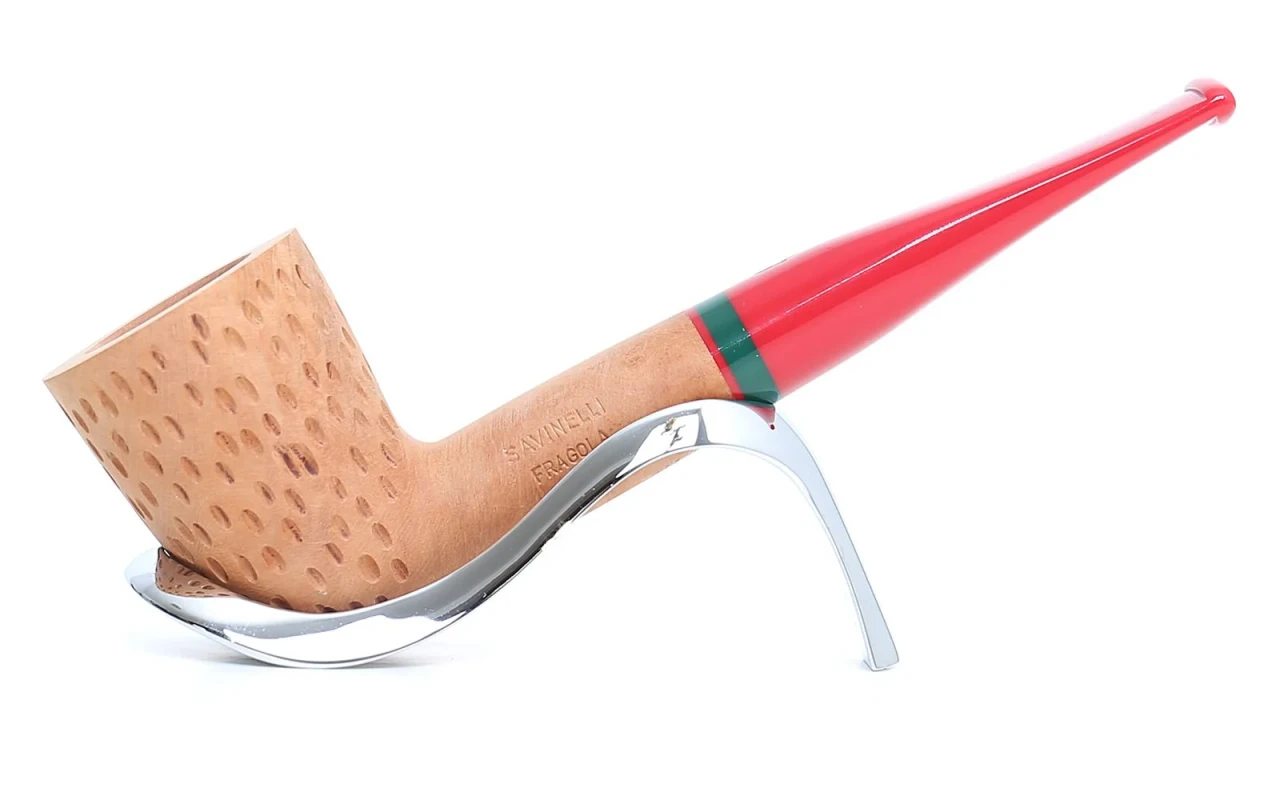
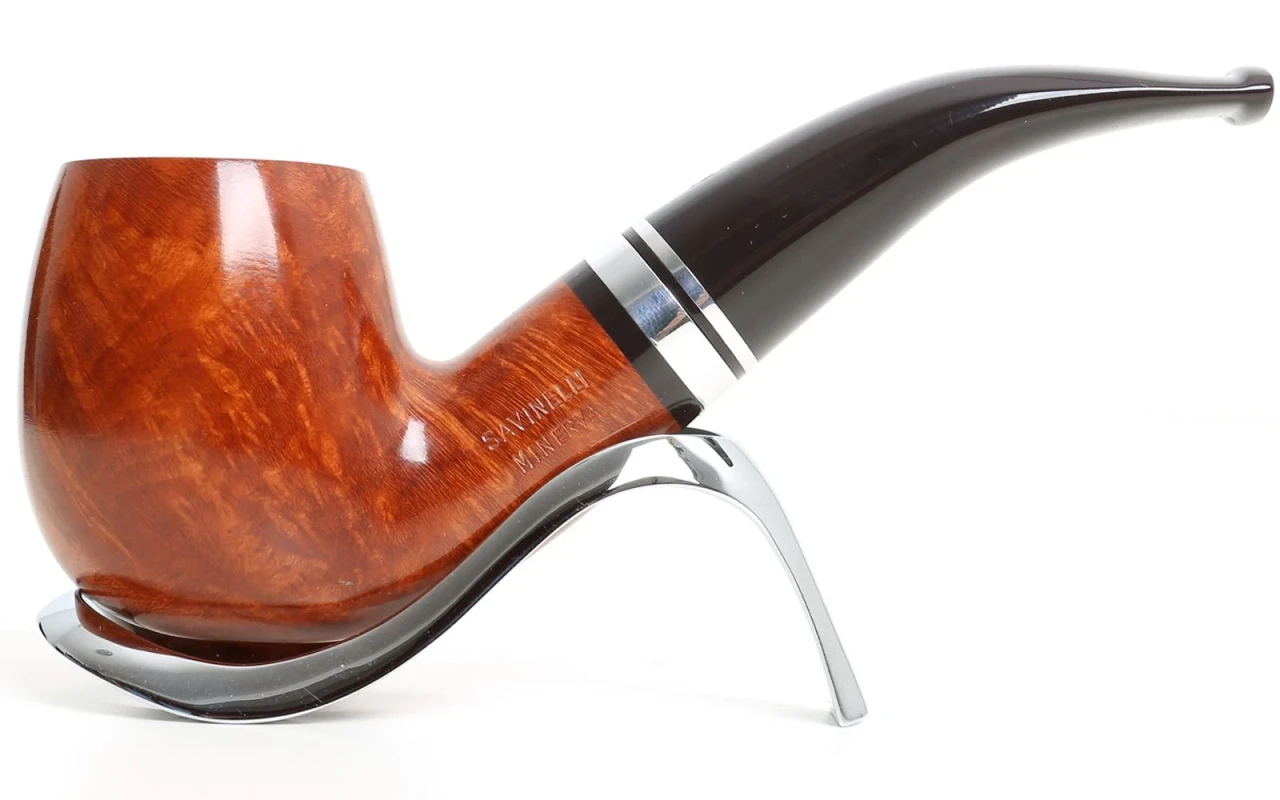
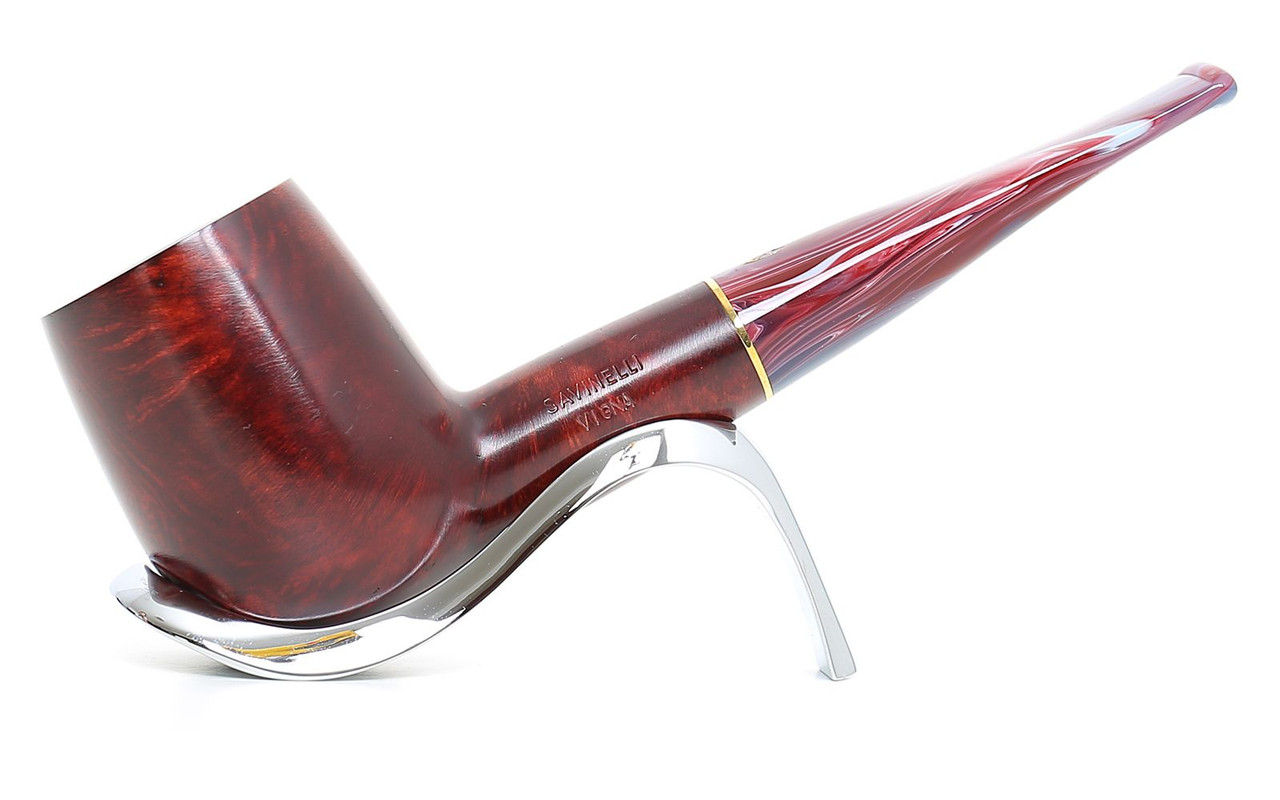
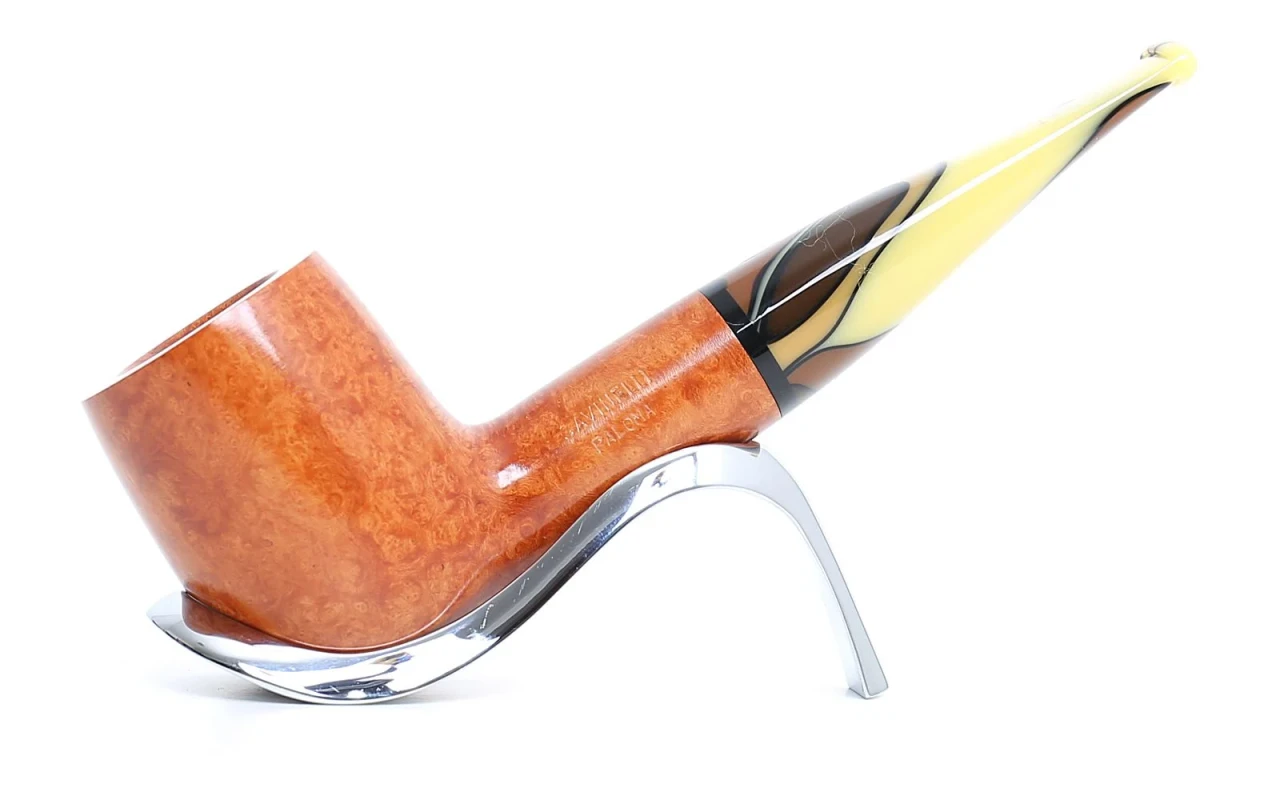
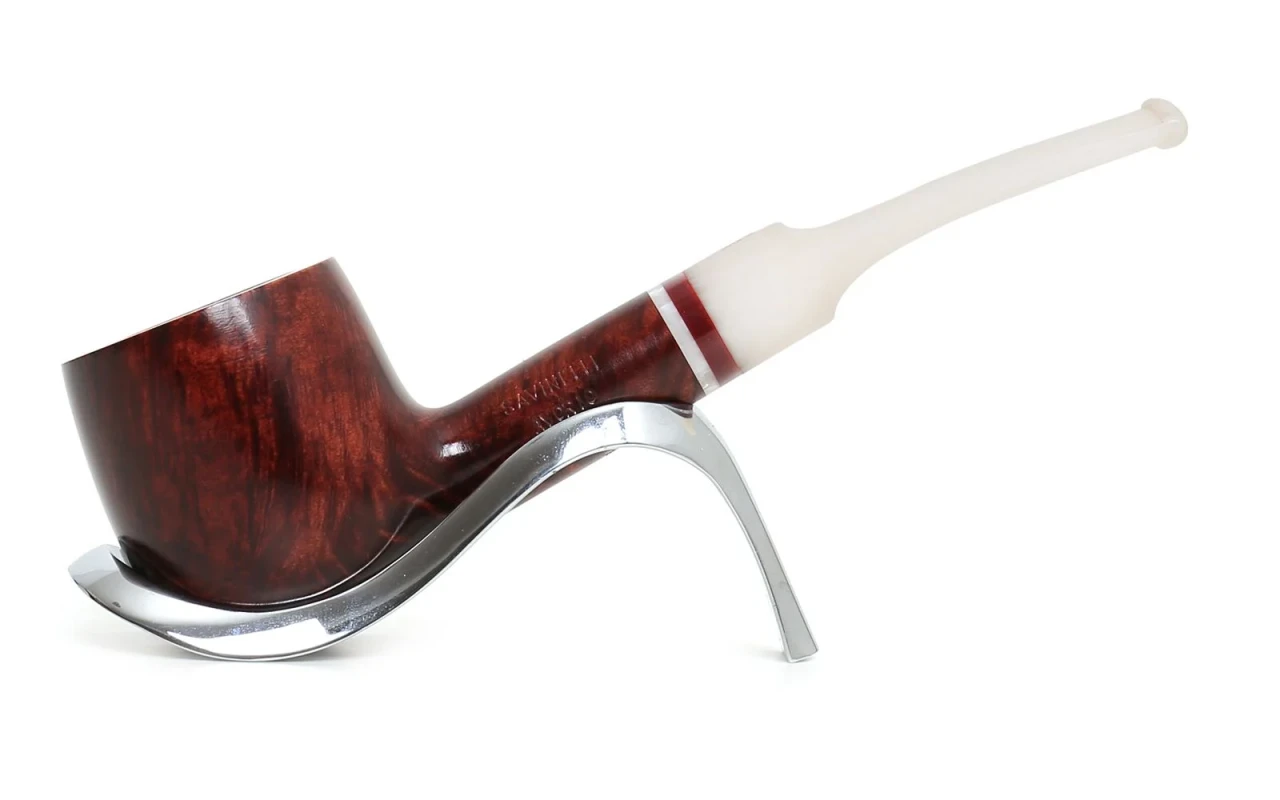
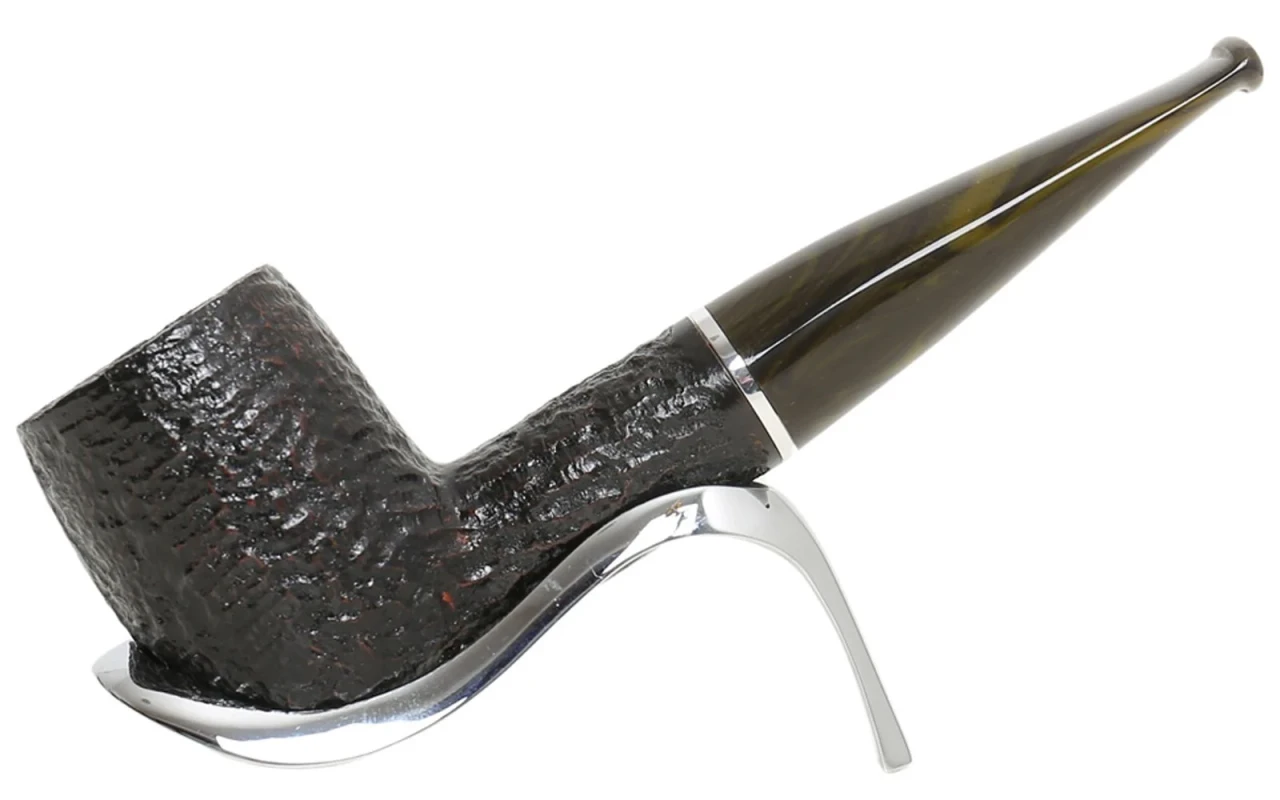
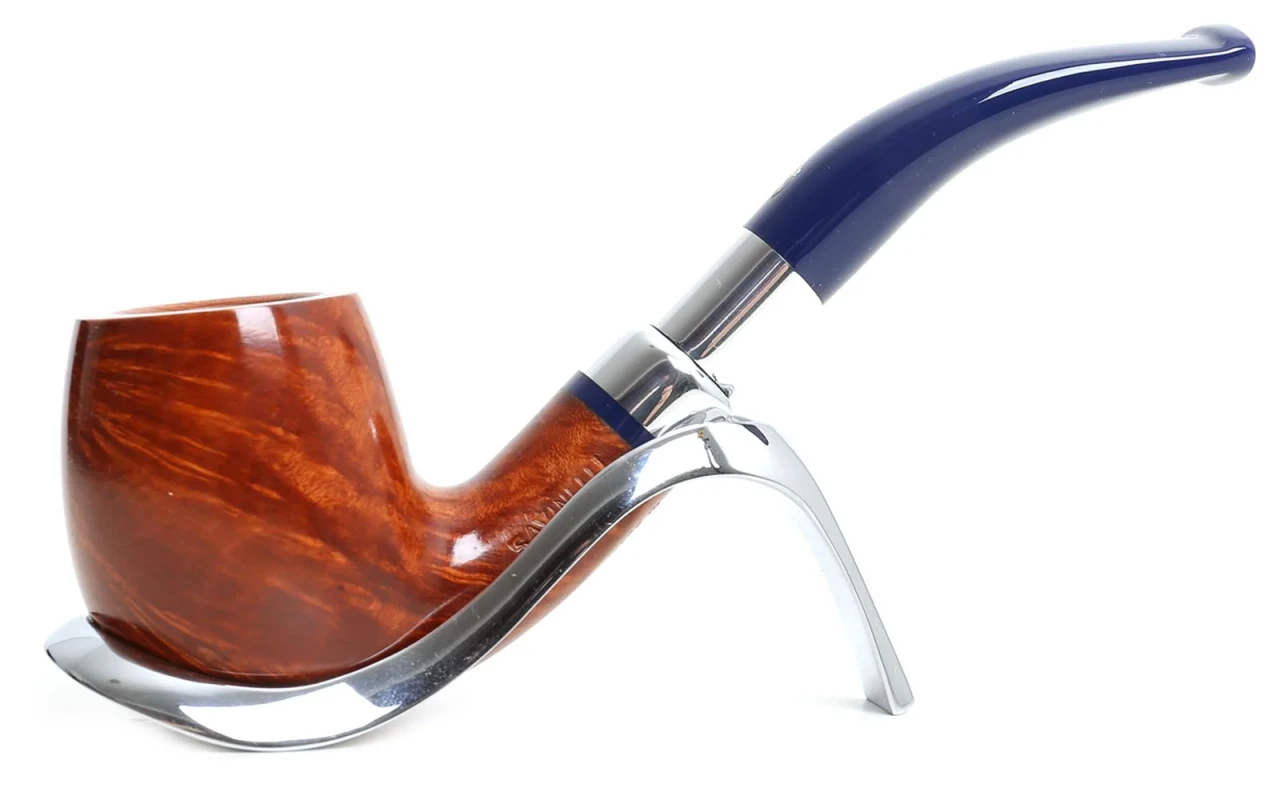
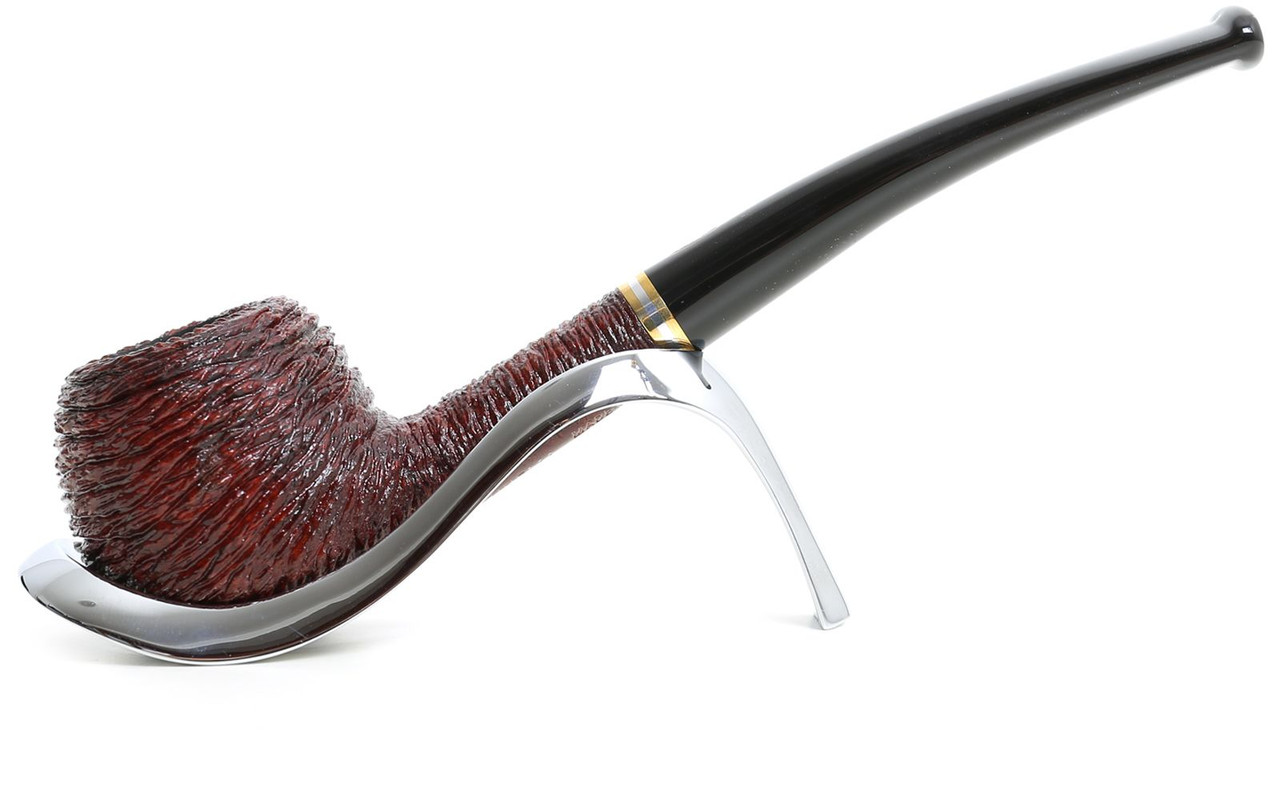
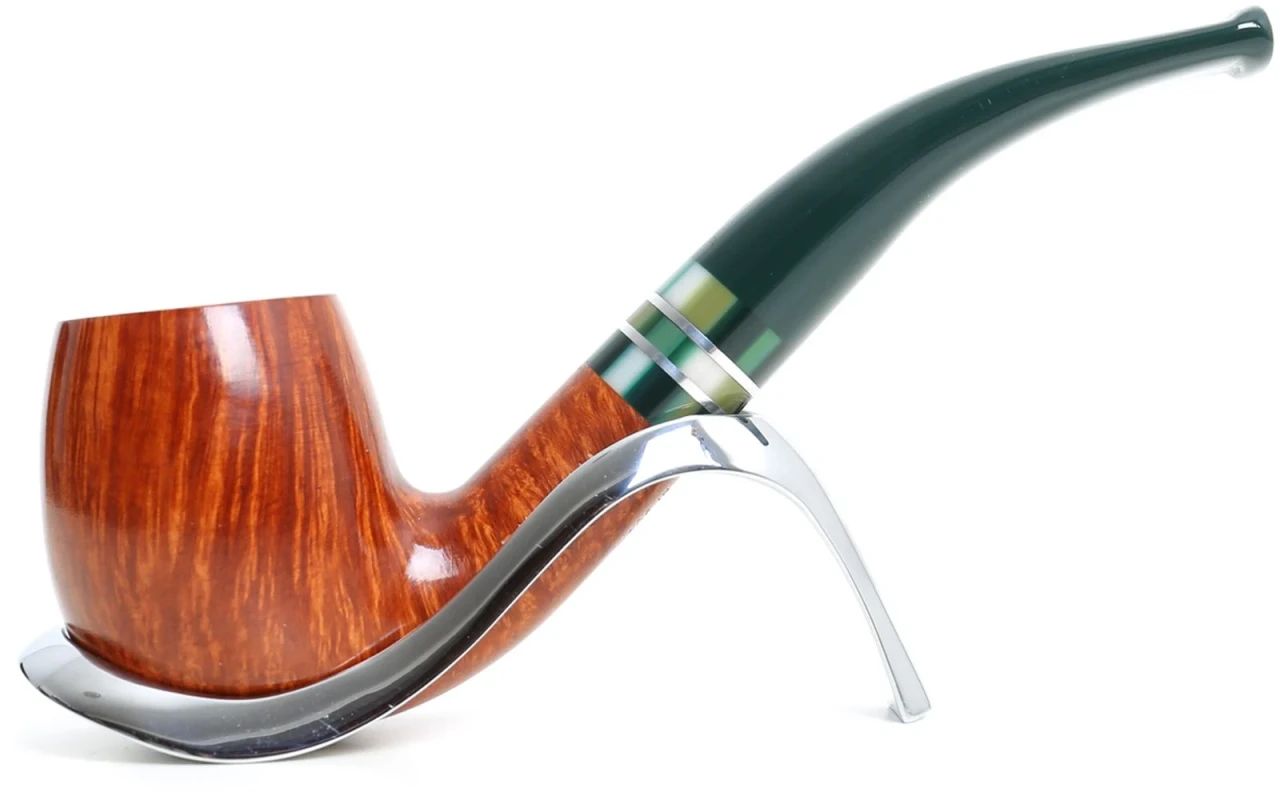
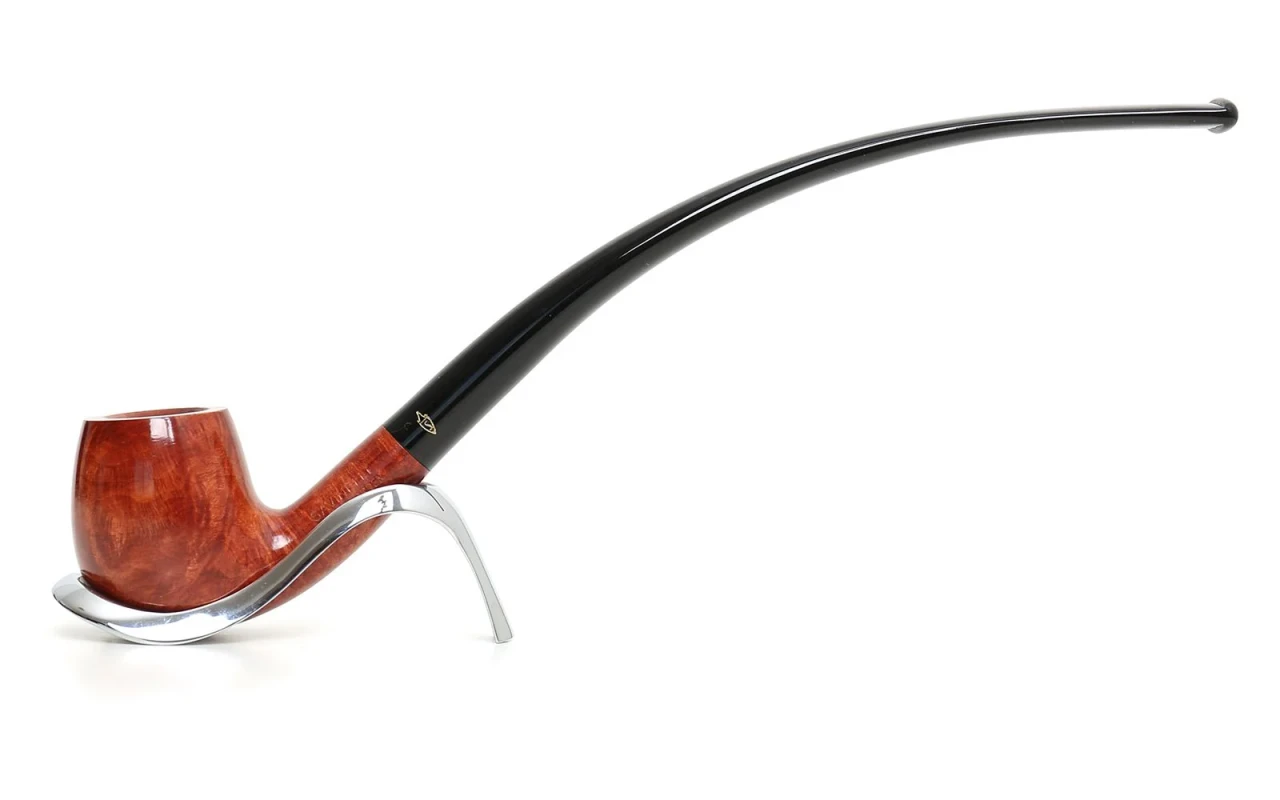
Tobacco pipes are primarily made from briar wood, known for its durability and moisture absorption. Other common materials include corn cob, ceramic, metal, and glass, each offering different aesthetic and functional characteristics that influence the smoking experience.
What materials are tobacco pipes made of? Deep dive
Tobacco pipes are traditionally crafted from briar wood, a prized material harvested from the root burl of Erica arborea. Briar is valued for its durability, light weight, and ability to absorb moisture, all of which contribute to a more enjoyable and drier smoking experience. In addition to briar, pipes are also made from alternative materials such as corn cob, often used for economical and lightweight pipes; ceramic, which provides good heat resistance and unique aesthetics; metal, offering robustness and longevity; and glass, allowing the smoker to observe the smoke during use. Each material affects not only the pipe’s aesthetic but also its functionality, including heat management and ease of maintenance. Thus, the choice of material depends on the smoker’s personal preferences, the type of tobacco used, and the intended use of the pipe.